Film library · level
College: the core
156 films in 3 courses, about 8 h 58 min in all. The three subjects every biology degree requires. Each course also stands on its own.
Have 10, 20, 30 minutes? Start at your next unwatched film.
-
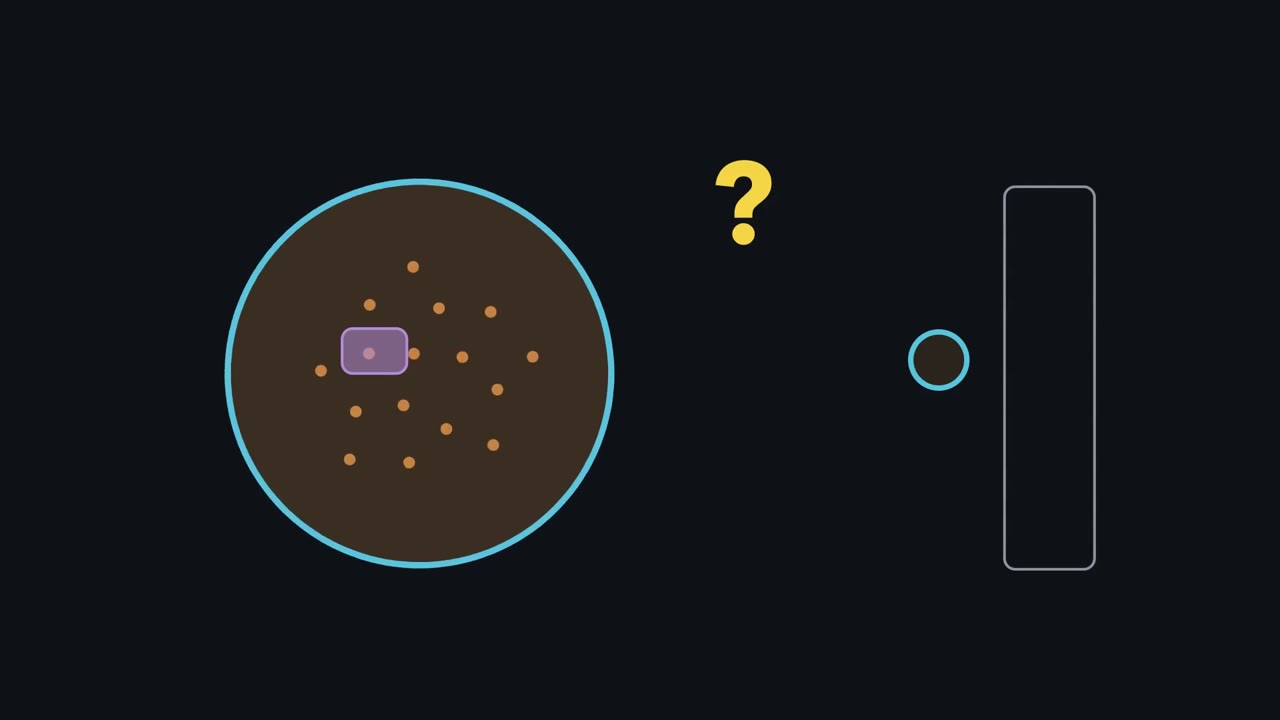 First film Length 3:33 Amount over Volume Cell Biology · College: the core Cells Control Their Size: A Measured Eukaryotic Cell
Take-home
In a leading but debated model, budding-yeast daughters get about the same dose of the brake Whi5, so a small one must grow more to dilute it before Start, closing only part of the size gap.
-
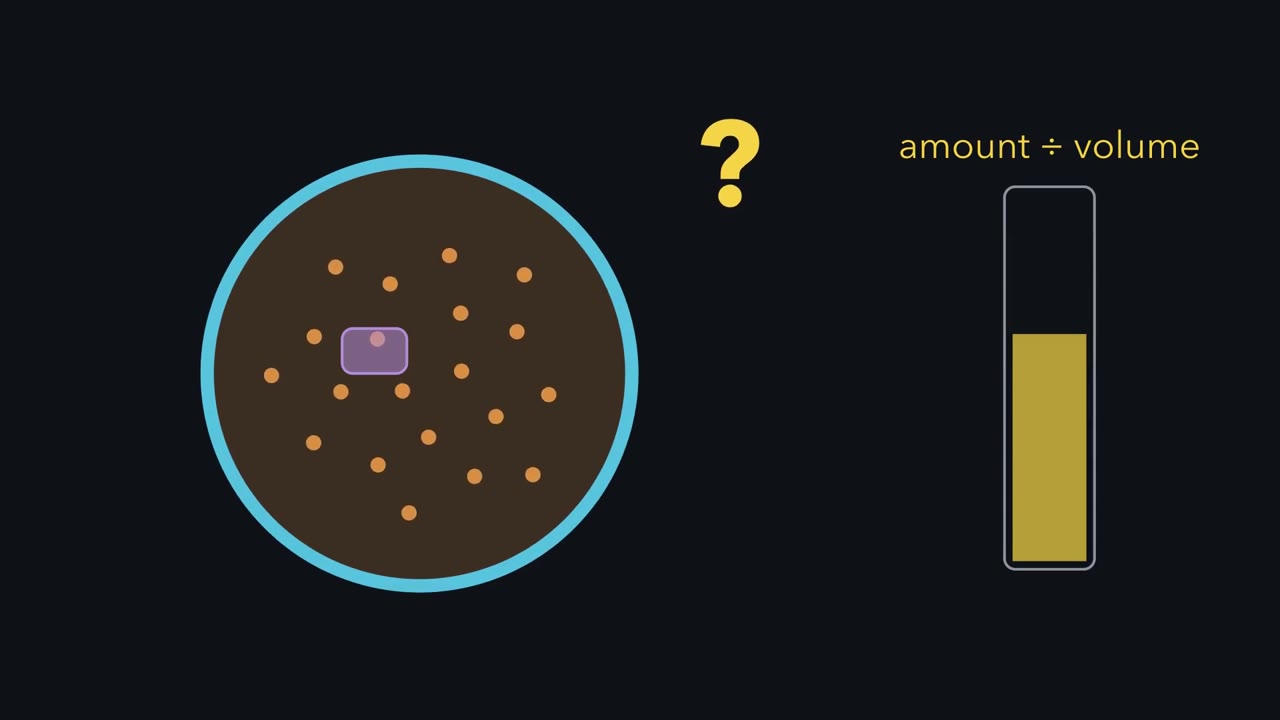 Second film Length 3:15 Where the Volume Goes Cell Biology · College: the core Cells Control Their Size: A Measured Eukaryotic Cell
Take-home
A membrane-bound compartment's share is its volume divided by the cell's, and it belongs to one cell type: the nucleus is about 27% of a cultured hamster V79 cell but about 8% of a fission-yeast cell.
-
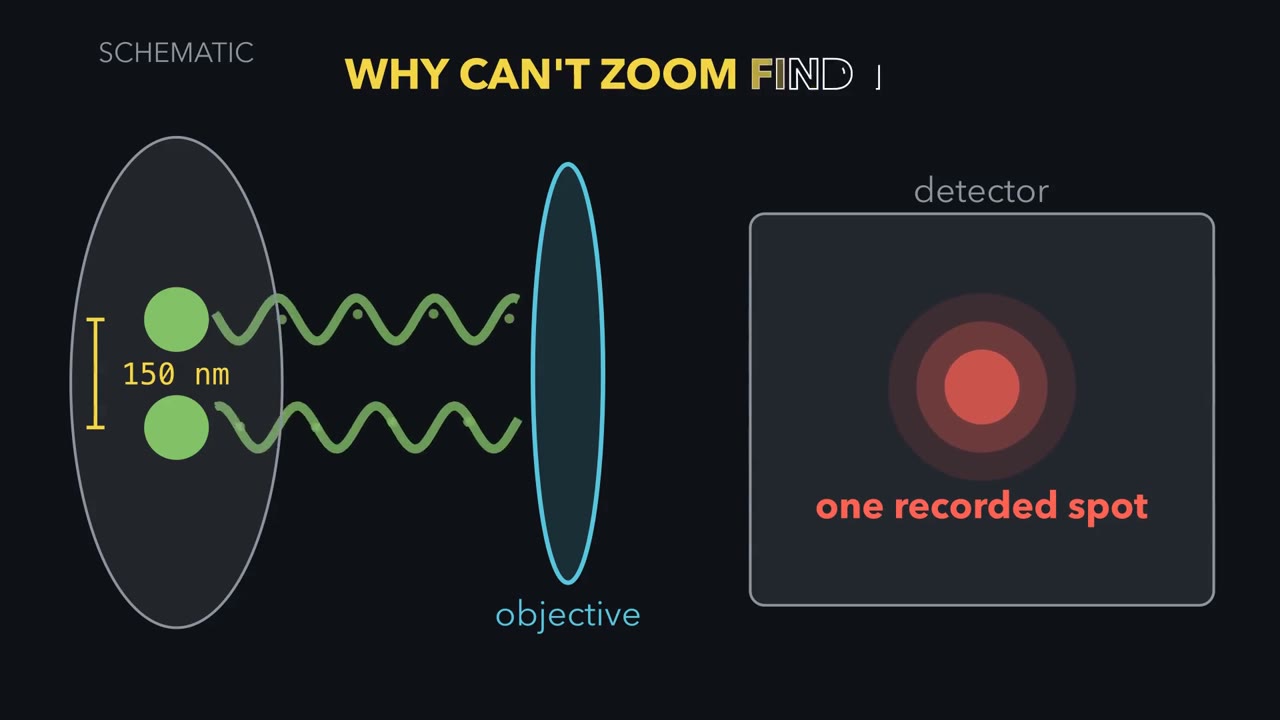 First film Length 3:55 What Zoom Cannot Recover Cell Biology · College: the core Microscopy and Quantitative Images
Take-home
In ideal widefield fluorescence, every point becomes a blur.
-
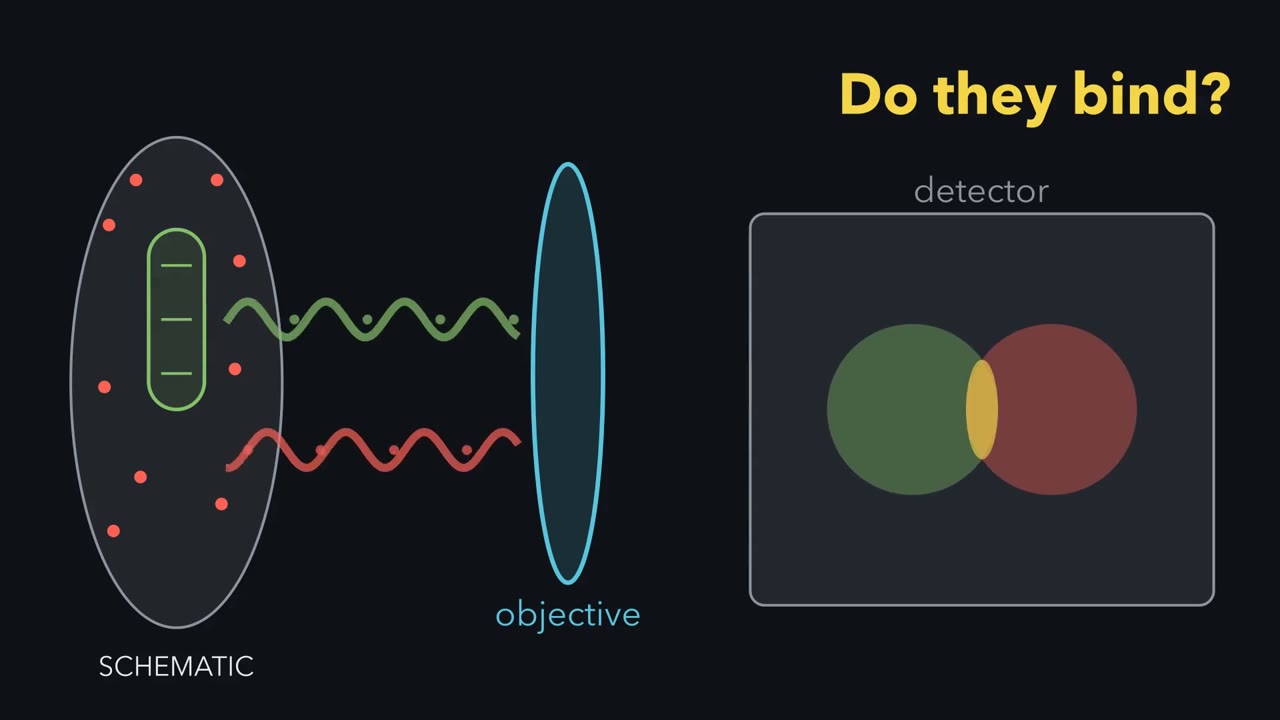 Second film Length 3:42 What an Overlap Can Claim Cell Biology · College: the core Microscopy and Quantitative Images
Take-home
A controlled, in-focus colour overlap supports proximity at roughly one resolution volume.
-
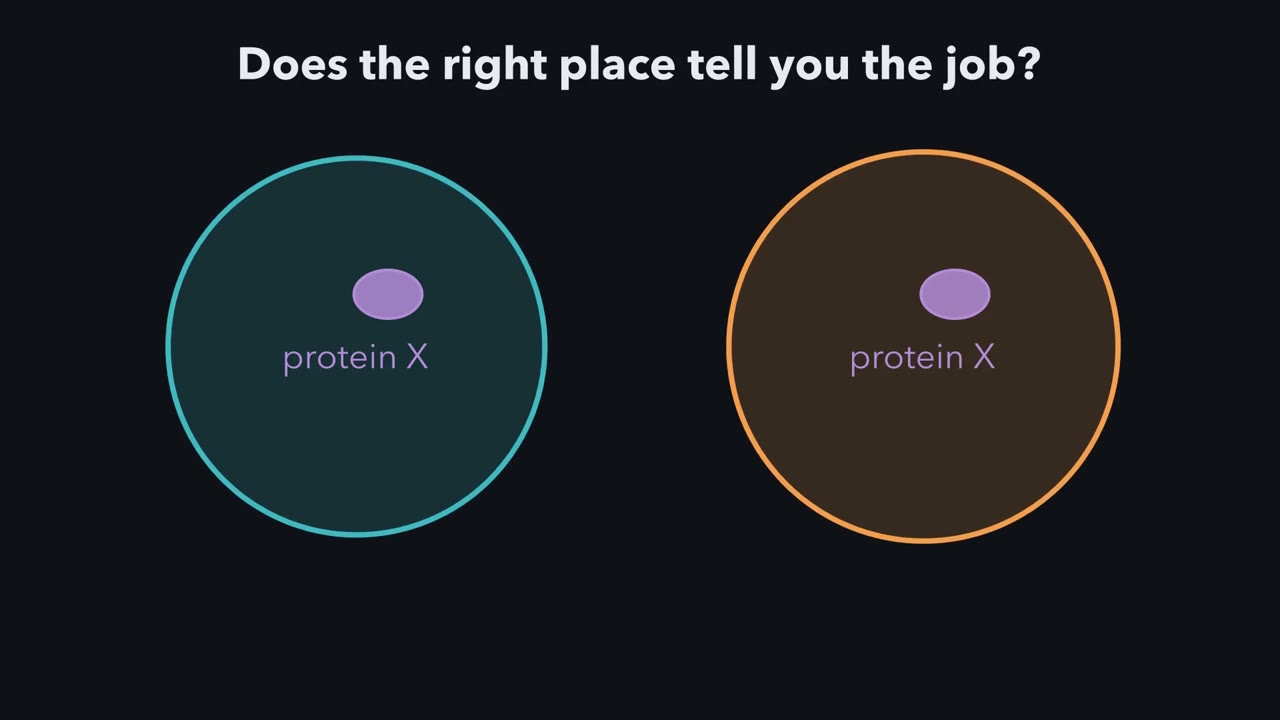 First film Length 3:48 Where the Twins Disagree Cell Biology · College: the core Experiments That Distinguish Mechanisms
Take-home
A result can choose between two models only where the twins disagree.
-
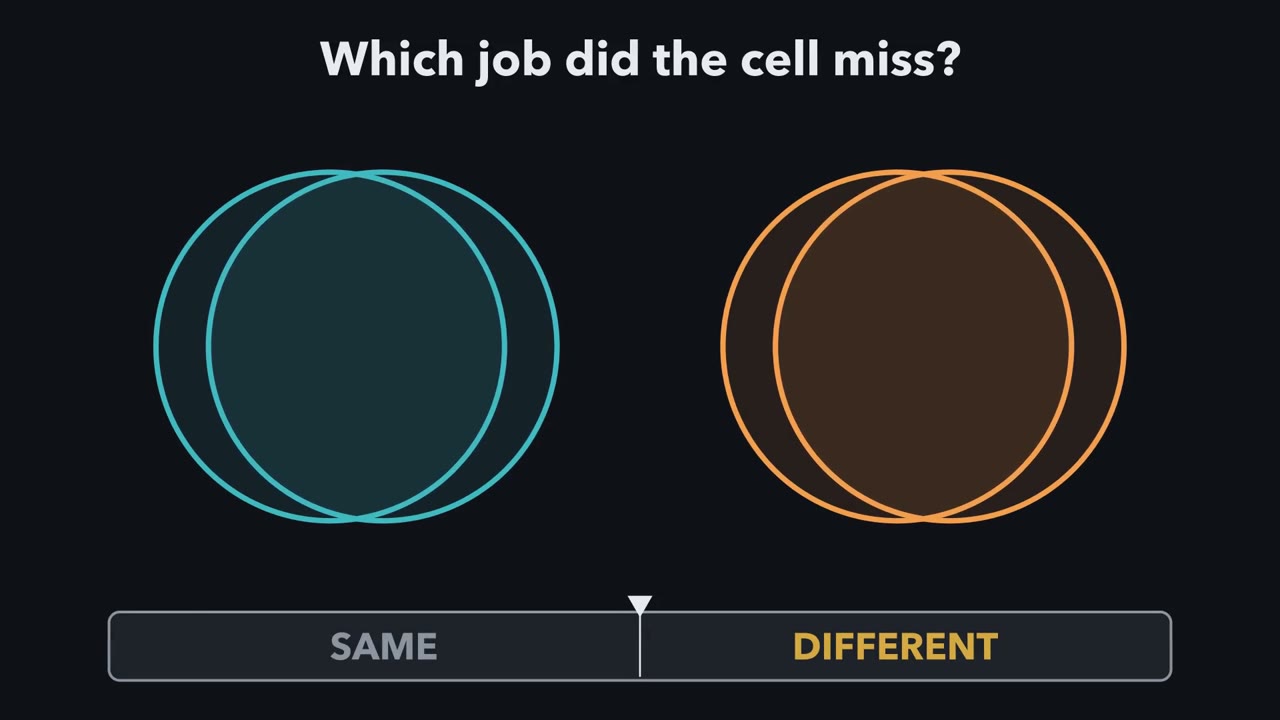 Second film Length 3:08 Two Jobs, One Protein Cell Biology · College: the core Experiments That Distinguish Mechanisms
Take-home
A rescue with a resistant copy strongly supports that the defect came from losing the protein, not which of its jobs mattered.
-
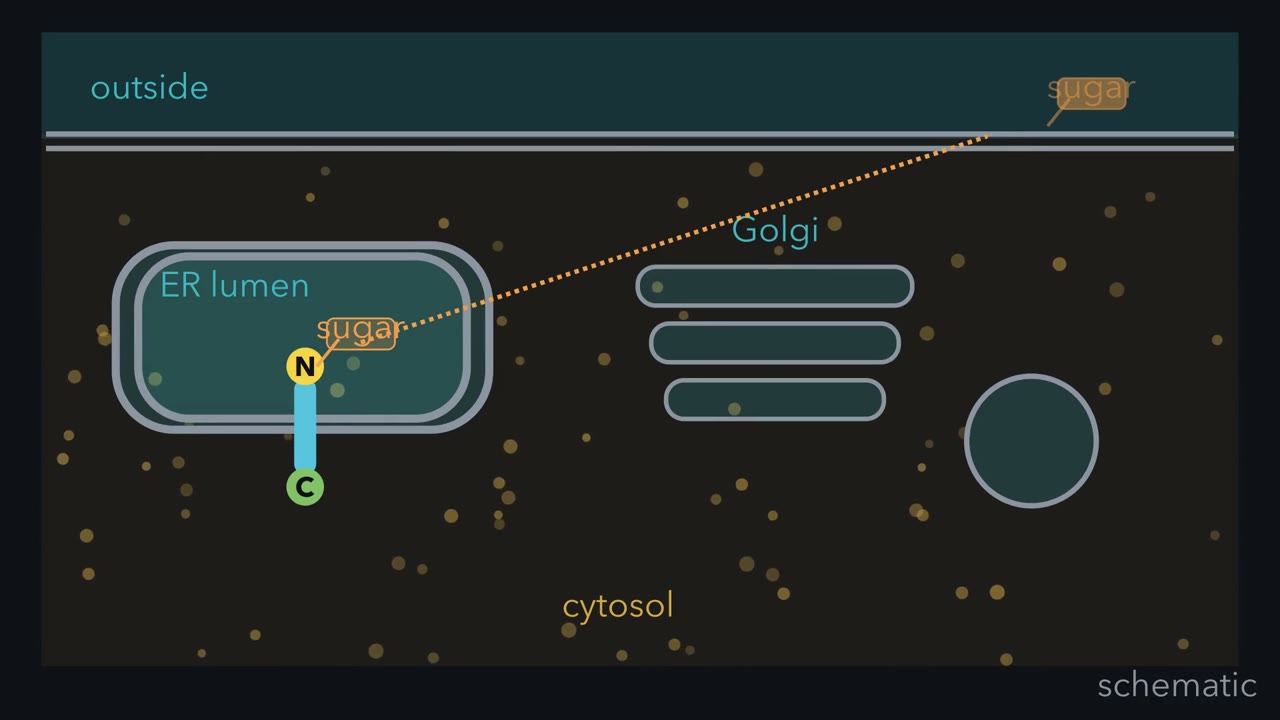 First film Length 2:53 Which Side Is Outside? Cell Biology · College: the core Membrane Organization and Topology
Take-home
Membranes on the ordinary secretory and endocytic routes have two faces: one touches the cytosol, the other a lumen or the outside.
-
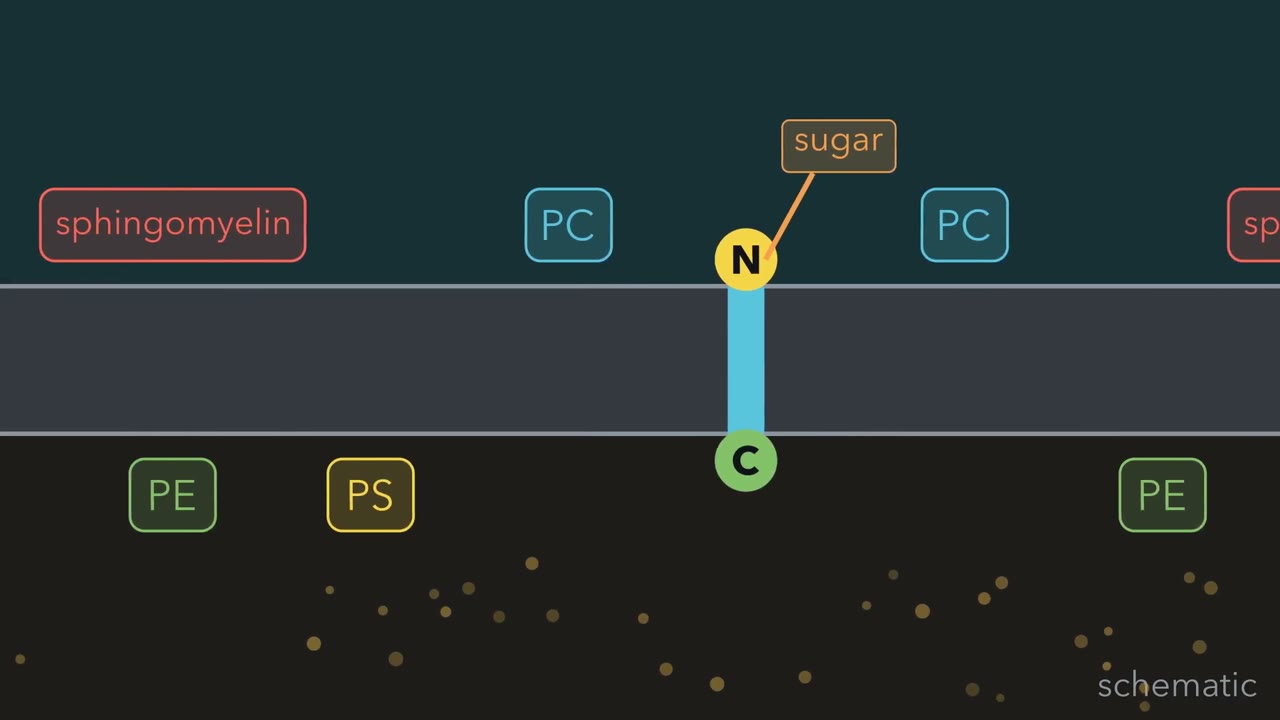 Second film Length 3:43 Across or Along the Membrane? Cell Biology · College: the core Membrane Organization and Topology
Take-home
In red blood cells, PS and PE sit mainly on the cytoplasmic leaflet, PC and sphingomyelin mainly on the outer leaflet.
-
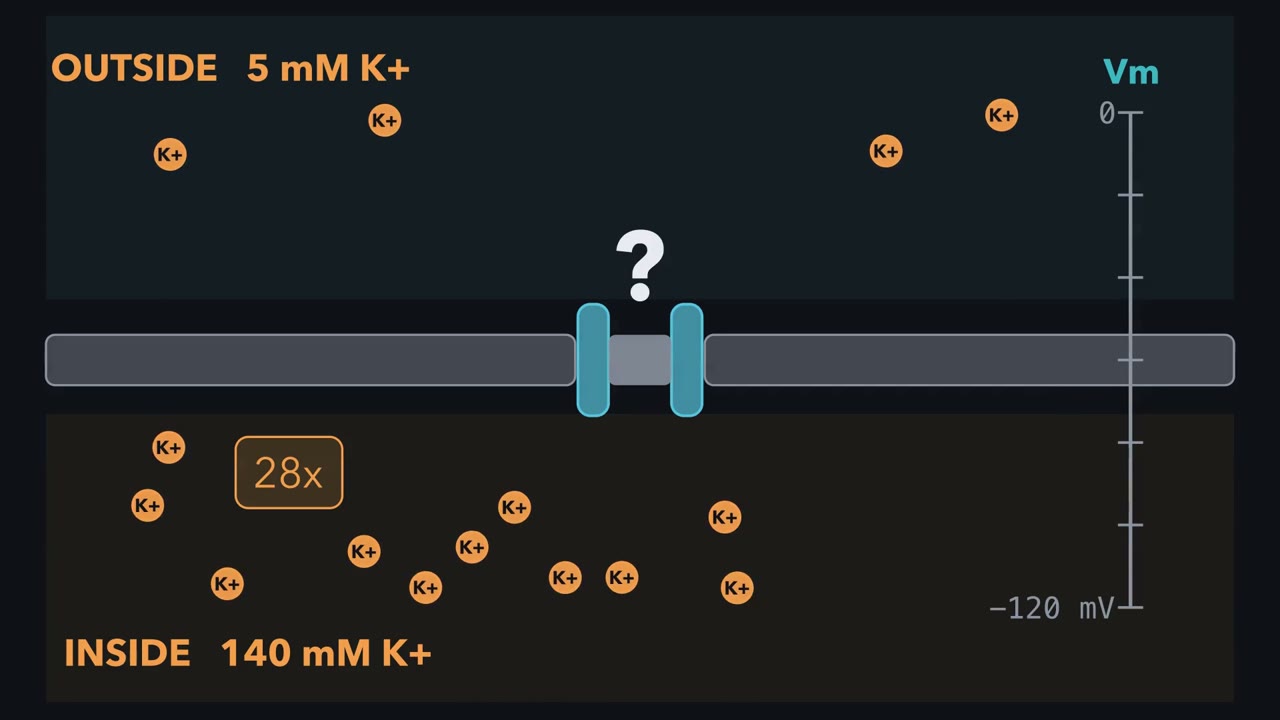 First film Length 3:18 Two Pushes, One Hill Cell Biology · College: the core Transport Across Membranes
Take-home
An ion feels two pushes: its concentration difference and the membrane voltage.
-
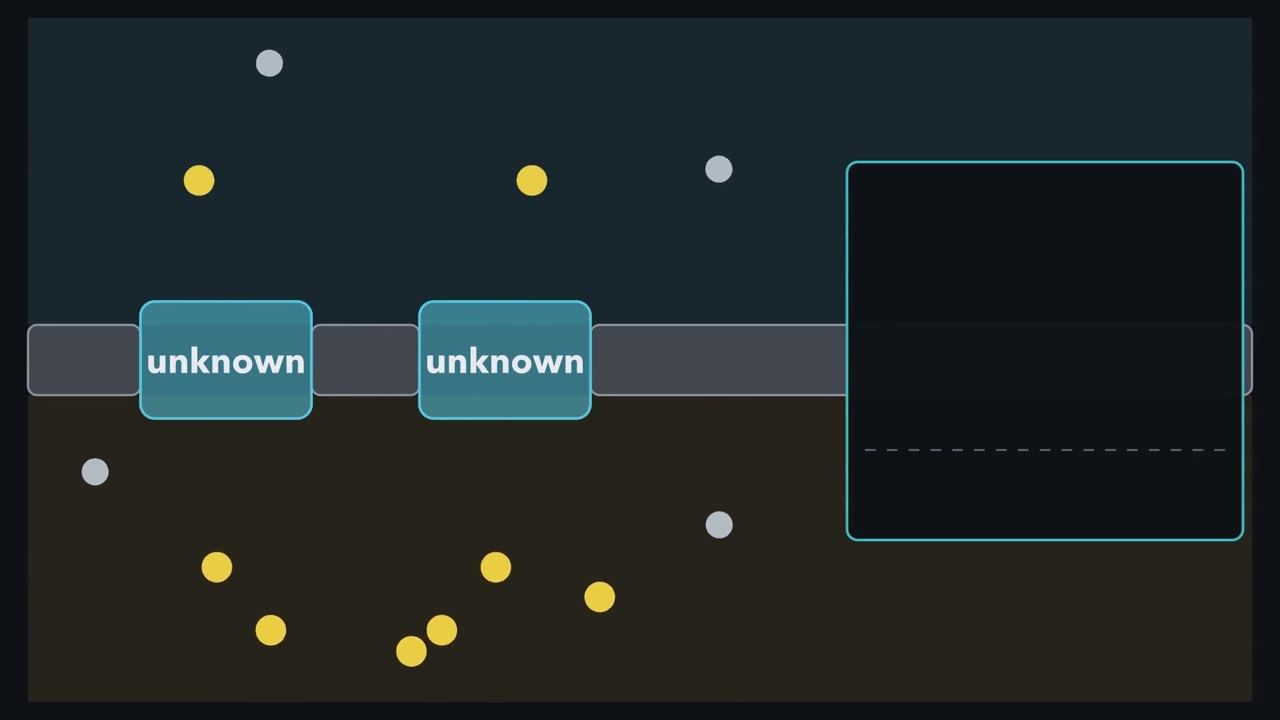 Second film Length 3:35 Read the Traffic Cell Biology · College: the core Transport Across Membranes
Take-home
An open channel forms a continuous pore, while a carrier completes an alternating-access cycle.
-
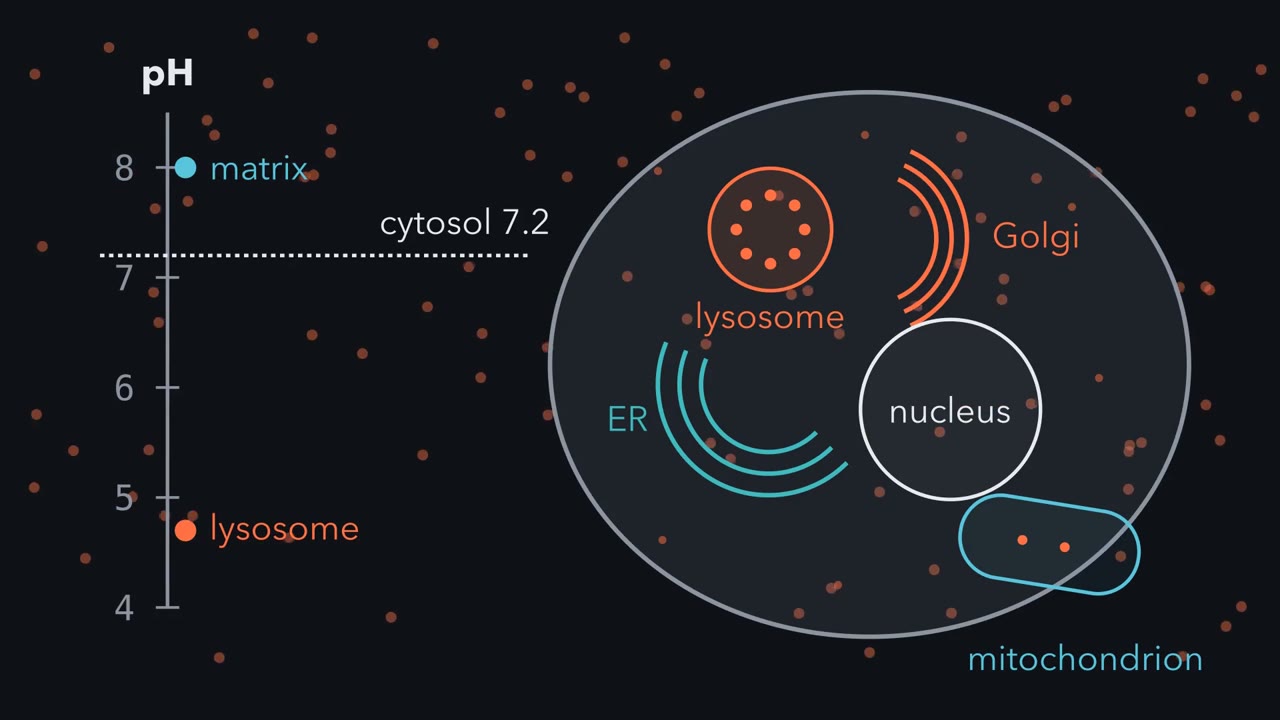 First film Length 3:56 A Tap, a Hole, a Level Cell Biology · College: the core Organelles as Distinct Environments
Take-home
A membrane leaks, so each gradient here lasts only while a pump keeps paying to balance the leak.
-
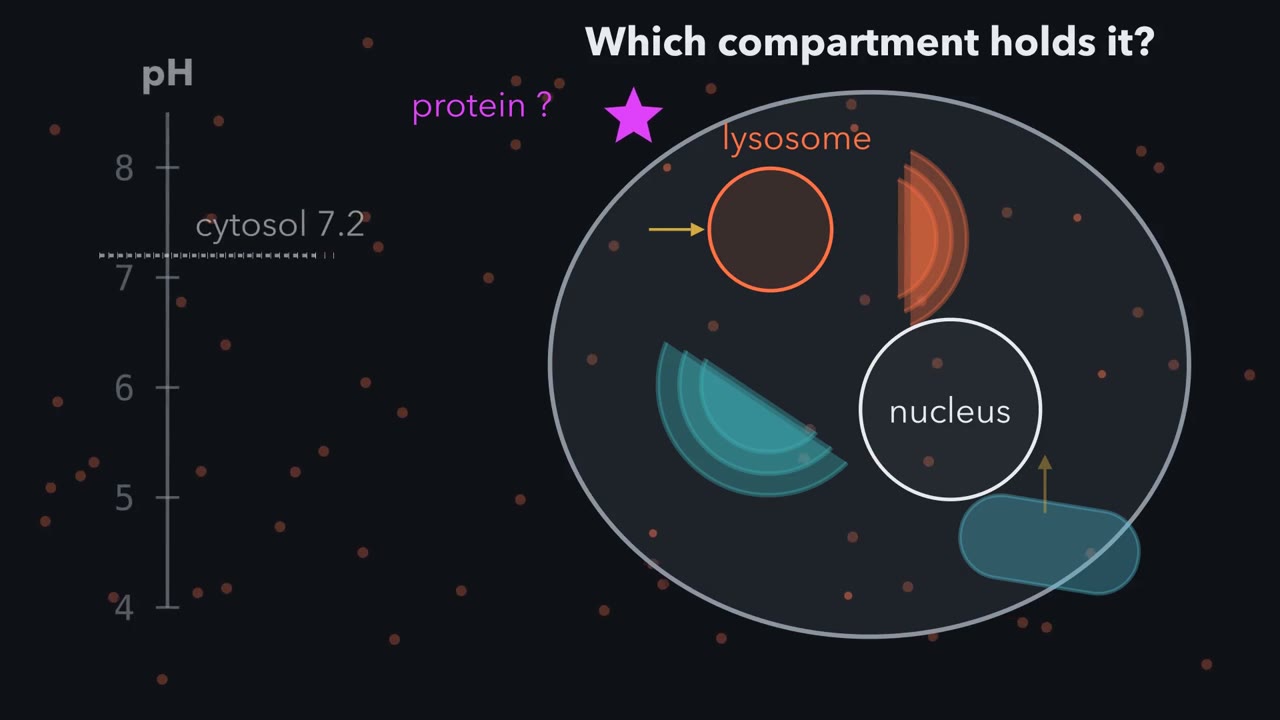 Second film Length 3:20 Follow the Markers Cell Biology · College: the core Organelles as Distinct Environments
Take-home
Cell fractionation separates broken cells by repeated centrifuge spins; crude fractions overlap and are not assumed pure.
-
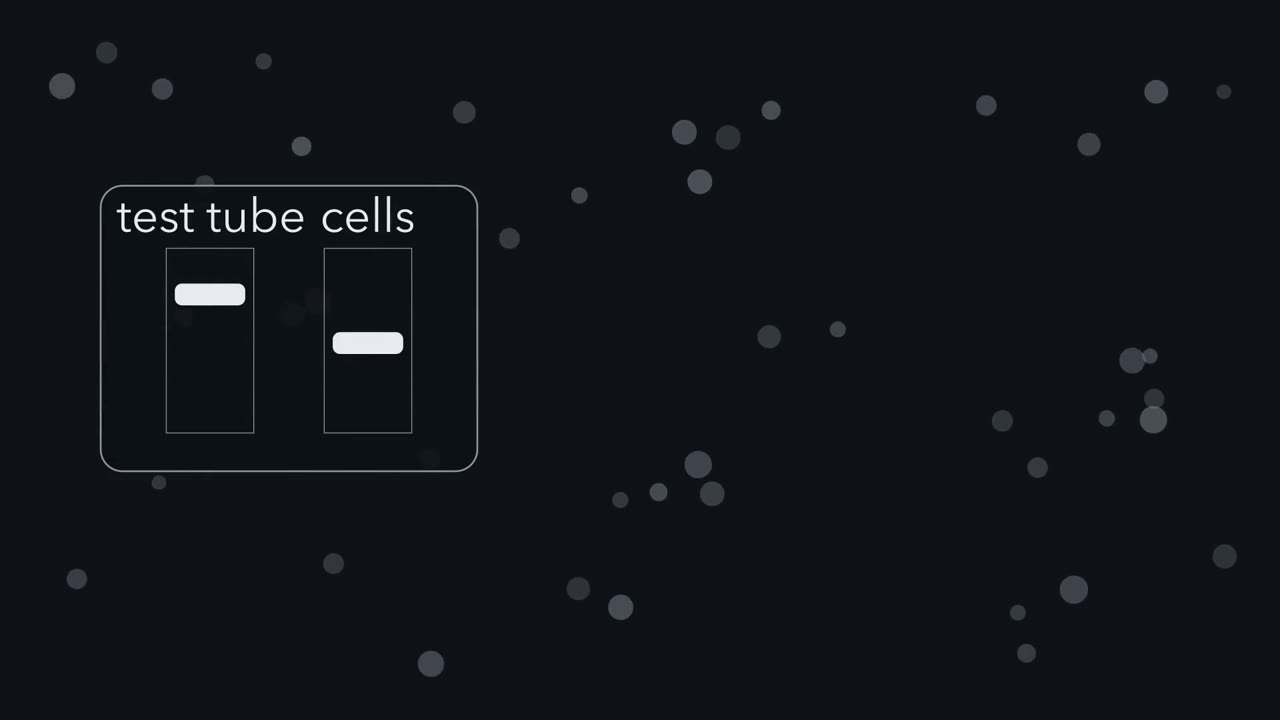 First film Length 3:45 Where the Reader Works Cell Biology · College: the core Protein Sorting into Compartments
Take-home
A protein's address, its signal sequence, is a stretch of its own chain; moved onto a suitable passenger, it can carry that passenger to the same place.
-
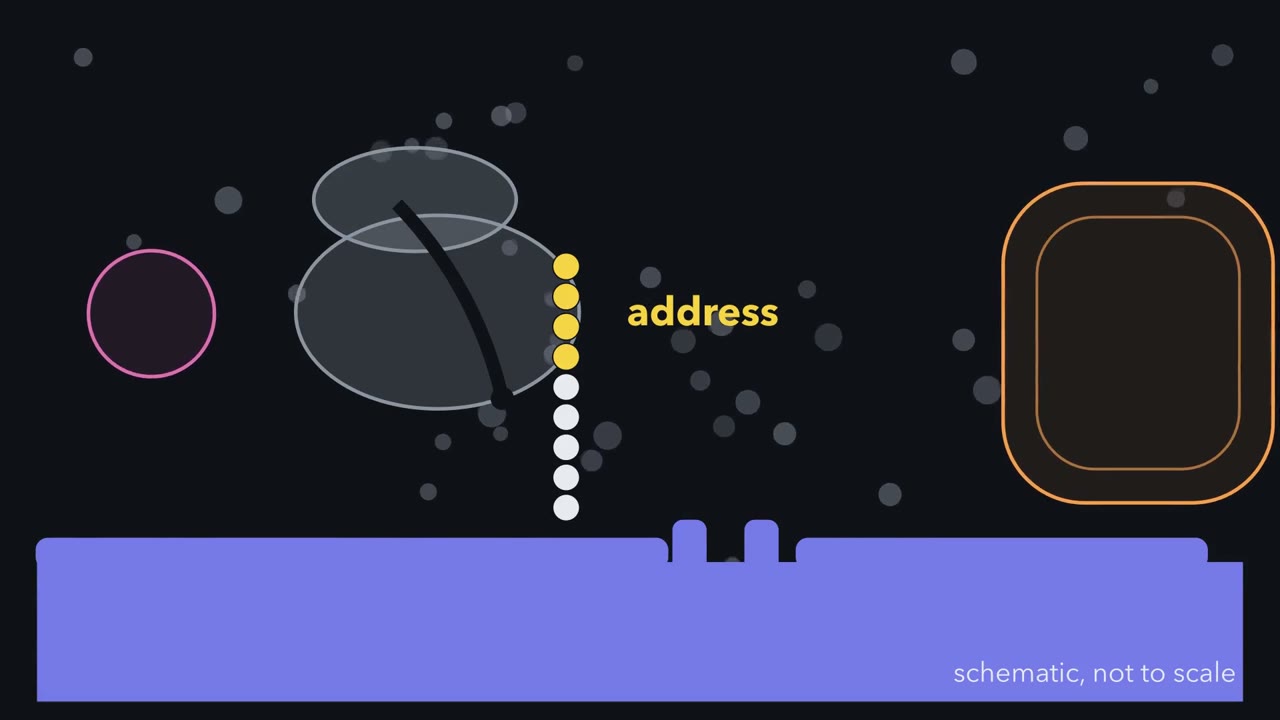 Second film Length 3:20 How Do You Know It Went In? Cell Biology · College: the core Protein Sorting into Compartments
Take-home
The added protease cannot cross an intact microsome membrane, so a protected protein is inside; if detergent removes that protection, the membrane was the shield.
-
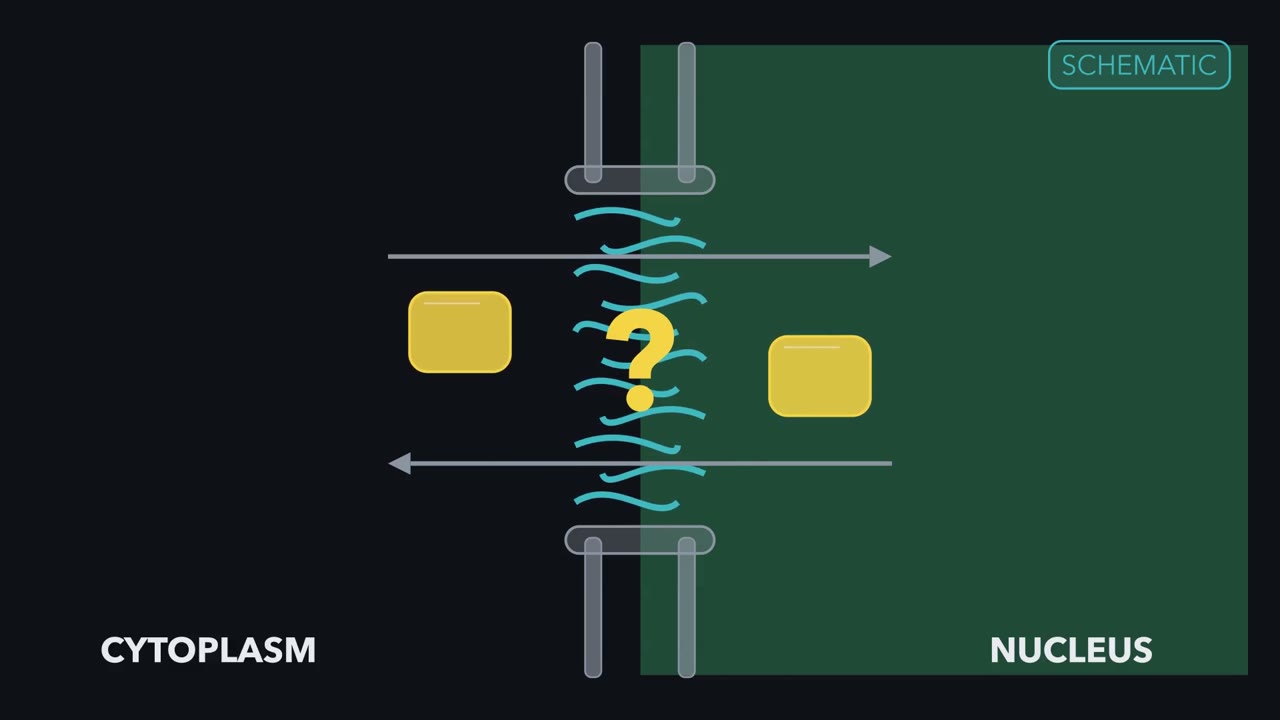 First film Length 3:48 One Pore, Two Directions Cell Biology · College: the core The Nuclear Envelope and Nuclear Transport
Take-home
For soluble protein cargo, the nuclear pore is a selective passage, not a one-way motor.
-
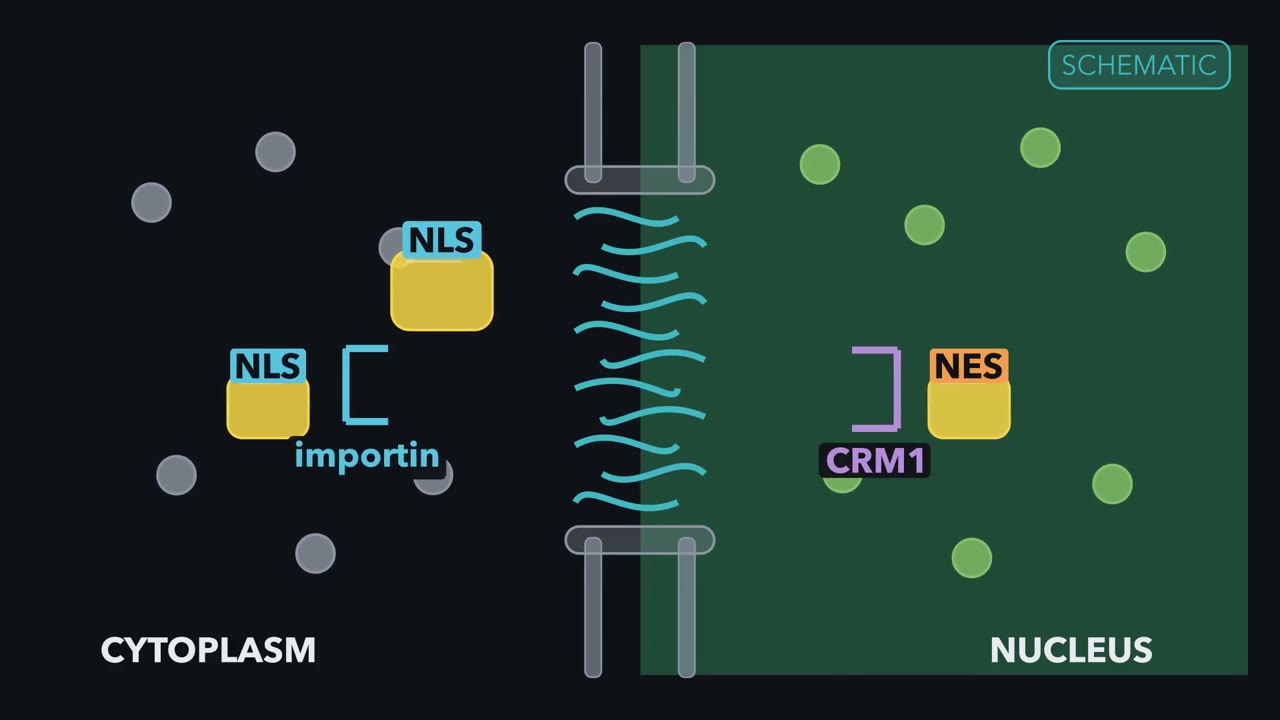 Second film Length 3:58 Move It, Mutate It, Block It Cell Biology · College: the core The Nuclear Envelope and Nuclear Transport
Take-home
In frog oocytes, bare nucleoplasmin cores injected into the cytoplasm stayed out, while a larger pentamer with one tail went in.
-
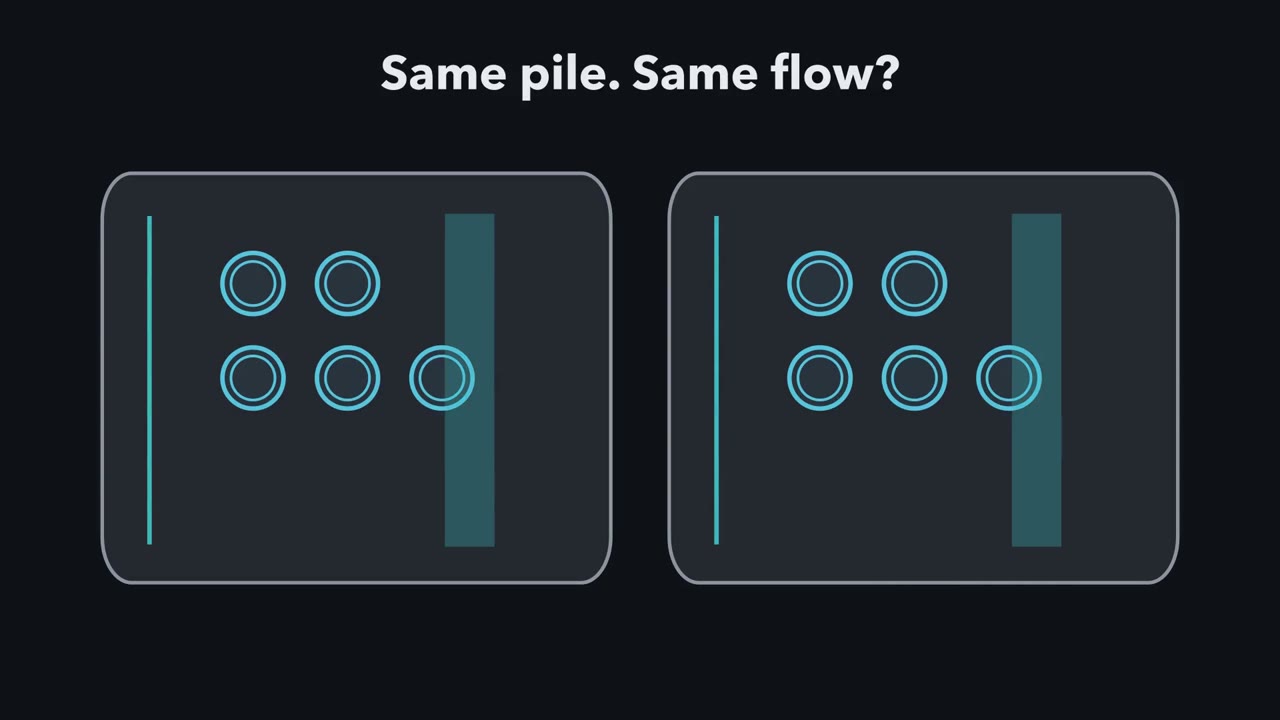 First film Length 4:03 Follow the Flow, Not the Pile Cell Biology · College: the core Protein Quality Control and Organelle Turnover
Take-home
For a defined cellular pool, a larger pool can mean faster arrival or slower clearance.
-
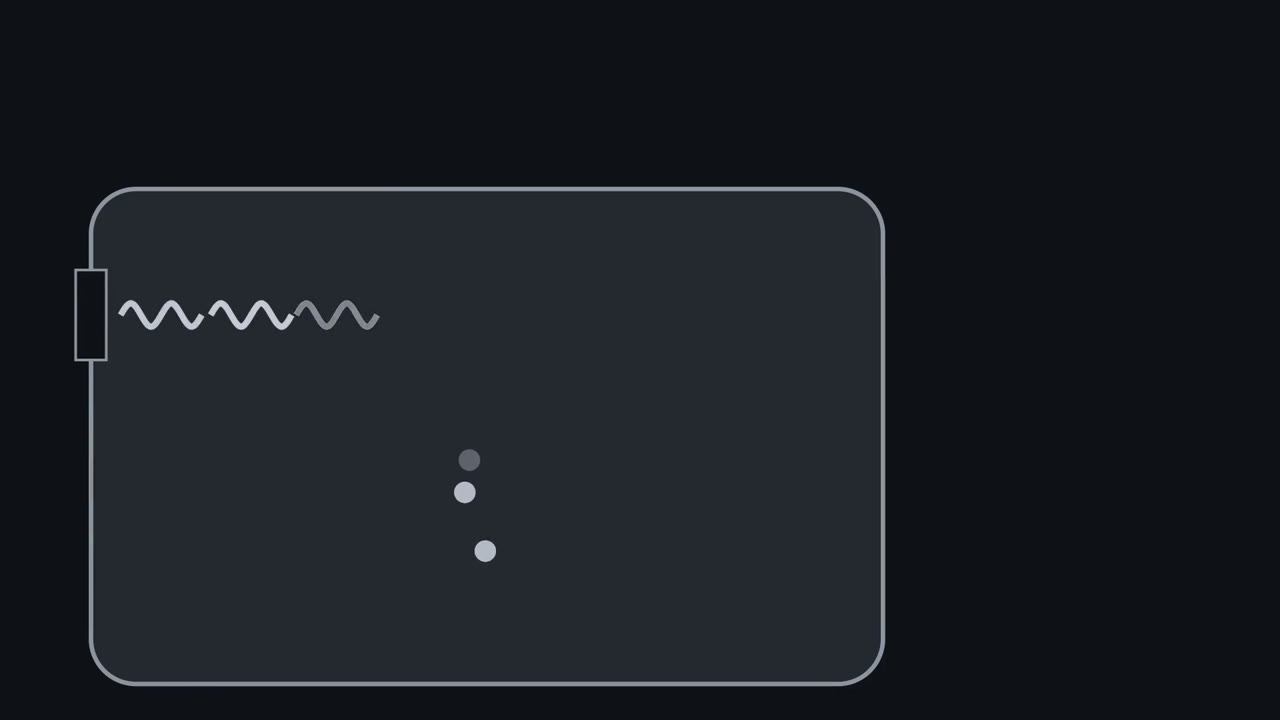 Second film Length 2:46 When the ER Falls Behind Cell Biology · College: the core Protein Quality Control and Organelle Turnover
Take-home
Many secreted and membrane protein chains enter the ER and fold with chaperones such as BiP; folded clients can leave for the Golgi.
-
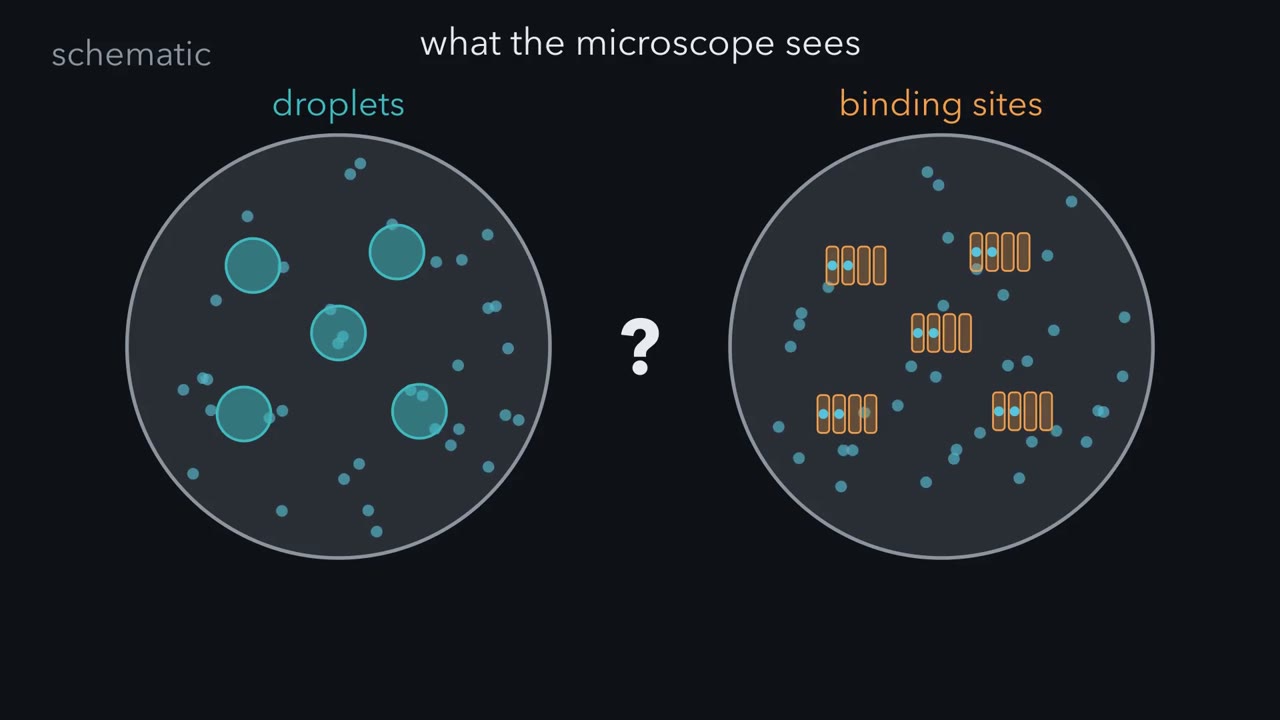 First film Length 3:35 Bigger or Brighter? Cell Biology · College: the core Nuclear Architecture and Membraneless Compartments
Take-home
A bright spot in the nucleus shows only that a protein is concentrated there, not how.
-
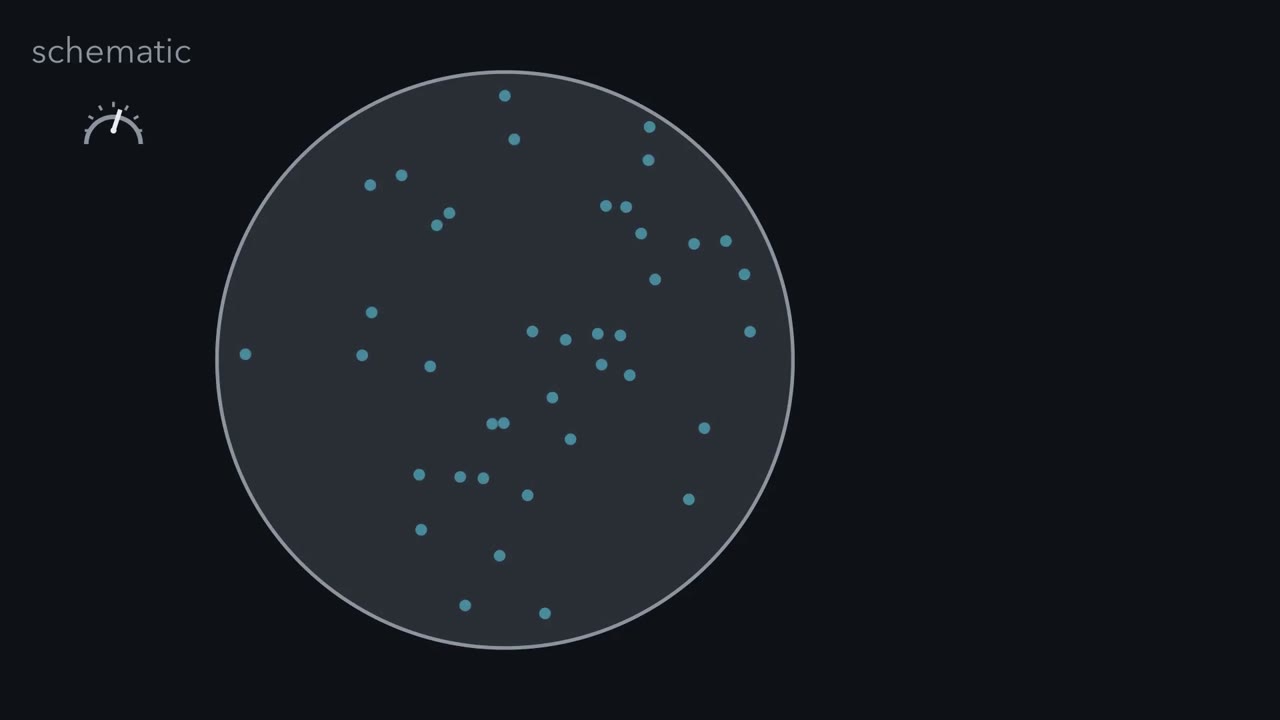 Second film Length 3:37 Real Bodies, Real Tests Cell Biology · College: the core Nuclear Architecture and Membraneless Compartments
Take-home
Chromosomes keep to territories, and Hi-C reveals open A and closed B compartments.
-
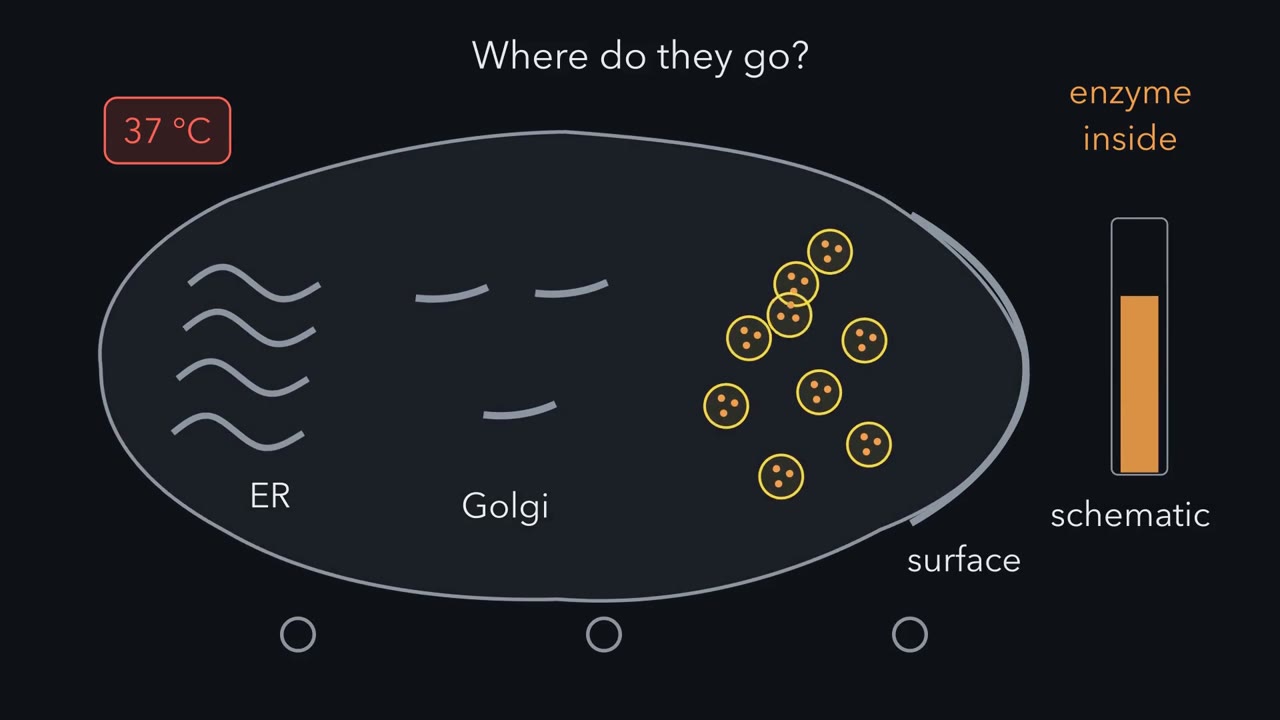 First film Length 4:58 Three Handoffs for a Vesicle Cell Biology · College: the core Vesicle Budding, Targeting and Fusion
Take-home
The sec1 mutant keeps making enzymes at 37 °C, but they pile up inside vesicles that fail to fuse with the surface.
-
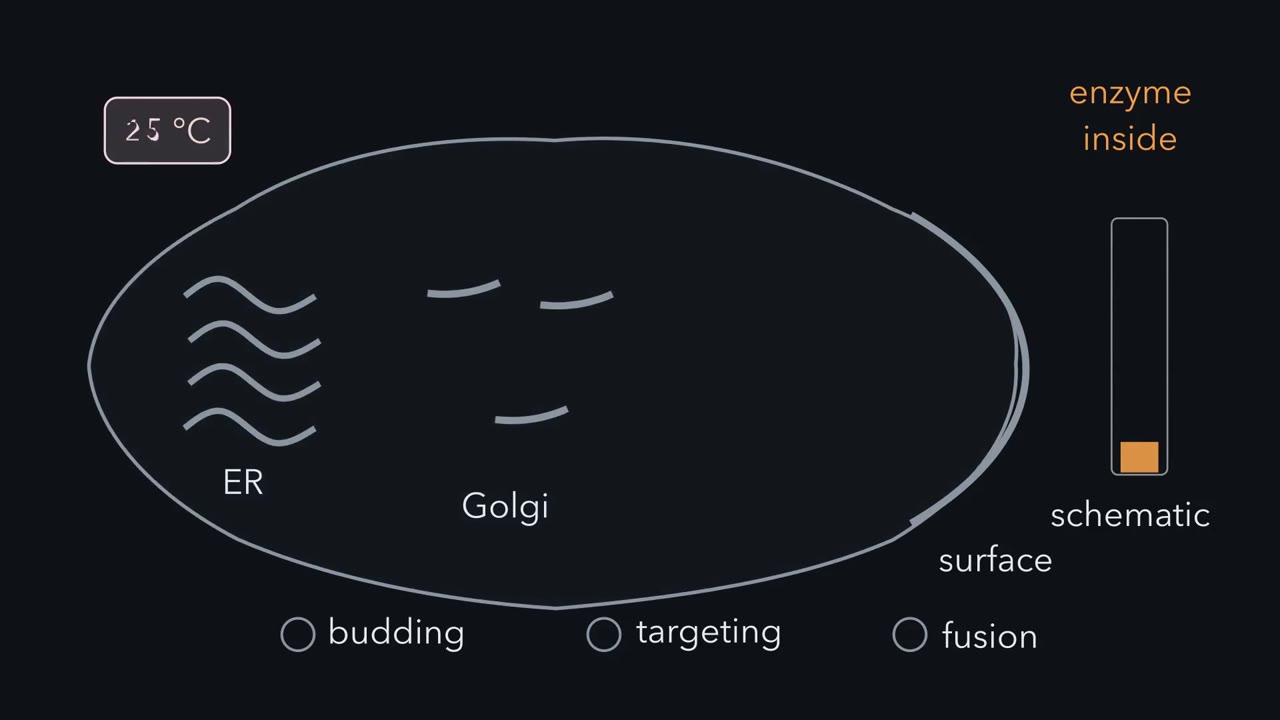 Second film Length 2:31 Reading Where Cargo Stops Cell Biology · College: the core Vesicle Budding, Targeting and Fusion
Take-home
The fraction secreted is the enzyme outside the cell divided by all of it, so a block can be measured.
-
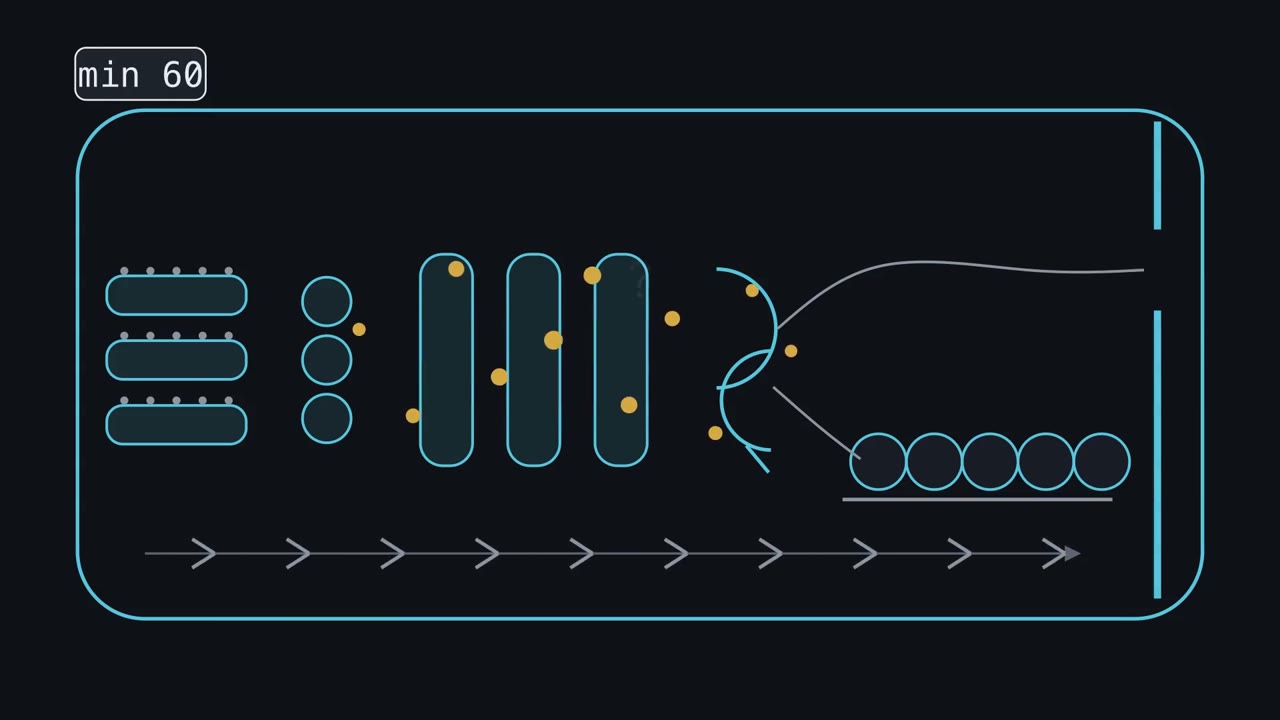 First film Length 3:37 Forward Is the Default Cell Biology · College: the core The Secretory Pathway
Take-home
A pulse-chase labels one batch of new protein, the cohort: in the guinea-pig pancreas it lay over the rough ER at about 5 minutes, the Golgi at about 20 and the storage granules at about an hour.
-
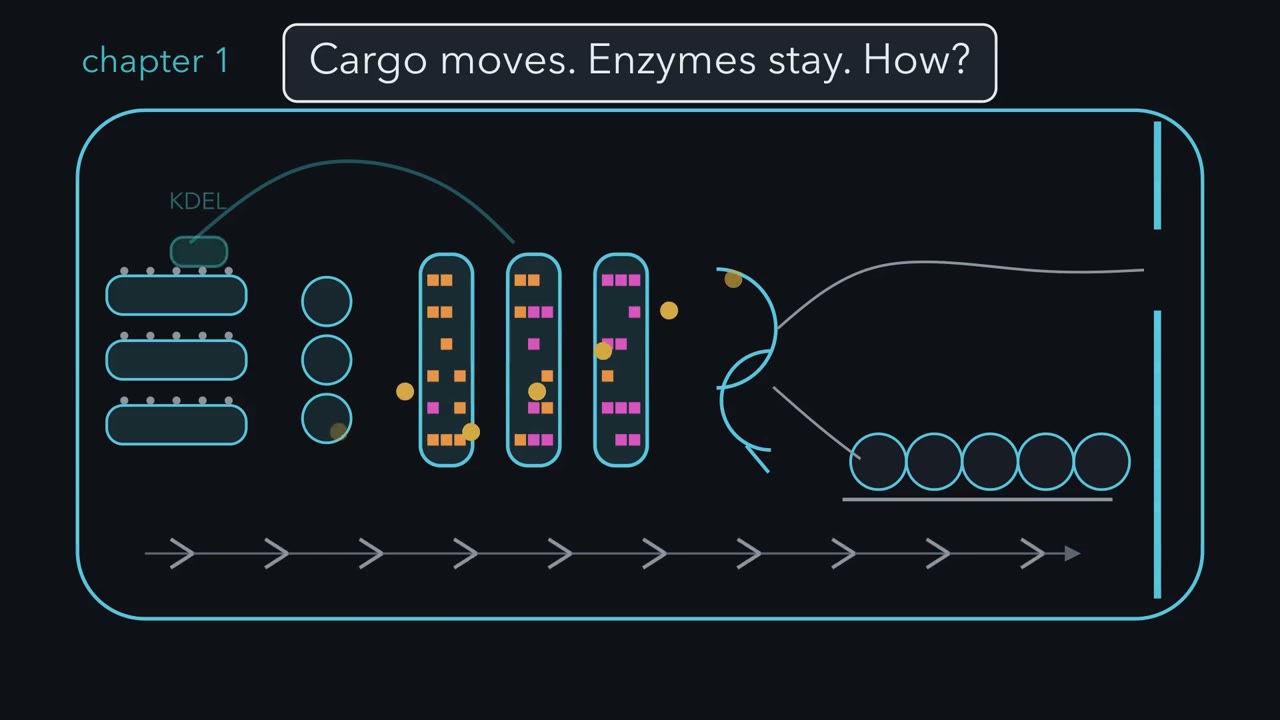 Second film Length 4:03 Crossing the Golgi Stack Cell Biology · College: the core The Secretory Pathway
Take-home
Golgi enzyme populations stay enriched at different levels—early enzymes toward cis and later ones toward trans—even as cargo moves through.
-
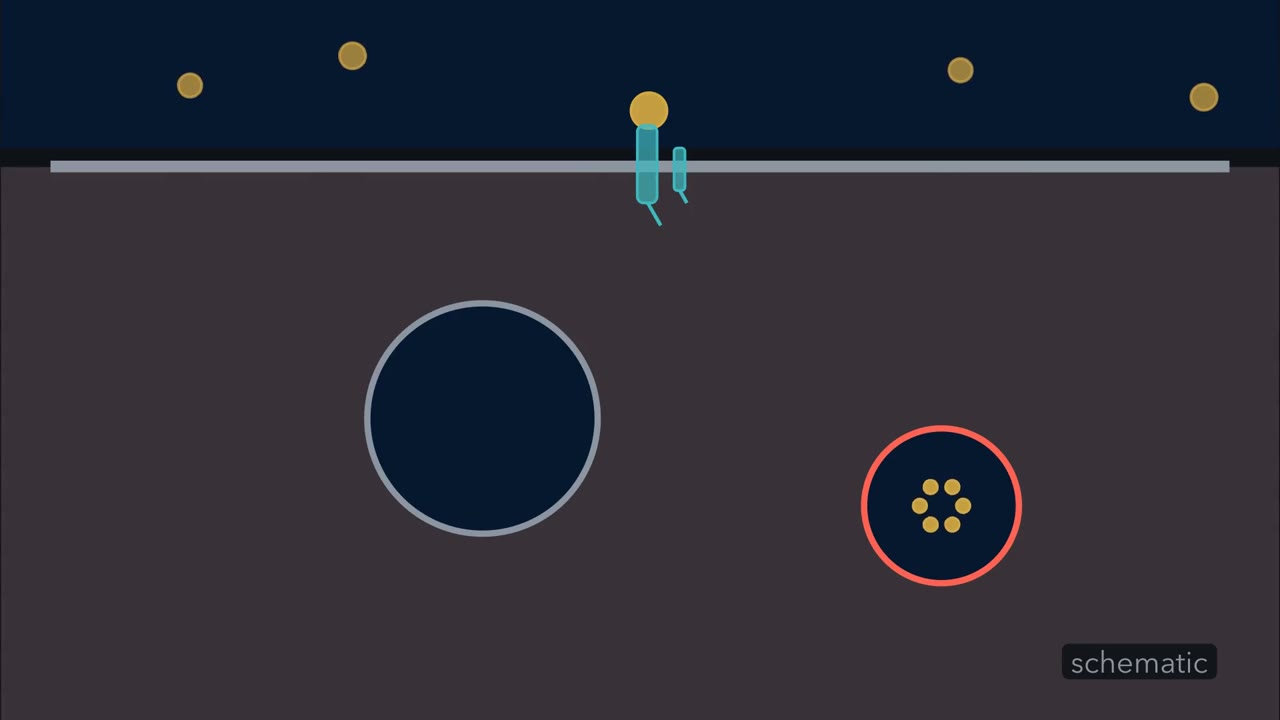 First film Length 3:19 A Loop and a One-Way Trip Cell Biology · College: the core Endocytosis, Recycling and Degradation
Take-home
For the LDL receptor, the receptor runs a loop and its LDL makes a one-way trip to the lysosome.
-
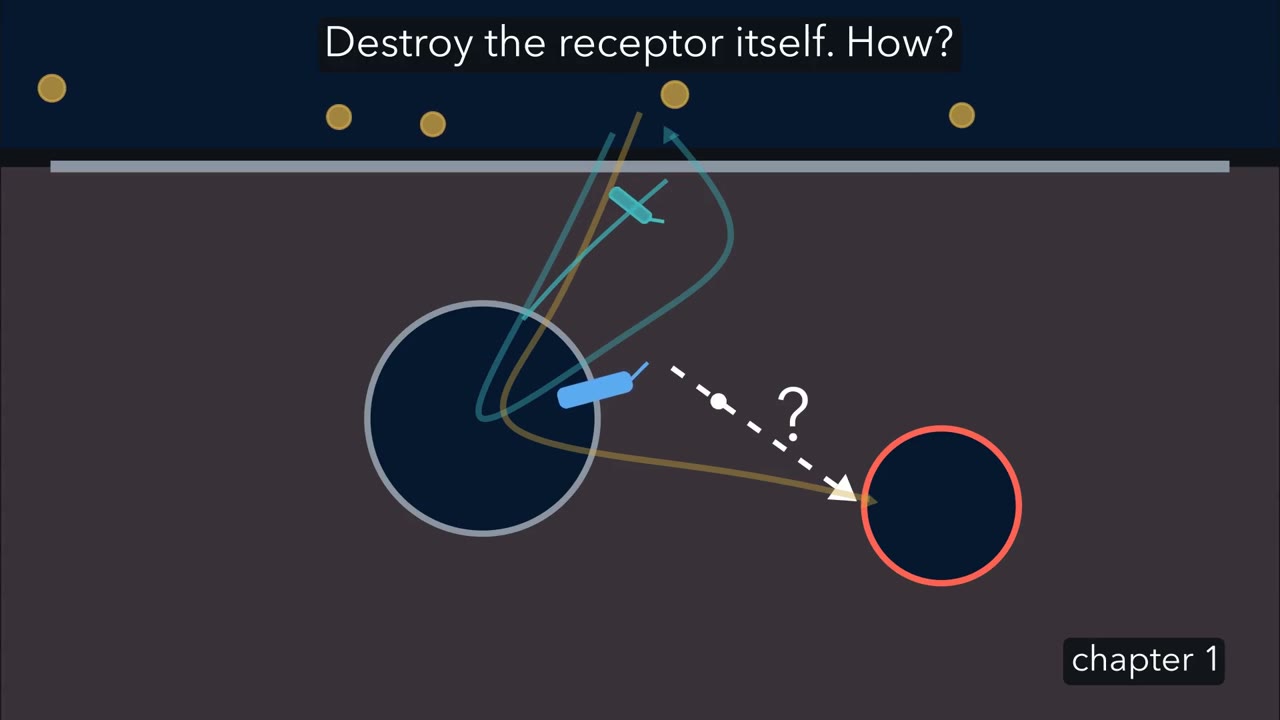 Second film Length 3:26 The Receptor That Does Not Come Back Cell Biology · College: the core Endocytosis, Recycling and Degradation
Take-home
Some receptors, such as many activated growth-factor receptors, are meant to be destroyed, not reused.
-
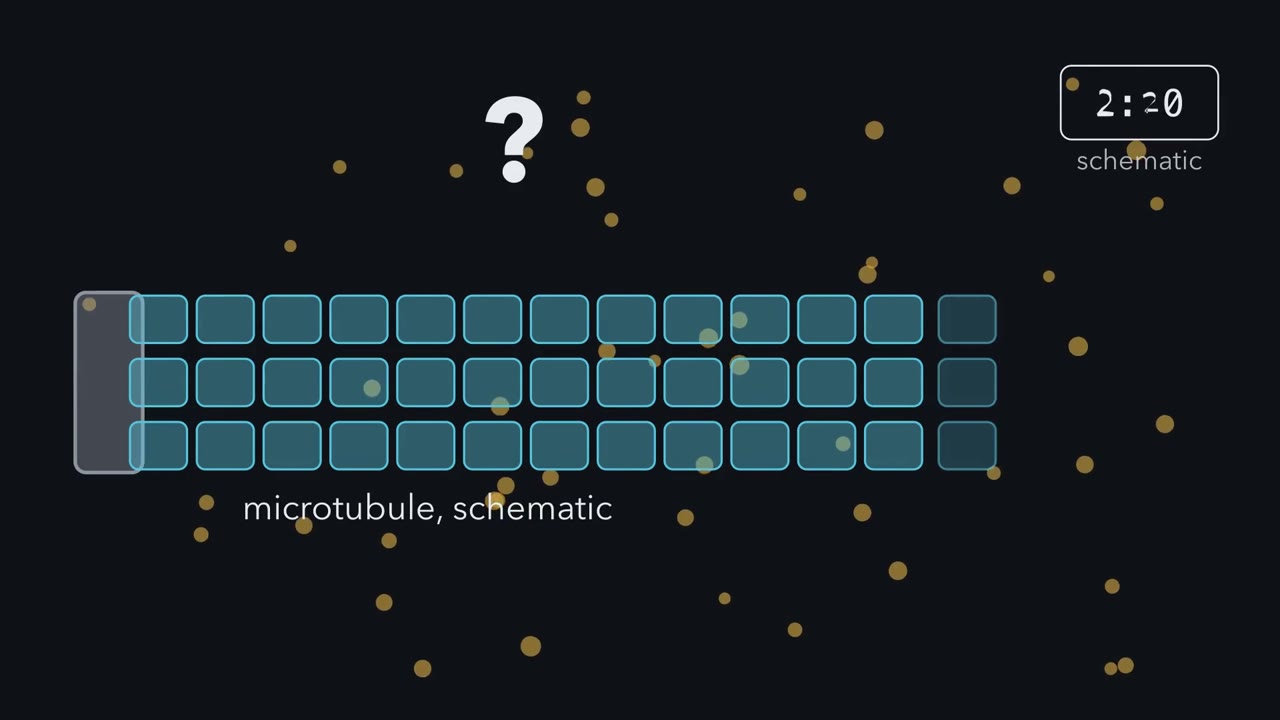 First film Length 3:10 Tight Ends, Loose Ends Cell Biology · College: the core Cytoskeletal Polymers and Dynamics
Take-home
Each filament end has a critical concentration: above it the end grows, below it the end shrinks.
-
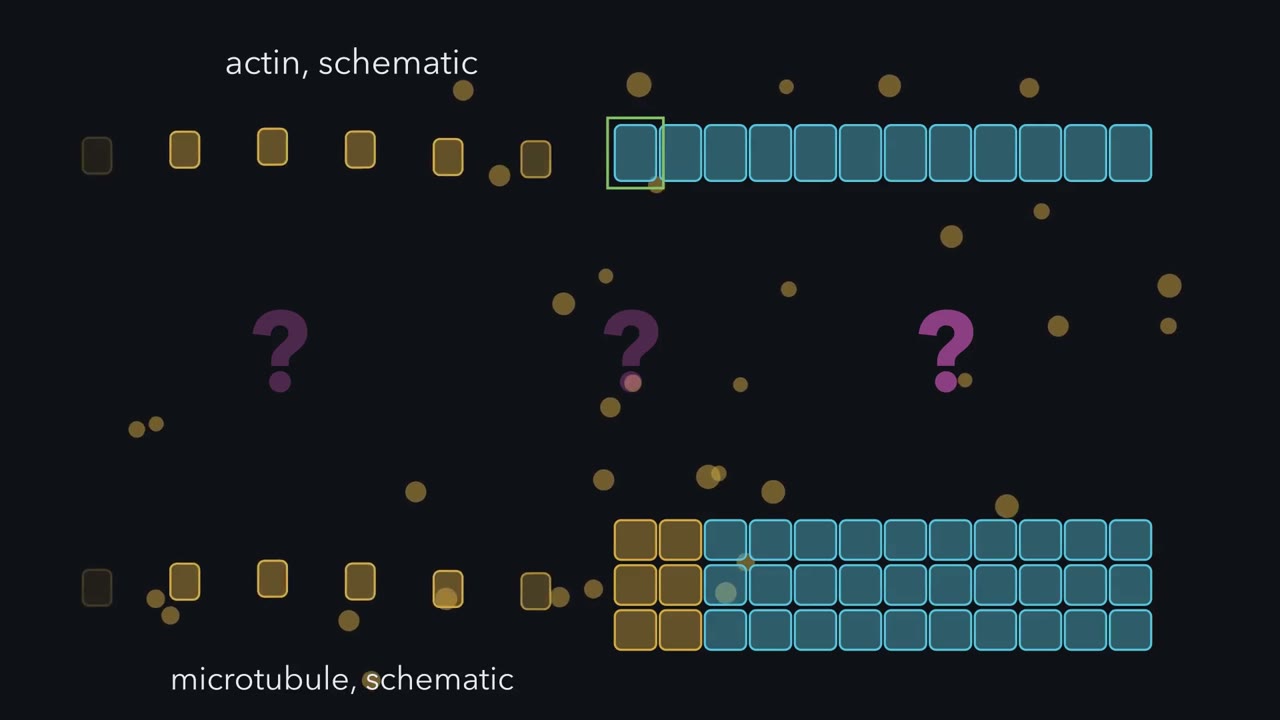 Second film Length 3:43 When a Drug Becomes a Test Cell Biology · College: the core Cytoskeletal Polymers and Dynamics
Take-home
A drug tests a mechanism only when its target, dose and test system stay attached.
-
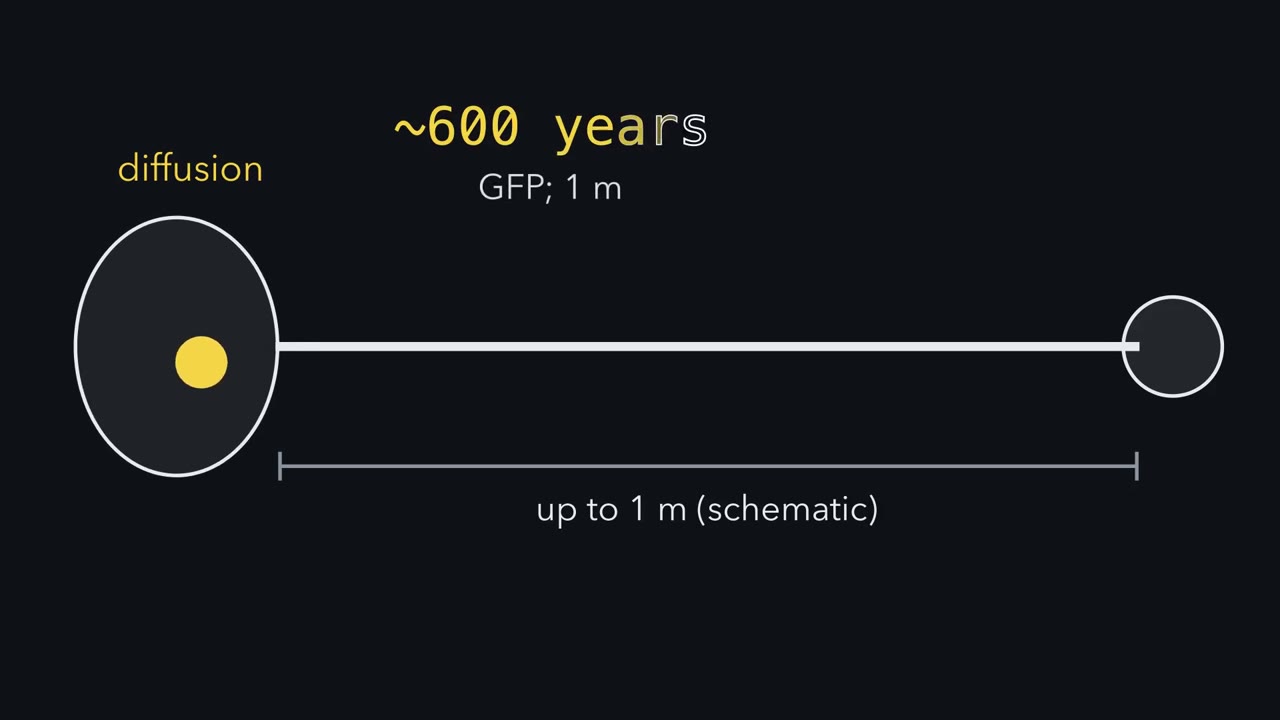 First film Length 3:09 Grip, Swing, Let Go Cell Biology · College: the core Molecular Motors and Cargo
Take-home
In an axon, microtubules have a direction: kinesin-1 walks to the plus end, outward, and dynein to the minus end, back toward the cell body.
-
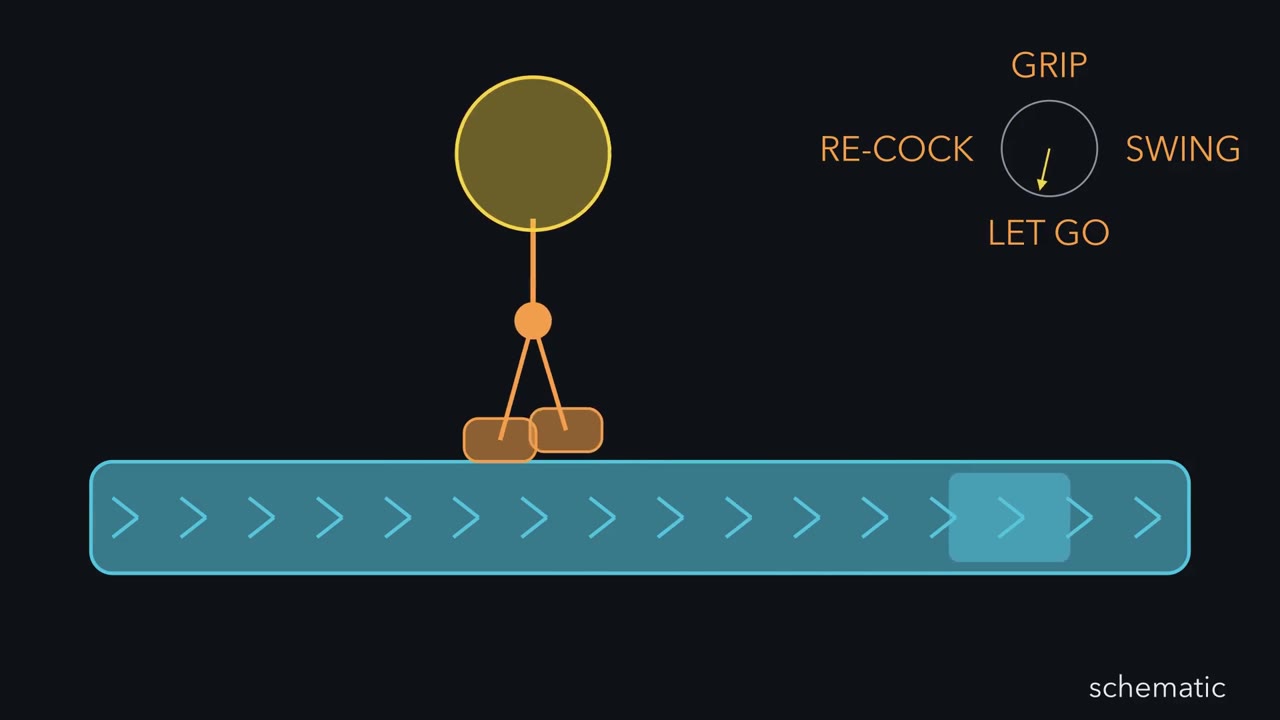 Second film Length 3:31 Turning Motion Into a Measurement Cell Biology · College: the core Molecular Motors and Cargo
Take-home
In a gliding assay, fixed motors drive a loose filament opposite to their walking direction.
-
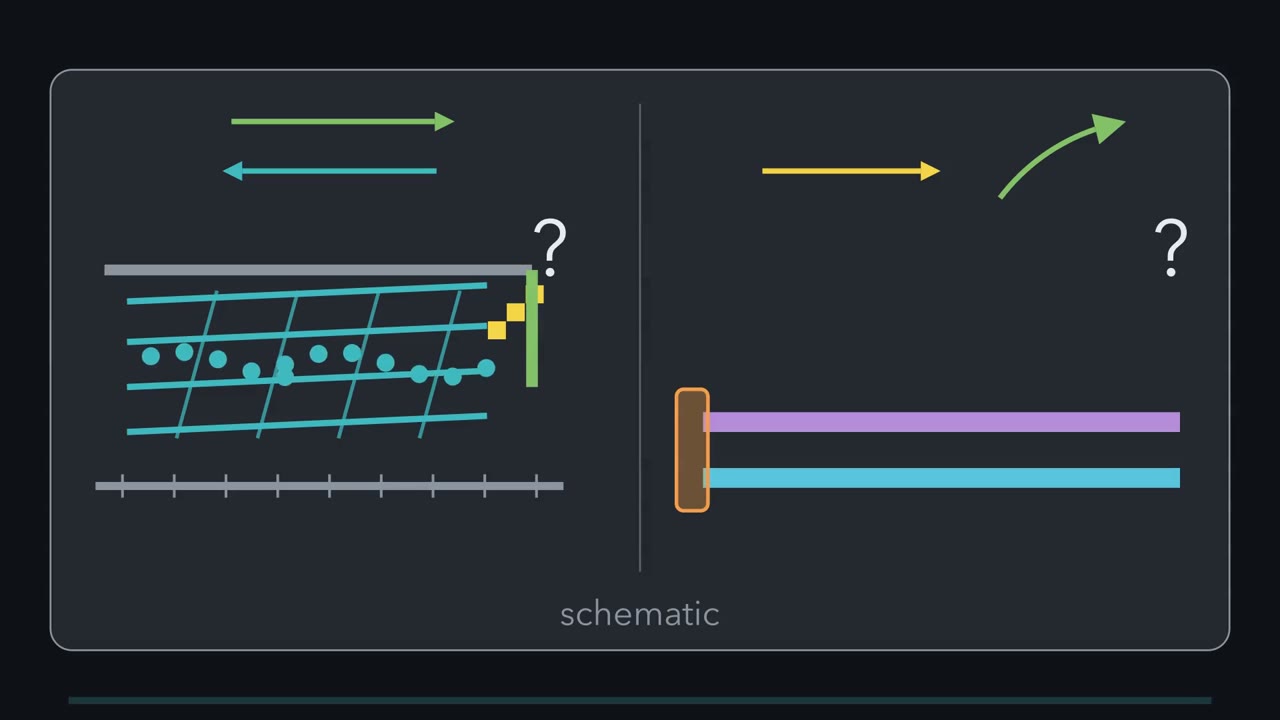 First film Length 4:02 How Internal Motion Becomes Movement Cell Biology · College: the core Cell Shape, Migration and Cilia
Take-home
At a lamellipodial edge, polymerization adds forward speed and rearward flow subtracts it.
-
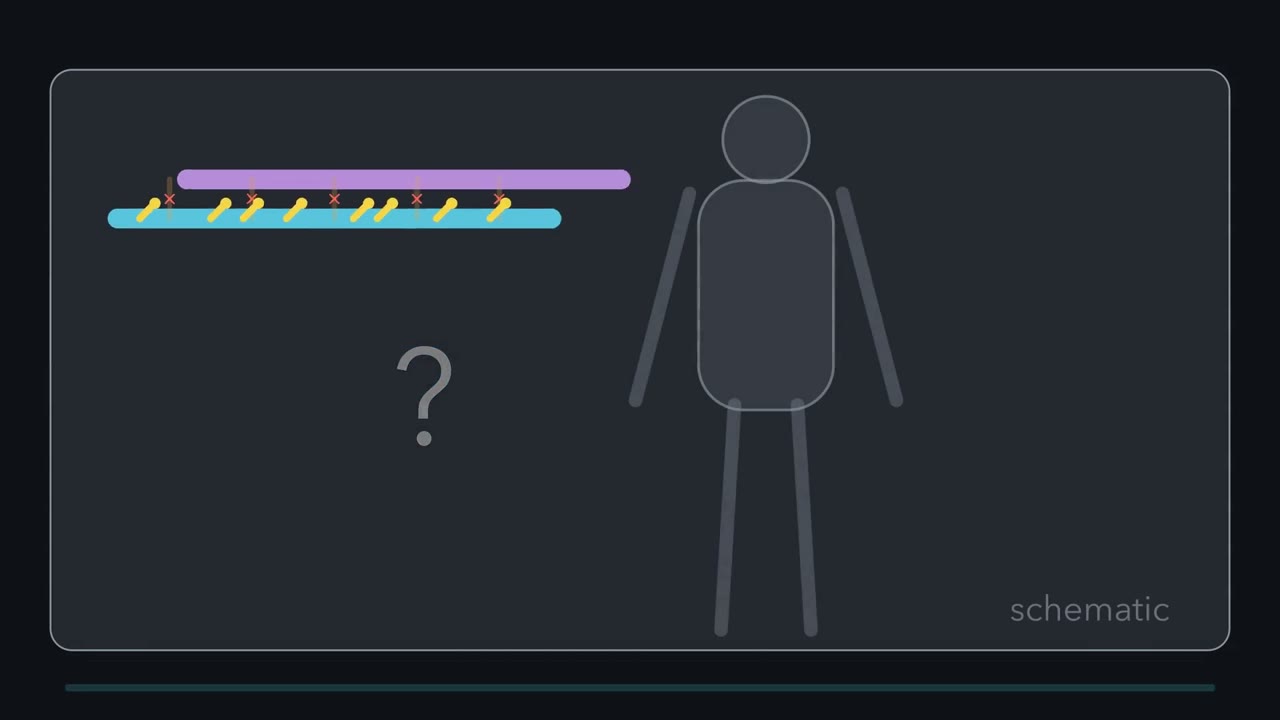 Second film Length 2:55 Reading a Broken Machine Cell Biology · College: the core Cell Shape, Migration and Cilia
Take-home
After brief trypsin treatment, sperm axonemes given ATP slid apart instead of beating.
-
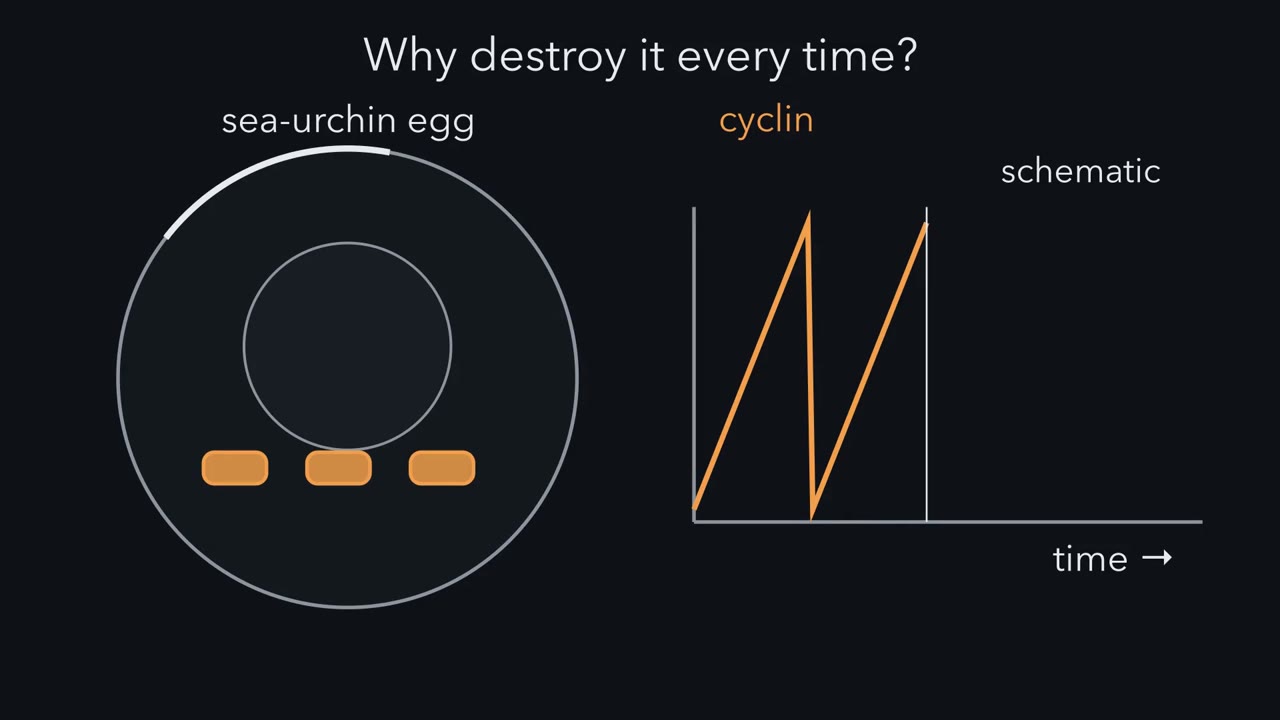 First film Length 5:15 One Rise, One Fall Cell Biology · College: the core Cyclin-CDK Control of the Cell Cycle
Take-home
In the sea-urchin egg record, cyclin is made steadily and destroyed at every division, making a sawtooth; a CDK is inactive alone and needs a bound cyclin to switch on.
-
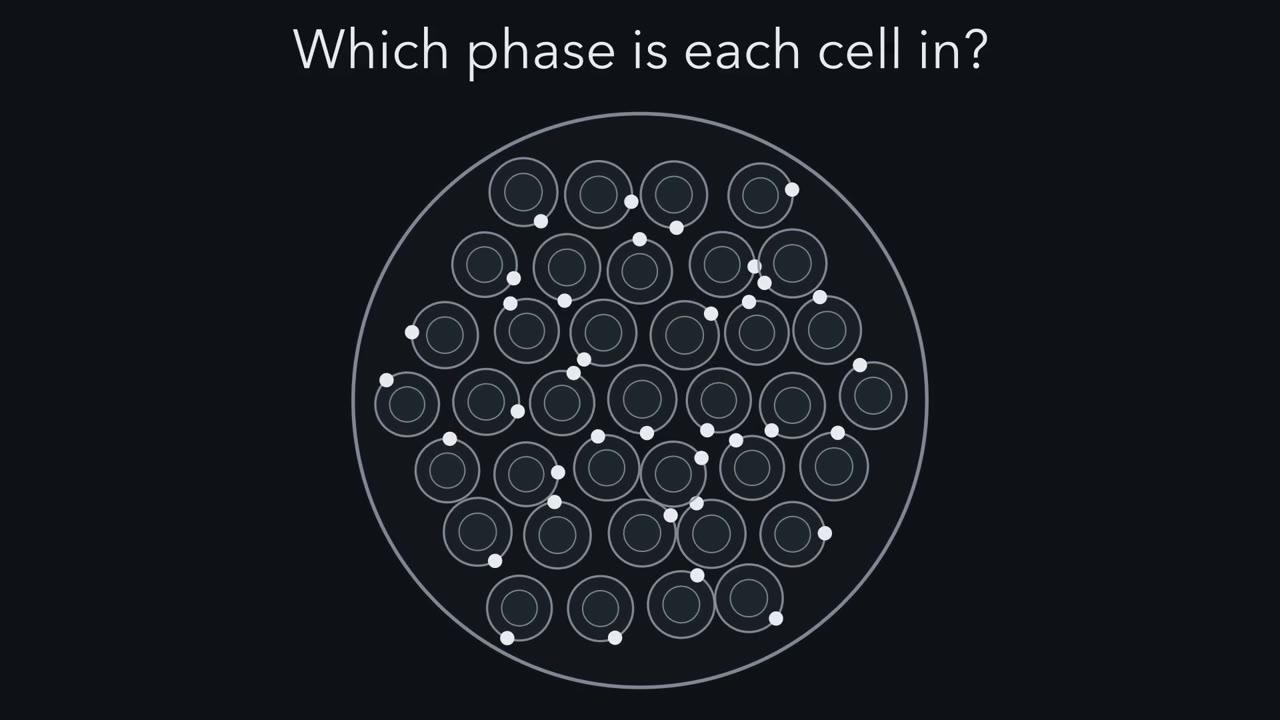 Second film Length 4:18 A Snapshot of the Cycle Cell Biology · College: the core Cyclin-CDK Control of the Cell Cycle
Take-home
Because the genome is copied once per cycle, a diploid cell holds 2C of DNA in G1 and 4C in G2 and mitosis, with S-phase cells in between.
-
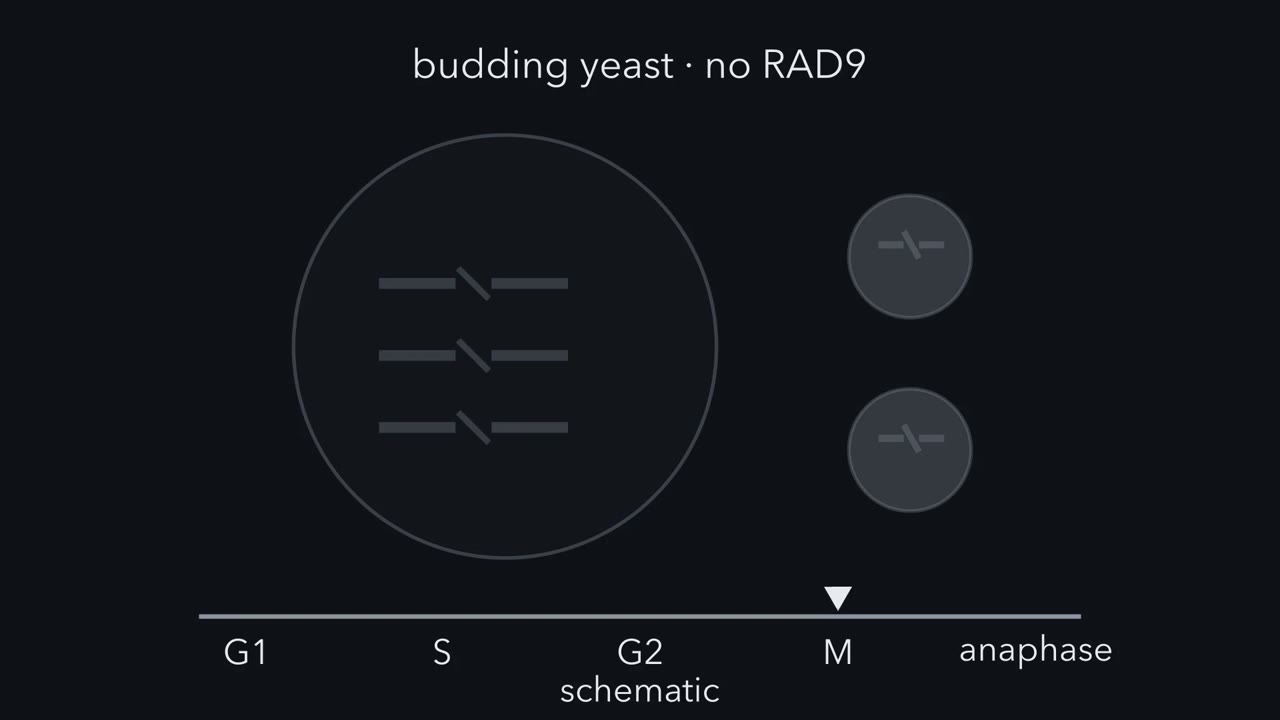 First film Length 5:03 A Brake Wired to a Sensor Cell Biology · College: the core Checkpoints and Irreversible Transitions
Take-home
A checkpoint is a brake wired to a sensor: while the sensor sees an unfinished job, the brake holds back the next step. Without it, a cell divides on time, not on completion.
-
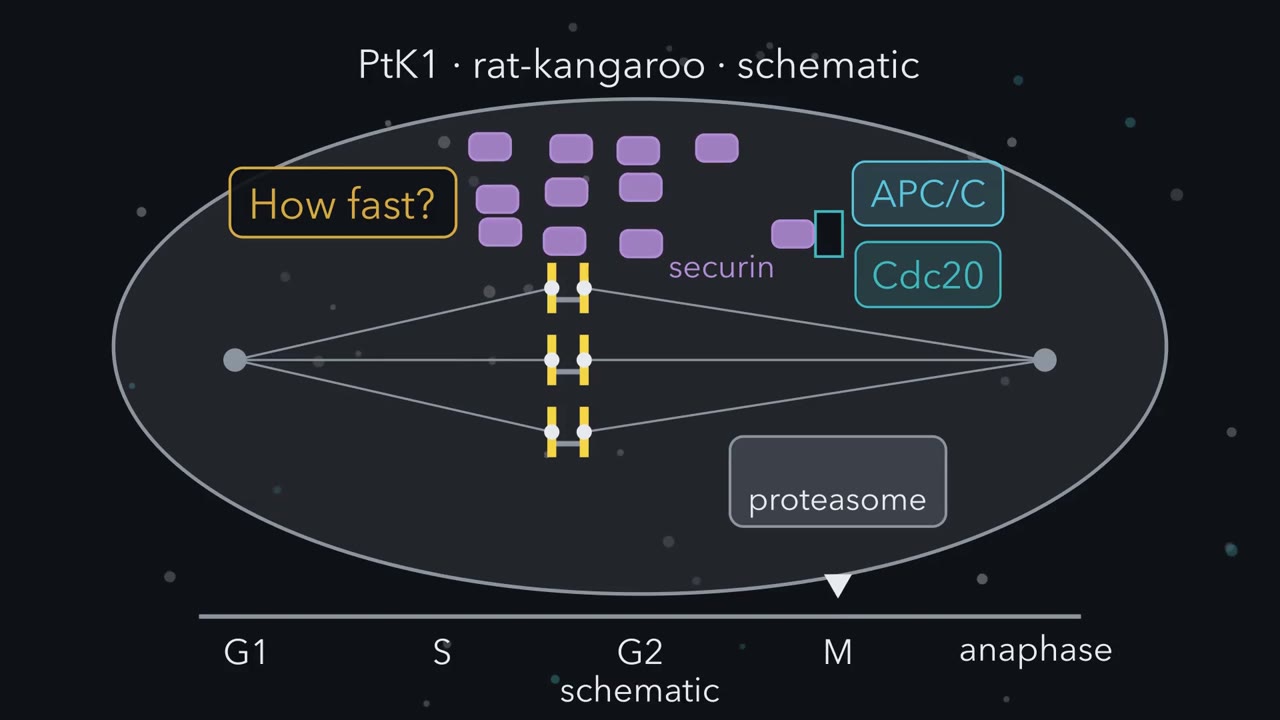 Second film Length 2:22 Timing Securin's Destruction Cell Biology · College: the core Checkpoints and Irreversible Transitions
Take-home
A fluorescent tag on securin lets you time its destruction in one living cell; in HeLa cells it starts to fall at metaphase, once the checkpoint is satisfied.
-
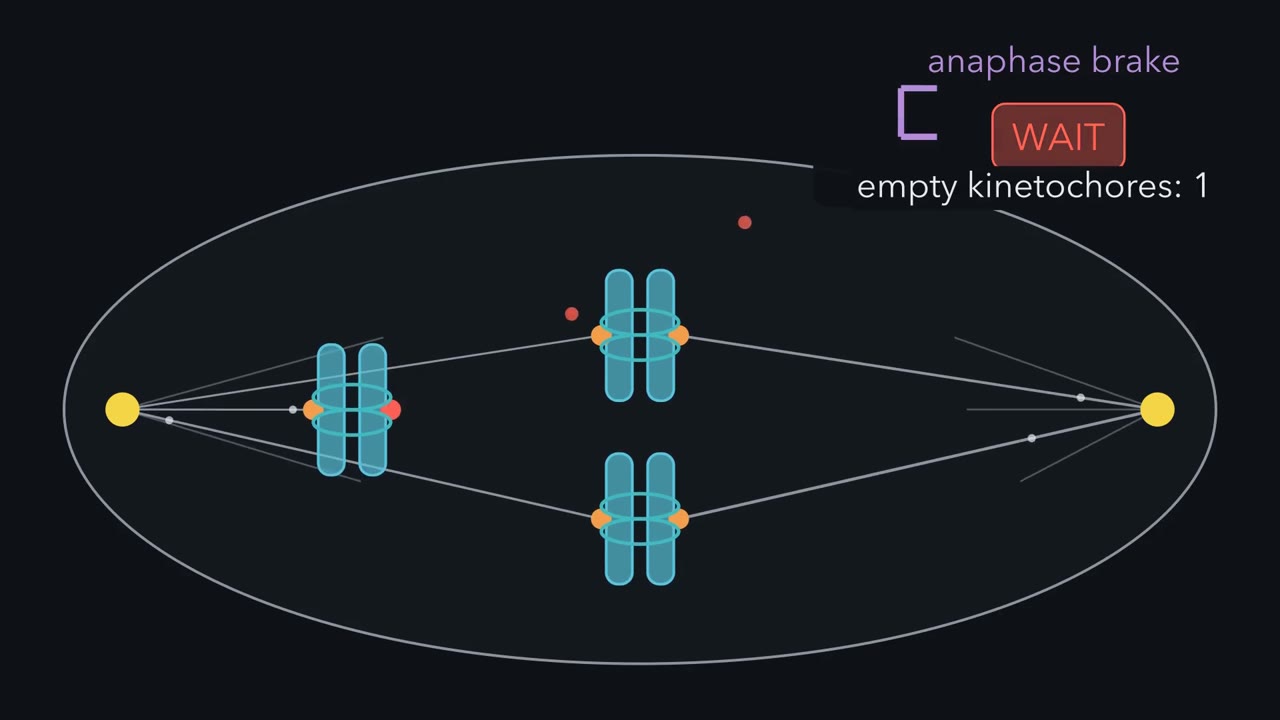 First film Length 5:06 What the Cell Waits For Cell Biology · College: the core Mitosis and Chromosome Segregation
Take-home
A sister pair gripped from opposite poles is under tension, seen as stretch between the kinetochores.
-
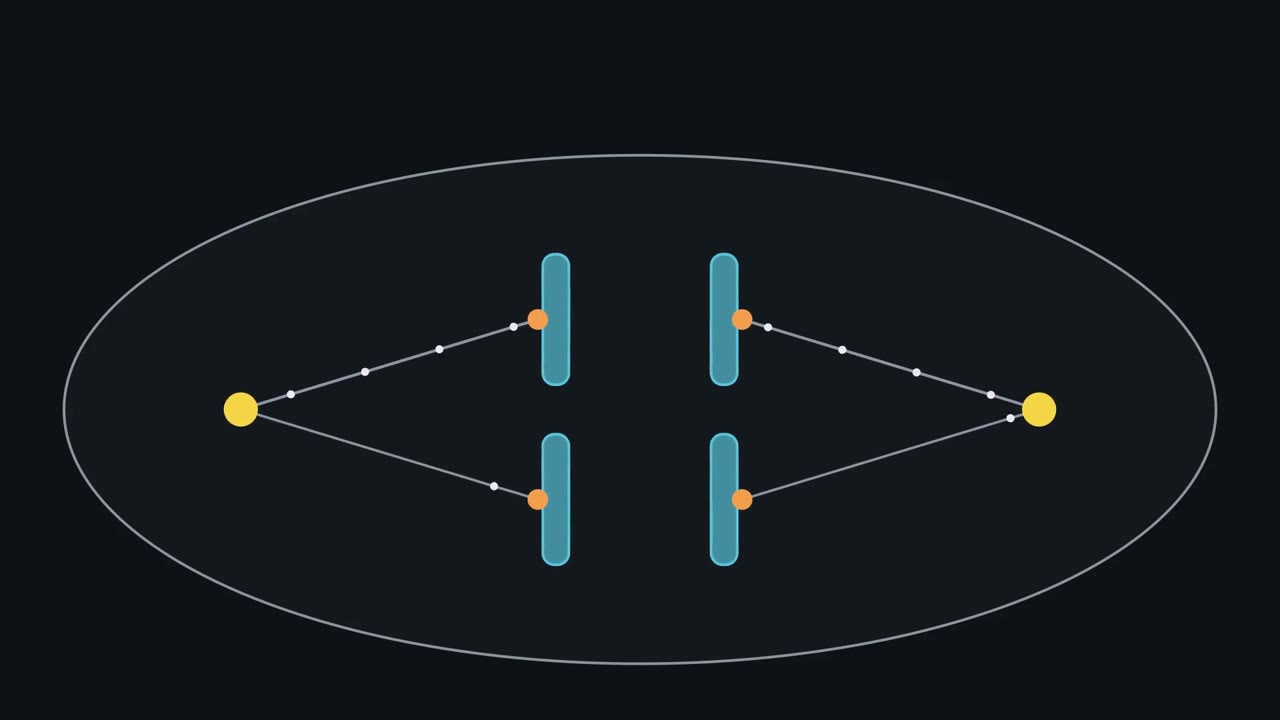 Second film Length 3:15 Two Motions Pull the Sisters Apart Cell Biology · College: the core Mitosis and Chromosome Segregation
Take-home
In anaphase A each sister moves toward its pole; in anaphase B the poles themselves move apart.
-
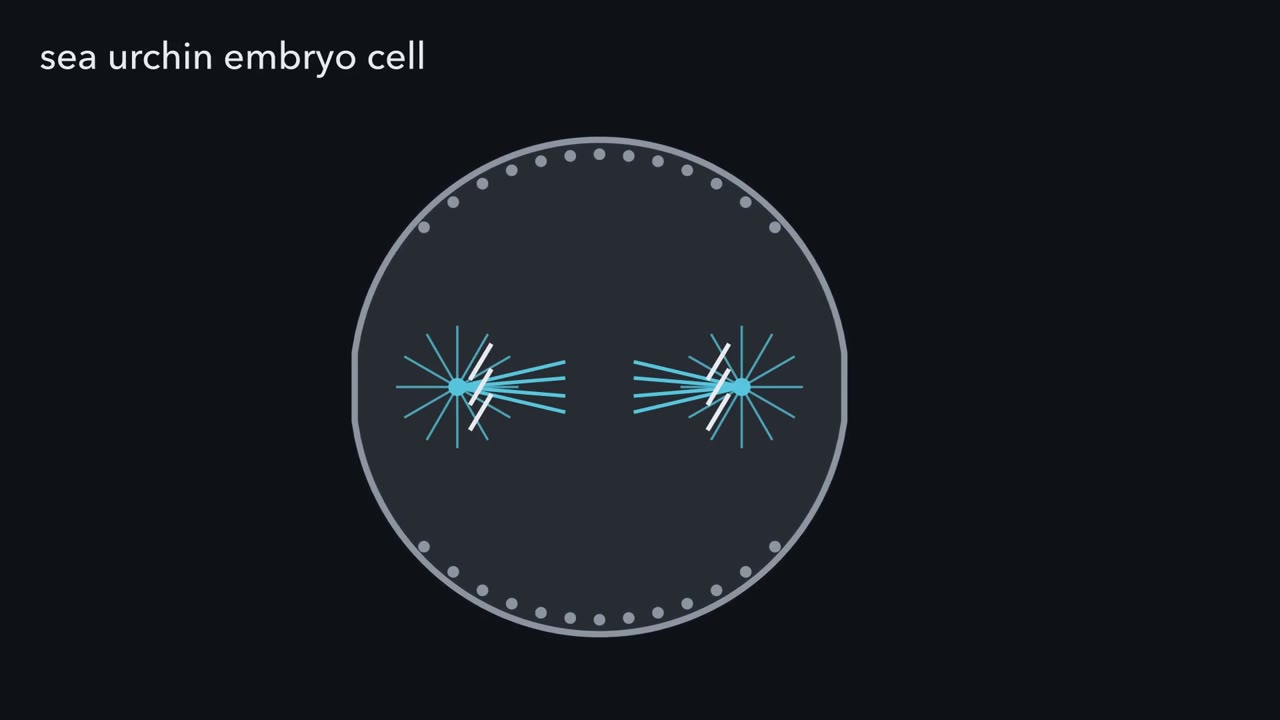 First film Length 3:26 The Band Before the Furrow Cell Biology · College: the core Cytokinesis and Organelle Inheritance
Take-home
In the sea urchin and frog embryo cells studied, a band of active RhoA appears just under the membrane before the furrow.
-
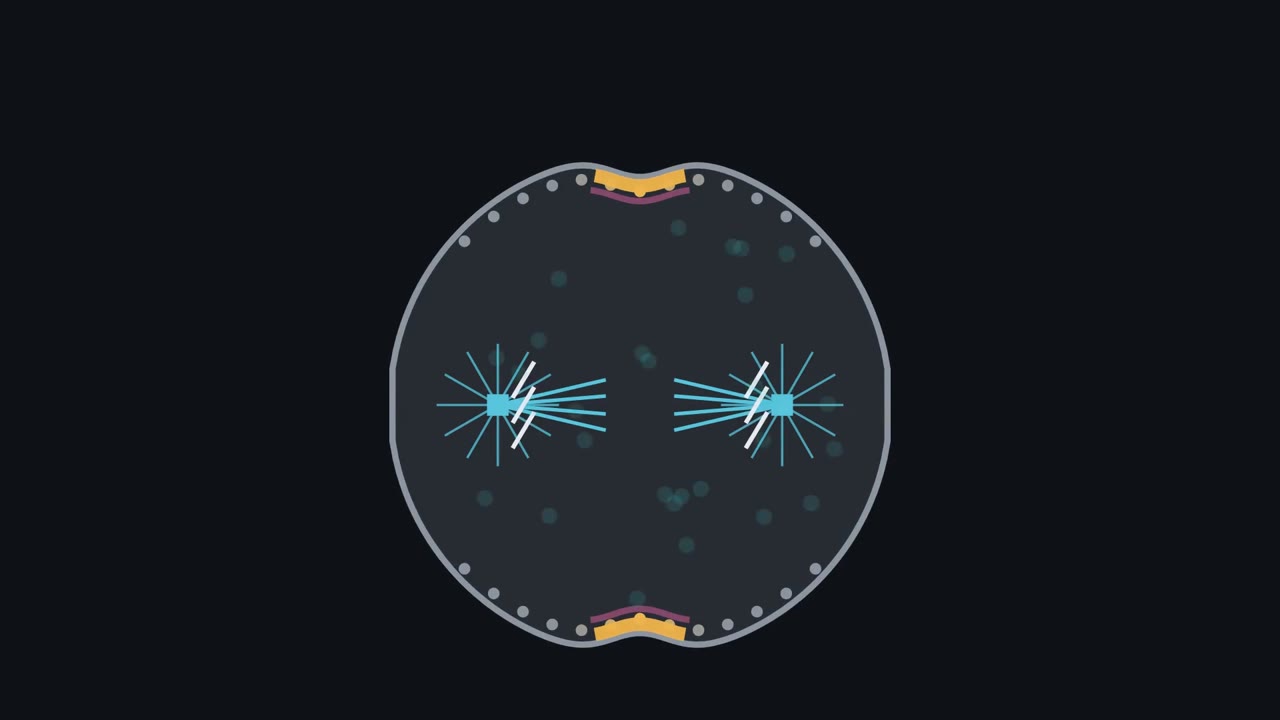 Second film Length 3:28 Chance or Control Cell Biology · College: the core Cytokinesis and Organelle Inheritance
Take-home
In the simplest no-control model, each copy of an organelle goes to either daughter independently, like a coin toss.
-
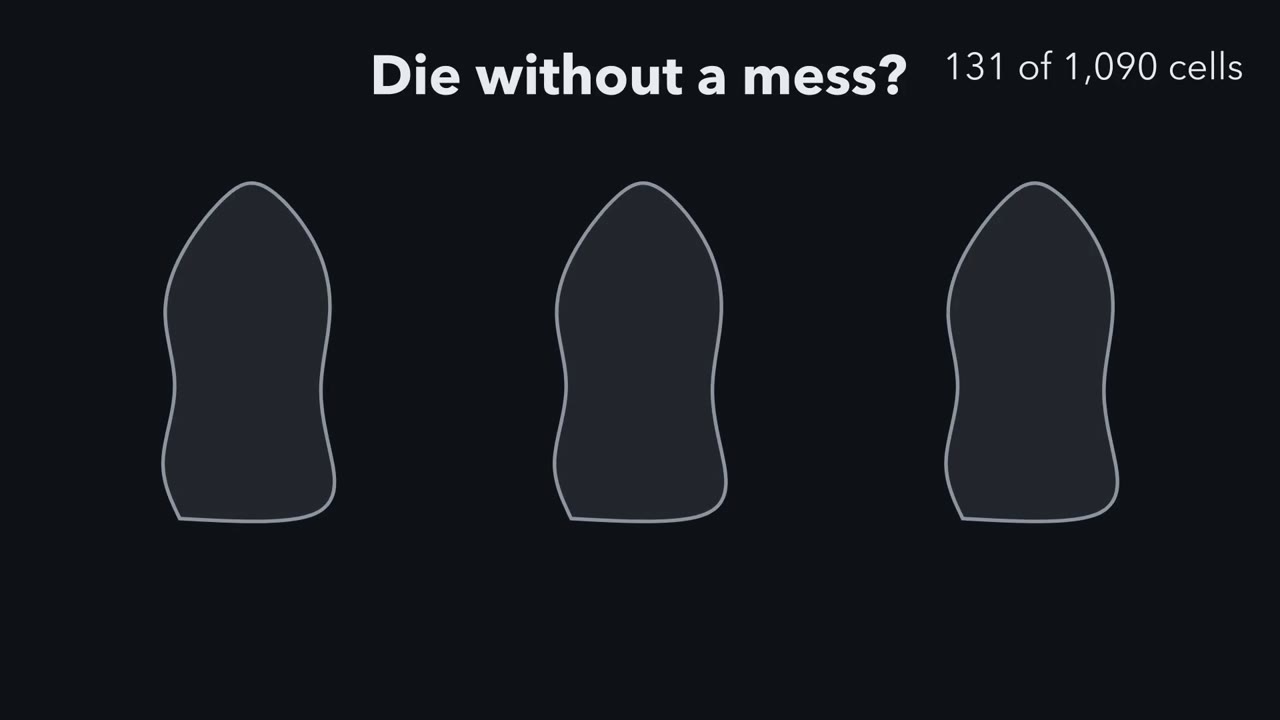 First film Length 3:17 Sealed or Torn Cell Biology · College: the core Cell Death and Clearance
Take-home
In apoptosis, the cell's own caspases take it apart while its plasma membrane is still intact, at least at first.
-
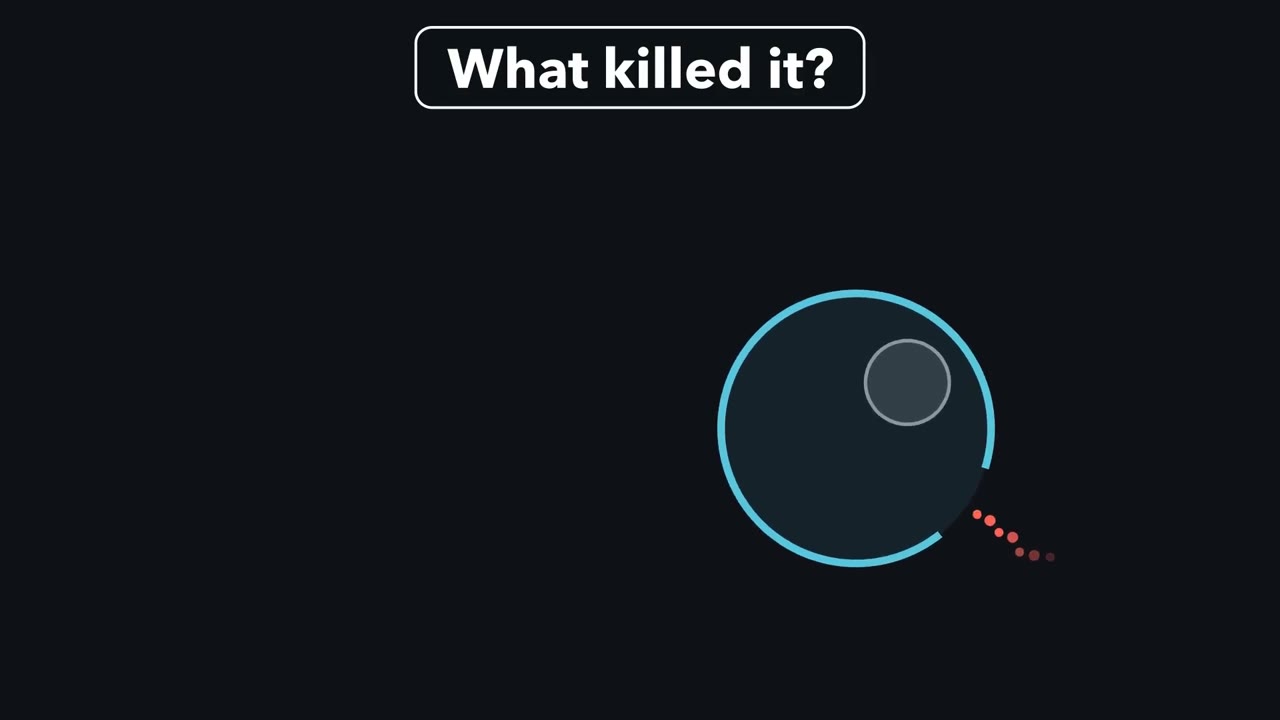 Second film Length 3:31 A Look Is Not a Cause Cell Biology · College: the core Cell Death and Clearance
Take-home
Some deaths that tear the membrane are genetic programs, not accidents.
-
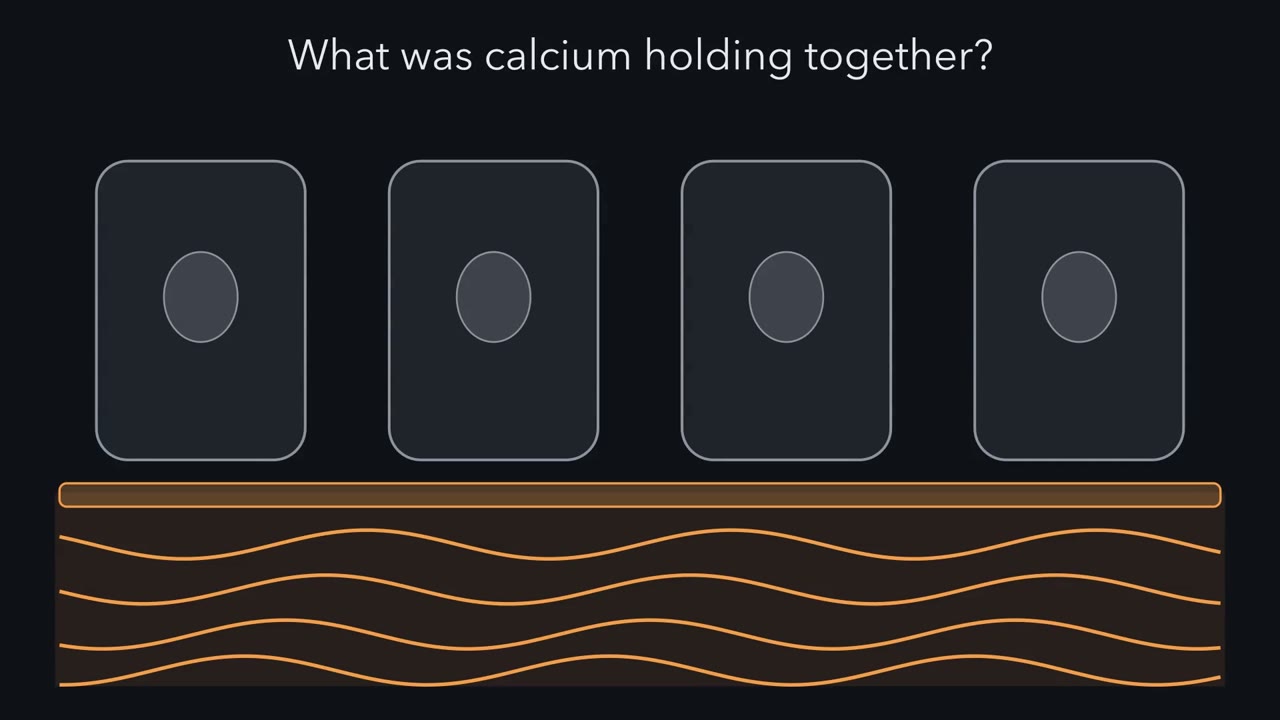 First film Length 3:26 One Chain, Four Links Cell Biology · College: the core Adhesion and the Extracellular Matrix
Take-home
In its simplest form, each anchoring grip is one chain: partner outside, receptor, adaptors and a cable inside.
-
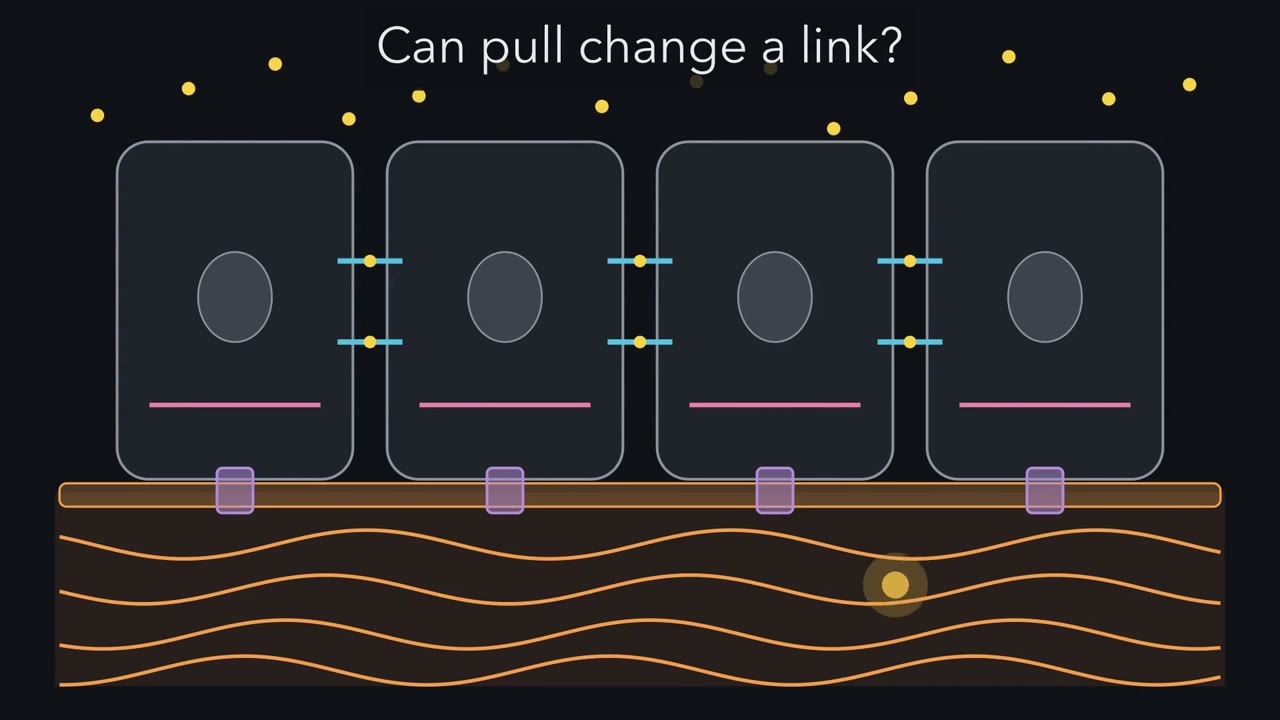 Second film Length 3:25 Links That Feel the Pull Cell Biology · College: the core Adhesion and the Extracellular Matrix
Take-home
Myosin II can pull on actin cables, so a cell can load its adhesion chains from inside.
-
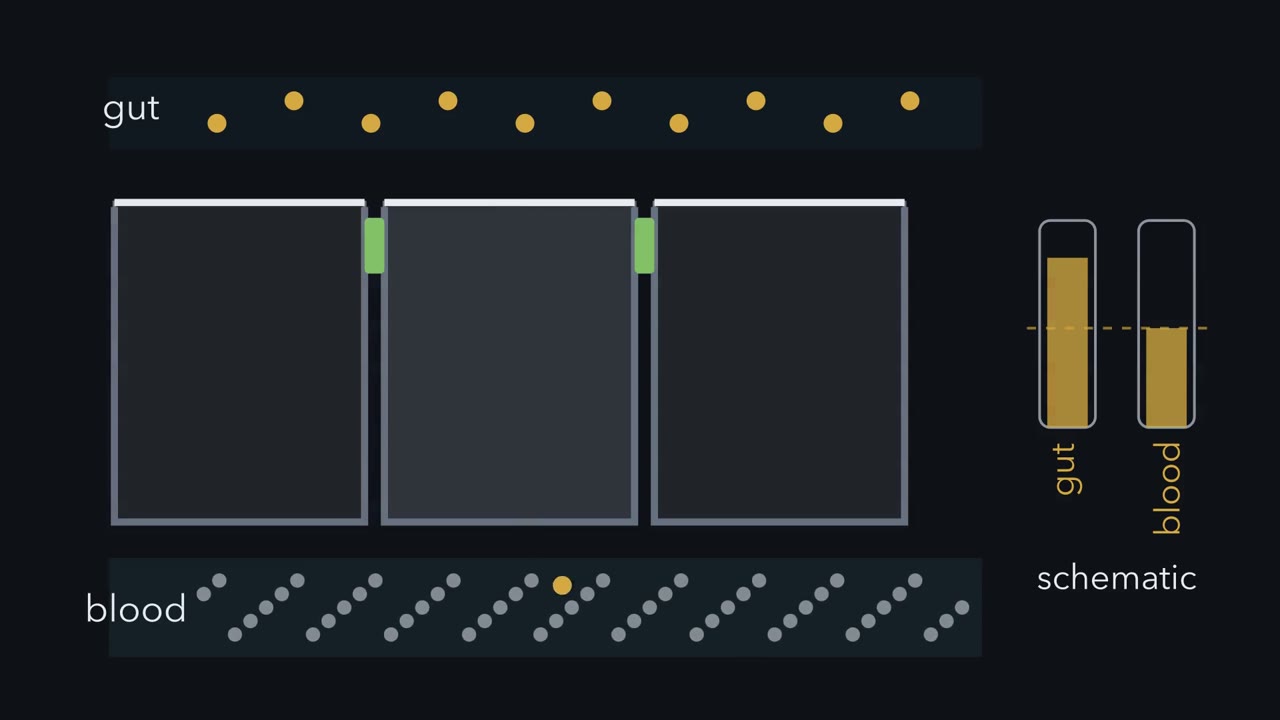 First film Length 3:20 Two Faces and a Seal Cell Biology · College: the core Epithelia and Tissue Organization
Take-home
In the gut lining, each cell has an apical face toward the gut and a basolateral face toward its neighbours and the blood.
-
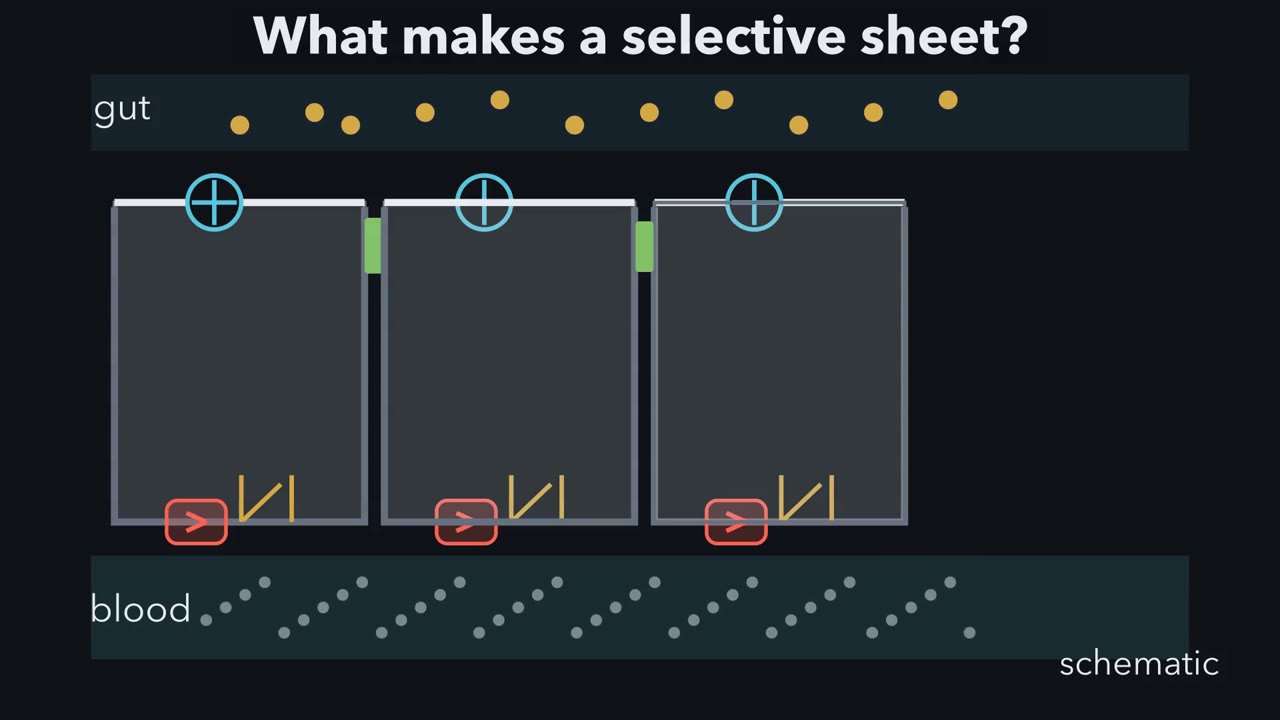 Second film Length 3:27 The Seal and the Sides Cell Biology · College: the core Epithelia and Tissue Organization
Take-home
The tight junction is a selective gate near the apical edge, not a watertight plug.
-
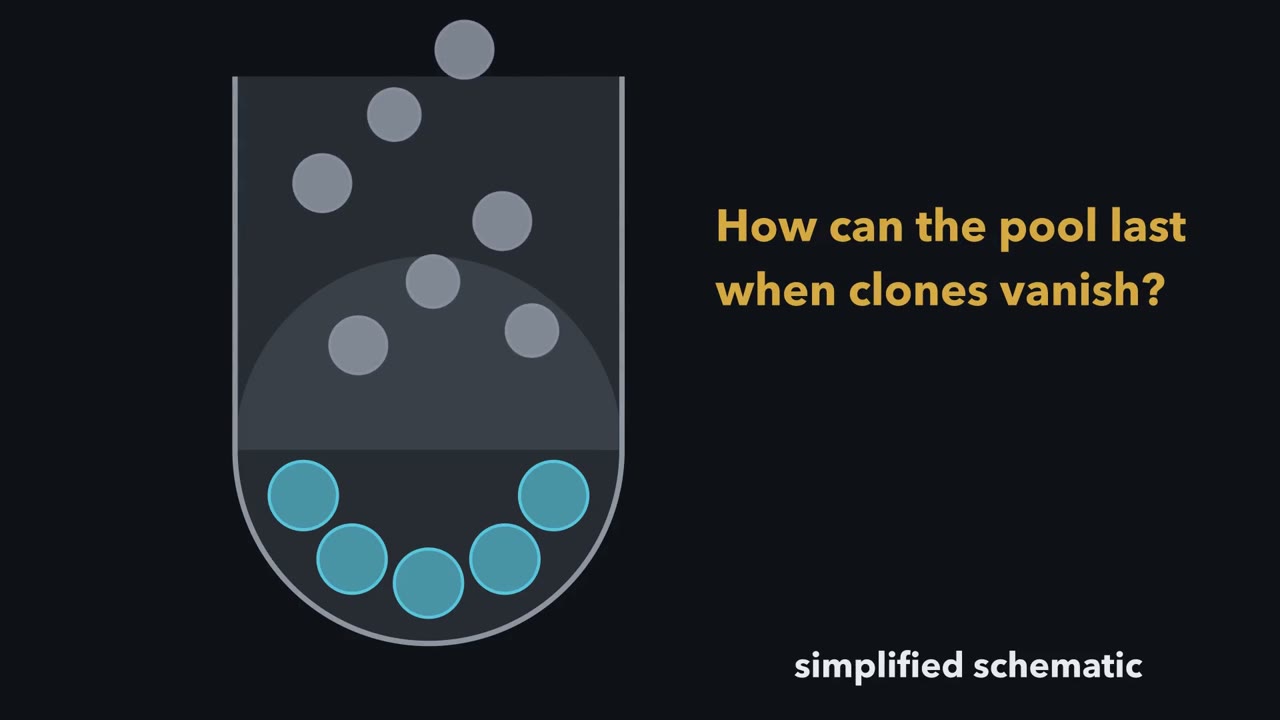 First film Length 3:43 How a Stem-Cell Pool Persists While Its Clones Come and Go Cell Biology · College: the core Stem Cells and Tissue Renewal
Take-home
In the mouse gut, what descendants do over time—not a marker alone—identifies a stem-cell population.
-
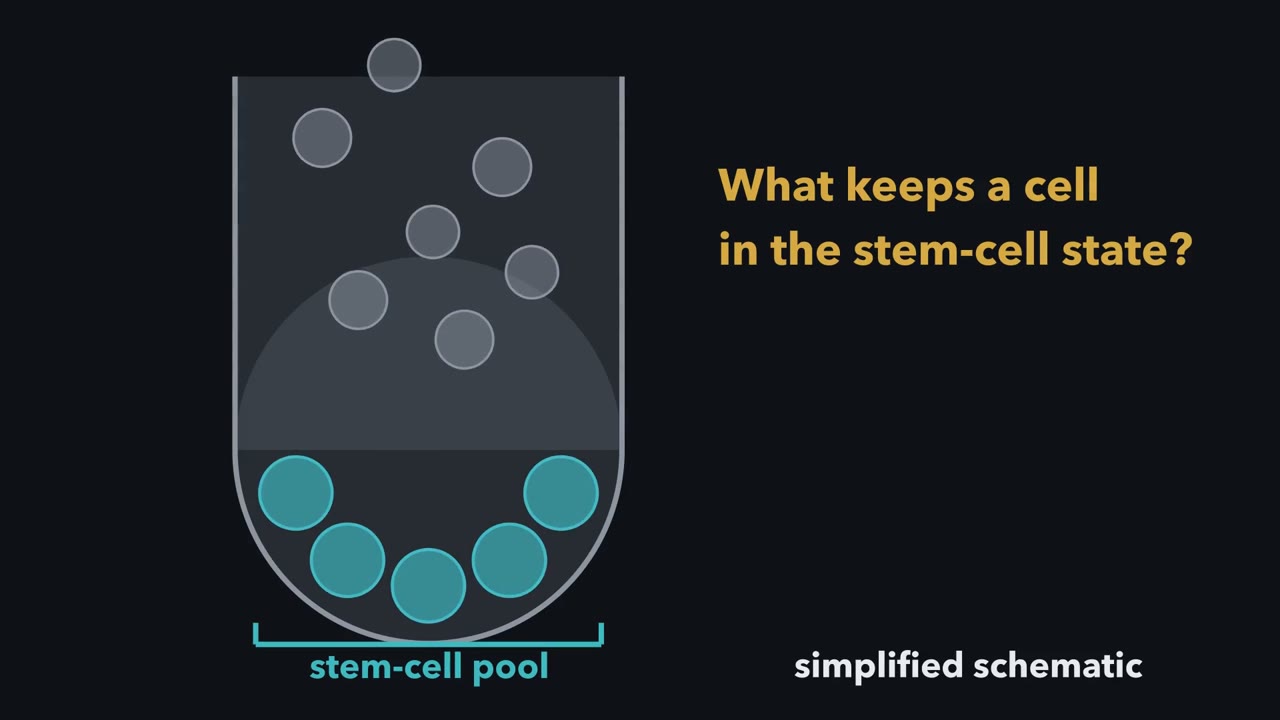 Second film Length 2:55 What Keeps a Cell a Stem Cell? Cell Biology · College: the core Stem Cells and Tissue Renewal
Take-home
A stem-cell niche is the local environment whose contact and signals bias whether a daughter stays a stem cell.
-
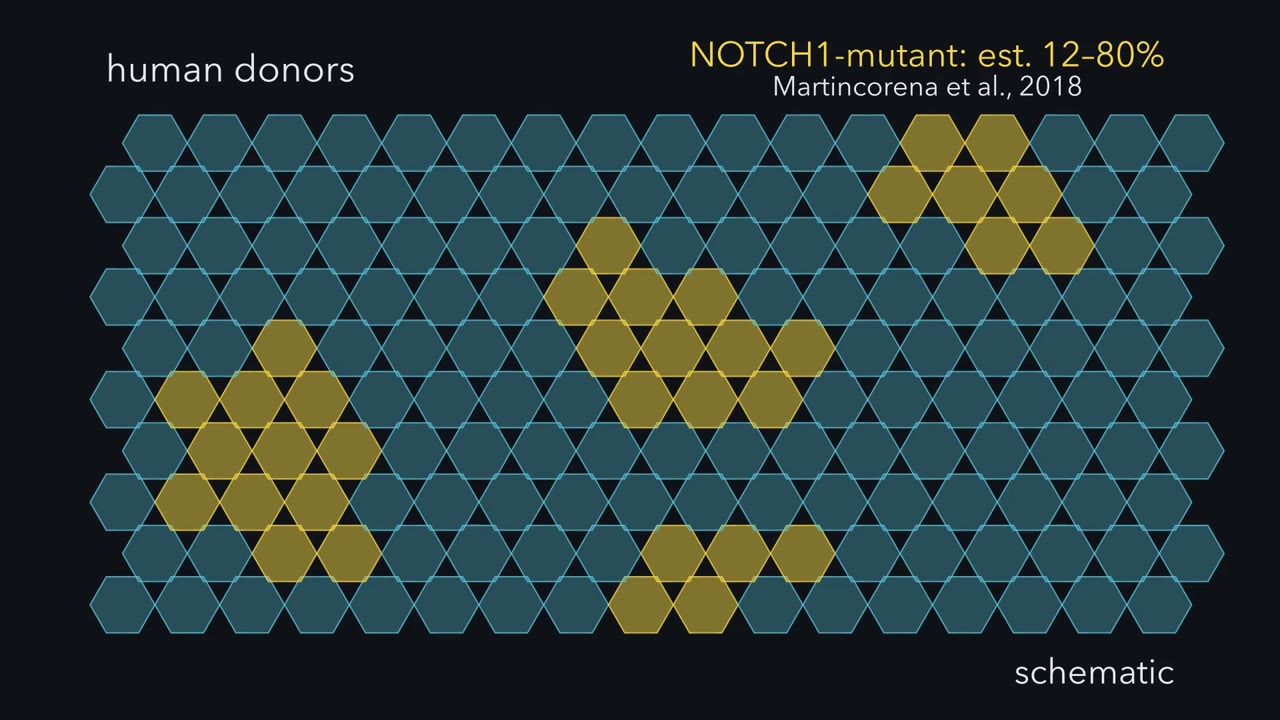 First film Length 3:03 Fate, Not Speed Cell Biology · College: the core Cell Identity, Cell State and Disease
Take-home
In mouse oesophagus, only the basal layer divides; each daughter stays a progenitor or differentiates, moves up and is shed.
-
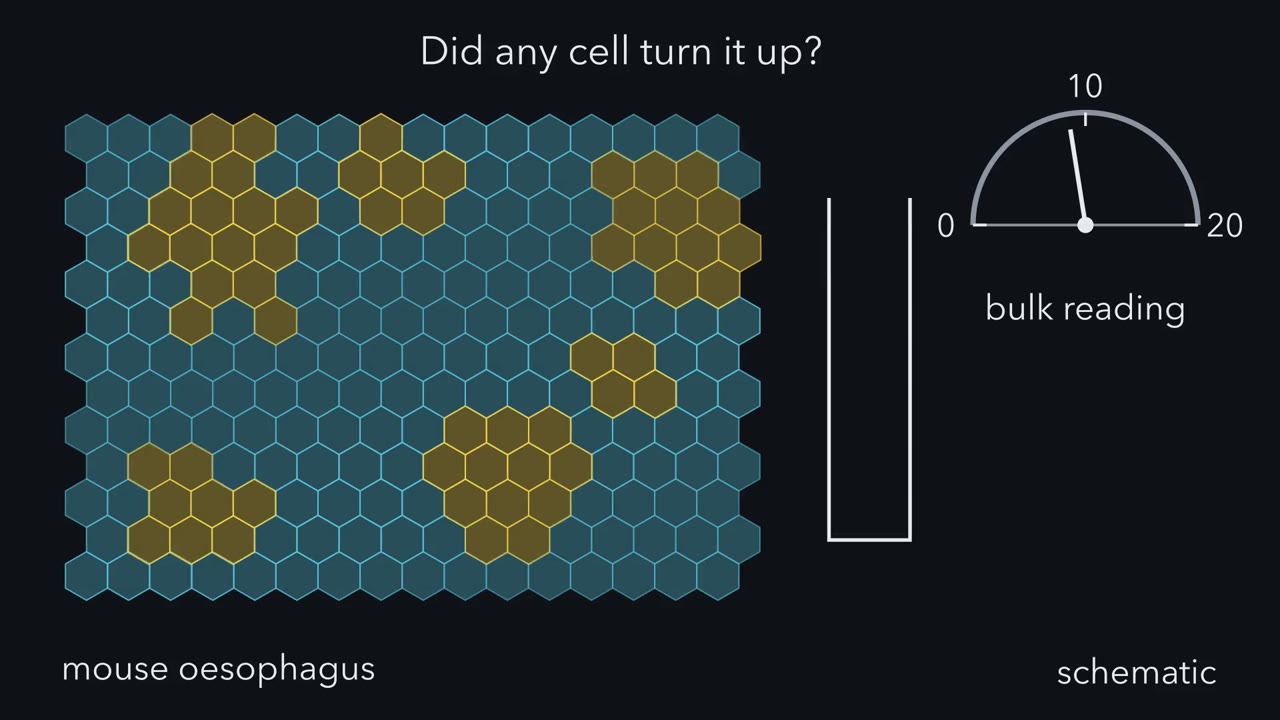 Second film Length 3:34 The Mix Moves the Average Cell Biology · College: the core Cell Identity, Cell State and Disease
Take-home
For amounts expressed per cell, a bulk measurement is a weighted average over the cells in the sample.
-
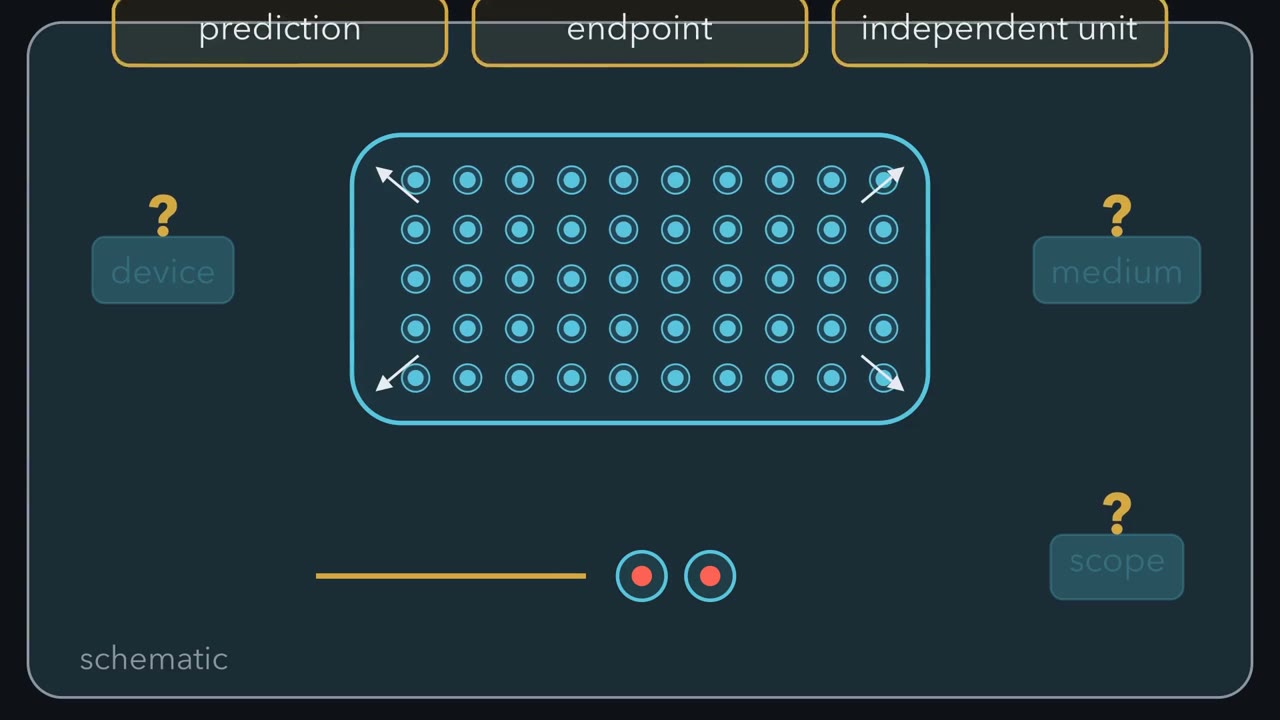
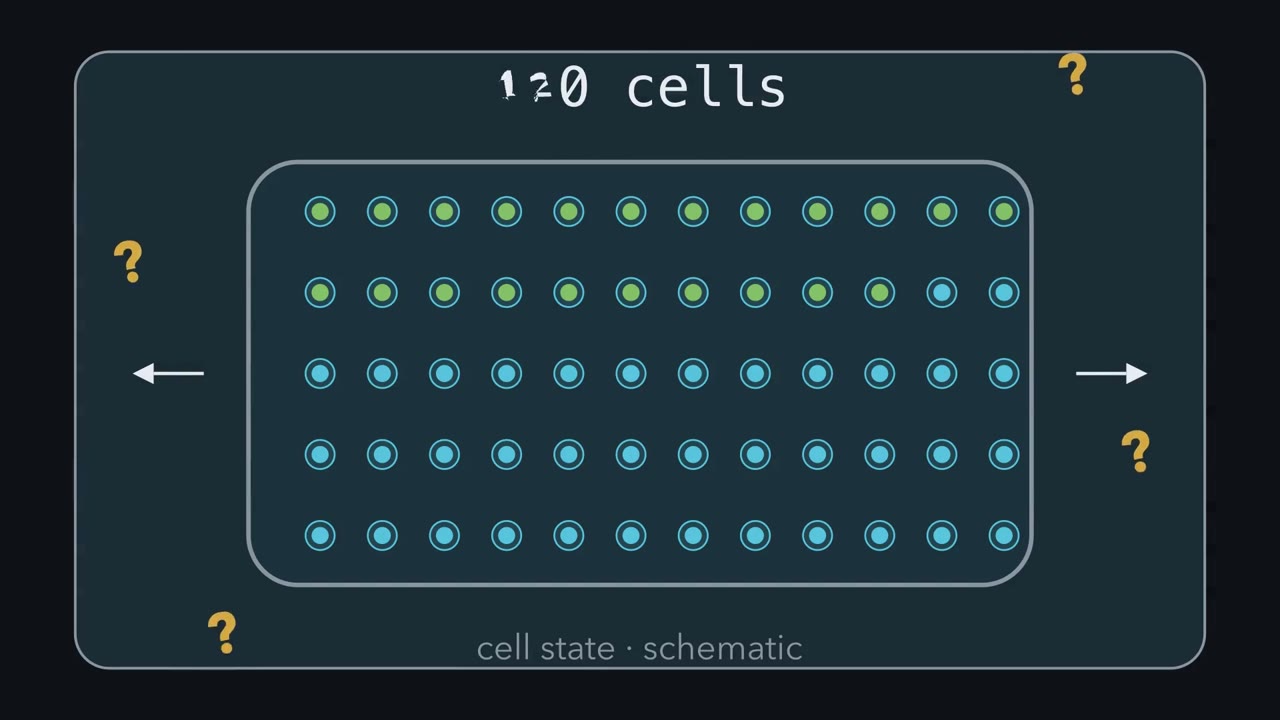 First film Length 3:28 Before the Data Arrive Cell Biology · College: the core Designing a Cell Biology Experiment
Take-home
In shared-dish cell experiments, lock the prediction, endpoint and independent unit before the data arrive.
-
 Second film Length 3:30 Ruling Out the Dull Explanations Cell Biology · College: the core Designing a Cell Biology Experiment
Take-home
A good control matches the treatment in every step except the one being tested.
Have 10, 20, 30 minutes? Start at your next unwatched film.
-
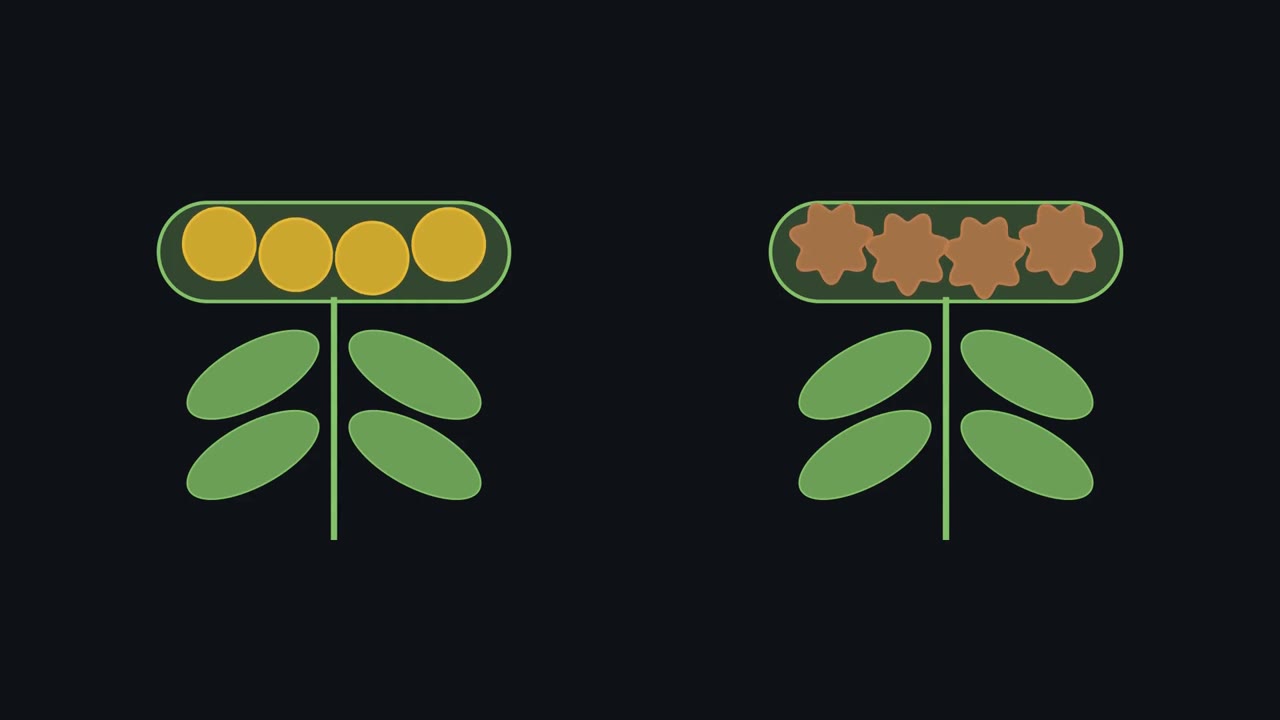 First film Length 3:15 Two Copies, One Coin Toss Genetics and Molecular Biology · College: the core Mendel's Peas: Segregation and Independent Assortment
Take-home
Crossing true-breeding round and wrinkled peas gives only round hybrid seeds, yet wrinkled seeds return in the next generation.
-
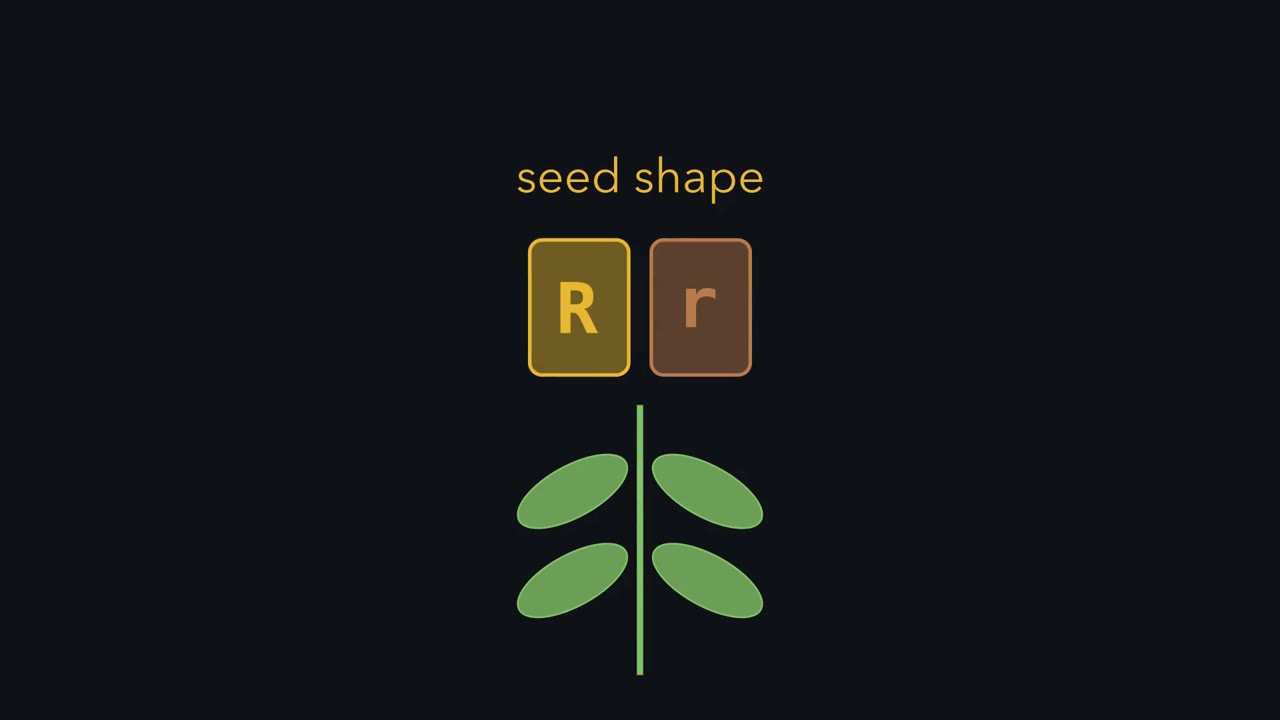 Second film Length 3:07 Two Genes, Two Coins Genetics and Molecular Biology · College: the core Mendel's Peas: Segregation and Independent Assortment
Take-home
Mendel asked whether the genes for seed shape and seed colour go into gametes together or separately.
-
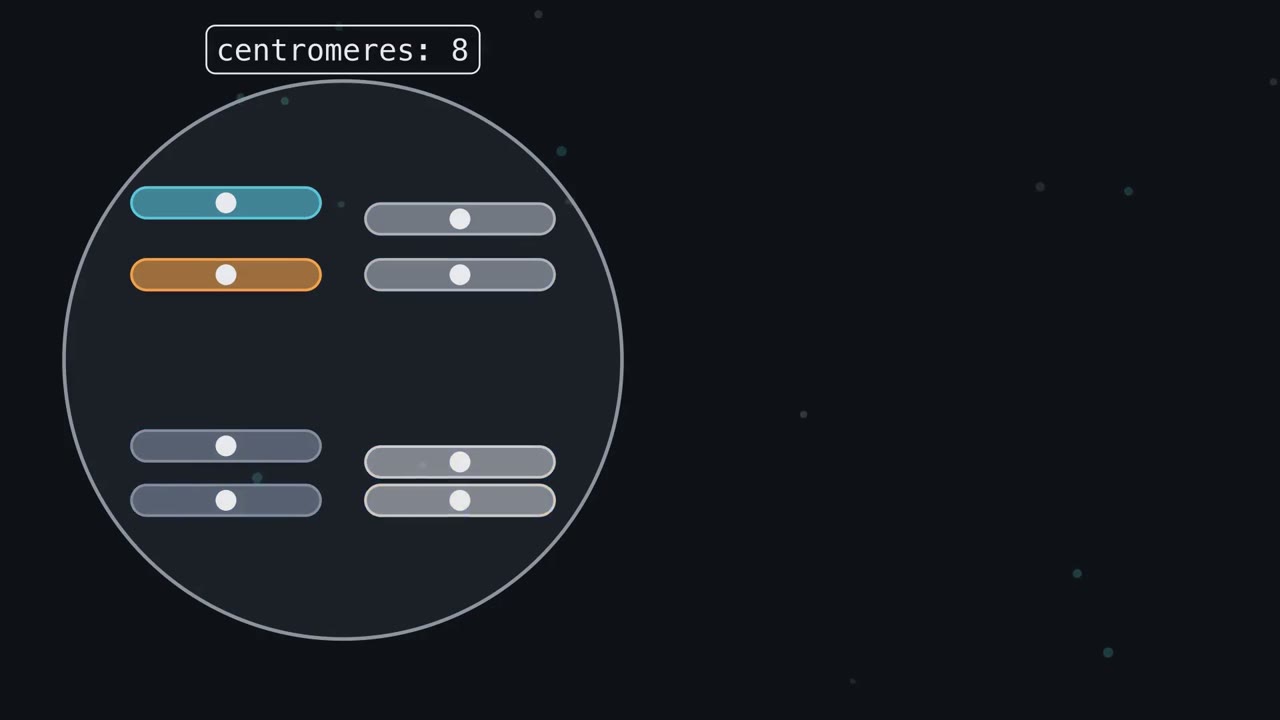 First film Length 3:41 One of Each Pair, by Coin Toss Genetics and Molecular Biology · College: the core Chromosomes and Meiosis: The Physical Basis of Mendel's Laws
Take-home
Homologs are the two members of a chromosome pair, one from each parent; sister chromatids are the two copies made in S phase.
-
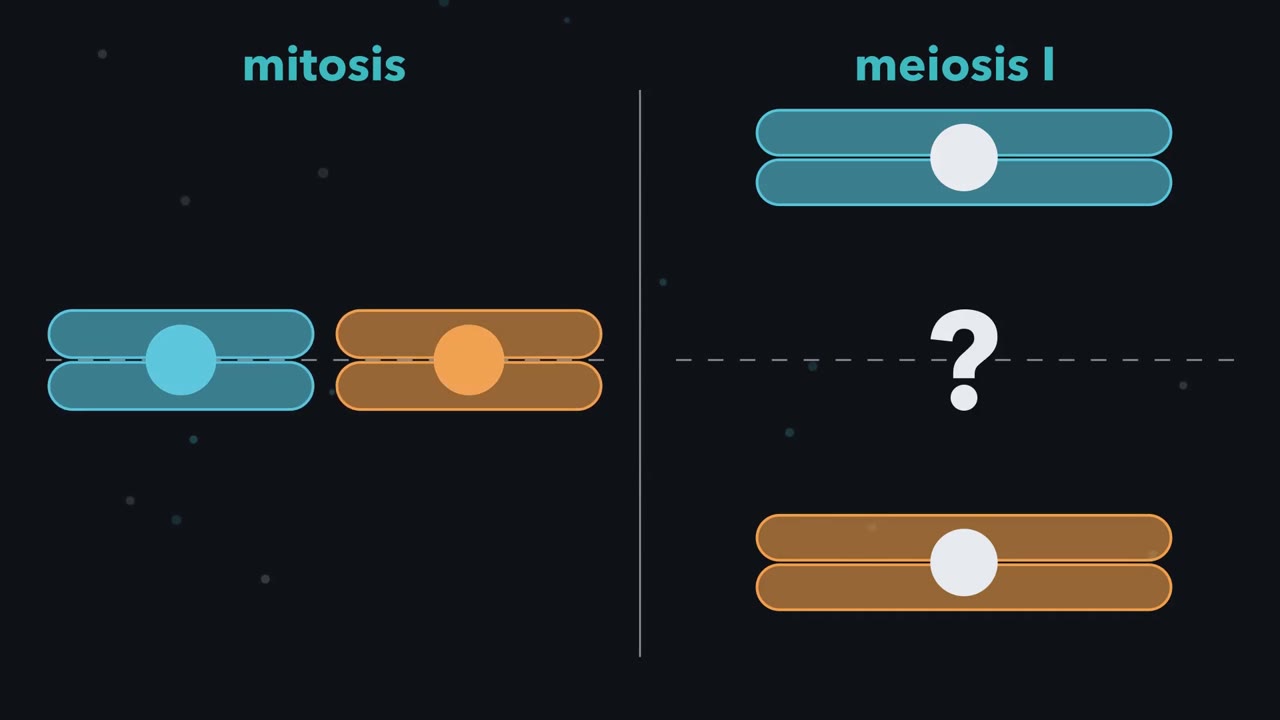 Second film Length 3:18 What Holds the Pair, and What Lets Go Genetics and Molecular Biology · College: the core Chromosomes and Meiosis: The Physical Basis of Mendel's Laws
Take-home
Cohesin rings hold sister chromatids together from S phase until they are cut.
-
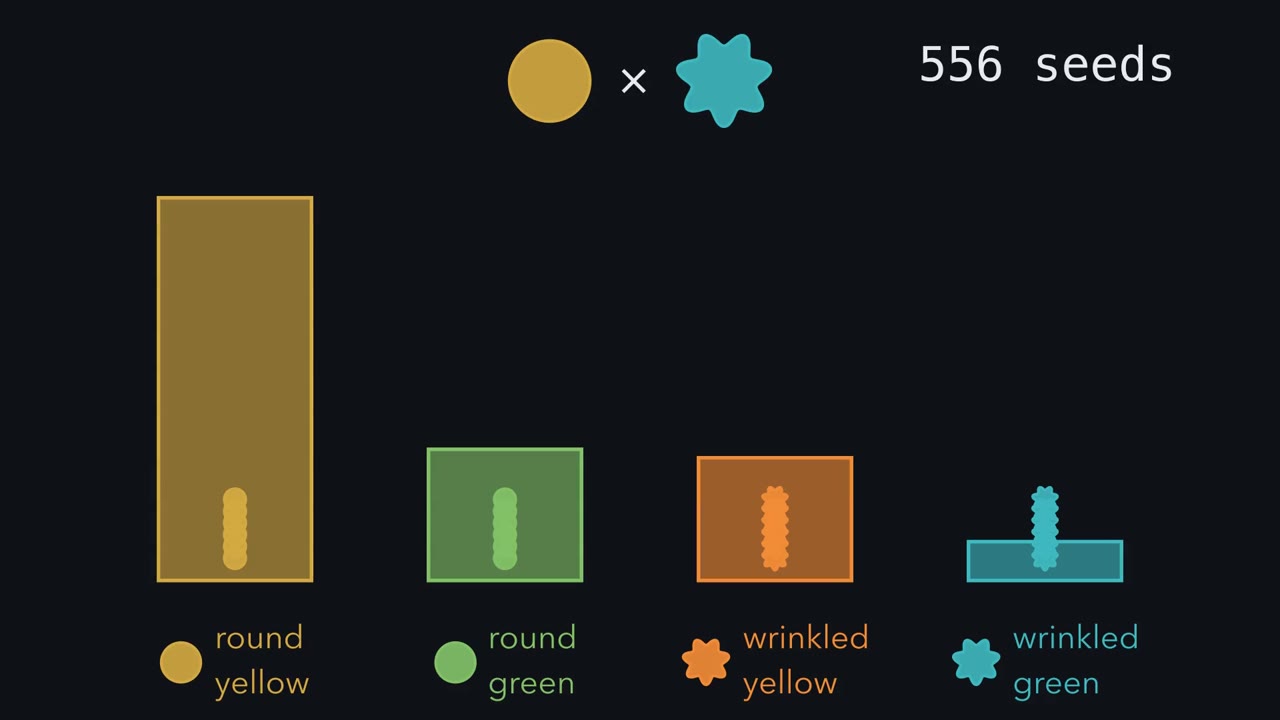 First film Length 3:09 A Ratio Predicts a Spread Genetics and Molecular Biology · College: the core Probability, Crosses and the Chi-Square Test
Take-home
A cross predicts probabilities, and real counts scatter around them.
-
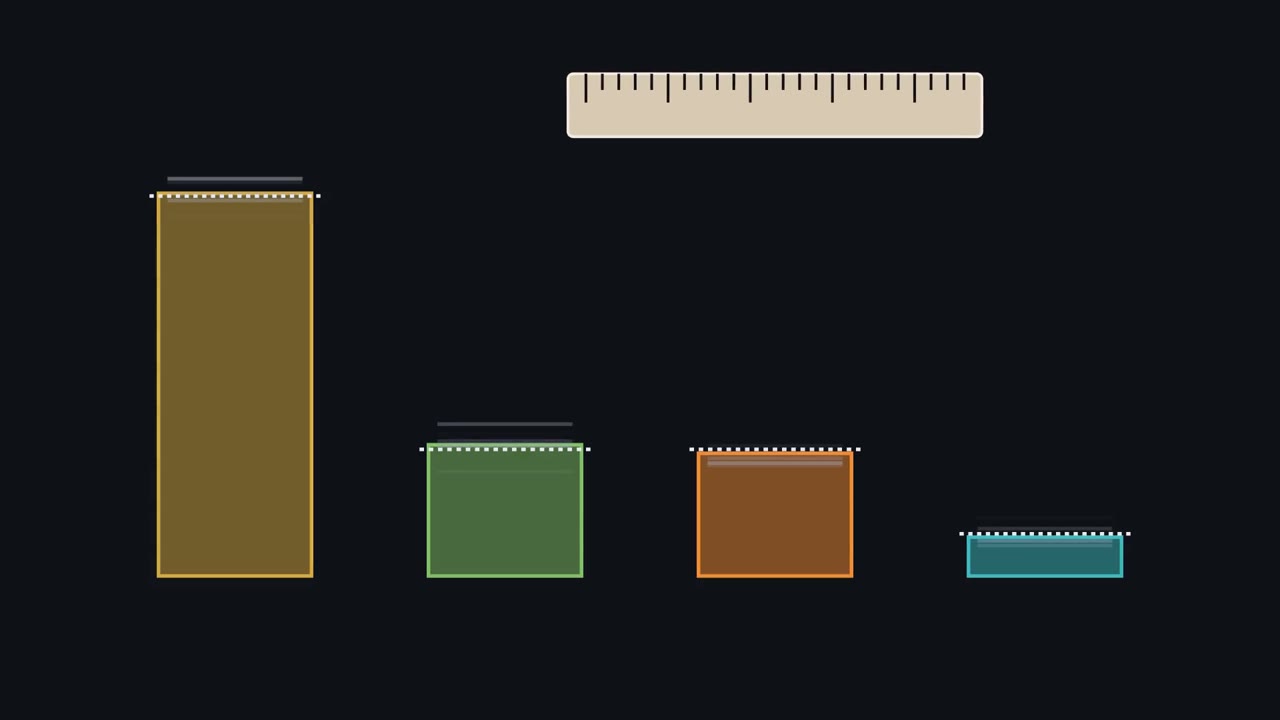 Second film Length 3:23 How Far Is Too Far? Genetics and Molecular Biology · College: the core Probability, Crosses and the Chi-Square Test
Take-home
Chi-square scores how far counts lie from a ratio, judging each miss against its expected count.
-
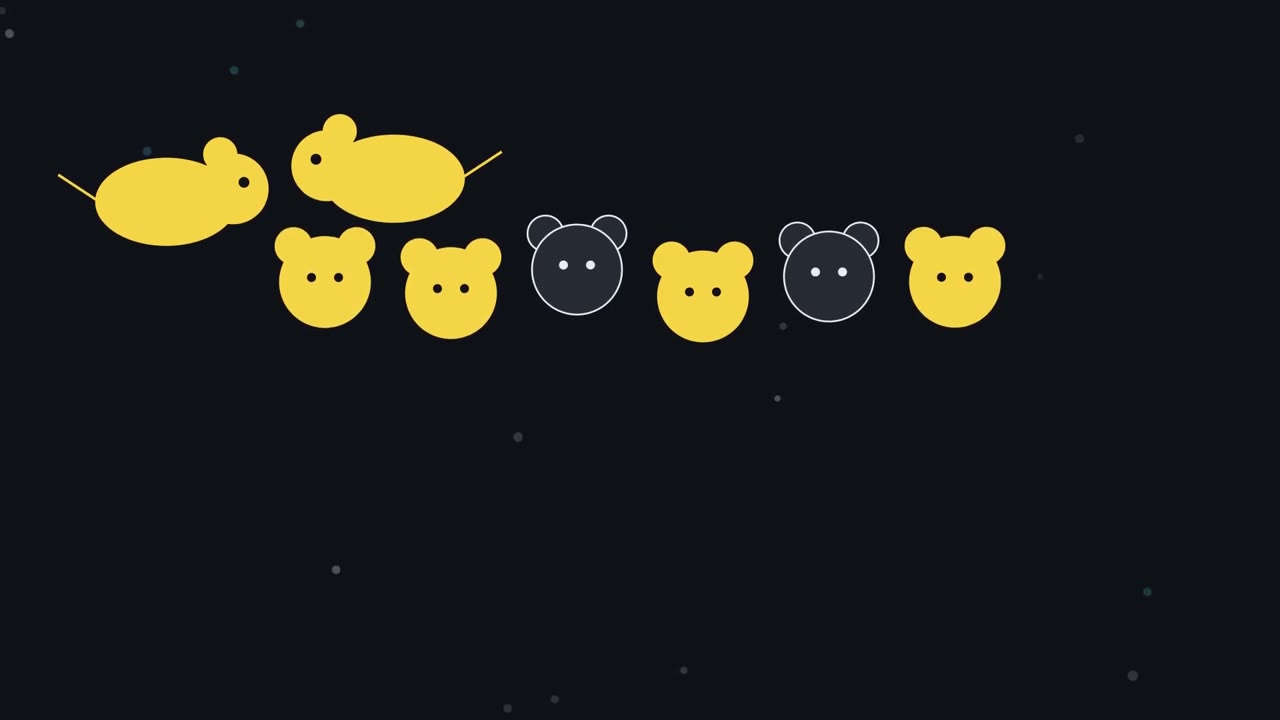 First film Length 3:15 Same Boxes, New Labels Genetics and Molecular Biology · College: the core Extending Mendel: Dominance, Multiple Alleles and Gene Interaction
Take-home
Meiosis sets which alleles enter each parent's gametes; with random fertilization, that decides which allele pairs a child can get and how often. That part never changes in this lesson.
-
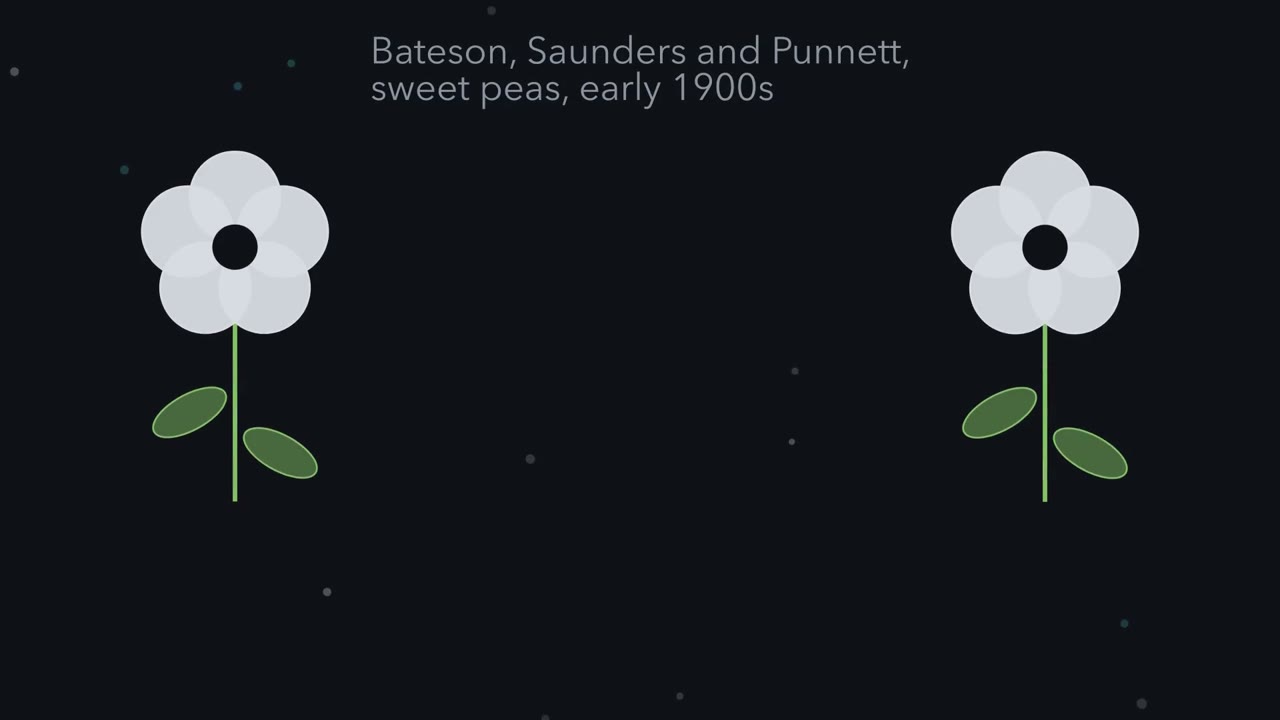 Second film Length 3:04 Two Whites Make Purple Genetics and Molecular Biology · College: the core Extending Mendel: Dominance, Multiple Alleles and Gene Interaction
Take-home
Two white-flowered sweet-pea strains gave purple hybrids.
-
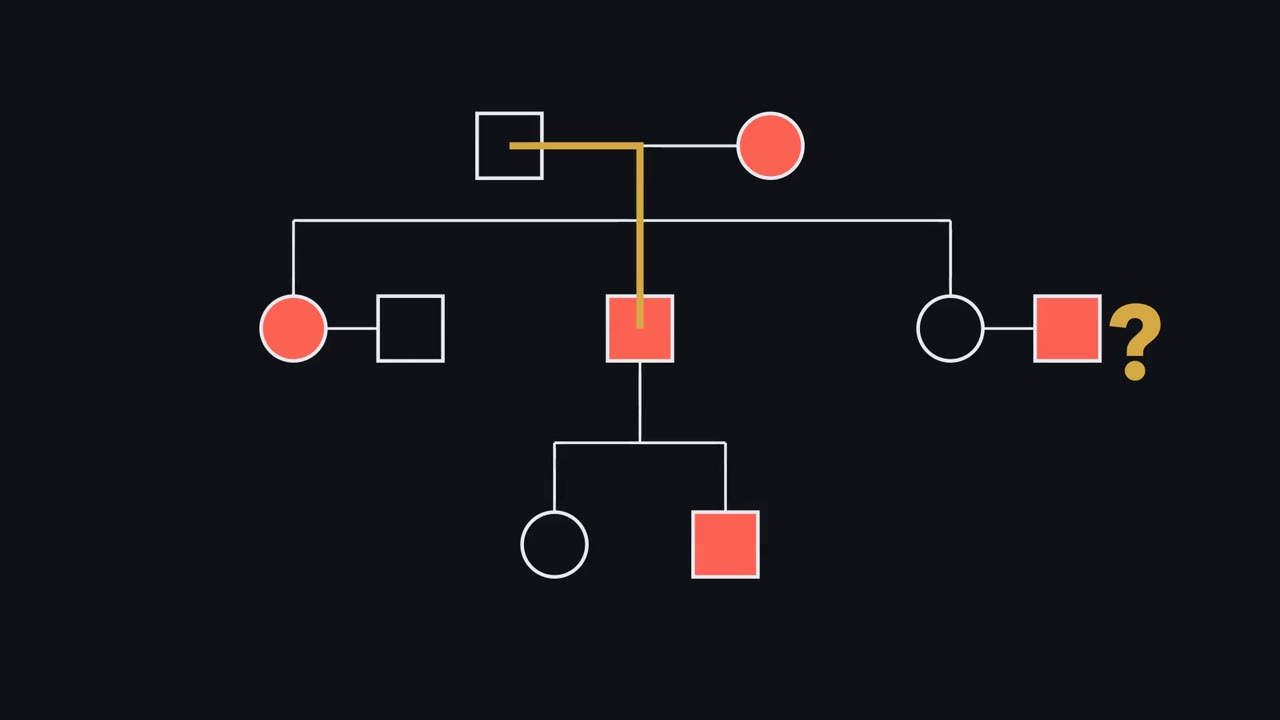 First film Length 3:36 The Pedigree as a Model Test Genetics and Molecular Biology · College: the core Reading Pedigrees: Human Inheritance
Take-home
Fitting predictions support a model; one contradiction can rule it out.
-
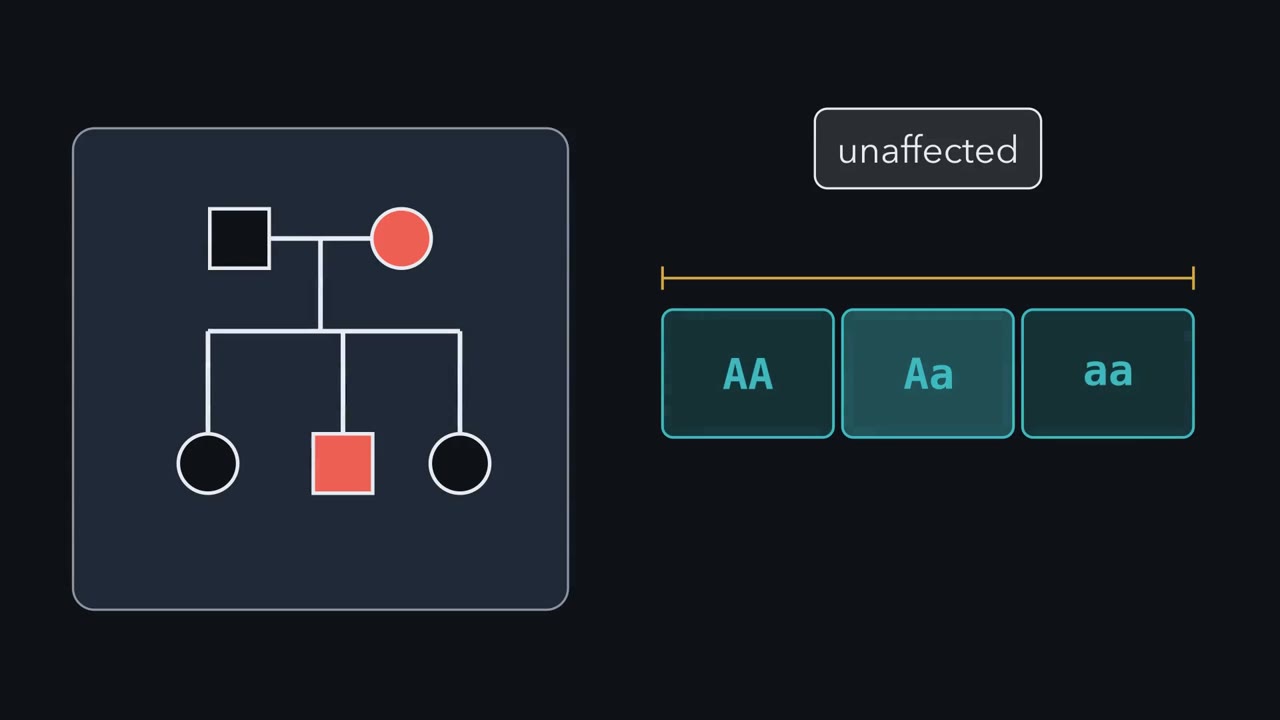 Second film Length 3:47 Evidence Reweights the Possibilities Genetics and Molecular Biology · College: the core Reading Pedigrees: Human Inheritance
Take-home
Evidence changes genotype probabilities, not genotypes.
-
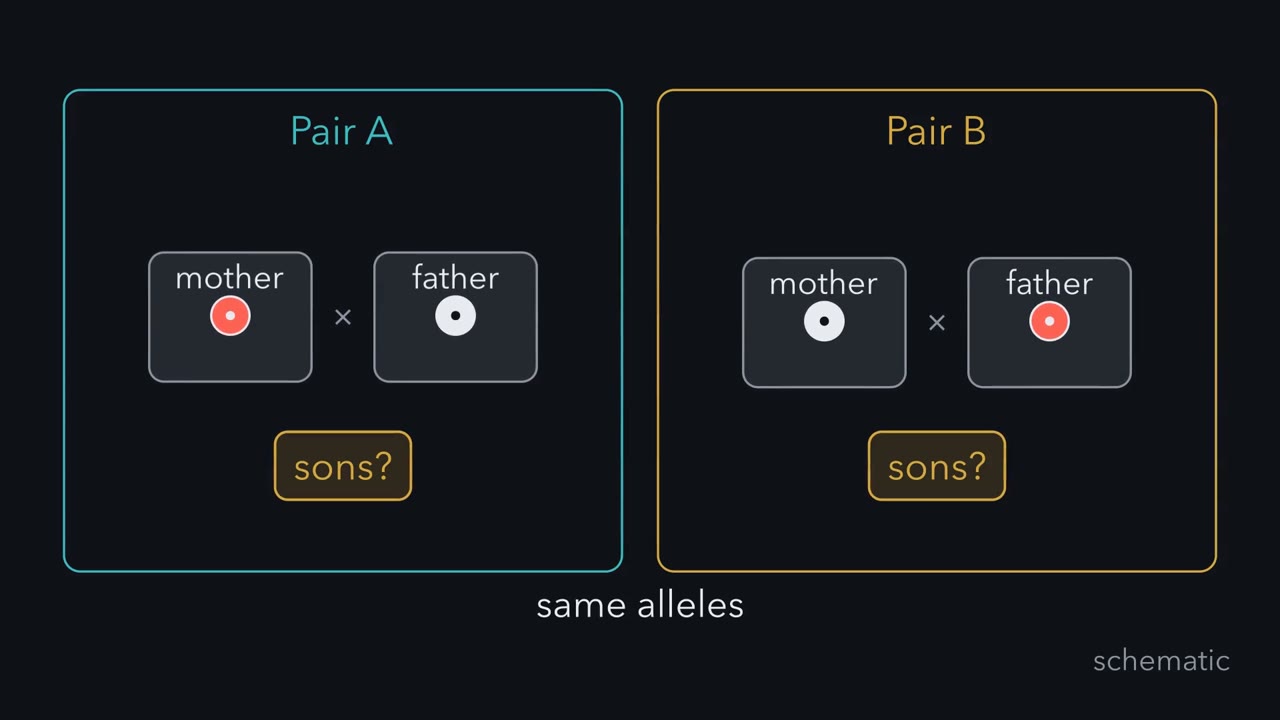 First film Length 3:27 Why Reciprocal Crosses Split Genetics and Molecular Biology · College: the core Sex Linkage, Dosage Compensation and Non-Mendelian Inheritance
Take-home
The route of an X-linked allele depends on its carrier parent.
-
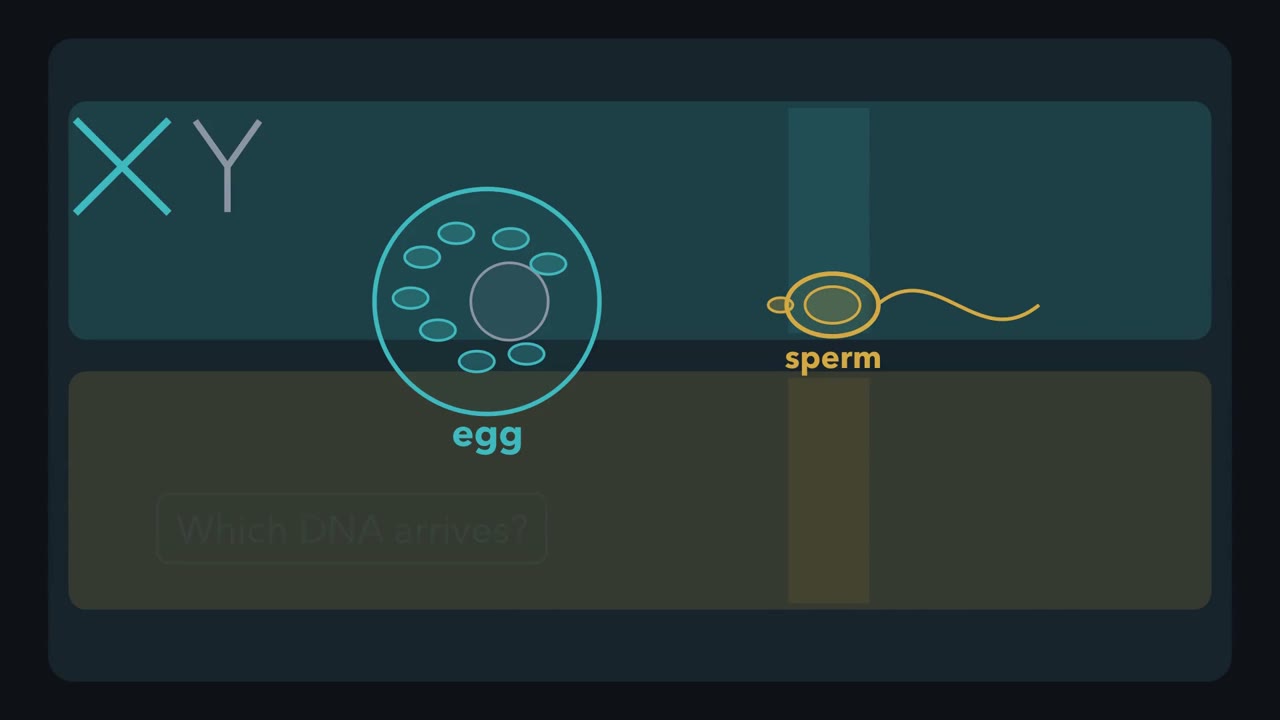 Second film Length 3:40 Two Ways Parent of Origin Matters Genetics and Molecular Biology · College: the core Sex Linkage, Dosage Compensation and Non-Mendelian Inheritance
Take-home
Parent of origin can decide which DNA arrives or which allele acts.
-
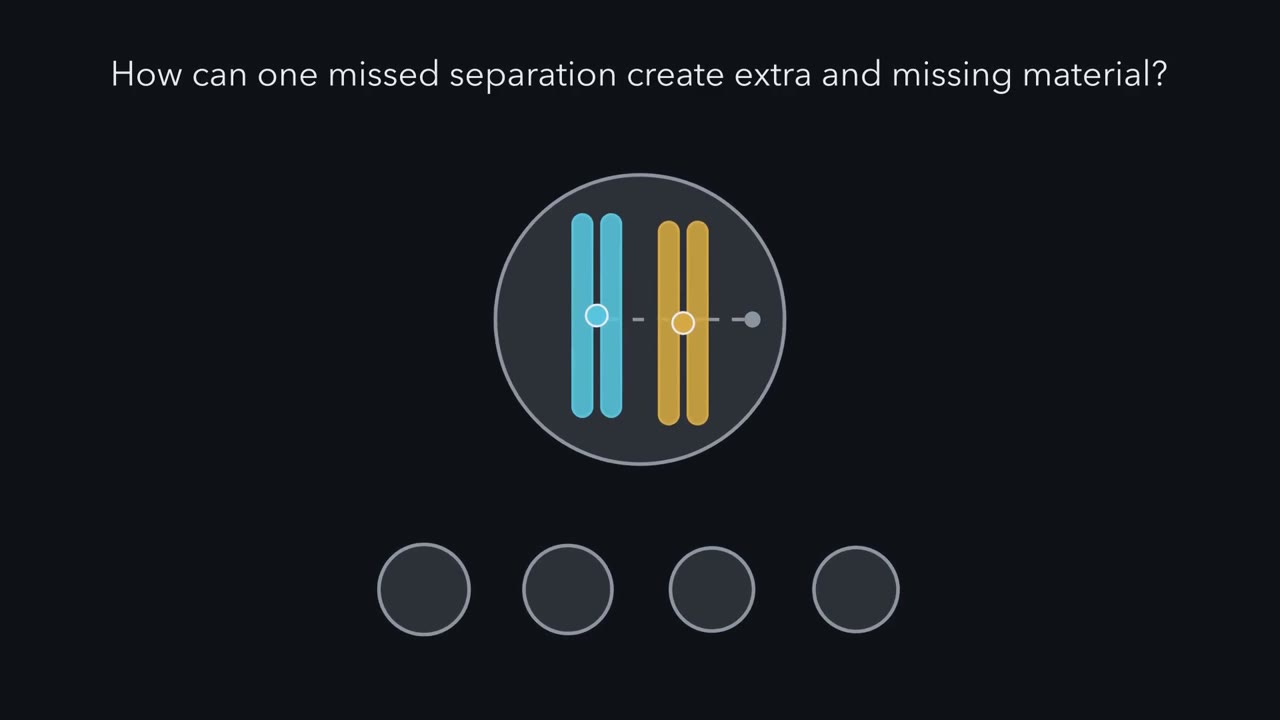 First film Length 3:35 When Chromosomes Miss Their Turn Genetics and Molecular Biology · College: the core Chromosome Number and Structure: Aneuploidy and Rearrangements
Take-home
Chromosome-number changes matter through DNA dose.
-
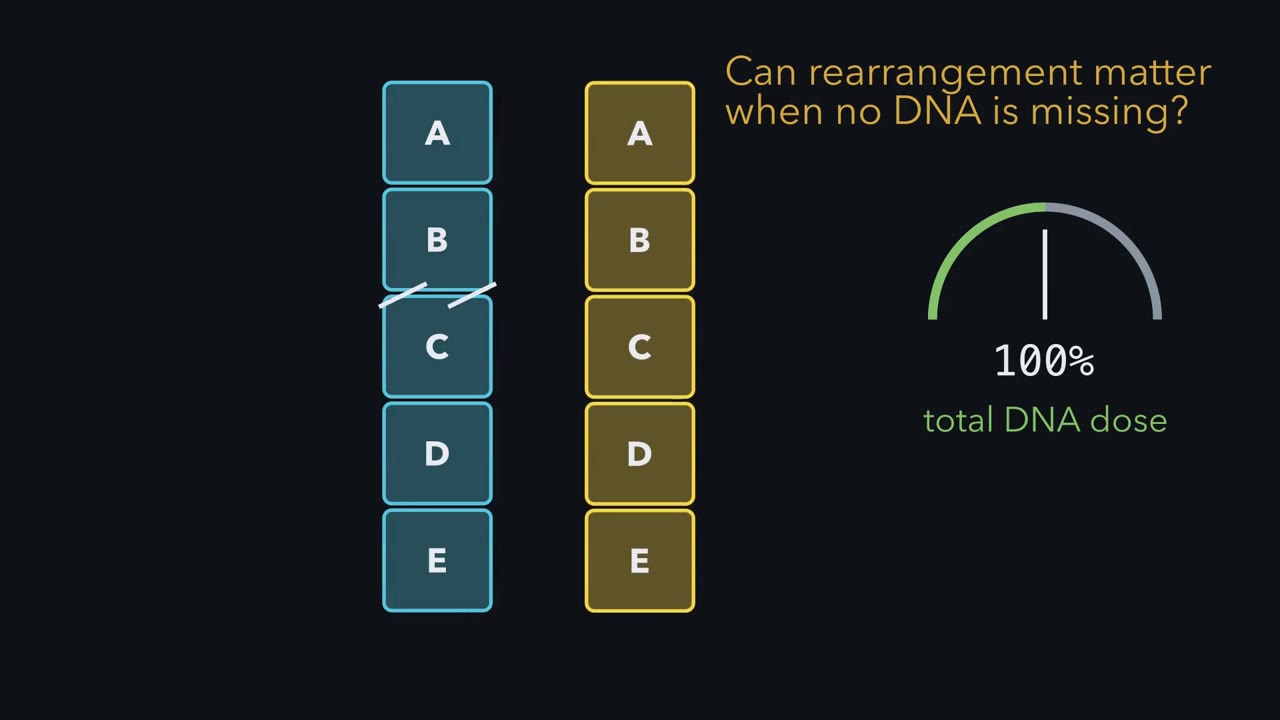 Second film Length 3:43 Break, Rejoin, Segregate Genetics and Molecular Biology · College: the core Chromosome Number and Structure: Aneuploidy and Rearrangements
Take-home
Rearrangements matter through DNA dose, gene context, and meiotic balance.
-
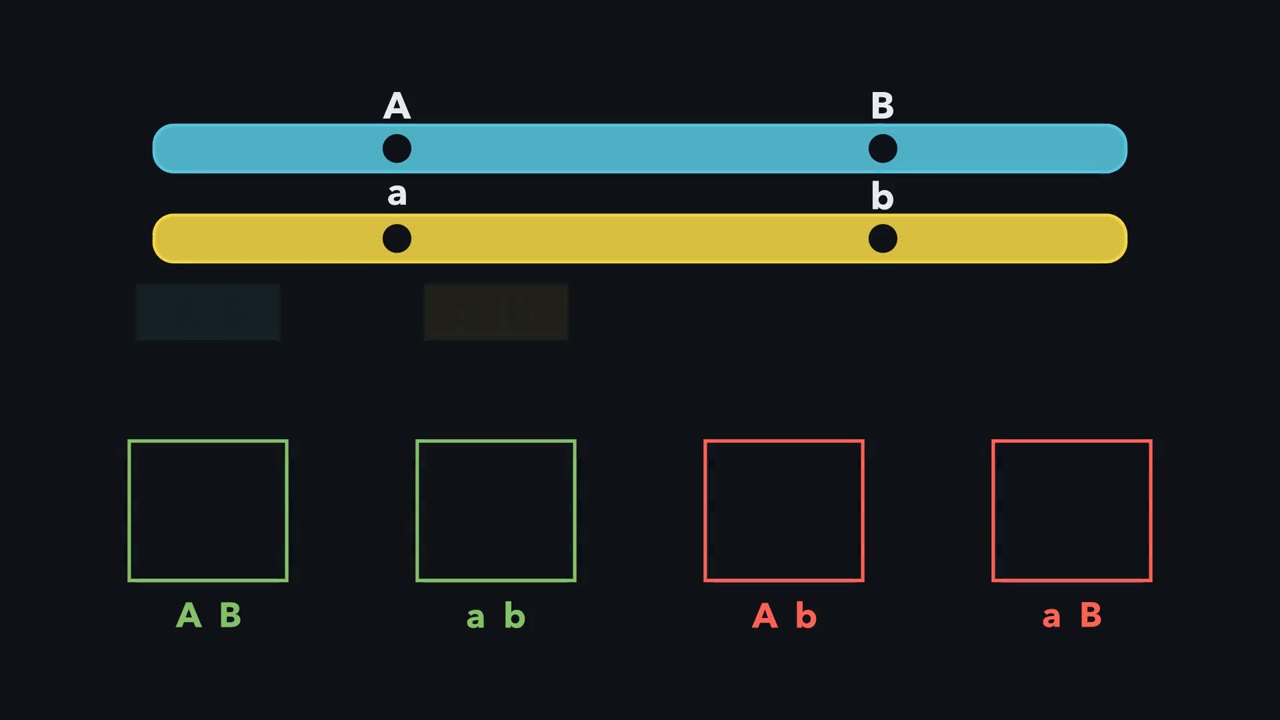 First film Length 3:41 When Four Classes Refuse to Be Equal Genetics and Molecular Biology · College: the core Linkage and Recombination Mapping
Take-home
For short intervals, recombination frequency estimates map distance.
-
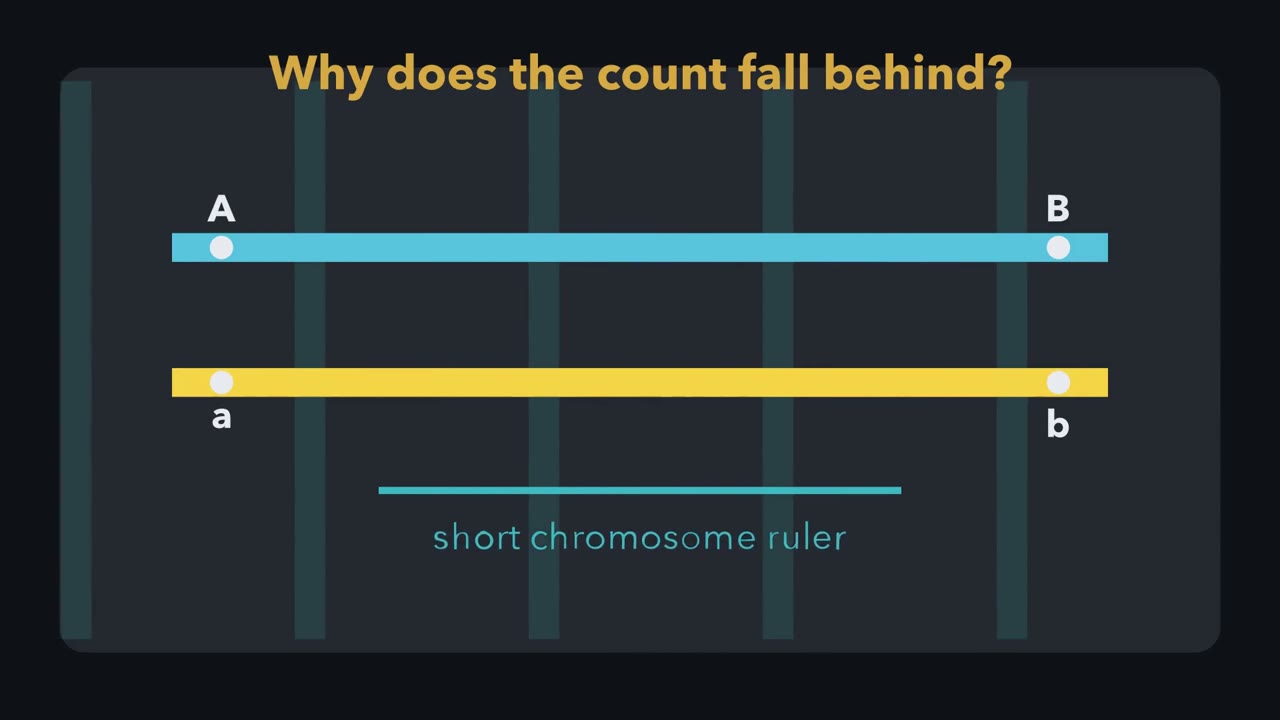 Second film Length 3:29 Why the Map Outgrows the Count Genetics and Molecular Biology · College: the core Linkage and Recombination Mapping
Take-home
Over long intervals, hidden crossovers make recombination frequency underestimate distance.
-
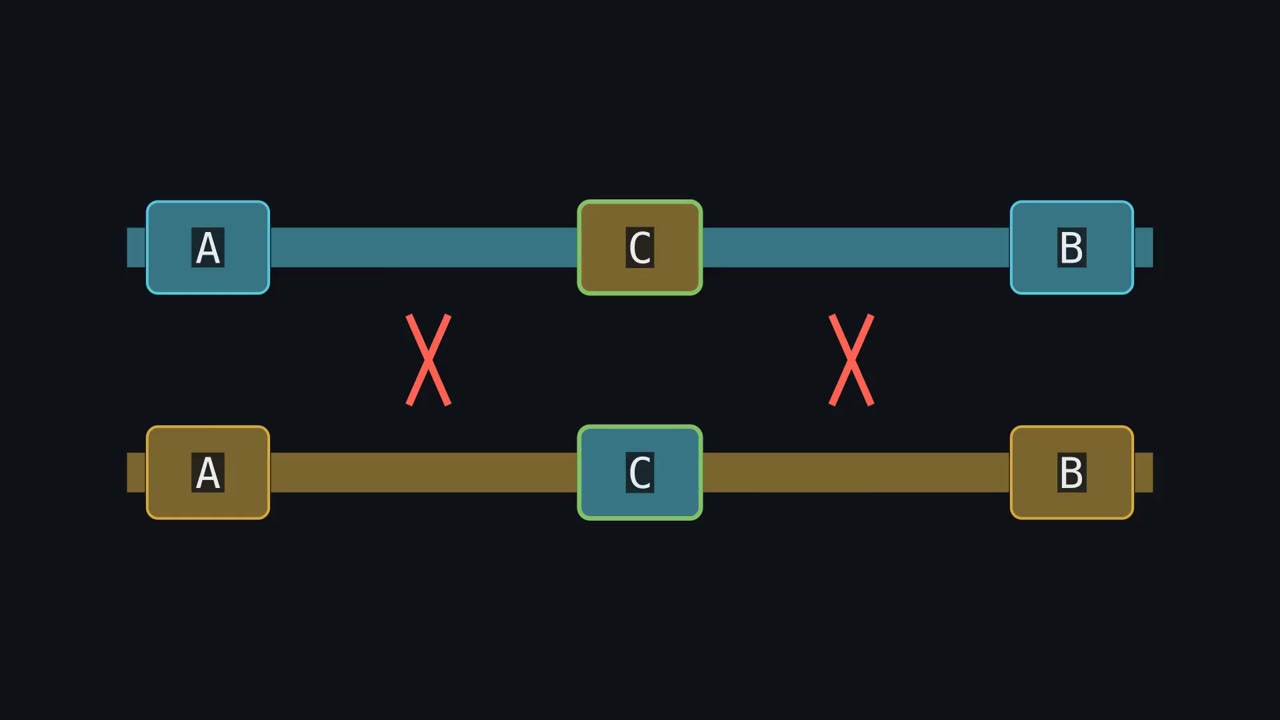 First film Length 3:35 The Marker in the Middle Genetics and Molecular Biology · College: the core Three-Point Crosses: Gene Order and Double Crossovers
Take-home
A middle marker makes double crossovers visible.
-
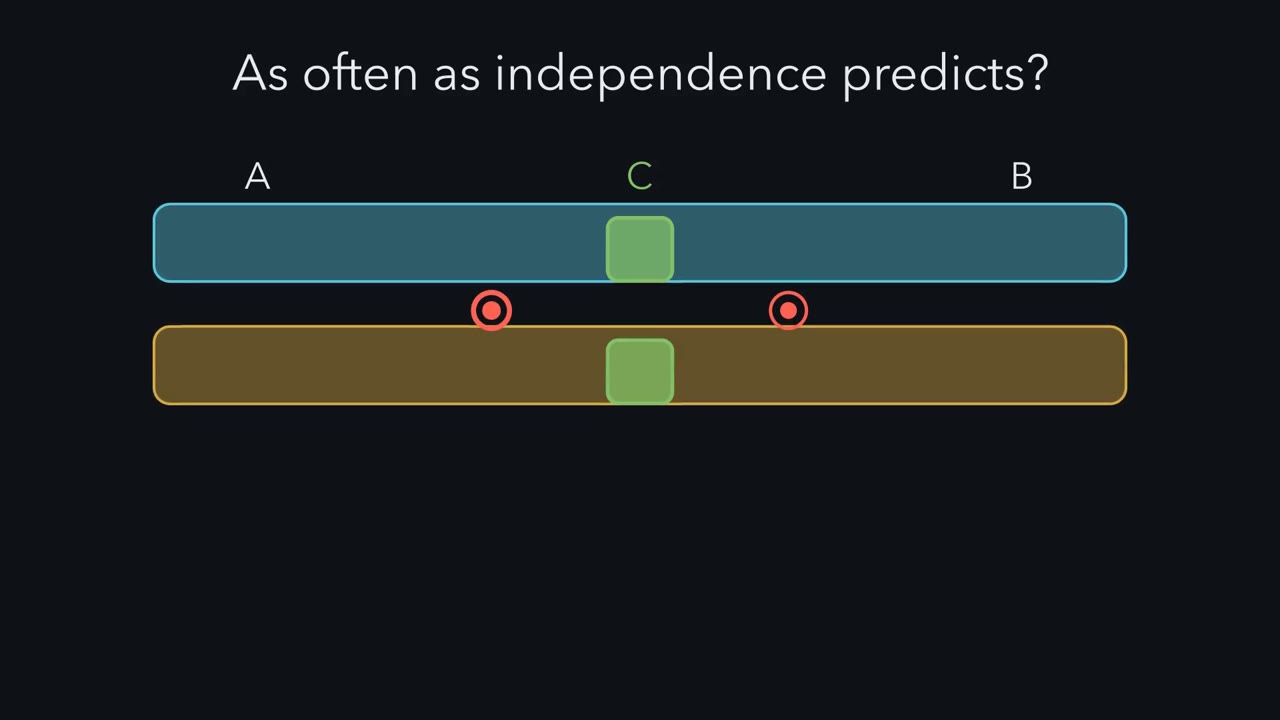 Second film Length 3:51 Do Crossovers Act Independently? Genetics and Molecular Biology · College: the core Three-Point Crosses: Gene Order and Double Crossovers
Take-home
Comparing observed and expected doubles reveals crossover spacing.
-
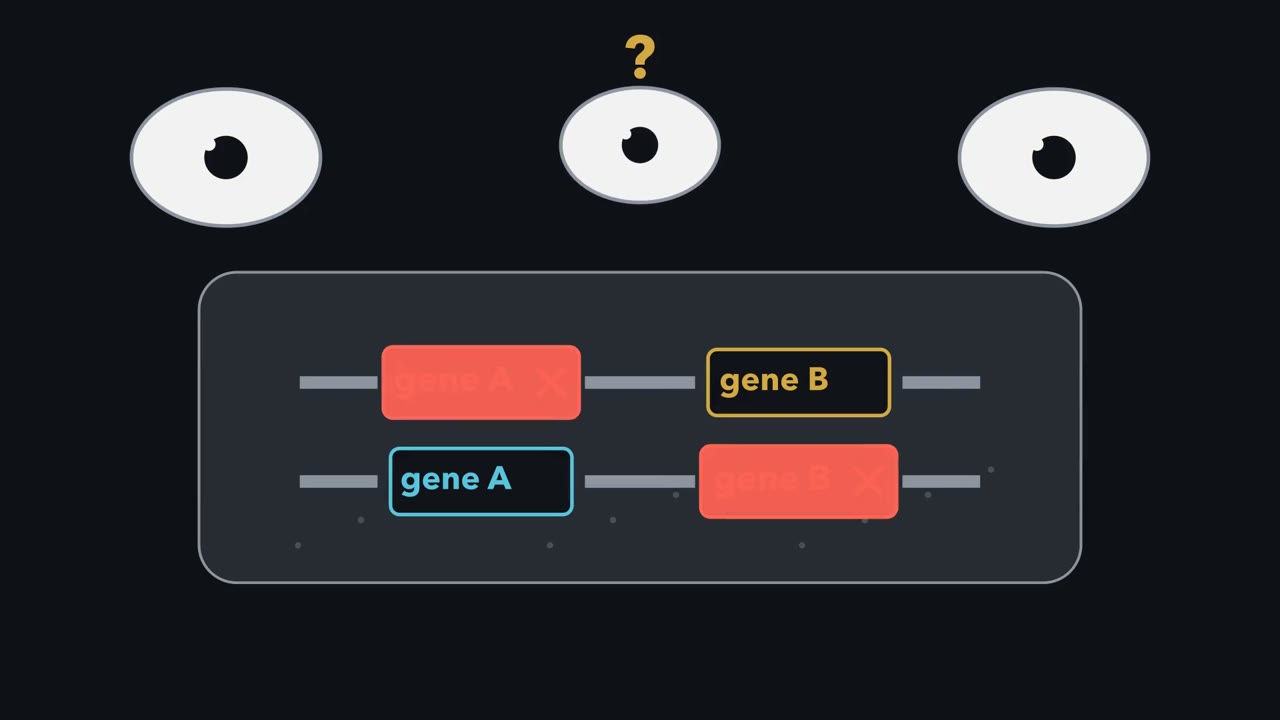 First film Length 3:28 When Two Mutants Rescue Each Other Genetics and Molecular Biology · College: the core Complementation and Gene Function: From Beadle and Tatum to Benzer
Take-home
For recessive mutants, rescue in trans usually means different genes.
-
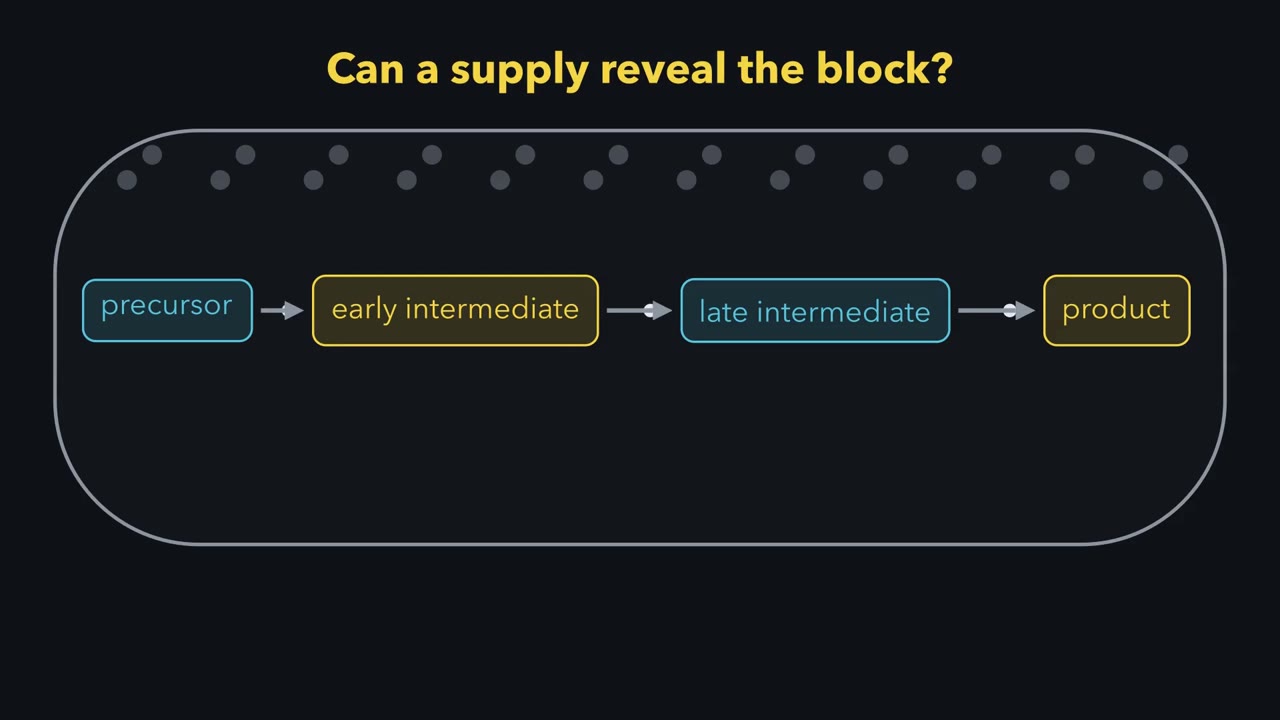 Second film Length 3:26 Reading a Pathway Backward Genetics and Molecular Biology · College: the core Complementation and Gene Function: From Beadle and Tatum to Benzer
Take-home
A usable supplement rescues only by entering after the blocked step.
-
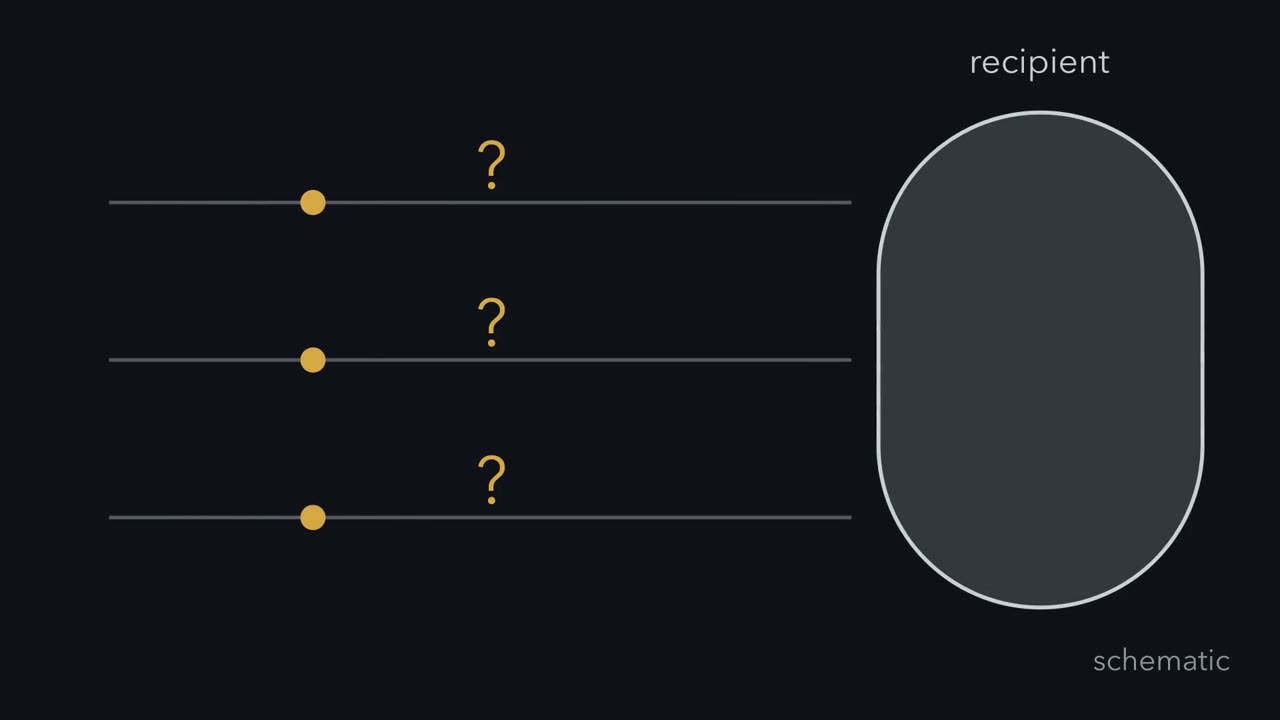 First film Length 3:35 From DNA Route to Gene Order Genetics and Molecular Biology · College: the core Bacterial and Phage Genetics: Conjugation, Transduction and Transformation
Take-home
For Hfr transfer, ordered arrival maps gene order; if transfer is roughly steady, time gaps map distance.
-
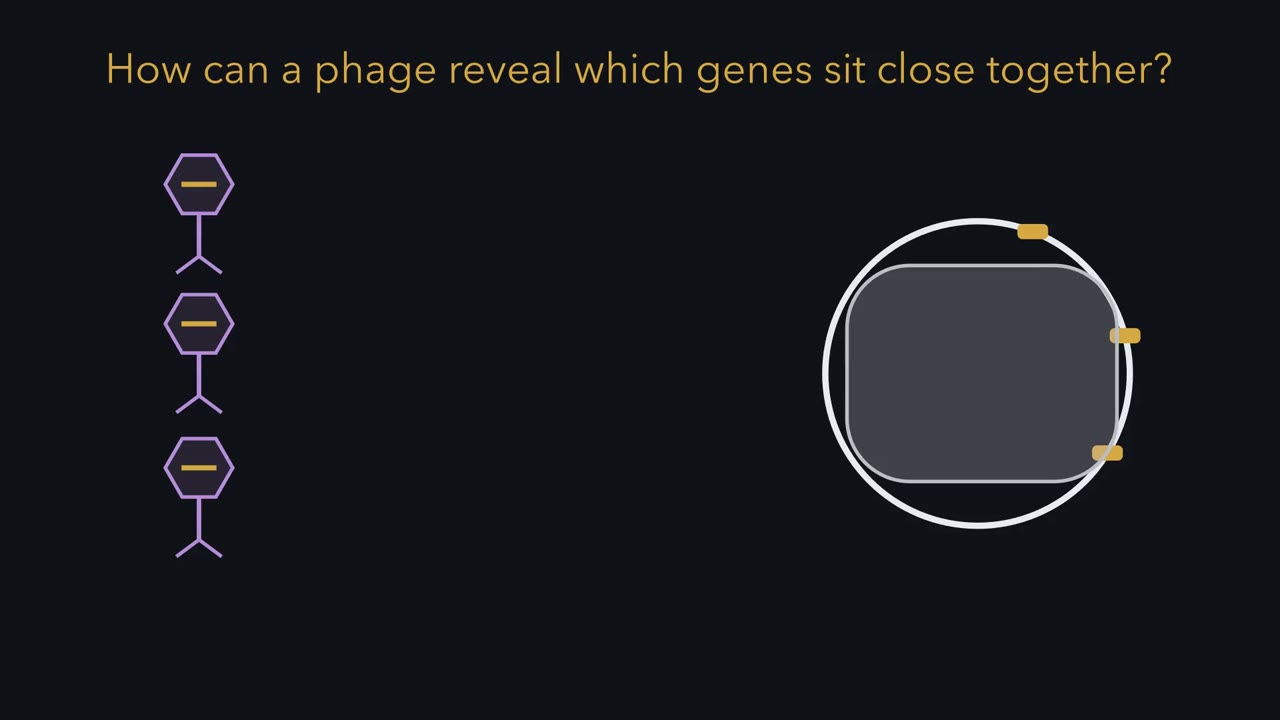 Second film Length 3:46 When Genes Share a Phage Genetics and Molecular Biology · College: the core Bacterial and Phage Genetics: Conjugation, Transduction and Transformation
Take-home
Shared carriage maps proximity; closer genes travel together more often.
-
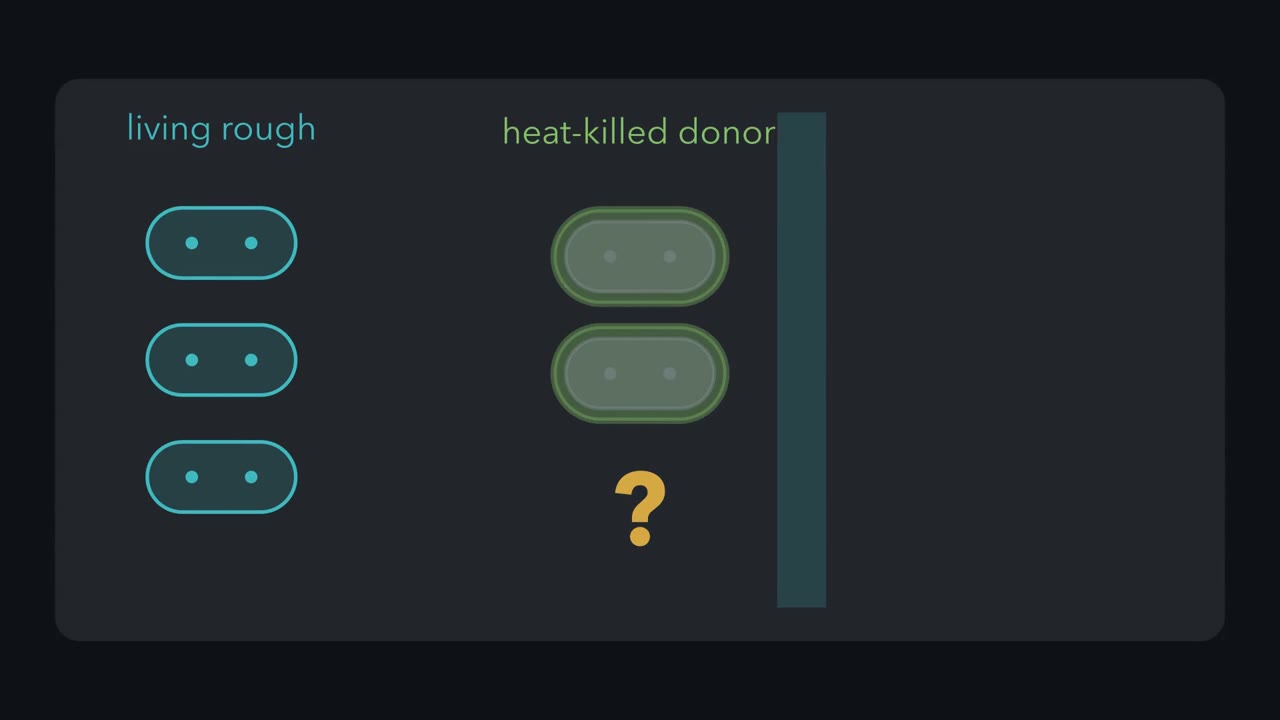 First film Length 3:59 What Followed the Trait? Genetics and Molecular Biology · College: the core DNA Is the Genetic Material
Take-home
Heritable information follows DNA across independent experiments.
-
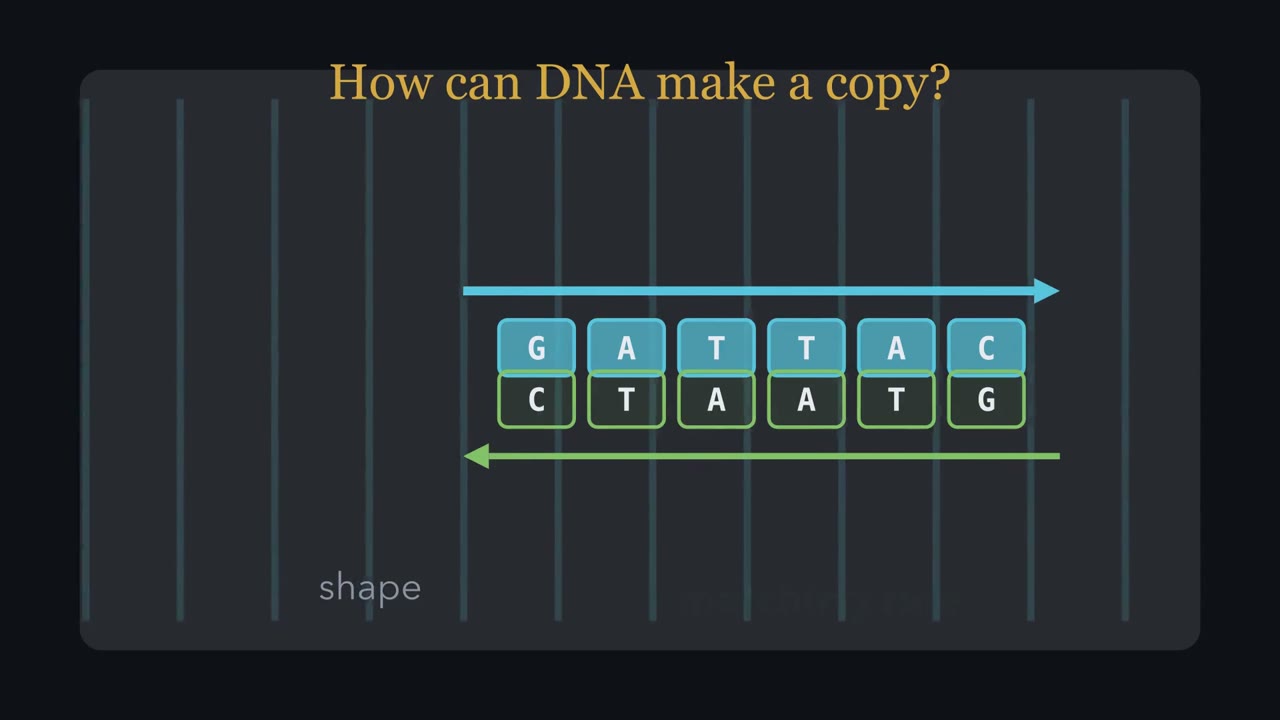 Second film Length 3:32 How One Strand Specifies Another Genetics and Molecular Biology · College: the core DNA Is the Genetic Material
Take-home
Complementary pairing lets each DNA strand specify a new partner.
-
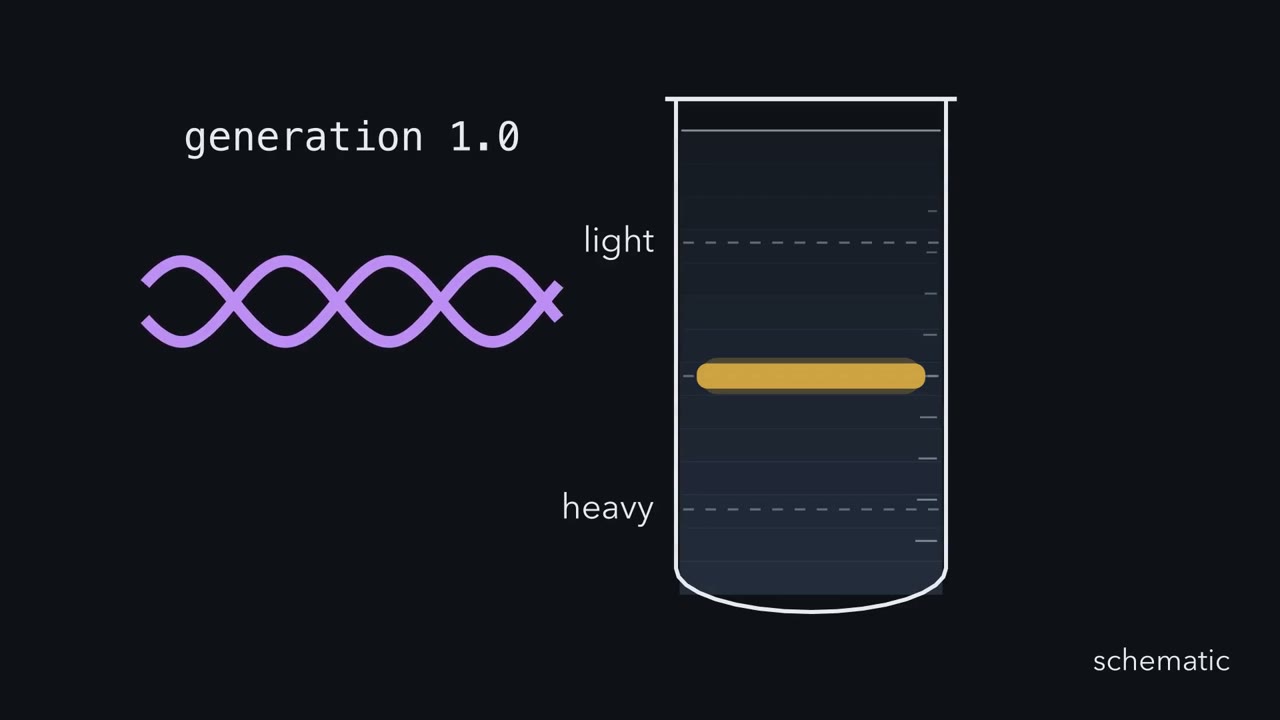 First film Length 3:46 What the Halfway Band Means Genetics and Molecular Biology · College: the core DNA Replication: Semiconservative Copying and Its Machinery
Take-home
Each daughter molecule keeps one old strand and builds one new strand.
-
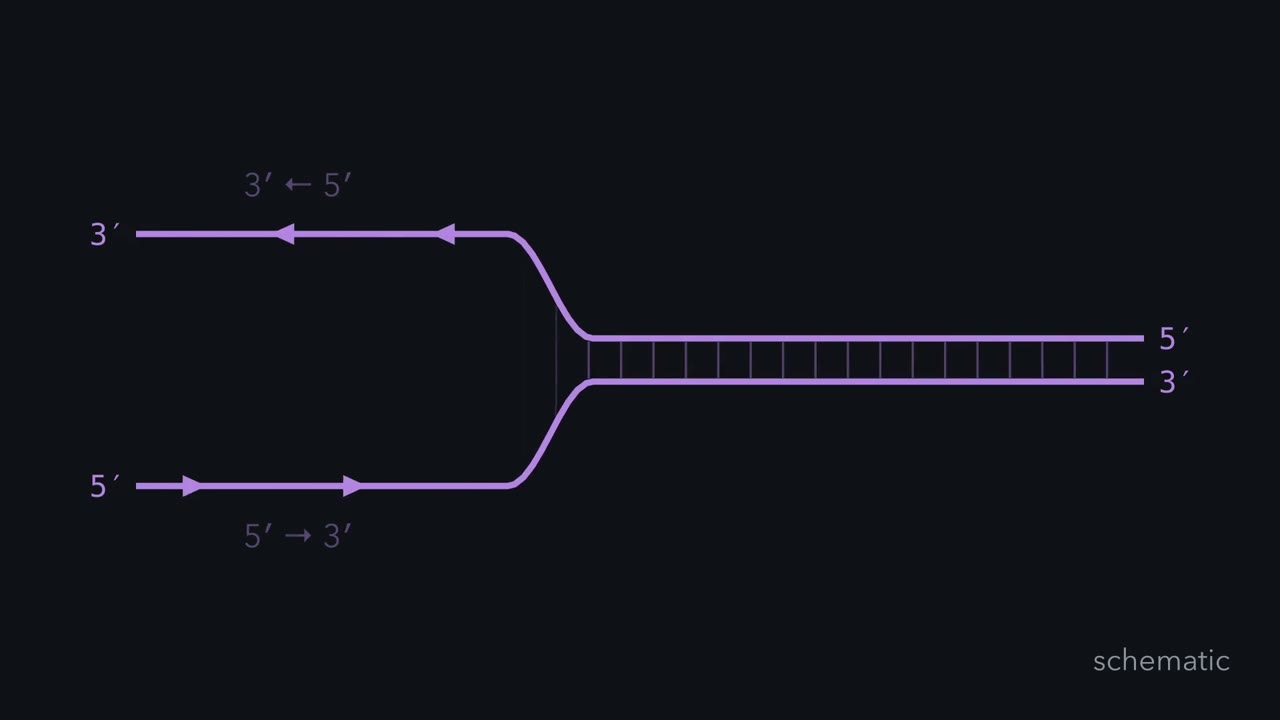 Second film Length 3:41 Why One Strand Is Built in Pieces Genetics and Molecular Biology · College: the core DNA Replication: Semiconservative Copying and Its Machinery
Take-home
Polymerases extend a 3' end, so one strand is built in pieces.
-
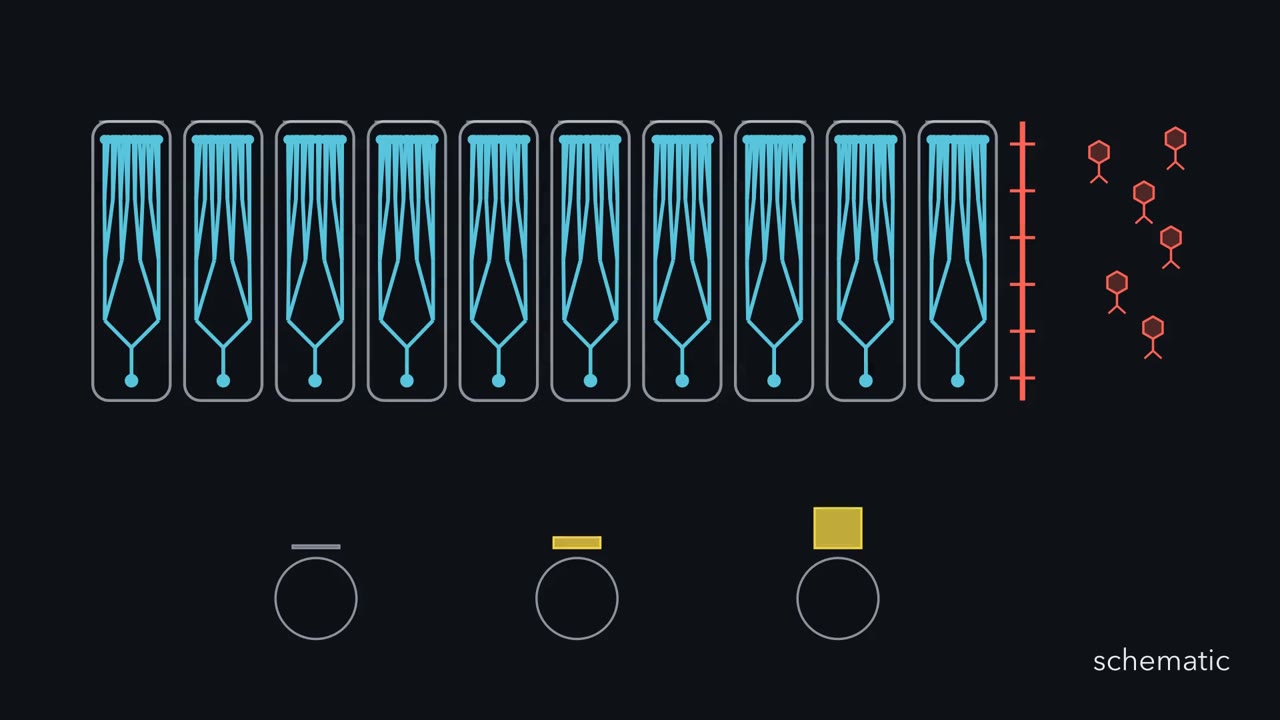 First film Length 3:37 Before the Phage Arrives Genetics and Molecular Biology · College: the core Mutation: Where Variation Comes From
Take-home
Mutation creates heritable DNA variants; selection changes how common they become.
-
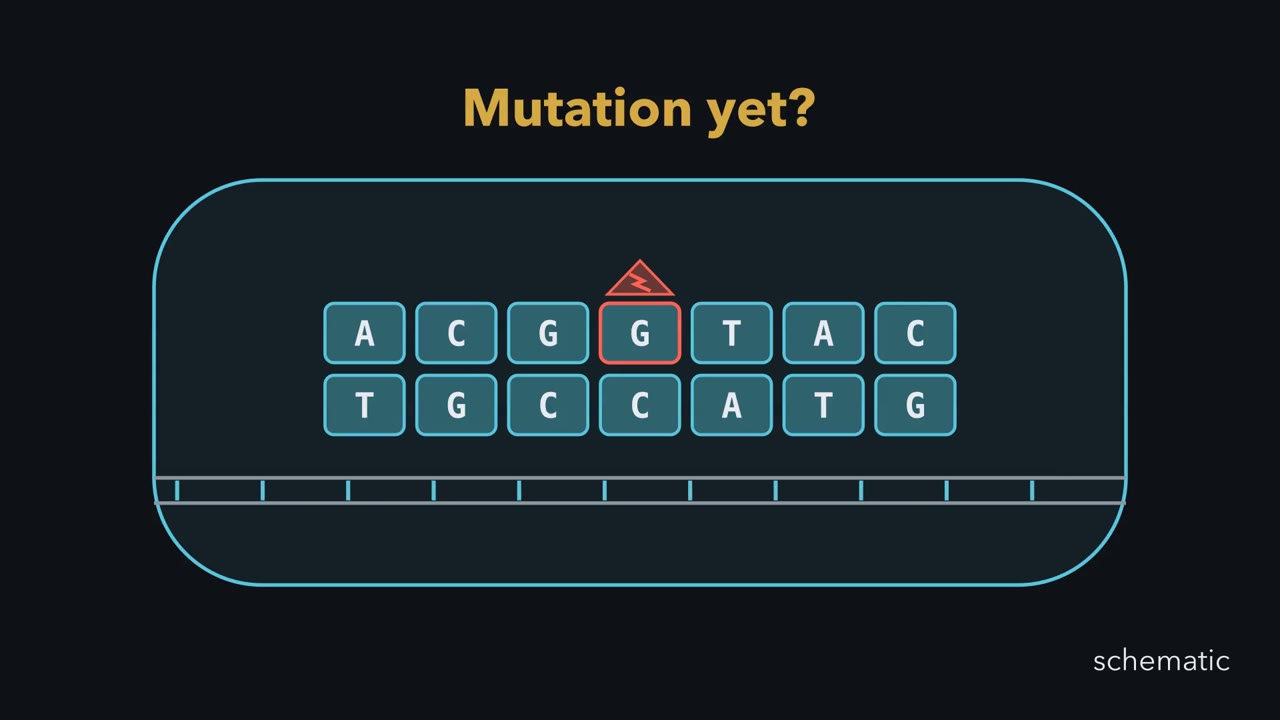 Second film Length 3:29 When Damage Becomes Mutation Genetics and Molecular Biology · College: the core Mutation: Where Variation Comes From
Take-home
Damage becomes mutation when repair or copying leaves a heritable sequence change.
-
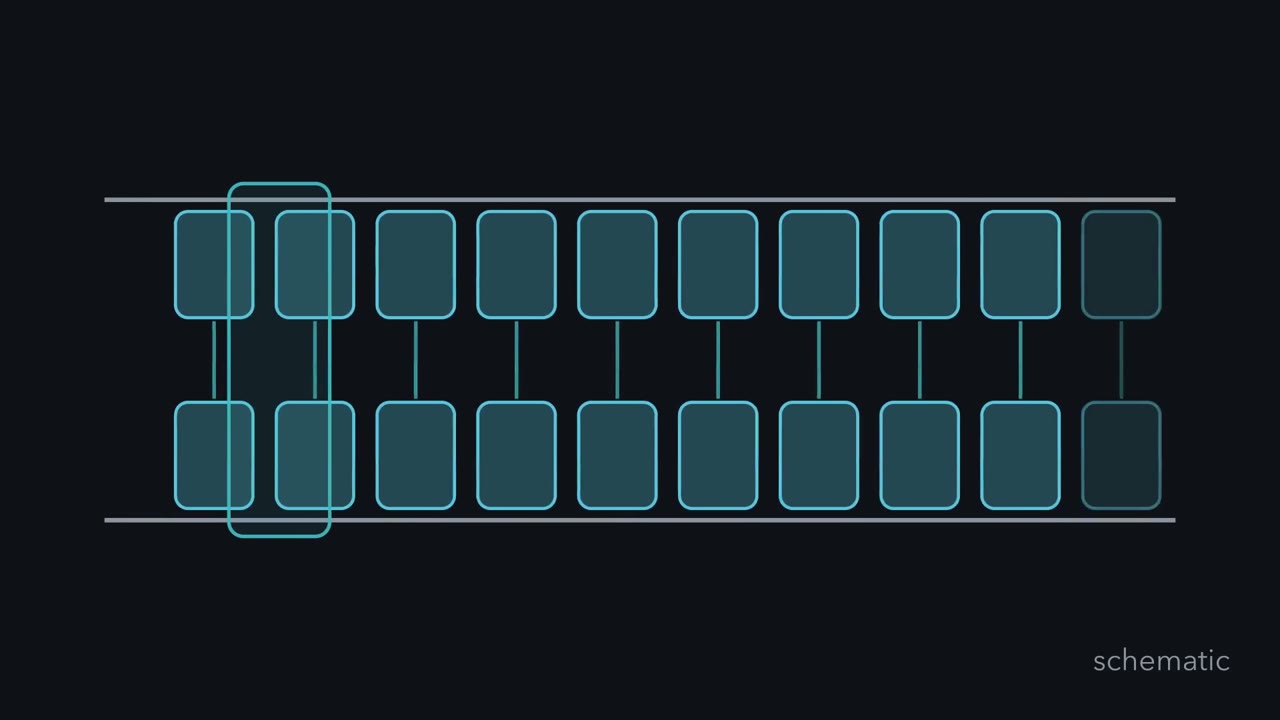 First film Length 3:38 How DNA Chooses a Repair Route Genetics and Molecular Biology · College: the core DNA Repair and Recombination
Take-home
Repair outcomes depend on what is damaged and what intact information remains.
-
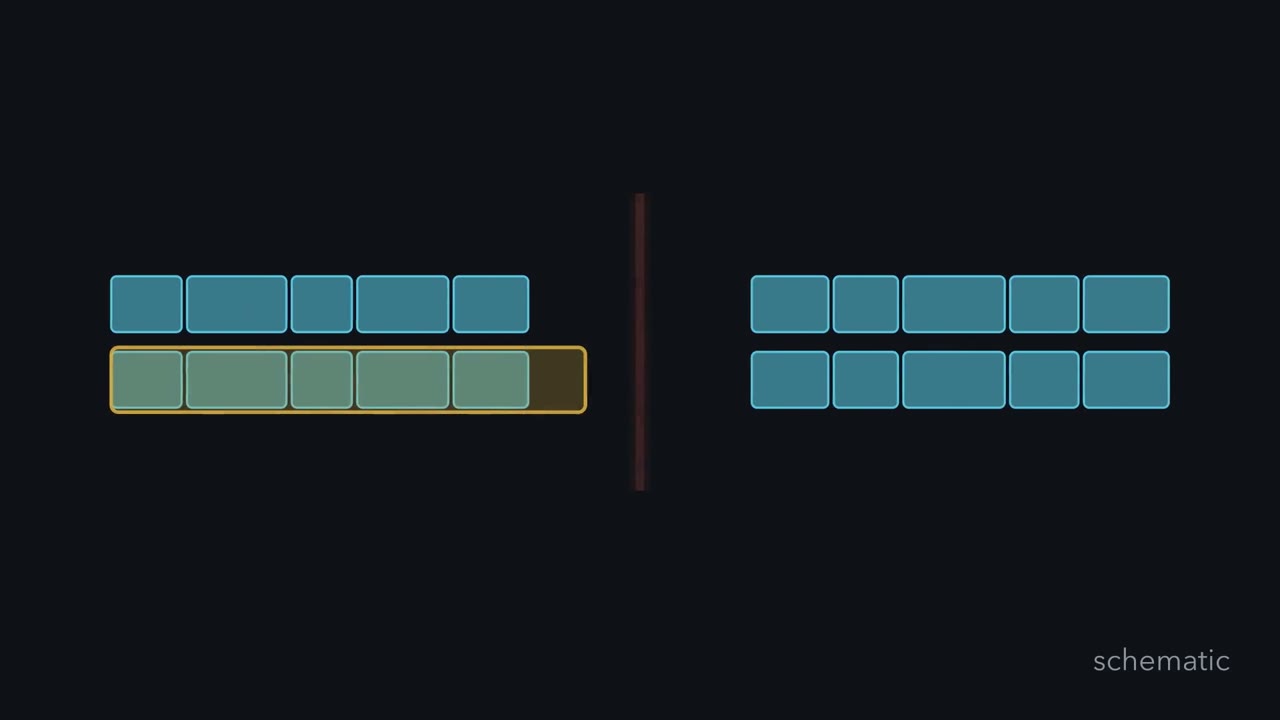 Second film Length 3:44 Two Ways to Mend a Broken Chromosome Genetics and Molecular Biology · College: the core DNA Repair and Recombination
Take-home
A broken chromosome can join its ends or copy a matching template.
-
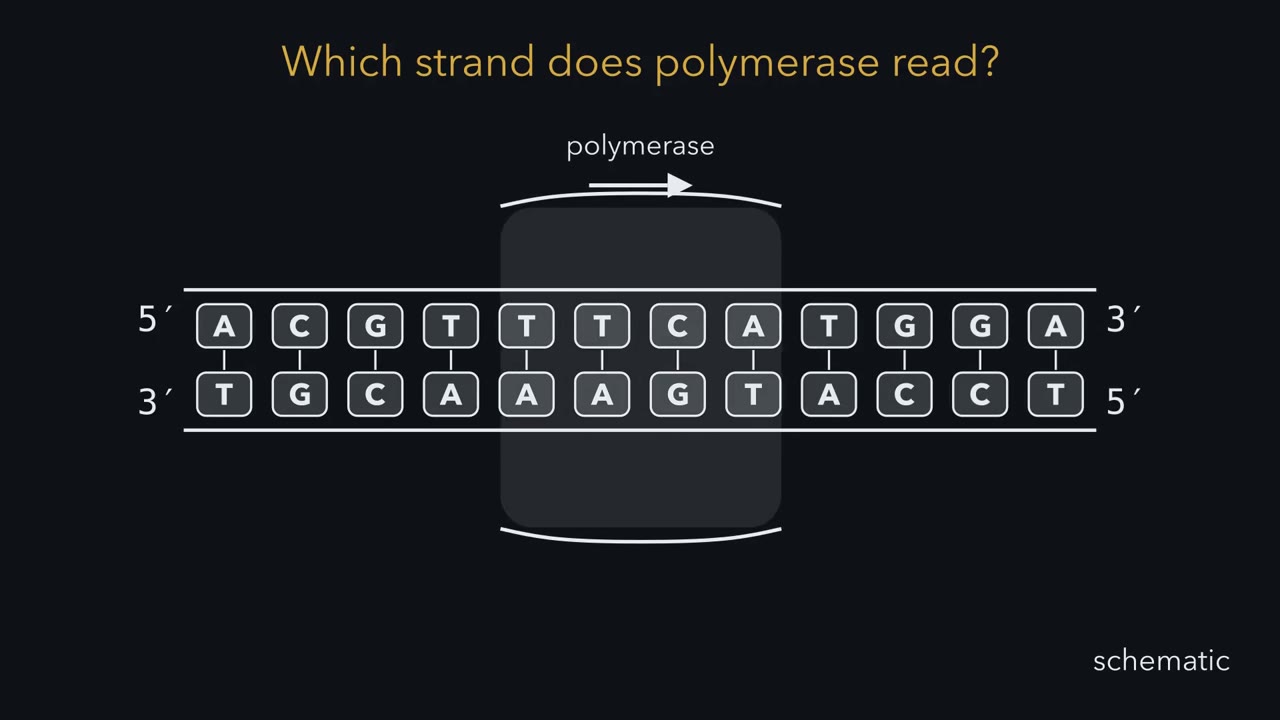 First film Length 3:29 The Strand Is Chosen at the Start Genetics and Molecular Biology · College: the core Transcription: From DNA to RNA
Take-home
The start site and its orientation determine which strand is read.
-
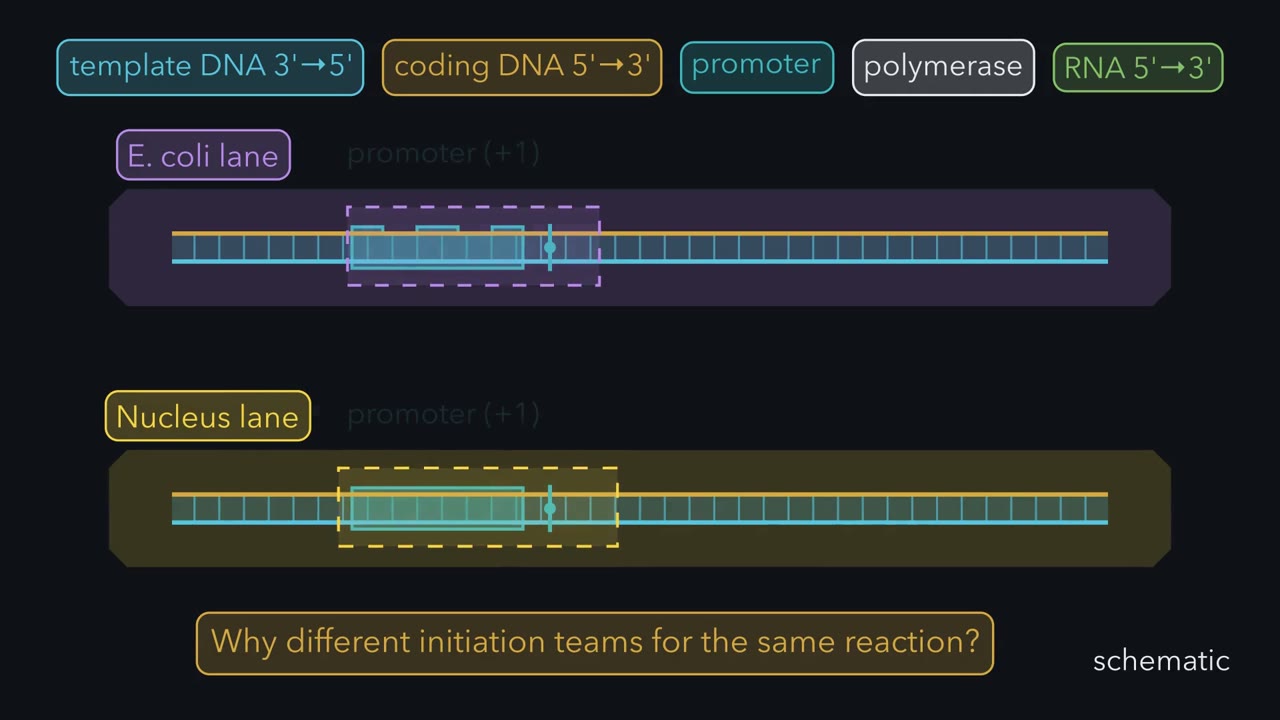 Second film Length 4:04 Two Ways to Start, Several Ways to Stop Genetics and Molecular Biology · College: the core Transcription: From DNA to RNA
Take-home
Different initiation teams place polymerase; termination releases RNA and enzyme.
-
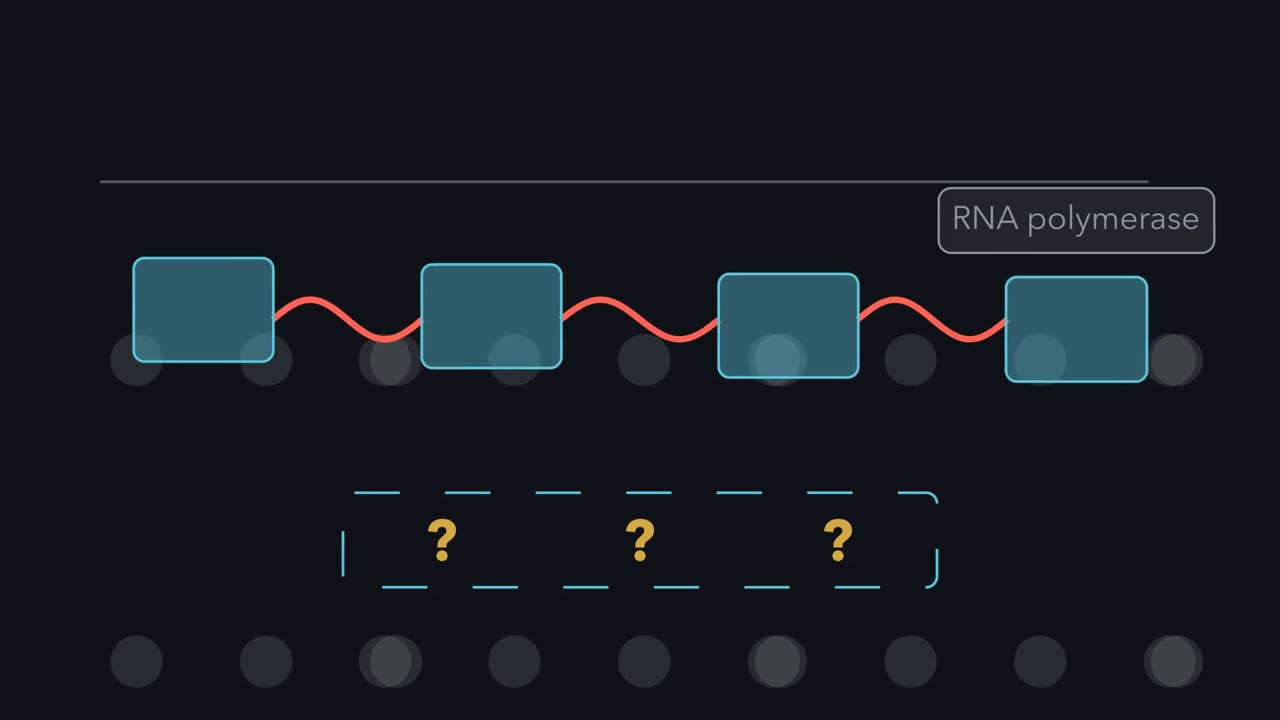 First film Length 3:24 From Transcript to Message Genetics and Molecular Biology · College: the core RNA Processing: Caps, Tails and Splicing
Take-home
Processing marks transcript ends and chooses which segments join into messenger RNA.
-
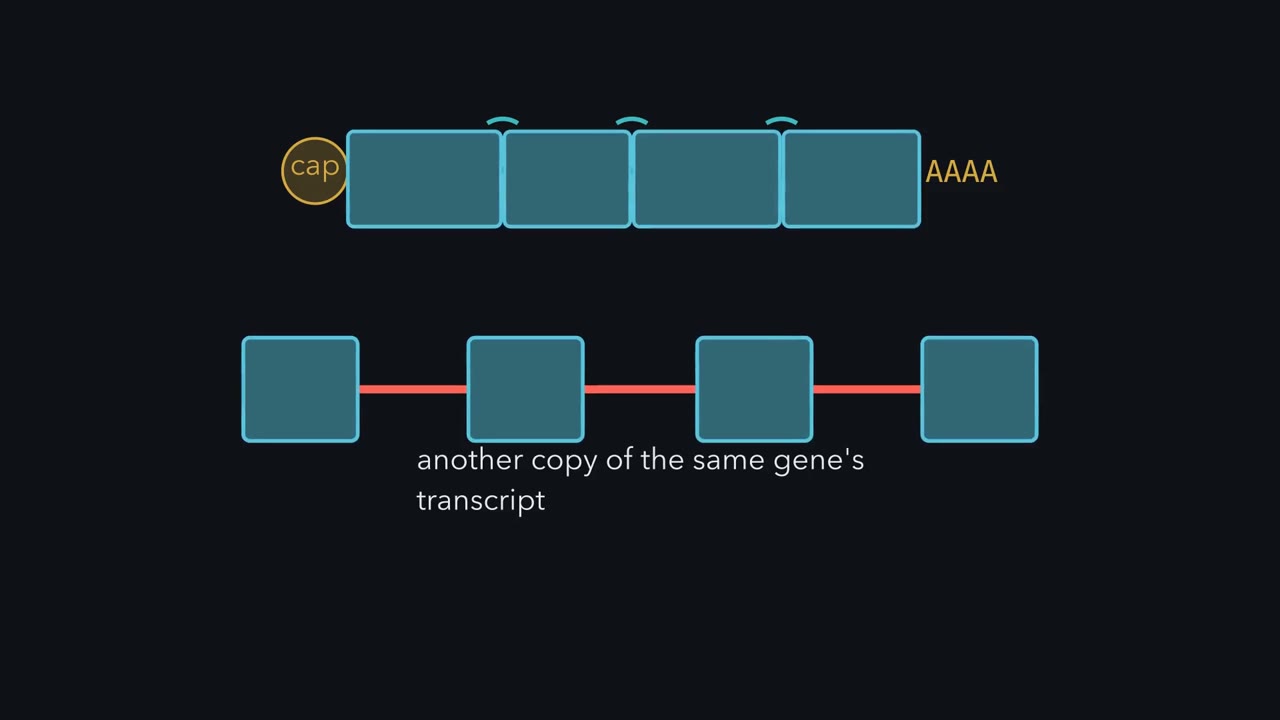 Second film Length 3:36 When the Joins Change Genetics and Molecular Biology · College: the core RNA Processing: Caps, Tails and Splicing
Take-home
Coding-length changes keep the downstream frame only in multiples of three.
-
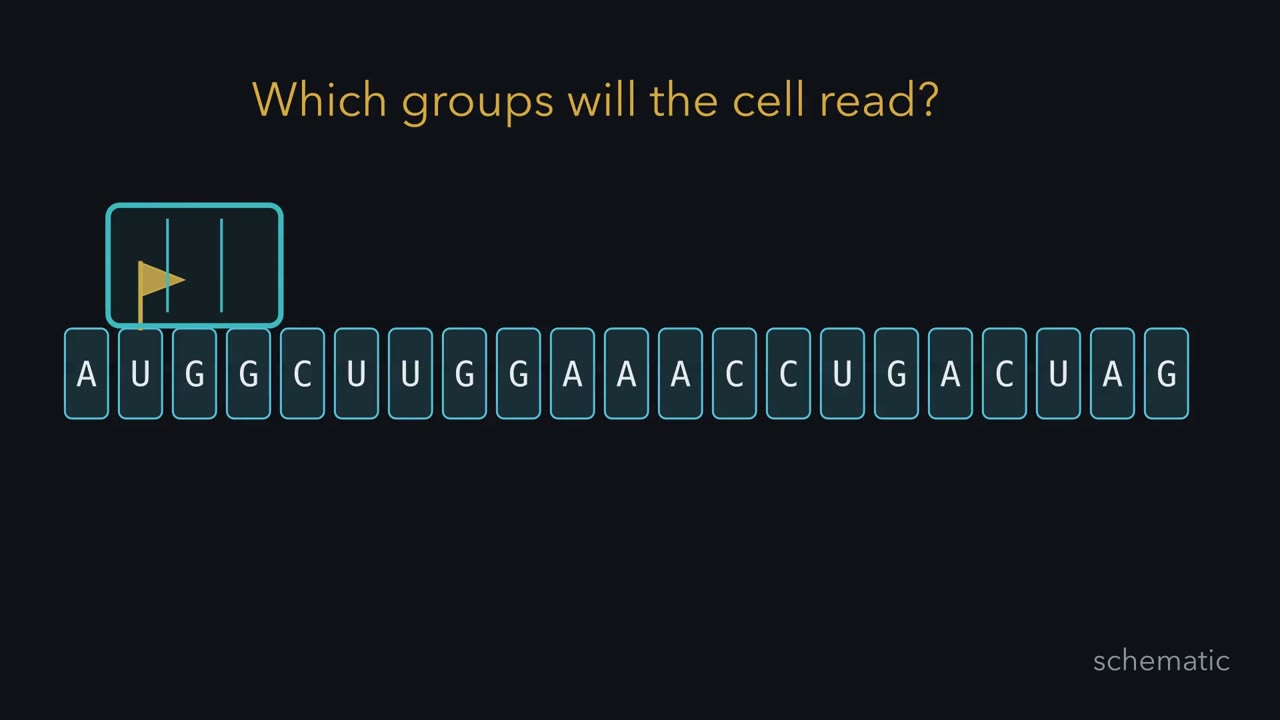 First film Length 3:21 The Frame Sets the Message Genetics and Molecular Biology · College: the core The Genetic Code and Translation
Take-home
A fixed start makes each next triplet a codon.
-
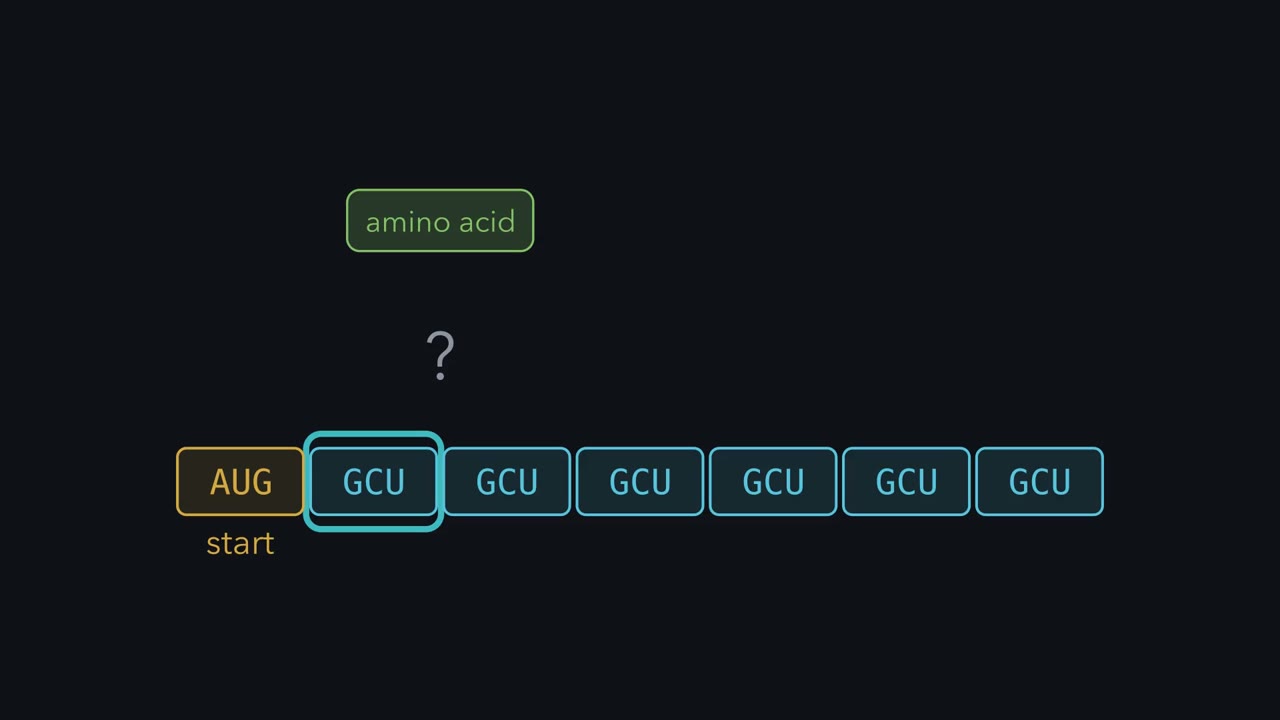 Second film Length 3:27 How Codons Become a Chain Genetics and Molecular Biology · College: the core The Genetic Code and Translation
Take-home
Charged tRNAs connect codons to the growing protein.
-
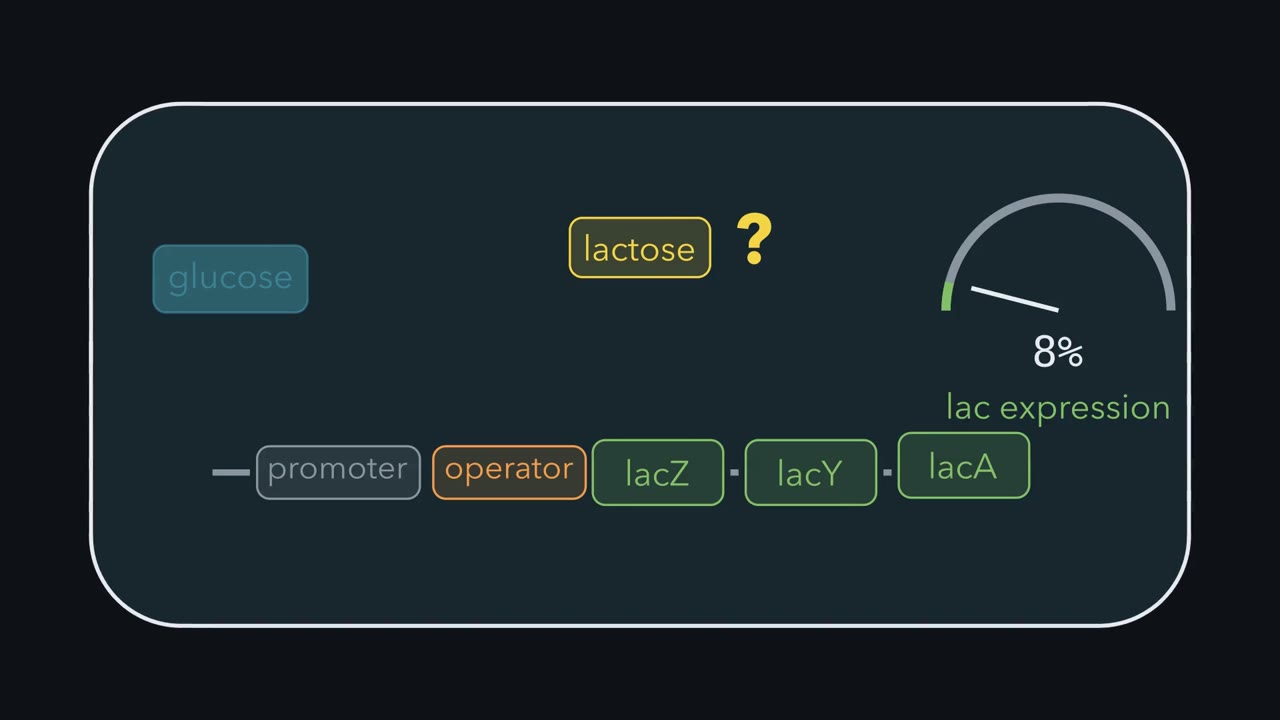 First film Length 3:41 When Are the lac Genes High? Genetics and Molecular Biology · College: the core The lac Operon: How Bacteria Regulate Genes
Take-home
In wild-type E. coli, high lac expression requires lactose and scarce glucose.
-
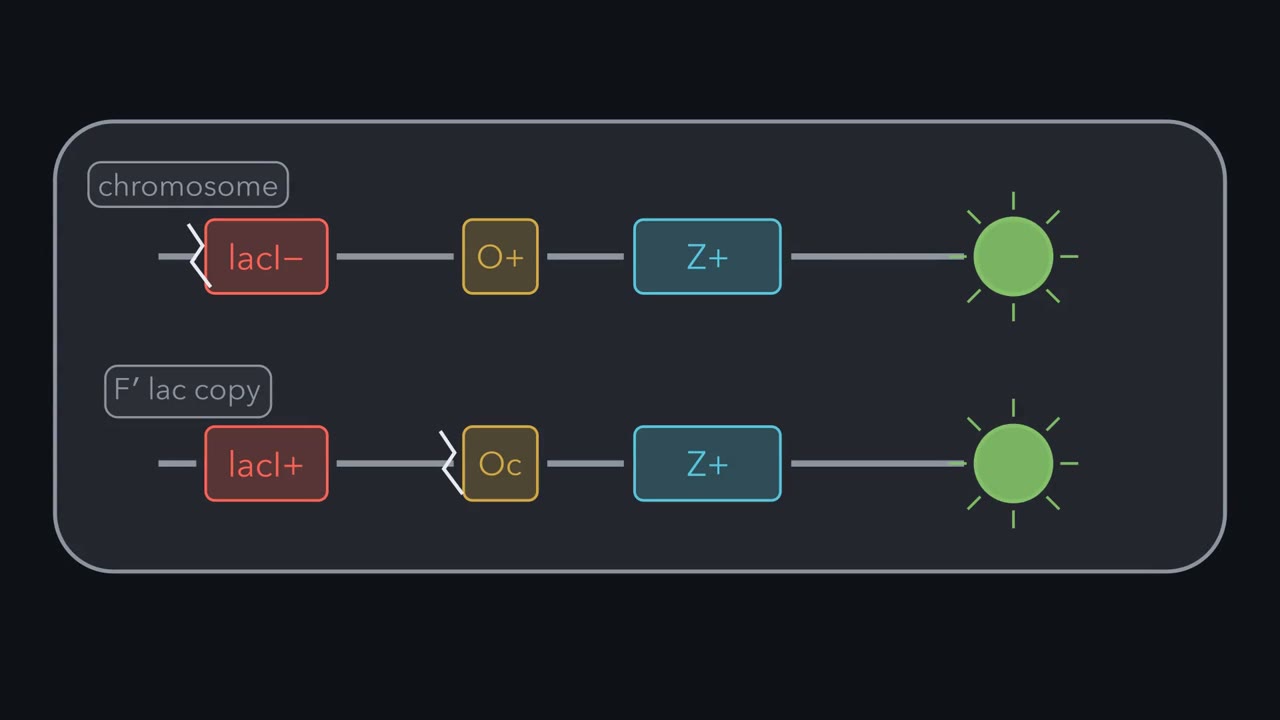 Second film Length 3:40 Does the Mutation Stay or Travel? Genetics and Molecular Biology · College: the core The lac Operon: How Bacteria Regulate Genes
Take-home
DNA sites act in cis; diffusible regulators can act in trans.
-
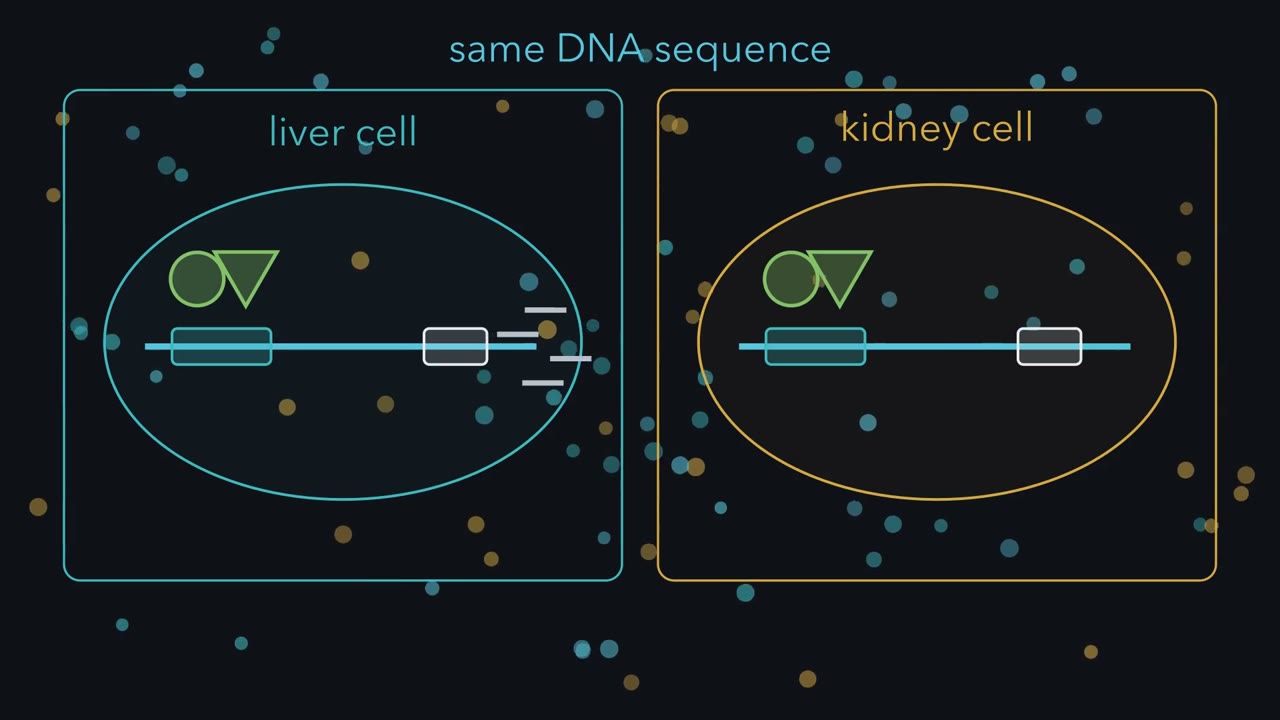 First film Length 3:53 Access, Then Assembly Genetics and Molecular Biology · College: the core Eukaryotic Gene Regulation and Epigenetics
Take-home
Gene output depends on accessible DNA and the regulators present.
-
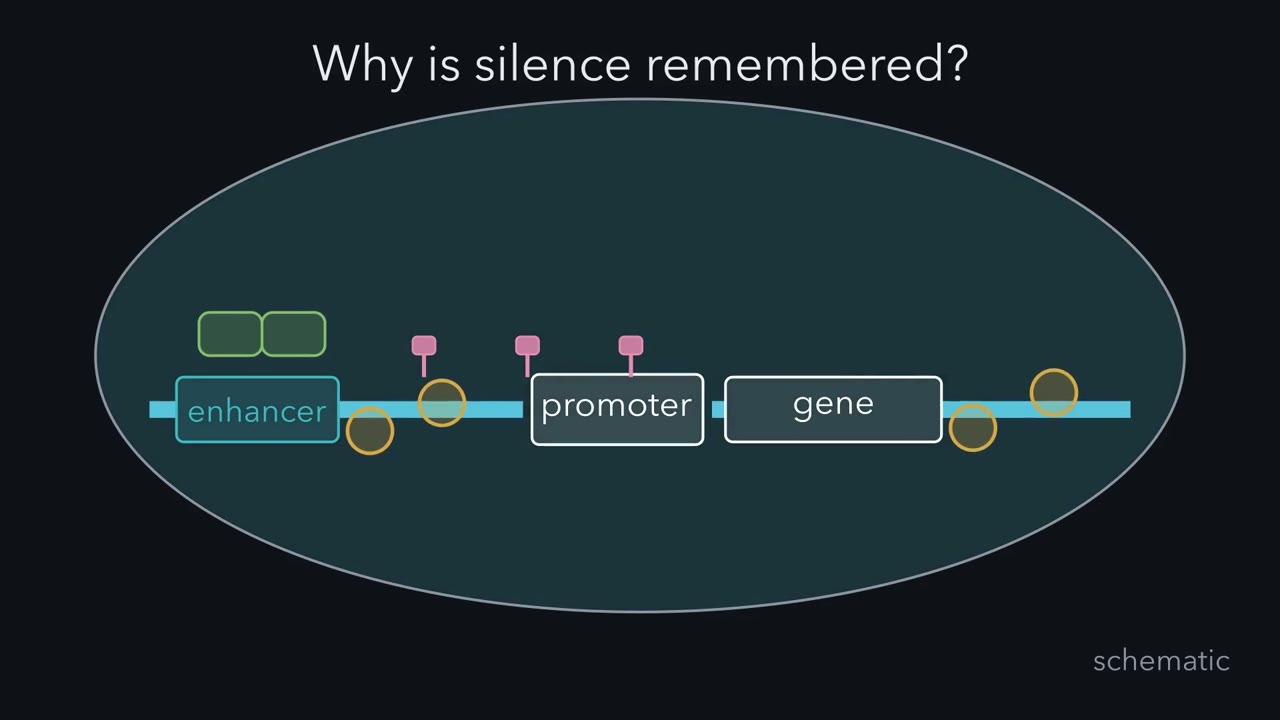 Second film Length 3:29 Rebuilding the Memory Genetics and Molecular Biology · College: the core Eukaryotic Gene Regulation and Epigenetics
Take-home
Cell memory requires regulatory states to be propagated or restored after replication.
-
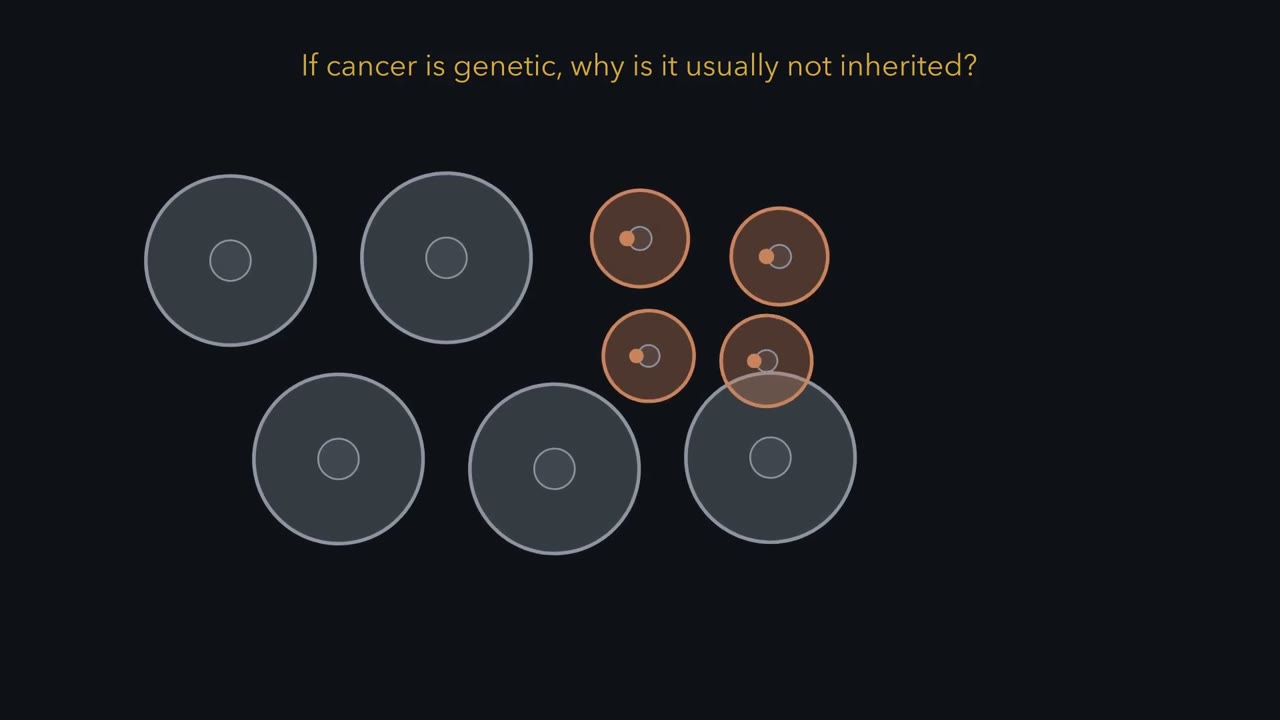 First film Length 3:29 One Cell, Two Routes Genetics and Molecular Biology · College: the core Cancer as a Genetic Disease
Take-home
Cell lineages expand when their DNA changes improve growth or survival. Every change a lineage carries, driver or passenger, spreads with it.
-
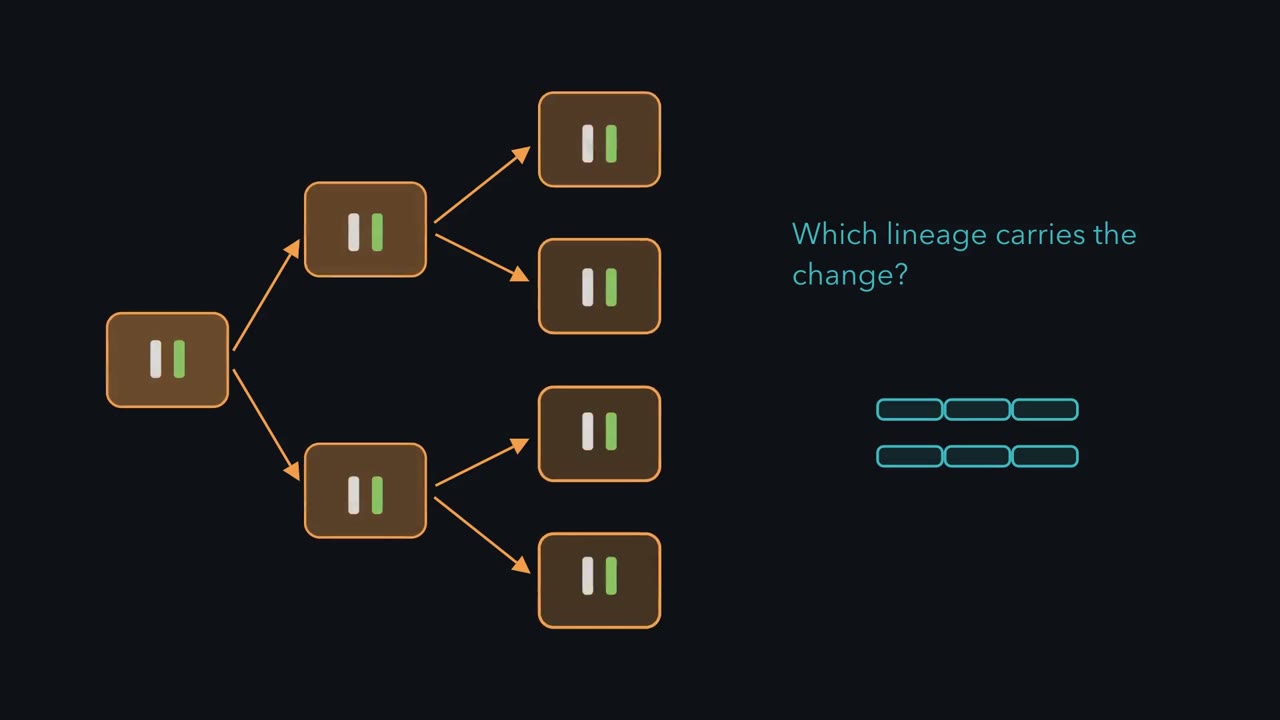 Second film Length 3:21 Reading a Tumor Family Tree Genetics and Molecular Biology · College: the core Cancer as a Genetic Disease
Take-home
Variant fractions trace DNA changes through expanding tumor cell lineages.
-
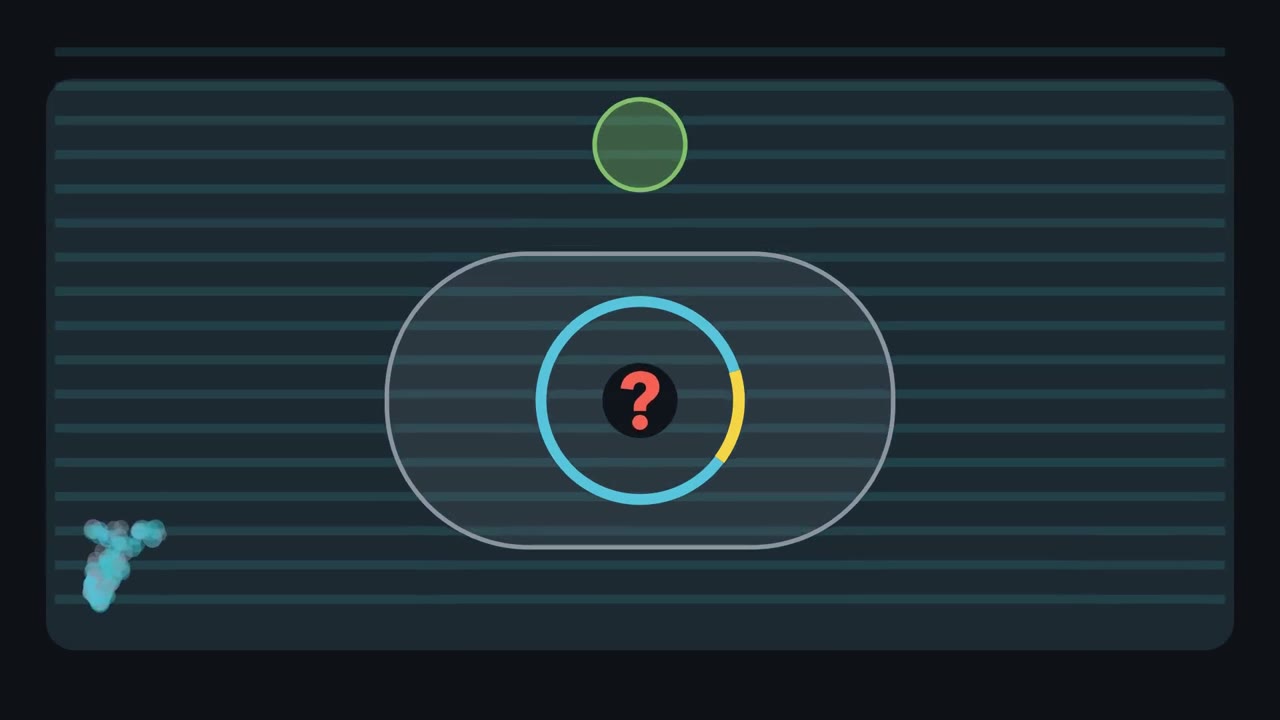 First film Length 3:39 From DNA Fragment to Verified Clone Genetics and Molecular Biology · College: the core Recombinant DNA, Cloning and PCR
Take-home
Selection finds plasmids; screening narrows candidates; sequencing identifies the construct.
-
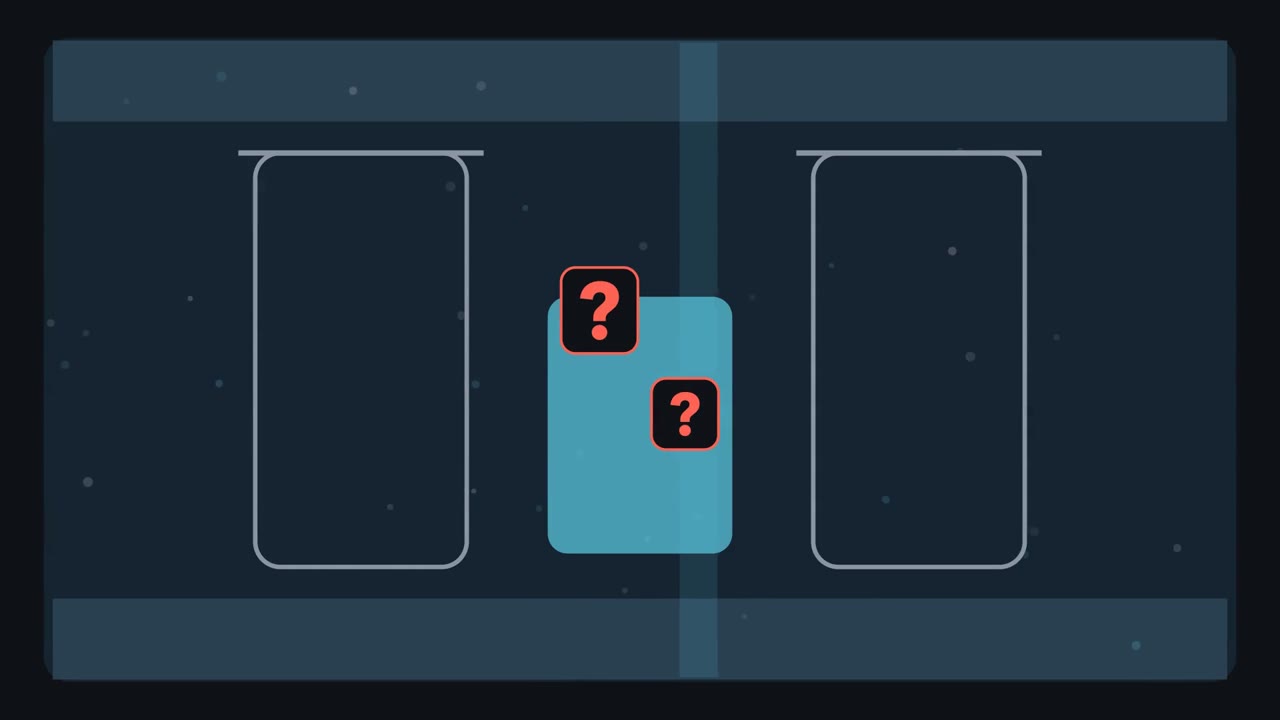 Second film Length 3:48 Reading a PCR as It Grows Genetics and Molecular Biology · College: the core Recombinant DNA, Cloning and PCR
Take-home
Copy timing estimates input; endpoint abundance does not.
-
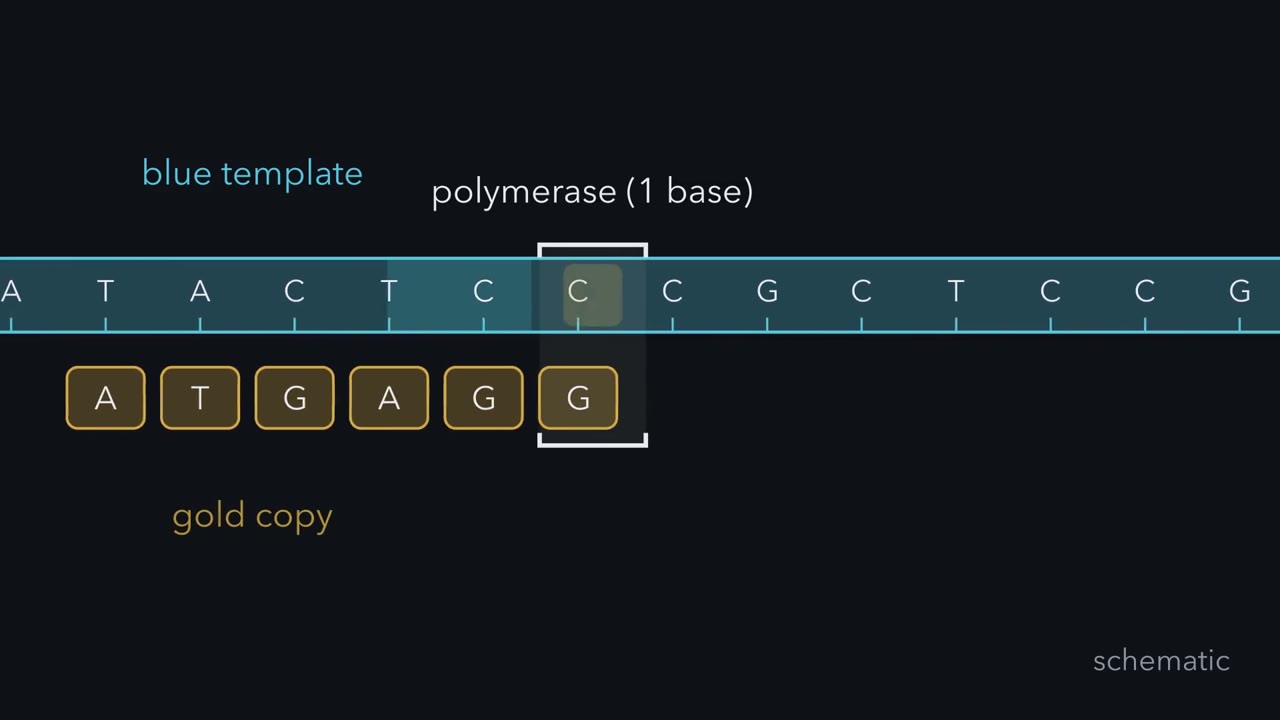 First film Length 3:32 How Chemistry Becomes a Read Genetics and Molecular Biology · College: the core Sequencing and Genomes
Take-home
Sequencing turns molecular events into ordered base calls.
-
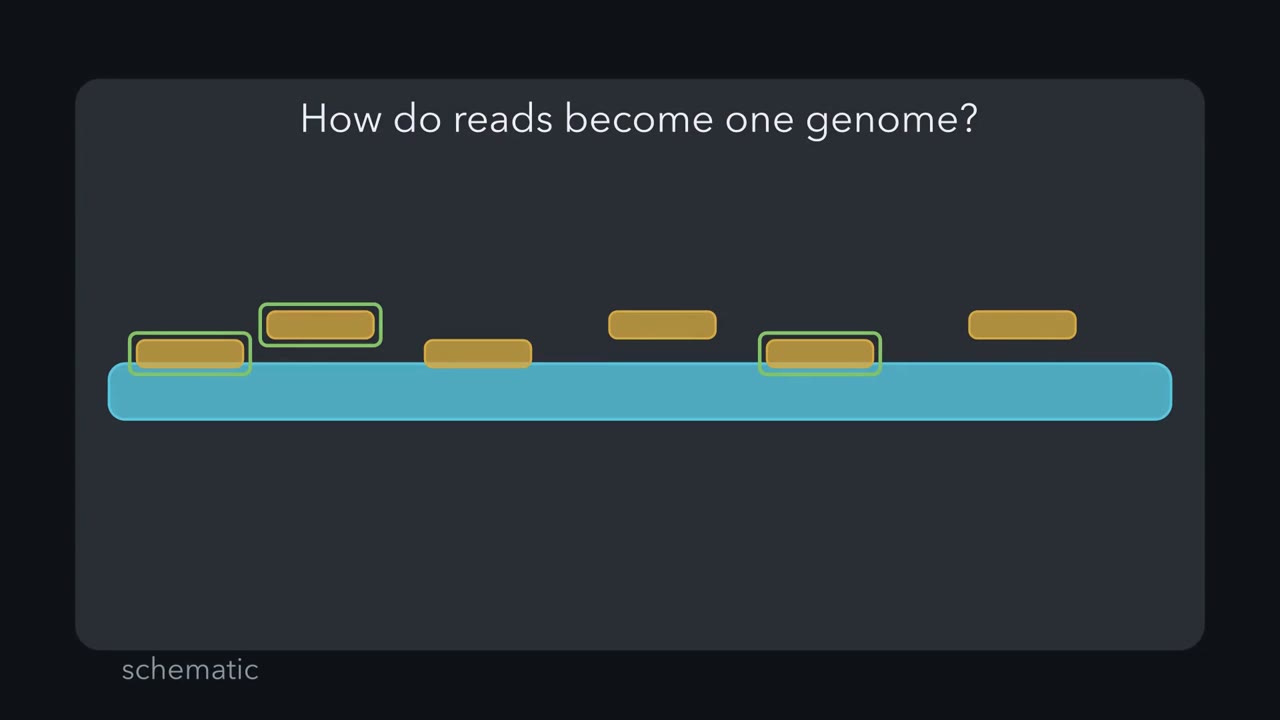 Second film Length 3:31 When Reads Become a Genome Genetics and Molecular Biology · College: the core Sequencing and Genomes
Take-home
More reads fill sampling gaps; reads that span a repeat place it.
-
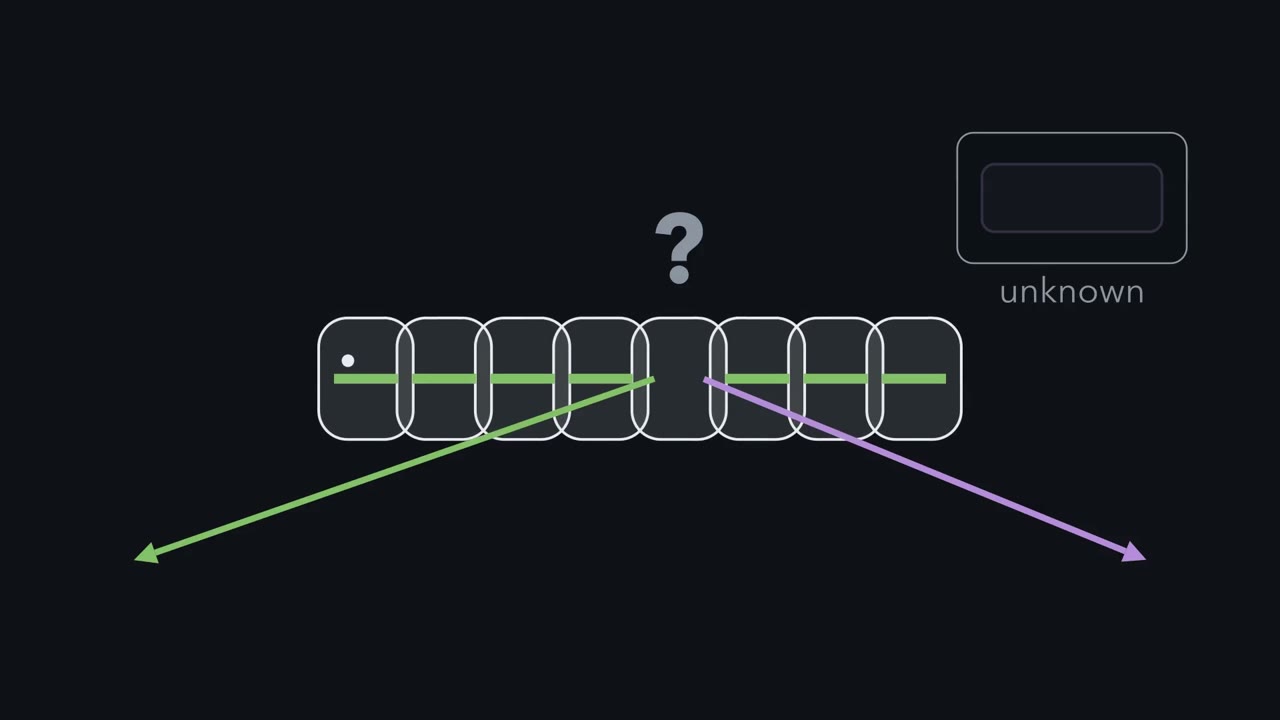 First film Length 3:34 Which Way Do You Run Genetics? Genetics and Molecular Biology · College: the core Forward and Reverse Genetics: Screens, RNAi and CRISPR
Take-home
What you choose first determines what a genetic experiment can find.
-
 Second film Length 3:36 From a Programmed Cut to a Tested Knockout Genetics and Molecular Biology · College: the core Forward and Reverse Genetics: Screens, RNAi and CRISPR
Take-home
A genetic change supports function only when genotype and phenotype agree.
-
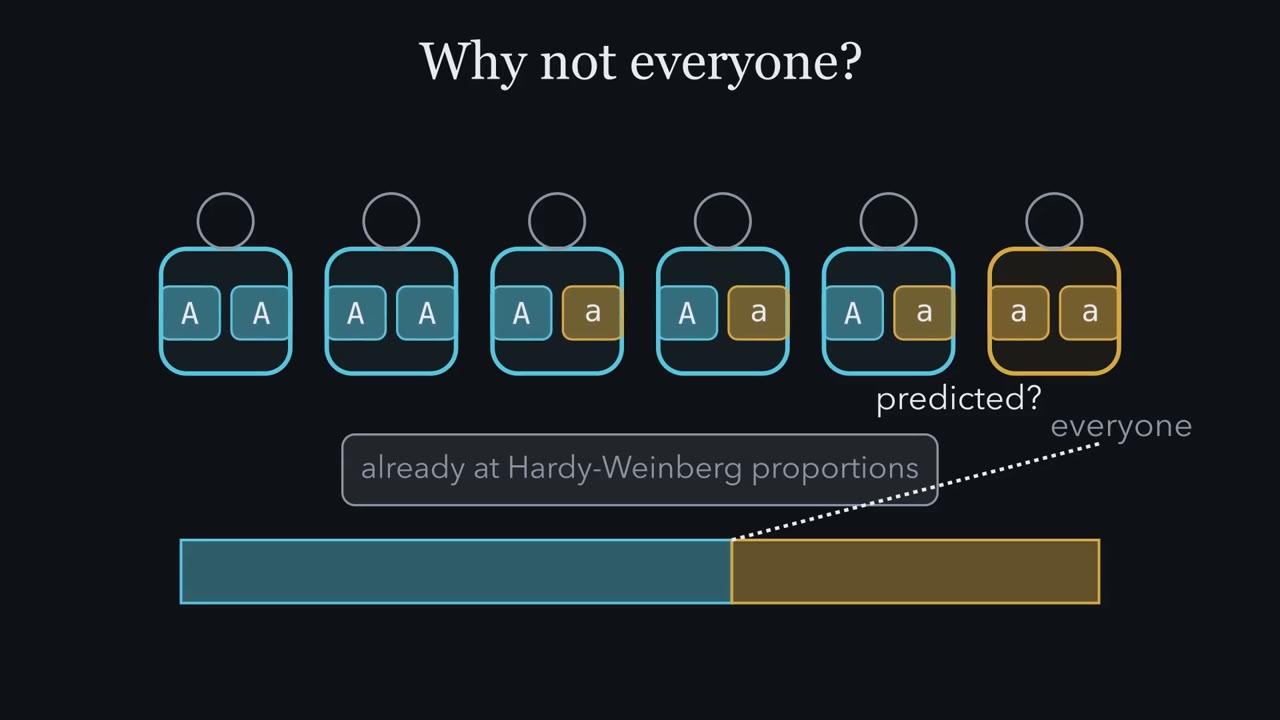 First film Length 3:34 Why Dominance Does Not Spread an Allele Genetics and Molecular Biology · College: the core Population Genetics: Hardy-Weinberg and Evolutionary Forces
Take-home
Mating reshuffles alleles; dominance alone does not change their frequency.
-
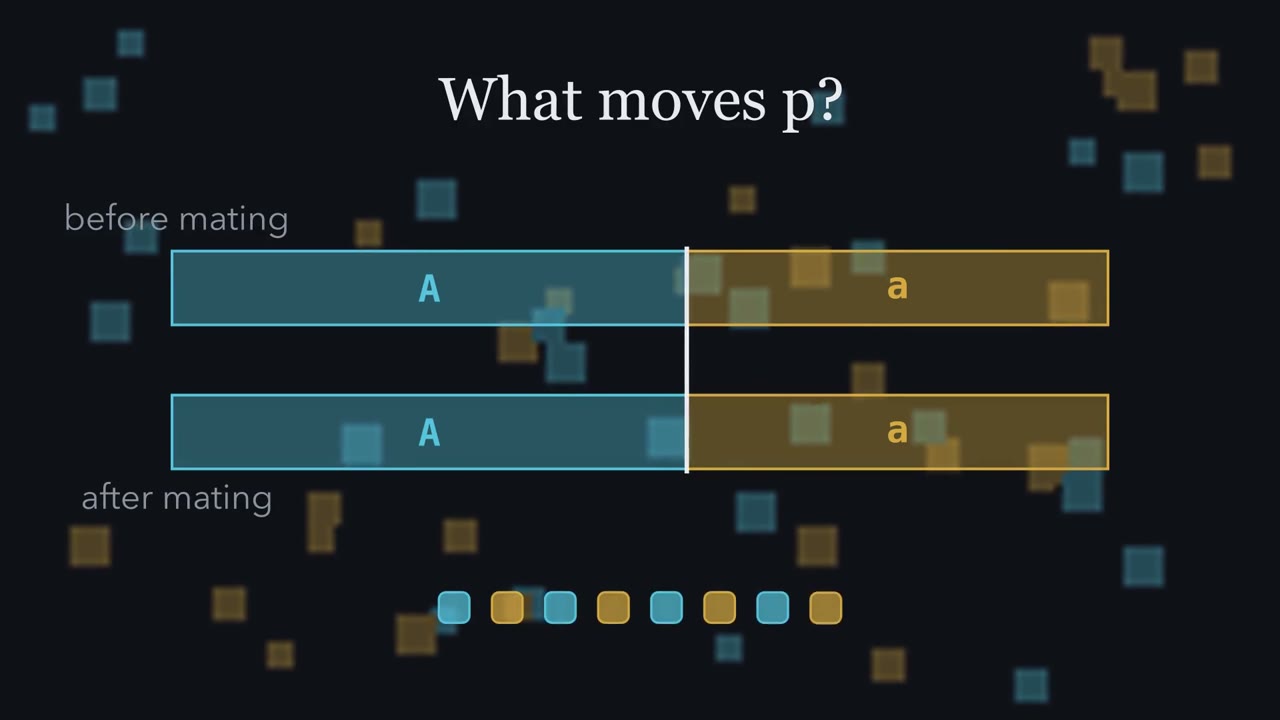 Second film Length 3:48 What Moves Allele Frequencies? Genetics and Molecular Biology · College: the core Population Genetics: Hardy-Weinberg and Evolutionary Forces
Take-home
Forces change allele frequencies in distinct, testable ways.
-
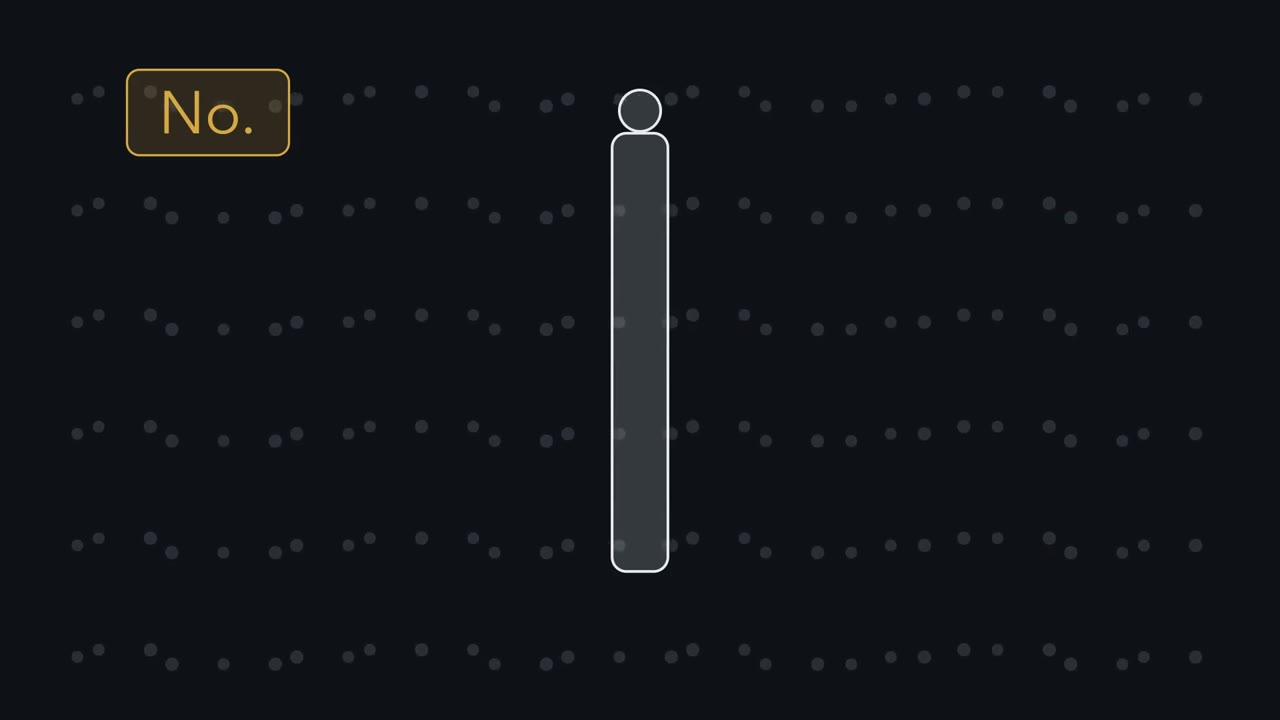 First film Length 3:48 Heritability Is About Variation Genetics and Molecular Biology · College: the core Complex Traits, Heritability and GWAS
Take-home
Heritability describes variation in a population and environment, never a person.
-
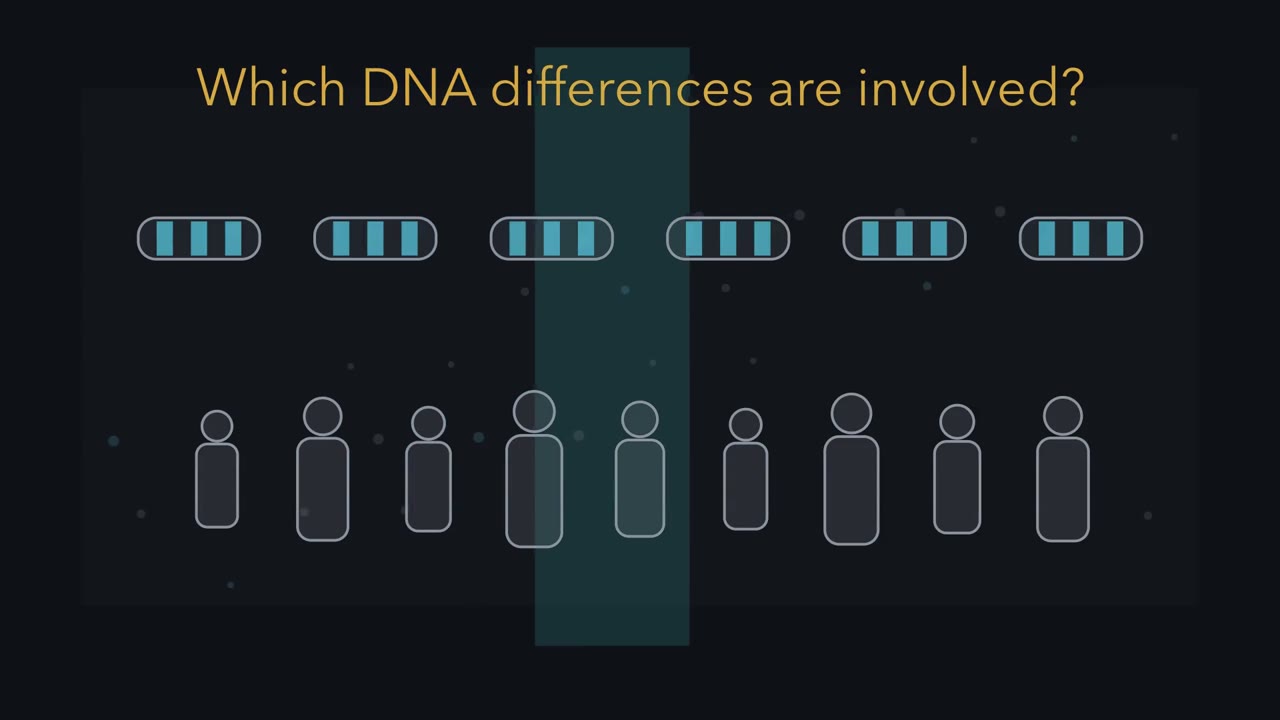 Second film Length 3:45 A GWAS Hit Is a Starting Point Genetics and Molecular Biology · College: the core Complex Traits, Heritability and GWAS
Take-home
A GWAS peak marks an associated region, not a proven cause.
Have 10, 20, 30 minutes? Start at your next unwatched film.
-
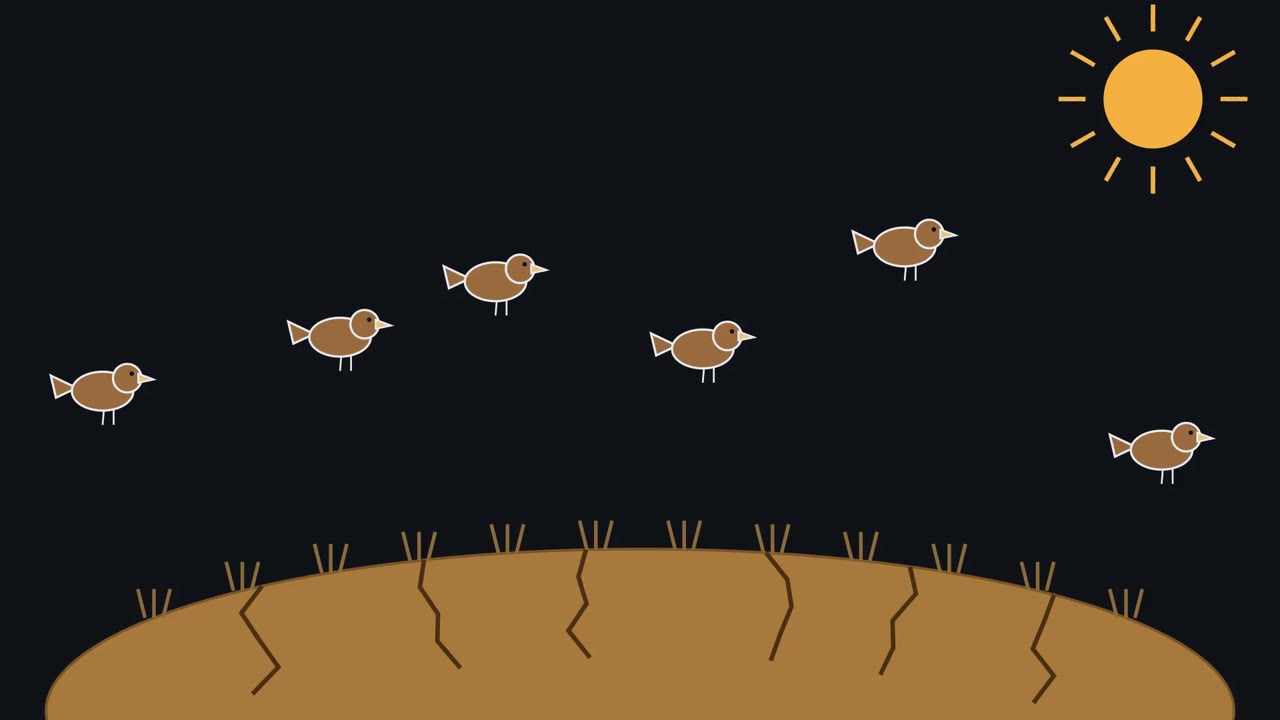 First film Length 3:20 Three Claims in One Drought Ecology and Evolution · College: the core How to Test an Evolutionary Explanation
Take-home
The 1977 drought on Daphne Major sorted the finches: survivors had larger beaks than the population before it.
-
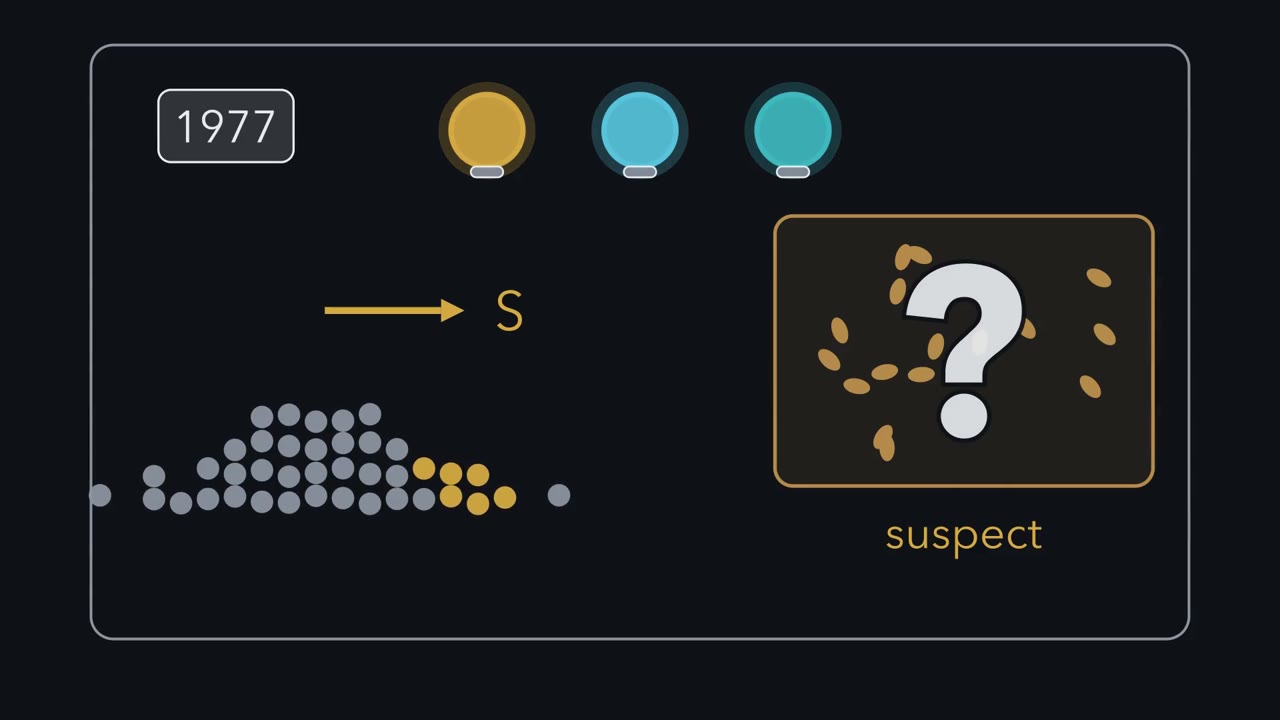 Second film Length 3:03 Changing the Cause on Purpose Ecology and Evolution · College: the core How to Test an Evolutionary Explanation
Take-home
Comparing natural sites shows an association, because the sites differ in more than one way.
-
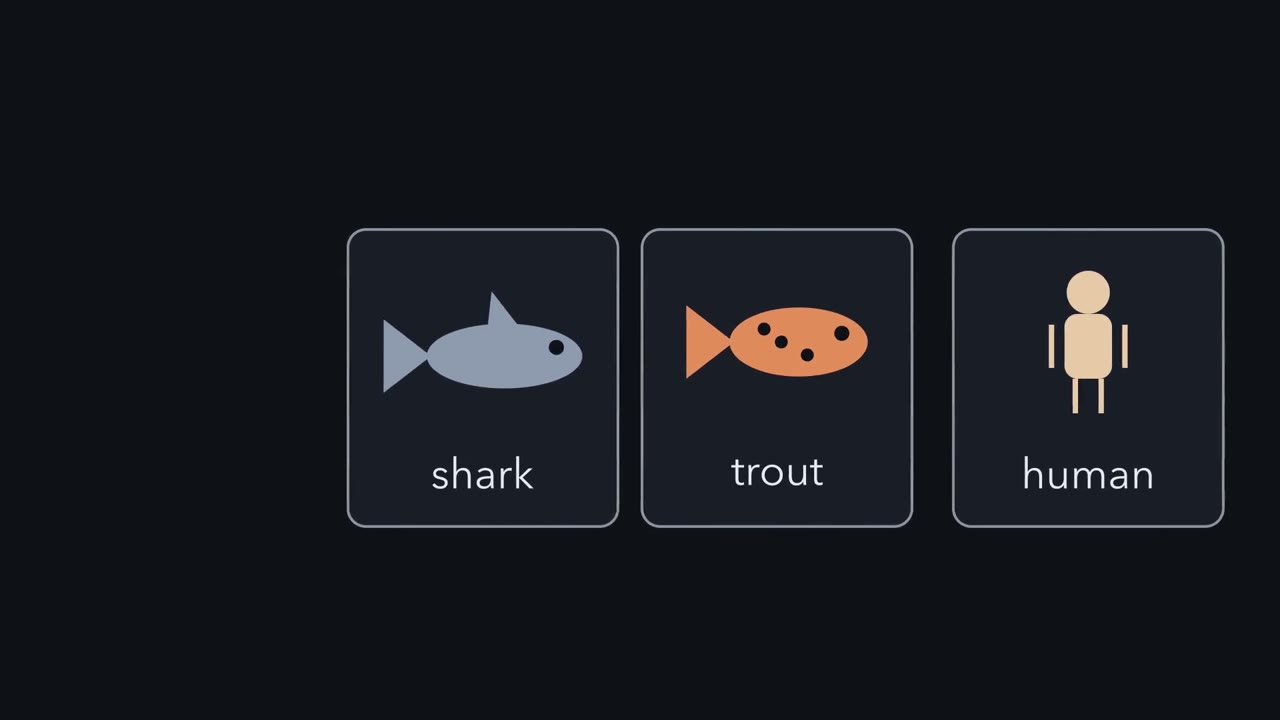 First film Length 3:06 Relatedness Lives at the Nodes Ecology and Evolution · College: the core Reading Phylogenetic Trees
Take-home
Each internal node on a tree is an inferred common ancestor of every lineage descending from it.
-
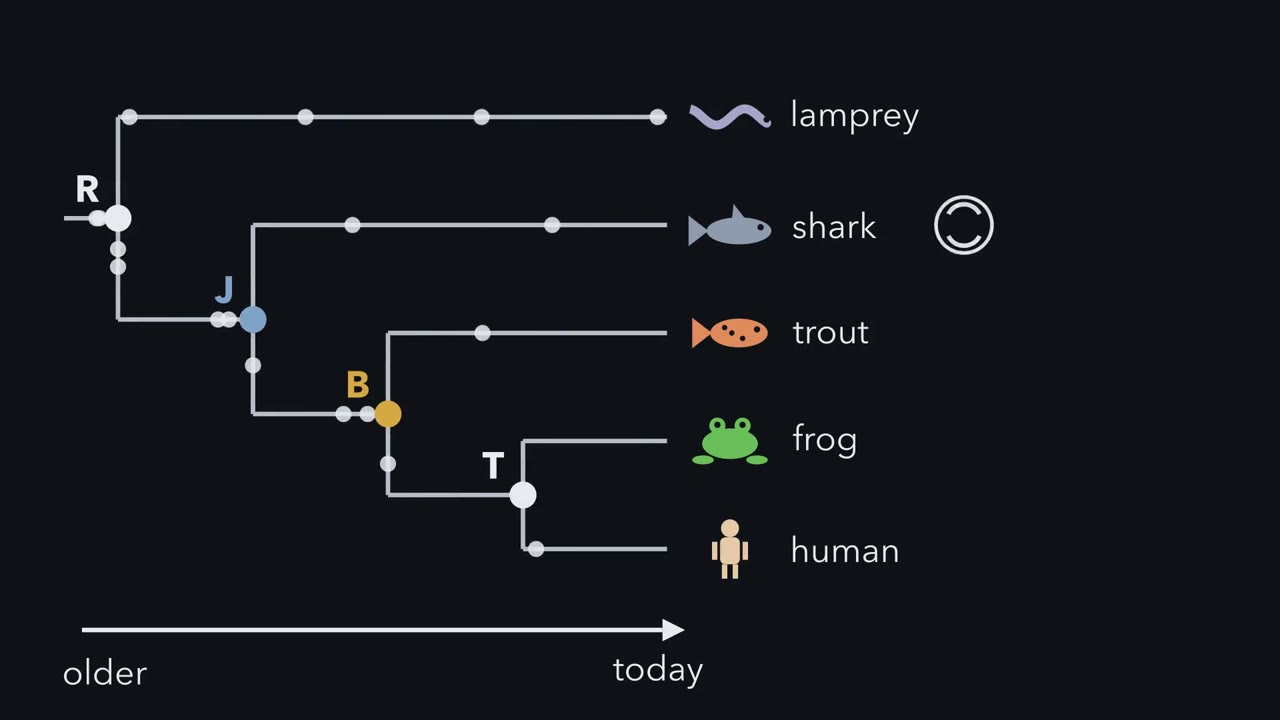 Second film Length 3:18 Change Lives on the Branches Ecology and Evolution · College: the core Reading Phylogenetic Trees
Take-home
Characters change state along branches, and the outgroup's state is taken as the starting point.
-
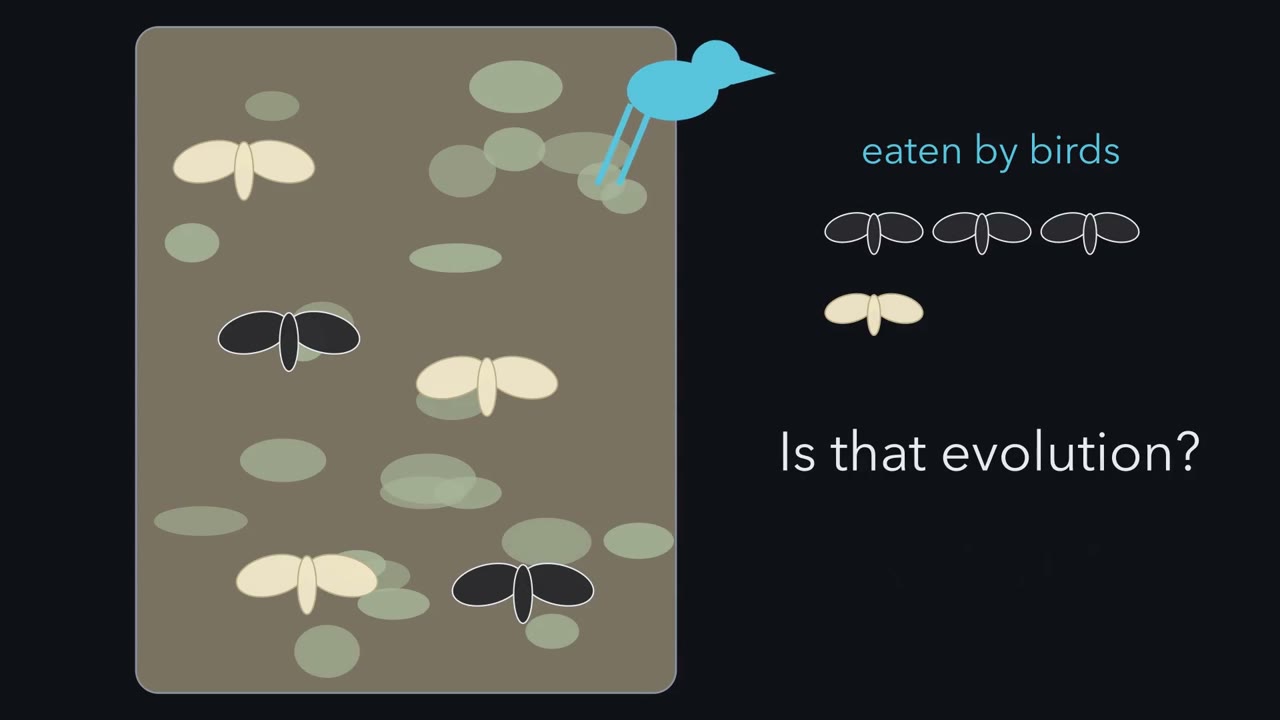 First film Length 3:19 Selection Has an Agent Ecology and Evolution · College: the core Natural Selection in Ecological Context
Take-home
Natural selection is a difference in reproductive success among variants that already exist, caused by an agent in an environment, such as a predator.
-
 Second film Length 3:17 Two Enemies, One Gall Ecology and Evolution · College: the core Natural Selection in Ecological Context
Take-home
For a trait with a range of values, plotting relative fitness against the trait shows the mode of selection.
-
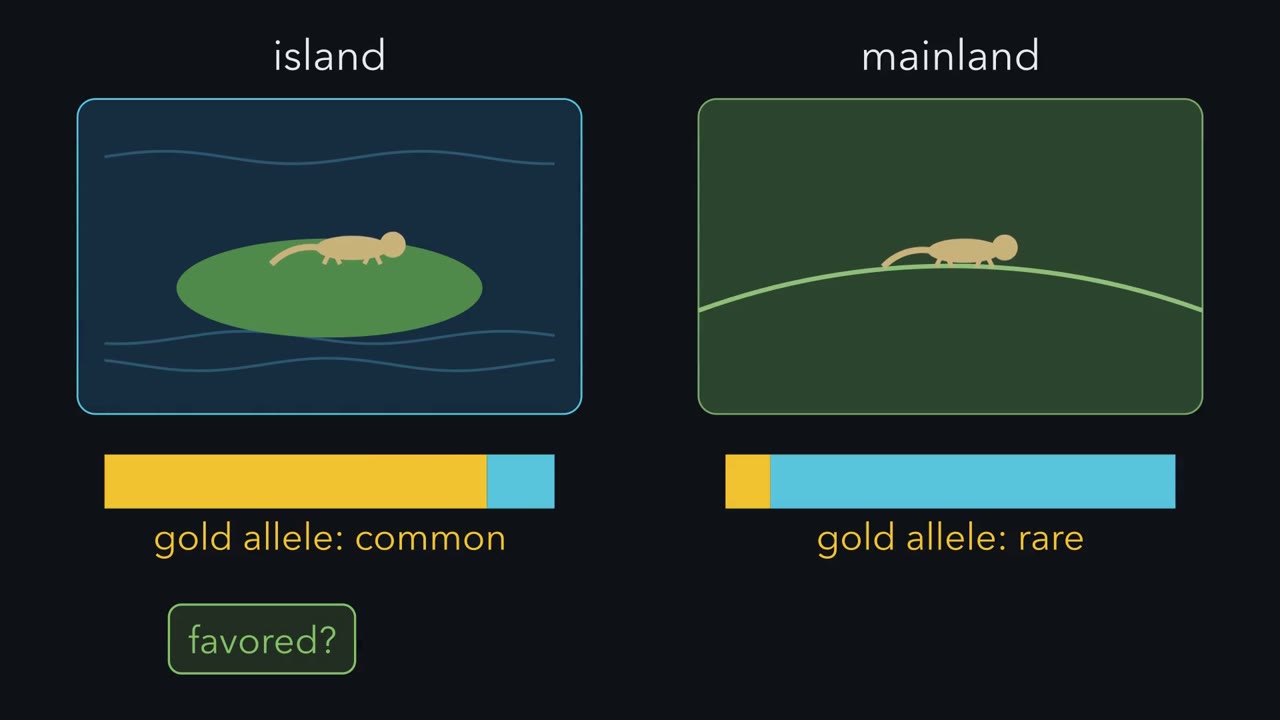 First film Length 3:27 Mean and Spread Ecology and Evolution · College: the core Drift, Gene Flow and Competing Explanations
Take-home
Genetic drift is change in allele frequency from the chance sampling of parents; it needs no difference in fitness.
-
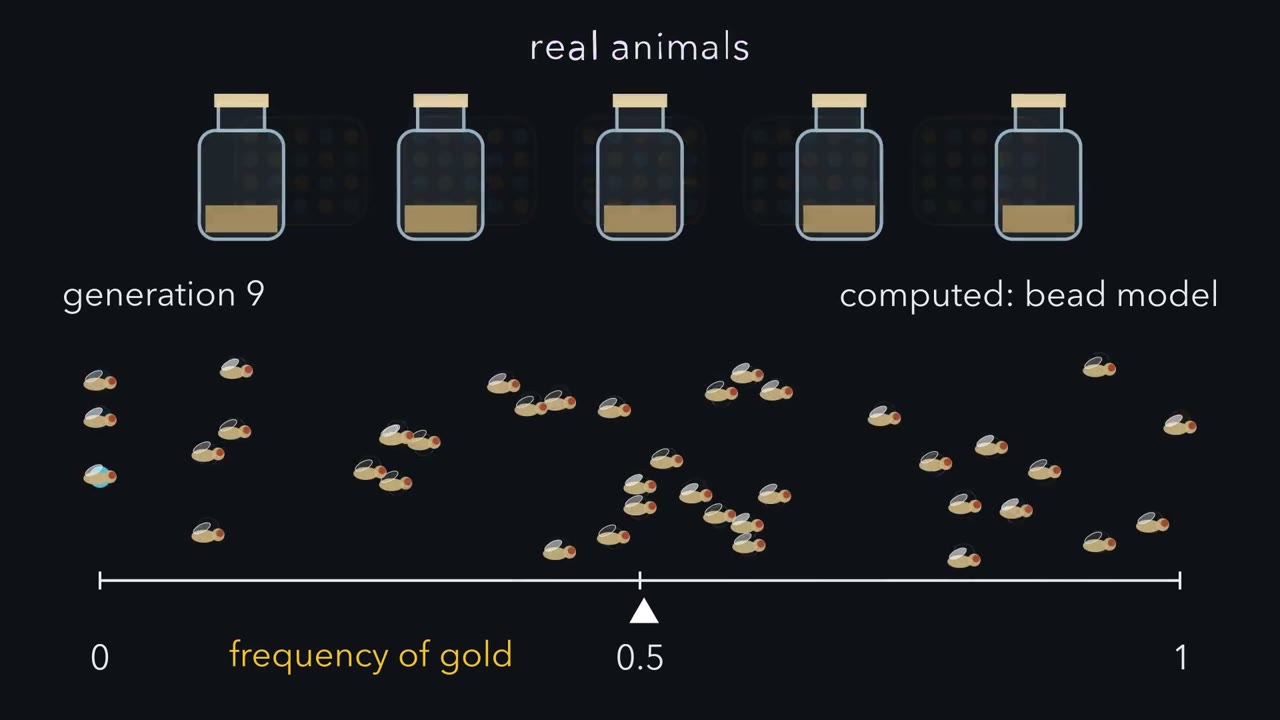 Second film Length 2:55 107 Bottles Ecology and Evolution · College: the core Drift, Gene Flow and Competing Explanations
Take-home
Buri started 107 fruit-fly lines at an allele frequency of 0.5 and kept 16 parents in each, generation after generation.
-
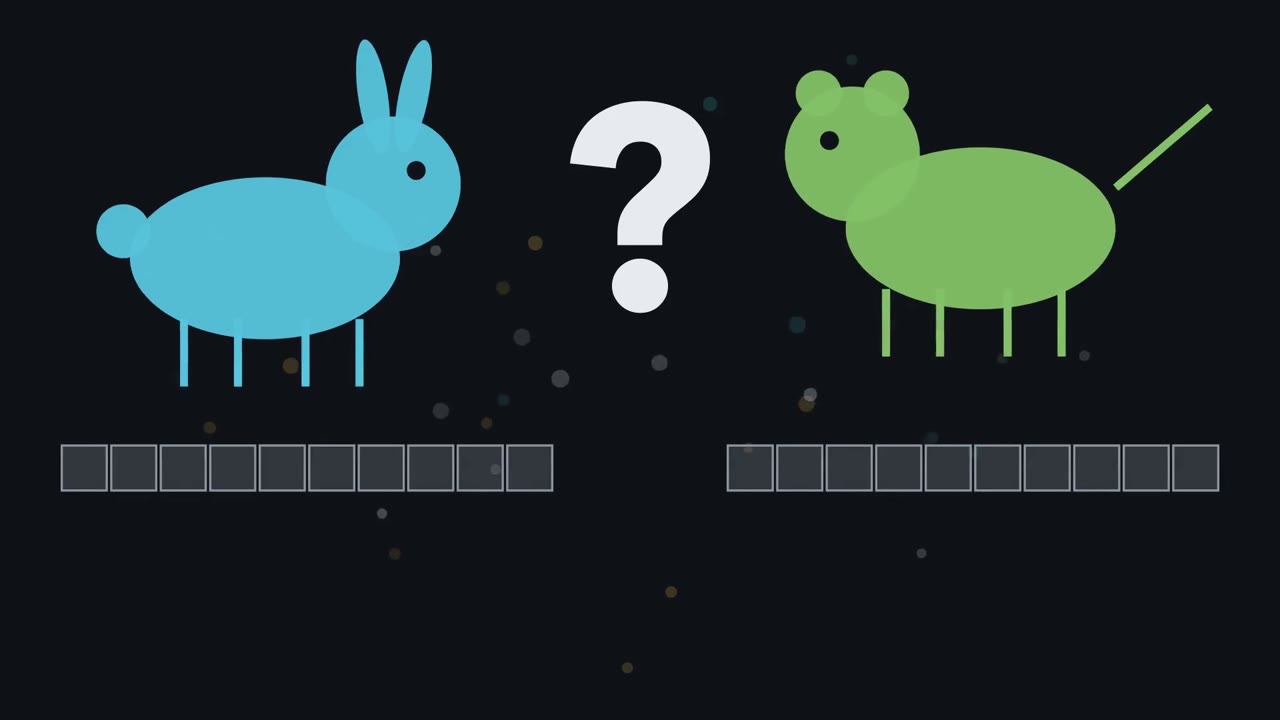 First film Length 3:07 Why Genes Keep Time Ecology and Evolution · College: the core Molecular Evolution
Take-home
A substitution is a mutation that has spread to every member of a lineage.
-
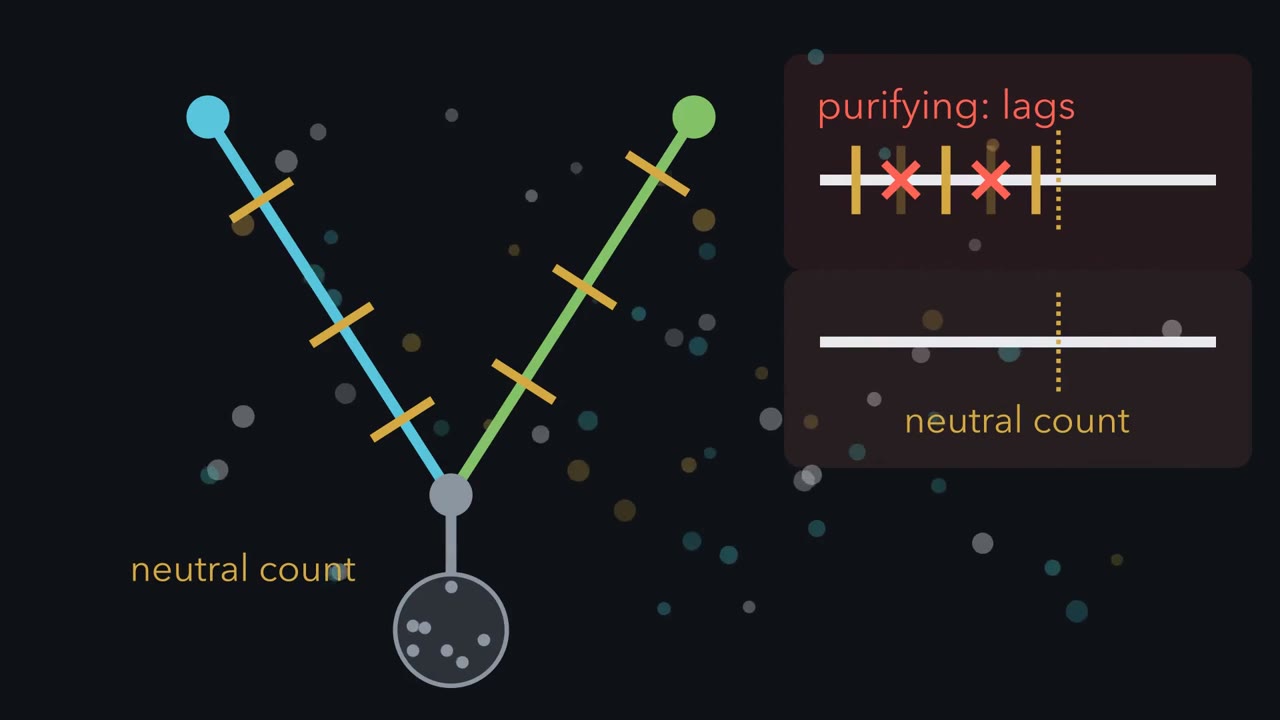 Second film Length 3:12 Reading Selection in Genes Ecology and Evolution · College: the core Molecular Evolution
Take-home
A synonymous change keeps the amino acid; a nonsynonymous, or replacement, change alters it.
-
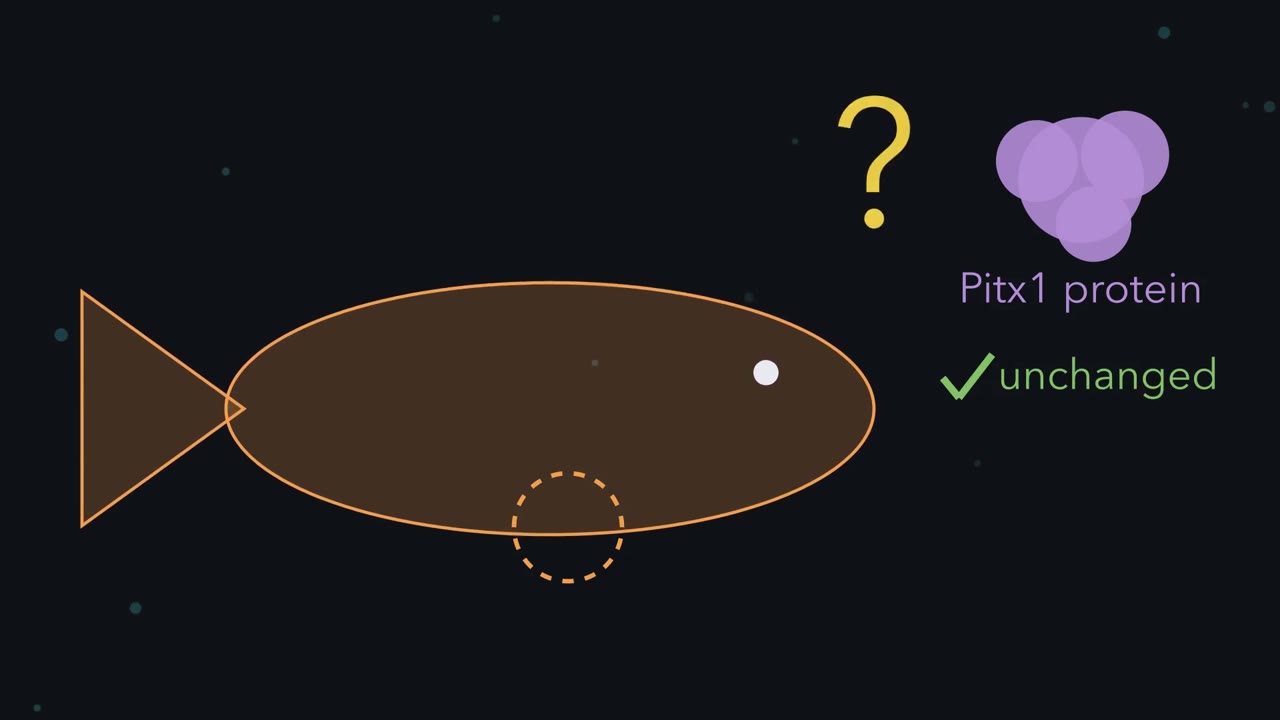 First film Length 3:00 Same Protein, Different Switch Ecology and Evolution · College: the core Evolution of Development
Take-home
In the pelvic-reduced Paxton Lake sticklebacks examined, the Pitx1 protein is unchanged.
-
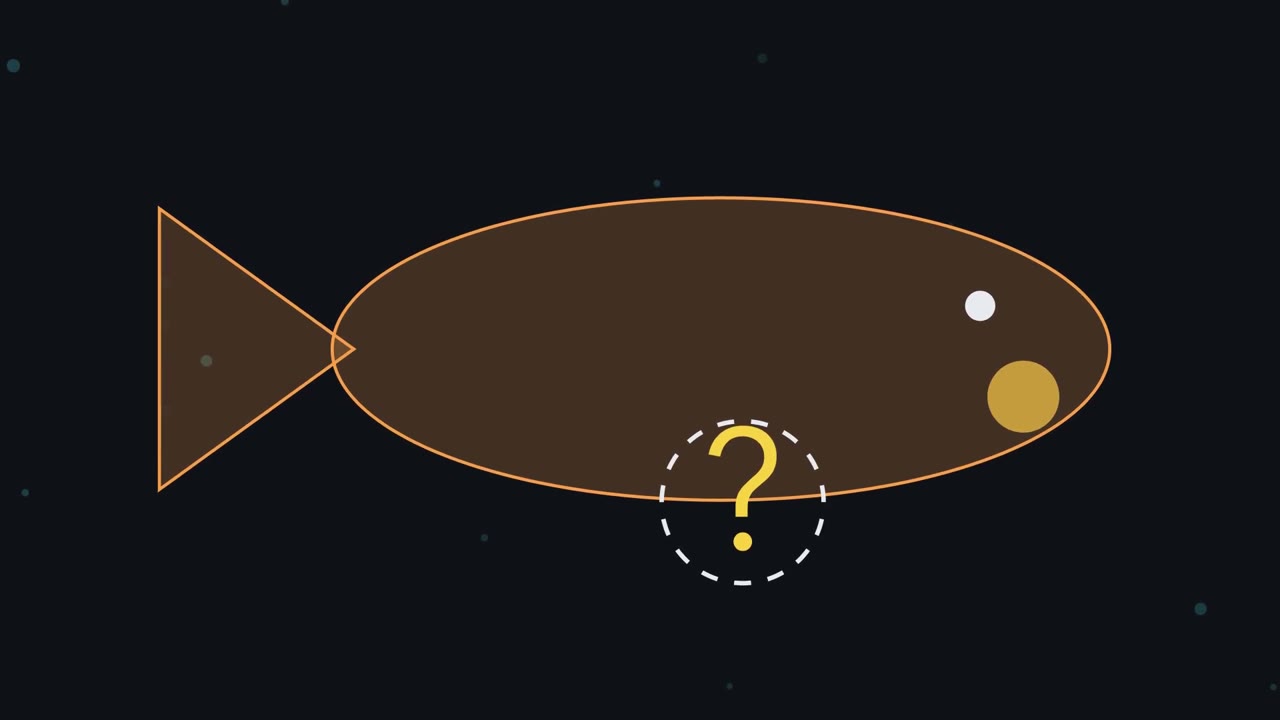 Second film Length 3:07 Putting the Switch on Trial Ecology and Evolution · College: the core Evolution of Development
Take-home
In a reporter test, marine PelA drove expression in the developing pelvis, and the Paxton version with a deletion drove none in 8 fish.
-
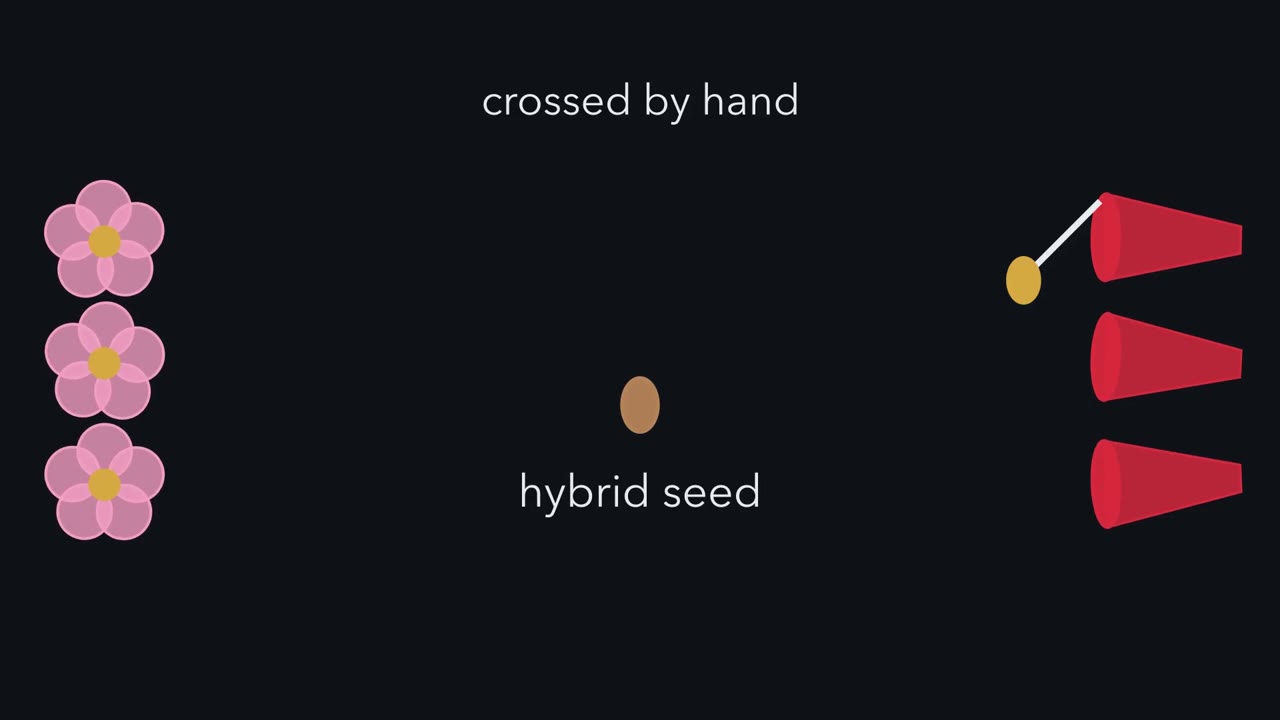 First film Length 3:14 Leaks That Multiply Ecology and Evolution · College: the core Speciation: How Barriers to Gene Flow Evolve
Take-home
A reproductive barrier is anything that reduces gene flow between populations.
-
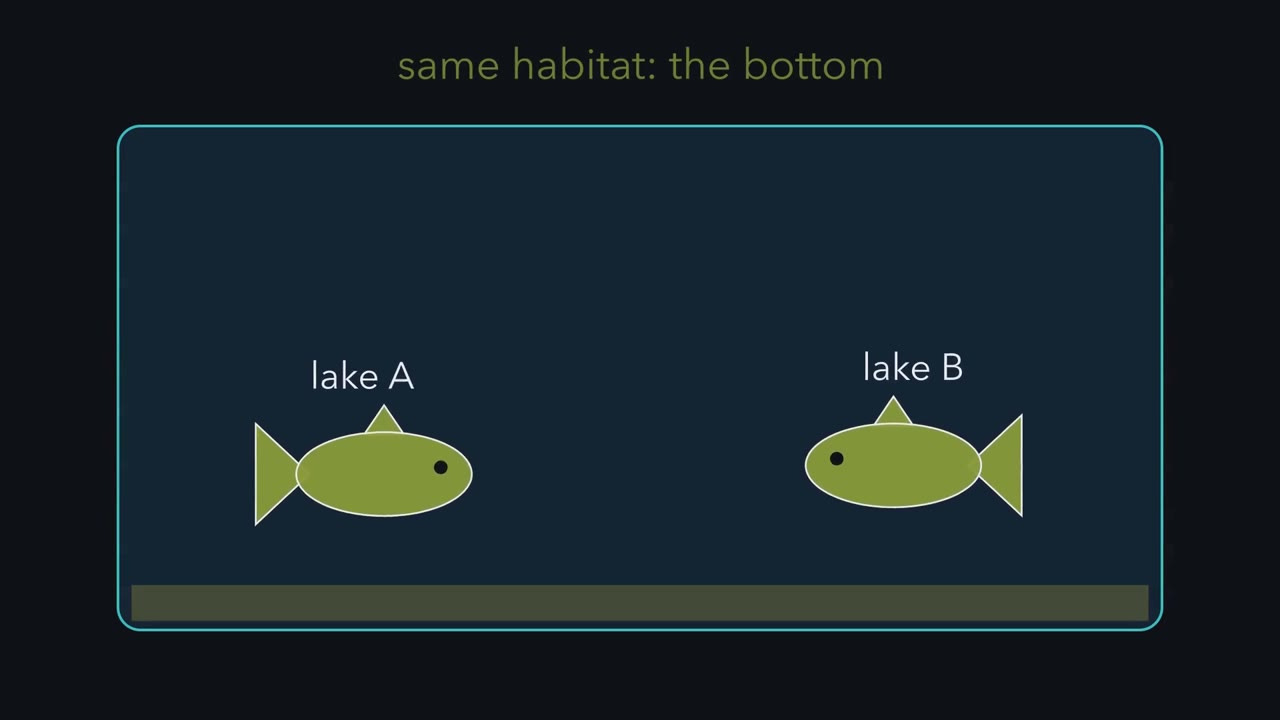 Second film Length 3:25 Isolation Follows Ecology Ecology and Evolution · College: the core Speciation: How Barriers to Gene Flow Evolve
Take-home
Divergent selection favours different traits in different habitats.
-
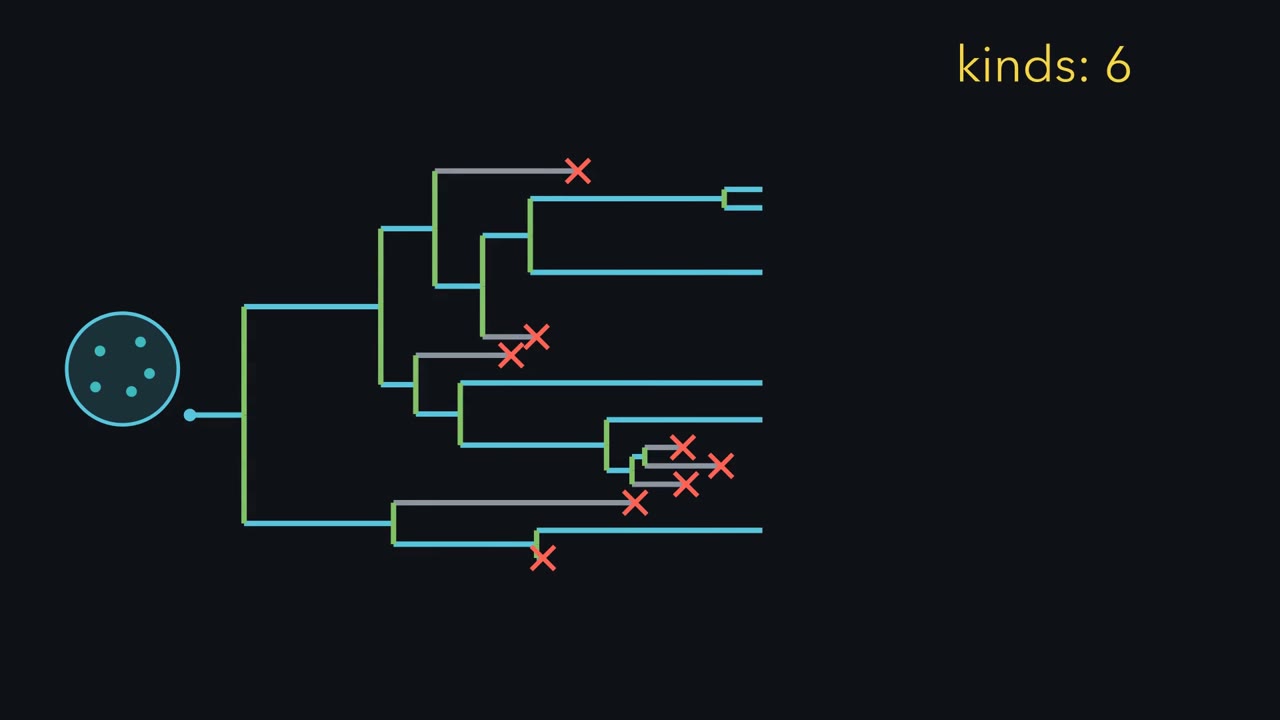 First film Length 3:30 Births Minus Deaths Ecology and Evolution · College: the core History of Life: Transitions, Extinctions and Radiations
Take-home
The number of lineages changes by births minus deaths, speciation minus extinction (r = λ − μ); a slowly changing count alone cannot show whether the two rates are high or low.
-
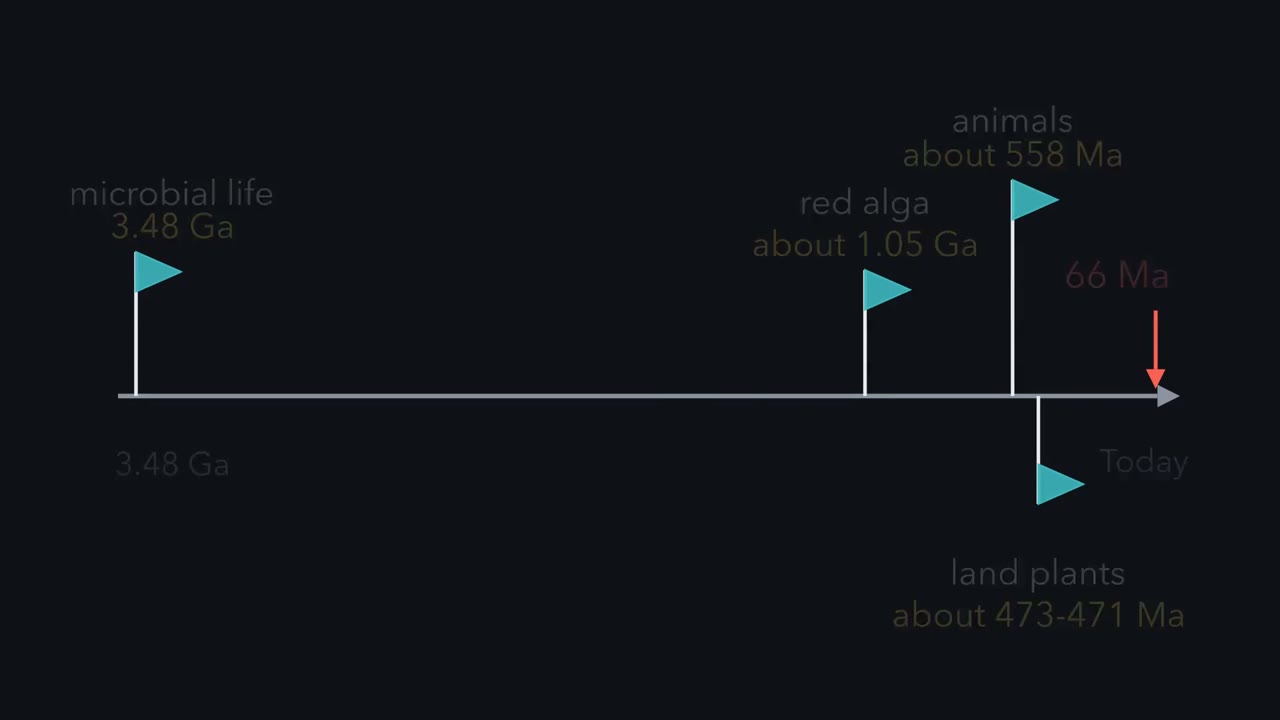 Second film Length 3:06 Floors and Brackets Ecology and Evolution · College: the core History of Life: Transitions, Extinctions and Radiations
Take-home
Fossils are rarely dated directly; often minerals in nearby rocks are, such as zircon carried into volcanic ash.
-
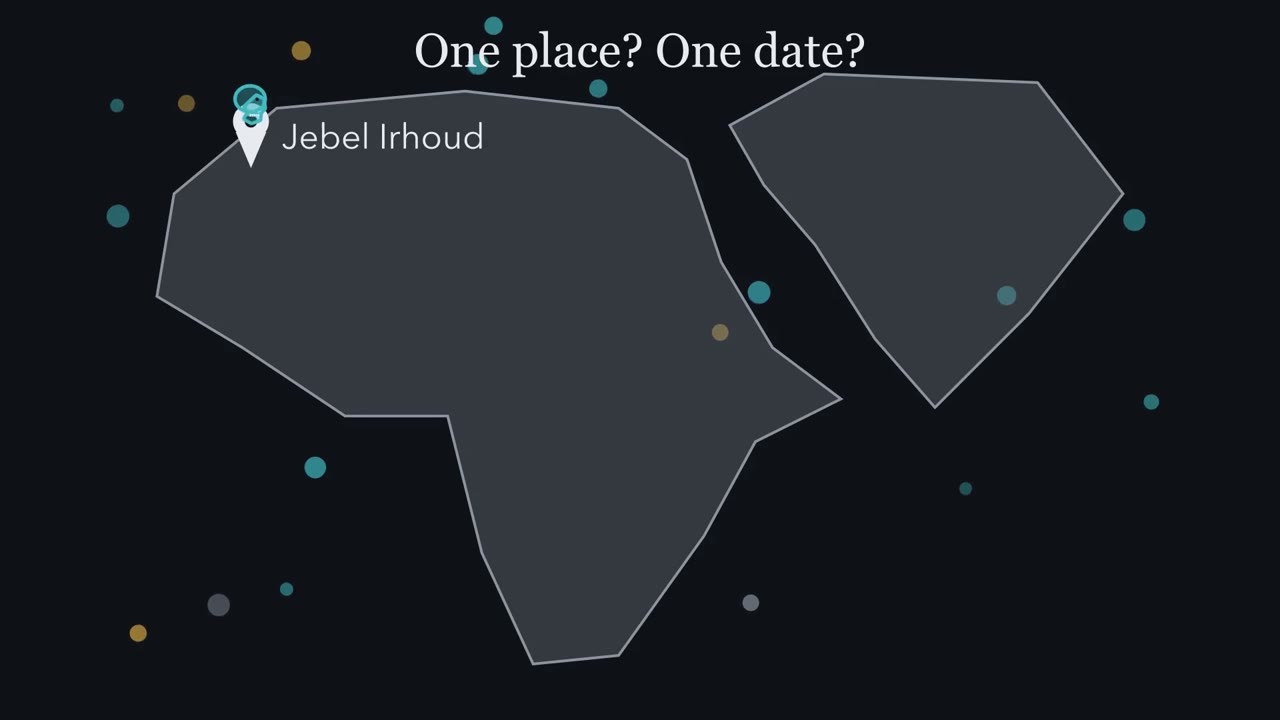 First film Length 2:58 What Was Dated? Ecology and Evolution · College: the core Human Evolutionary History: An African Origin and Archaic Ancestry
Take-home
Homo sapiens arose in Africa from connected populations that split and sometimes merged, not at one birthplace on one date.
-
 Second film Length 3:16 A Clock Made of Cuts Ecology and Evolution · College: the core Human Evolutionary History: An African Origin and Archaic Ancestry
Take-home
Sampled Eurasian genomes share more Neanderthal variants than sampled sub-Saharan African genomes do: a clue to mixing, not proof.
-
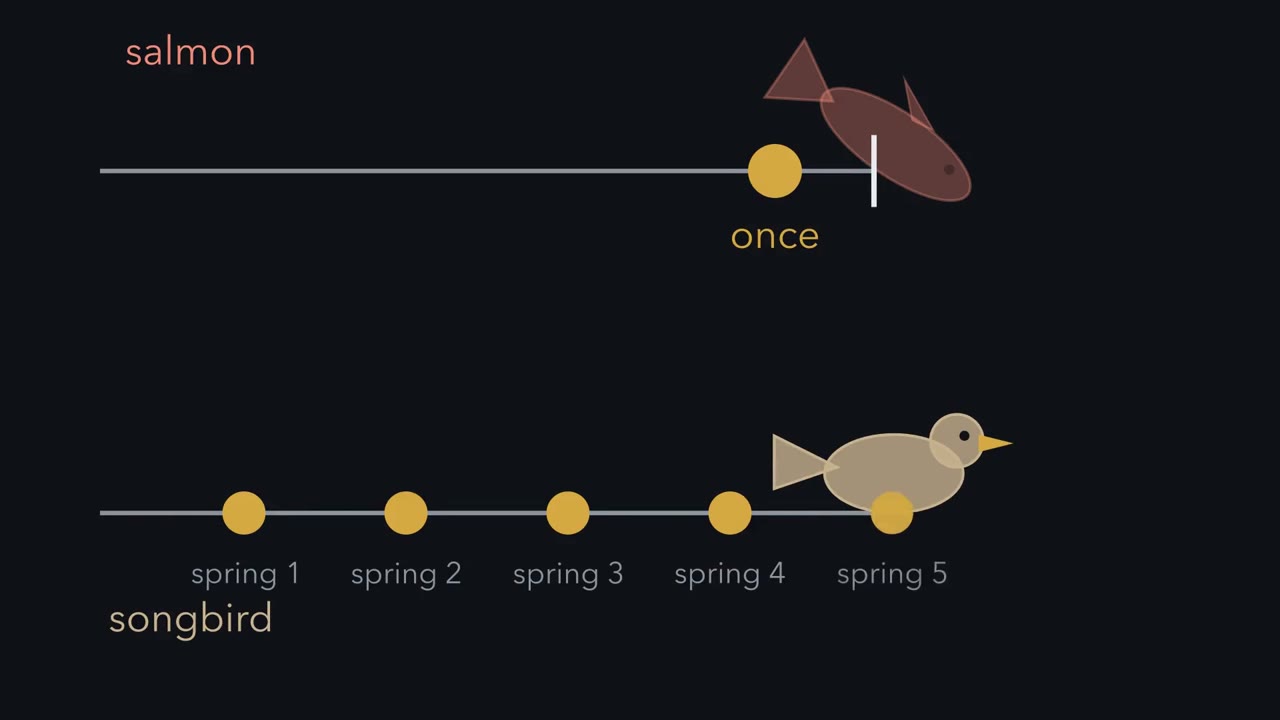 First film Length 3:18 One Budget, Many Uses Ecology and Evolution · College: the core Life Histories and Evolutionary Trade-offs
Take-home
Treat what an individual takes in and can use as one budget, split among growth, upkeep, storage and reproduction.
-
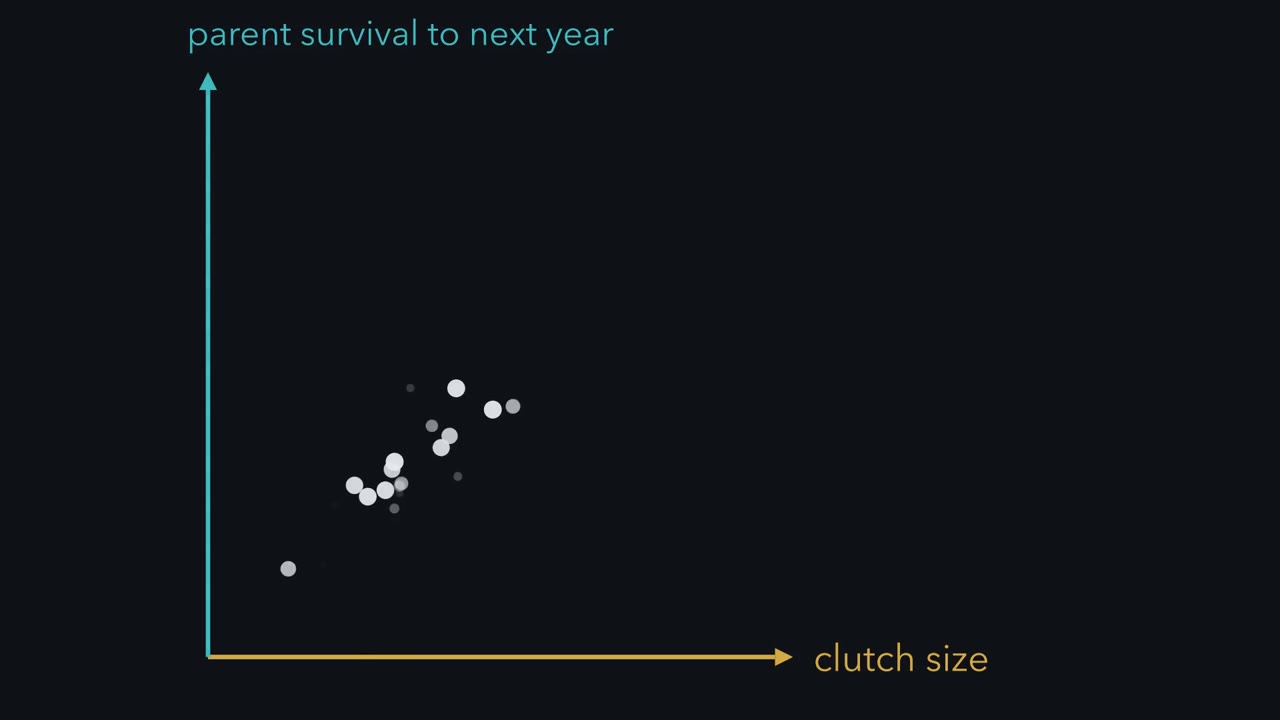 Second film Length 2:57 Why the Trade-off Hides Ecology and Evolution · College: the core Life Histories and Evolutionary Trade-offs
Take-home
Birds that take in more can afford more of everything, so larger clutches can go with better survival even when each bird faces a trade-off.
-
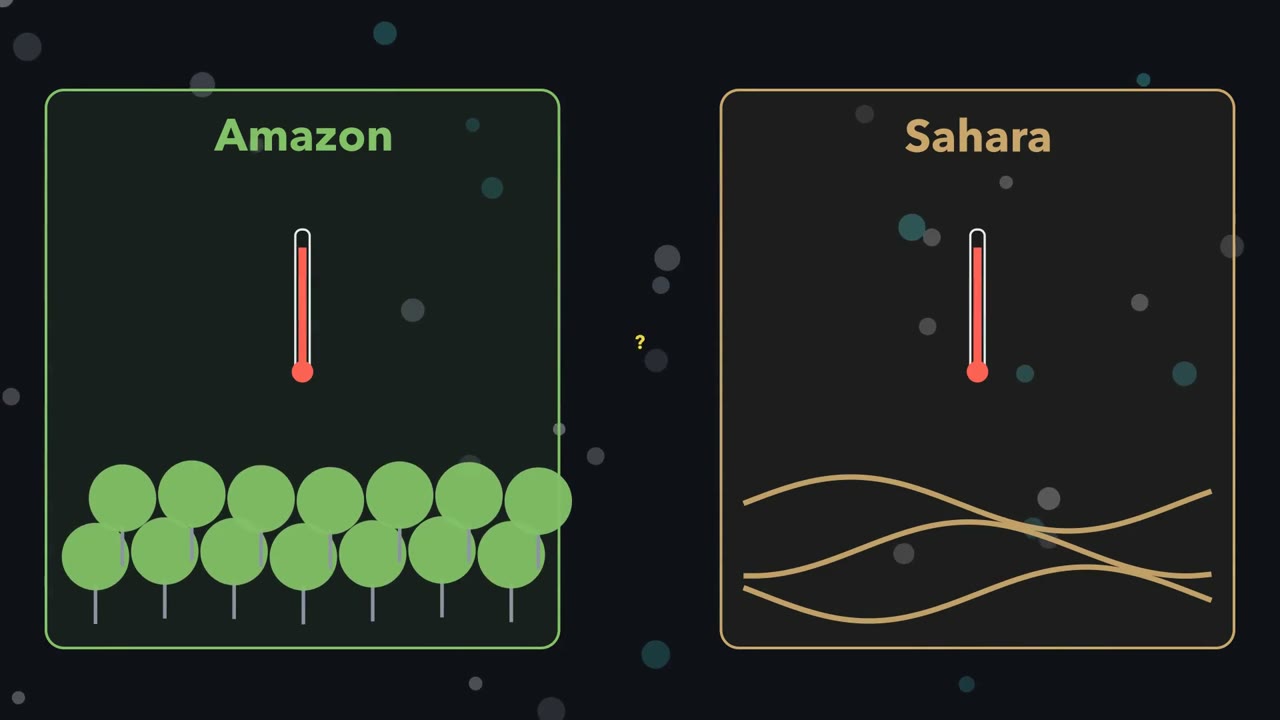 First film Length 3:10 Where the Rain Falls Ecology and Evolution · College: the core Climate, Biomes and Environmental Variation
Take-home
Sunlight striking at a slant spreads over more ground, so over a year the tropics get the most energy per square metre and the poles the least.
-
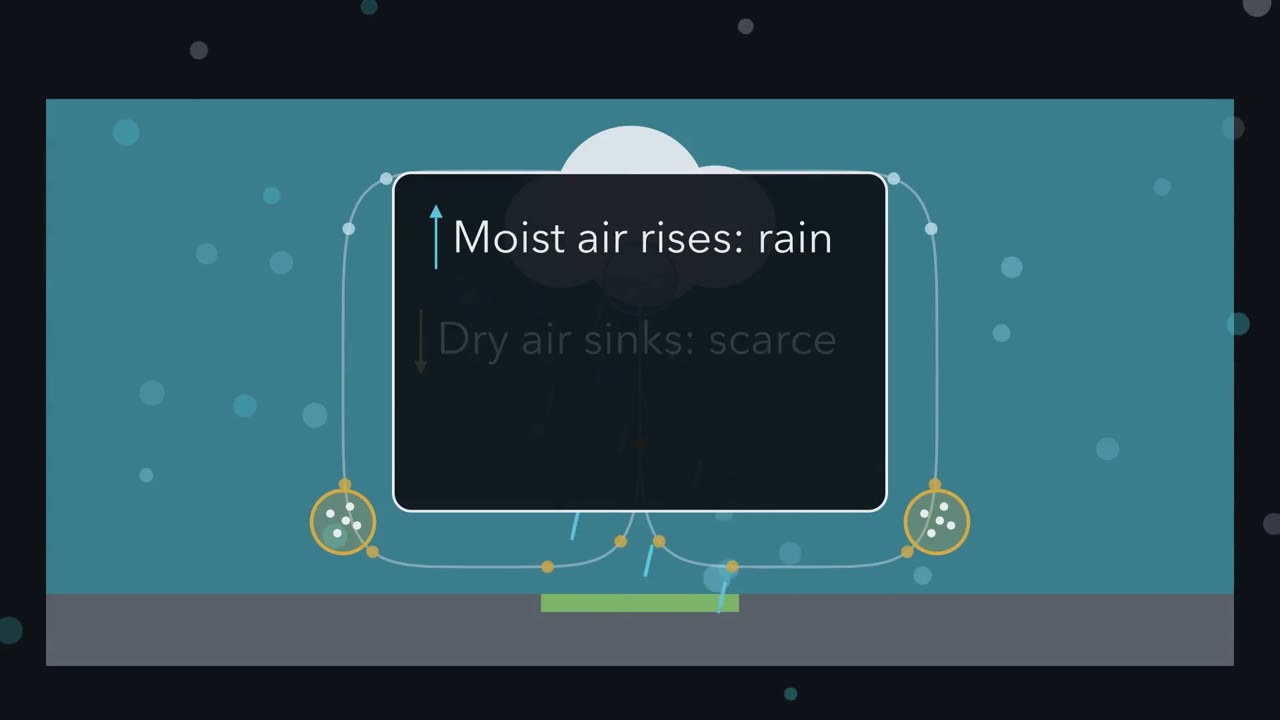 Second film Length 3:02 Same Warmth, Two Answers Ecology and Evolution · College: the core Climate, Biomes and Environmental Variation
Take-home
Two places with similar average warmth can get different first guesses at the biome because of how much rain falls and when.
-
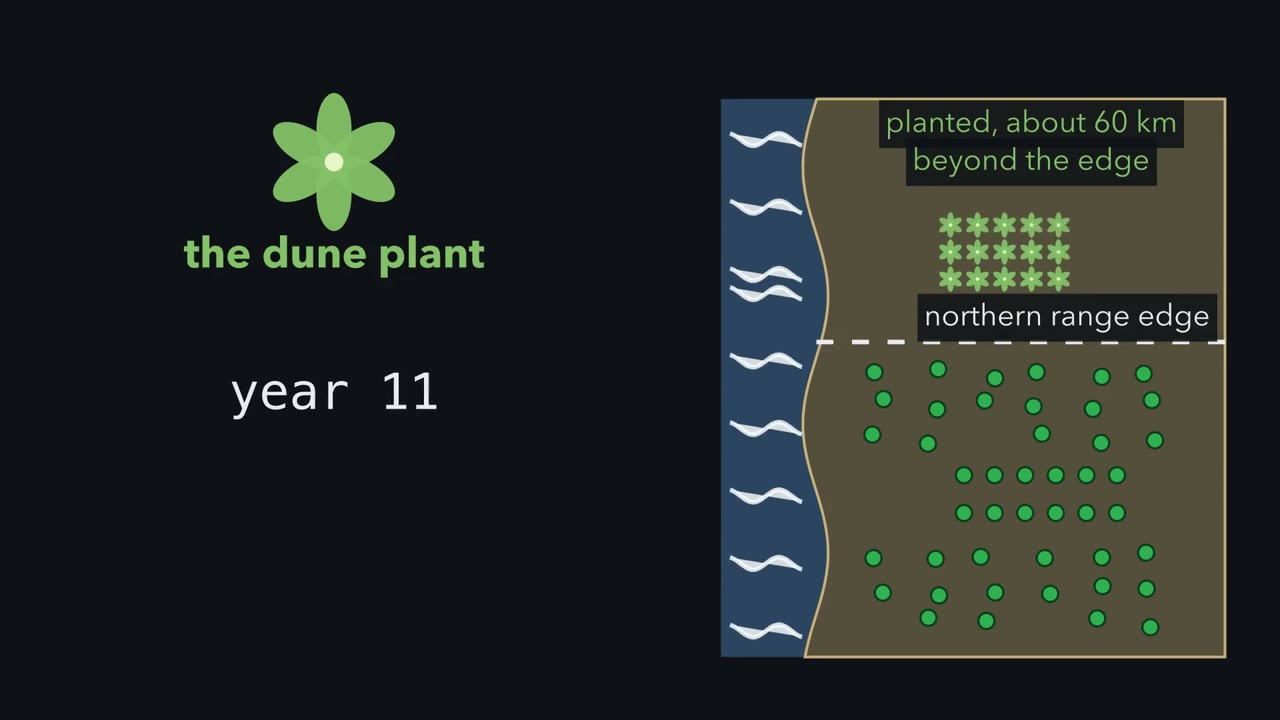 First film Length 3:21 Where It Can Live, Where It Is Ecology and Evolution · College: the core Distributions, Niches and Tolerances
Take-home
A niche is the set of conditions in which the long-run lambda, across good and bad years with no immigrants, is at least 1.
-
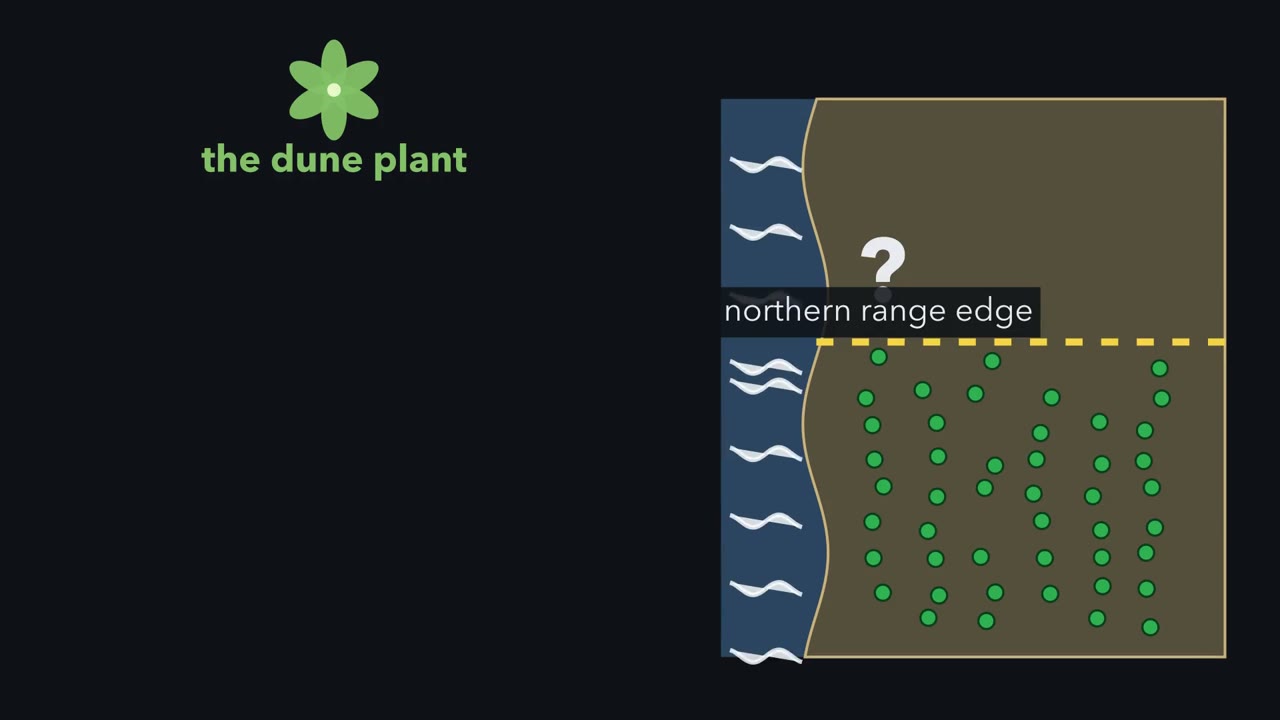 Second film Length 3:17 Planting Past the Edge Ecology and Evolution · College: the core Distributions, Niches and Tolerances
Take-home
A range edge can be set by conditions, by other species, or by access: the species not arriving or not recolonising.
-
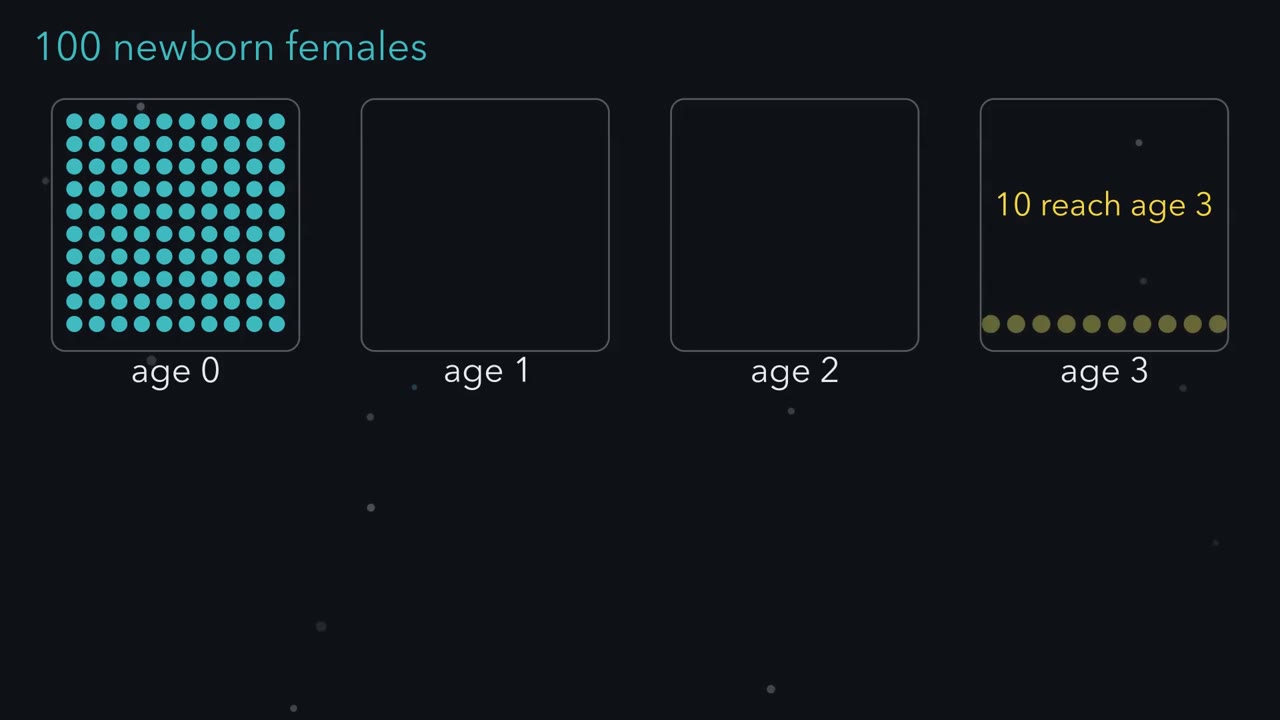 First film Length 2:55 Survive, Then Give Birth Ecology and Evolution · College: the core Demography and Survivorship
Take-home
A cohort is a group of females born together; l_x is the fraction still alive at age x, and m_x is the average number of daughters per live female at that age.
-
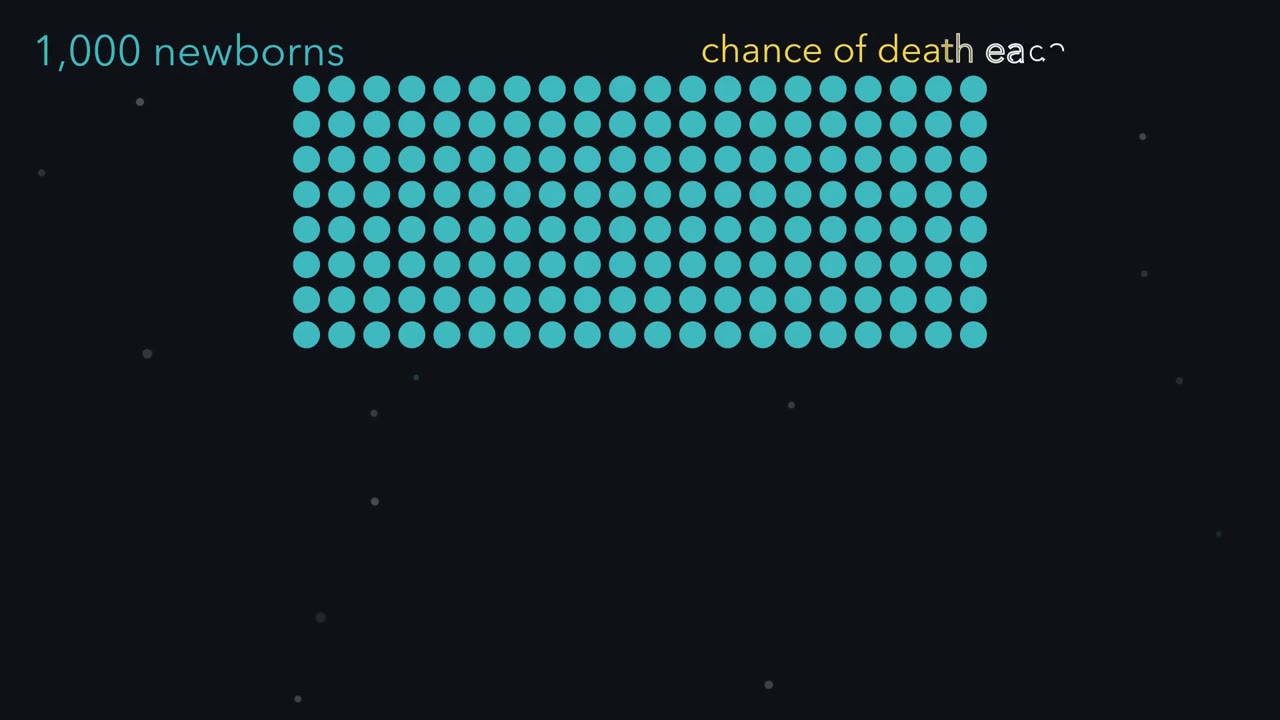 Second film Length 3:15 A Straight Line on a Log Axis Ecology and Evolution · College: the core Demography and Survivorship
Take-home
A survivorship curve plots l_x against age, usually on a logarithmic axis, where equal drops mean equal fractions lost.
-
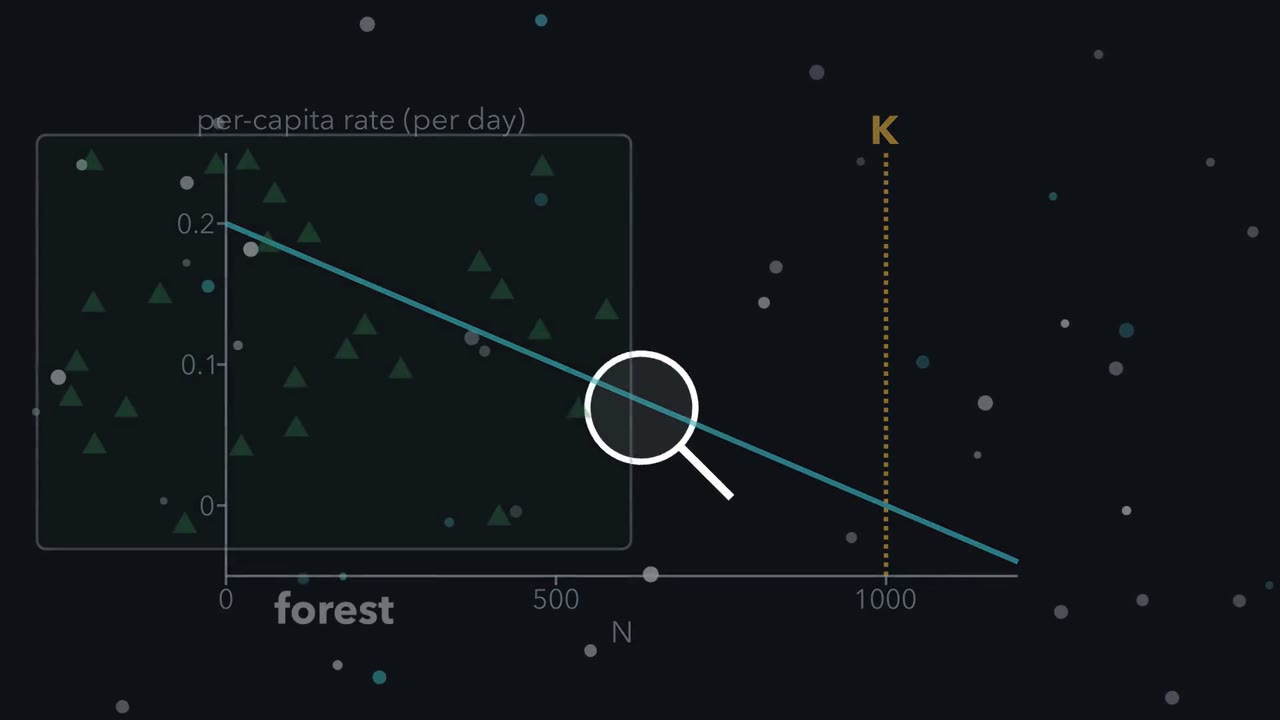
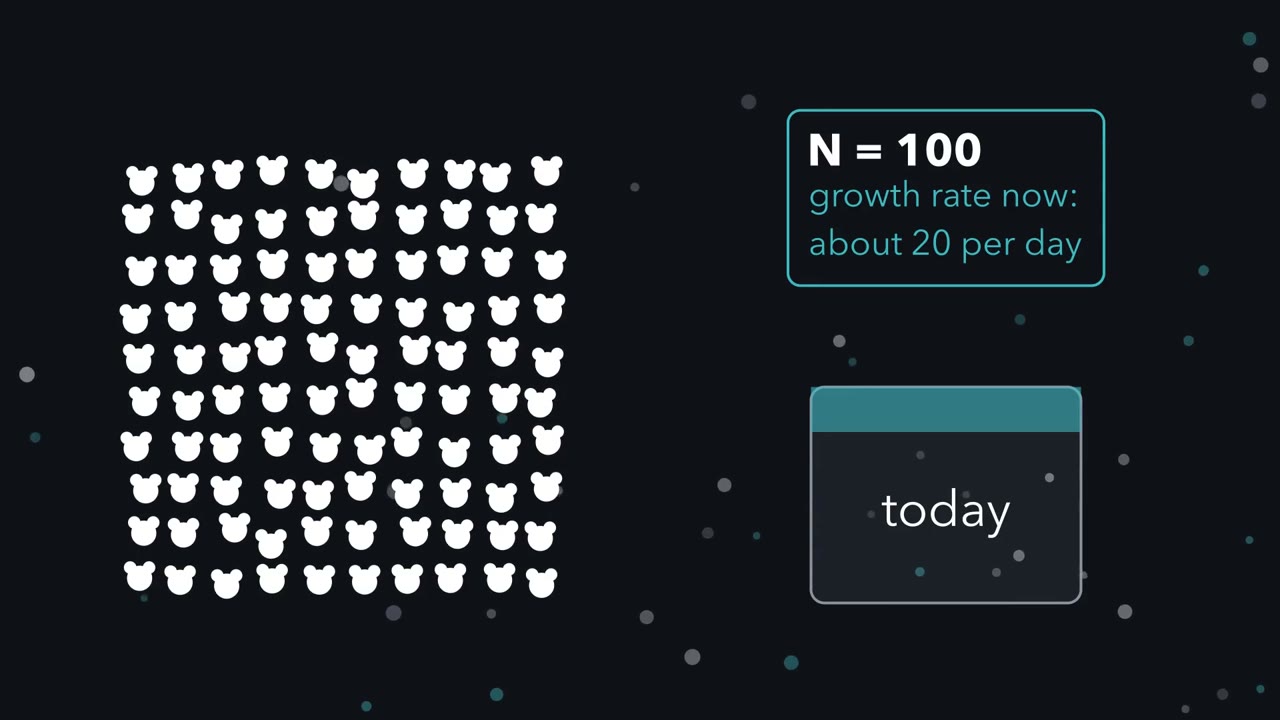 First film Length 3:05 Watch the Per-Capita Rate Ecology and Evolution · College: the core Population Growth and Regulation
Take-home
In a closed population, growth is the per-capita rate, births minus deaths per individual, times the population size N.
-
 Second film Length 3:19 Catching the Brake Ecology and Evolution · College: the core Population Growth and Regulation
Take-home
Adding food and fencing out mammal predators raised snowshoe hare numbers, which shows both were limiting, but counts alone do not show density dependence.
-
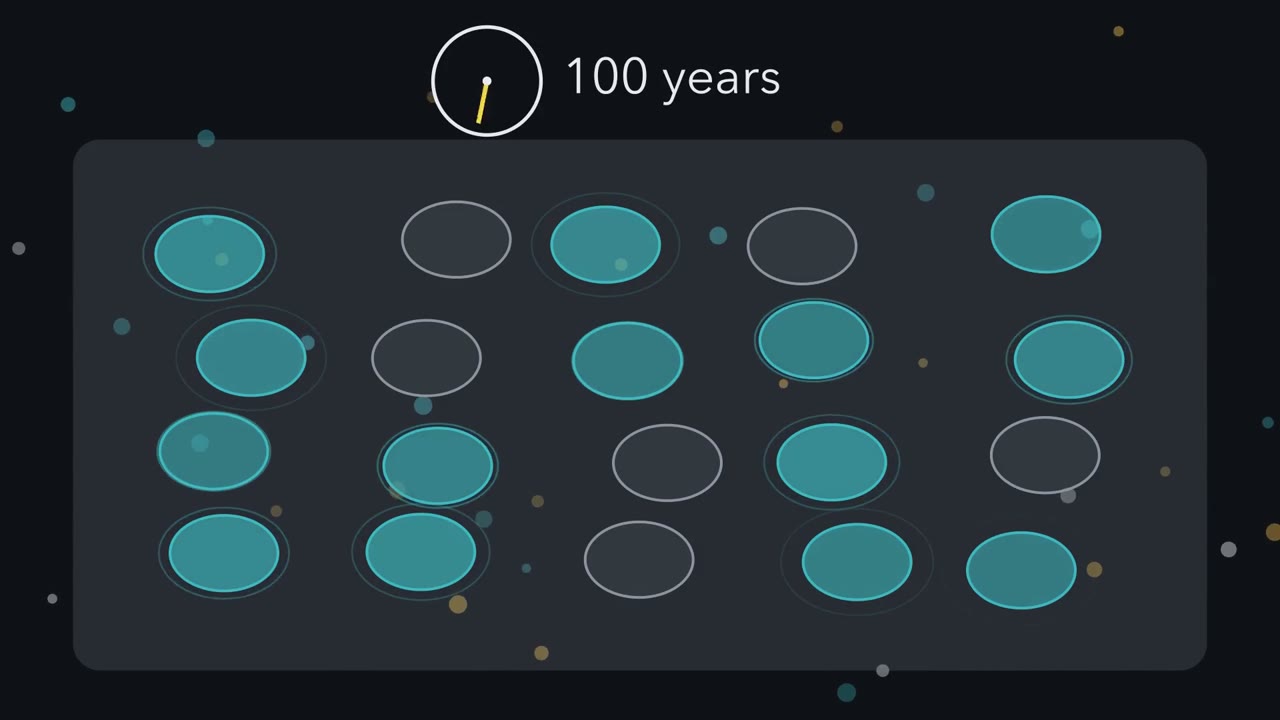 First film Length 3:17 A Region Outlasts Its Ponds Ecology and Evolution · College: the core Movement and Spatial Populations
Take-home
In the Levins model each patch is simply occupied or empty, and p is the fraction occupied.
-
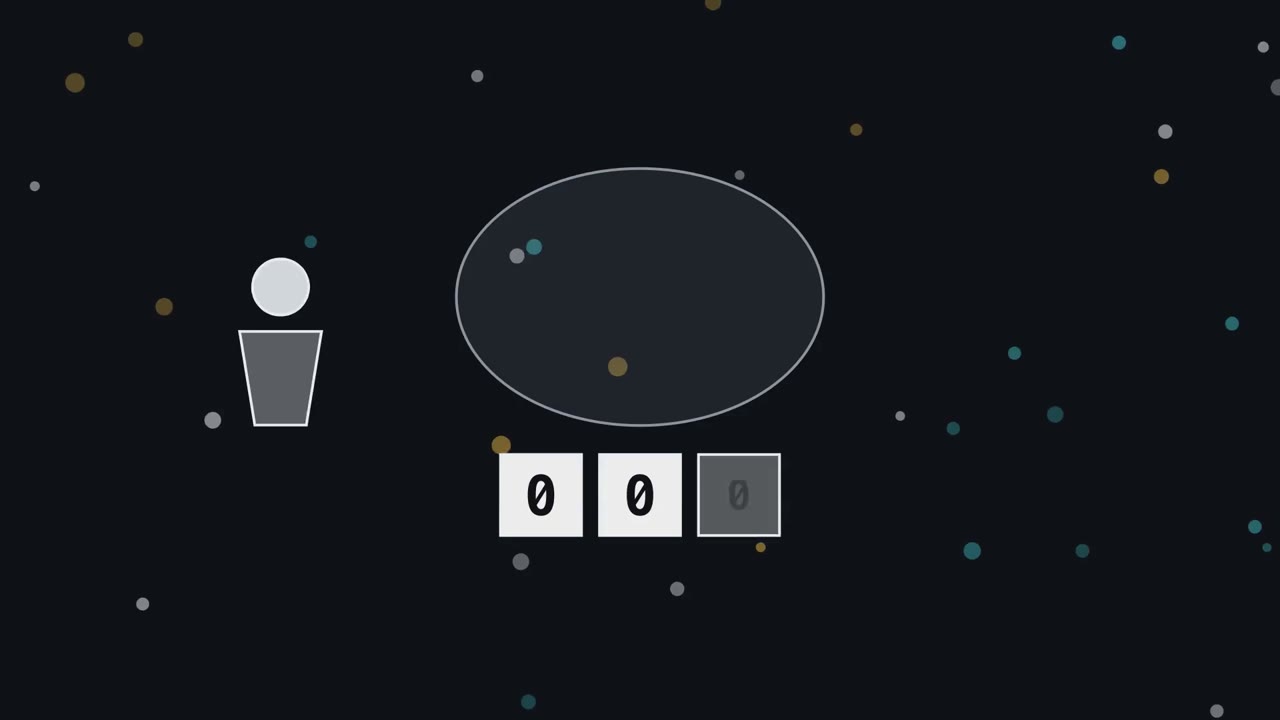 Second film Length 2:58 Two Kinds of Zero Ecology and Evolution · College: the core Movement and Spatial Populations
Take-home
A survey zero can mean the species is absent, or that it was there and missed.
-
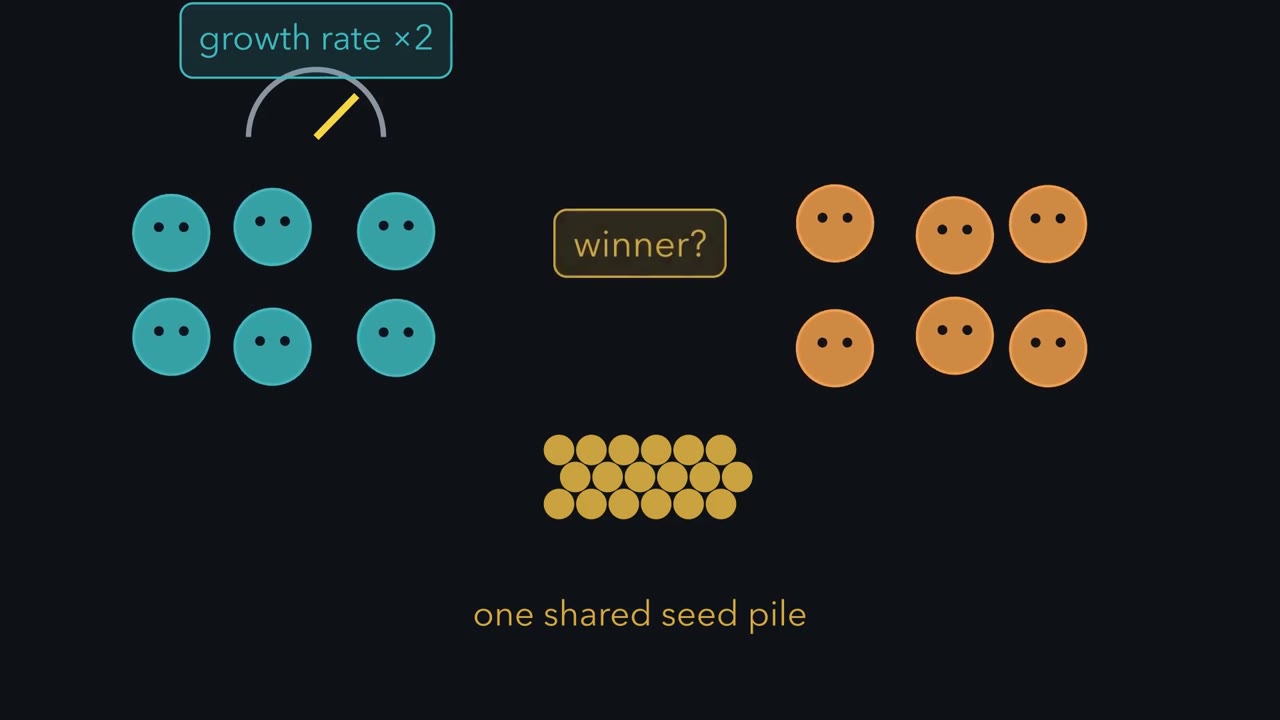 First film Length 3:26 Can It Grow When Rare? Ecology and Evolution · College: the core Competition
Take-home
Competition lowers each species' per-capita growth, and alpha converts the other species into units of one's own kind.
-
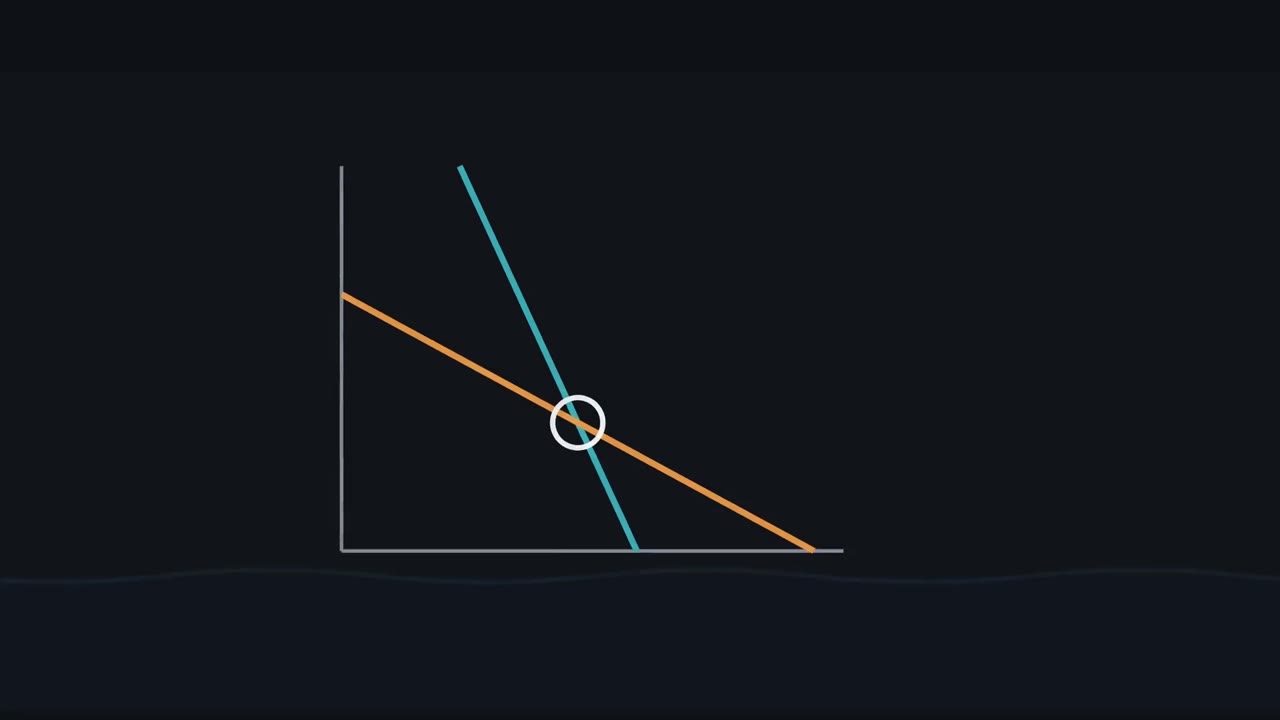 Second film Length 3:03 What Keeps Chthamalus High? Ecology and Evolution · College: the core Competition
Take-home
At Millport, Chthamalus lives above Balanus, and longer immersion, predators or crowding by Balanus could each explain that boundary.
-
 First film Length 2:59 Two Ledgers, One Kill Ecology and Evolution · College: the core Predation and Community Effects
Take-home
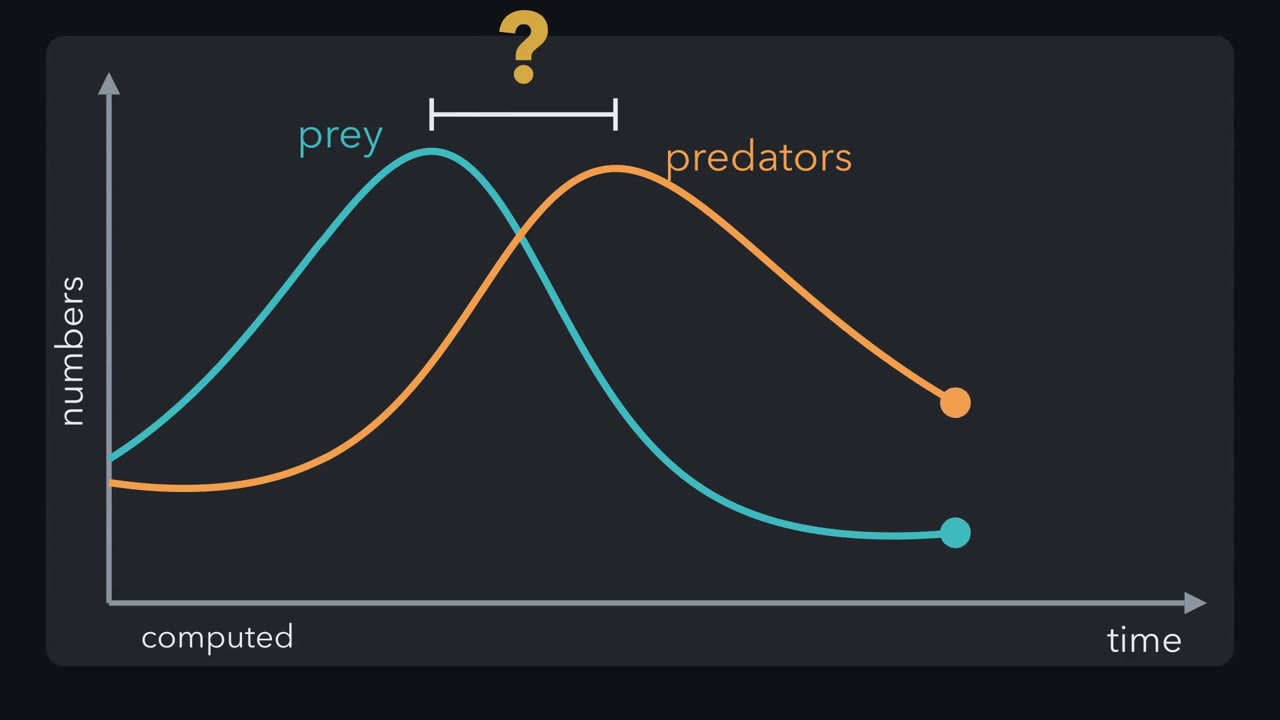
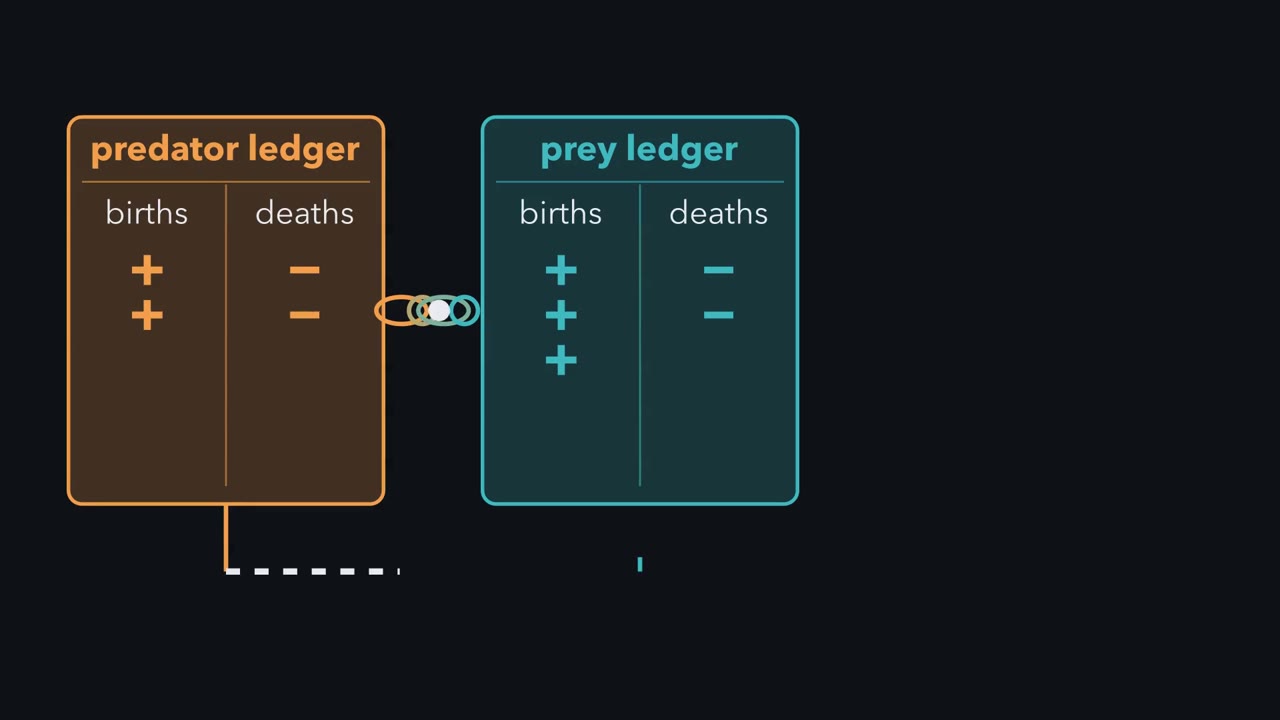
Each kill is a death for the prey and food that, on average, predators turn into births, so each population's per capita growth rate is set by the other's numbers.
-
 Second film Length 3:07 Fifteen to Eight Ecology and Evolution · College: the core Predation and Community Effects
Take-home
Paine kept the sea star Pisaster ochraceus off one patch of shore at Mukkaw Bay, Washington, beside an untouched control.
-
 First film Length 3:36 The Net Decides the Sign Ecology and Evolution · College: the core Mutualism, Parasitism and Coevolution
Take-home
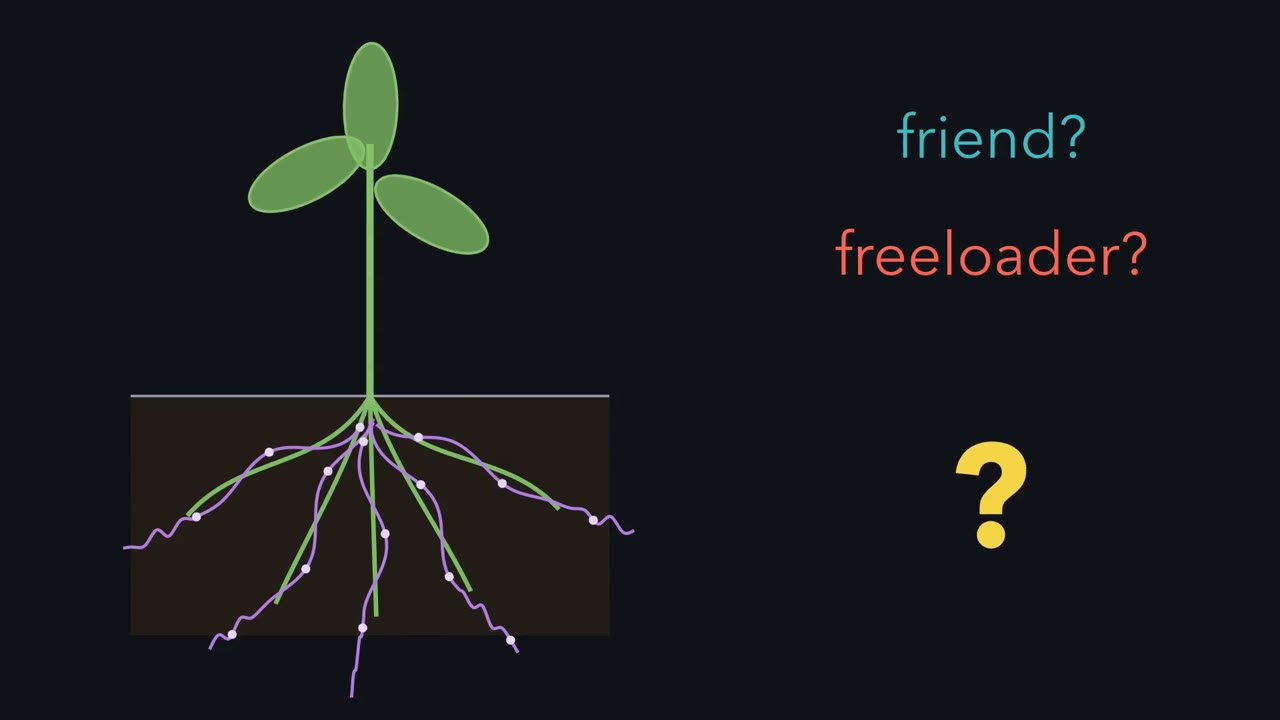
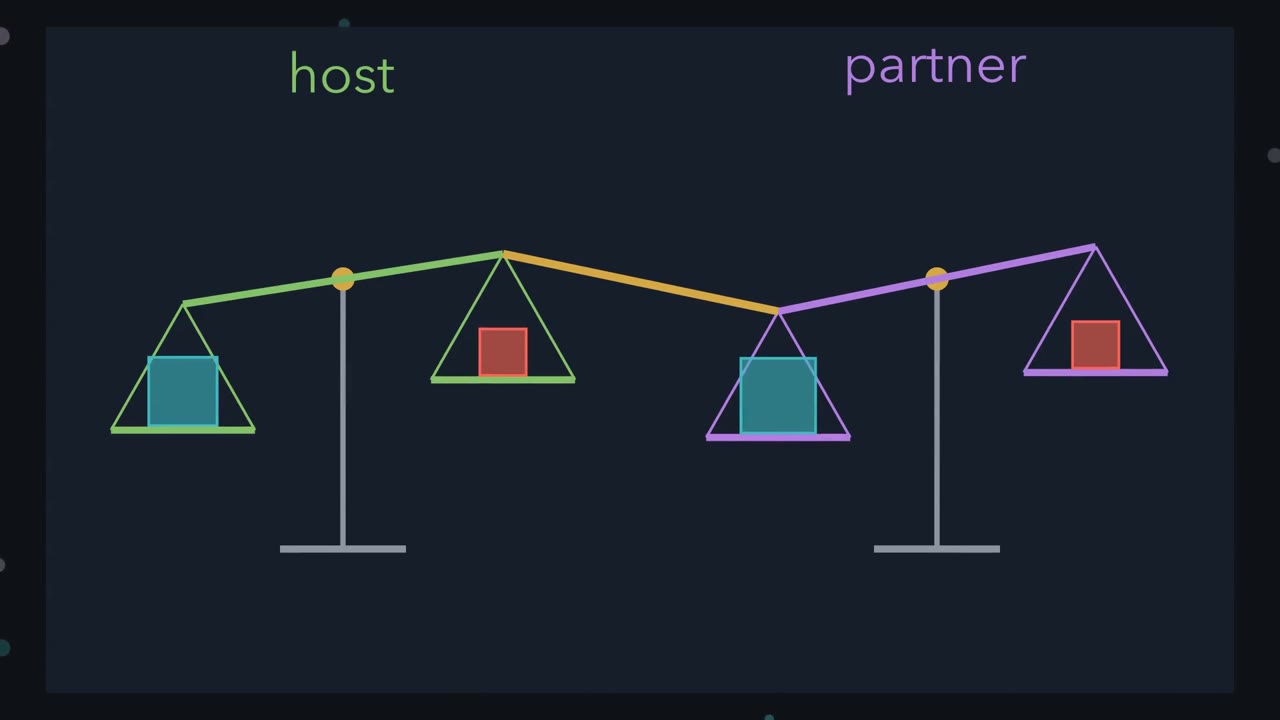
An interaction is scored by its net effect on each partner: benefit minus cost, compared with life without the partner.
-
 Second film Length 3:46 Reading Evolution Across Time Ecology and Evolution · College: the core Mutualism, Parasitism and Coevolution
Take-home
A time-shift assay pairs parasites with hosts from the past, the same time and the future; if neither partner's heritable traits changed, every pairing should give about the same infection rate.
-
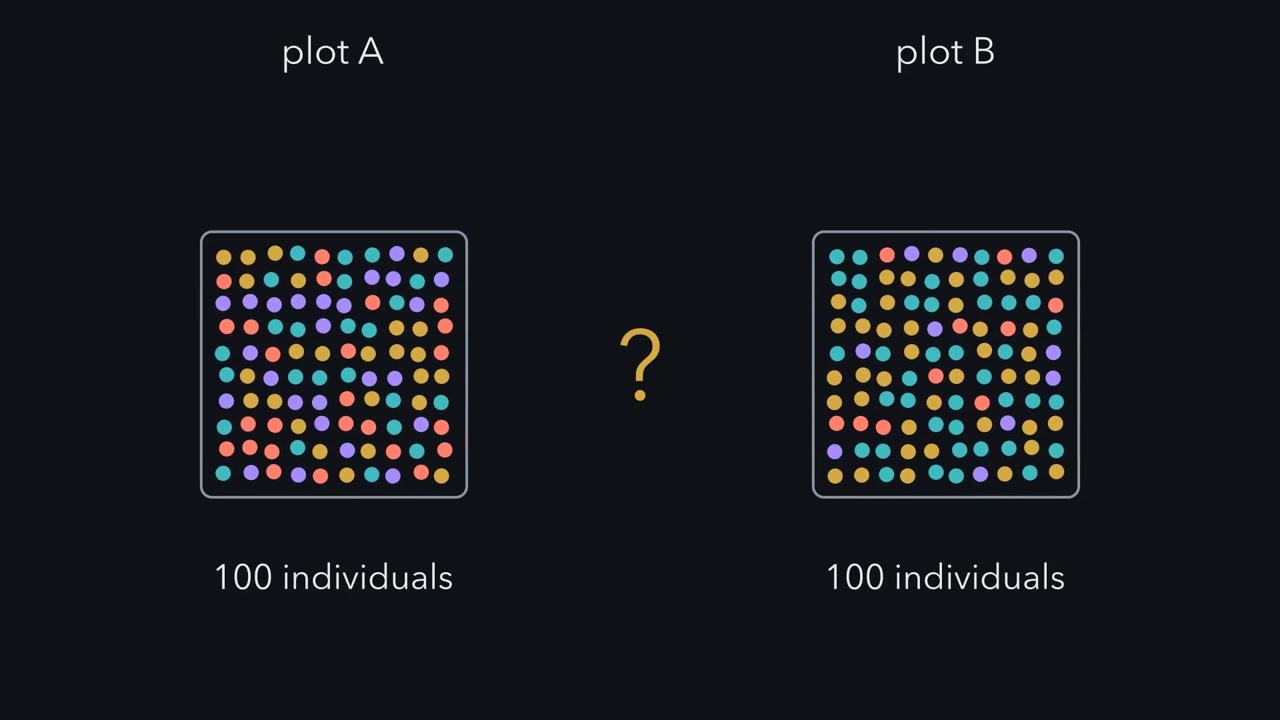 First film Length 3:11 How Many Species Is It Worth? Ecology and Evolution · College: the core Diversity, Disturbance and Succession
Take-home
Richness counts species; diversity also asks how evenly the individuals are shared among them.
-
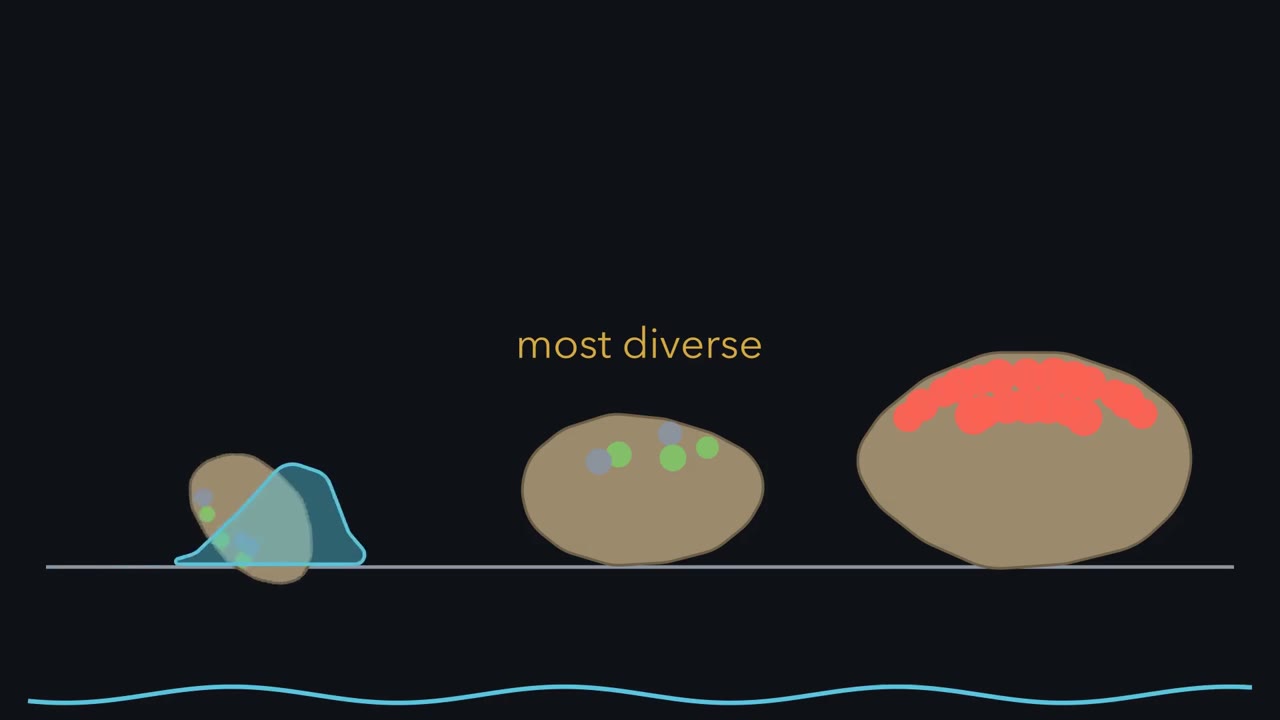 Second film Length 3:07 Holding a Boulder Still Ecology and Evolution · College: the core Diversity, Disturbance and Succession
Take-home
On Sousa's southern California shore, winter waves overturned small boulders often and large ones rarely, and intermediate boulders carried the most diverse communities.
-
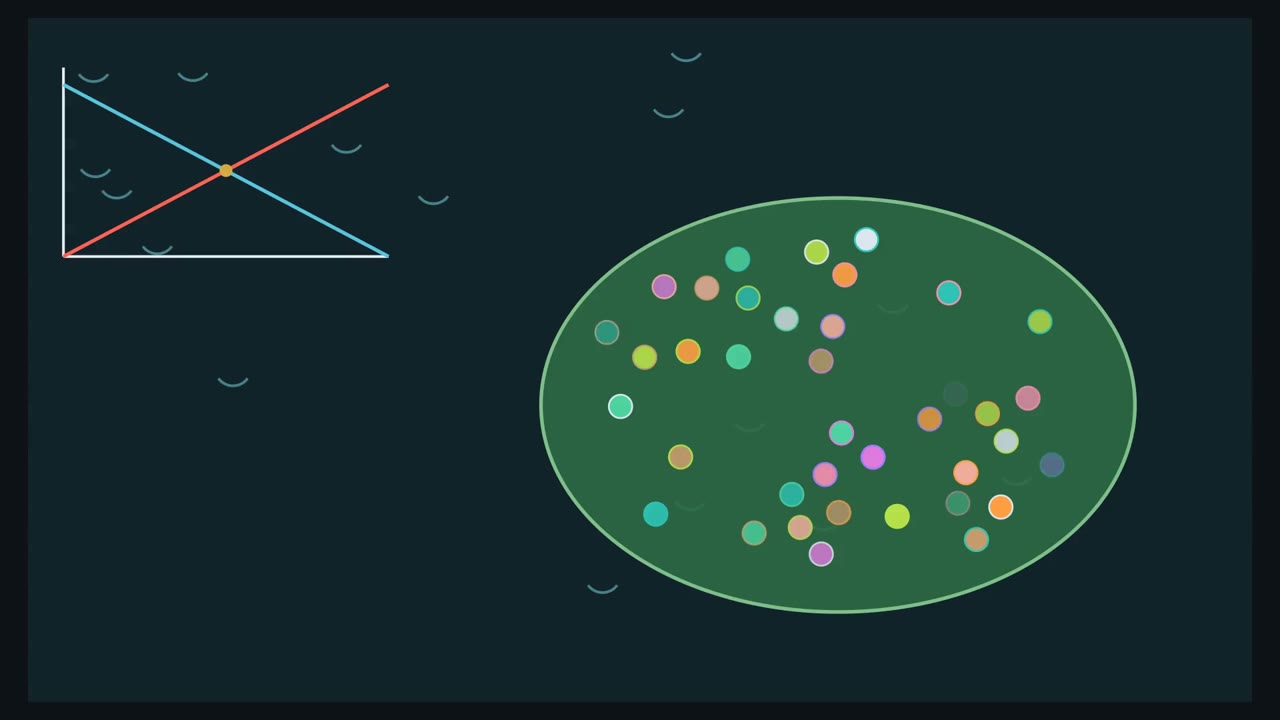
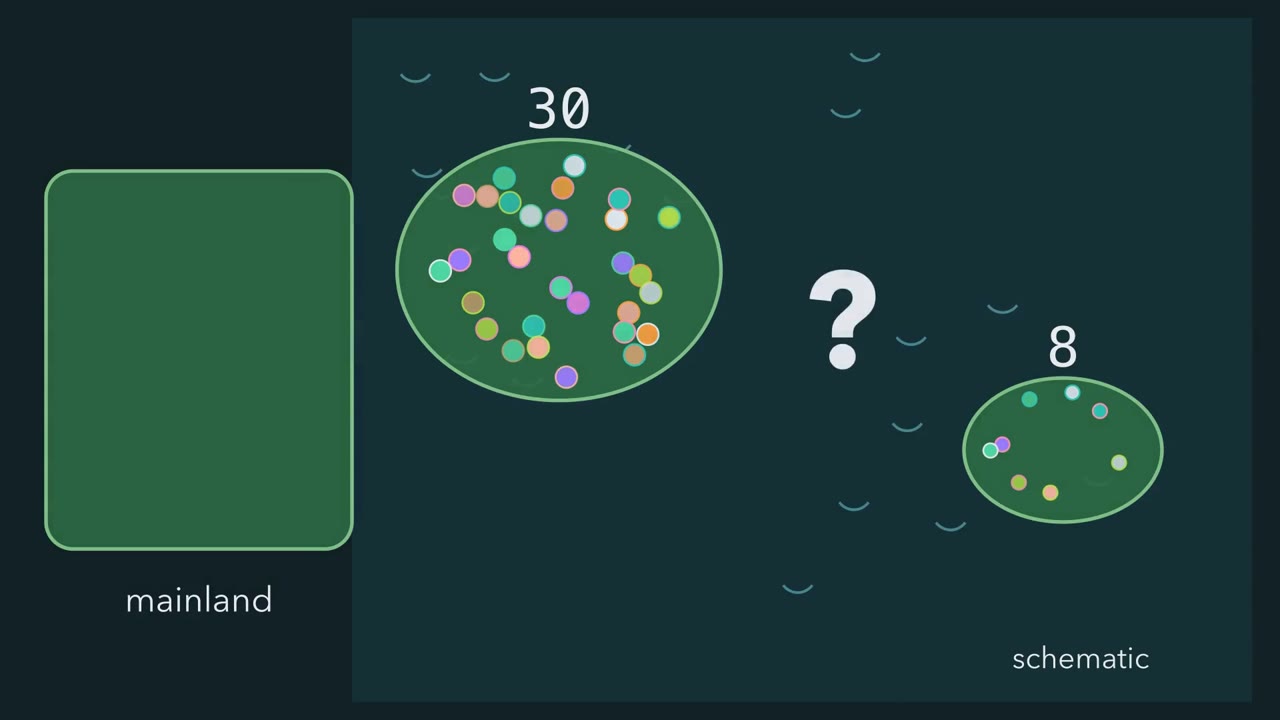 First film Length 3:15 Two Rates, One Crossing Ecology and Evolution · College: the core Island Biogeography
Take-home
An island's species count changes at the rate new species arrive minus the rate resident species are lost.
-
 Second film Length 3:03 Emptying Islands Ecology and Evolution · College: the core Island Biogeography
Take-home
Simberloff and Wilson censused the arthropods on six small red mangrove islands in the Florida Keys, removed them by fumigation under a tent, and censused again for a year.
-
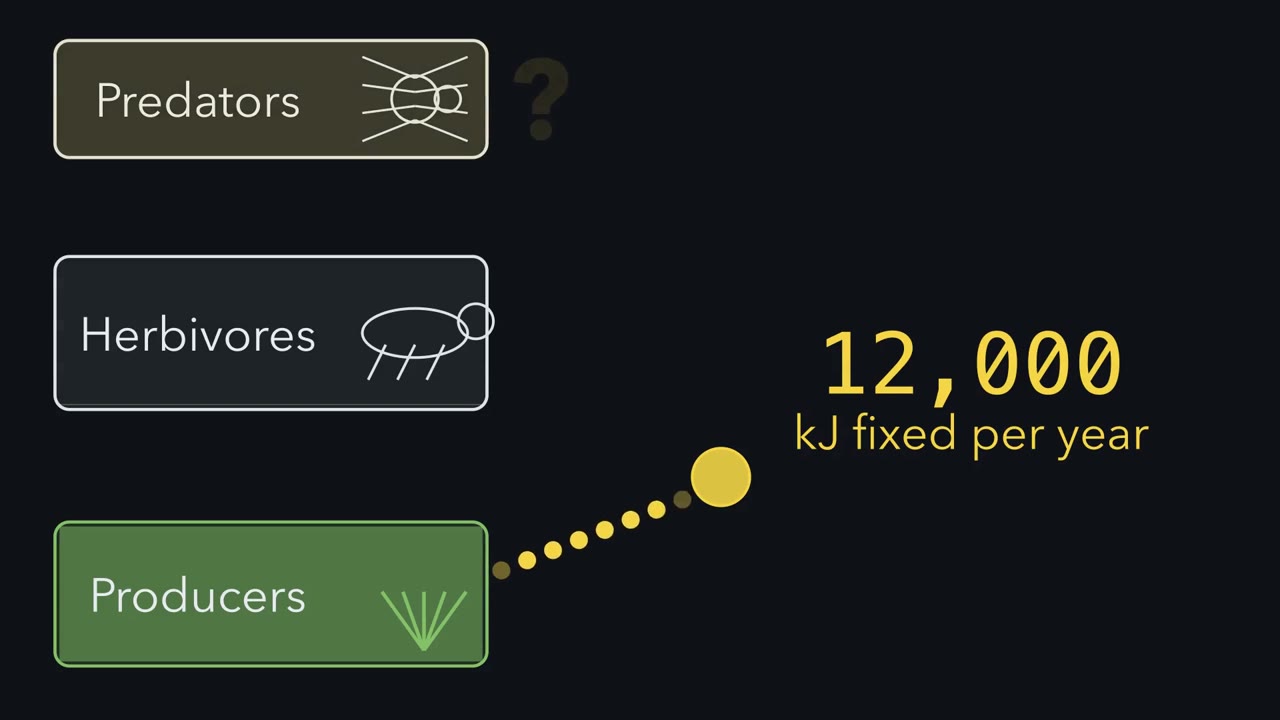 First film Length 3:05 Three Doors Ecology and Evolution · College: the core Energy Flow and Productivity
Take-home
Production is a rate, energy fixed or formed per square metre per year; biomass is a stock.
-
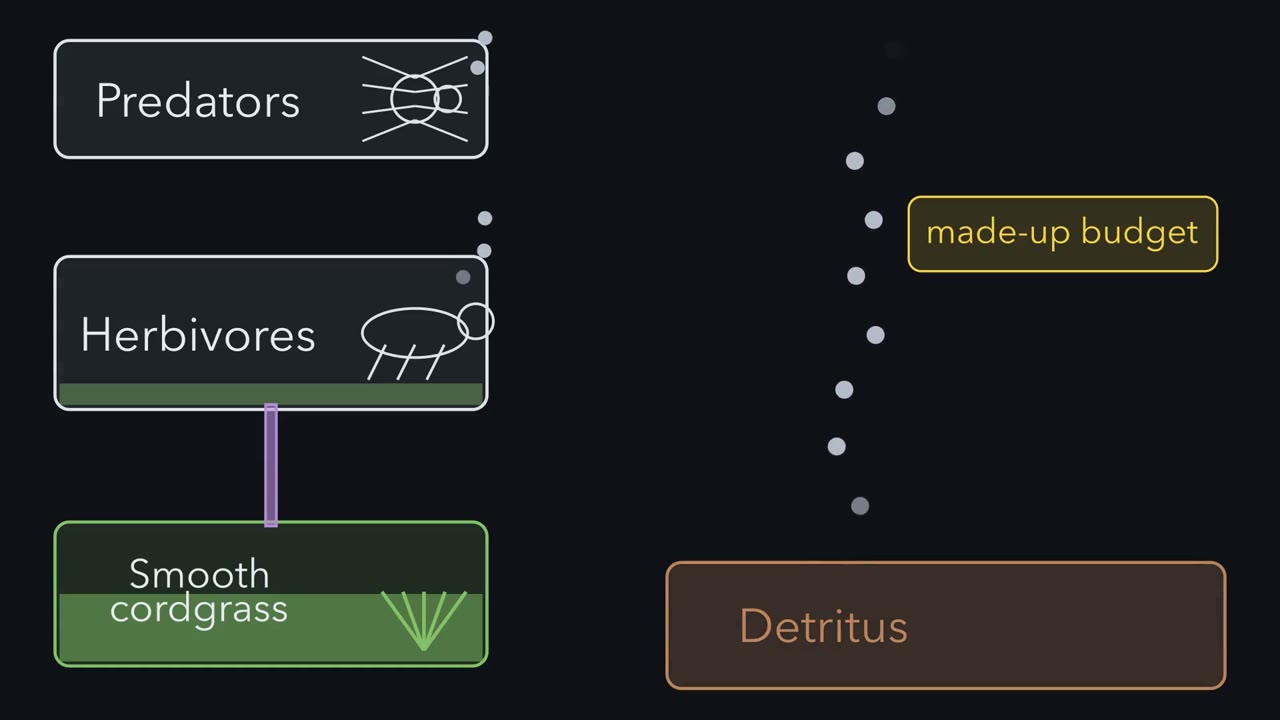 Second film Length 3:08 Where the Marsh Grass Goes Ecology and Evolution · College: the core Energy Flow and Productivity
Take-home
In Teal's Georgia salt marsh, insects and other animals grazing living cordgrass took only a small part of its production.
-
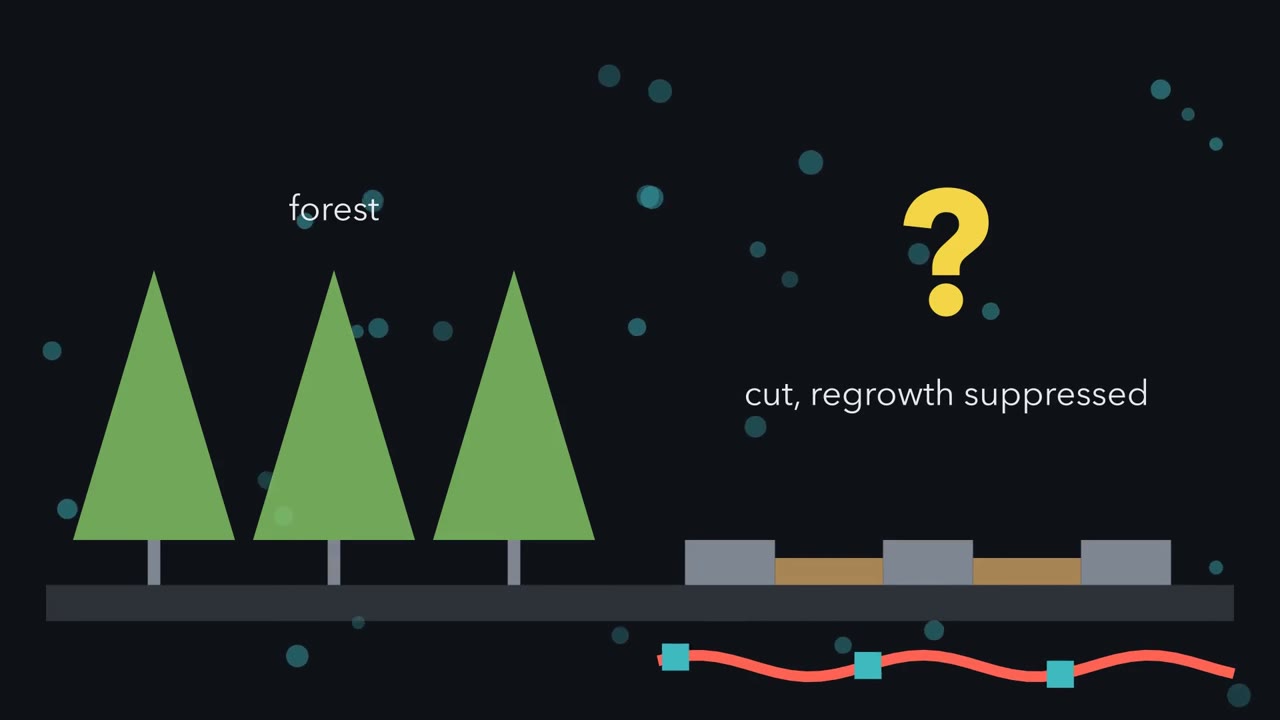 First film Length 3:02 The Loop Inside the Line Ecology and Evolution · College: the core Nutrient Cycling
Take-home
An element's store inside a boundary changes only by what crosses it: change in stock = inputs - outputs, for a stated boundary and interval.
-
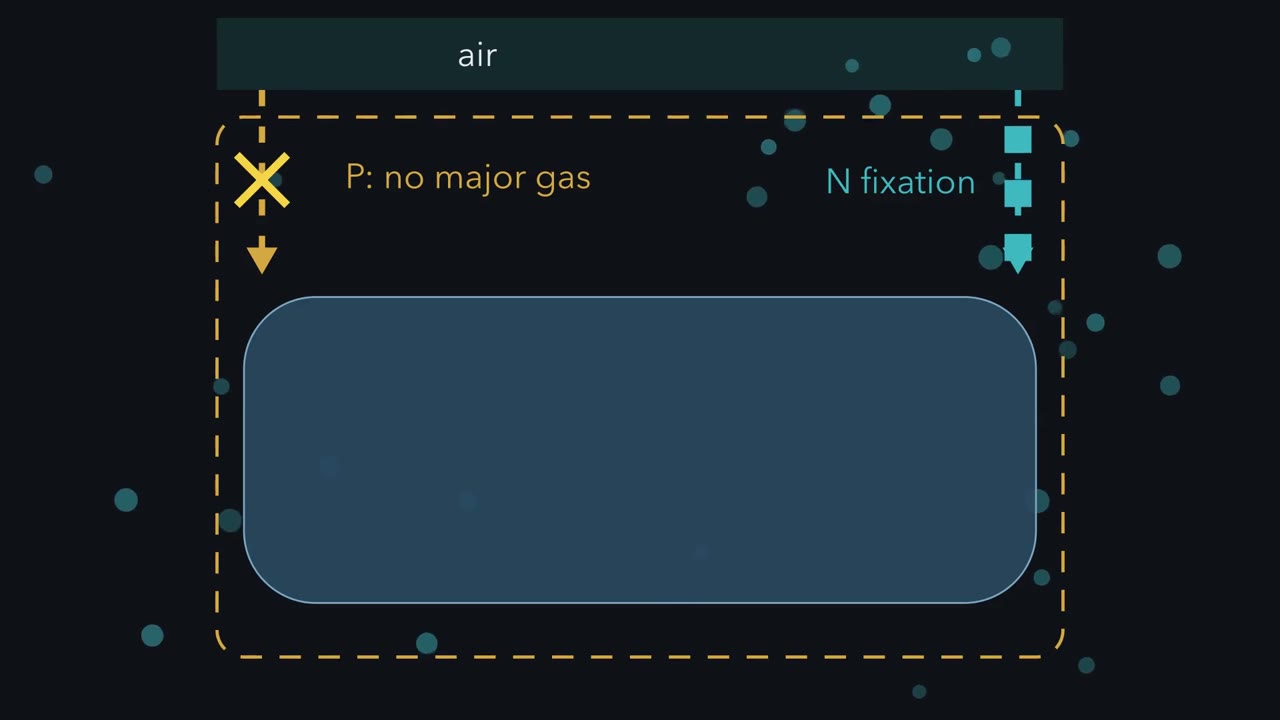 Second film Length 3:14 Two Halves of One Lake Ecology and Evolution · College: the core Nutrient Cycling
Take-home
In Lake 226 both basins received nitrogen and carbon, but only the basin that also received phosphorus became highly eutrophic.
-
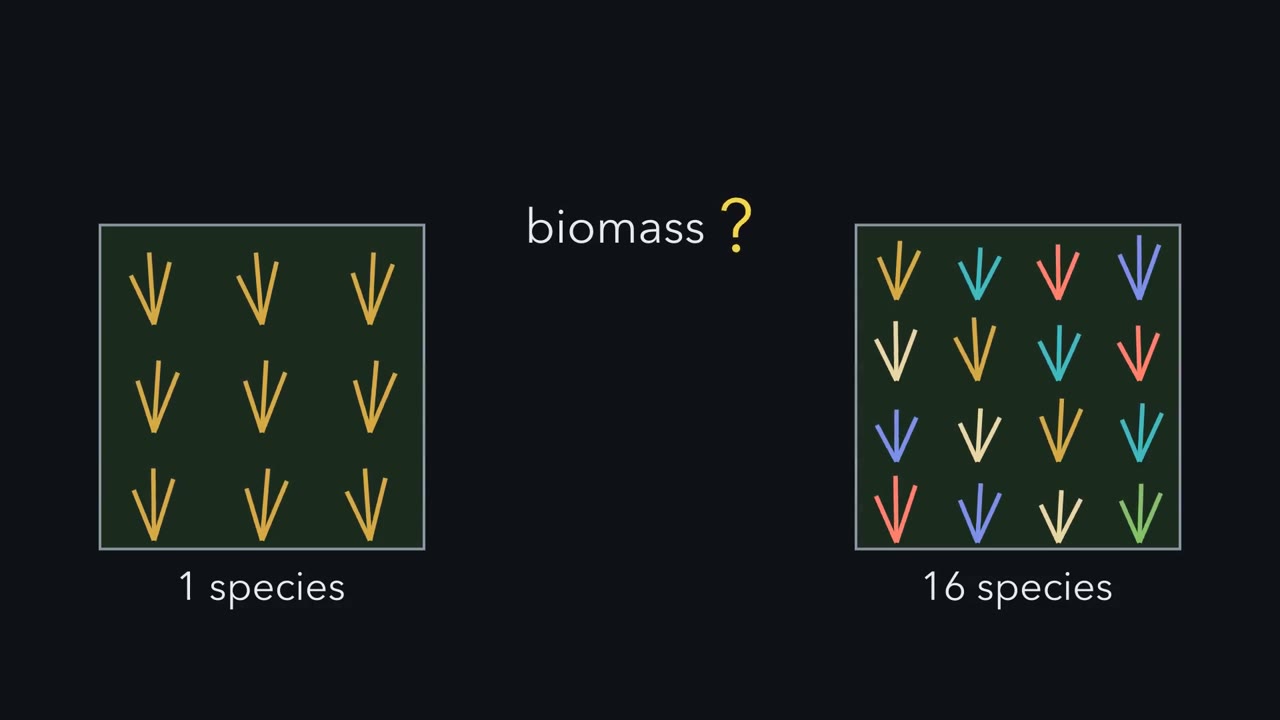 First film Length 3:09 A Field Is a Sum Ecology and Evolution · College: the core Biodiversity and Ecosystem Function
Take-home
A plot's total production is the sum of what each of its species produces.
-
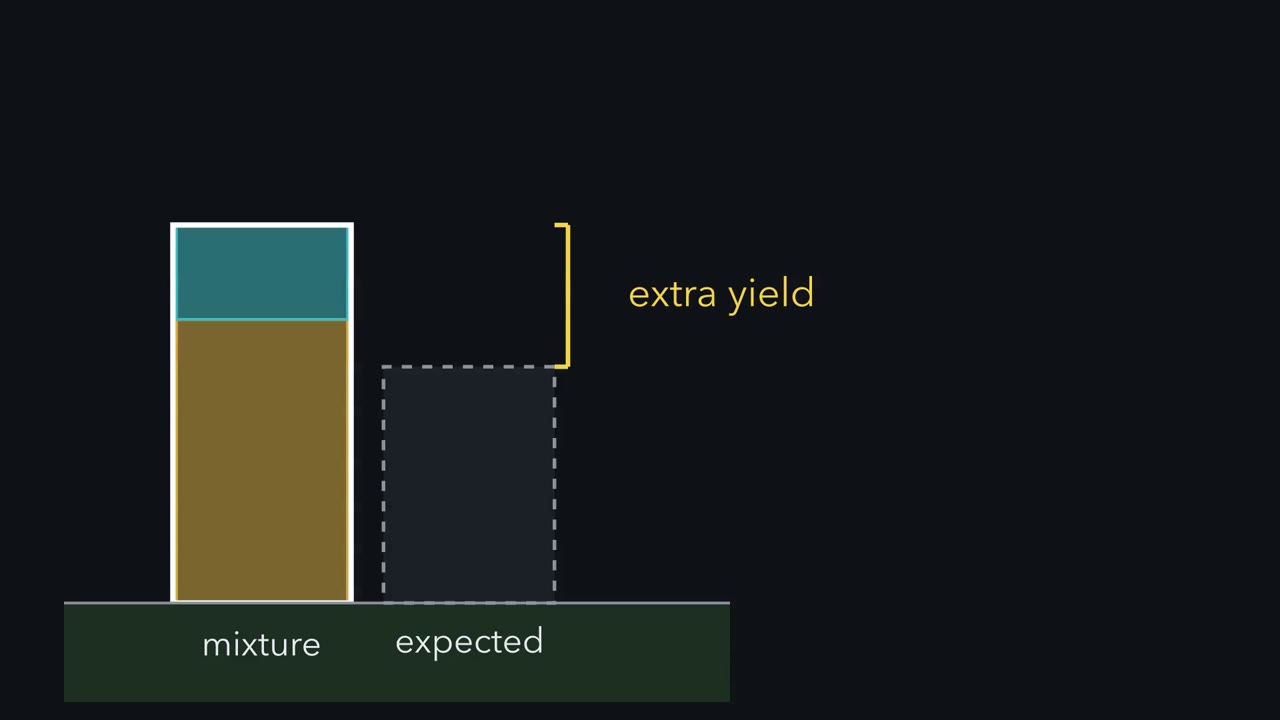 Second film Length 3:14 Ten Years at Cedar Creek Ecology and Evolution · College: the core Biodiversity and Ecosystem Function
Take-home
At Cedar Creek, 168 plots were sown in 1994 with 1, 2, 4, 8 or 16 species drawn at random from a pool of 18, with the same seed mass in every plot.
-
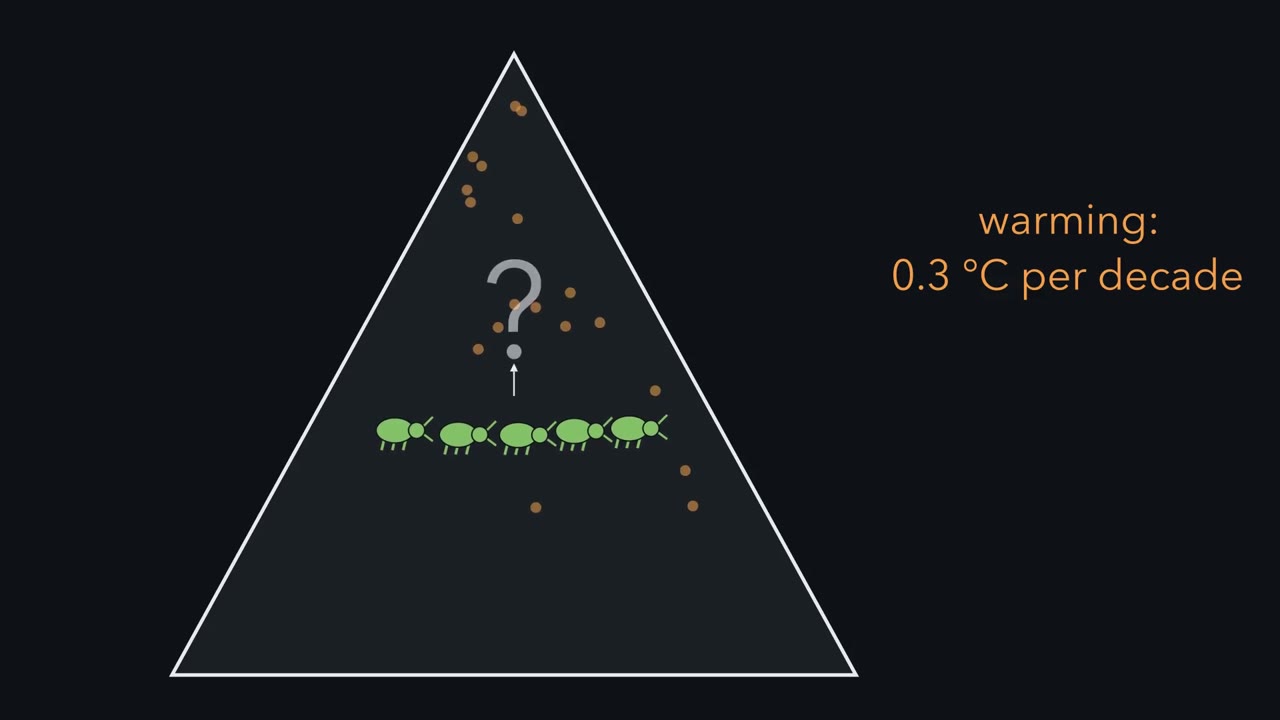 First film Length 3:08 The Climbing Line Ecology and Evolution · College: the core Global Change: Species on the Move
Take-home
Warming moves an isotherm, a line of equal temperature, poleward and uphill.
-
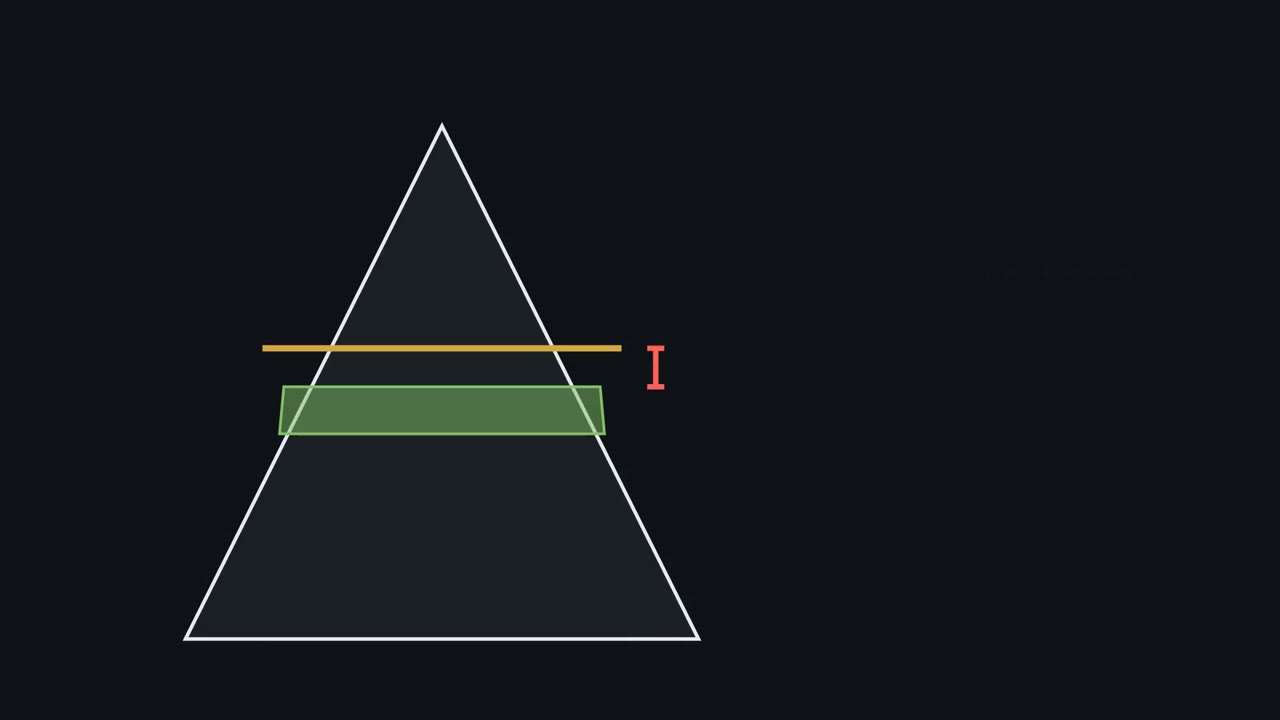 Second film Length 3:24 Two Forests, One Bird Ecology and Evolution · College: the core Global Change: Species on the Move
Take-home
Many spring events now come earlier, but interacting species often shift by different amounts, so an earlier date alone cannot show keeping up.
-
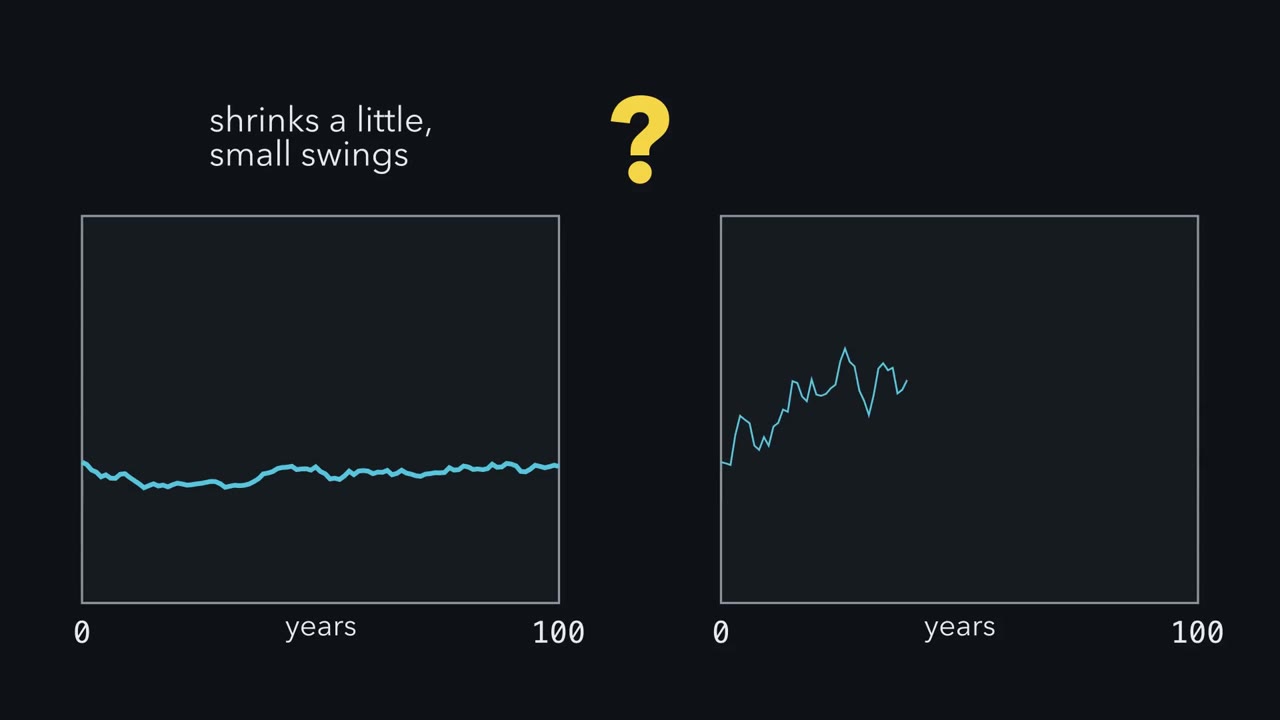 First film Length 3:23 Trend and Chance Ecology and Evolution · College: the core Conservation and Restoration
Take-home
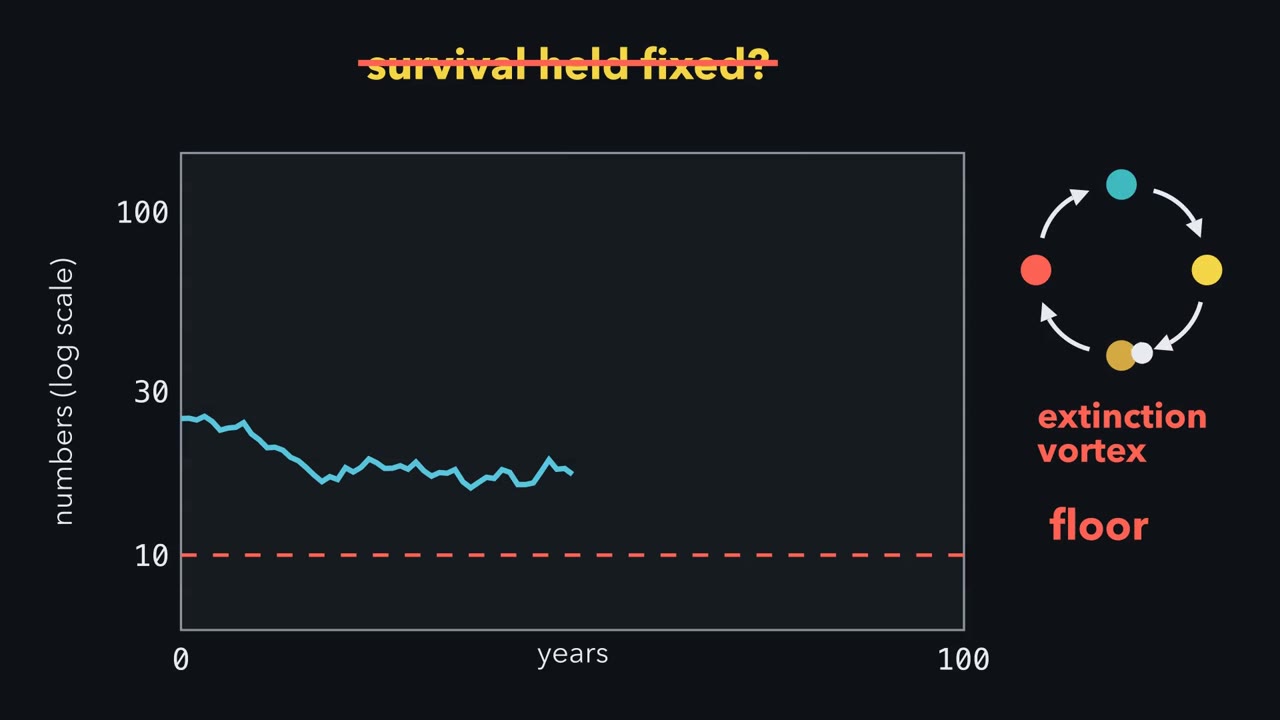
In a simple model of one population, if the trend, its average yearly change on a log scale, is zero or below, the population reaches the floor in the long run; how soon depends on the trend, the size and the swings together.
-
 Second film Length 3:16 Eight Females from Texas Ecology and Evolution · College: the core Conservation and Restoration
Take-home
In 1995 eight female pumas from Texas were released into the small, inbred Florida panther population, a planned genetic rescue.
-
 First film Length 3:28 What a Negative Is Worth Ecology and Evolution · College: the core Integrative Evidence Workshop
Take-home
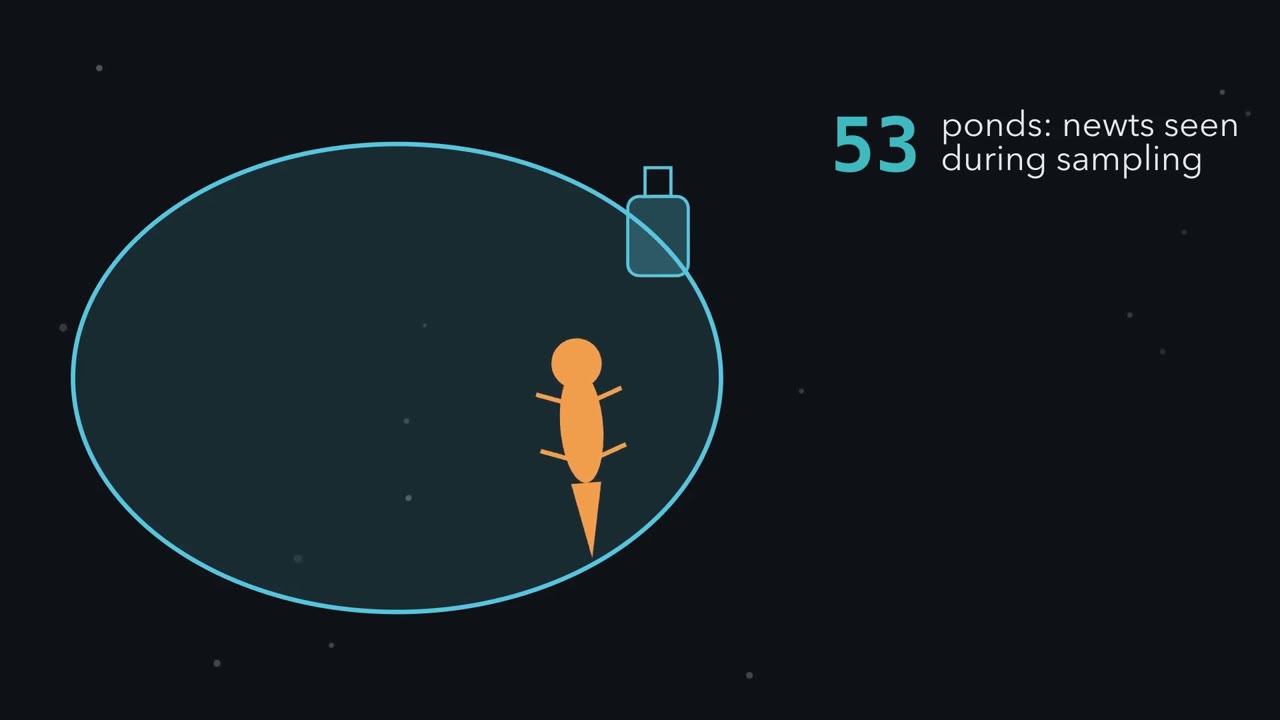
A negative eDNA result does not show that a species is absent: DNA can be missed in the water, in the extraction or in the qPCR well.
-
 Second film Length 2:54 Wells Share One Scoop Ecology and Evolution · College: the core Integrative Evidence Workshop
Take-home
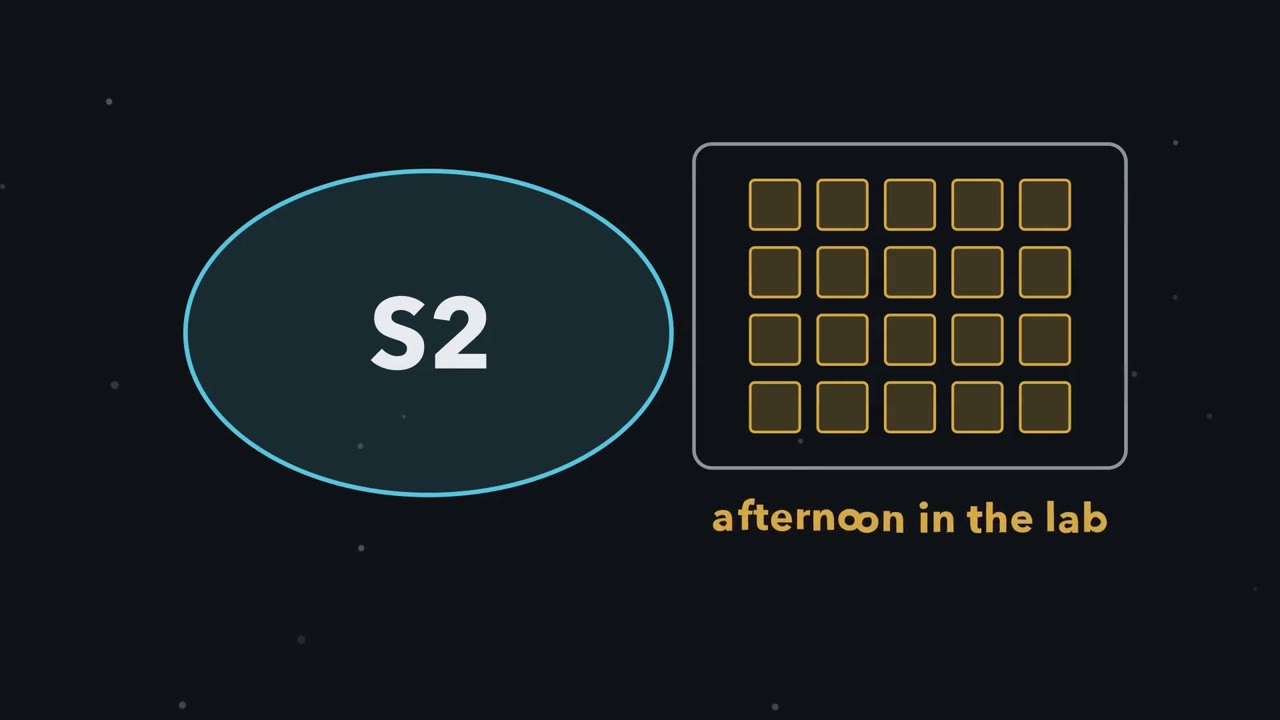
Wells and extractions from one water sample all test that sample's water: they are second chances at the lab steps, not new tries at the scoop, so they cannot detect DNA the sample does not contain.
Looking for something else? Sort and filter the whole library, or see the methods library: a film for each lab technique.