All courses · films
The film library
979 short narrated films, a few minutes each, from first questions to current research. Every one has captions and a transcript, and links to the lesson with the full text, the questions and the sources.
- 373 first films
- 216 second films
- 295 films in a series
- 30 activity films
- 38 scientist profiles
- 27 method films
About 48 hours in all. The animations and narration are AI-generated, as each film’s page says.
Surprise me
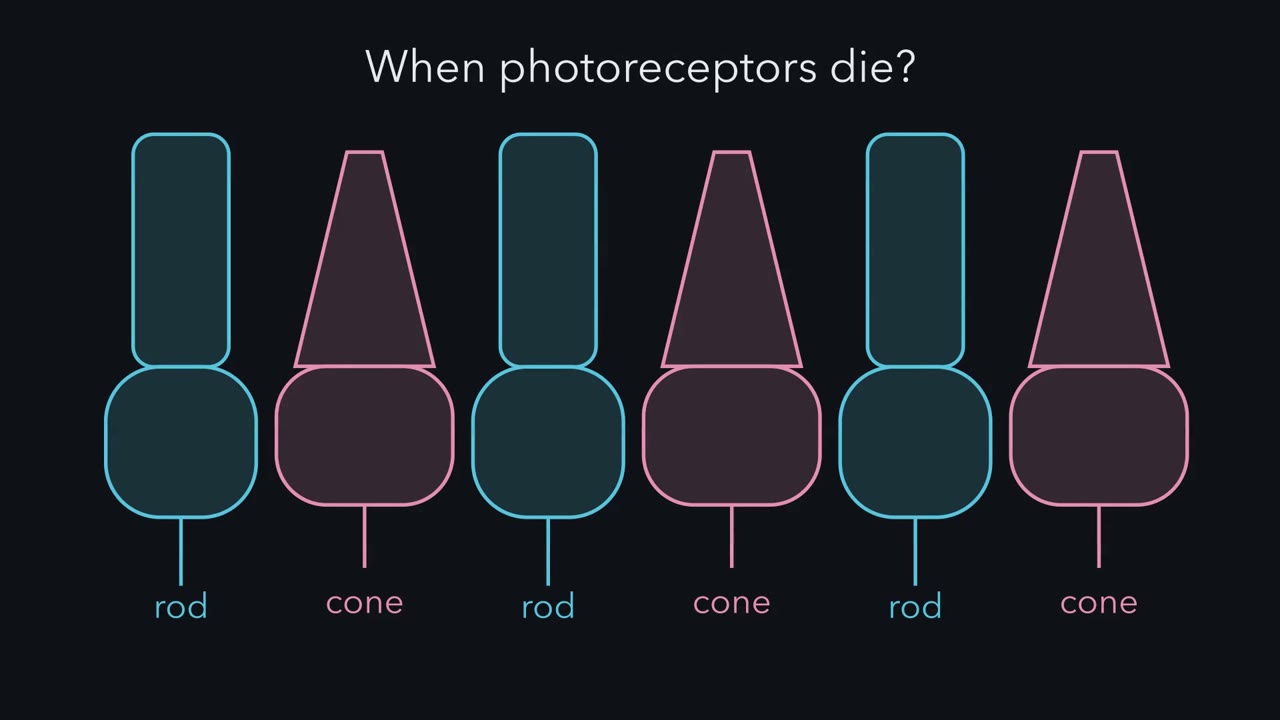
Rods First, Then Cones
2:25 · Sensory Systems · Graduate school and beyond
In typical retinitis pigmentosa, cones die too, usually after most nearby rods have gone, although the faulty gene is often not expressed in cones.
Featured films
New this week
From the lessons rewritten most recently.
-
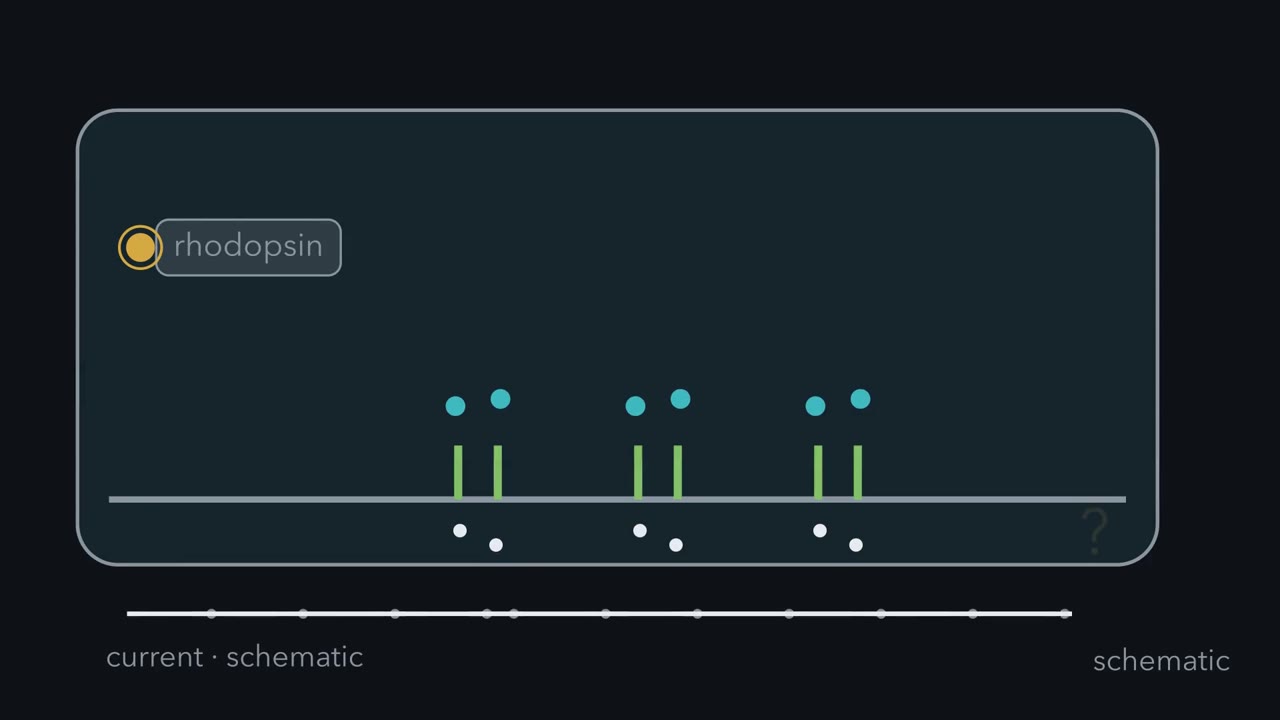 First film Length 3:50 How One Photon Becomes a Cellular Signal Cell Signaling · Graduate school and beyond Circuits: Amplification, Feedback, Adaptation and Switches
Take-home
Simple cascades multiply gain; high gain needs shutoff and sometimes insulation.
-
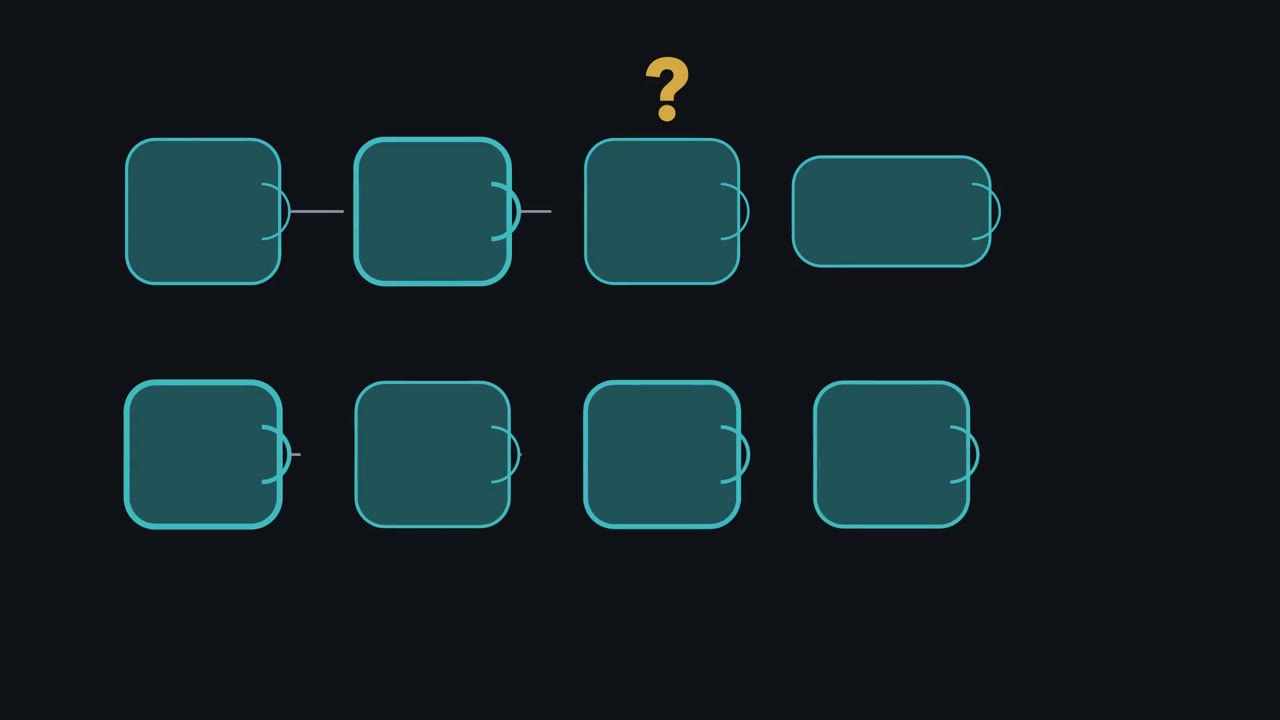 First film Length 3:35 The Charge That Changes the Odds Cell Signaling · Graduate school and beyond Phosphorylation: Kinases and Phosphatases
Take-home
A stable, removable phosphate changes protein behavior through its charge and shape.
-
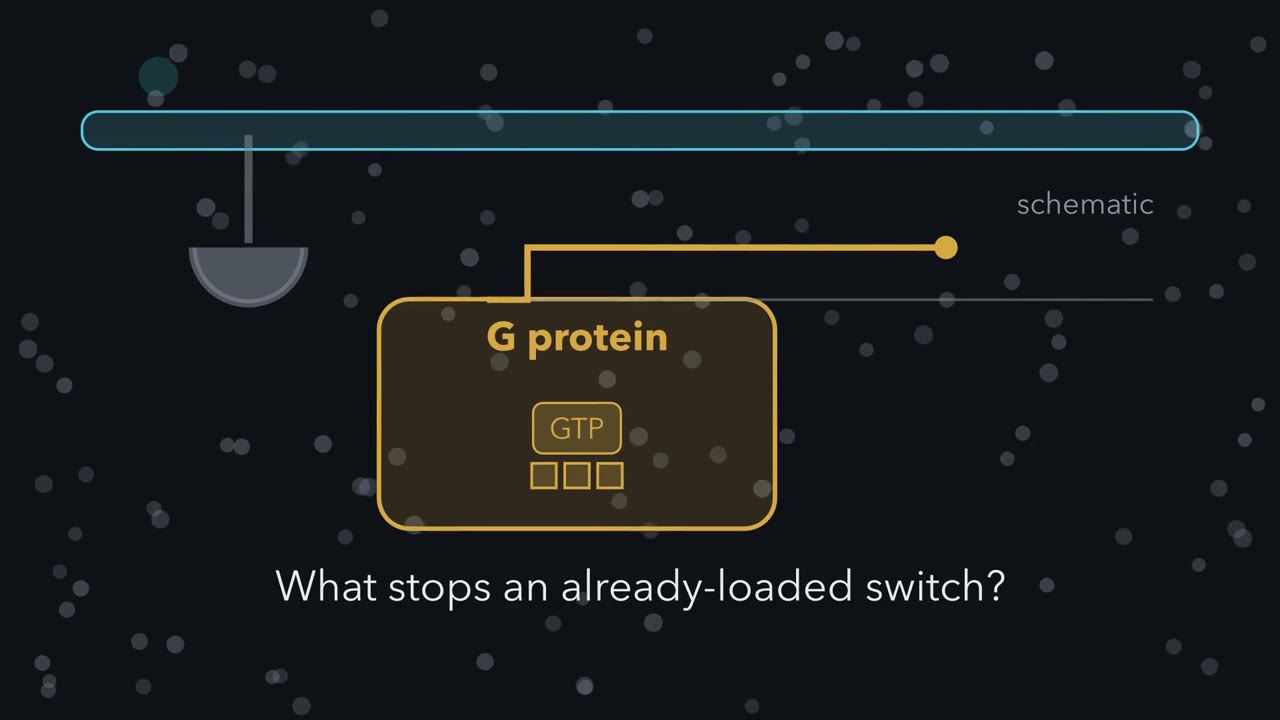 First film Length 3:40 The Timer Inside the Switch Cell Signaling · Graduate school and beyond GTPase Switches: The Timer
Take-home
Faster GTP cutting shortens an already-loaded GTPase's time on.
-
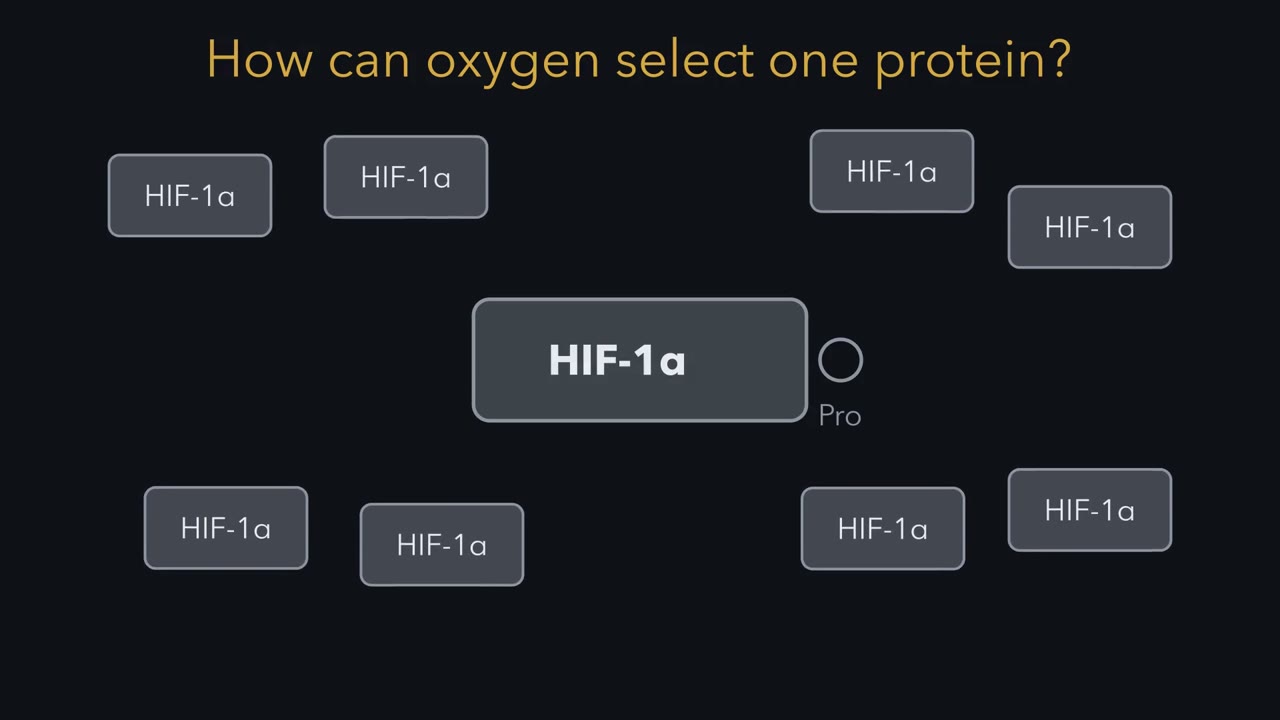 First film Length 3:29 How a Signal Marks One Protein Cell Signaling · Graduate school and beyond Ubiquitin and Regulated Proteolysis as Signals
Take-home
Signals change protein fate by changing what an E3 can recognize.
-
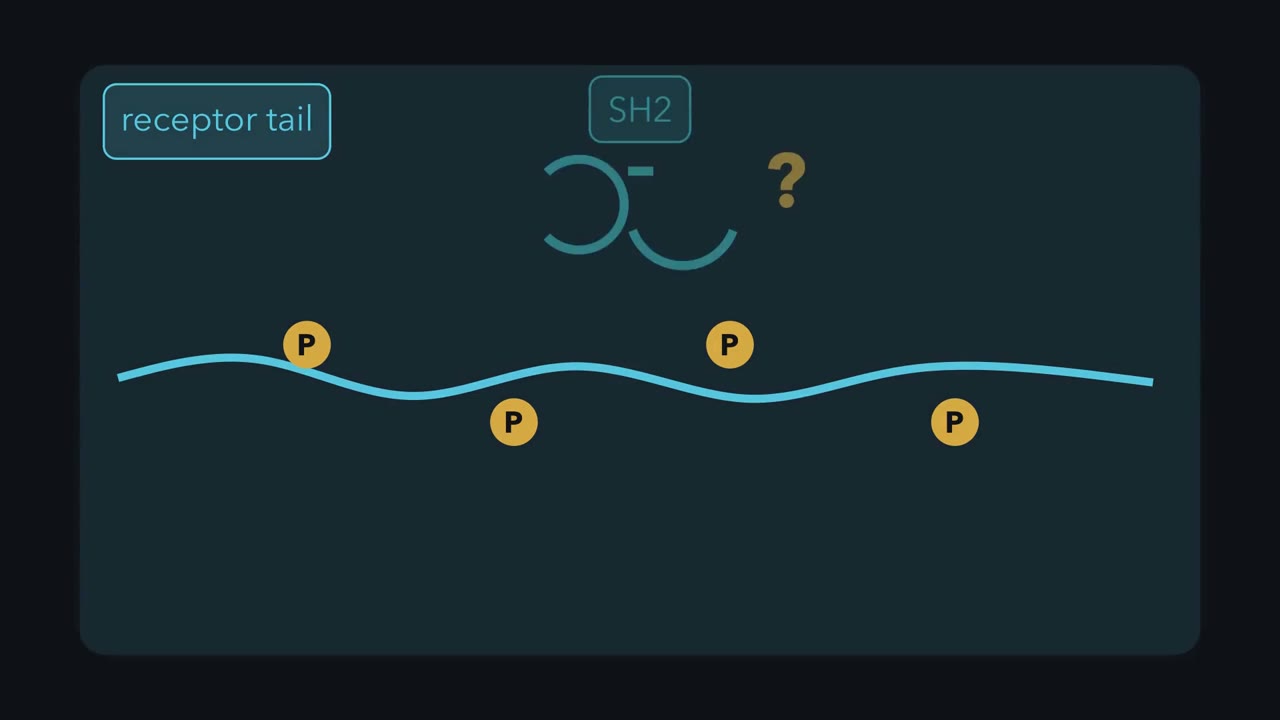 First film Length 3:41 How One Mark Finds Its Reader Cell Signaling · Graduate school and beyond Protein Modules: SH2, SH3, PTB, PDZ and PH
Take-home
Reusable binding domains turn recognized motifs or lipids into protein connections.
-
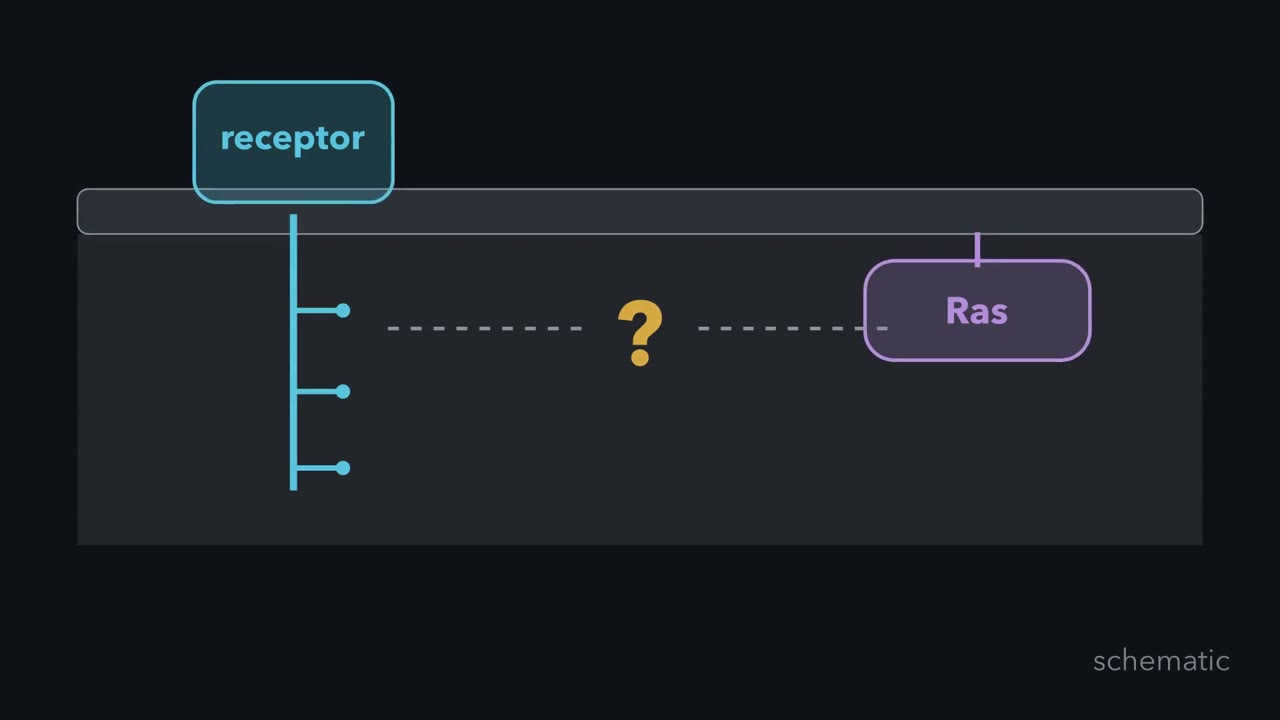 First film Length 3:15 How a Receptor Reaches Ras Cell Signaling · Graduate school and beyond Adaptors, Docking Proteins and Scaffolds
Take-home
Adaptors route signals by linking partners, not by catalyzing reactions.
-
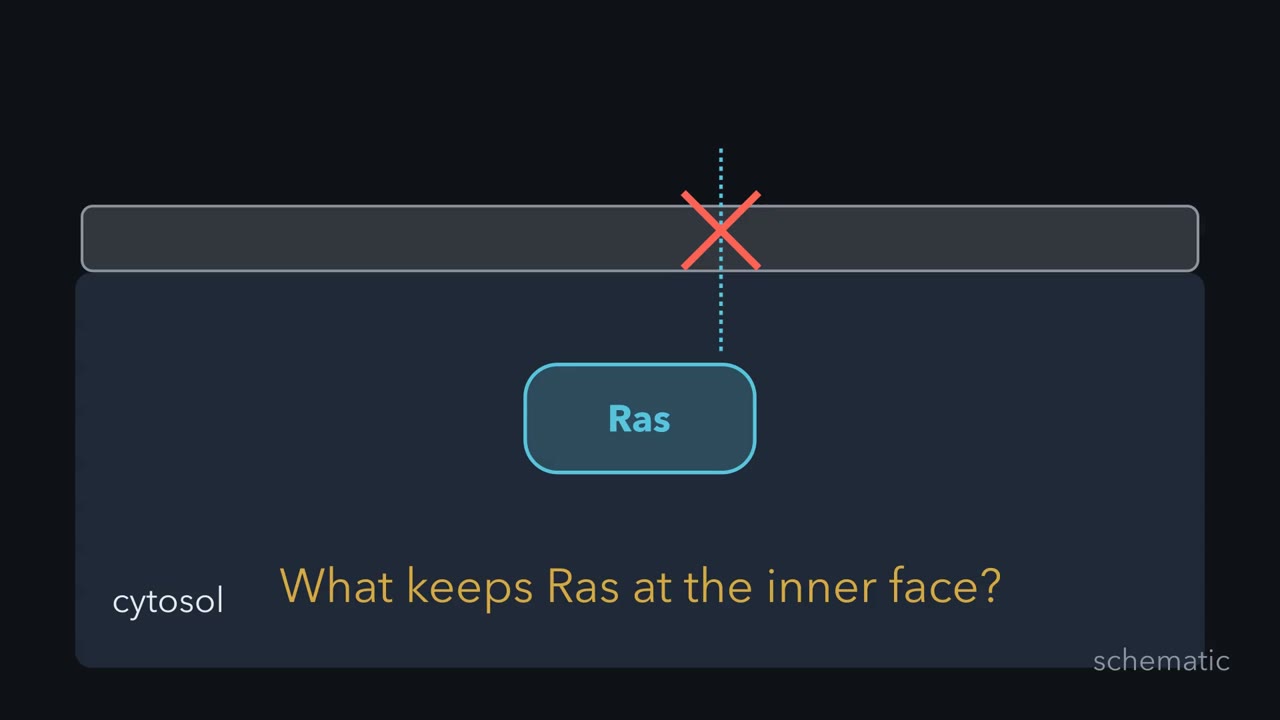 First film Length 3:39 Why One Farnesyl Tail Is Usually Not Enough Cell Signaling · Graduate school and beyond Lipids as Anchors and Addresses
Take-home
A second signal turns weak membrane contact into a regulated hold.
-
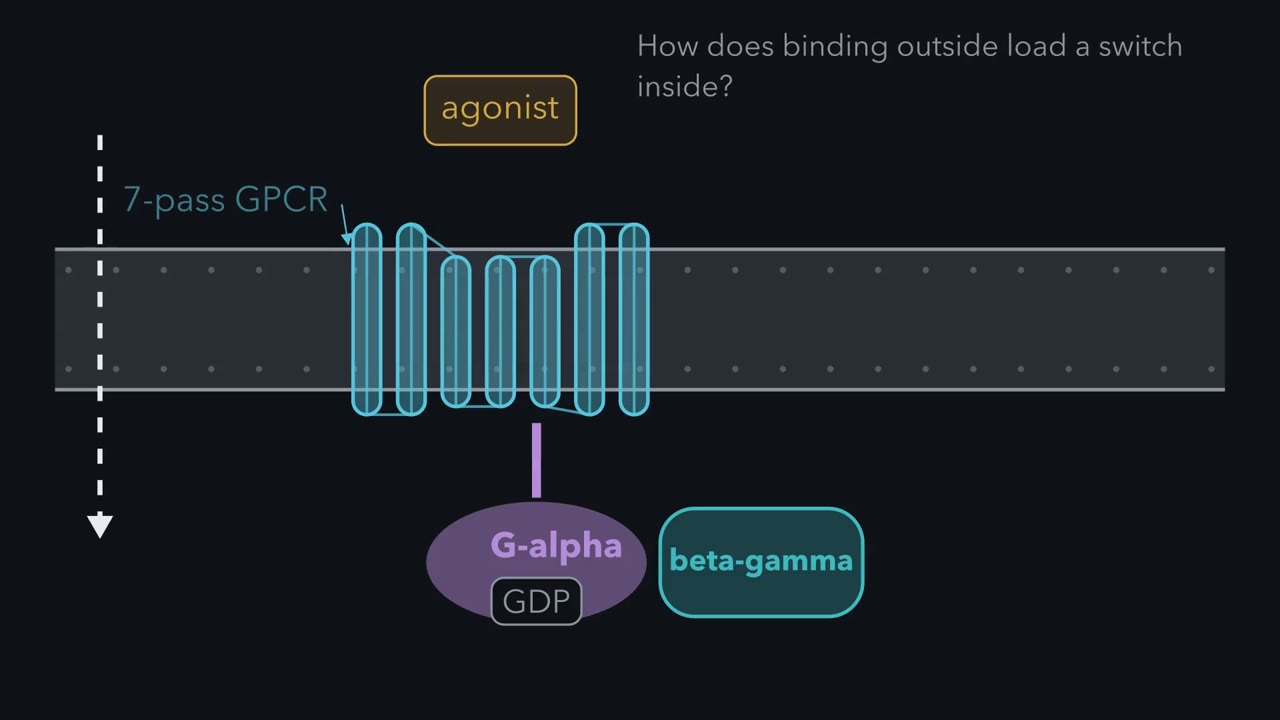 First film Length 3:36 How a Receptor Loads a Switch Cell Signaling · Graduate school and beyond GPCRs and Trimeric G Proteins
Take-home
GPCR subtype, G protein, and downstream proteins decide the first response.
-
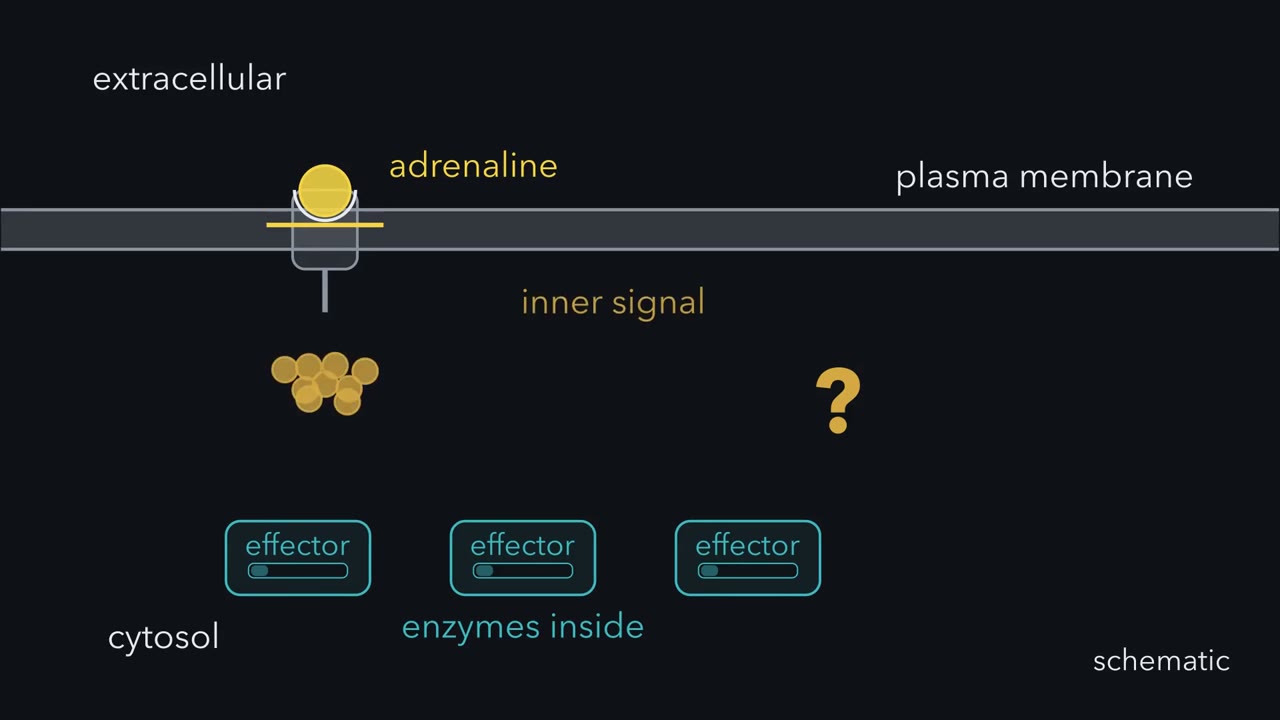 First film Length 3:37 The Messenger Level: Made and Erased Cell Signaling · Graduate school and beyond cAMP and Protein Kinase A
Take-home
cAMP levels reflect the balance of synthesis and breakdown.
-
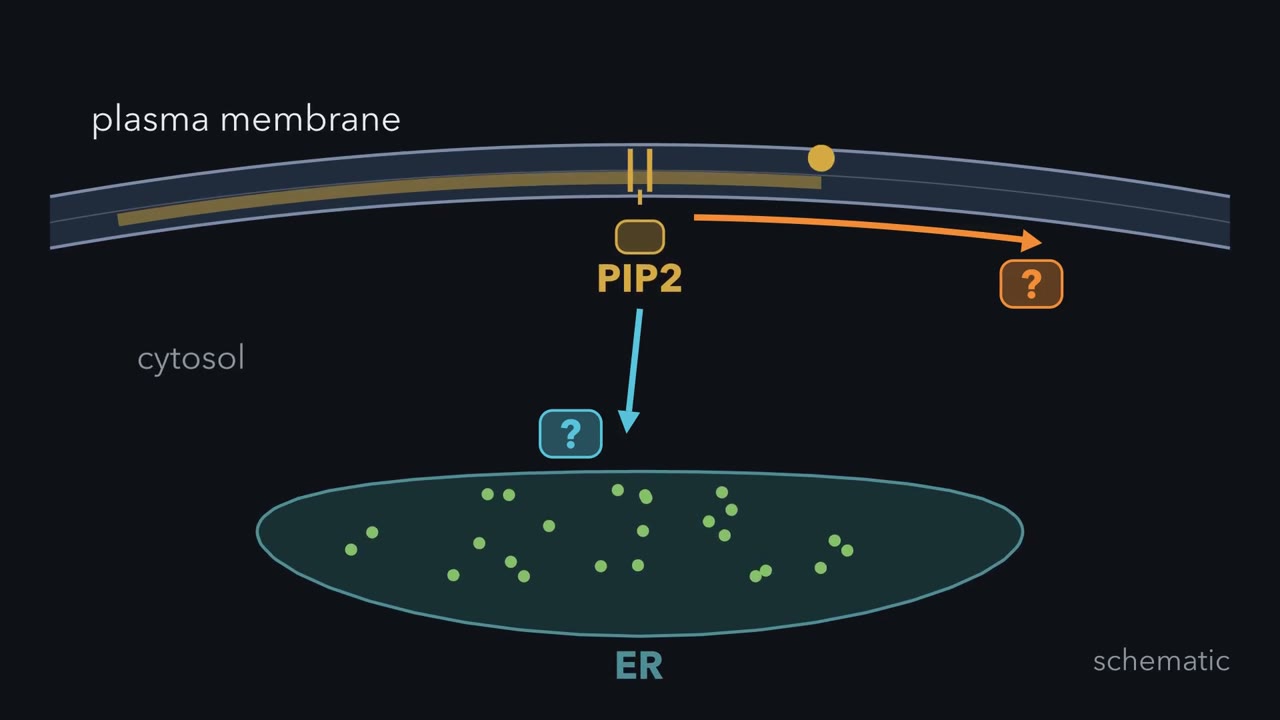 First film Length 3:16 One Cut, Two Destinations Cell Signaling · Graduate school and beyond PLC, IP3, DAG and Protein Kinase C
Take-home
One PIP2 cut sends IP3 away and leaves DAG at the membrane.
-
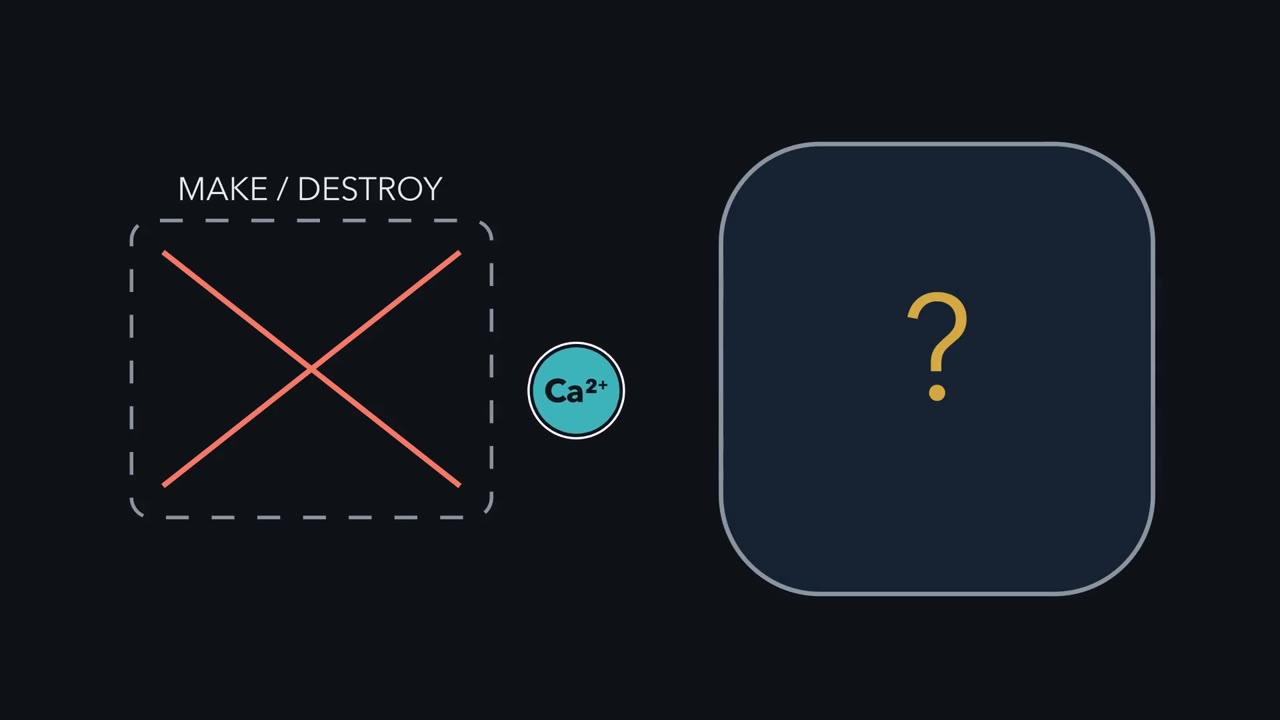 First film Length 3:28 How a Cell Makes a Calcium Signal Cell Signaling · Graduate school and beyond Calcium: The Messenger Kept at Arm's Length
Take-home
Calcium signals begin and end by moving calcium, not changing it.
-
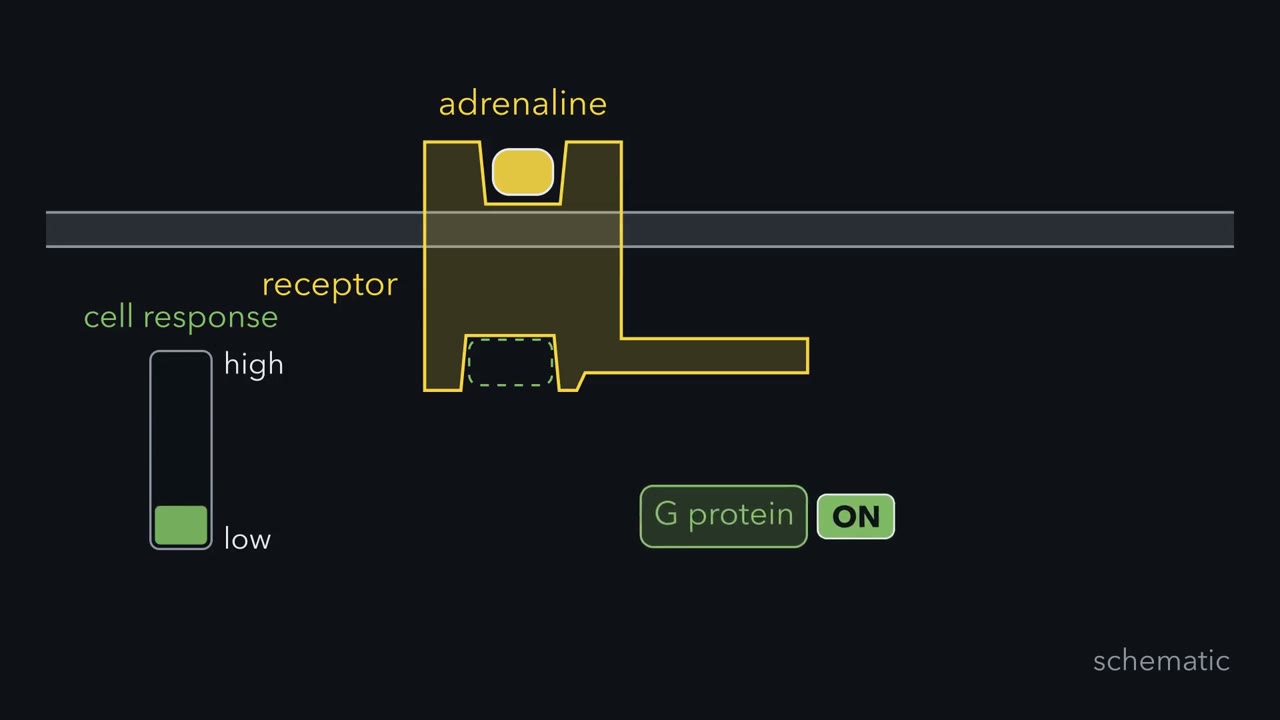 First film Length 3:36 The Mark and the Reader Cell Signaling · Graduate school and beyond Turning the Signal Off: Arrestins, RGS Proteins and Phosphodiesterases
Take-home
A GRK mark does little until arrestin reads it.
Start here
The first film of each level.
-
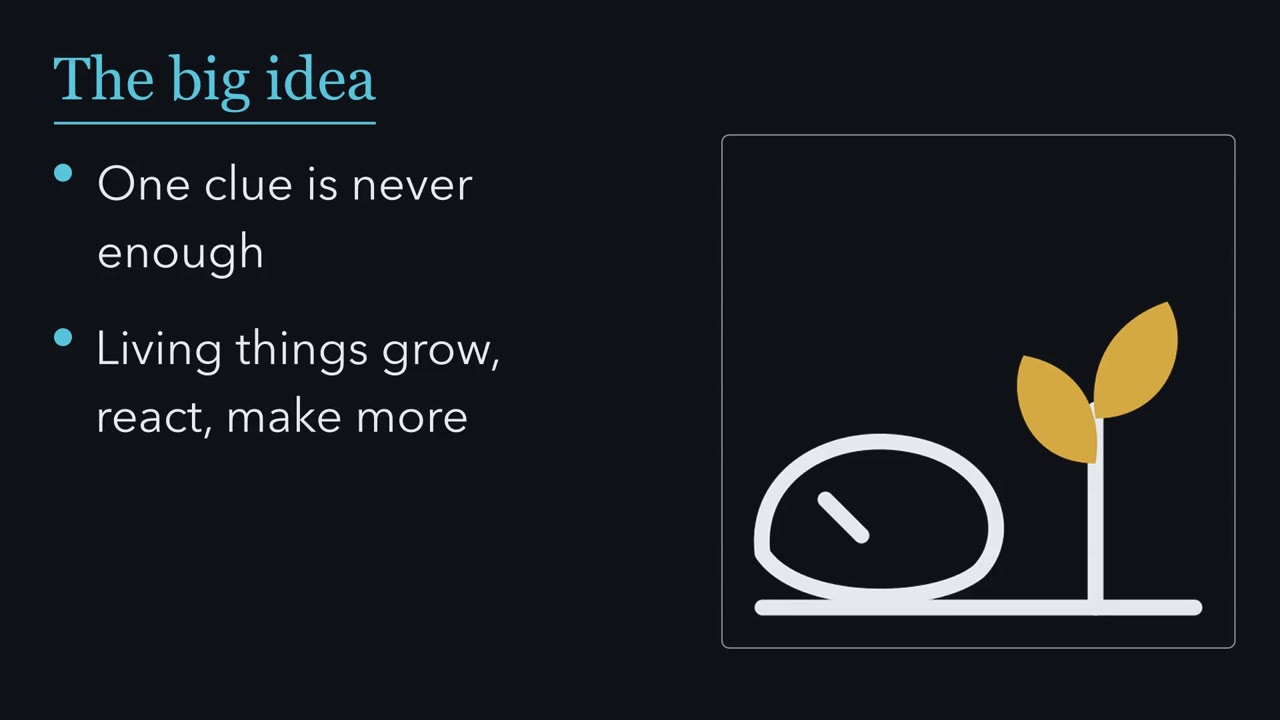 Activity film Length 1:06 Set Up: Alive or Not? Biology Together · Ages 5–10, with a grown-up Alive or Not?
-
 First film Length 3:03 The Size Test Life Science · Grade 7 Cells Are Everywhere
Take-home
Most people can make out a thing only when it looks bigger than about 100 µm, a tenth of a millimetre. That limit is the eye line.
-
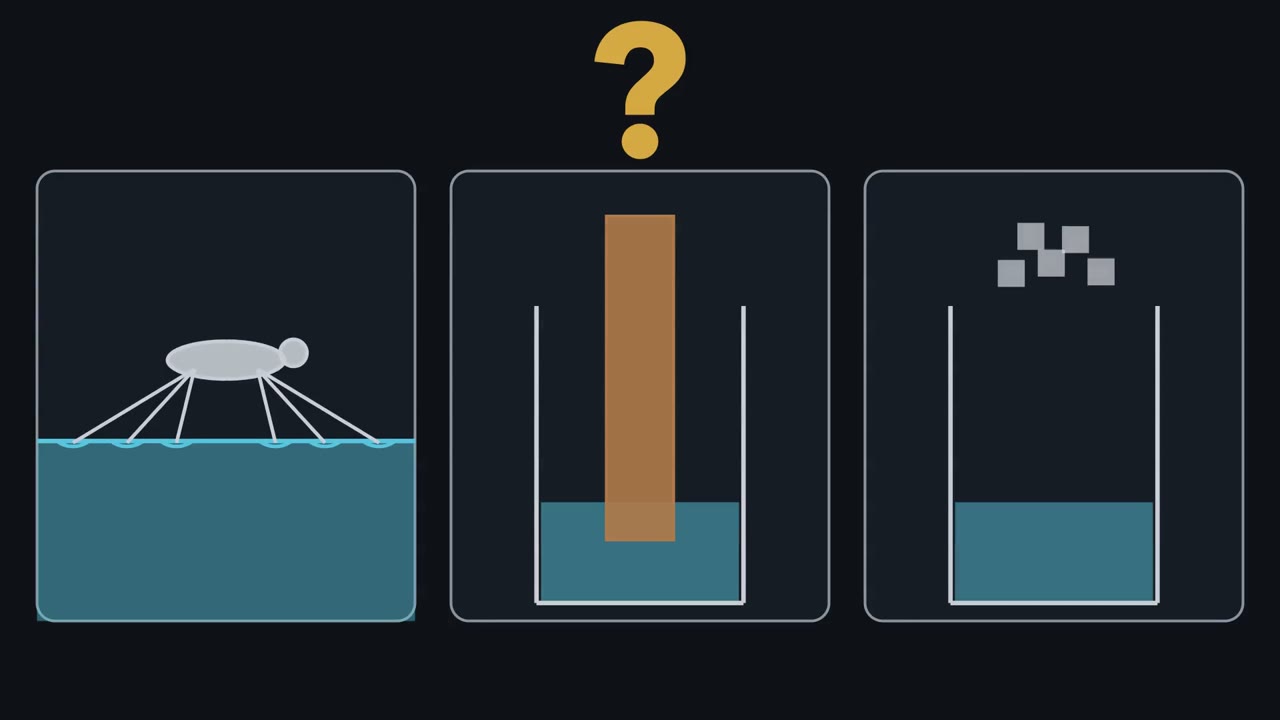 First film Length 3:30 One Tug, Many Jobs Biology · High school Water and Life
Take-home
A water molecule is bent and polar: its oxygen end is slightly negative and its hydrogen ends slightly positive.
-
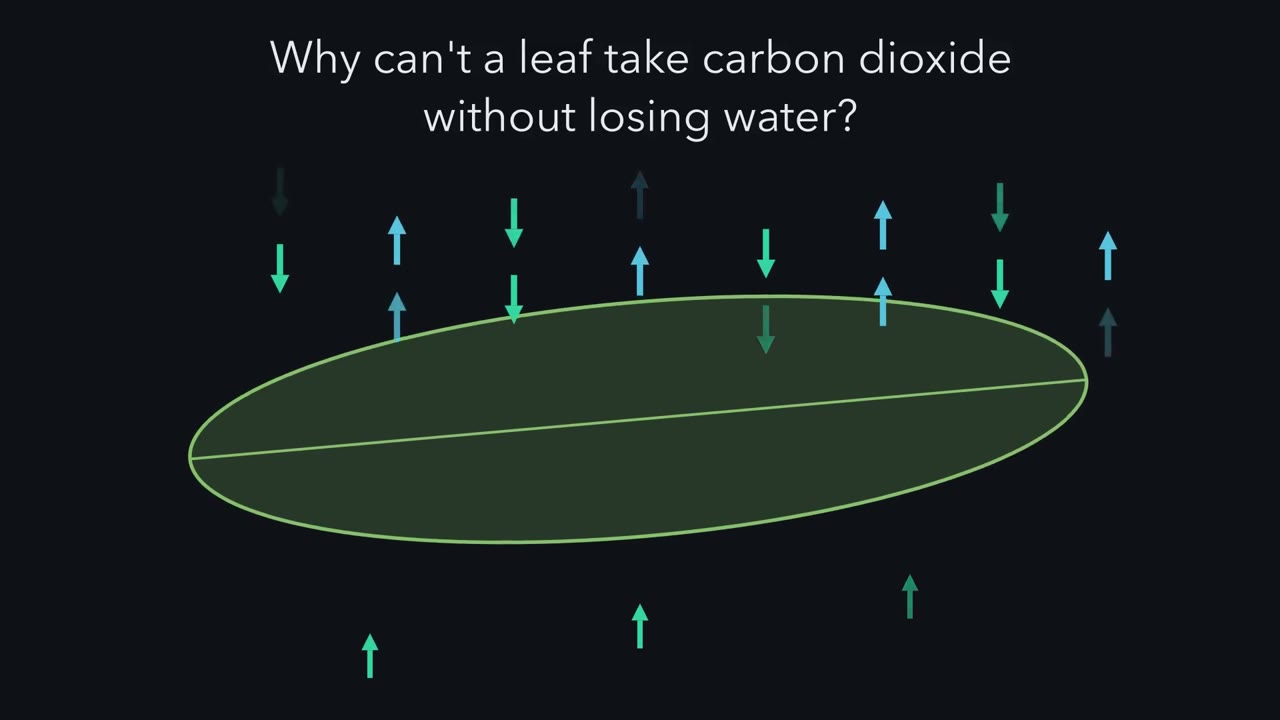 First film Length 3:23 The Price of a Breath Organismal Biology · Starting college What an Organism Has to Do
Take-home
Every multicellular organism faces five problems: energy and materials, exchange and transport, a stable inside, defense, and reproduction.
-
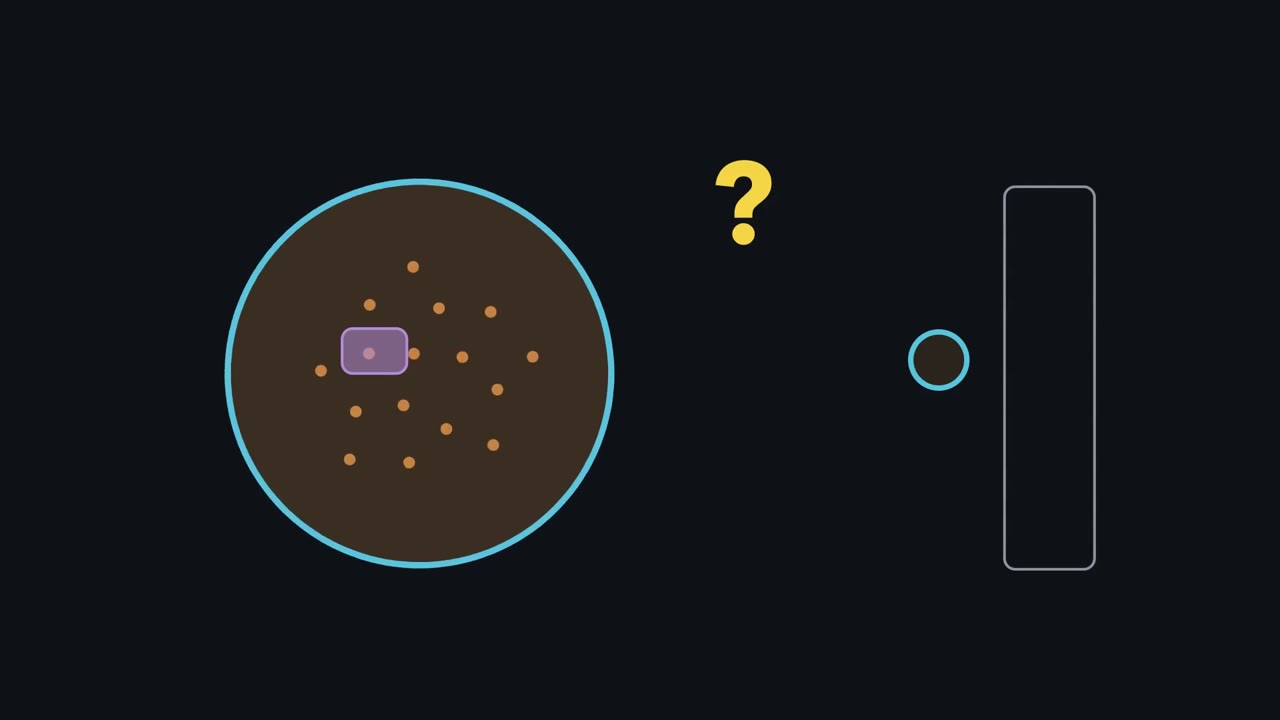 First film Length 3:33 Amount over Volume Cell Biology · College: the core Cells Control Their Size: A Measured Eukaryotic Cell
Take-home
In a leading but debated model, budding-yeast daughters get about the same dose of the brake Whi5, so a small one must grow more to dilute it before Start, closing only part of the size gap.
-
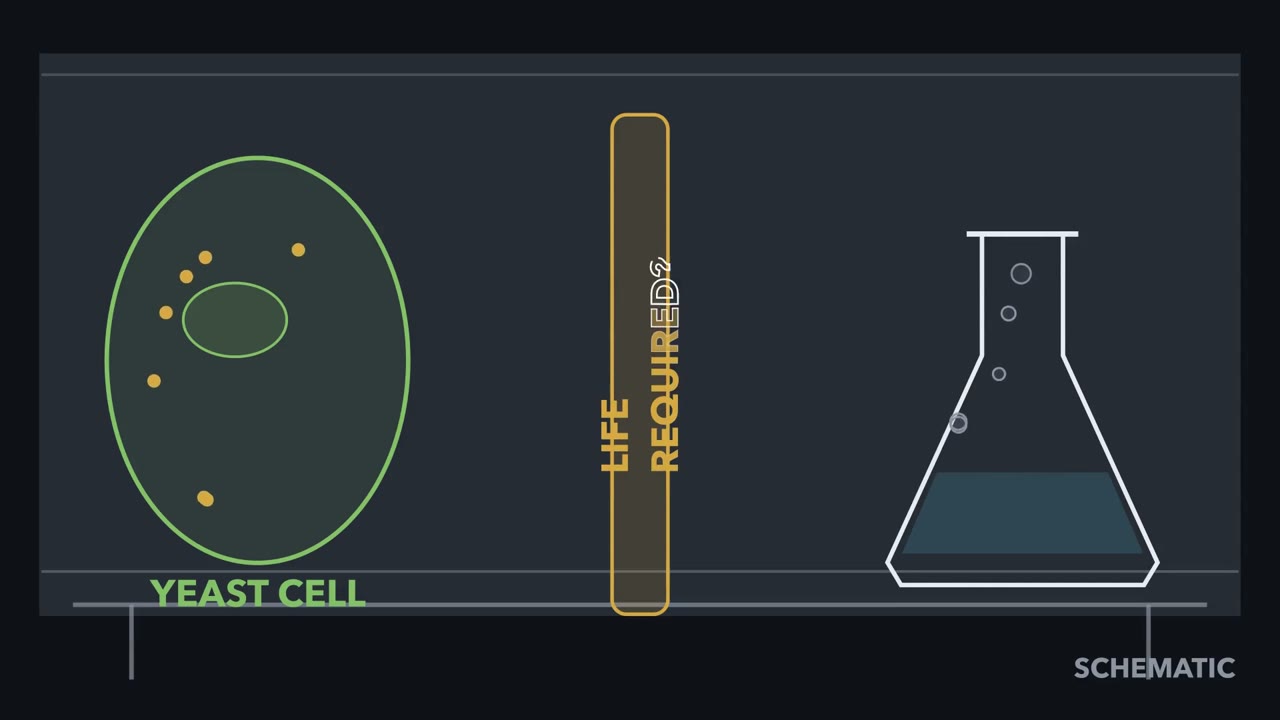 First film Length 3:15 Where Could Life Hide? Biochemistry · College: going further Vitalism: How Chemistry Captured Life
Take-home
Vitalists claimed that life's chemistry required a special vital force.
-
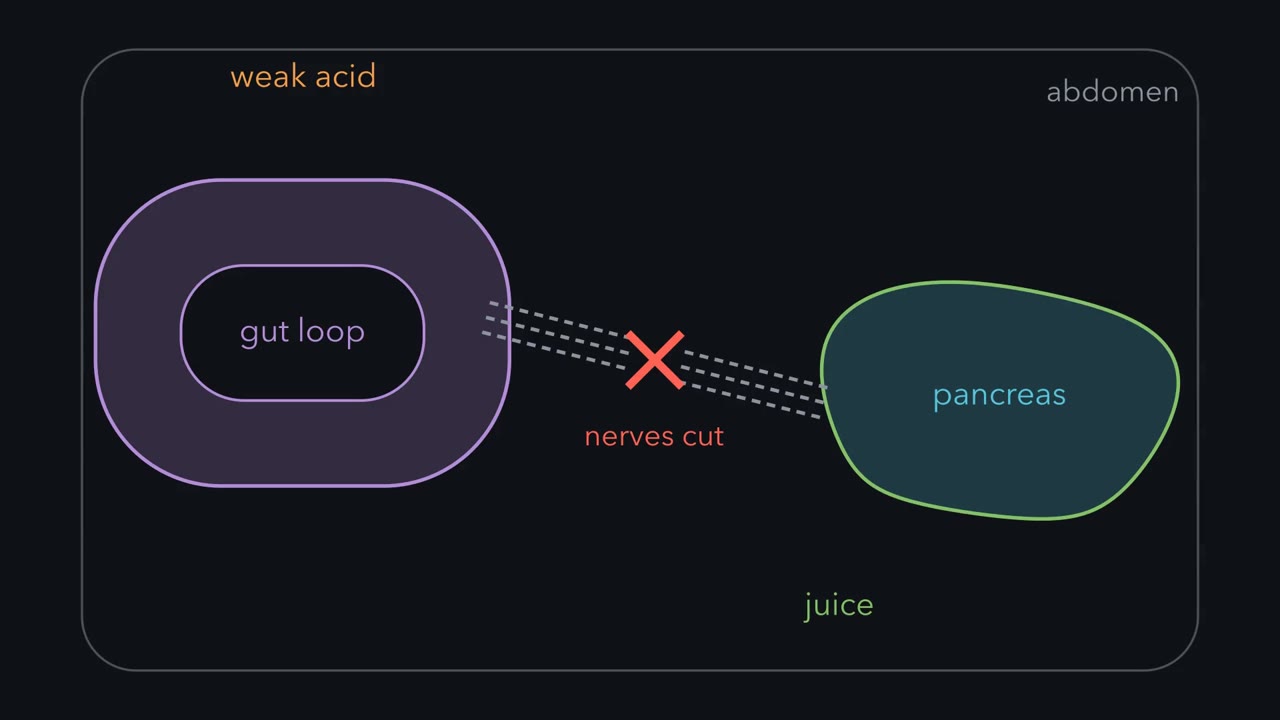 First film Length 2:38 Why Far Signals Ride the Blood Cell Signaling · Graduate school and beyond Signals and How Far They Travel
Under three minutes
Lesson films picked at random.
-
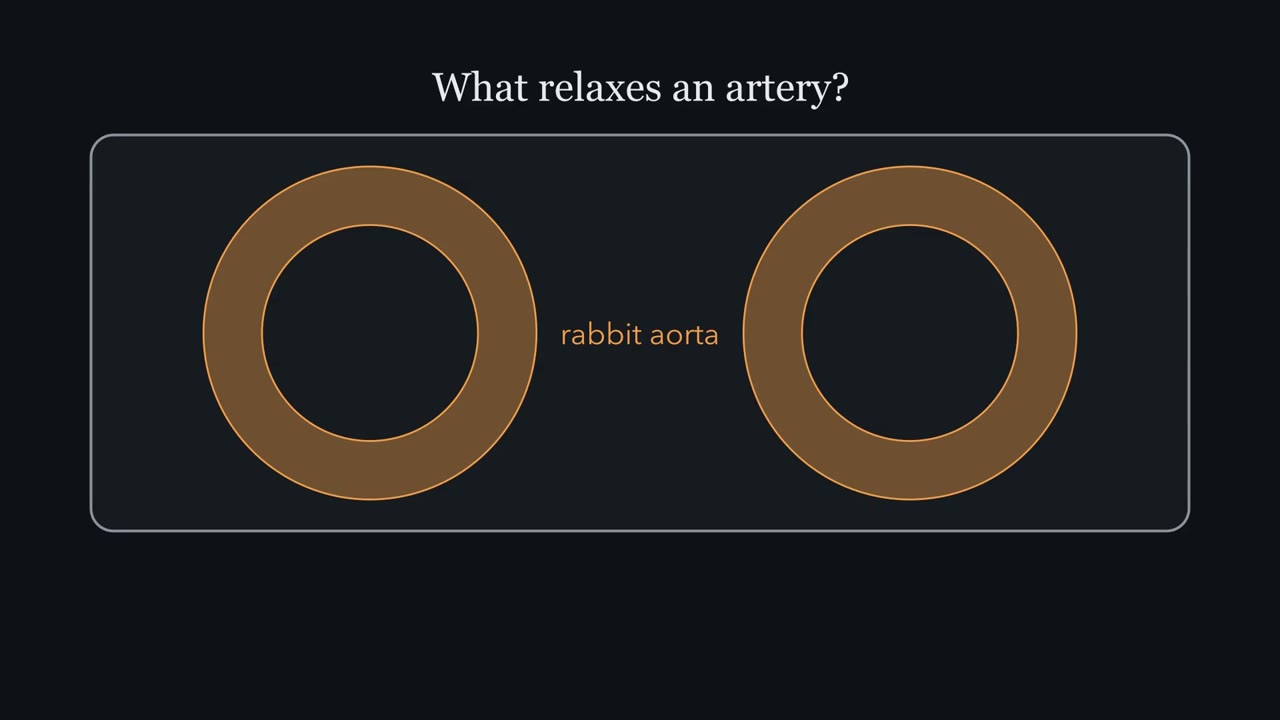 Second film Length 1:47 How an Artery Learned to Relax Cell Signaling · Graduate school and beyond Sensing the World: Vision, Smell, Nitric Oxide and cGMP
-
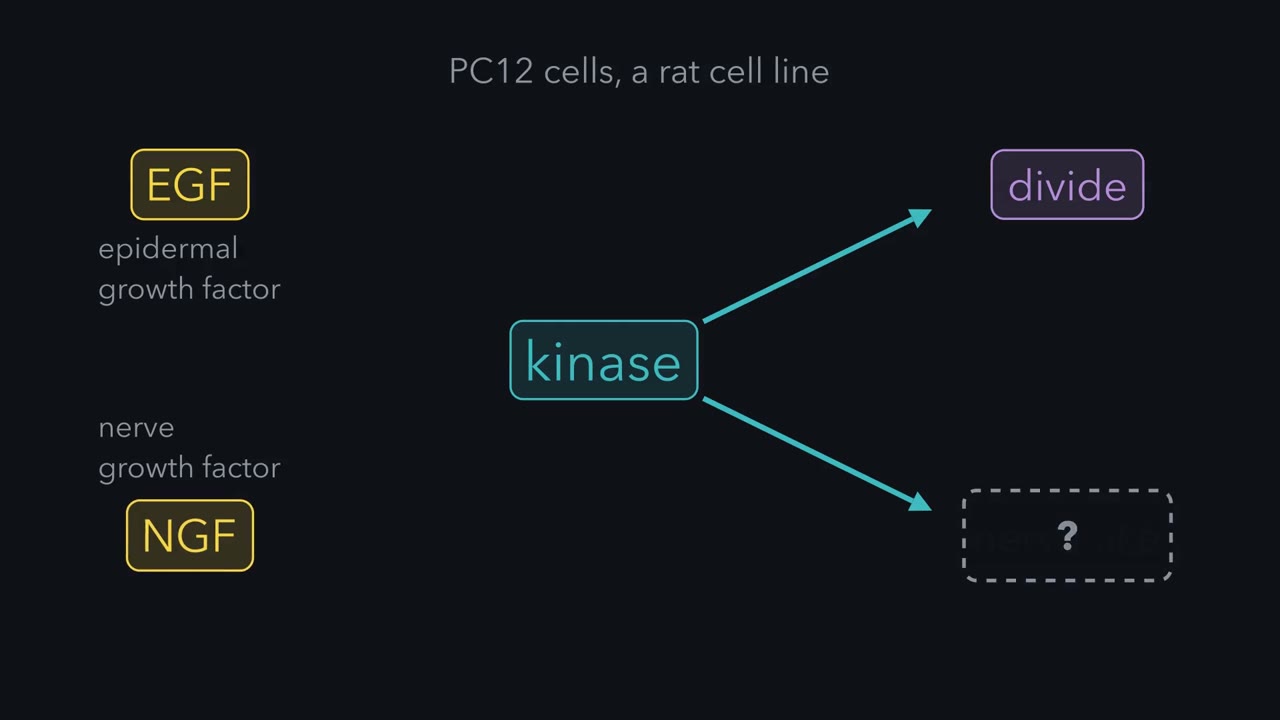 First film Length 2:20 A Late Part Reads Signal Length Cell Signaling · Graduate school and beyond The Shape of a Signal: Size, Duration, Frequency and Place
-
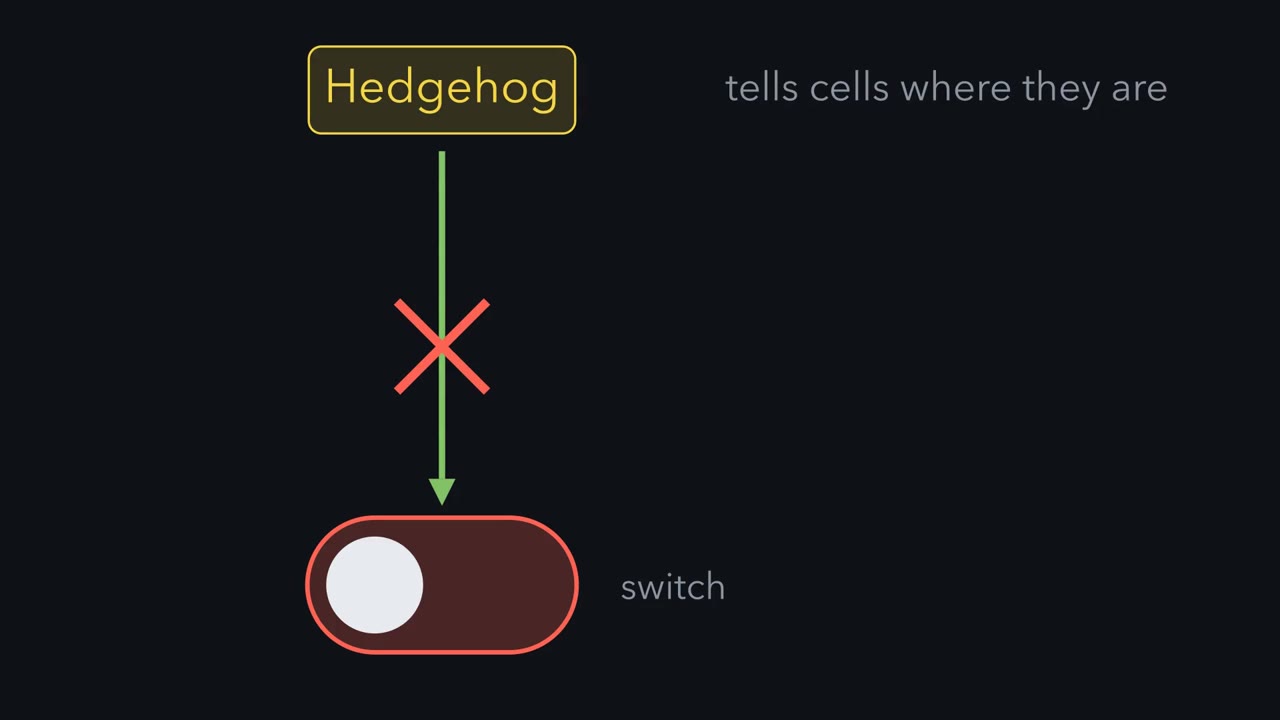 First film Length 2:12 Hedgehog Switches Off an Off-Switch Cell Signaling · Graduate school and beyond Hedgehog and the Primary Cilium
-
 First film Length 2:43 Cells Go Around, Exit Sets the Stay Physiology · College: going further Lymphoid Organs and Immune Traffic
-
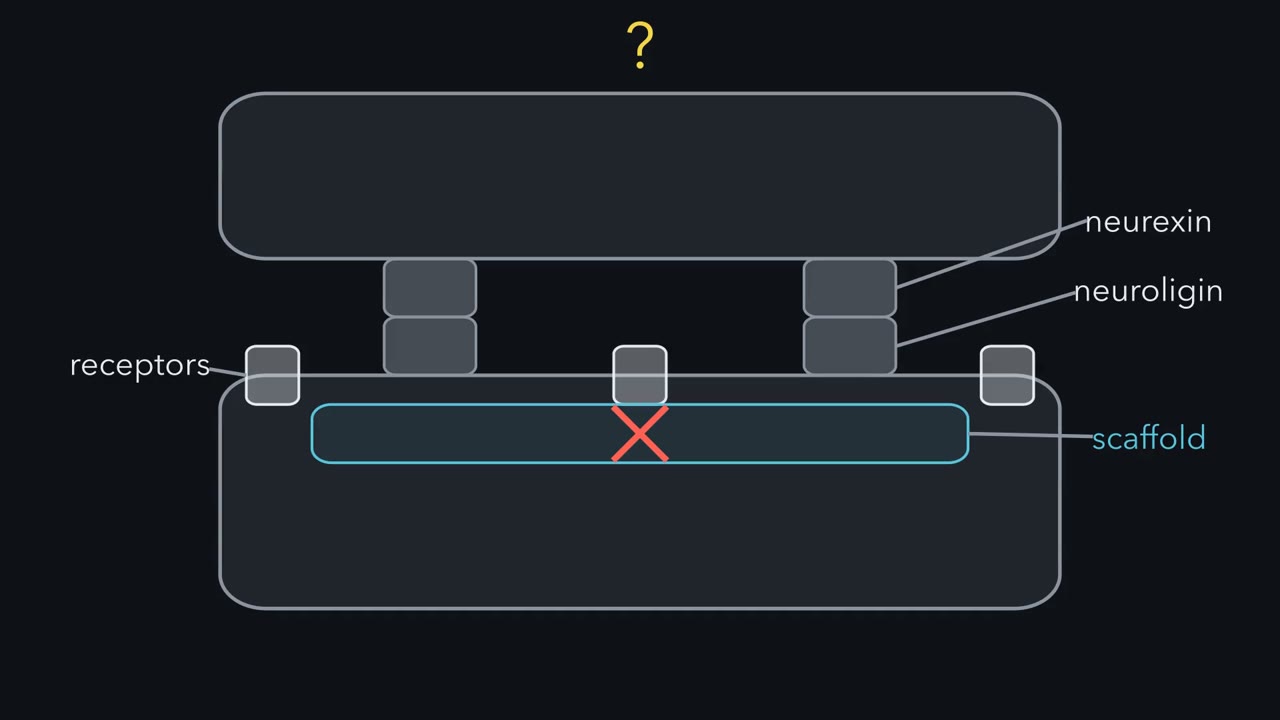 Part 1 of 3 Length 2:26 Built, Then Kept Developmental Neuroscience · Graduate school and beyond Disorders of the Synapse: Built, Then Kept
Take-home
A synapse gene can be needed to build a circuit, to keep it running, or both: built, then kept.
-
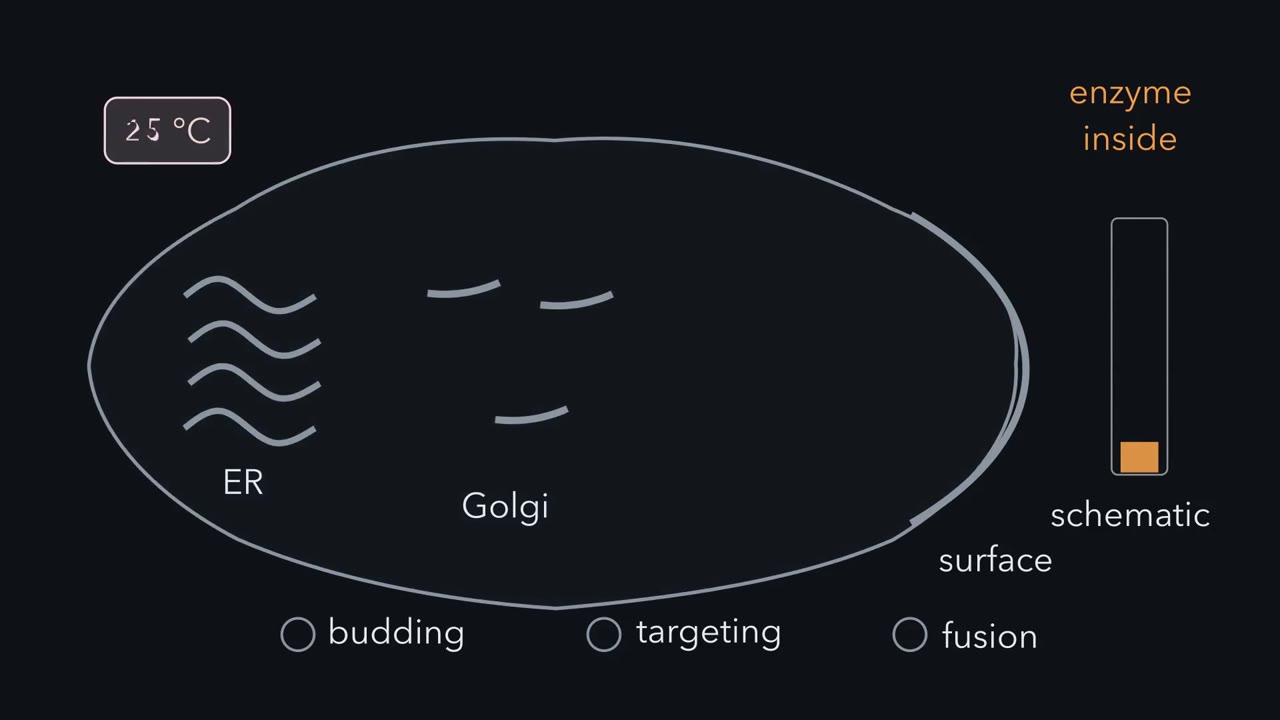 Second film Length 2:31 Reading Where Cargo Stops Cell Biology · College: the core Vesicle Budding, Targeting and Fusion
Take-home
The fraction secreted is the enzyme outside the cell divided by all of it, so a block can be measured.
-
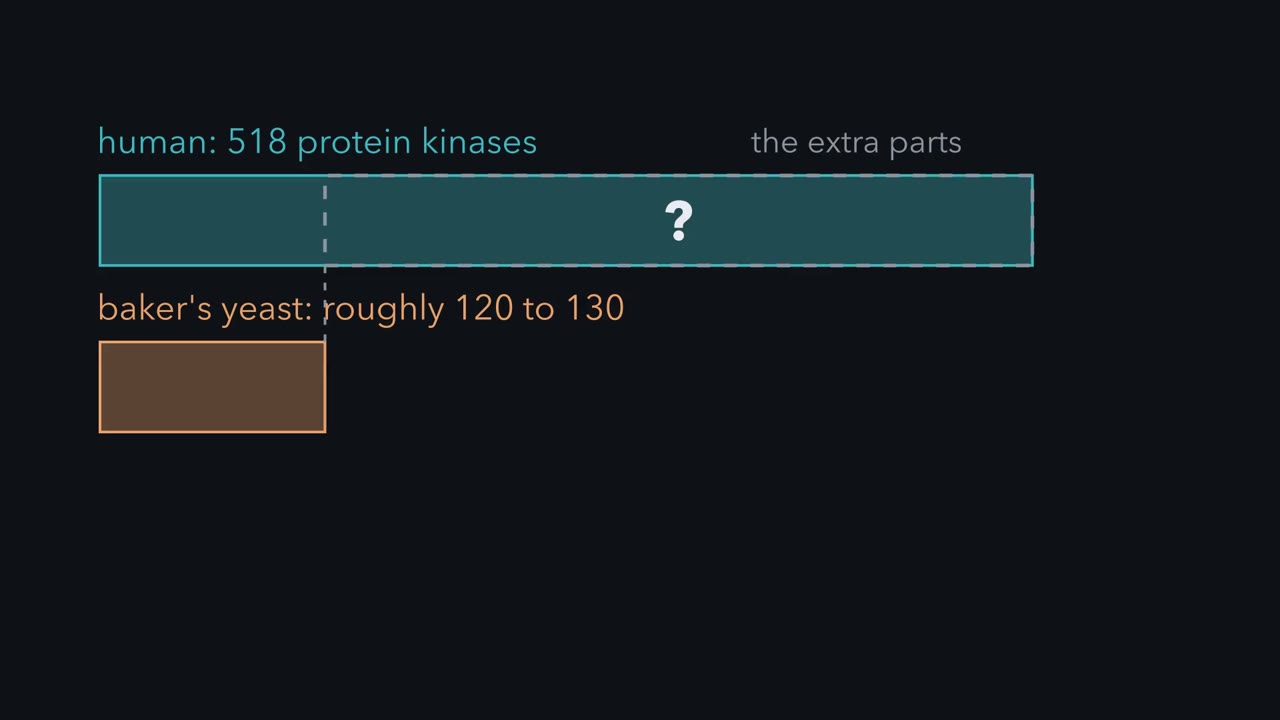 First film Length 2:29 Copy a Gene, Then Rewire It Cell Signaling · Graduate school and beyond How Signaling Evolved
-
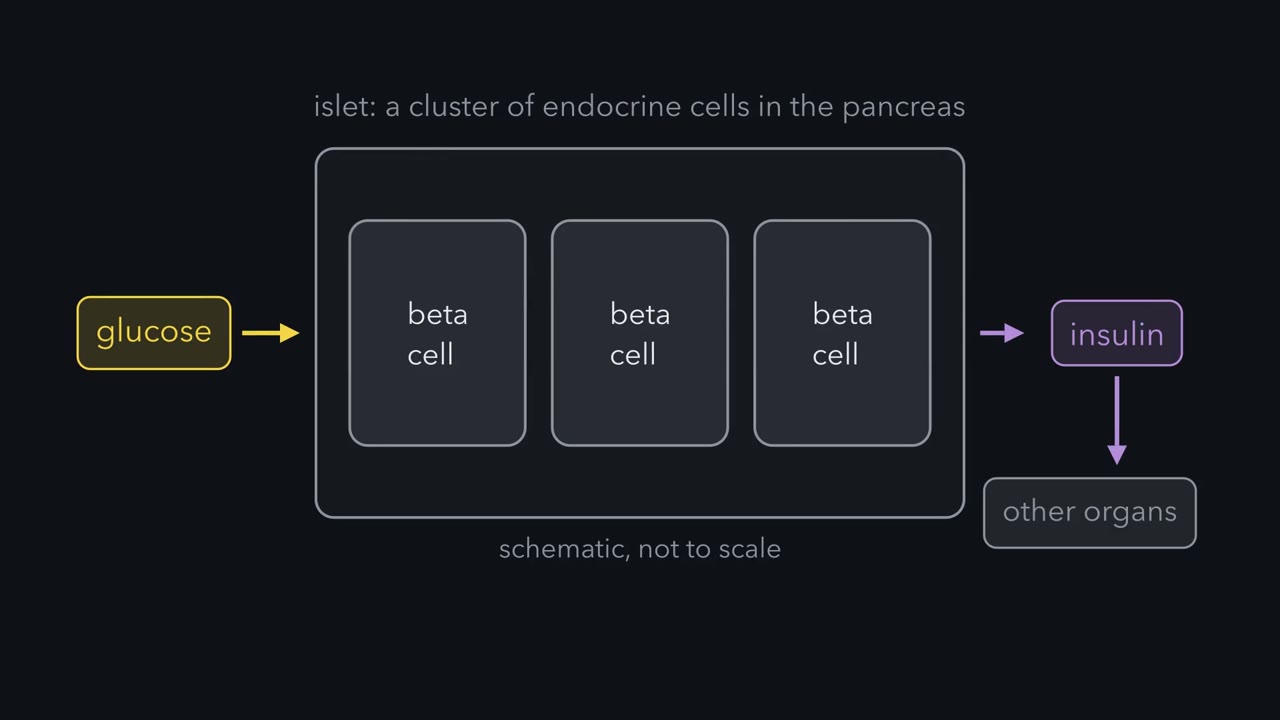 First film Length 2:45 A Beta Cell Burns Glucose to Read It Physiology · College: going further Insulin, Glucagon and Blood Glucose
-
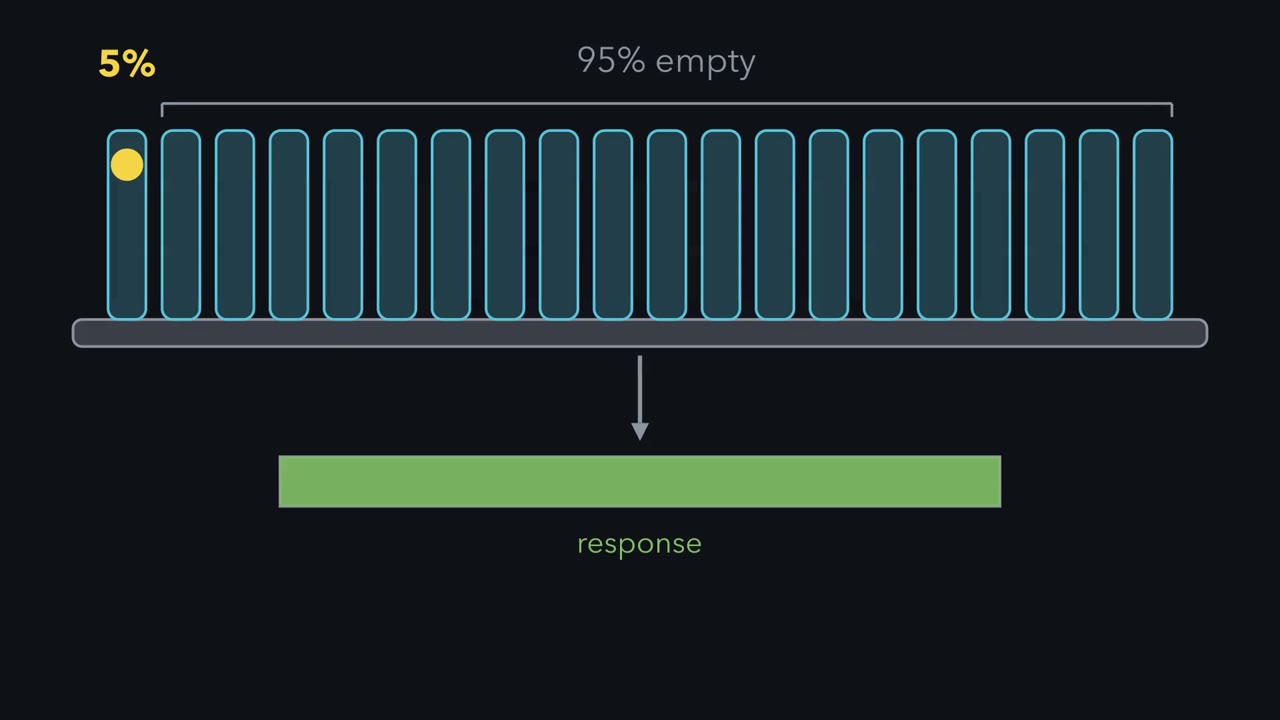 First film Length 2:49 A Full Response, Mostly Empty Receptors Cell Signaling · Graduate school and beyond Binding: Affinity, Occupancy and Dose–Response
-
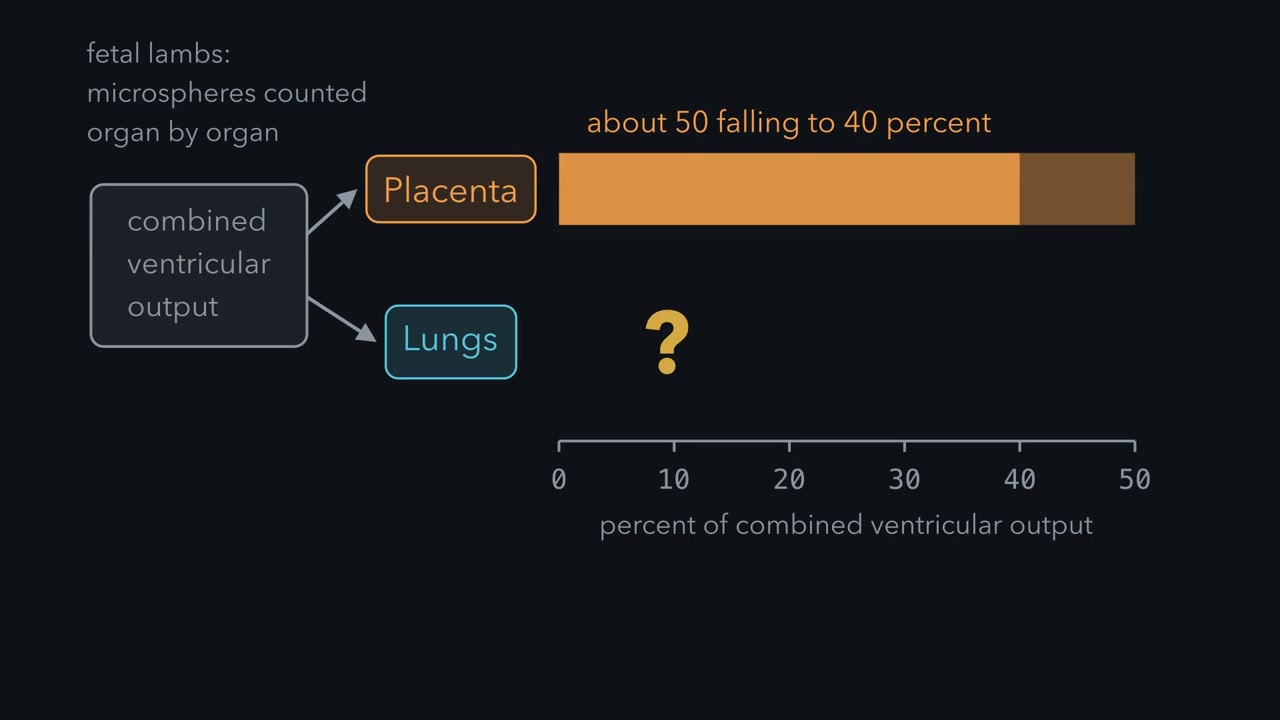 First film Length 2:56 The Lungs Take Over From the Placenta Physiology · College: going further Pregnancy, Birth and Lactation
-
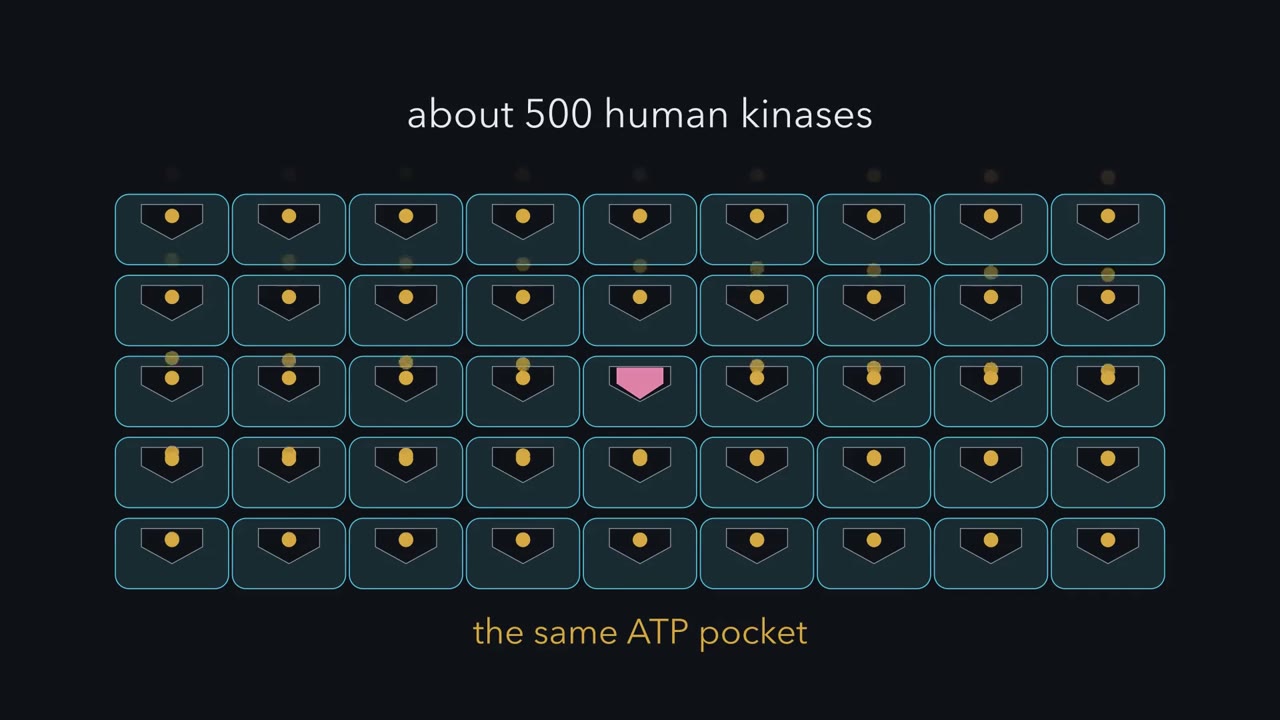 First film Length 2:14 Read the Escape, Design the Next Drug Cell Signaling · Graduate school and beyond Drugs Against a Part
-
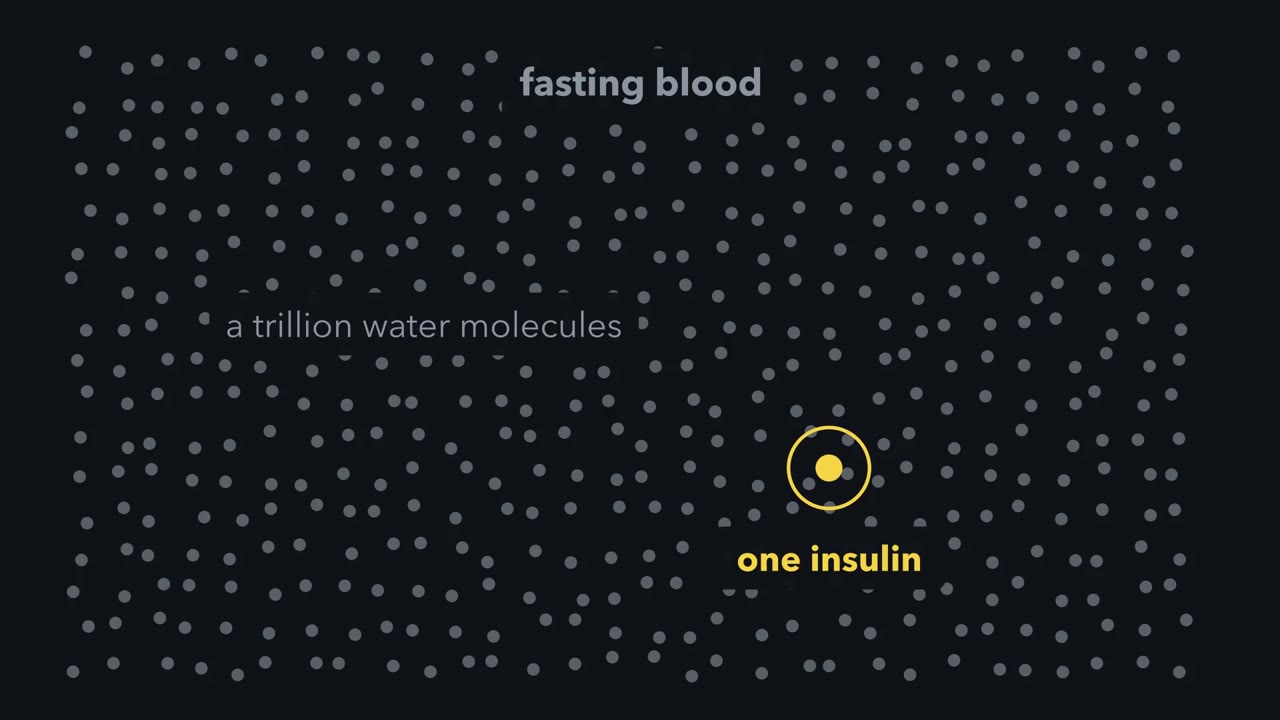 Part 1 of 3 Length 2:19 More Hormone, Less Label Cell Signaling · Graduate school and beyond How We Know: Detecting a Signal
Browse by level
- Ages 5–10, with a grown-up30 films · 1 course
- Grade 768 films · 1 course
- High school66 films · 1 course
- Starting college52 films · 1 course
- College: the core156 films · 3 courses
- College: going further197 films · 3 courses
- Graduate school and beyond383 films · 3 courses
- Methods library: a film for each lab technique57 method films, from PCR to patch clamp
All films
No films match that. Try a shorter word or fewer filters, or .
Ages 5–10, with a grown-up
- Activity film Length 1:06 Set Up: Alive or Not? Biology Together · Ages 5–10, with a grown-up Alive or Not?
-
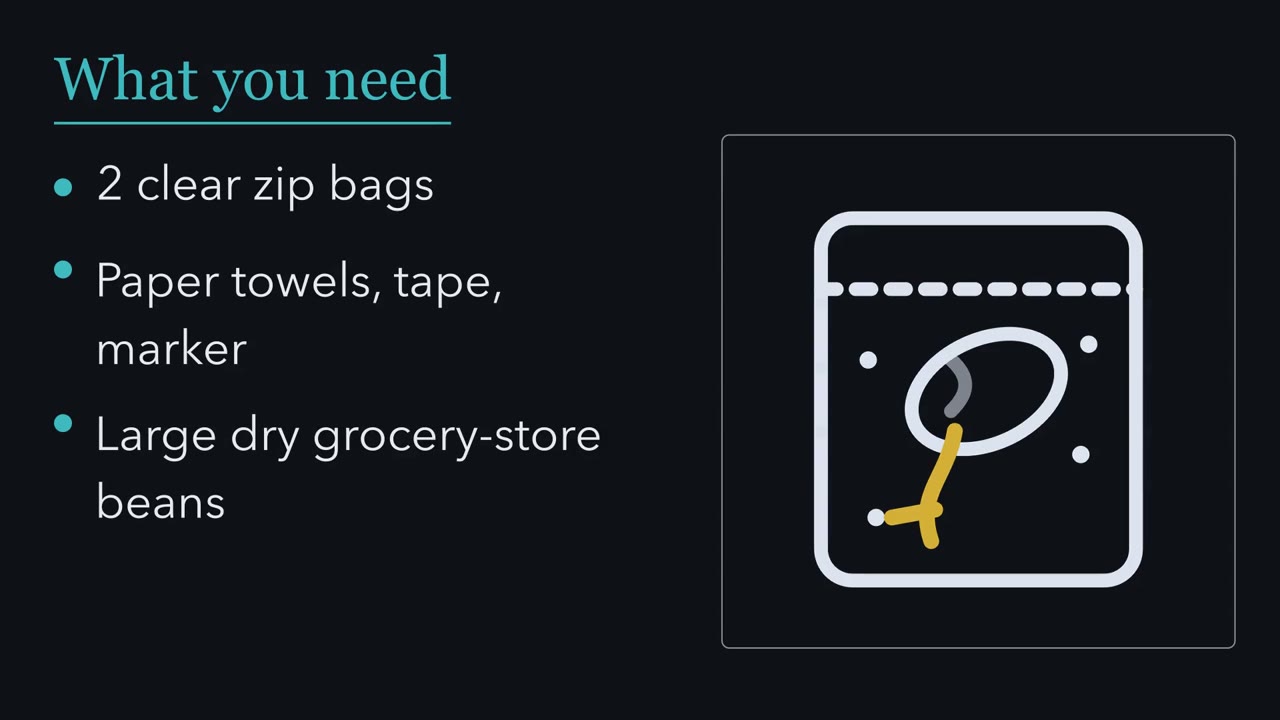 Activity film Length 0:41 Set Up: Wake Up a Seed Biology Together · Ages 5–10, with a grown-up Wake Up a Seed
-
 Activity film Length 0:45 Set Up: Like Their Parents, Not the Same Biology Together · Ages 5–10, with a grown-up Like Their Parents, Not the Same
-
 Activity film Length 1:04 Set Up: The Mystery Feely Bag Biology Together · Ages 5–10, with a grown-up The Mystery Feely Bag
-
 Activity film Length 0:49 Set Up: Smell Detectives Biology Together · Ages 5–10, with a grown-up Smell Detectives
-
 Activity film Length 1:03 Set Up: The Listening Walk Biology Together · Ages 5–10, with a grown-up The Listening Walk
-
 Activity film Length 2:05 Run a Fair Test With Your Child Biology Together · Ages 5–10, with a grown-up What Do Plants Need?
-
 Activity film Length 1:03 Set Up: Plant Parts We Eat Biology Together · Ages 5–10, with a grown-up Plant Parts We Eat
-
 Activity film Length 0:42 Set Up: Thirsty Celery Biology Together · Ages 5–10, with a grown-up Thirsty Celery
-
 Activity film Length 0:41 Set Up: Leaf Detectives Biology Together · Ages 5–10, with a grown-up Leaf Detectives
-
 Activity film Length 0:44 Set Up: Take a Flower Apart Biology Together · Ages 5–10, with a grown-up Take a Flower Apart
-
 Activity film Length 1:00 Set Up: From Bean to Bean Biology Together · Ages 5–10, with a grown-up From Bean to Bean
-
 Activity film Length 0:48 Set Up: Seeds on the Move Biology Together · Ages 5–10, with a grown-up Seeds on the Move
-
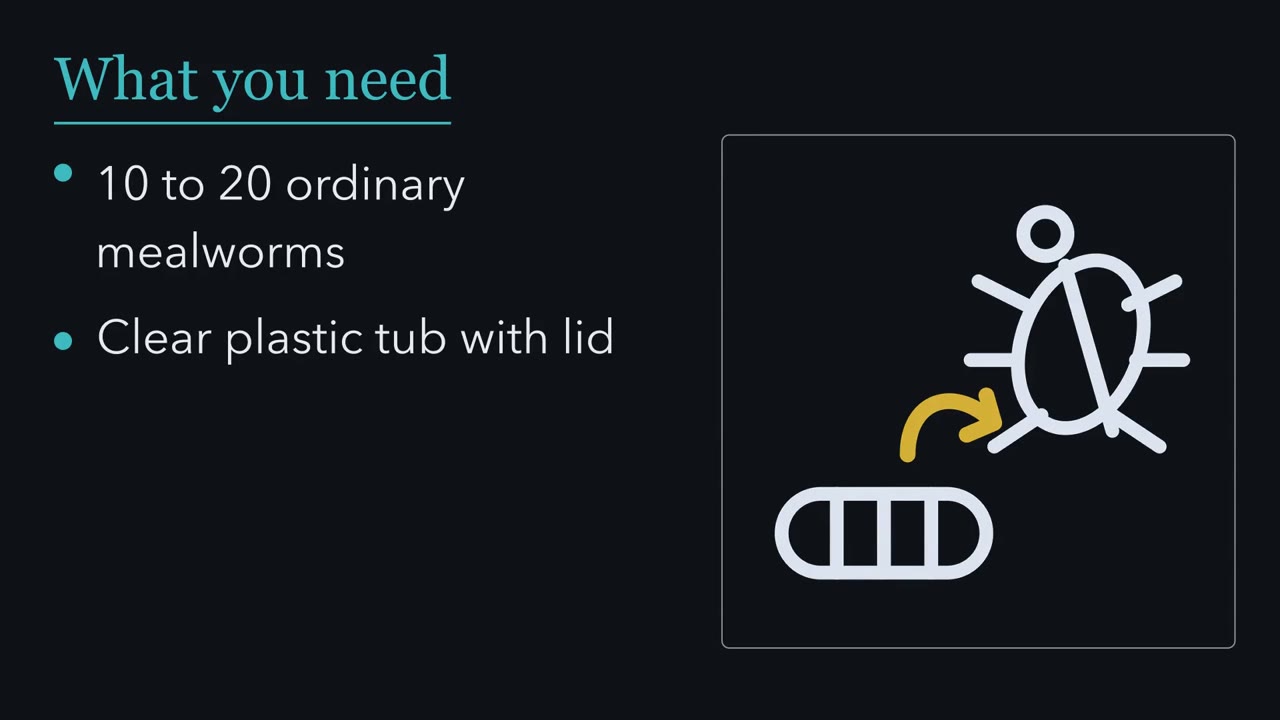 Activity film Length 0:44 Set Up: Mealworms to Beetles Biology Together · Ages 5–10, with a grown-up Mealworms to Beetles
-
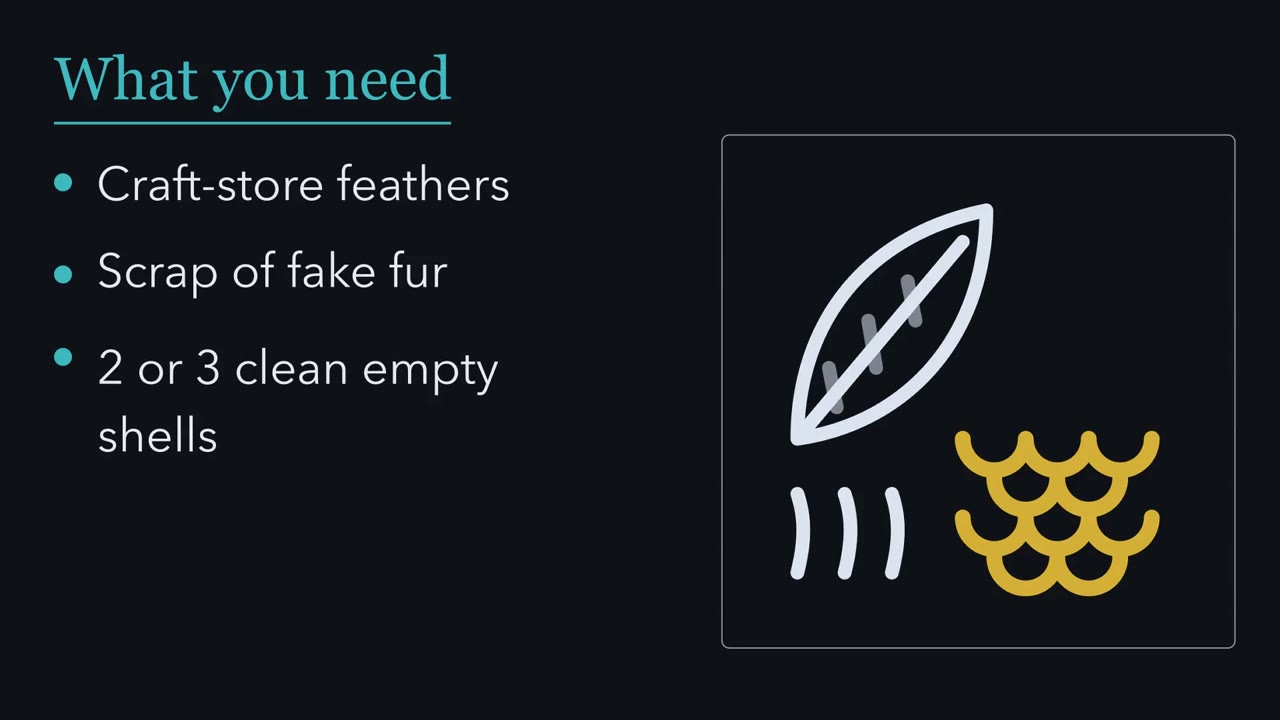 Activity film Length 0:44 Set Up: Fur, Feathers and Scales Biology Together · Ages 5–10, with a grown-up Fur, Feathers and Scales
-
 Activity film Length 0:47 Set Up: Beak Buffet Biology Together · Ages 5–10, with a grown-up Beak Buffet
-
 Activity film Length 0:44 Set Up: The Blubber Glove Biology Together · Ages 5–10, with a grown-up The Blubber Glove
-
 Activity film Length 0:39 Set Up: The Camouflage Hunt Biology Together · Ages 5–10, with a grown-up The Camouflage Hunt
-
 Activity film Length 1:05 Set Up: Backyard Habitat Hunt Biology Together · Ages 5–10, with a grown-up Backyard Habitat Hunt
-
 Activity film Length 0:42 Set Up: Make a Fossil Print Biology Together · Ages 5–10, with a grown-up Make a Fossil Print
-
 Activity film Length 0:47 Set Up: Who Eats Whom? Biology Together · Ages 5–10, with a grown-up Who Eats Whom?
-
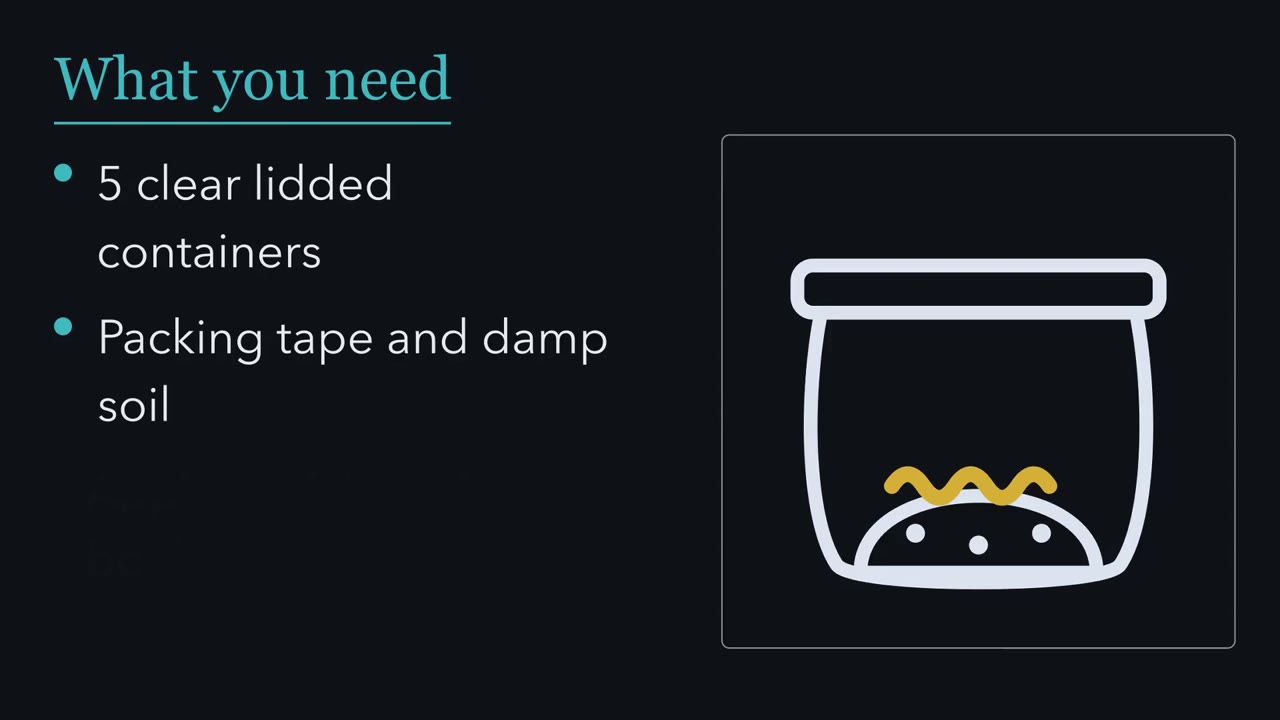 Activity film Length 0:45 Set Up: Rot Detectives Biology Together · Ages 5–10, with a grown-up Rot Detectives
-
 Activity film Length 0:45 Set Up: Soil Shake Biology Together · Ages 5–10, with a grown-up Soil Shake
-
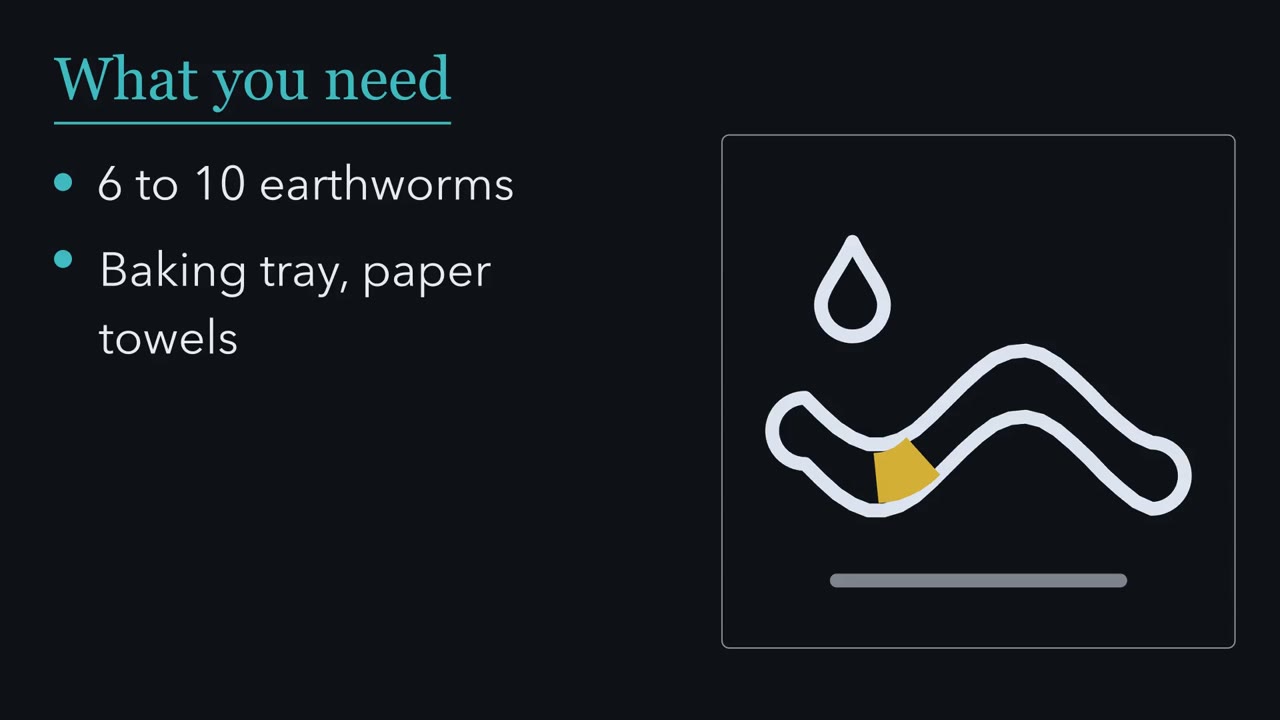 Activity film Length 0:44 Set Up: What Do Earthworms Like? Biology Together · Ages 5–10, with a grown-up What Do Earthworms Like?
-
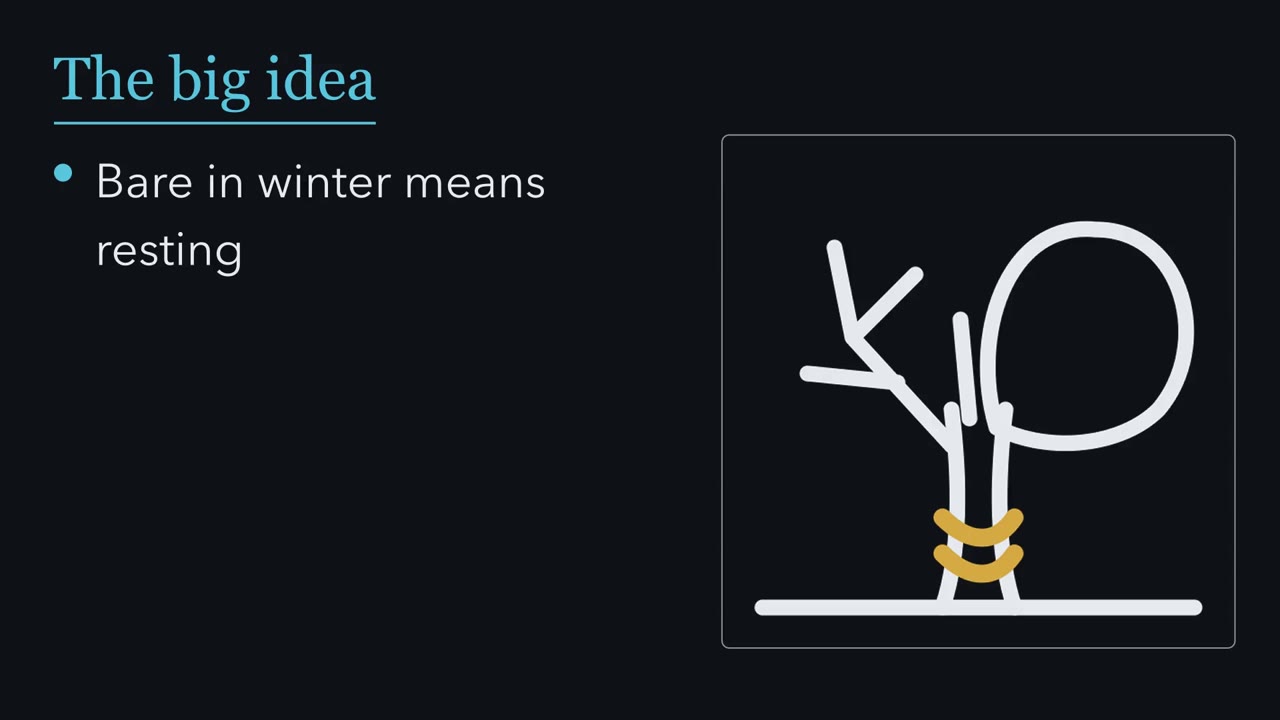 Activity film Length 1:08 Set Up: Adopt a Tree Biology Together · Ages 5–10, with a grown-up Adopt a Tree
-
 Activity film Length 0:47 Set Up: Sleep, Travel or Stay? Biology Together · Ages 5–10, with a grown-up Sleep, Travel or Stay?
-
 Activity film Length 0:51 Set Up: Hidden Leaf Colors Biology Together · Ages 5–10, with a grown-up Hidden Leaf Colors
-
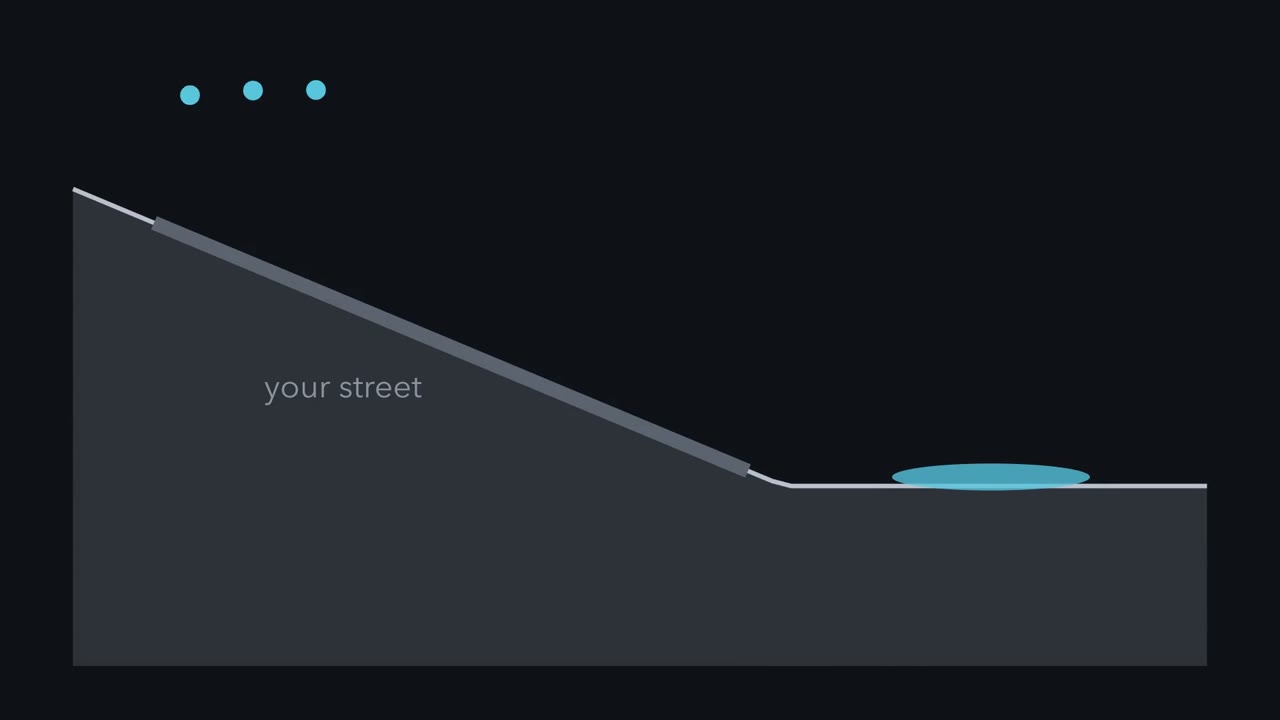 Activity film Length 2:03 We All Live Downstream Biology Together · Ages 5–10, with a grown-up A Watershed in a Pan
-
 Activity film Length 0:45 Set Up: Roots Hold the Soil Biology Together · Ages 5–10, with a grown-up Roots Hold the Soil
-
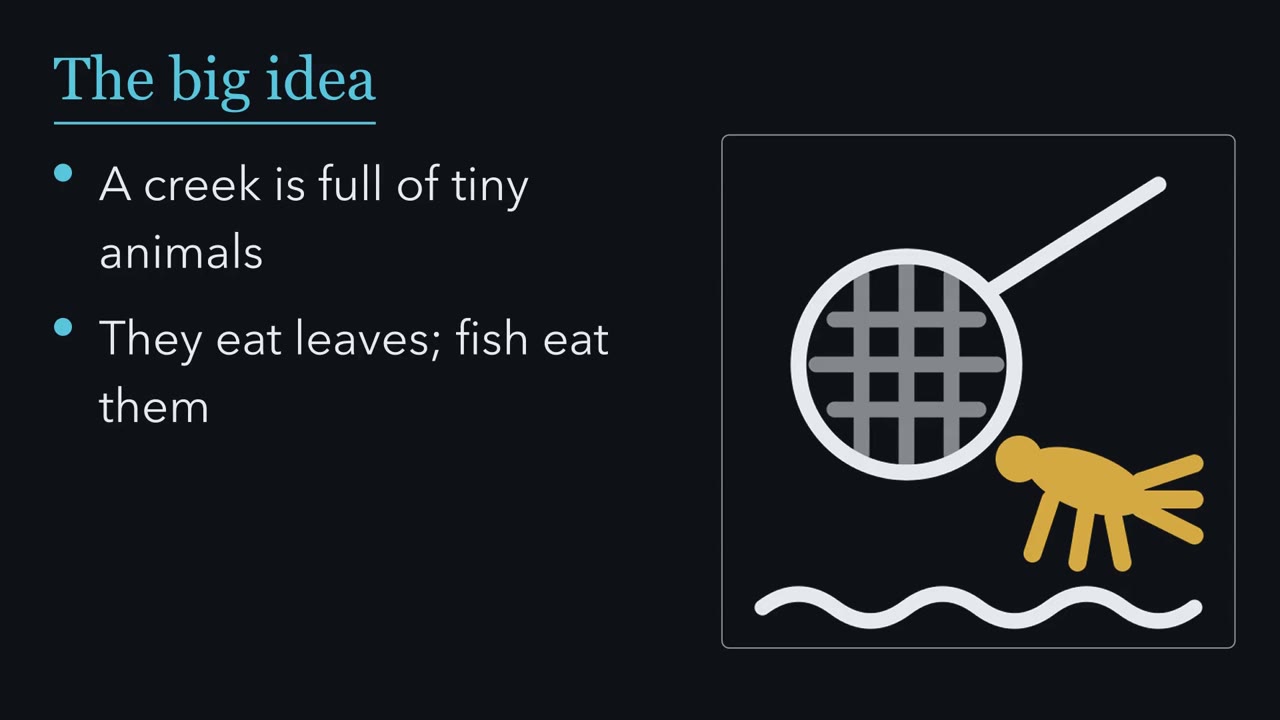 Activity film Length 1:04 Set Up: Creek Critters Biology Together · Ages 5–10, with a grown-up Creek Critters
Grade 7
- First film Length 3:03 The Size Test Life Science · Grade 7 Cells Are Everywhere
Take-home
Most people can make out a thing only when it looks bigger than about 100 µm, a tenth of a millimetre. That limit is the eye line.
-
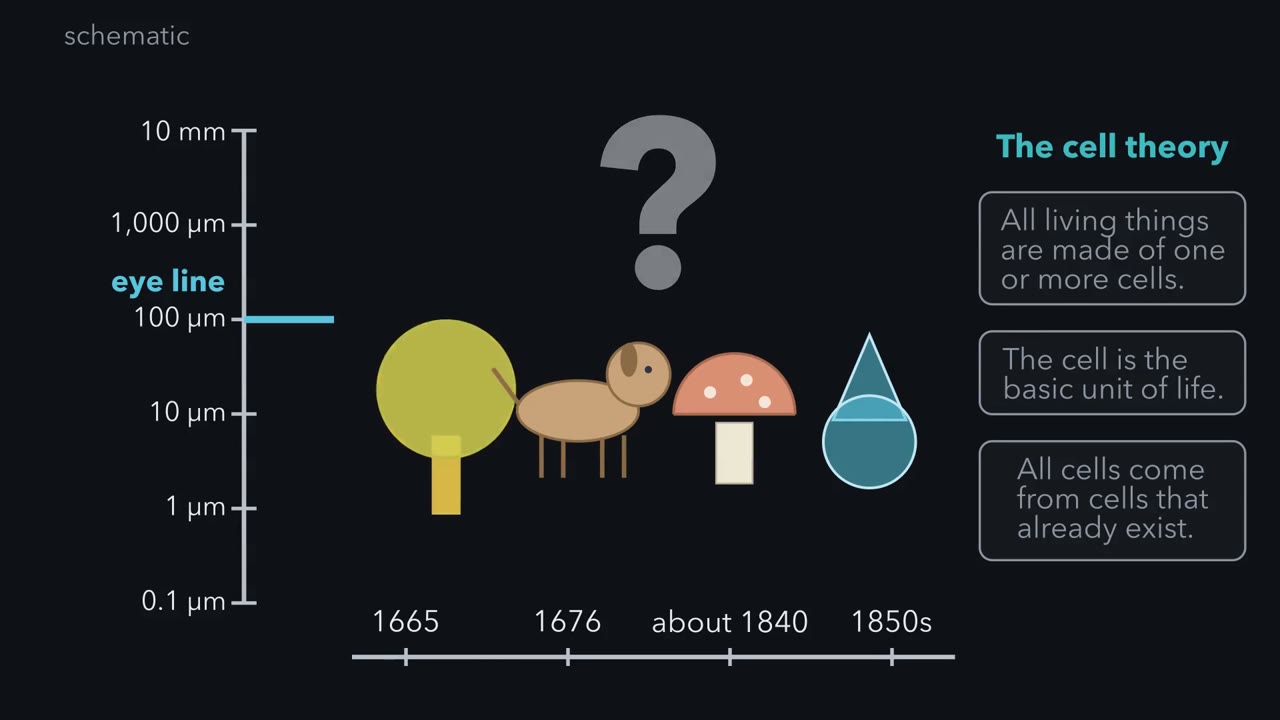 Second film Length 2:49 A Theory Built in Steps Life Science · Grade 7 Cells Are Everywhere
Take-home
In 1665 Robert Hooke saw tiny boxes in a thin slice of cork. They were the empty walls of dead cells.
-
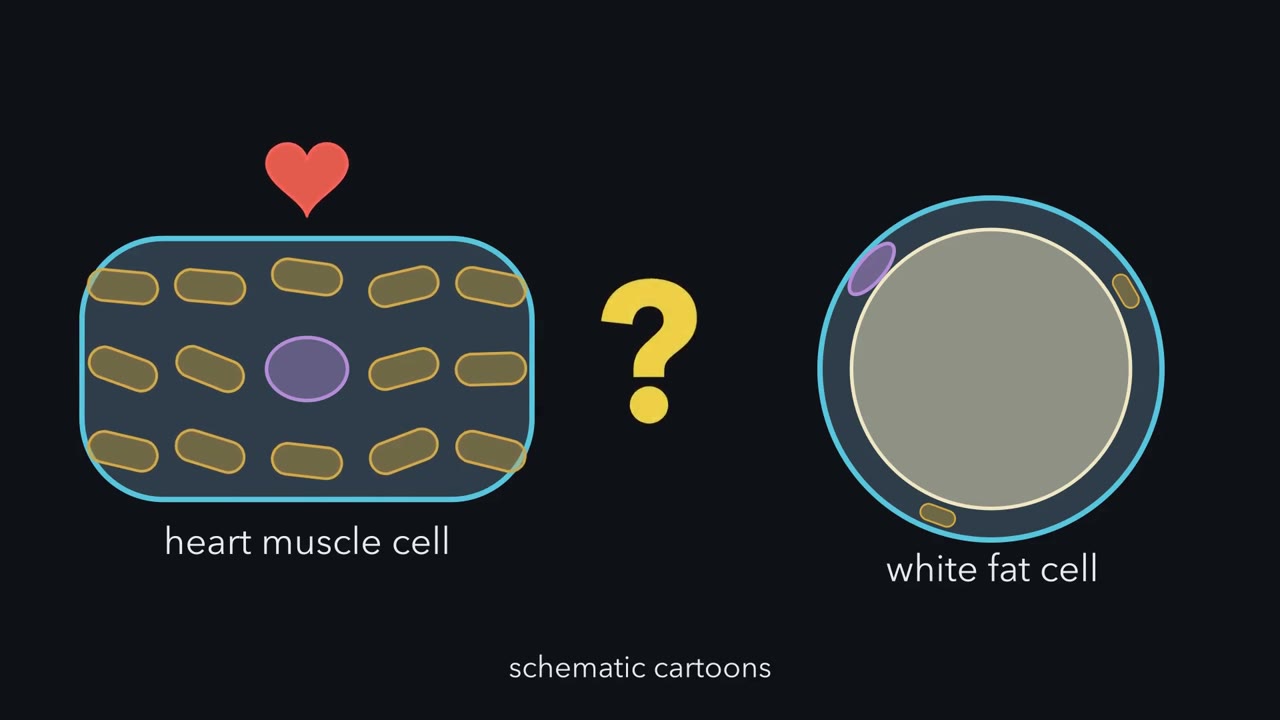 First film Length 3:18 One Cell, Many Jobs, Shared Space Life Science · Grade 7 Inside a Cell
Take-home
An organelle is a small part inside a cell that does a special job.
-
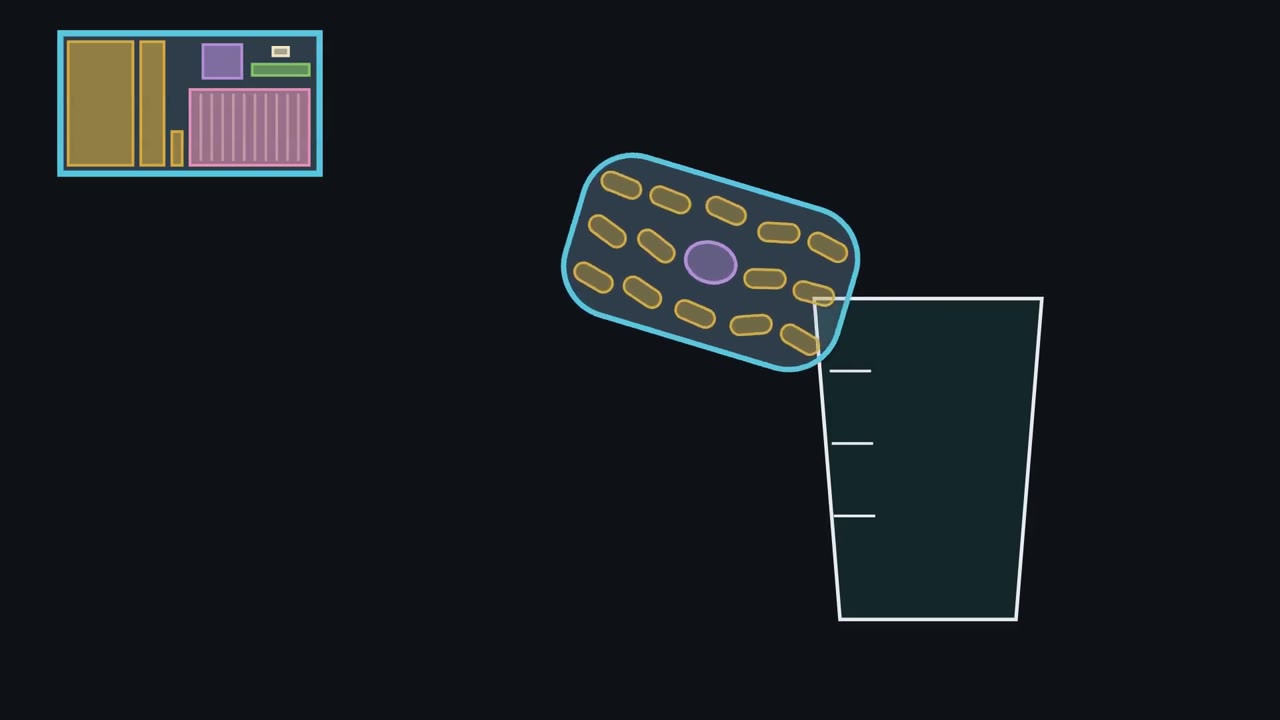 Second film Length 3:06 Counting Dots to Measure a Cell Life Science · Grade 7 Inside a Cell
Take-home
Scientists lay an even grid of dots over a picture of a thin cell slice and count the dots on each part.
-
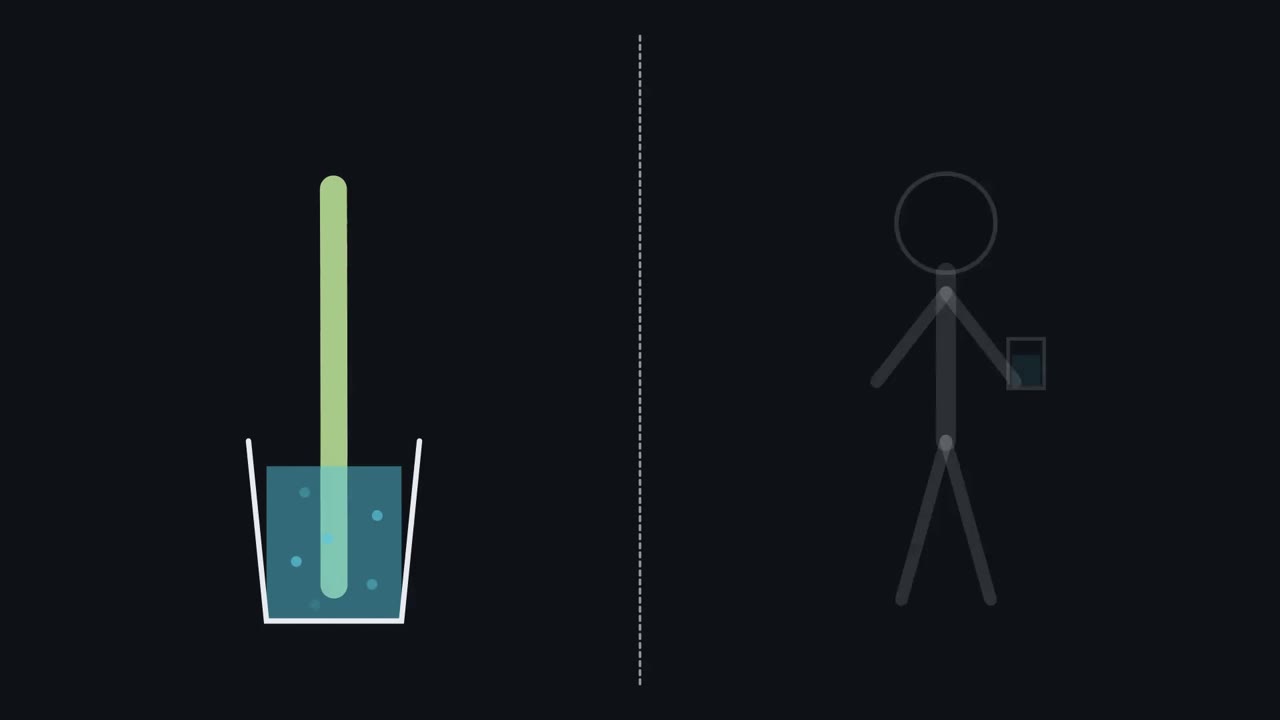 First film Length 3:06 A Water Balloon in a Box Life Science · Grade 7 Plant Cells and Animal Cells
Take-home
Plant and animal cells share most of their working parts, such as the nucleus, cell membrane and cytoplasm.
-
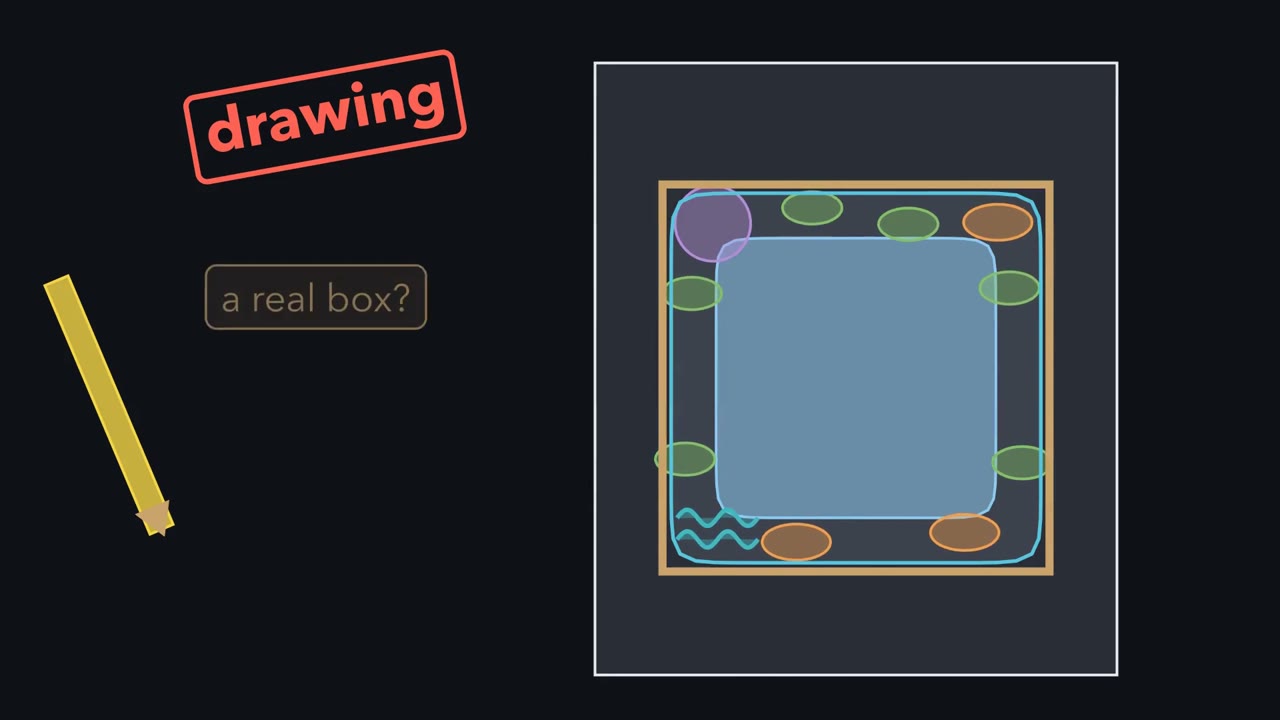 Second film Length 3:07 Looking at Real Cells Life Science · Grade 7 Plant Cells and Animal Cells
Take-home
Under a light microscope, onion skin and waterweed leaf cells look boxy, with straight walls.
-
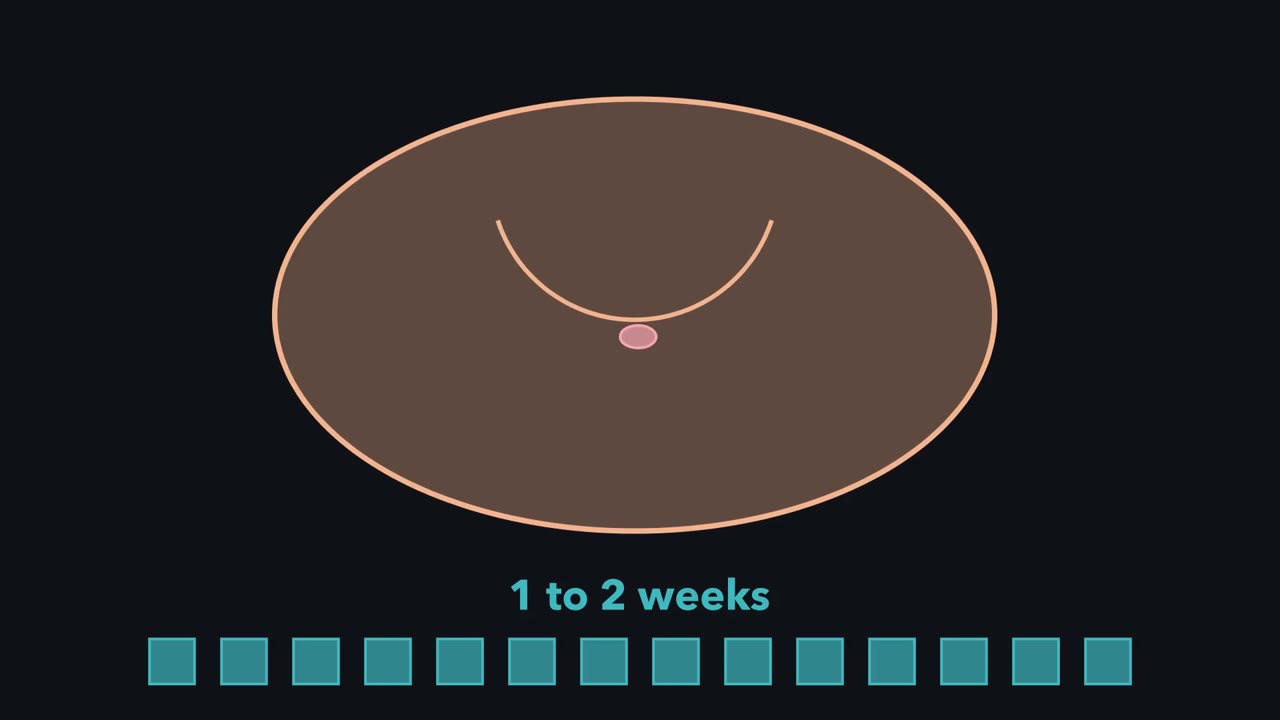 First film Length 3:21 Copy First, Then Share Life Science · Grade 7 How Cells Divide
Take-home
New body cells come from cells that were already there: near a scrape, skin cells divide, and some crawl into the gap.
-
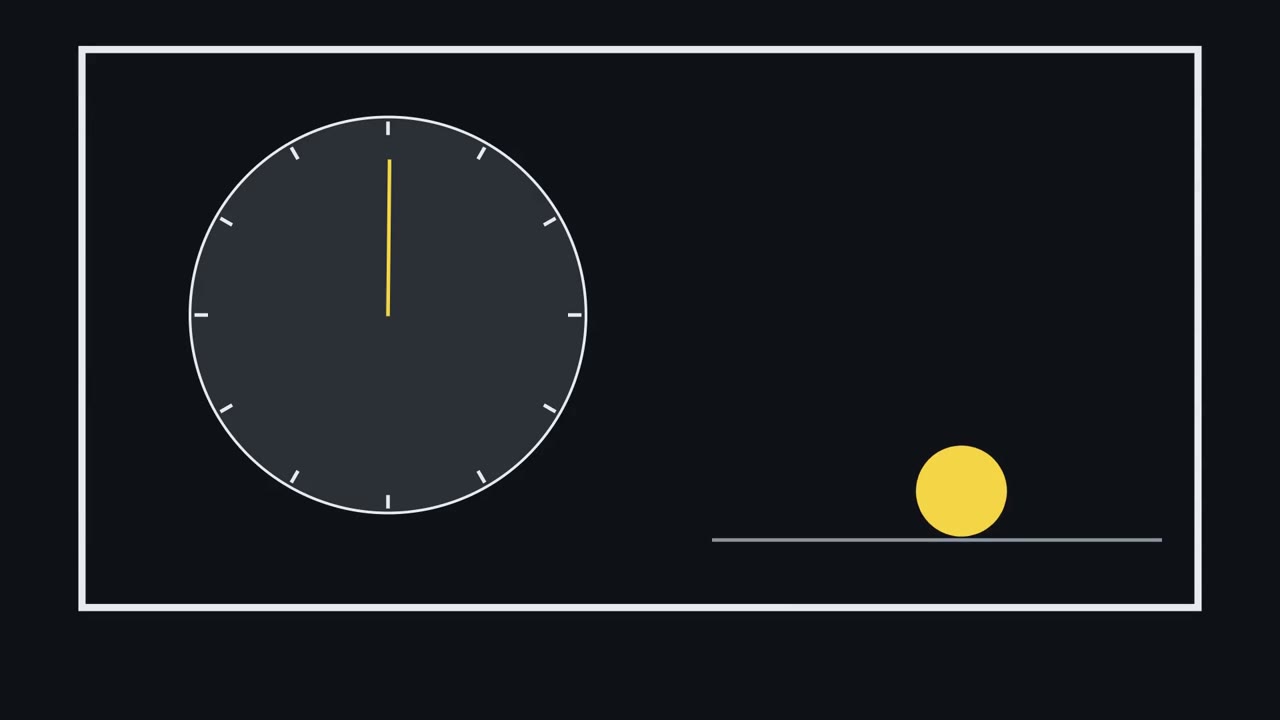 Second film Length 3:09 A Photo That Tells Time Life Science · Grade 7 How Cells Divide
Take-home
A stained root tip is a snapshot: each cell is caught at one moment of its own cycle.
-
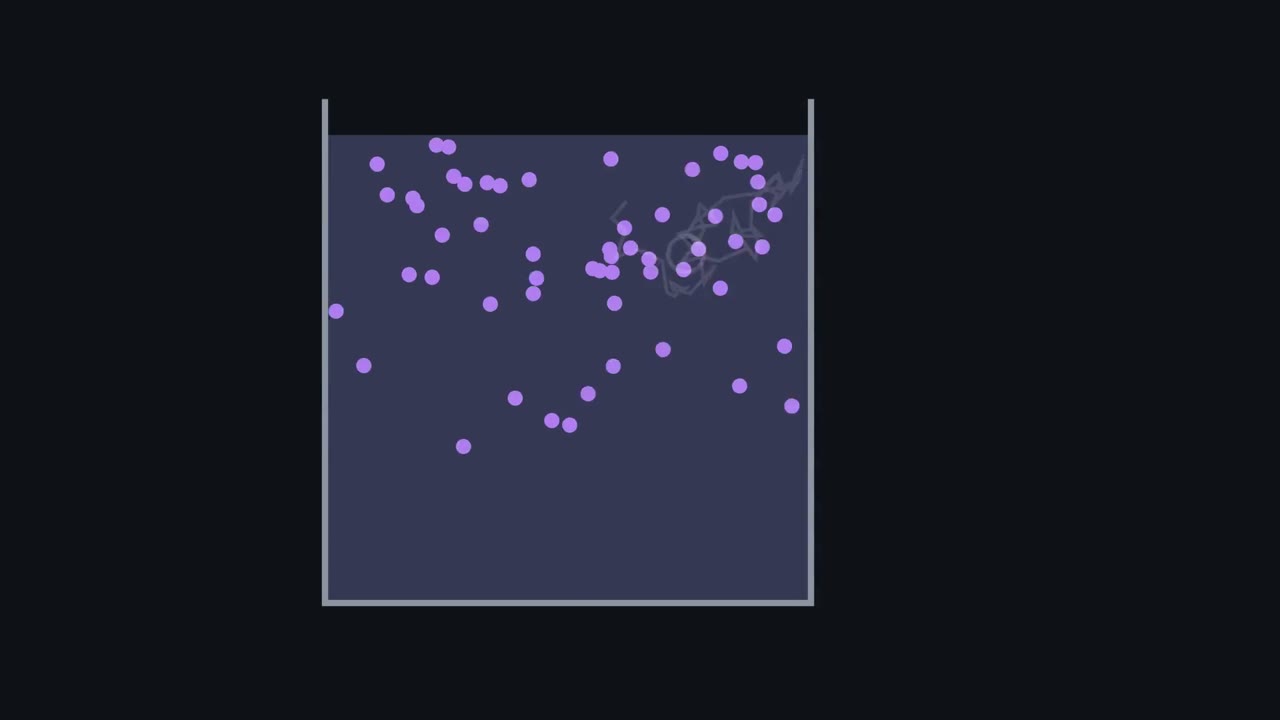 First film Length 2:55 Random Moves, One-Way Drift Life Science · Grade 7 Diffusion and Osmosis
Take-home
Particles are always moving at random, even when nothing seems to change.
-
 Second film Length 3:16 Water Drifts to the Saltier Side Life Science · Grade 7 Diffusion and Osmosis
Take-home
Osmosis is the diffusion of water across a selectively permeable membrane.
-
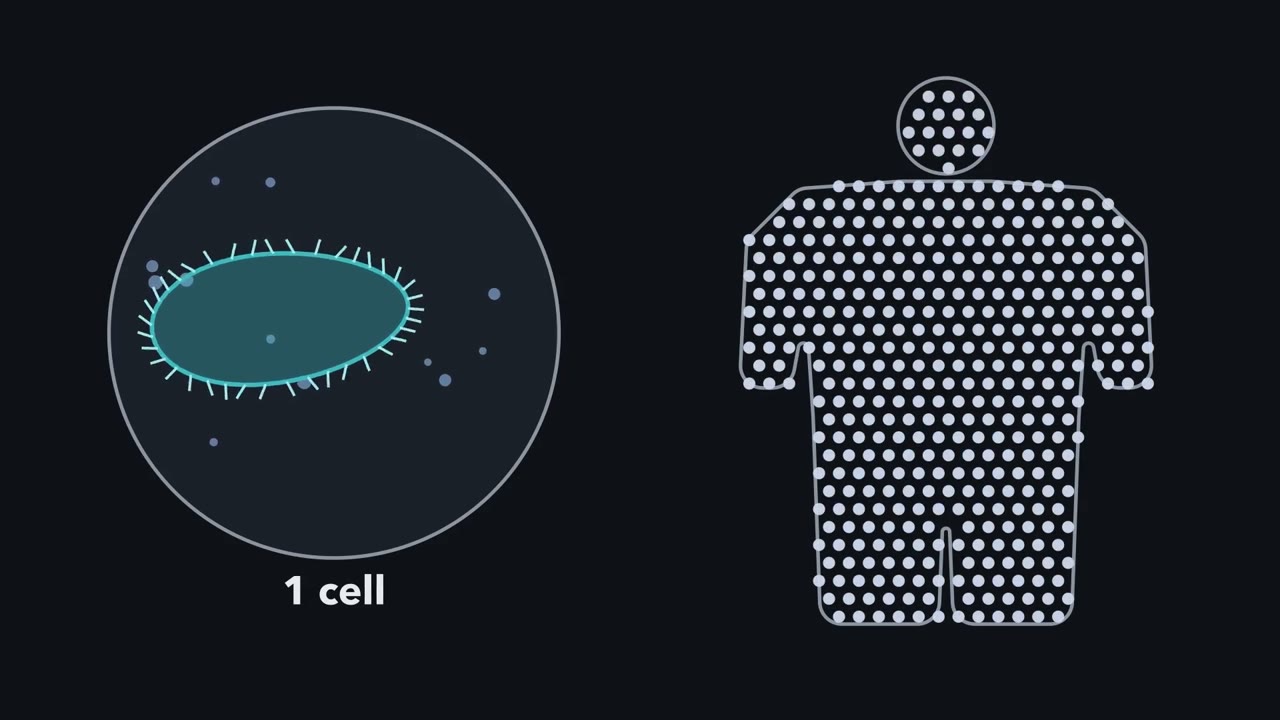 First film Length 3:01 One Cell, Every Job Life Science · Grade 7 From Cells to Organisms
Take-home
A Paramecium and you share one job list: moving, getting food, gas exchange, getting rid of wastes and extra water, responding and reproducing.
-
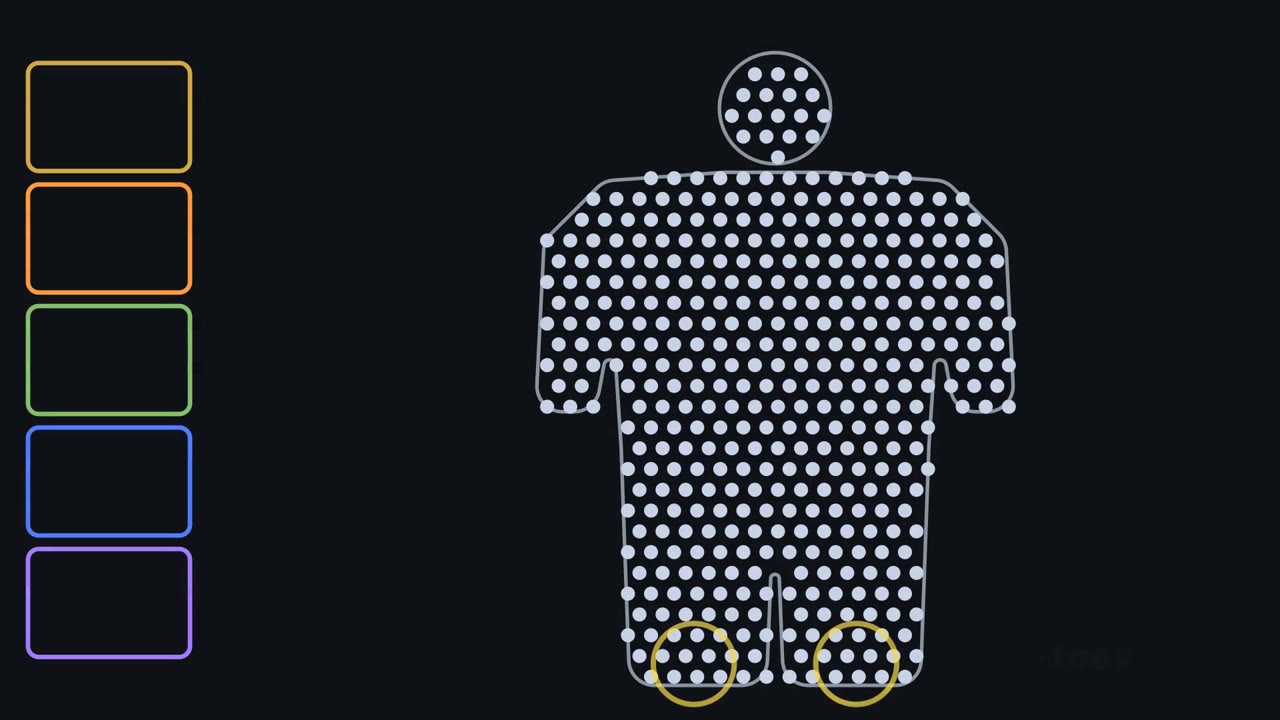 Second film Length 2:52 One Job, Five Levels Life Science · Grade 7 From Cells to Organisms
Take-home
A specialized cell has a shape and parts that suit it to one kind of job.
-
 First film Length 3:21 Eight Boxes and a Name Life Science · Grade 7 Sorting Living Things
Take-home
Scientists sort every species into eight main levels, nested like boxes, from domain, the most general, to species, the most specific.
-
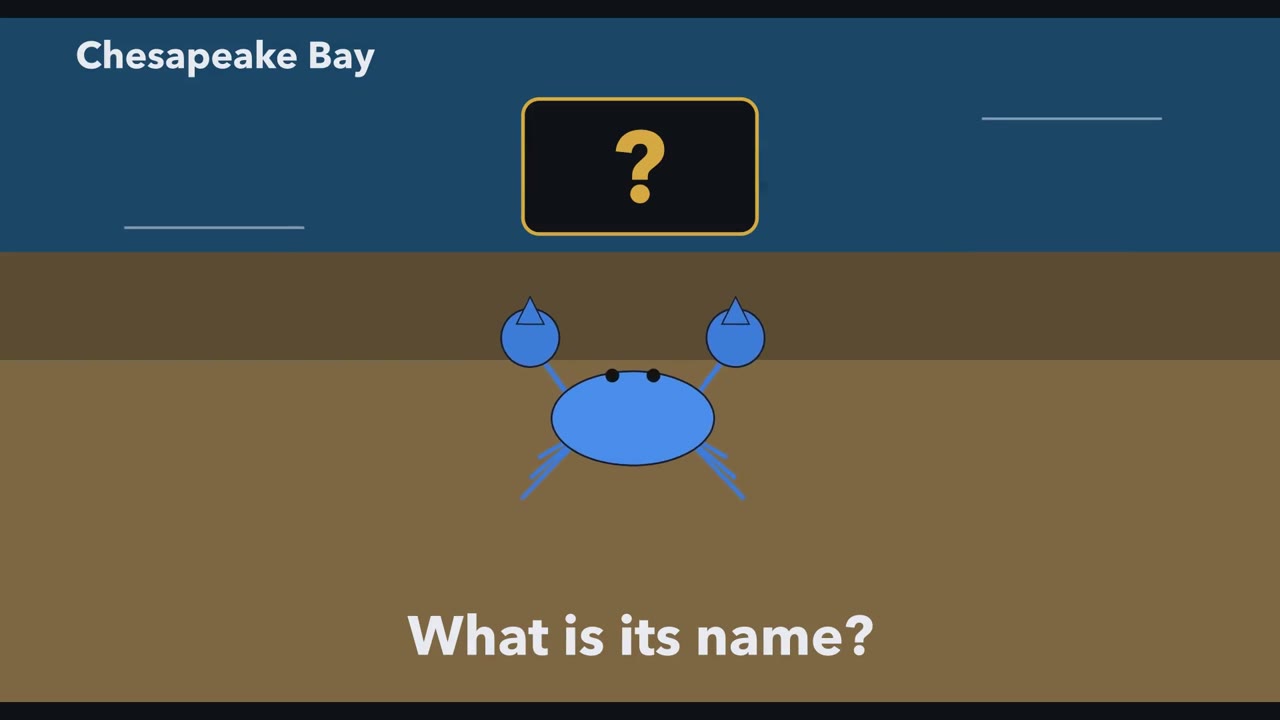 Second film Length 2:51 A Key Finds a Name, Not Relatives Life Science · Grade 7 Sorting Living Things
Take-home
A dichotomous key names a living thing through a series of two-choice steps about traits you can see.
-
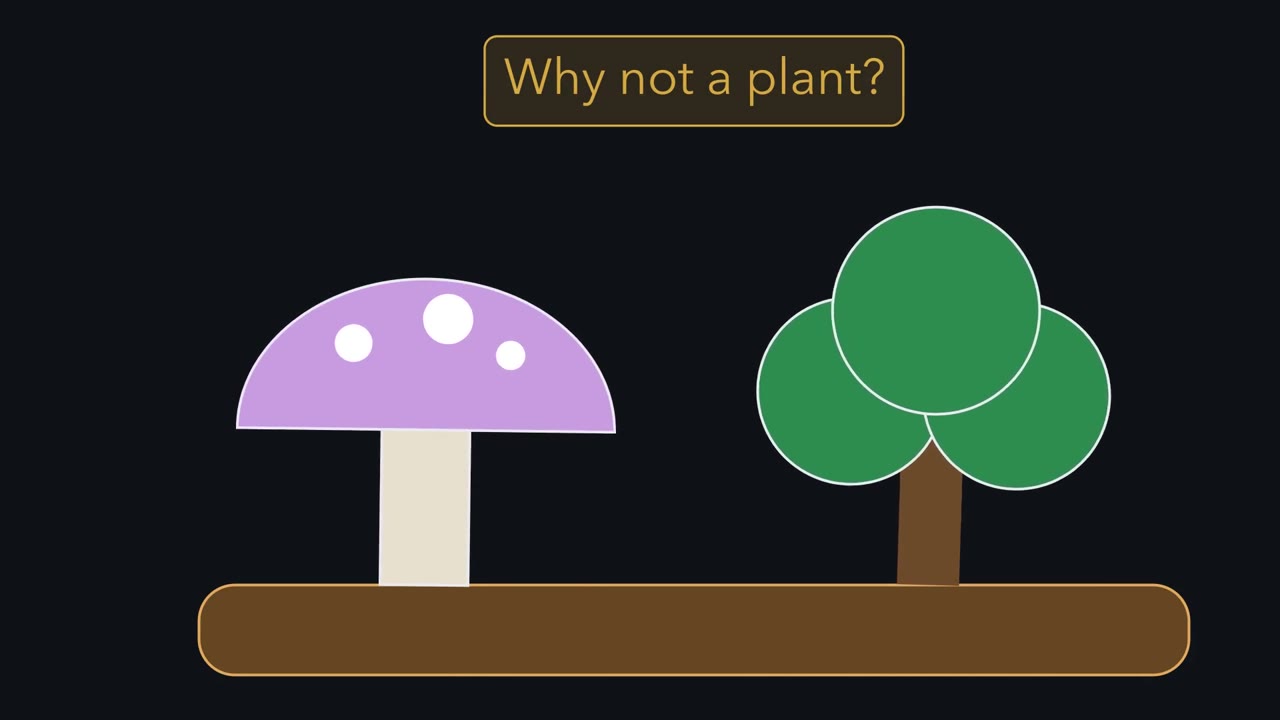 First film Length 3:20 Climbing the Evidence Ladder Life Science · Grade 7 Domains, Kingdoms and DNA
Take-home
Scientists sort living things with several kinds of evidence, and new evidence can move a living thing to a new group.
-
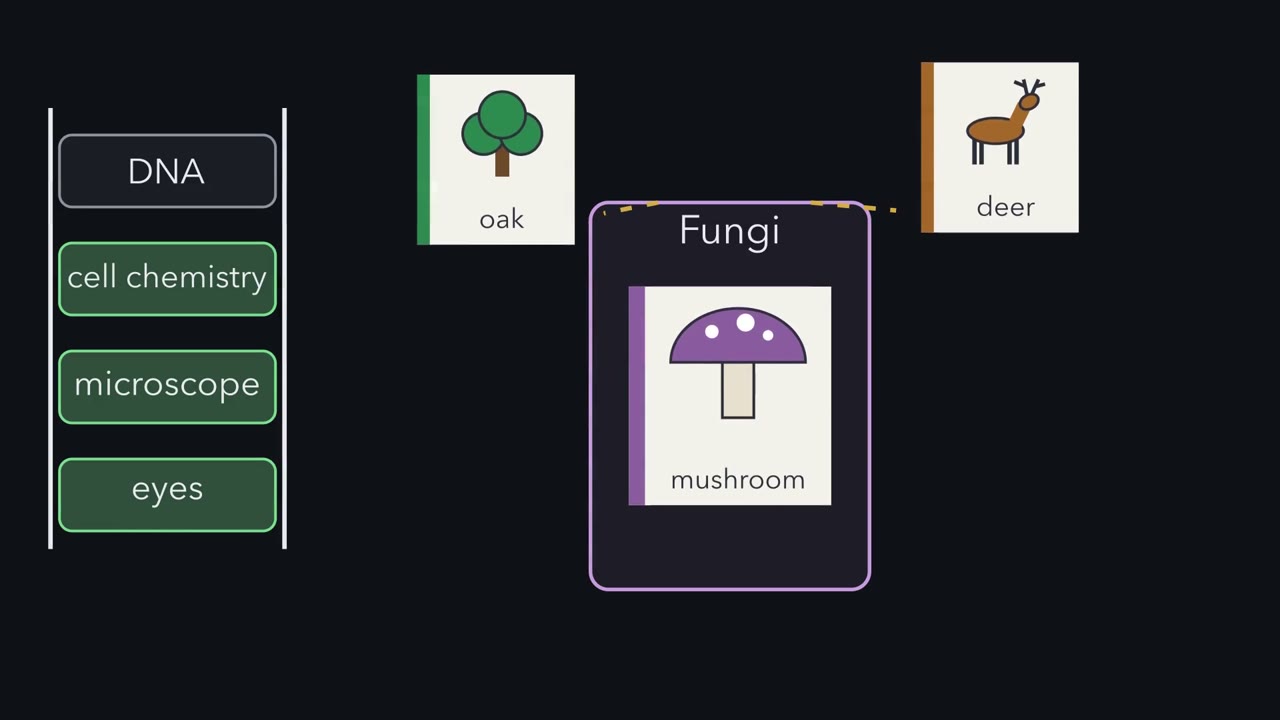 Second film Length 3:00 Reading the DNA Rung Life Science · Grade 7 Domains, Kingdoms and DNA
Take-home
To compare two living things, scientists line up the same protein or gene and count the positions that match.
-
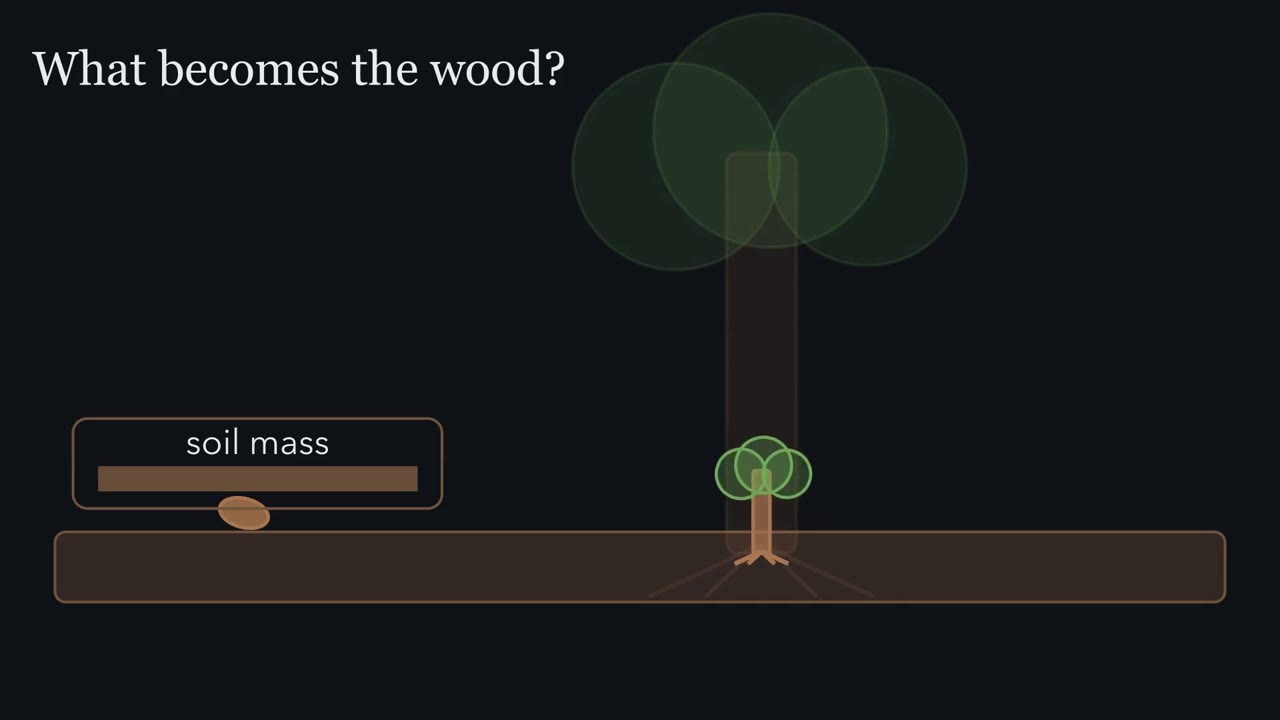 First film Length 3:26 What Becomes a Tree? Life Science · Grade 7 Photosynthesis Feeds the World
Take-home
Light powers sugar-building from carbon dioxide and water; conditions limit its speed.
-
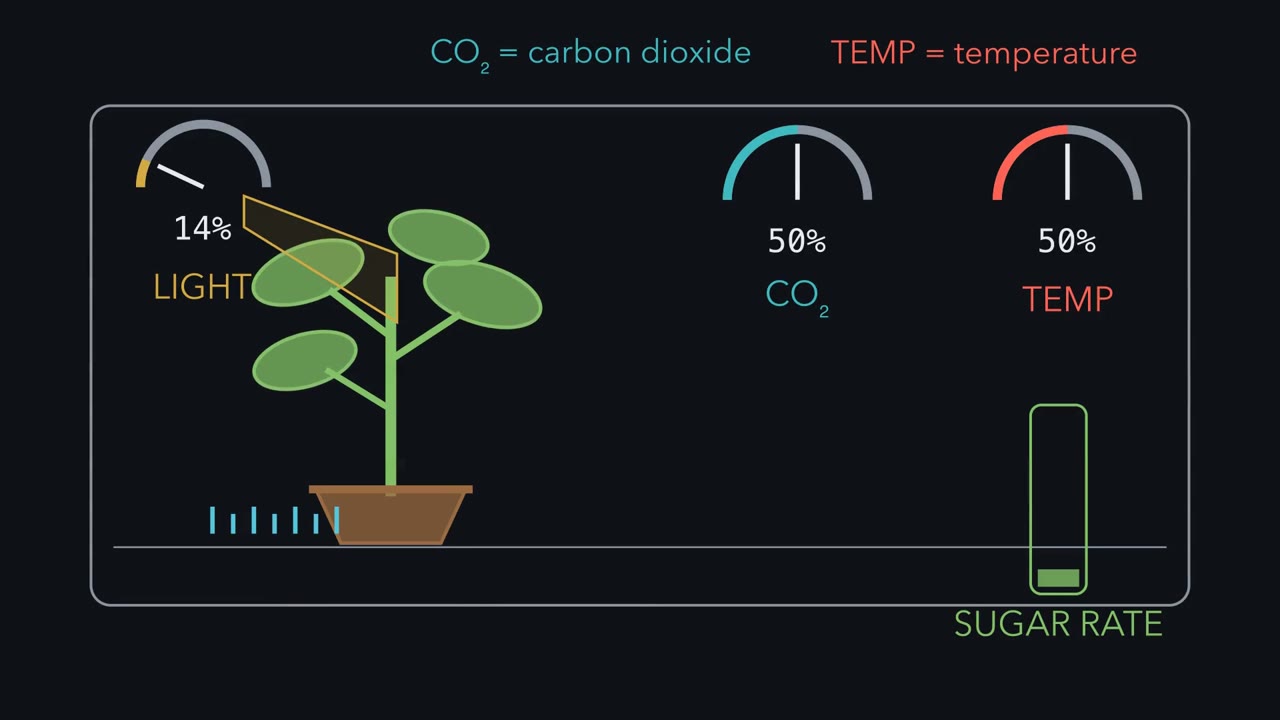 Second film Length 3:15 Why More Light Stops Helping Life Science · Grade 7 Photosynthesis Feeds the World
Take-home
Light powers sugar-building from carbon dioxide and water; conditions limit its speed.
-
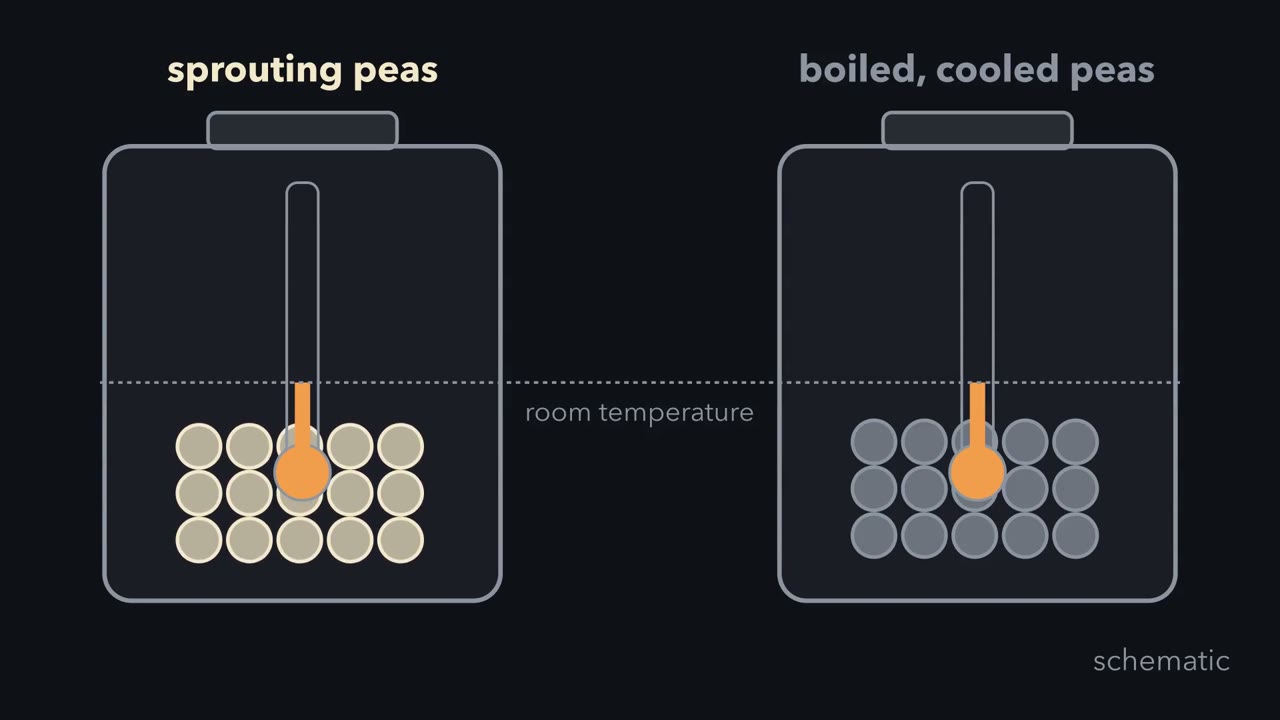 First film Length 3:24 Why Do Sprouting Peas Get Warm? Life Science · Grade 7 Releasing Energy from Food
Take-home
Respiration releases stored food energy for cell work and as thermal energy.
-
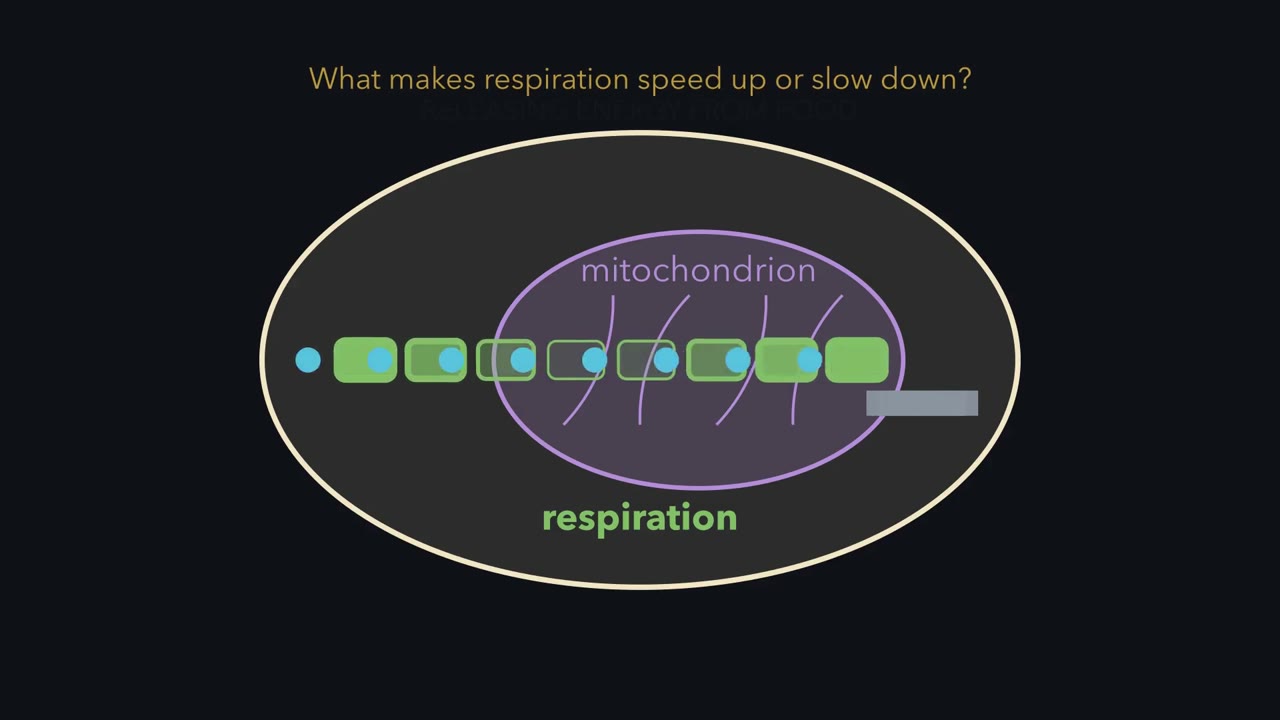 Second film Length 3:19 What Controls Respiration's Speed? Life Science · Grade 7 Releasing Energy from Food
Take-home
Respiration releases stored food energy; temperature, oxygen, and sugar change its rate.
-
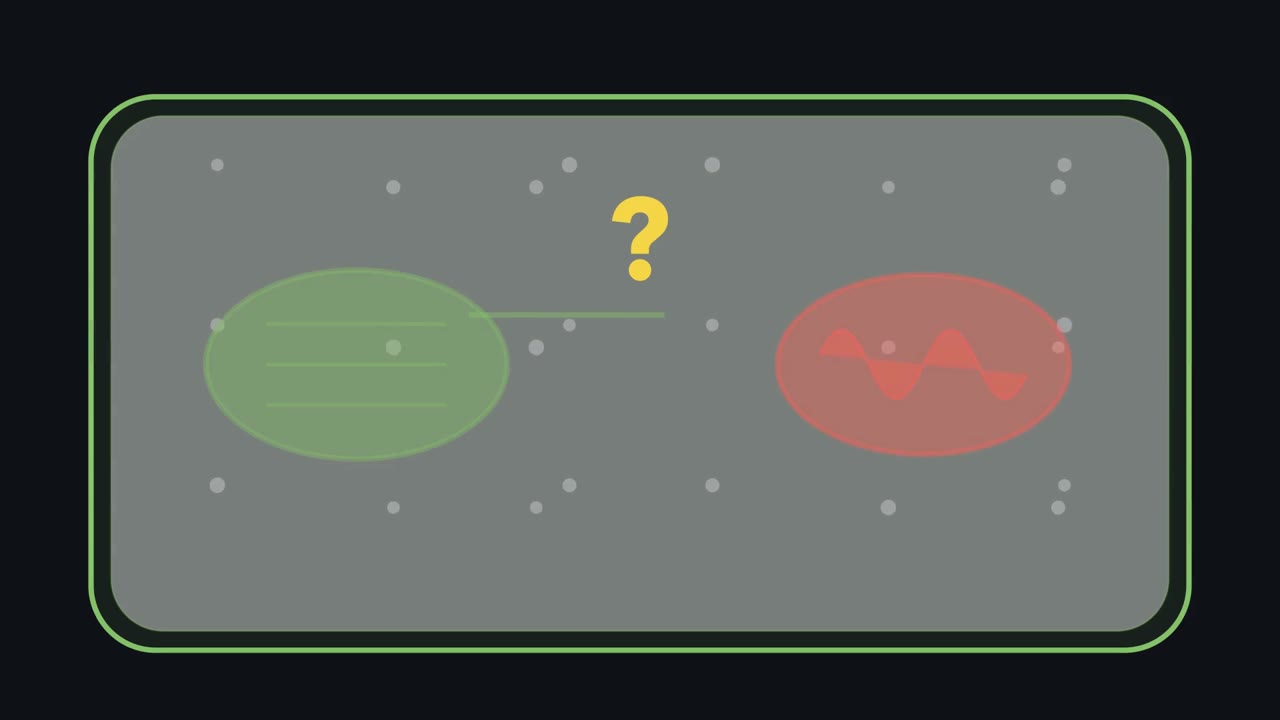 First film Length 3:34 Two Jobs in One Green Cell Life Science · Grade 7 Partners in Energy
Take-home
Photosynthesis adds oxygen in light; respiration uses oxygen day and night.
-
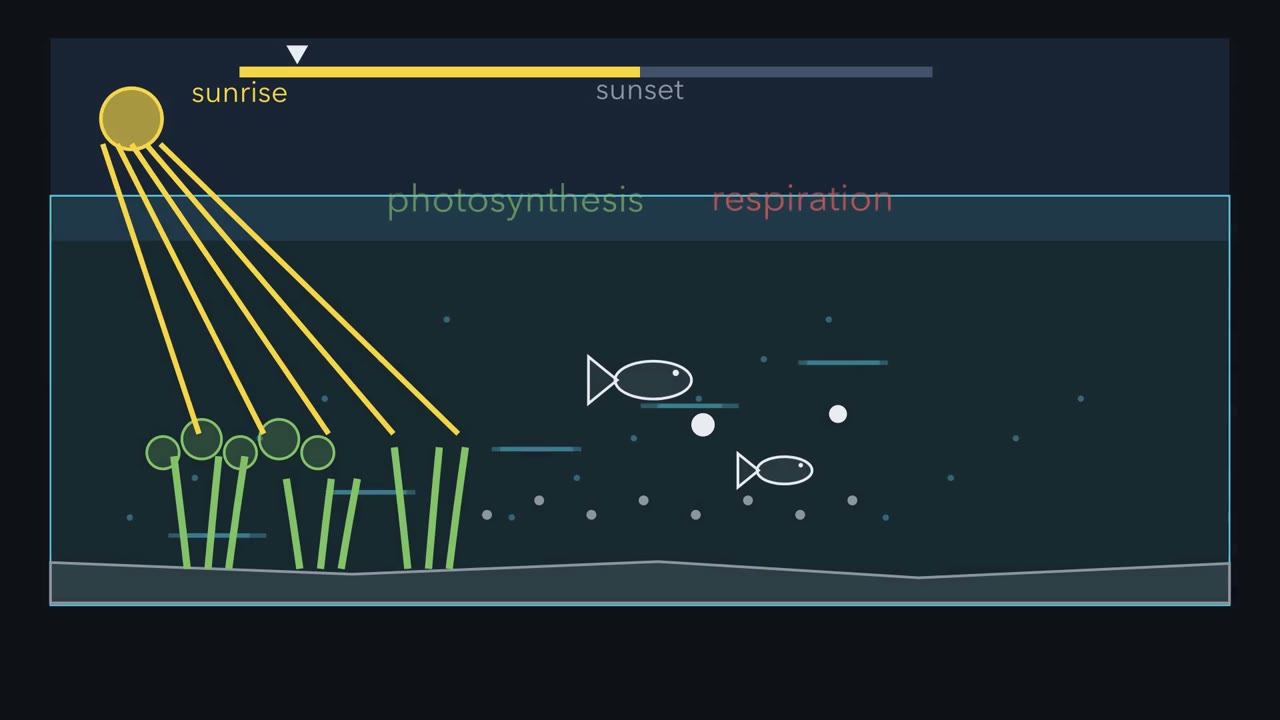 Second film Length 3:35 Why Creek Oxygen Rises and Falls Life Science · Grade 7 Partners in Energy
Take-home
Photosynthesis adds oxygen in light; respiration uses oxygen day and night.
-
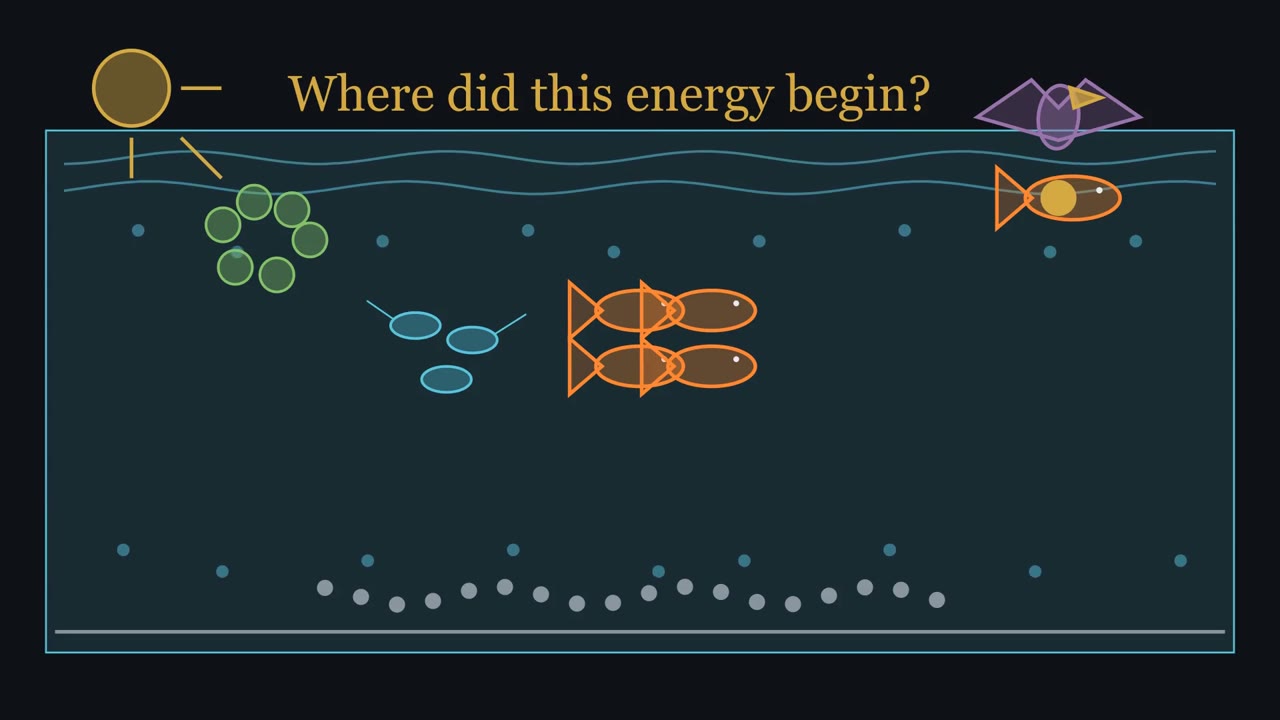 First film Length 3:24 Follow the Energy Arrows Life Science · Grade 7 Food Webs and Energy
Take-home
Food-web arrows point from food to eater, the direction energy moves.
-
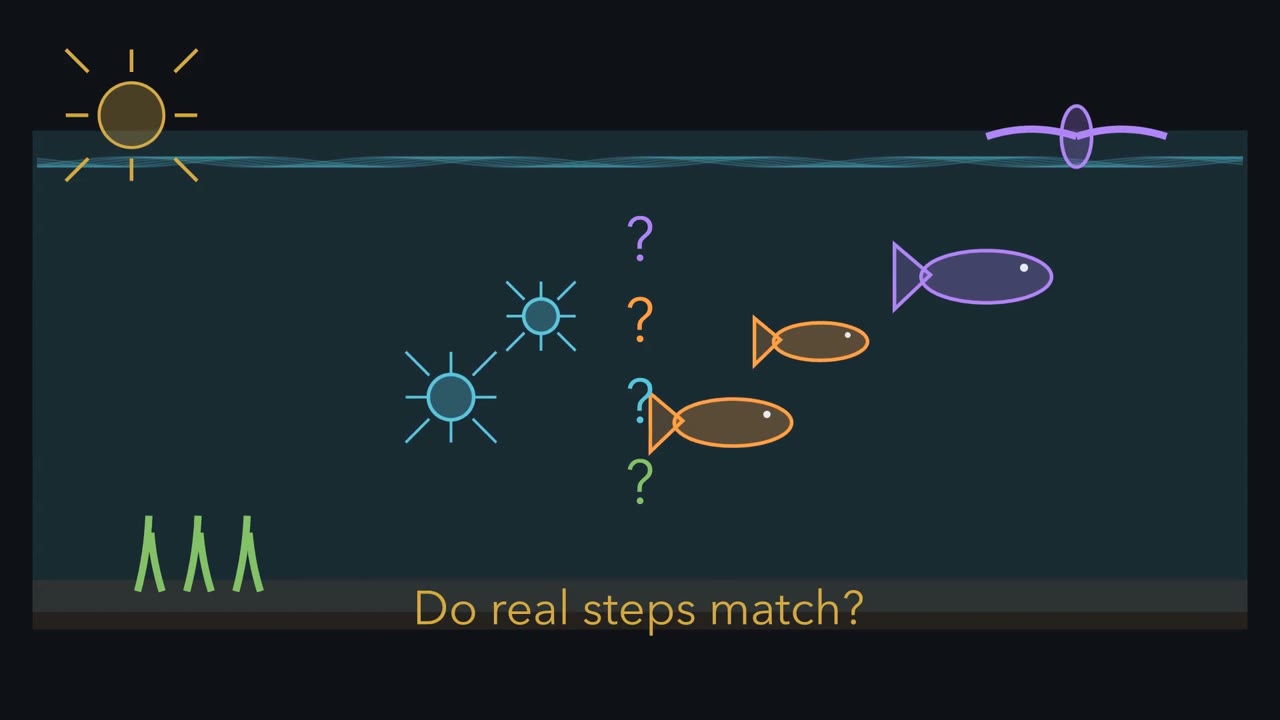 Second film Length 3:32 Test the Pyramid with Real Data Life Science · Grade 7 Food Webs and Energy
Take-home
Every step passes on less energy, but how much less varies.
-
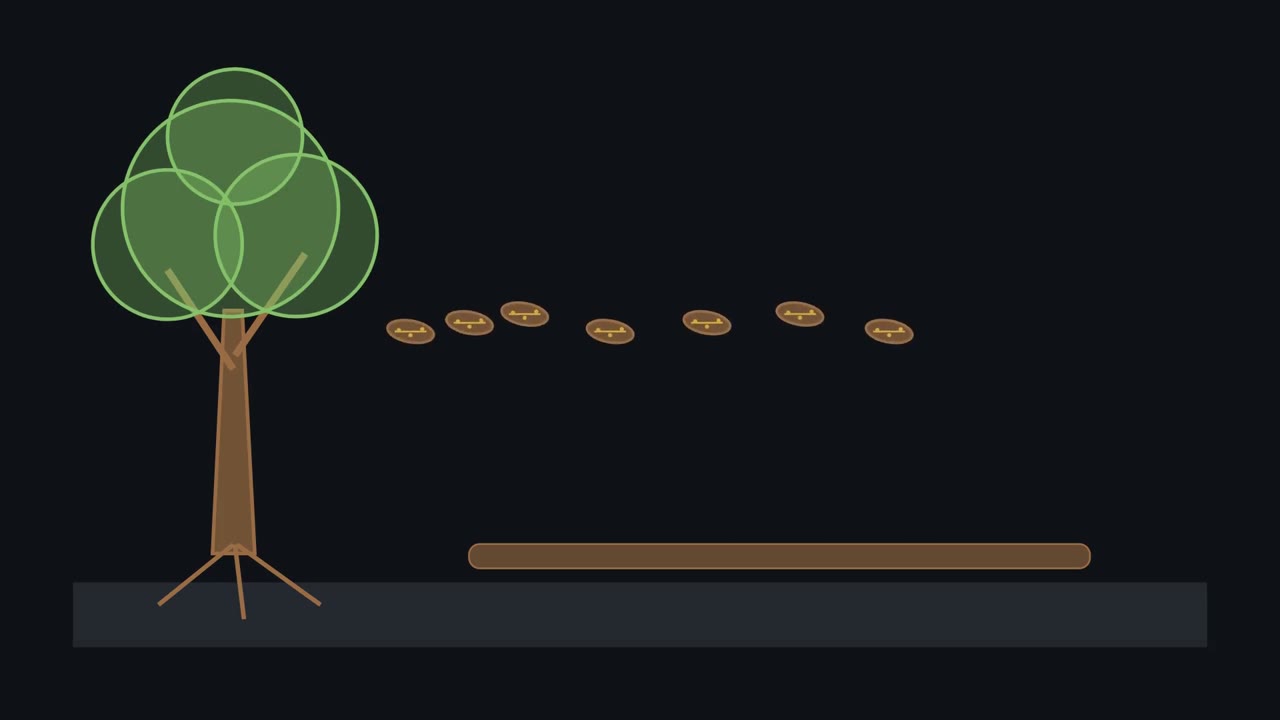 First film Length 3:19 The Leaf Pile That Stops Growing Life Science · Grade 7 Producers, Consumers and Decomposers
Take-home
Producers like the oak build leaves using energy from sunlight; consumers eat producers or other consumers.
-
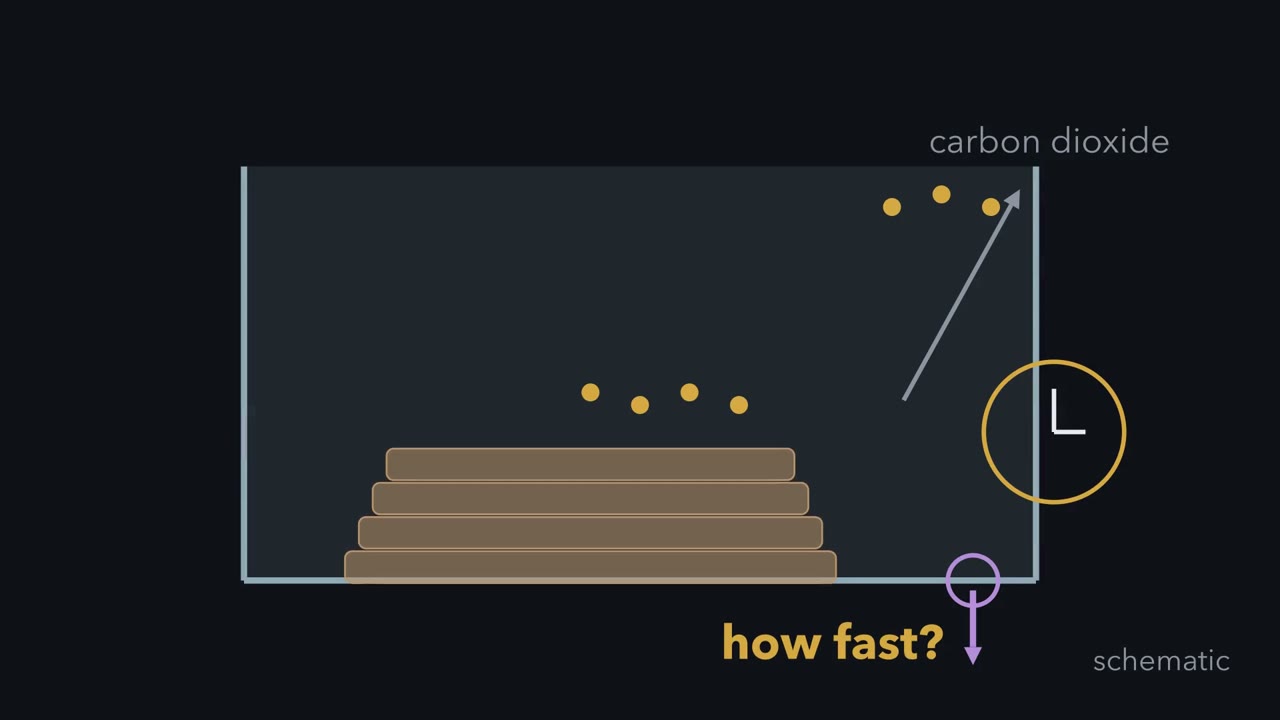 Second film Length 3:13 Weighing the Drain Life Science · Grade 7 Producers, Consumers and Decomposers
Take-home
Researchers weighed sealed bags of dried leaves left on a West Virginia forest floor for two years.
-
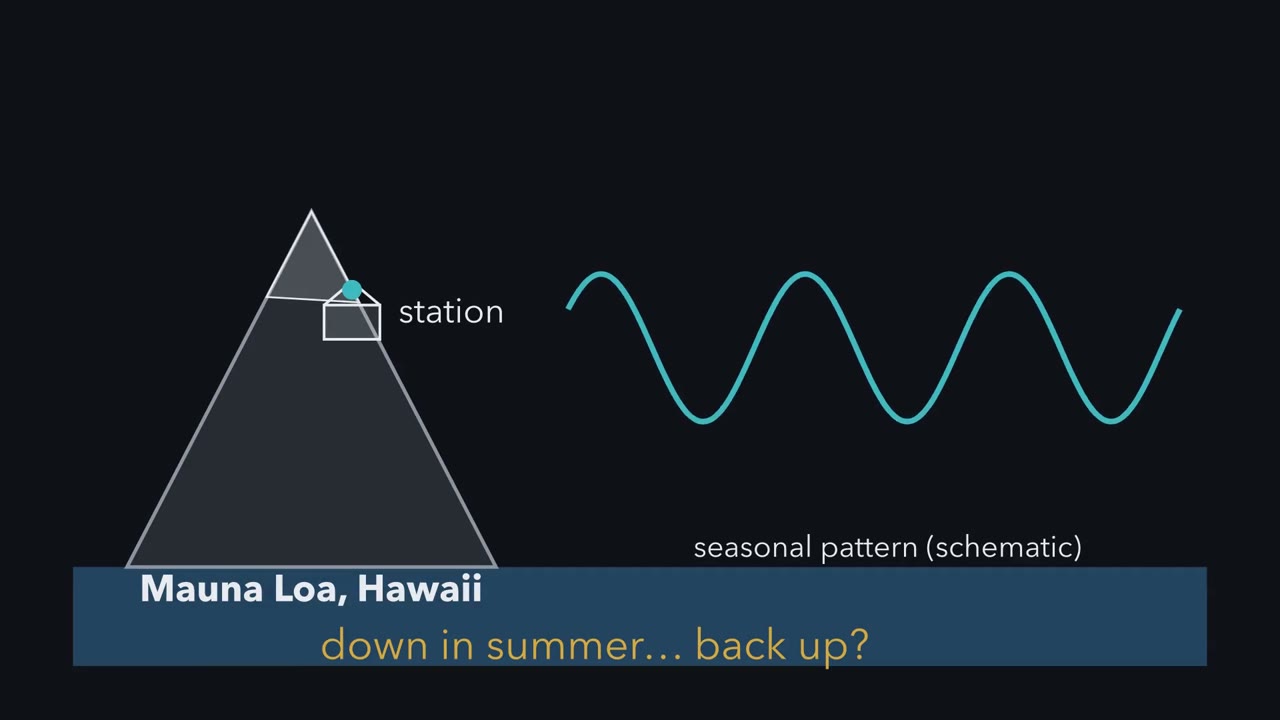 First film Length 3:20 The Air Is a Tub Life Science · Grade 7 The Carbon and Water Cycles
Take-home
Picture the air as a tub of carbon: its carbon dioxide goes up only when more flows in than flows out, and down only when more flows out than flows in.
-
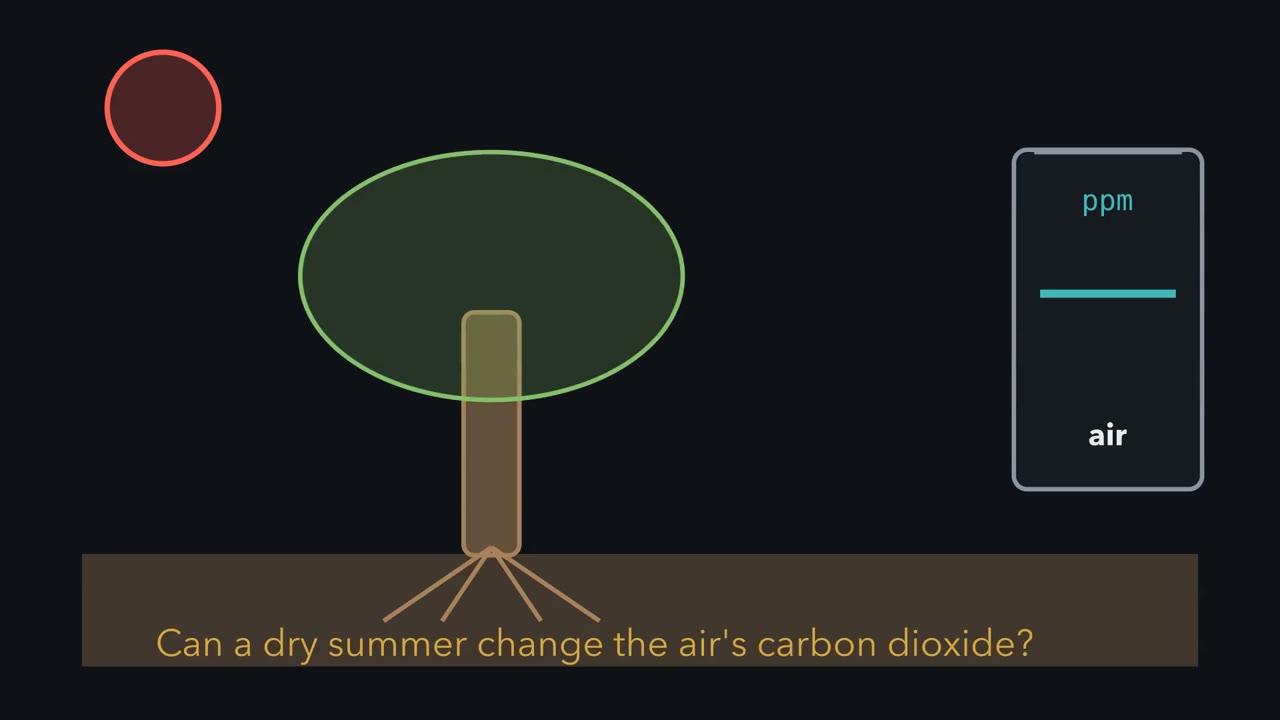 Second film Length 3:03 One Door for Two Cycles Life Science · Grade 7 The Carbon and Water Cycles
Take-home
Water moves by evaporation, condensation, precipitation, infiltration and runoff, and plants send it back to the air by transpiration.
-
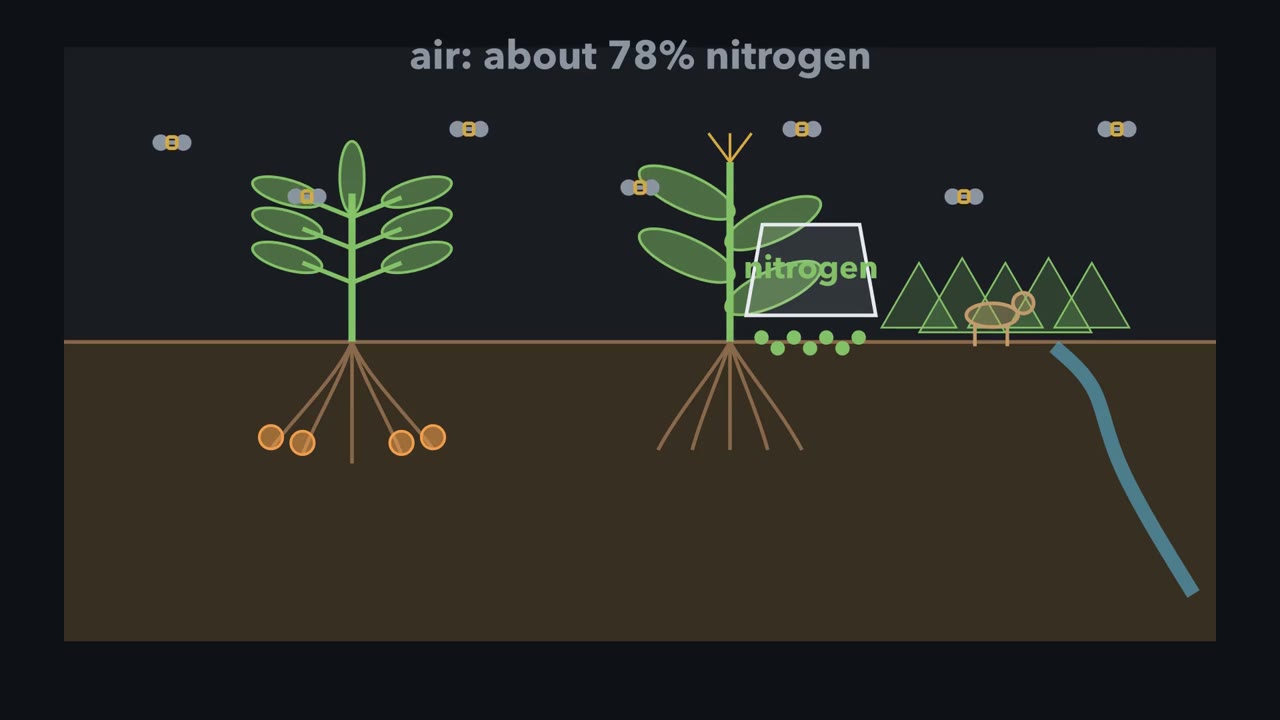 First film Length 3:22 Nitrogen Everywhere, and Not a Bit to Use Life Science · Grade 7 Nitrogen for Life
Take-home
Living things need nitrogen to build proteins and DNA.
-
 Second film Length 3:09 Around the Loop, and Out of It Life Science · Grade 7 Nitrogen for Life
Take-home
Nitrogen moves from the air, into the soil, into plants and animals, and back again; this loop is the nitrogen cycle.
These are the first 60 of 979 films, in course order. Every film is on its level’s page: