Film library · level
Starting college
52 films in 1 course, about 2 h 45 min in all. The first college course. It is the only one in this band so far; chemistry, statistics and physics are not built yet.
Have 10, 20, 30 minutes? Start at your next unwatched film.
-
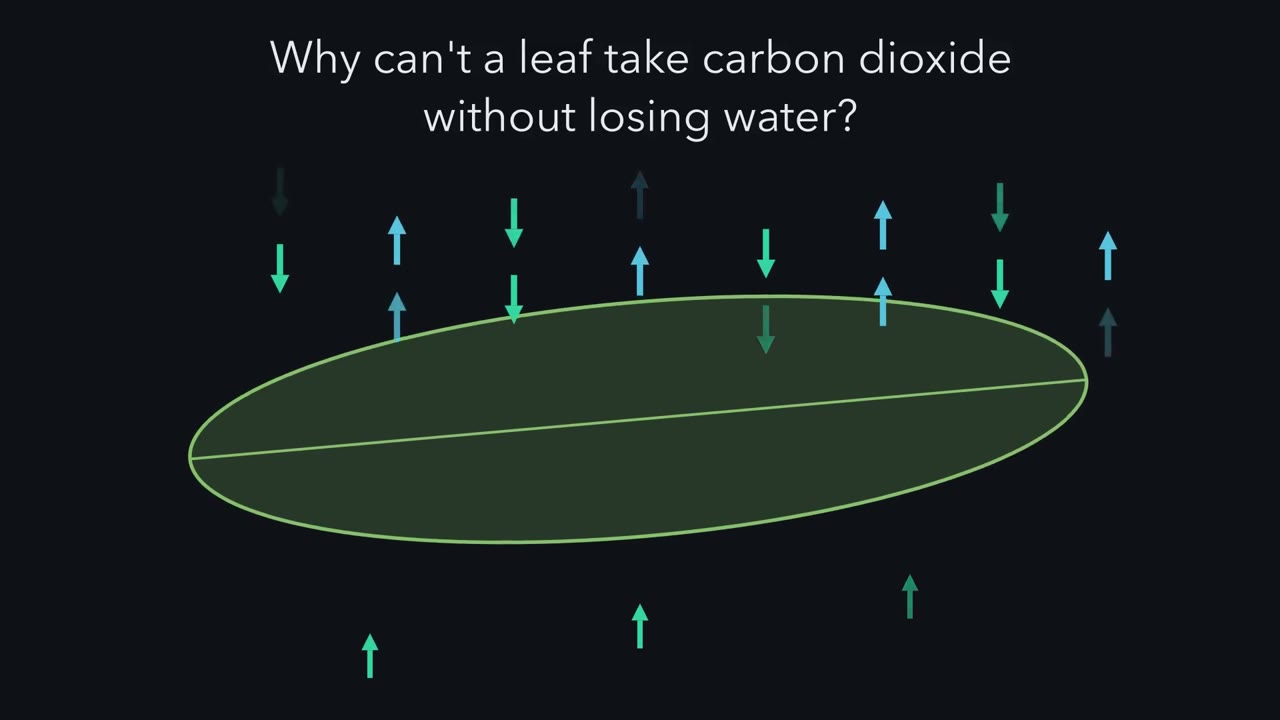 First film Length 3:23 The Price of a Breath Organismal Biology · Starting college What an Organism Has to Do
Take-home
Every multicellular organism faces five problems: energy and materials, exchange and transport, a stable inside, defense, and reproduction.
-
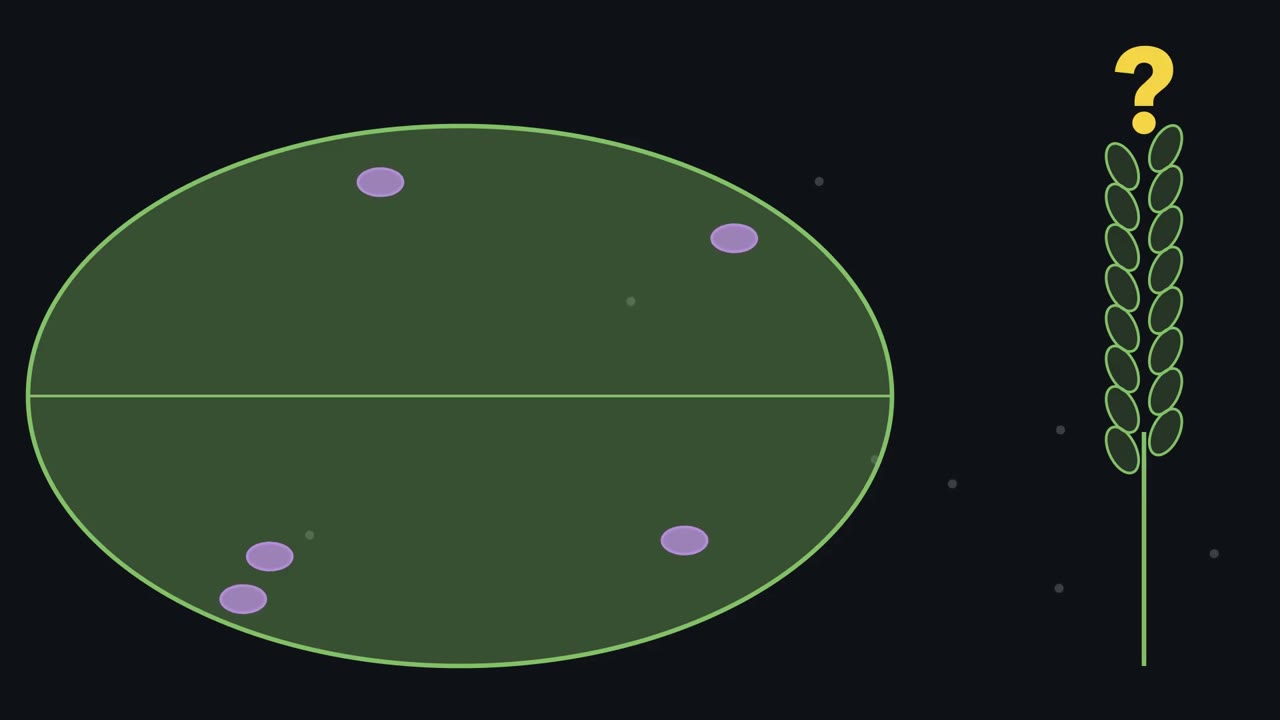 Second film Length 3:05 Fewer Pores Organismal Biology · Starting college What an Organism Has to Do
Take-home
Barley made to overexpress HvEPF1 formed far fewer stomata: two lines had about a quarter and an eighth of the control density.
-
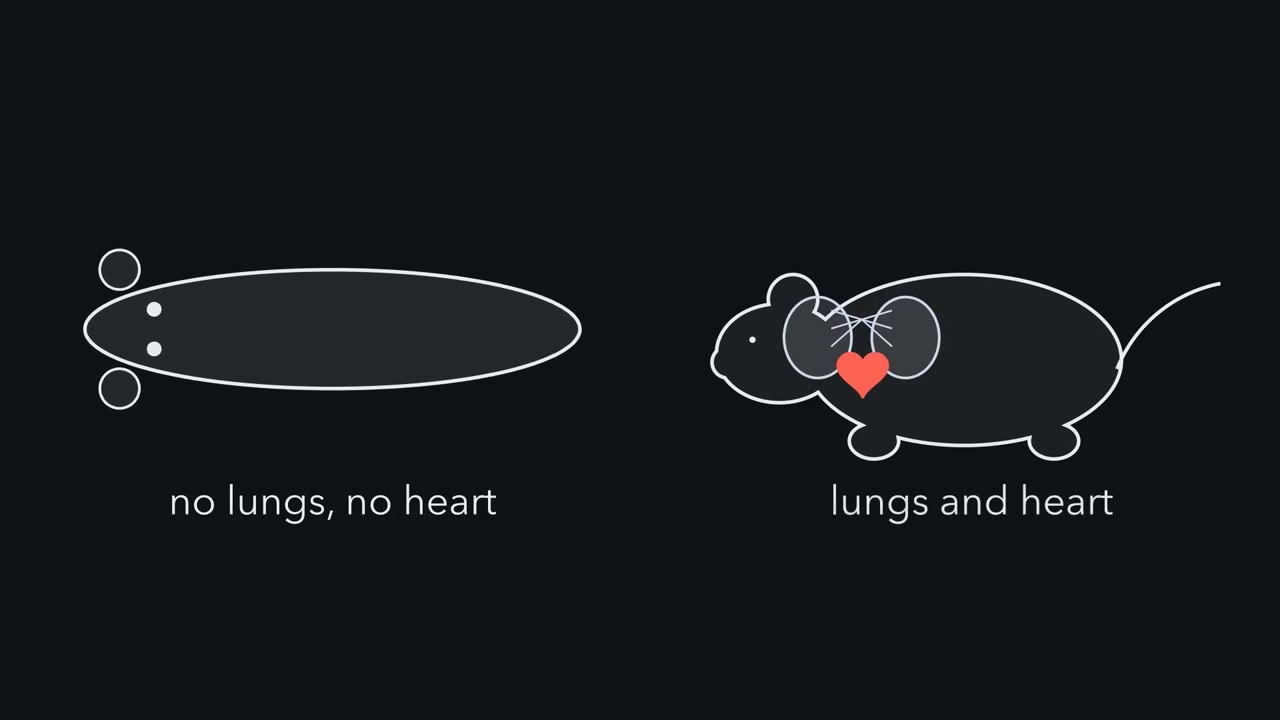 First film Length 3:16 Why a Mouse Needs Plumbing Organismal Biology · Starting college Size, Scale and Surface
Take-home
When a body grows without changing shape, its surface grows four times for every eight times its volume, so each bit of inside has less surface.
-
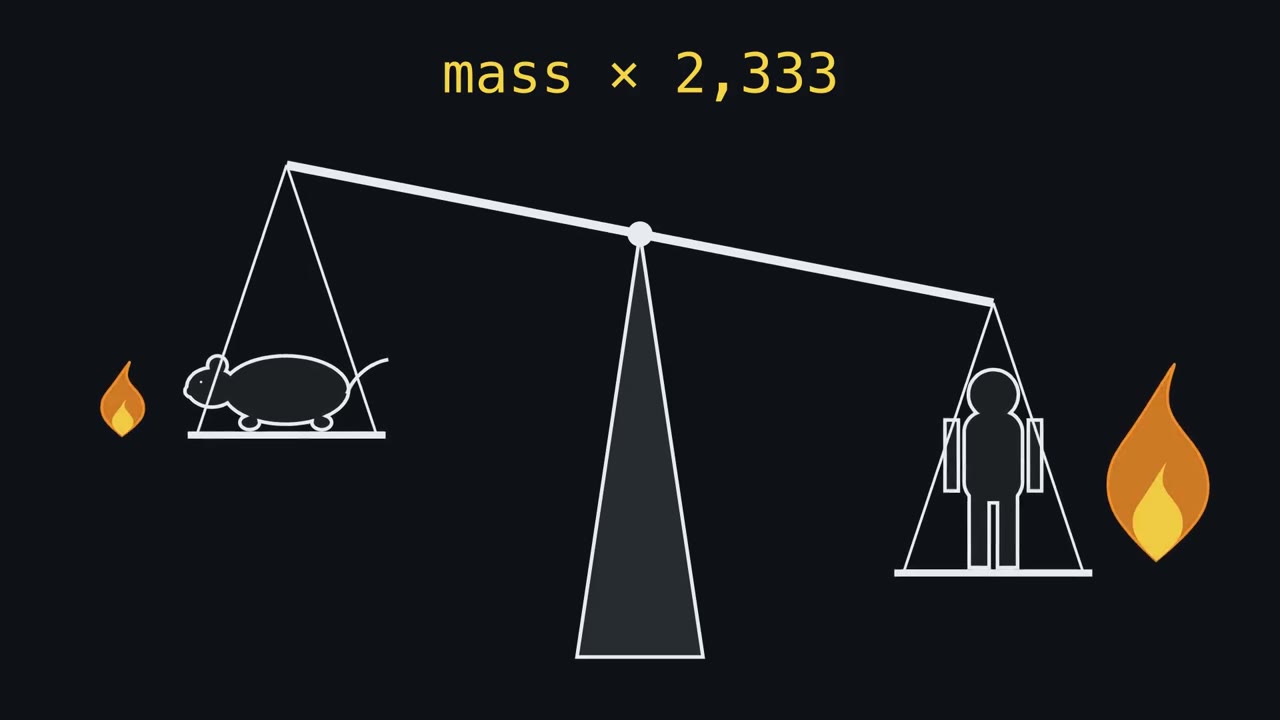 Second film Length 3:05 Does Every Gram Cost the Same? Organismal Biology · Starting college Size, Scale and Surface
Take-home
Rubner found that bigger dogs make more heat in total but less heat per kilogram.
-
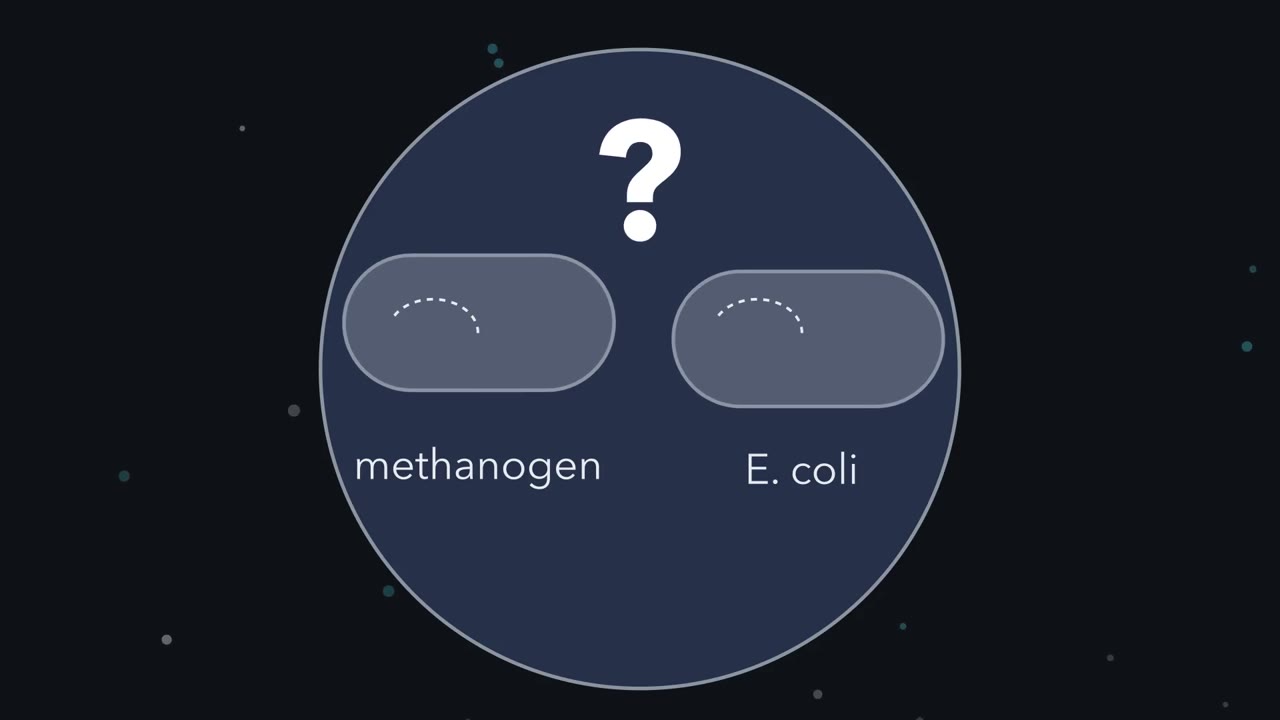 First film Length 3:18 Look Alike, Far Apart Organismal Biology · Starting college Microbes, Protists and Fungi
Take-home
Cells that look alike can be distant relatives; looks do not reveal descent.
-
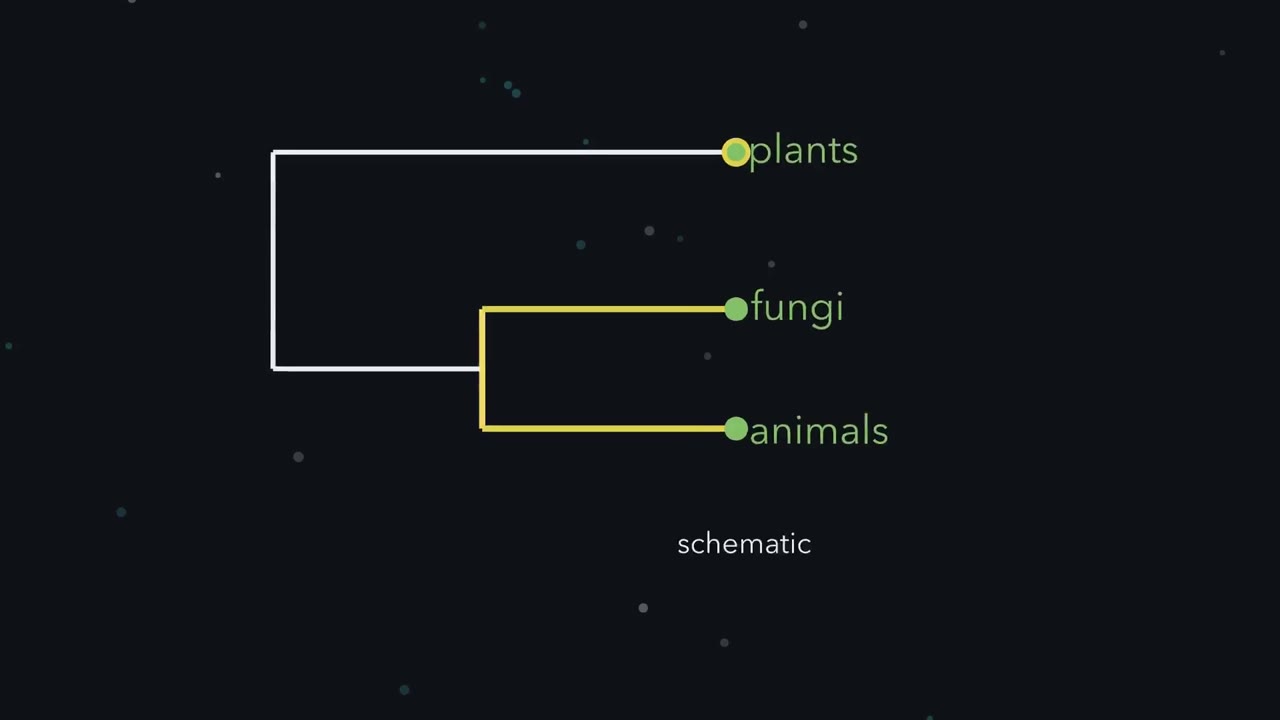 Second film Length 3:11 Digest Outside, Fuse in Two Steps Organismal Biology · Starting college Microbes, Protists and Fungi
Take-home
A fungus grows as threads called hyphae, or as single yeast cells, with walls containing chitin.
-
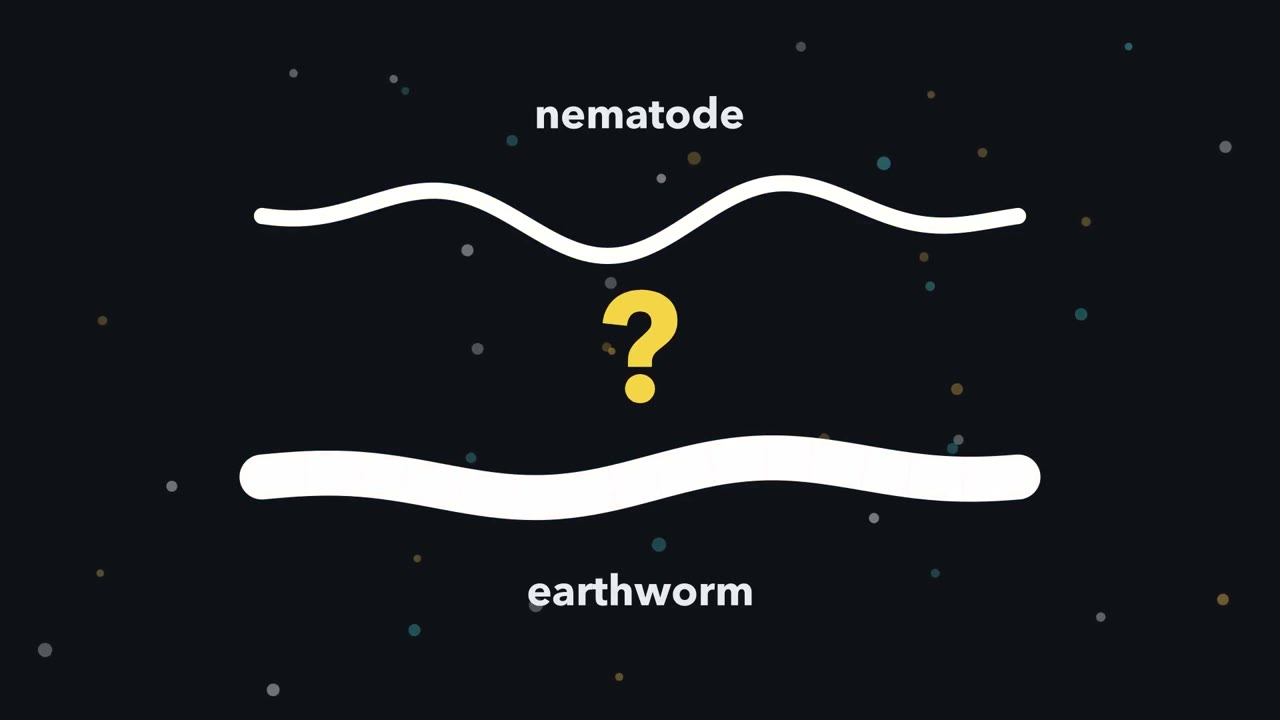 First film Length 3:16 Similar Bodies, Different Branches Organismal Biology · Starting college Animal Body Plans: Similar Bodies, Different Branches
Take-home
Body-plan characters, such as tissue layers and body cavity, are how biologists describe an animal.
-
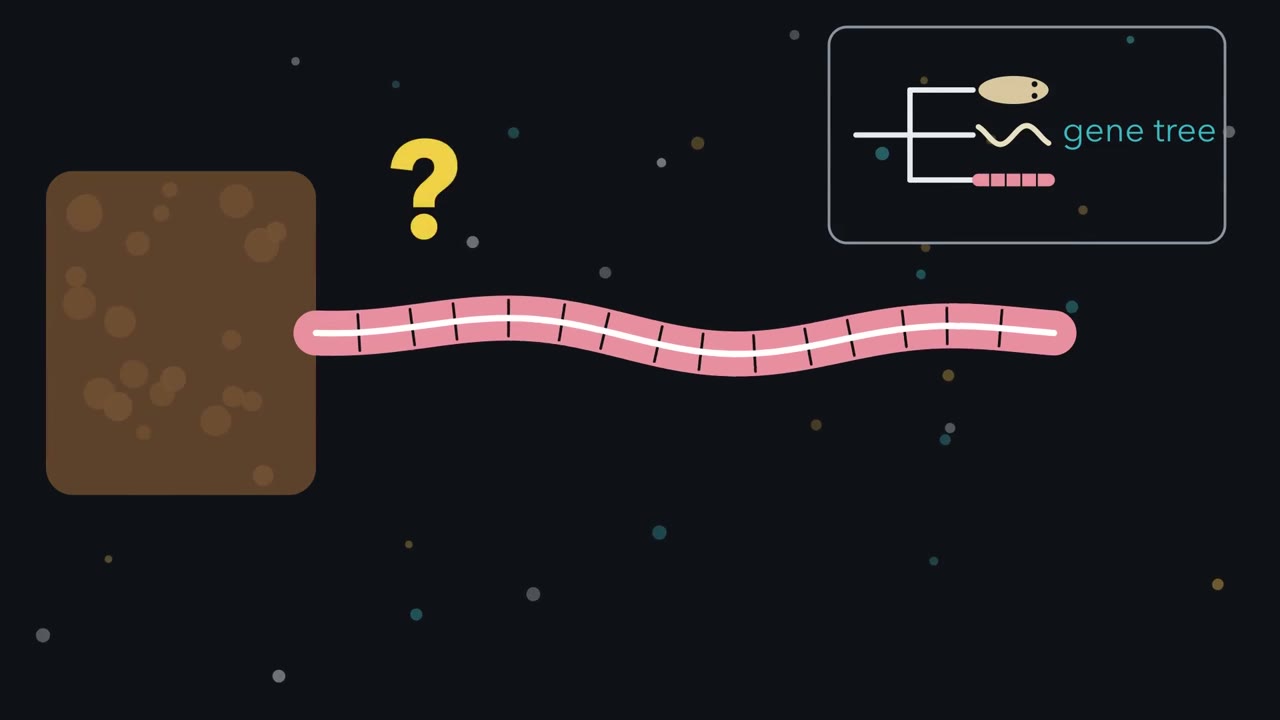 Second film Length 3:03 One Segment, Constant Volume Organismal Biology · Starting college Animal Body Plans: Similar Bodies, Different Branches
Take-home
Coelomic fluid, held in by the muscular body wall and largely partitioned by septa, works as a hydrostatic skeleton.
-
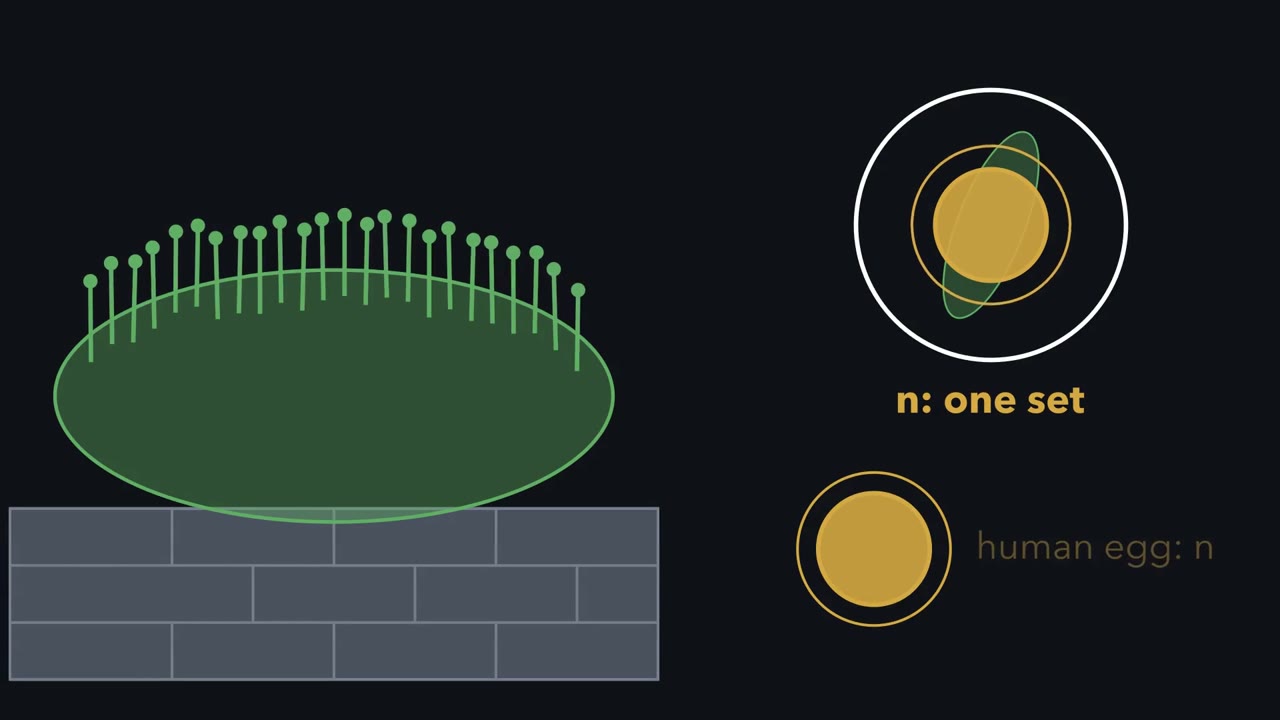 First film Length 3:23 Two Bodies, One Wheel Organismal Biology · Starting college Plants on Land
Take-home
A land plant grows two bodies in turn: a haploid gametophyte and a diploid sporophyte.
-
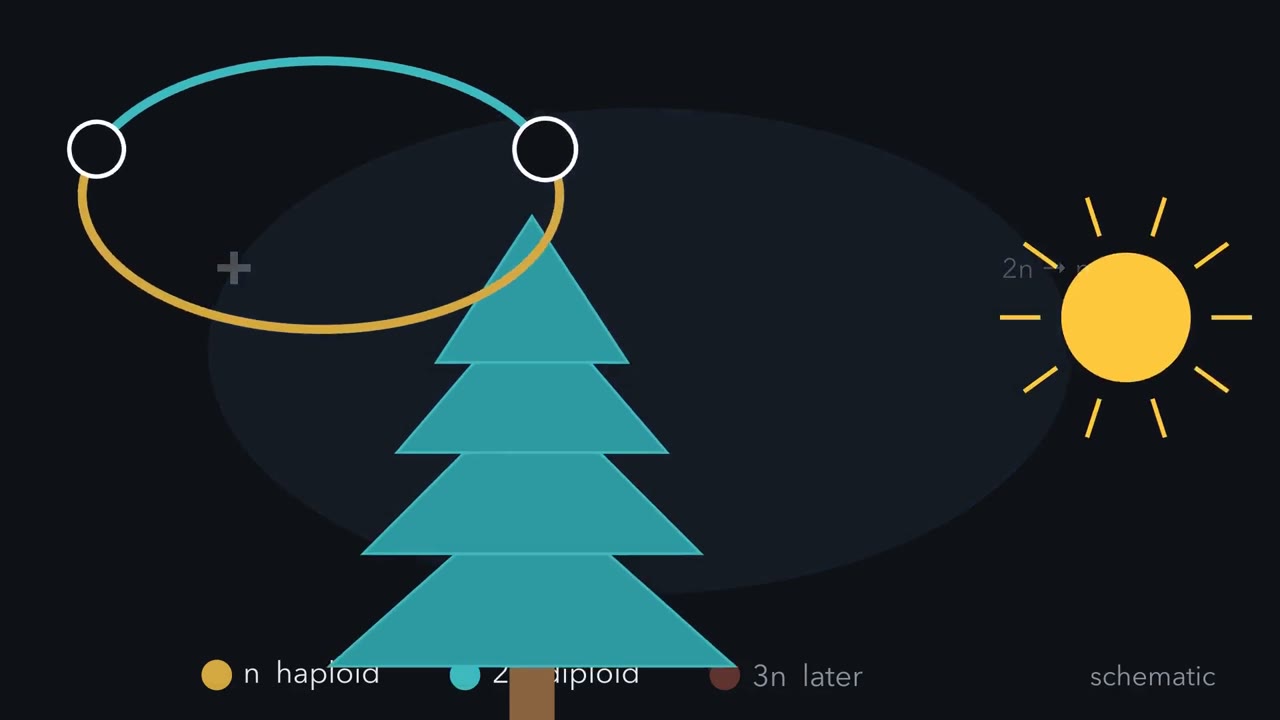 Second film Length 3:19 The Gametophyte Moves Inside Organismal Biology · Starting college Plants on Land
Take-home
In seed plants both gametophytes shrink: the female stays inside the ovule (in pine, the seed's food store), and the male travels as pollen.
-
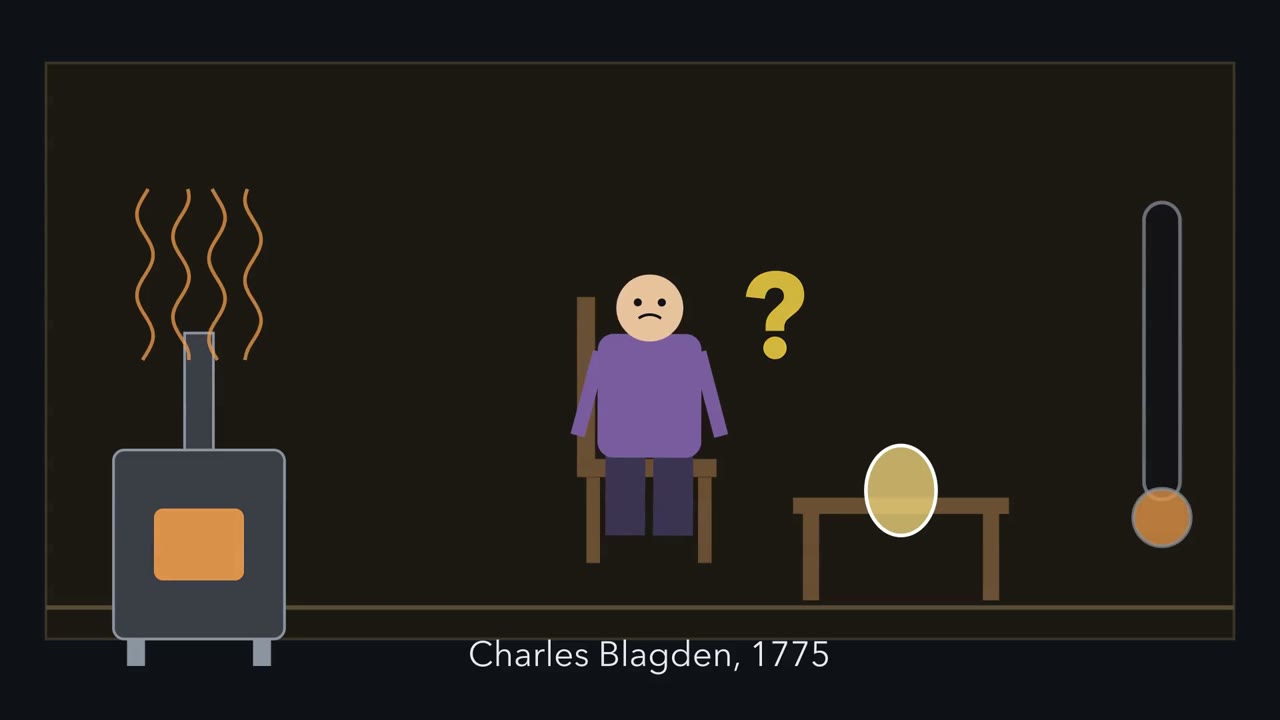 First film Length 3:23 Leak and Push-Back Organismal Biology · Starting college Tissues, Organs and Homeostasis
Take-home
An egg in hot air keeps warming toward the air's temperature; in Blagden's brief trials his body pushed back, and his temperature barely moved.
-
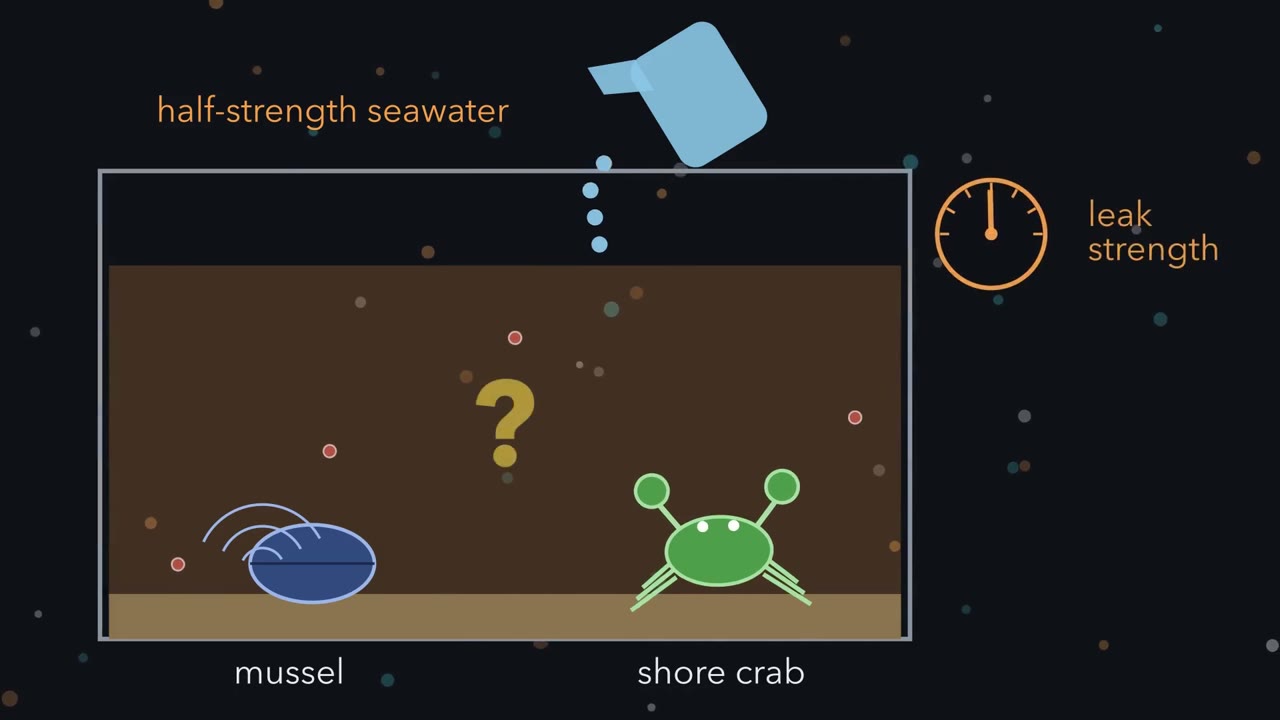 Second film Length 3:18 Two Animals on One Plot Organismal Biology · Starting college Tissues, Organs and Homeostasis
Take-home
A line's slope is the share of an outside change that reaches the inside: near 1 for a conformer, near 0 for a regulator.
-
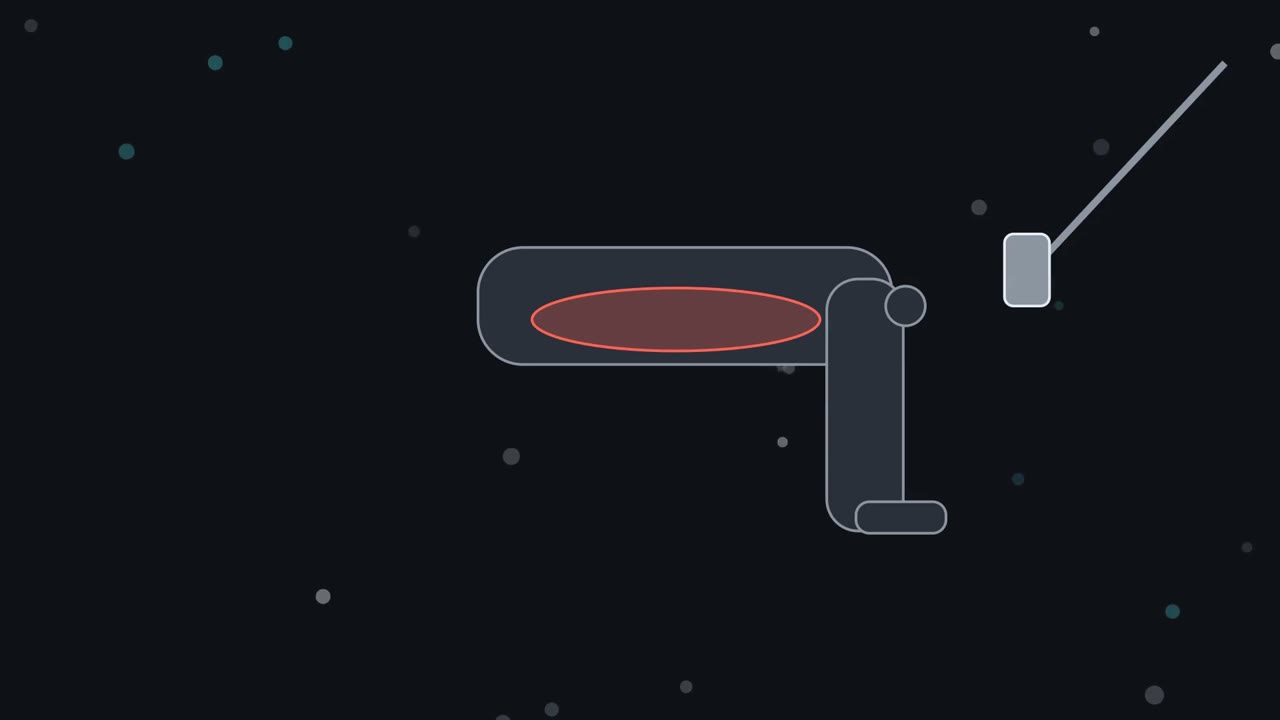 First film Length 3:06 Every Response Has a Running Time Organismal Biology · Starting college Nervous Control: A First Look
Take-home
A nervous response runs a route: receptor, sensory neuron, integrating centre, motor neuron, effector.
-
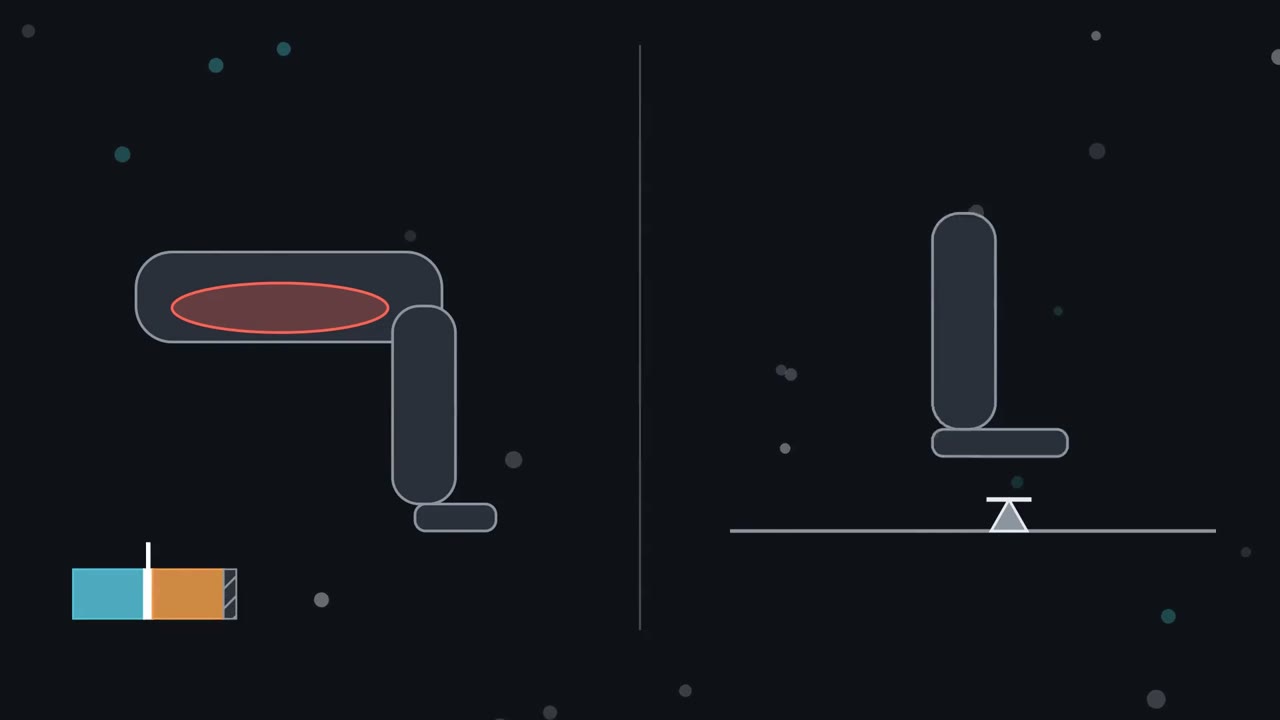 Second film Length 3:05 One Synapse or Several Organismal Biology · Starting college Nervous Control: A First Look
Take-home
The knee jerk's direct path has one synapse in the spinal cord; it is monosynaptic.
-
 First film Length 3:20 Tap, Drain and a Sensor Organismal Biology · Starting college Hormones and the Endocrine System
Take-home
A hormone is a chemical released by one group of cells into the blood, which carries it to distant cells that have a receptor for it.
-
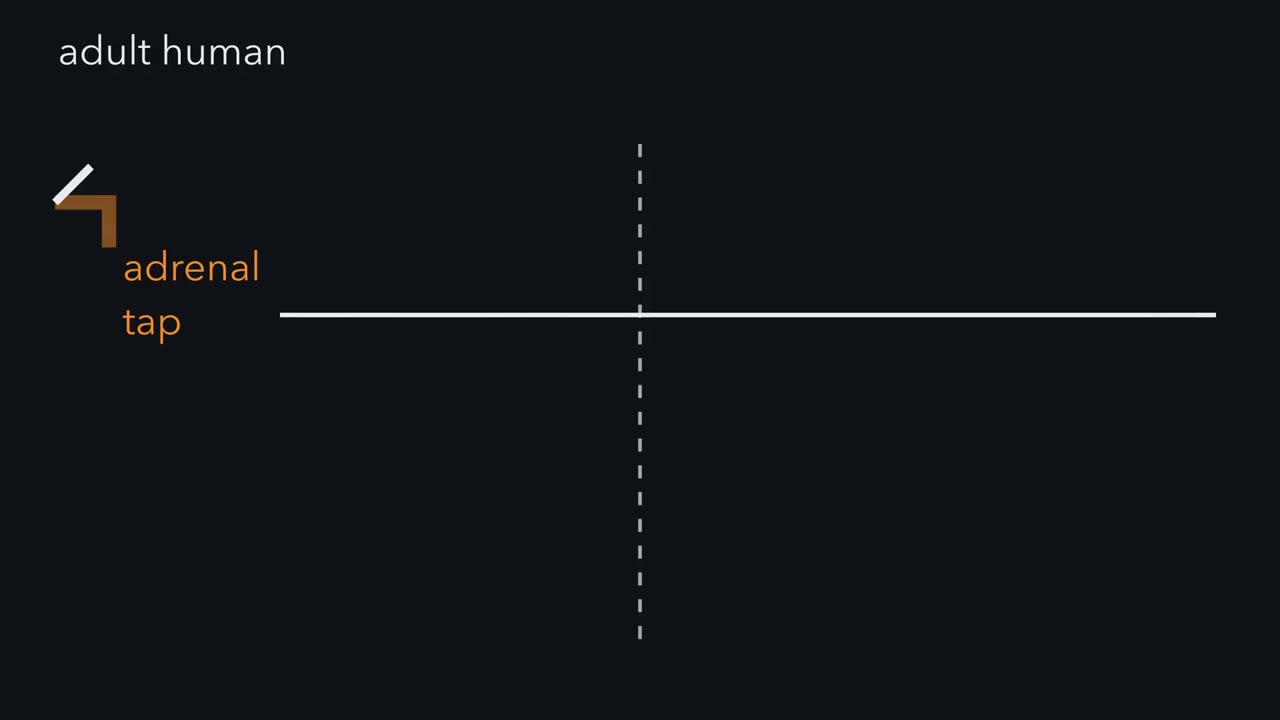 Second film Length 3:19 How Fast a Level Follows Organismal Biology · Starting college Hormones and the Endocrine System
Take-home
A hormone's half-life is the time for its level in the blood to fall by half once secretion stops.
-
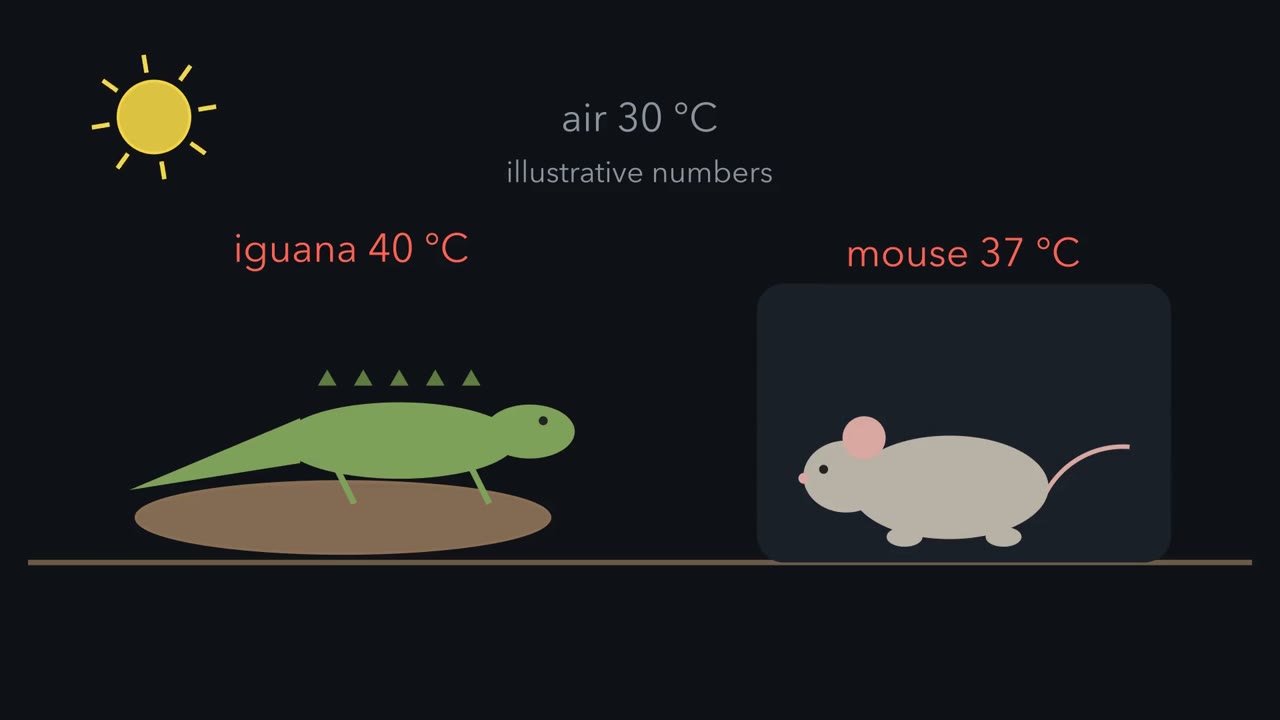 First film Length 3:13 Where the Balance Sits Organismal Biology · Starting college Heat Balance and Body Temperature
Take-home
Body temperature holds steady when heat made plus heat gained equals heat lost.
-
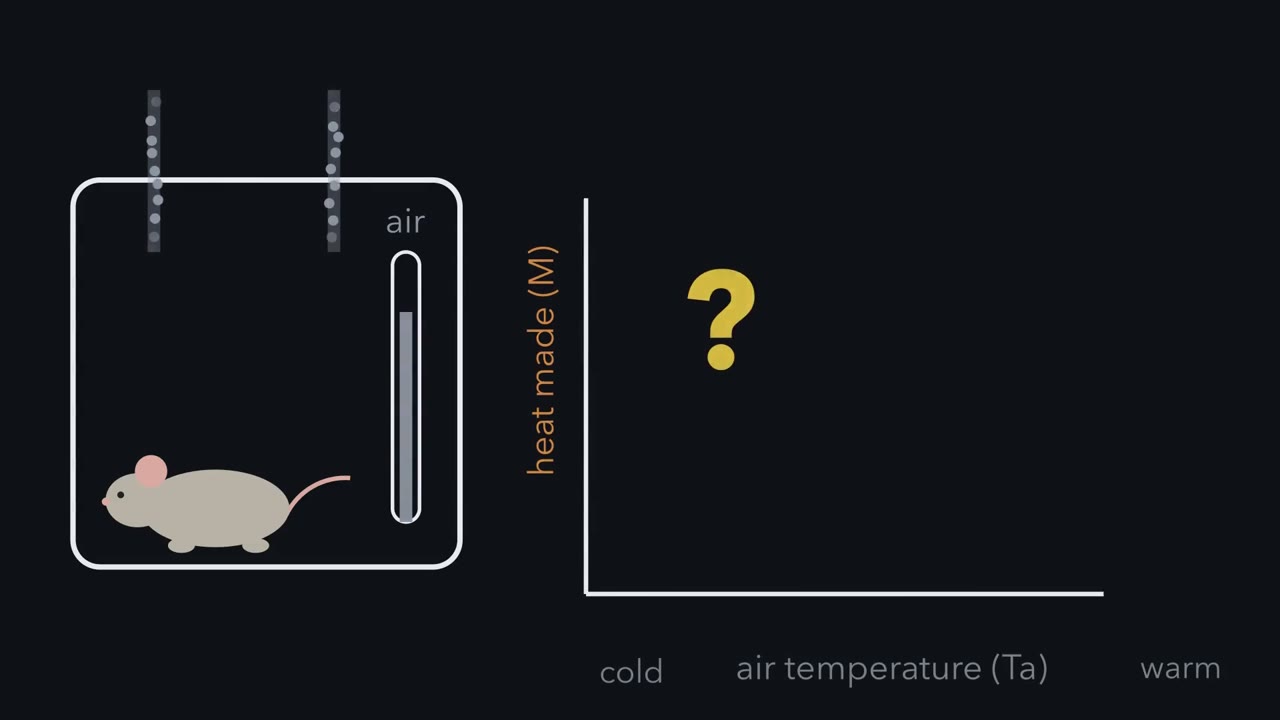 Second film Length 2:57 The Price of Cold Organismal Biology · Starting college Heat Balance and Body Temperature
Take-home
In the textbook thermoneutral zone, a resting endotherm stays at its basal rate and holds its temperature by changing conductance.
-
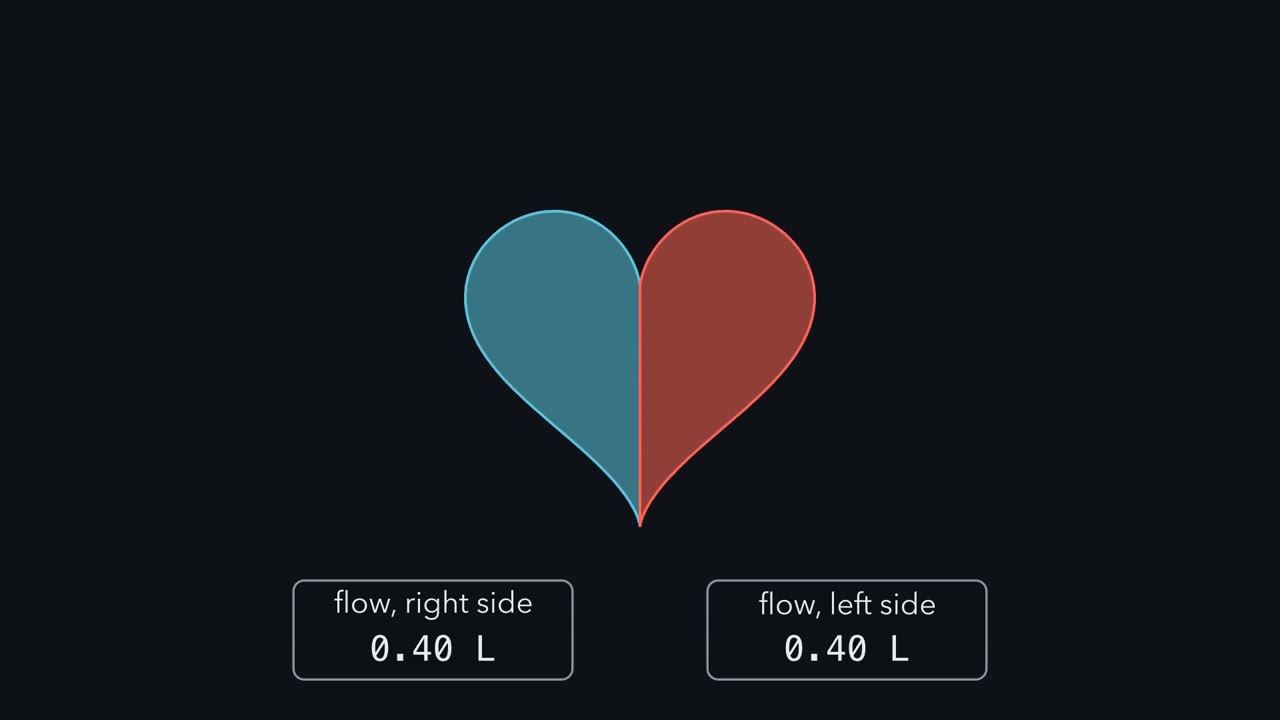 First film Length 3:07 One Flow, Two Pressures Organismal Biology · Starting college Circulation and the Heart
Take-home
At rest, both sides of a mammal's heart pump about the same flow, because blood goes round the two circuits in turn.
-
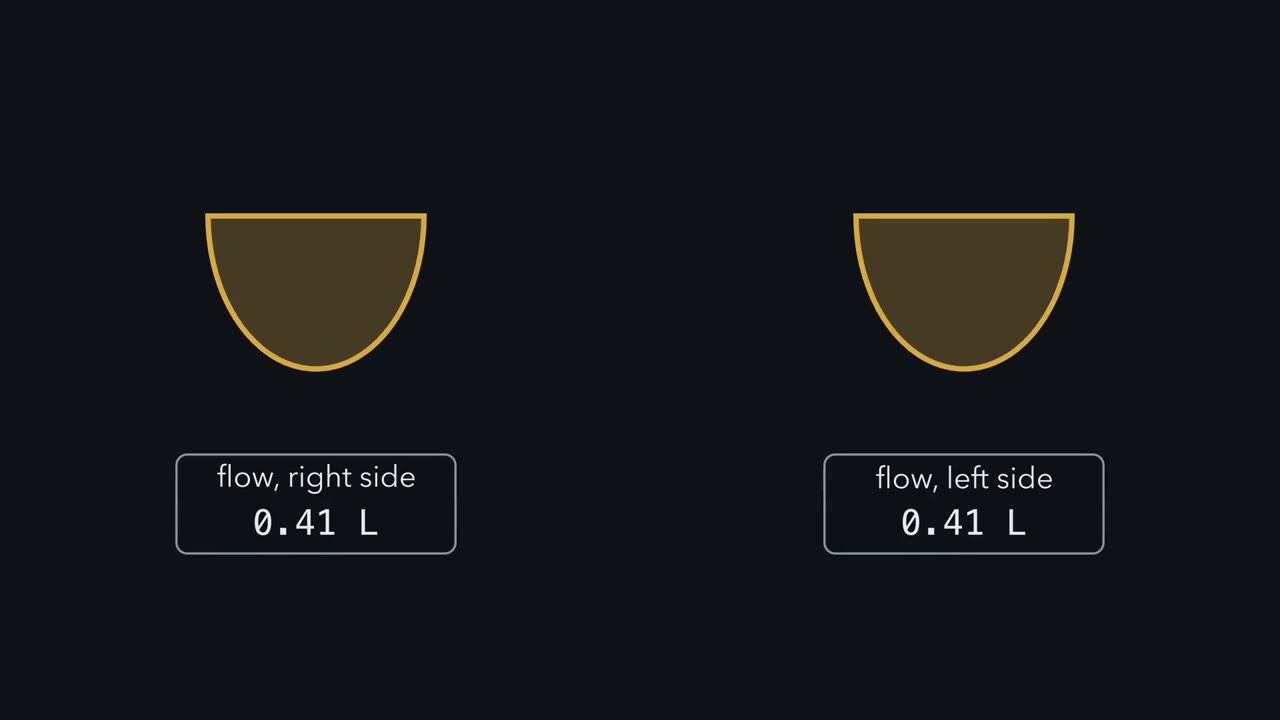 Second film Length 2:49 Harvey's Arithmetic Organismal Biology · Starting college Circulation and the Heart
Take-home
Harvey's ligatures, bands tied on the arm, showed that blood enters a limb by arteries and leaves by veins.
-
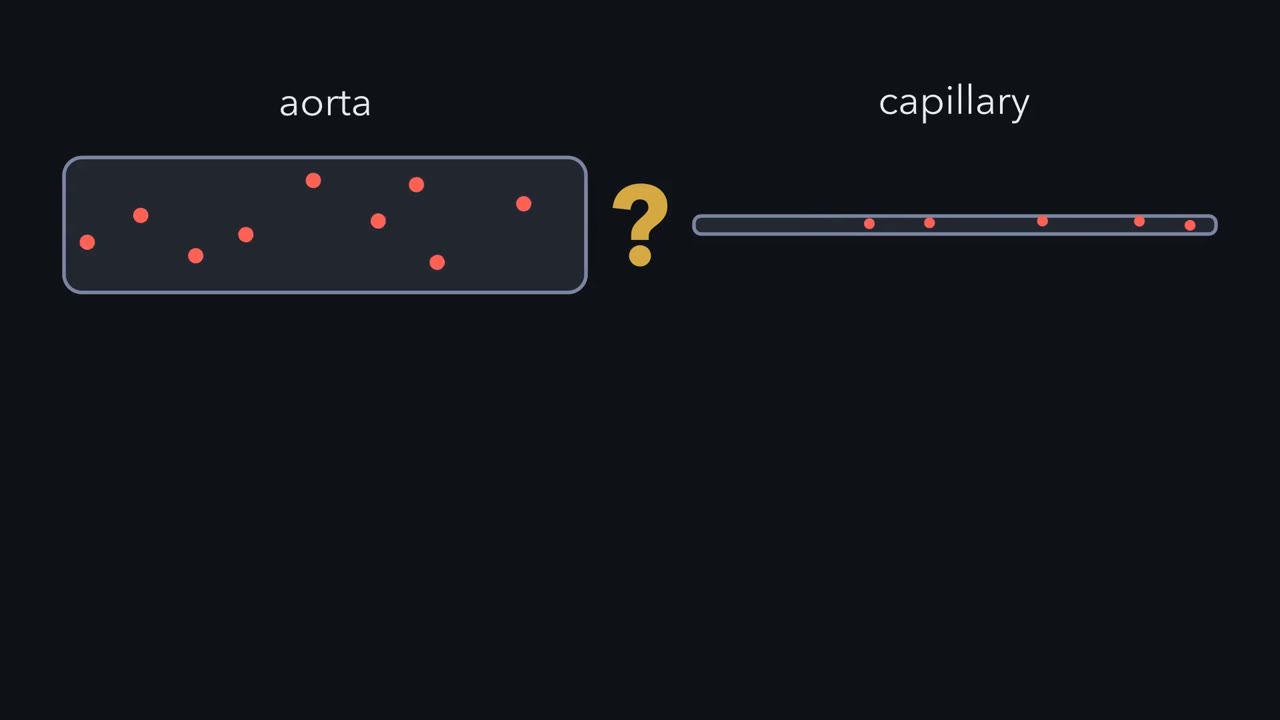 First film Length 3:21 Downhill in Pressure Organismal Biology · Starting college Blood Vessels, Blood and Lymph
Take-home
Along a level vessel with no pump inside, flow equals the pressure difference divided by the resistance in the way.
-
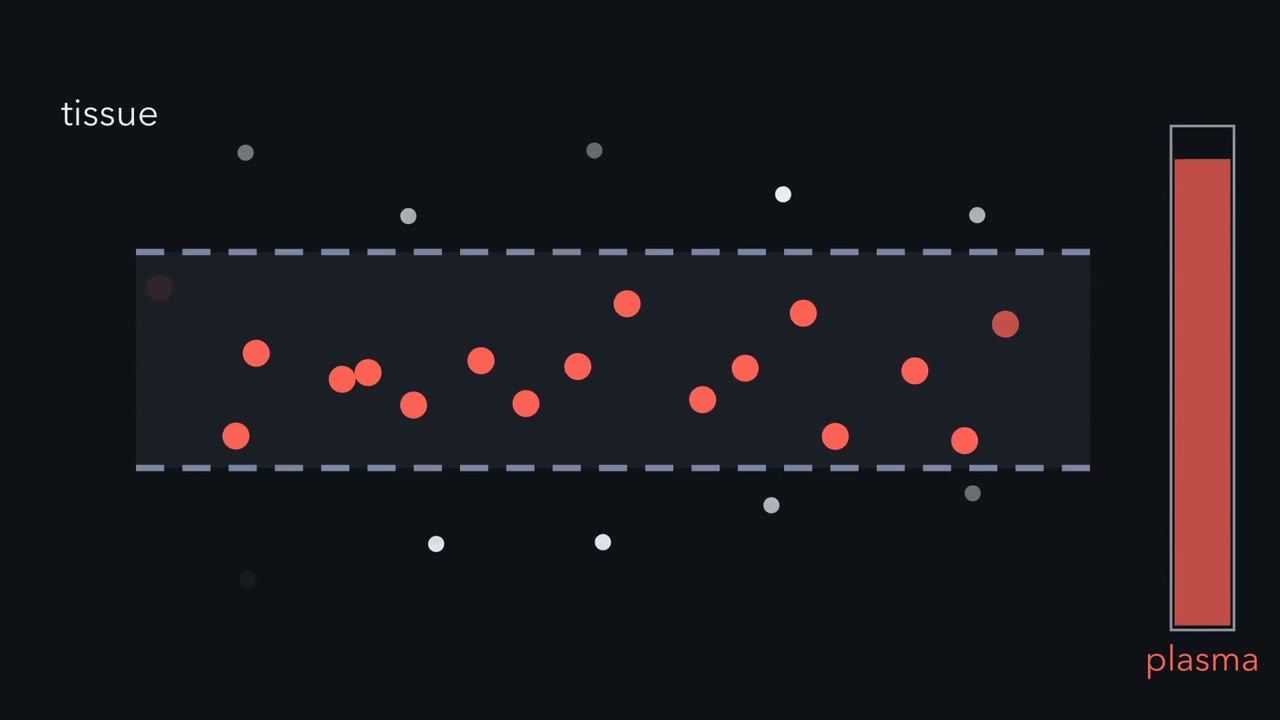 Second film Length 3:07 Landis's Blocked Capillary Organismal Biology · Starting college Blood Vessels, Blood and Lymph
Take-home
Across a capillary wall, the driving pressure is the blood's push outward minus the plasma proteins' pull inward, each a difference between inside and outside the wall.
-
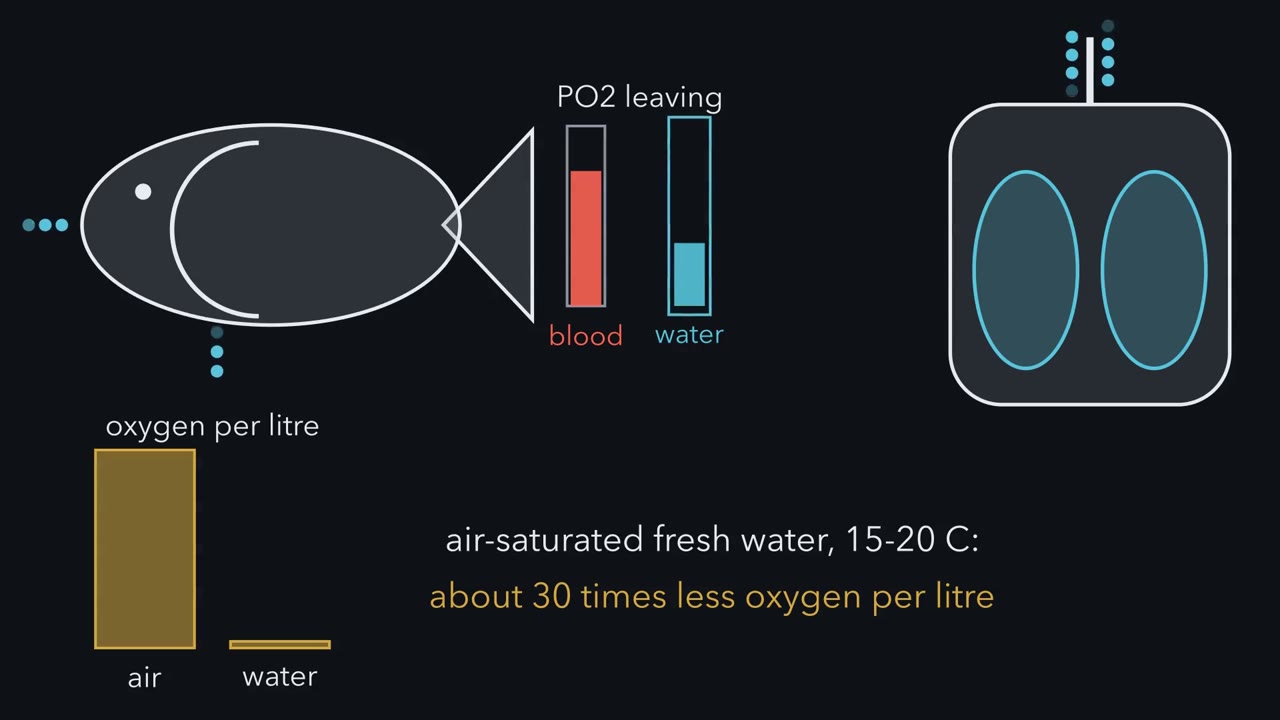 First film Length 3:15 The Last Gas the Blood Touches Organismal Biology · Starting college Gas Exchange and Breathing
Take-home
Oxygen and carbon dioxide cross every exchange surface by diffusion, a net flow from higher partial pressure to lower.
-
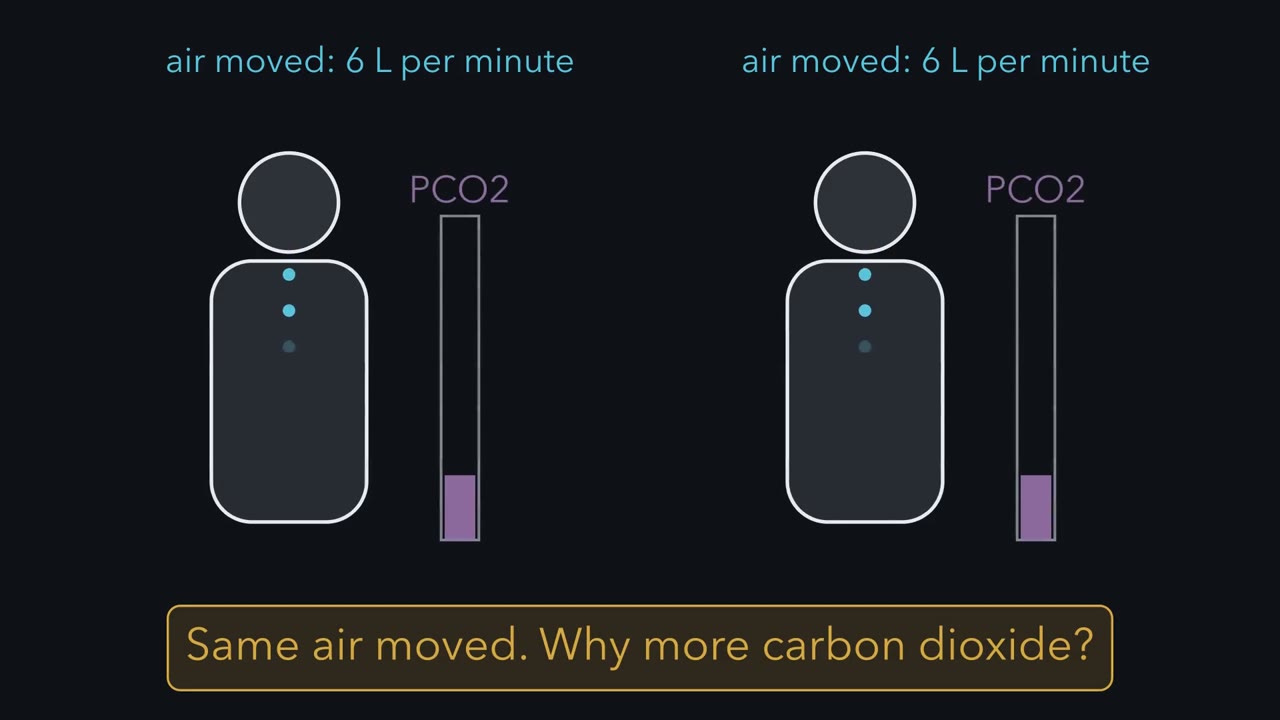 Second film Length 3:08 Keeping the Gas Fresh Organismal Biology · Starting college Gas Exchange and Breathing
Take-home
Breathing renews the air or water at the exchange surface and blood flow renews the blood; together they keep the partial-pressure difference up.
-
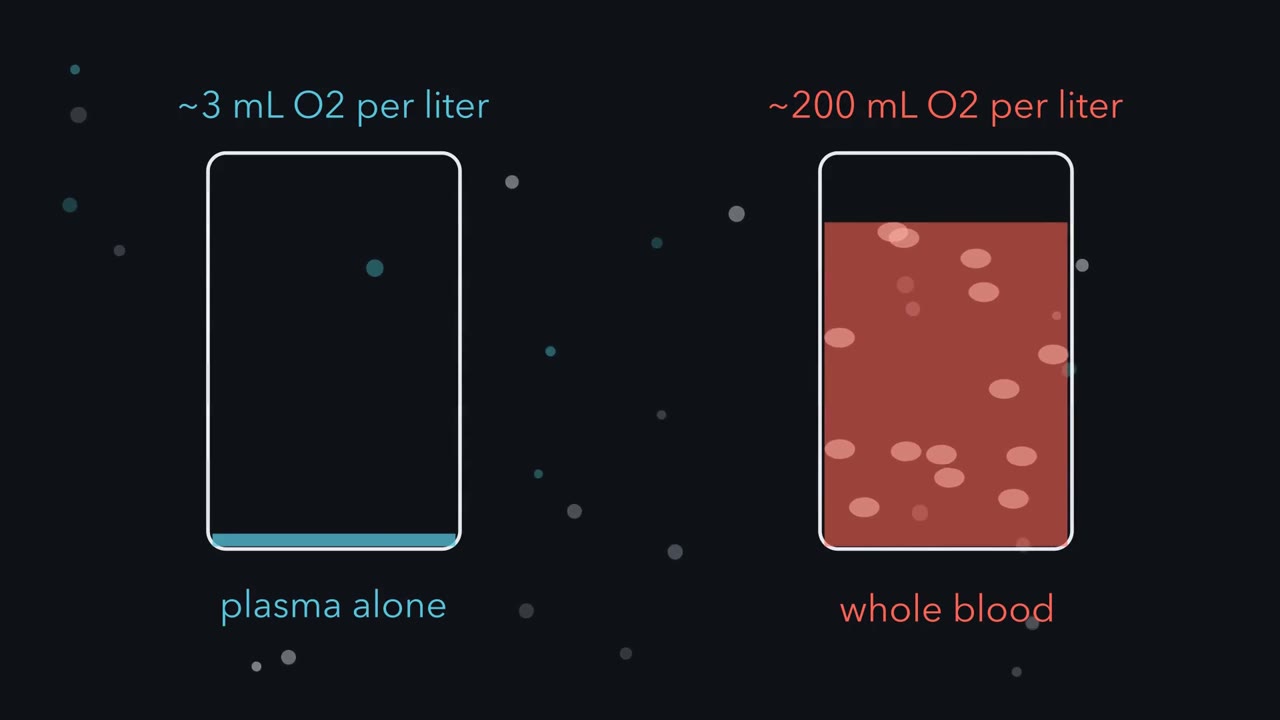 First film Length 3:18 Why Blood Needs an S-Shaped Carrier Organismal Biology · Starting college Carrying Oxygen and Carbon Dioxide
Take-home
Plasma alone would carry about 3 mL of oxygen per litre; hemoglobin in red cells raises that to about 200 mL.
-
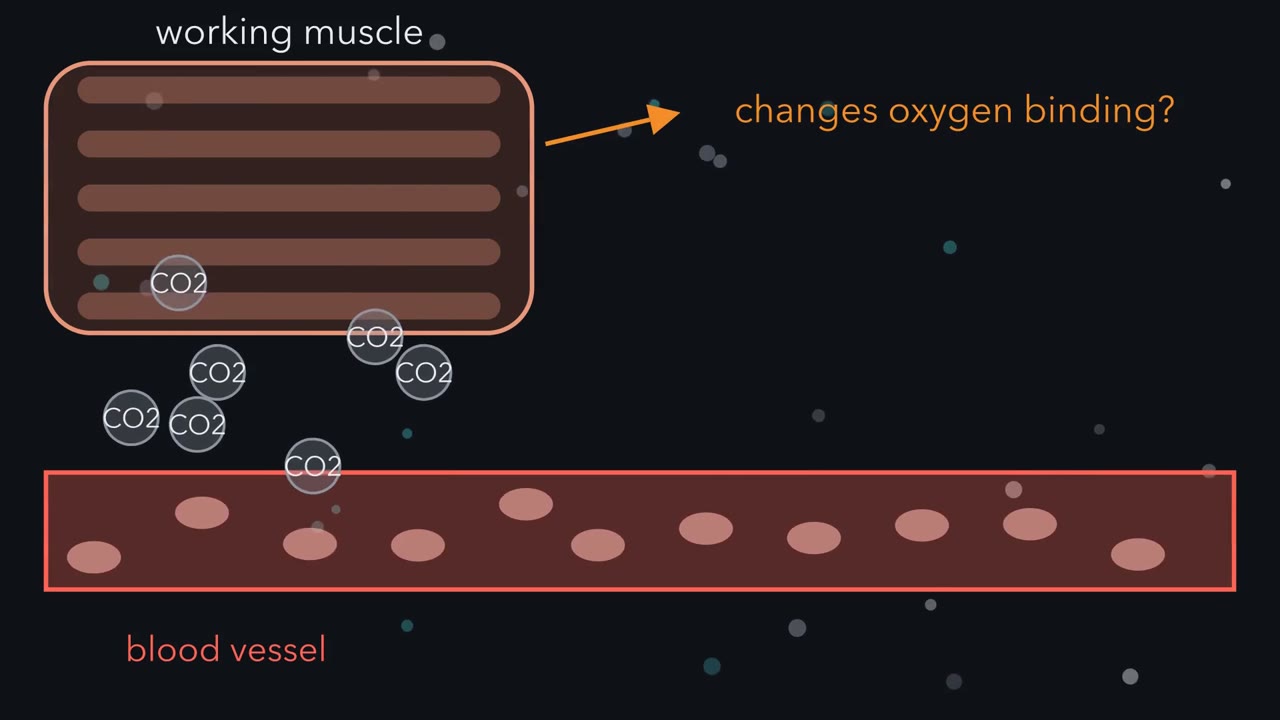 Second film Length 3:05 Bohr's Dog Blood: Shifting the Curve Organismal Biology · Starting college Carrying Oxygen and Carbon Dioxide
Take-home
Bohr, Hasselbalch and Krogh found that more carbon dioxide lowered oxygen binding in dog blood at the same oxygen pressure, most at low oxygen pressures; the design could not separate carbon dioxide from the acid it forms.
-
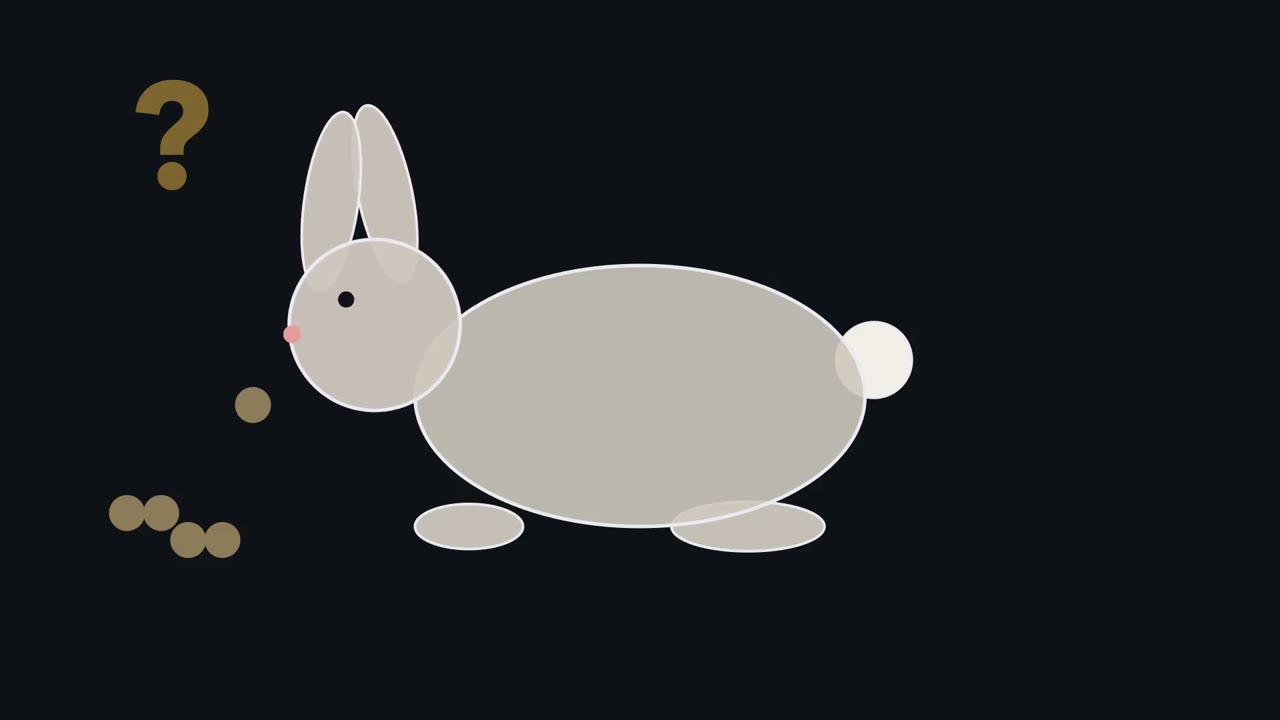 First film Length 3:21 Why Order Matters in a Gut Organismal Biology · Starting college Digestive Systems and Nutrition
Take-home
A complete gut is a one-way tube, so each stretch can specialize and works on what the stretch before it hands on.
-
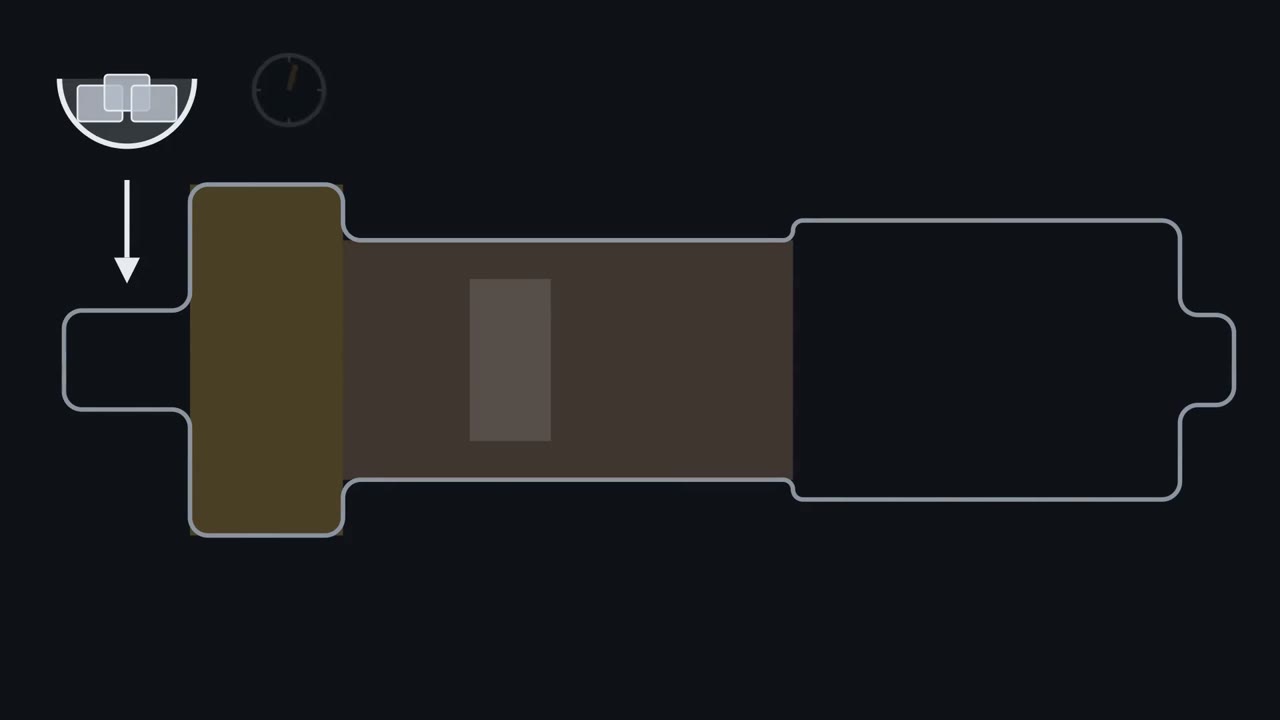 Second film Length 2:56 How Does the Stomach Know Food Is Coming? Organismal Biology · Starting college Digestive Systems and Nutrition
Take-home
Pavlov's sham-fed dogs poured acid juice from the stomach while they ate, though the food left at the neck and never reached the stomach.
-
 First film Length 3:09 Which Way Does the Water Go? Organismal Biology · Starting college Osmoregulation and Nitrogenous Waste
Take-home
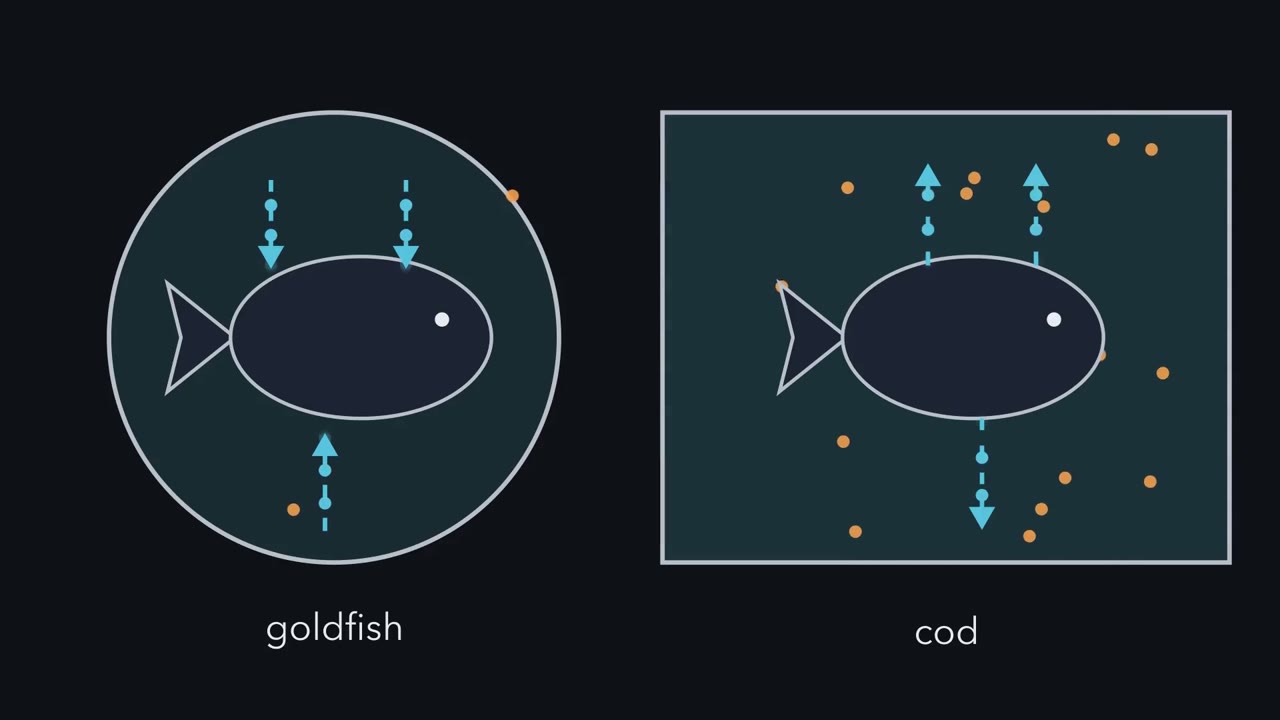
Where water can cross and nothing pushes back, it moves on its own toward the side with more dissolved particles, the higher osmolality; in these fish each salt leaks toward the side where it is scarcer.
-
 Second film Length 2:48 Where Does a Seabird's Salt Go? Organismal Biology · Starting college Osmoregulation and Nitrogenous Waste
Take-home
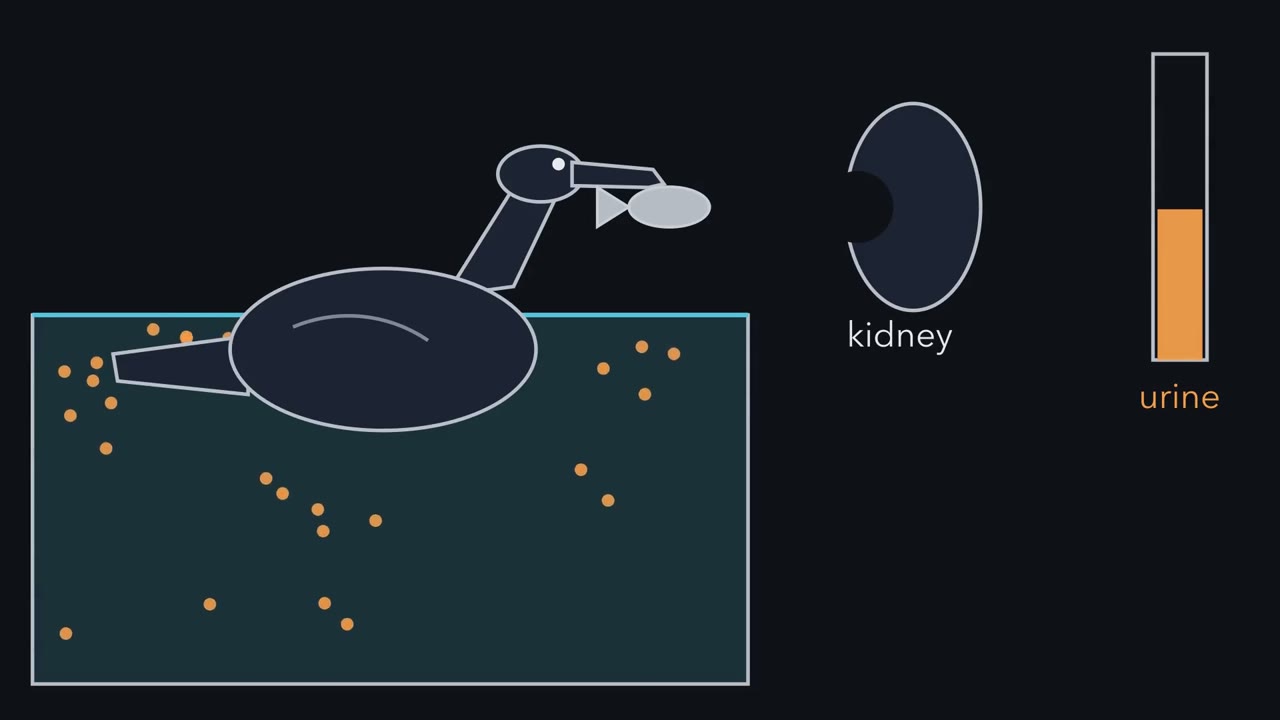
Schmidt-Nielsen, Jørgensen and Osaki gave cormorants a salt load and collected two fluids: the drip from the beak and the fluid from the cloaca.
-
 First film Length 3:17 Filter Far More, Take Most Back Organismal Biology · Starting college The Kidney
Take-home
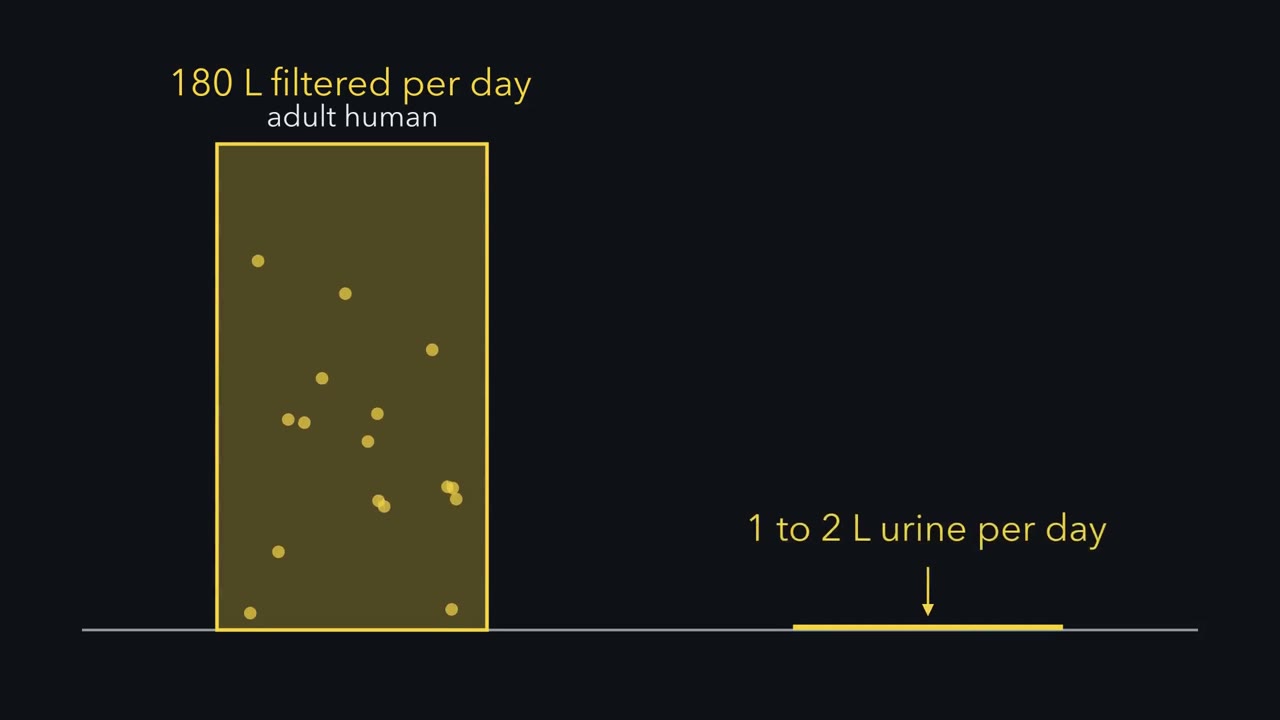
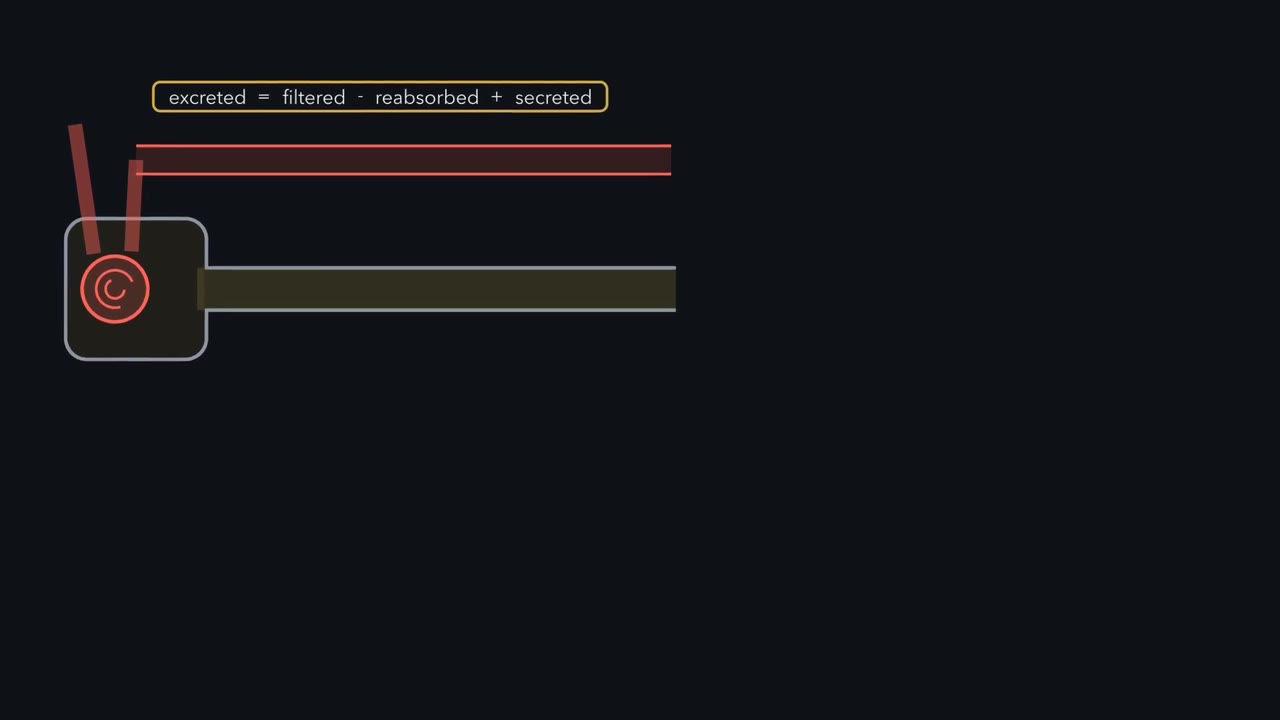
What leaves in urine is what the kidney filtered, minus what its tubules took back, plus what they added.
-
 Second film Length 3:33 Making Urine More Concentrated Than Blood Organismal Biology · Starting college The Kidney
Take-home
No pump in the kidney moves water: it moves solute, mostly salt, and water follows by osmosis.
-
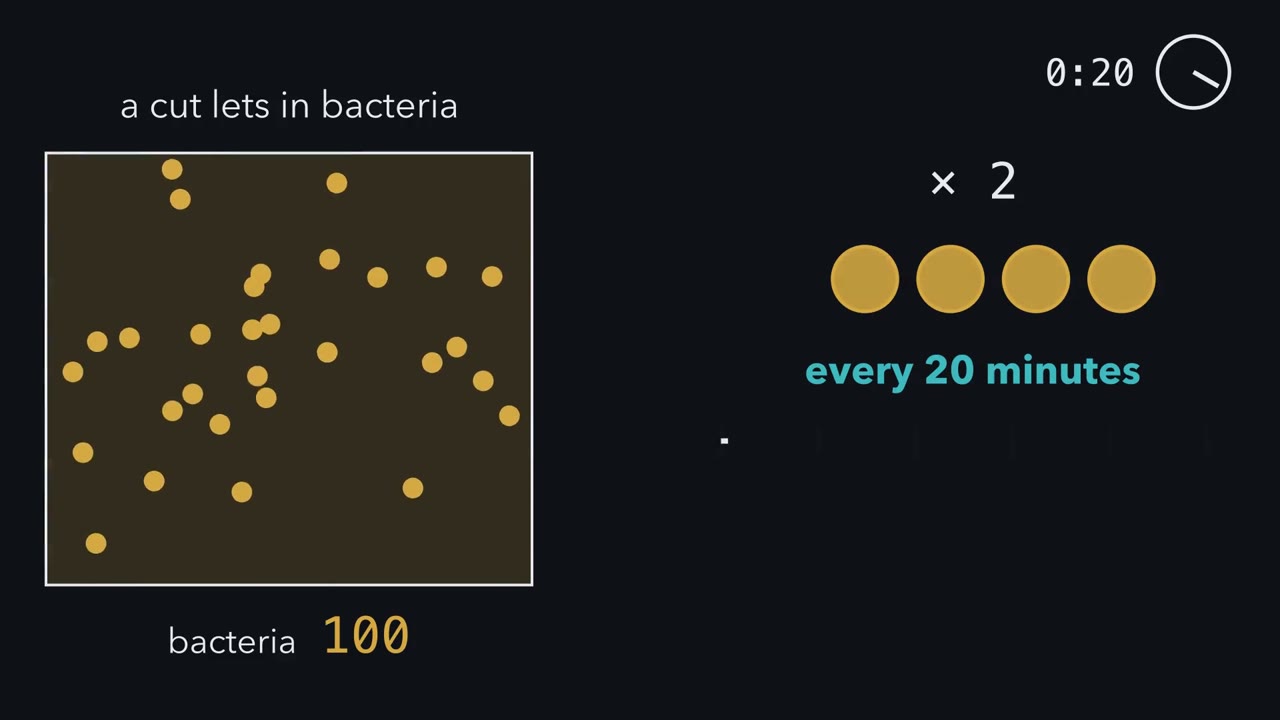 First film Length 3:17 Winning the First Hours Organismal Biology · Starting college Innate Immunity: Recognize and Respond
Take-home
In the first hours of an infection, defenses race bacteria that can double every 20 minutes or so, long before new antibodies can be made.
-
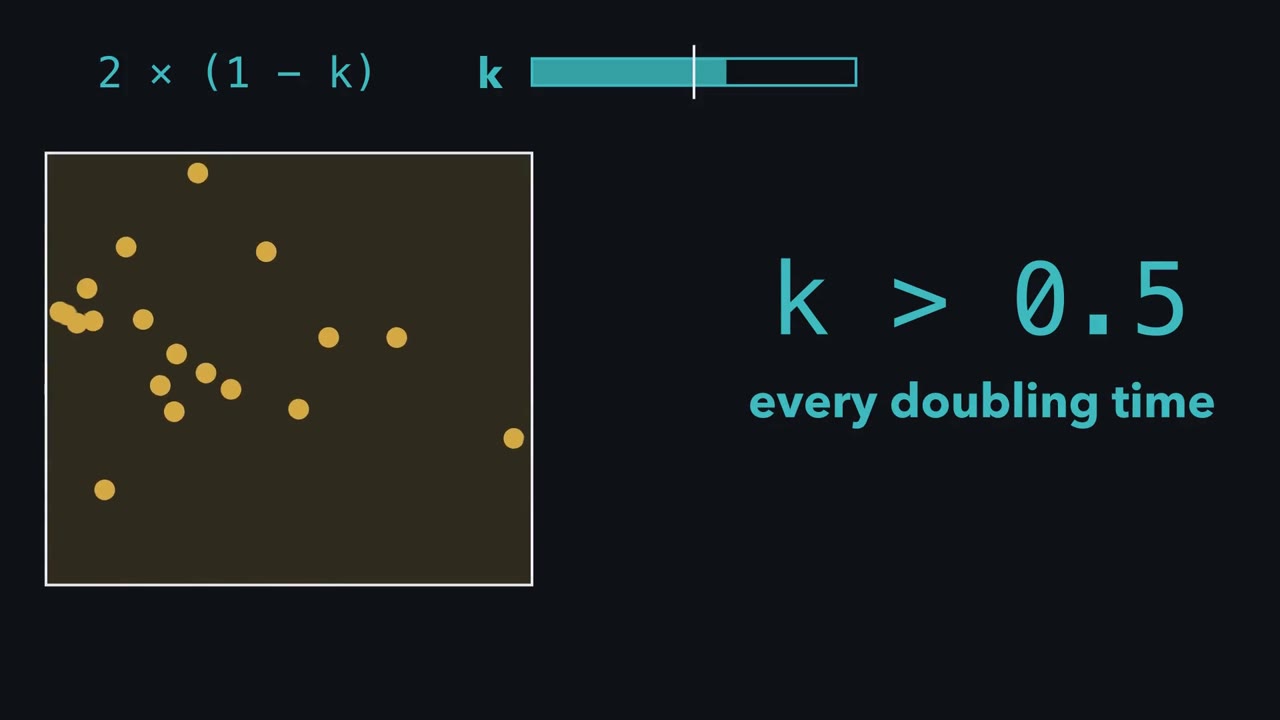 Second film Length 3:03 Cells or Serum? Organismal Biology · Starting college Innate Immunity: Recognize and Respond
Take-home
Metchnikoff watched mobile cells in transparent water fleas engulf swallowed yeast spores: the outcome tracked the flea's fate, as fleas whose cells destroyed the spores lived and those where spores grew into budding yeast died.
-
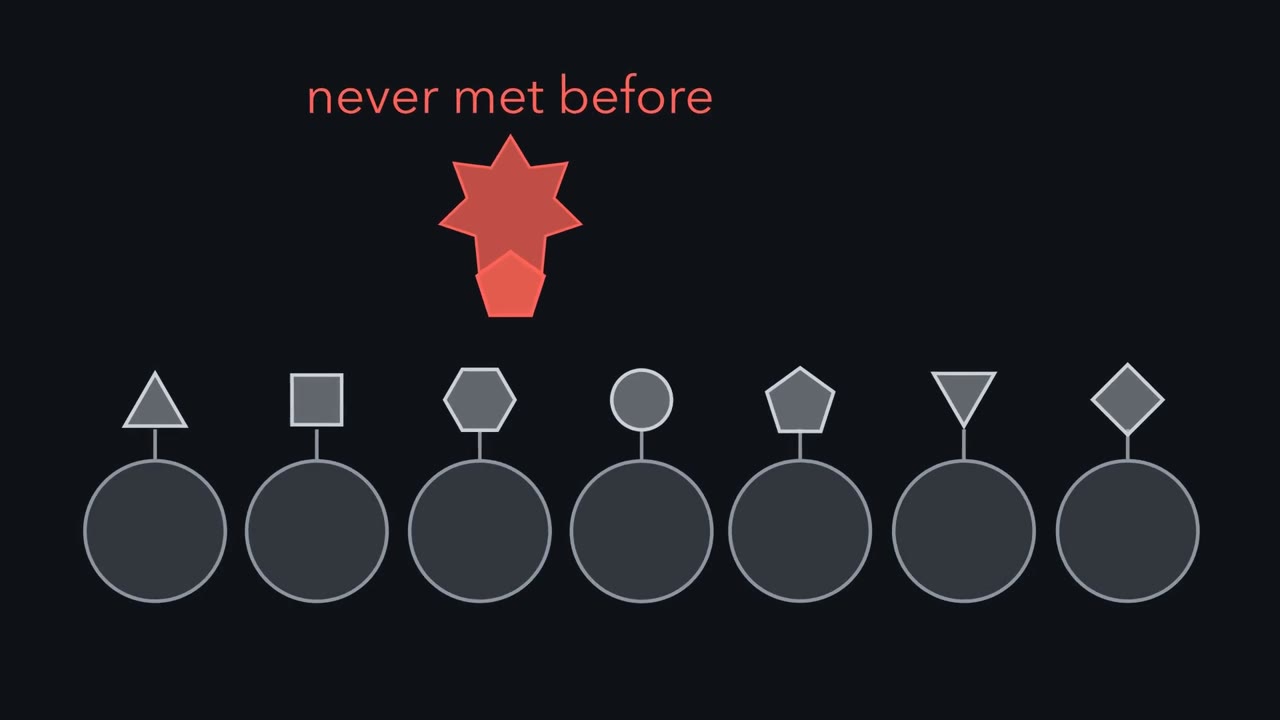 First film Length 3:21 Receptors First, Antigen Chooses Organismal Biology · Starting college Adaptive Immunity
Take-home
Nearly every lymphocyte makes receptors of one shape, and it makes them before it meets the antigen they fit.
-
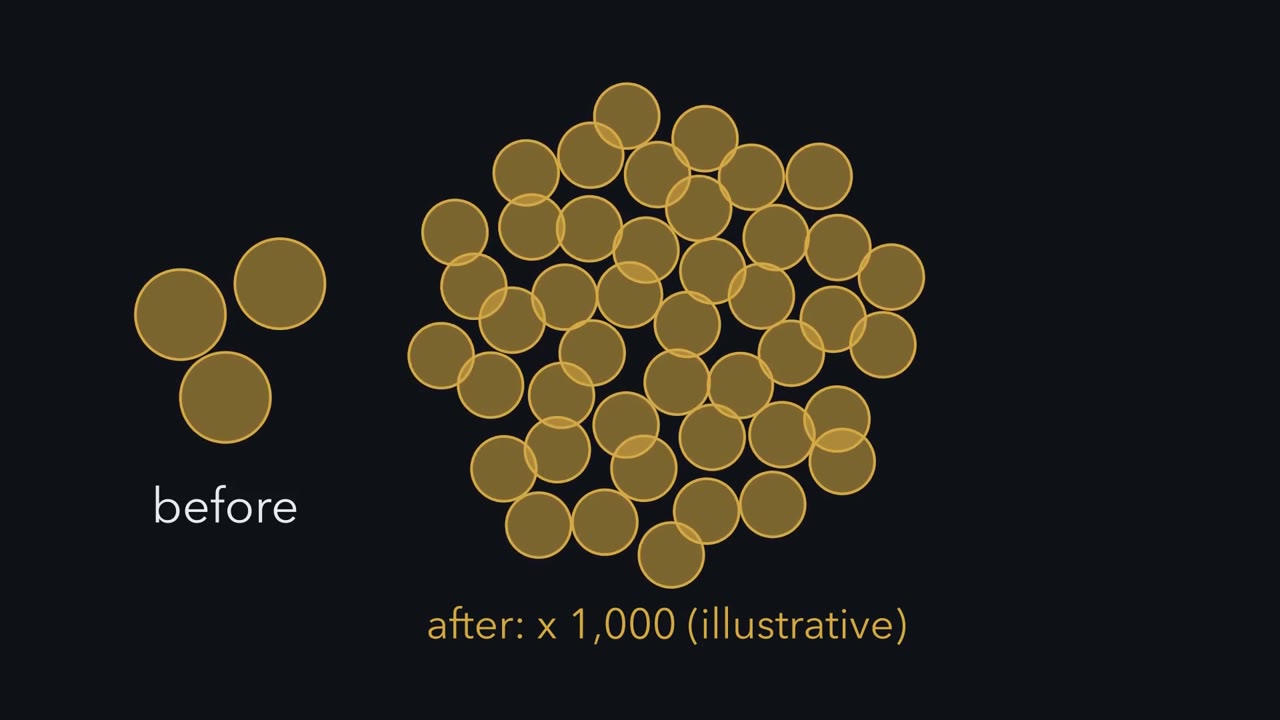 Second film Length 3:11 Why Is the Second Time Faster? Organismal Biology · Starting college Adaptive Immunity
Take-home
A chosen clone grows by doubling, so a few cells need many rounds of division, and a first response takes days to build.
-
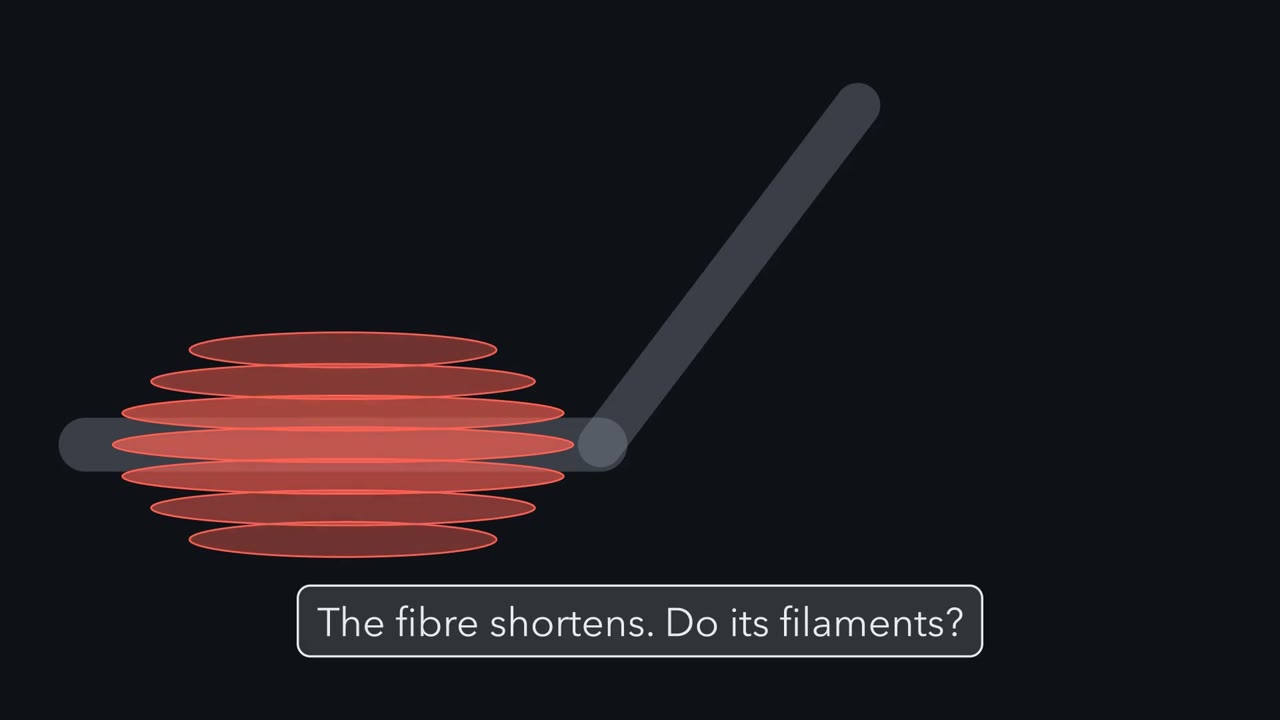 First film Length 3:03 Sliding, Not Shrinking Organismal Biology · Starting college Muscle, Bone and Movement
Take-home
Myosin heads grab actin and pull the thin filaments toward the middle of each sarcomere; no filament gets shorter, only their overlap changes.
-
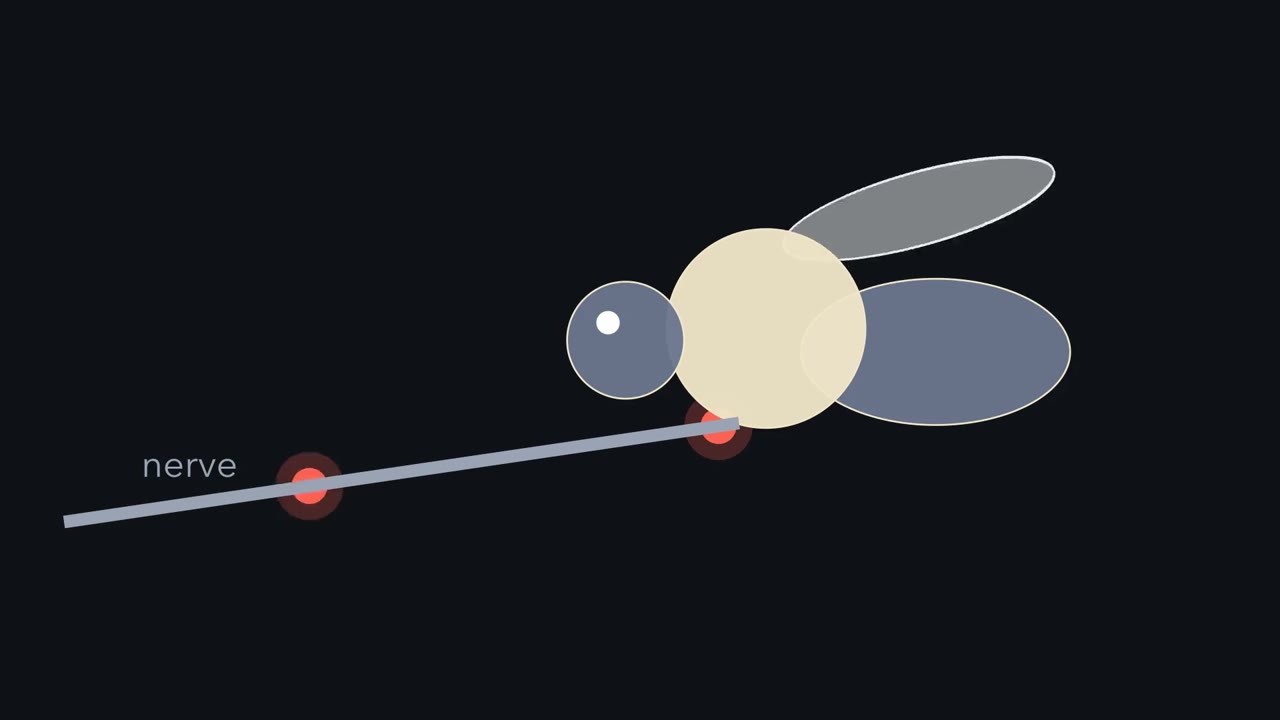 Second film Length 2:59 Wings Faster Than Nerves Organismal Biology · Starting college Muscle, Bone and Movement
Take-home
In a locust, each flight-muscle contraction follows its own nerve impulse; in Pringle's blue-bottle flies, the large spikes came far less often than the wingbeats.
-
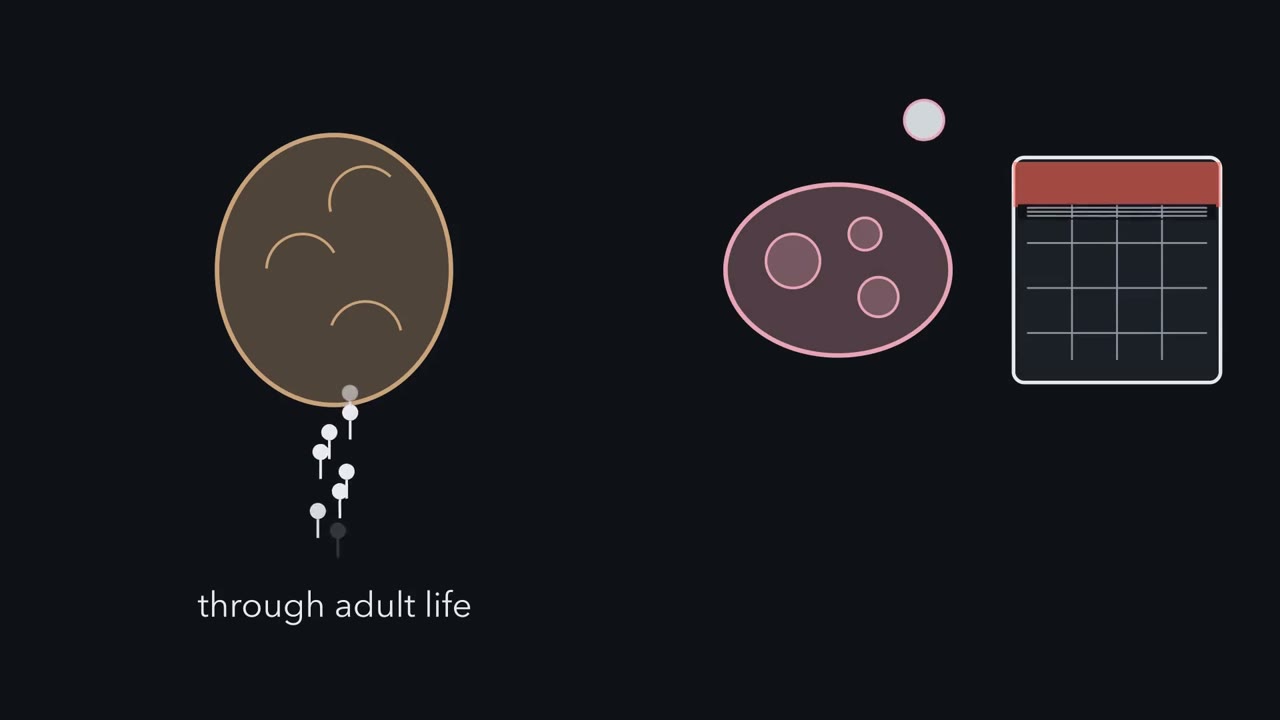 First film Length 3:21 A Loop That Keeps Time Organismal Biology · Starting college Animal Reproduction
Take-home
The hypothalamus releases GnRH in pulses, and the pituitary answers with two hormones, LH and FSH, that act on the gonads.
-
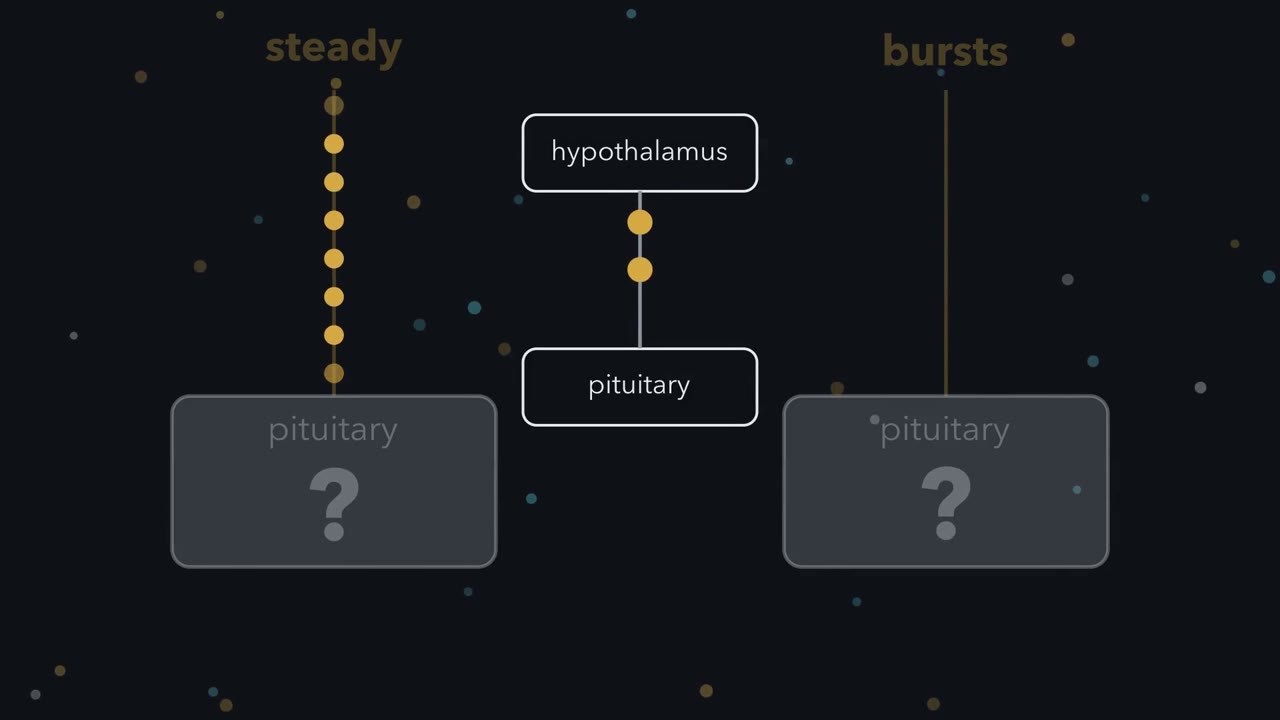 Second film Length 2:49 Pulses, Not Amount Organismal Biology · Starting college Animal Reproduction
Take-home
Knobil's laboratory gave GnRH by pump to rhesus monkeys whose hypothalamus could no longer drive the pituitary.
-
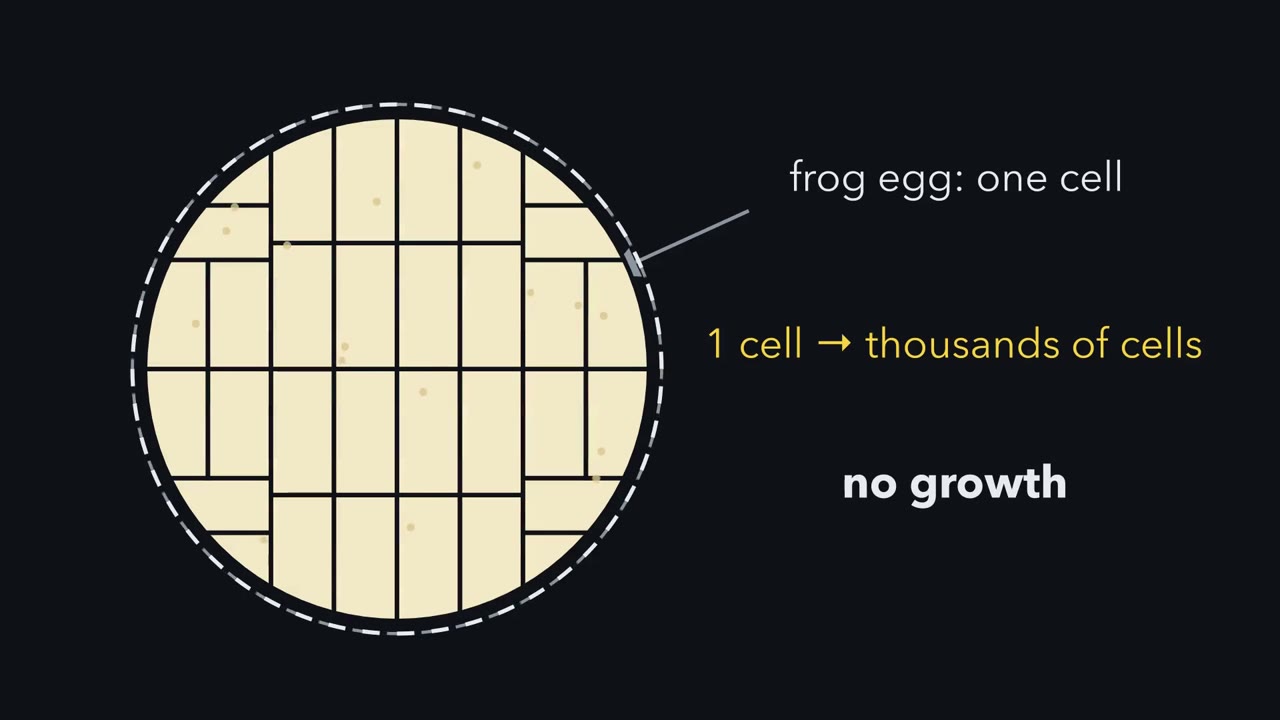 First film Length 3:20 Divided, Not Grown Organismal Biology · Starting college Animal Development
Take-home
After fertilization, cleavage divides the egg into many smaller cells, called blastomeres, without any growth.
-
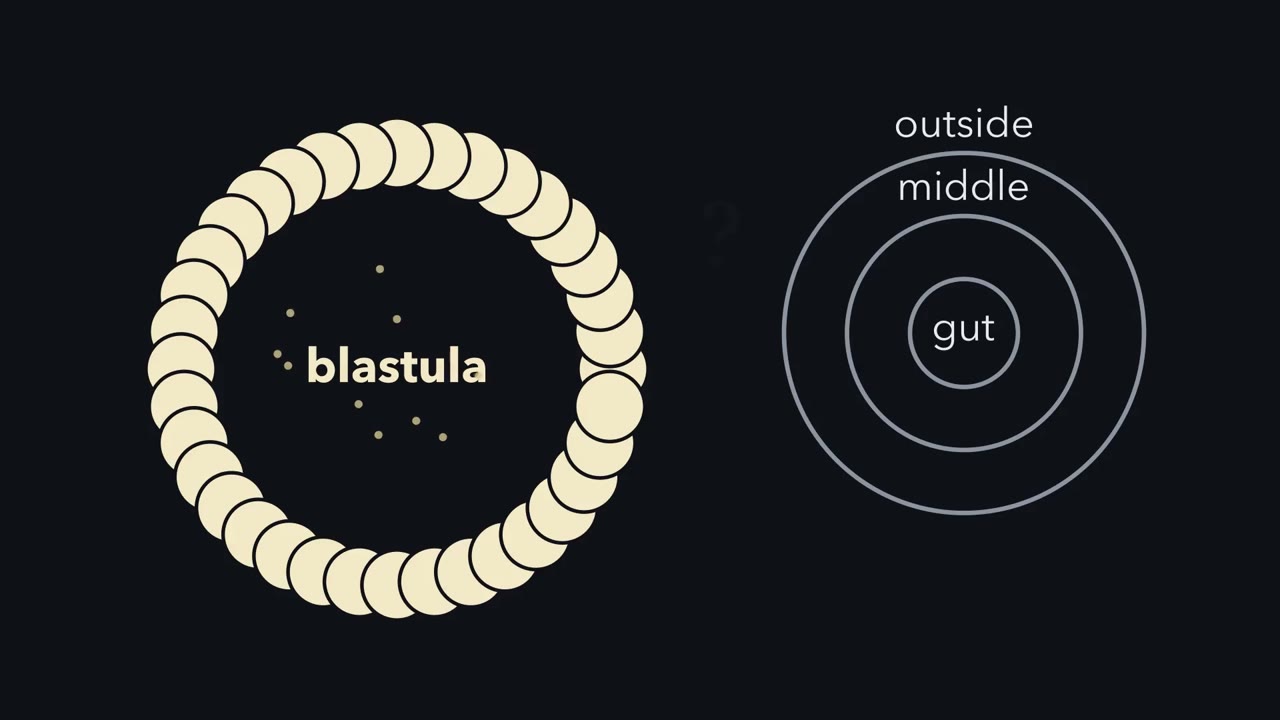 Second film Length 3:03 New Neighbours Organismal Biology · Starting college Animal Development
Take-home
At gastrulation, cells move from the surface to the inside and sort into three germ layers: ectoderm, mesoderm and endoderm.
-
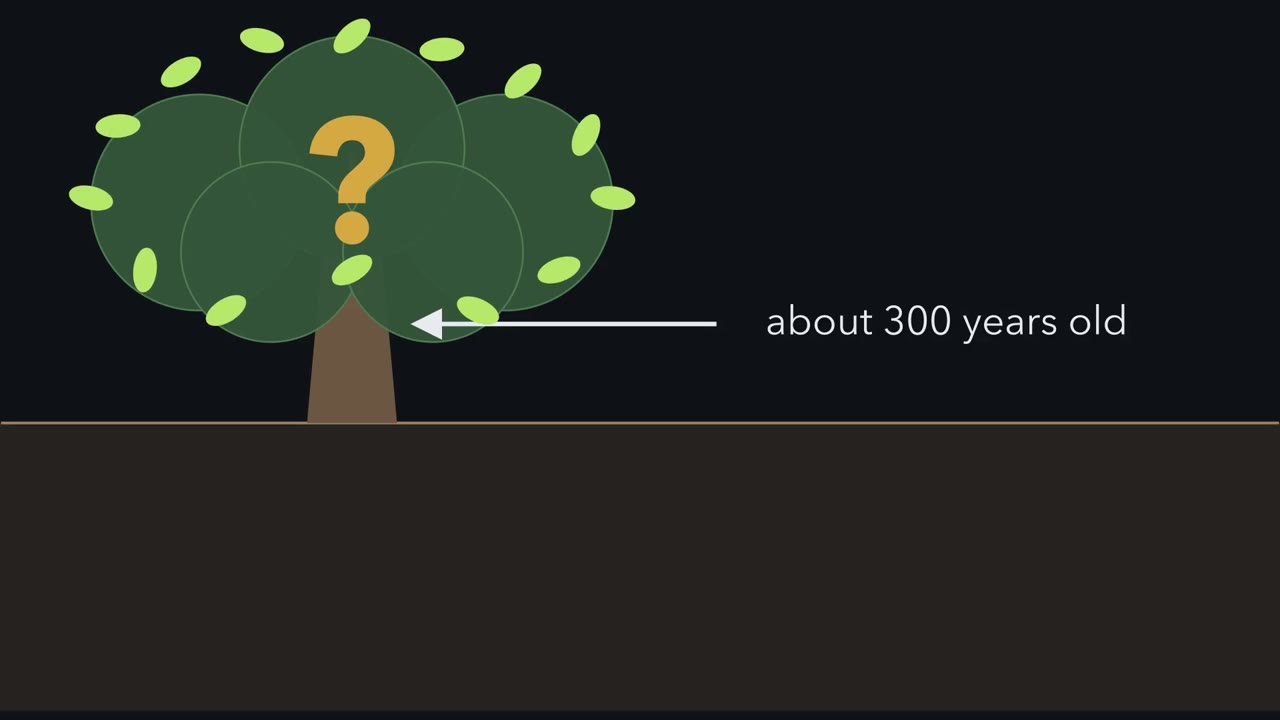 First film Length 2:55 Where Does a Plant Add New Body? Organismal Biology · Starting college Plant Body and Growth
Take-home
A plant's new cells come from meristems, groups of cells that keep dividing, and many plants keep them for years.
-
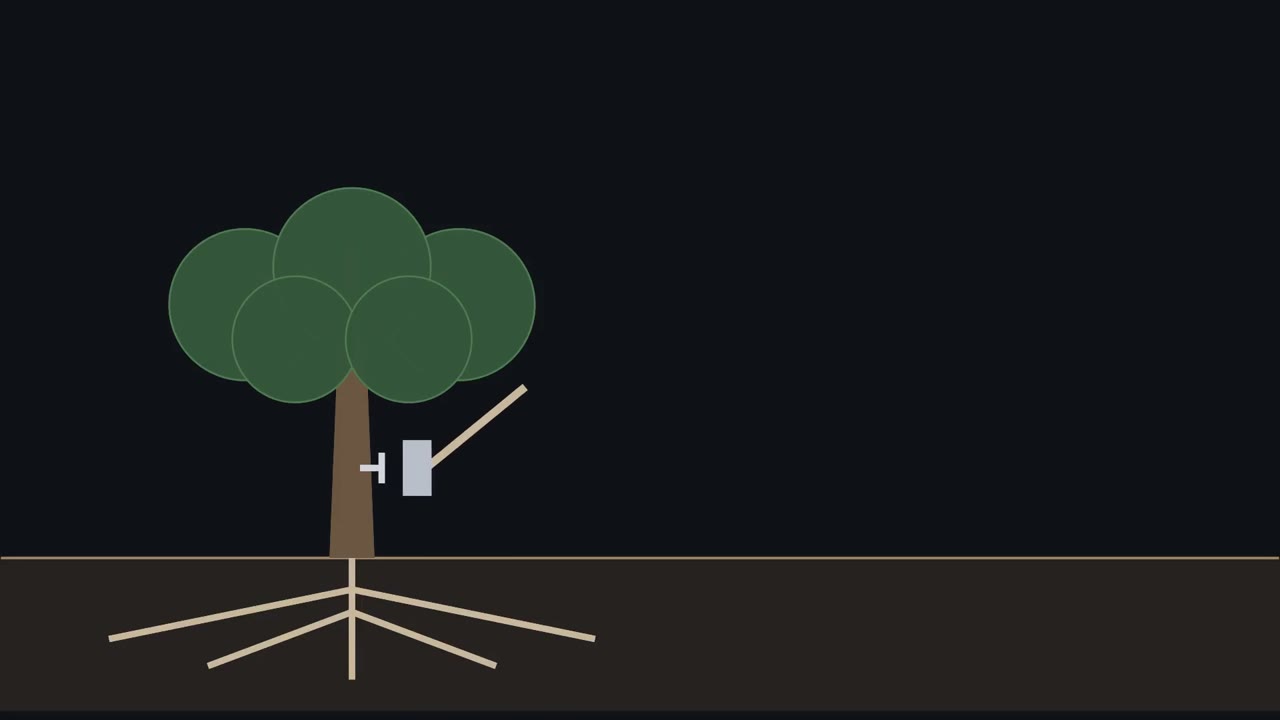 Second film Length 2:57 How Does a Trunk Get Wider? Organismal Biology · Starting college Plant Body and Growth
Take-home
A tree gets taller only in young shoots near its tips; an older stretch of trunk does not lengthen, it widens.
-
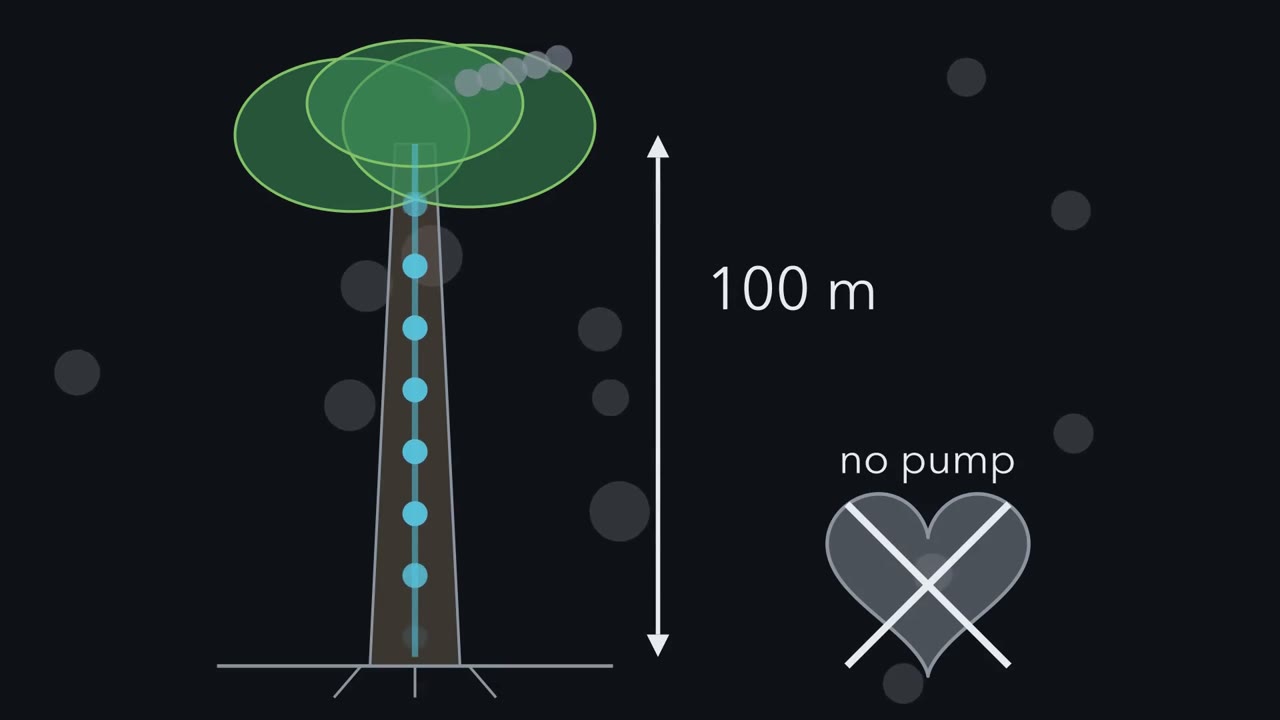 First film Length 3:16 Pulled From the Top Organismal Biology · Starting college Moving Water and Sugar in Plants
Take-home
Water crossing a membrane moves toward lower water potential, and dry air sits far below a typical leaf.
-
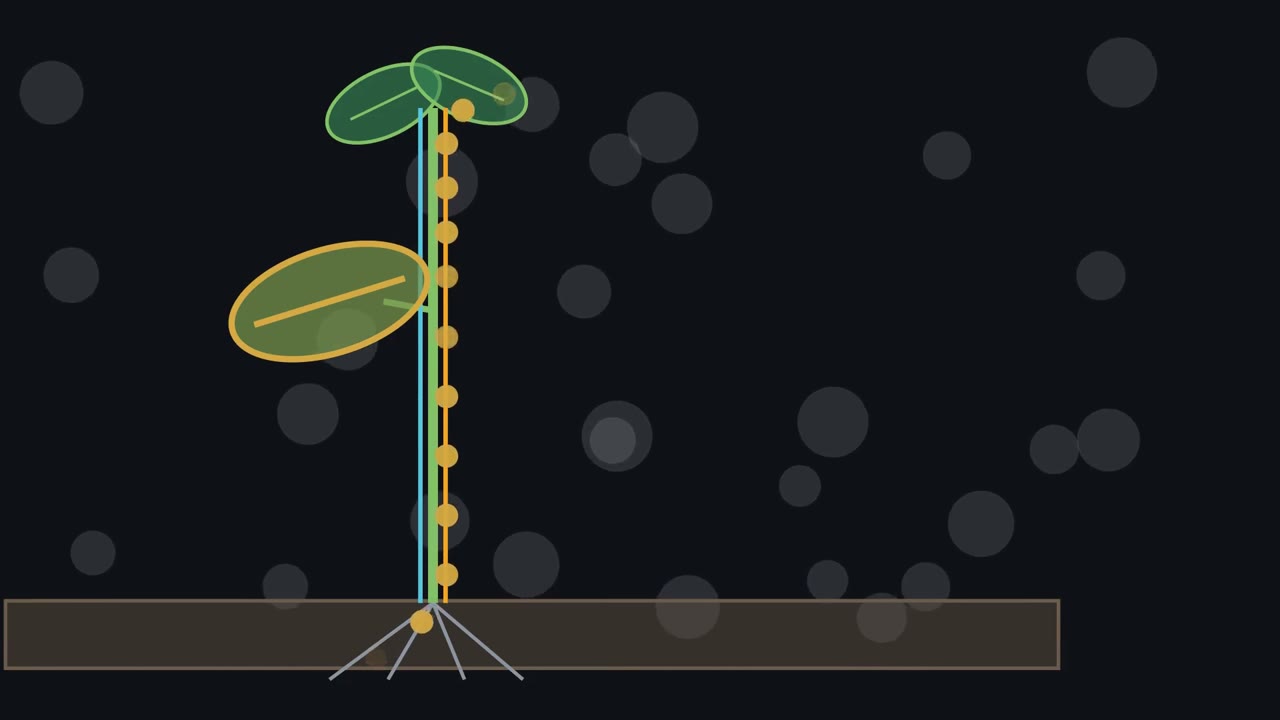 Second film Length 3:05 Pushed From the Source Organismal Biology · Starting college Moving Water and Sugar in Plants
Take-home
At a source, such as a mature leaf, loading sugar into sieve tubes draws water in from the xylem and raises the pressure.
-
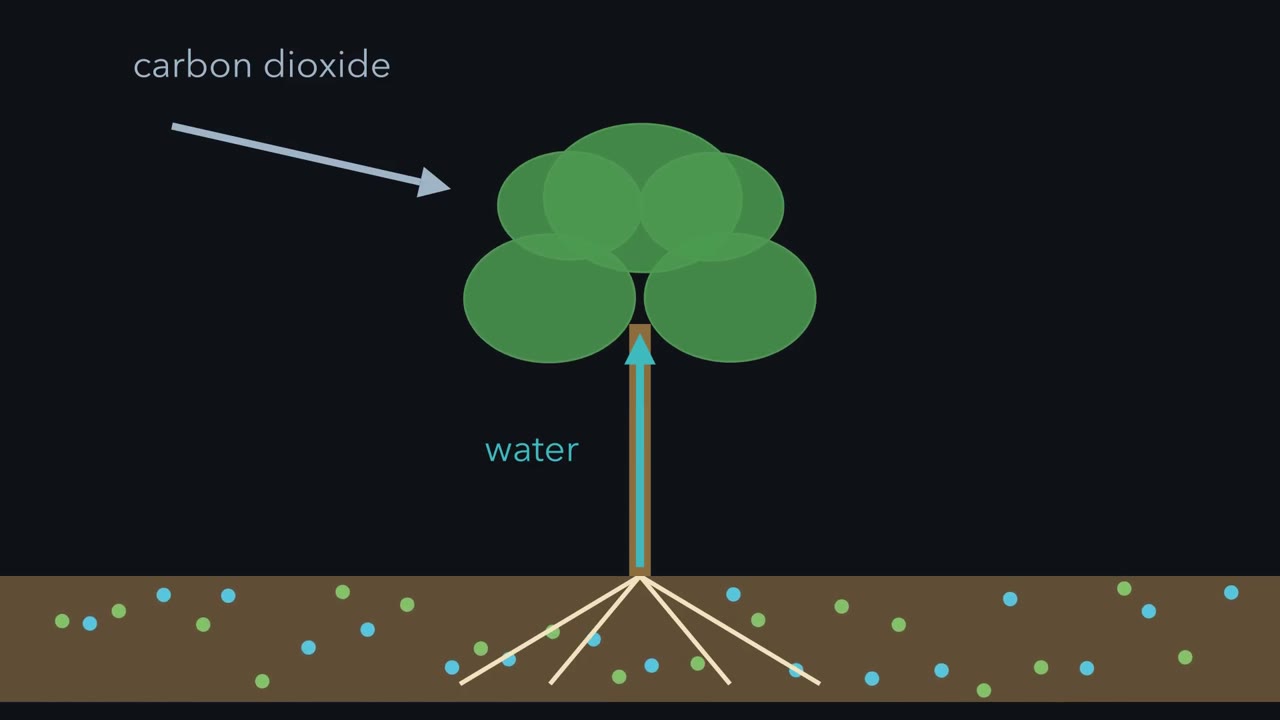 First film Length 3:20 What a Root Has to Reach Organismal Biology · Starting college Soil, Nutrients and Partners
Take-home
A green plant builds its organic molecules from carbon dioxide, water and mineral nutrients, but it cannot make an element: besides carbon, hydrogen and oxygen it needs 14 mineral nutrients, which most plants take chiefly from the soil.
-
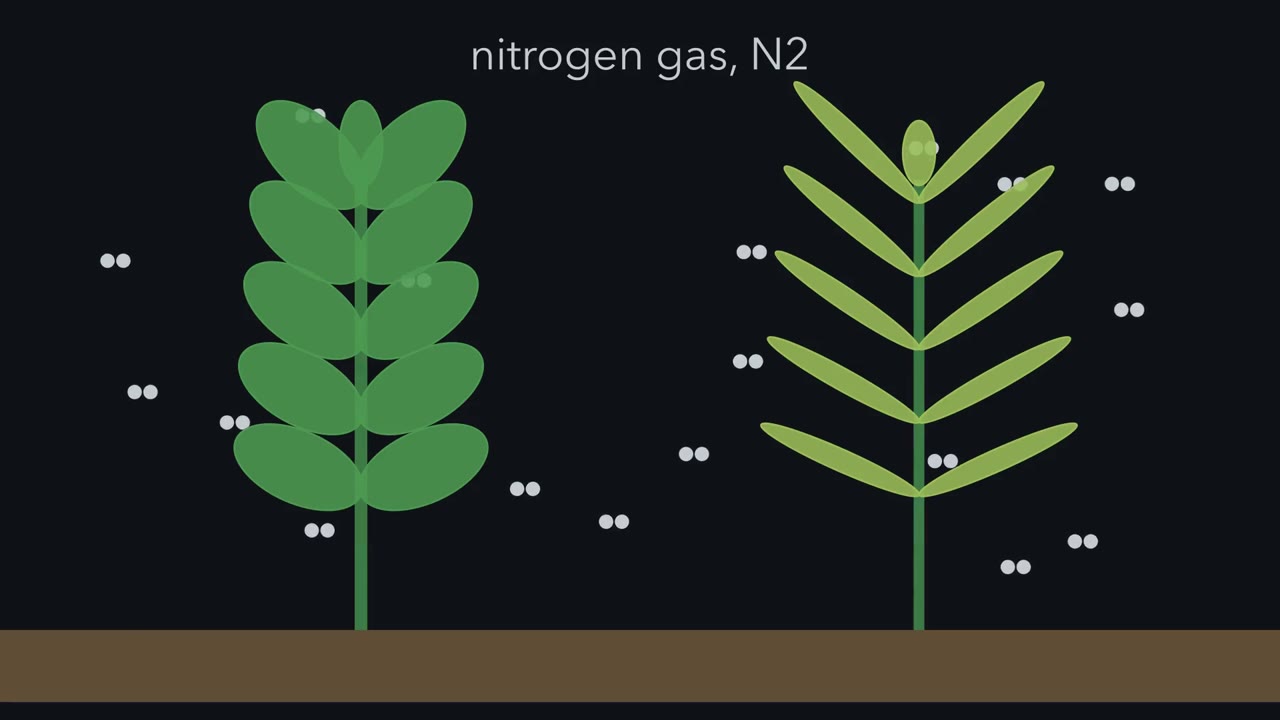 Second film Length 2:55 Why the Pea Didn't Starve Organismal Biology · Starting college Soil, Nutrients and Partners
Take-home
In sand watered with every mineral but nitrogen, oats grew only as far as the nitrate they were given, but peas given live soil extract formed root nodules and ended with far more nitrogen than their seeds held.
-
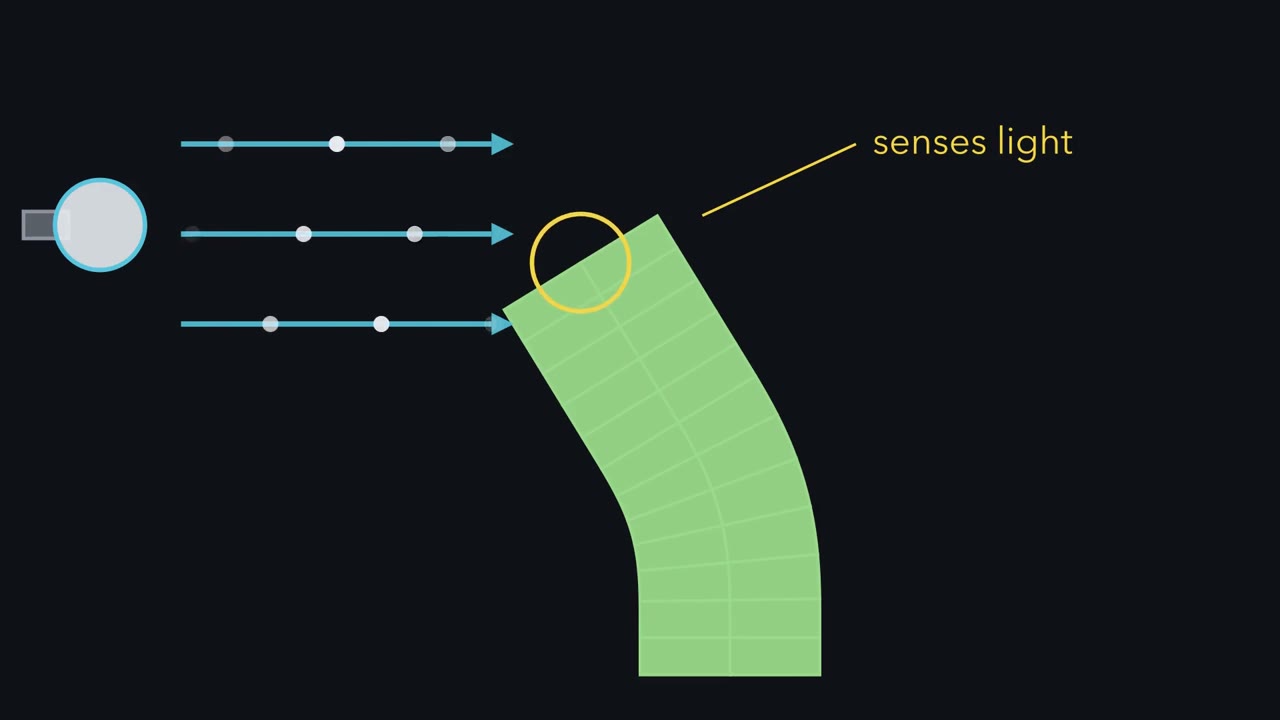 First film Length 3:10 Which Side Grows Faster? Organismal Biology · Starting college Auxin and Plant Hormones: How Plants Steer Growth
Take-home
A shoot bends because its two flanks grow at different rates: the shaded flank lengthens more than the lit flank.
-
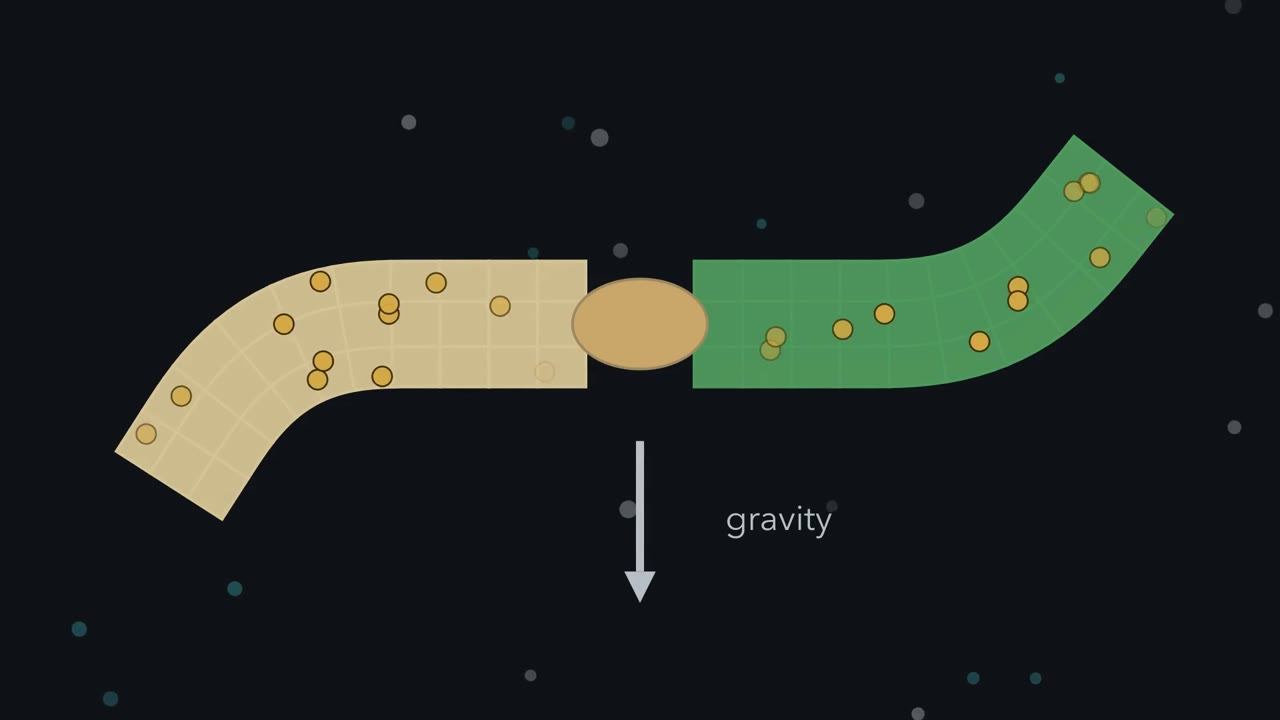 Second film Length 2:59 Same Auxin, Opposite Bends Organismal Biology · Starting college Auxin and Plant Hormones: How Plants Steer Growth
Take-home
Dense starch-filled plastids settle to the lower side of root-cap cells and act as one gravity sensor.
-
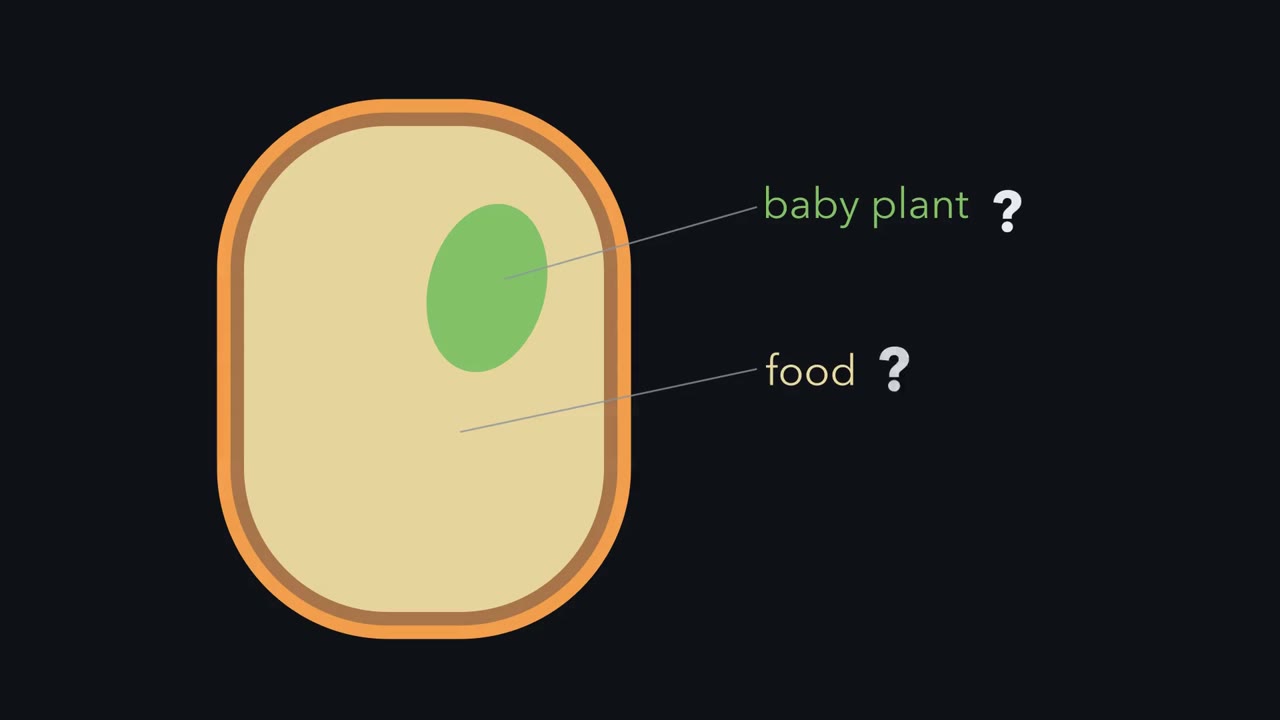 First film Length 3:18 Whose Cells Are in a Seed? Organismal Biology · Starting college Double Fertilization: How a Flower Makes a Seed
Take-home
A pollen grain is not a sperm: it is a tiny male generation of the plant whose tube carries two sperm to the ovule.
-
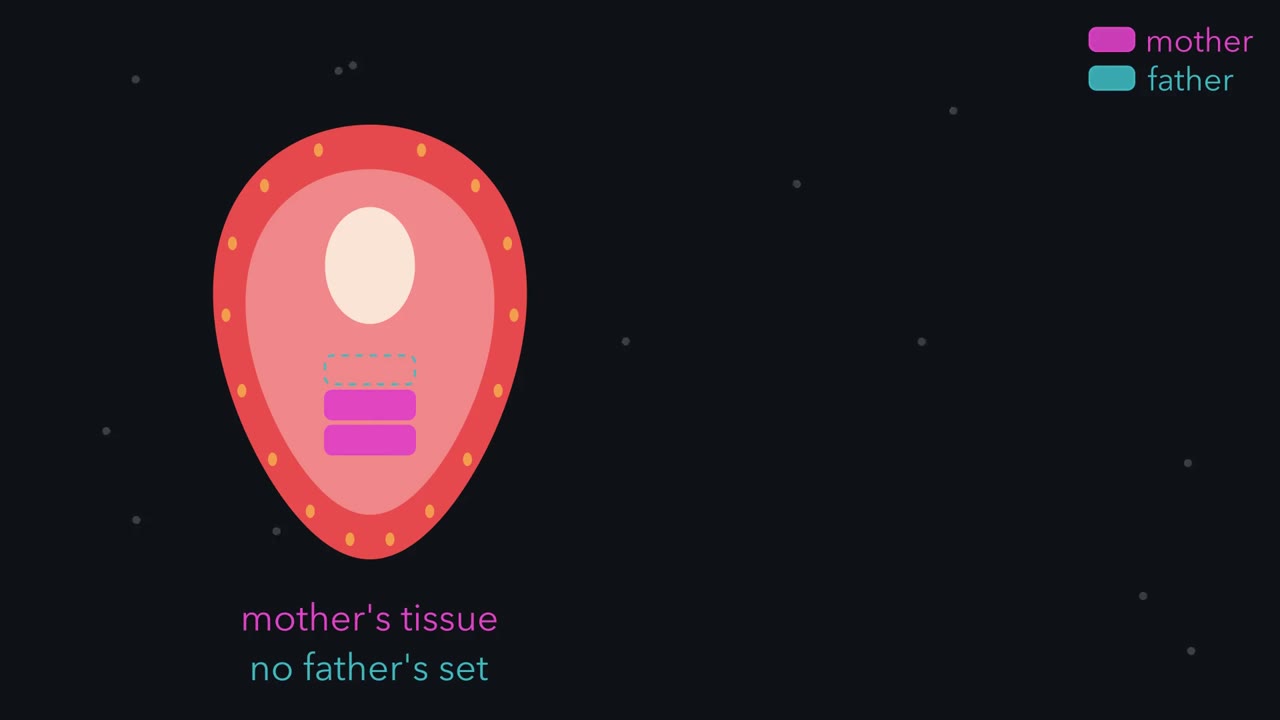 Second film Length 3:03 Why Does a Strawberry Swell? Organismal Biology · Starting college Double Fertilization: How a Flower Makes a Seed
Take-home
After fertilization the ovule becomes the seed and, in most flowering plants, the ovary becomes the fruit, whose wall is the mother's own tissue.
Looking for something else? Sort and filter the whole library, or see the methods library: a film for each lab technique.