Film library · level
Grade 7
68 films in 1 course, about 3 h 45 min in all. Middle school Life Science, aligned to the Virginia Standards of Learning.
Have 10, 20, 30 minutes? Start at your next unwatched film.
-
 First film Length 3:03 The Size Test Life Science · Grade 7 Cells Are Everywhere
Take-home
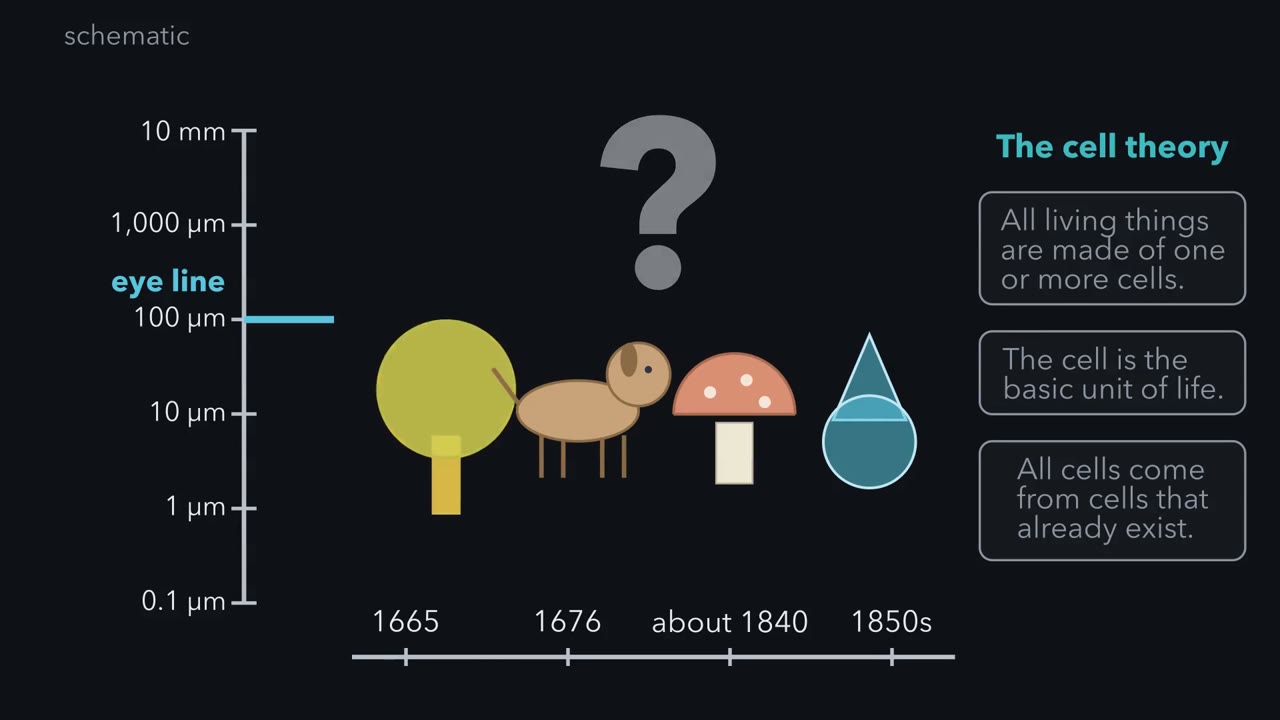
Most people can make out a thing only when it looks bigger than about 100 µm, a tenth of a millimetre. That limit is the eye line.
-
 Second film Length 2:49 A Theory Built in Steps Life Science · Grade 7 Cells Are Everywhere
Take-home
In 1665 Robert Hooke saw tiny boxes in a thin slice of cork. They were the empty walls of dead cells.
-
 First film Length 3:18 One Cell, Many Jobs, Shared Space Life Science · Grade 7 Inside a Cell
Take-home
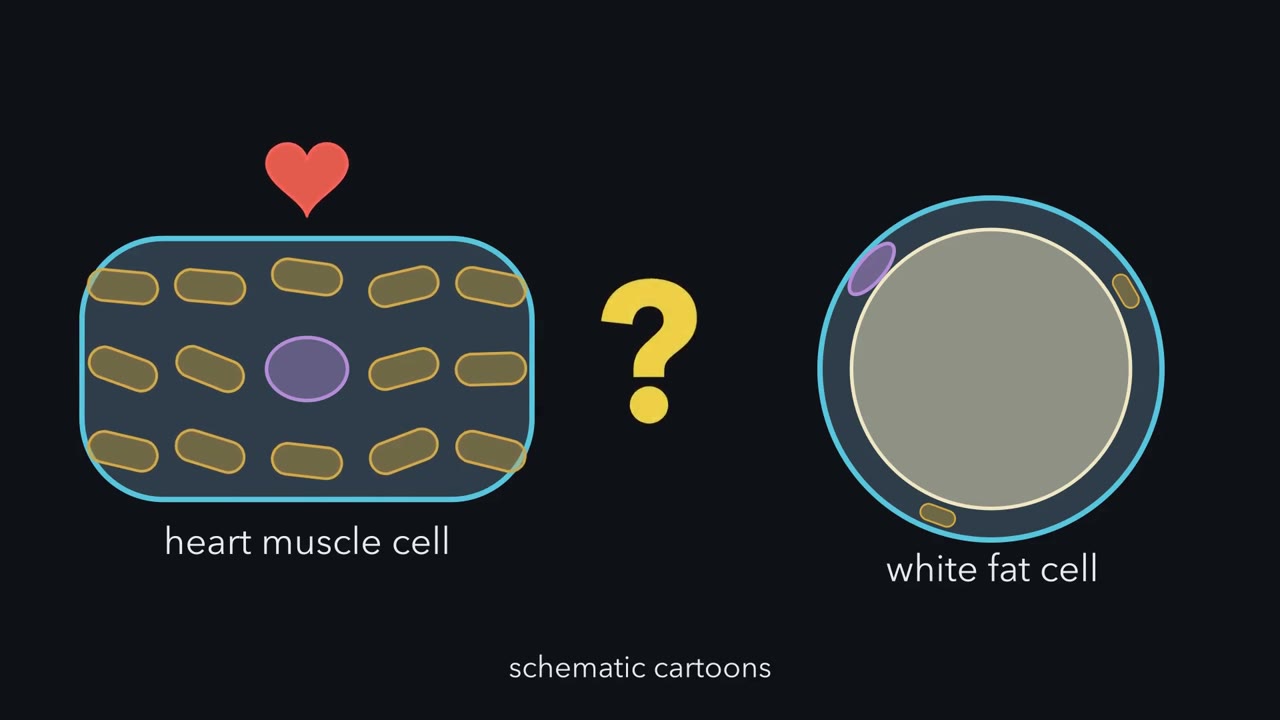
An organelle is a small part inside a cell that does a special job.
-
 Second film Length 3:06 Counting Dots to Measure a Cell Life Science · Grade 7 Inside a Cell
Take-home
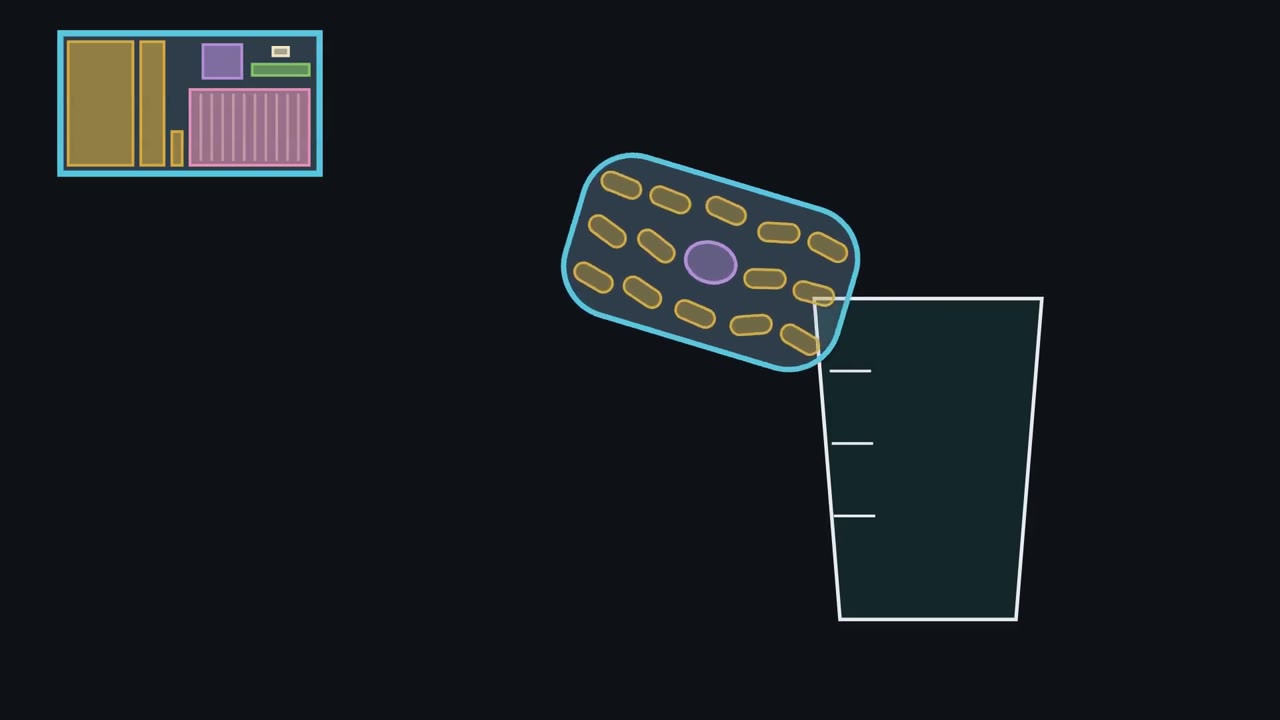
Scientists lay an even grid of dots over a picture of a thin cell slice and count the dots on each part.
-
 First film Length 3:06 A Water Balloon in a Box Life Science · Grade 7 Plant Cells and Animal Cells
Take-home
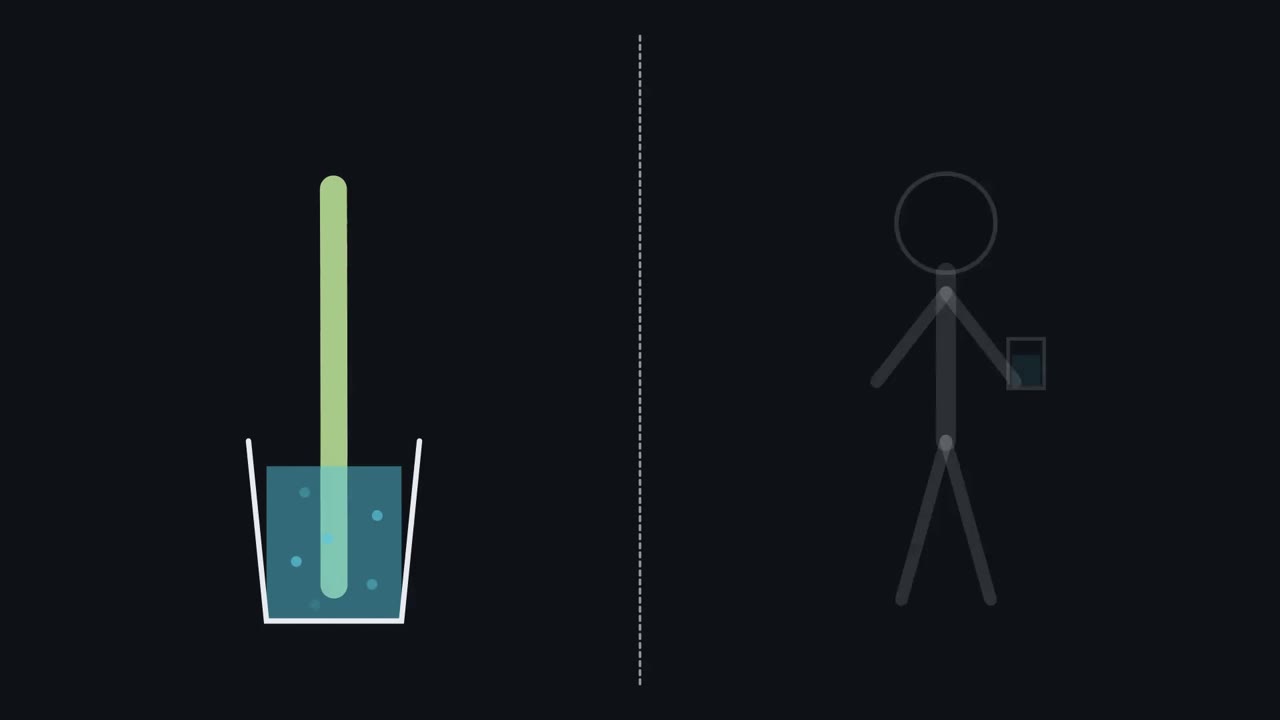
Plant and animal cells share most of their working parts, such as the nucleus, cell membrane and cytoplasm.
-
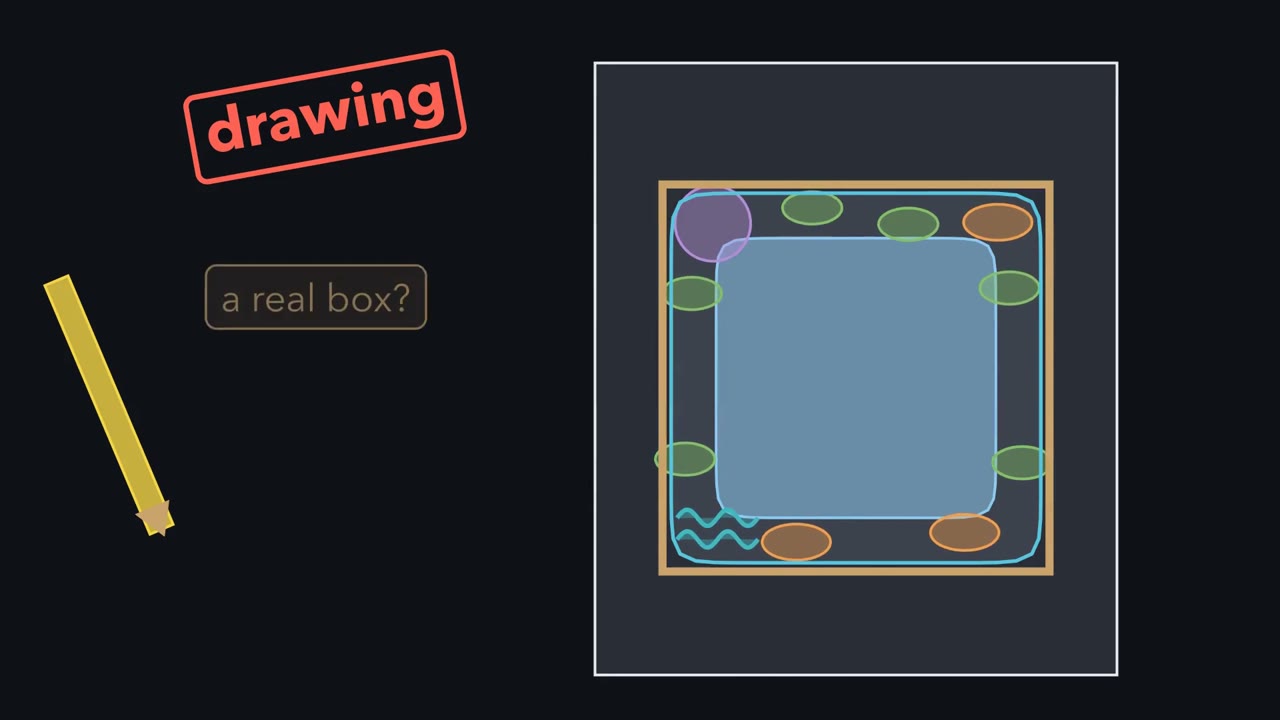 Second film Length 3:07 Looking at Real Cells Life Science · Grade 7 Plant Cells and Animal Cells
Take-home
Under a light microscope, onion skin and waterweed leaf cells look boxy, with straight walls.
-
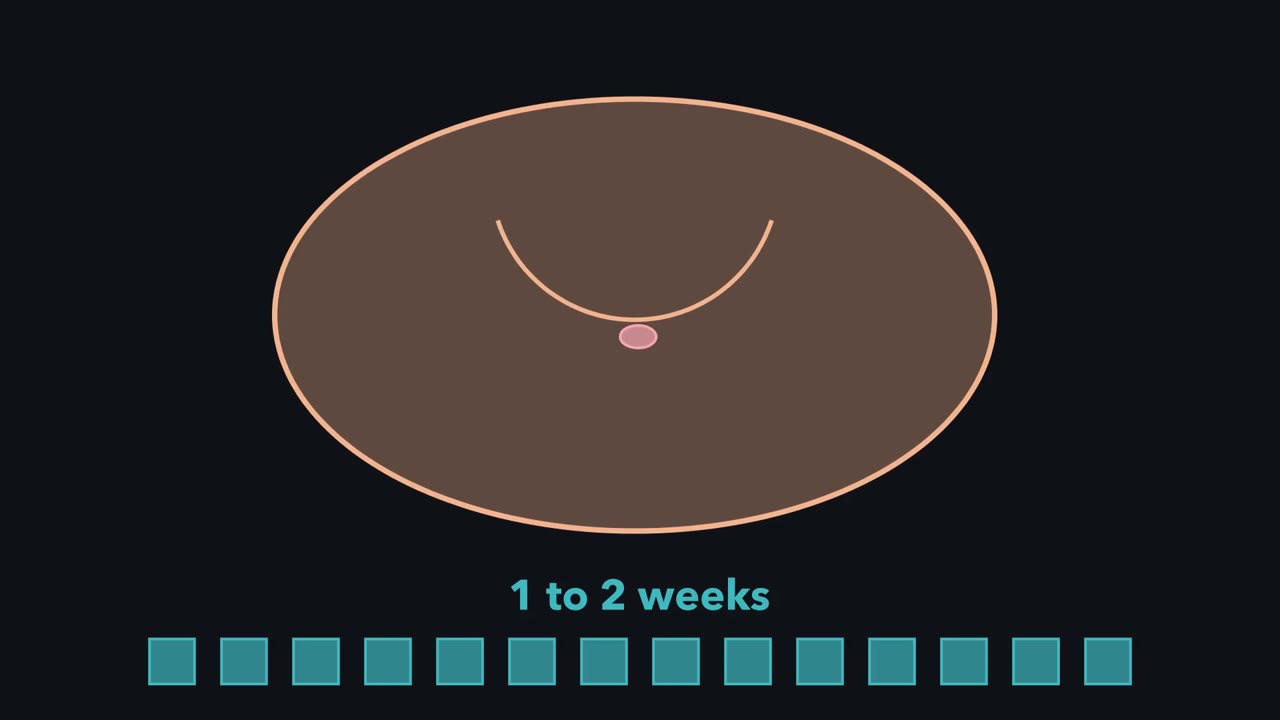 First film Length 3:21 Copy First, Then Share Life Science · Grade 7 How Cells Divide
Take-home
New body cells come from cells that were already there: near a scrape, skin cells divide, and some crawl into the gap.
-
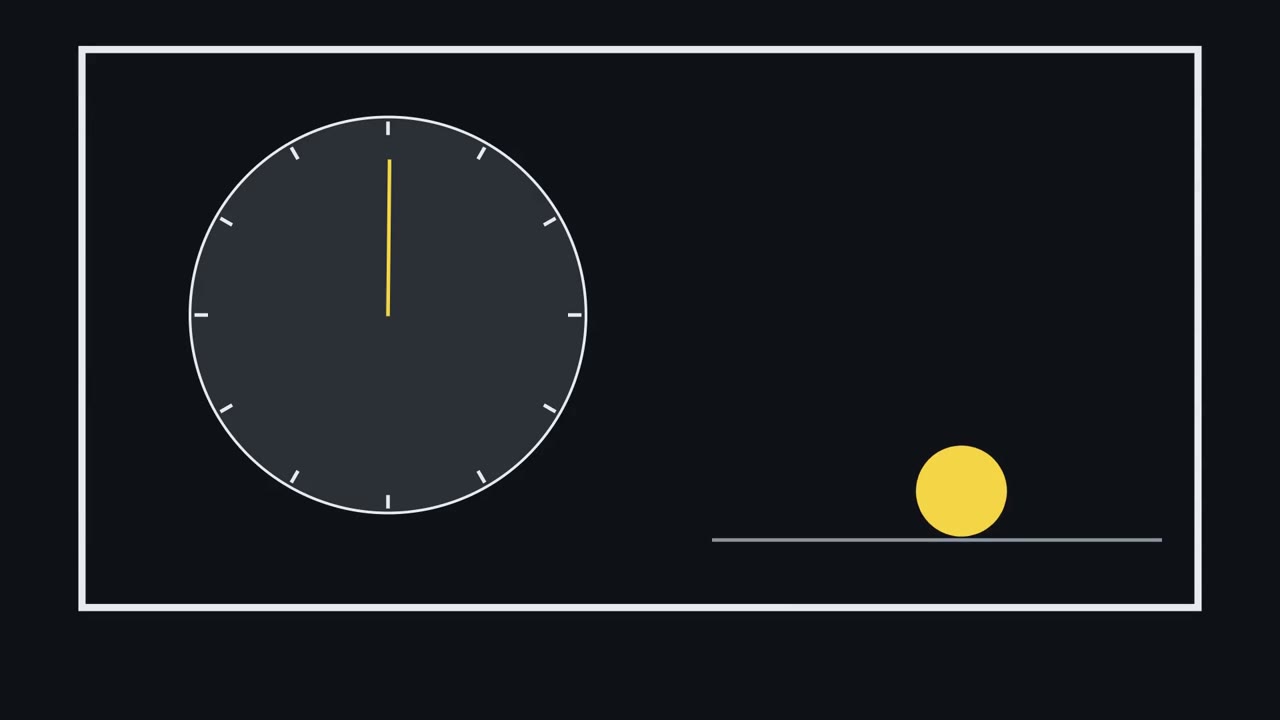 Second film Length 3:09 A Photo That Tells Time Life Science · Grade 7 How Cells Divide
Take-home
A stained root tip is a snapshot: each cell is caught at one moment of its own cycle.
-
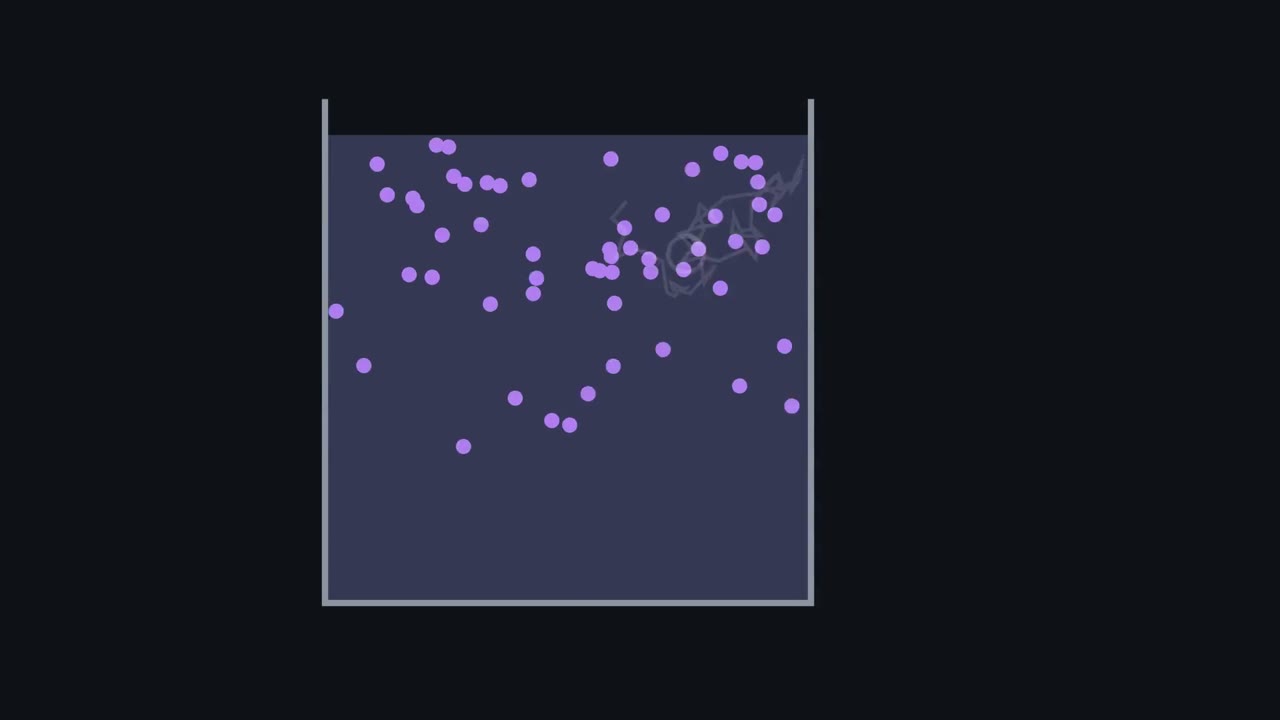 First film Length 2:55 Random Moves, One-Way Drift Life Science · Grade 7 Diffusion and Osmosis
Take-home
Particles are always moving at random, even when nothing seems to change.
-
 Second film Length 3:16 Water Drifts to the Saltier Side Life Science · Grade 7 Diffusion and Osmosis
Take-home
Osmosis is the diffusion of water across a selectively permeable membrane.
-
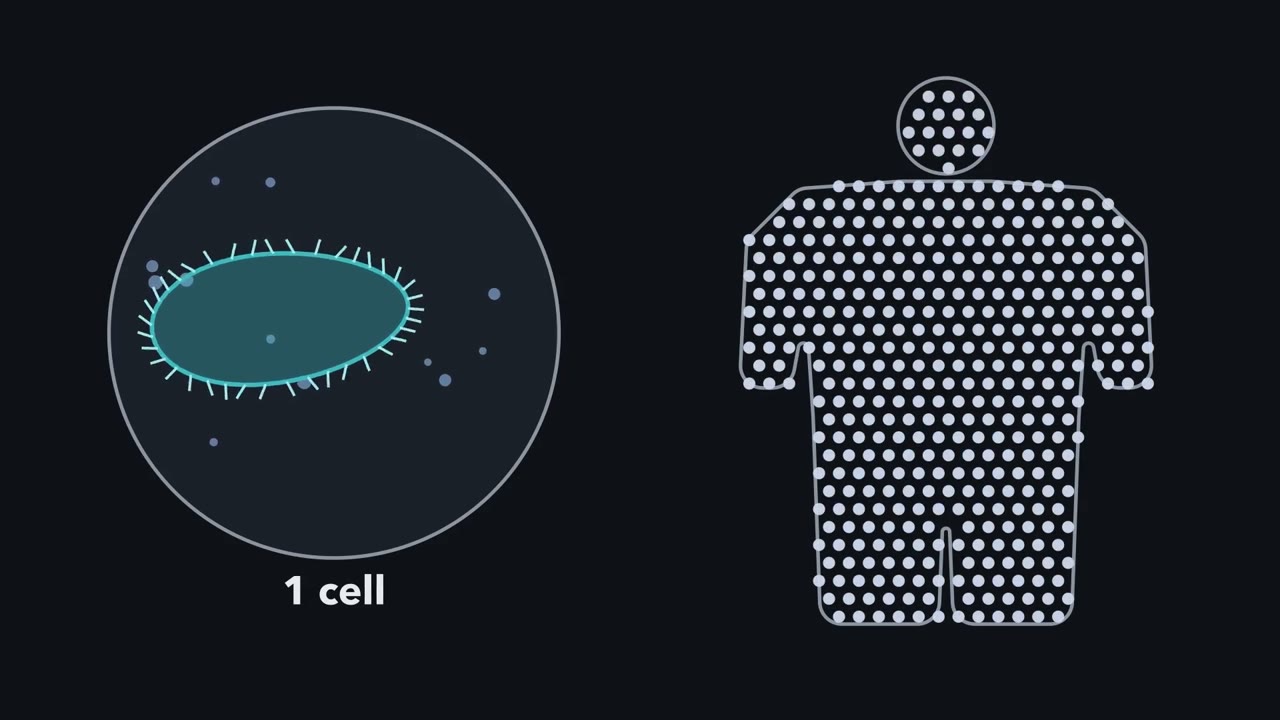 First film Length 3:01 One Cell, Every Job Life Science · Grade 7 From Cells to Organisms
Take-home
A Paramecium and you share one job list: moving, getting food, gas exchange, getting rid of wastes and extra water, responding and reproducing.
-
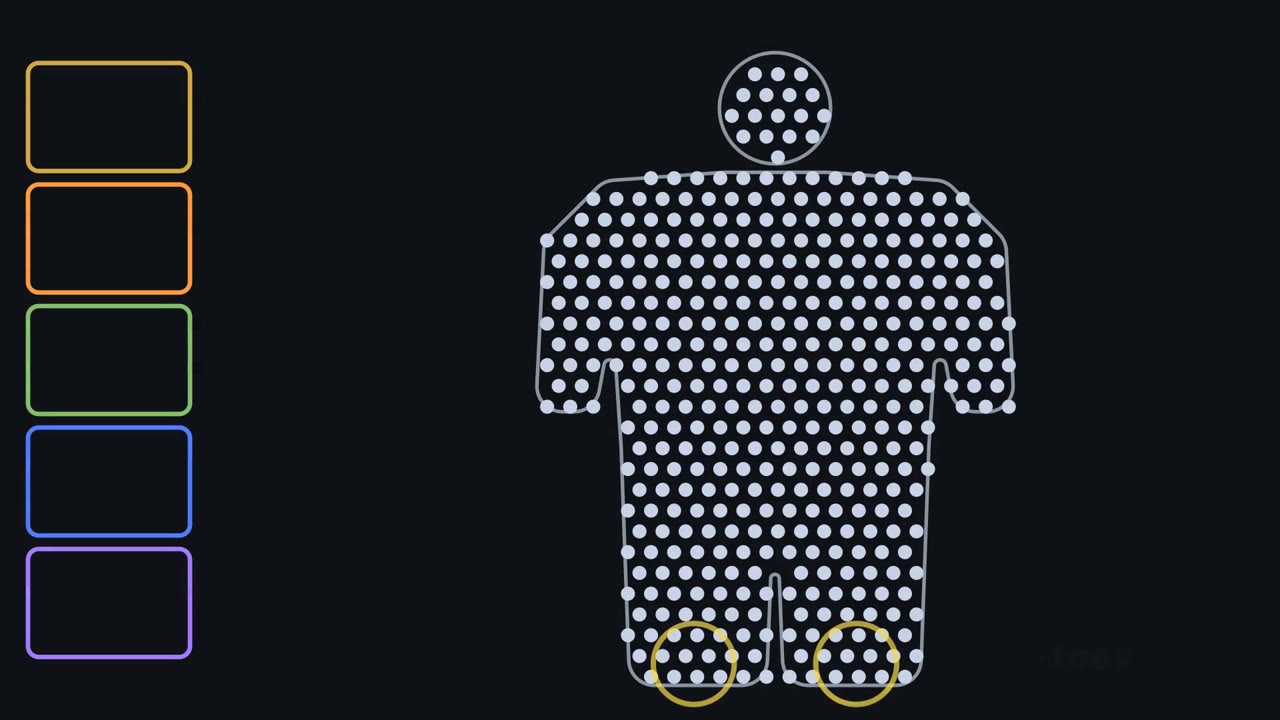 Second film Length 2:52 One Job, Five Levels Life Science · Grade 7 From Cells to Organisms
Take-home
A specialized cell has a shape and parts that suit it to one kind of job.
-
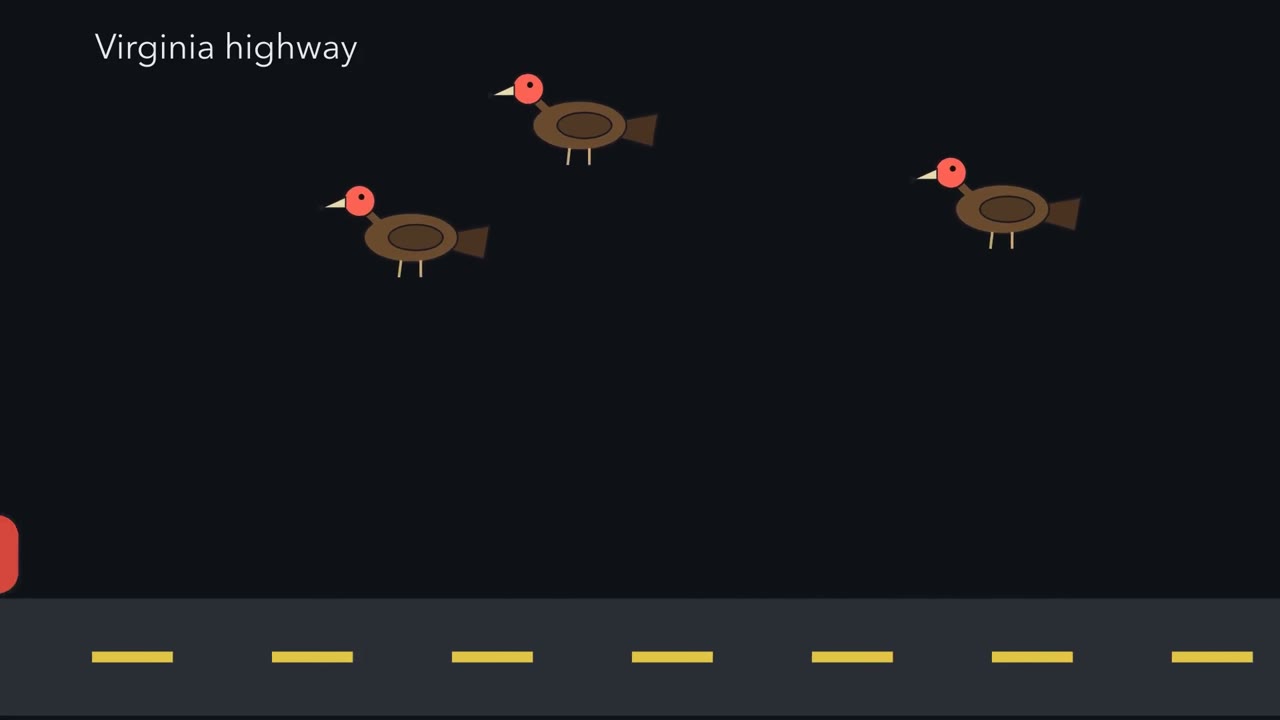 First film Length 3:21 Eight Boxes and a Name Life Science · Grade 7 Sorting Living Things
Take-home
Scientists sort every species into eight main levels, nested like boxes, from domain, the most general, to species, the most specific.
-
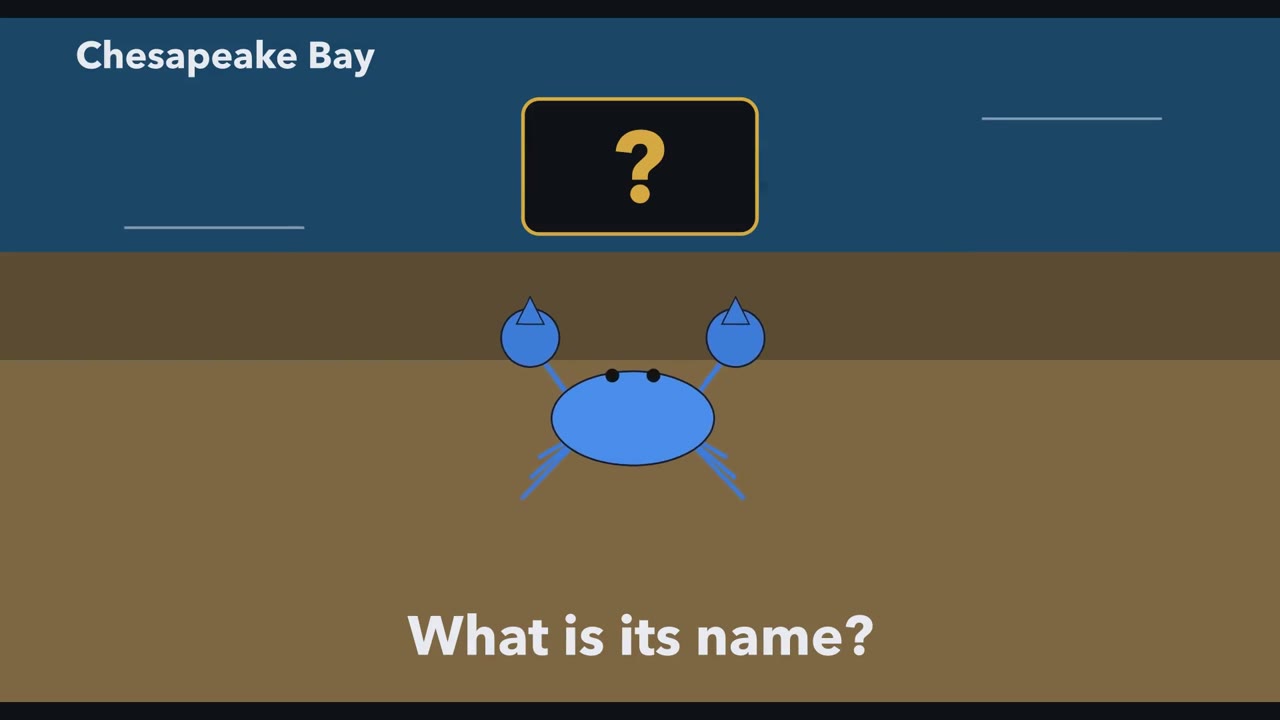 Second film Length 2:51 A Key Finds a Name, Not Relatives Life Science · Grade 7 Sorting Living Things
Take-home
A dichotomous key names a living thing through a series of two-choice steps about traits you can see.
-
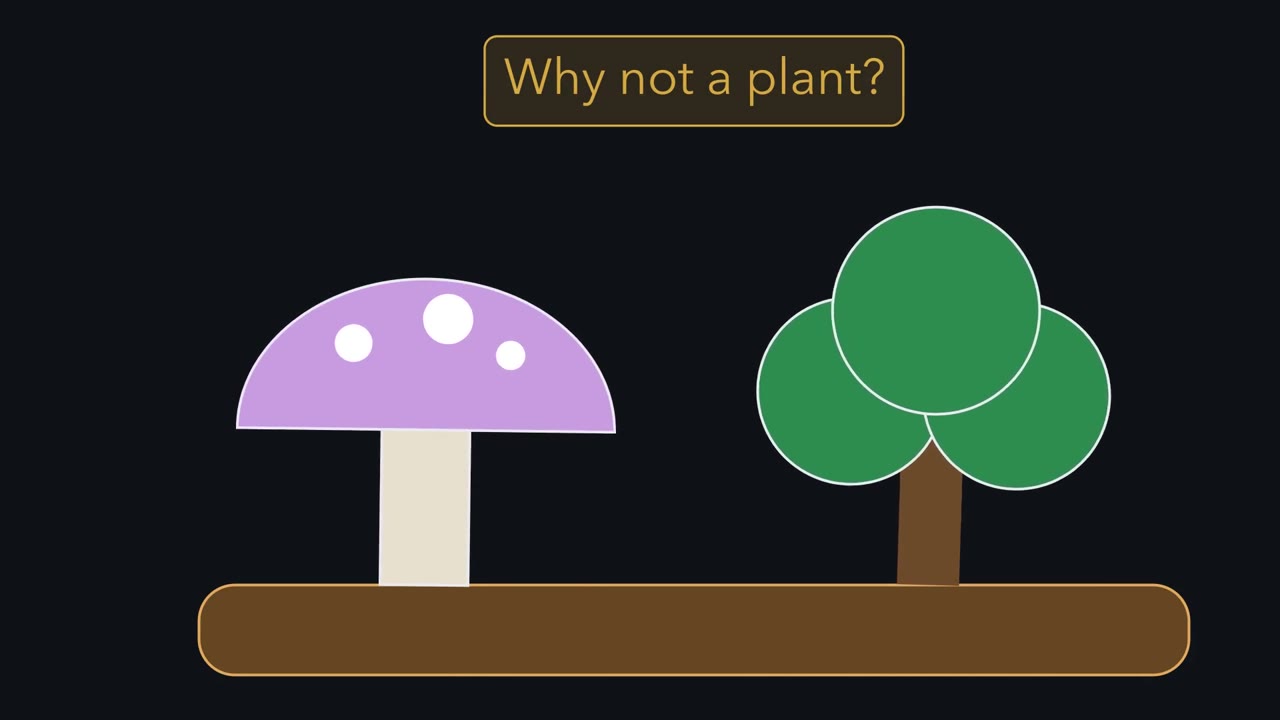 First film Length 3:20 Climbing the Evidence Ladder Life Science · Grade 7 Domains, Kingdoms and DNA
Take-home
Scientists sort living things with several kinds of evidence, and new evidence can move a living thing to a new group.
-
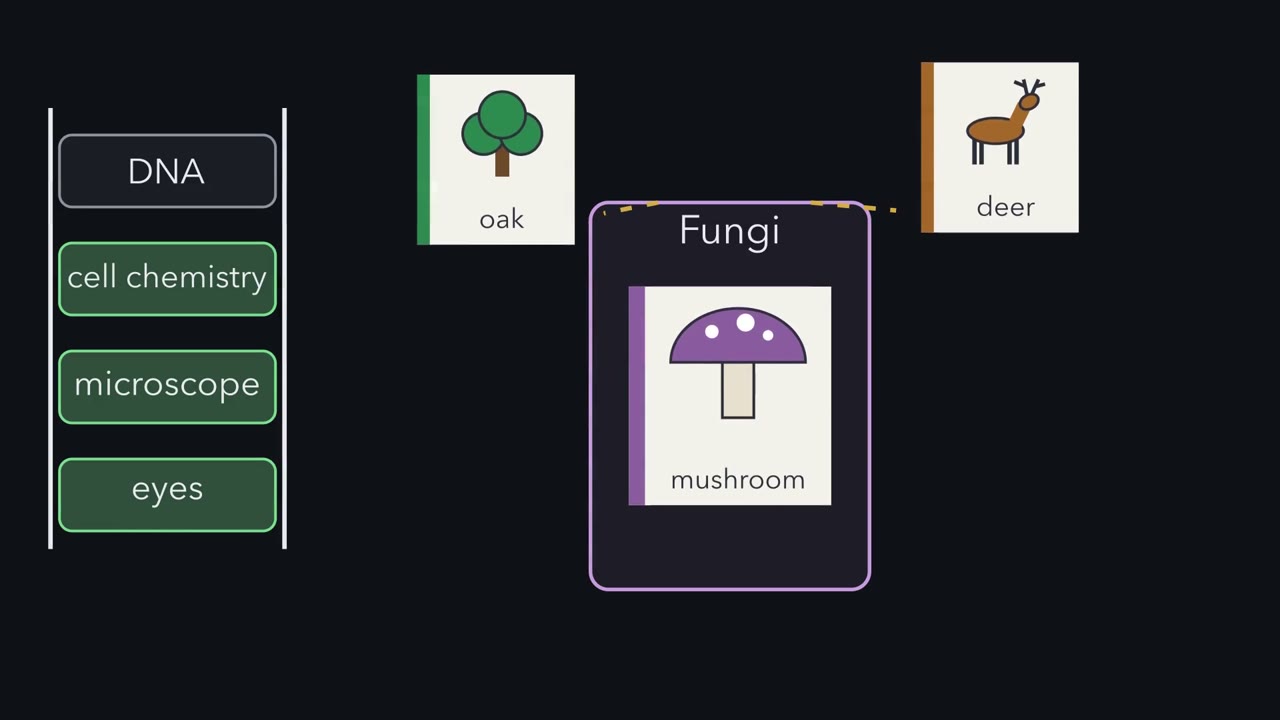 Second film Length 3:00 Reading the DNA Rung Life Science · Grade 7 Domains, Kingdoms and DNA
Take-home
To compare two living things, scientists line up the same protein or gene and count the positions that match.
-
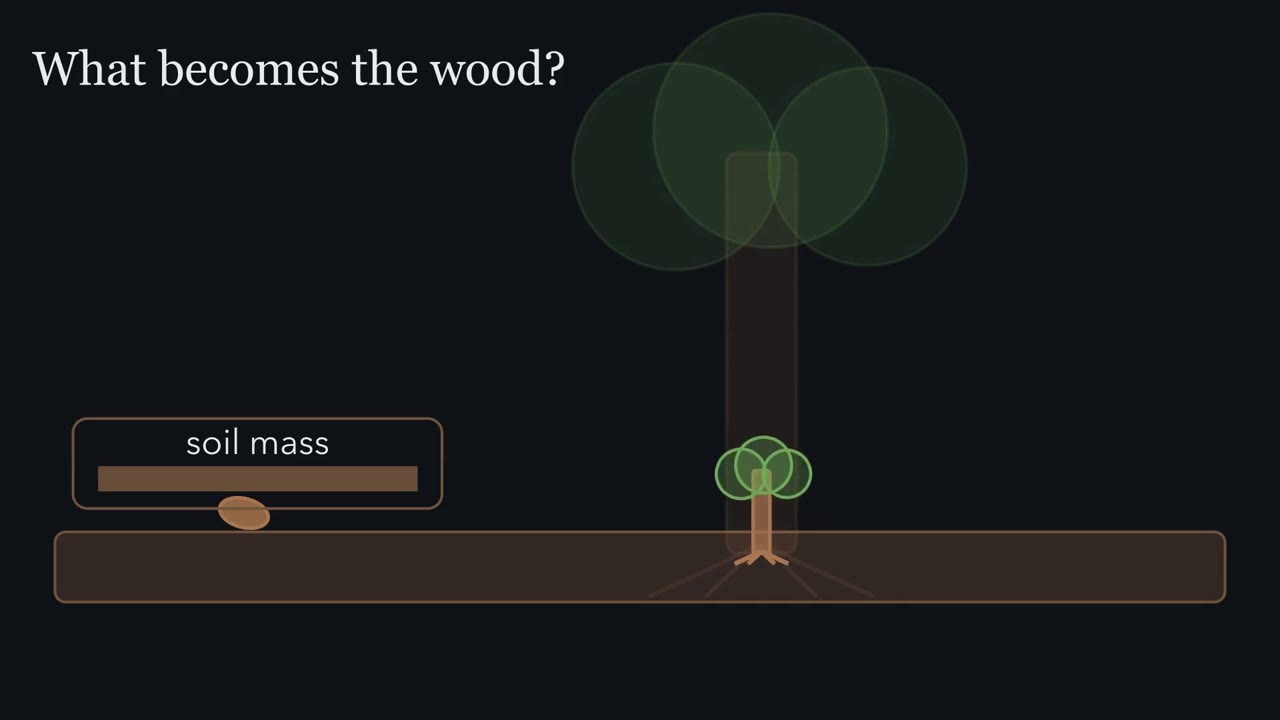 First film Length 3:26 What Becomes a Tree? Life Science · Grade 7 Photosynthesis Feeds the World
Take-home
Light powers sugar-building from carbon dioxide and water; conditions limit its speed.
-
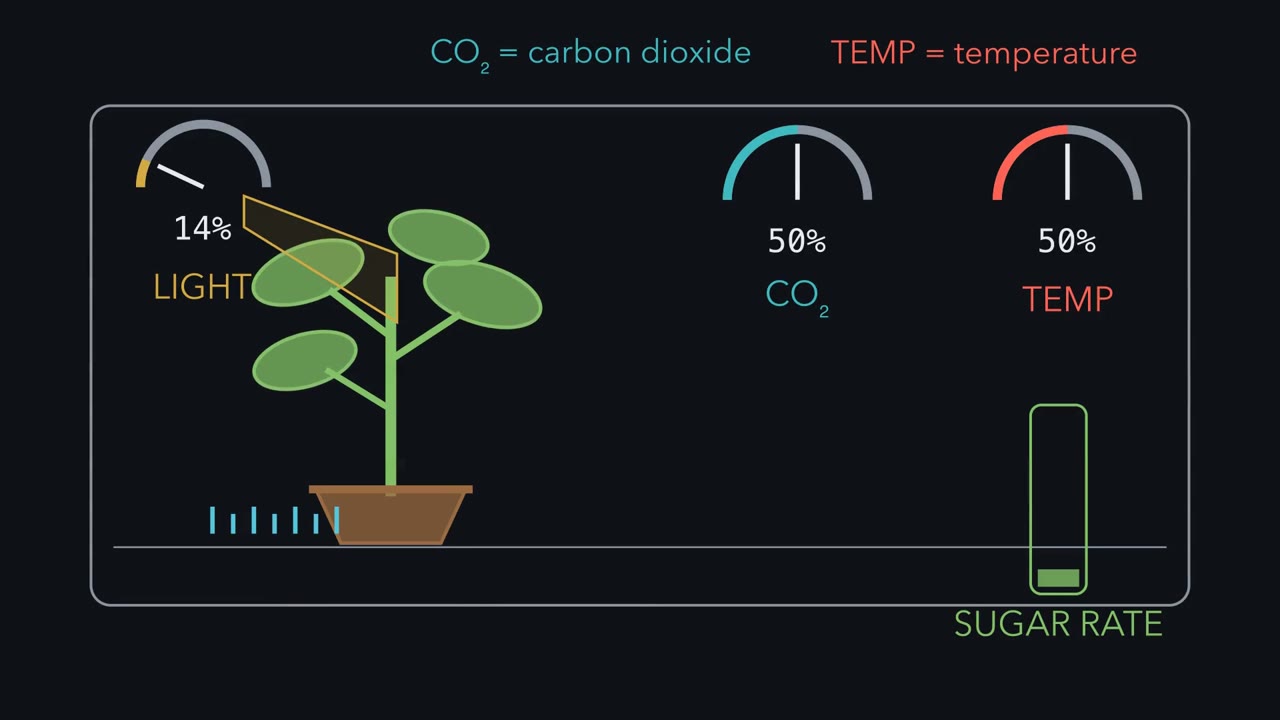 Second film Length 3:15 Why More Light Stops Helping Life Science · Grade 7 Photosynthesis Feeds the World
Take-home
Light powers sugar-building from carbon dioxide and water; conditions limit its speed.
-
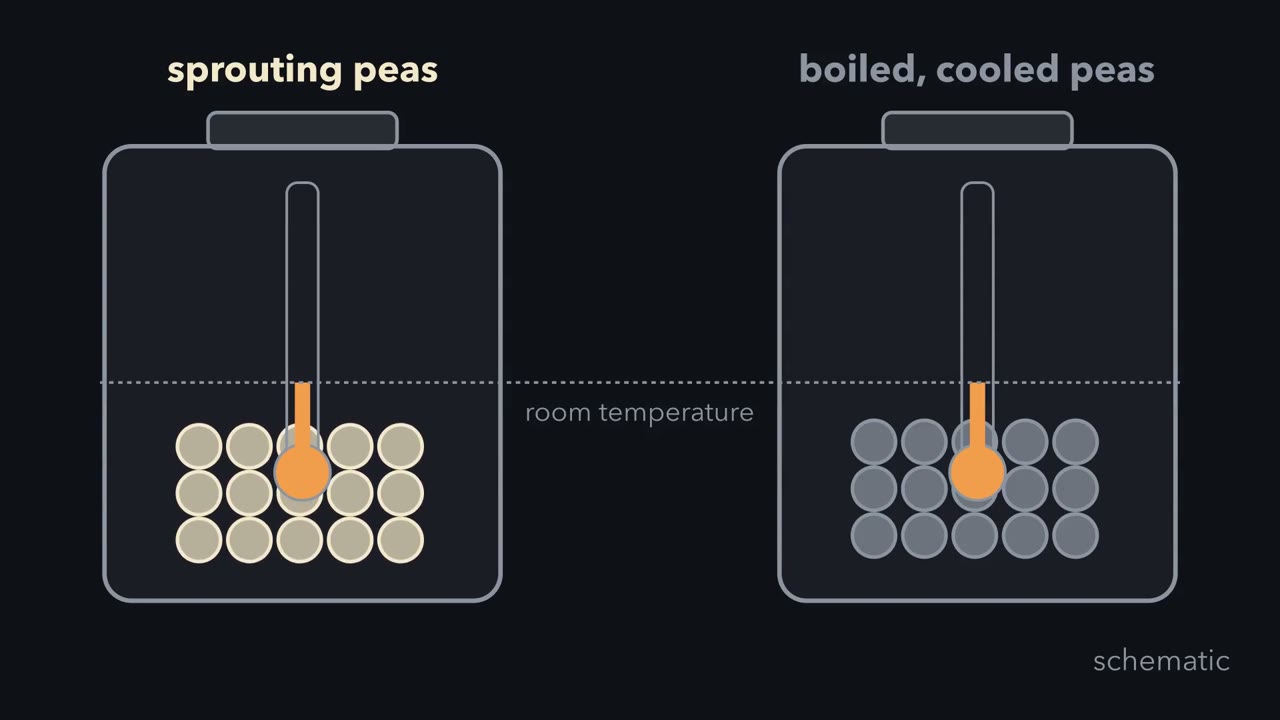 First film Length 3:24 Why Do Sprouting Peas Get Warm? Life Science · Grade 7 Releasing Energy from Food
Take-home
Respiration releases stored food energy for cell work and as thermal energy.
-
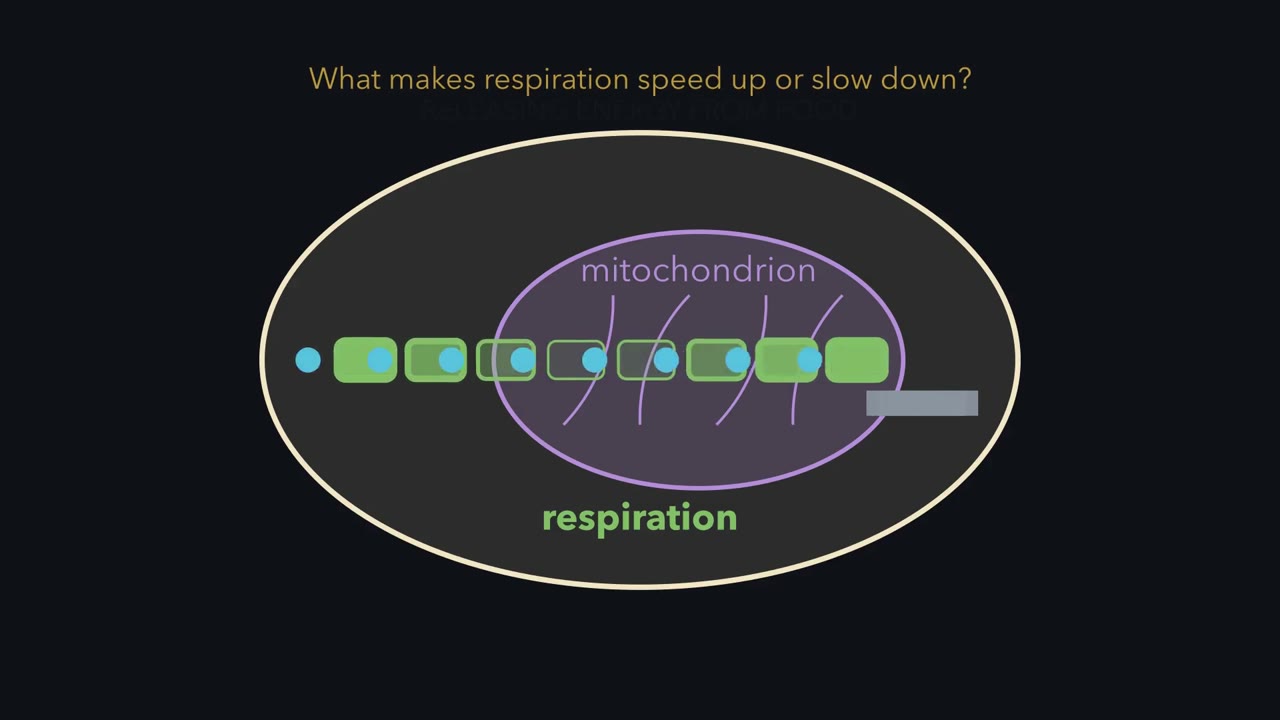 Second film Length 3:19 What Controls Respiration's Speed? Life Science · Grade 7 Releasing Energy from Food
Take-home
Respiration releases stored food energy; temperature, oxygen, and sugar change its rate.
-
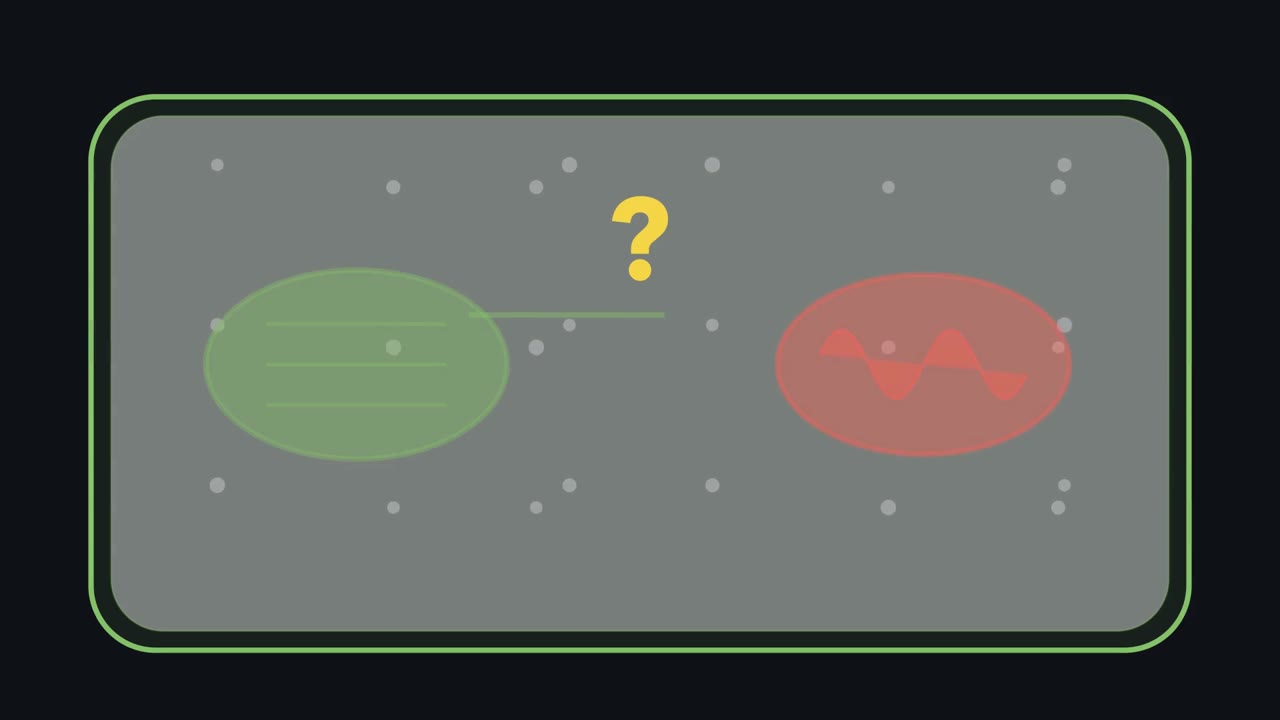 First film Length 3:34 Two Jobs in One Green Cell Life Science · Grade 7 Partners in Energy
Take-home
Photosynthesis adds oxygen in light; respiration uses oxygen day and night.
-
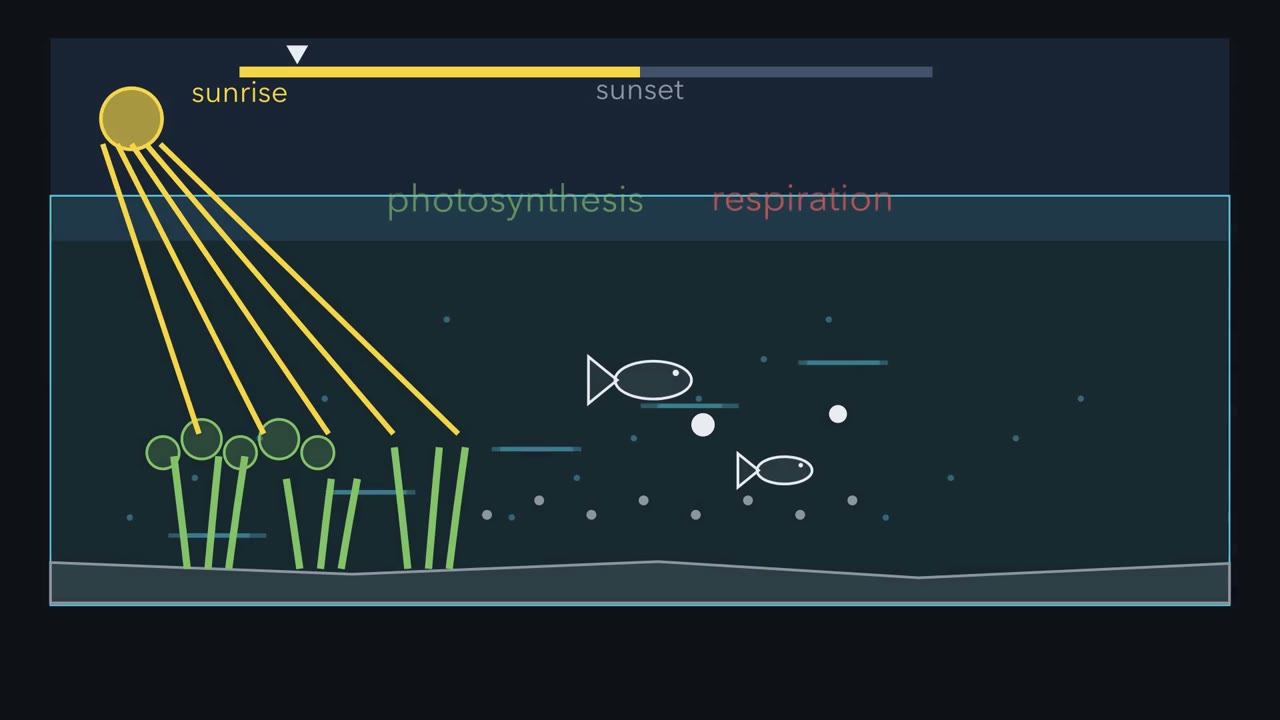 Second film Length 3:35 Why Creek Oxygen Rises and Falls Life Science · Grade 7 Partners in Energy
Take-home
Photosynthesis adds oxygen in light; respiration uses oxygen day and night.
-
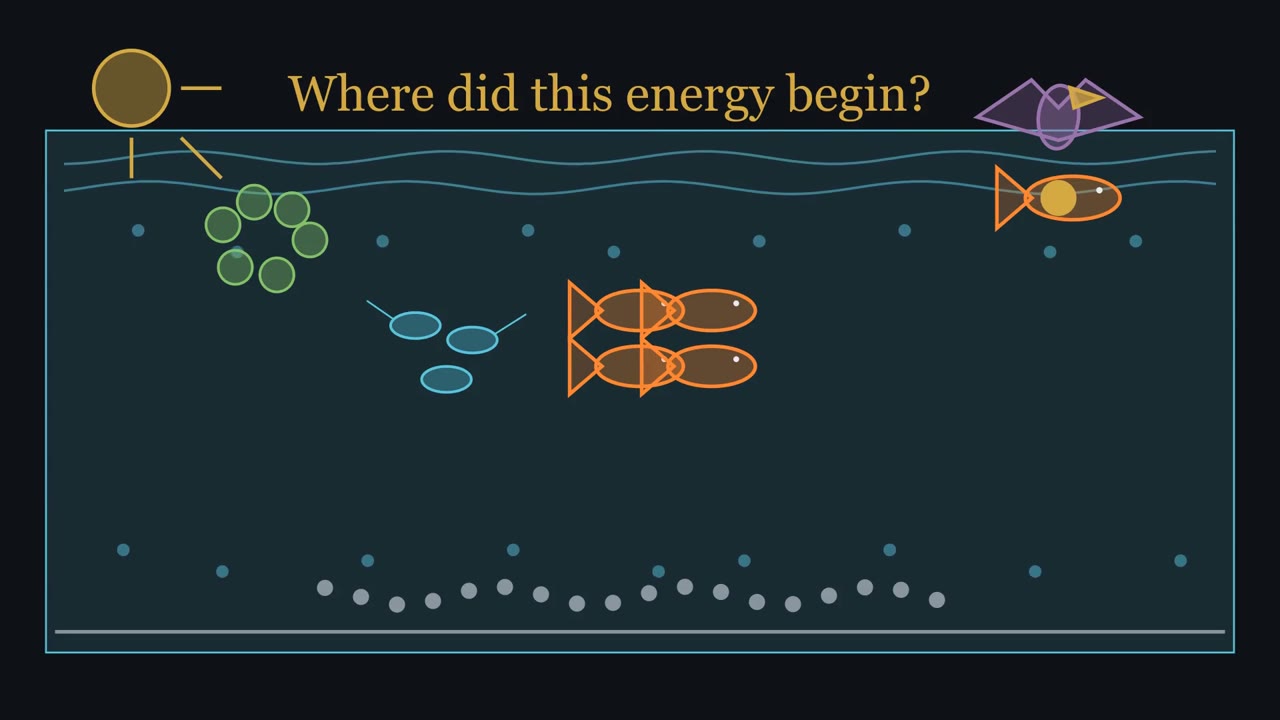 First film Length 3:24 Follow the Energy Arrows Life Science · Grade 7 Food Webs and Energy
Take-home
Food-web arrows point from food to eater, the direction energy moves.
-
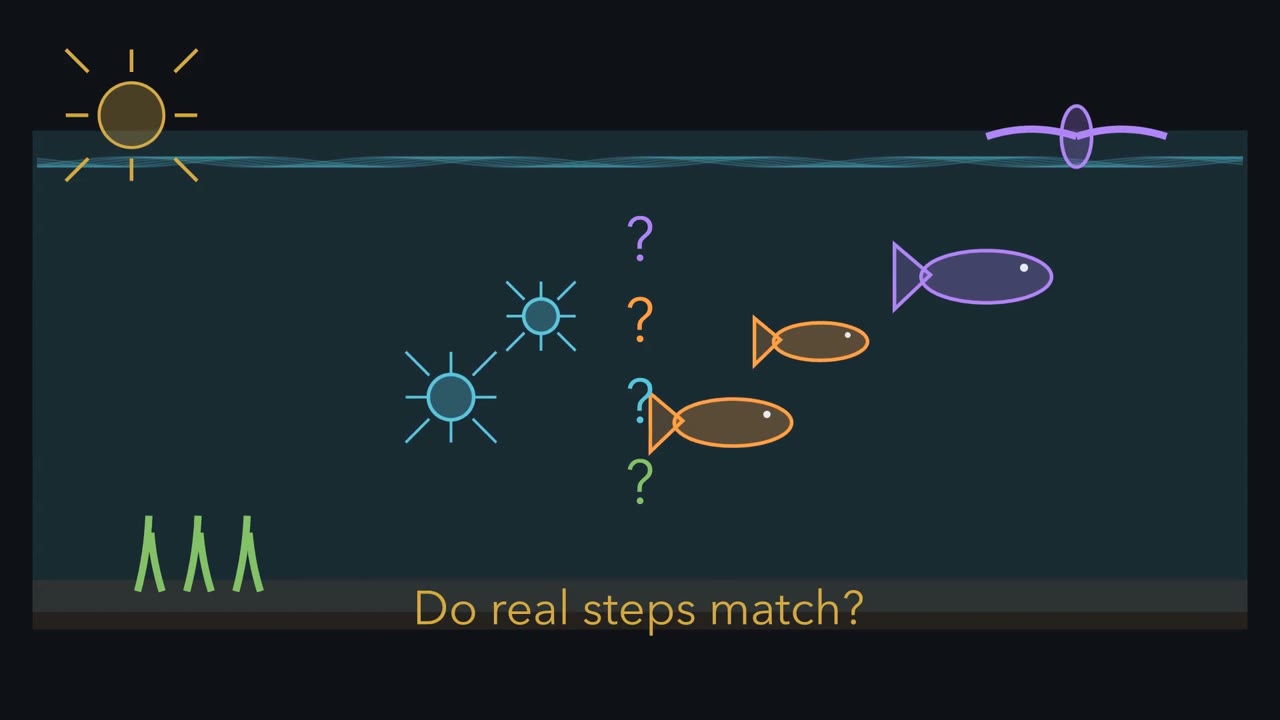 Second film Length 3:32 Test the Pyramid with Real Data Life Science · Grade 7 Food Webs and Energy
Take-home
Every step passes on less energy, but how much less varies.
-
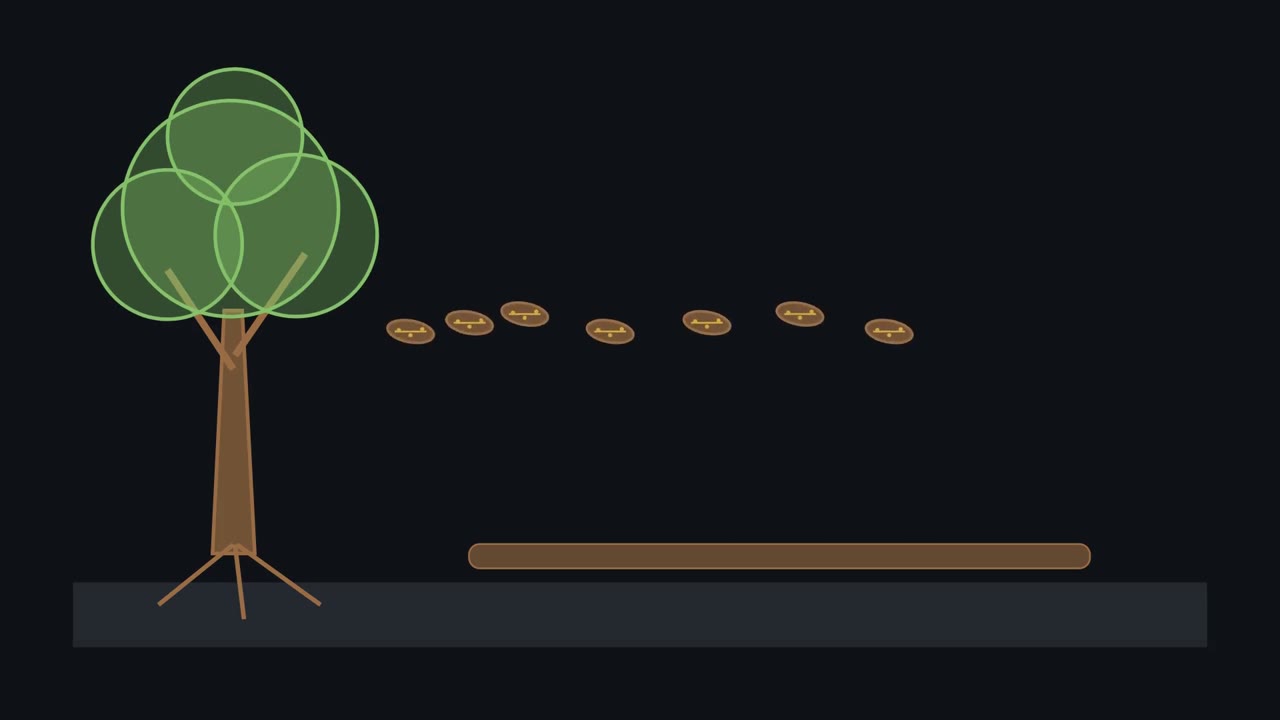 First film Length 3:19 The Leaf Pile That Stops Growing Life Science · Grade 7 Producers, Consumers and Decomposers
Take-home
Producers like the oak build leaves using energy from sunlight; consumers eat producers or other consumers.
-
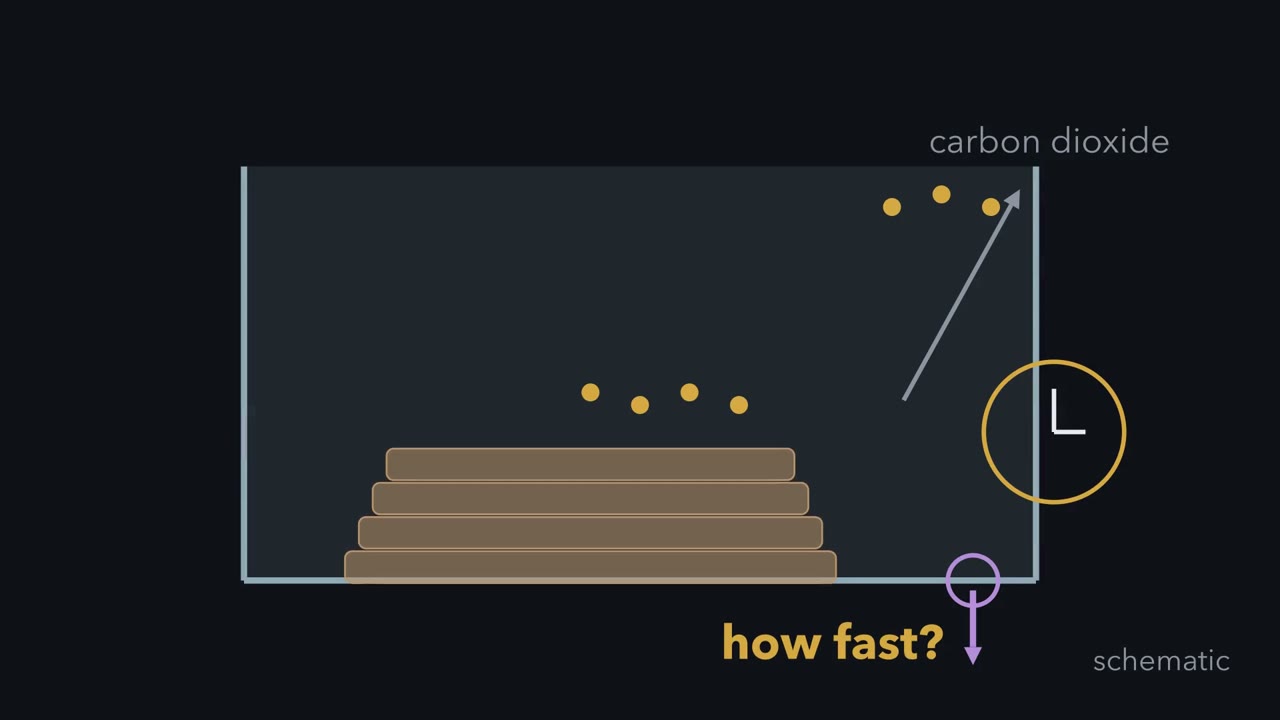 Second film Length 3:13 Weighing the Drain Life Science · Grade 7 Producers, Consumers and Decomposers
Take-home
Researchers weighed sealed bags of dried leaves left on a West Virginia forest floor for two years.
-
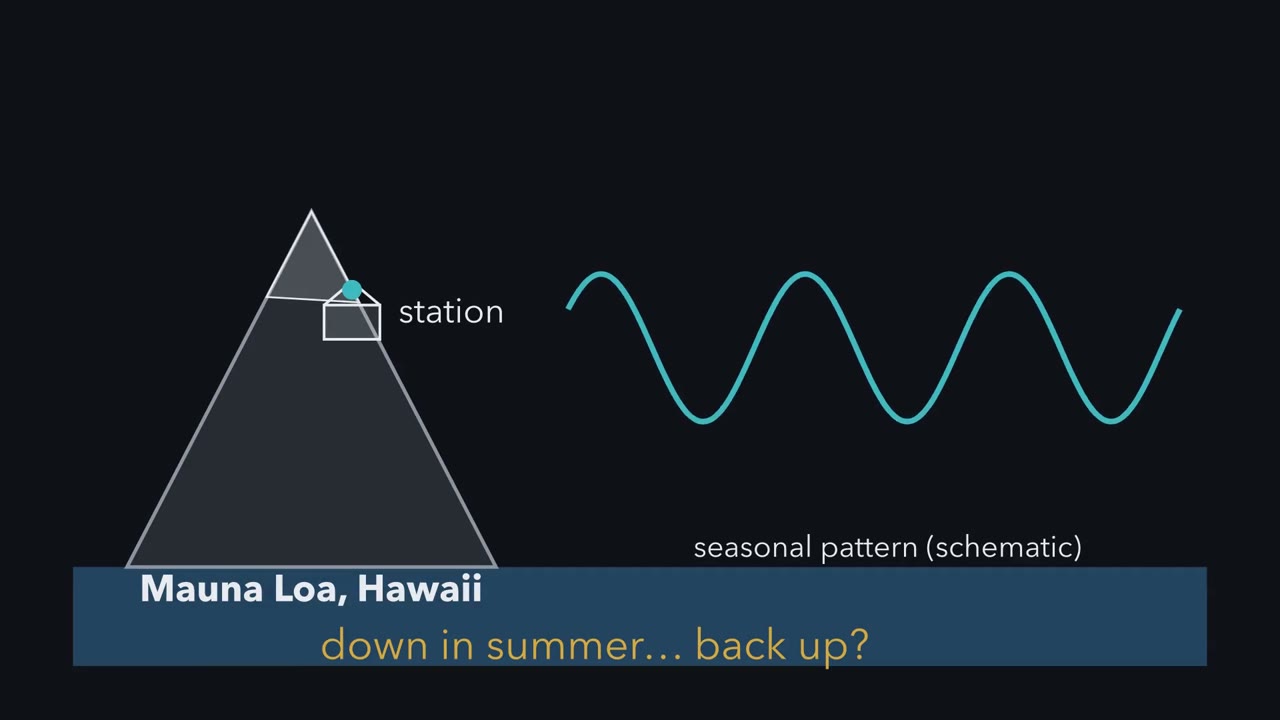 First film Length 3:20 The Air Is a Tub Life Science · Grade 7 The Carbon and Water Cycles
Take-home
Picture the air as a tub of carbon: its carbon dioxide goes up only when more flows in than flows out, and down only when more flows out than flows in.
-
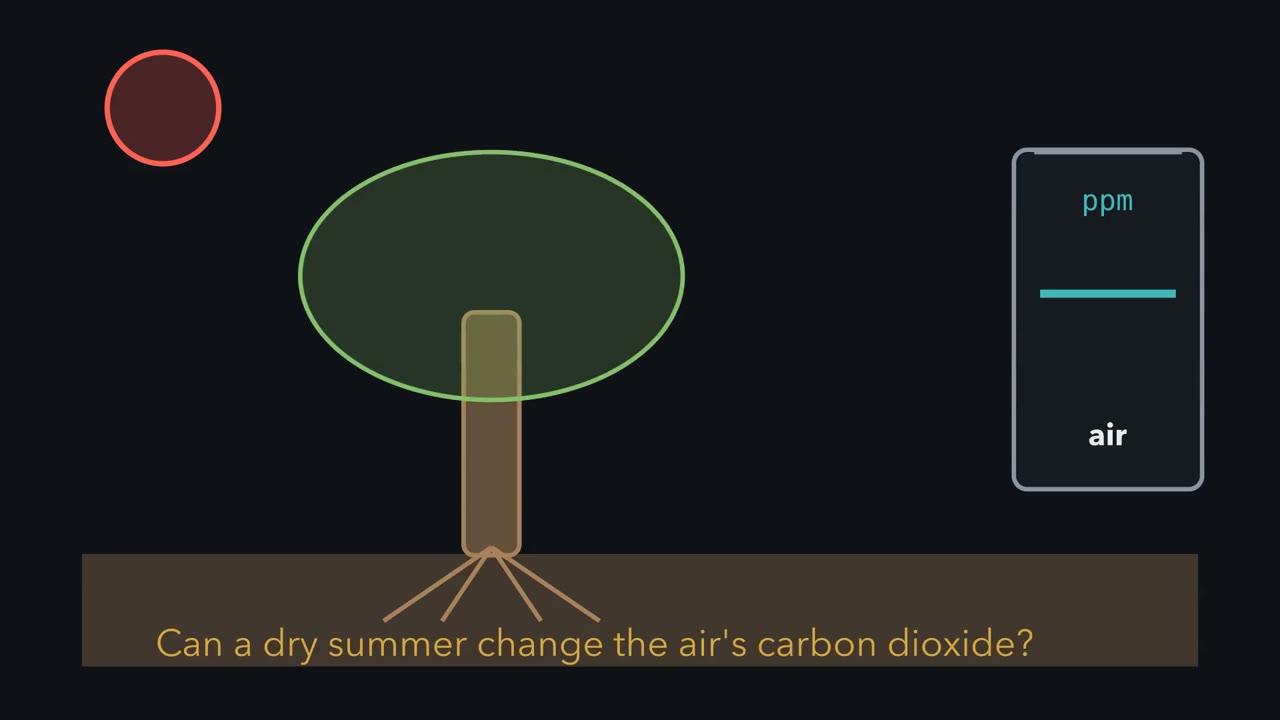 Second film Length 3:03 One Door for Two Cycles Life Science · Grade 7 The Carbon and Water Cycles
Take-home
Water moves by evaporation, condensation, precipitation, infiltration and runoff, and plants send it back to the air by transpiration.
-
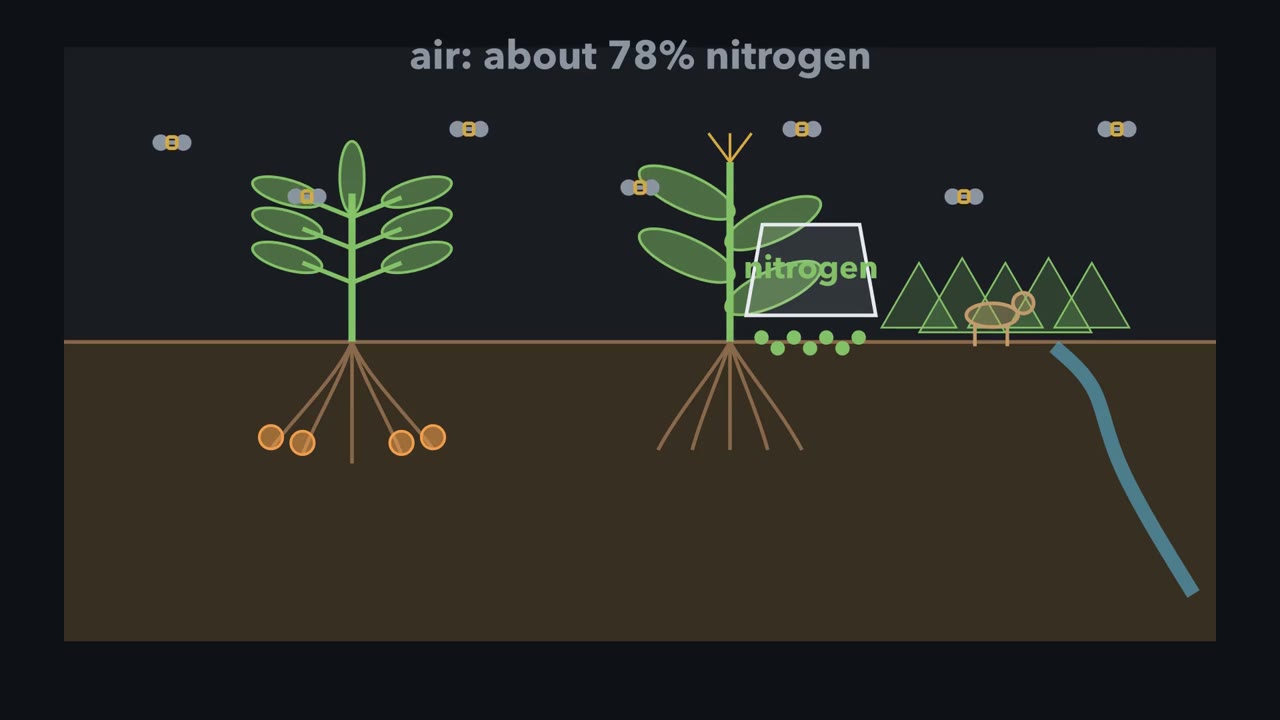 First film Length 3:22 Nitrogen Everywhere, and Not a Bit to Use Life Science · Grade 7 Nitrogen for Life
Take-home
Living things need nitrogen to build proteins and DNA.
-
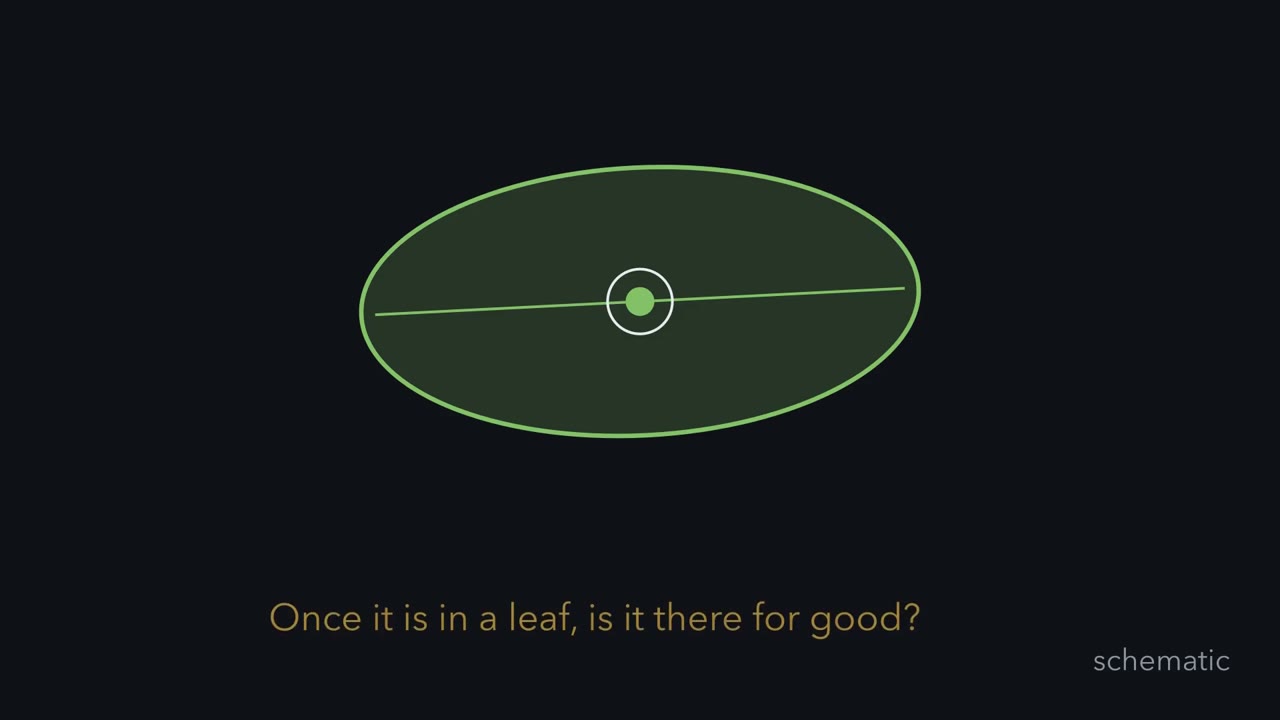 Second film Length 3:09 Around the Loop, and Out of It Life Science · Grade 7 Nitrogen for Life
Take-home
Nitrogen moves from the air, into the soil, into plants and animals, and back again; this loop is the nitrogen cycle.
-
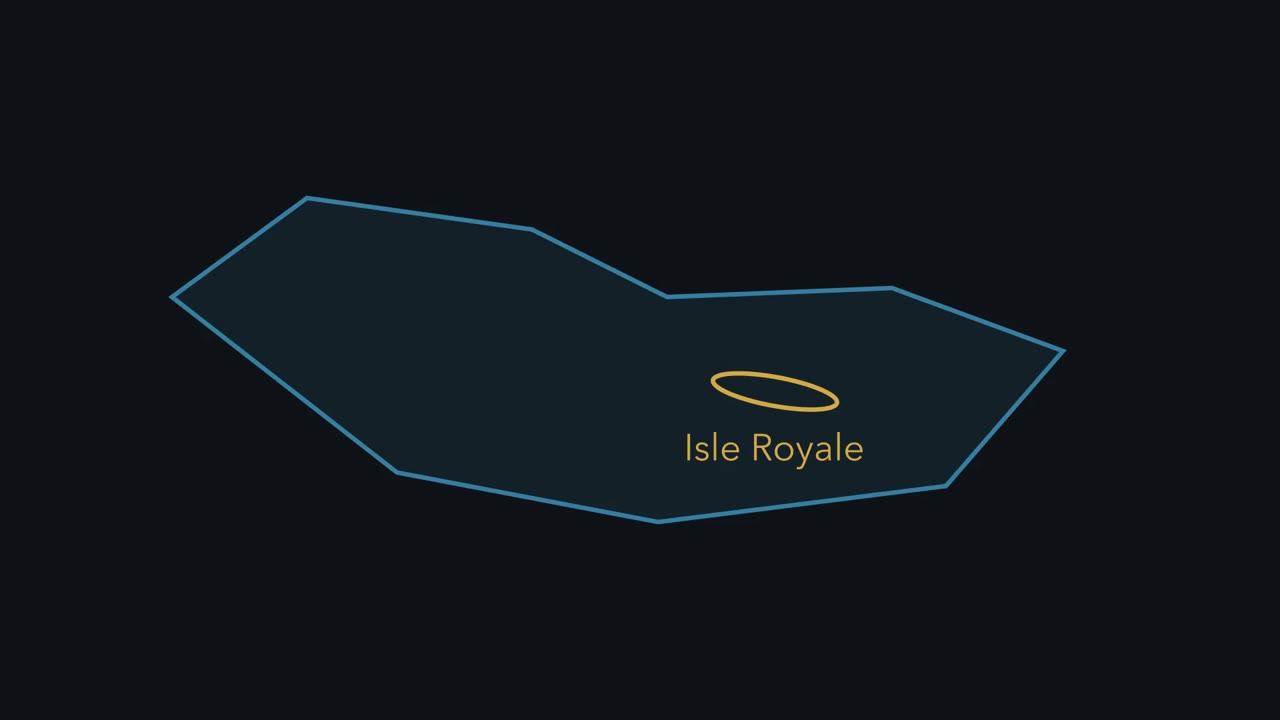 First film Length 3:13 Why the Wolves Never Finish the Moose Life Science · Grade 7 Predators and Prey
Take-home
Moose are the wolves' food, so the number of moose for each wolf is a rough clue to how easily wolves find food.
-
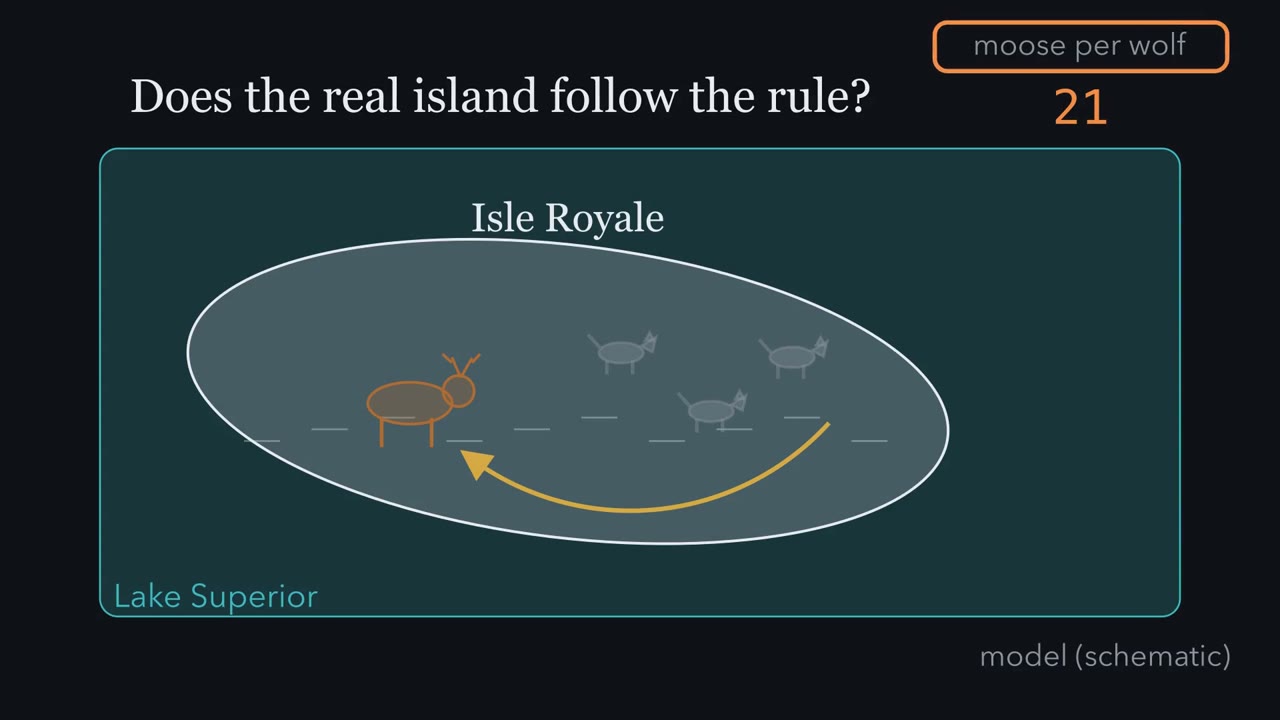 Second film Length 3:12 What the Island's Counts Show Life Science · Grade 7 Predators and Prey
Take-home
On Isle Royale, a drop to few moose for each wolf came before a drop in wolves in the late 1990s.
-
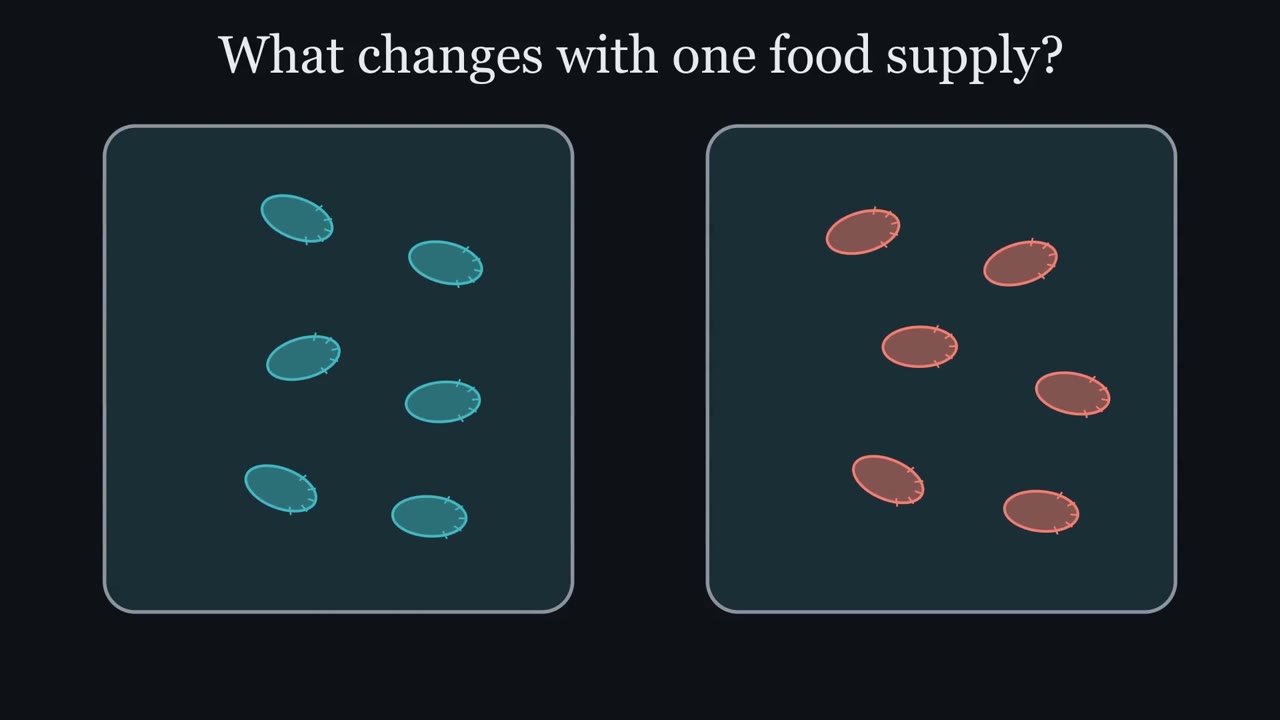 First film Length 3:08 One Tube, One Shared Supply Life Science · Grade 7 Competition and Cooperation
Take-home
Limited resources can restrict populations; cooperation can help members meet their needs.
-
 Second film Length 3:09 When Working Together Helps Life Science · Grade 7 Competition and Cooperation
Take-home
Limited resources can restrict populations; cooperation can help members meet their needs.
-
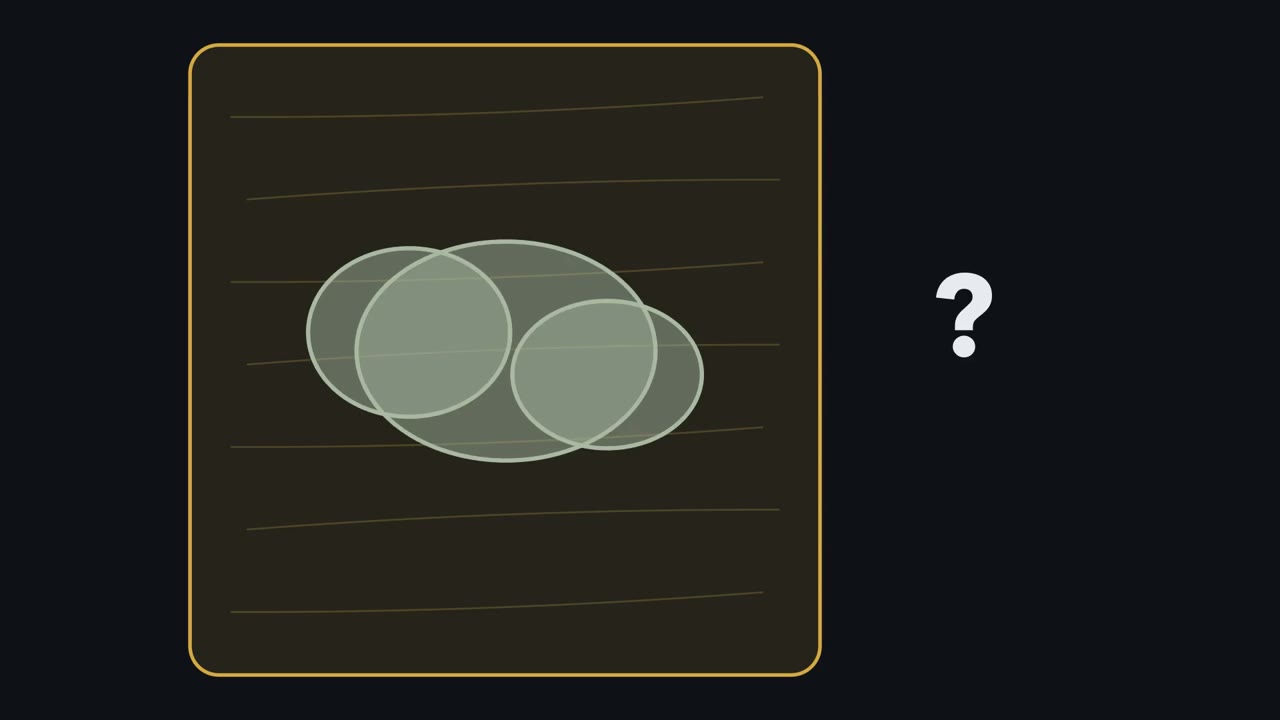 First film Length 3:14 One Patch, Two Relationships Life Science · Grade 7 Living Together: Symbiosis
Take-home
Sort symbiosis by what each partner gains or loses.
-
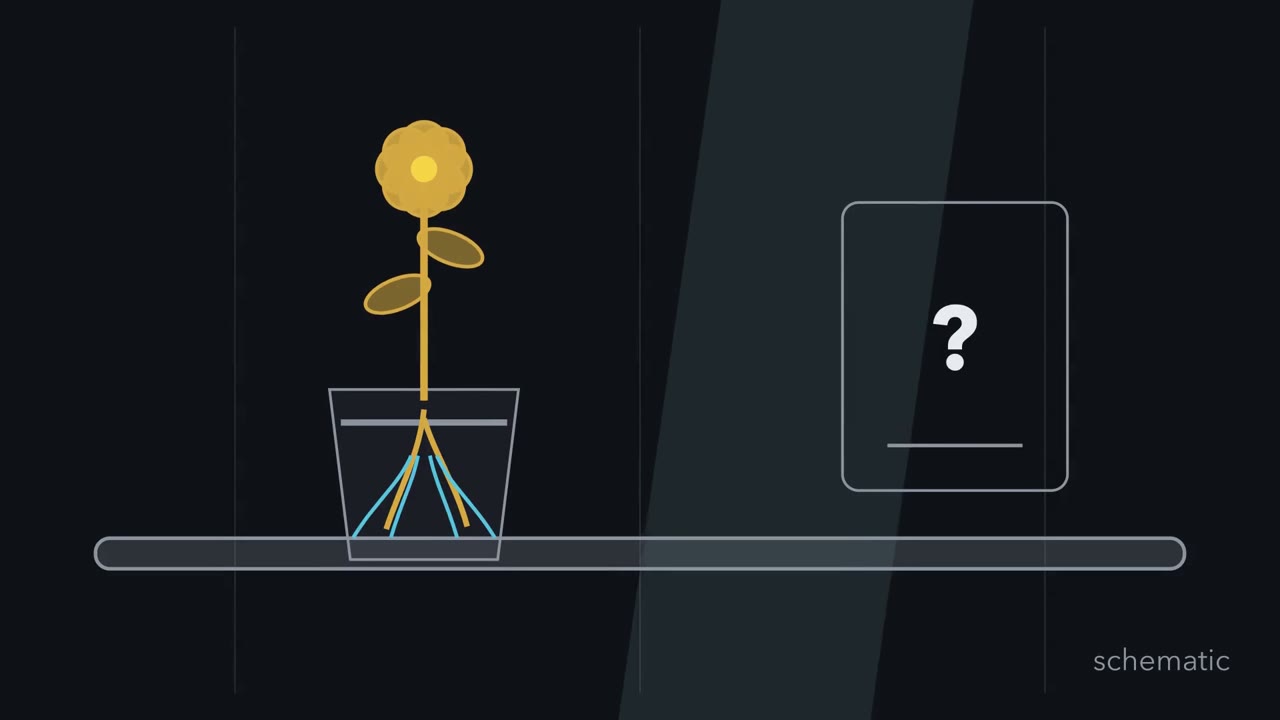 Second film Length 3:03 Does the Fungus Help? Life Science · Grade 7 Living Together: Symbiosis
Take-home
Sort symbiosis by what each partner gains or loses.
-
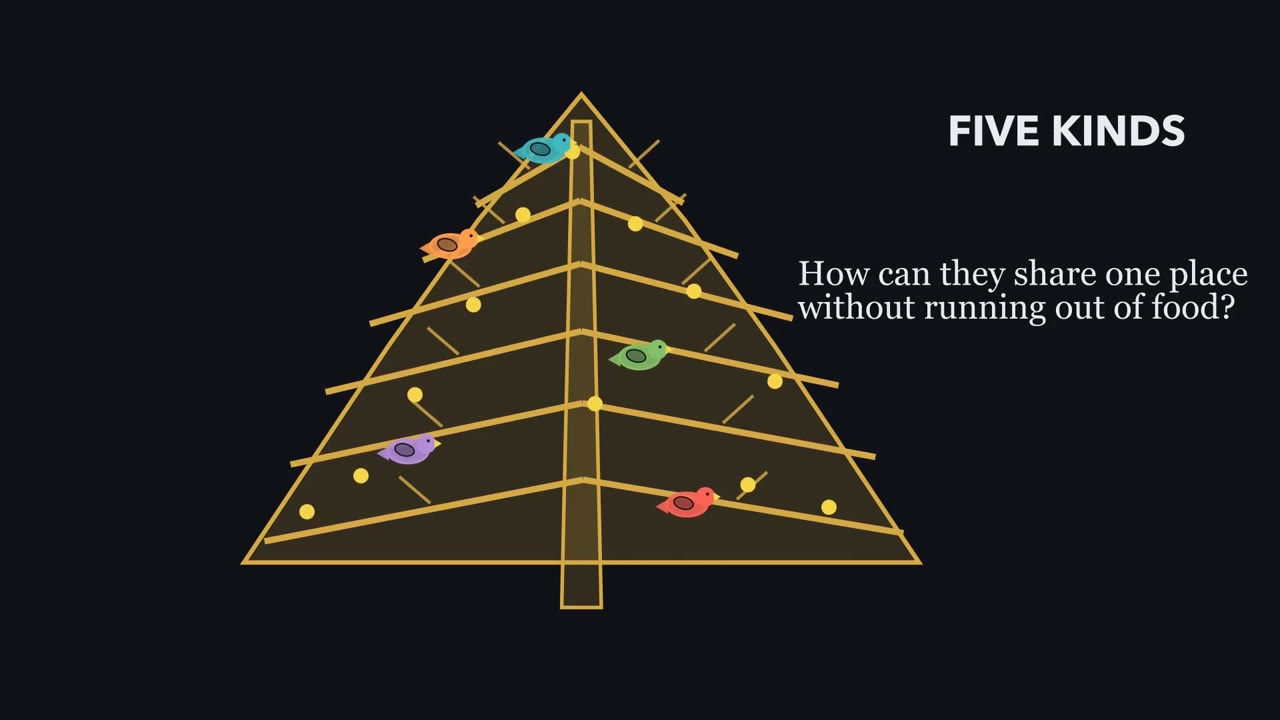 First film Length 3:06 One Forest, Different Ways to Live Life Science · Grade 7 Habitat and Niche
Take-home
A habitat is the place where an organism lives.
-
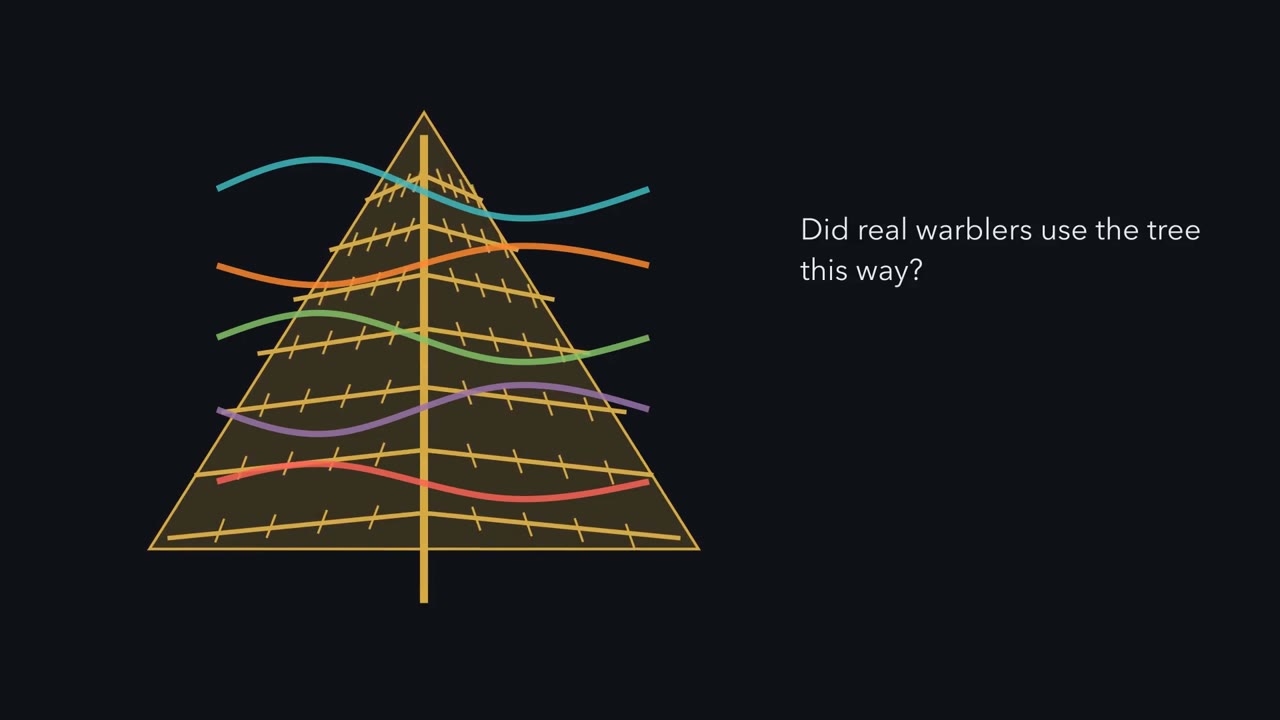 Second film Length 3:05 Reading the Warblers' Tree Map Life Science · Grade 7 Habitat and Niche
Take-home
MacArthur recorded where each kind of warbler spent time in spruce trees.
-
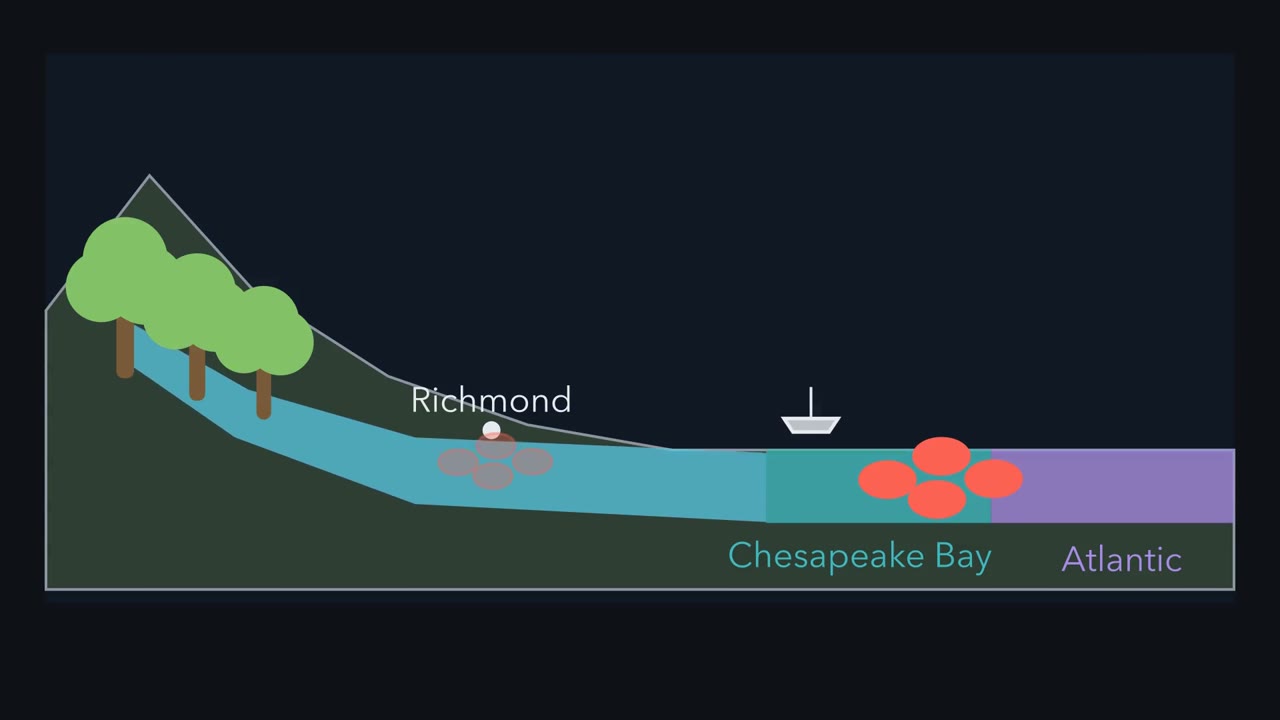 First film Length 3:10 Two Sides of Every Ecosystem Life Science · Grade 7 Land and Water Ecosystems
Take-home
Living interactions and nonliving conditions help decide what can live where.
-
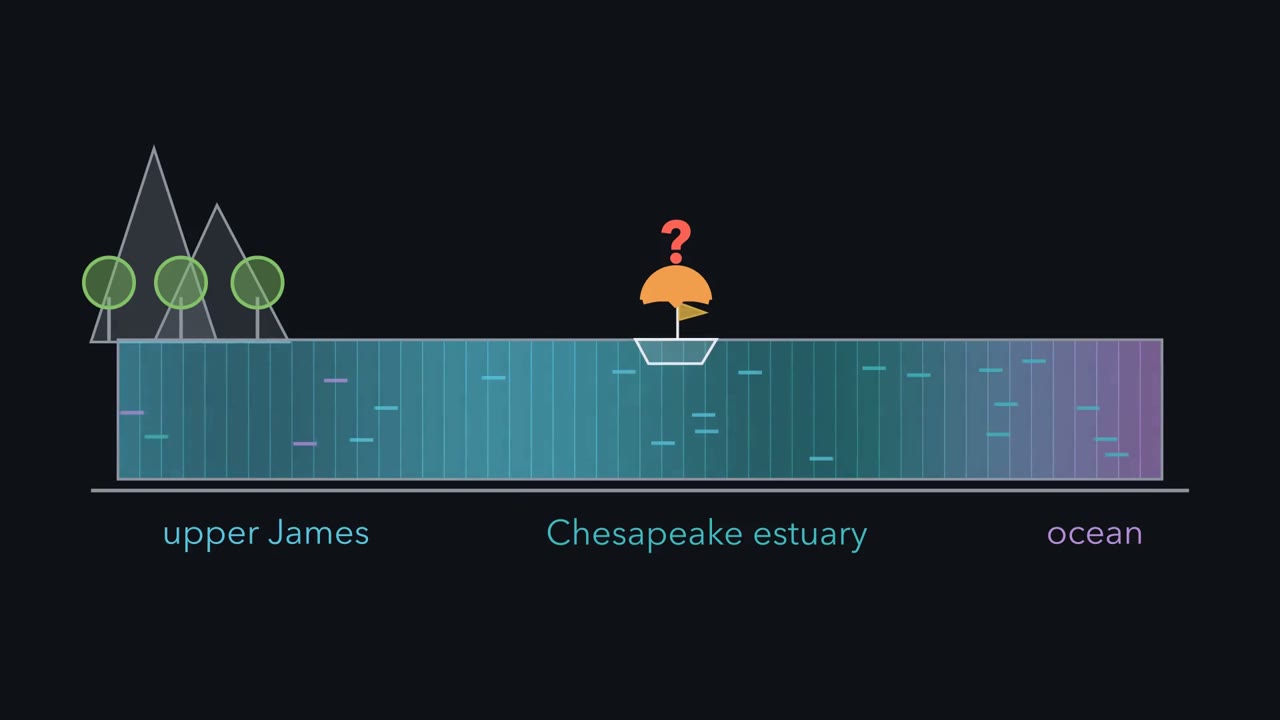 Second film Length 3:06 Following Salt Down the James Life Science · Grade 7 Land and Water Ecosystems
Take-home
Living interactions and nonliving conditions help decide what can live where.
-
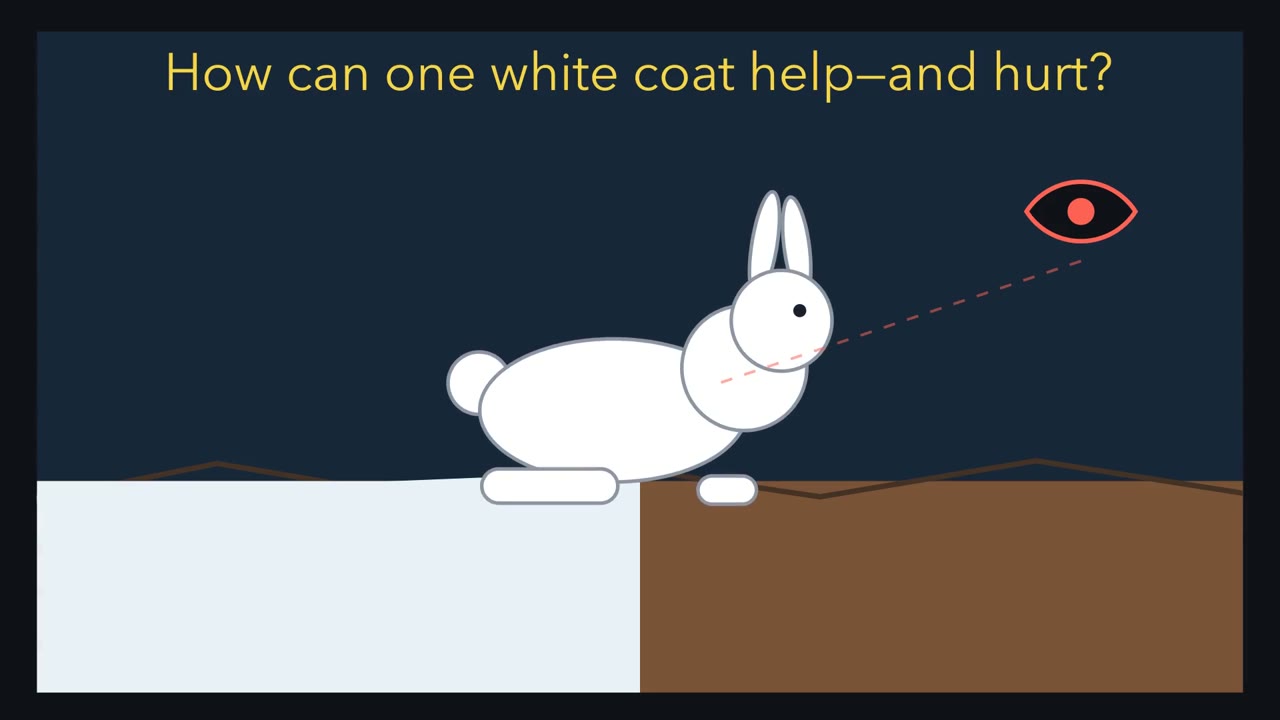 First film Length 3:22 Why a White Coat Can Help—and Hurt Life Science · Grade 7 Adaptations for Survival
Take-home
An adaptation is an inherited trait that helps survival and reproduction in a particular ecosystem.
-
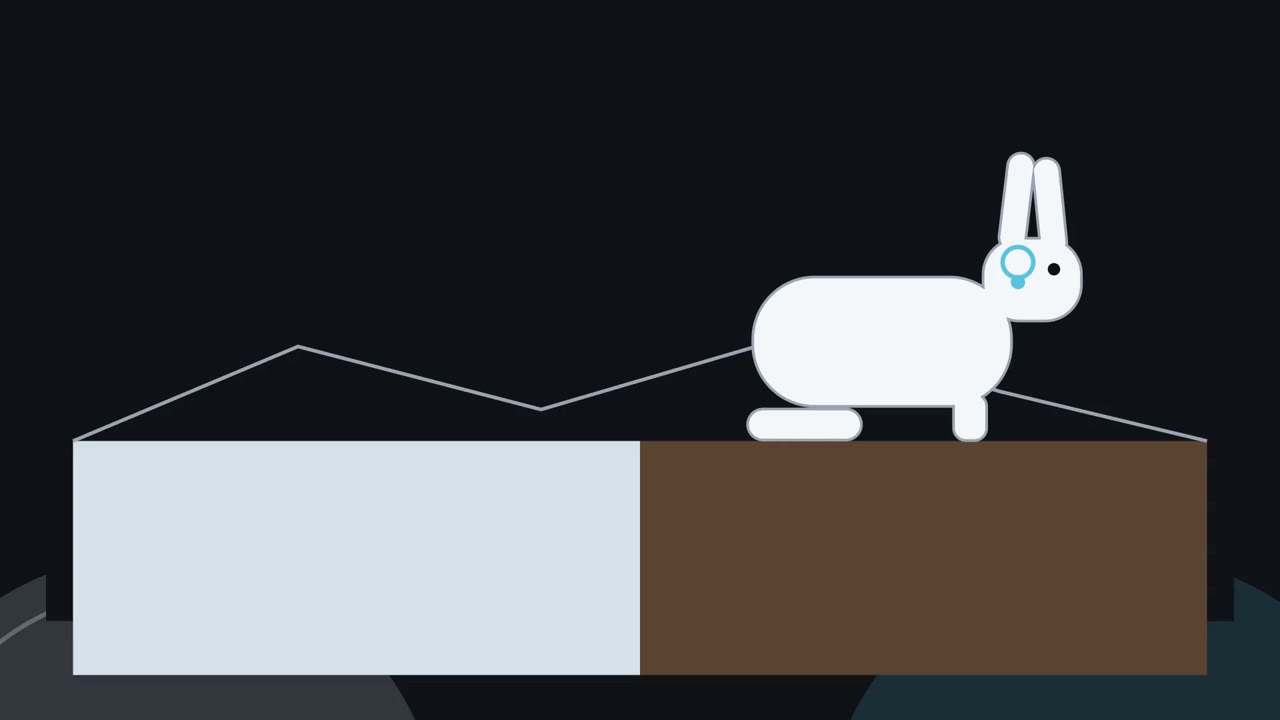 Second film Length 3:31 What the Hare Data Show Life Science · Grade 7 Adaptations for Survival
Take-home
A coat that mismatches the ground can make prey easier for predators to find.
-
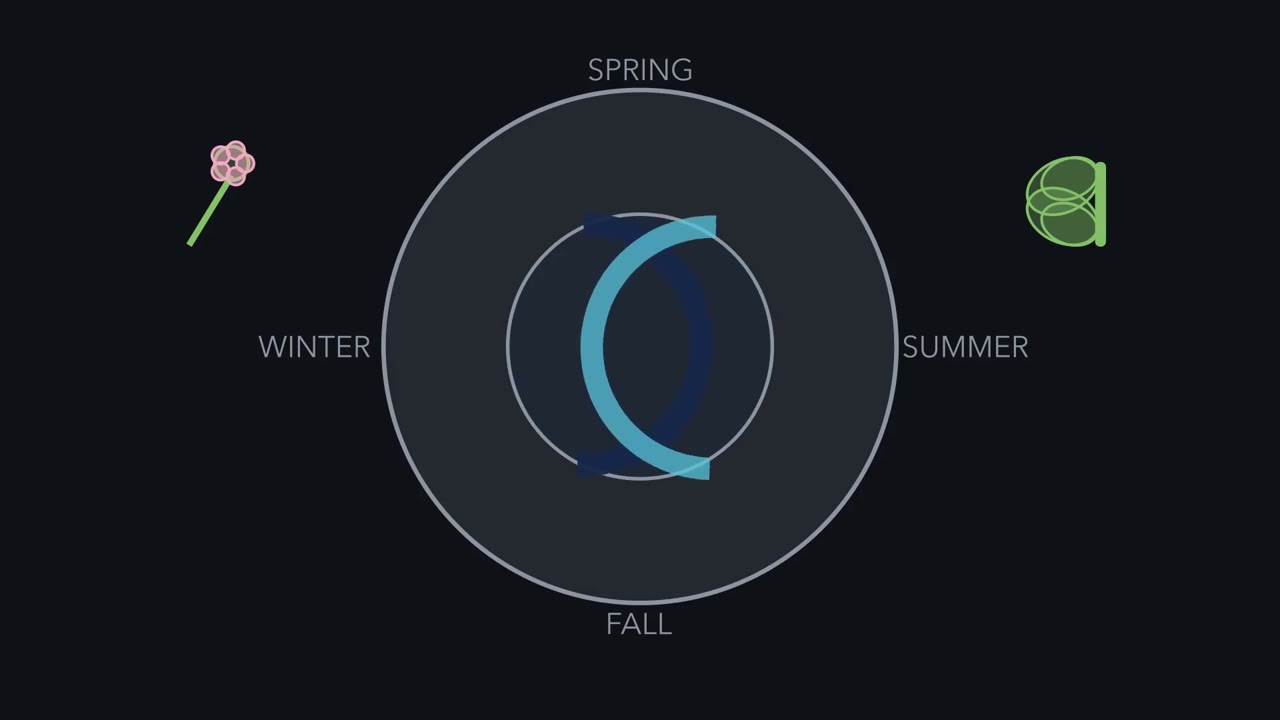 First film Length 3:38 From One Day to One Year Life Science · Grade 7 Daily and Seasonal Rhythms
Take-home
Inner rhythms and environmental cues time responses; long-term changes can shift them.
-
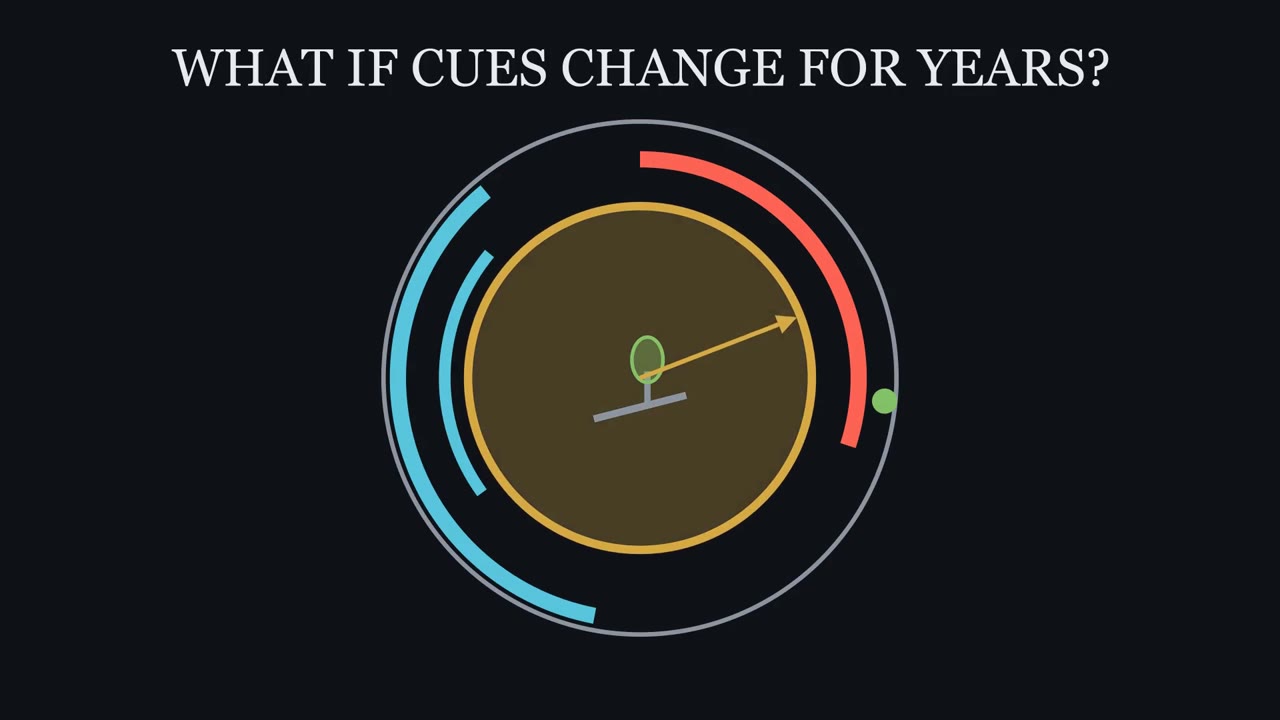 Second film Length 3:36 When Nature's Calendar Shifts Life Science · Grade 7 Daily and Seasonal Rhythms
Take-home
Inner rhythms and environmental cues time responses; long-term changes can shift them.
-
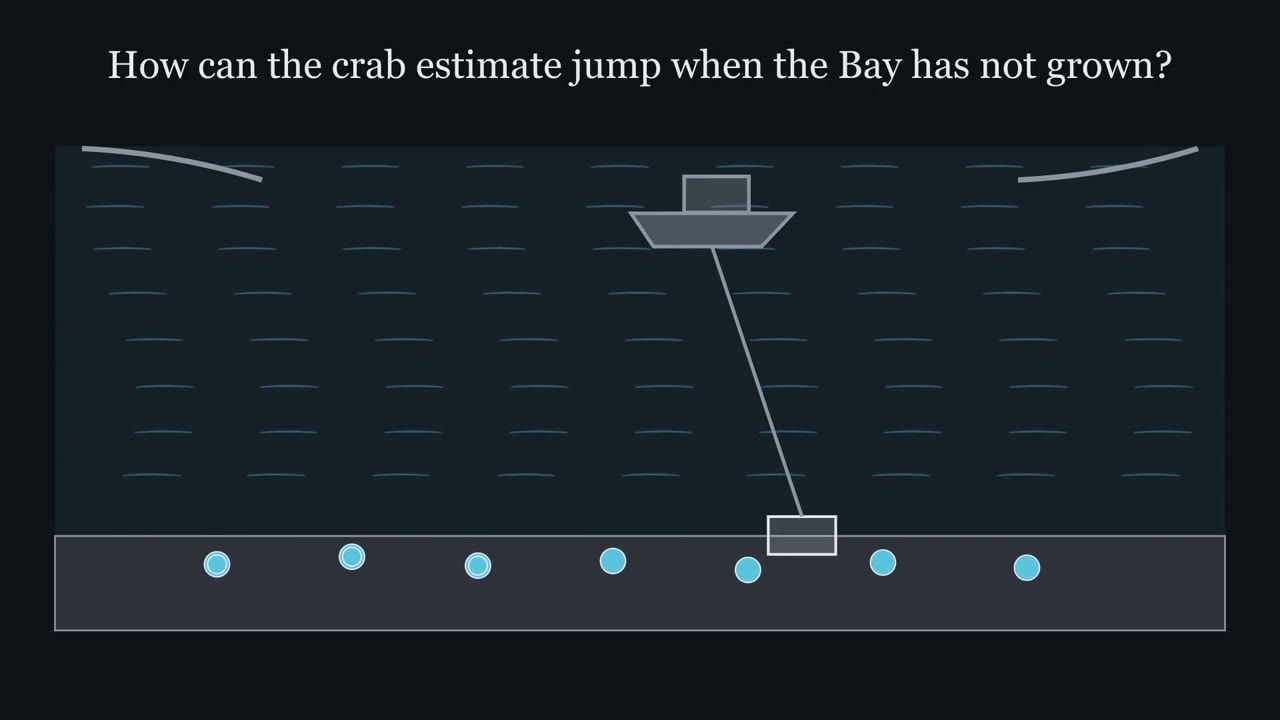 First film Length 3:30 Four Ways a Population Changes Life Science · Grade 7 Populations Rise and Fall
Take-home
Populations rise when additions exceed losses, and fall when losses exceed additions.
-
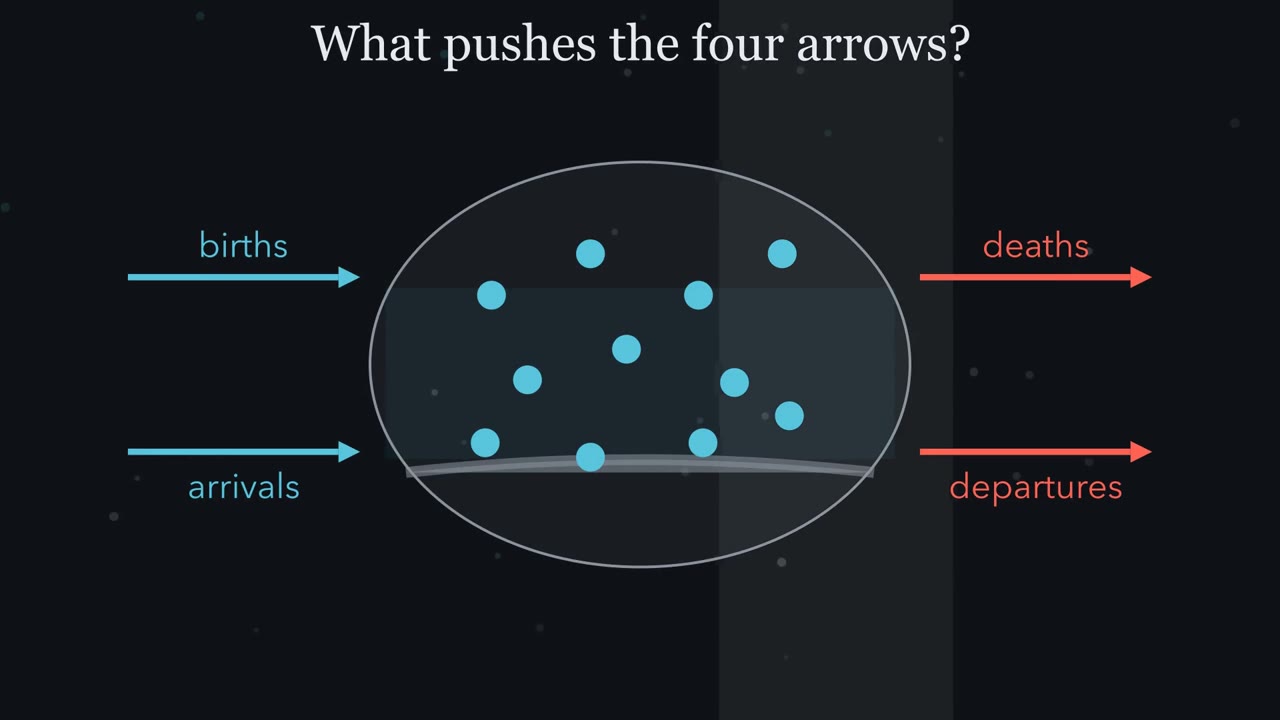 Second film Length 3:40 What Pushes the Four Arrows? Life Science · Grade 7 Populations Rise and Fall
Take-home
Populations rise when additions exceed losses, and fall when losses exceed additions.
-
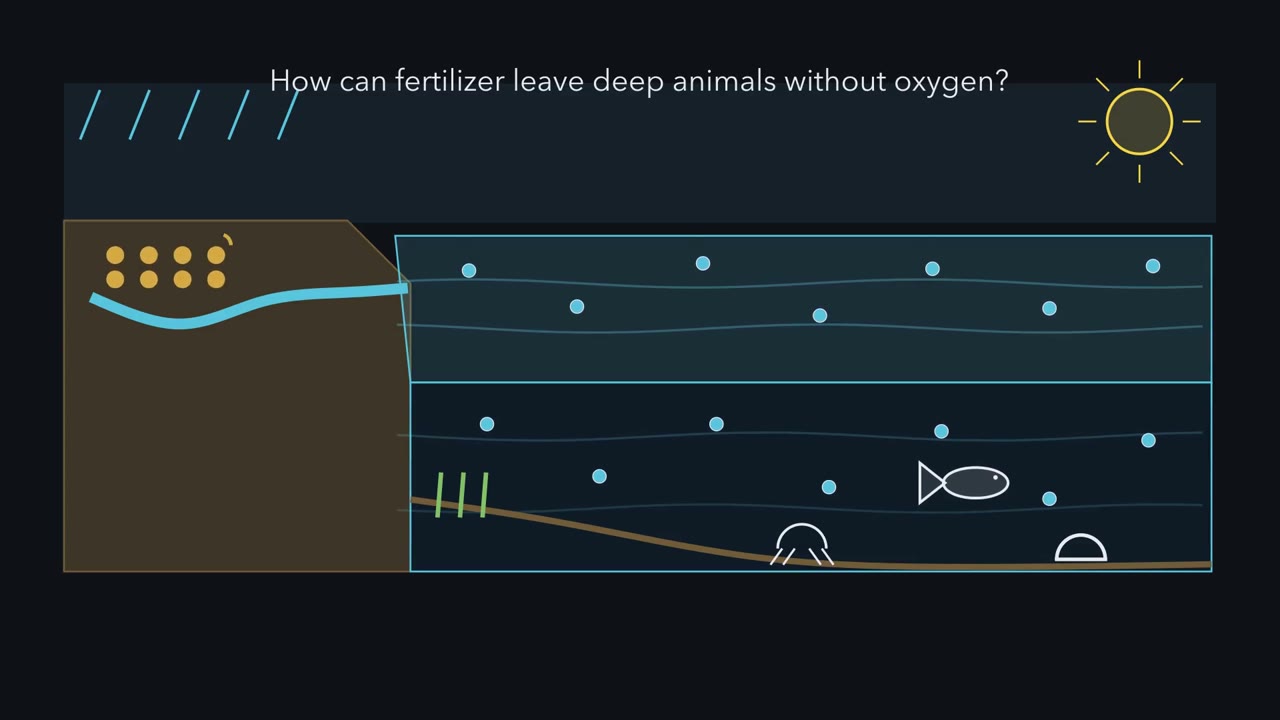 First film Length 3:21 Extra Nutrients, Less Deep Oxygen Life Science · Grade 7 Big Changes: Dead Zones, Storms and Climate
Take-home
Change one ecosystem part, and effects can spread through the system.
-
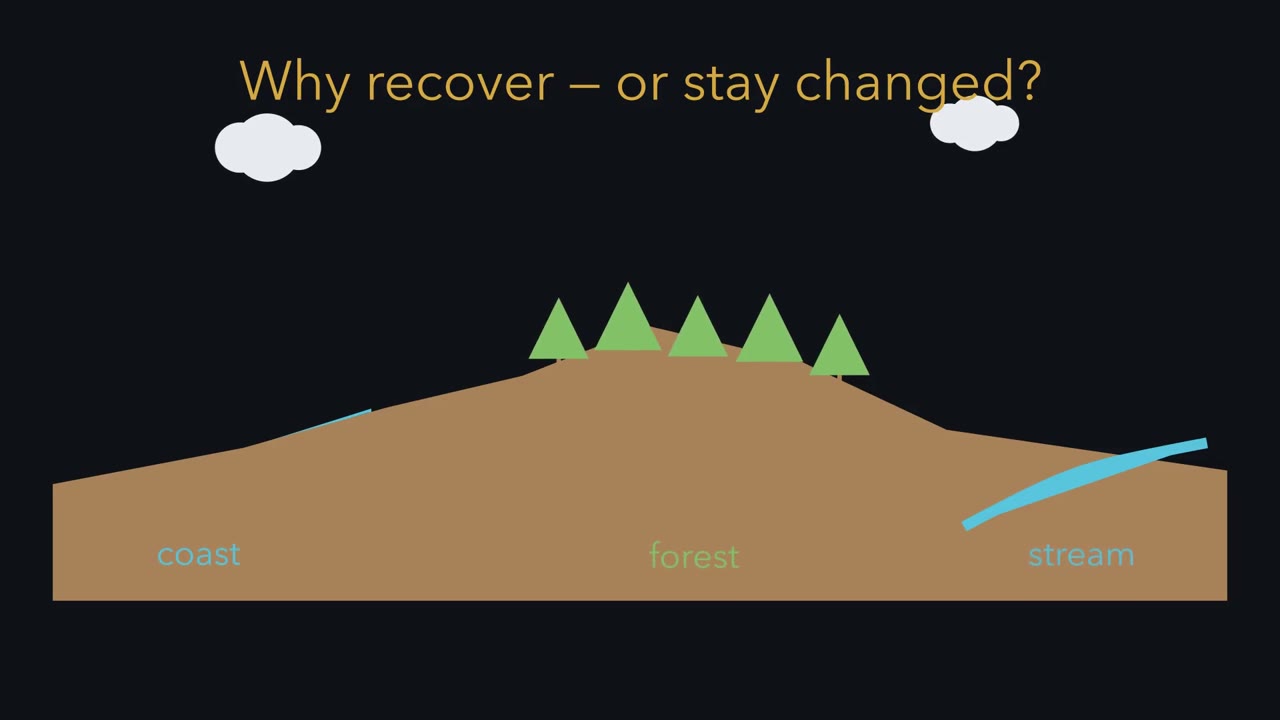 Second film Length 3:30 When Ecosystems Change Course Life Science · Grade 7 Big Changes: Dead Zones, Storms and Climate
Take-home
Change one ecosystem part, and effects can spread through the system.
-
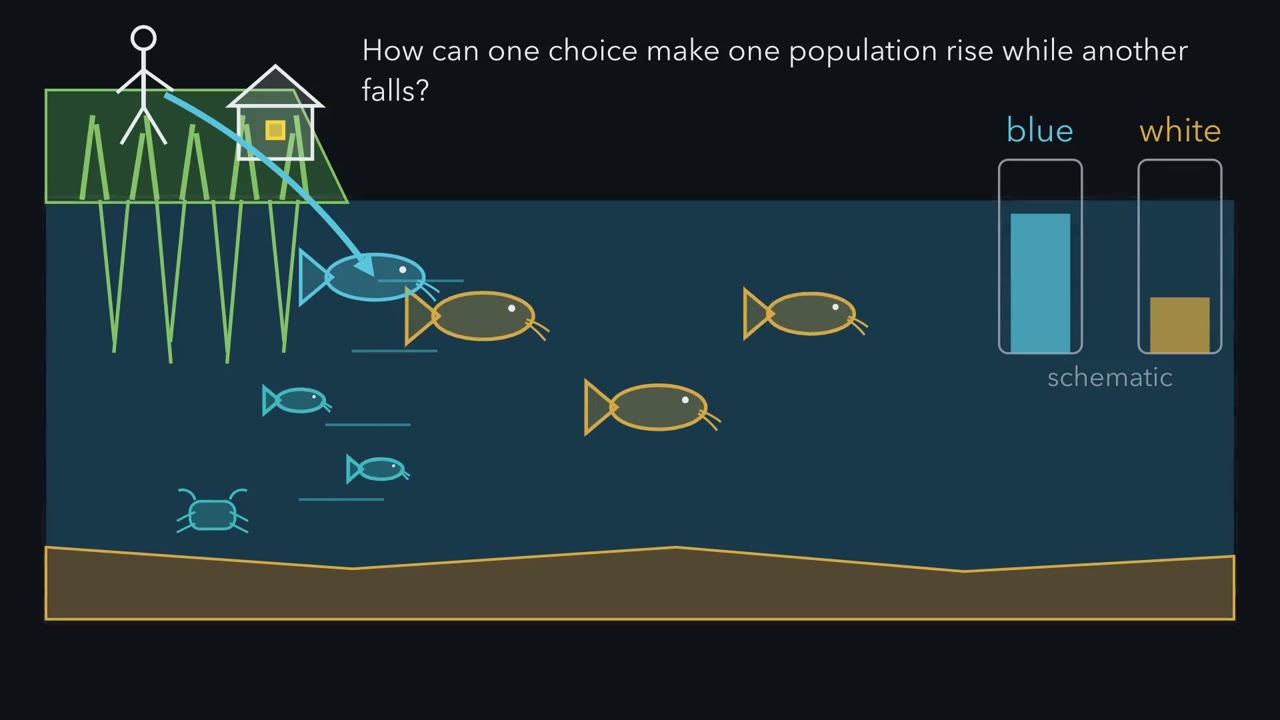 First film Length 3:22 One Change, Many Ripples Life Science · Grade 7 People Change Habitats
Take-home
When people change an ecosystem, populations may rise or fall.
-
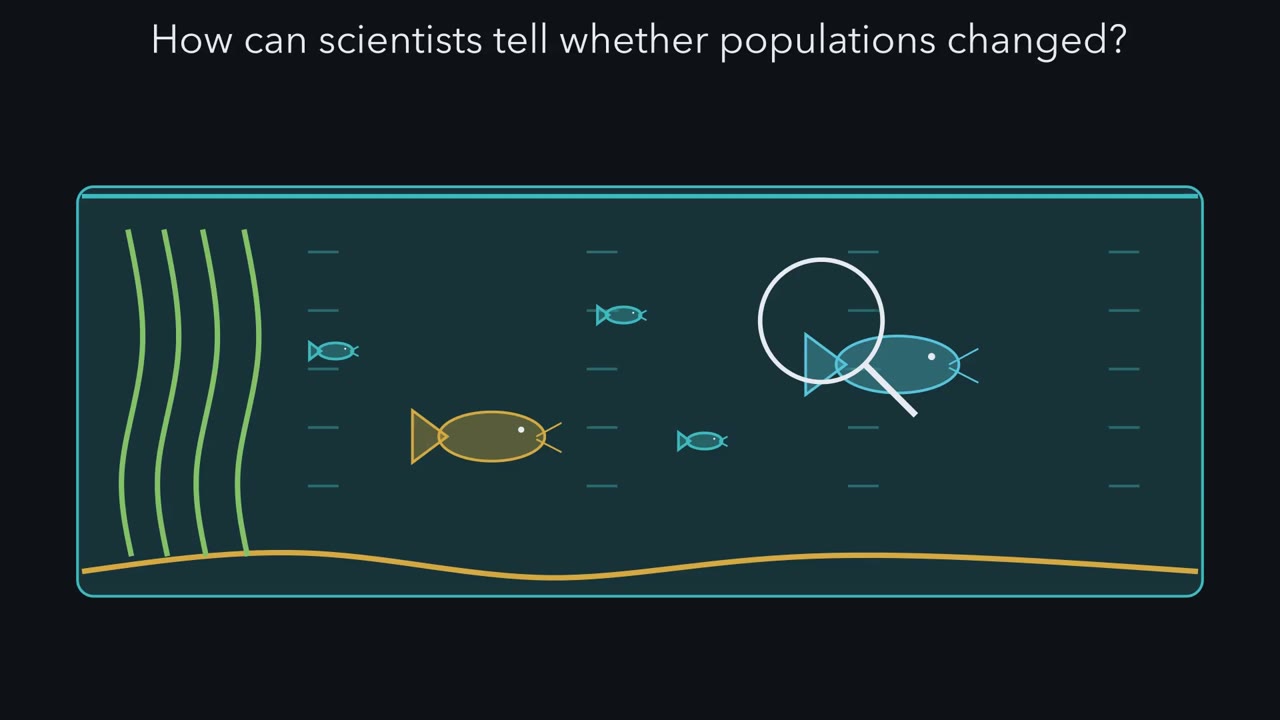 Second film Length 3:22 Reading the River's Record Life Science · Grade 7 People Change Habitats
Take-home
When people change an ecosystem, populations may rise or fall.
-
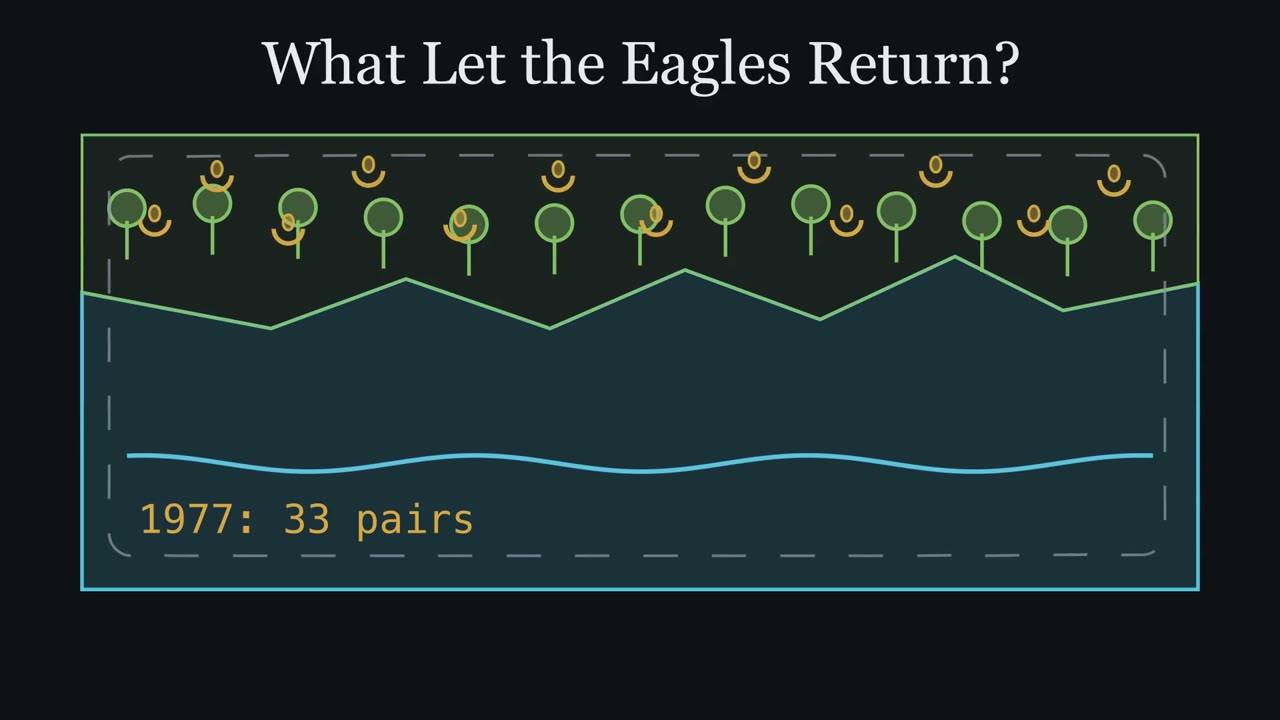 First film Length 3:30 What Let the Eagles Return? Life Science · Grade 7 Helping Ecosystems Recover
Take-home
DDE from DDT made many bald eagle eggshells thin, so few young were raised.
-
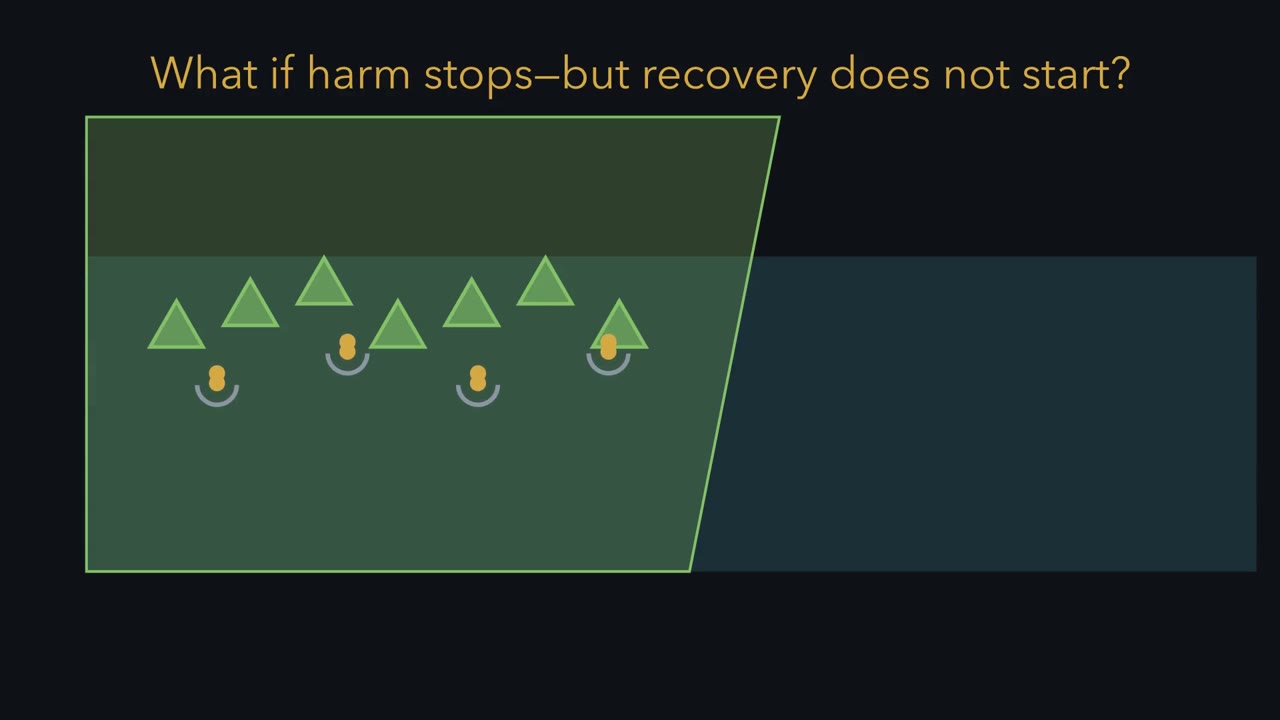 Second film Length 3:30 When Stopping Harm Is Not Enough Life Science · Grade 7 Helping Ecosystems Recover
Take-home
Suitable water was not enough because almost no eelgrass remained to make seeds.
-
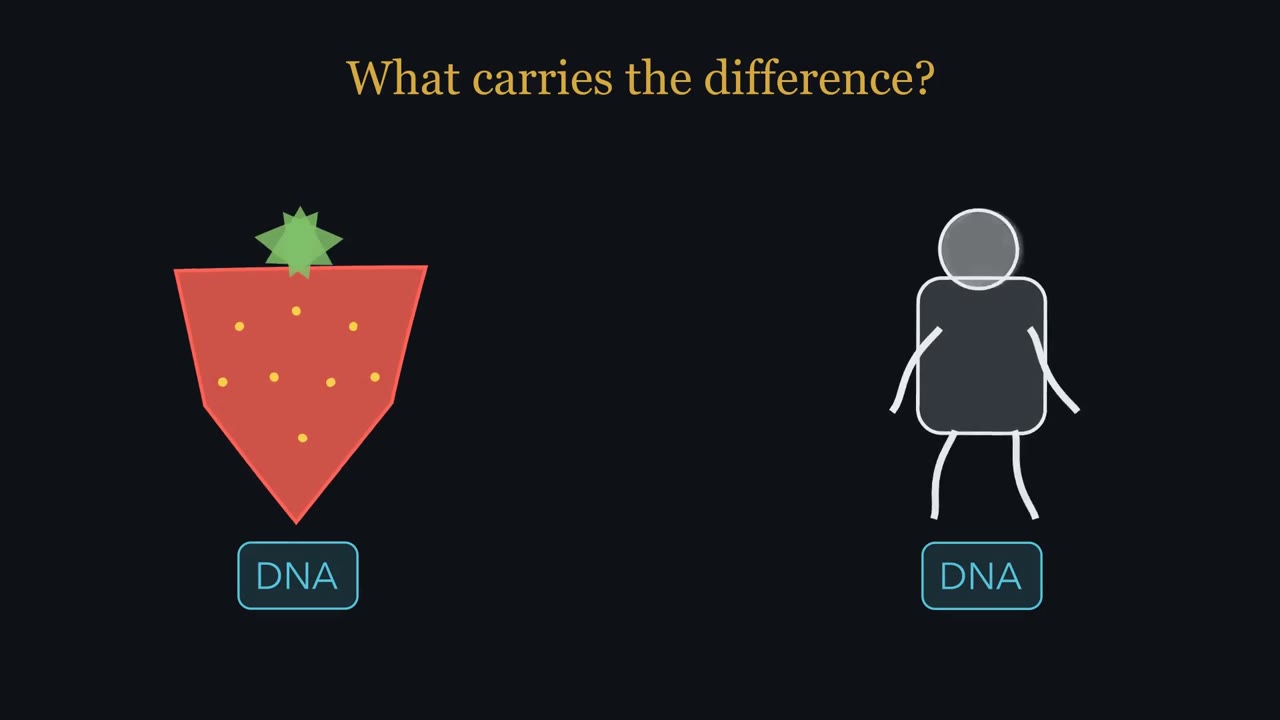 First film Length 3:20 Which Part of DNA Is the Code? Life Science · Grade 7 DNA: The Code of Life
Take-home
DNA sequence helps shape traits: the order of the bases in the rungs is the code.
-
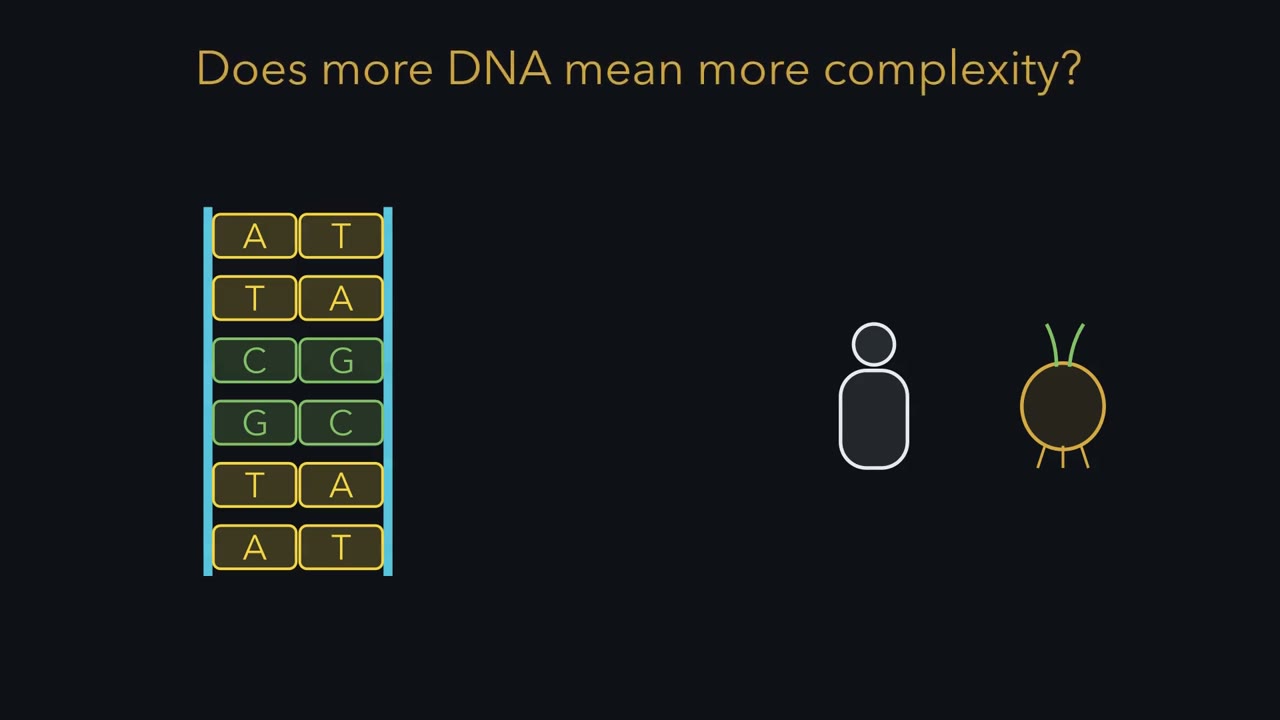 Second film Length 3:27 Does More DNA Mean More Complex? Life Science · Grade 7 DNA: The Code of Life
Take-home
DNA sequence helps shape traits; DNA amount does not rank organism complexity.
-
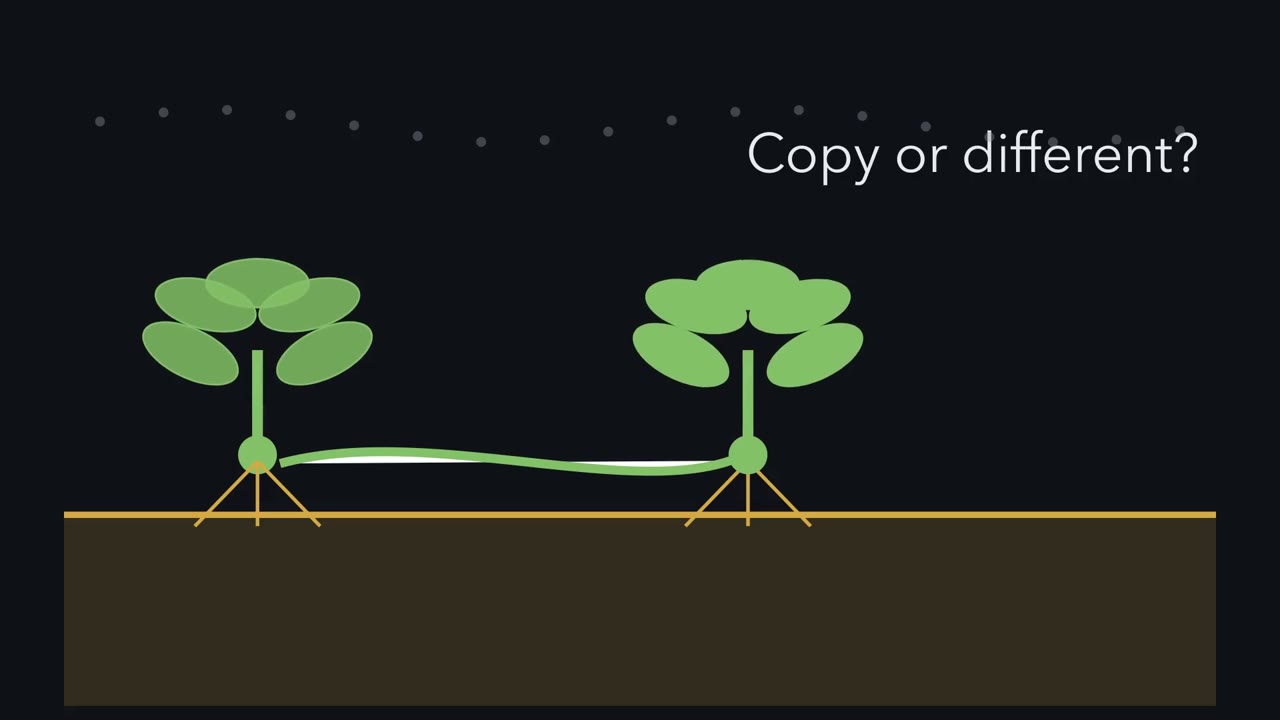 First film Length 3:28 Copies, Halves, and Pairs Life Science · Grade 7 Reproduction and Meiosis
Take-home
Asexual reproduction has one parent and usually makes offspring with the same genetic information.
-
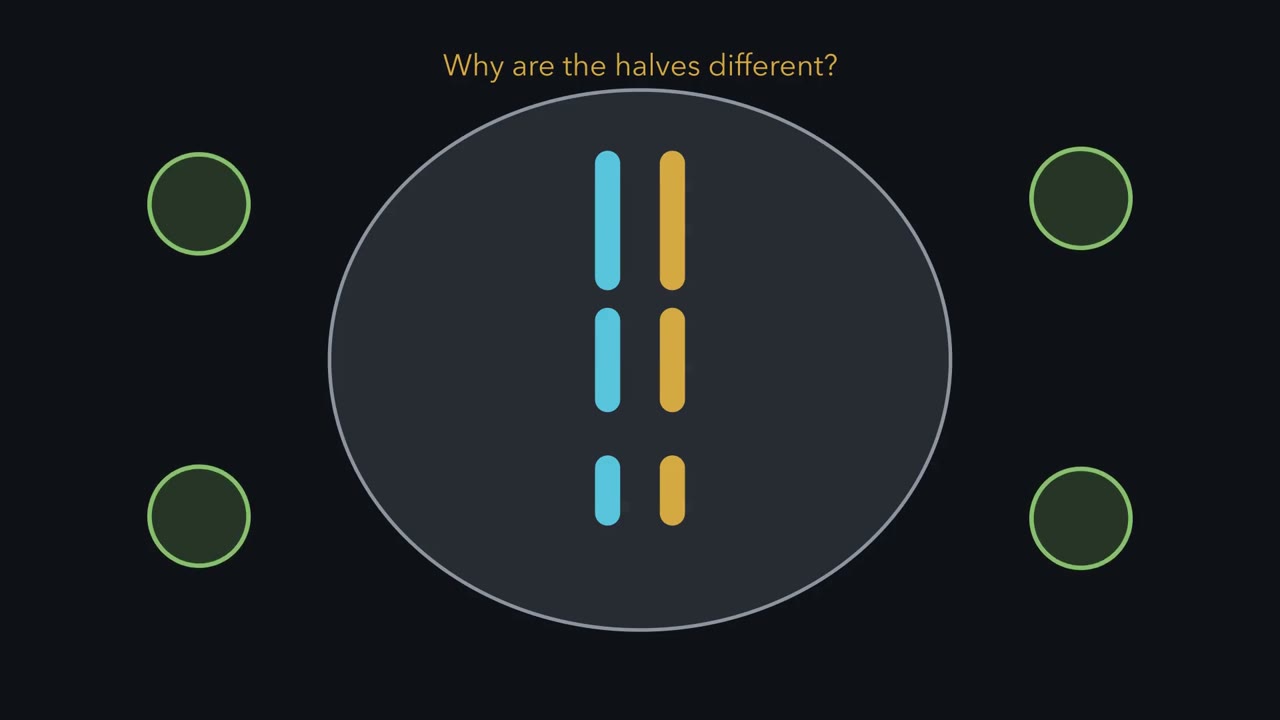 Second film Length 3:15 How Chromosome Pairs Make Different Mixes Life Science · Grade 7 Reproduction and Meiosis
Take-home
Sexual reproduction: meiosis halves chromosome number and makes mixes; fertilization restores pairs.
-
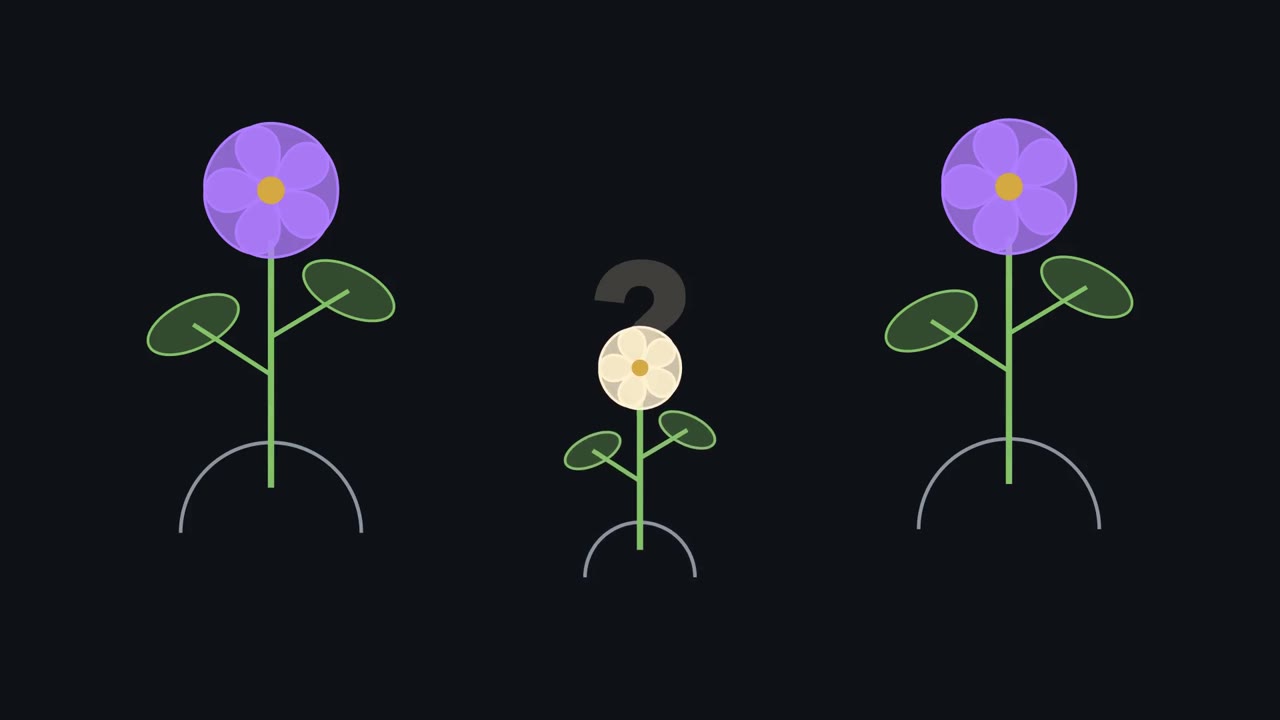 First film Length 3:21 Where Can White Flowers Hide? Life Science · Grade 7 Predicting Traits with Punnett Squares
Take-home
For one-gene crosses, Punnett squares predict chances, not exact offspring counts.
-
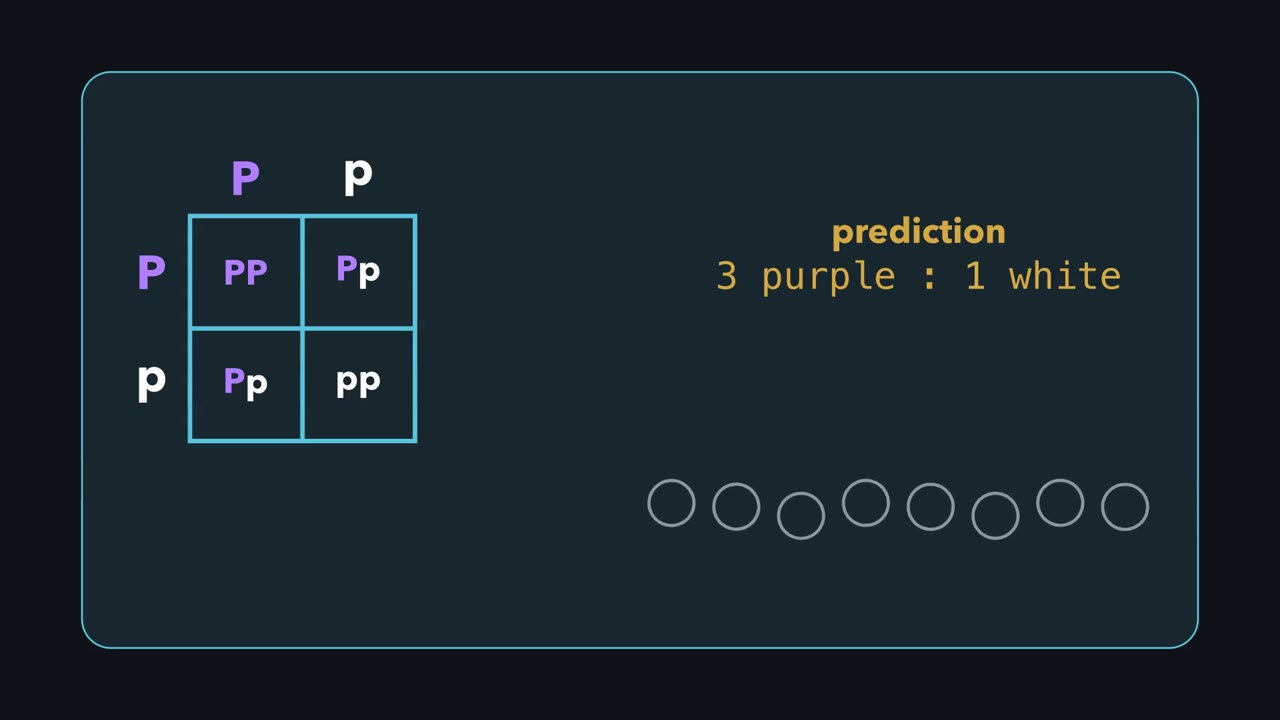 Second film Length 3:08 Why Real Counts Wander Life Science · Grade 7 Predicting Traits with Punnett Squares
Take-home
Larger groups usually come closer to a Punnett square’s predicted ratio.
-
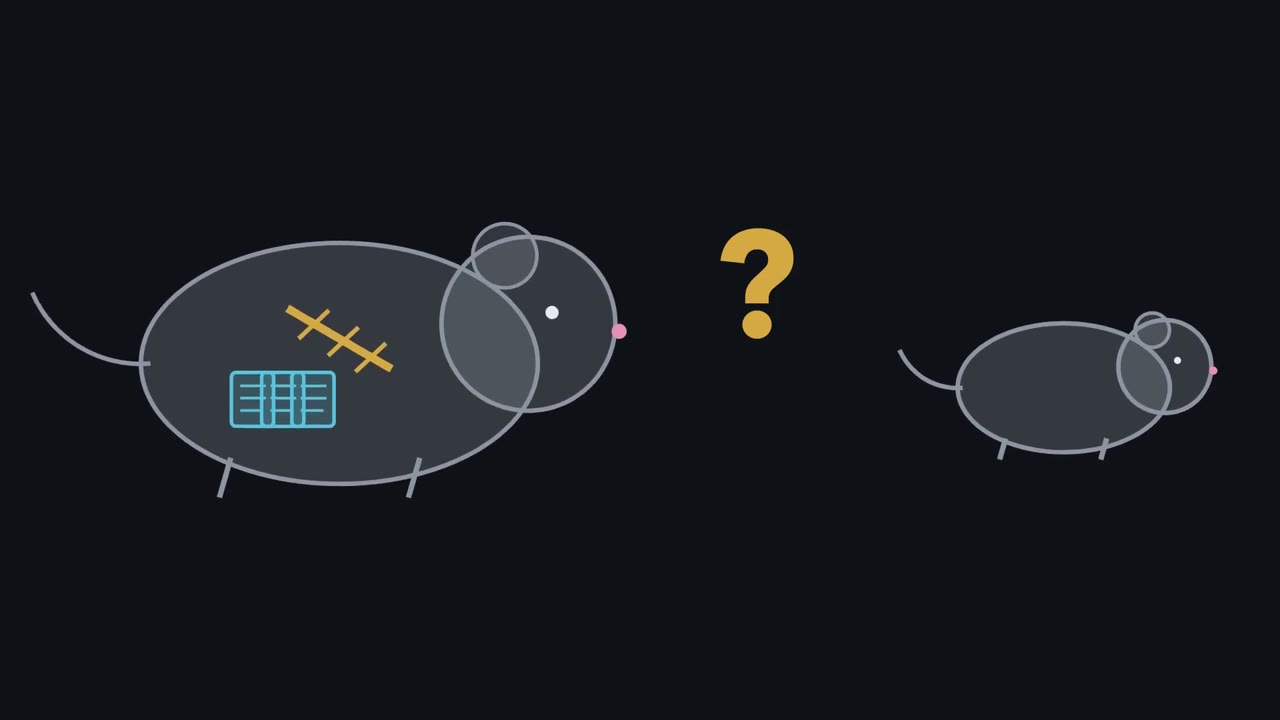 First film Length 3:12 What Can Cross a Generation? Life Science · Grade 7 Inherited or Acquired?
Take-home
Gene-coded traits can pass on; ordinary changes gained during life cannot.
-
 Second film Length 3:20 Dominant Is Not Popular Life Science · Grade 7 Inherited or Acquired?
Take-home
Dominant tells how an allele shows, not how common it is.
-
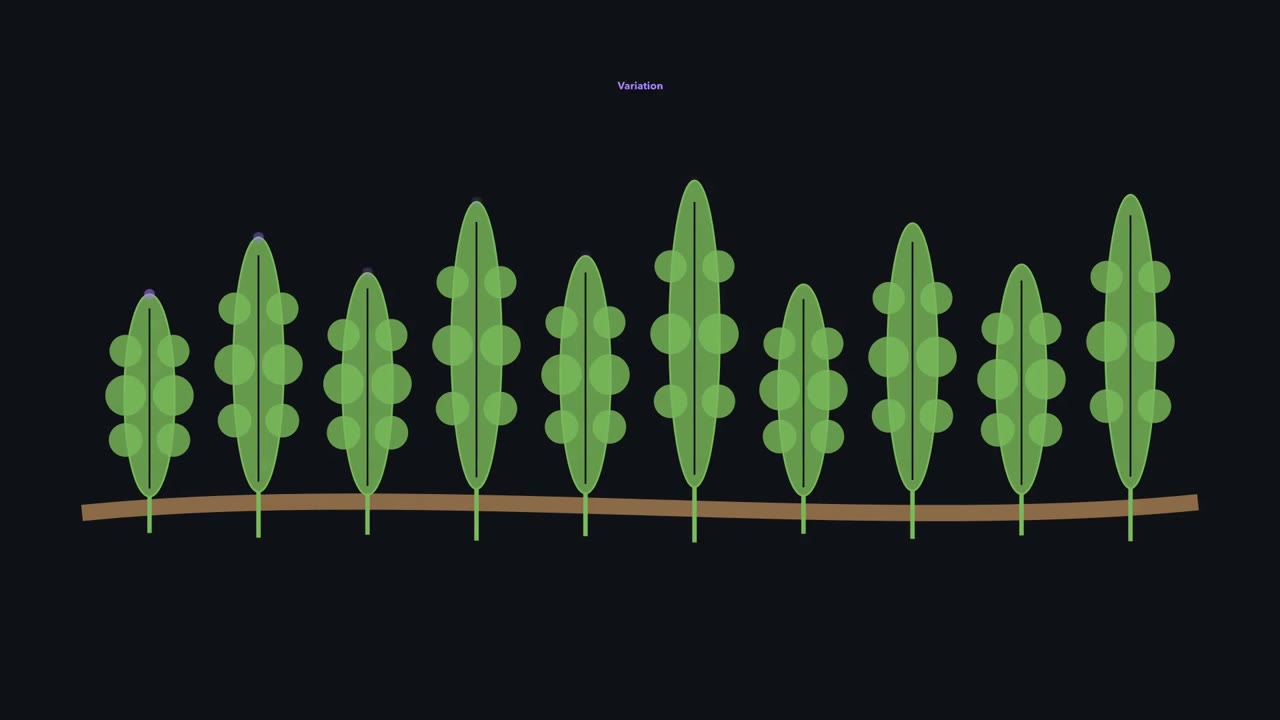 First film Length 3:36 Where Differences Begin Life Science · Grade 7 Mutations and Variation
Take-home
Genes and environments shape variation; chance mutations add new genetic differences.
-
 Second film Length 3:30 When a Mutation Matters Life Science · Grade 7 Mutations and Variation
Take-home
A mutation's effect depends on the change and often on its environment.
-
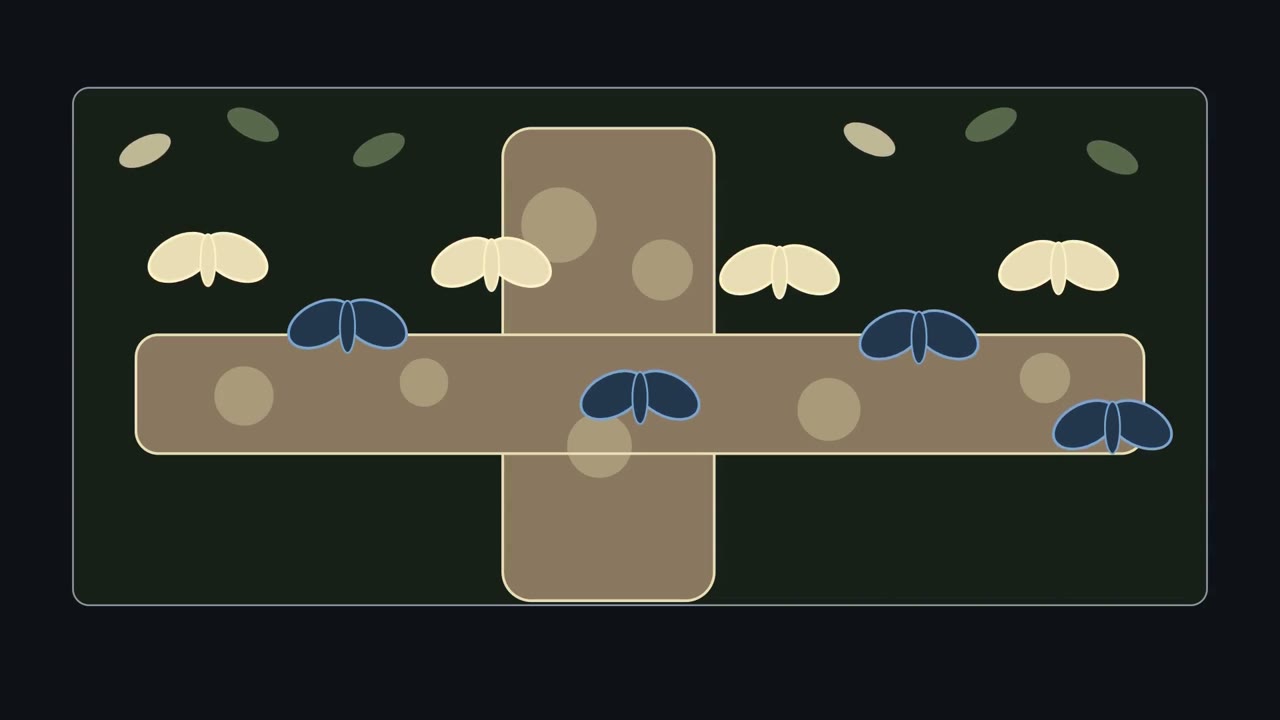 First film Length 3:32 How a Population Changes Colour Life Science · Grade 7 Natural Selection in Action
Take-home
Inherited traits that help survival and reproduction become more common over generations.
-
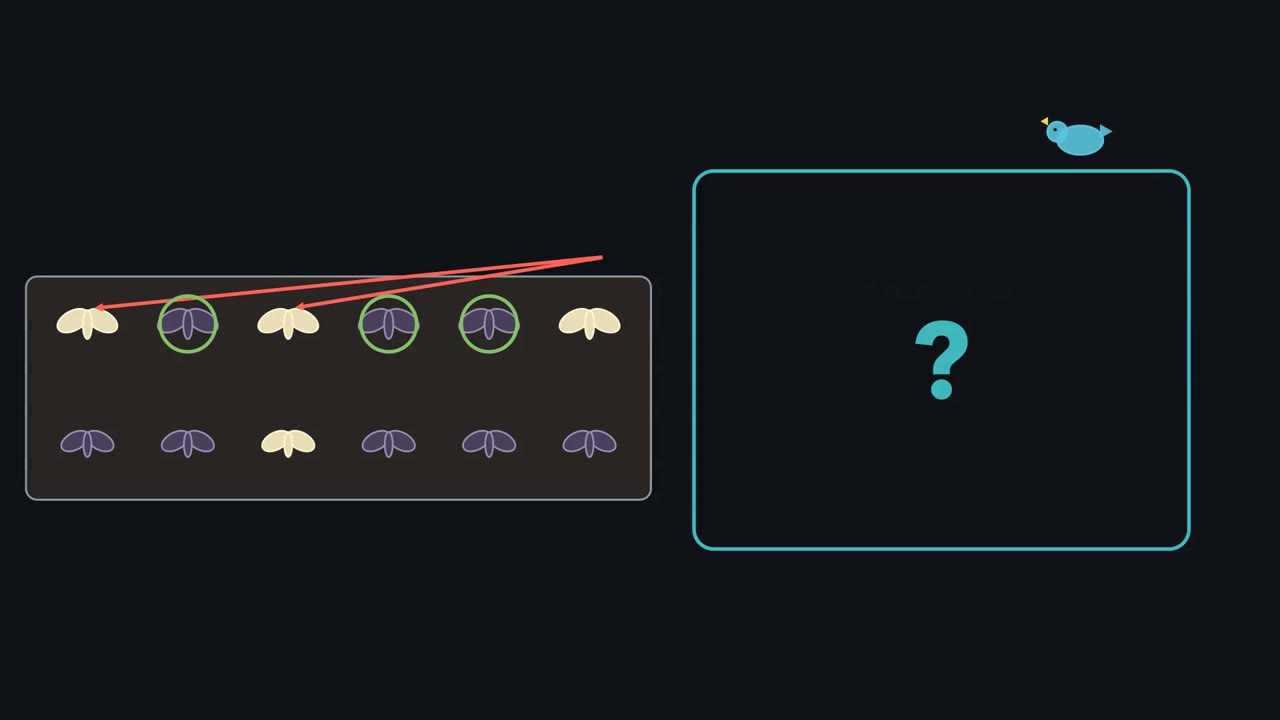 Second film Length 3:30 Who Selects the Breeders? Life Science · Grade 7 Natural Selection in Action
Take-home
People shift inherited traits by choosing which organisms reproduce.
-
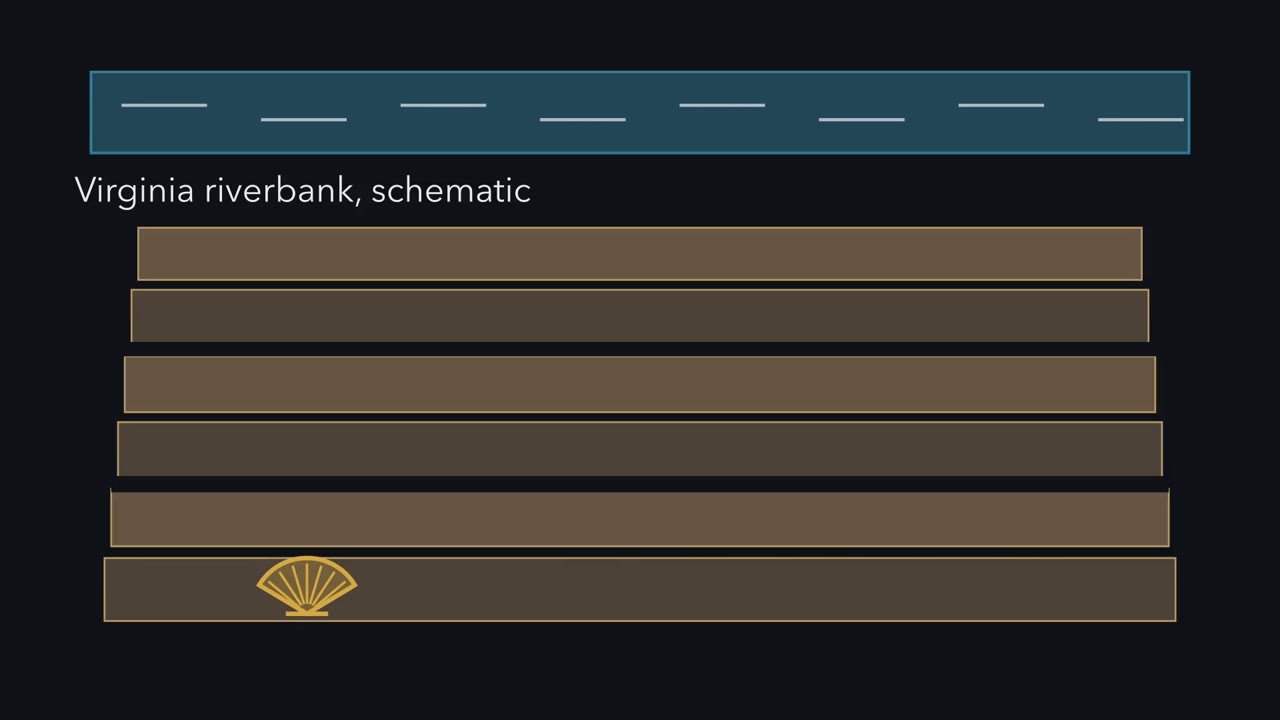 First film Length 3:30 What the Rocks Still Show Life Science · Grade 7 Evidence for Change Over Time
Take-home
Fossils reveal life's change through time, even with gaps.
-
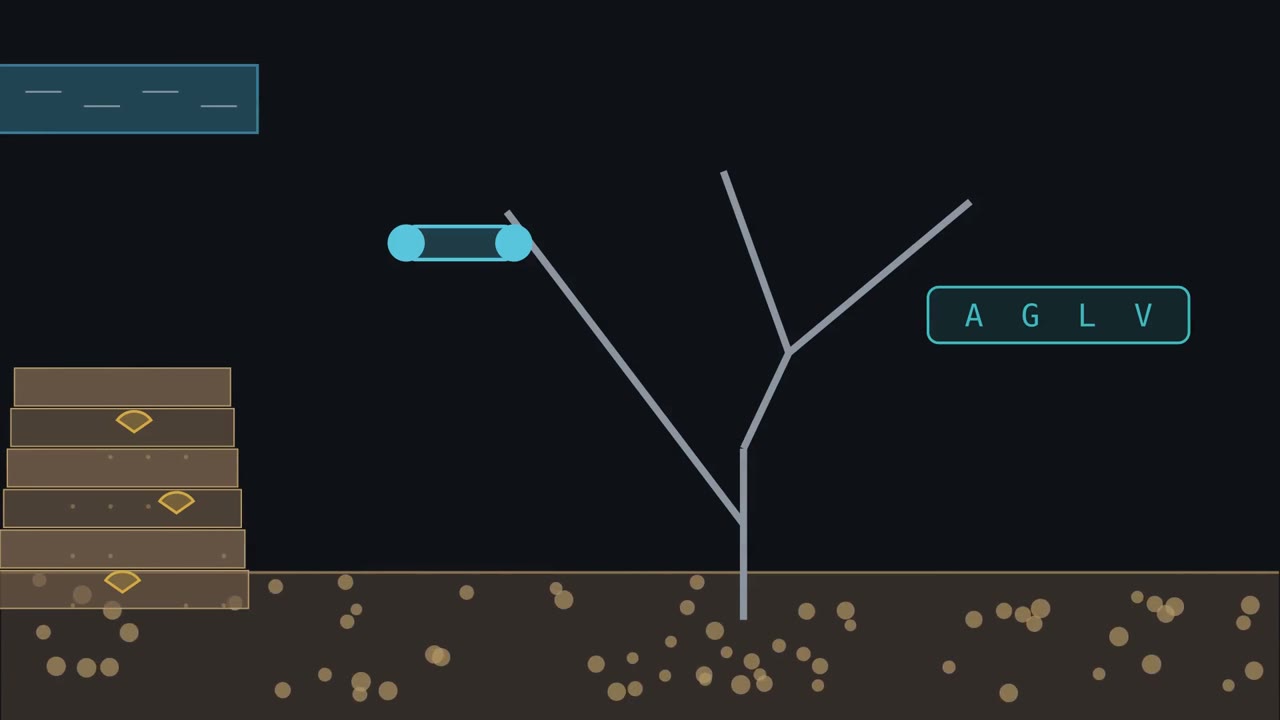 Second film Length 3:34 Two Clues, One Family Tree Life Science · Grade 7 Evidence for Change Over Time
Take-home
Matching structures and protein sequences point to common ancestry.
-
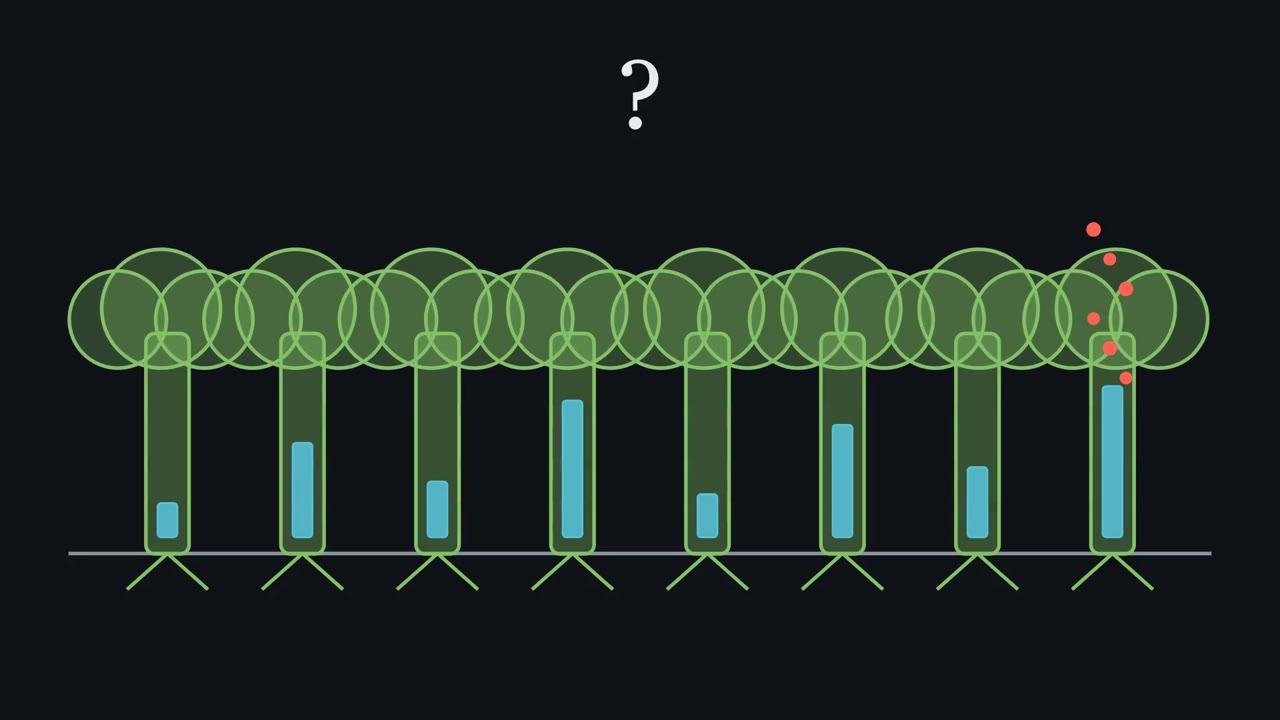 First film Length 3:28 Who Makes It Through the Change? Life Science · Grade 7 Extinction and Survival
Take-home
When environments change, populations survive only if some members survive and reproduce.
-
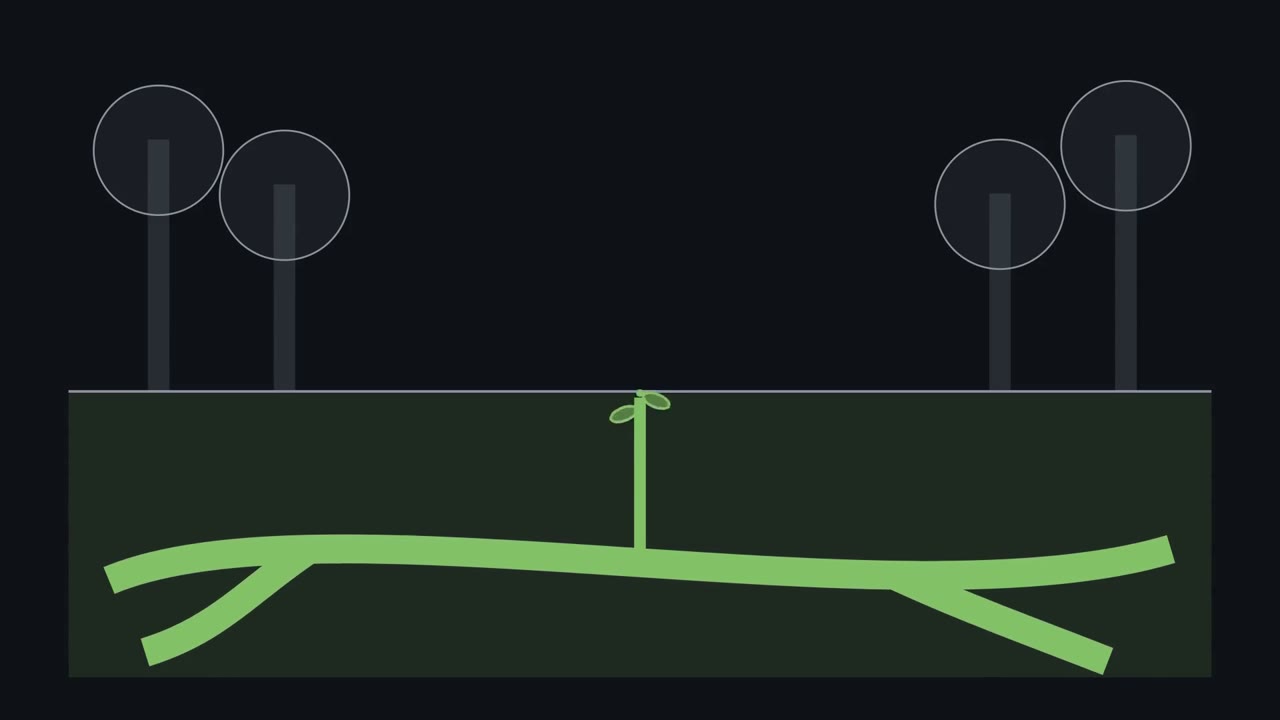 Second film Length 3:41 From Sprouts to Seed-Making Trees Life Science · Grade 7 Extinction and Survival
Take-home
Survival requires survivors to reproduce, not merely remain alive.
Looking for something else? Sort and filter the whole library, or see the methods library: a film for each lab technique.