Film library · level
High school
66 films in 1 course, about 3 h 41 min in all. The full high school Biology course, aligned to the Virginia Standards of Learning.
Have 10, 20, 30 minutes? Start at your next unwatched film.
-
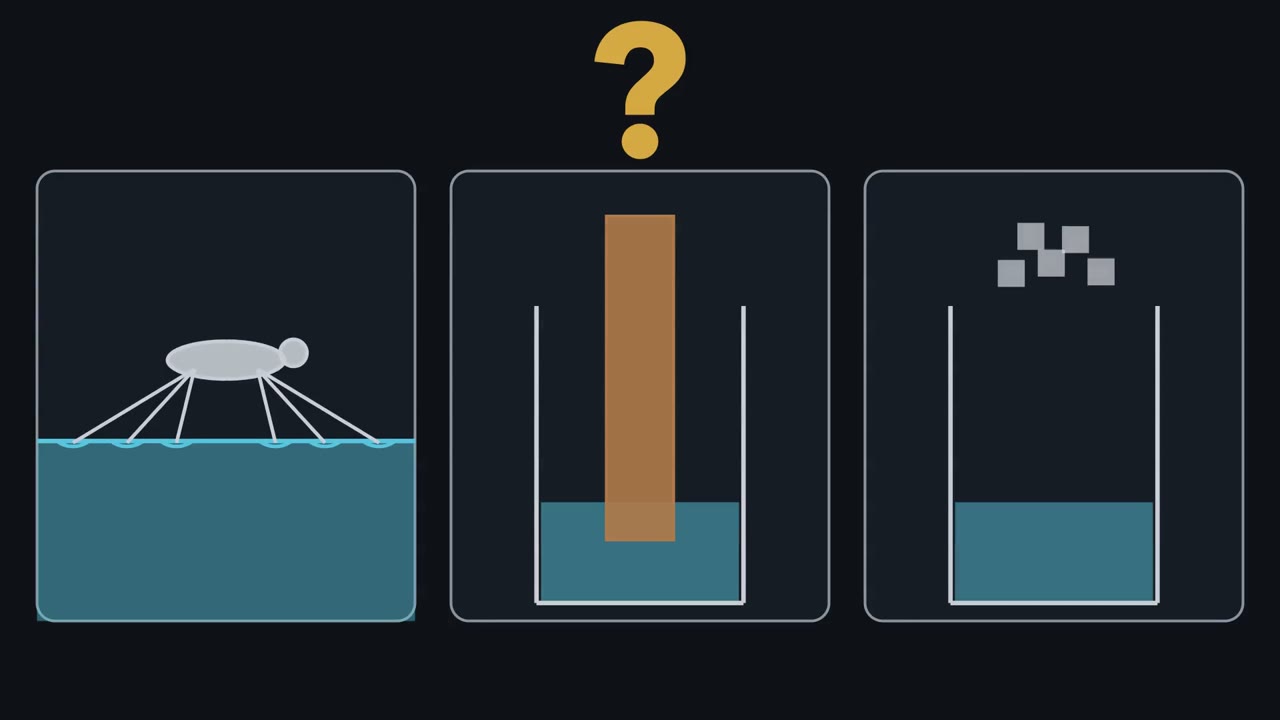 First film Length 3:30 One Tug, Many Jobs Biology · High school Water and Life
Take-home
A water molecule is bent and polar: its oxygen end is slightly negative and its hydrogen ends slightly positive.
-
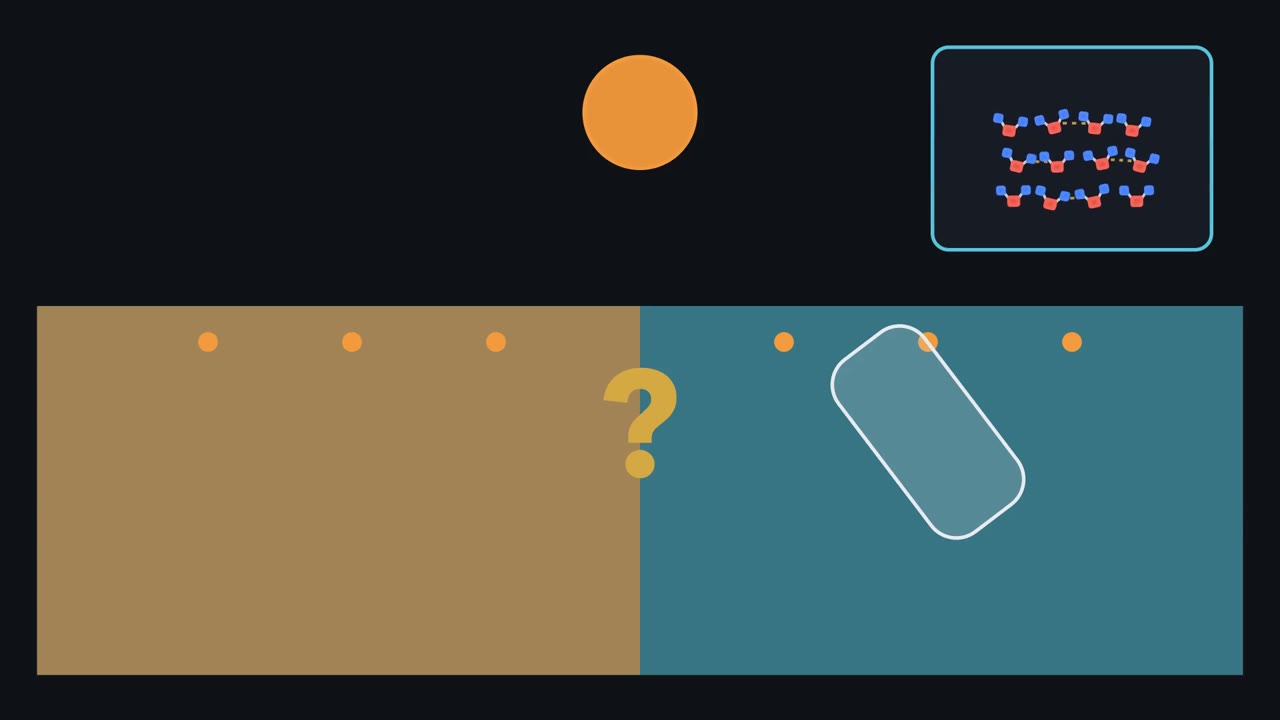 Second film Length 3:19 Where the Sunshine Goes Biology · High school Water and Life
Take-home
Temperature reflects the average energy of motion of a substance's particles.
-
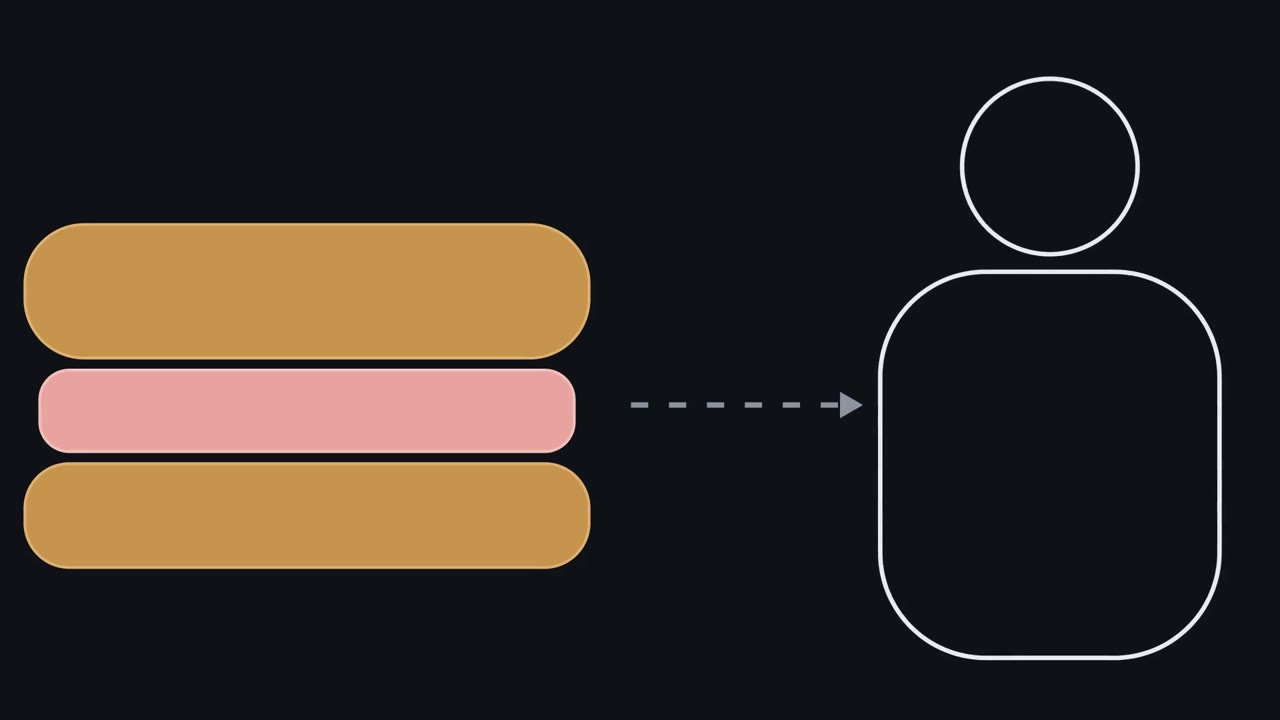 First film Length 3:15 Take It Apart, Build It Again Biology · High school What Am I Made Of?
Take-home
Digestion breaks starch, protein and other large molecules in food into smaller pieces by adding water, one water for each link it breaks (hydrolysis).
-
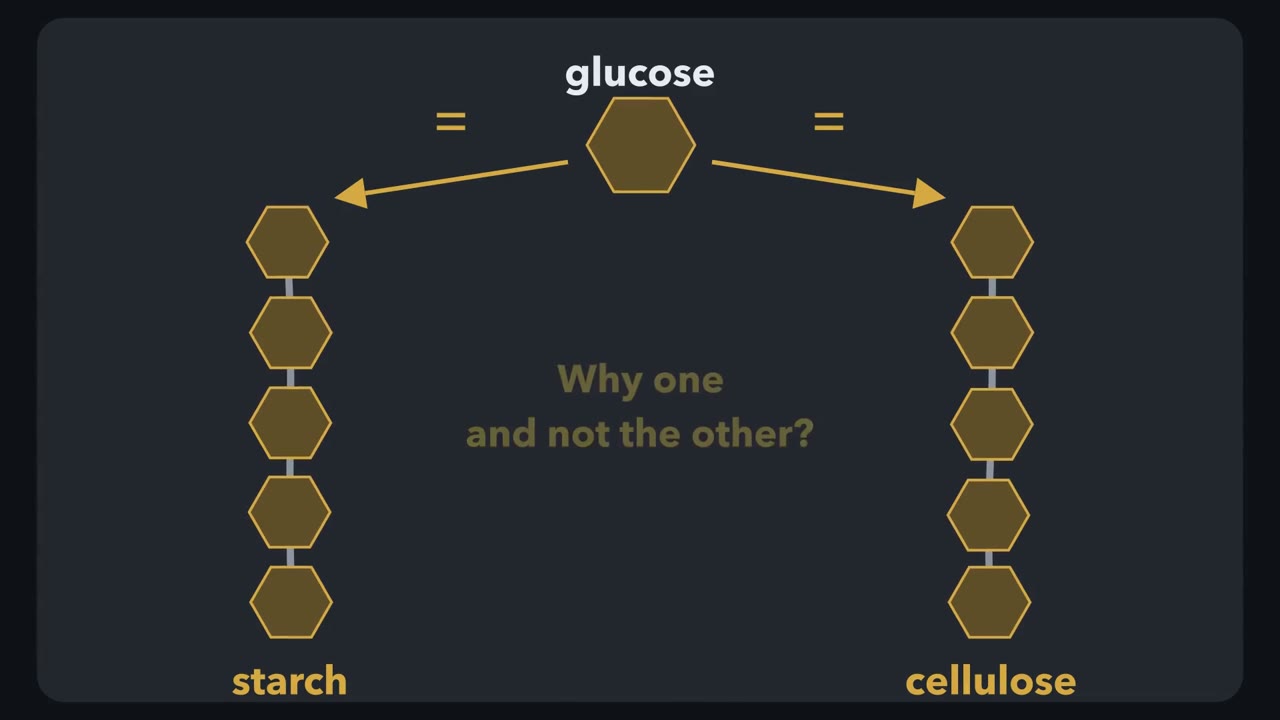 Second film Length 3:00 Shape Decides the Job Biology · High school What Am I Made Of?
Take-home
Starch and cellulose are both chains of glucose, but their links differ: starch coils and some of it branches, while cellulose chains lie straight, side by side.
-
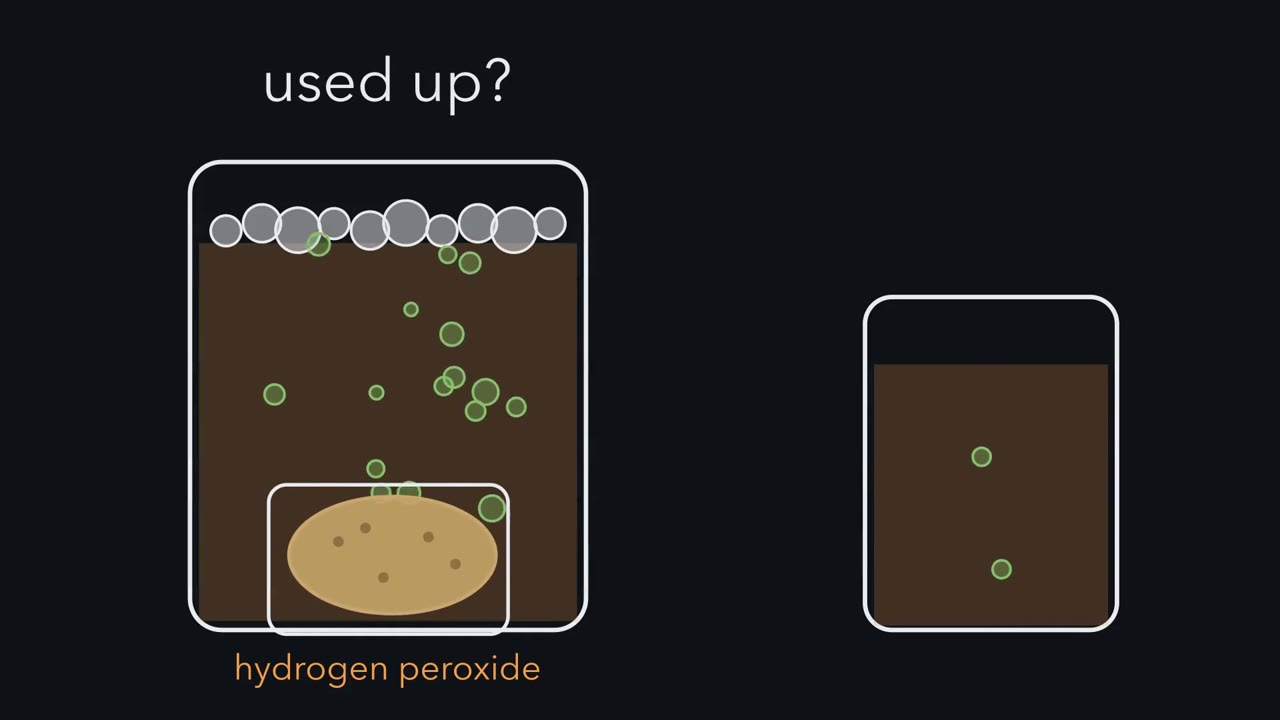 First film Length 3:13 Count the Working Sites Biology · High school Enzymes at Work
Take-home
An enzyme is a catalyst: it speeds up a reaction and comes out unchanged, ready to work again.
-
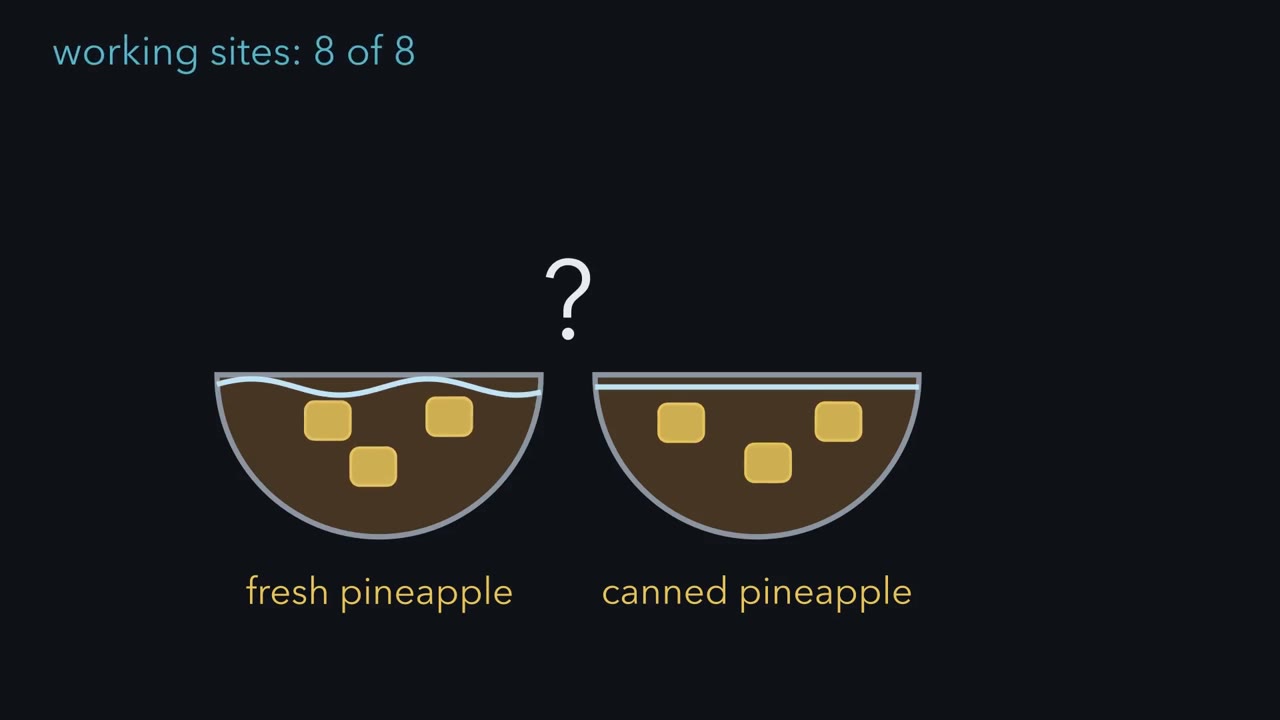 Second film Length 3:11 Why Heat Gives a Peak Biology · High school Enzymes at Work
Take-home
Fresh pineapple contains bromelain, protein-cutting enzymes that cut gelatin's chains so they cannot link into a net.
-
 First film Length 3:13 A Tree Made of Air Biology · High school Capturing Sunlight
Take-home
Photosynthesis uses light energy to rearrange carbon dioxide and water into glucose and oxygen.
-
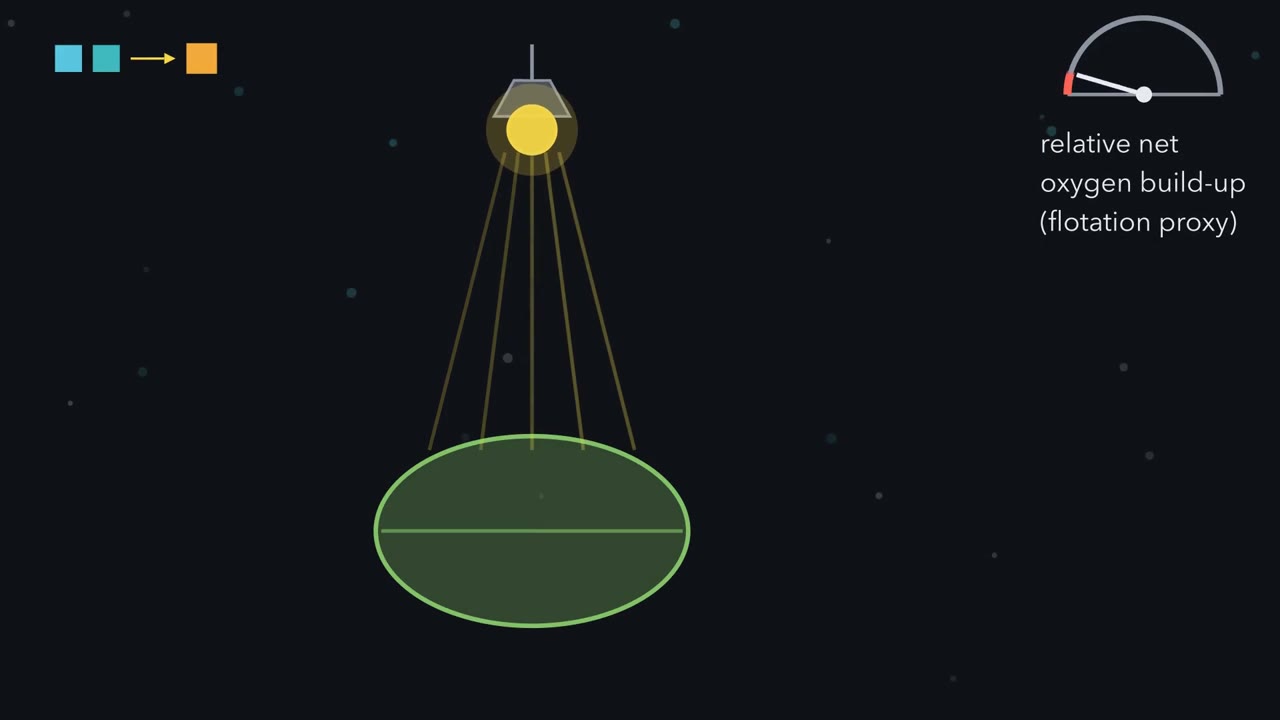 Second film Length 2:59 The Slowest Worker Sets the Pace Biology · High school Capturing Sunlight
Take-home
A limiting factor is the input or condition that holds a process back.
-
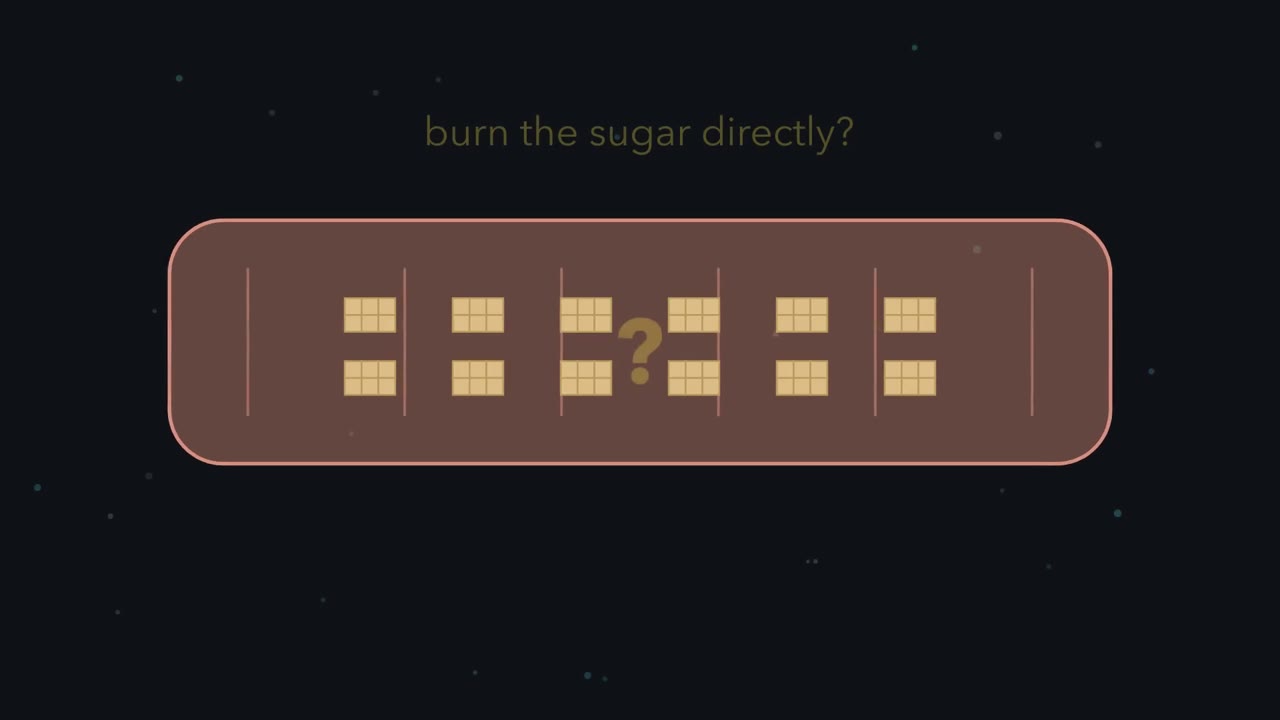 First film Length 3:15 Spending ATP, Rebuilding ATP Biology · High school Respiration and ATP
Take-home
Cells do work by spending ATP, which becomes ADP and a phosphate when it reacts with water.
-
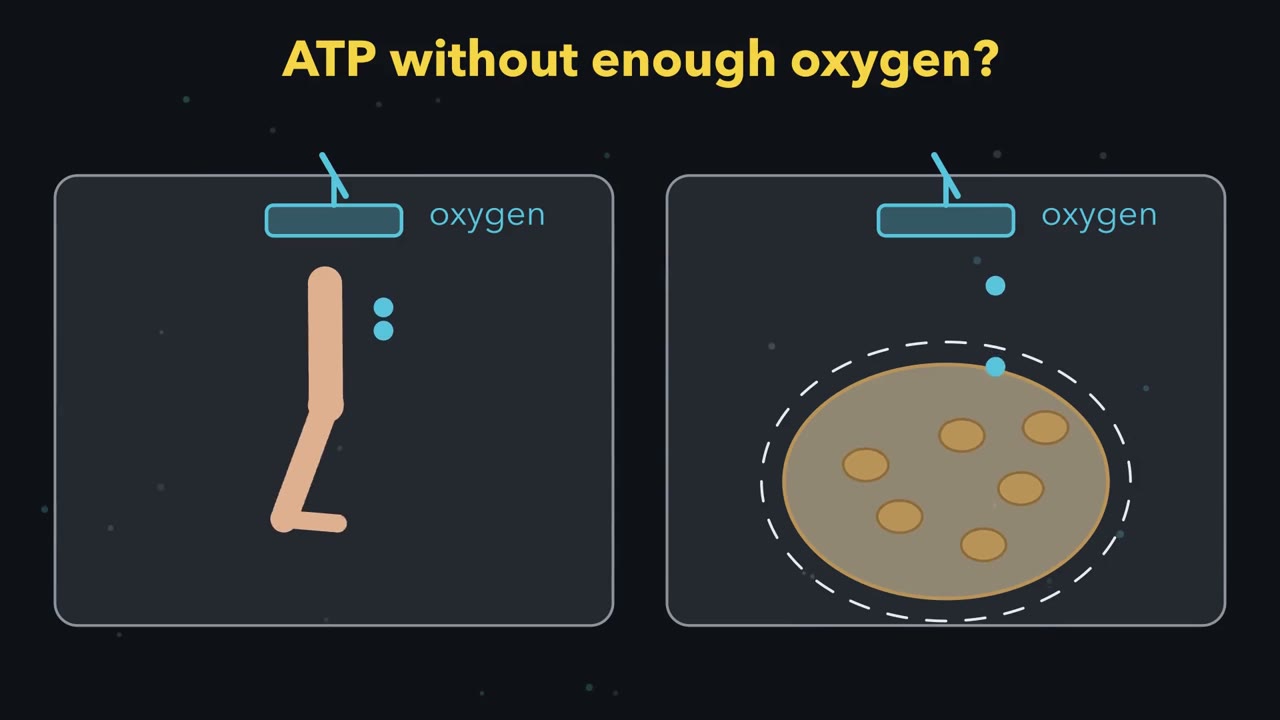 Second film Length 3:11 Stopping Partway Biology · High school Respiration and ATP
Take-home
When oxygen-using respiration can't keep up, some glucose stops partway; each glucose that stops partway rebuilds just 2 ATP, while the mitochondria keep working on the rest.
-
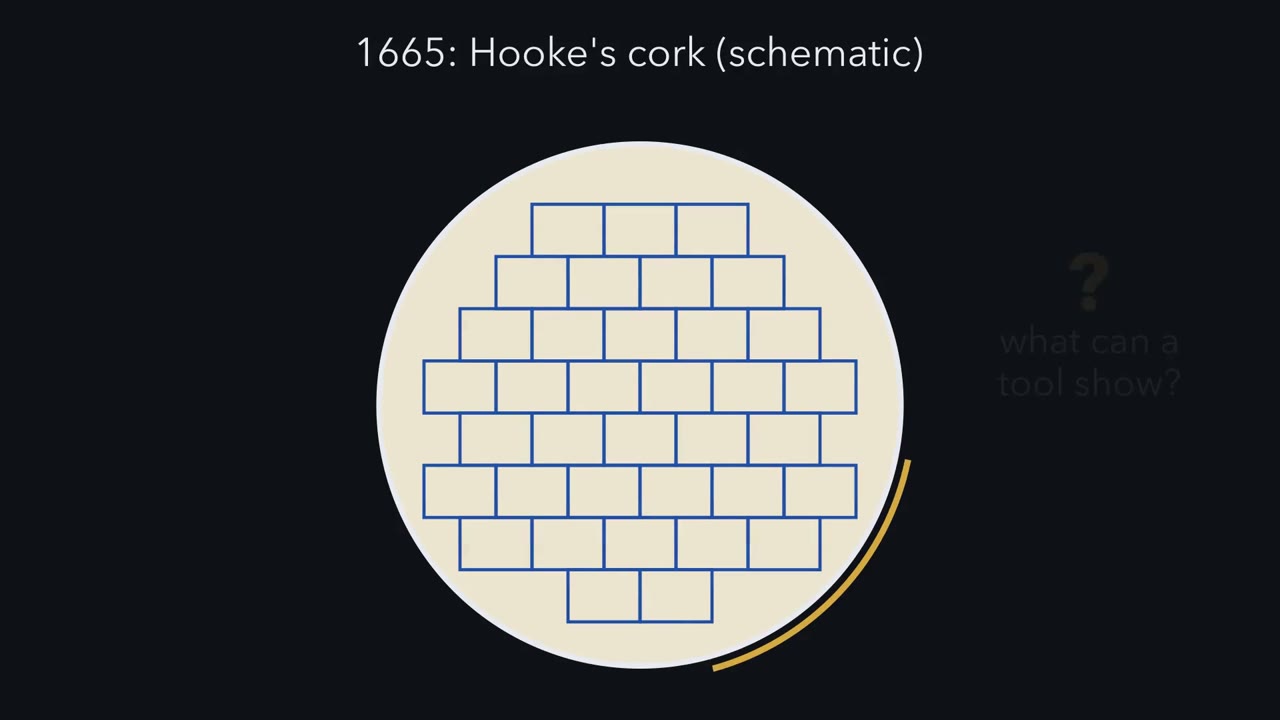 First film Length 3:19 What a Microscope Can Show Biology · High school The Cell Theory and Its Evidence
Take-home
Magnification makes an image bigger; resolution decides how much detail it holds.
-
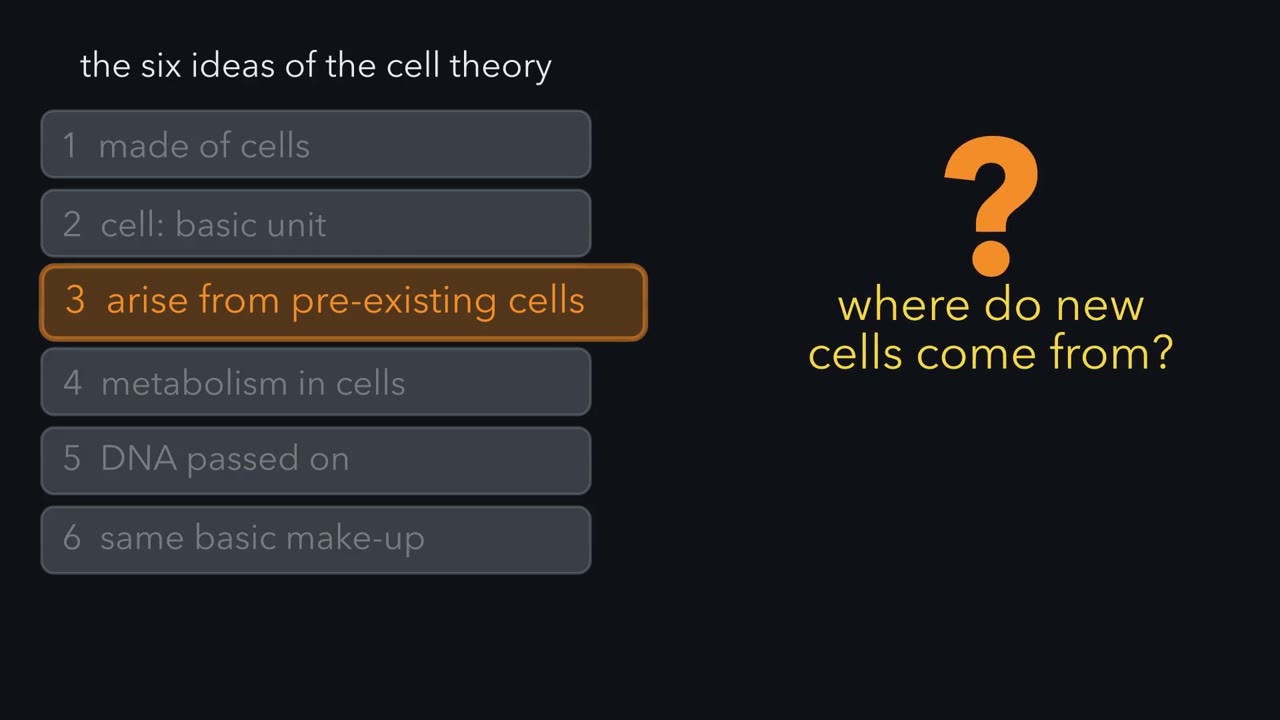 Second film Length 3:05 Where Do New Cells Come From? Biology · High school The Cell Theory and Its Evidence
Take-home
Schleiden and Schwann compared many plant and animal tissues and found the same cellular plan.
-
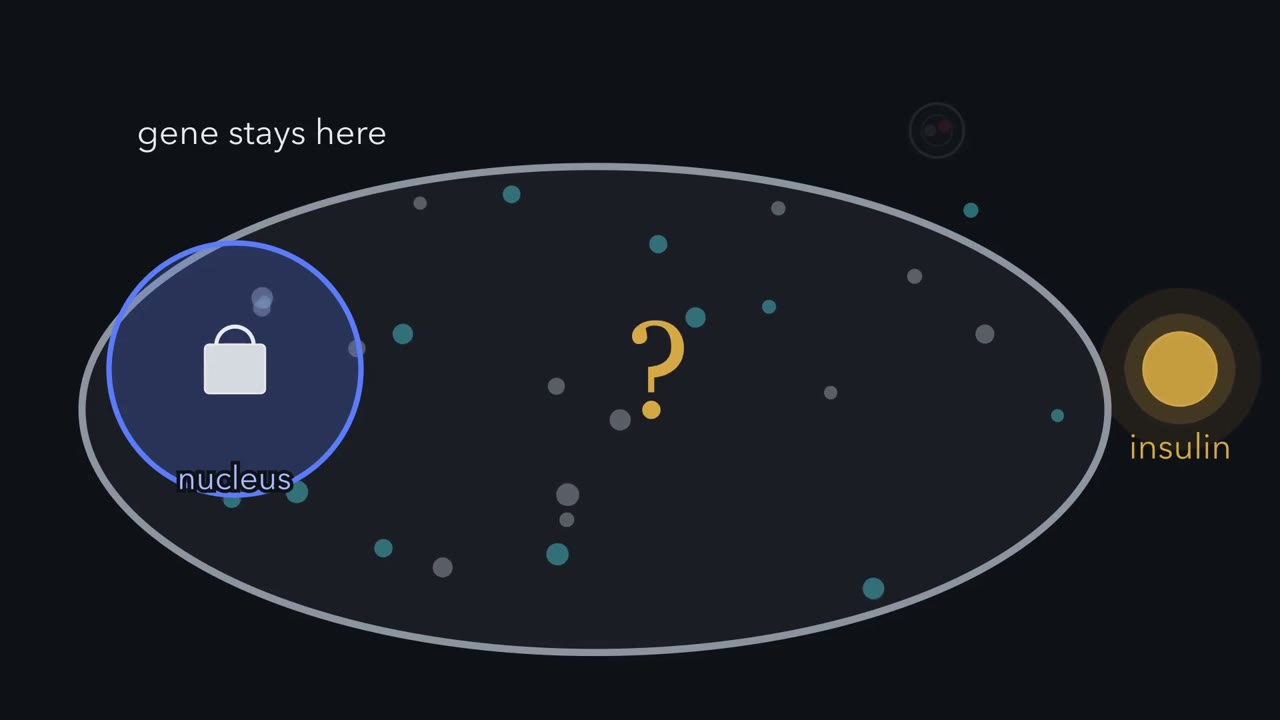 First film Length 3:12 One Cell, One Shipping Line Biology · High school Organelles as a System
Take-home
A beta cell keeps the insulin gene in its nucleus and sends out a messenger RNA copy instead.
-
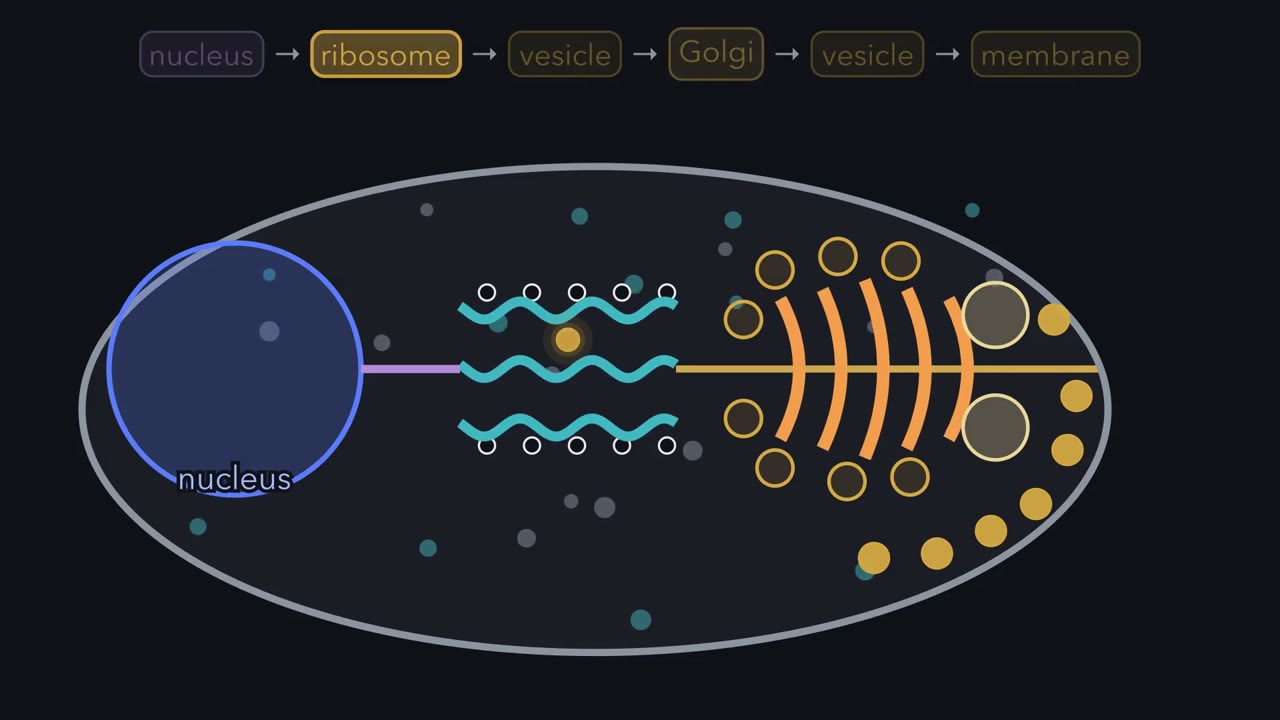 Second film Length 3:11 Catching Proteins on the Move Biology · High school Organelles as a System
Take-home
A short pulse of a radioactive building block marks only the proteins made during it.
-
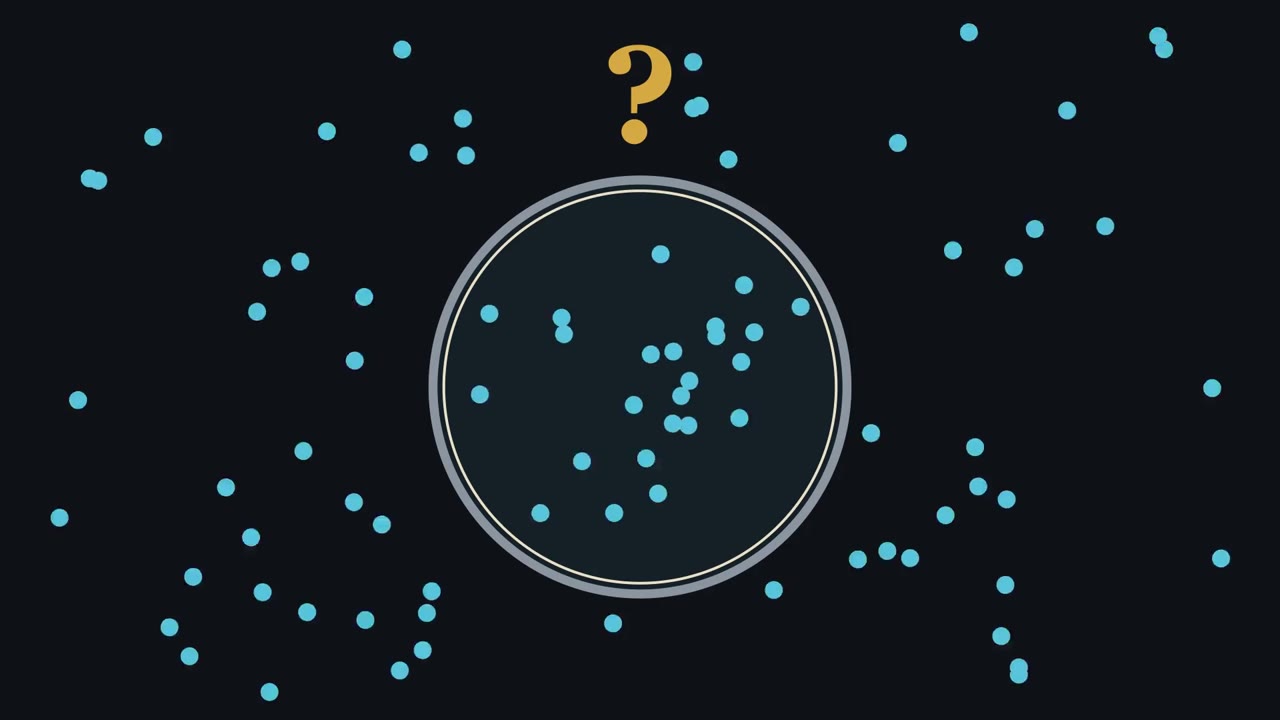 First film Length 3:22 Downhill for Free Biology · High school Crossing the Membrane
Take-home
Molecules move at random all the time; once they are spread evenly they still move, but there is no net movement.
-
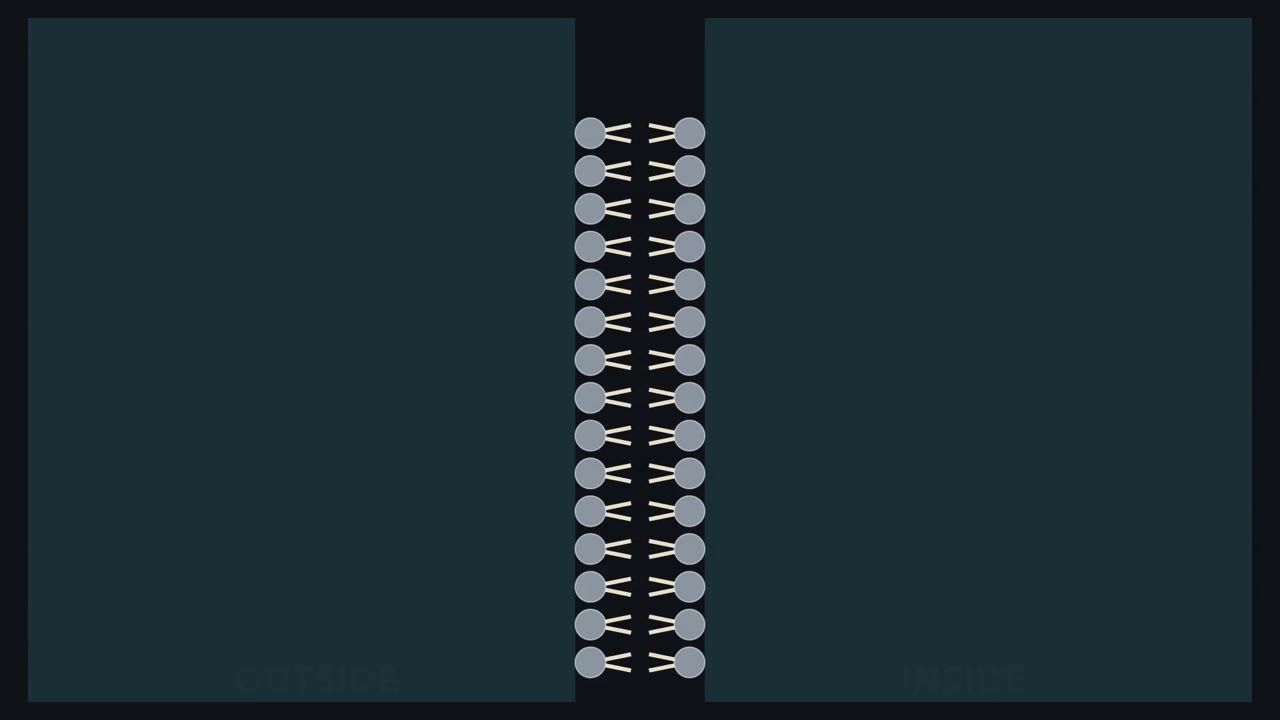 Second film Length 3:11 Paying to Go Uphill Biology · High school Crossing the Membrane
Take-home
Active transport uses energy from the cell, often from ATP, and it can move a substance against its gradient.
-
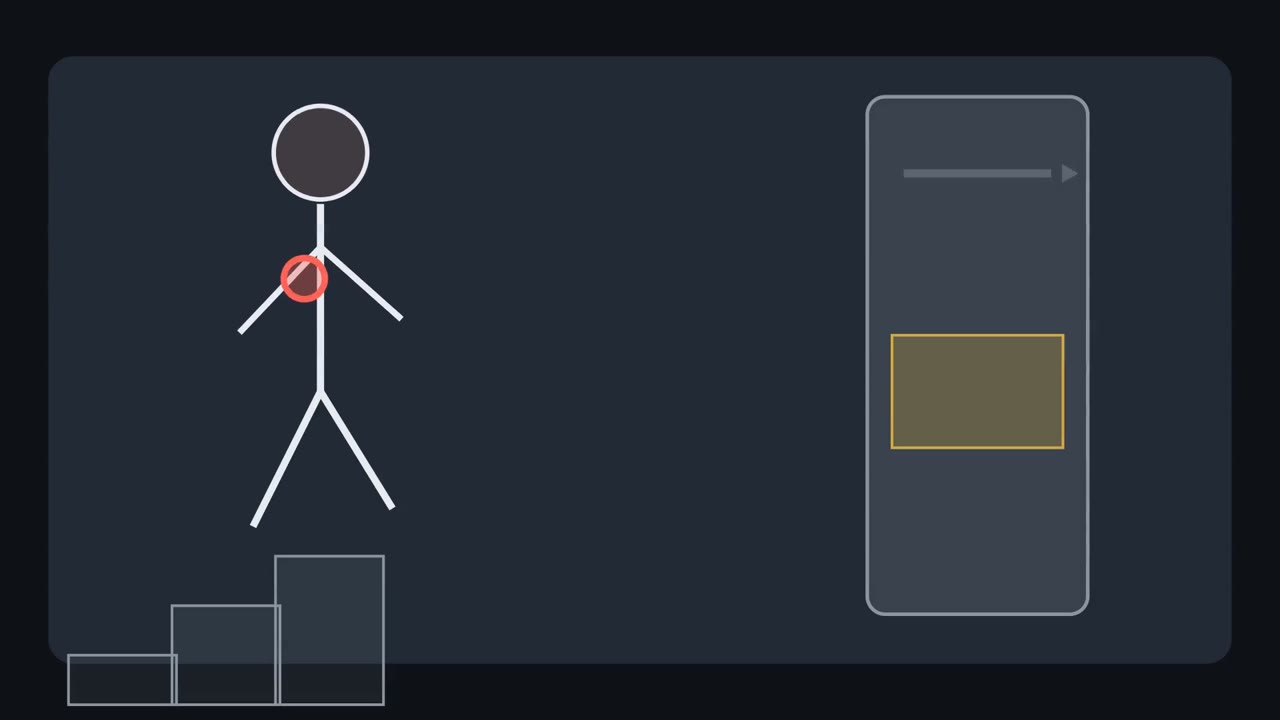 First film Length 3:09 When the Body Pushes Back Biology · High school Homeostasis in Action
Take-home
When internal conditions drift, opposing responses move them toward their range.
-
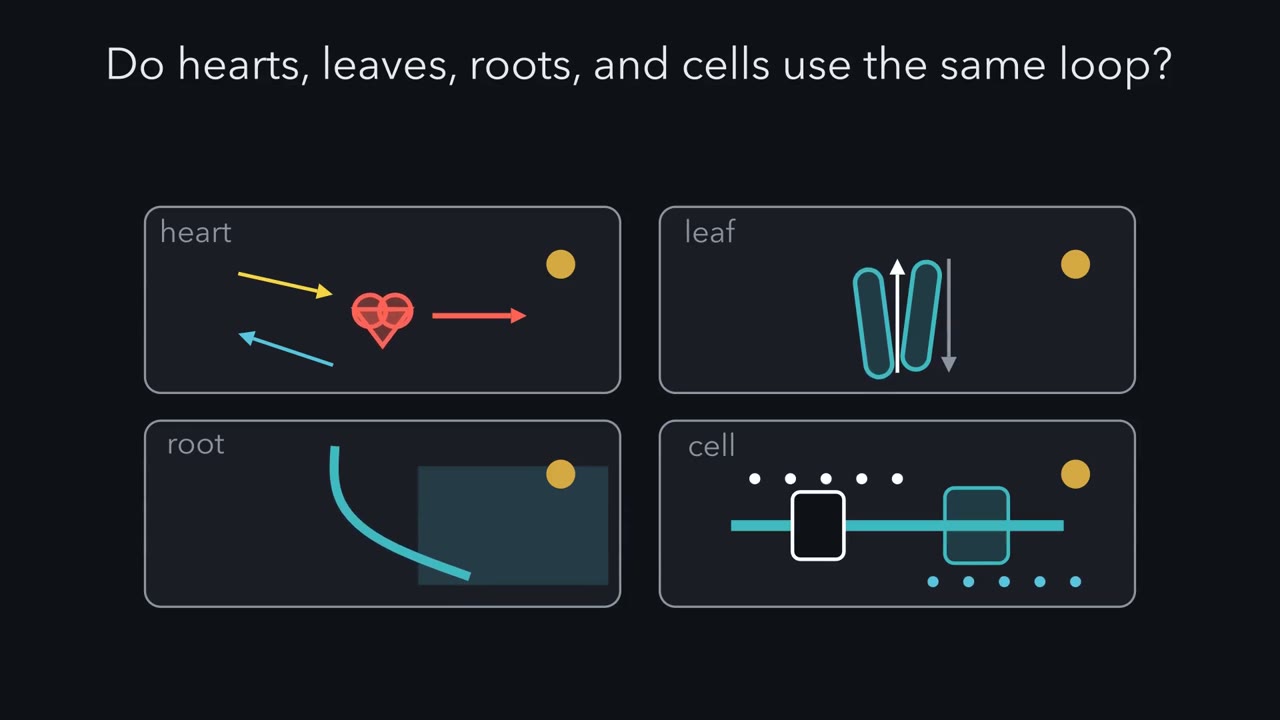 Second film Length 3:12 Four Ways to Hold Steady Biology · High school Homeostasis in Action
Take-home
Same goal, different routes: only some are complete feedback loops.
-
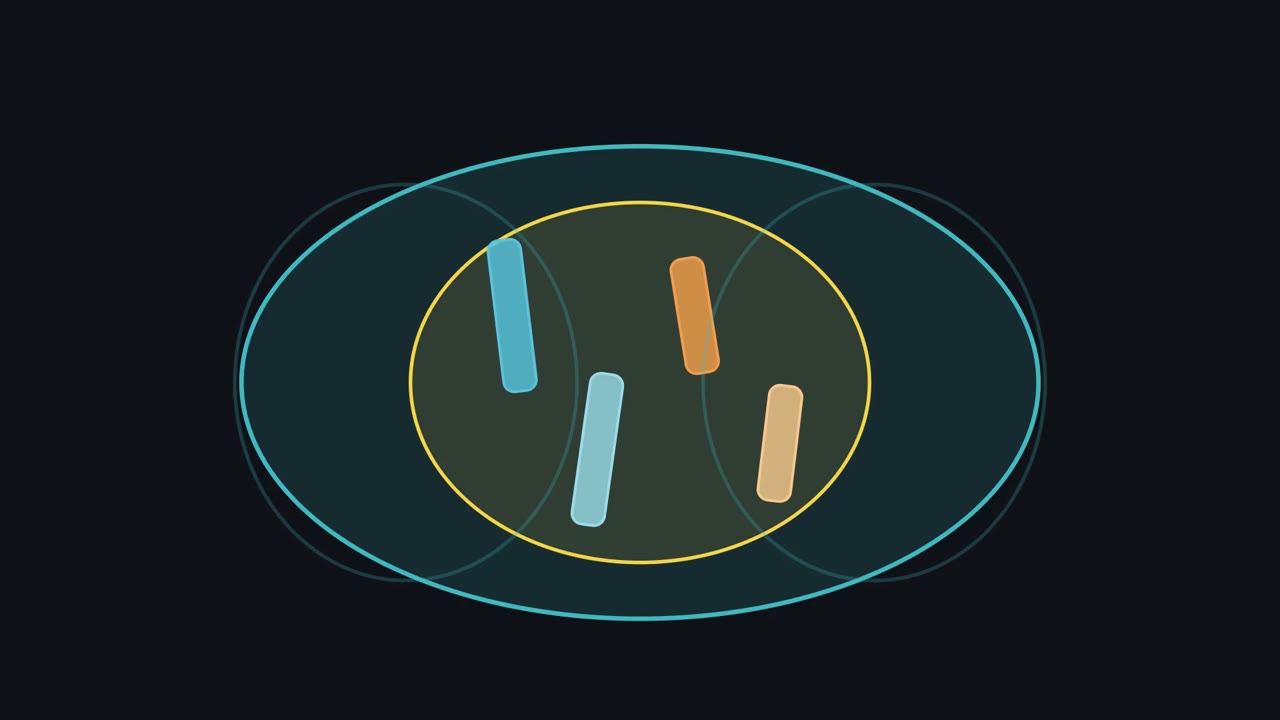 First film Length 3:15 How One Set Becomes Two Biology · High school The Cell Cycle and Mitosis
Take-home
Copy each chromosome first; separate the copies so each nucleus gets one.
-
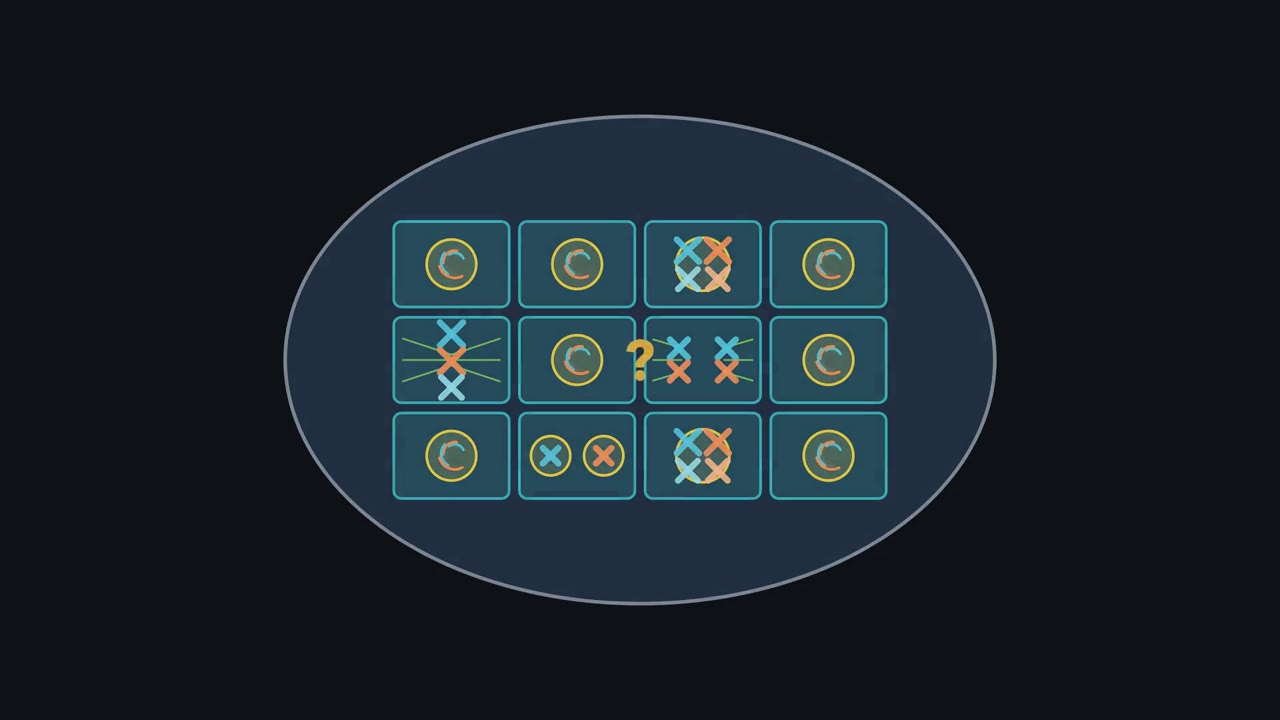 Second film Length 3:23 A Snapshot Becomes a Clock Biology · High school The Cell Cycle and Mitosis
Take-home
In a fair snapshot, a longer phase holds more cells.
-
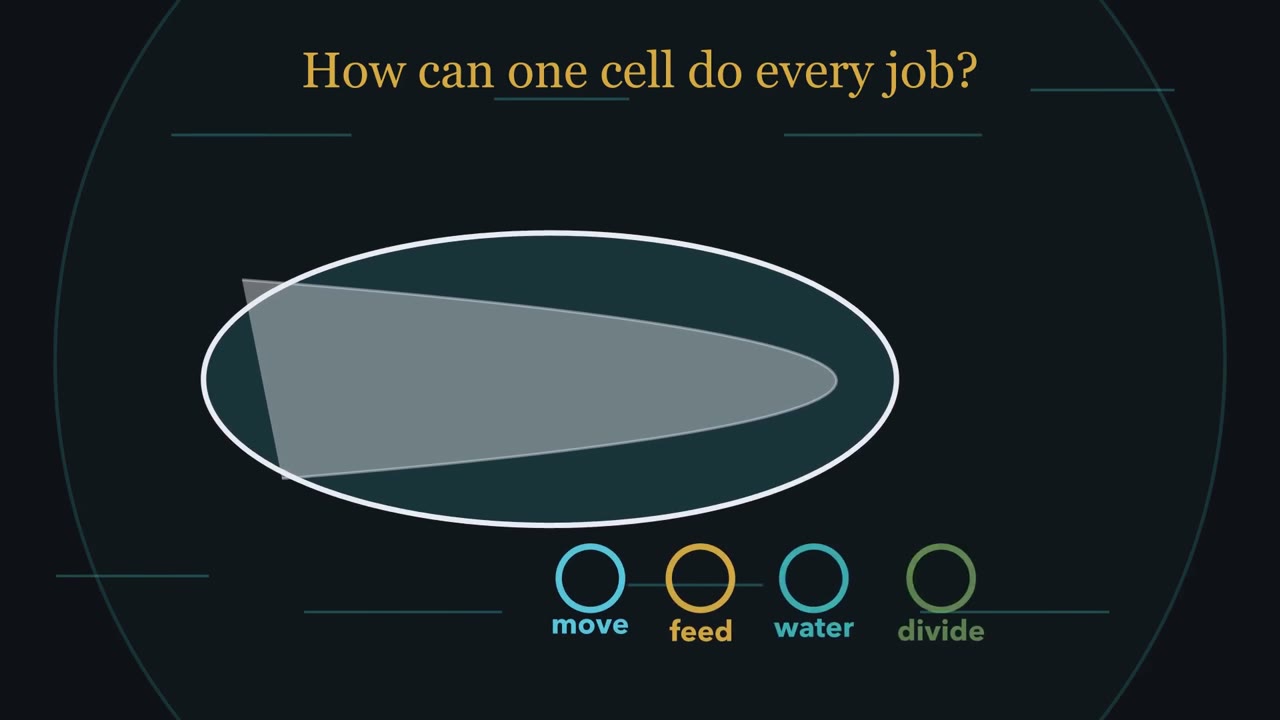 First film Length 3:13 One Cell, Many Jobs Biology · High school One Cell or Many
Take-home
One cell can do every life job, or many cells share them.
-
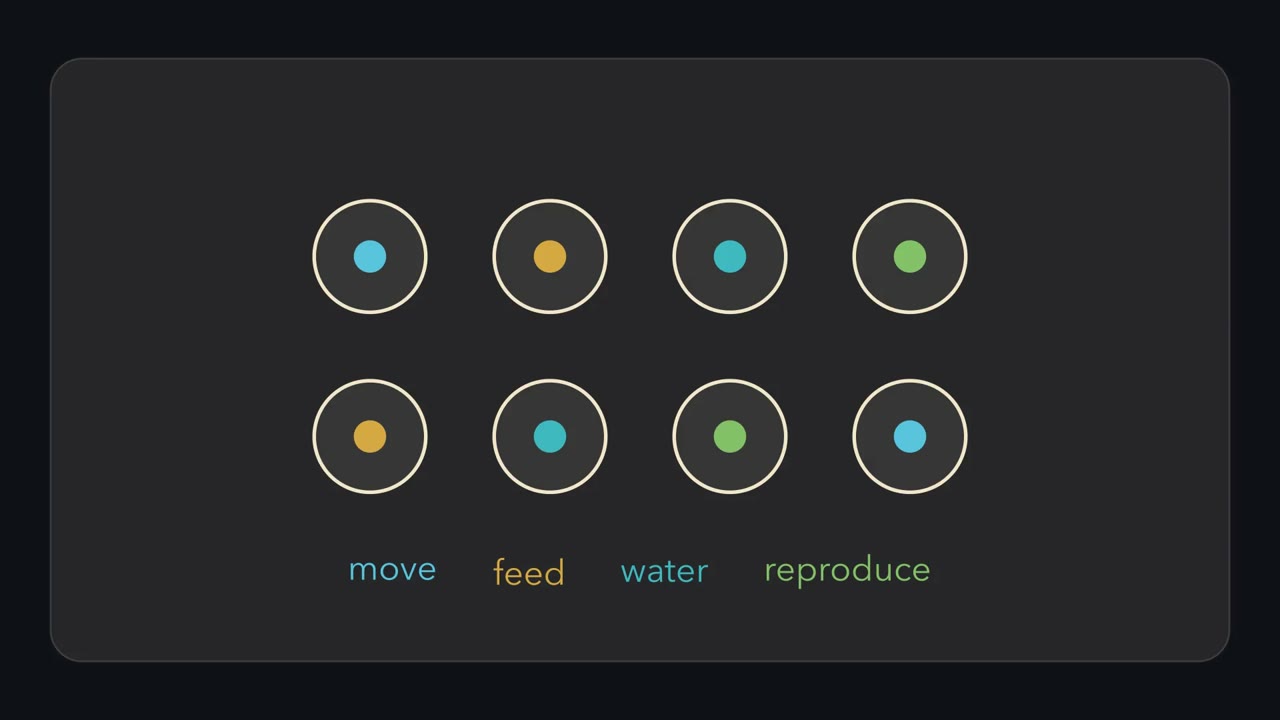 Second film Length 3:14 Different Cells, Shared DNA Biology · High school One Cell or Many
Take-home
Cells fit life's jobs through structure and gene use, alone or together.
-
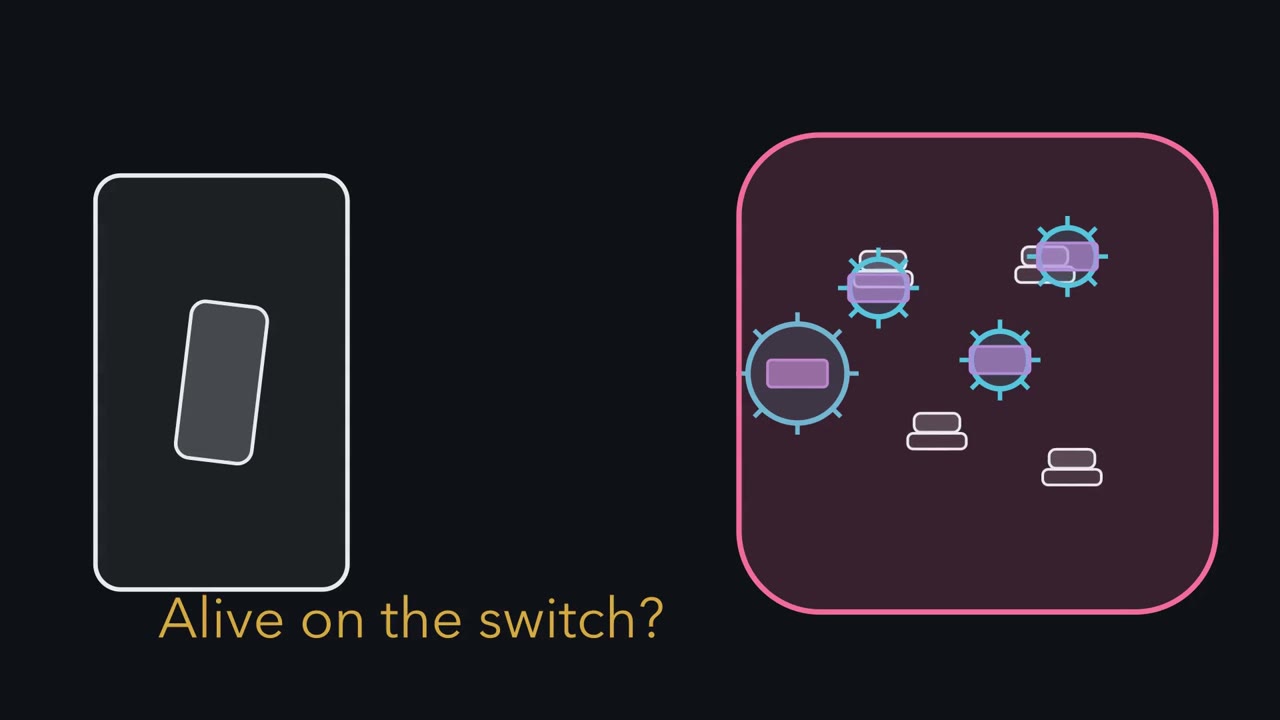 First film Length 3:19 Who Can Act Alone? Biology · High school Living or Not? Viruses and Bacteria
Take-home
Bacteria are living cells; viruses are not cells and are classed nonliving.
-
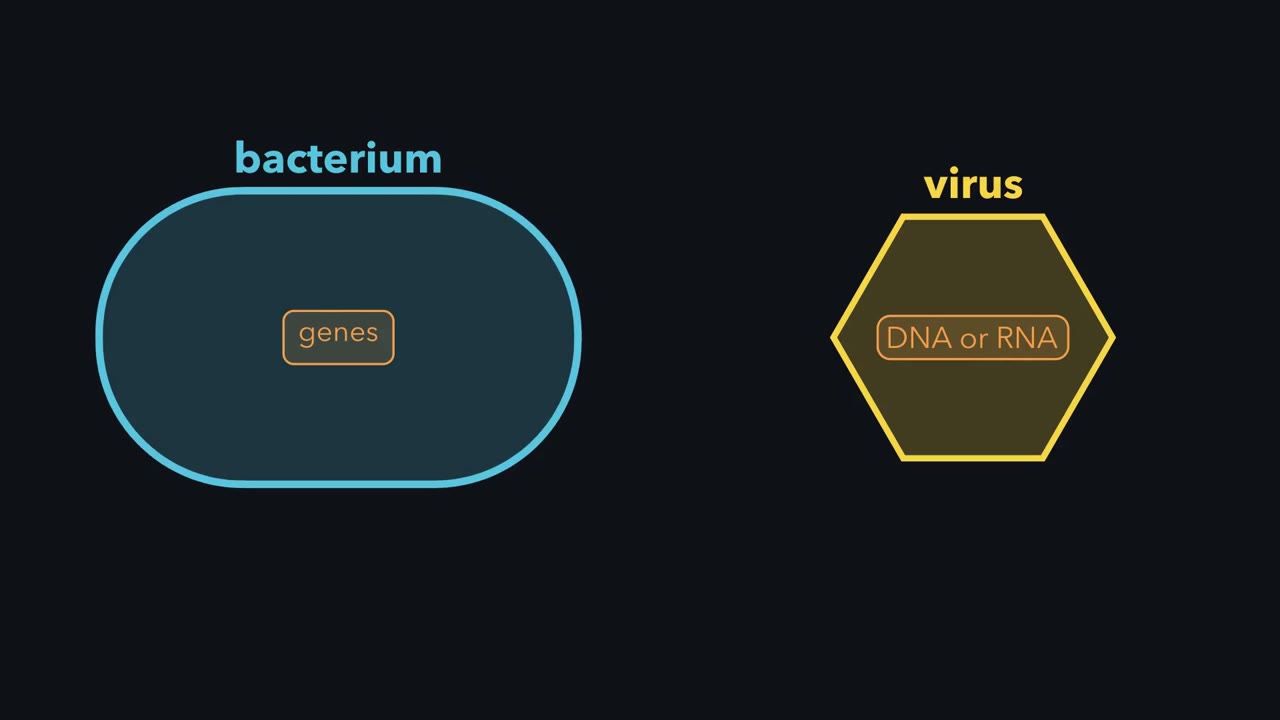 Second film Length 3:33 Parts Reveal the Difference Biology · High school Living or Not? Viruses and Bacteria
Take-home
Bacteria are living cells; viruses are not cells and are classed nonliving.
-
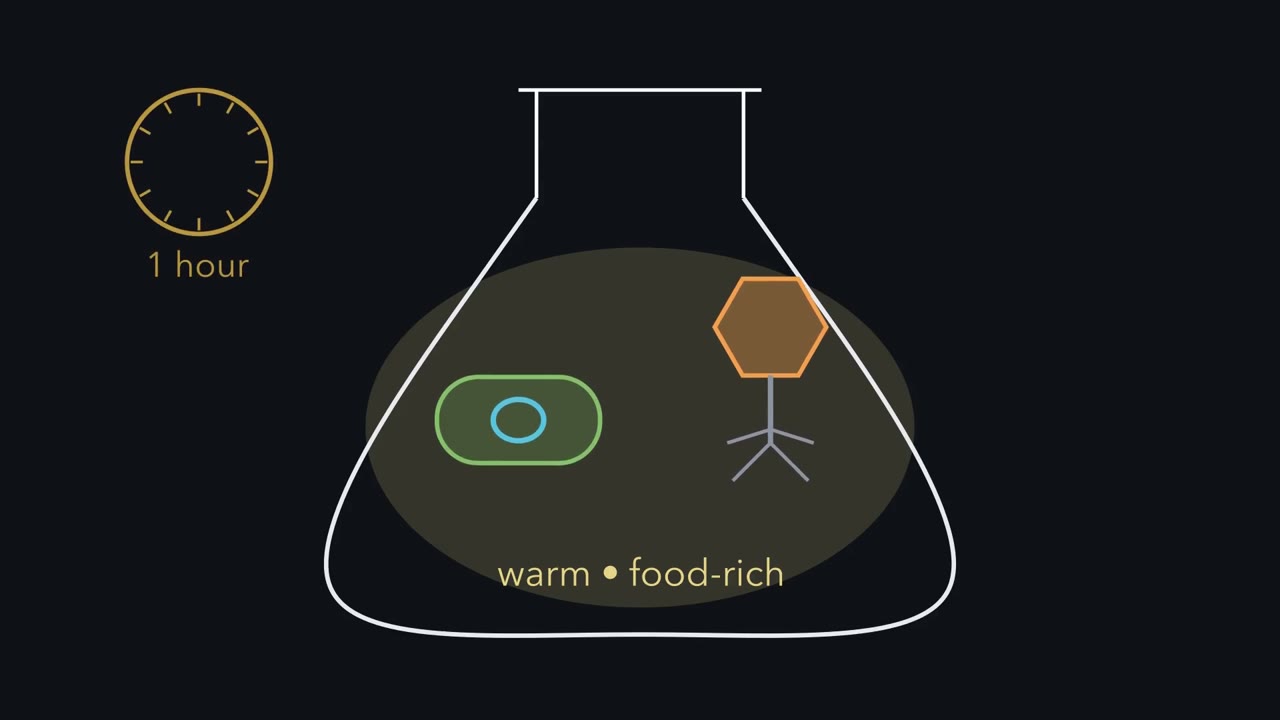 First film Length 3:05 Copy Yourself, or Be Copied Biology · High school How Microbes Multiply
Take-home
Most bacteria reproduce by binary fission: a cell copies its DNA, grows and splits into two.
-
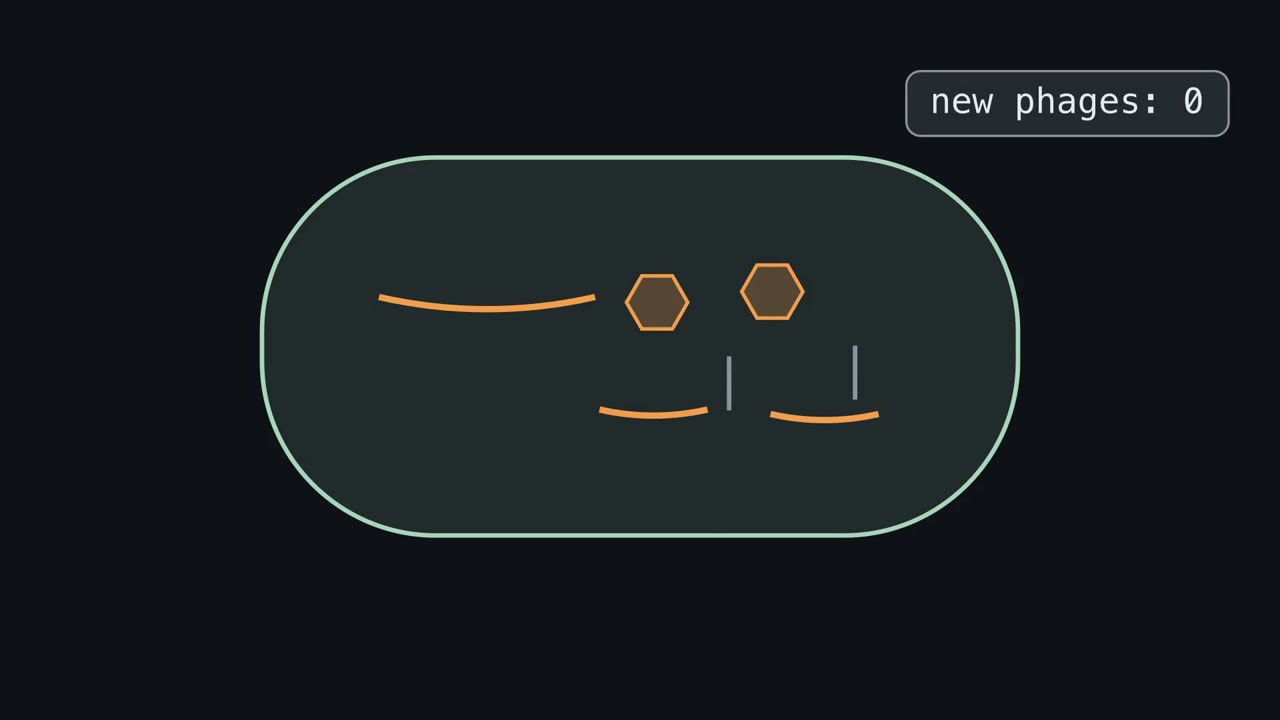 Second film Length 3:04 Built Now, or Carried Along Biology · High school How Microbes Multiply
Take-home
Cells broken open early in an infection hold viral parts but no whole viruses: viruses are built from parts, not divided.
-
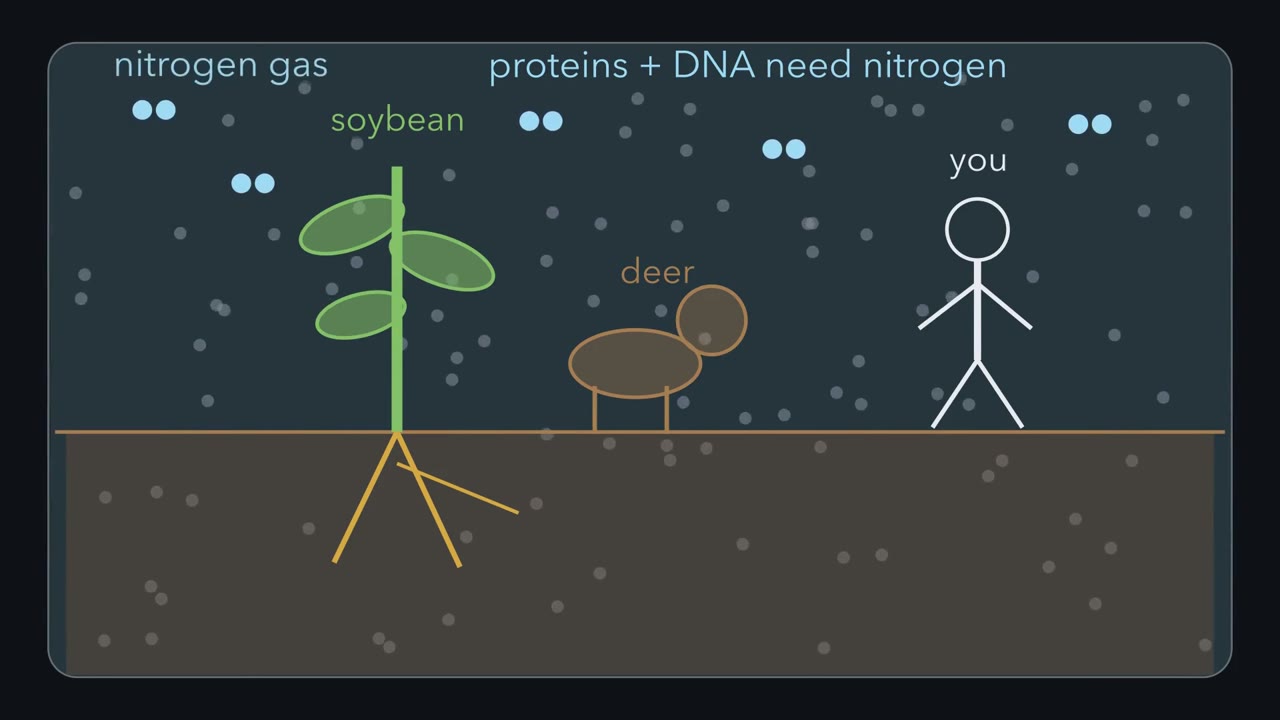 First film Length 3:21 Who Unlocks the Matter? Biology · High school Microbes in Bodies and Ecosystems
Take-home
Air is mostly nitrogen gas, but plants and animals cannot use it; bacteria in soybean root nodules turn it into ammonium, which the plant can use.
-
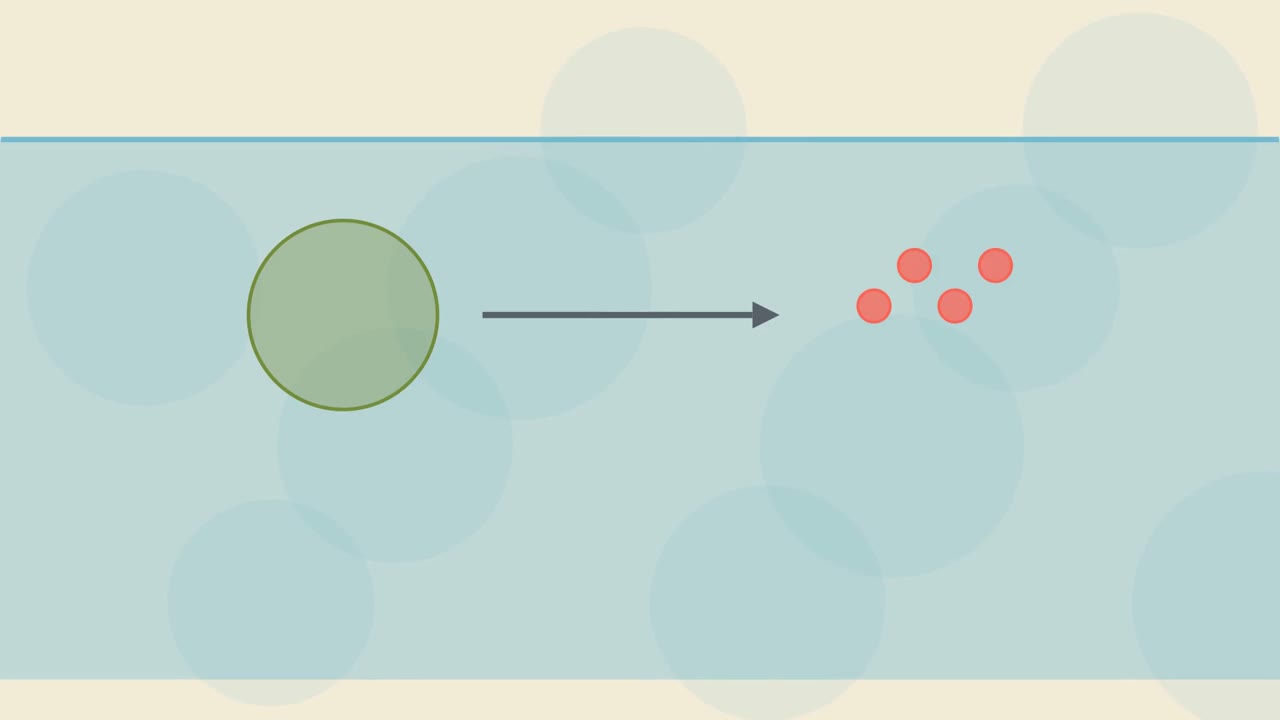 Second film Length 3:12 When the Killer Is a Recycler Biology · High school Microbes in Bodies and Ecosystems
Take-home
A virus that infects bacteria is called a bacteriophage; other ocean viruses infect algae.
-
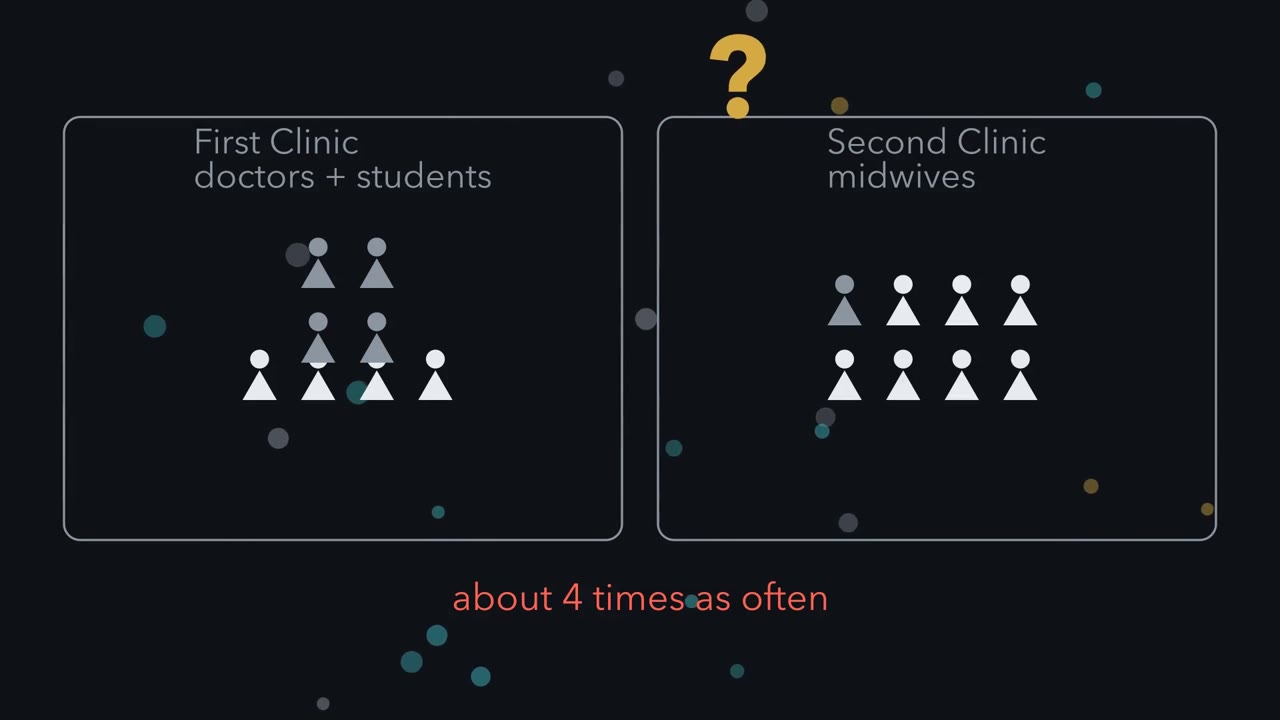 First film Length 3:21 A Race Inside the Body Biology · High school Germs, Vaccines and Antibiotics
Take-home
Germ theory says many diseases, the infectious ones, are caused by microbes that get into the body.
-
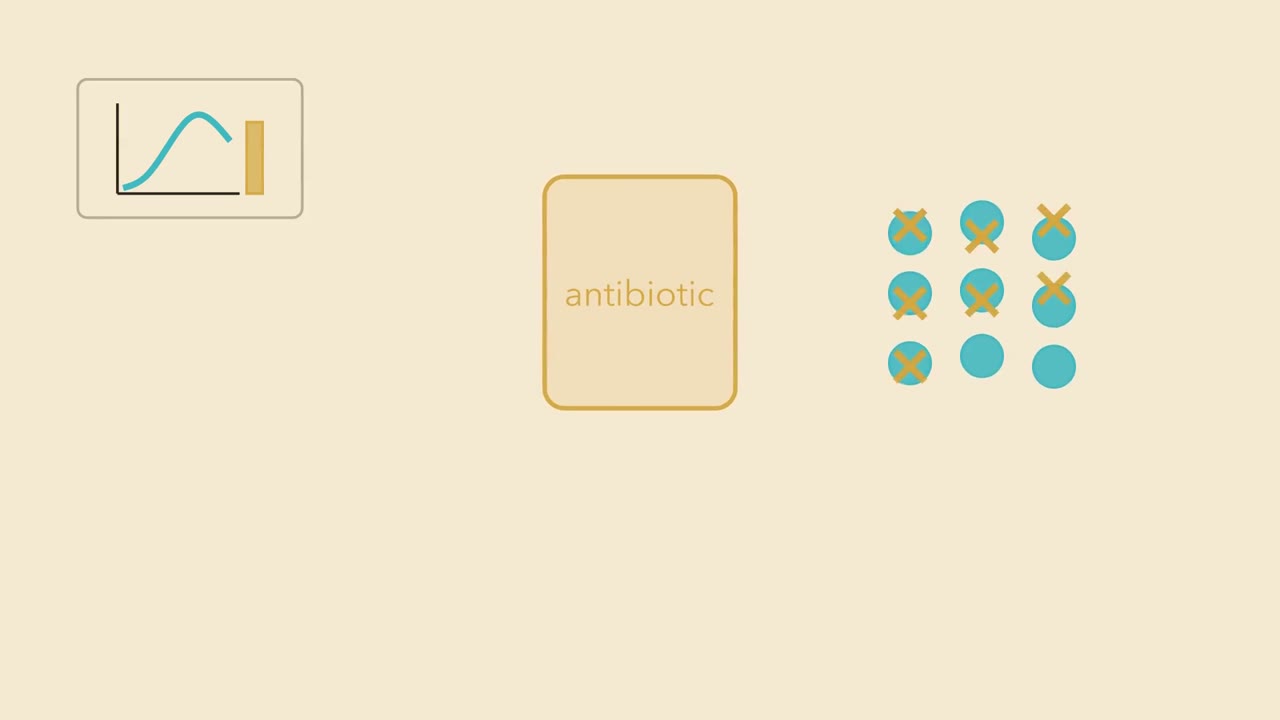 Second film Length 3:12 The Few That Survive Biology · High school Germs, Vaccines and Antibiotics
Take-home
An antibiotic kills bacteria or stops them dividing by hitting parts bacteria have, such as the cell wall or bacterial ribosomes.
-
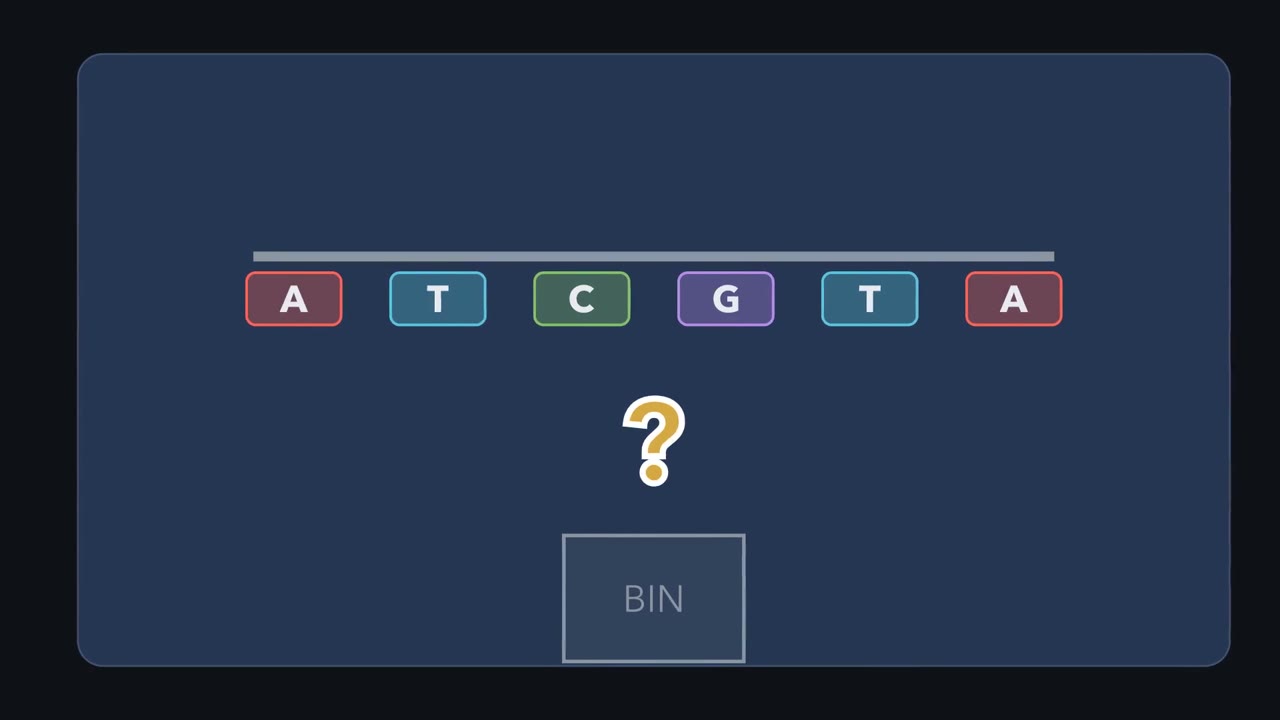 First film Length 3:06 One Strand Is Enough Biology · High school DNA: Structure and Copying
Take-home
DNA is two strands of nucleotides, each a sugar, a phosphate and one of four bases: A, T, C or G.
-
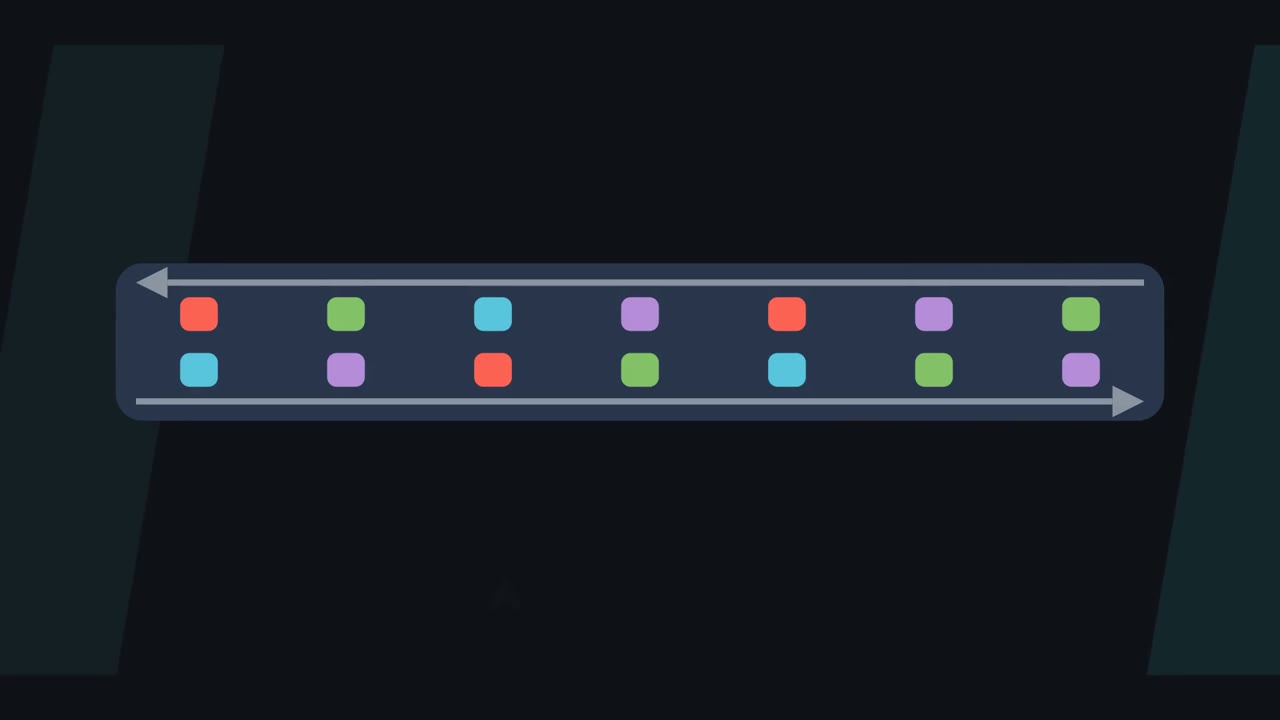 Second film Length 3:02 Inside the Fork Biology · High school DNA: Structure and Copying
Take-home
DNA polymerase adds nucleotides only at the arrowhead end of a new strand, so each new strand points opposite to its template.
-
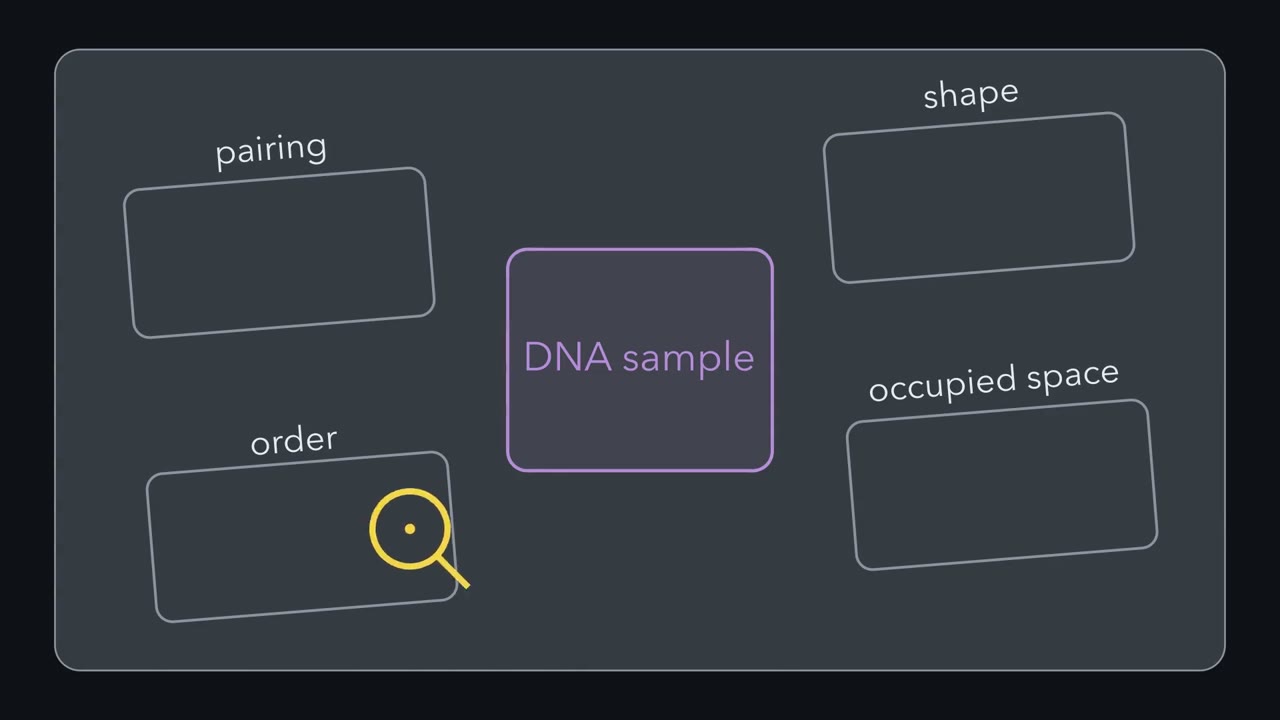 First film Length 3:14 Which Picture of DNA Should You Trust? Biology · High school How the DNA Model Was Built
Take-home
Choose DNA models by the question; every model leaves features out.
-
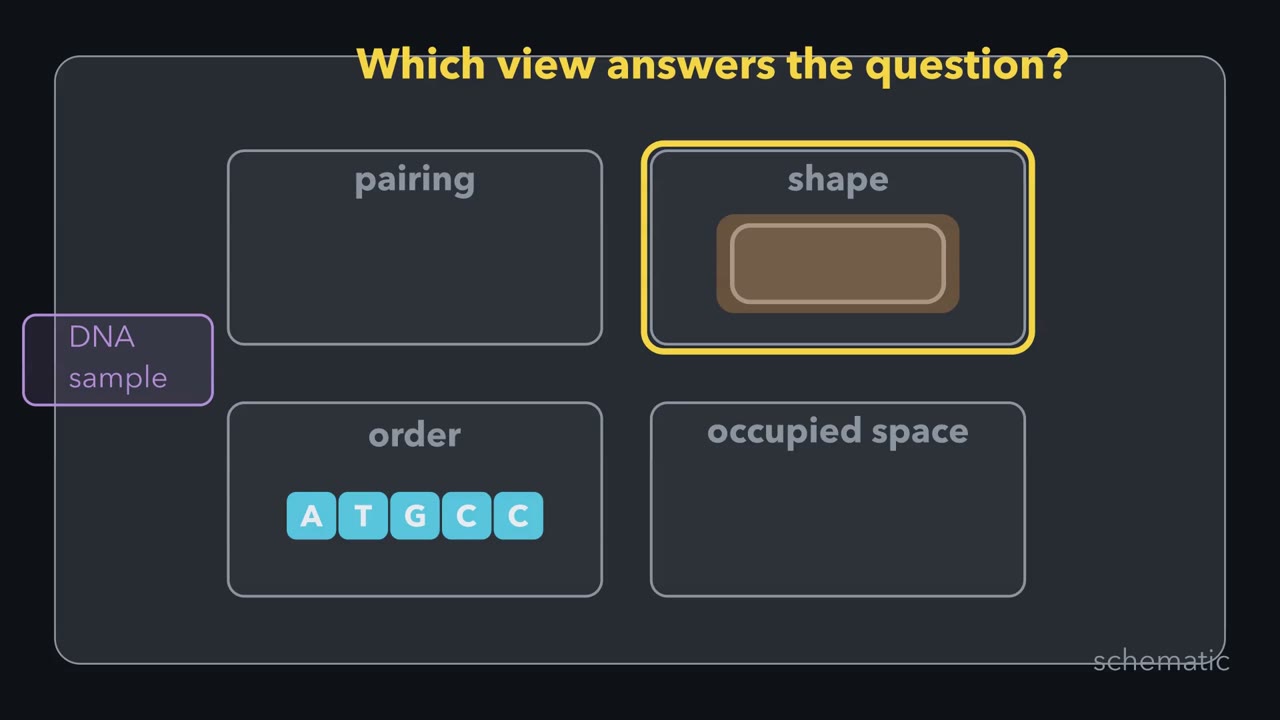 Second film Length 3:29 How DNA Became Readable Biology · High school How the DNA Model Was Built
Take-home
Sequencing reads base order, which a shape model does not show.
-
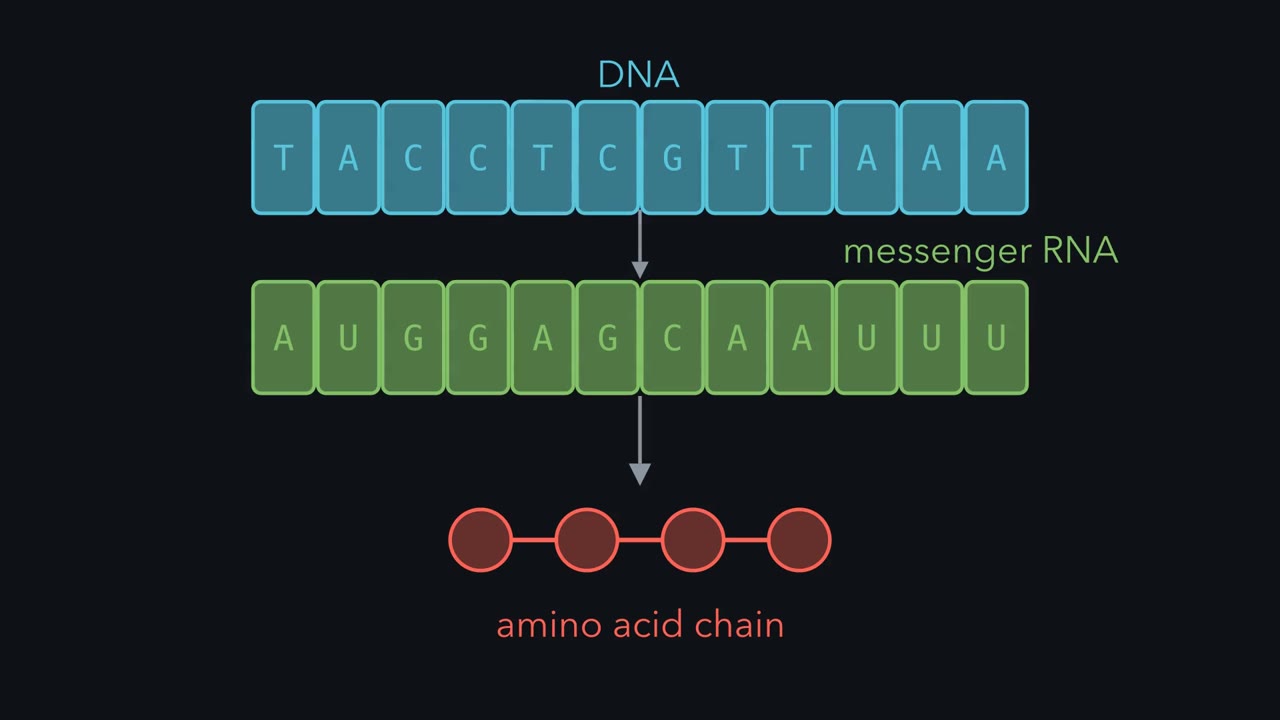
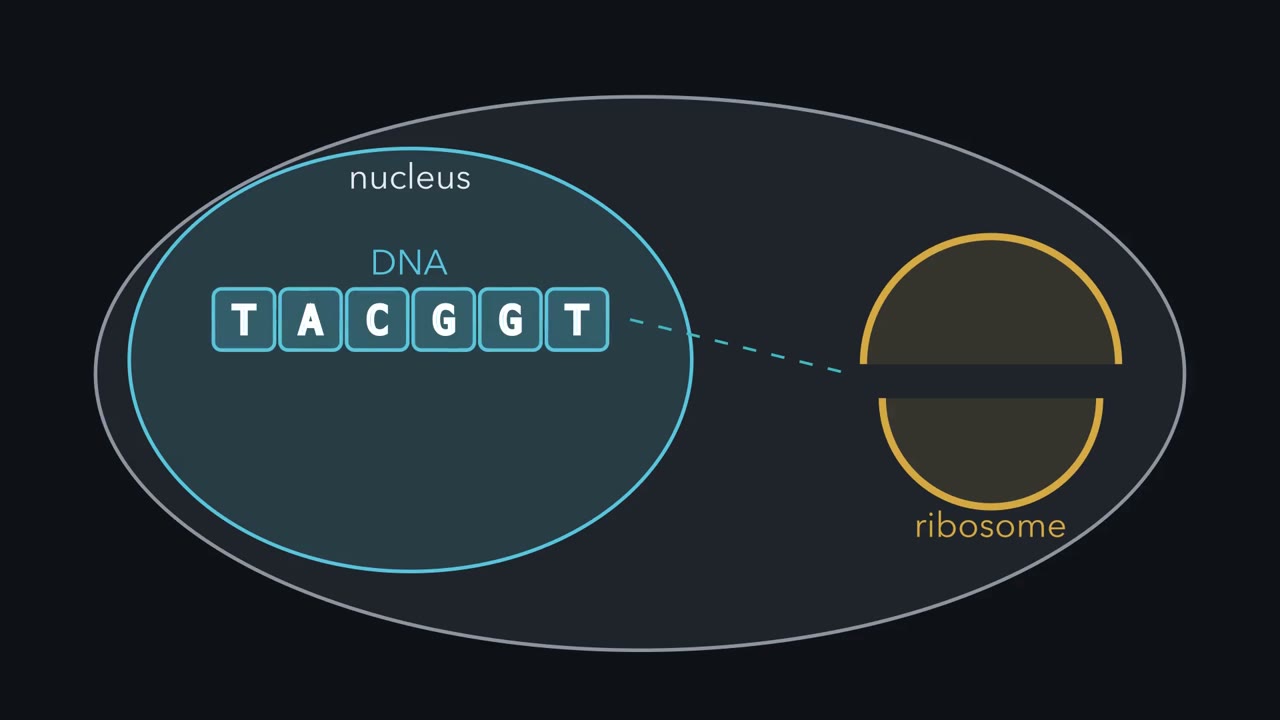 First film Length 2:58 From Gene Copy to Protein Chain Biology · High school From DNA to Protein
Take-home
In protein-coding genes, DNA order sets mRNA codons and amino acid order.
-
 Second film Length 3:00 When the Reading Changes Biology · High school From DNA to Protein
Take-home
In coding DNA, swaps change one codon; frameshifts change later codons.
-
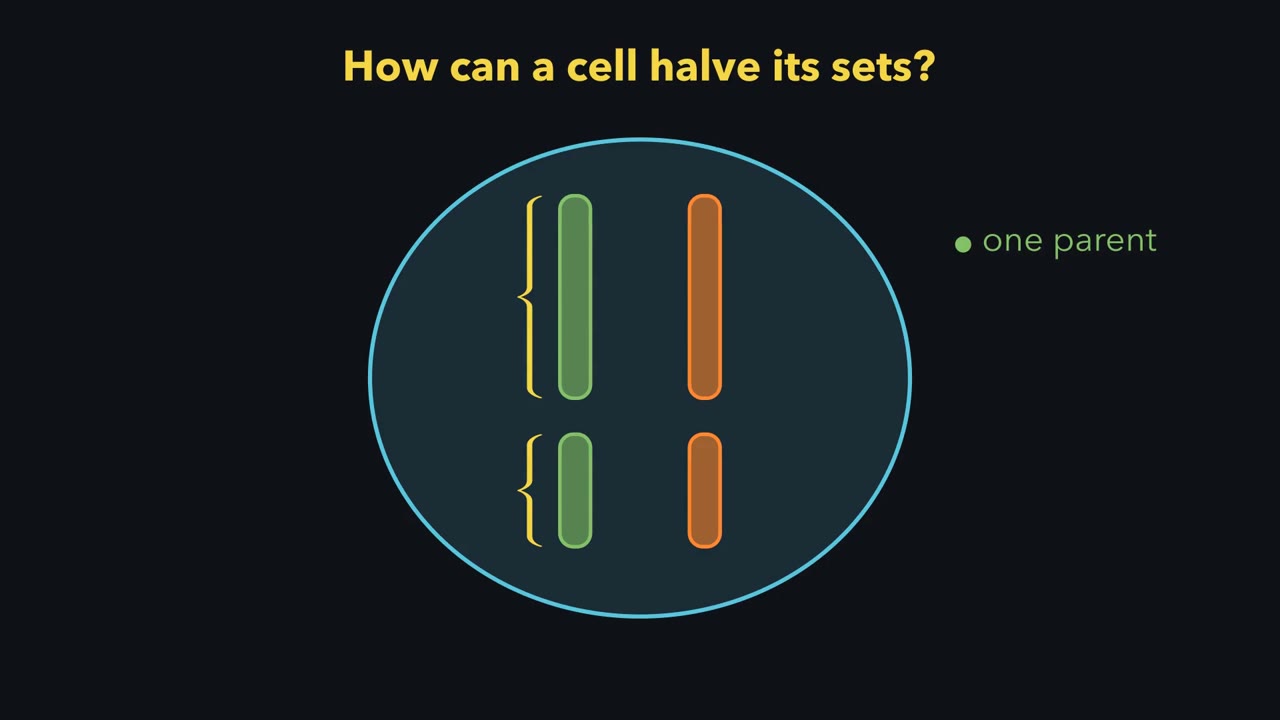 First film Length 3:08 Homologs First, Sister Chromatids Second Biology · High school Meiosis and Variation
Take-home
Meiosis separates homologous chromosomes in its first division, then sister chromatids in its second.
-
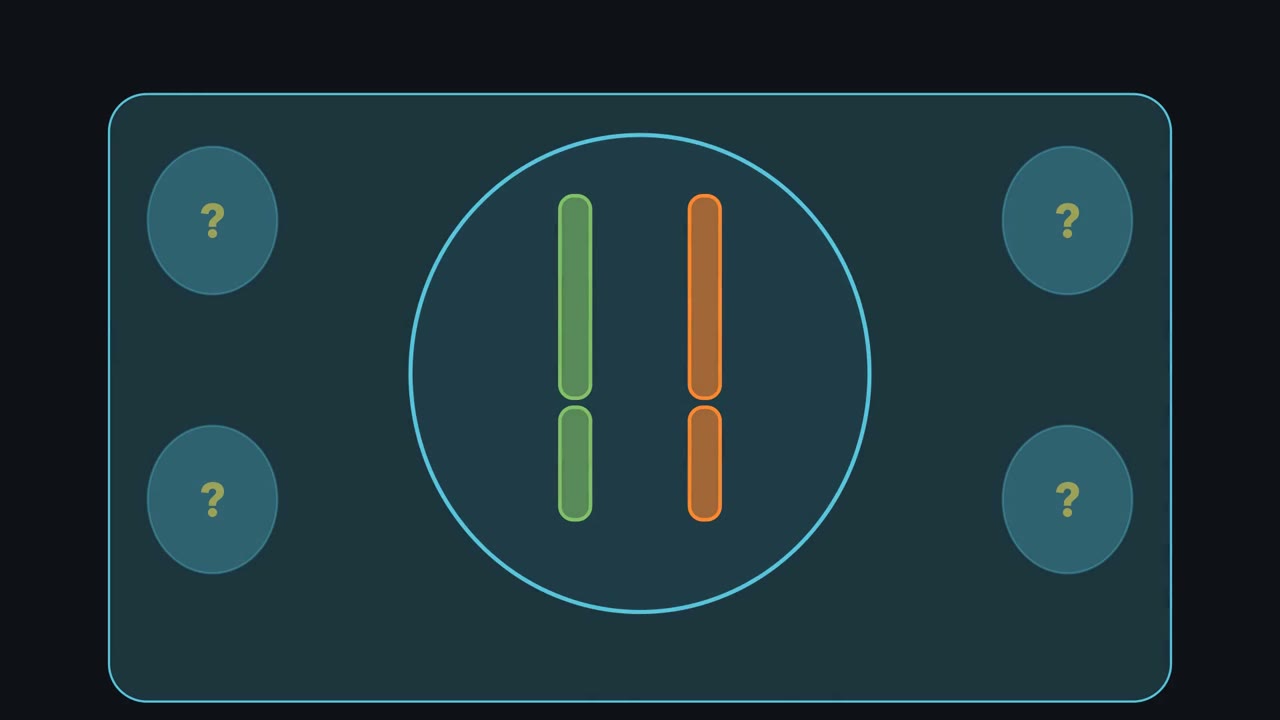 Second film Length 3:23 How Meiosis Remixes Alleles Biology · High school Meiosis and Variation
Take-home
Meiosis separates homologous pairs first, then sister chromatids, while crossing over and assortment remix alleles.
-
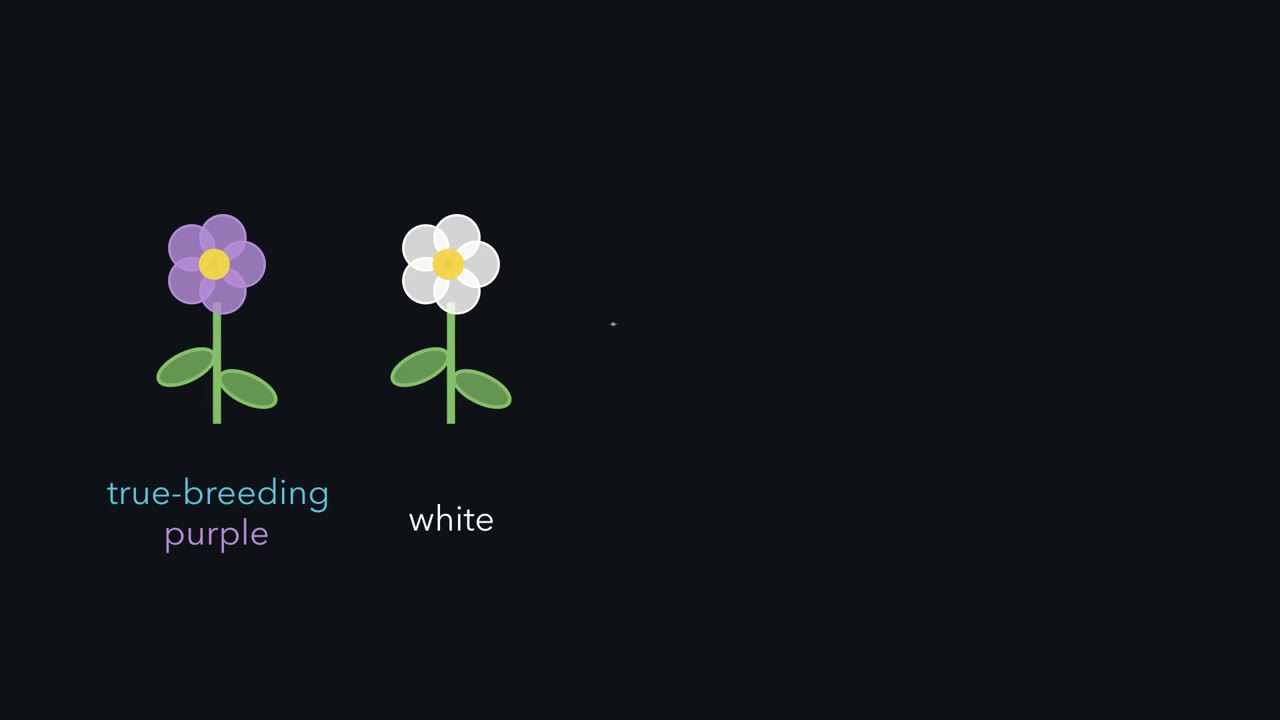 First film Length 3:18 Where the White Was Hiding Biology · High school Mendel and Punnett Squares
Take-home
Allele separation creates inheritance chances; Punnett squares organize, not guarantee, outcomes.
-
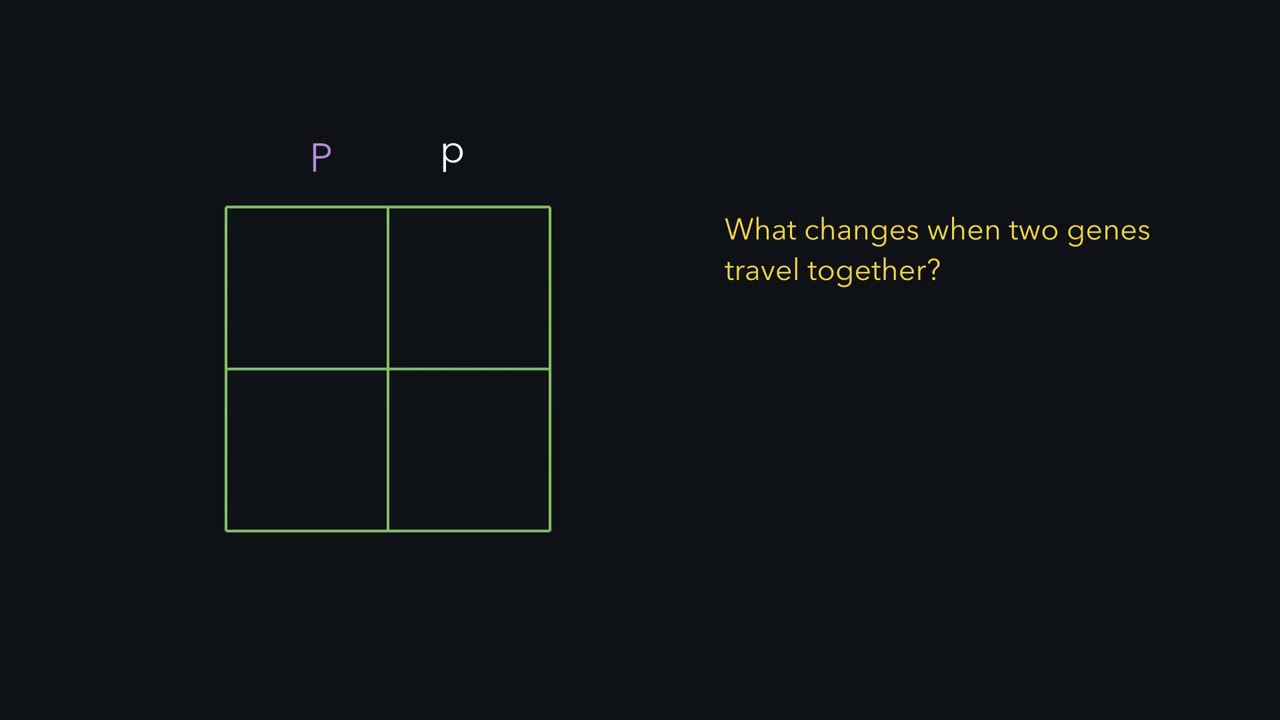 Second film Length 3:11 Two Genes, Sixteen Chances Biology · High school Mendel and Punnett Squares
Take-home
Genes that sort independently turn four sex-cell types into 9:3:3:1 chances.
-
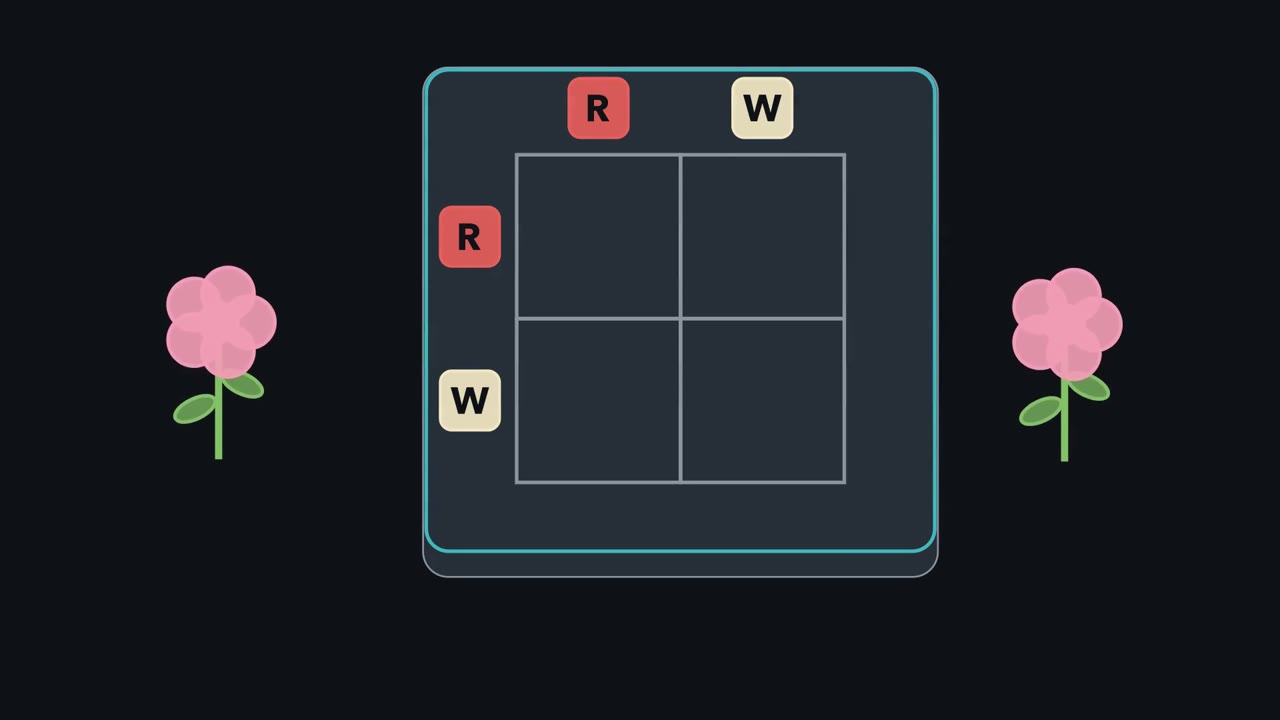 First film Length 3:21 One Cross, Three Patterns Biology · High school Beyond Dominant and Recessive
Take-home
Alleles remain separate; the pattern sets only how each pair shows.
-
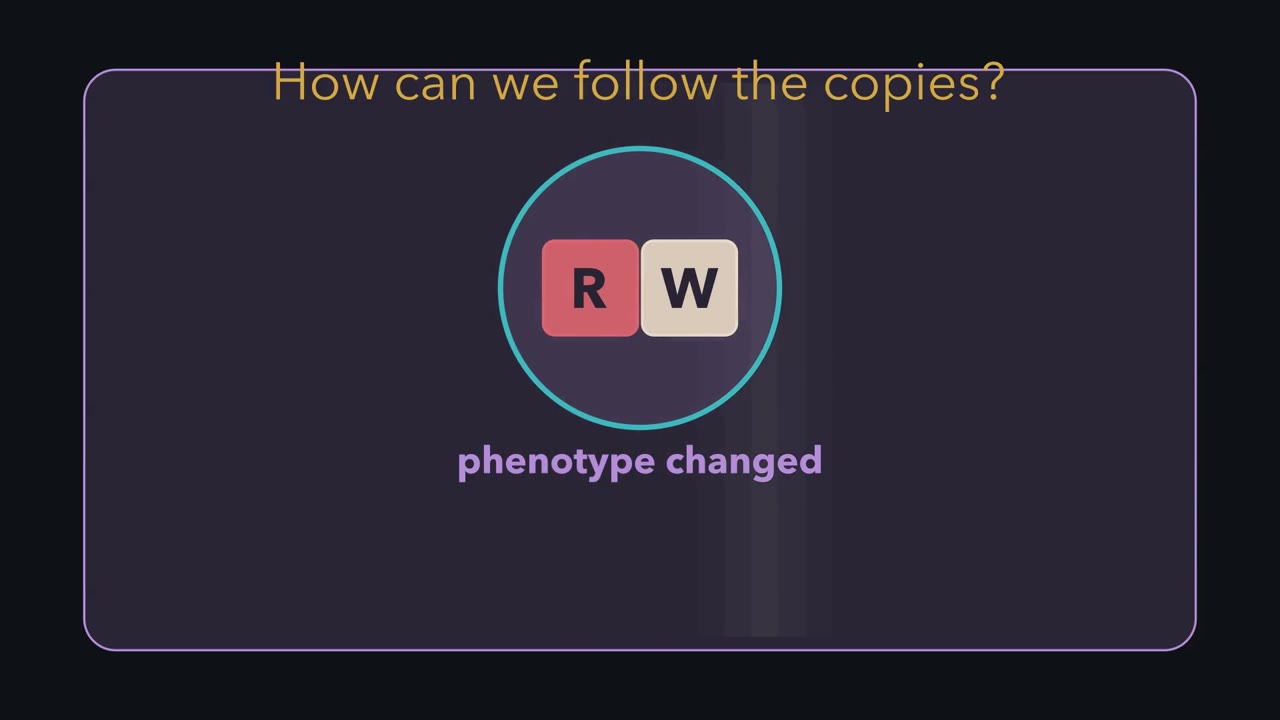 Second film Length 3:16 From Families to Chromosomes Biology · High school Beyond Dominant and Recessive
Take-home
Each genetic tool reveals a different scale: cross, family or whole chromosome.
-
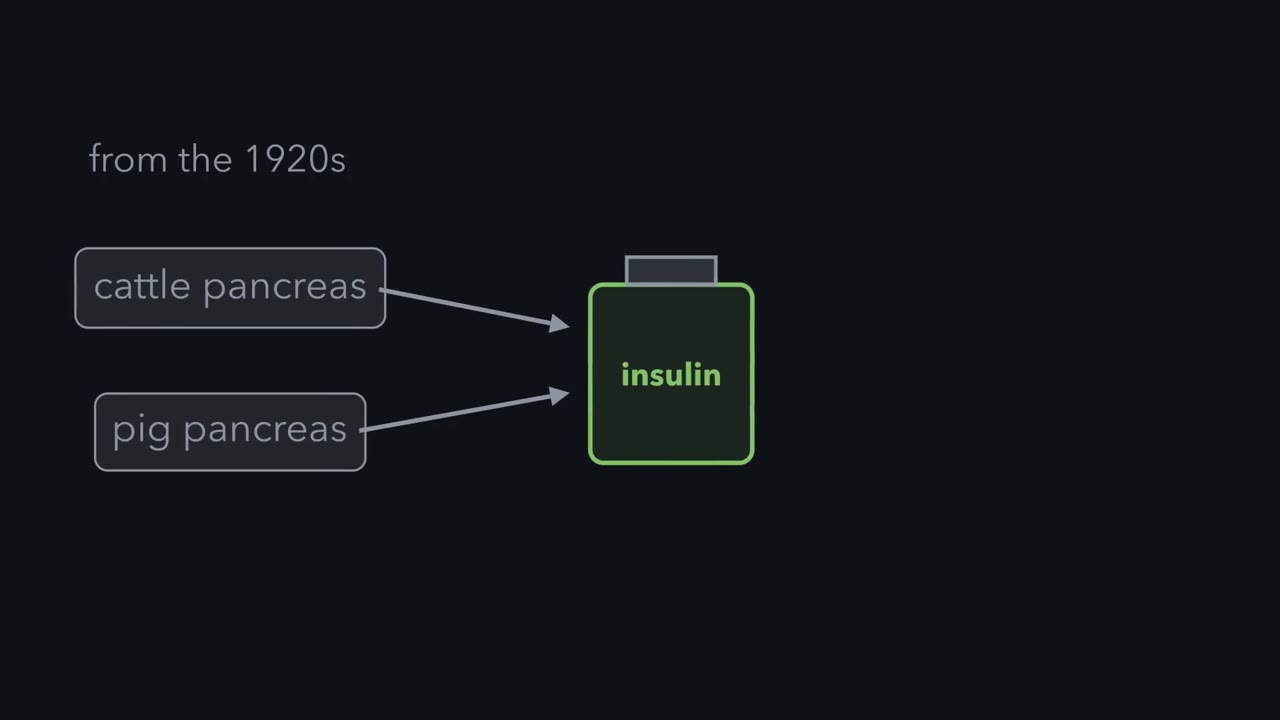 First film Length 3:30 How Bacteria Make Human Insulin Biology · High school Engineering Genes
Take-home
A restriction enzyme can cut a gene and plasmid to leave matching ends.
-
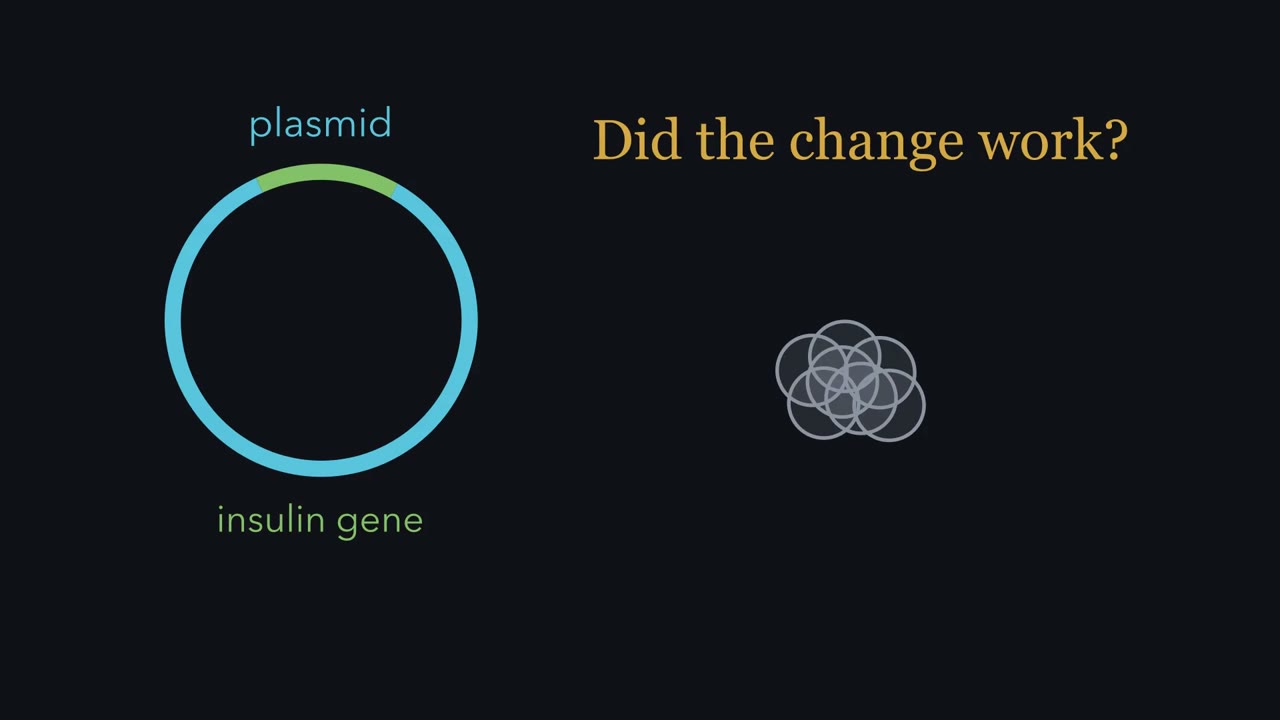 Second film Length 3:35 How Do We Know It Worked? Biology · High school Engineering Genes
Take-home
Antibiotic selection supports plasmid uptake, not insulin production.
-
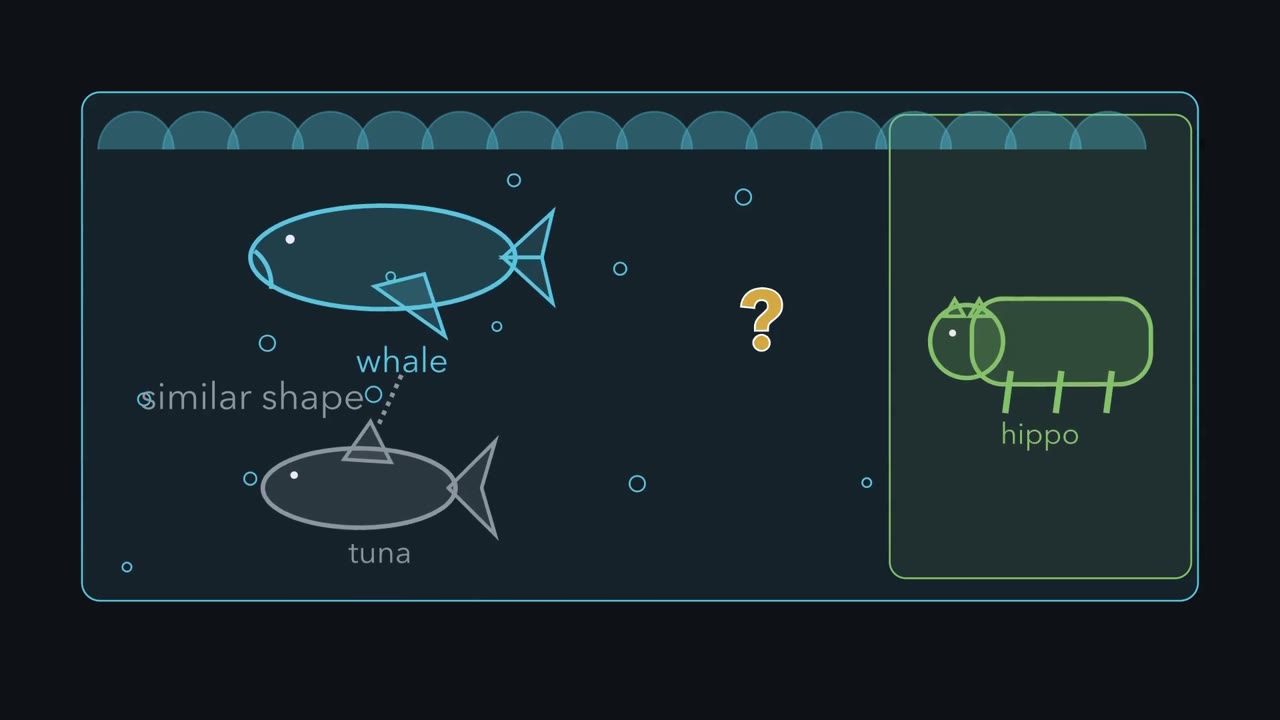 First film Length 3:36 Which Similarities Reveal Relatives? Biology · High school Building a Tree of Life
Take-home
Trace shared derived traits to branch points to find the closest relatives.
-
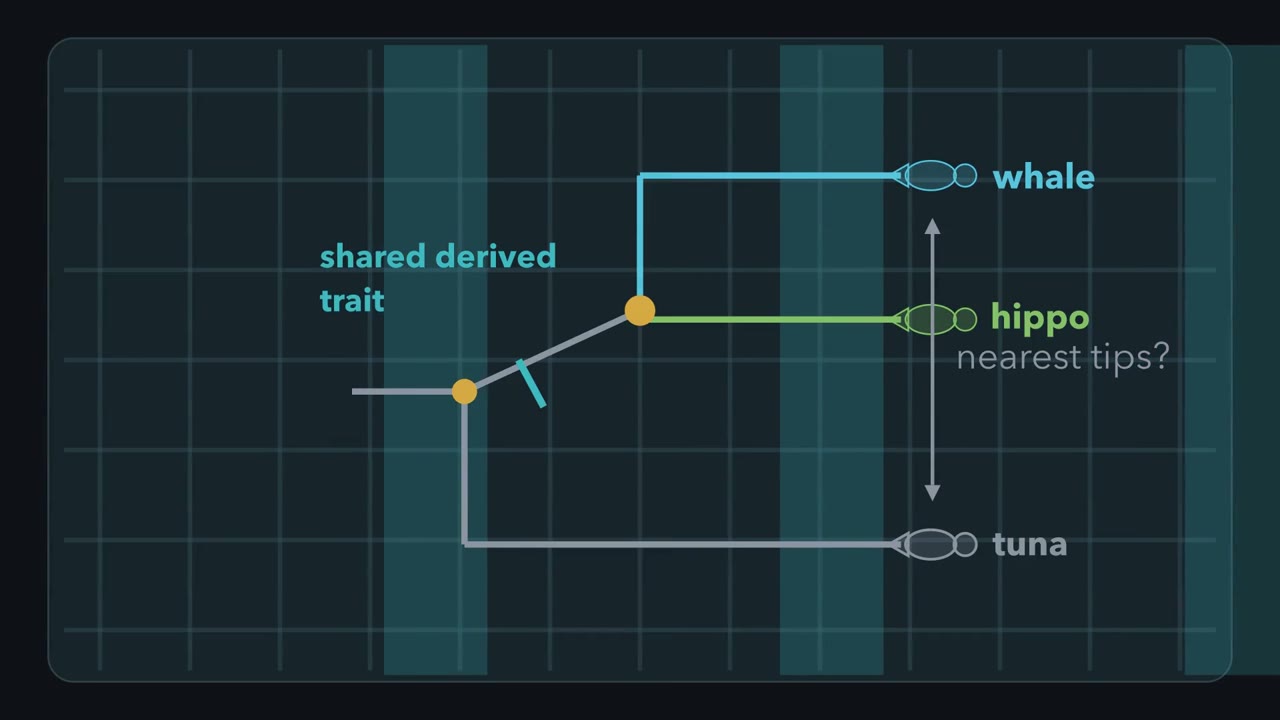 Second film Length 3:16 Read the Branch Point Biology · High school Building a Tree of Life
Take-home
Trace shared derived traits to branch points to find the closest relatives.
-
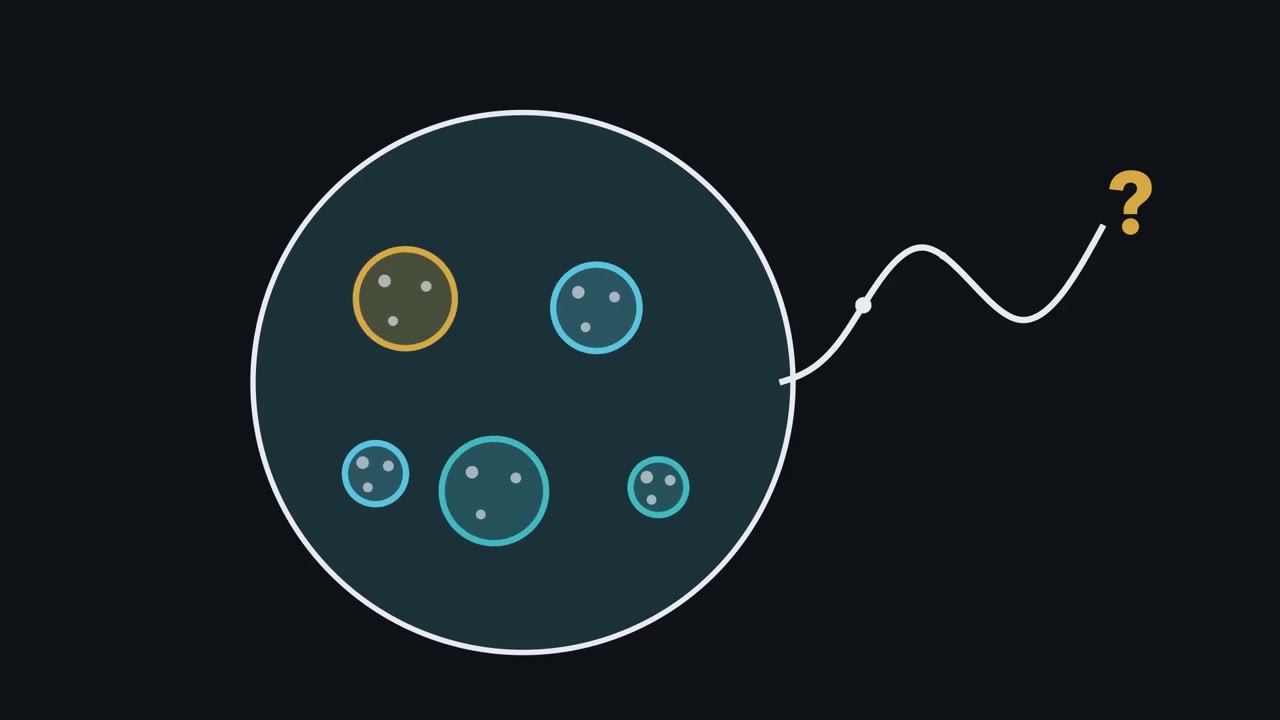 First film Length 3:36 The First Split Biology · High school Domains and Kingdoms
Take-home
Classify by ordered traits; where looks fail, use molecular evidence.
-
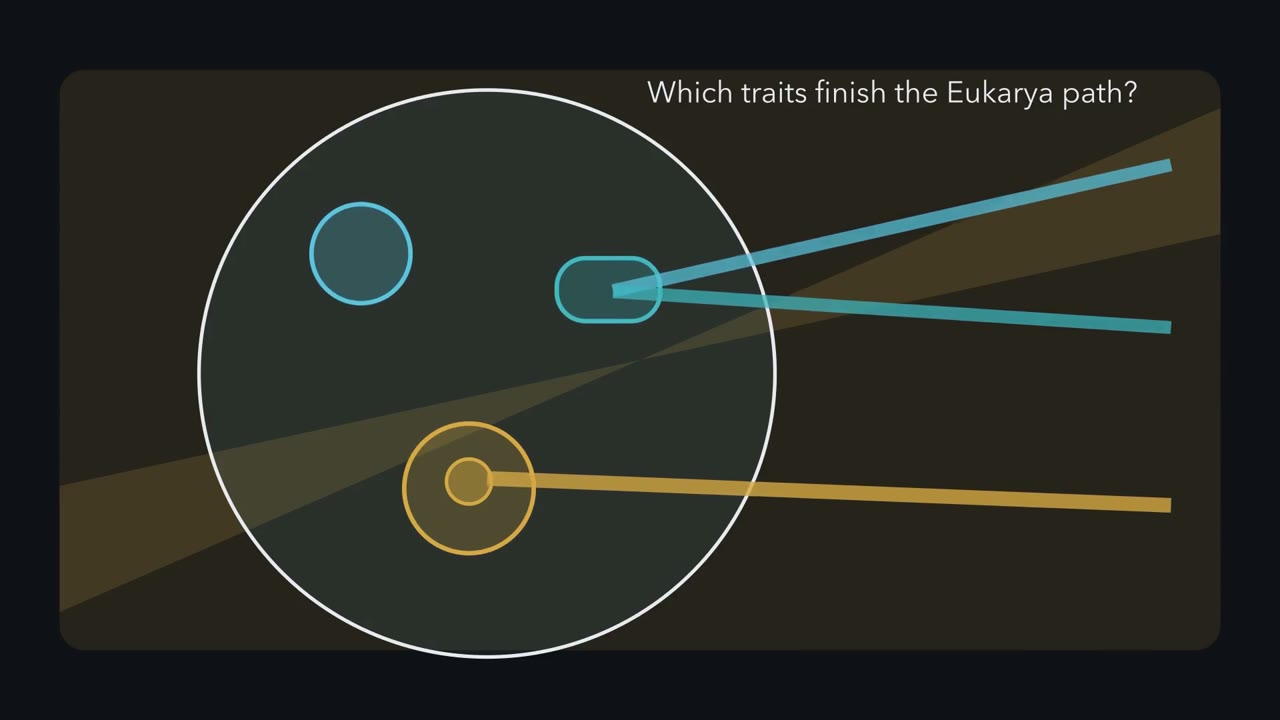 Second film Length 3:42 Build the Classification Path Biology · High school Domains and Kingdoms
Take-home
Ask traits in order; stop where your evidence runs out.
-
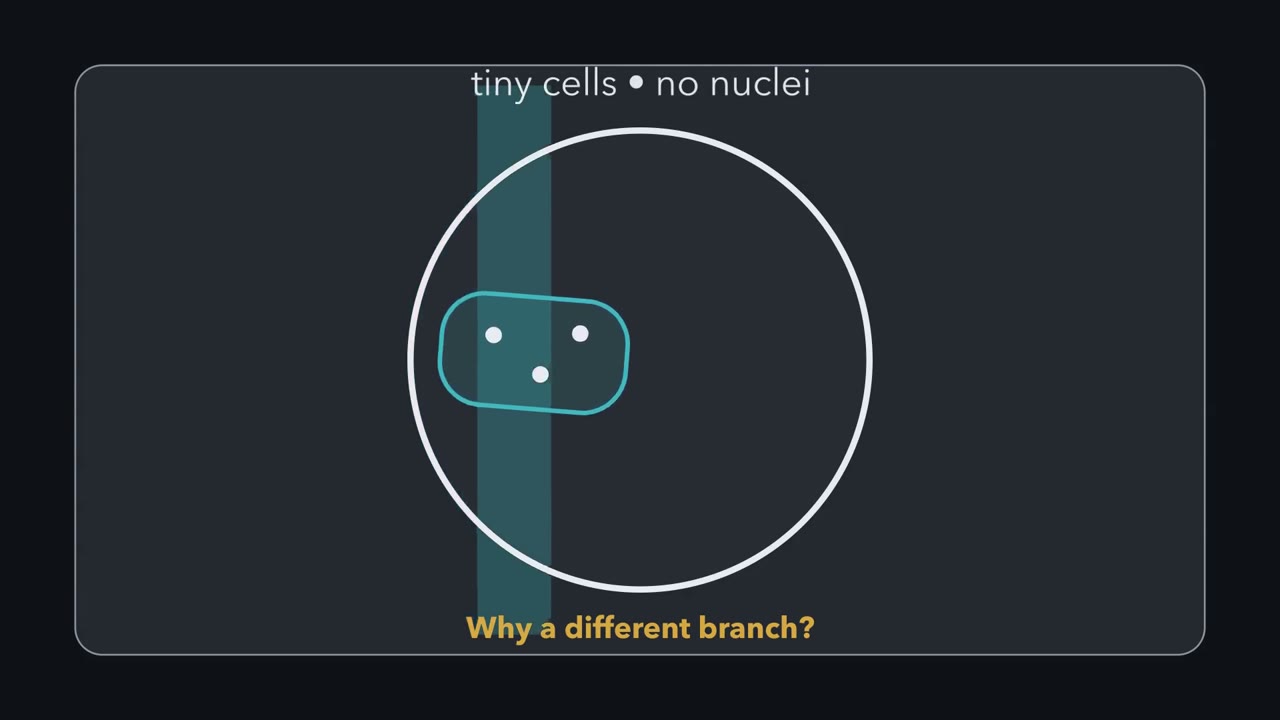 First film Length 3:34 The Molecule Behind the Tree Biology · High school Classification Changes
Take-home
Classification changes when new evidence changes the best-supported picture of ancestry.
-
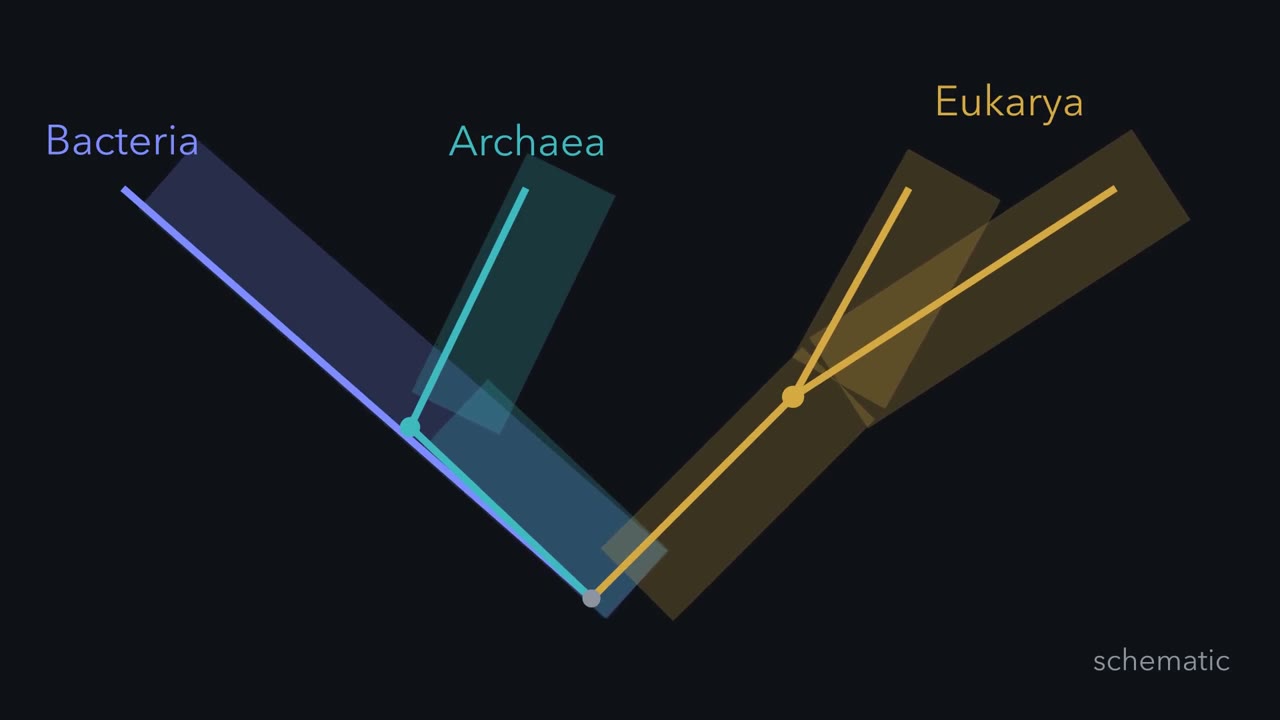 Second film Length 3:32 When Evidence Redraws a Branch Biology · High school Classification Changes
Take-home
Classification changes when new evidence changes the best-supported picture of ancestry.
-
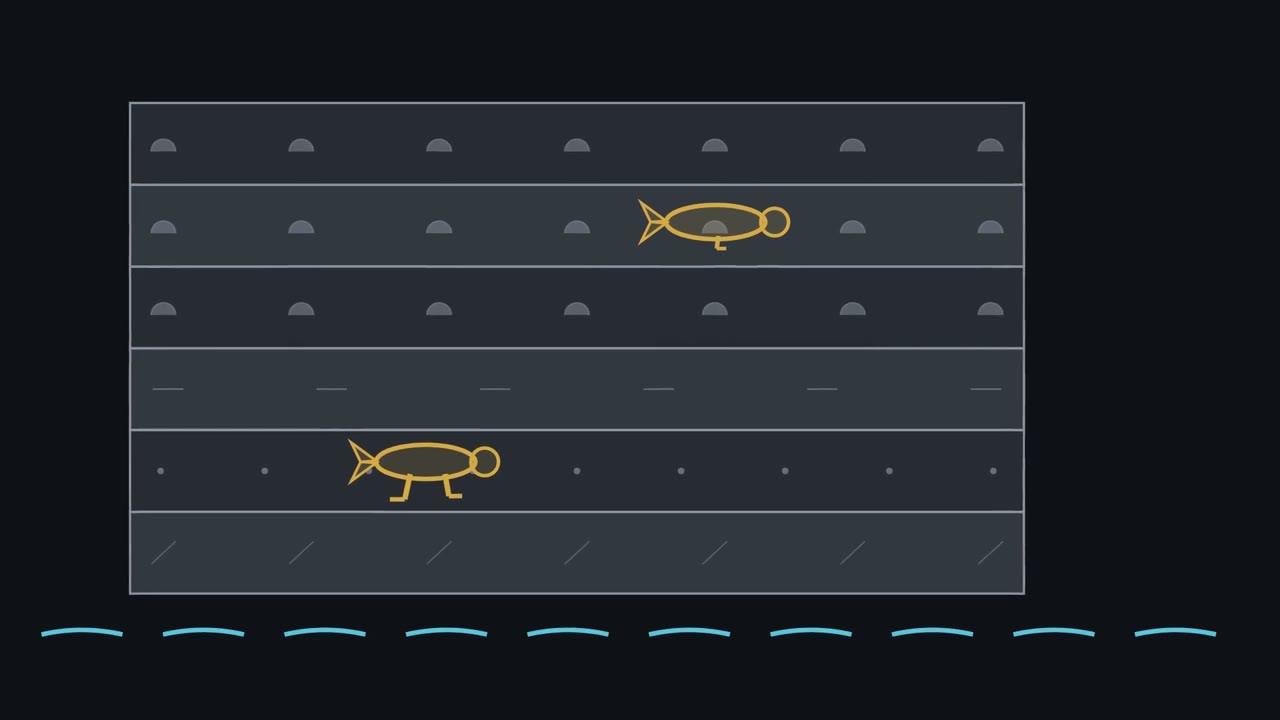 First film Length 3:25 How Rocks Put Fossils in Order Biology · High school Evidence for Evolution
Take-home
In an undisturbed stack, lower rock layers formed before higher layers.
-
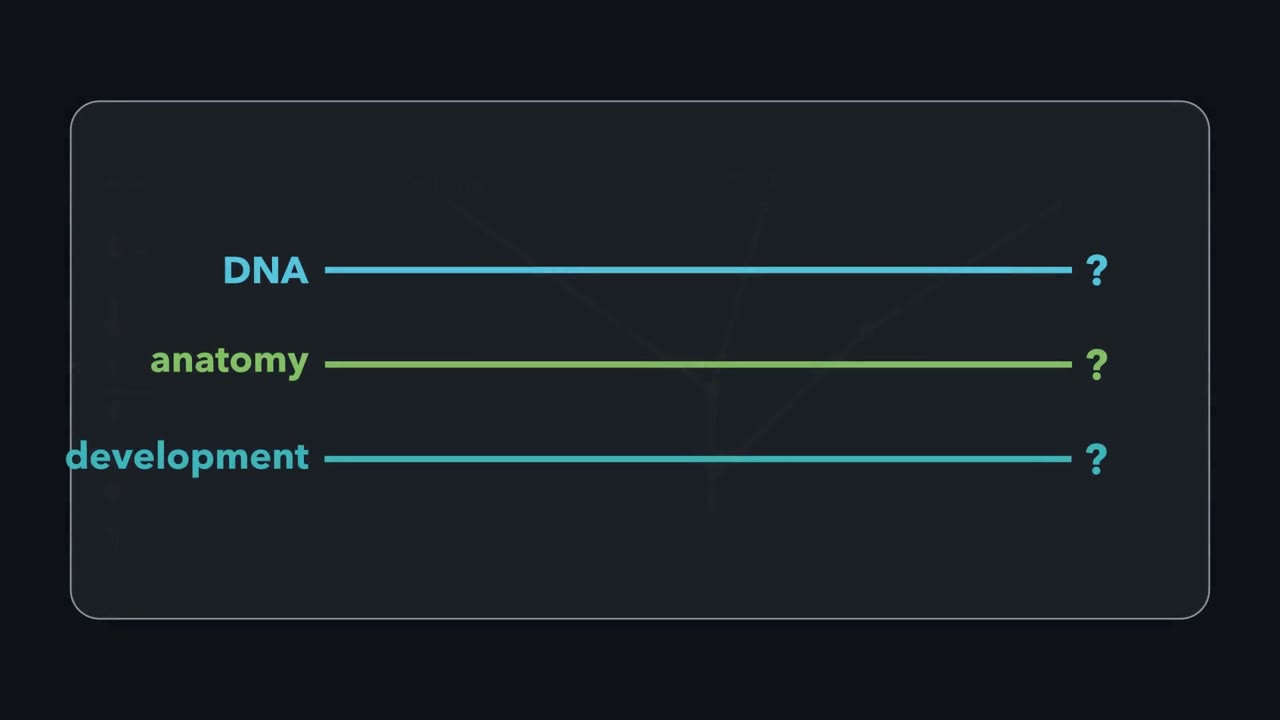 Second film Length 3:42 Four Tests of Whale Ancestry Biology · High school Evidence for Evolution
Take-home
Shared DNA insertions group whales with hippos among the even-toed hoofed mammals.
-
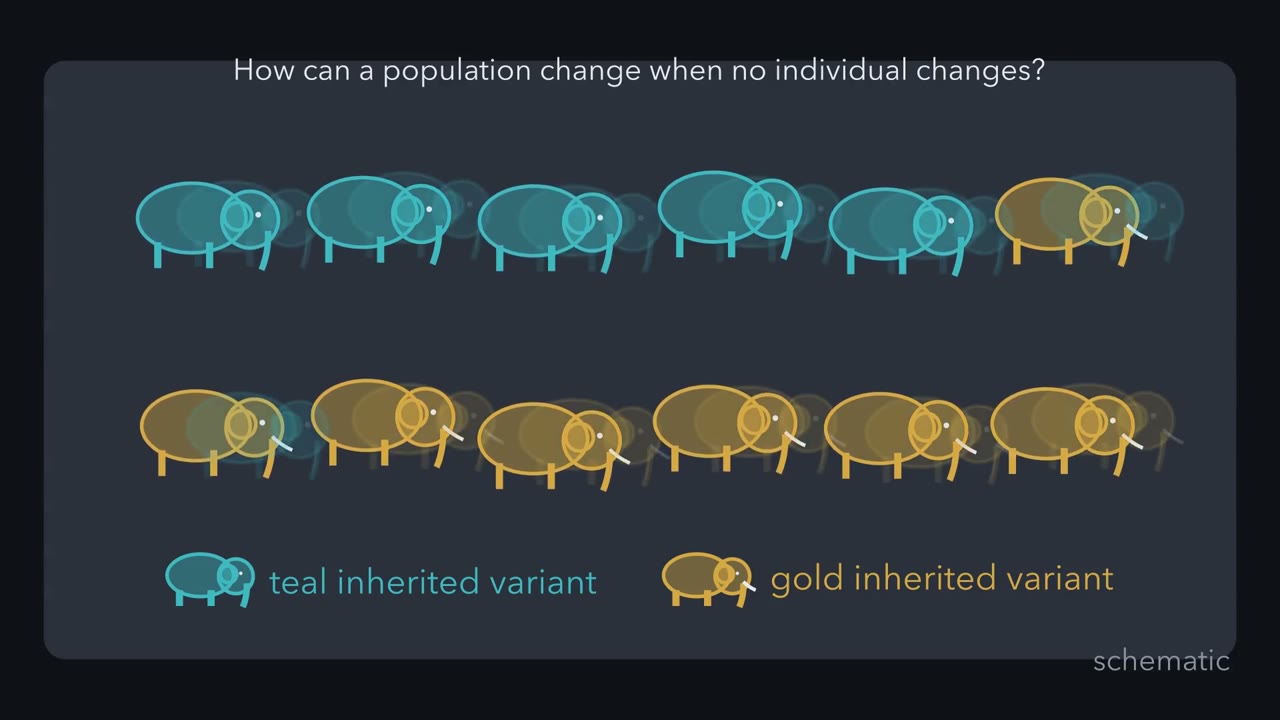 First film Length 3:49 How Populations Change Biology · High school Variation and Survival
Take-home
When inherited variations affect reproductive success, populations change across generations.
-
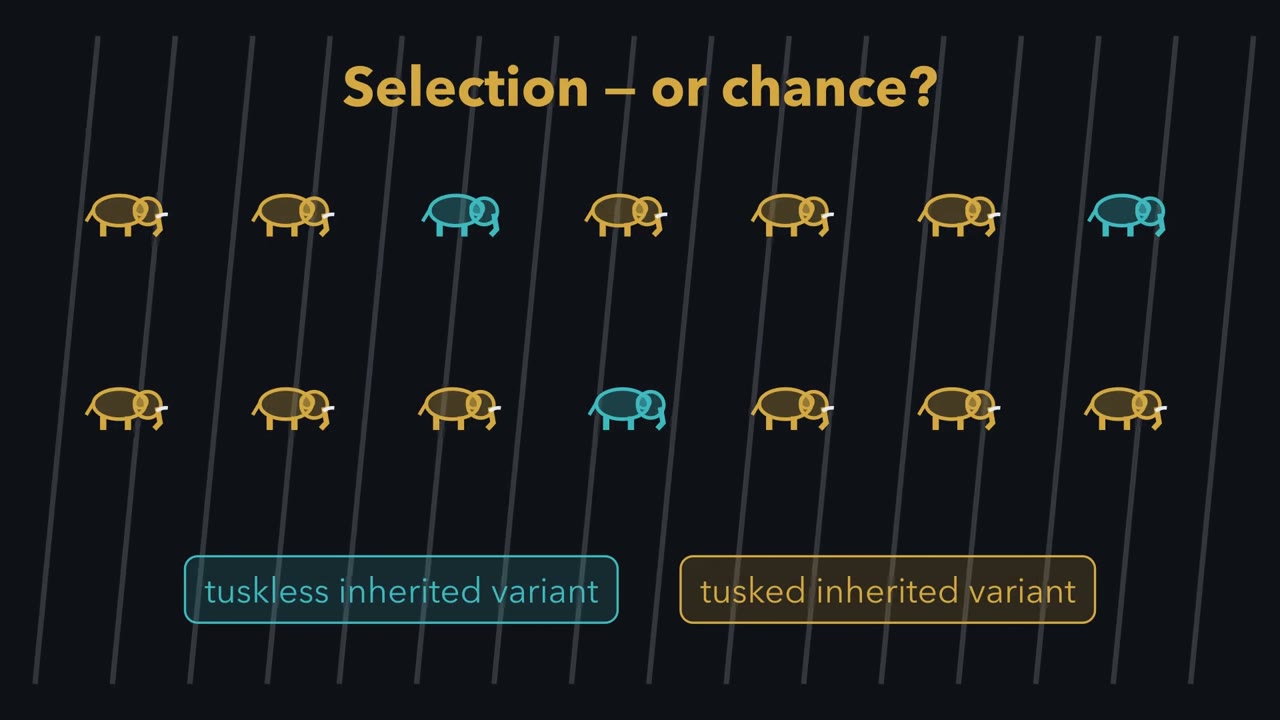 Second film Length 3:40 Reading Selection in a Population Biology · High school Variation and Survival
Take-home
When inherited variations affect reproductive success, populations change across generations.
-
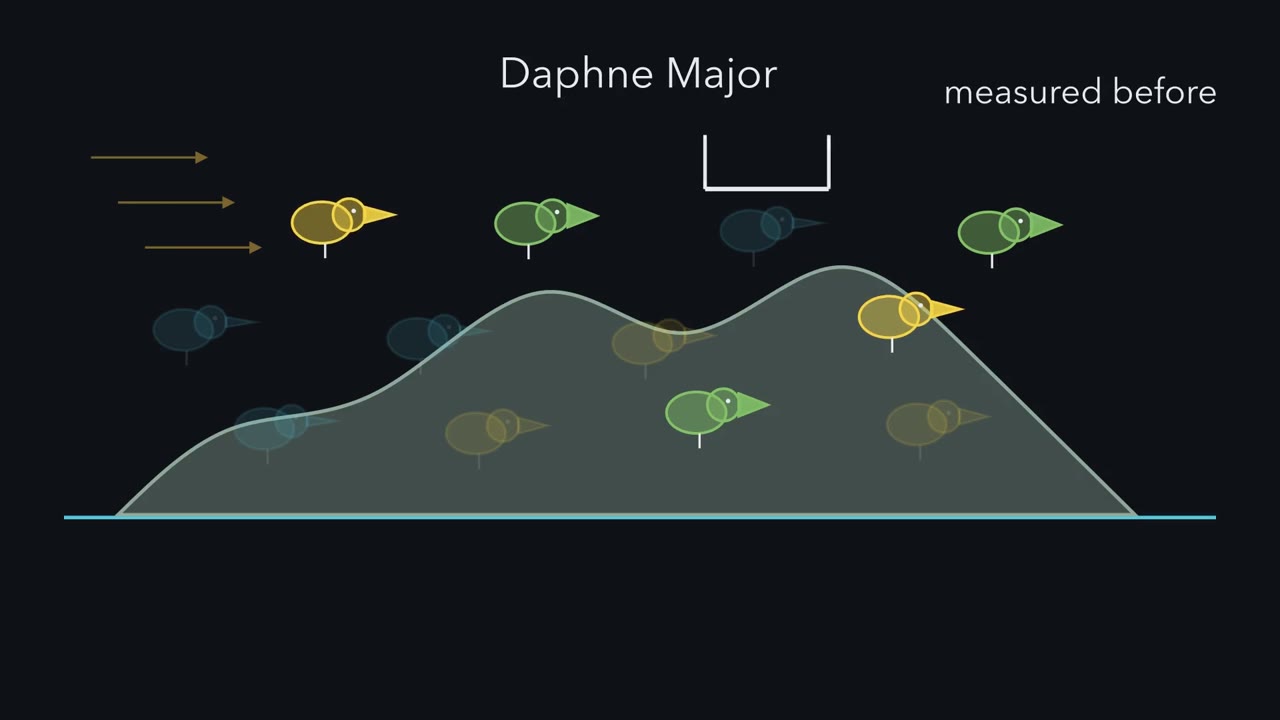 First film Length 3:33 The Drought Sorts a Population Biology · High school Natural Selection and New Species
Take-home
Inherited traits spread when their carriers leave more reproducing offspring.
-
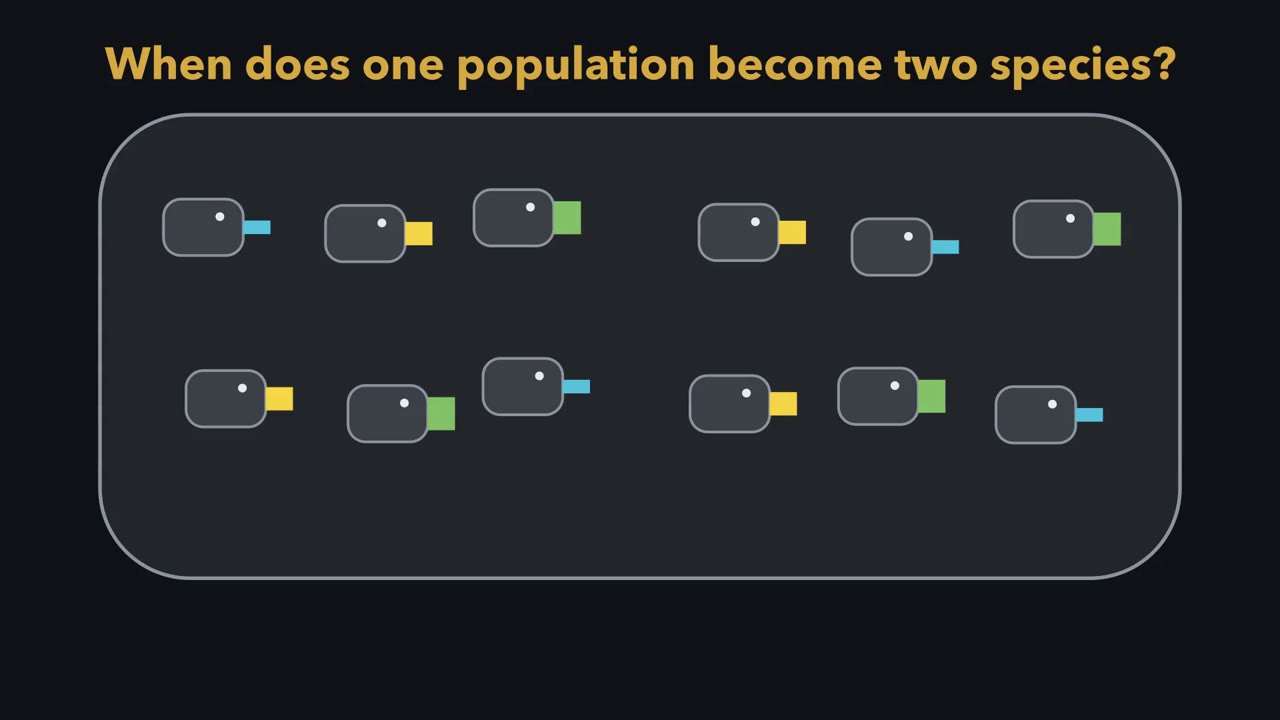 Second film Length 3:41 When One Population Becomes Two Biology · High school Natural Selection and New Species
Take-home
A barrier can start a split; interbreeding tests whether it is complete.
-
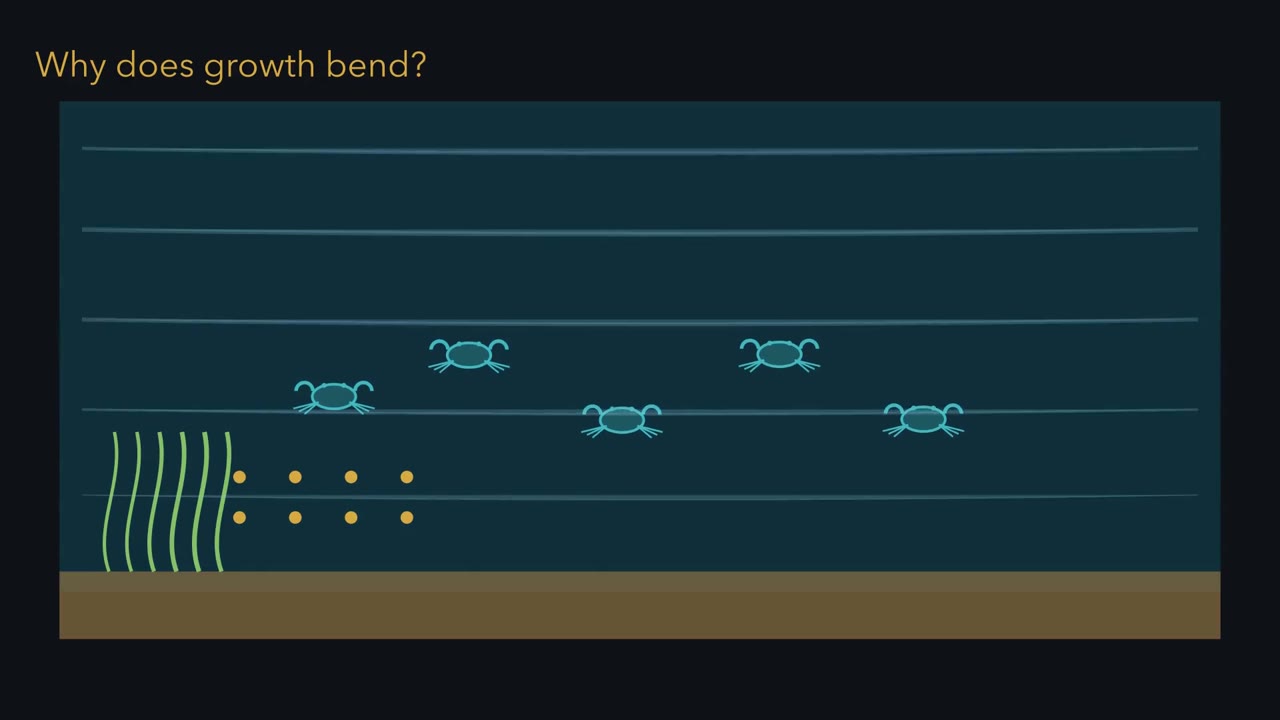 First film Length 3:37 Why Growth Bends Biology · High school Populations and Carrying Capacity
Take-home
Limits slow population growth near carrying capacity.
-
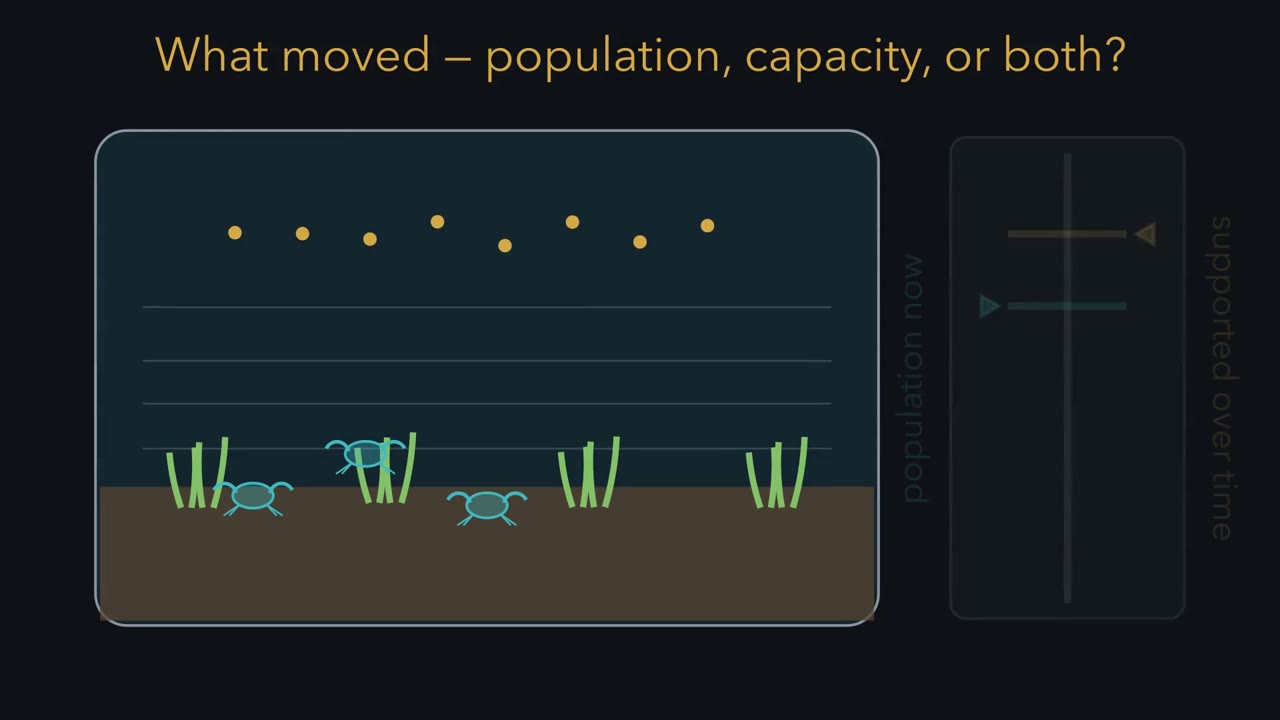 Second film Length 3:25 Did the Limit Move? Biology · High school Populations and Carrying Capacity
Take-home
Lasting changes in resources or conditions can move carrying capacity.
-
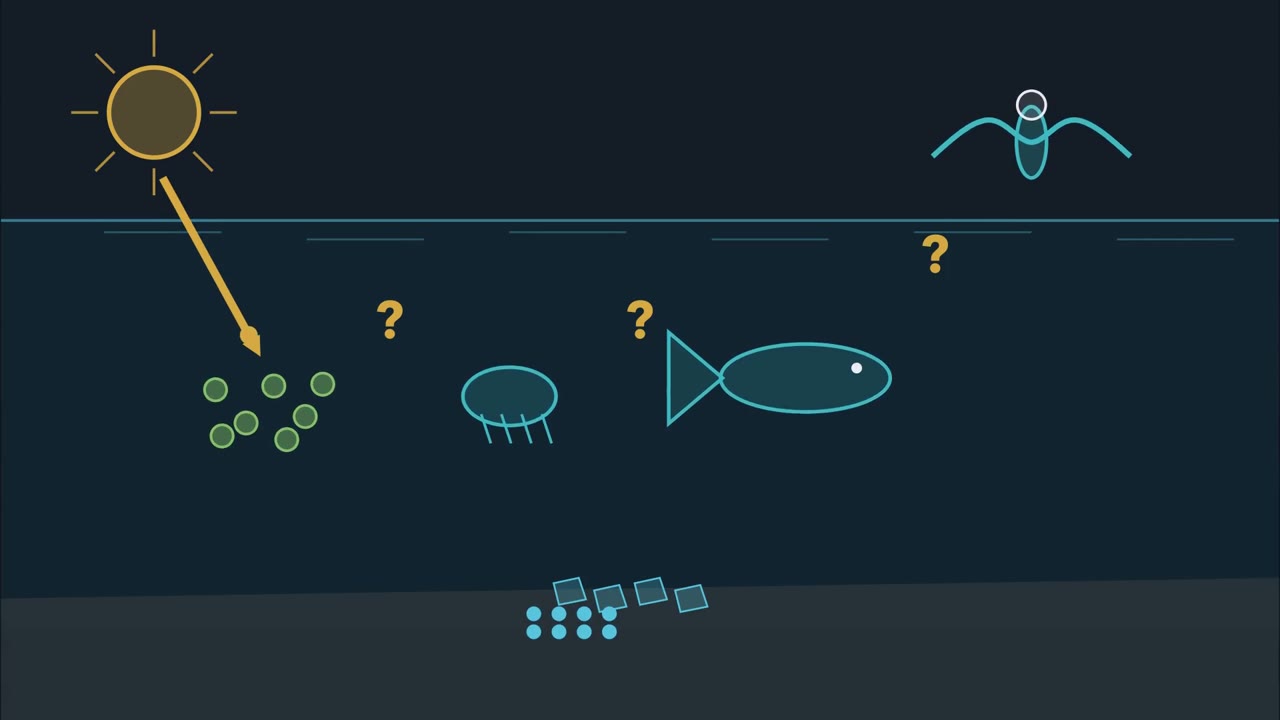 First film Length 3:37 Why Energy Pyramids Narrow Biology · High school Energy in Ecosystems
Take-home
At each step, only part becomes tissue the next level can eat.
-
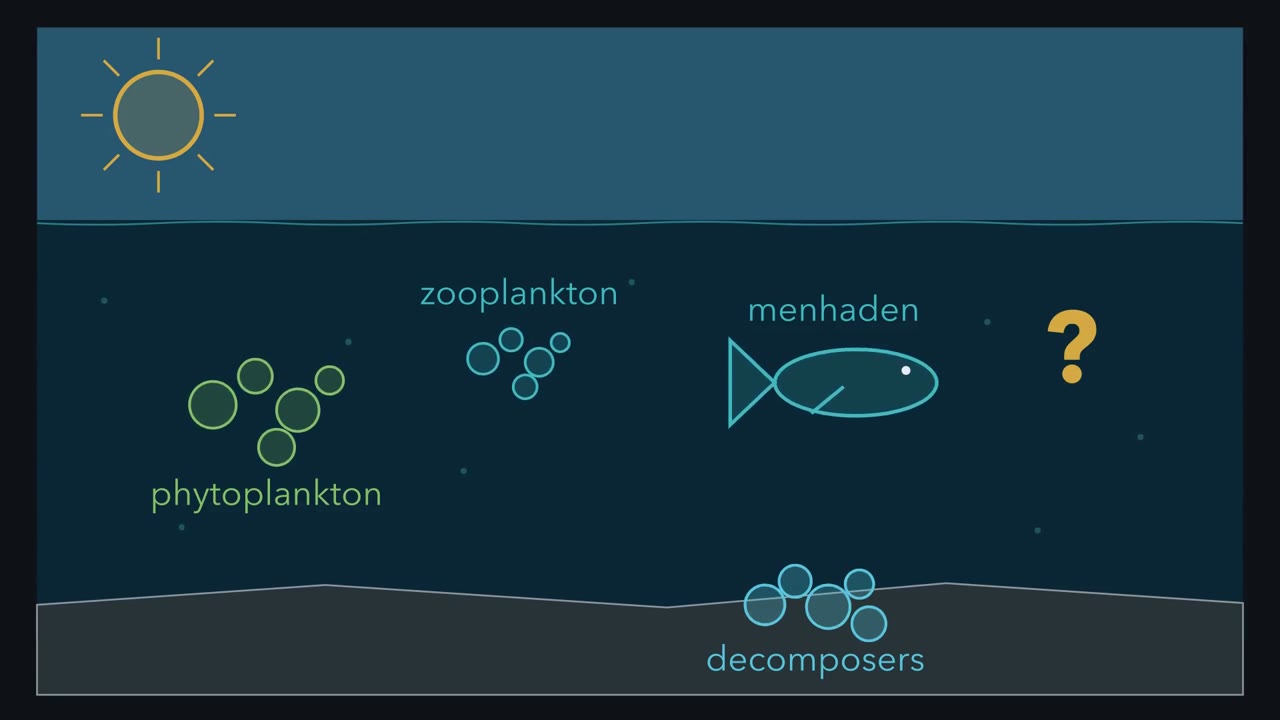 Second film Length 3:41 Energy Flows, Matter Returns Biology · High school Energy in Ecosystems
Take-home
Energy flows through ecosystems, while matter cycles and can be reused.
-
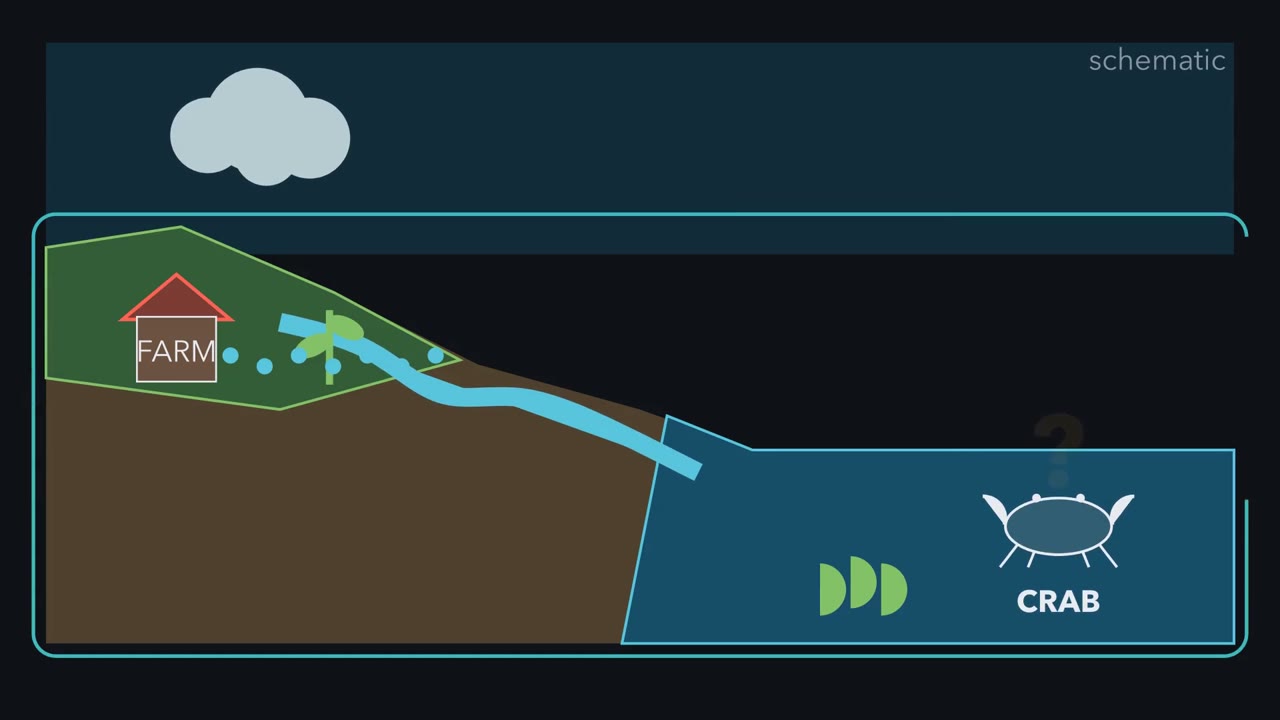 First film Length 3:26 One Crab, Three Connected Cycles Biology · High school Matter Cycles
Take-home
In ecosystems, atoms move between reservoirs, and processes connect their cycles.
-
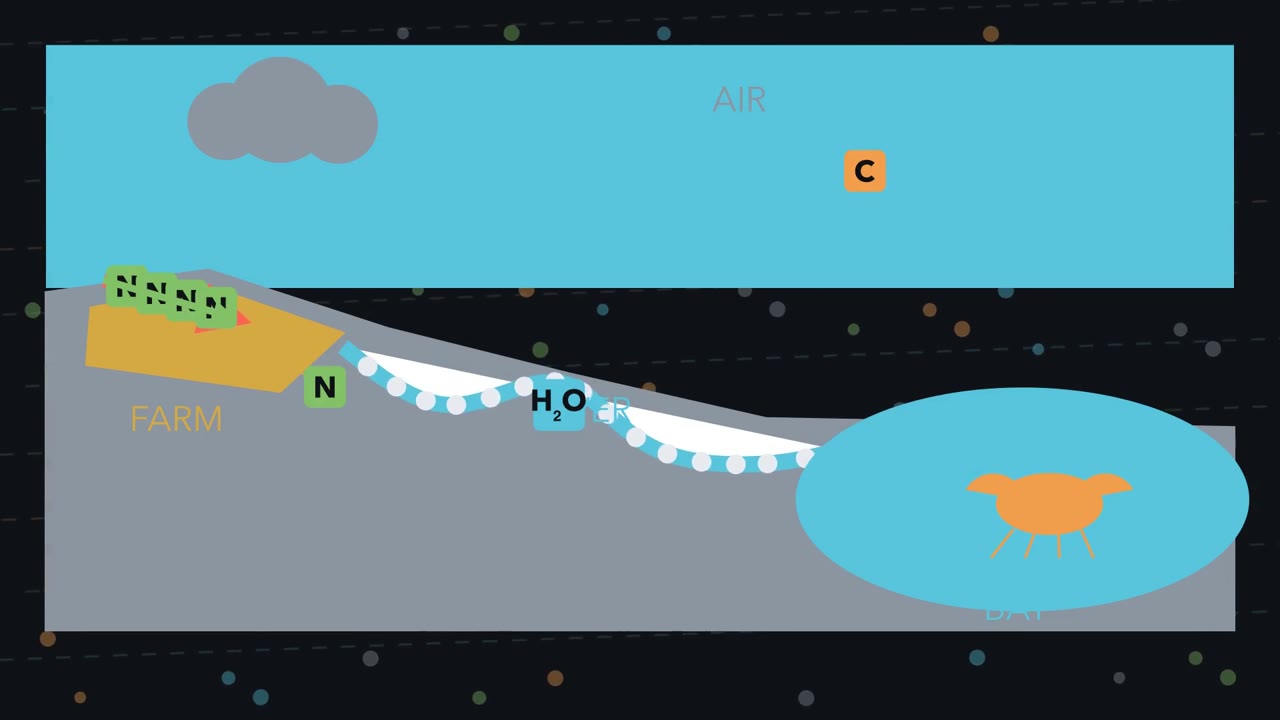 Second film Length 3:29 When People Change the Flow Biology · High school Matter Cycles
Take-home
When more matter enters a reservoir than leaves it, the amount rises.
-
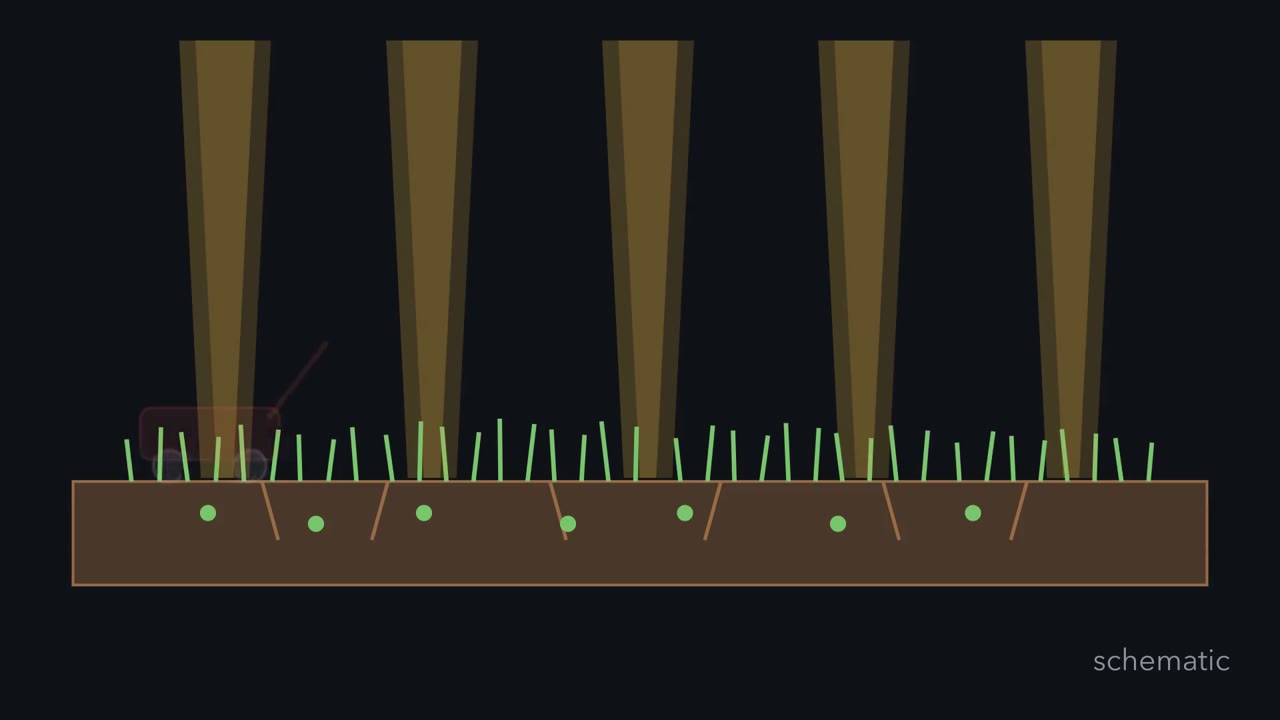 First film Length 3:23 How a Field Changes Its Future Biology · High school Succession in Virginia
Take-home
Organisms change conditions, so suited species can become more common.
-
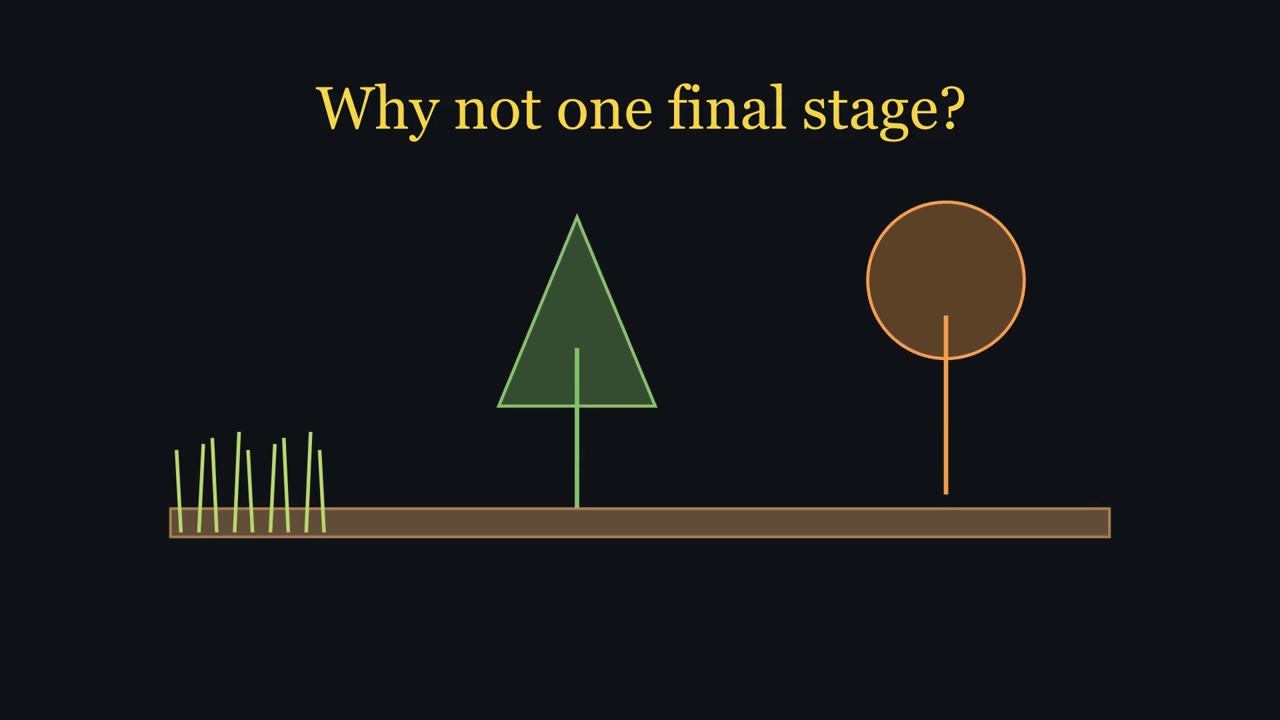 Second film Length 3:37 Why Succession Stays Open Biology · High school Succession in Virginia
Take-home
Disturbance can redirect succession, leaving a patchwork of stages.
-
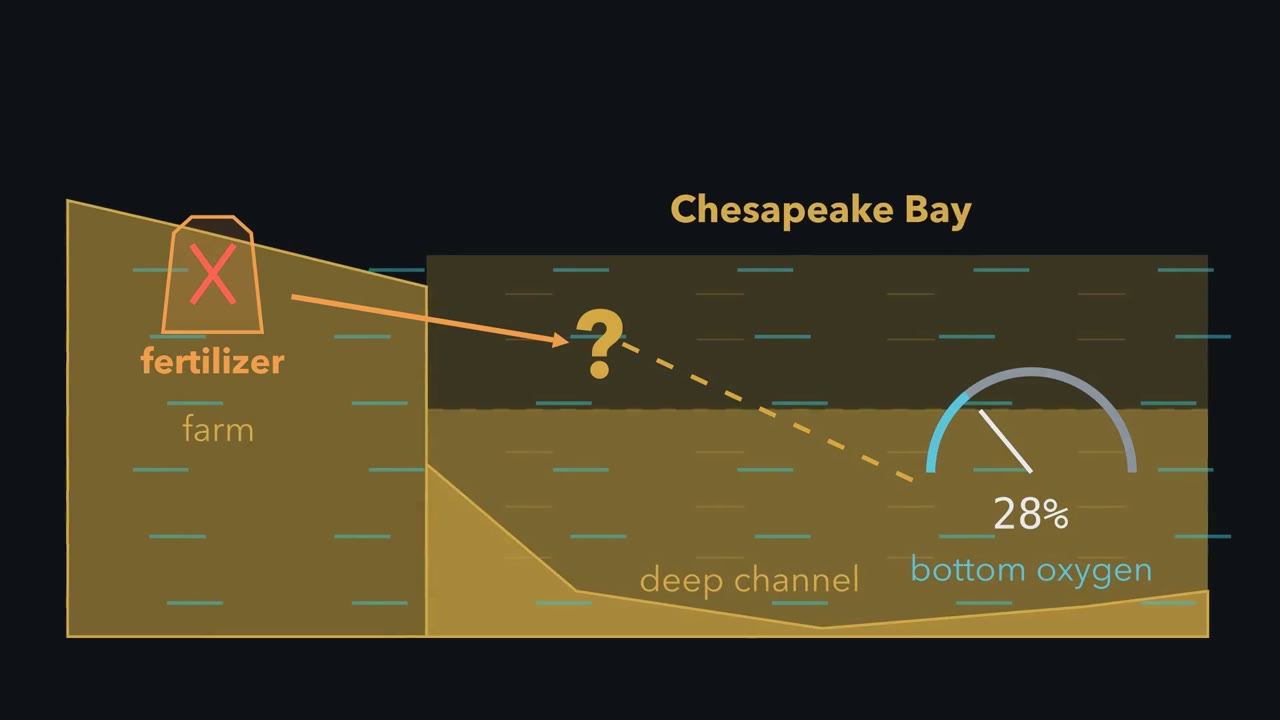 First film Length 3:29 Where the Bay's Oxygen Goes Biology · High school The Chesapeake Under Pressure
Take-home
Extra nutrients feed algae; bacteria use oxygen while poor mixing limits replacement.
-
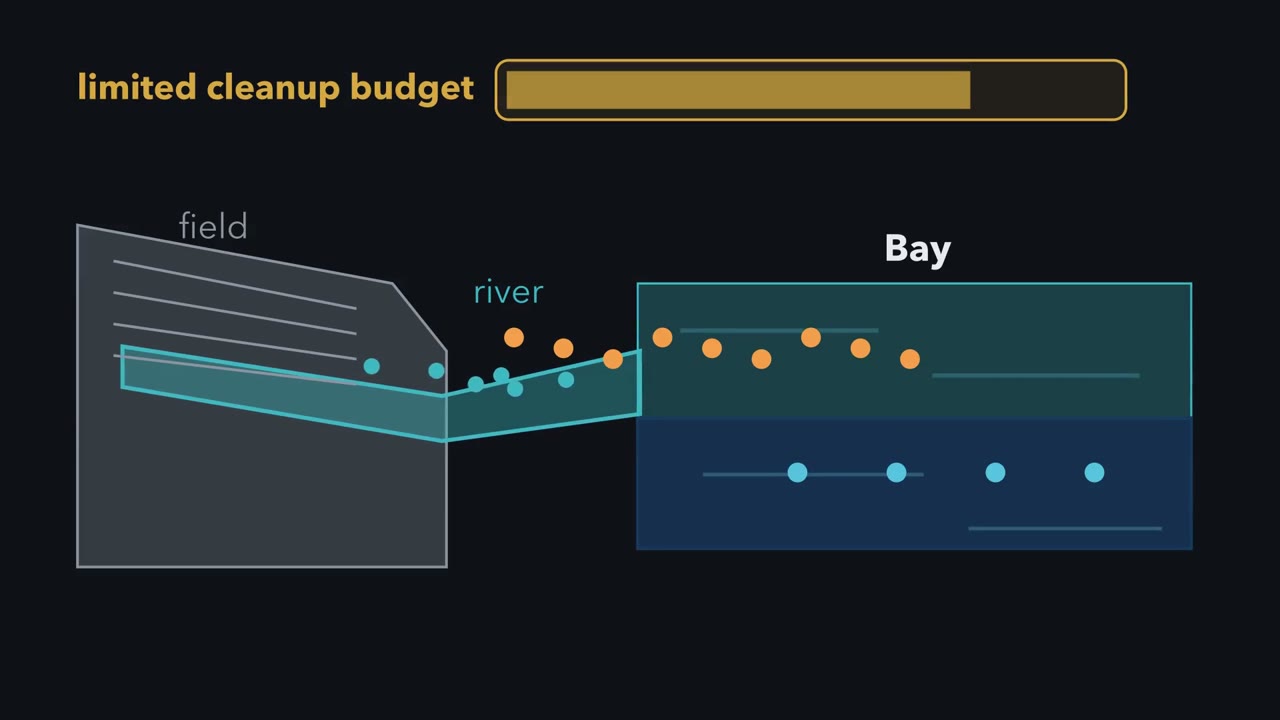 Second film Length 3:30 Design a Fix That Can Be Tested Biology · High school The Chesapeake Under Pressure
Take-home
Effective fixes cut nutrients first, rebuild habitat, and track recovery over time.
Looking for something else? Sort and filter the whole library, or see the methods library: a film for each lab technique.