Film library · level
College: going further
197 films in 3 courses, about 8 h 36 min in all. One subject taken further, for students who have the core behind them.
Have 10, 20, 30 minutes? Start at your next unwatched film.
-
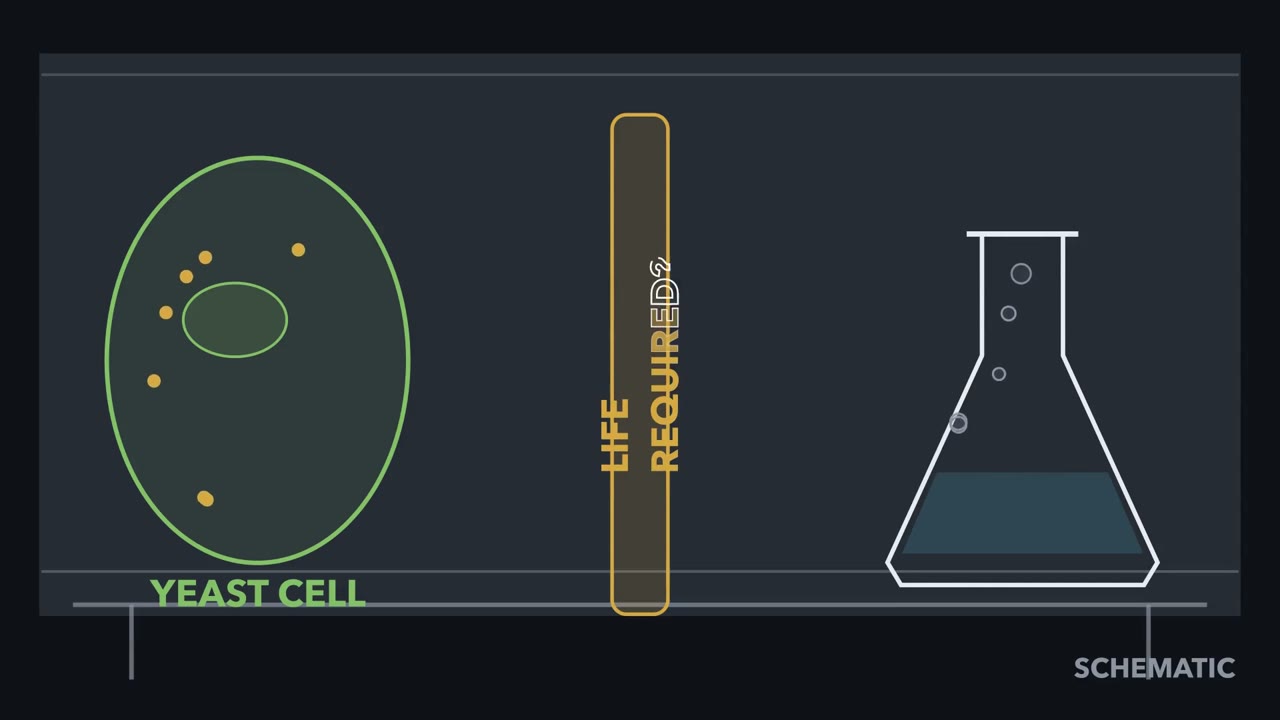 First film Length 3:15 Where Could Life Hide? Biochemistry · College: going further Vitalism: How Chemistry Captured Life
Take-home
Vitalists claimed that life's chemistry required a special vital force.
-
 Scientist profile Length 1:01 Friedrich Wöhler Biochemistry · College: going further Vitalism: How Chemistry Captured Life
-
 Scientist profile Length 1:02 Jöns Jacob Berzelius Biochemistry · College: going further Vitalism: How Chemistry Captured Life
-
 Scientist profile Length 1:04 Hermann Kolbe Biochemistry · College: going further Vitalism: How Chemistry Captured Life
-
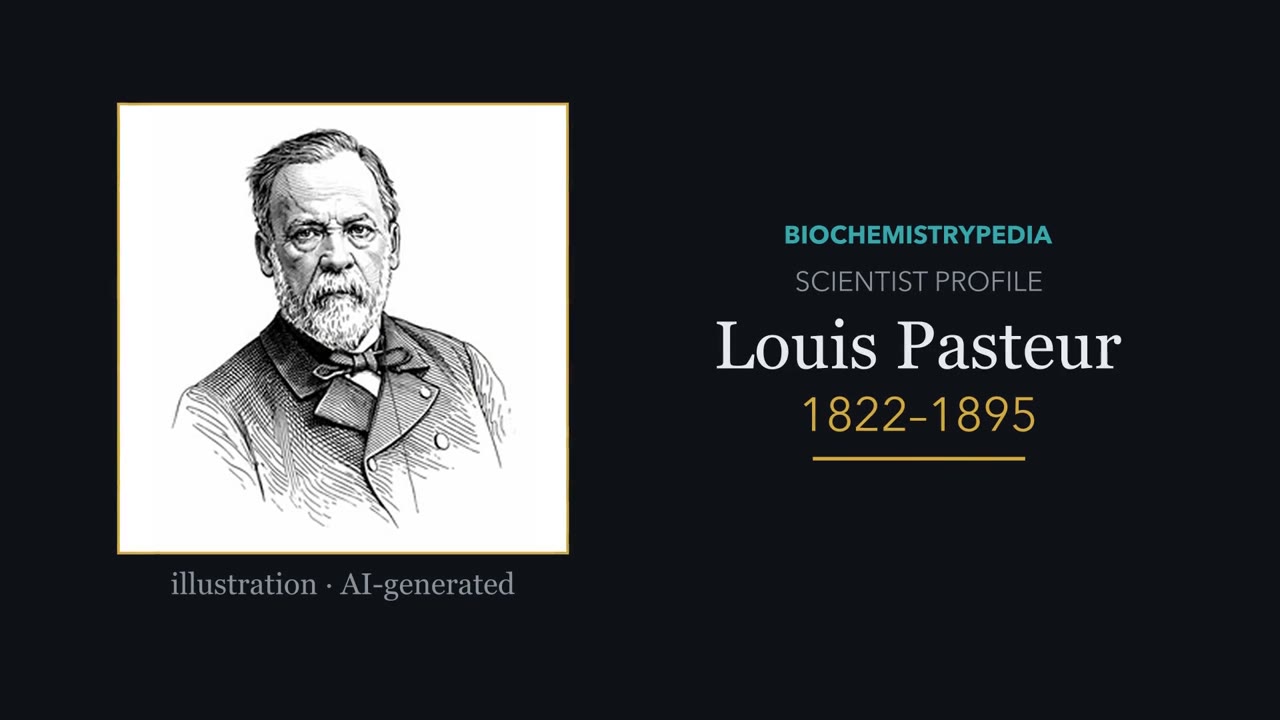 Scientist profile Length 1:03 Louis Pasteur Biochemistry · College: going further Vitalism: How Chemistry Captured Life
-
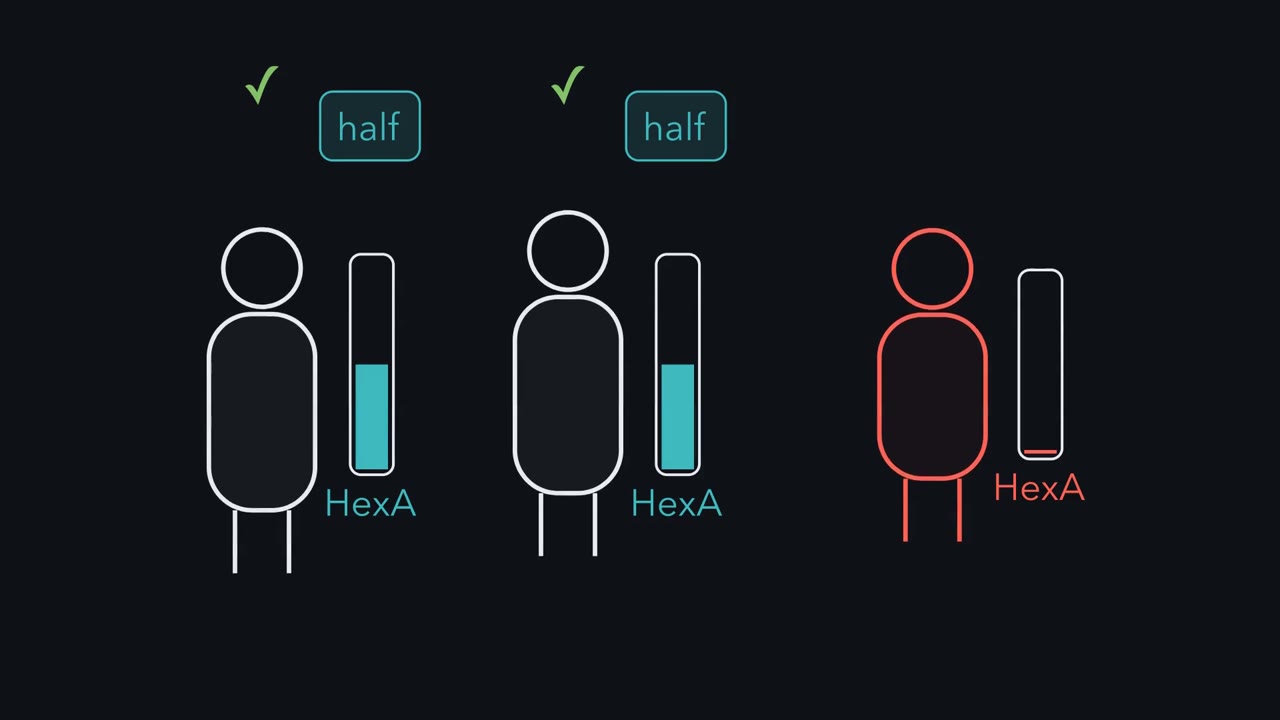 First film Length 3:05 A Room With No Way Out Biochemistry · College: going further Introduction to Biochemistry and Cell Biology: Compartments Create Control
Take-home
GM2 cannot cross the lysosome's membrane, so in its simplest form its level is a balance: delivery in, against clearance out by HexA.
-
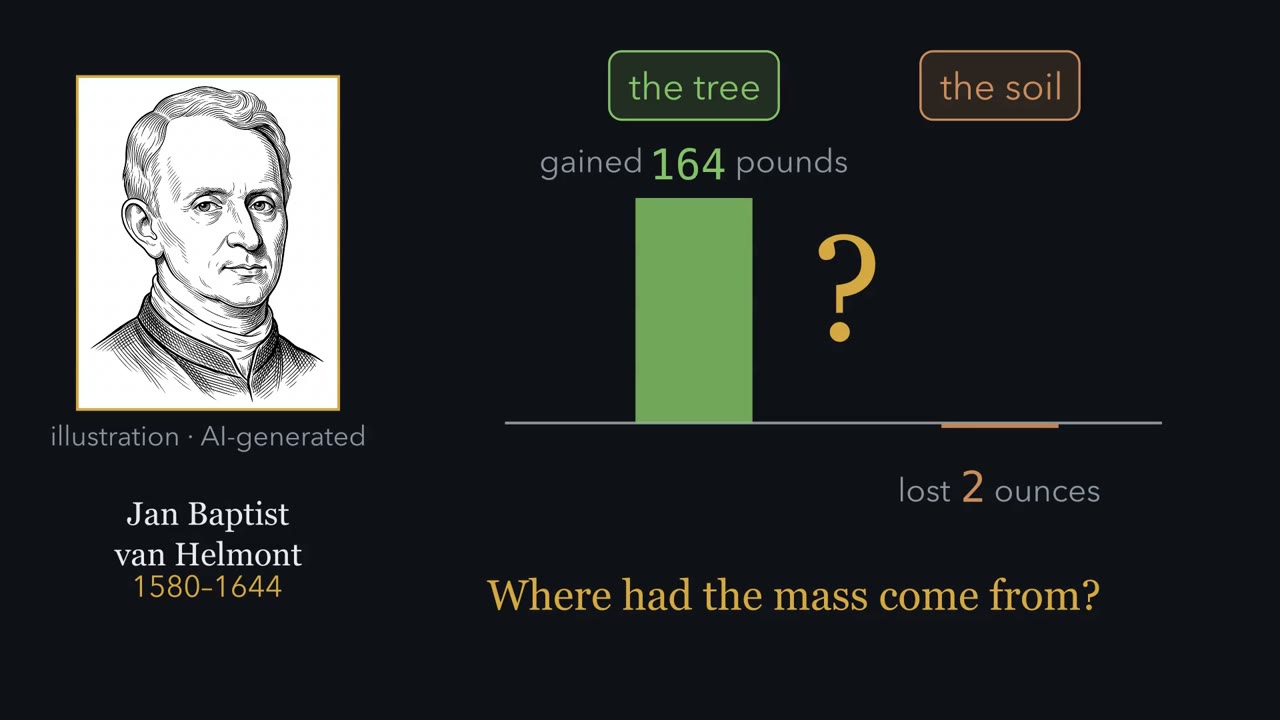 Scientist profile Length 1:07 Jan Baptist van Helmont Biochemistry · College: going further Introduction to Biochemistry and Cell Biology: Compartments Create Control
-
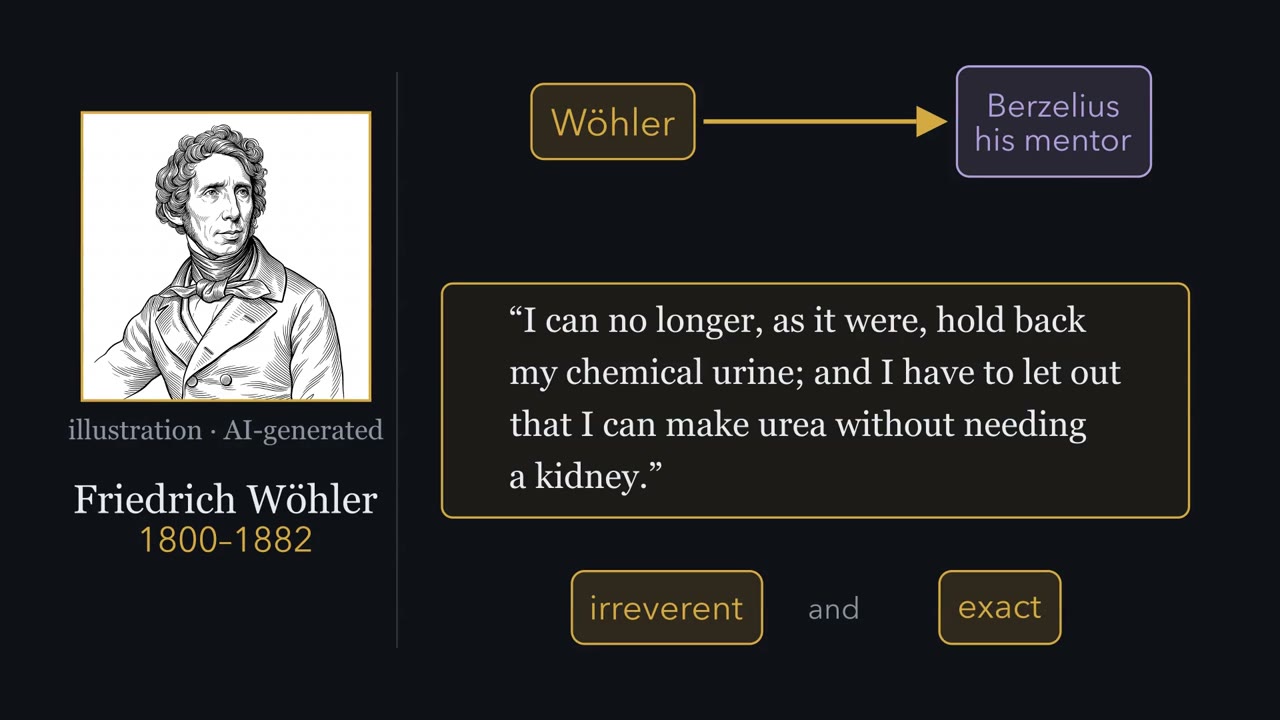 Scientist profile Length 1:19 Friedrich Wöhler Biochemistry · College: going further Introduction to Biochemistry and Cell Biology: Compartments Create Control
-
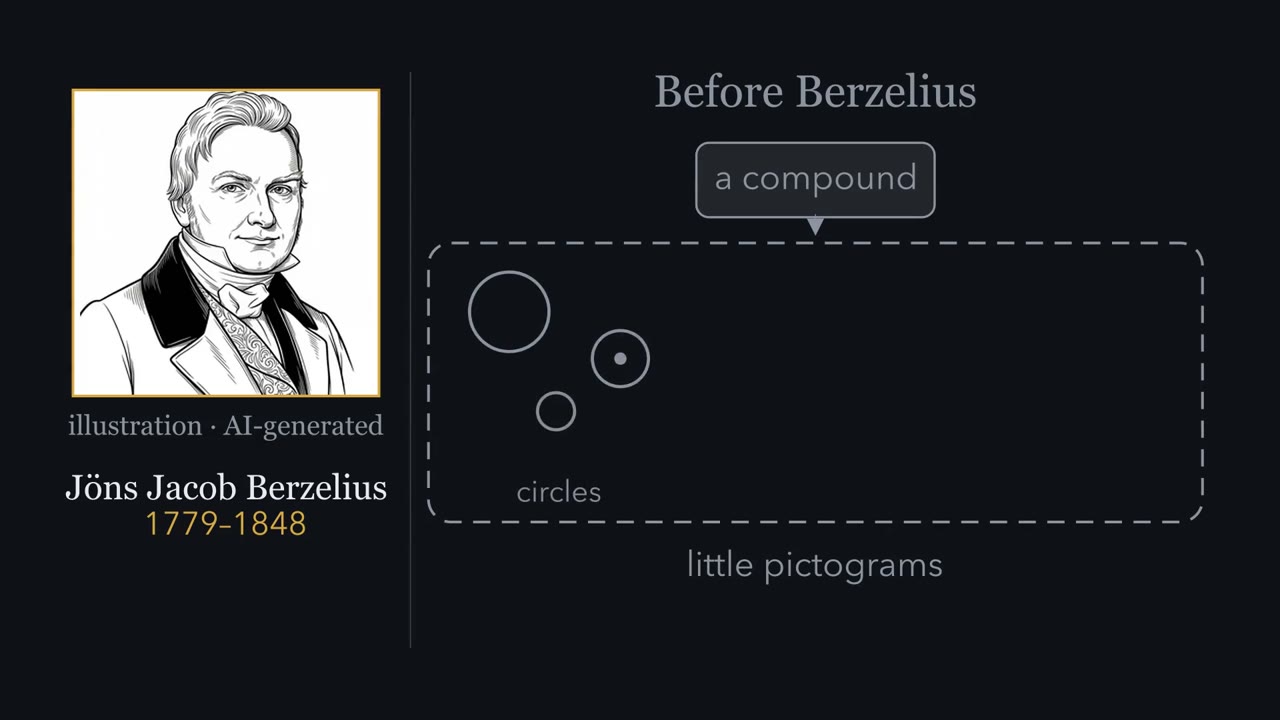 Scientist profile Length 1:37 Jöns Jacob Berzelius Biochemistry · College: going further Introduction to Biochemistry and Cell Biology: Compartments Create Control
-
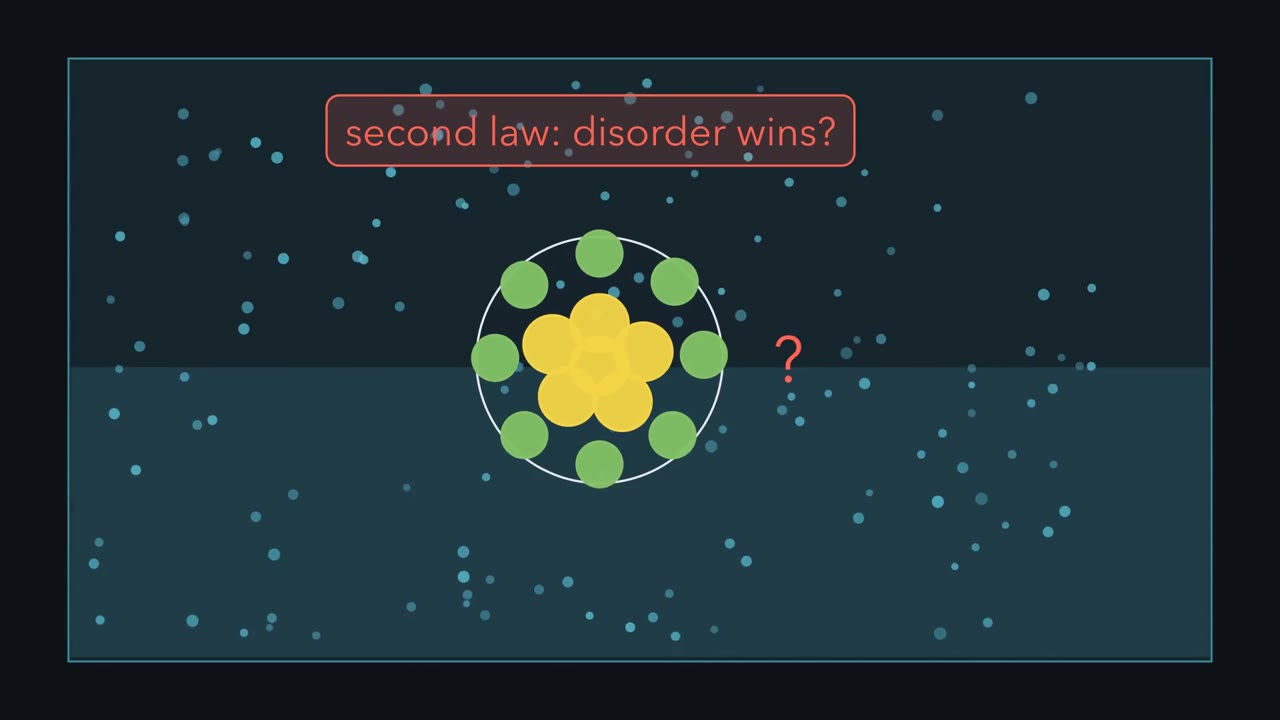 First film Length 3:11 Count the Water Biochemistry · College: going further Water, Weak Bonds, and the Generation of Order
Take-home
The second law counts total entropy: the protein, its water, and the heat they trade with their surroundings.
-
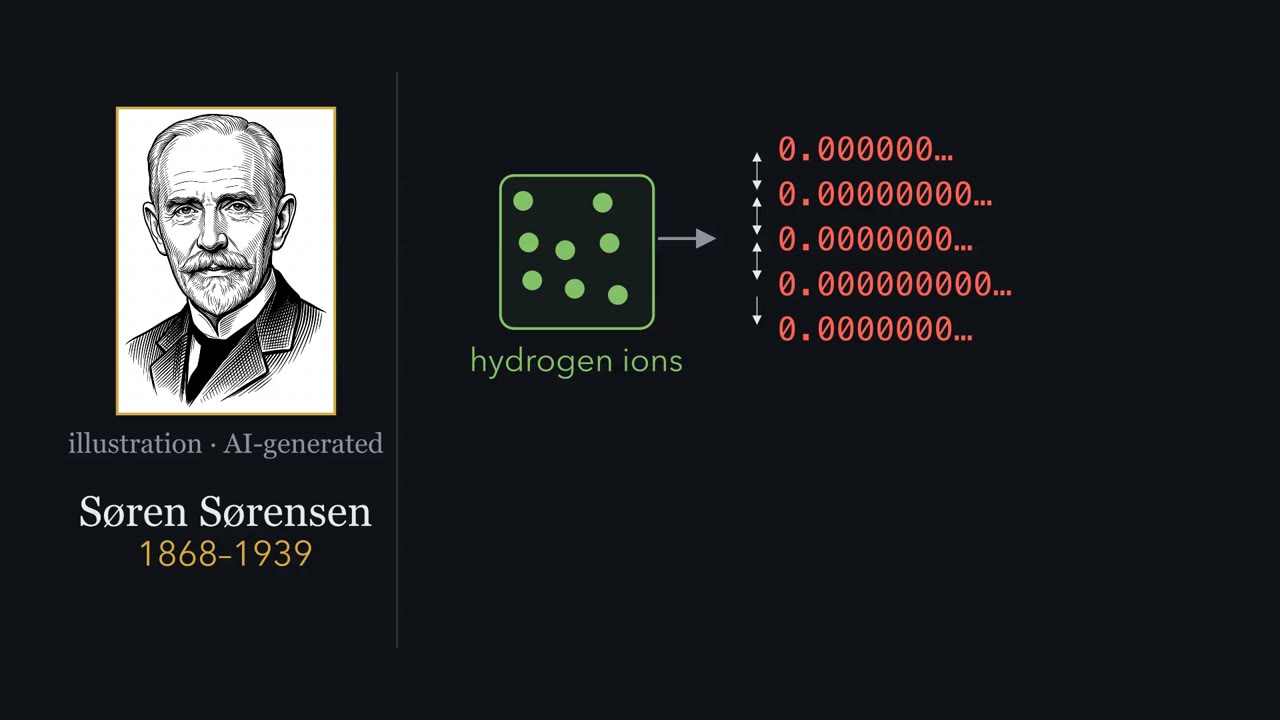 Scientist profile Length 1:37 Søren Sørensen Biochemistry · College: going further Water, Weak Bonds, and the Generation of Order
-
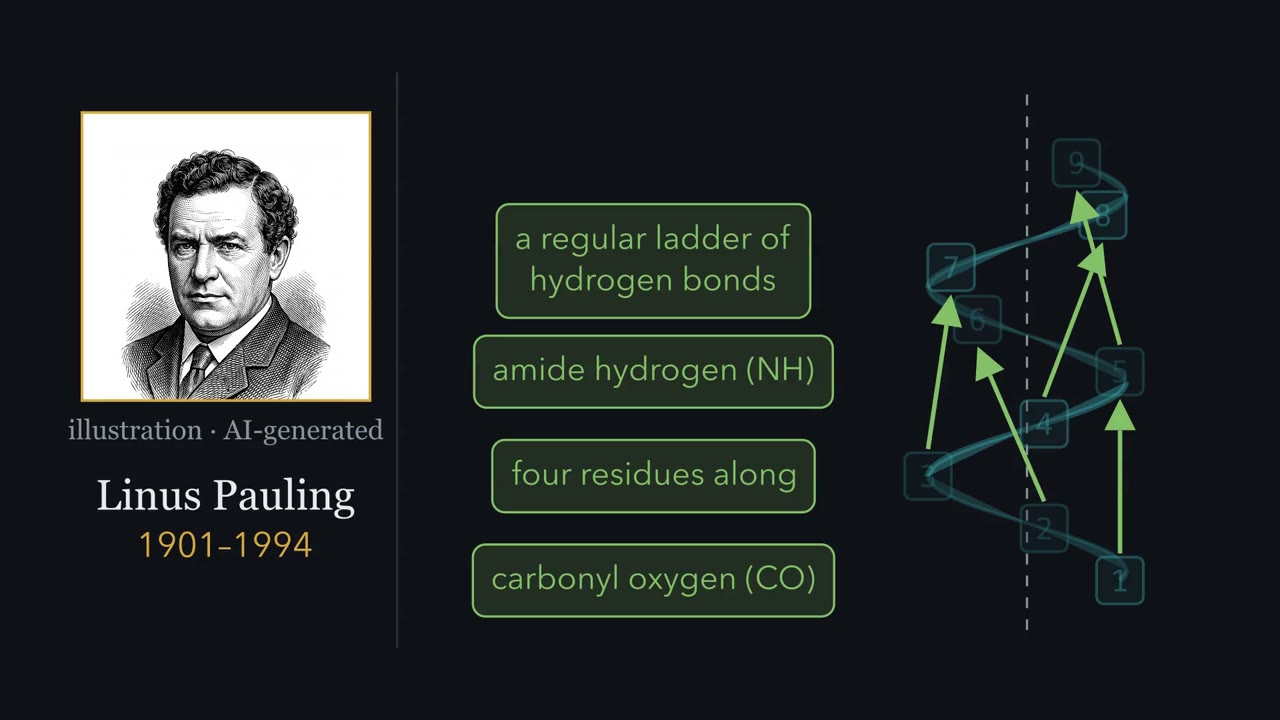 Scientist profile Length 1:16 Linus Pauling Biochemistry · College: going further Water, Weak Bonds, and the Generation of Order
-
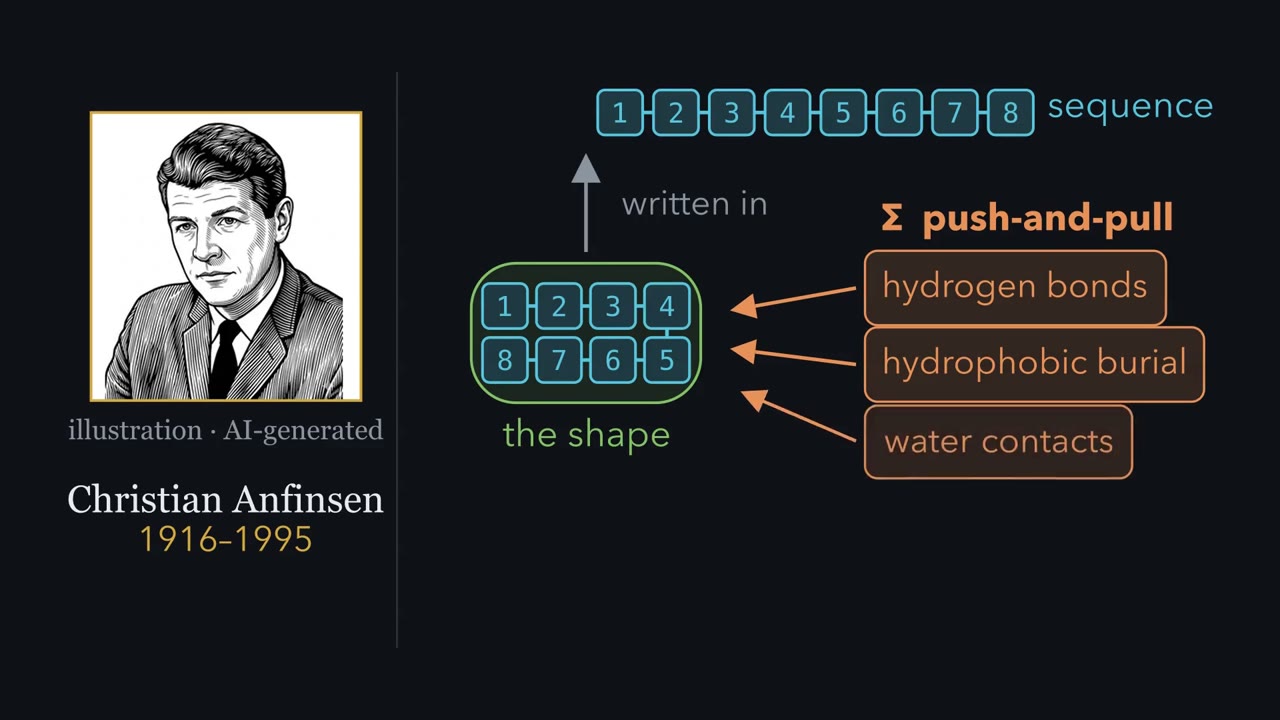 Scientist profile Length 1:15 Christian Anfinsen Biochemistry · College: going further Water, Weak Bonds, and the Generation of Order
-
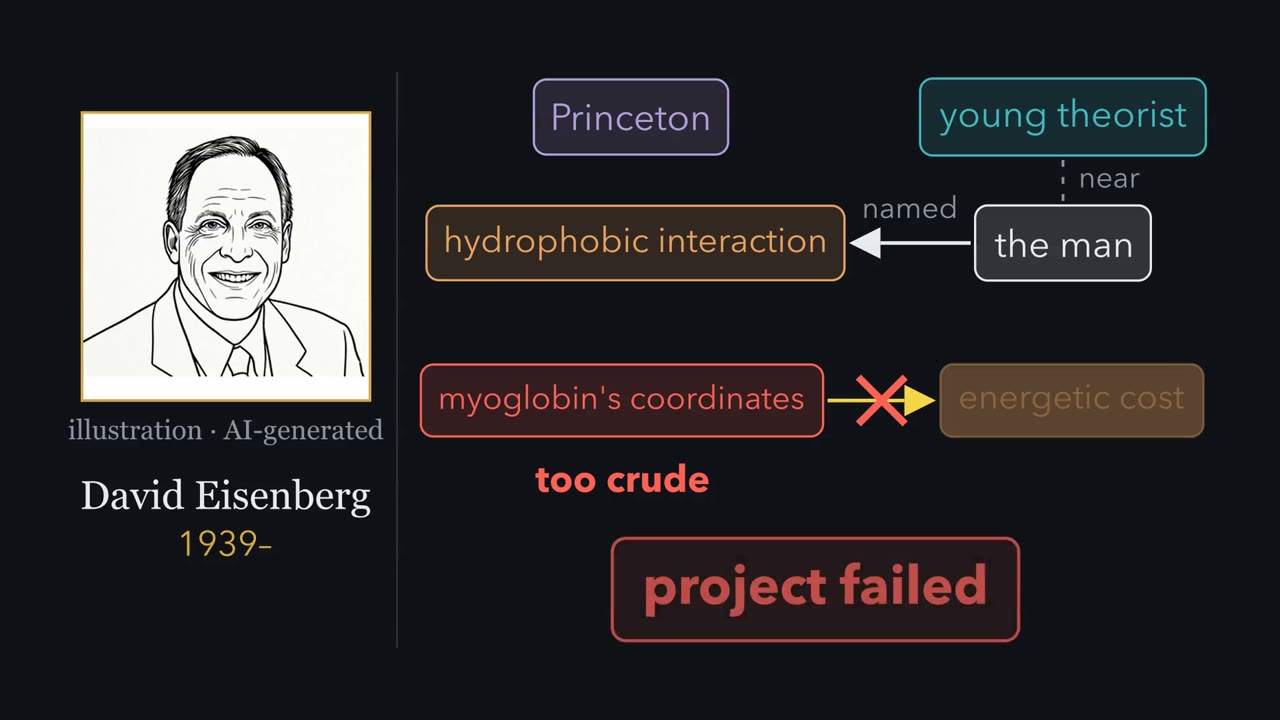 Scientist profile Length 1:25 David Eisenberg Biochemistry · College: going further Water, Weak Bonds, and the Generation of Order
-
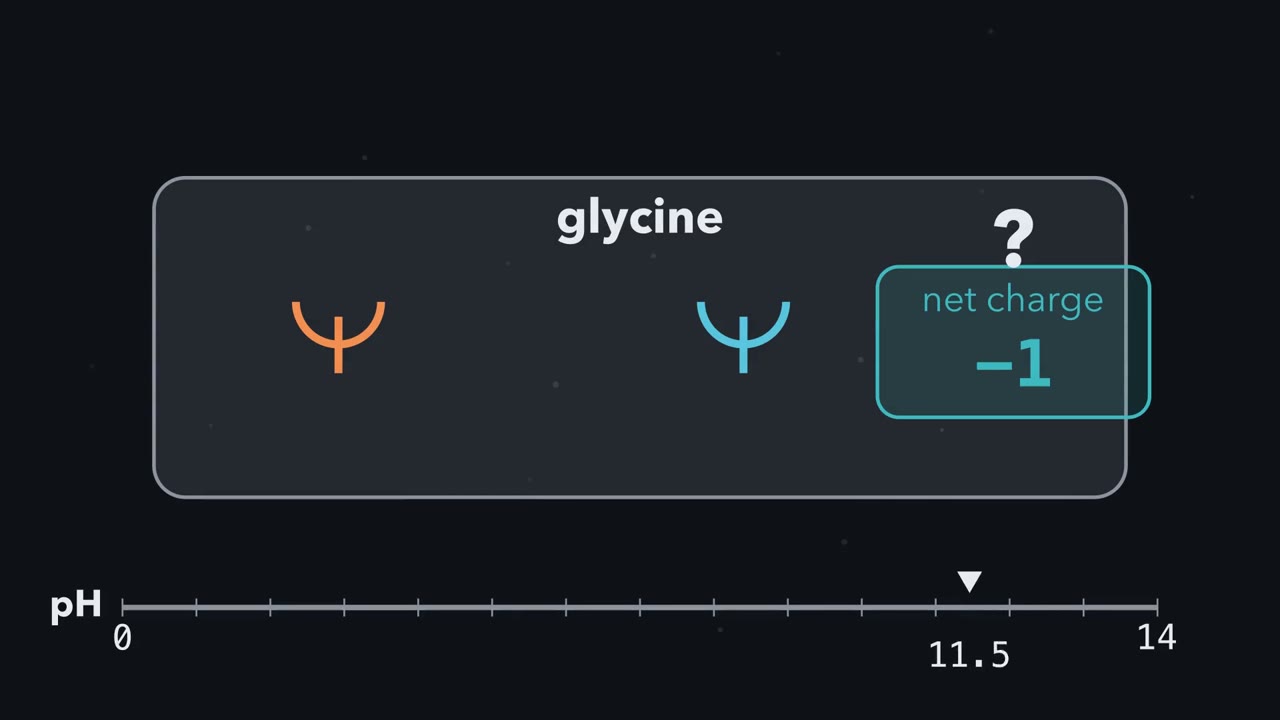 First film Length 3:05 Add Up the Proton Switches Biochemistry · College: going further Amino Acids: How One Side Chain Decides Everything
Take-home
Each ionizable group is a proton switch: below its pKa it mostly holds its proton, above it mostly lets go.
-
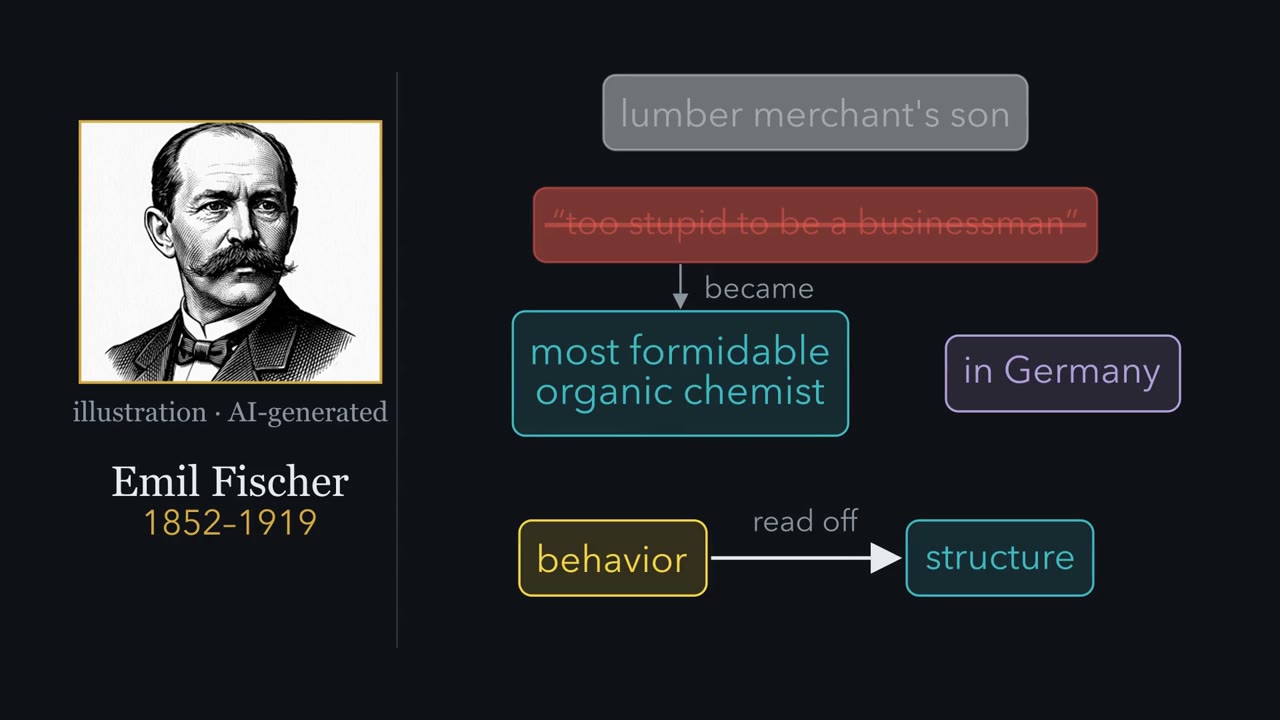 Scientist profile Length 1:33 Emil Fischer Biochemistry · College: going further Amino Acids: How One Side Chain Decides Everything
-
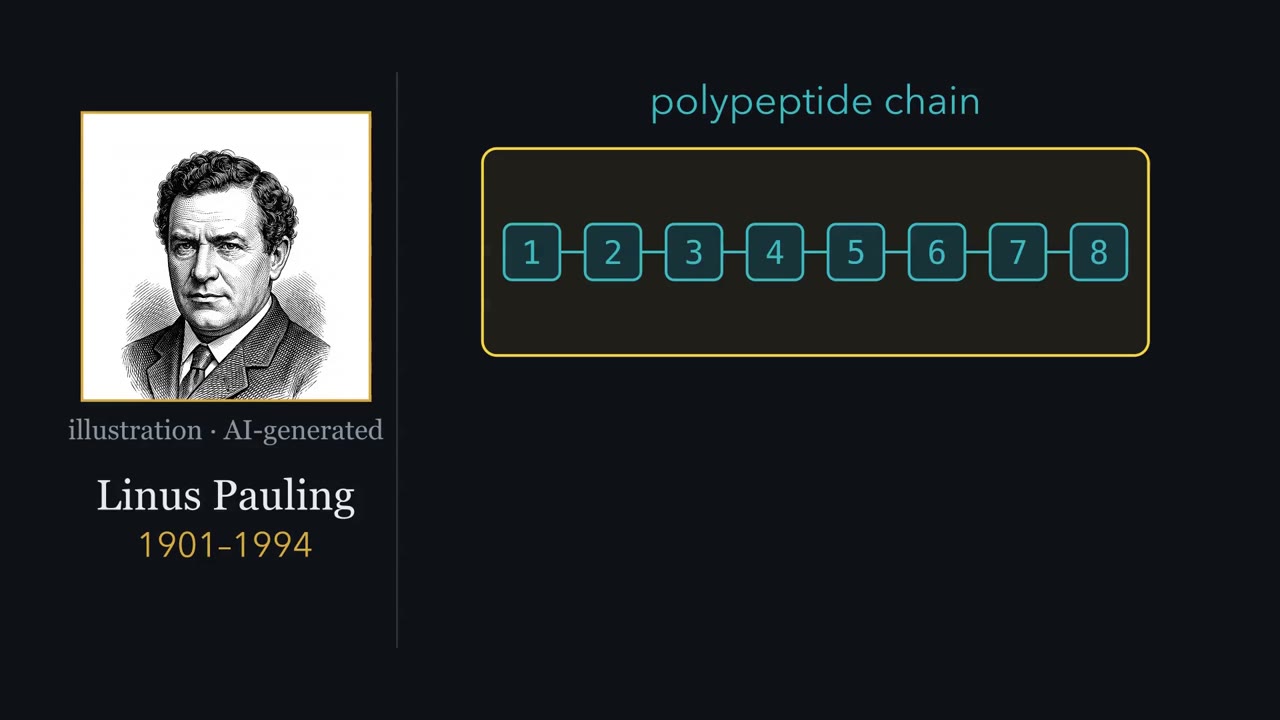 Scientist profile Length 1:45 Linus Pauling Biochemistry · College: going further Amino Acids: How One Side Chain Decides Everything
-
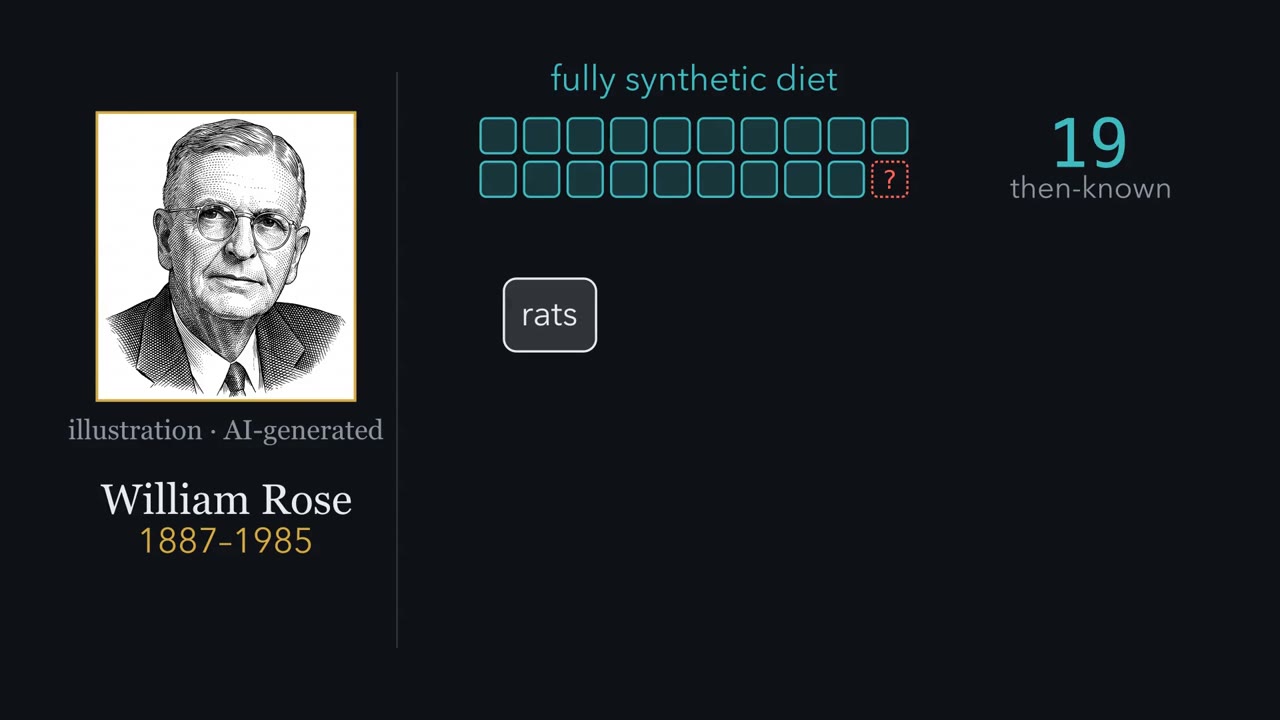 Scientist profile Length 1:35 William Rose Biochemistry · College: going further Amino Acids: How One Side Chain Decides Everything
-
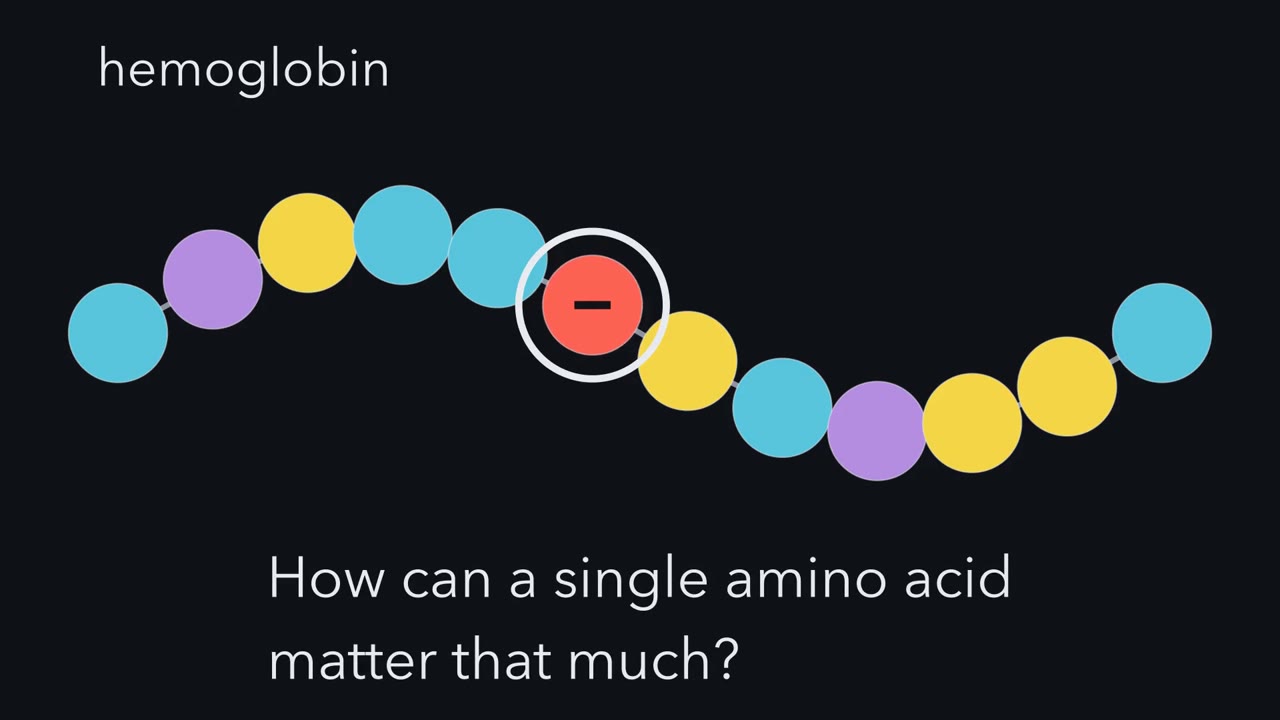 Part 1 of 6 Length 2:59 One String, One Shape Biochemistry · College: going further Protein Three-Dimensional Structure: The Sequence Sets the Shape
-
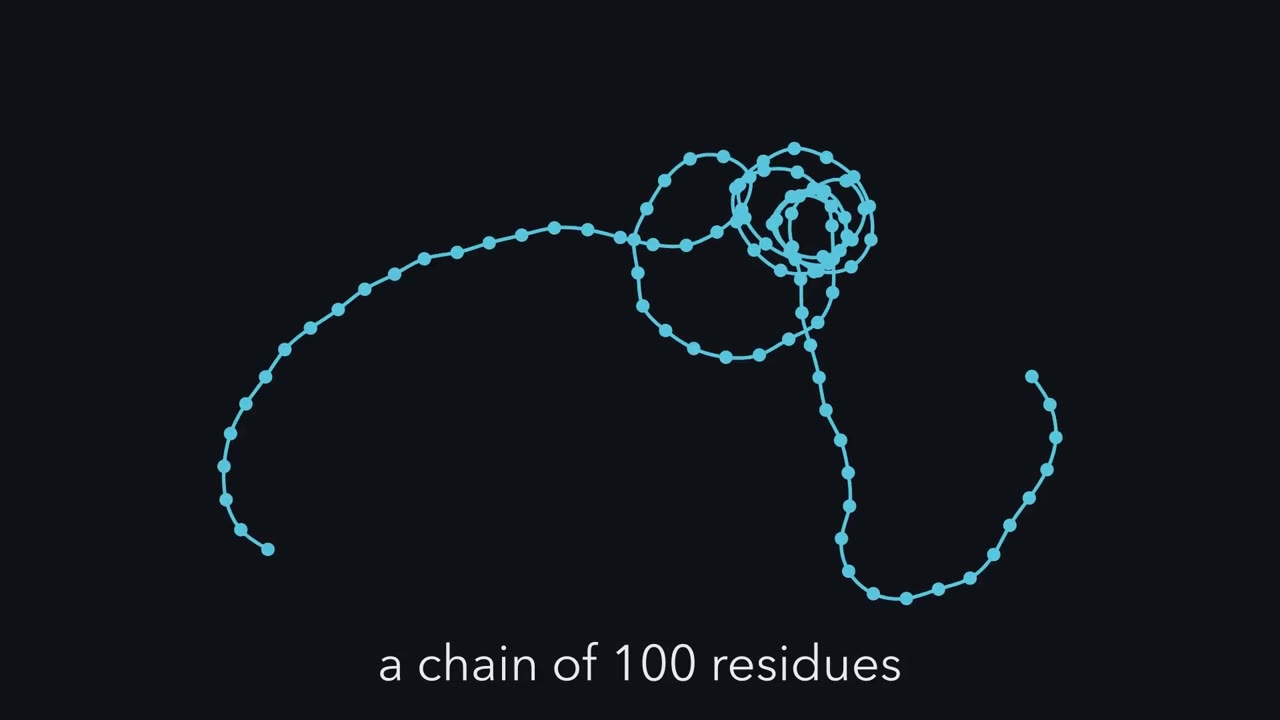 Part 2 of 6 Length 2:31 Two Hinges per Residue Biochemistry · College: going further Protein Three-Dimensional Structure: The Sequence Sets the Shape
-
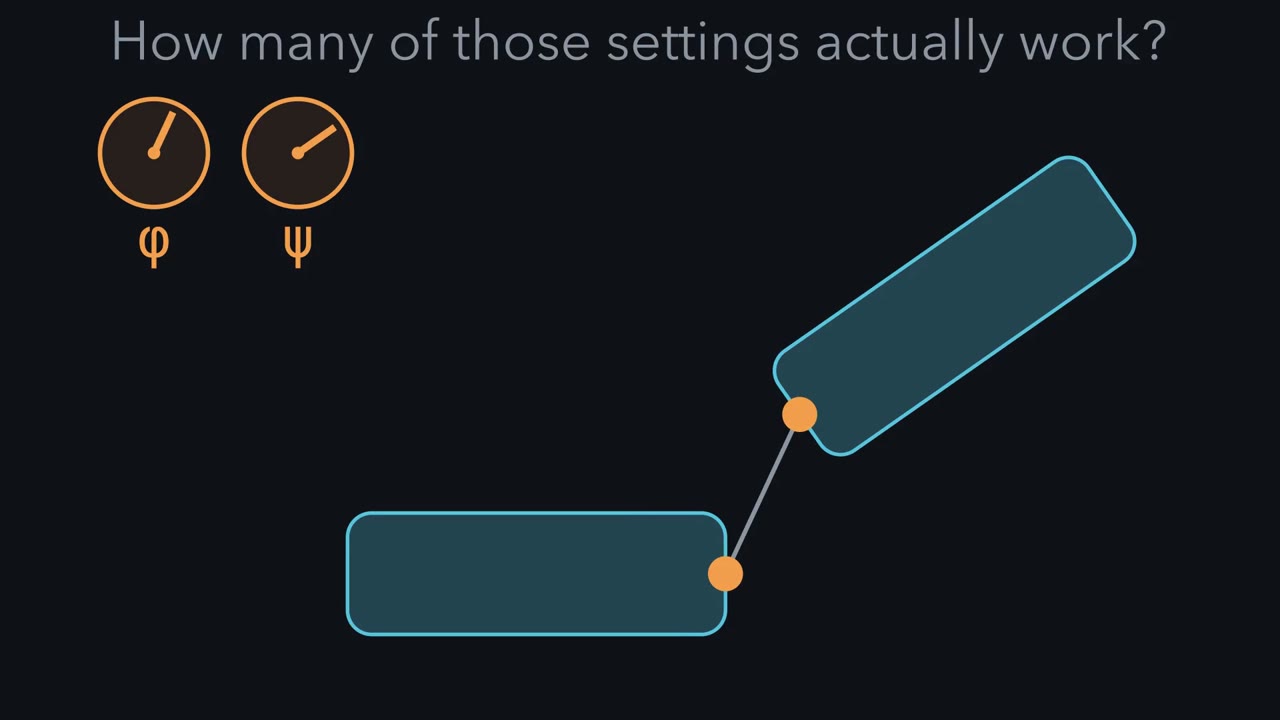 Part 3 of 6 Length 2:37 The Map of Allowed Shapes Biochemistry · College: going further Protein Three-Dimensional Structure: The Sequence Sets the Shape
-
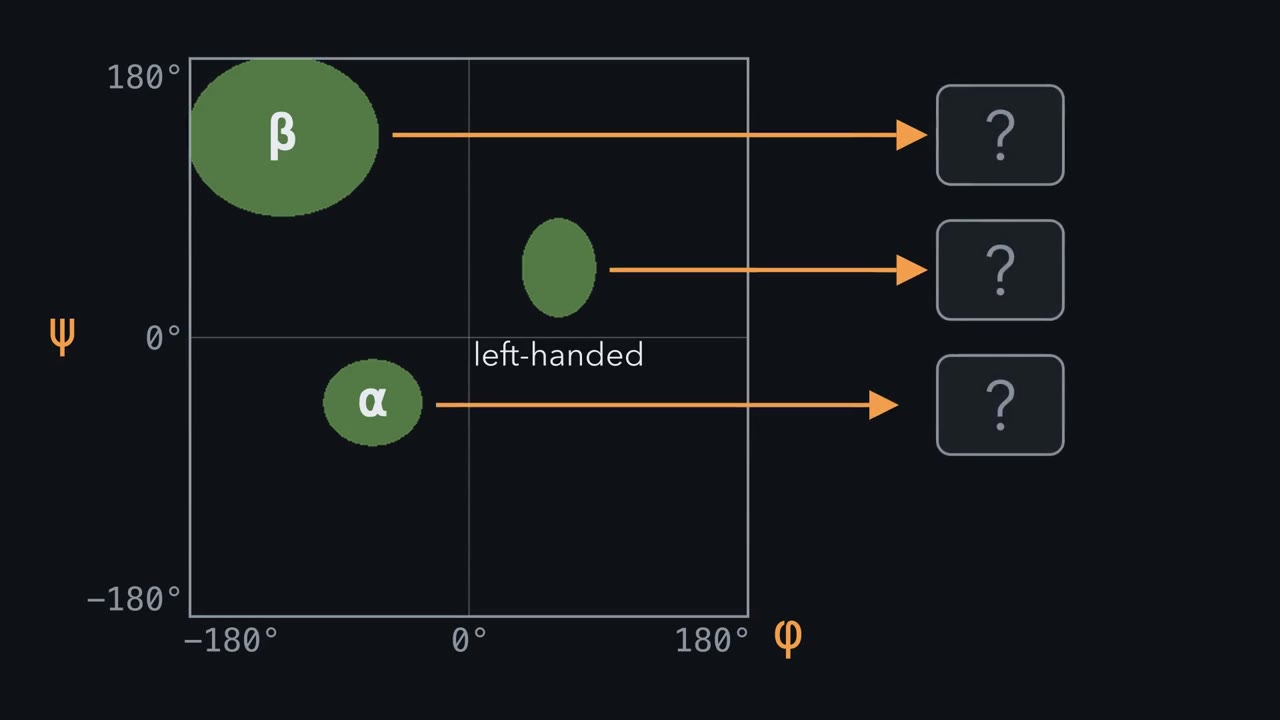 Part 4 of 6 Length 2:58 Helices, Sheets and the Rule-Breakers Biochemistry · College: going further Protein Three-Dimensional Structure: The Sequence Sets the Shape
-
 Part 5 of 6 Length 3:19 Water Chooses Biochemistry · College: going further Protein Three-Dimensional Structure: The Sequence Sets the Shape
-
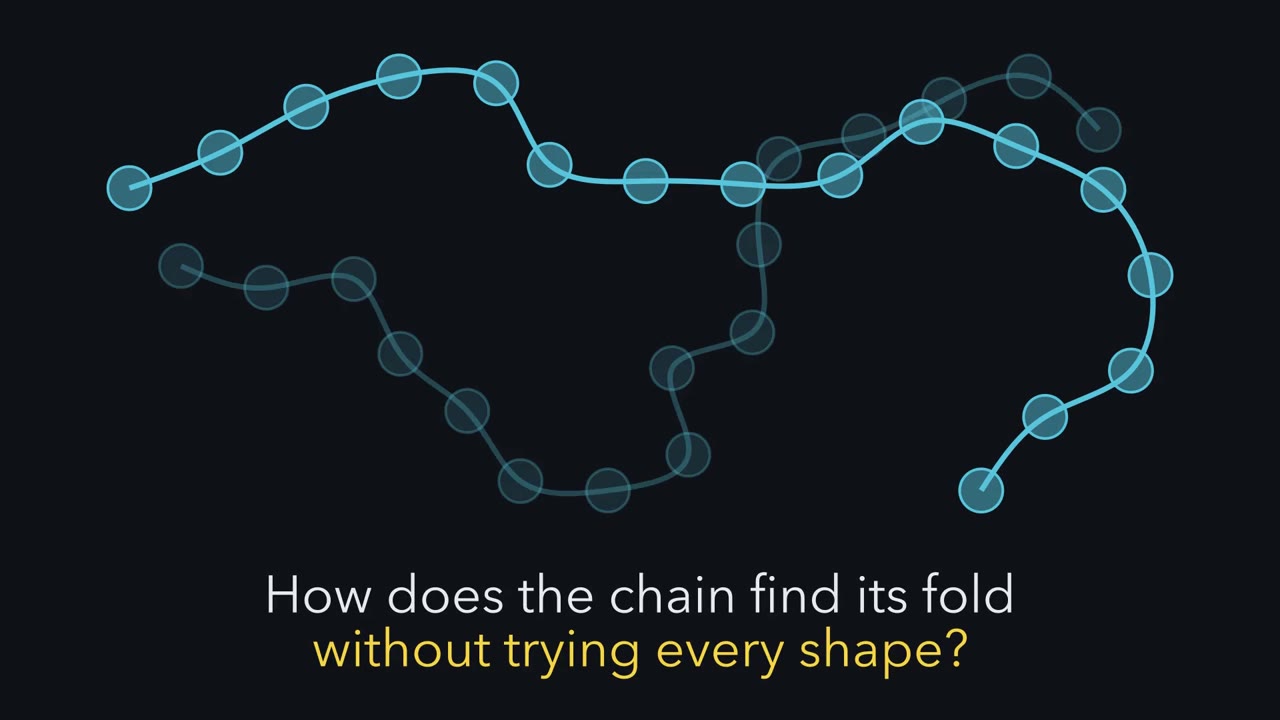 Part 6 of 6 Length 3:19 Downhill, Not Random Biochemistry · College: going further Protein Three-Dimensional Structure: The Sequence Sets the Shape
-
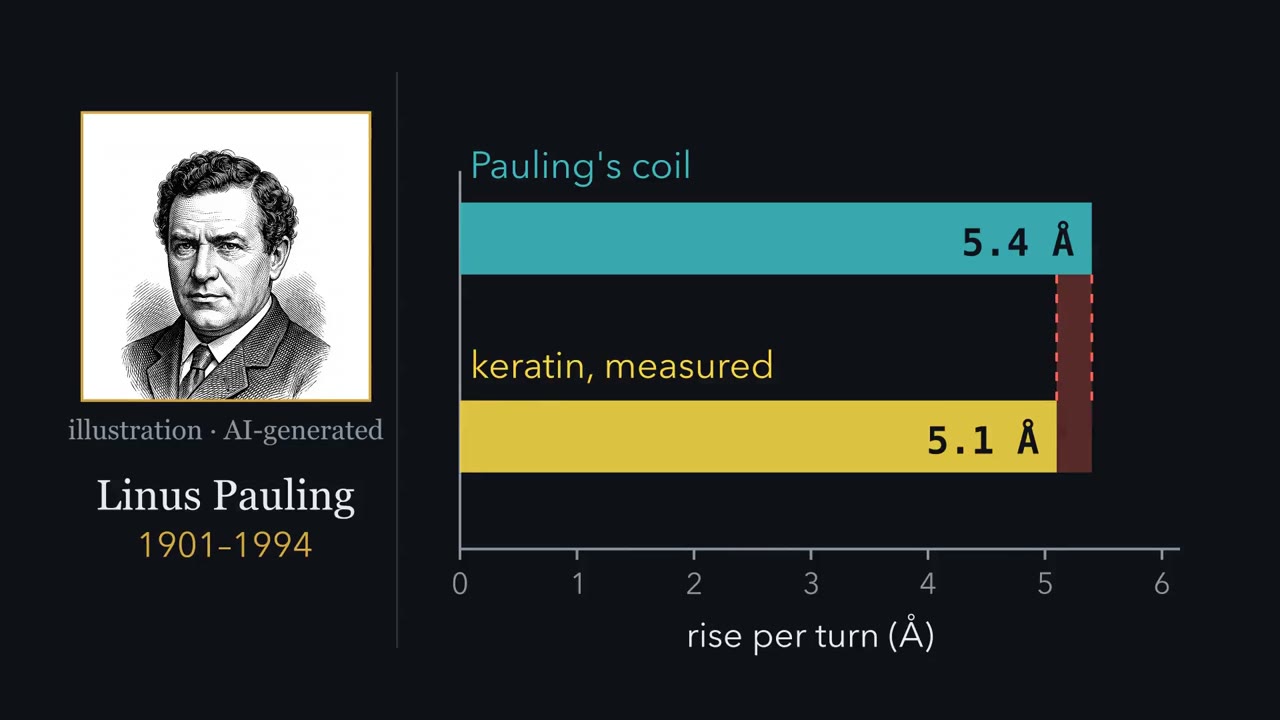 Scientist profile Length 1:14 Linus Pauling Biochemistry · College: going further Protein Three-Dimensional Structure: The Sequence Sets the Shape
-
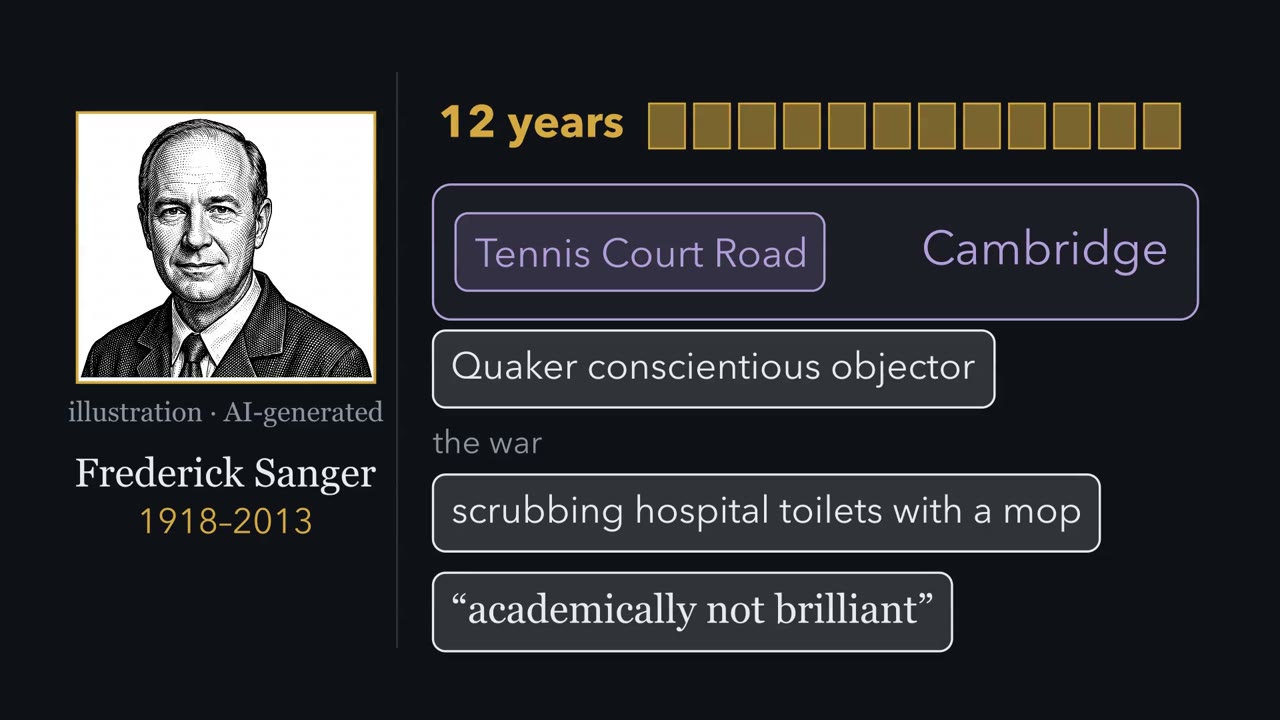 Scientist profile Length 1:21 Frederick Sanger Biochemistry · College: going further Protein Three-Dimensional Structure: The Sequence Sets the Shape
-
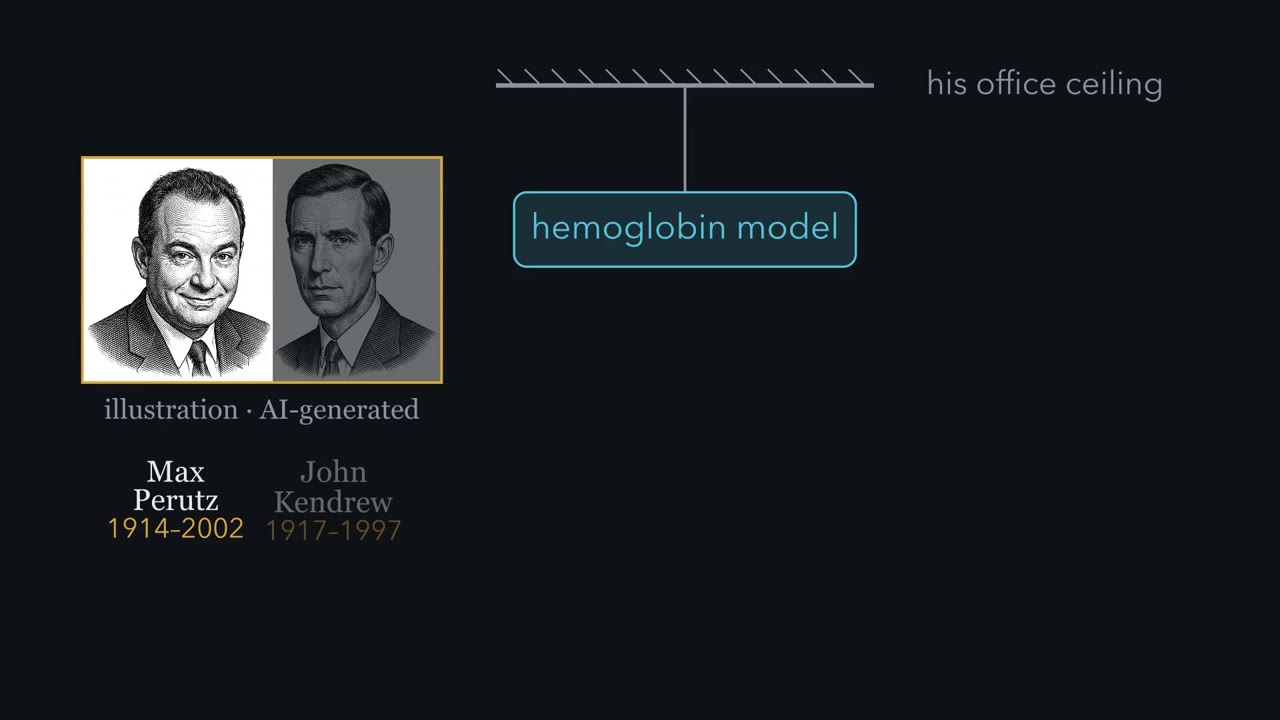 Scientist profile Length 1:35 Max Perutz & John Kendrew Biochemistry · College: going further Protein Three-Dimensional Structure: The Sequence Sets the Shape
-
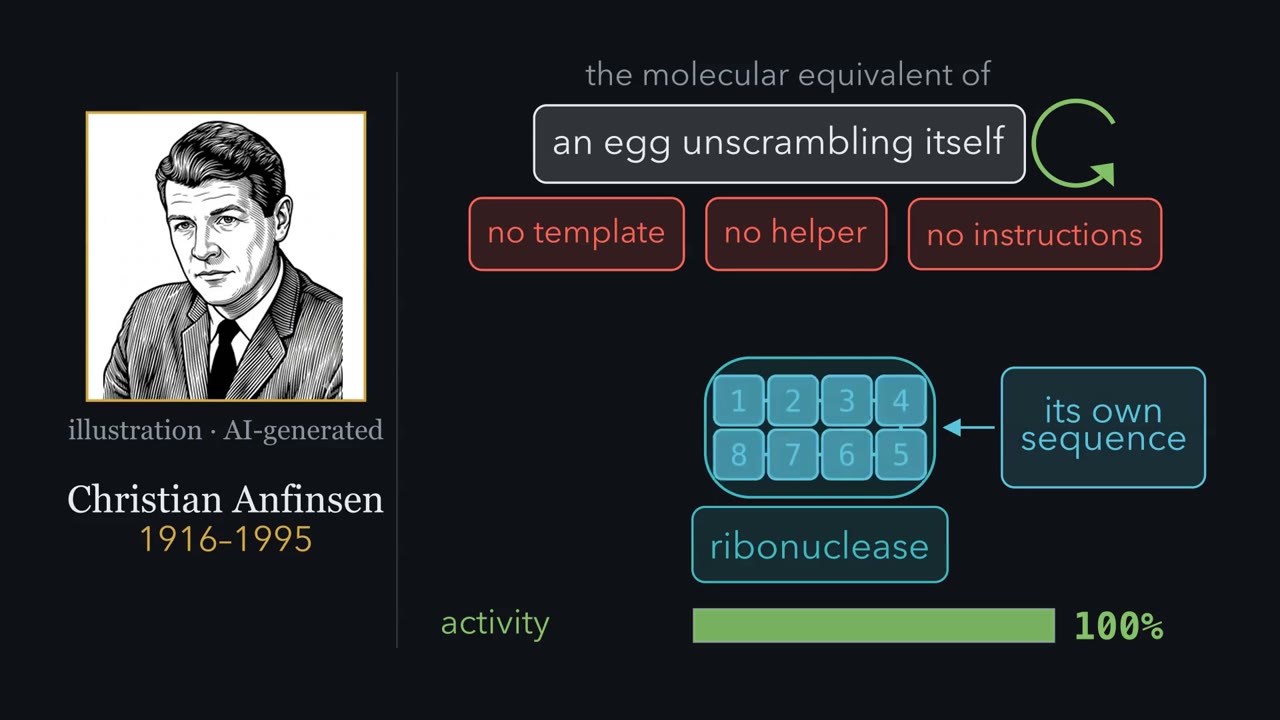 Scientist profile Length 1:20 Christian Anfinsen Biochemistry · College: going further Protein Three-Dimensional Structure: The Sequence Sets the Shape
-
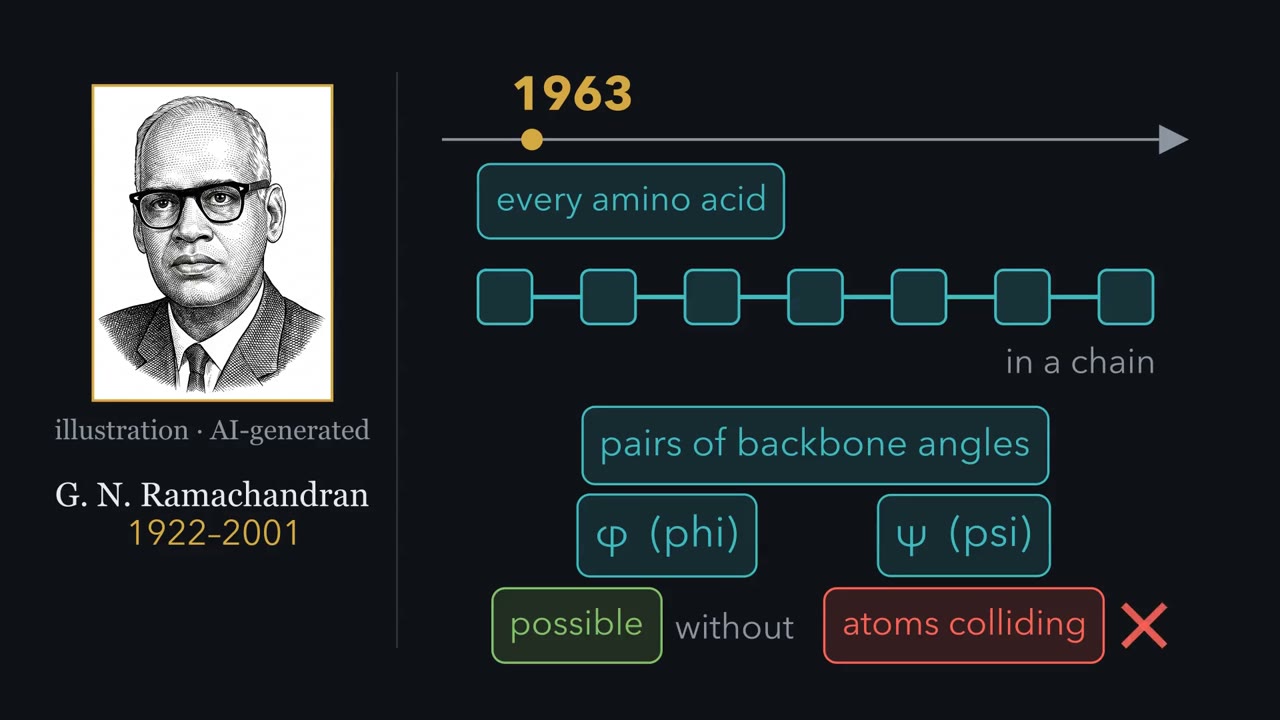 Scientist profile Length 1:09 G. N. Ramachandran Biochemistry · College: going further Protein Three-Dimensional Structure: The Sequence Sets the Shape
-
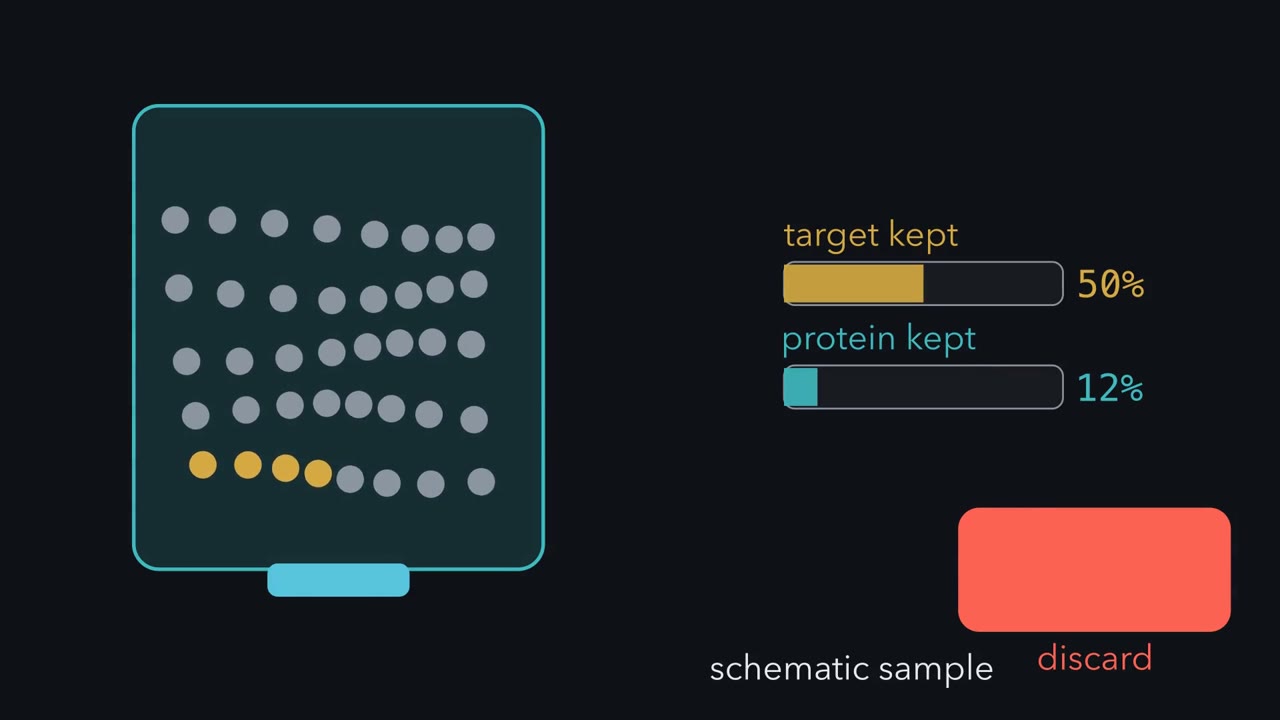 First film Length 3:16 Purity Through Selective Loss Biochemistry · College: going further Techniques in Protein Biochemistry: Purify It, Then Prove It
Take-home
An assay tracks the target through every purification step.
-
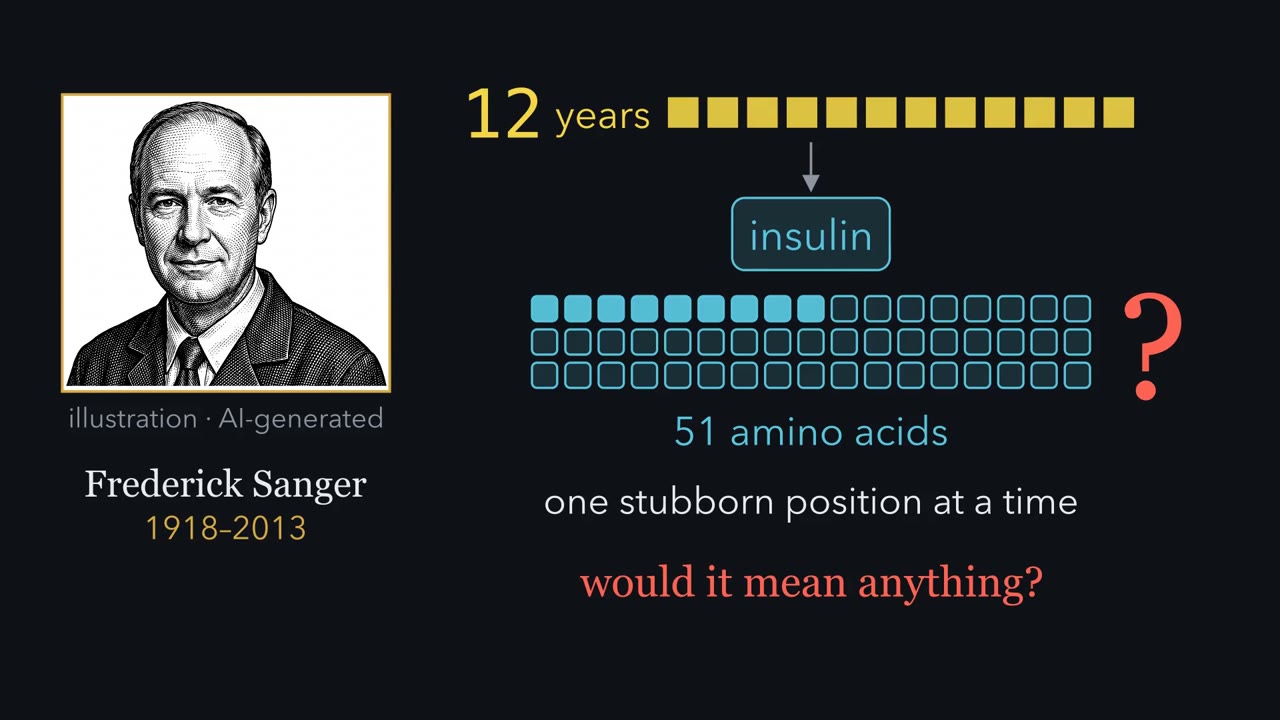 Scientist profile Length 1:37 Frederick Sanger Biochemistry · College: going further Techniques in Protein Biochemistry: Purify It, Then Prove It
-
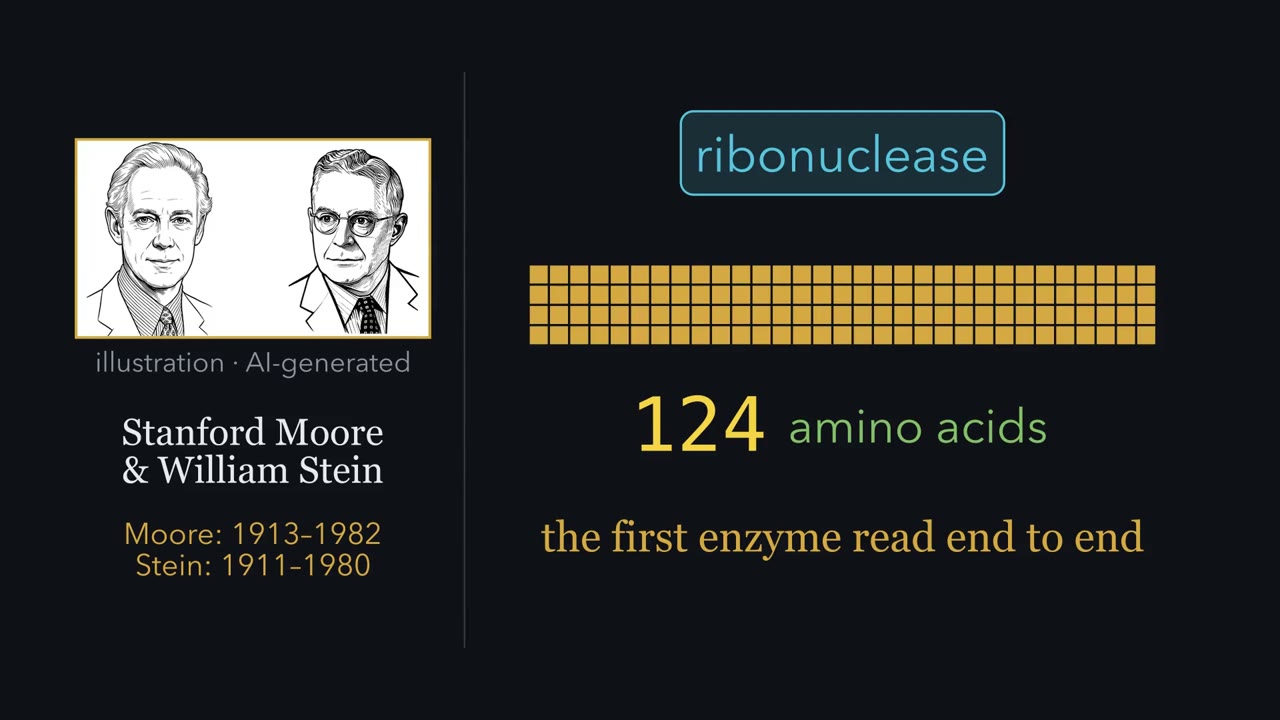 Scientist profile Length 1:40 Stanford Moore & William Stein Biochemistry · College: going further Techniques in Protein Biochemistry: Purify It, Then Prove It
-
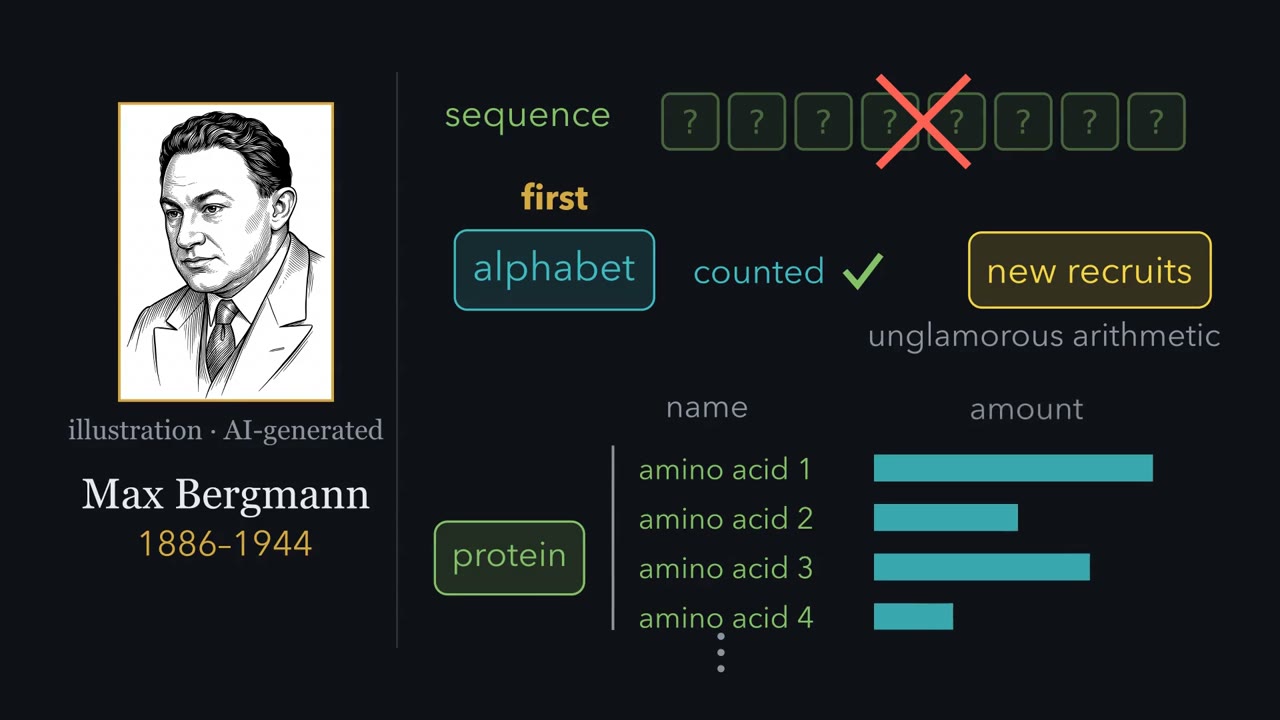 Scientist profile Length 1:25 Max Bergmann Biochemistry · College: going further Techniques in Protein Biochemistry: Purify It, Then Prove It
-
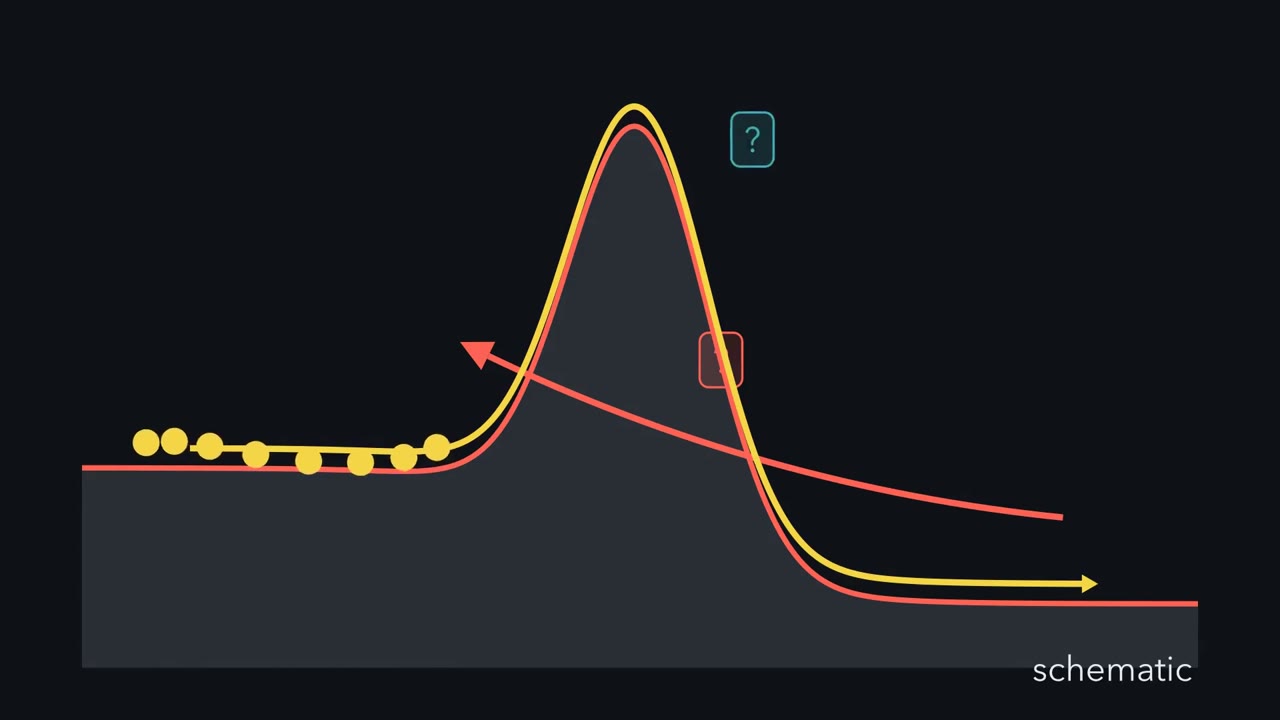 First film Length 3:14 Lower the Ridge, Not the Valleys Biochemistry · College: going further Basic Concepts of Enzyme Action
Take-home
An enzyme lowers the ridge between substrate and product; it never moves the valleys.
-
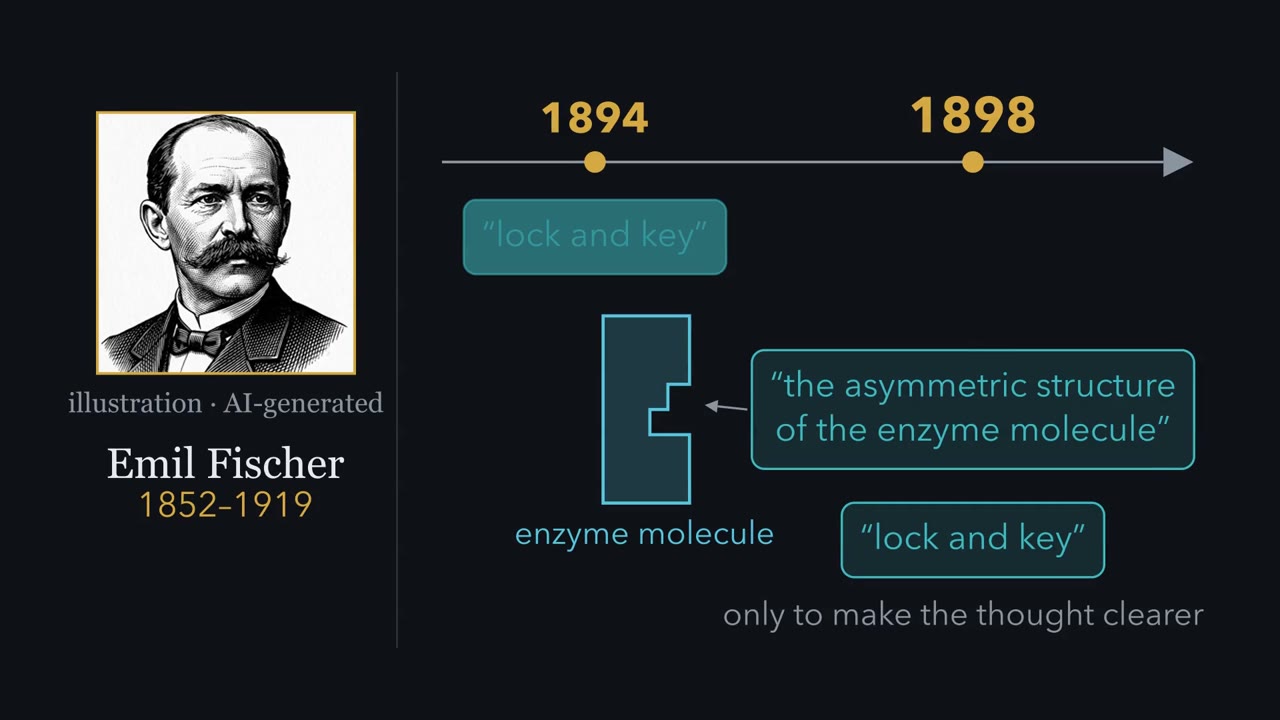 Scientist profile Length 1:43 Emil Fischer Biochemistry · College: going further Basic Concepts of Enzyme Action
-
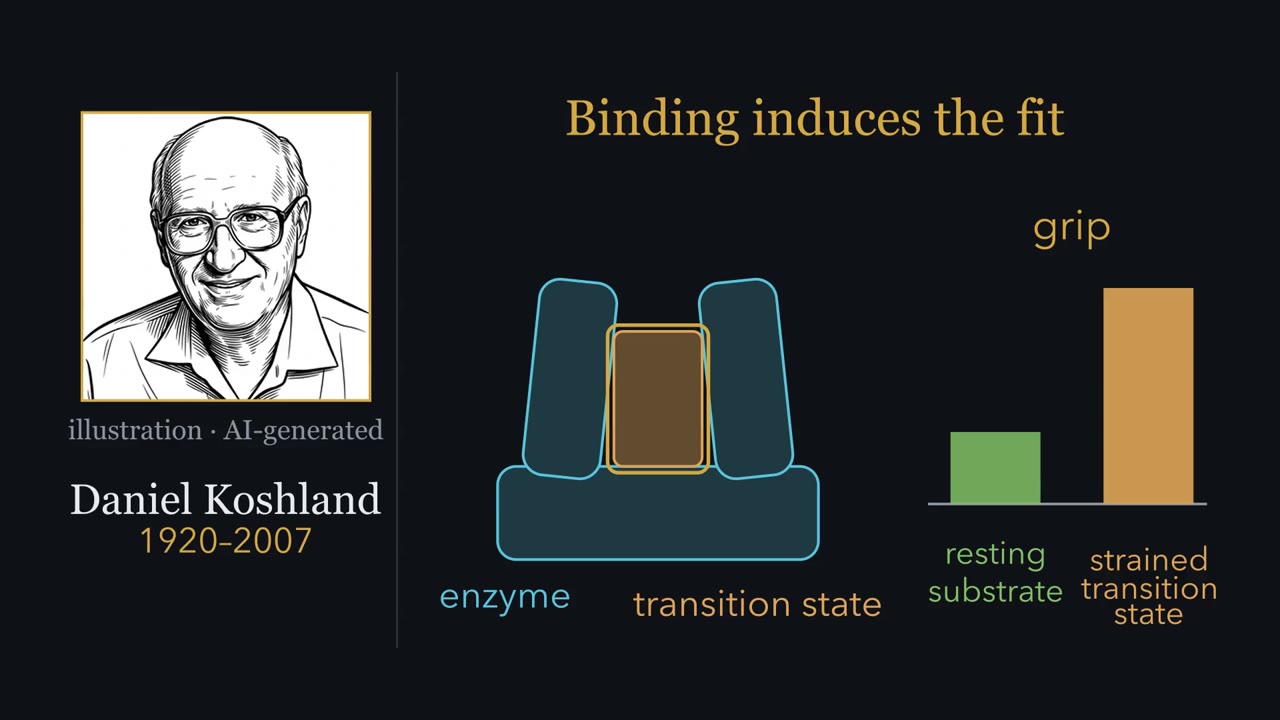 Scientist profile Length 1:19 Daniel Koshland Biochemistry · College: going further Basic Concepts of Enzyme Action
-
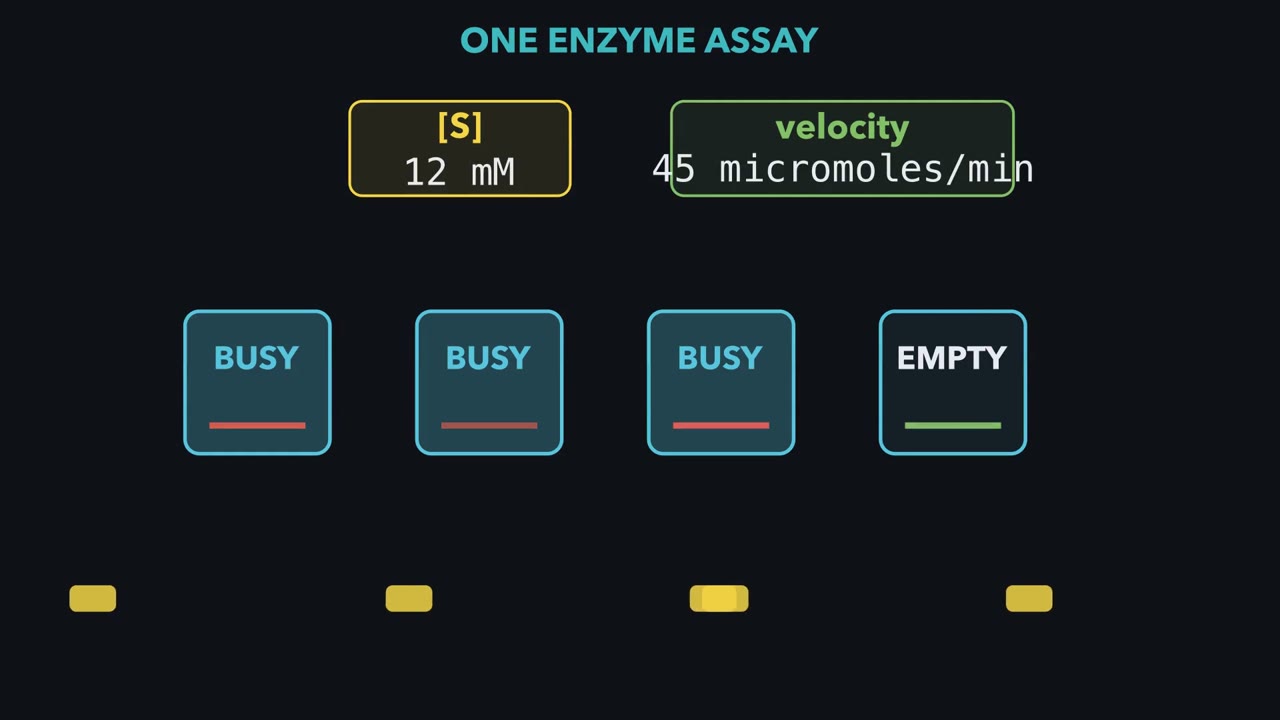 First film Length 3:24 Why doubling substrate stops doubling speed Biochemistry · College: going further Enzyme Kinetics: The Michaelis–Menten Model
Take-home
In the simplest model, velocity equals kcat times the amount of busy enzyme.
-
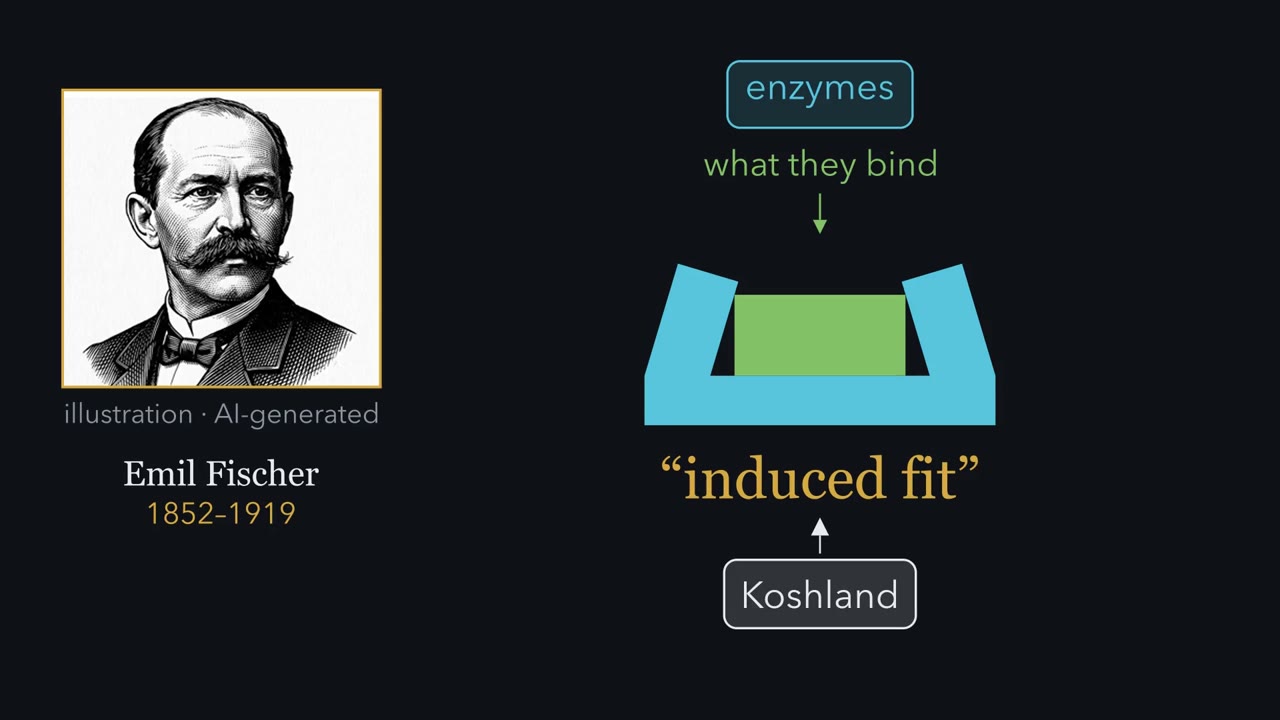 Scientist profile Length 1:23 Emil Fischer Biochemistry · College: going further Enzyme Kinetics: The Michaelis–Menten Model
-
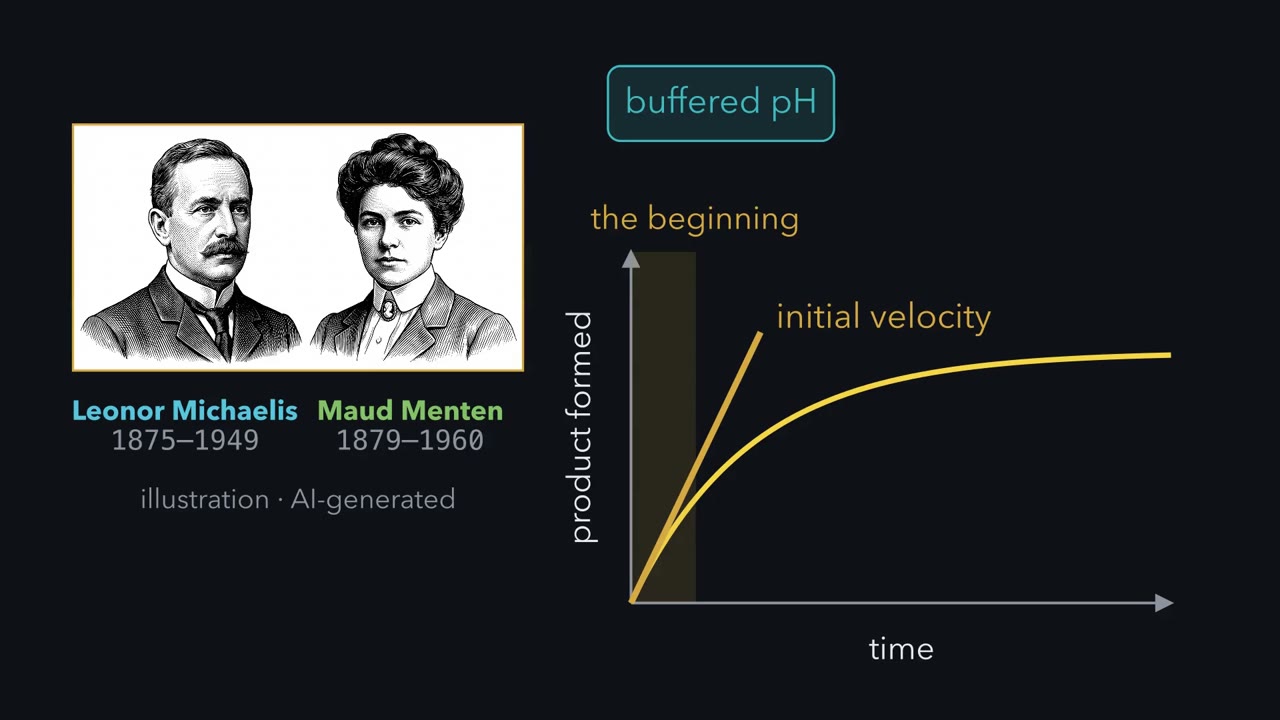 Scientist profile Length 1:28 Leonor Michaelis & Maud Menten Biochemistry · College: going further Enzyme Kinetics: The Michaelis–Menten Model
-
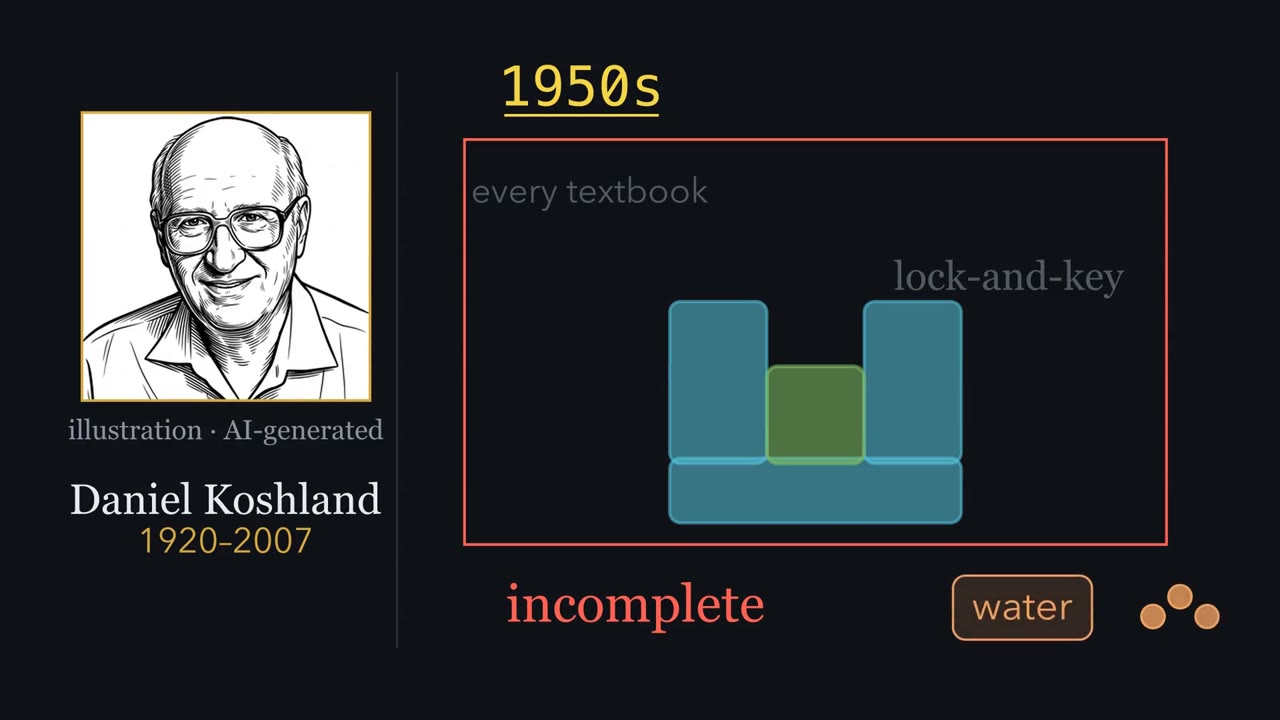 Scientist profile Length 1:14 Daniel Koshland Biochemistry · College: going further Enzyme Kinetics: The Michaelis–Menten Model
-
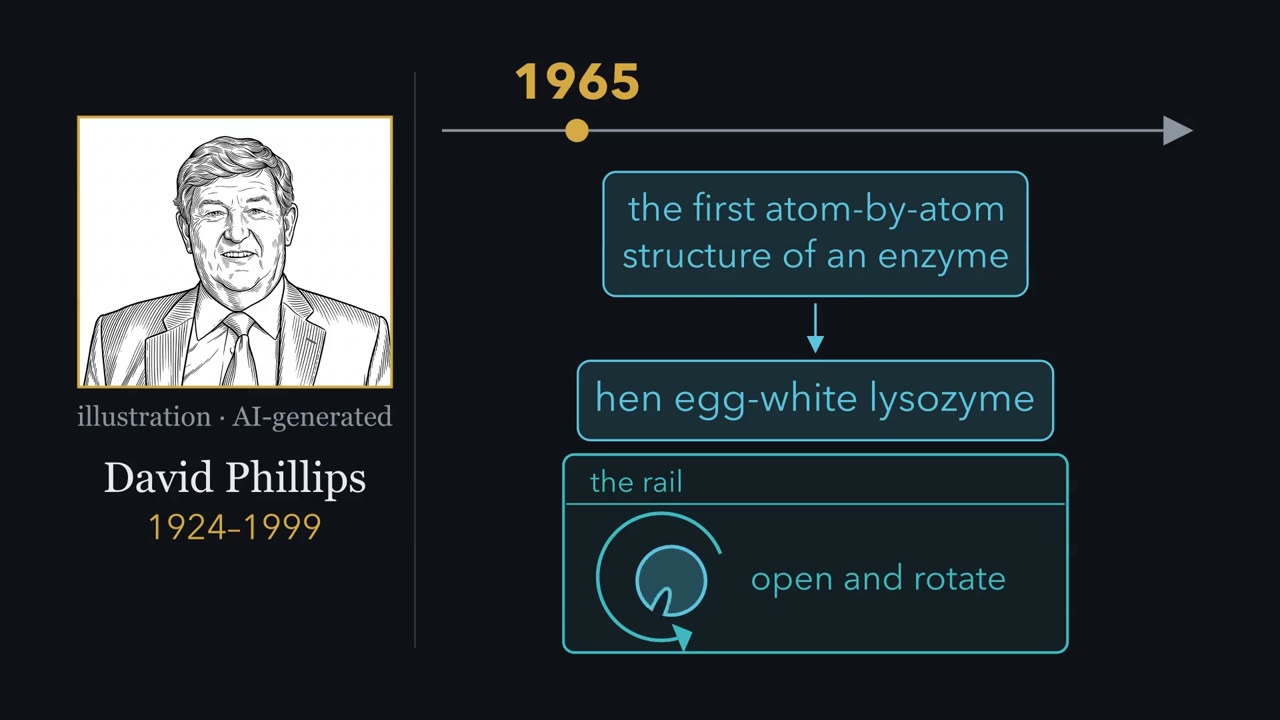 Scientist profile Length 1:16 David Phillips Biochemistry · College: going further Enzyme Kinetics: The Michaelis–Menten Model
-
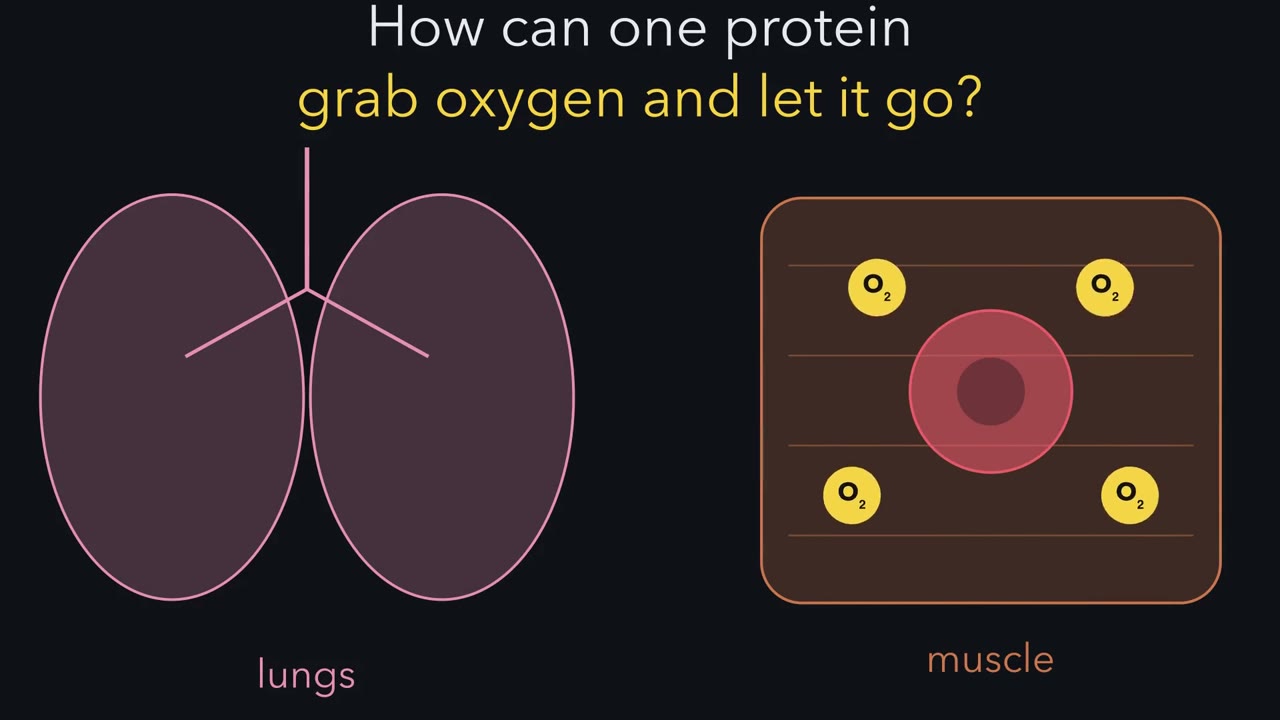 Part 1 of 6 Length 2:30 The Delivery Problem Biochemistry · College: going further Protein Binding and Allostery: How Hemoglobin Loads and Delivers Oxygen
-
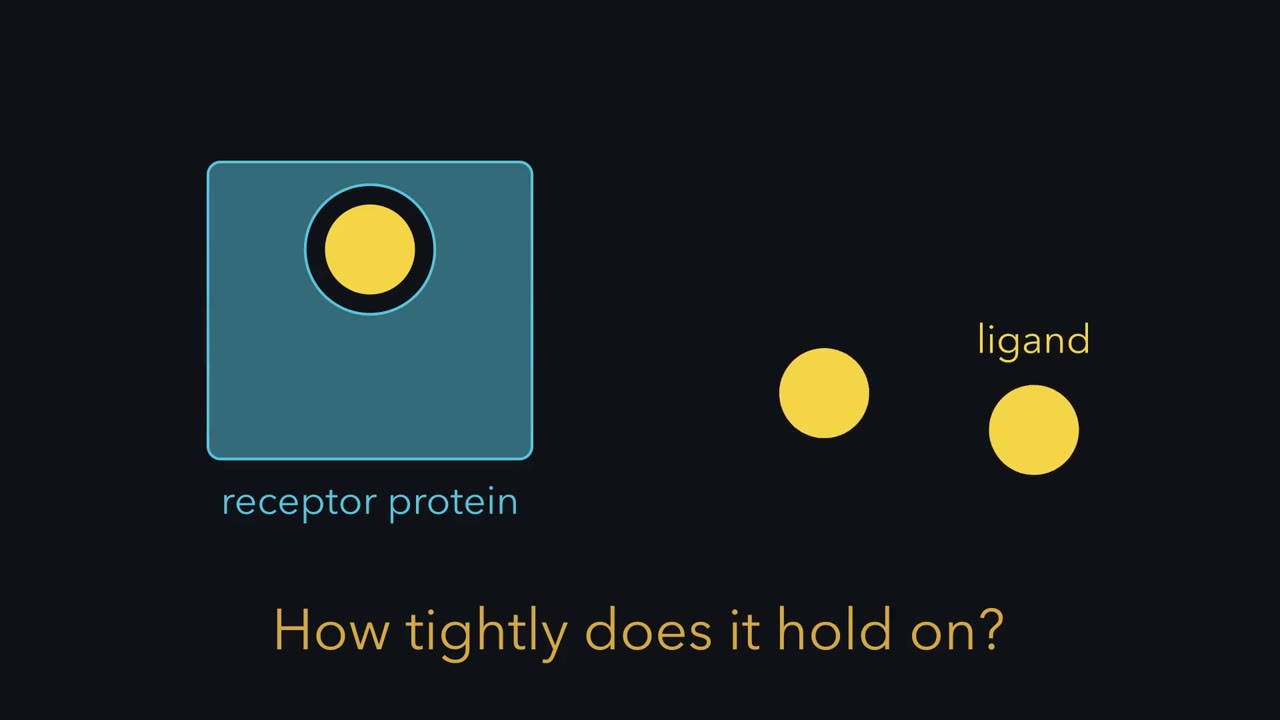 Part 2 of 6 Length 2:26 One Site, One Curve Biochemistry · College: going further Protein Binding and Allostery: How Hemoglobin Loads and Delivers Oxygen
-
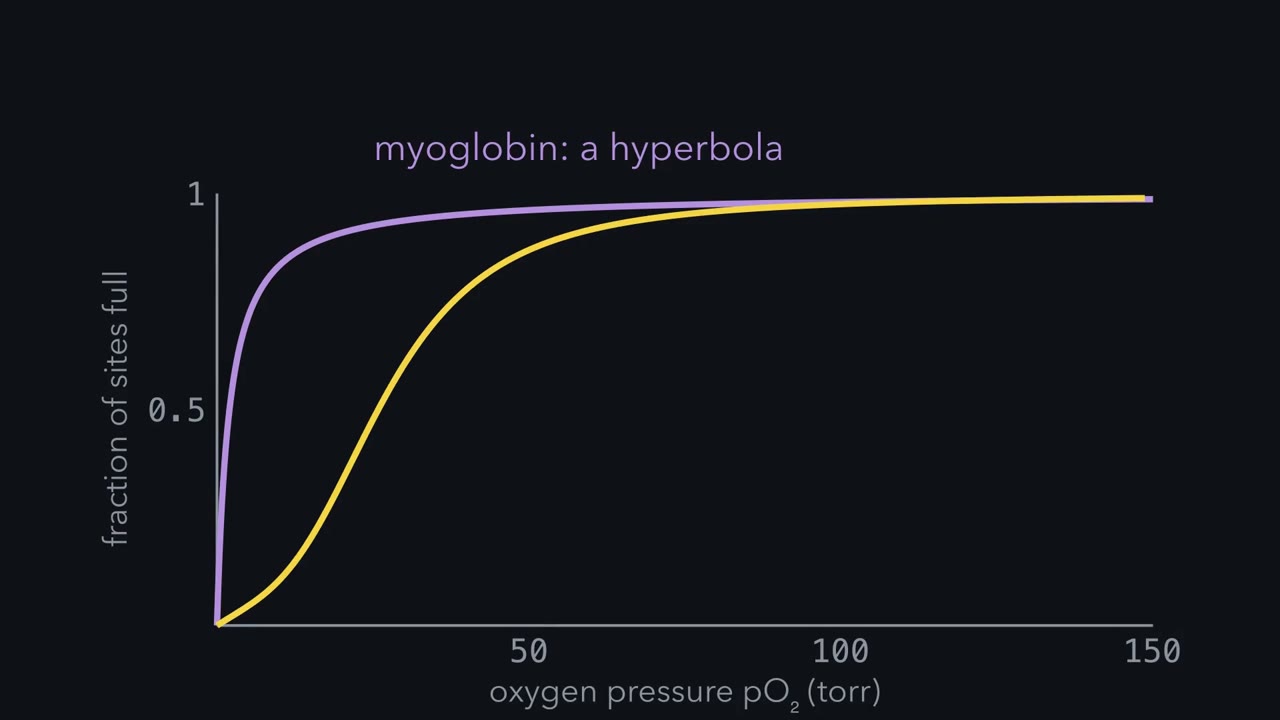 Part 3 of 6 Length 3:41 Two Shapes Make the S Biochemistry · College: going further Protein Binding and Allostery: How Hemoglobin Loads and Delivers Oxygen
-
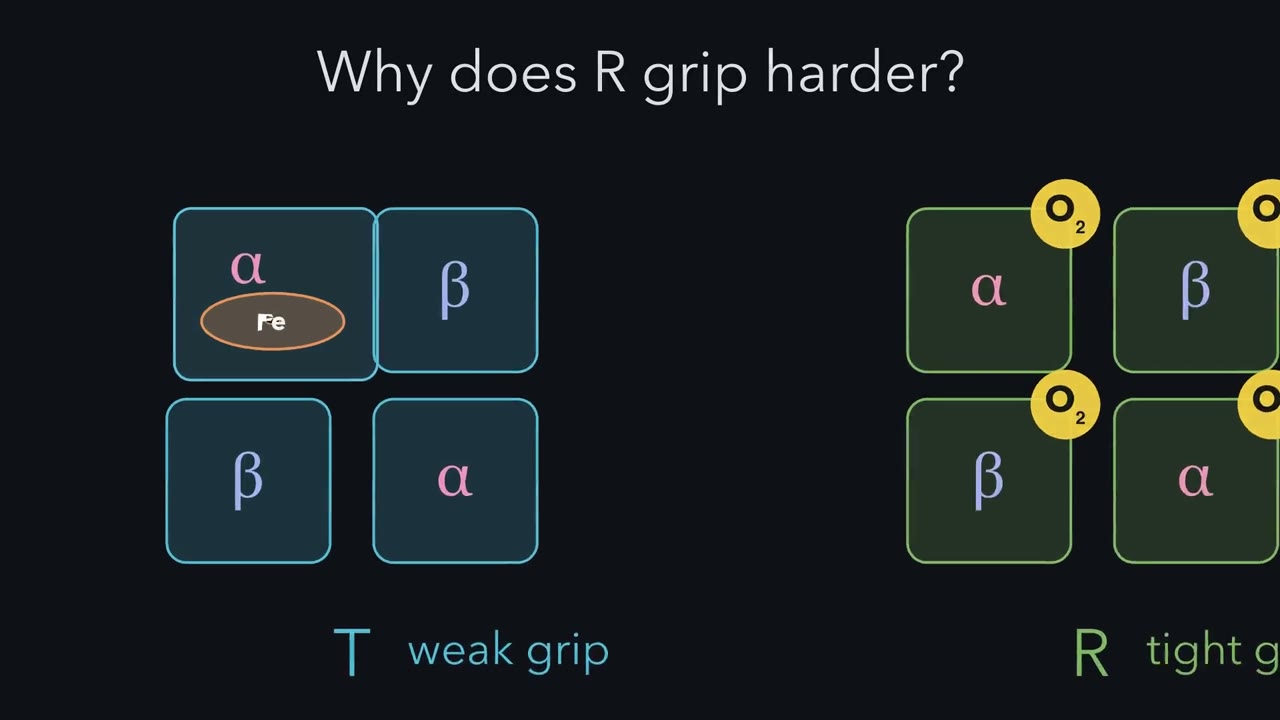 Part 4 of 6 Length 2:37 The Switch Inside the Molecule Biochemistry · College: going further Protein Binding and Allostery: How Hemoglobin Loads and Delivers Oxygen
-
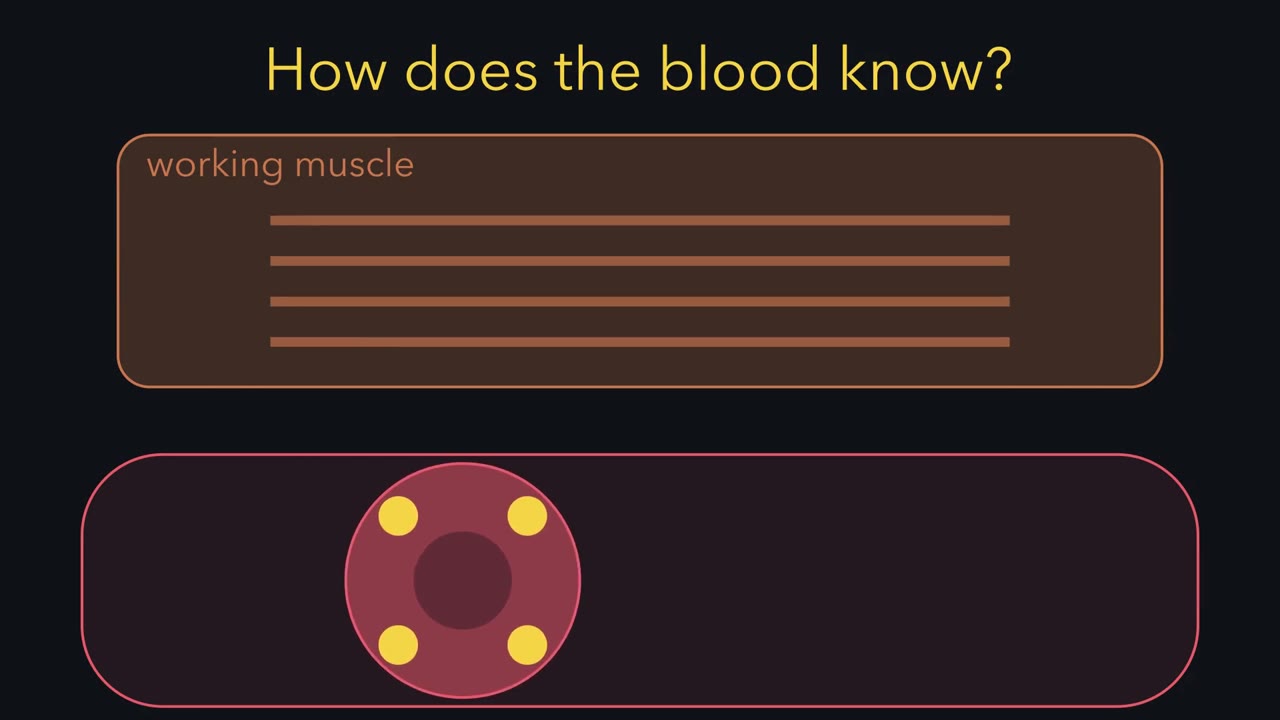 Part 5 of 6 Length 2:55 Tuning the Mix Biochemistry · College: going further Protein Binding and Allostery: How Hemoglobin Loads and Delivers Oxygen
-
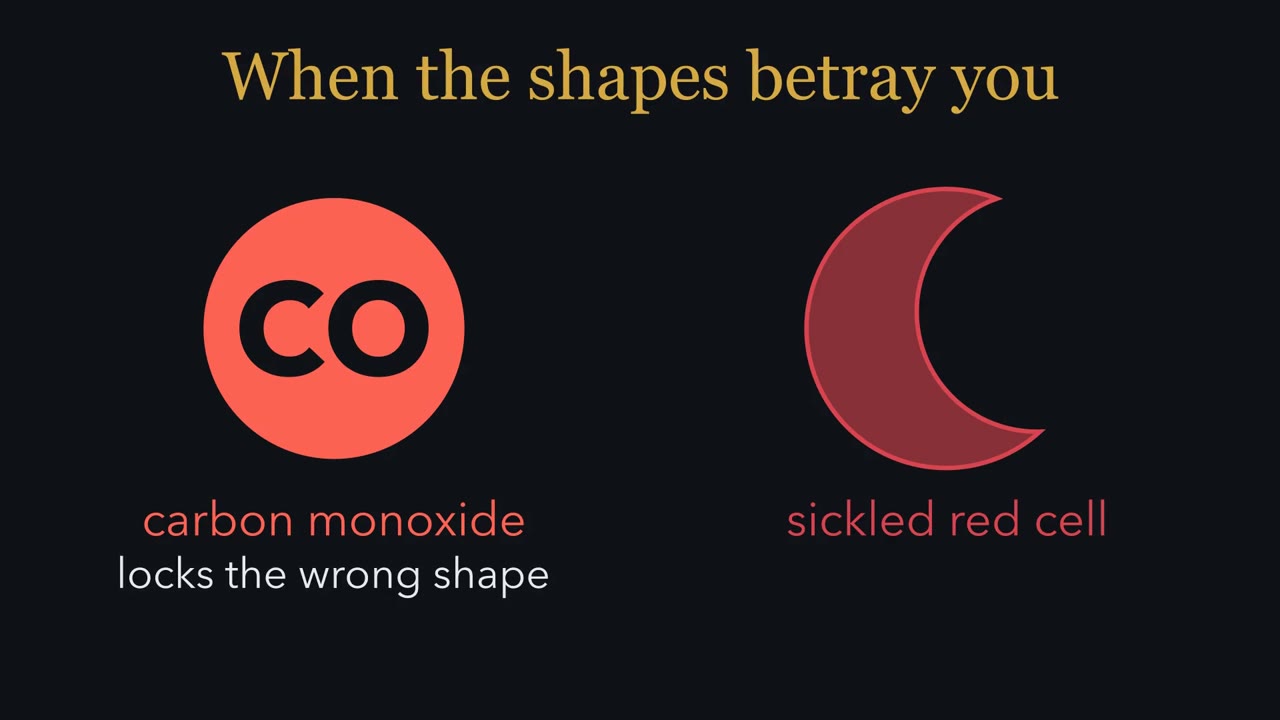 Part 6 of 6 Length 2:40 When the Shapes Betray You Biochemistry · College: going further Protein Binding and Allostery: How Hemoglobin Loads and Delivers Oxygen
-
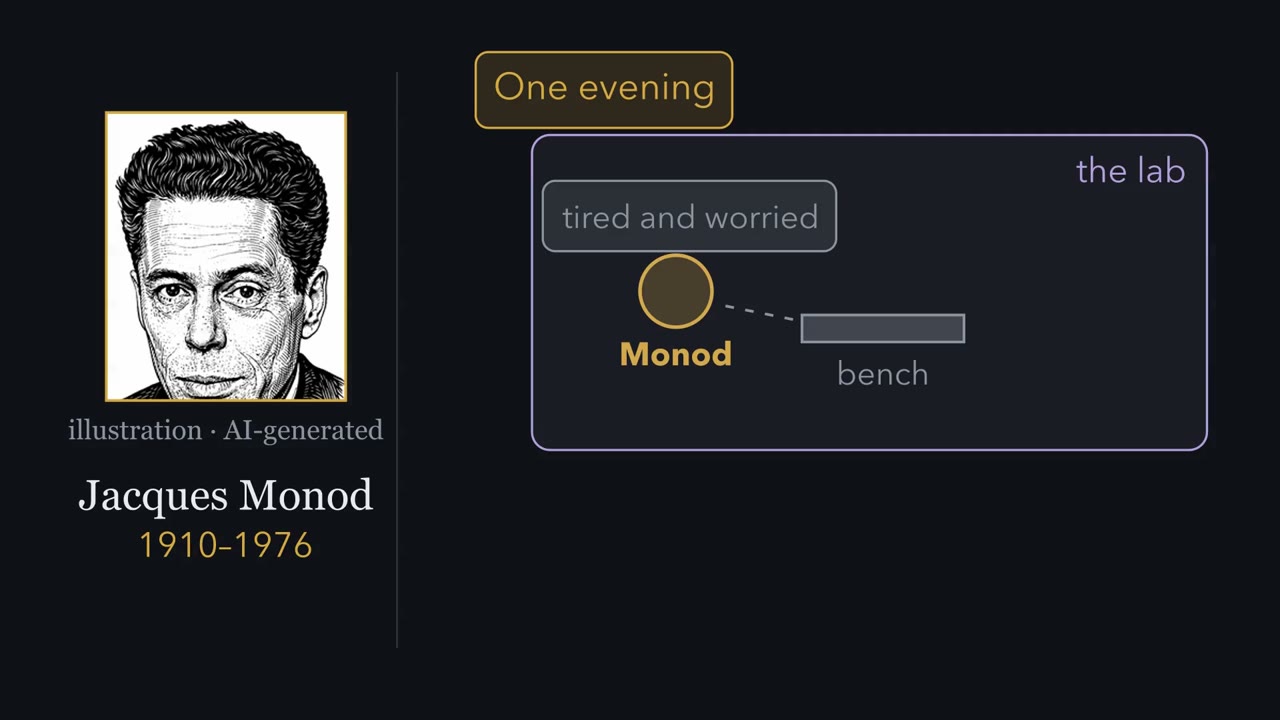 Scientist profile Length 1:34 Jacques Monod Biochemistry · College: going further Protein Binding and Allostery: How Hemoglobin Loads and Delivers Oxygen
-
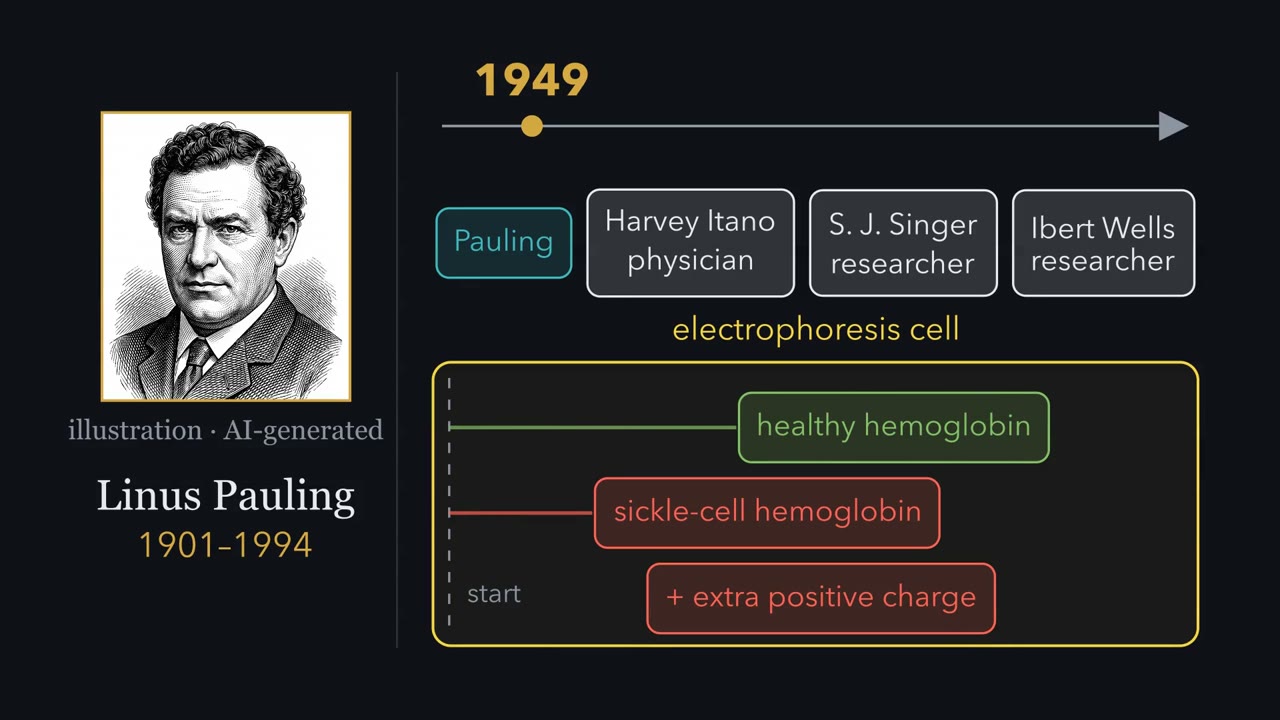 Scientist profile Length 1:18 Linus Pauling Biochemistry · College: going further Protein Binding and Allostery: How Hemoglobin Loads and Delivers Oxygen
-
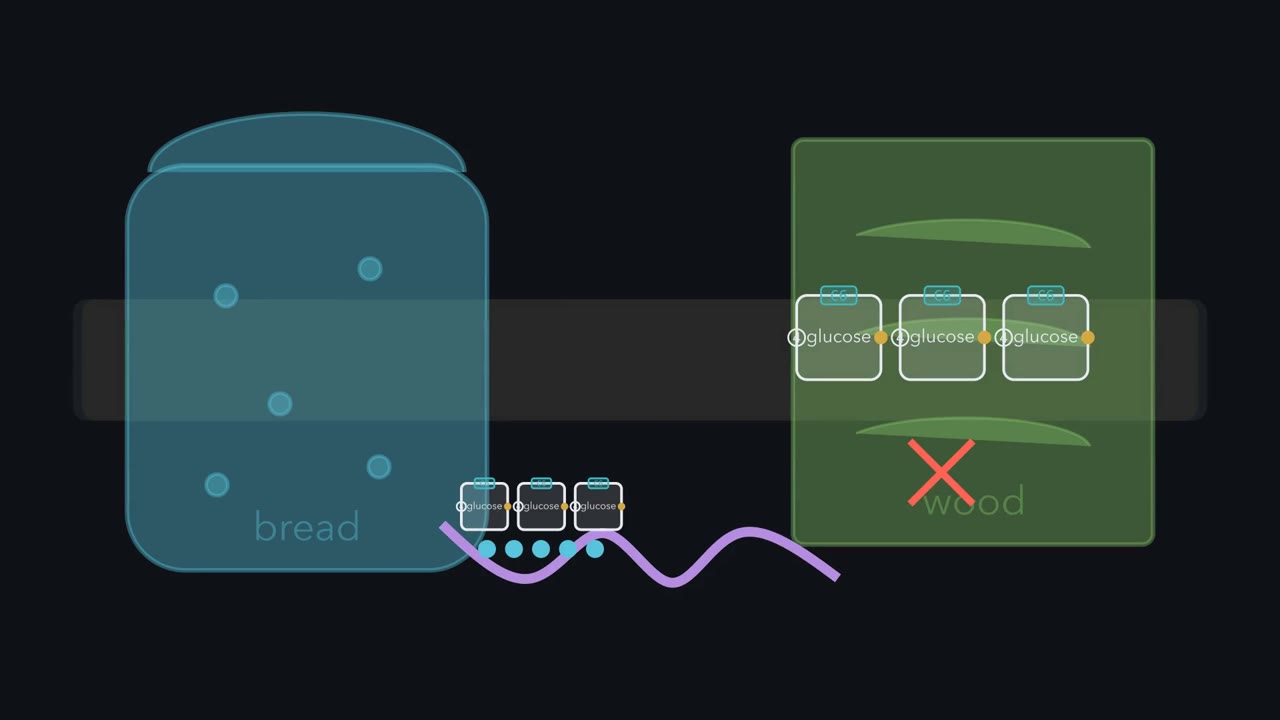 First film Length 3:06 Same Brick, Different Snap Biochemistry · College: going further Carbohydrates: One Bond Decides Fuel or Fiber
Take-home
Starch and cellulose are both glucose polymers; their 1,4 bonds use opposite faces.
-
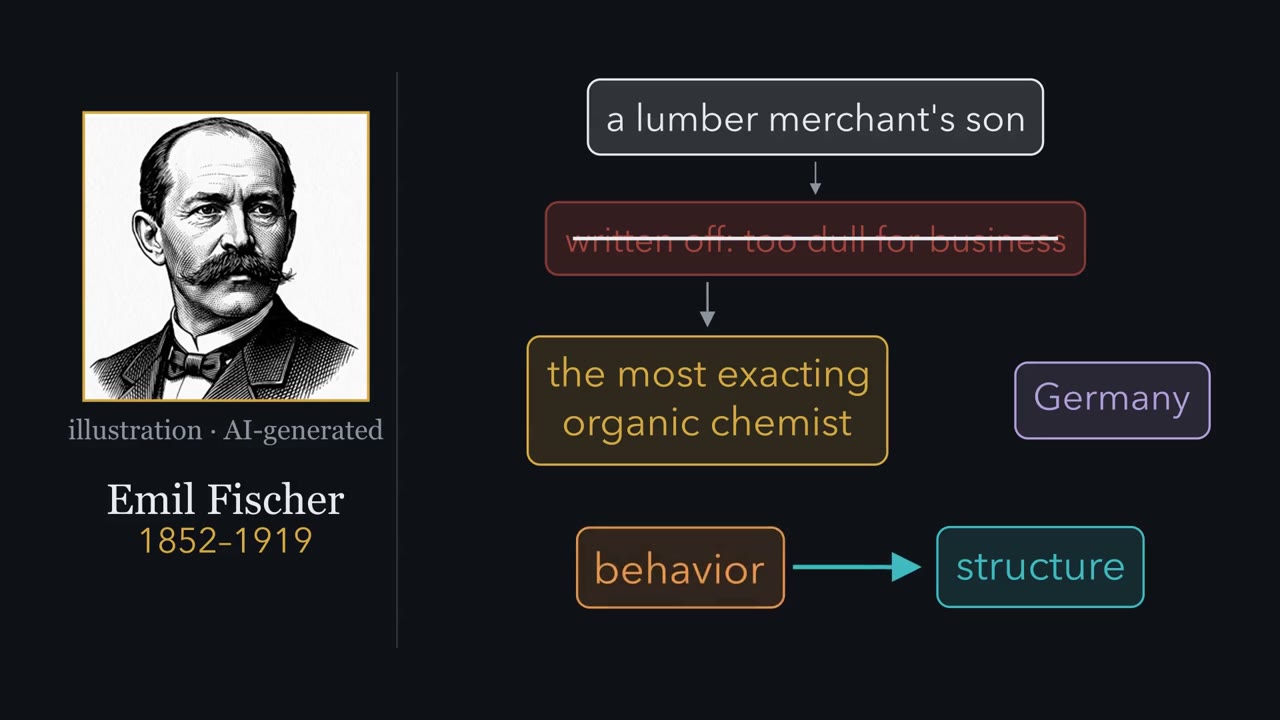 Scientist profile Length 1:11 Emil Fischer Biochemistry · College: going further Carbohydrates: One Bond Decides Fuel or Fiber
-
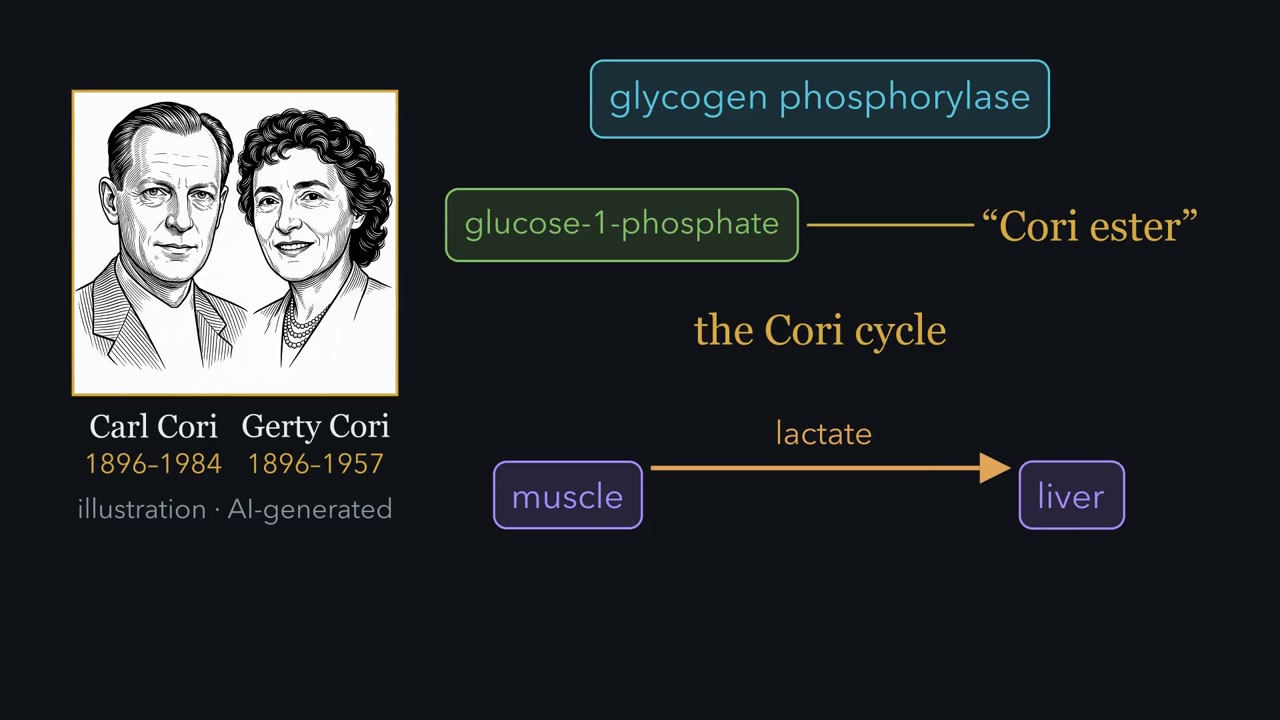 Scientist profile Length 1:06 Carl Cori & Gerty Cori Biochemistry · College: going further Carbohydrates: One Bond Decides Fuel or Fiber
-
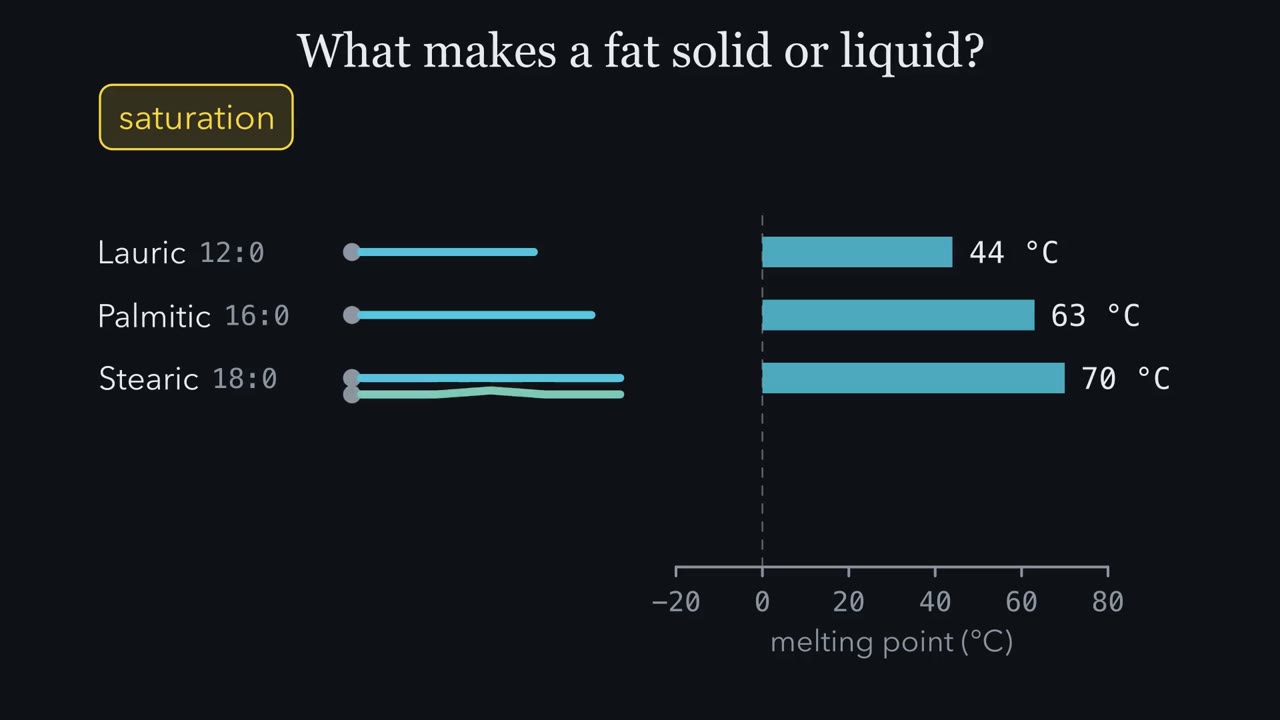 First film Length 2:27 Shape is destiny Biochemistry · College: going further Lipids: The Building Blocks That Refuse to Polymerize
-
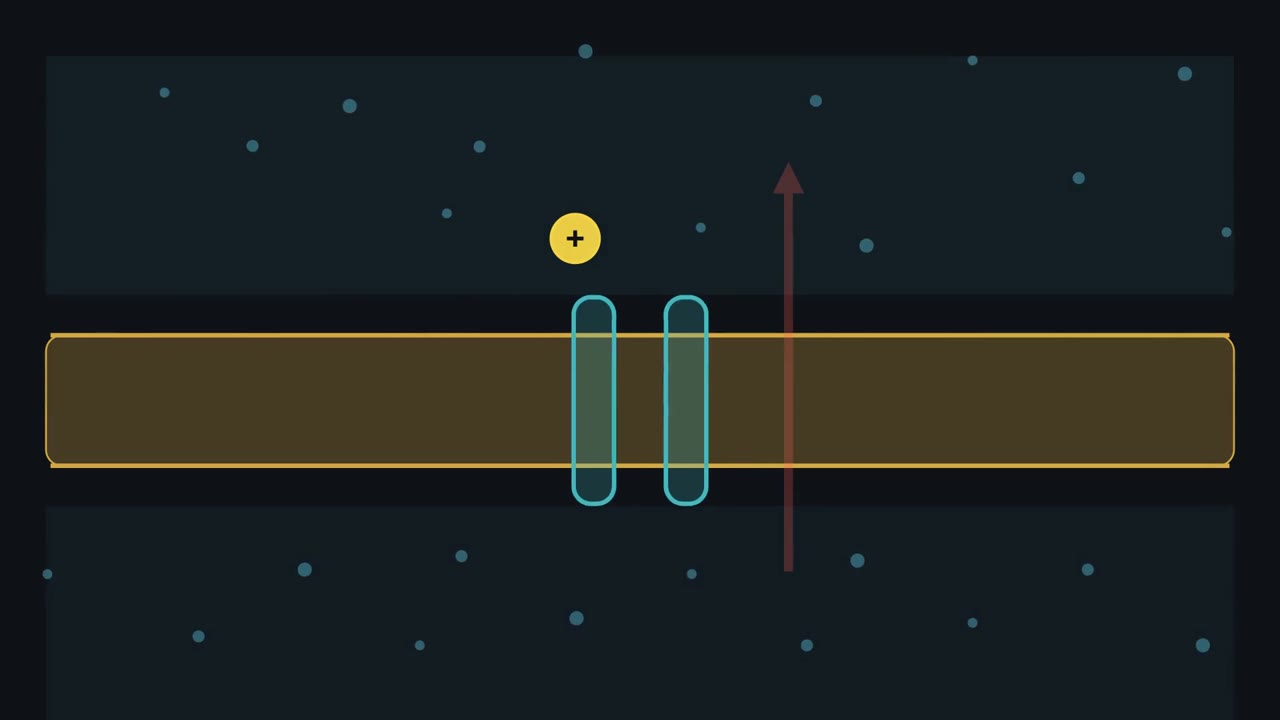 First film Length 3:24 A Path Is Not a Pump Biochemistry · College: going further Membranes: The Impermeable Sheet That Builds Itself
Take-home
Charged solutes pay an energy toll to leave water for a bare bilayer.
-
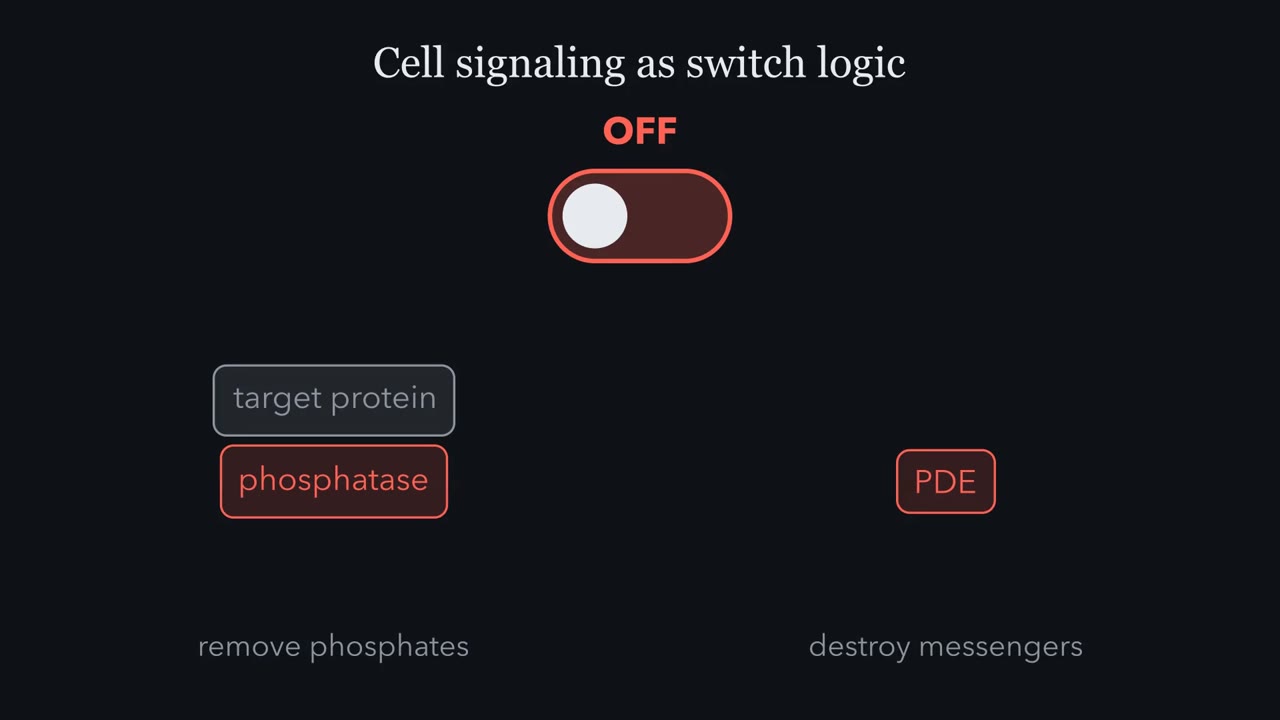 First film Length 2:42 Cells Compute With Switches Biochemistry · College: going further Signal-Transduction Pathways: How Cells Compute With Molecular Switches
-
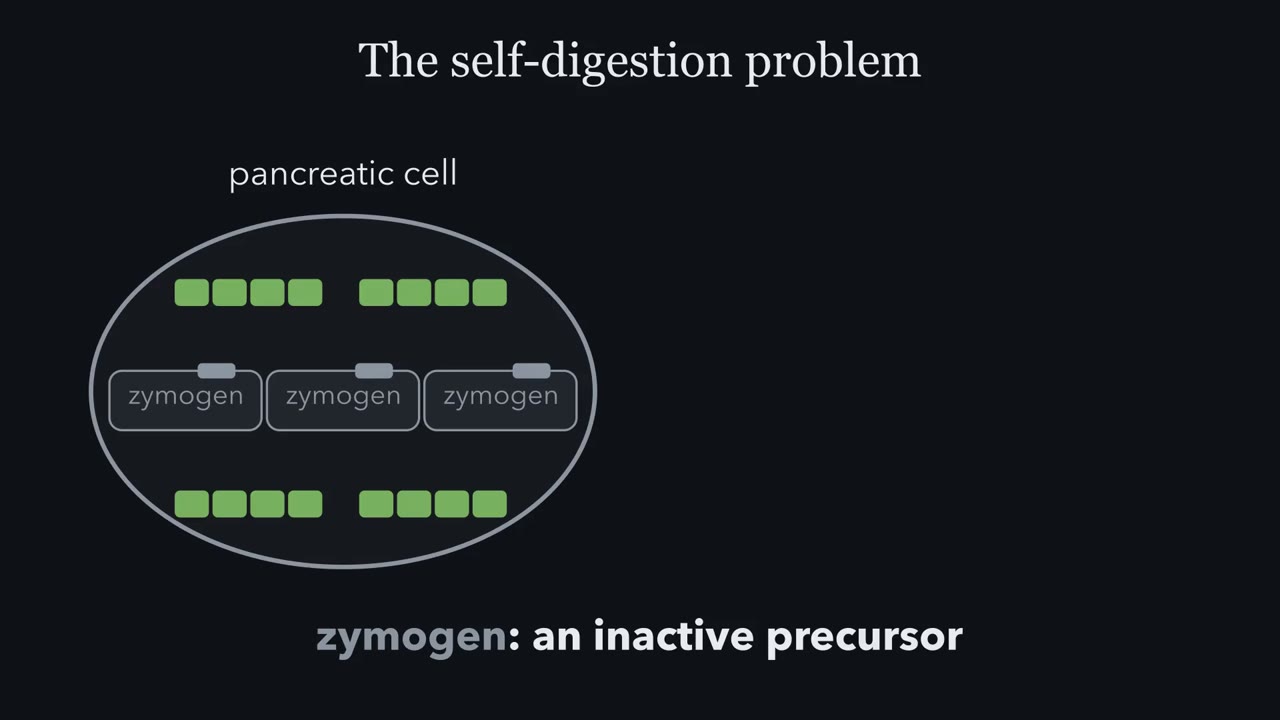 First film Length 2:48 The master switch of digestion Biochemistry · College: going further Digestion and Absorption: Turning a Meal into Molecules Your Cells Can Use
-
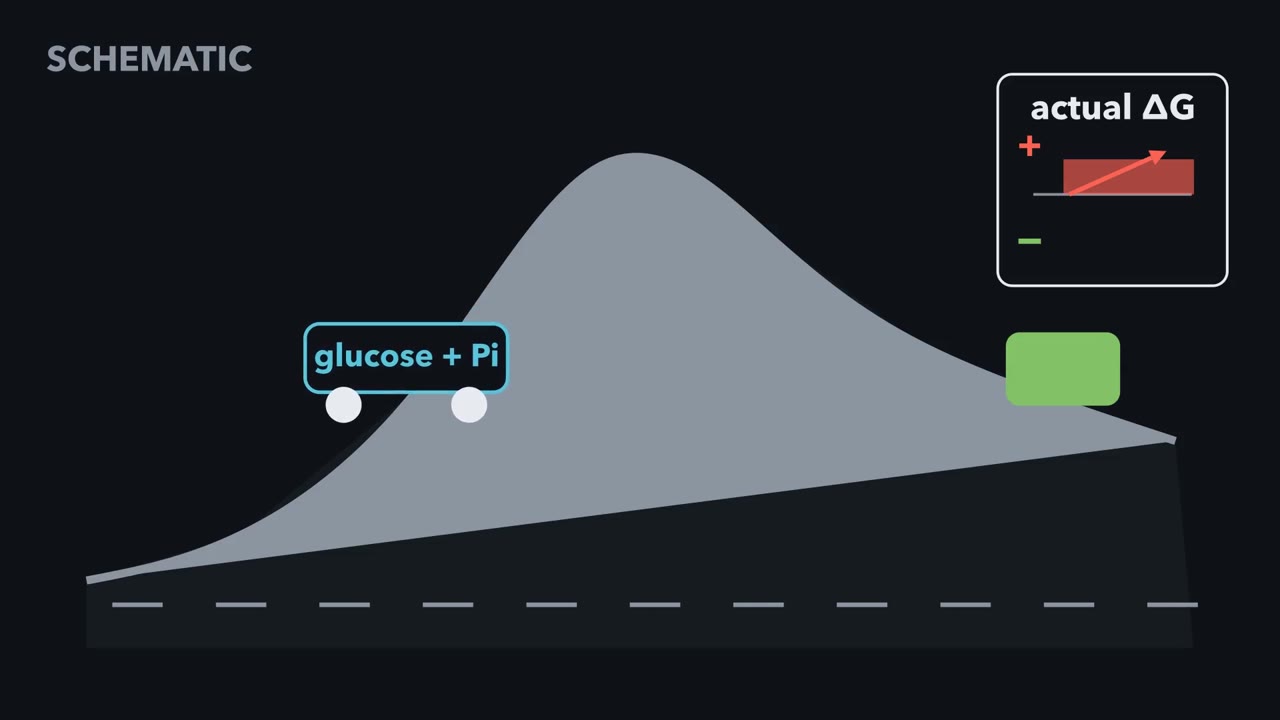 First film Length 3:18 How cells pull reactions uphill Biochemistry · College: going further Metabolism: Basic Concepts and Design
Take-home
A reaction runs forward only when its actual ΔG is negative.
-
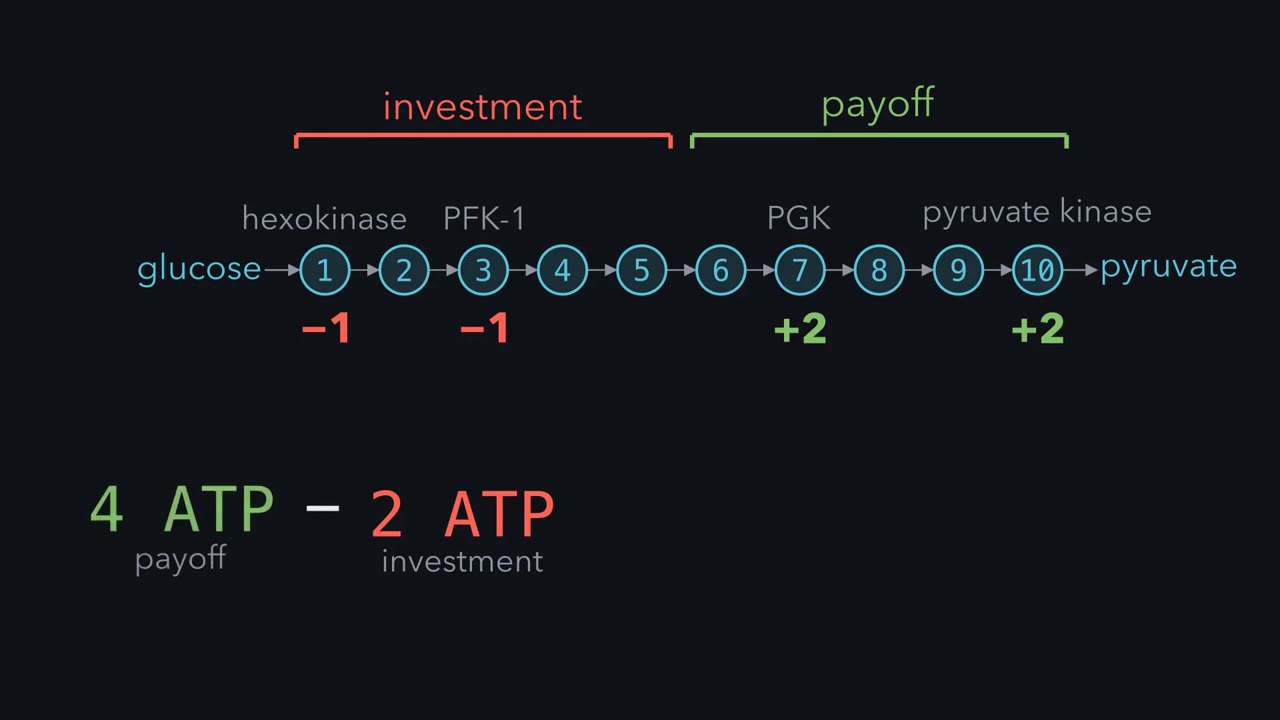 First film Length 2:37 Spend, Balance, Control Biochemistry · College: going further Glycolysis: The Investment-and-Payoff Pathway
-
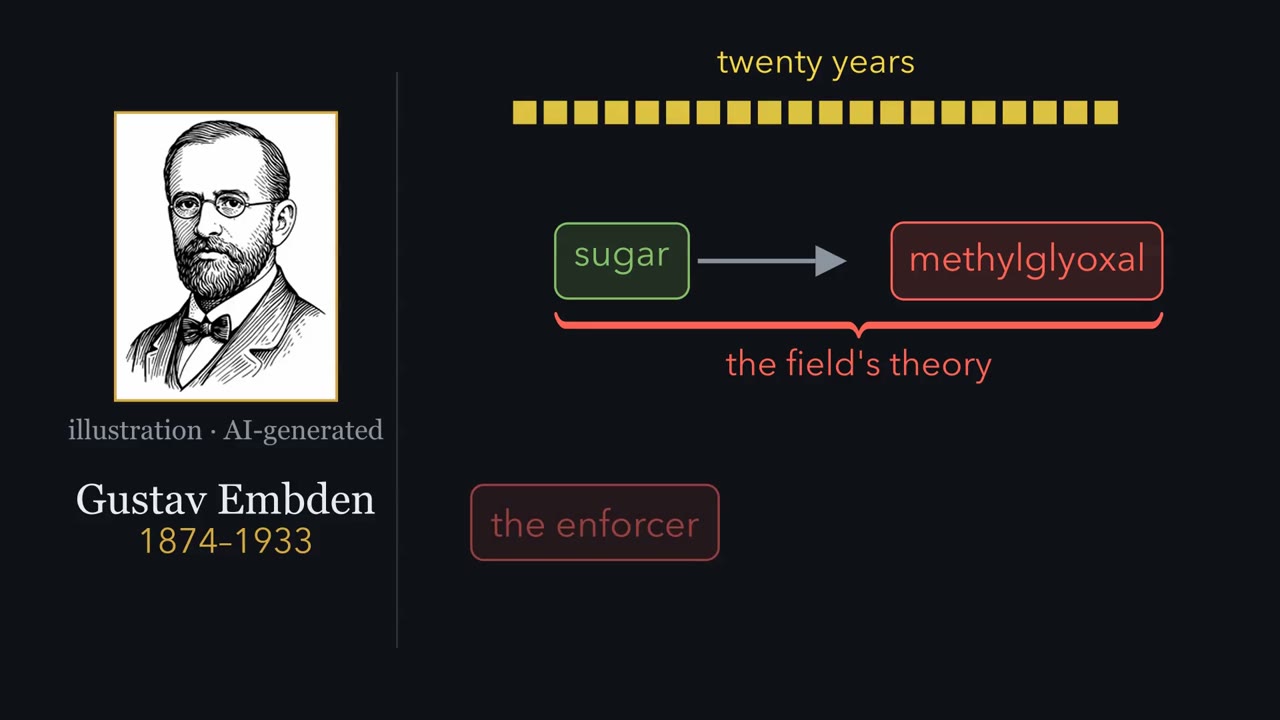 Scientist profile Length 1:39 Gustav Embden Biochemistry · College: going further Glycolysis: The Investment-and-Payoff Pathway
-
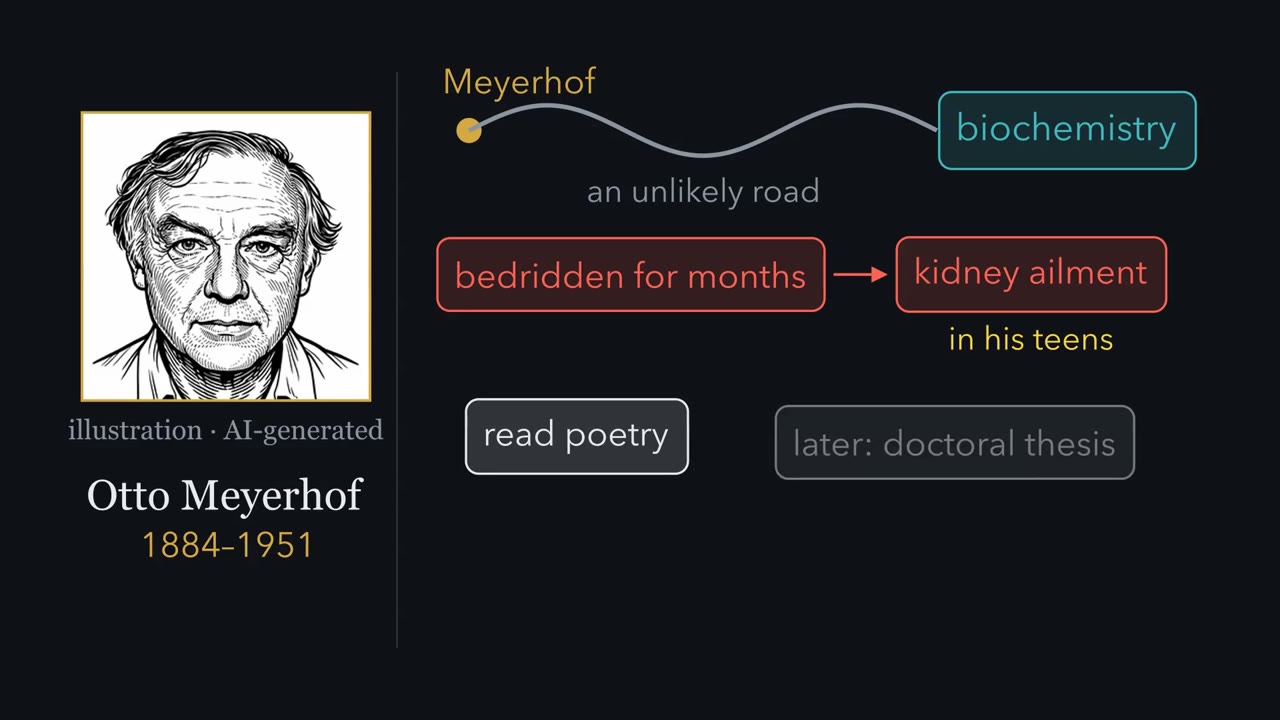 Scientist profile Length 1:47 Otto Meyerhof Biochemistry · College: going further Glycolysis: The Investment-and-Payoff Pathway
-
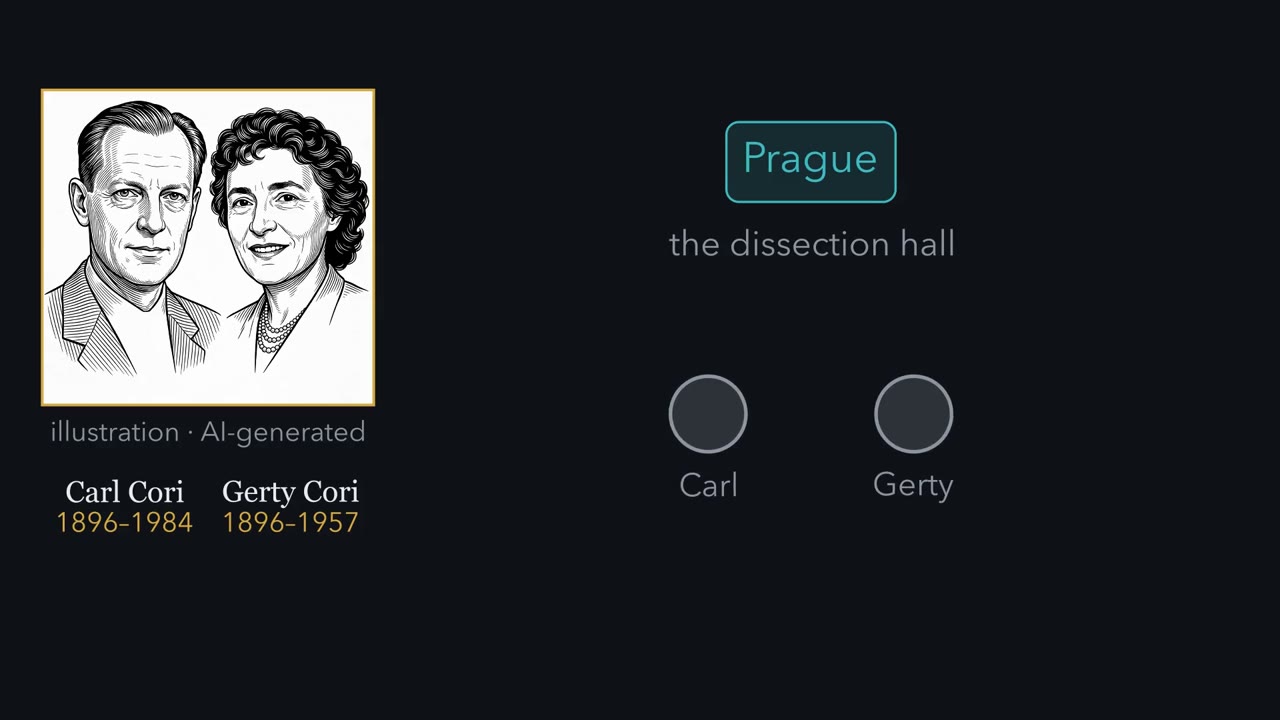 Scientist profile Length 1:49 Carl Cori & Gerty Cori Biochemistry · College: going further Glycolysis: The Investment-and-Payoff Pathway
-
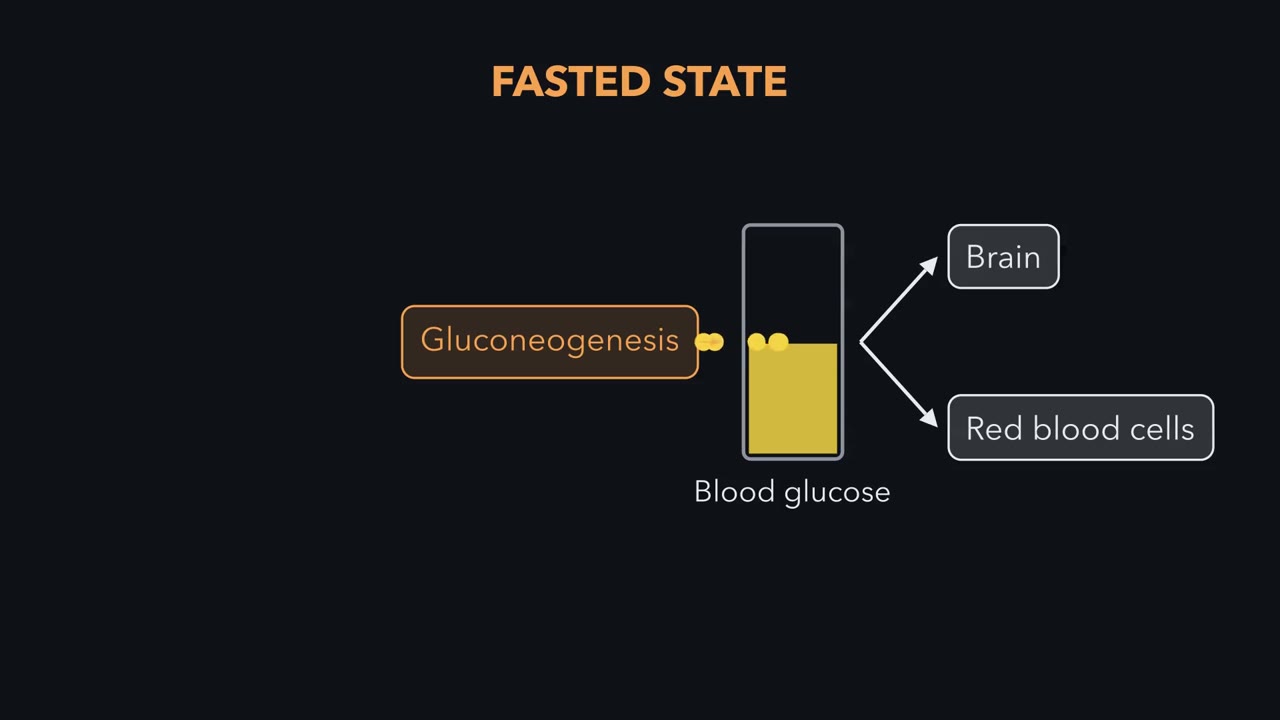 First film Length 3:05 Not Glycolysis in Reverse Biochemistry · College: going further Gluconeogenesis: Pushing Glucose Back Uphill
-
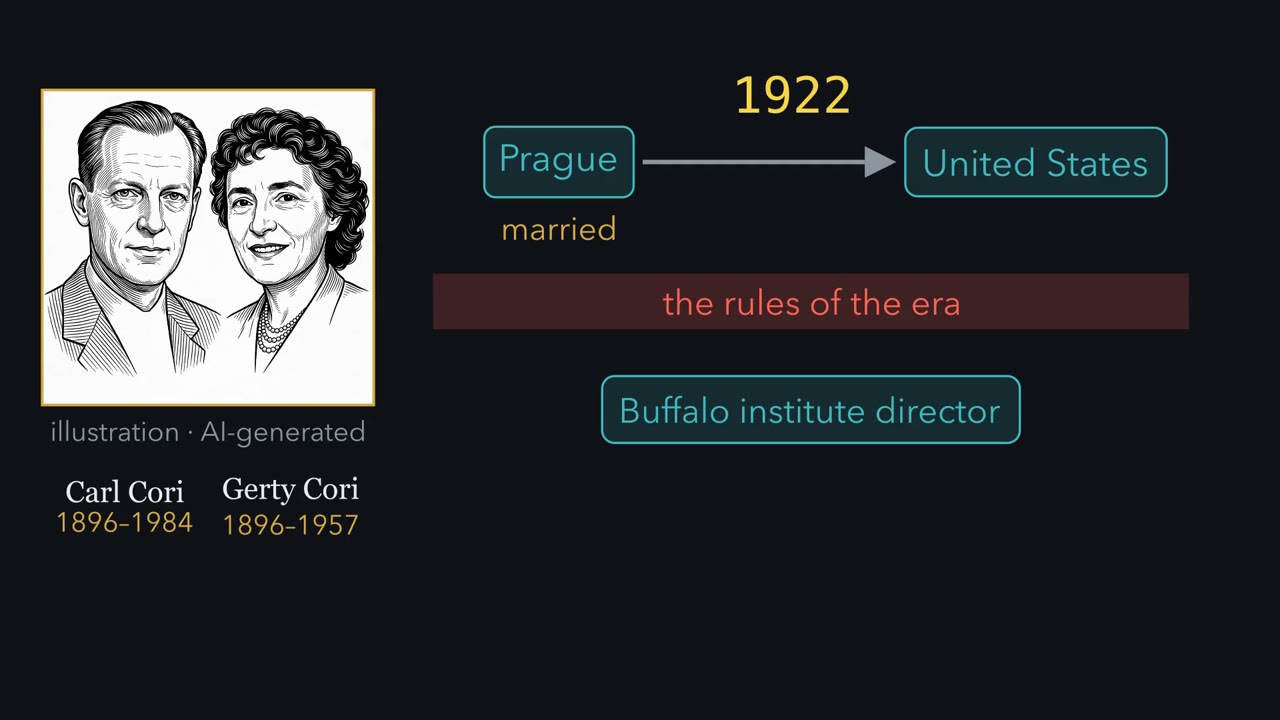 Scientist profile Length 1:53 Carl Cori & Gerty Cori Biochemistry · College: going further Gluconeogenesis: Pushing Glucose Back Uphill
-
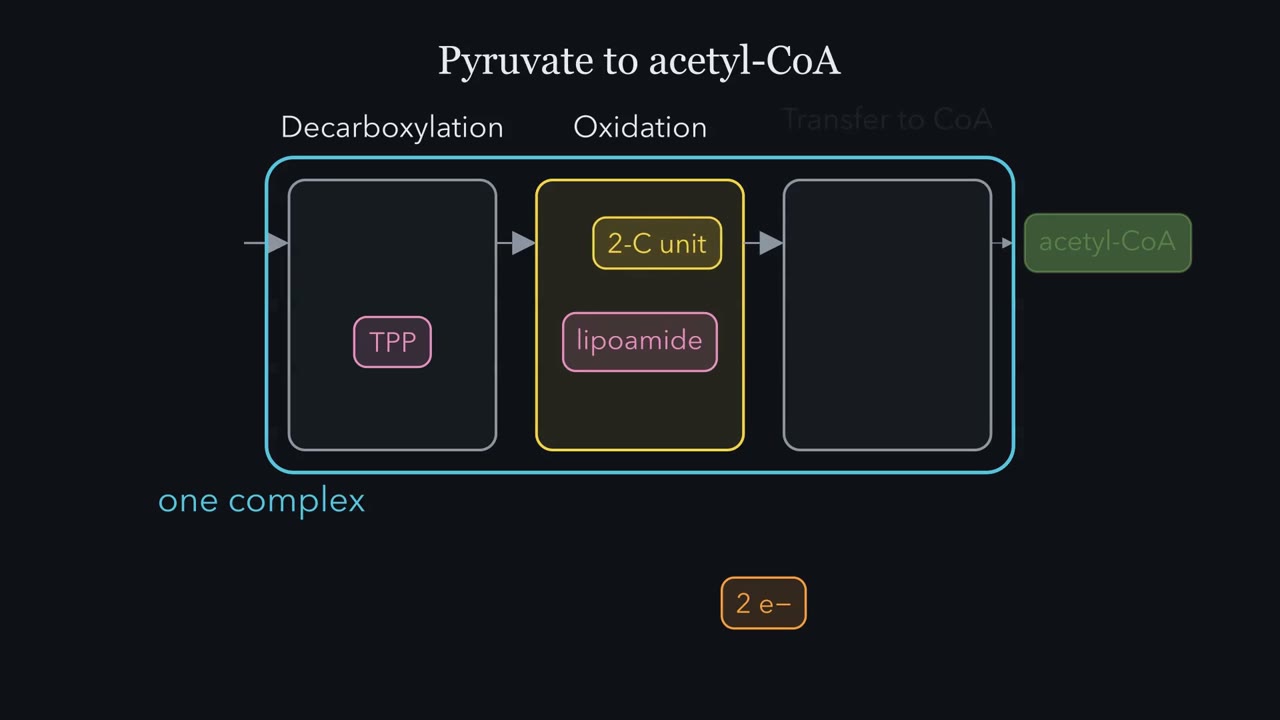 First film Length 3:29 The gate to the cycle Biochemistry · College: going further The Pyruvate Dehydrogenase Complex: The One-Way Gate to the Cycle
-
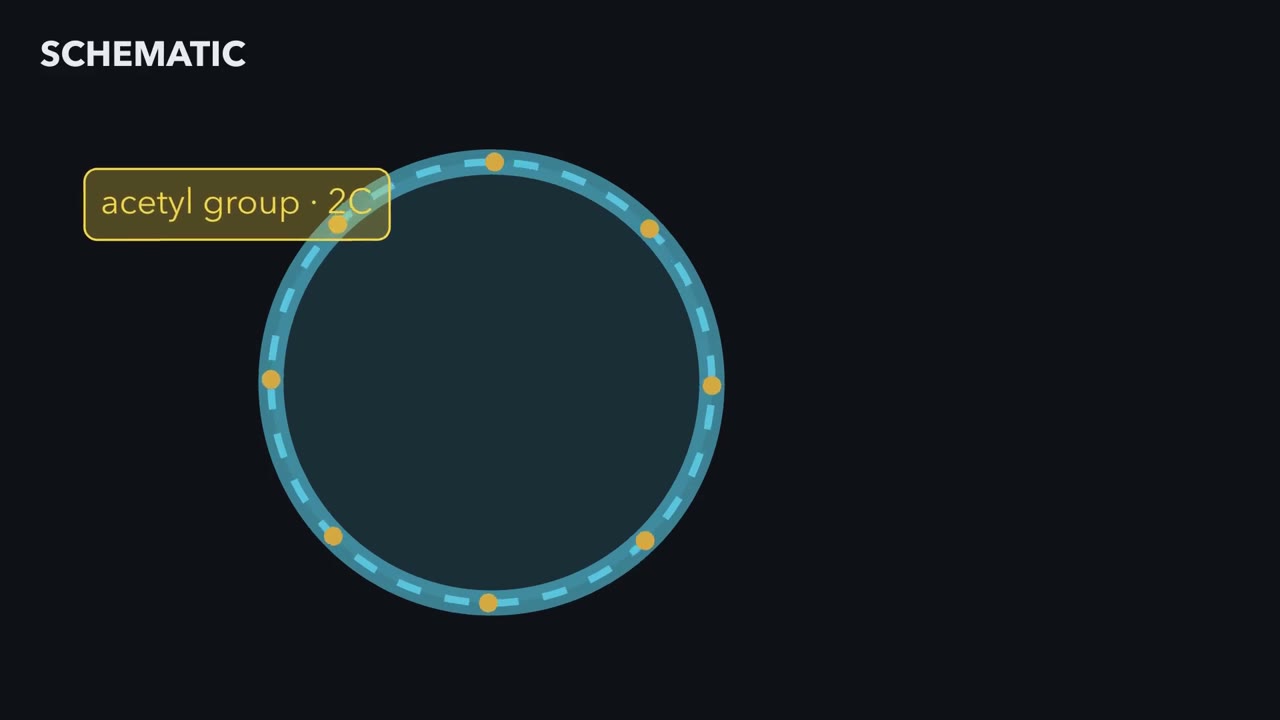 First film Length 3:22 Follow the Electrons Biochemistry · College: going further The Citric Acid Cycle: Harvesting Electrons
Take-home
For net bookkeeping, one acetyl group supplies eight electrons in four pairs.
-
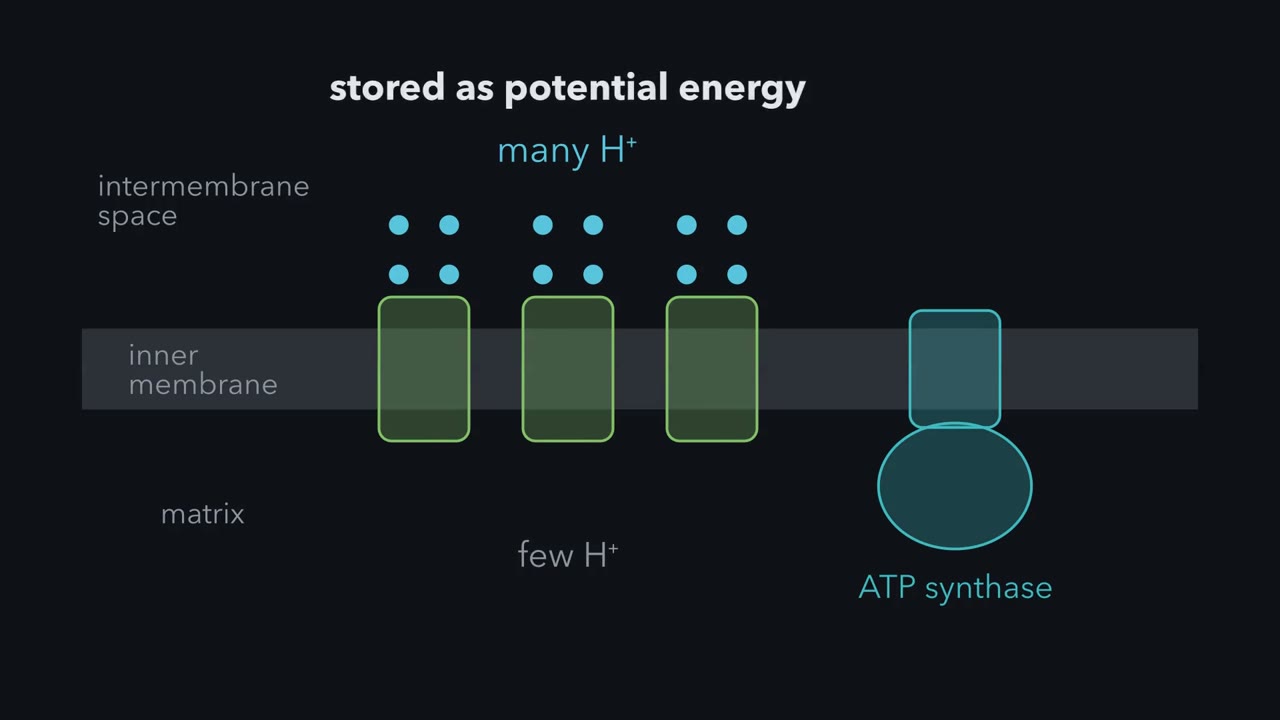 Part 1 of 4 Length 3:54 Electrons build a proton battery Biochemistry · College: going further Oxidative Phosphorylation: The Electron-Transport Chain
-
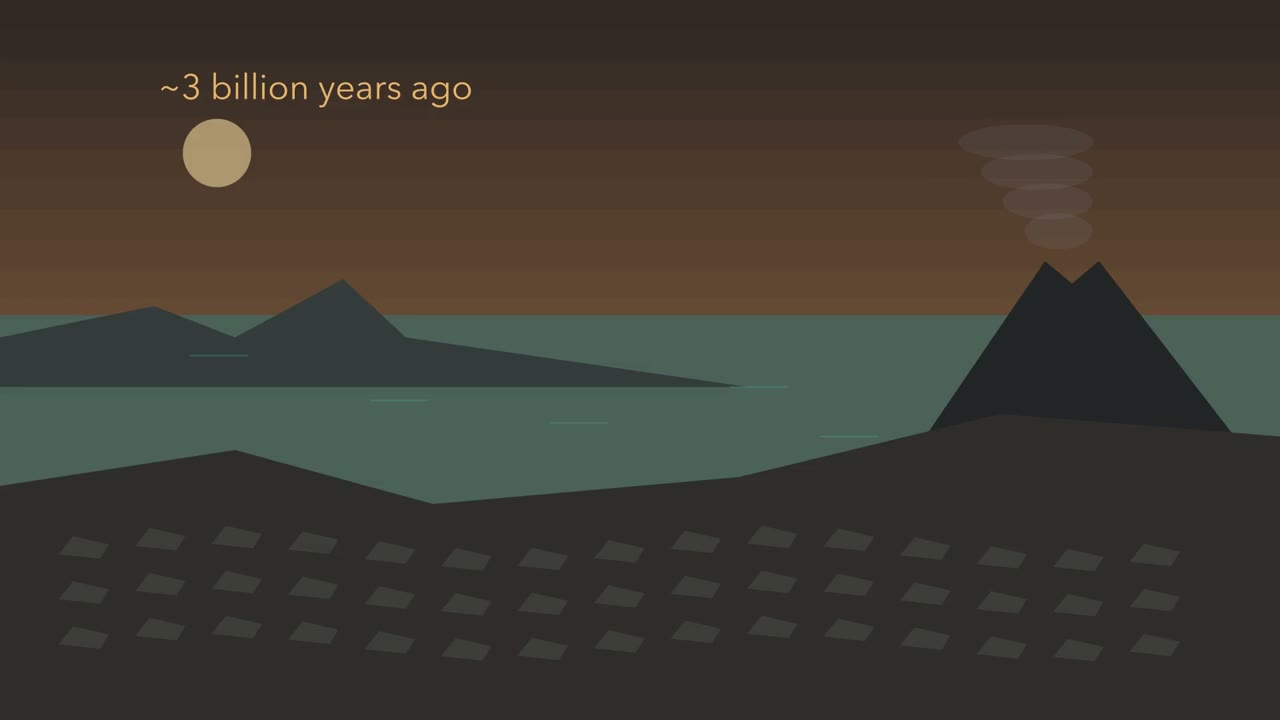 Part 2 of 4 Length 9:57 The Oxygen Bargain Biochemistry · College: going further Oxidative Phosphorylation: The Electron-Transport Chain
-
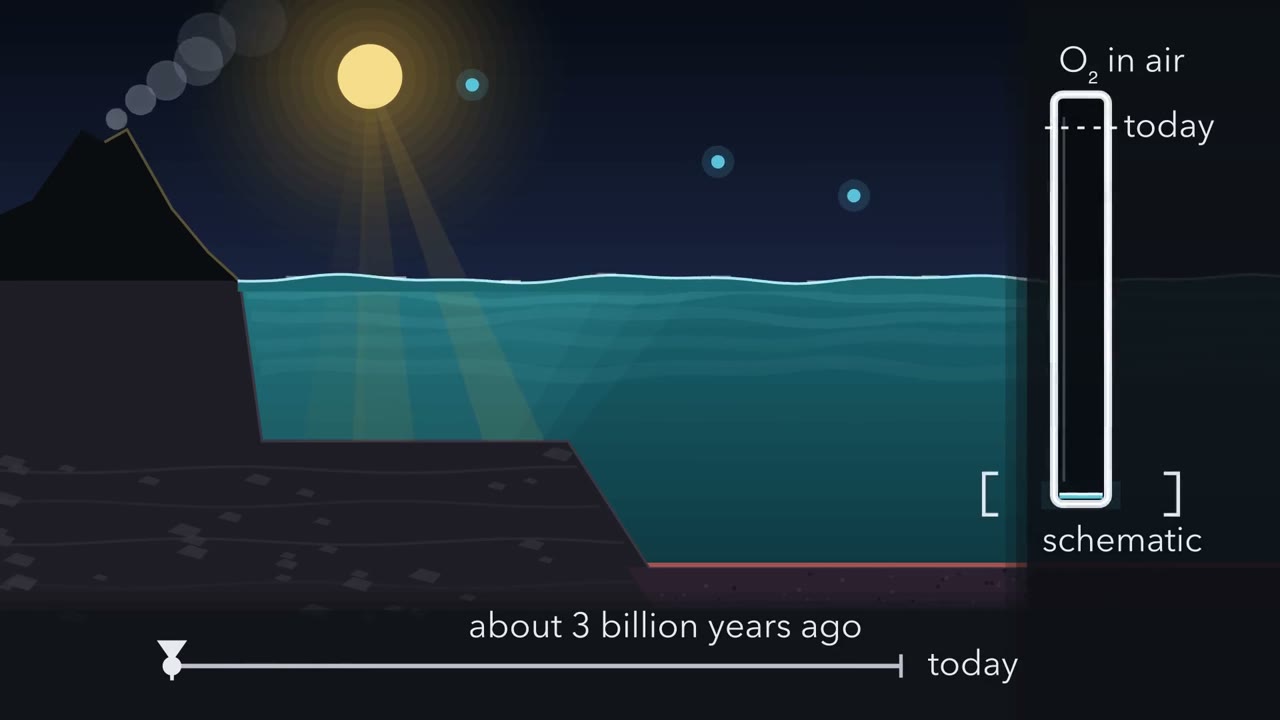 Part 3 of 4 Length 4:43 How Earth Got Its Oxygen Biochemistry · College: going further Oxidative Phosphorylation: The Electron-Transport Chain
-
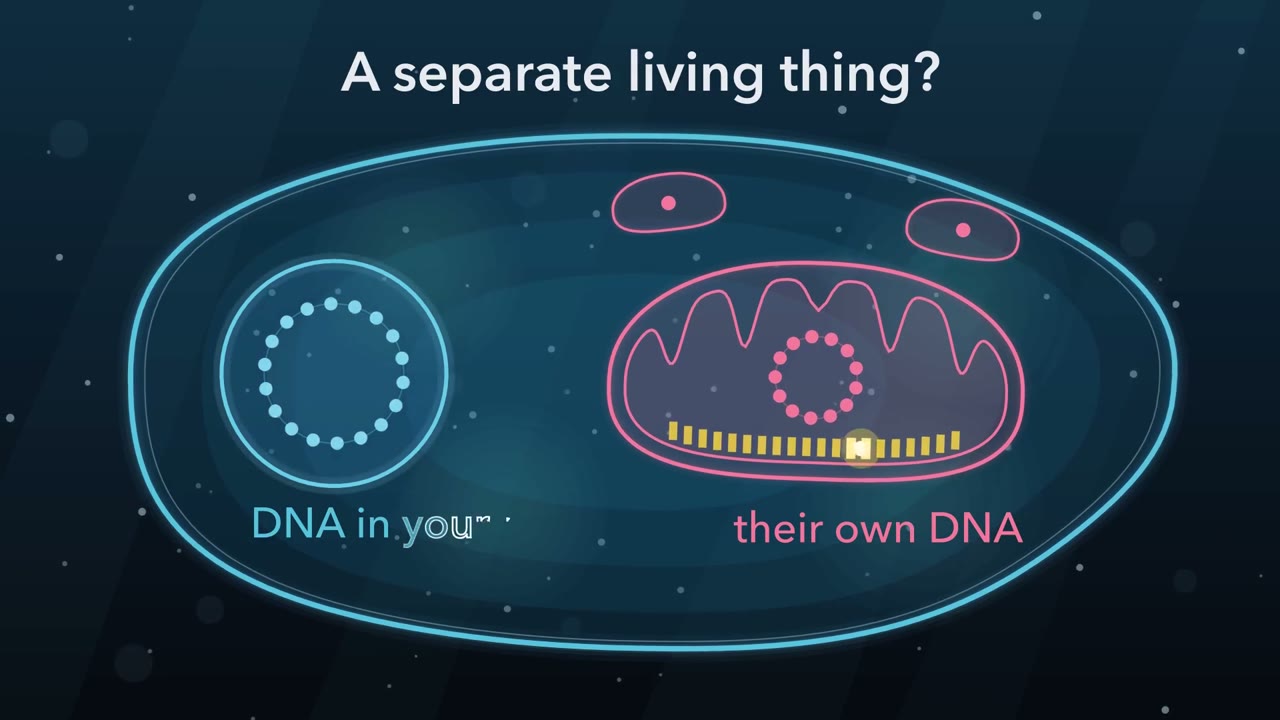 Part 4 of 4 Length 4:19 How Your Cells Got Mitochondria Biochemistry · College: going further Oxidative Phosphorylation: The Electron-Transport Chain
-
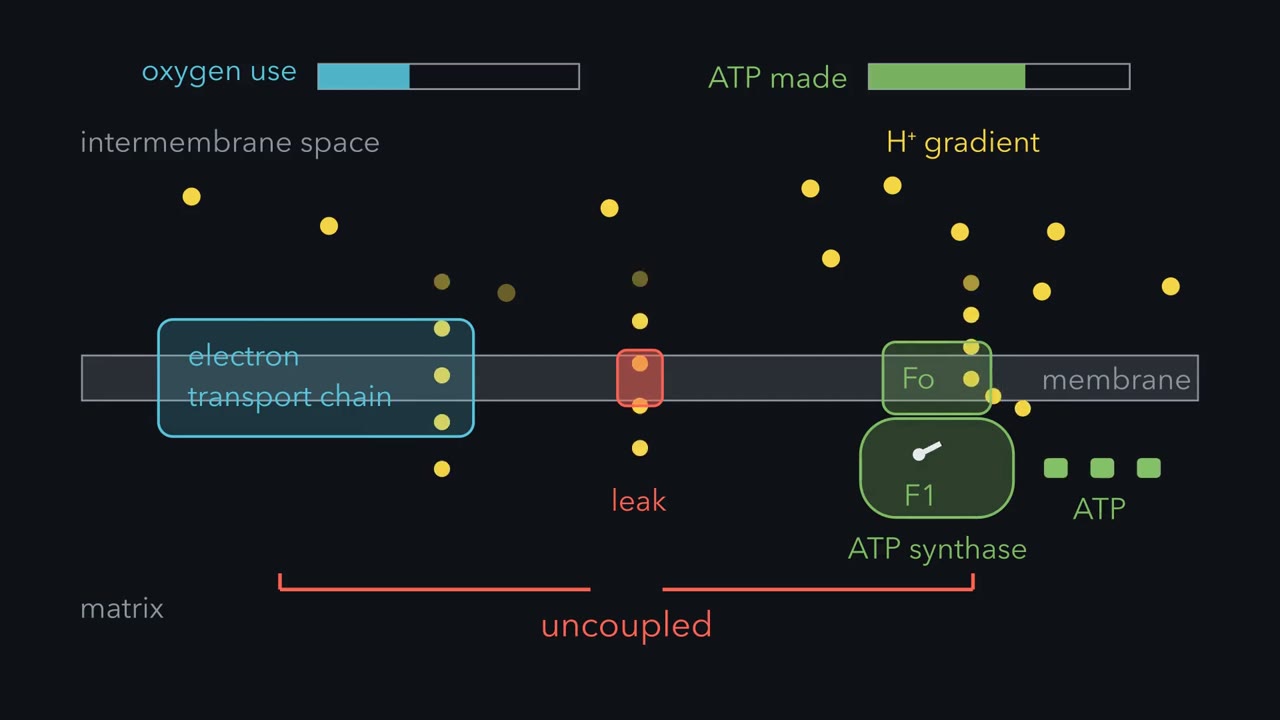 First film Length 2:41 Breaking the proton gradient Biochemistry · College: going further The Proton-Motive Force and ATP Synthase
-
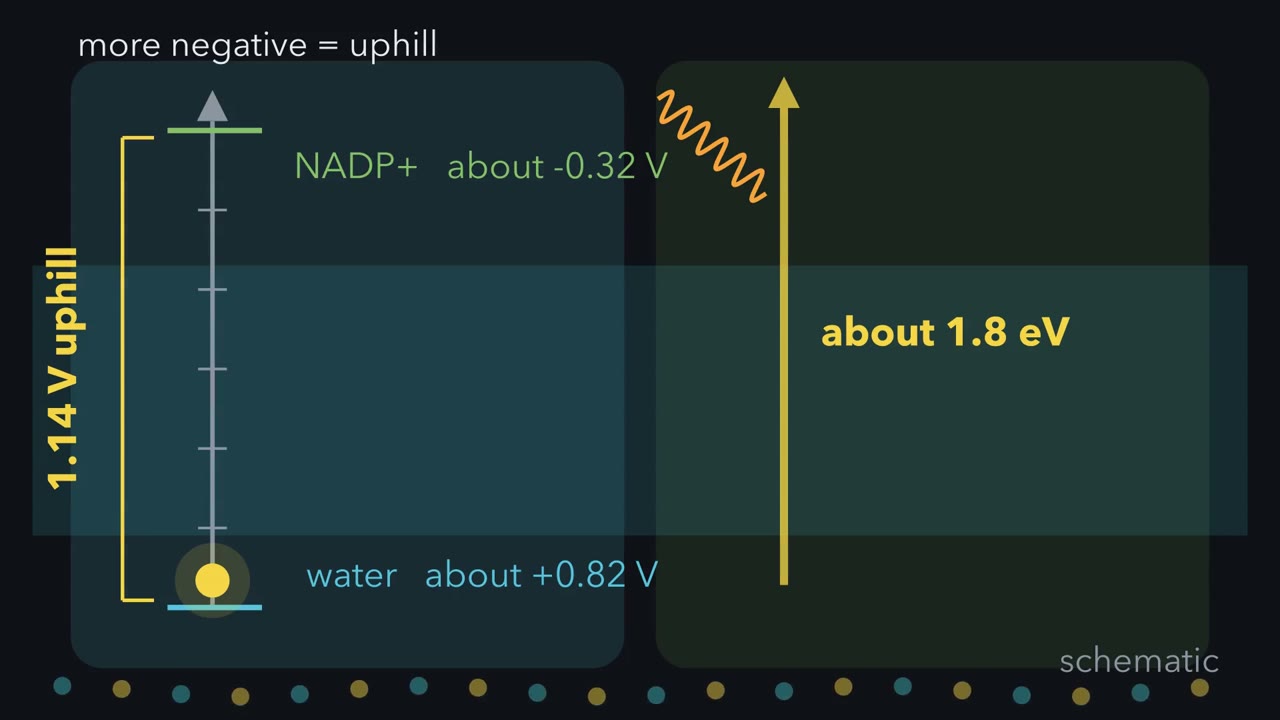 First film Length 3:08 Why One Photon Is Not Enough Biochemistry · College: going further Photosynthesis: The Light Reactions
Take-home
In linear flow, each electron needs two light-driven lifts from water to NADP+.
-
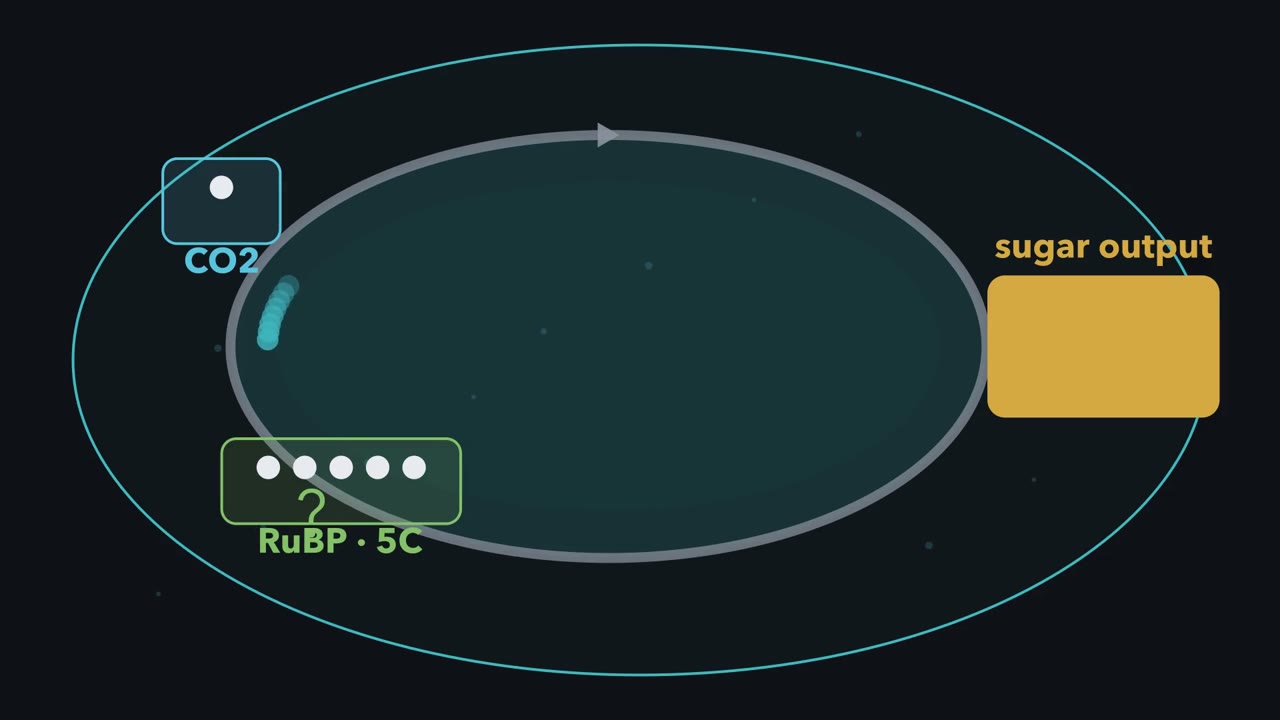 First film Length 3:08 The Carbon Count Pays the Bill Biochemistry · College: going further The Calvin Cycle: Fixing Carbon from Thin Air
Take-home
Rubisco joins one CO₂ to five-carbon RuBP, yielding two 3-PGA.
-
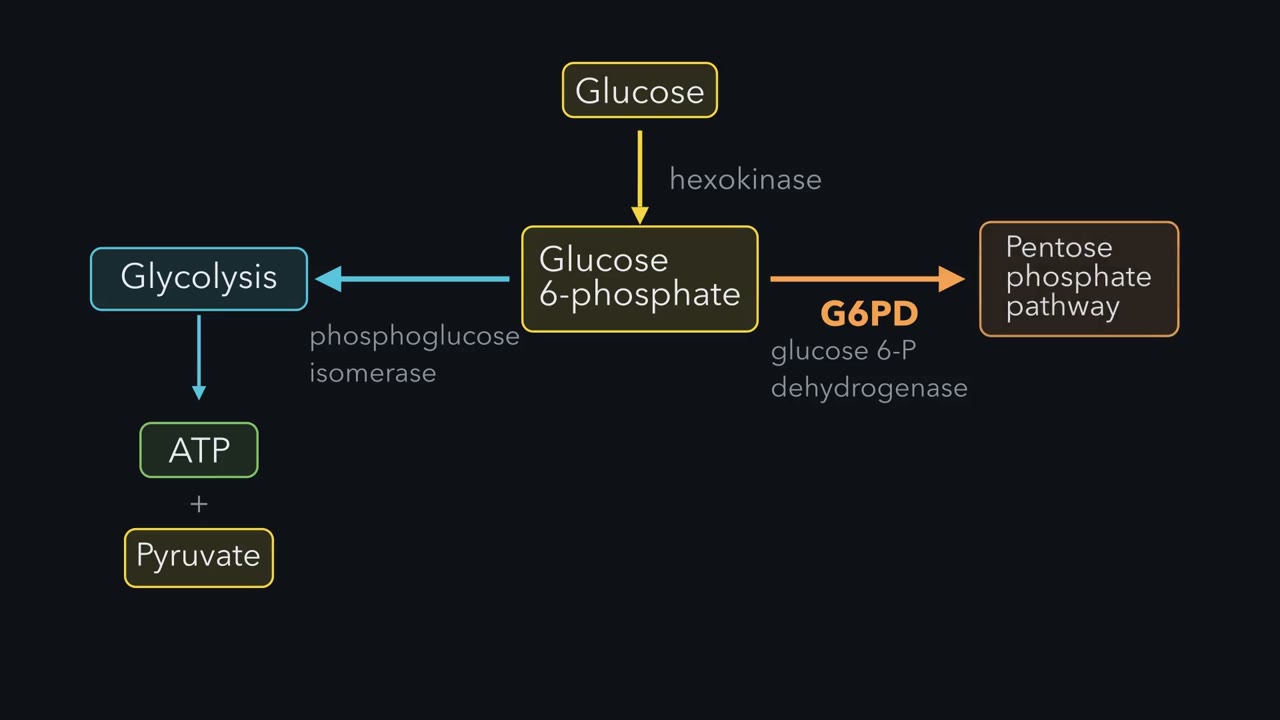 First film Length 3:56 Glucose's Other Road Biochemistry · College: going further The Pentose Phosphate Pathway: NADPH and Five-Carbon Sugars
-
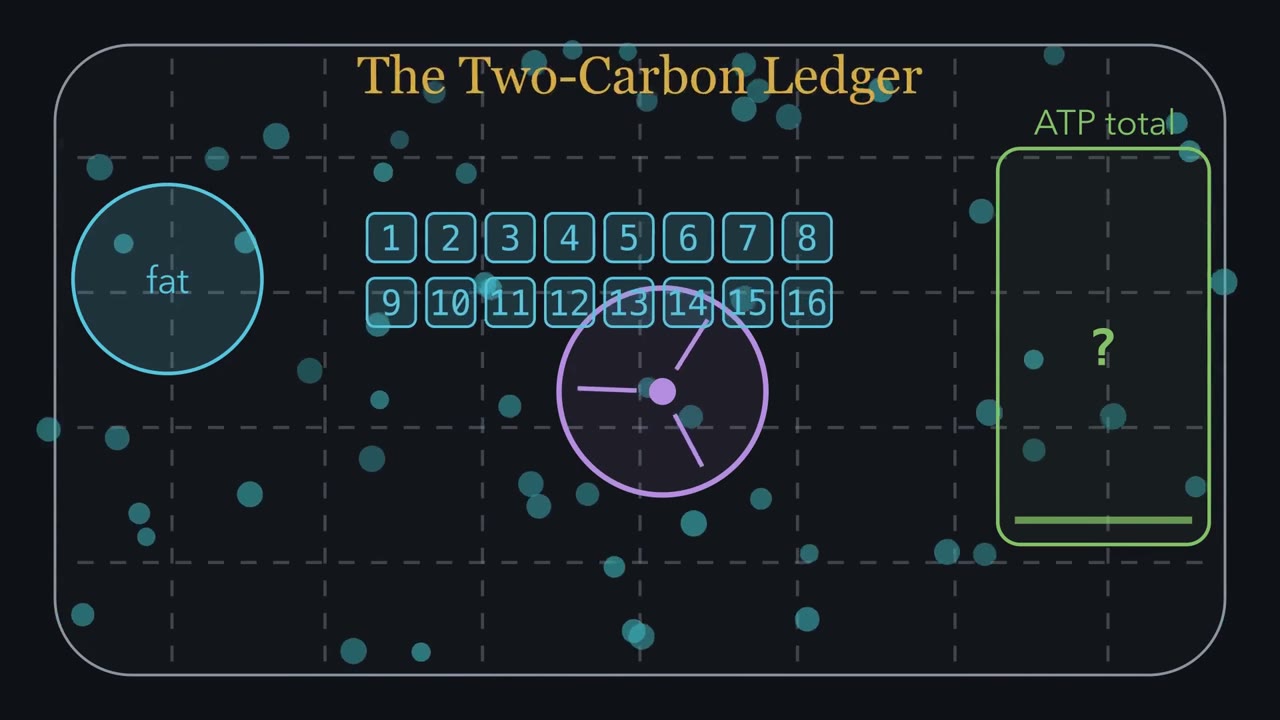 First film Length 3:17 The Two-Carbon Ledger Biochemistry · College: going further Fatty Acid Degradation: The β-Oxidation Spiral
Take-home
For a saturated, even chain, beta-oxidation removes two carbons per turn.
-
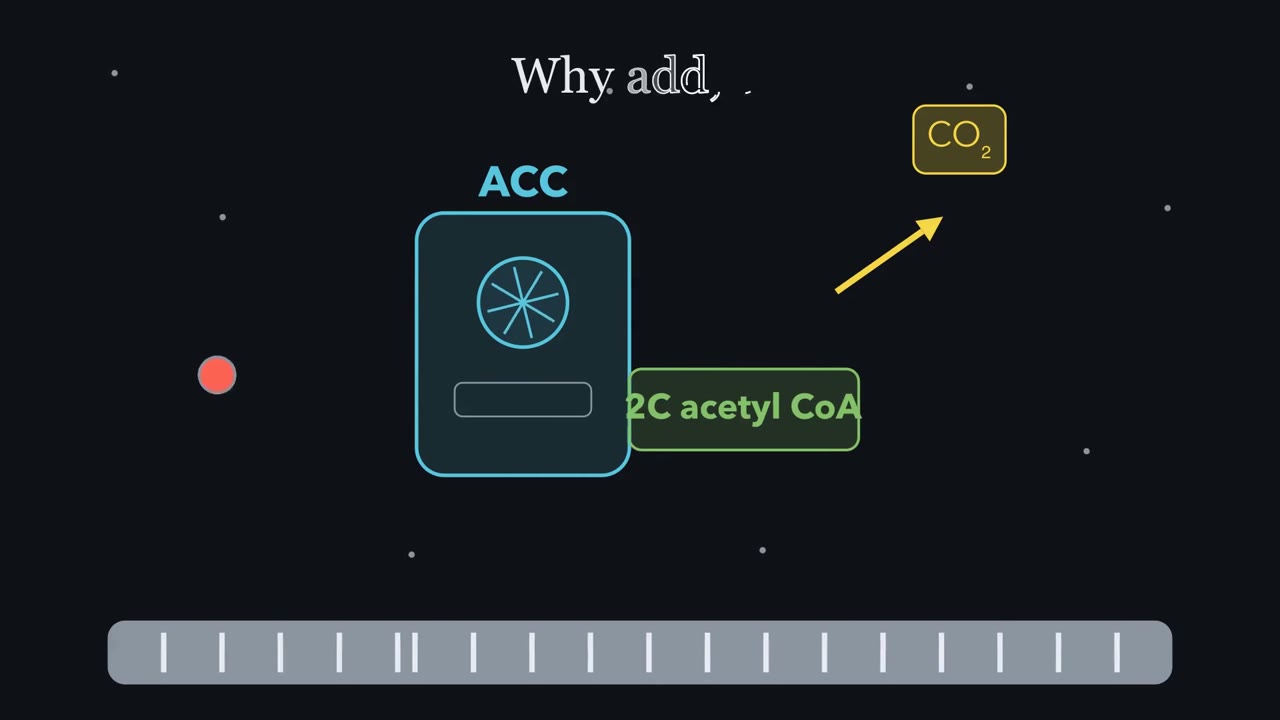 First film Length 3:21 The carbon fatty acid synthesis throws away Biochemistry · College: going further Fatty Acid Synthesis: Building the Chain Two Carbons at a Time
Take-home
ACC spends one ATP to make each malonyl CoA extender.
-
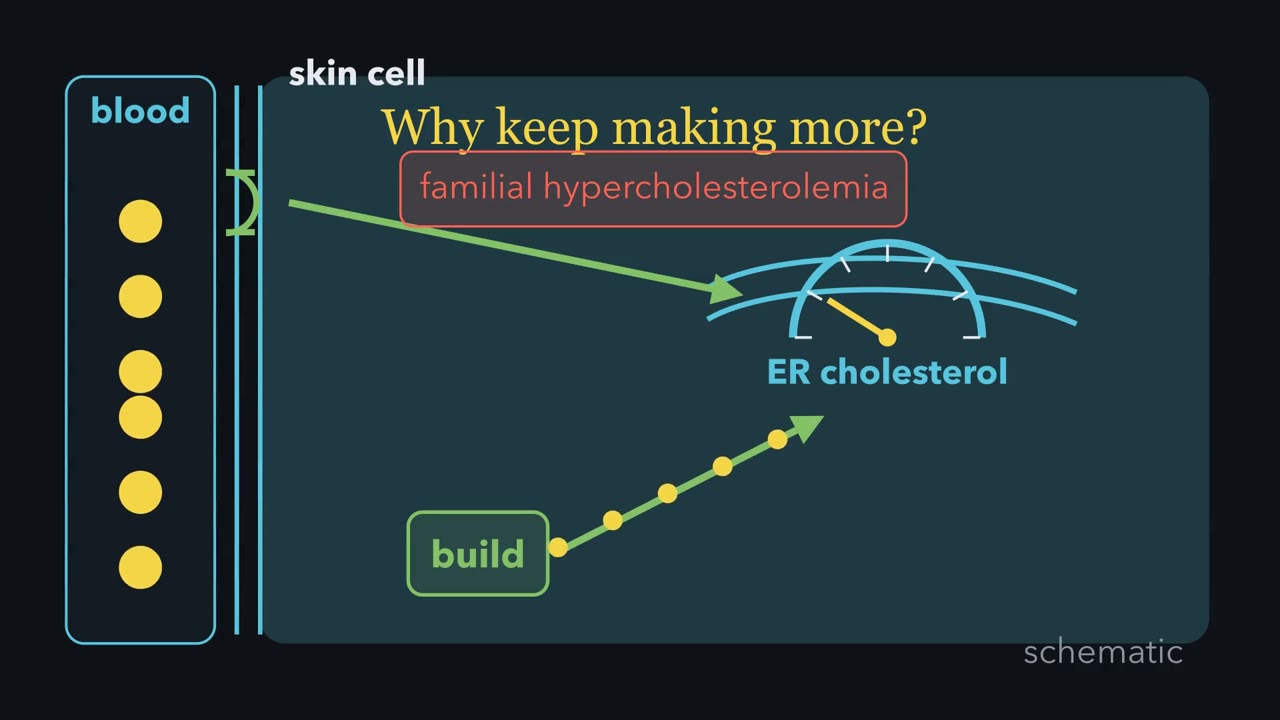 First film Length 3:15 The cholesterol gauge Biochemistry · College: going further Lipid Synthesis: Building Cholesterol from Acetyl-CoA
Take-home
A liver cell gets cholesterol by making it or importing LDL.
-
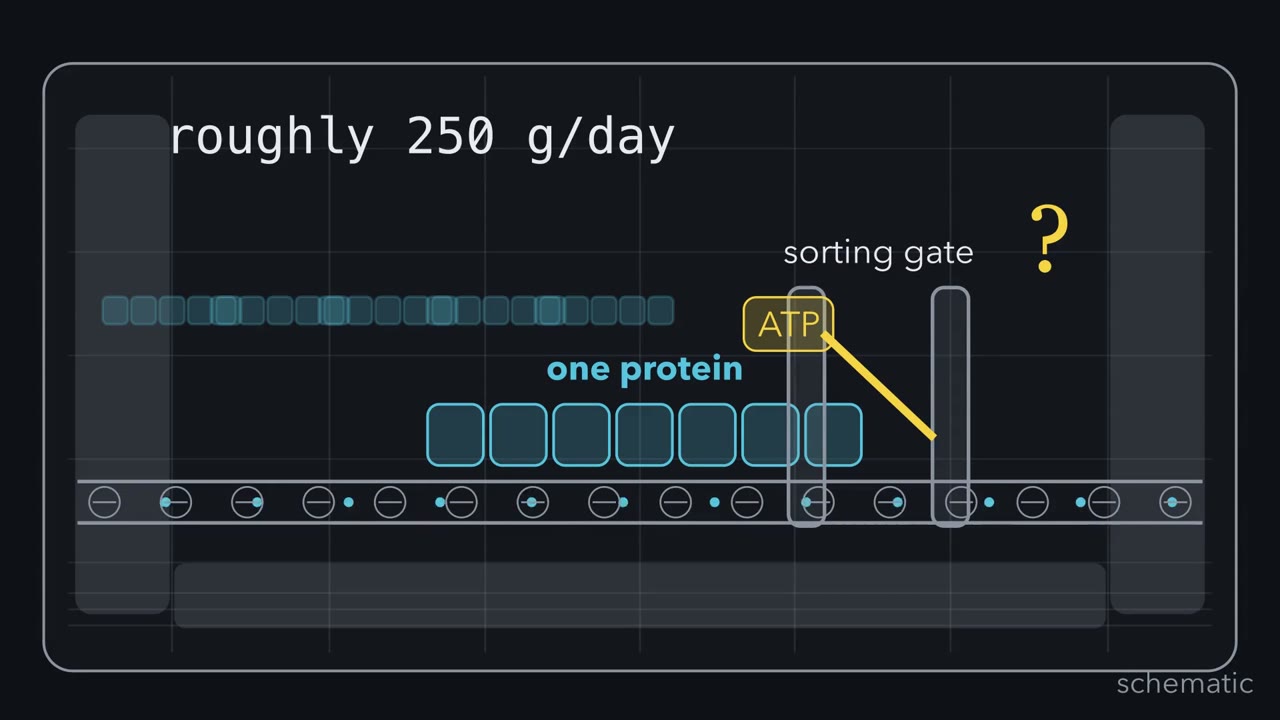 First film Length 3:27 Choose, Recycle, Split Biochemistry · College: going further Protein Turnover and Amino Acid Catabolism: Tag, Recognize, Destroy, Recycle
Take-home
In proteasomal degradation, ATP pays for tagging and handling, not peptide-bond cleavage.
-
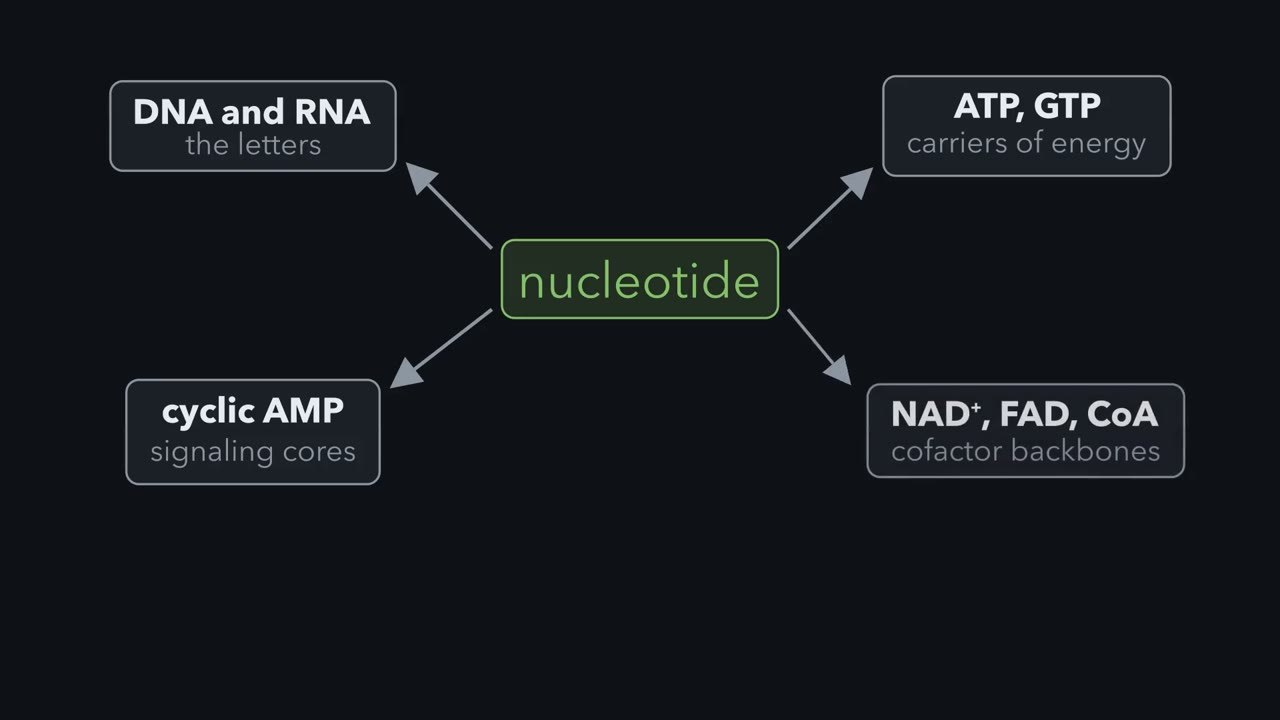 First film Length 2:58 Too Costly to Throw Away Biochemistry · College: going further Nucleotide Metabolism: Build It, Recycle It, or Pay in Uric Acid
-
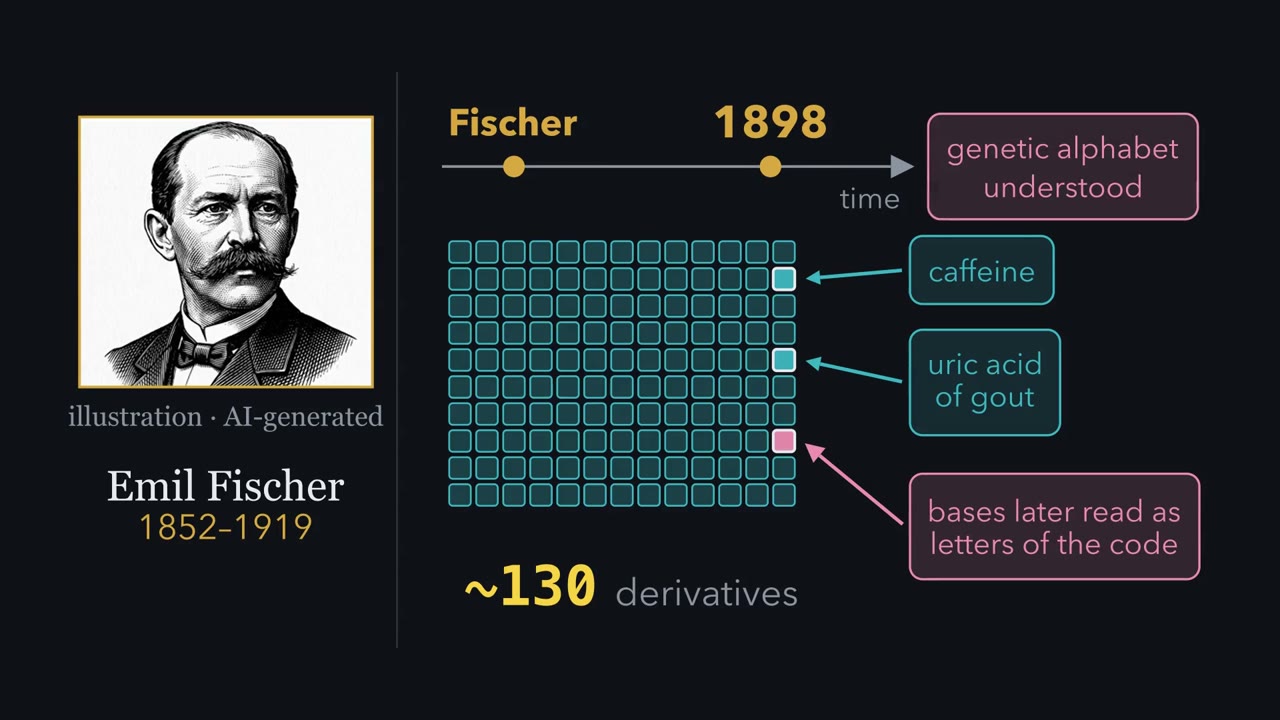 Scientist profile Length 1:04 Emil Fischer Biochemistry · College: going further Nucleotide Metabolism: Build It, Recycle It, or Pay in Uric Acid
-
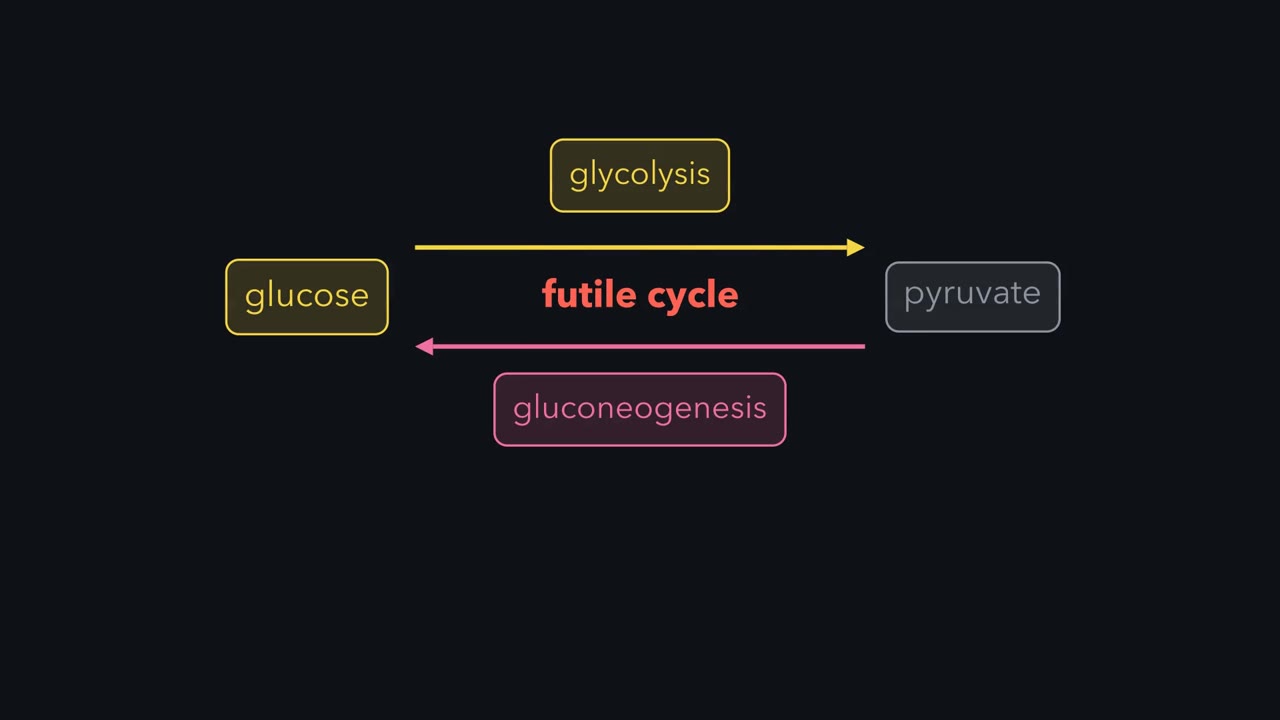 First film Length 2:32 How the body switches fuels Biochemistry · College: going further Integration of Metabolism: How the Body Switches Fuels
-
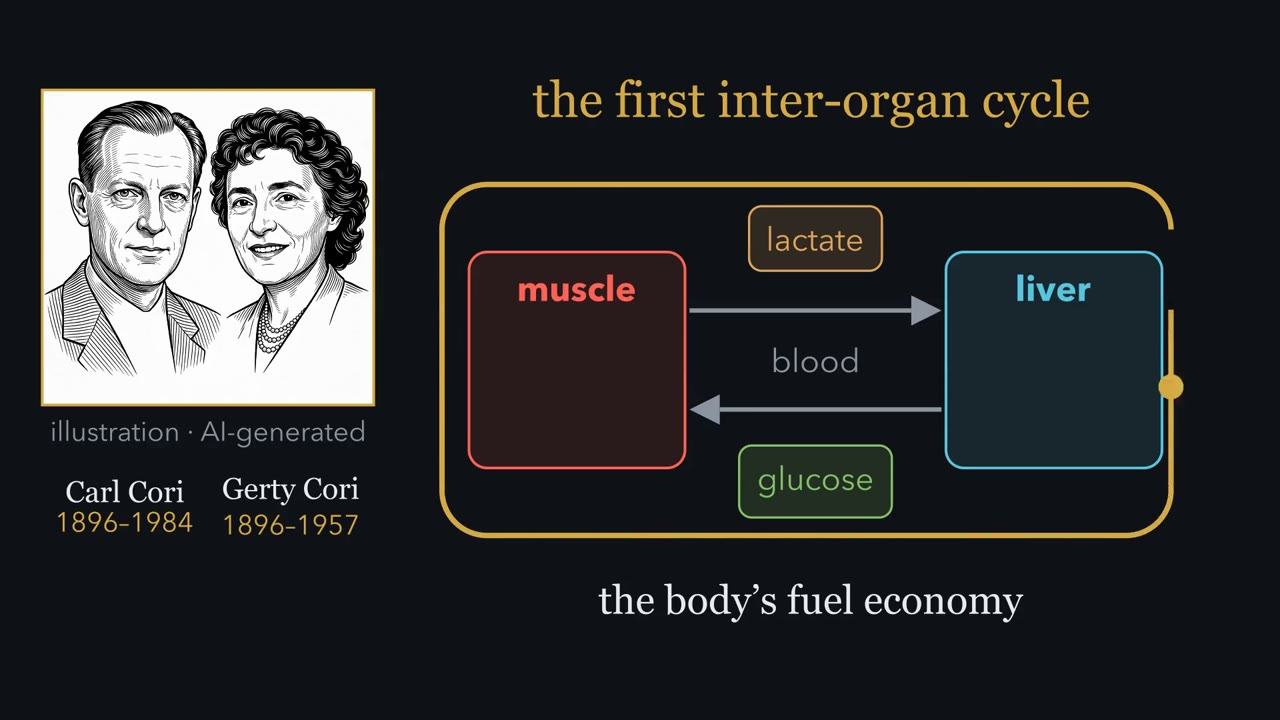 Scientist profile Length 1:04 Carl & Gerty Cori Biochemistry · College: going further Integration of Metabolism: How the Body Switches Fuels
Have 10, 20, 30 minutes? Start at your next unwatched film.
-
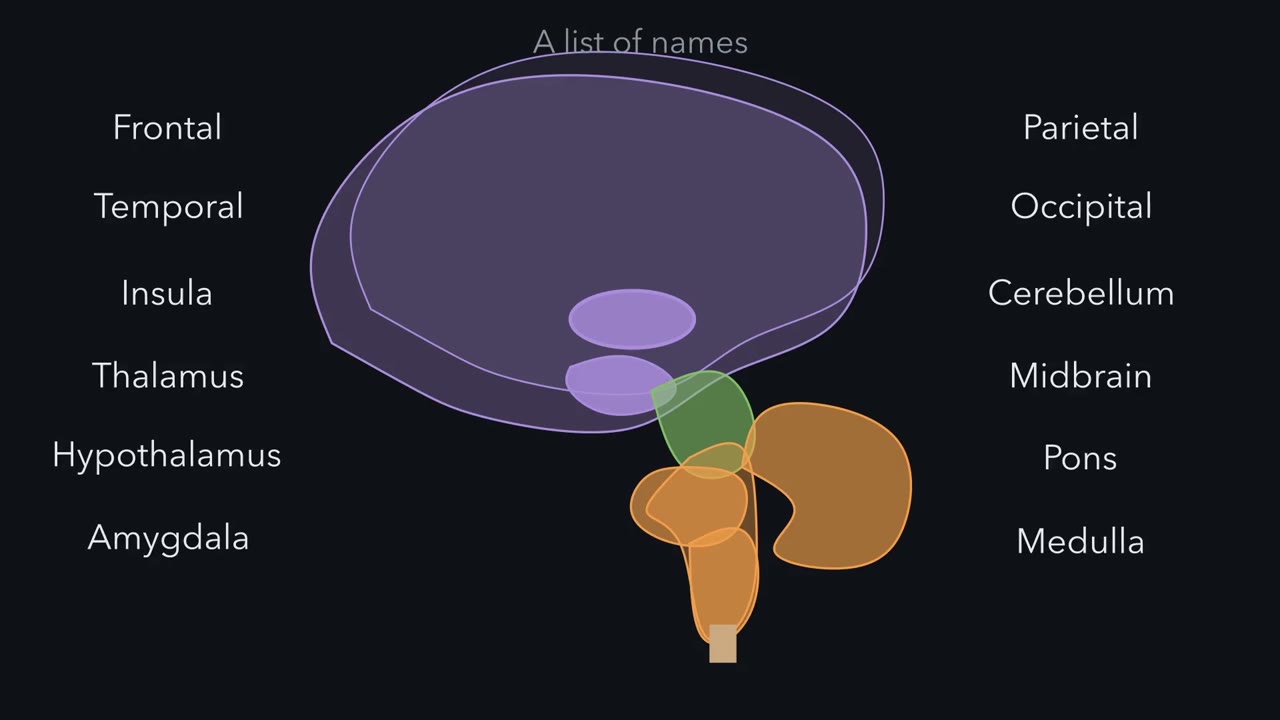 Part 1 of 3 Length 3:05 One Tube, Bent Once Neuroscience · College: going further The Map: How the Nervous System Is Organized
Take-home
Picture the central nervous system as one hollow tube, bent once.
-
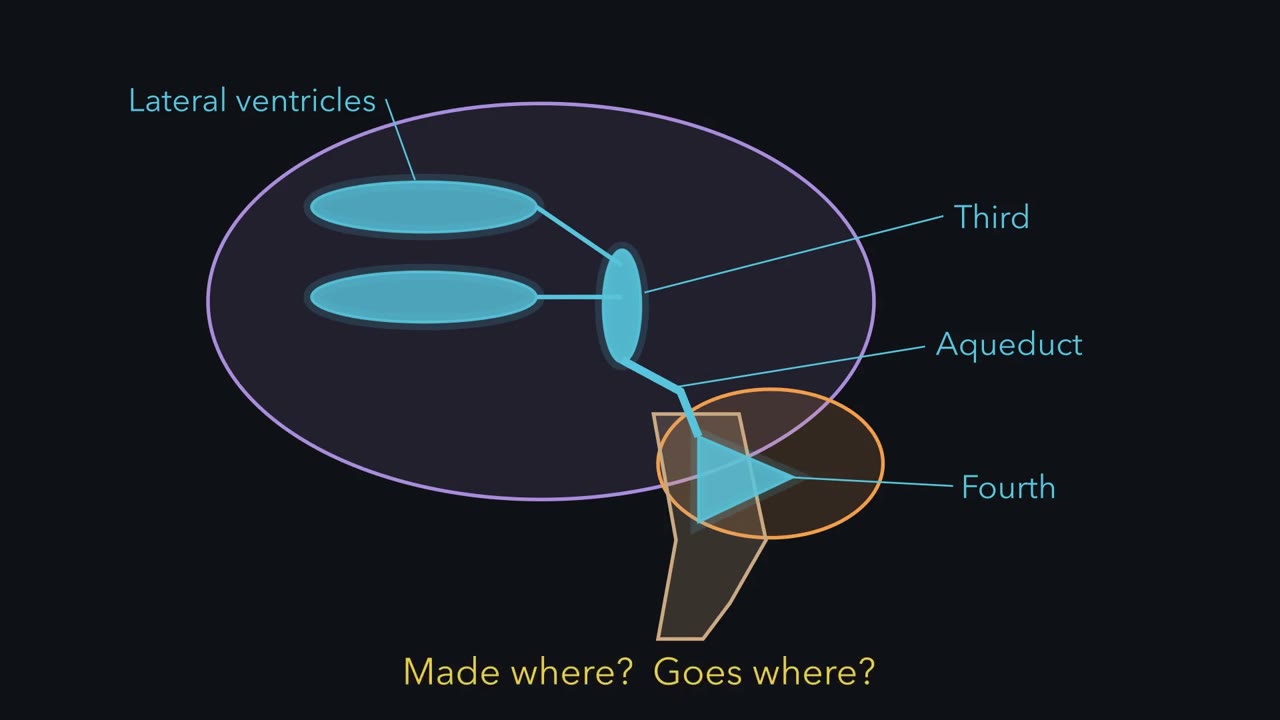 Part 2 of 3 Length 2:58 Follow the Fluid, Find the Seal Neuroscience · College: going further The Map: How the Nervous System Is Organized
Take-home
Cerebrospinal fluid is made mainly by the choroid plexus and flows from the lateral ventricles through the third and fourth ventricles to the space around the brain and cord.
-
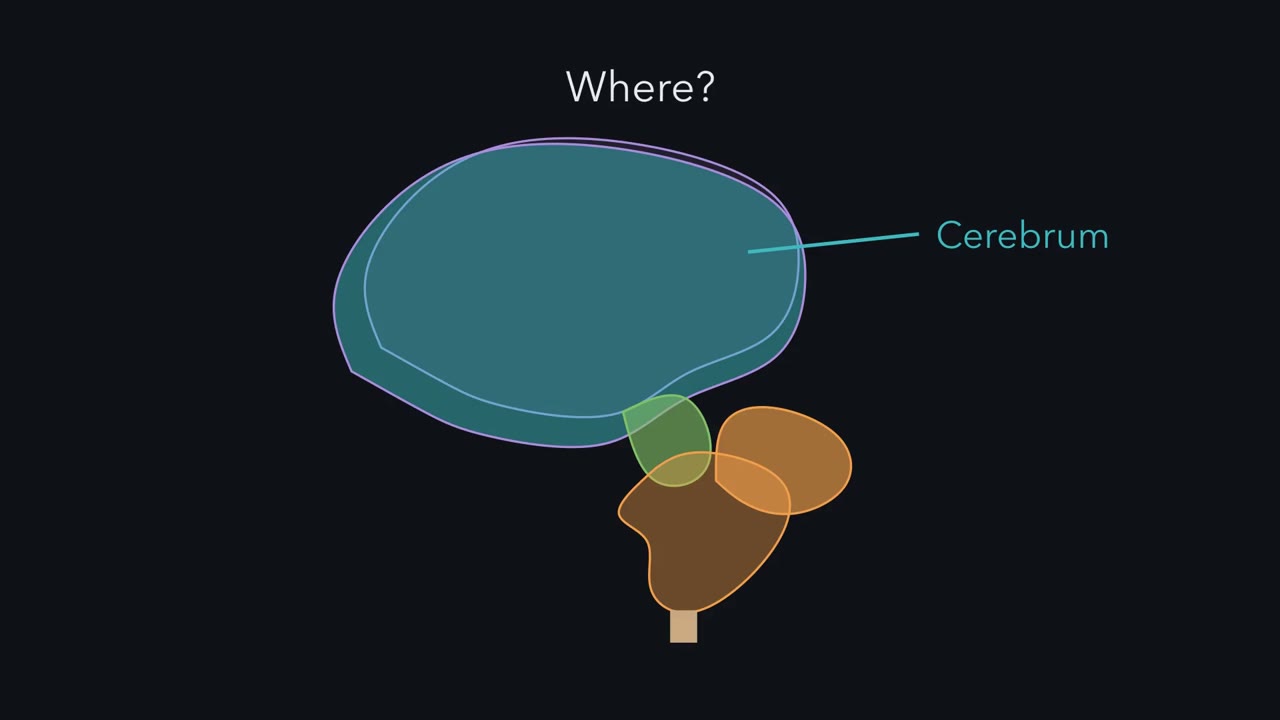 Part 3 of 3 Length 2:18 From Where to What Neuroscience · College: going further The Map: How the Nervous System Is Organized
Take-home
Each kind of evidence licenses a different claim about where a function lives.
-
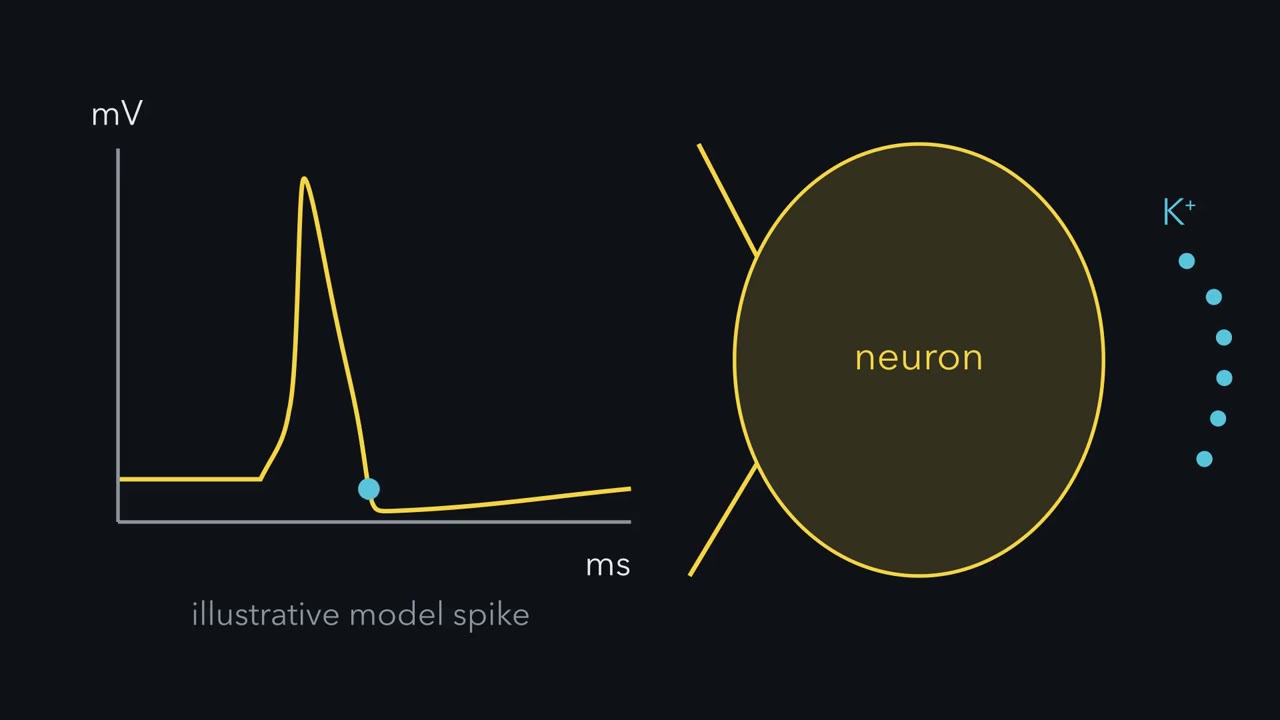 Part 1 of 3 Length 2:50 Small Space, Big Change Neuroscience · College: going further Neurons and Glia at Work
Take-home
The space outside brain cells is only about a fifth of the tissue, so in a simple model a little released potassium changes the concentration outside much more, in proportion, than inside.
-
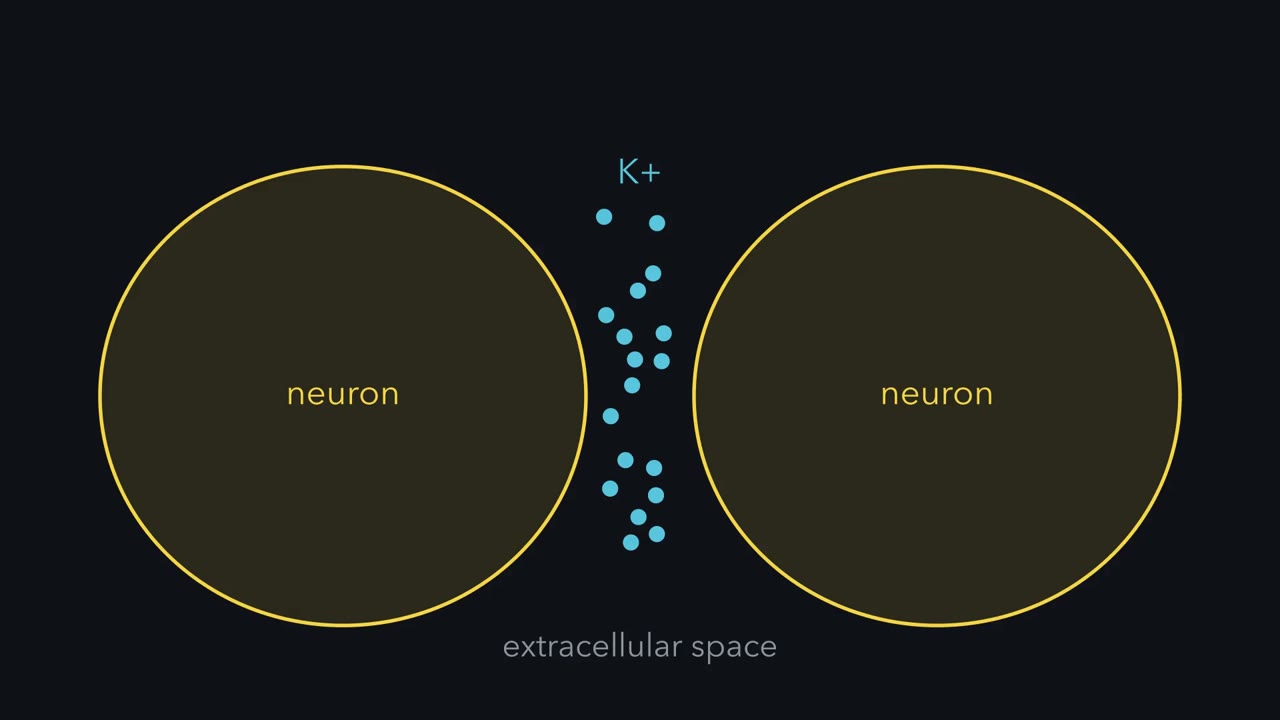 Part 2 of 3 Length 3:13 Who Puts the Potassium Back Neuroscience · College: going further Neurons and Glia at Work
Take-home
Glial cells in the mudpuppy optic nerve depolarized as neighbouring axons fired, because they were sensing the potassium the axons released.
-
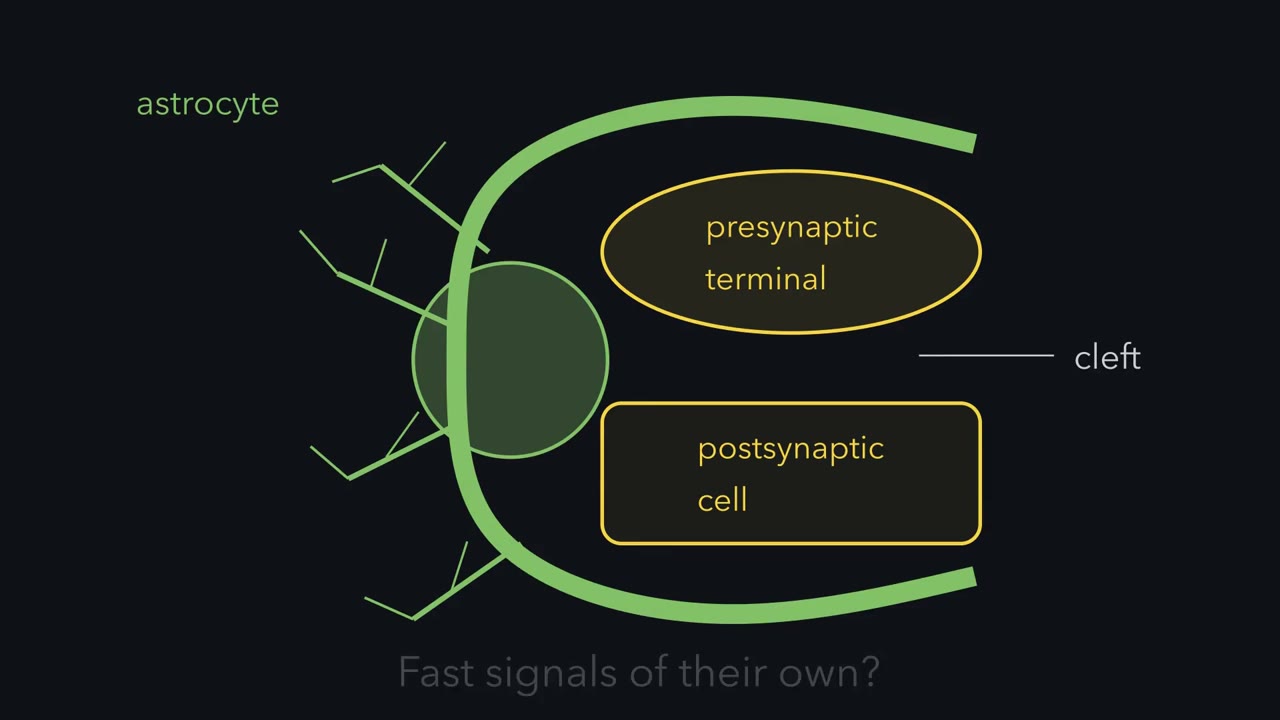 Part 3 of 3 Length 2:18 Settled and Argued Neuroscience · College: going further Neurons and Glia at Work
Take-home
That astrocytes clear potassium and glutamate is settled: GLT-1 is mostly astrocytic, and deleting it from astrocytes in mice caused seizures and early death.
-
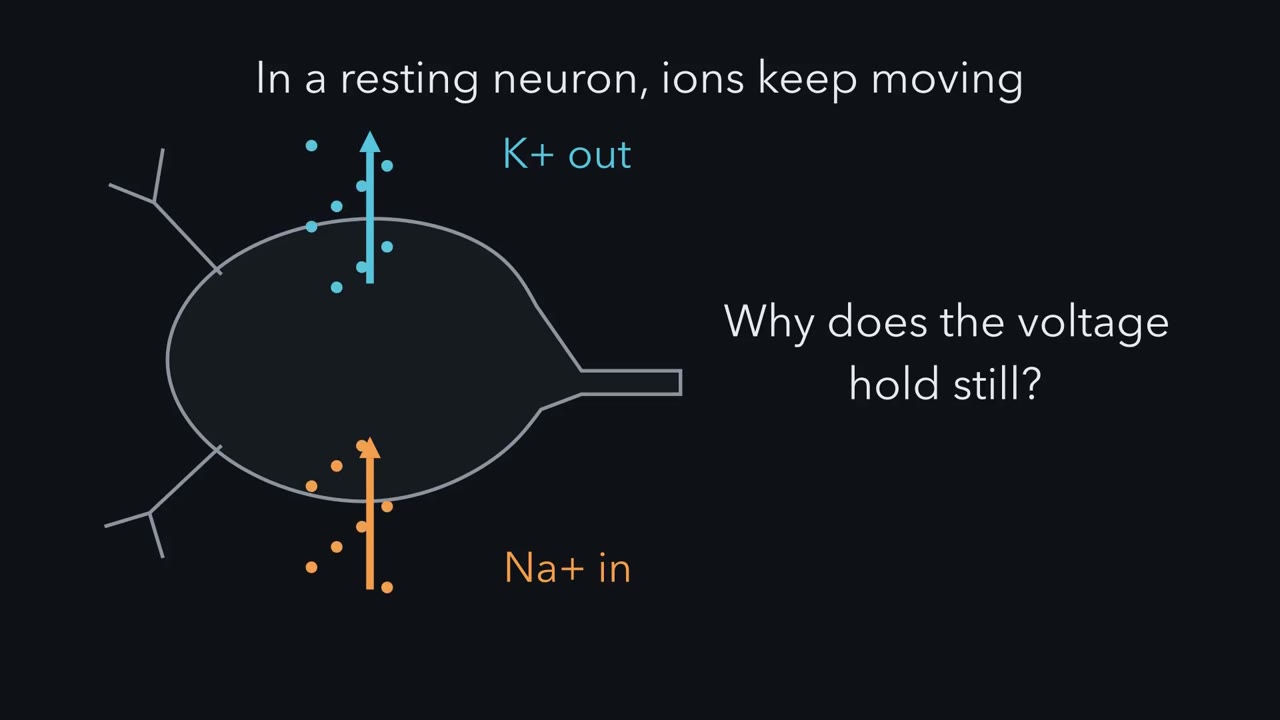 Part 1 of 5 Length 2:55 The Standoff Neuroscience · College: going further The Resting Membrane and Passive Signals
Take-home
In the lesson's made-up neuron at rest, potassium and sodium currents are each about 200 pA but equal and opposite, so rest means zero net current, not zero current for each ion.
-
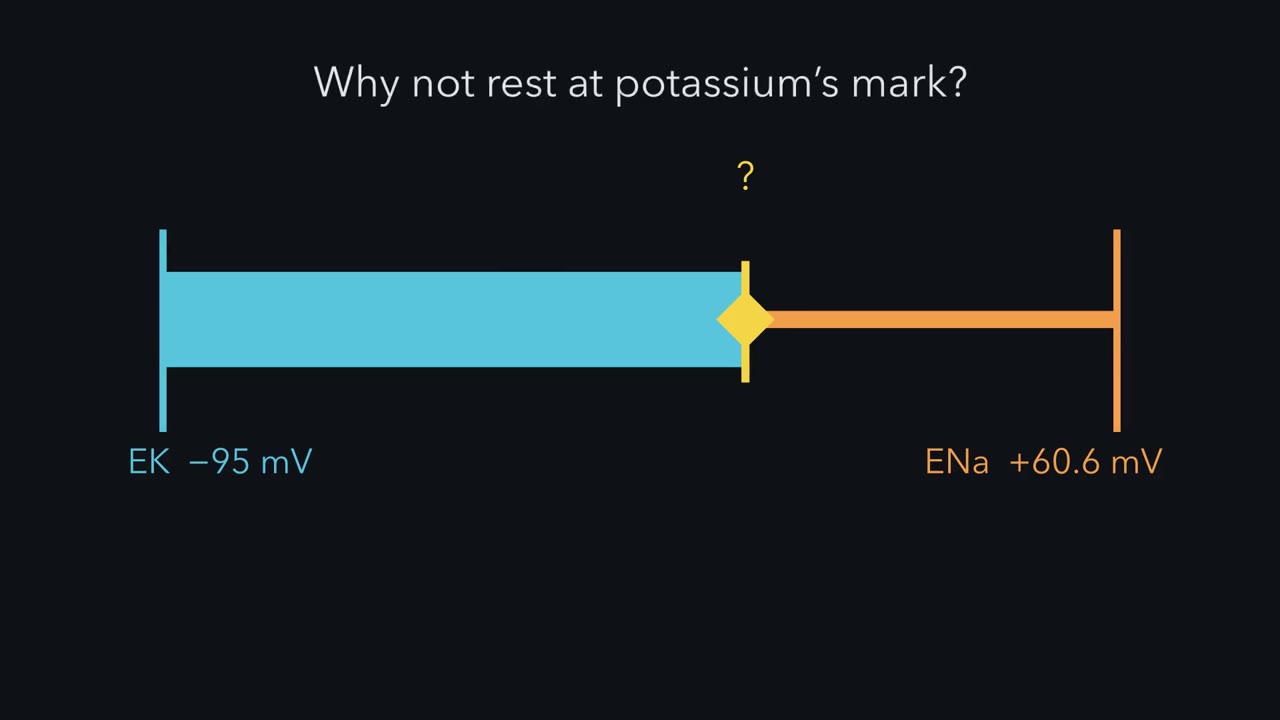 Part 2 of 5 Length 3:35 Where the Leaks Balance Neuroscience · College: going further The Resting Membrane and Passive Signals
Take-home
Rest is the average of the ions' equilibrium potentials weighted by their conductances, so opening more of one ion's channels slides it toward that ion's equilibrium potential.
-
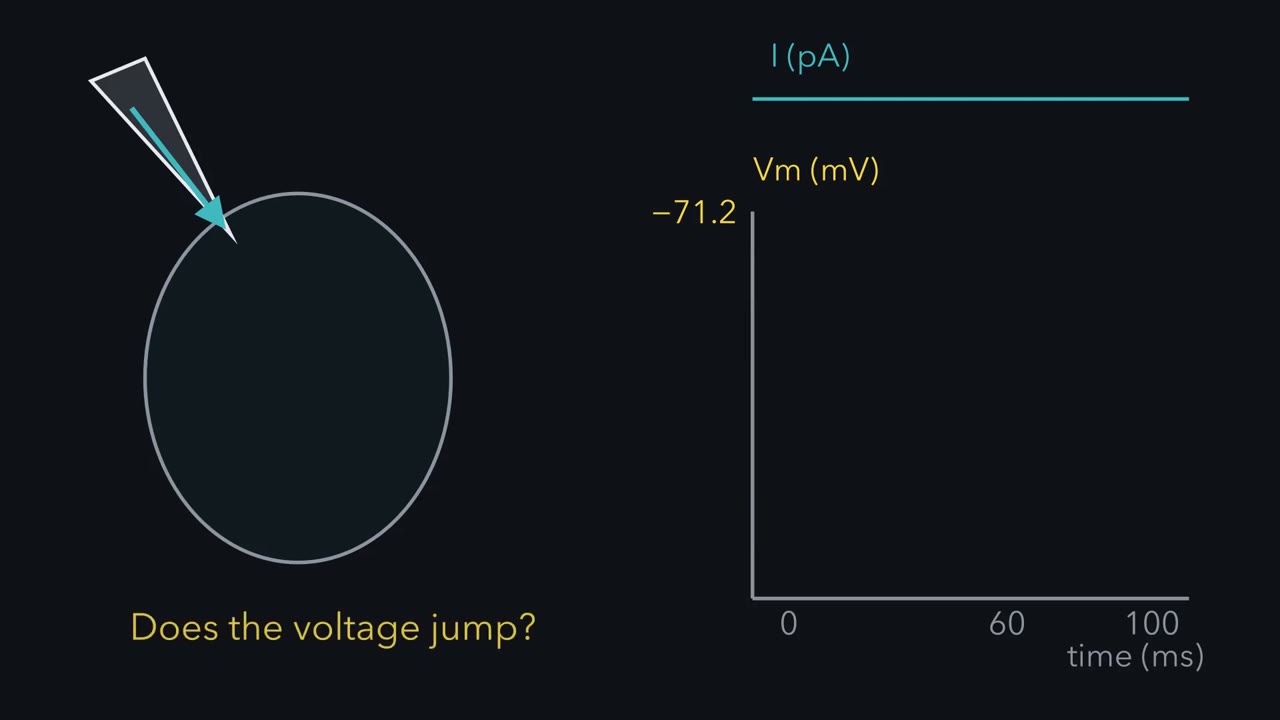 Part 3 of 5 Length 2:53 A Nudge Takes Time Neuroscience · College: going further The Resting Membrane and Passive Signals
Take-home
Because the membrane stores charge like a capacitor, a step of current moves the voltage smoothly toward a plateau instead of making it jump.
-
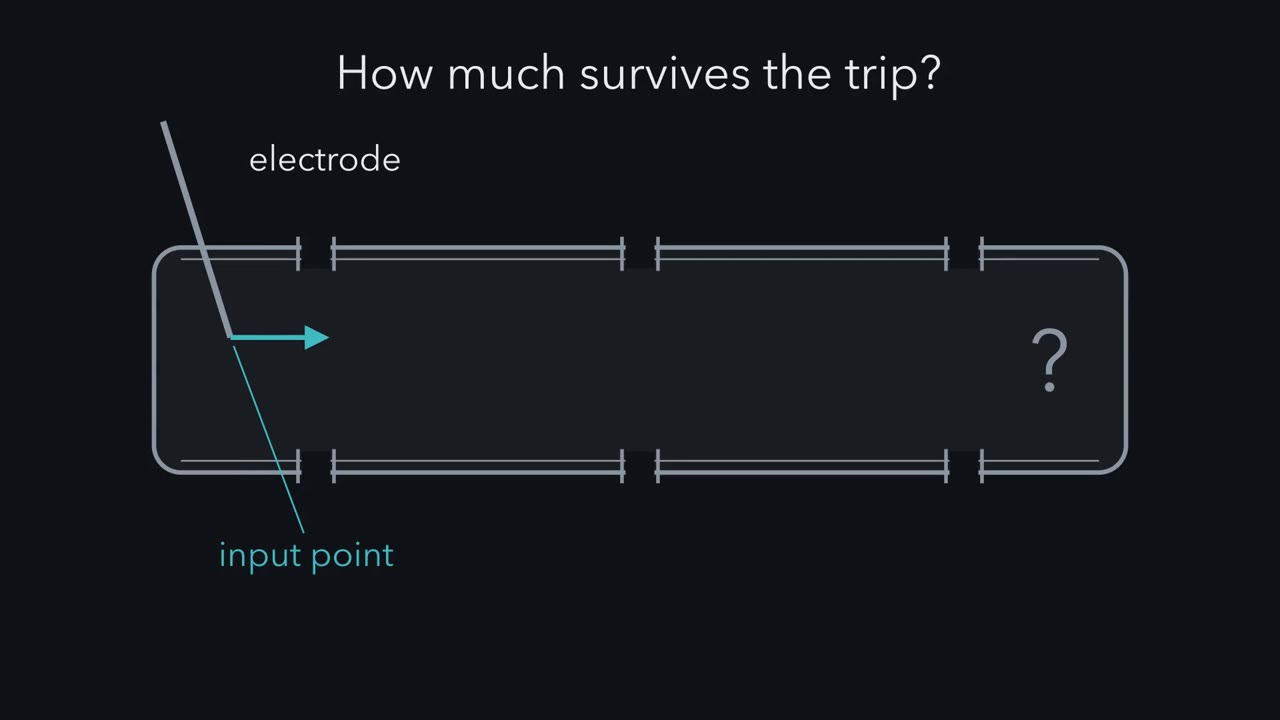 Part 4 of 5 Length 2:45 A Nudge Fades with Distance Neuroscience · College: going further The Resting Membrane and Passive Signals
Take-home
A steady input to a long, uniform passive cable falls off exponentially with distance, and about 37 percent remains one length constant away, so the length constant is a scale, not a cutoff.
-
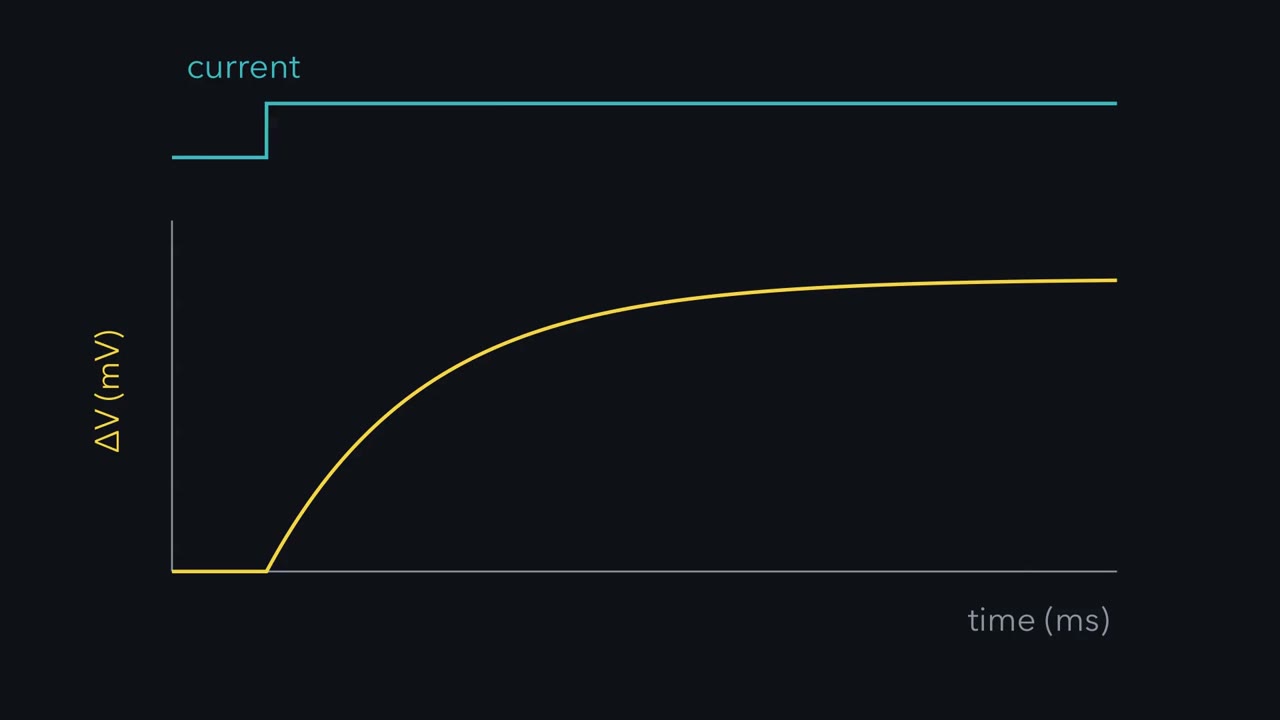 Part 5 of 5 Length 3:08 Reading a Trace, Predicting a Drug Neuroscience · College: going further The Resting Membrane and Passive Signals
Take-home
For a compact passive cell, one current step gives input resistance (plateau divided by current), the time constant (time to 63 percent of the plateau) and capacitance (time constant divided by input resistance).
-
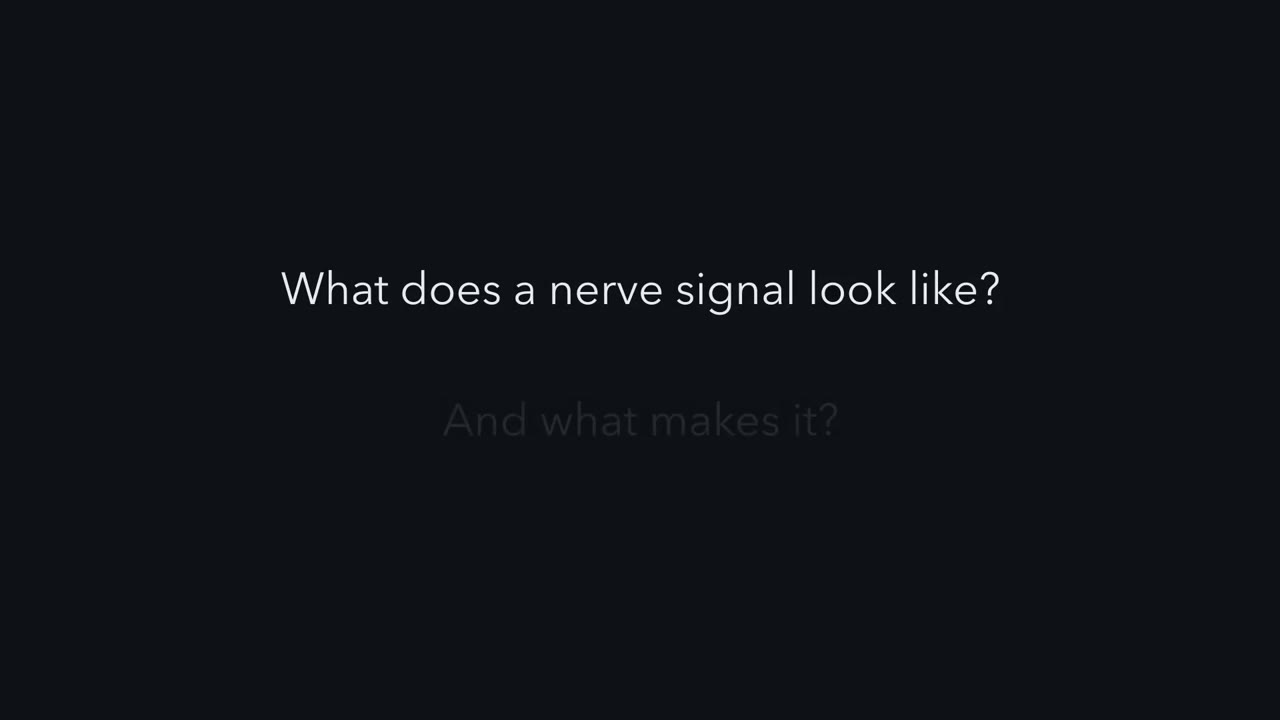 Part 1 of 6 Length 2:20 The Spike and Its Puzzles Neuroscience · College: going further The Action Potential and Conduction
Take-home
In the squid axon model, the voltage rises past zero to a peak of about +40 mV, then falls back below rest.
-
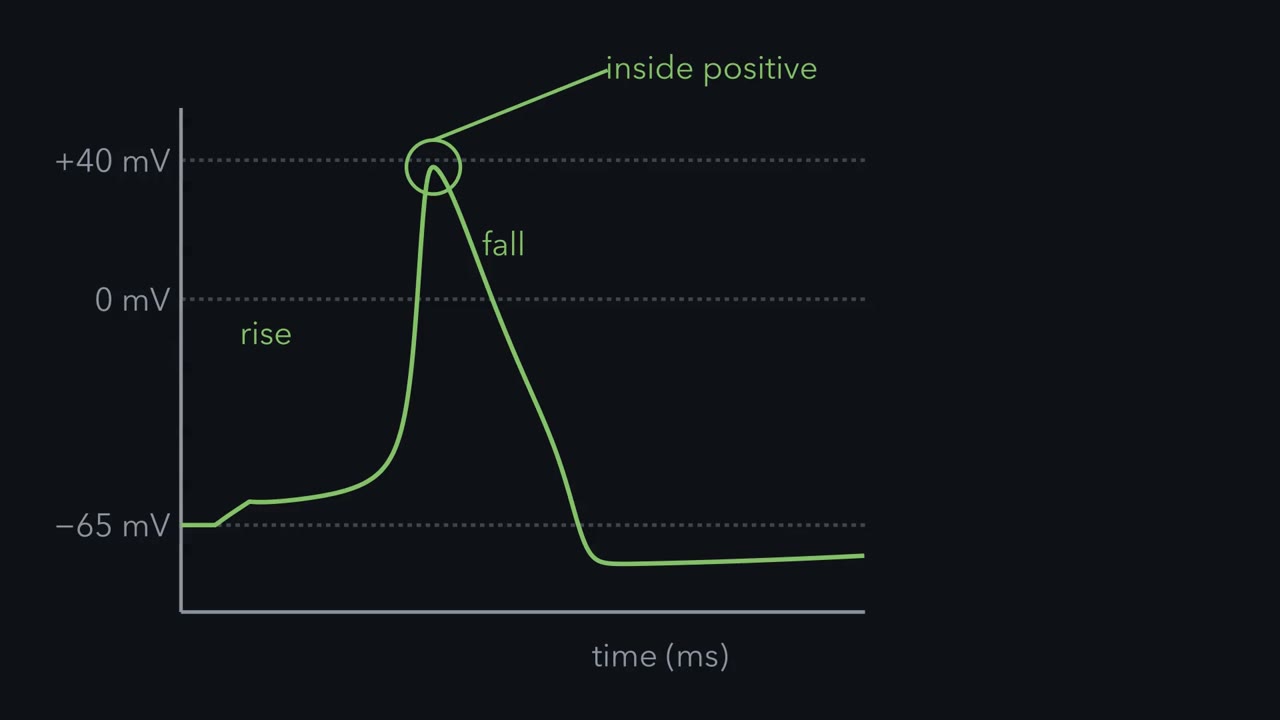 Part 2 of 6 Length 3:09 Tug of War: Why the Voltage Goes Where It Goes Neuroscience · College: going further The Action Potential and Conduction
Take-home
Each ion's current is its conductance times its driving force, and the voltage moves toward a balance point.
-
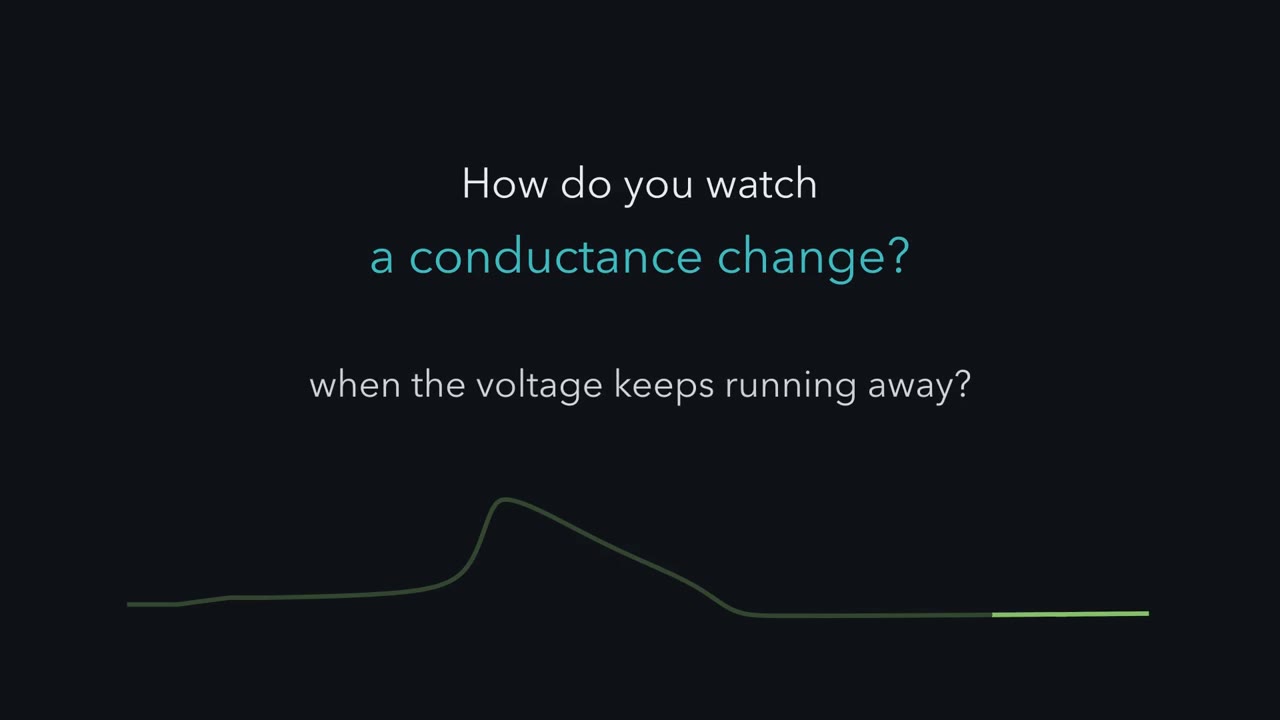 Part 3 of 6 Length 3:36 Holding the Voltage Still Neuroscience · College: going further The Action Potential and Conduction
Take-home
A voltage clamp holds the voltage still, so the current it supplies matches the channel current and any change in current must come from conductance.
-
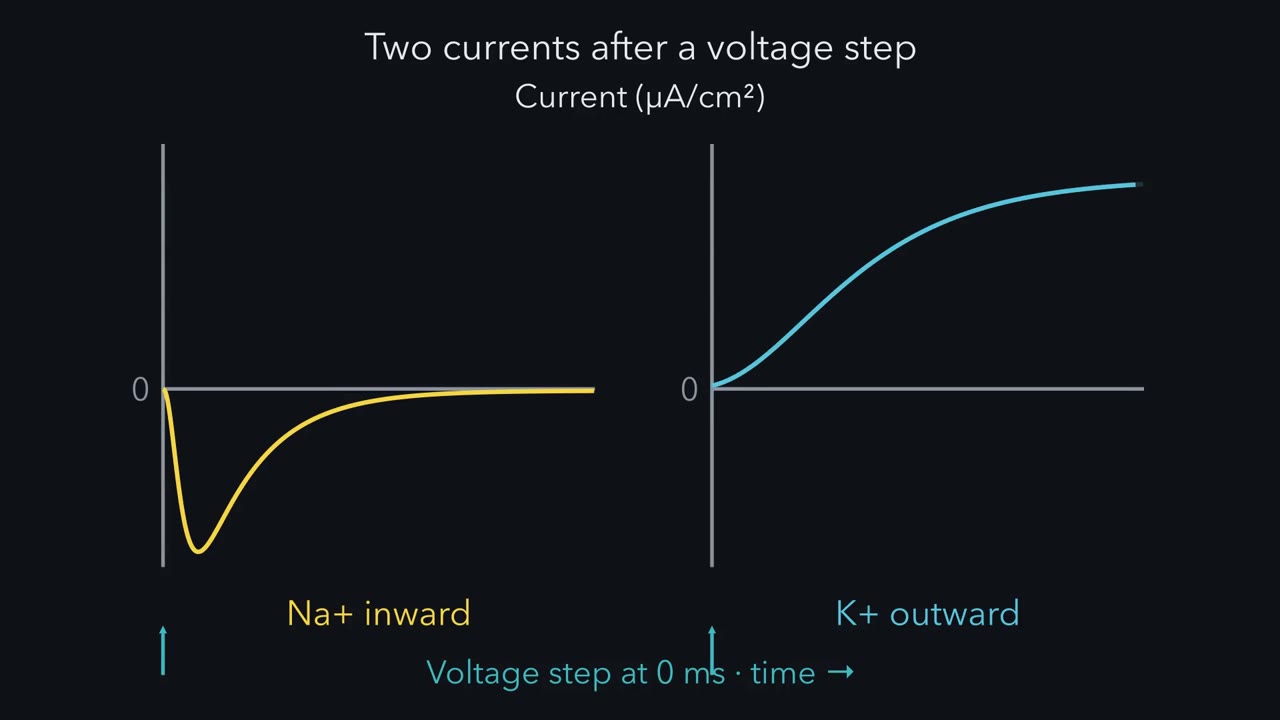 Part 4 of 6 Length 3:25 Three Gates, One Spike Neuroscience · College: going further The Action Potential and Conduction
Take-home
Three processes shape the spike: fast sodium activation, slower sodium inactivation and slow potassium activation.
-
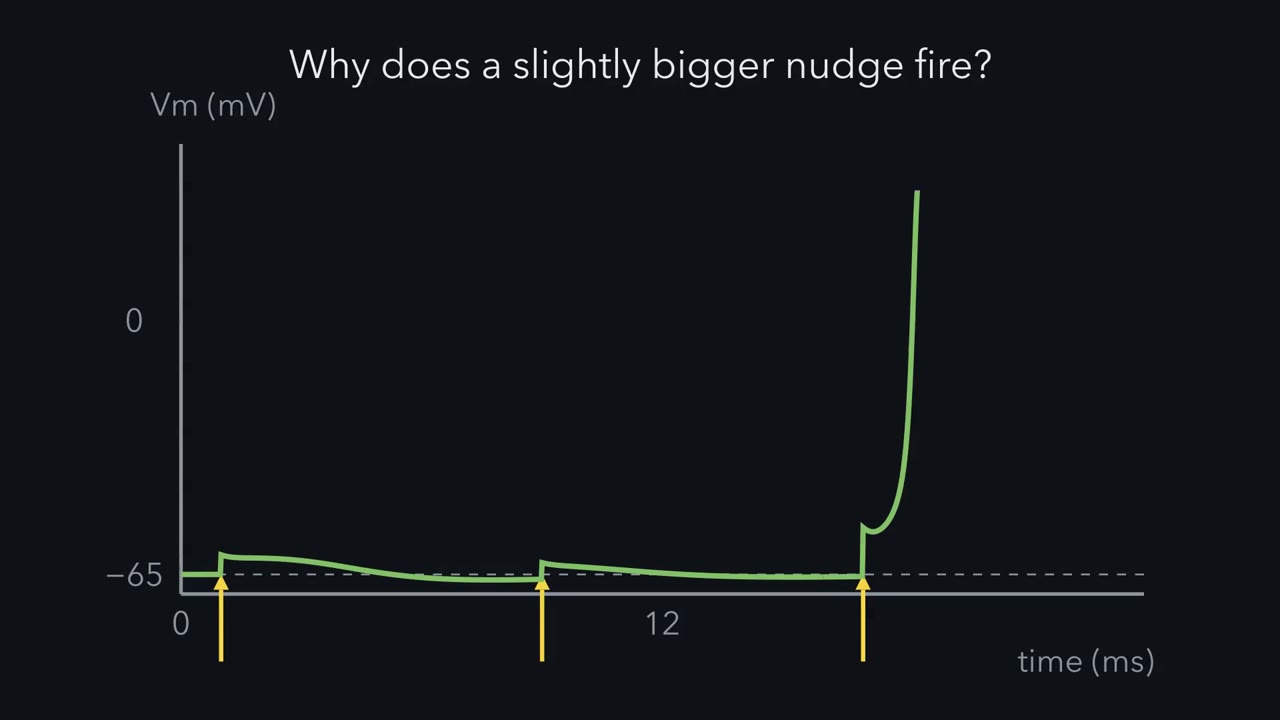 Part 5 of 6 Length 2:45 Threshold and Refractoriness Neuroscience · College: going further The Action Potential and Conduction
Take-home
Threshold is where sodium feedback sustains itself because inward current grows faster than potassium and leak current can oppose it, and it is not a fixed voltage.
-
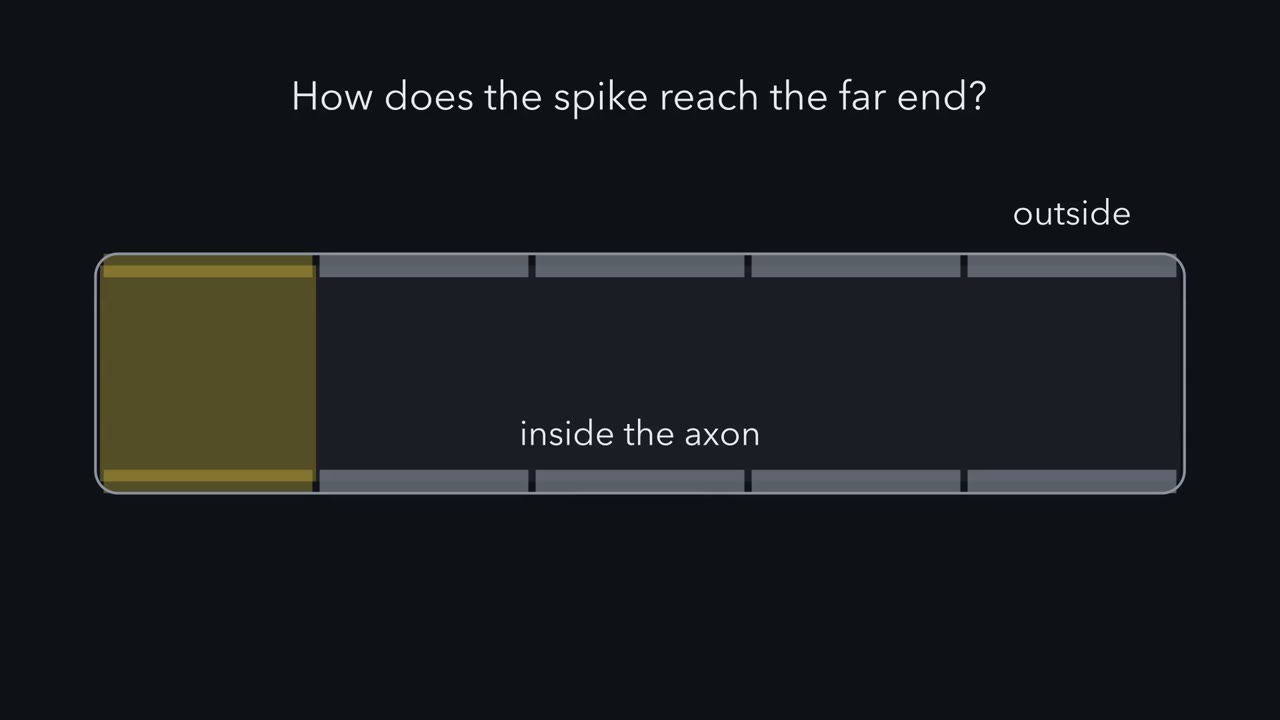 Part 6 of 6 Length 3:16 Moving Down the Axon Neuroscience · College: going further The Action Potential and Conduction
Take-home
The spike moves forward because the membrane behind it is refractory, but a stimulus in the middle of an axon sends spikes both ways.
-
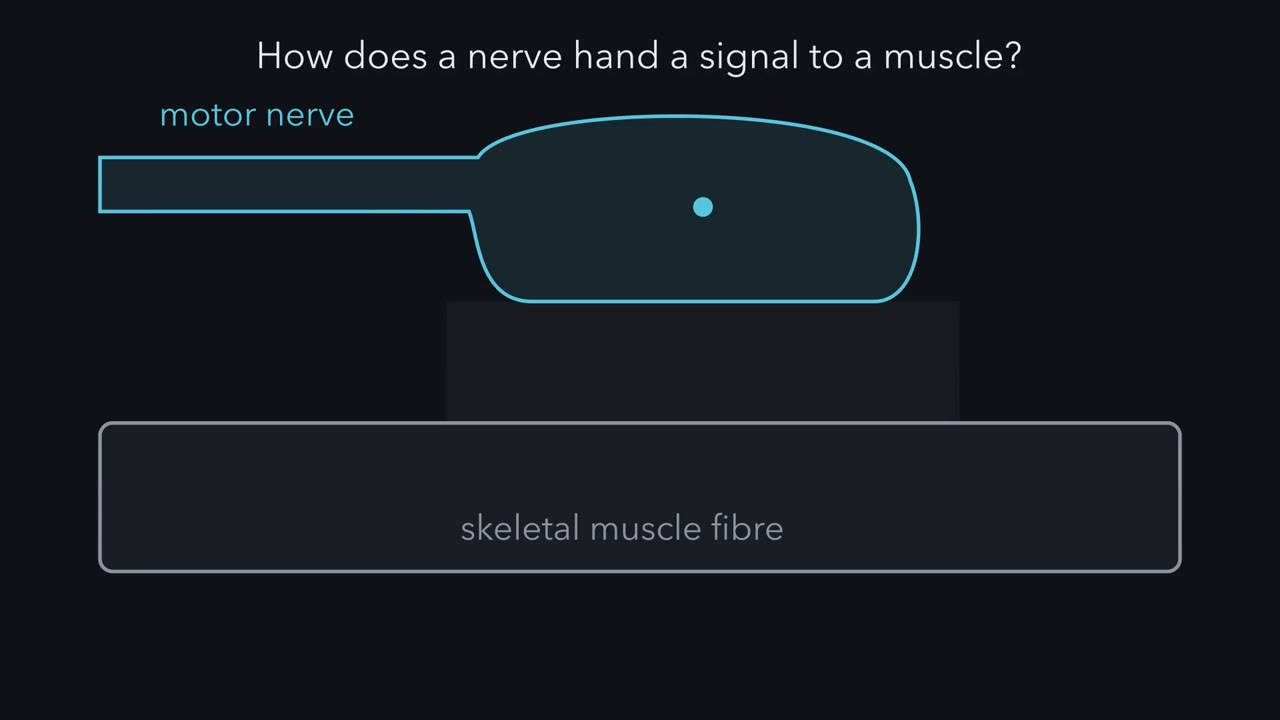 Part 1 of 6 Length 2:38 Blips from a Silent Nerve Neuroscience · College: going further Synaptic Transmission and Quantal Release
Take-home
A nerve passes a signal to a muscle fibre in a relay: terminal impulse, calcium entry, vesicle release of acetylcholine, then receptor channels opening.
-
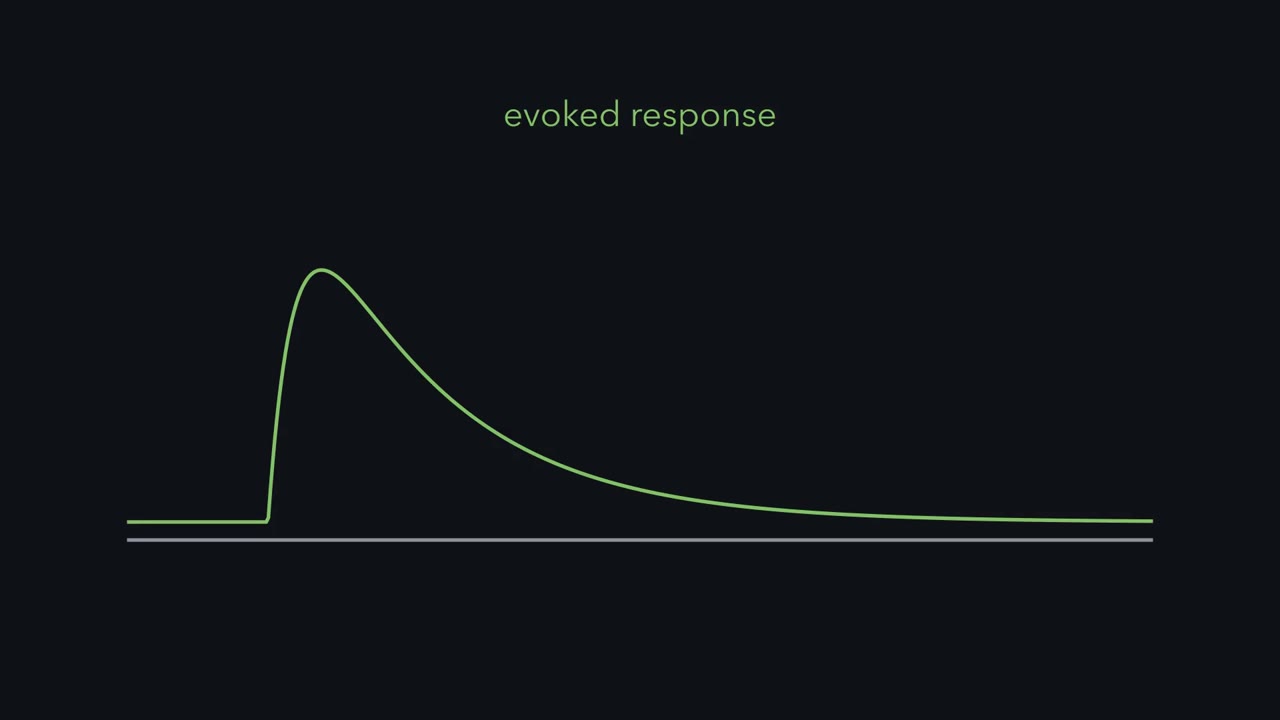 Part 2 of 6 Length 2:58 Turn Release Down to See the Packets Neuroscience · College: going further Synaptic Transmission and Quantal Release
Take-home
In normal calcium the units merge into one smooth response, so release has to be turned down to see them.
-
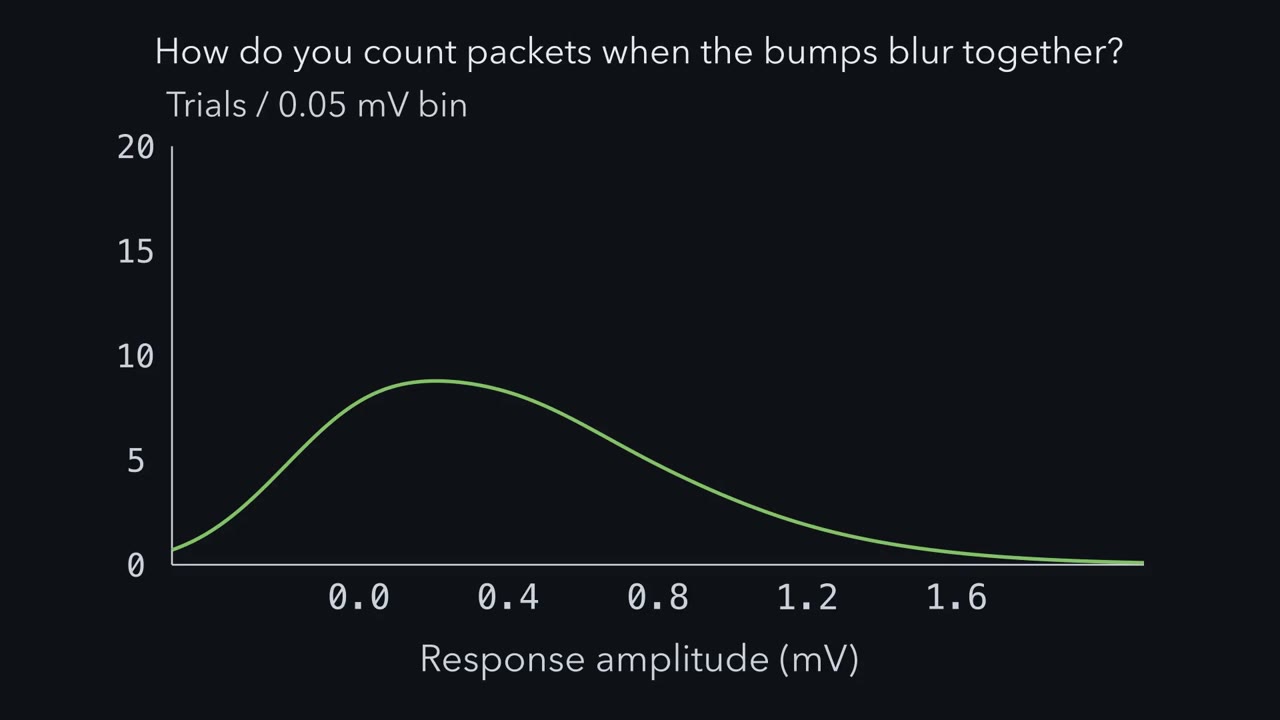 Part 3 of 6 Length 3:16 Counting with Zeros Neuroscience · College: going further Synaptic Transmission and Quantal Release
Take-home
The mean quantal content can be found two ways: average response divided by packet size, or from the fraction of failures.
-
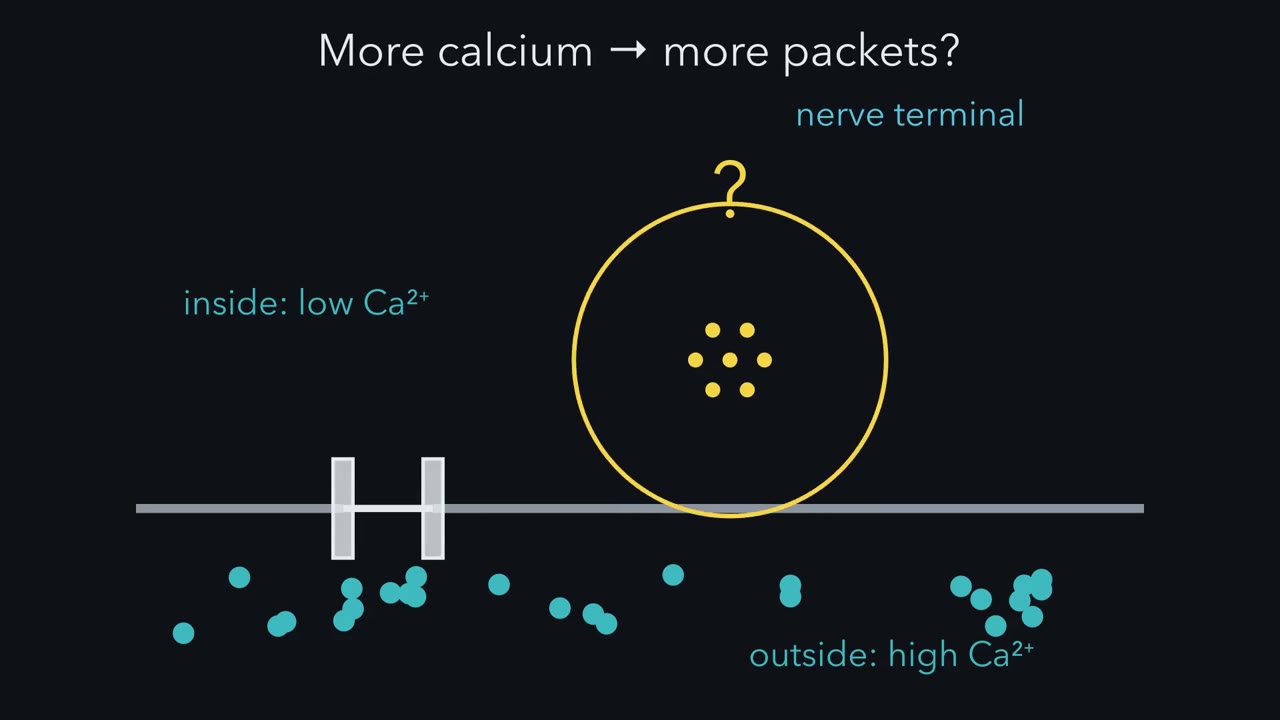 Part 4 of 6 Length 2:30 Calcium Sets the Count Neuroscience · College: going further Synaptic Transmission and Quantal Release
Take-home
Calcium entering through voltage-gated channels binds synaptotagmin and triggers SNARE-driven fusion.
-
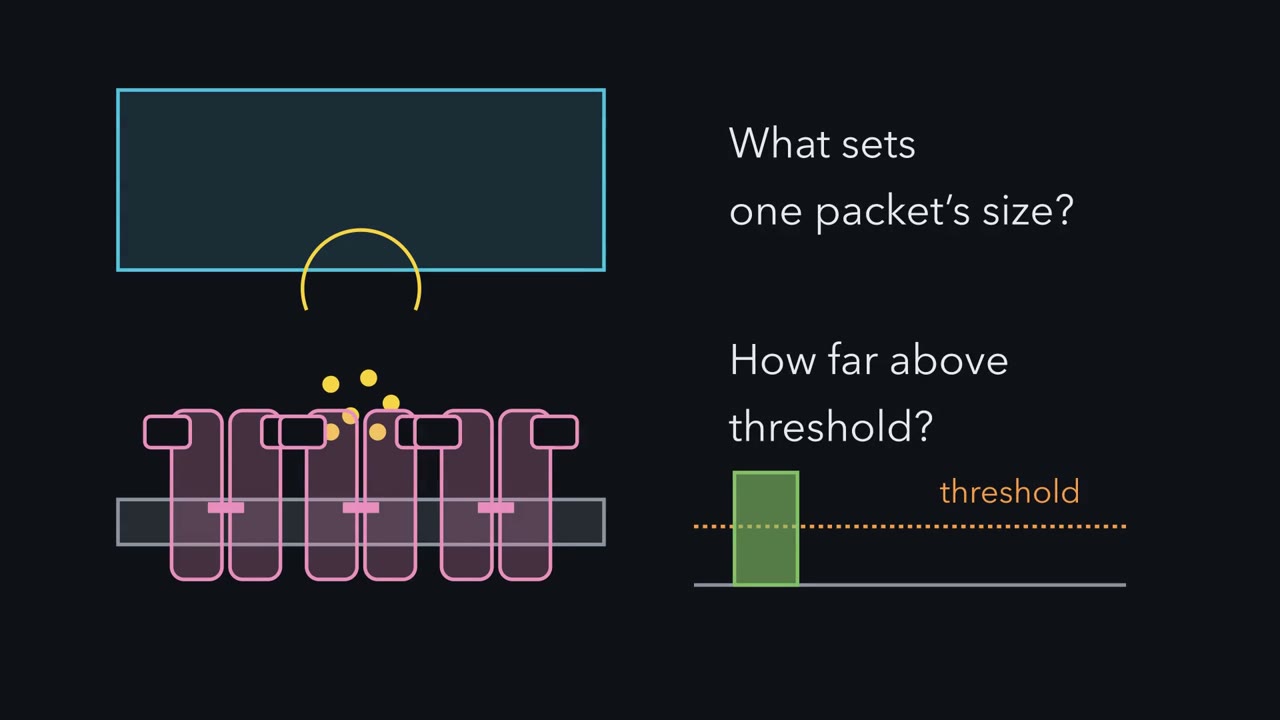 Part 5 of 6 Length 3:10 The Size of a Packet and the Margin of Safety Neuroscience · College: going further Synaptic Transmission and Quantal Release
Take-home
Packet size depends on how much transmitter a vesicle holds and how many receptors face it.
-
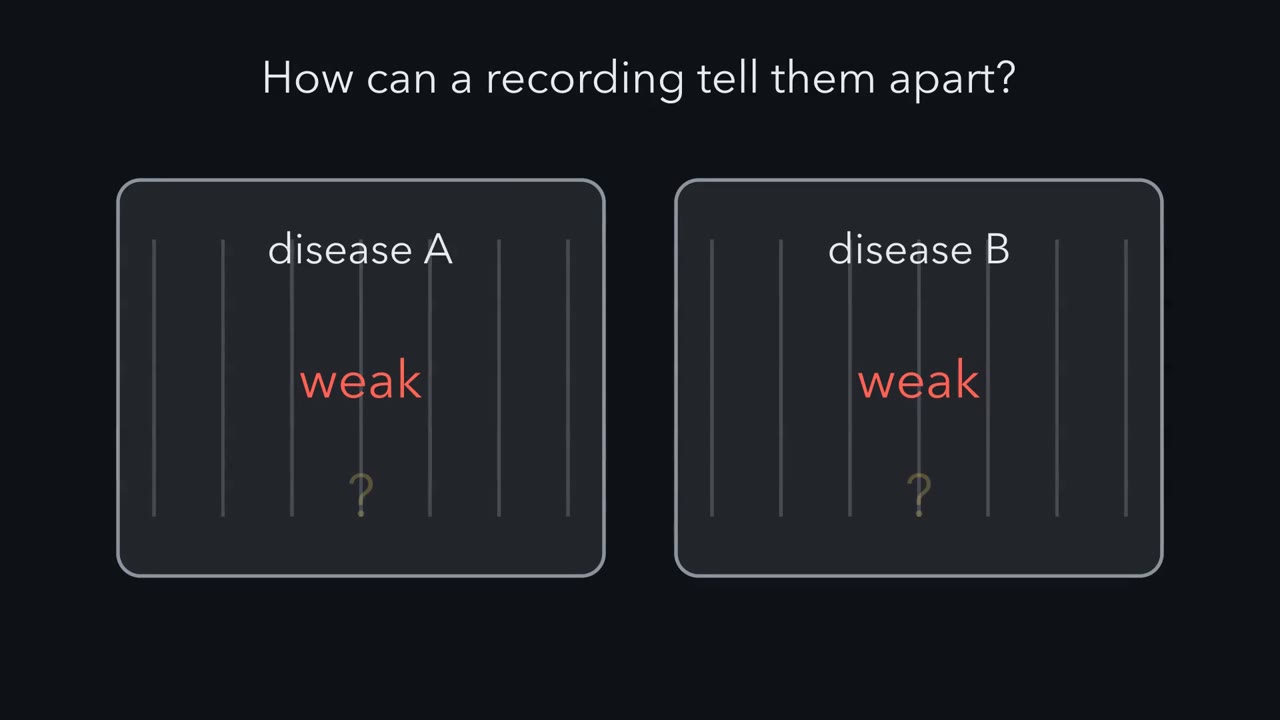 Part 6 of 6 Length 3:20 Count or Size? Two Weaknesses and a Synapse with No Packets Neuroscience · College: going further Synaptic Transmission and Quantal Release
Take-home
In myasthenia gravis antibodies against acetylcholine receptors shrink the packet size, and in Lambert-Eaton syndrome antibodies against calcium channels cut the count.
-
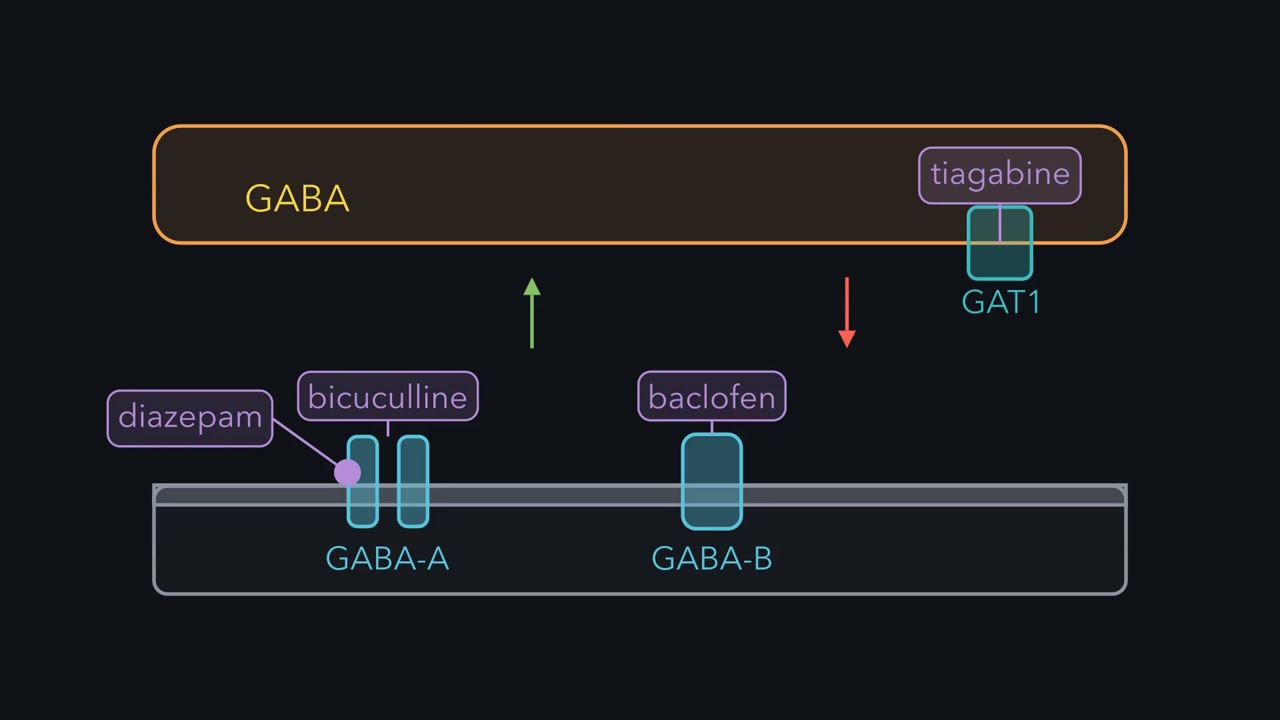 Part 1 of 3 Length 3:01 Three Steps, One Drug Neuroscience · College: going further Transmitter Systems and Drugs
Take-home
Every transmitter is released, read by receptors and removed, and a drug mainly changes one of these steps.
-
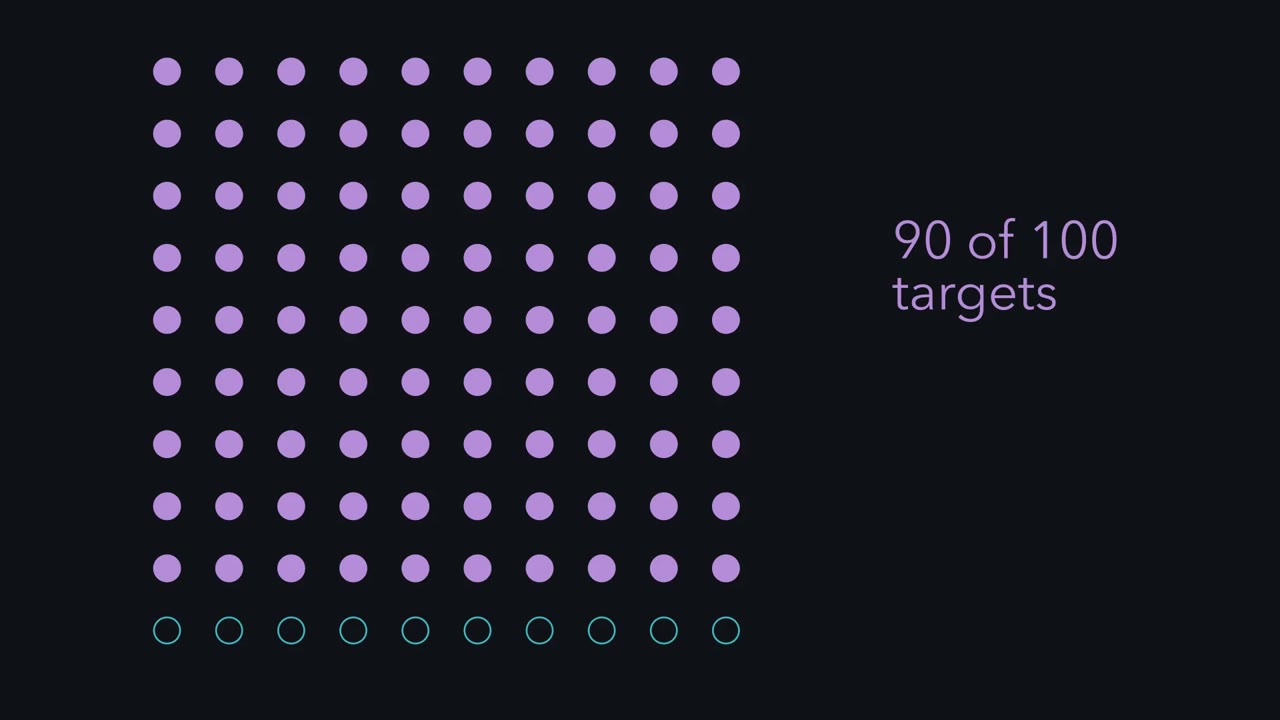 Part 2 of 3 Length 2:35 How Much a Drug Changes a Step Neuroscience · College: going further Transmitter Systems and Drugs
Take-home
The share of targets a drug fills depends on its concentration relative to its dissociation constant, and the last few percent cost far more drug.
-
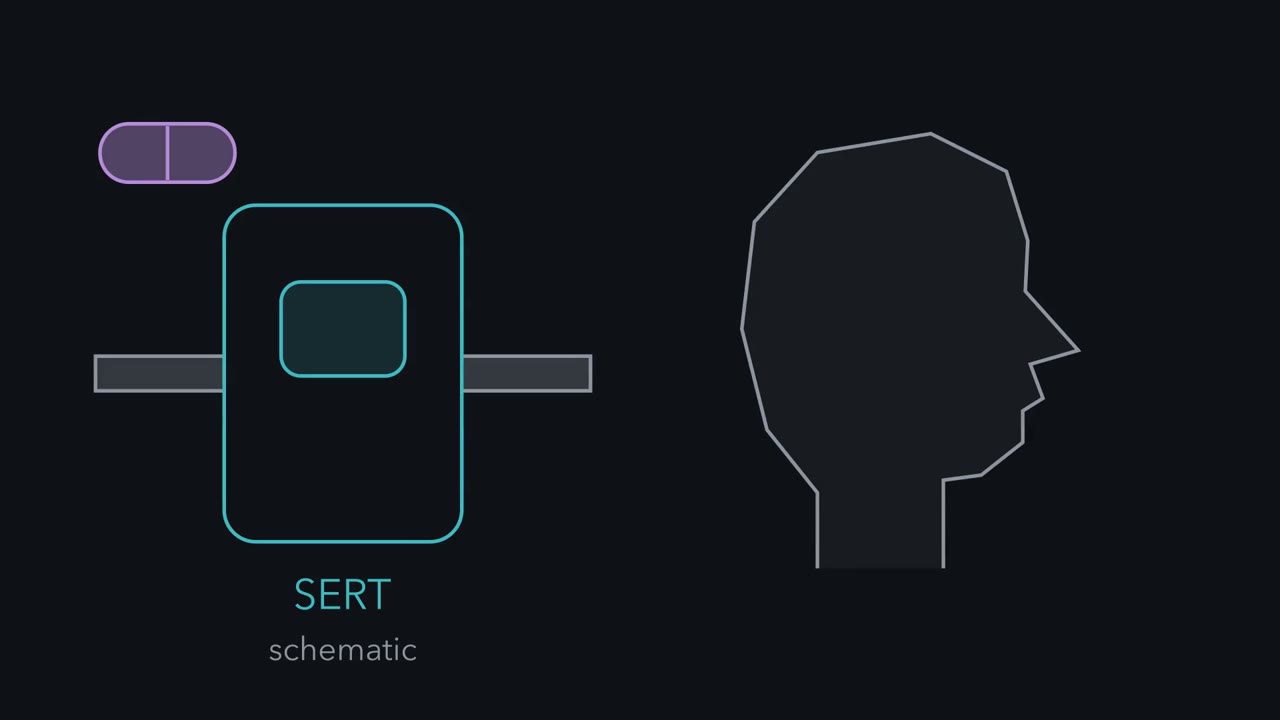 Part 3 of 3 Length 2:22 A Mechanism Is Not a Cause Neuroscience · College: going further Transmitter Systems and Drugs
Take-home
In a blinded tryptophan-depletion study, 14 of 21 patients in remission on antidepressants relapsed, which suggests some treated patients need serotonin to stay well.
-
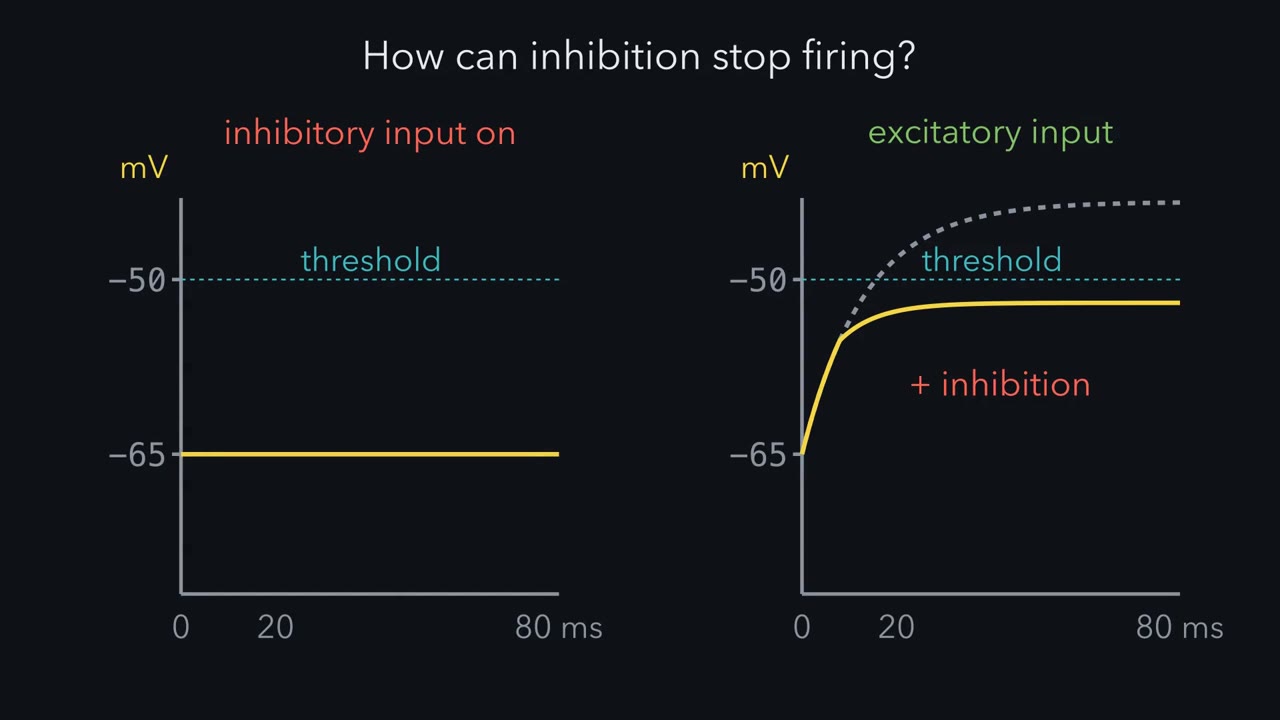 Part 1 of 6 Length 3:09 One More Rope Neuroscience · College: going further Integration, Inhibition and Neuromodulation
Take-home
A synapse is one more rope on the balance point: it pulls the voltage toward its own reversal potential.
-
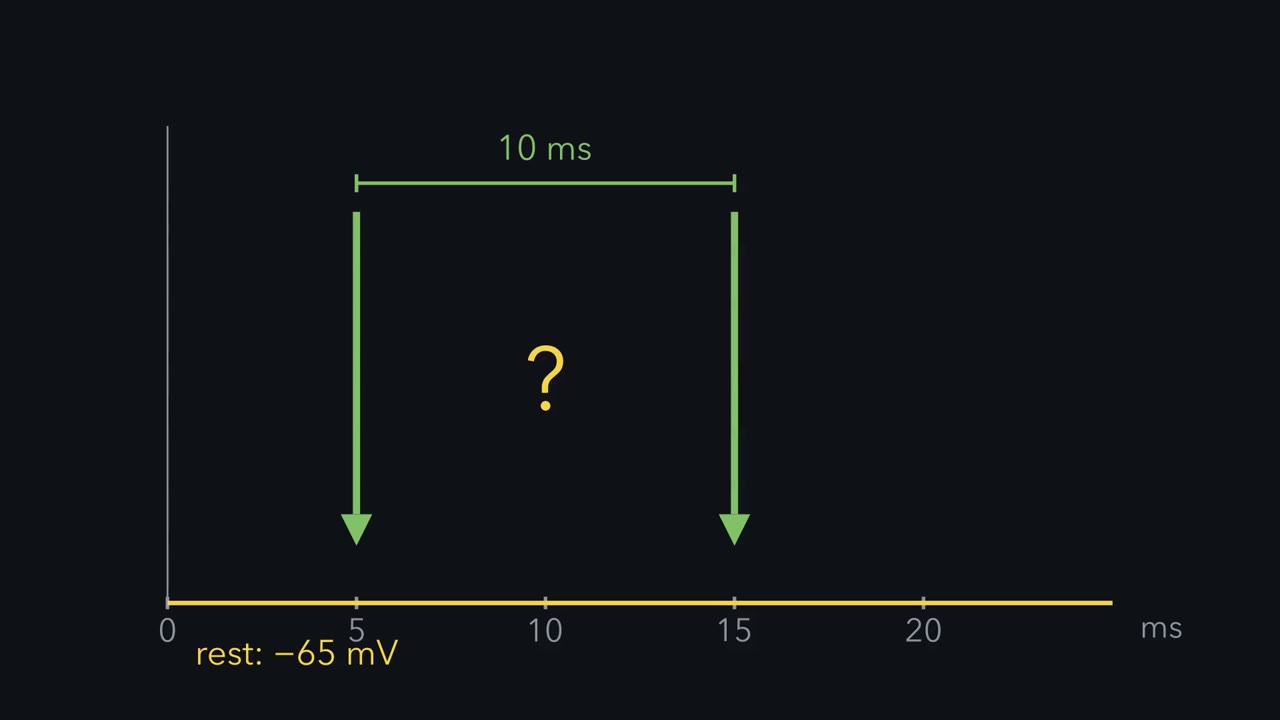 Part 2 of 6 Length 3:07 Adding Inputs in Time and Space Neuroscience · College: going further Integration, Inhibition and Neuromodulation
Take-home
When conductances change, the voltage moves gradually to the new balance point, with a time constant equal to the capacitance divided by the total open conductance.
-
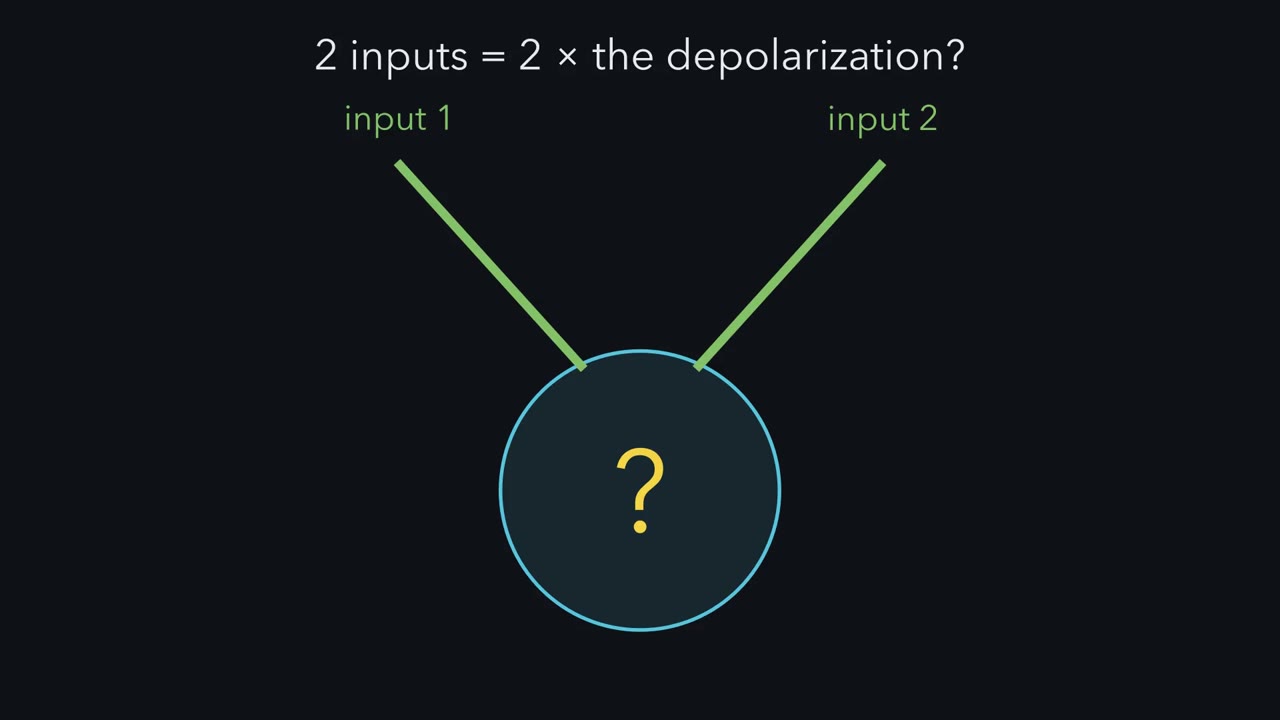 Part 3 of 6 Length 2:42 Less Than Double Neuroscience · College: going further Integration, Inhibition and Neuromodulation
Take-home
In the model, two identical excitatory inputs give less than twice the depolarization of one.
-
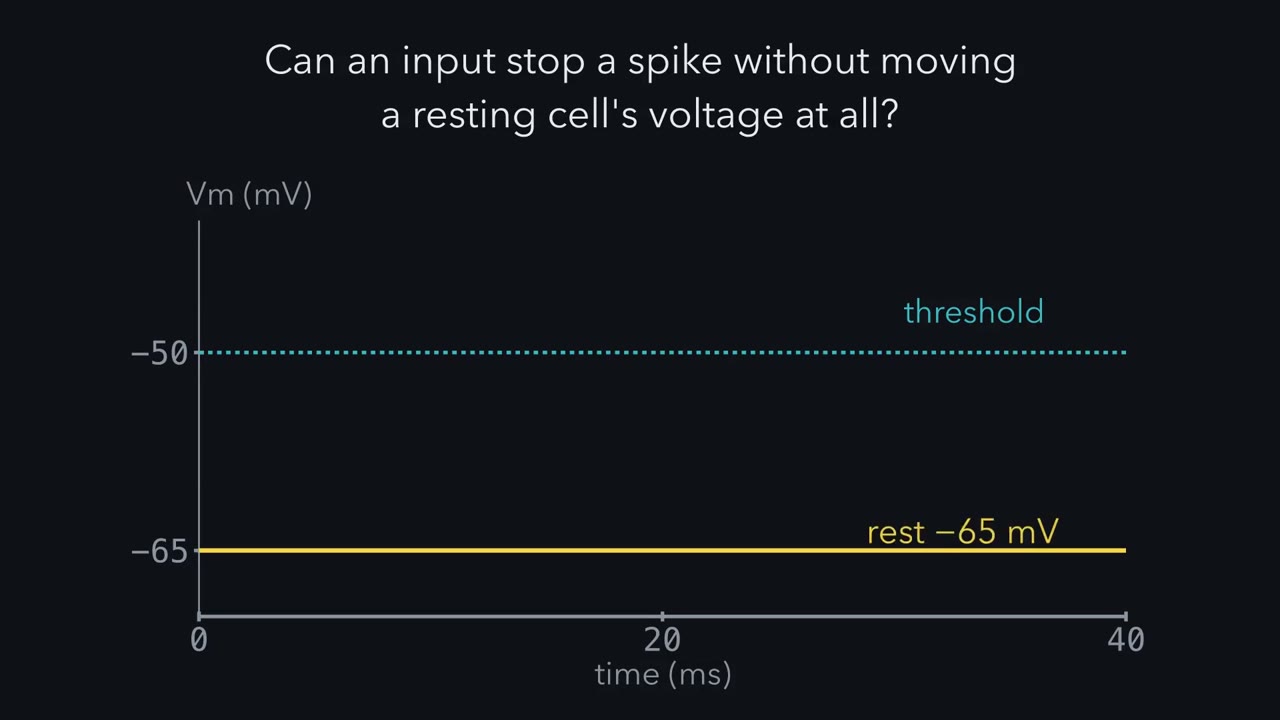 Part 4 of 6 Length 2:42 Inhibition That Moves Nothing at Rest Neuroscience · College: going further Integration, Inhibition and Neuromodulation
Take-home
A shunting inhibitory input tied at rest moves nothing at rest, because its rope is tied exactly where the voltage already sits.
-
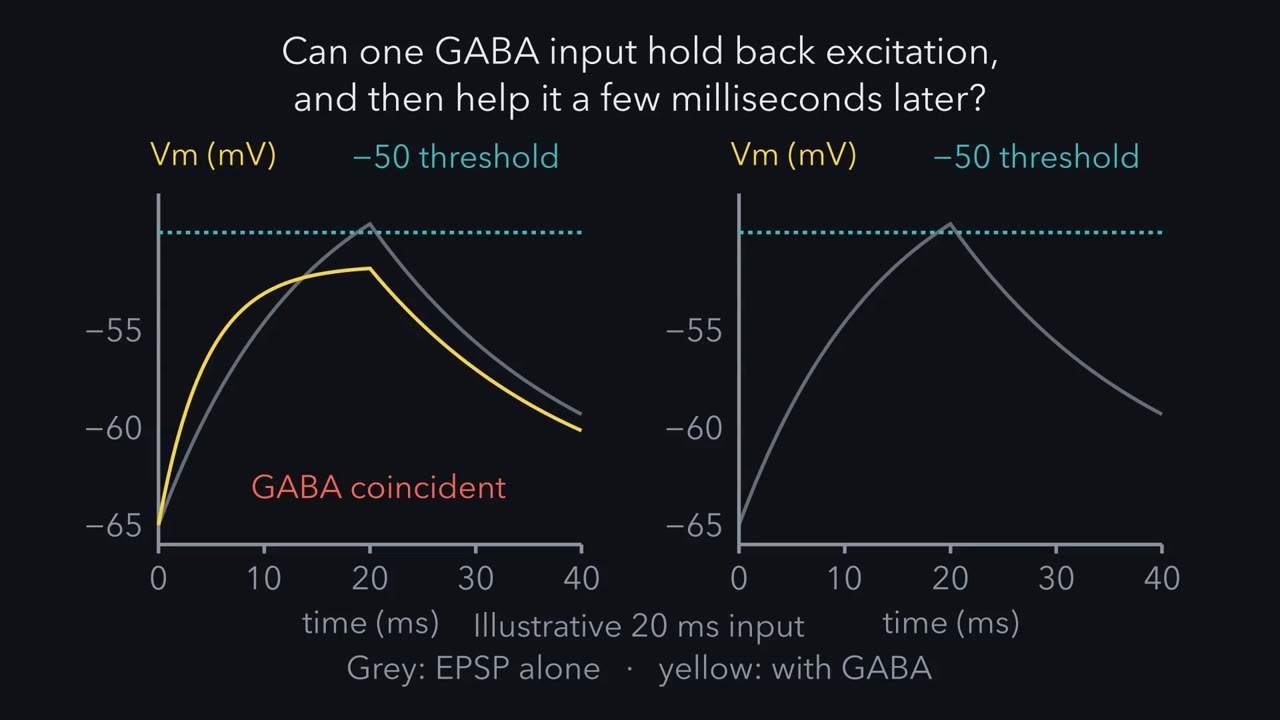 Part 5 of 6 Length 3:24 When GABA Pushes Up Neuroscience · College: going further Integration, Inhibition and Neuromodulation
Take-home
GABA pulls the voltage toward its own reversal potential, so it depolarizes while the voltage is below that level and hyperpolarizes once it is above.
-
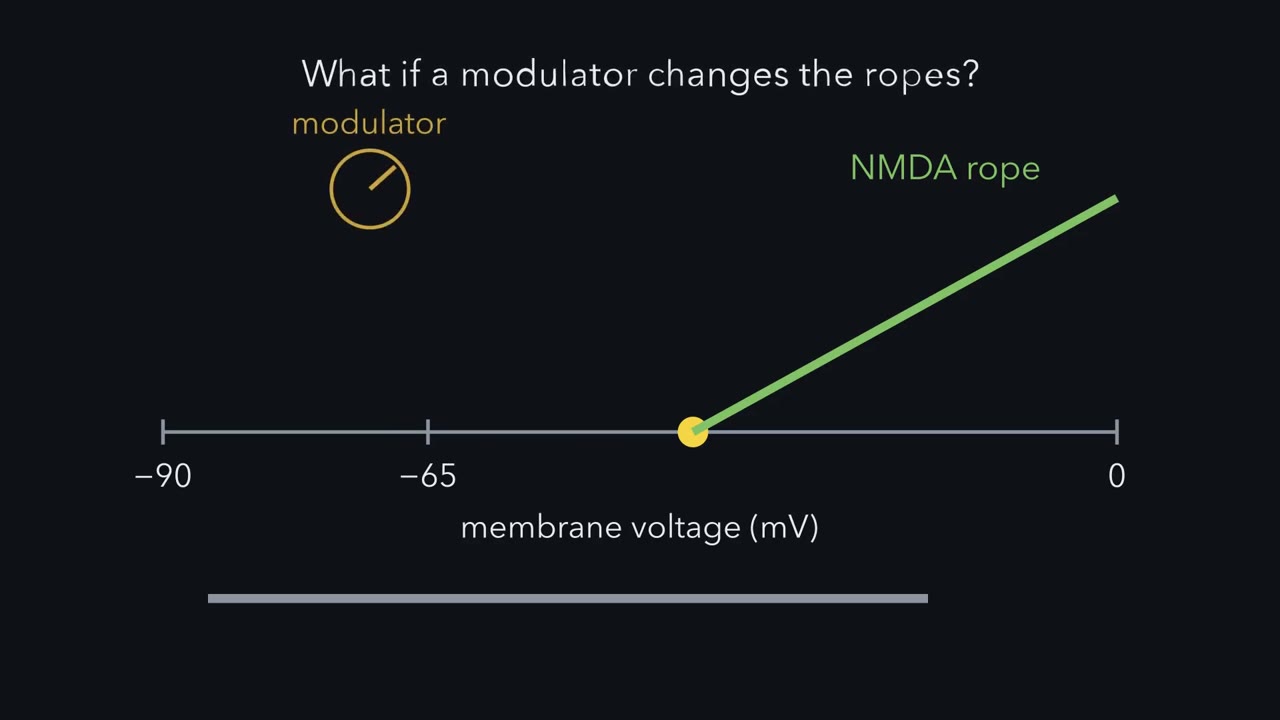 Part 6 of 6 Length 3:29 Branches and Modulators Change the Ropes Neuroscience · College: going further Integration, Inhibition and Neuromodulation
Take-home
In Polsky, Mel and Schiller's experiment, nearby inputs on one thin branch summed sigmoidally, while widely separated inputs or inputs on different branches summed linearly, so location set the combination rule.
-
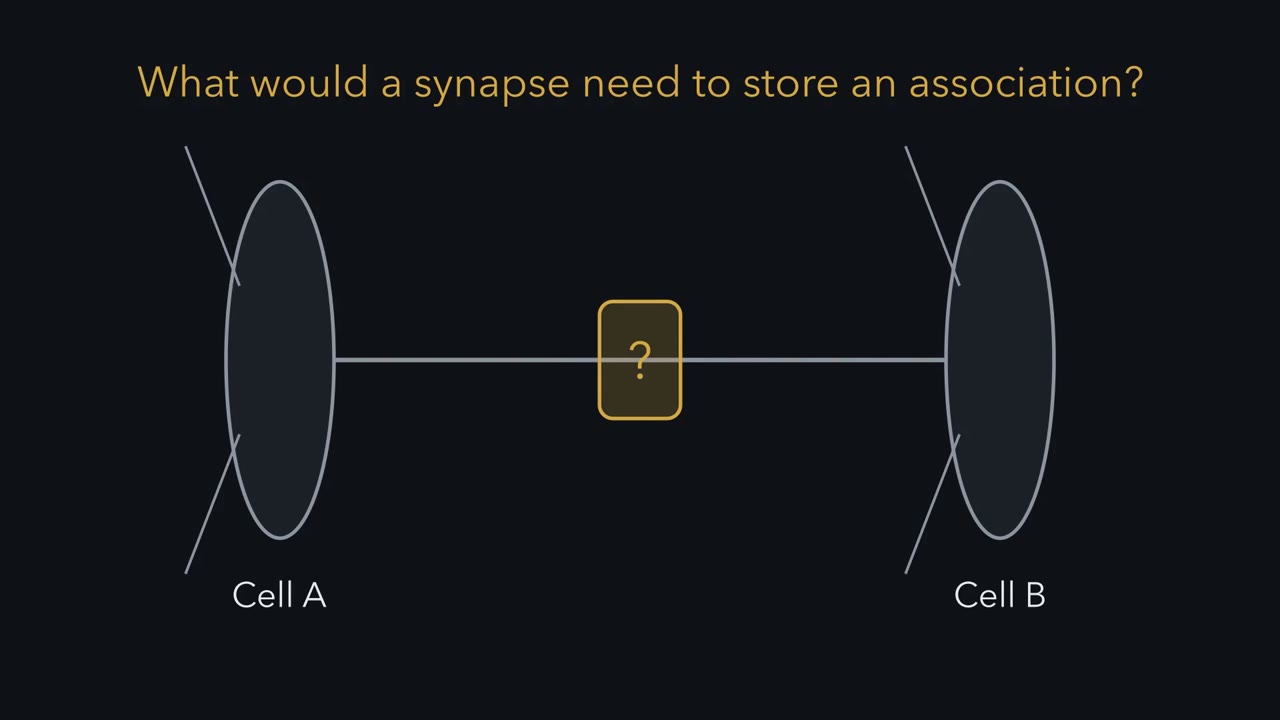 Part 1 of 6 Length 3:43 A Synapse That Could Learn Neuroscience · College: going further Synaptic Plasticity
Take-home
Hebb's rule asks a synapse to strengthen when its own input and the cell it talks to are active together.
-
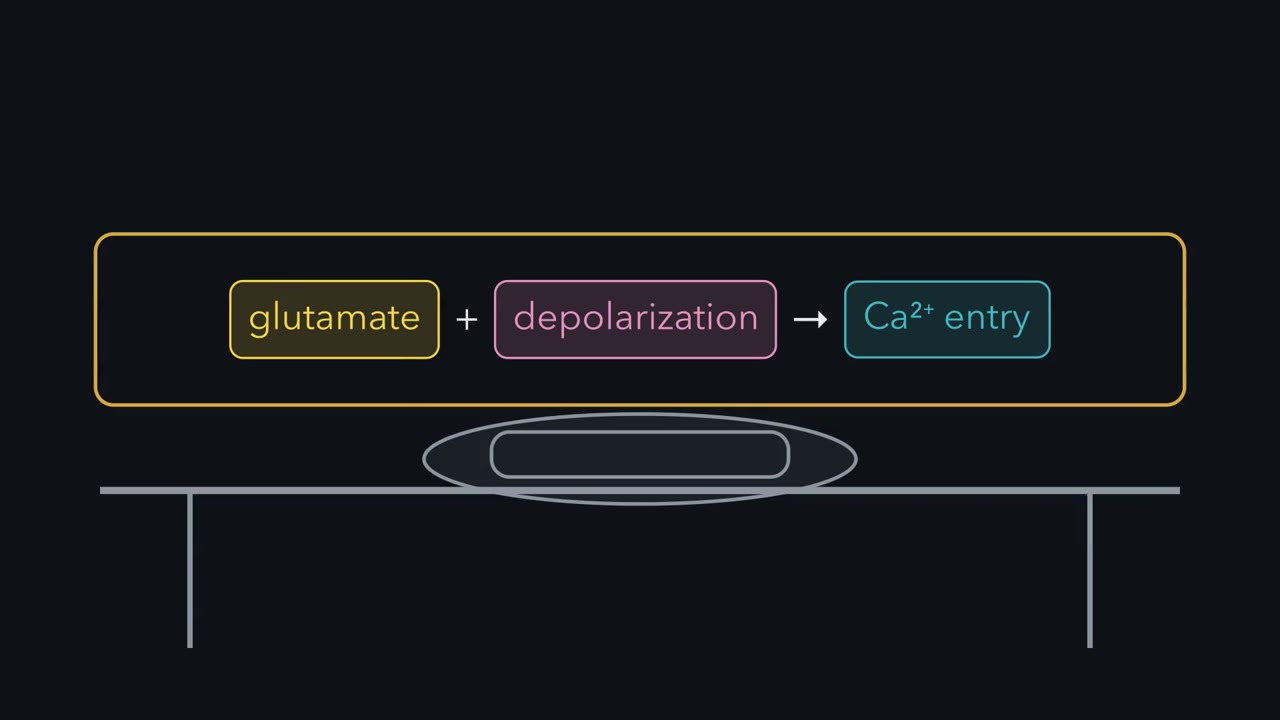
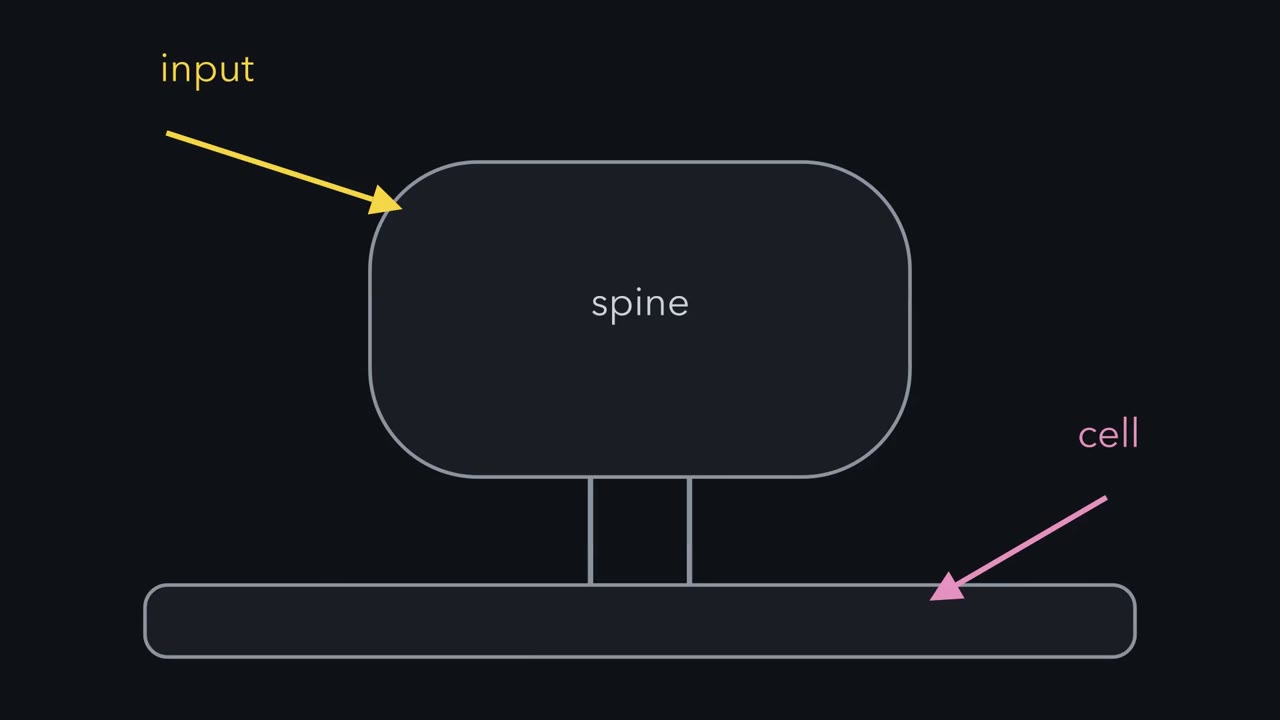 Part 2 of 6 Length 3:55 A Gate That Needs Two Signals Neuroscience · College: going further Synaptic Plasticity
Take-home
At normal magnesium levels, an NMDA receptor lets in much calcium only when glutamate and depolarization coincide.
-
 Part 3 of 6 Length 2:44 Testing the Gate Neuroscience · College: going further Synaptic Plasticity
Take-home
Block the NMDA receptor, the calcium or the depolarization, and LTP fails.
-
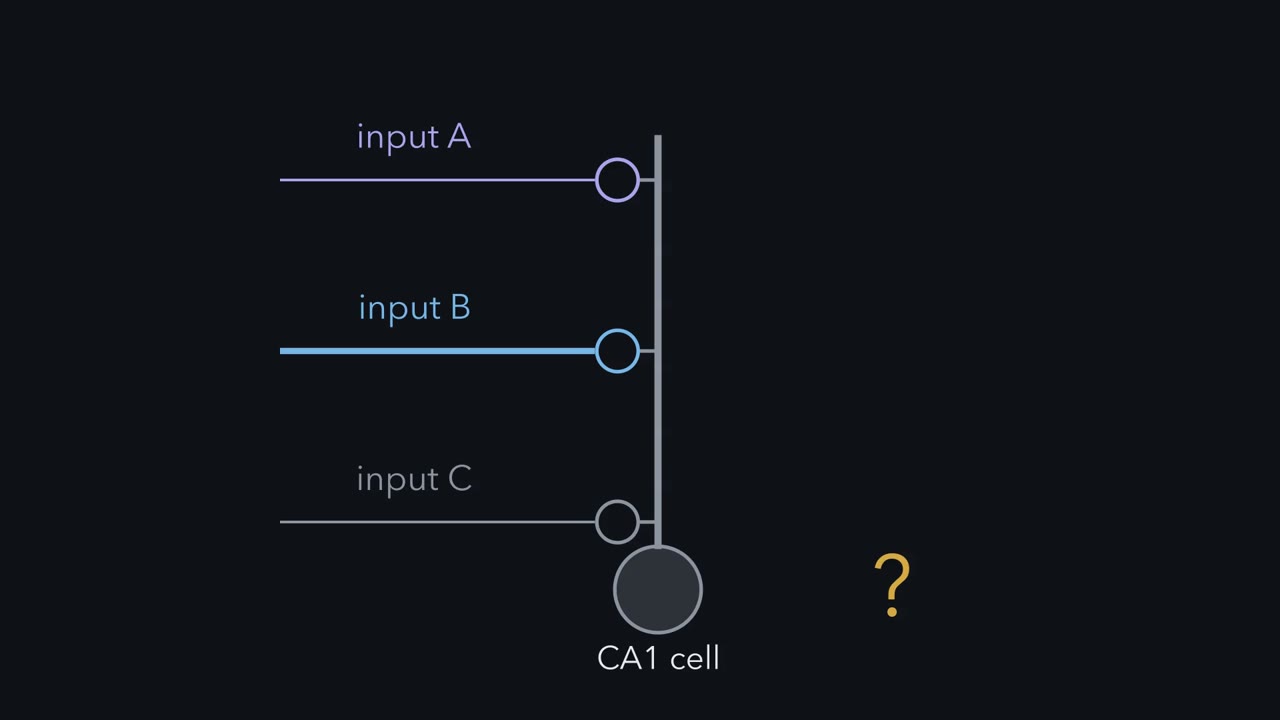 Part 4 of 6 Length 2:49 What the Rule Explains Neuroscience · College: going further Synaptic Plasticity
Take-home
One gate reading two signals explains input specificity, cooperativity and associativity.
-
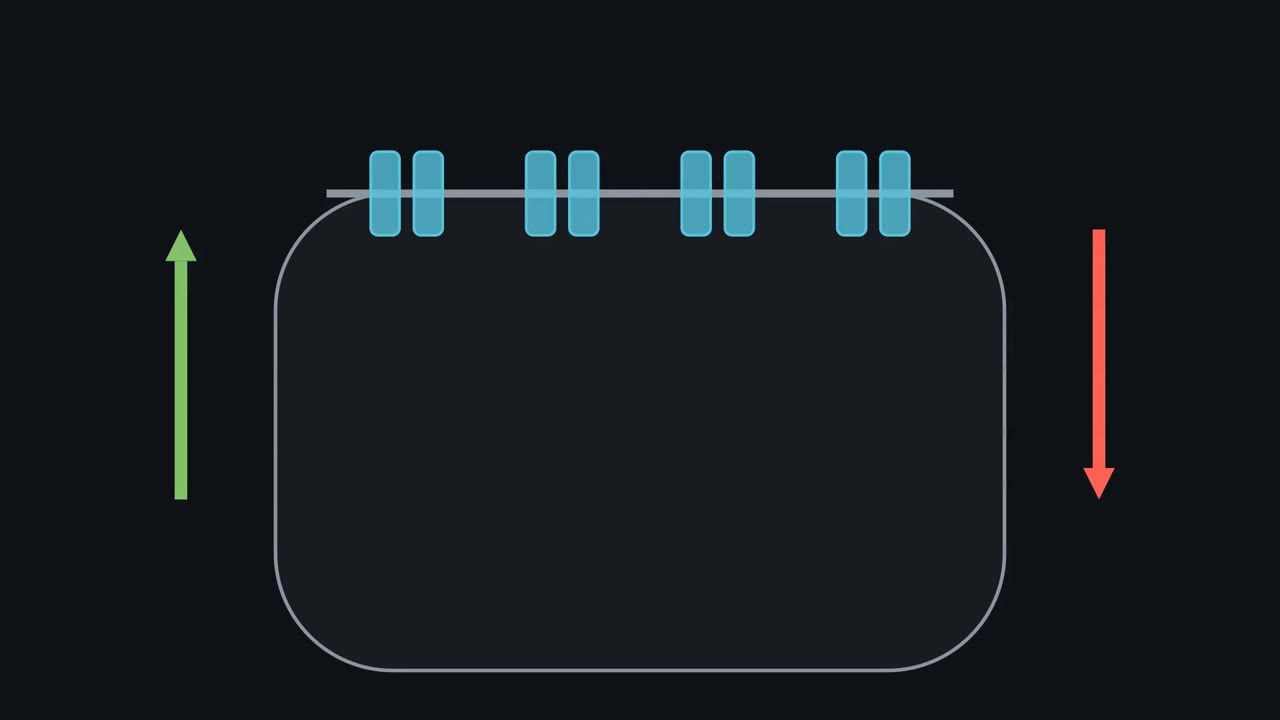 Part 5 of 6 Length 2:44 Turning It Up or Down Neuroscience · College: going further Synaptic Plasticity
Take-home
In the standard model, a synapse turns up or down with how much calcium enters and how fast.
-
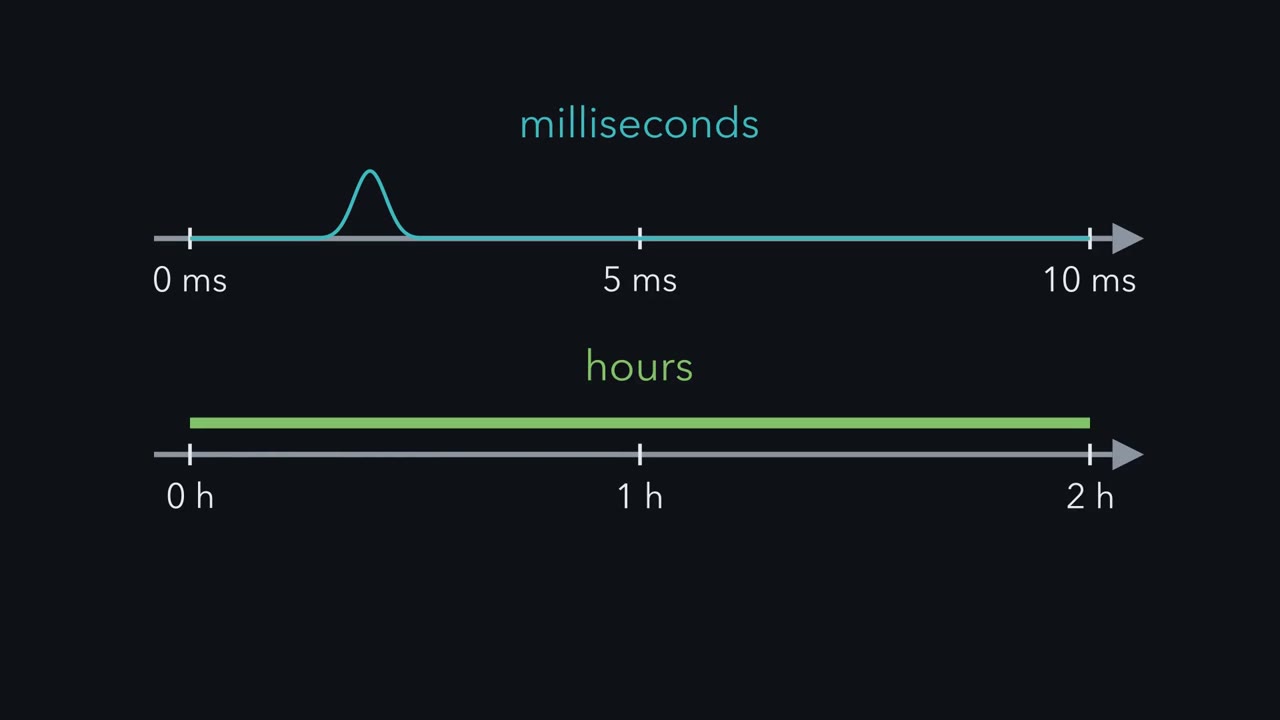 Part 6 of 6 Length 3:11 Fast Changes, and the Road to Memory Neuroscience · College: going further Synaptic Plasticity
Take-home
Facilitation and depression are mostly a separate, presynaptic machine that needs no postsynaptic coincidence.
-
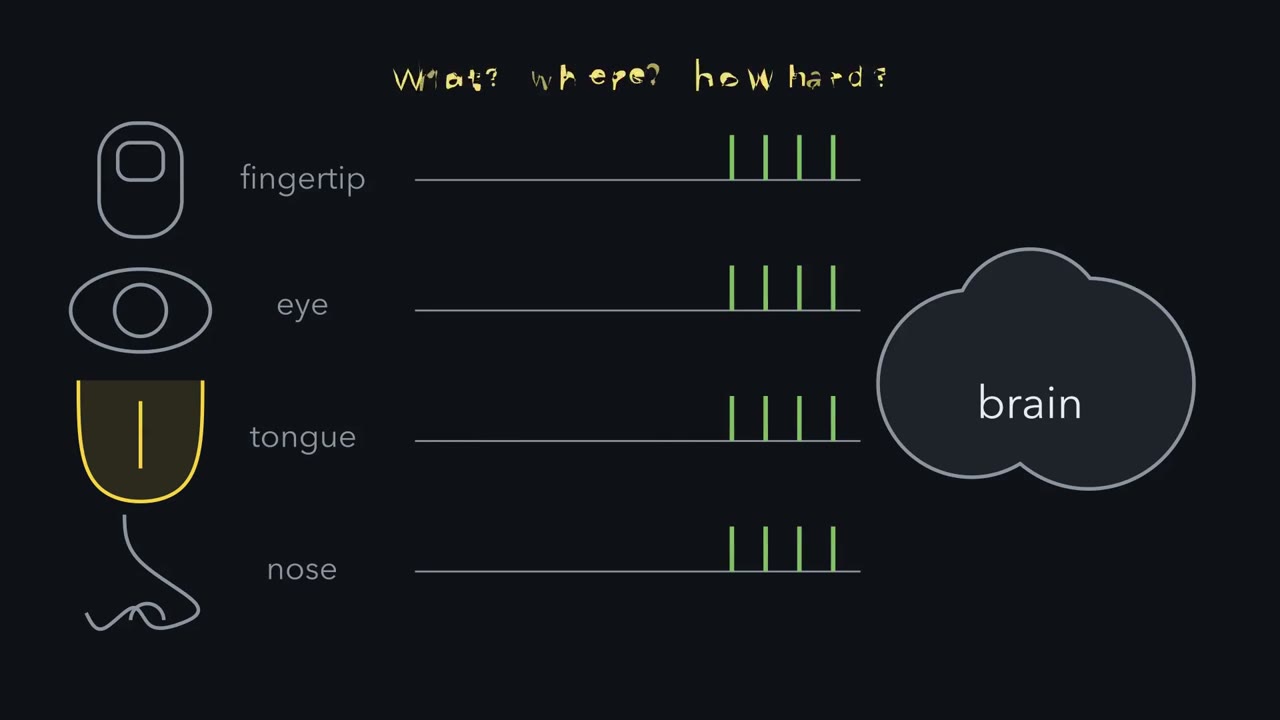 Part 1 of 3 Length 2:43 What a Spike Means Neuroscience · College: going further Principles of Sensory Coding
Take-home
A spike means what its neuron is tuned to.
-
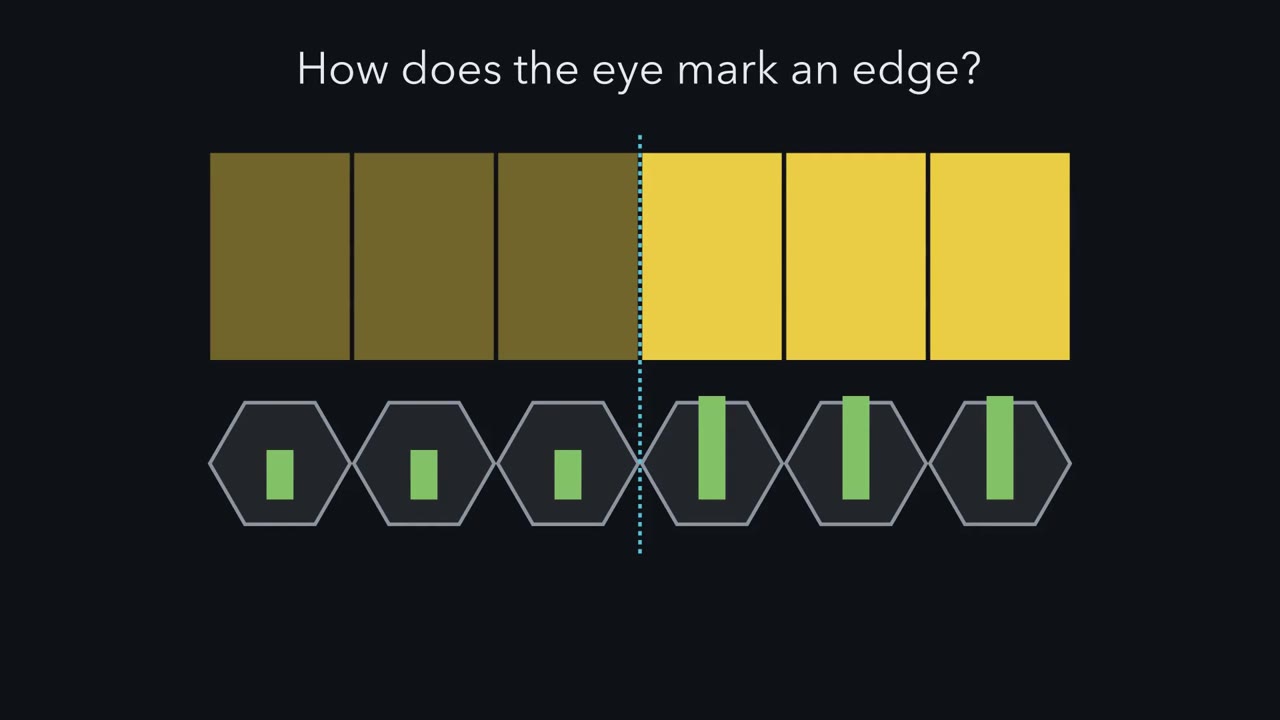 Part 2 of 3 Length 2:12 Neighbours Compare Neuroscience · College: going further Principles of Sensory Coding
Take-home
In the Limulus eye, lighting a unit's neighbours lowered its discharge, and cutting the lateral connections removed that inhibition.
-
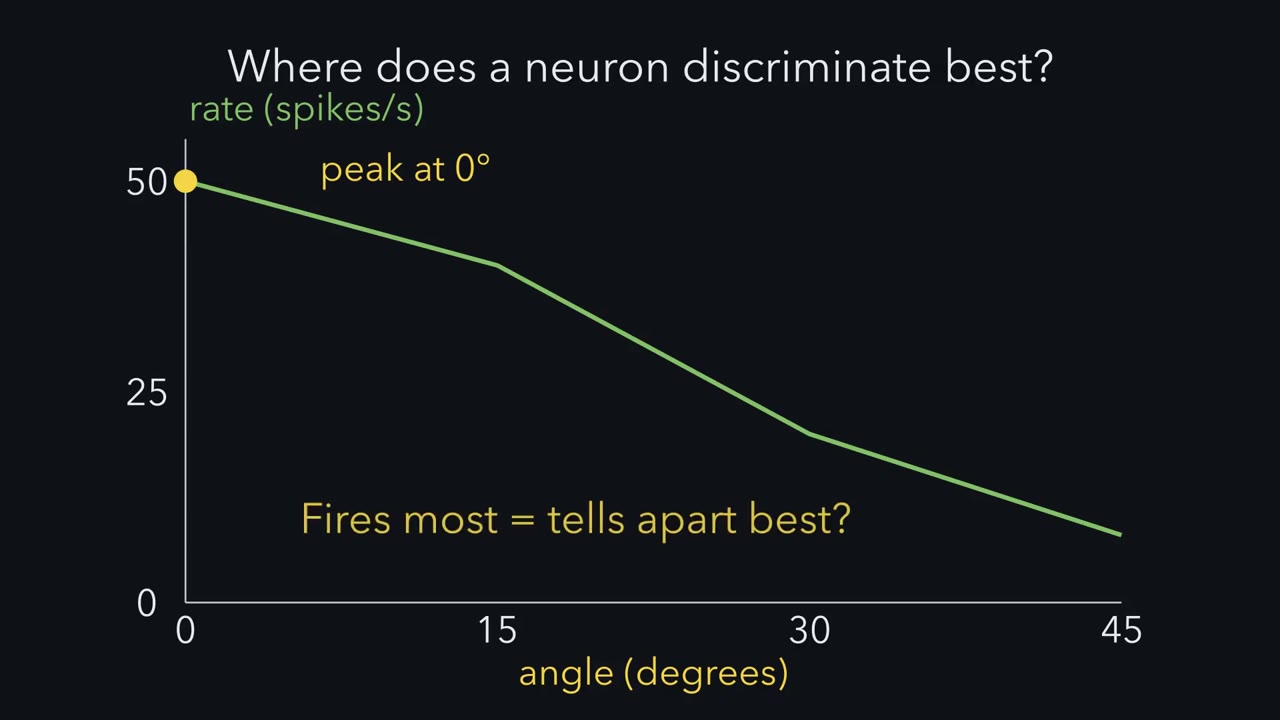 Part 3 of 3 Length 3:00 The Flank and the Monkey Neuroscience · College: going further Principles of Sensory Coding
Take-home
A neuron fires most at the peak of its tuning curve, but a small change is easiest to detect on the steep flank, where the mean rate moves most compared with the noise.
-
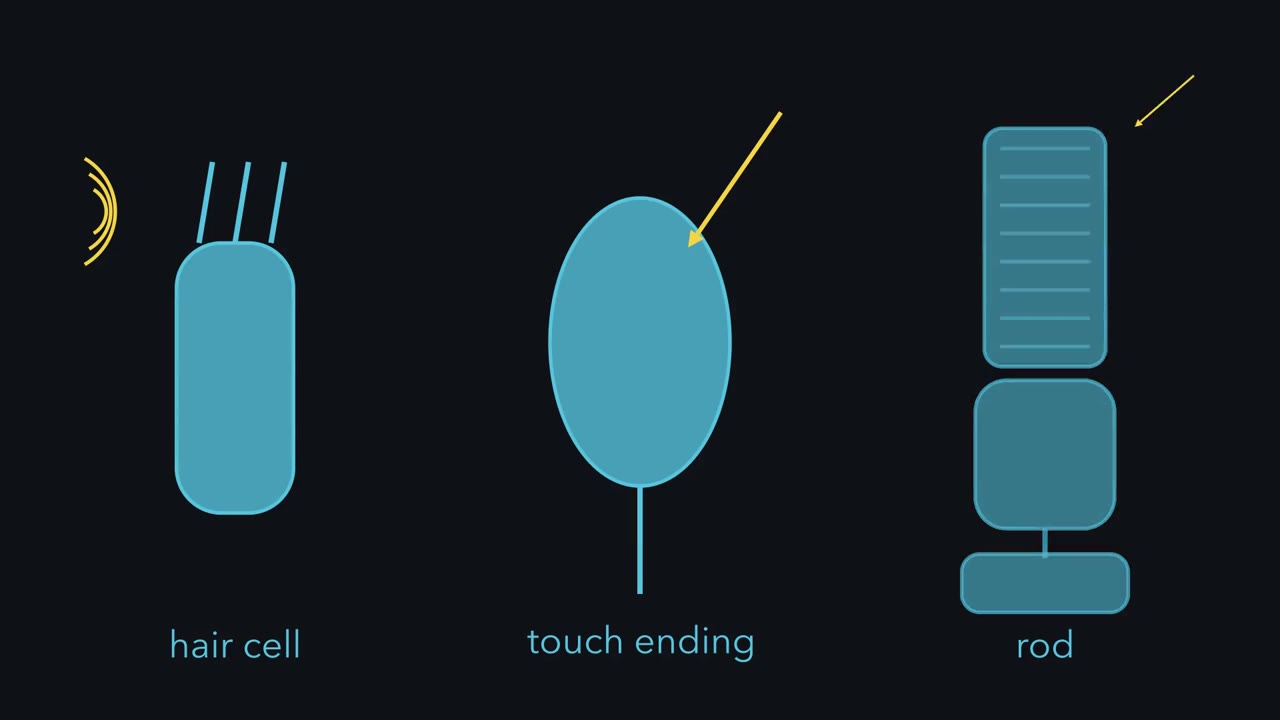 Part 1 of 3 Length 2:46 One Cell Counts Neuroscience · College: going further The Retina
Take-home
Rods and cones are turned down by their stimulus: a photon closes cGMP-gated channels, the cell hyperpolarizes, and its glutamate release falls.
-
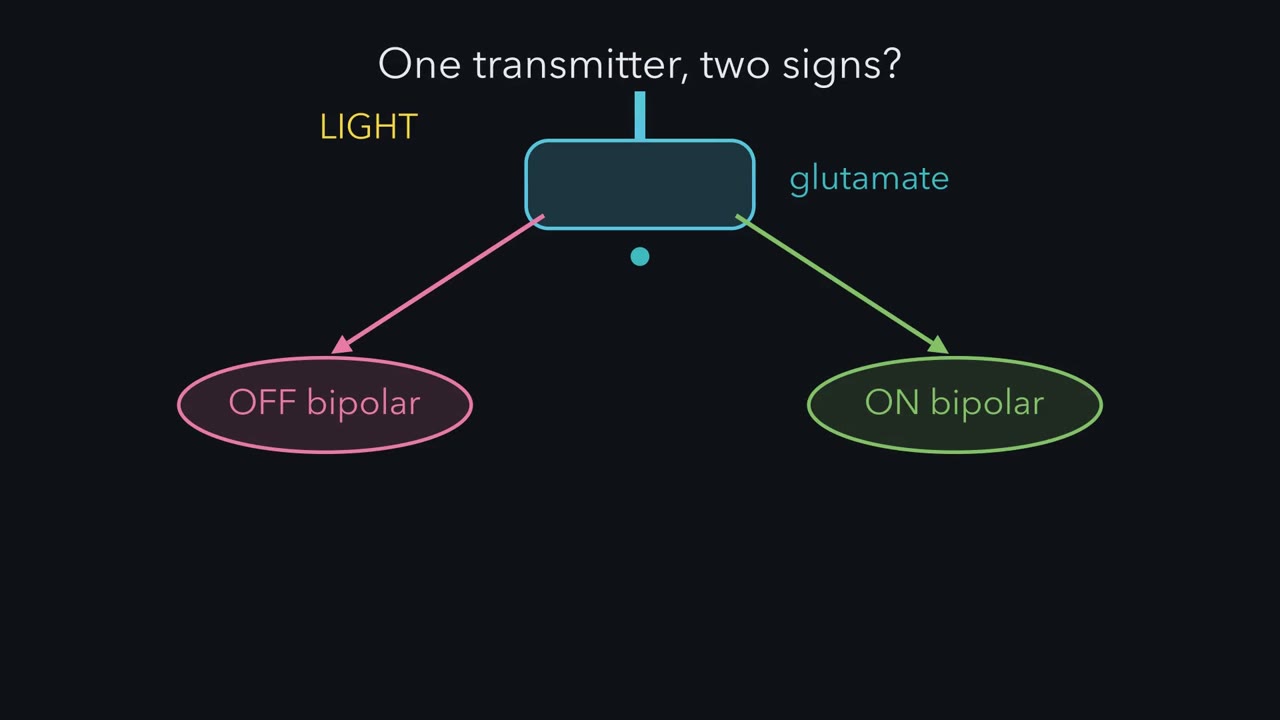 Part 2 of 3 Length 2:17 One Transmitter, Two Signs Neuroscience · College: going further The Retina
Take-home
Glutamate's sign is set by the receptor, not the molecule: OFF bipolar cells use ionotropic receptors and keep the sign, while ON bipolar cells use mGluR6 and invert it.
-
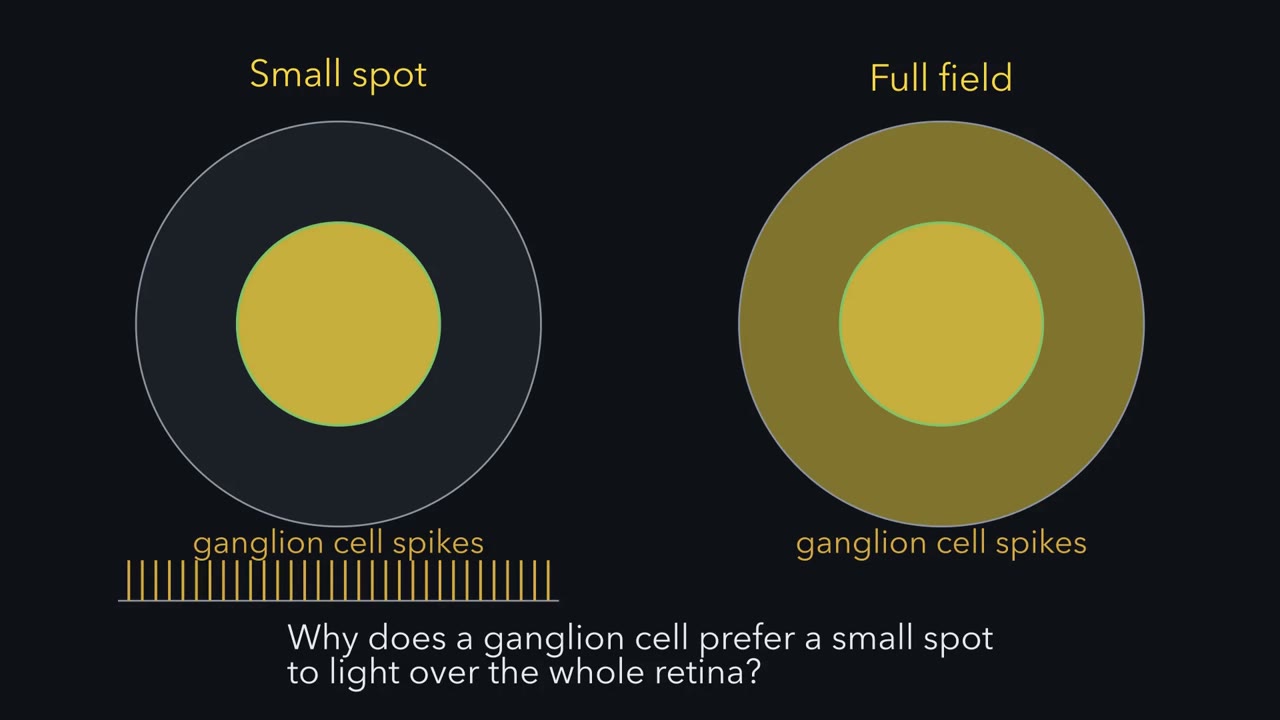 Part 3 of 3 Length 2:31 Centre Minus Surround Neuroscience · College: going further The Retina
Take-home
A ganglion cell has a centre and an opposing surround, from bipolar cells and from lateral horizontal and amacrine cells, so it reports contrast more than overall light level.
-
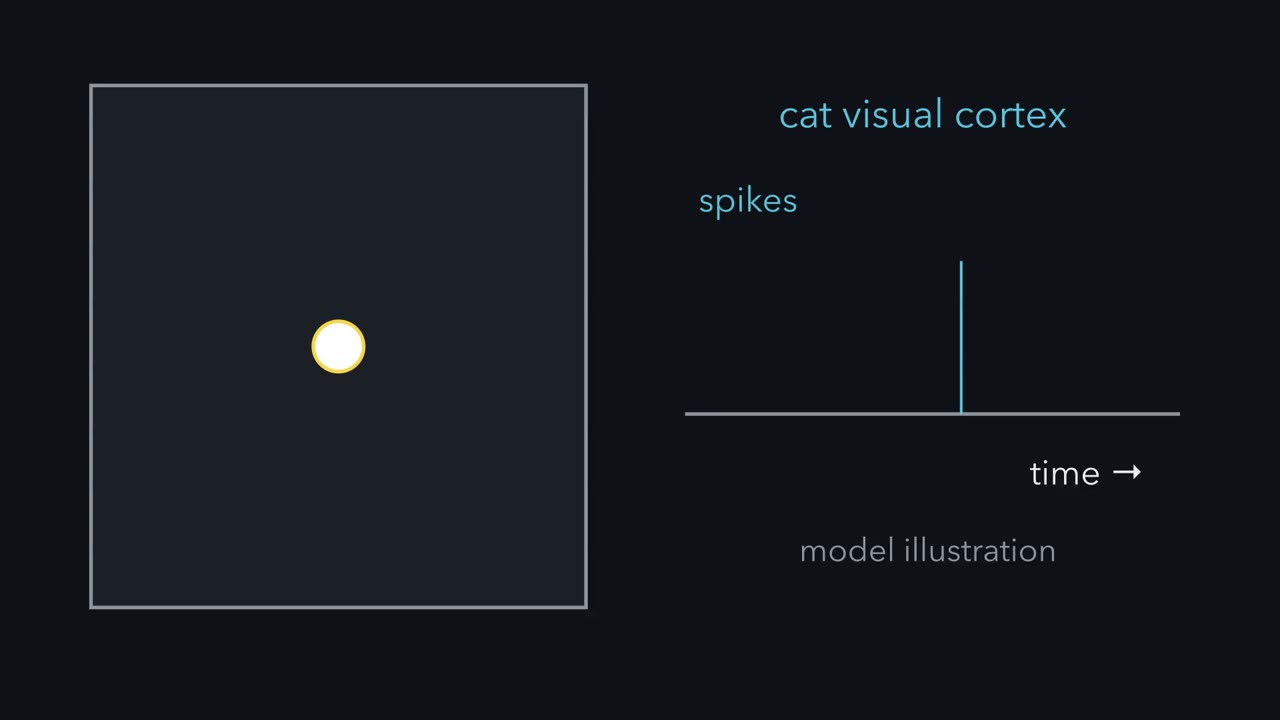 Part 1 of 3 Length 2:17 Adding Up the Light Neuroscience · College: going further Visual Cortex
Take-home
Add up the light in a cell's patch of the world, counting ON regions as plus and OFF regions as minus.
-
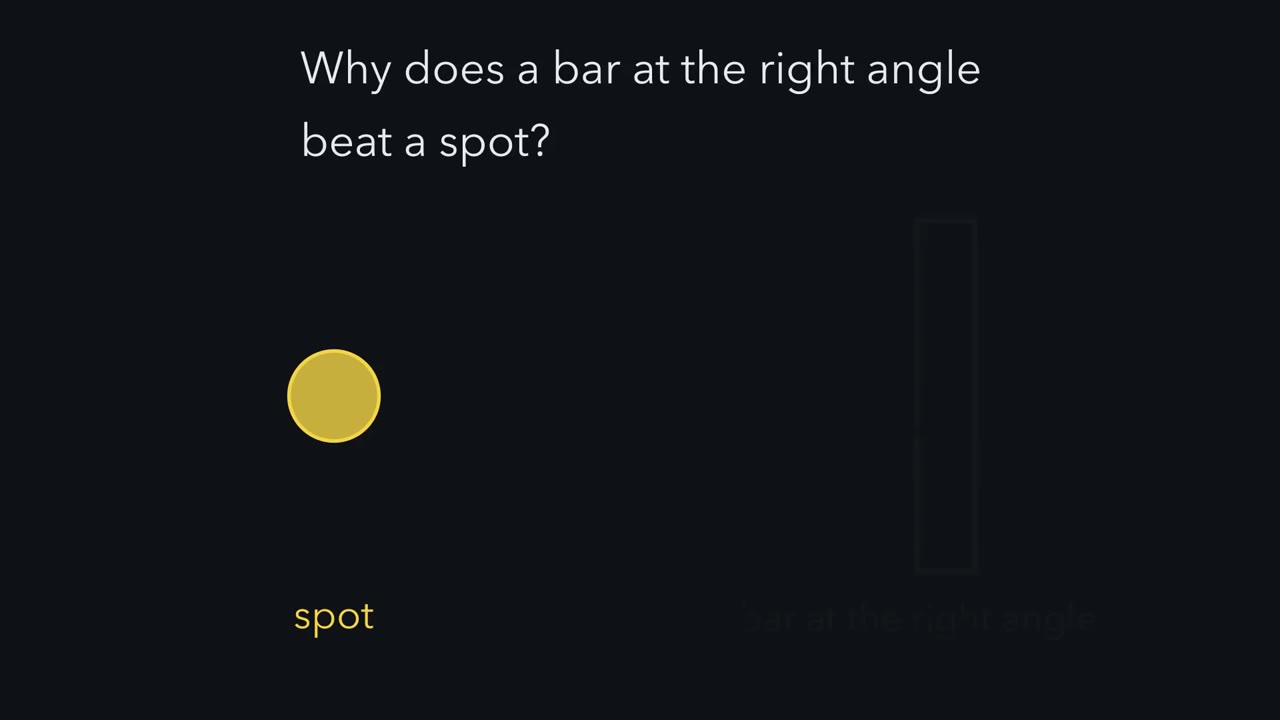 Part 2 of 3 Length 3:02 Why a Bar Beats a Spot Neuroscience · College: going further Visual Cortex
Take-home
A bar along a simple cell's ON strip collects plus all along it, so it beats a small spot.
-
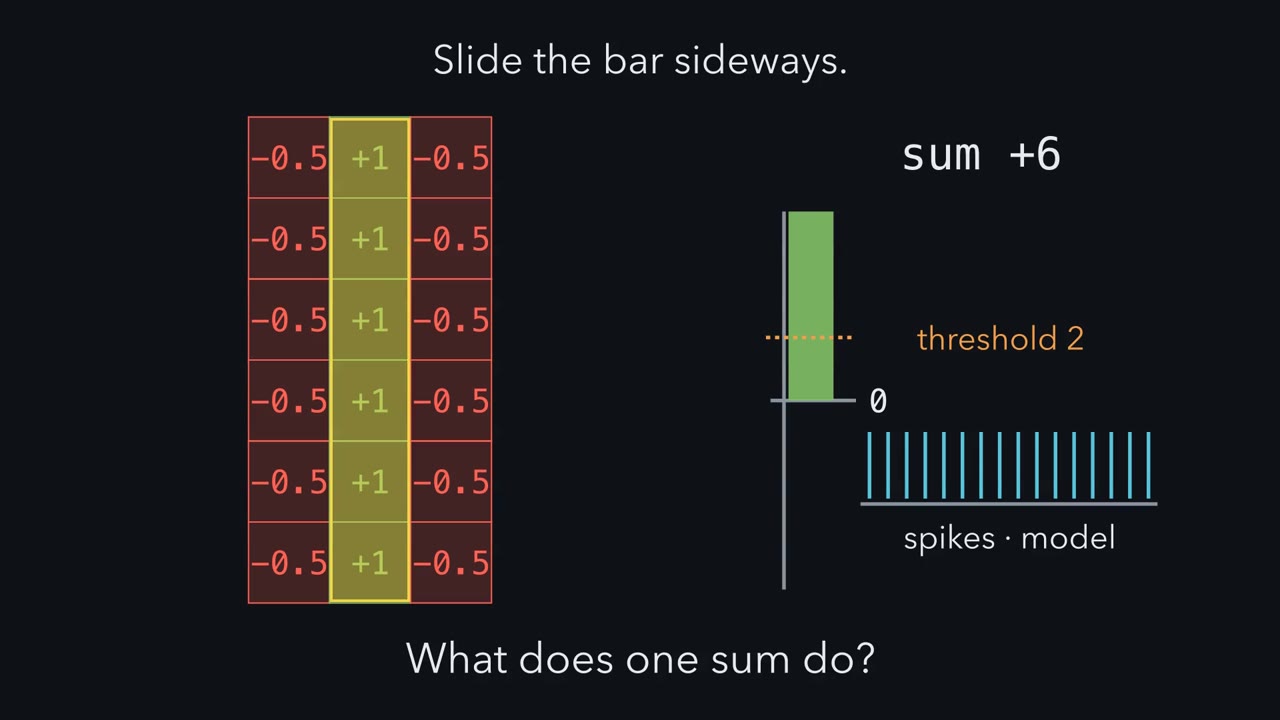 Part 3 of 3 Length 2:25 Anywhere in the Field, and Columns Neuroscience · College: going further Visual Cortex
Take-home
A complex cell keeps its preferred angle but tolerates changes in position, which one sum cannot explain.
-
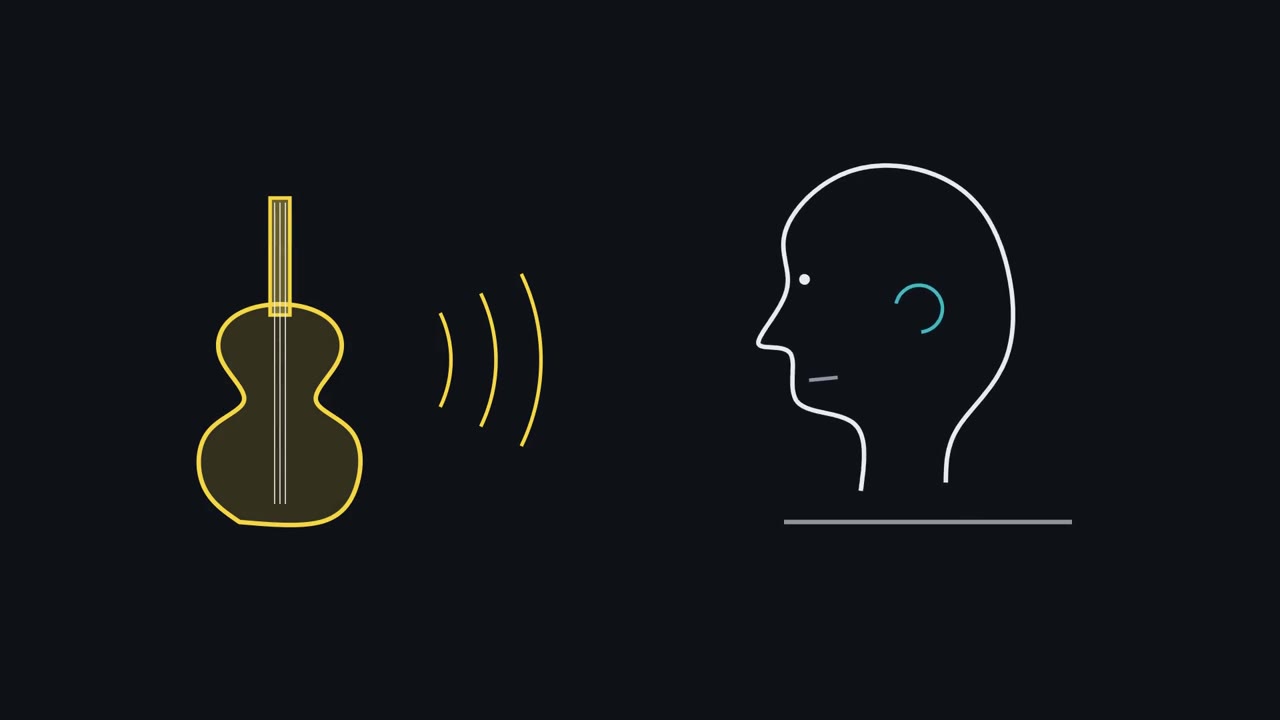 Part 1 of 3 Length 2:21 One Cell, One Switch Neuroscience · College: going further Hearing and Balance
Take-home
A hair cell reports which way, and how far, its bundle is pushed.
-
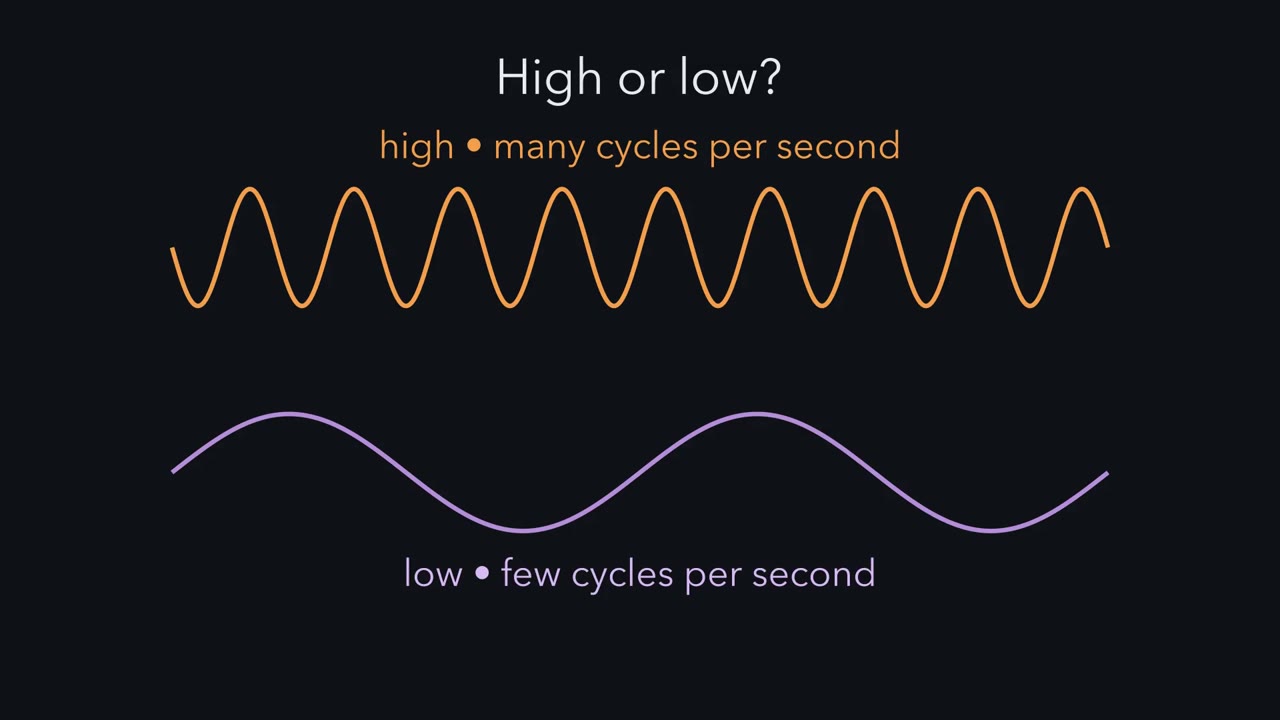 Part 2 of 3 Length 2:30 Pitch Becomes Place Neuroscience · College: going further Hearing and Balance
Take-home
Each place on the basilar membrane has its own natural frequency, high near the stiff base and low near the floppy apex, so frequency becomes position.
-
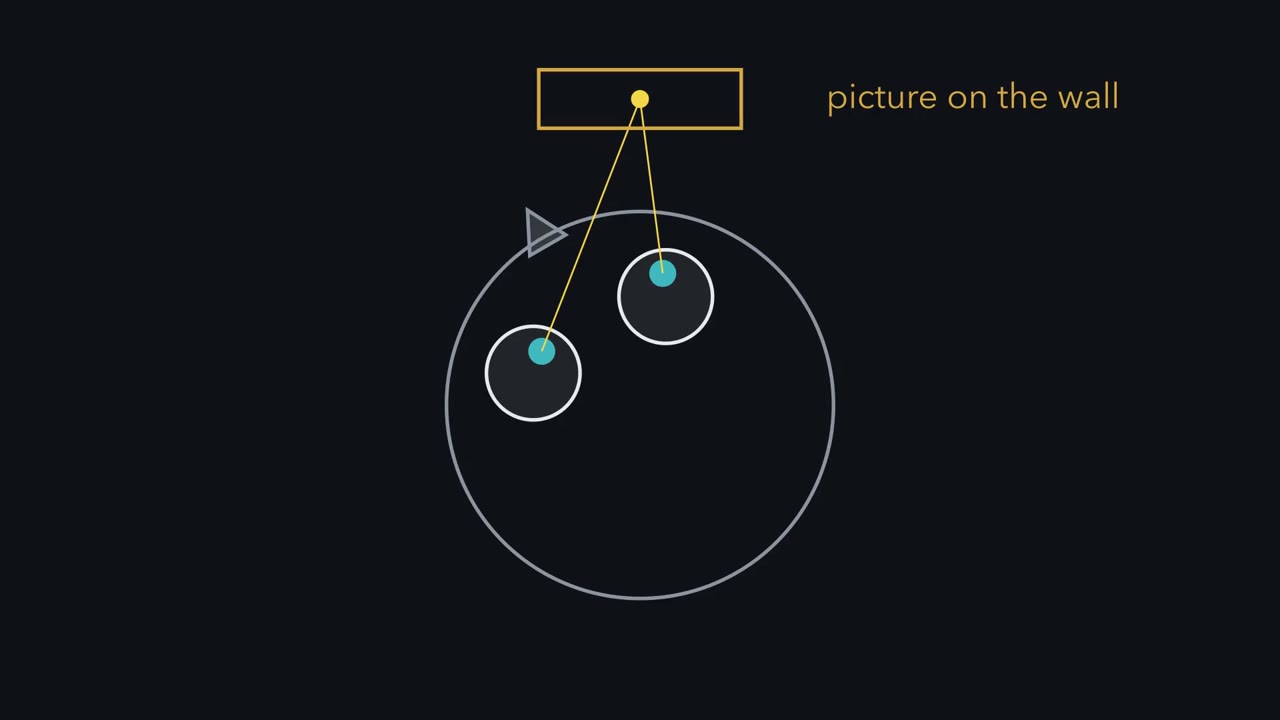 Part 3 of 3 Length 2:24 Turning Heads, Steady Eyes Neuroscience · College: going further Hearing and Balance
Take-home
Semicircular canals signal head rotation, roughly its velocity during everyday movements, and canals on opposite sides work as a pair, so a turn excites one and inhibits the other.
-
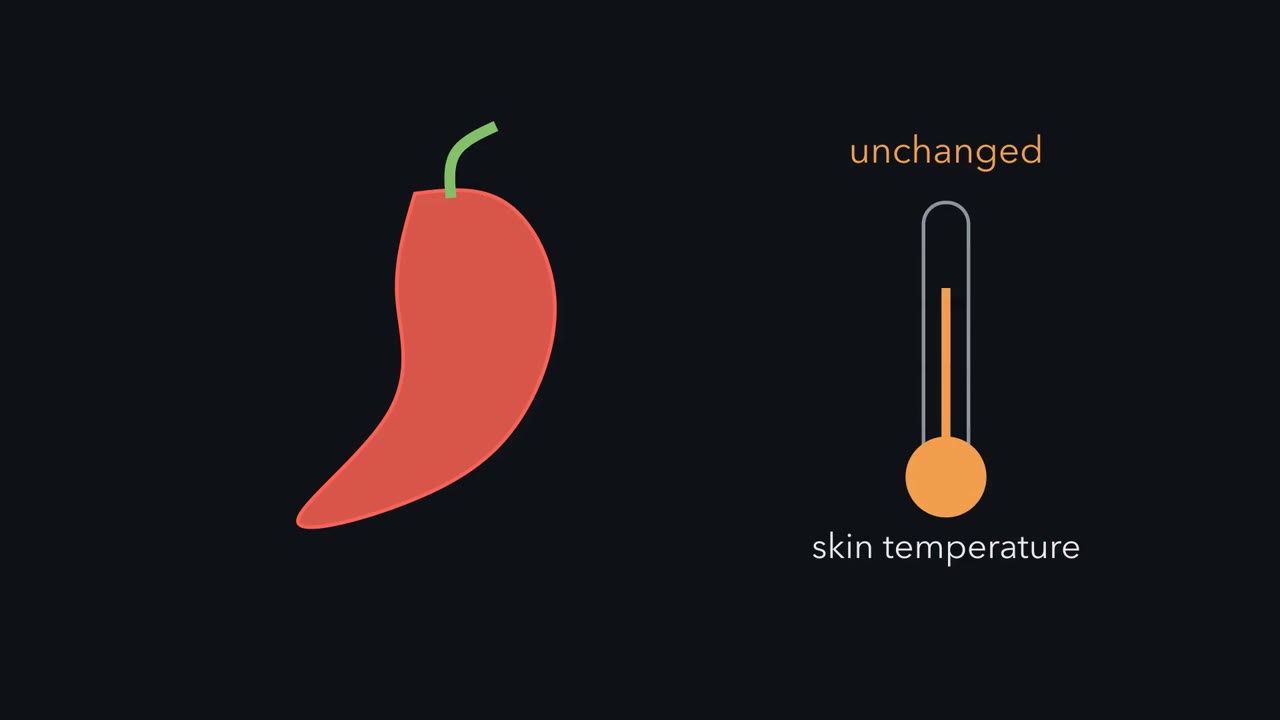 Part 1 of 3 Length 2:32 Why Capsaicin Feels Hot Neuroscience · College: going further Touch and Pain
Take-home
Capsaicin opens TRPV1 in cloned rat channels, the same channel that noxious heat above about 43 degrees Celsius opens, so it burns without carrying heat.
-
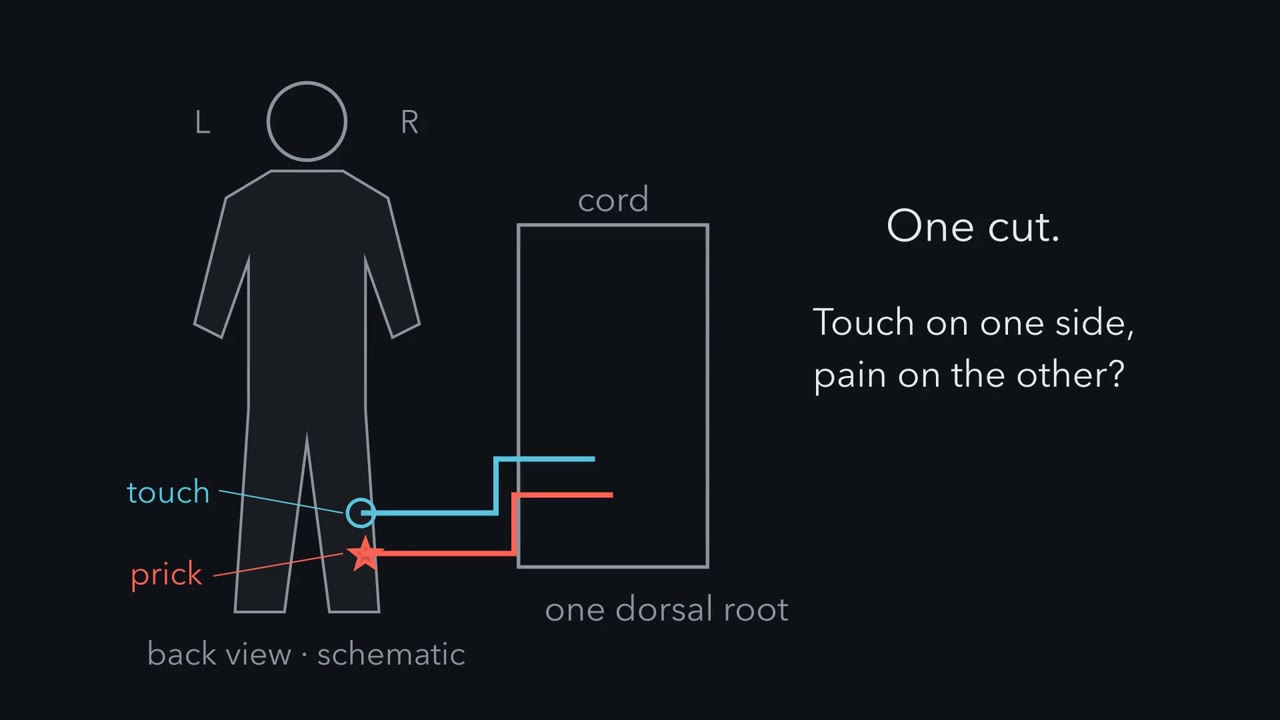 Part 2 of 3 Length 2:33 Two Lines, Two Crossings Neuroscience · College: going further Touch and Pain
Take-home
The touch line carries fine touch, vibration and position sense and crosses in the medulla, while the pain and temperature line crosses in the spinal cord within a segment or two.
-
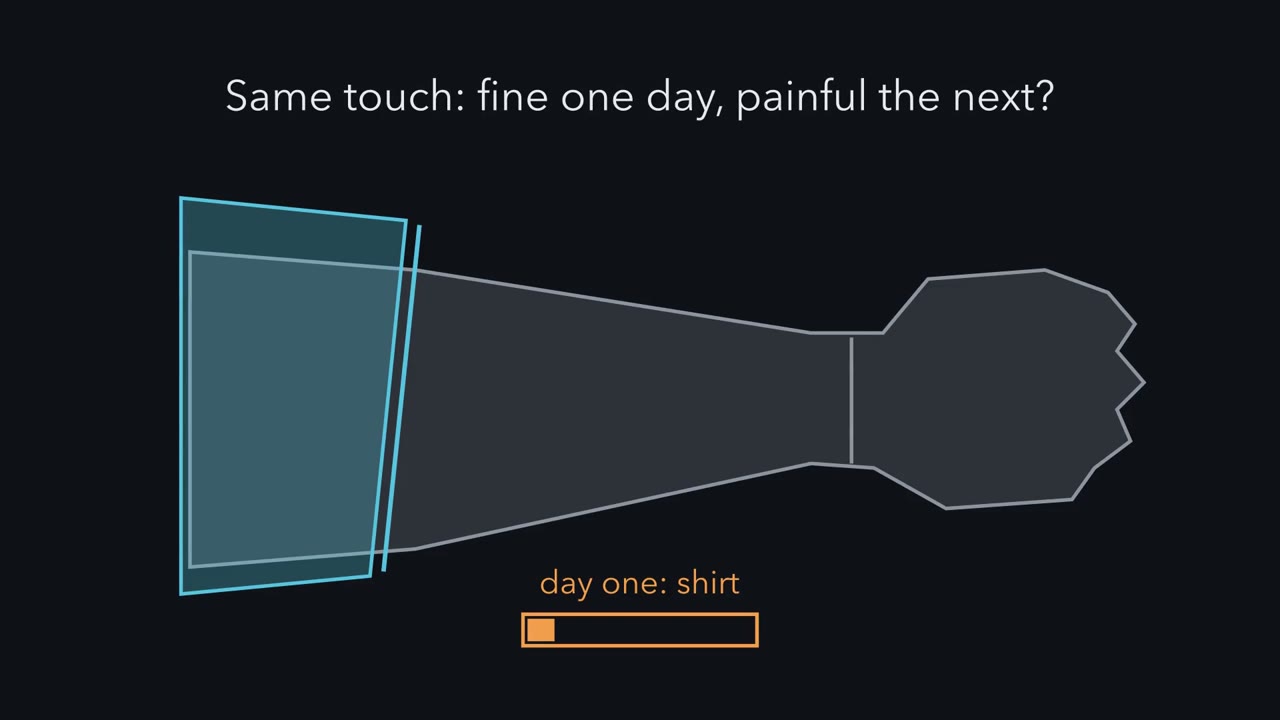 Part 3 of 3 Length 2:52 Turning the Report Up and Down Neuroscience · College: going further Touch and Pain
Take-home
The size of the pain report can be reset at the ending, in the dorsal horn and in the brainstem.
-
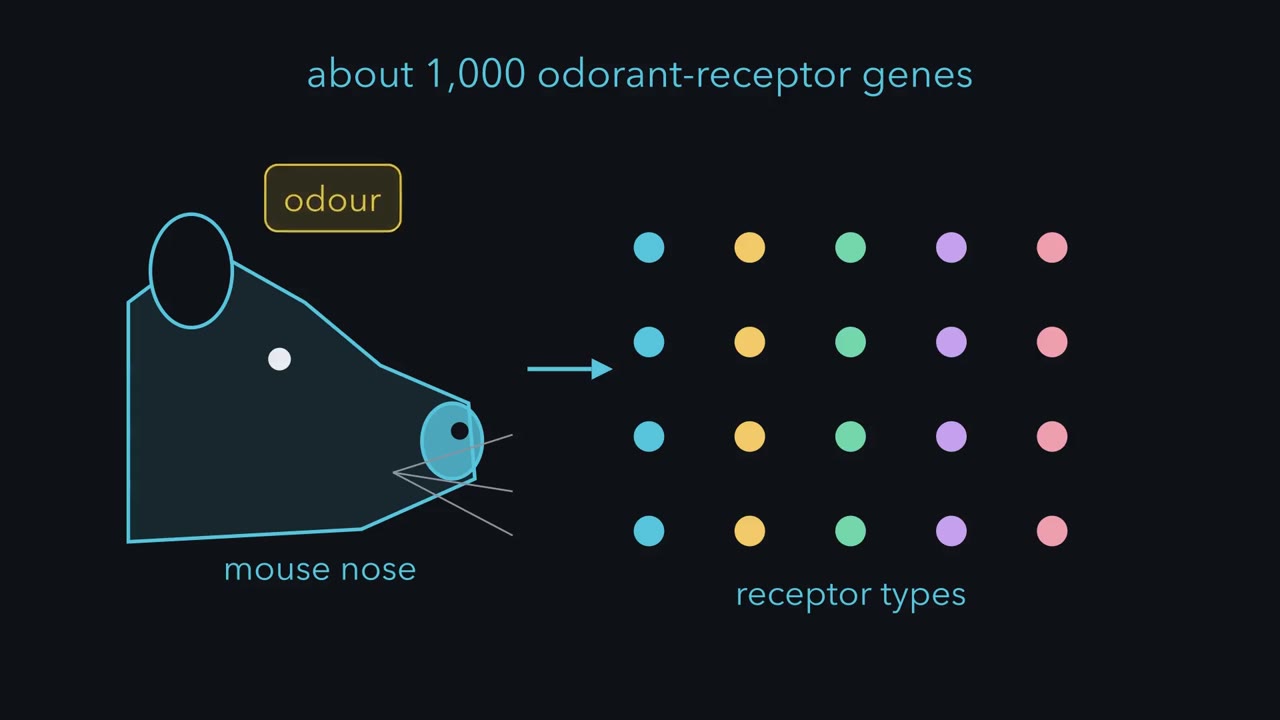 Part 1 of 3 Length 2:14 A Cell Cannot Name a Molecule Neuroscience · College: going further Smell and Taste
Take-home
A receptor cell reports how strongly it is active, not which molecule activated it.
-
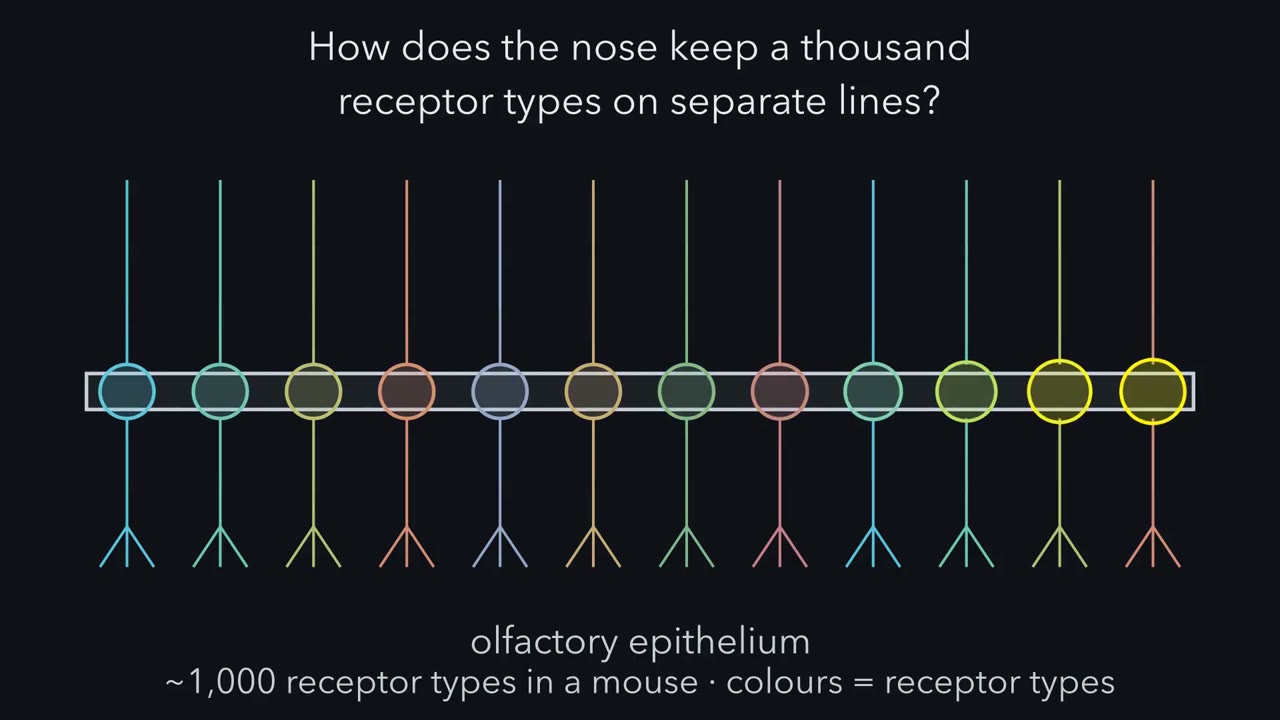 Part 2 of 3 Length 2:42 Smell Keeps Its Lines Apart Neuroscience · College: going further Smell and Taste
Take-home
Most mature olfactory neurons in a mouse express one receptor gene at high abundance, so all neurons with one receptor form one line.
-
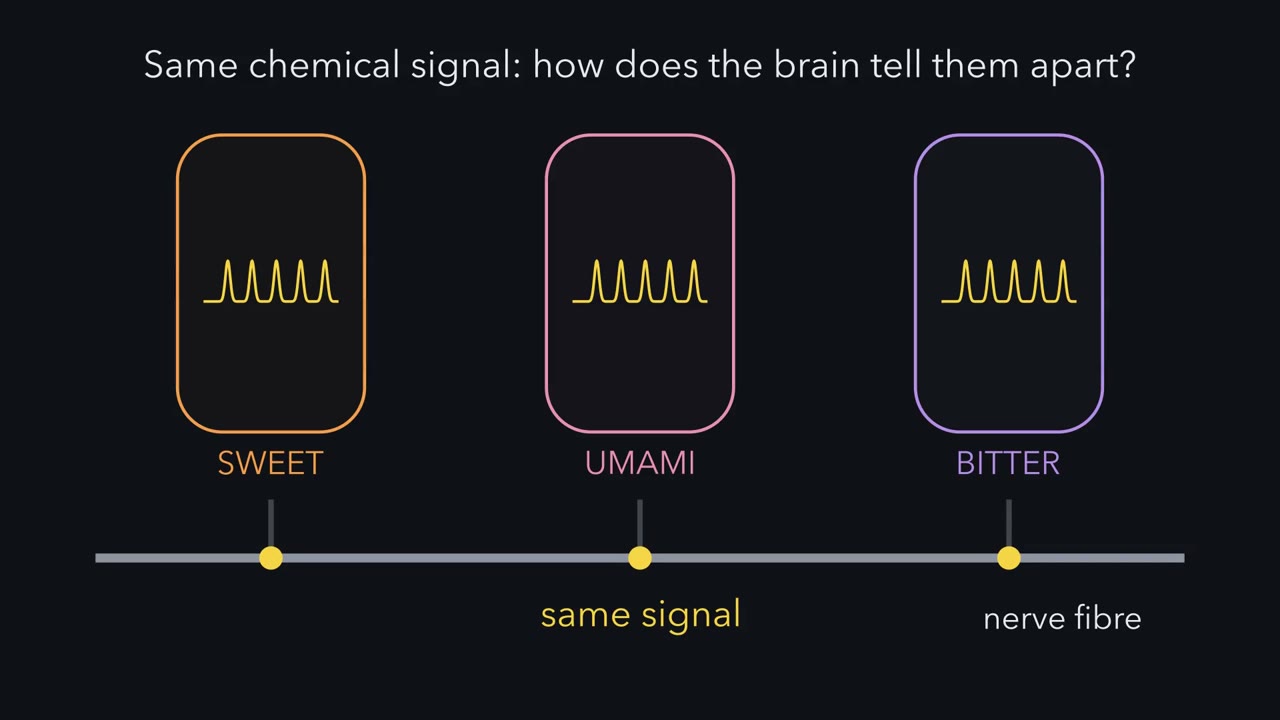 Part 3 of 3 Length 2:51 Taste: The Cell Decides Neuroscience · College: going further Smell and Taste
Take-home
Sweet, umami and bitter cells run the same chain from receptor to ATP release, so the signal itself is the same and the cell the nerve listens to is what differs.
-
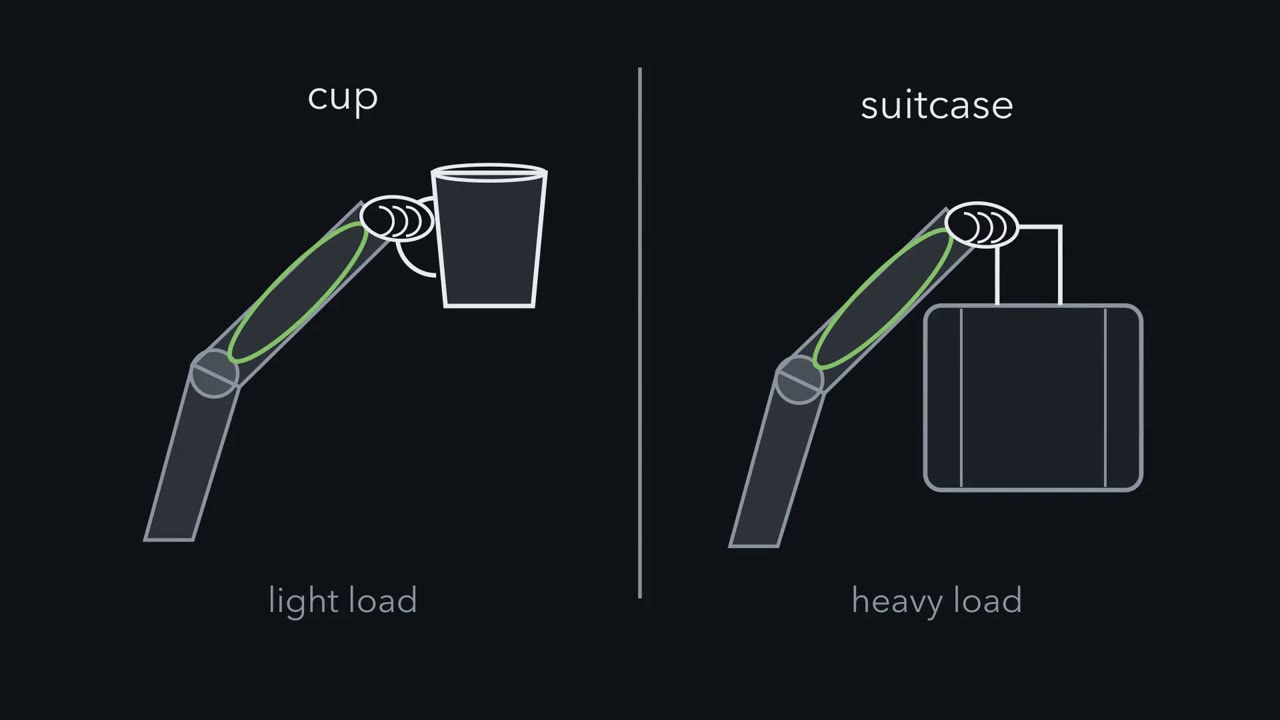 Part 1 of 3 Length 2:45 Where Every Command Ends Neuroscience · College: going further Motor Units, Reflexes and Locomotion
Take-home
Every command to a muscle, from the brain, a stretch, pain or a rhythm circuit, ends as synaptic current on motor neurons.
-
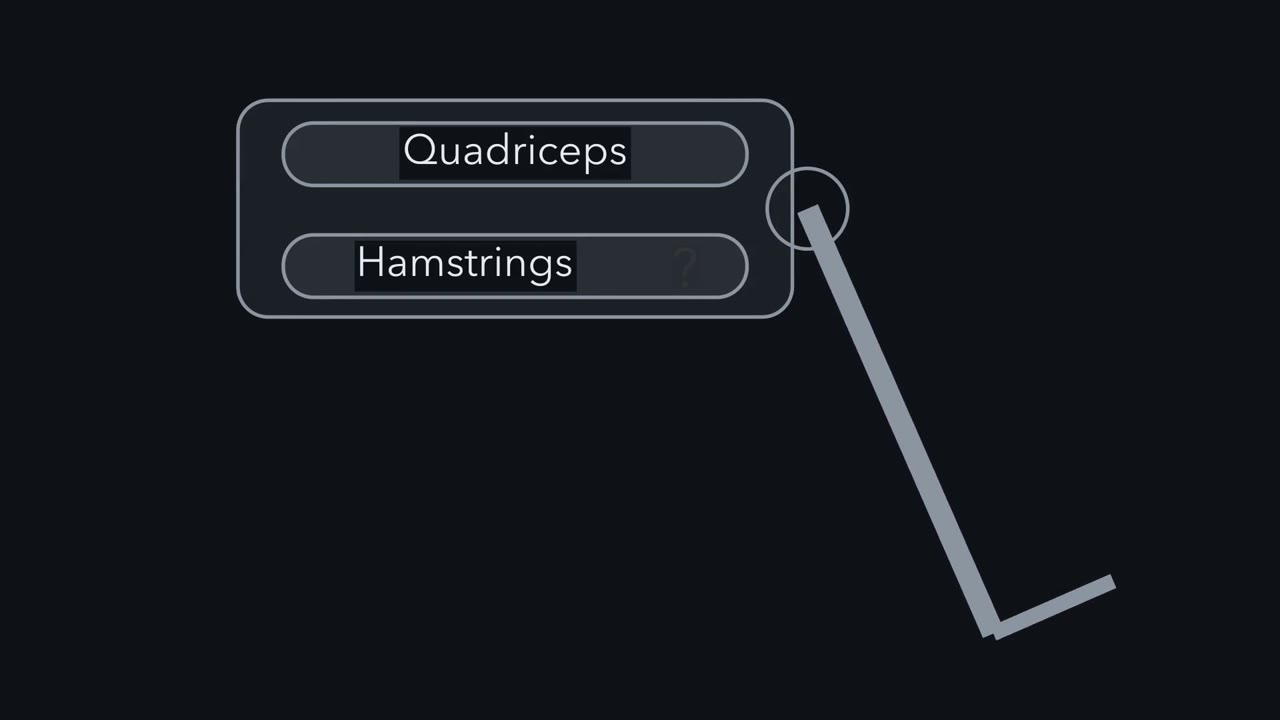 Part 2 of 3 Length 2:40 One Stretch, Two Opposite Commands Neuroscience · College: going further Motor Units, Reflexes and Locomotion
Take-home
A stretch excites the muscle's own motor neurons and, through an inhibitory interneuron on the same side, pushes its antagonist's motor neurons down.
-
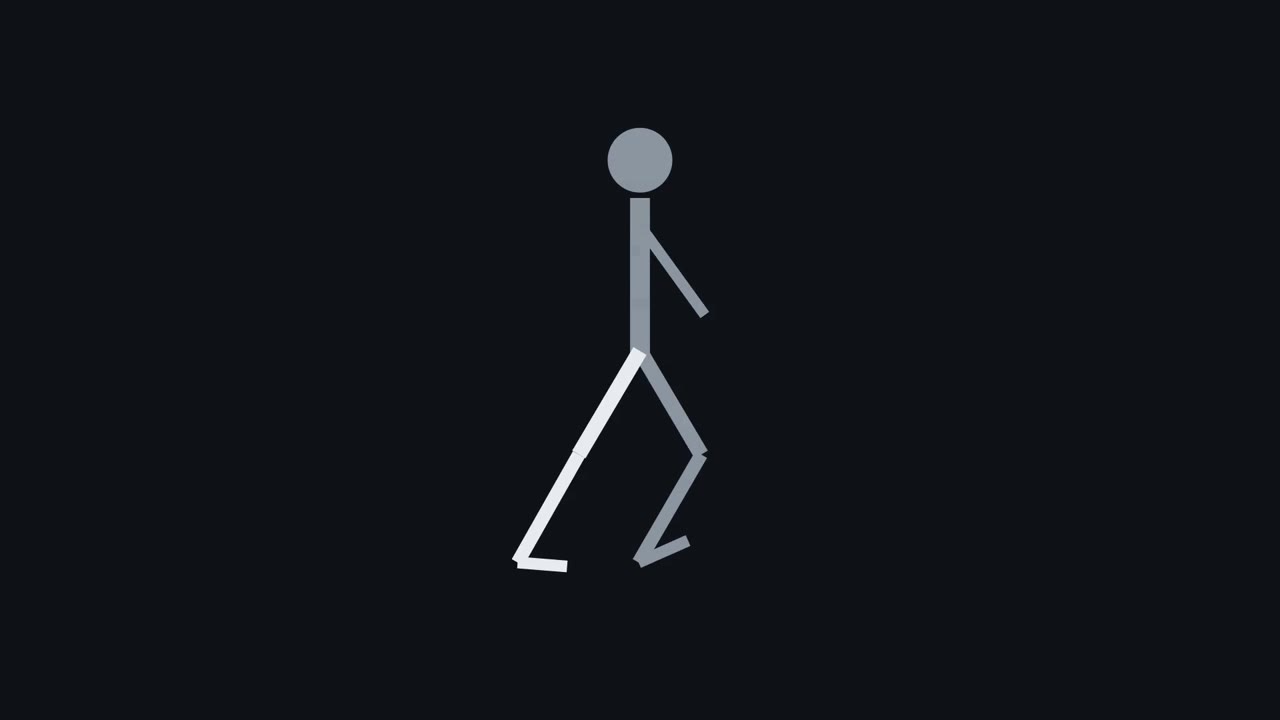 Part 3 of 3 Length 2:16 Rhythm Without a Conductor Neuroscience · College: going further Motor Units, Reflexes and Locomotion
Take-home
In cats, a spinal cord cut off from the brain and from sensory roots can still make alternating flexor and extensor contractions.
-
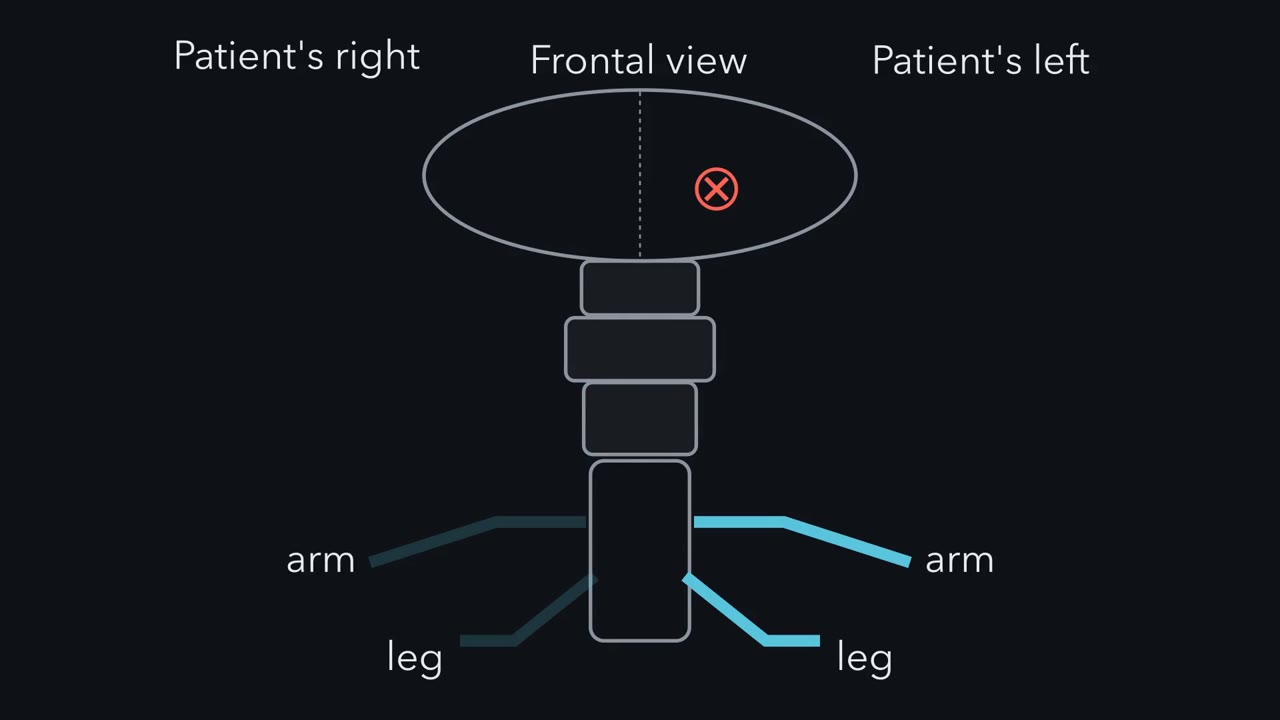 Part 1 of 3 Length 2:41 Two Counts: Side and Sign Neuroscience · College: going further Descending Control and the Basal Ganglia
Take-home
Count the midline crossings between a lesion and the muscle: each crossing flips the side of the effect.
-
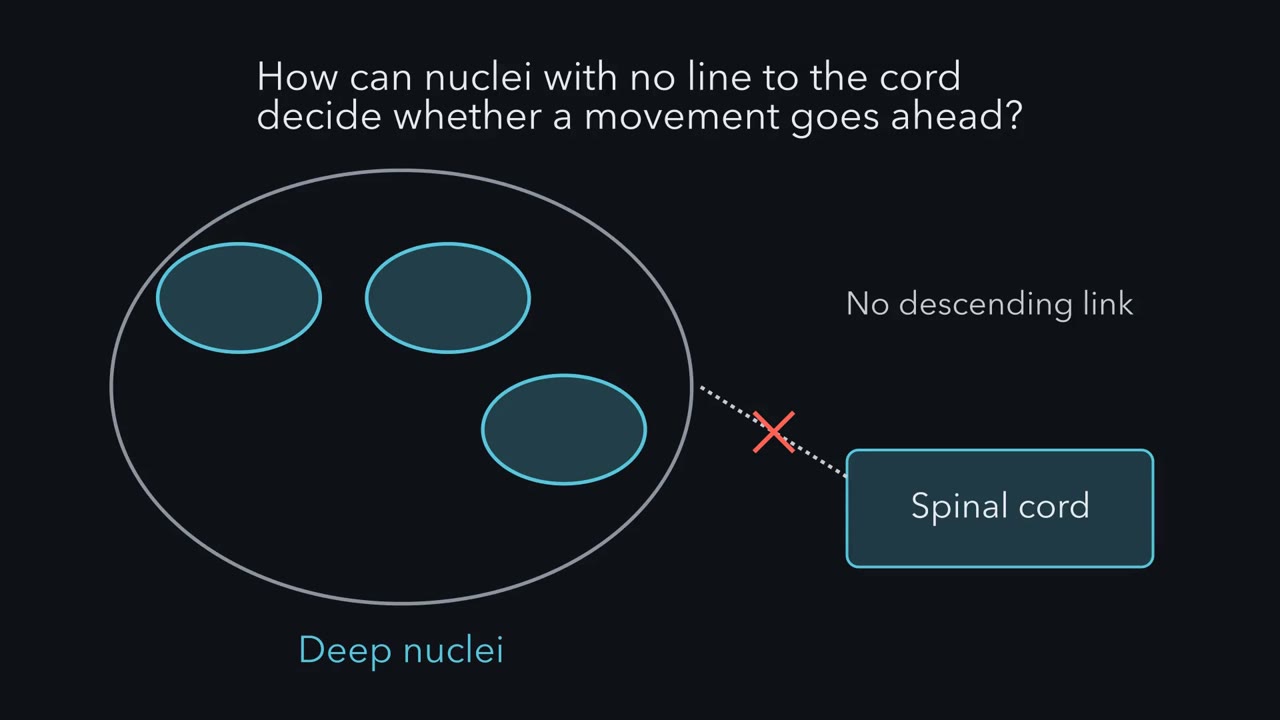 Part 2 of 3 Length 3:04 The Brake and Its Two Routes Neuroscience · College: going further Descending Control and the Basal Ganglia
Take-home
In the classic model, GPi fires steadily and holds the thalamus down like a brake, and movement needs the brake lifted.
-
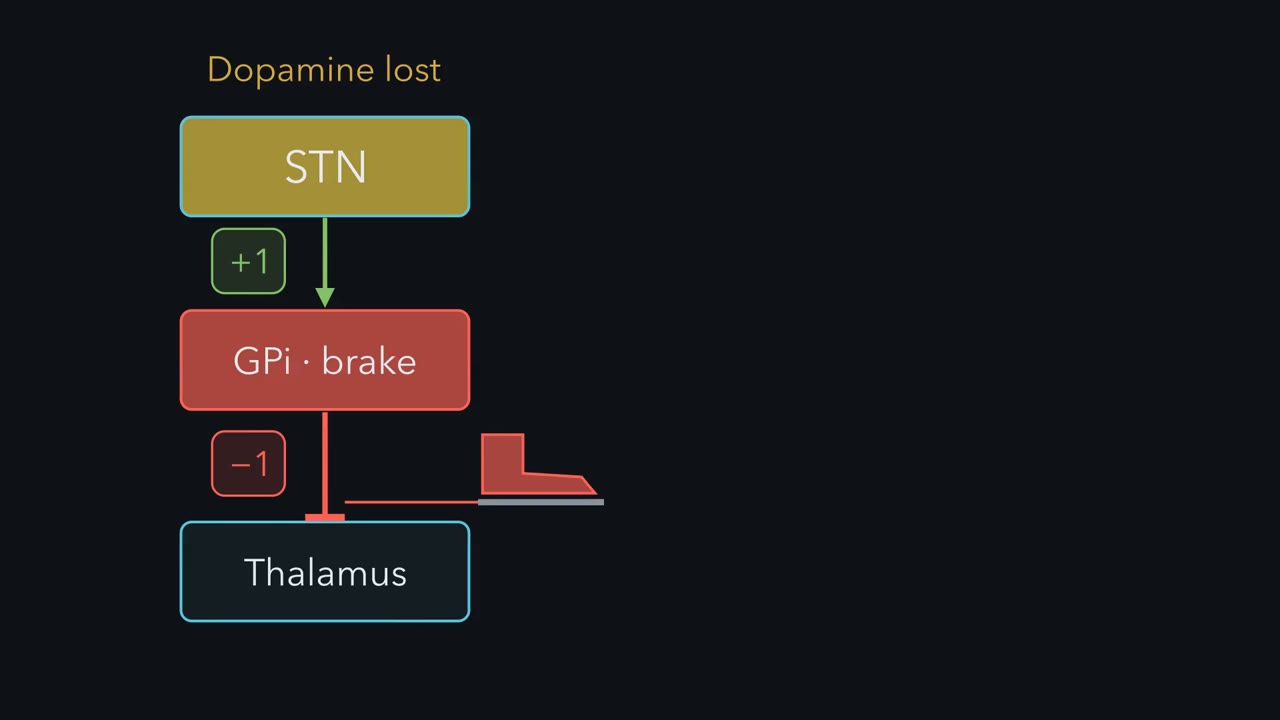 Part 3 of 3 Length 1:55 The Test: Silence the STN Neuroscience · College: going further Descending Control and the Basal Ganglia
Take-home
In the classic model, silencing the STN lifts the brake, so movement should improve on the side opposite the lesion.
-
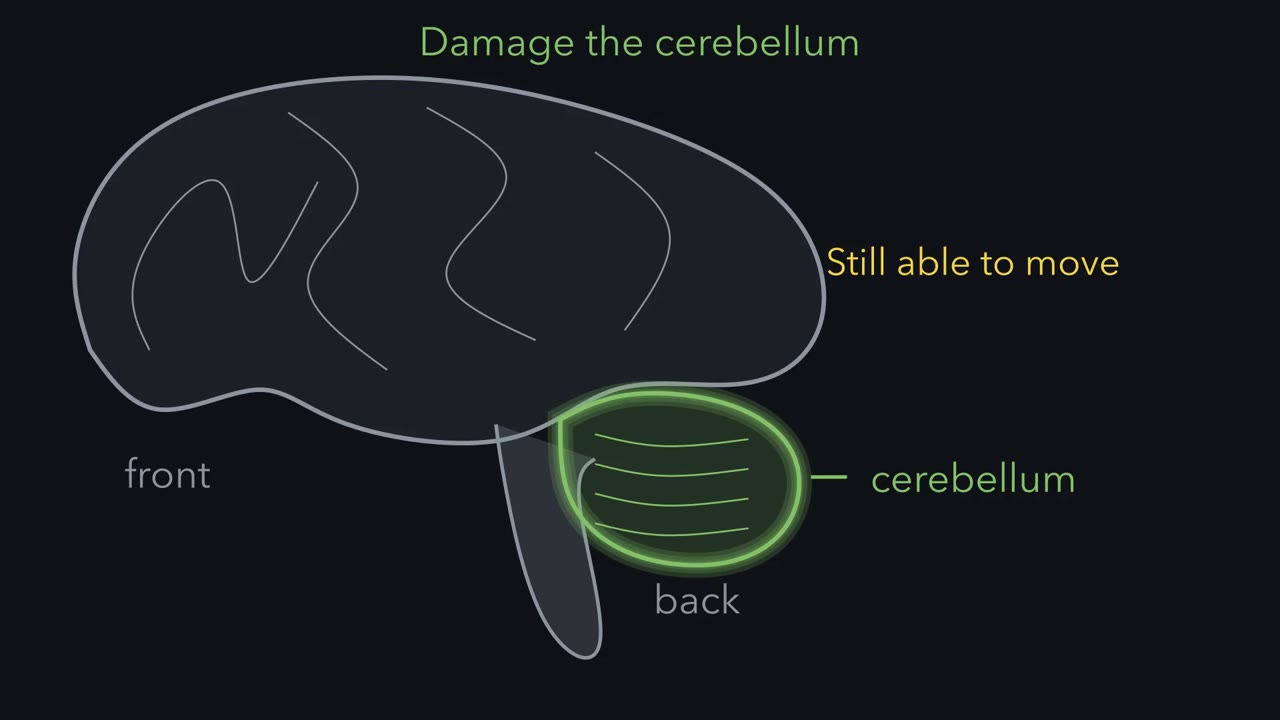 Part 1 of 3 Length 2:25 A Predictor That Learns from Error Neuroscience · College: going further The Cerebellum
Take-home
Damage to the cerebellum leaves movement clumsy rather than weak.
-
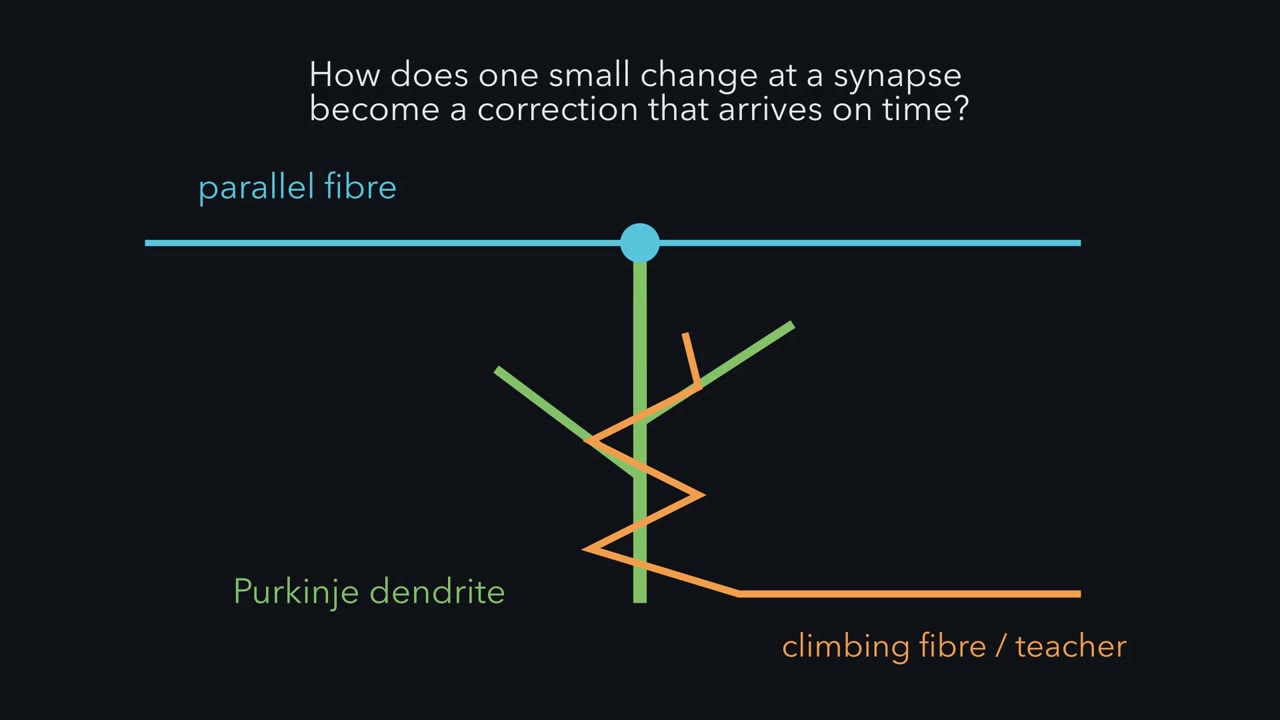 Part 2 of 3 Length 3:20 Following the Sign Neuroscience · College: going further The Cerebellum
Take-home
In rabbit experiments, only parallel fibres paired with the climbing fibre produced a lasting depression of the synapse, which stayed smaller for at least an hour.
-
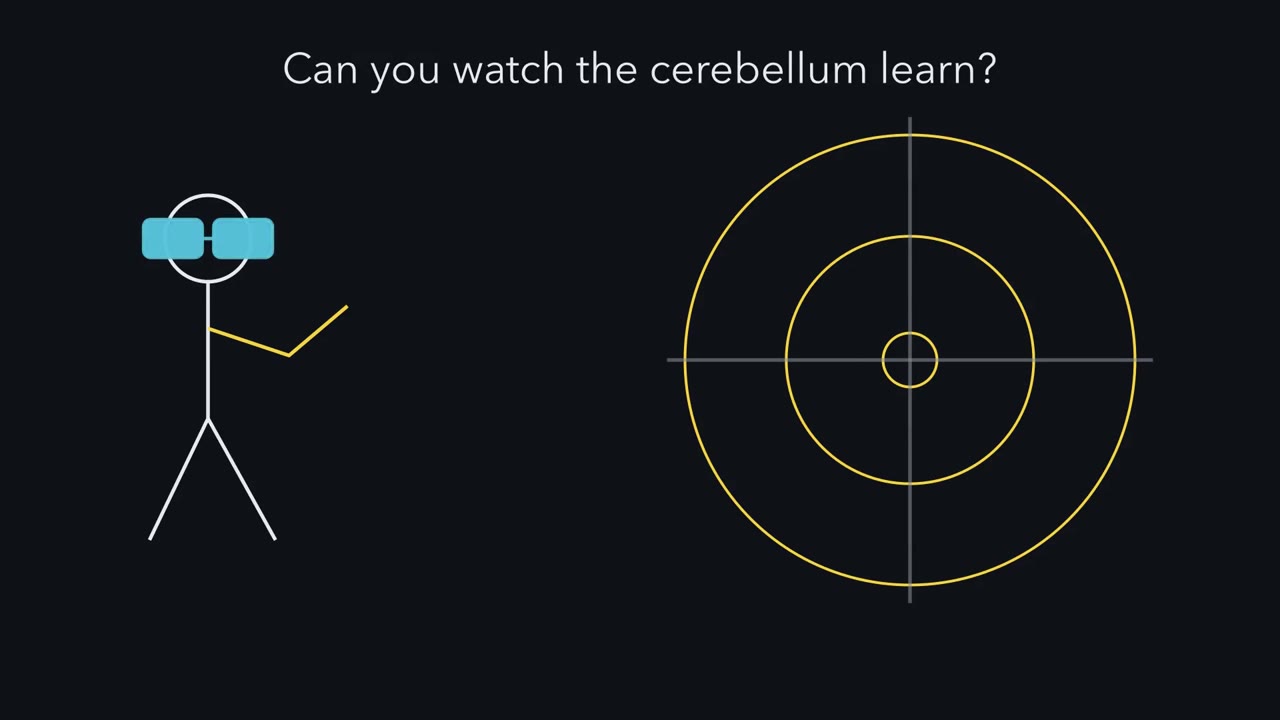 Part 3 of 3 Length 2:12 Prisms: Learning You Can Watch Neuroscience · College: going further The Cerebellum
Take-home
In the prism task, errors shrink throw by throw, and the opposite miss after the goggles come off shows that the mapping between seeing and moving was recalibrated.
-
 Part 1 of 3 Length 2:58 Correction, Threshold and Gain Neuroscience · College: going further Autonomic Control and the Hypothalamus
Take-home
The osmotic vasopressin response needs two numbers: a threshold, where release starts, and a gain, how much release grows above it.
-
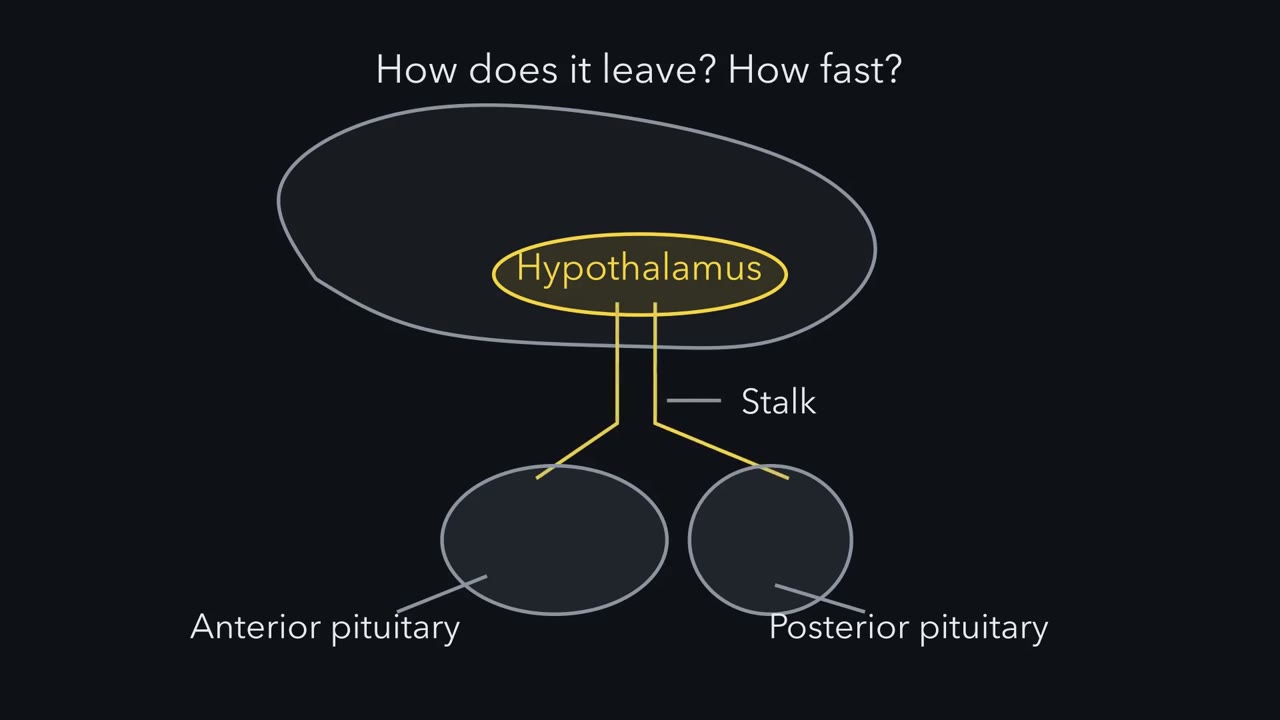 Part 2 of 3 Length 3:03 Two Ways Out: Blood and Wires Neuroscience · College: going further Autonomic Control and the Hypothalamus
Take-home
The posterior pituitary is reached by axons and the anterior pituitary by blood, through portal veins that carry releasing hormones.
-
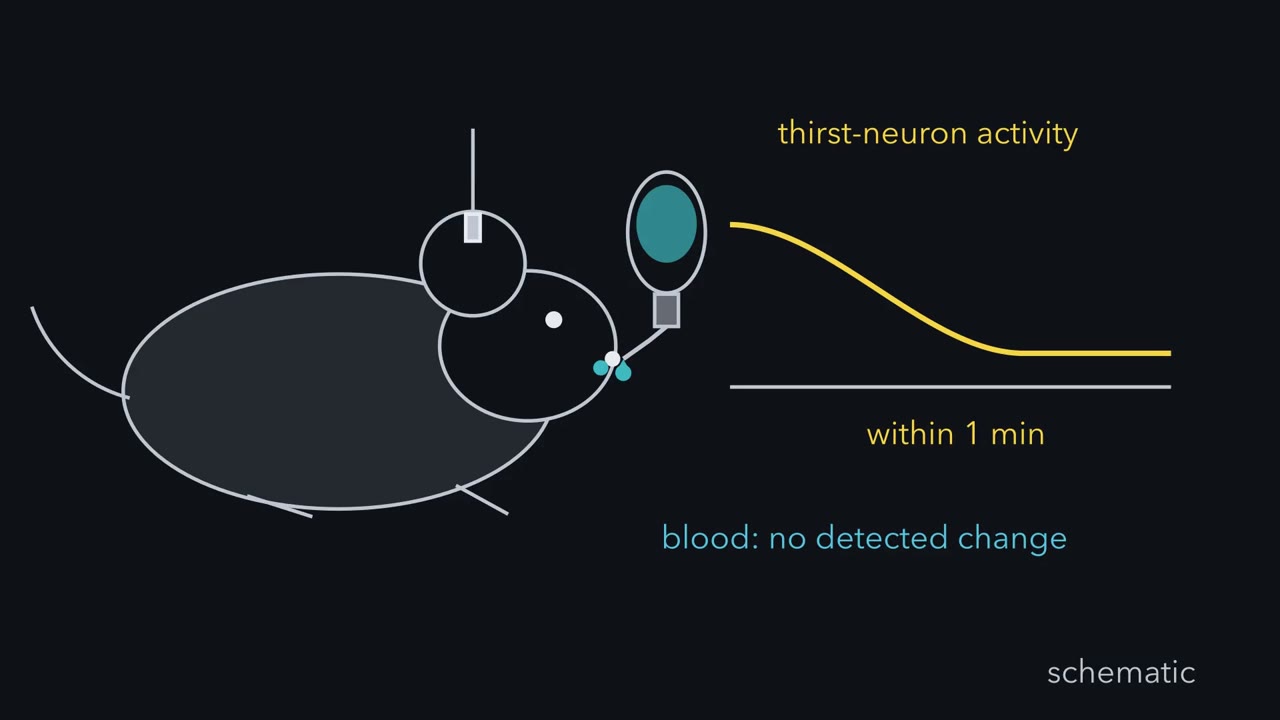 Part 3 of 3 Length 2:50 Acting Before the Blood Changes Neuroscience · College: going further Autonomic Control and the Hypothalamus
Take-home
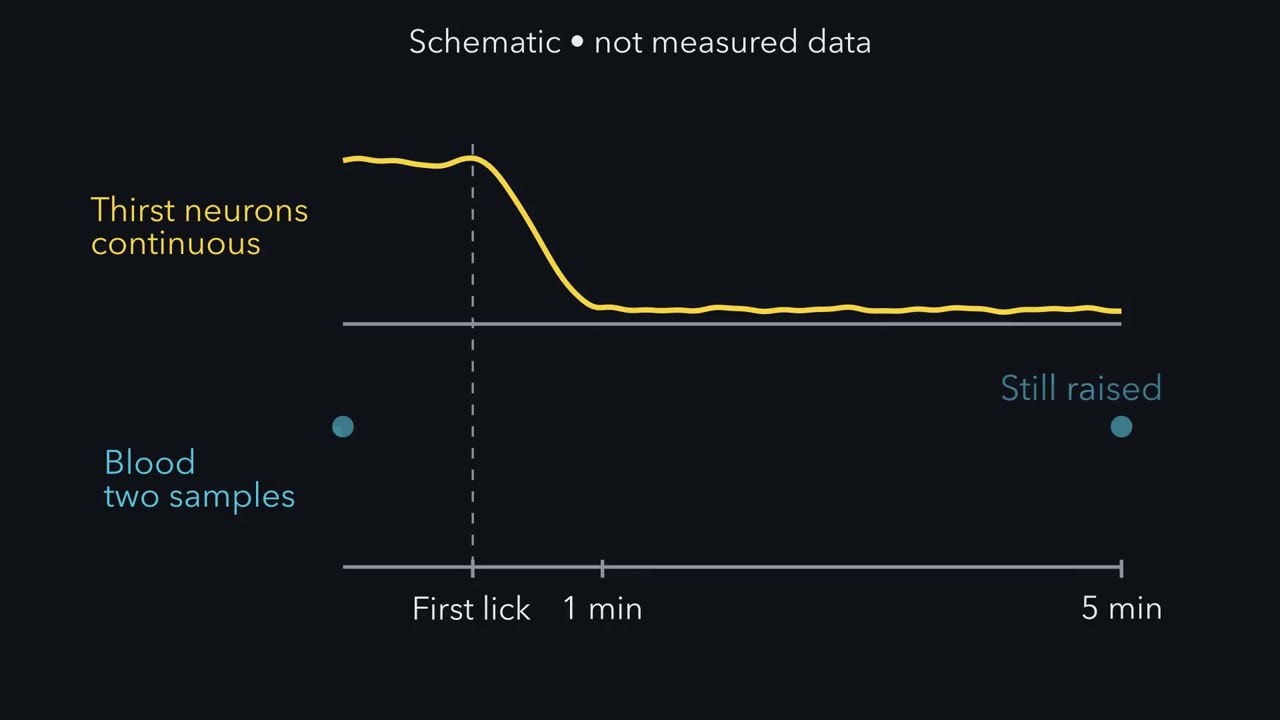
In awake mice, subfornical organ neuron activity fell within a minute of drinking, while plasma osmolality was still raised five minutes after water access.
-
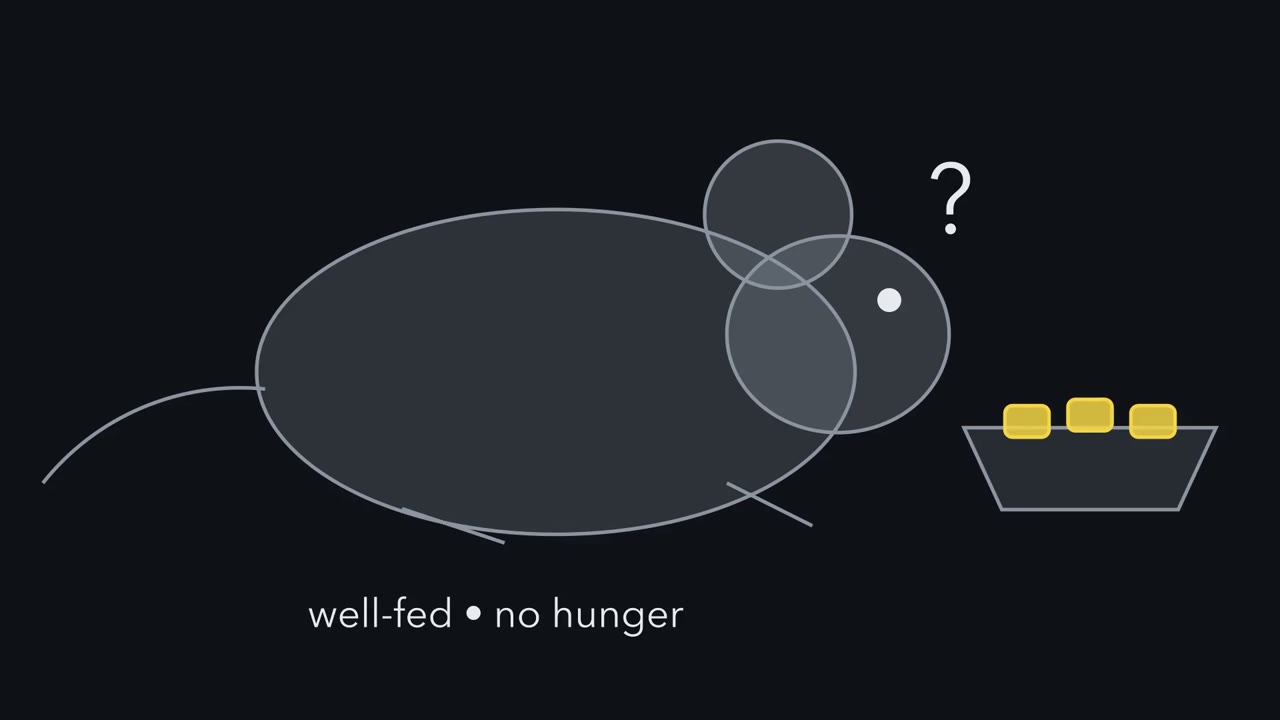 Part 1 of 3 Length 2:24 Received Minus Predicted Neuroscience · College: going further Feeding, Motivation and Reward
Take-home
Dopamine bursts and pauses report better or worse than predicted, not the reward itself.
-
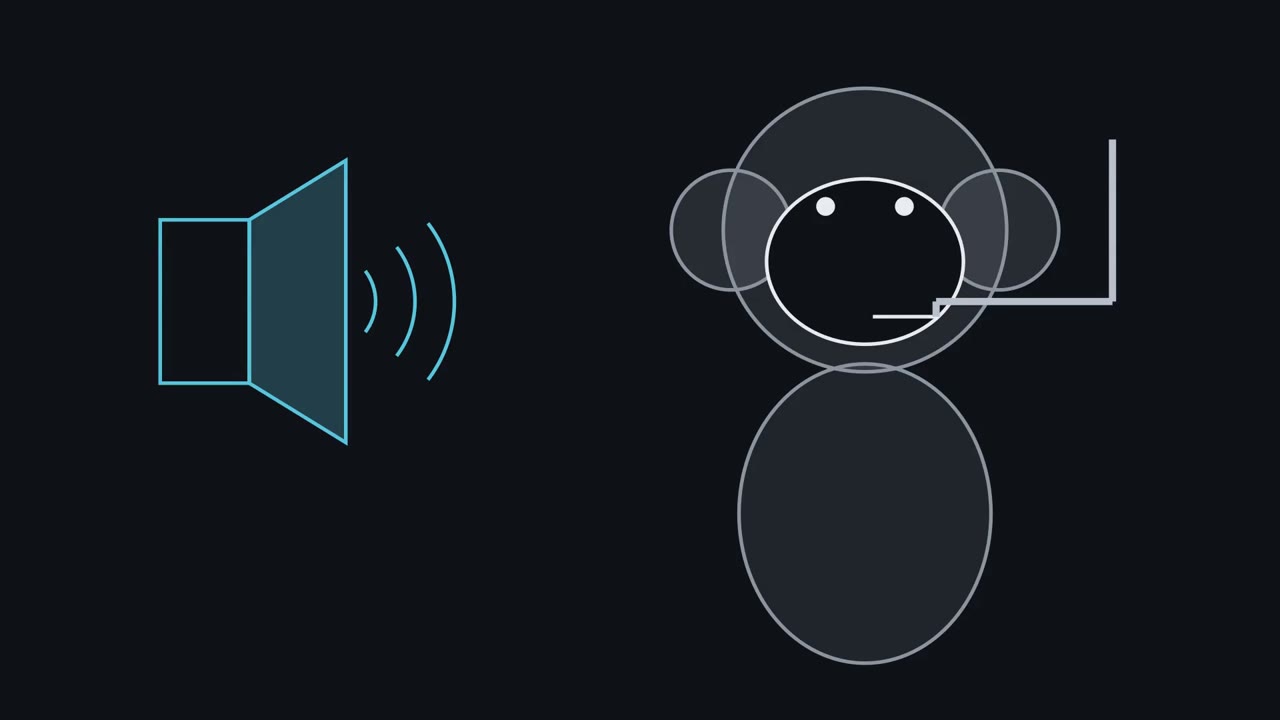 Part 2 of 3 Length 3:10 The Tone and the Juice Neuroscience · College: going further Feeding, Motivation and Reward
Take-home
In monkeys, about three quarters of recorded dopamine neurons burst to unexpected juice, and once a tone predicted it the burst came at the tone.
-
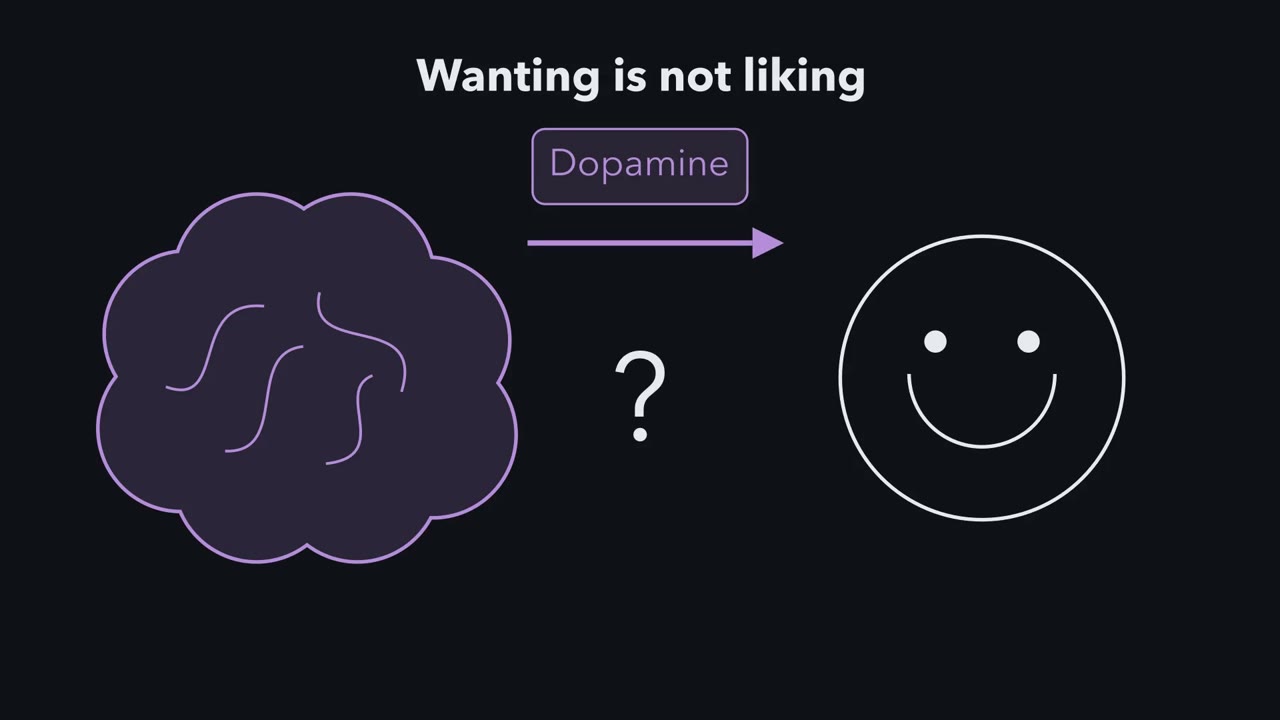 Part 3 of 3 Length 2:23 Wanting Is Not Liking Neuroscience · College: going further Feeding, Motivation and Reward
Take-home
In rats, depleting forebrain dopamine stopped food seeking but left liking reactions to sugar intact.
-
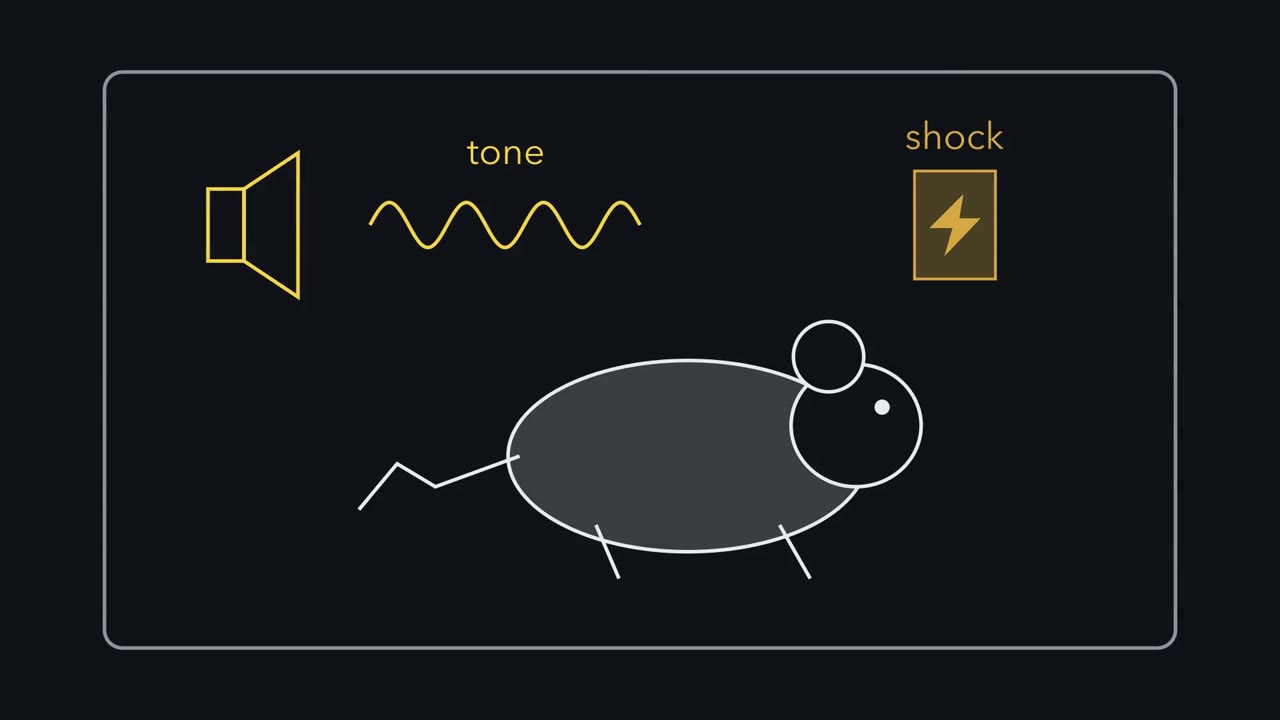 Part 1 of 3 Length 2:15 One Signal, Three Routes Neuroscience · College: going further Emotion and Stress
Take-home
Paired minus unpaired freezing estimates what a rat learned about the tone.
-
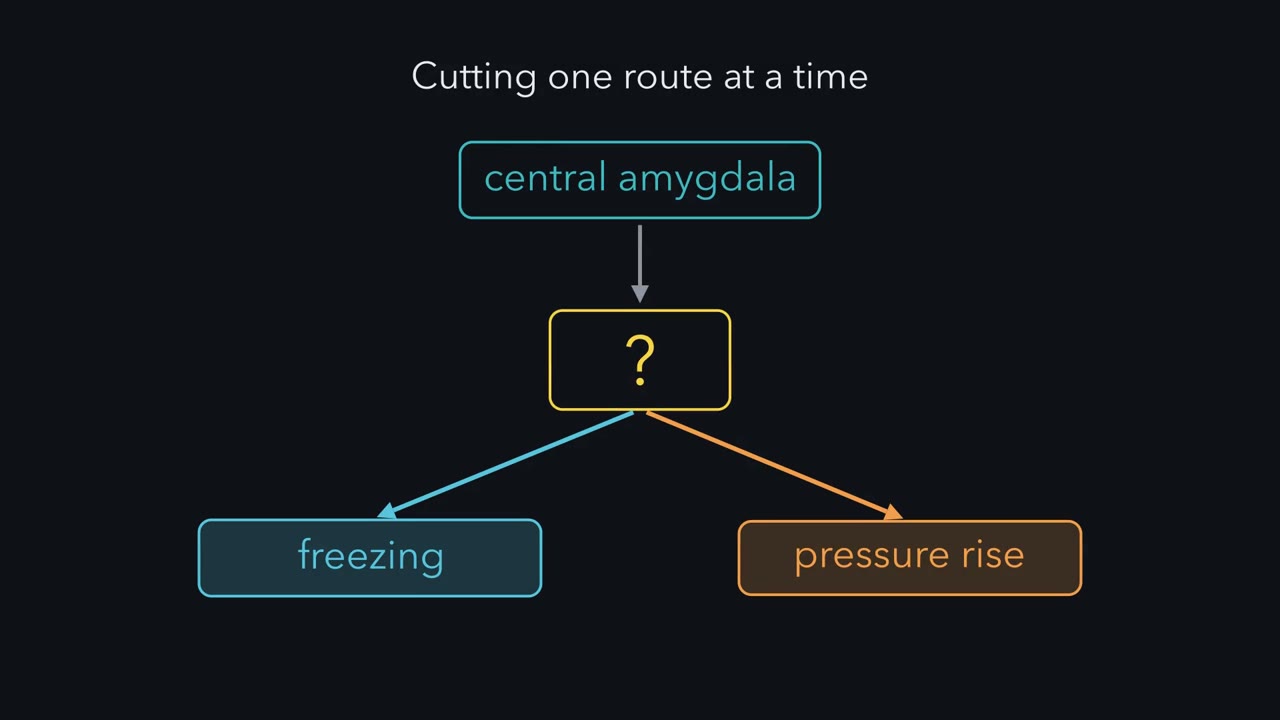 Part 2 of 3 Length 2:48 Cutting One Route at a Time Neuroscience · College: going further Emotion and Stress
Take-home
In rats, damage to lateral hypothalamus neurons impaired mainly the pressure rise, and damage to the caudal periaqueductal gray impaired mainly freezing.
-
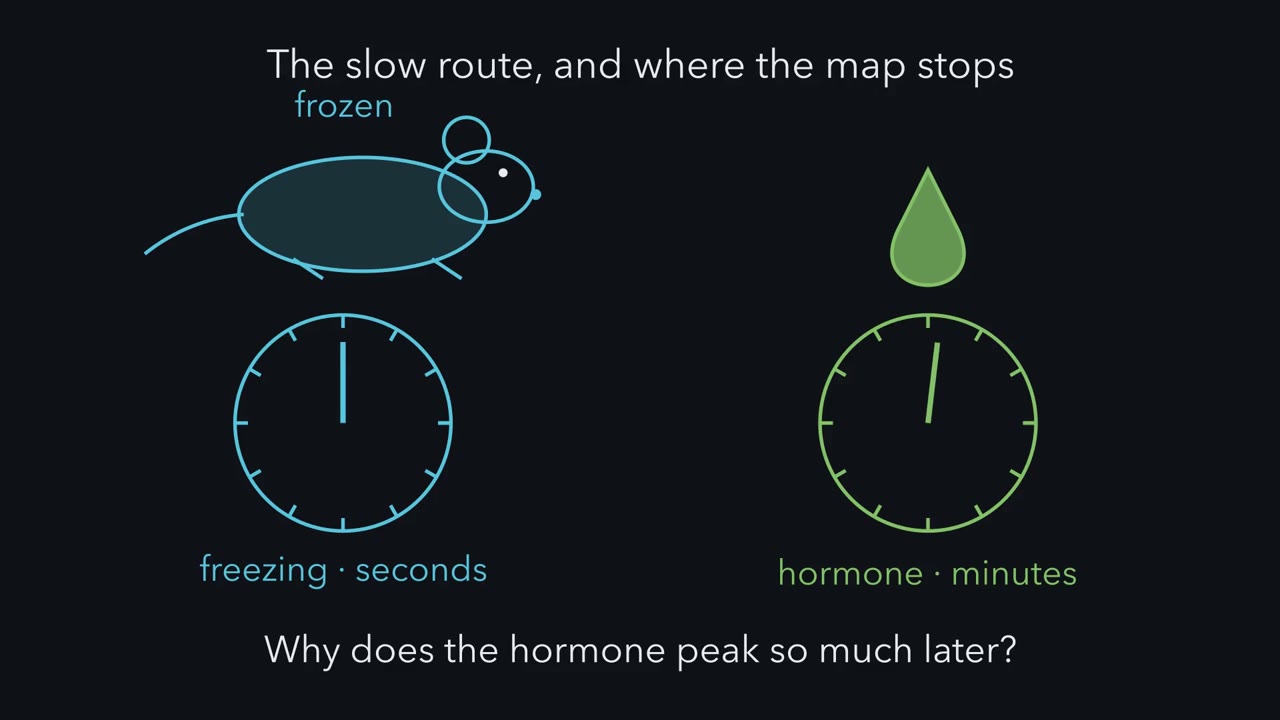 Part 3 of 3 Length 2:32 The Slow Route, and Where the Map Stops Neuroscience · College: going further Emotion and Stress
Take-home
The hormone route runs through the hypothalamus, pituitary and adrenal, so levels peak tens of minutes after the stress begins.
-
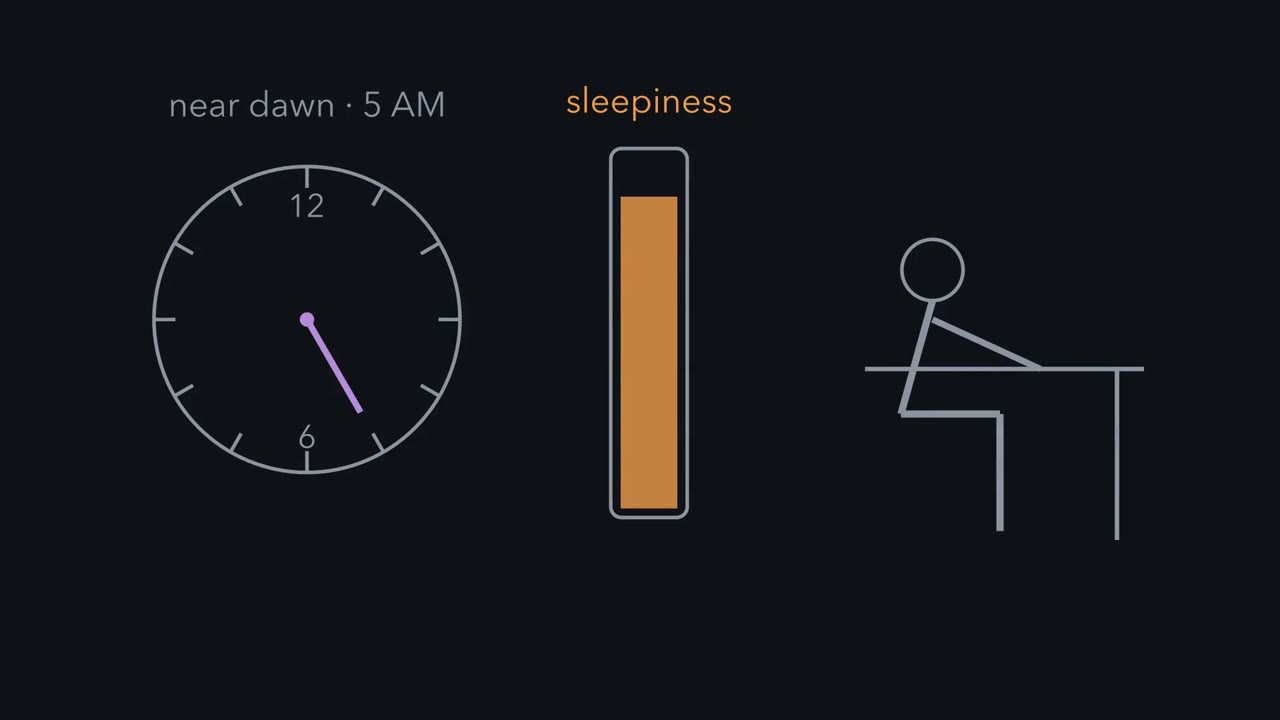 Part 1 of 3 Length 2:45 Pressure and the Clock Neuroscience · College: going further Circadian Rhythms and Sleep
Take-home
In the simple model, sleep pressure builds while you are awake and drains while you sleep.
-
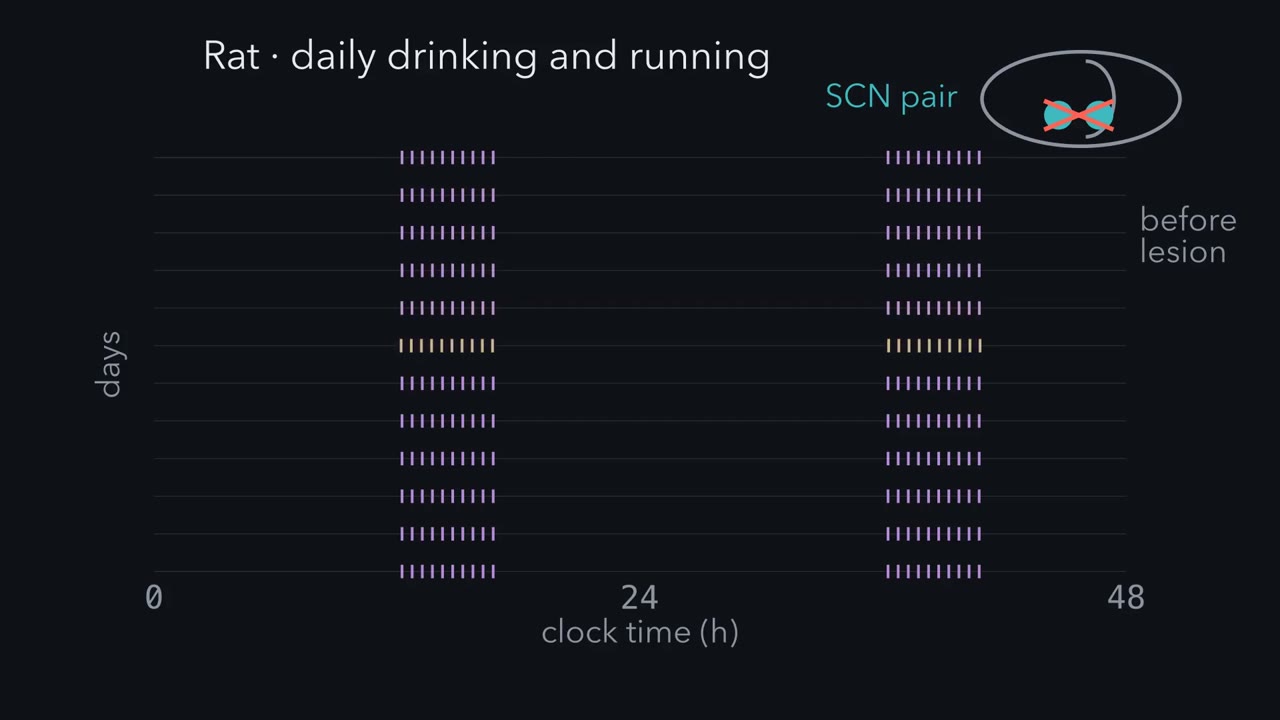 Part 2 of 3 Length 2:48 A Clock You Can Transplant, and How Light Sets It Neuroscience · College: going further Circadian Rhythms and Sleep
Take-home
In hamsters, a grafted suprachiasmatic nucleus imposed the donor's period on the host, so the nucleus acts as a pacemaker and not just a relay.
-
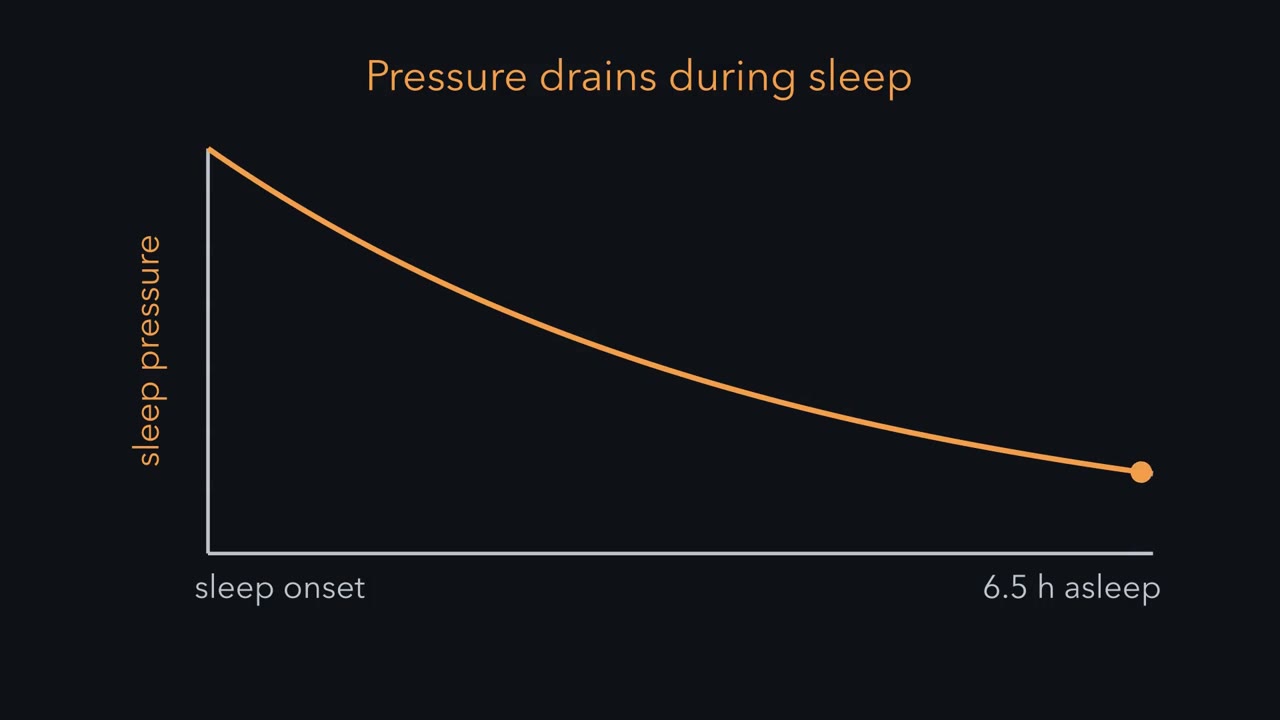 Part 3 of 3 Length 1:56 Reading a Night Neuroscience · College: going further Circadian Rhythms and Sleep
Take-home
Sleep is scored in 30-second epochs from brain waves, eye movements and muscle tone, and most N3 falls in the first half of the night, when pressure is highest.
-
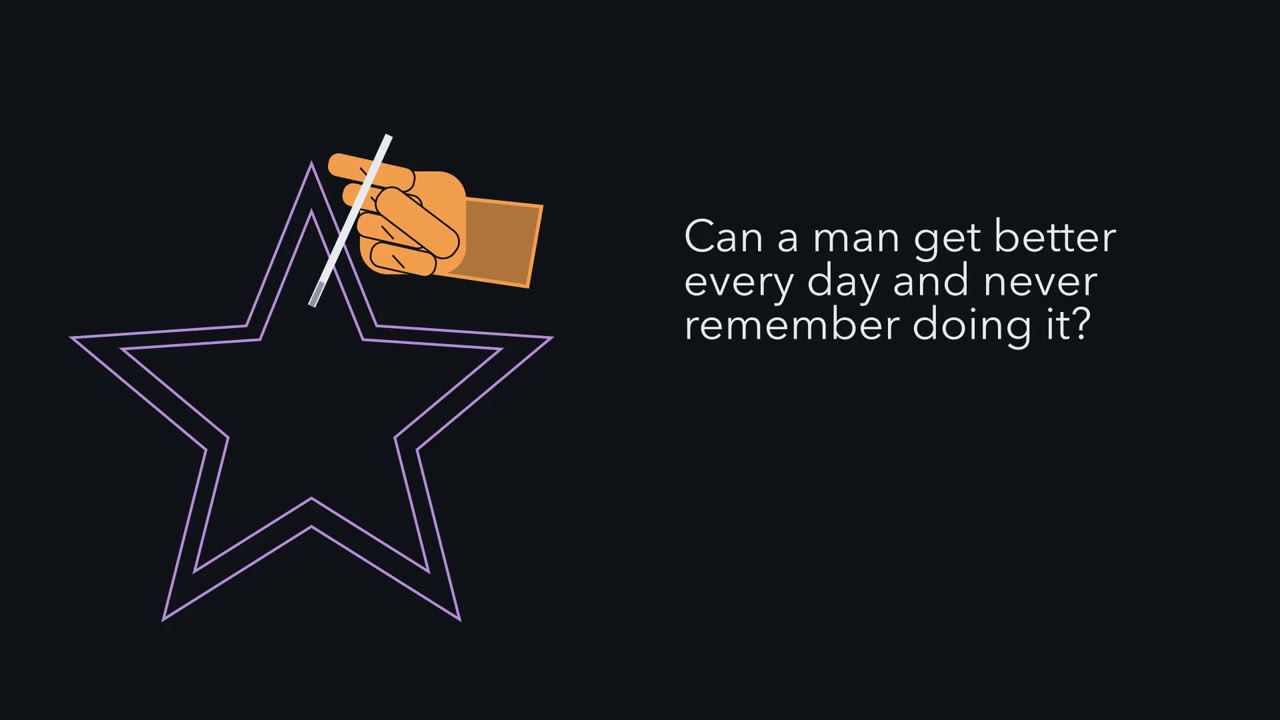 Part 1 of 3 Length 2:47 Two Ways of Remembering Neuroscience · College: going further Memory Systems
Take-home
H.M. improved at mirror drawing over three days without remembering the task, so memory can show in performance without being recalled.
-
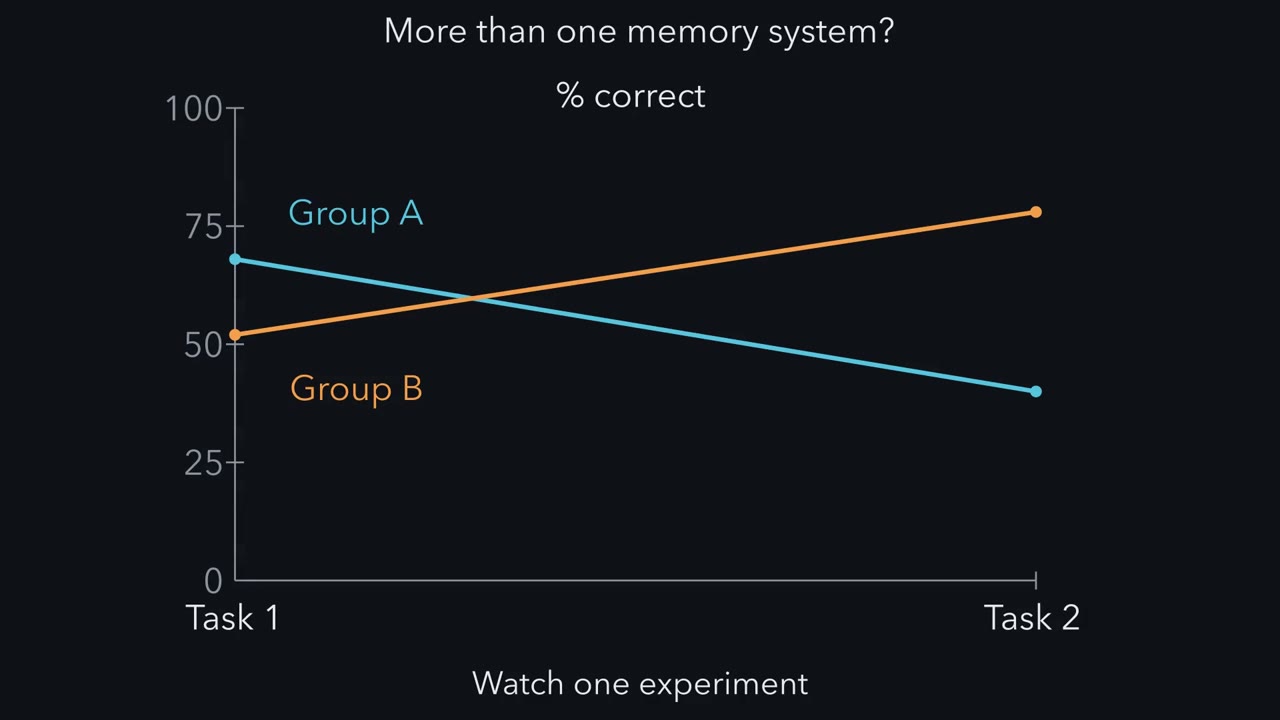 Part 2 of 3 Length 3:23 Lines That Cross Neuroscience · College: going further Memory Systems
Take-home
In the weather prediction study, amnesic patients learned the classification but remembered the training poorly, while Parkinson's patients showed the reverse.
-
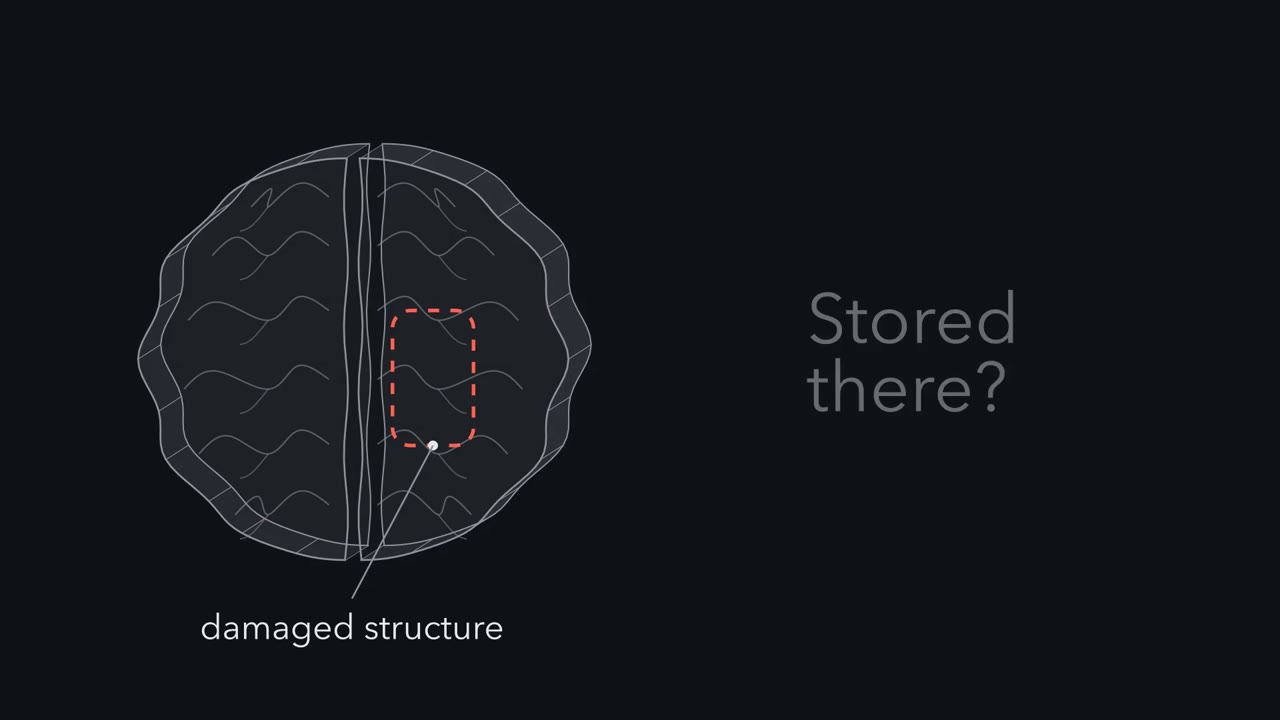 Part 3 of 3 Length 2:24 Needed Is Not Stored Neuroscience · College: going further Memory Systems
Take-home
In rabbit eyeblink conditioning, removing the lateral cerebellum abolished the learned response while the reflex blink survived, so the cerebellum is needed for it.
-
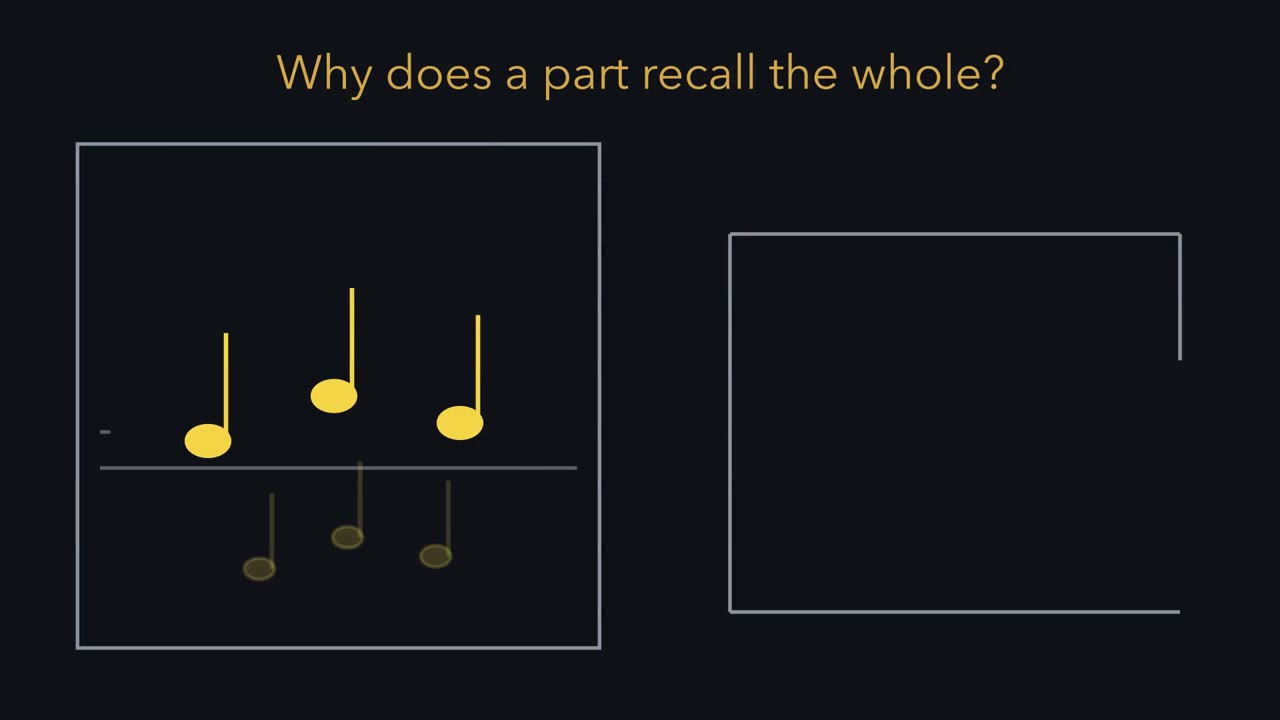 Part 1 of 3 Length 2:52 A Part Recalls the Whole Neuroscience · College: going further Plasticity, Networks and Consolidation
Take-home
In the guiding model, learning strengthens the links among cells active together, so a fragment close enough to the stored pattern can pull the rest back on.
-
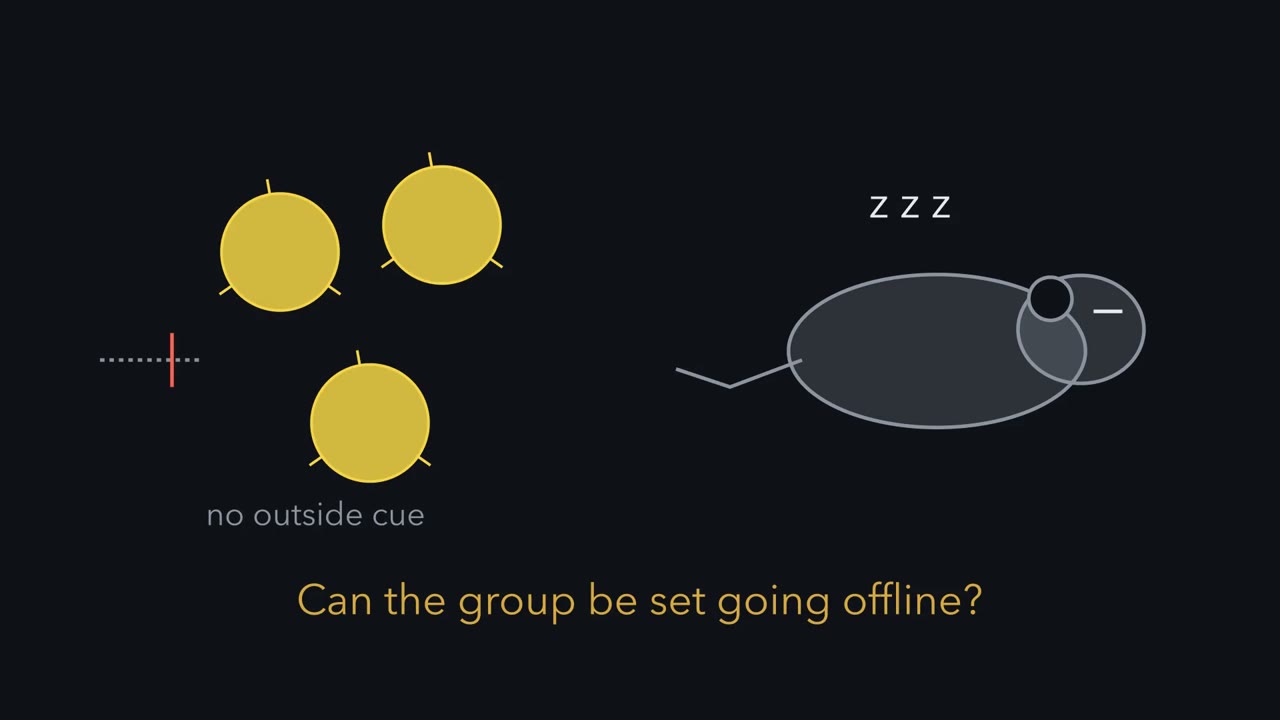 Part 2 of 3 Length 2:26 Replay and Ripples: Correlation to Perturbation Neuroscience · College: going further Plasticity, Networks and Consolidation
Take-home
Pairs of hippocampal cells that co-fired in a task co-fired more in the sleep after it, in three rats; that is a correlation, not a test of memory.
-
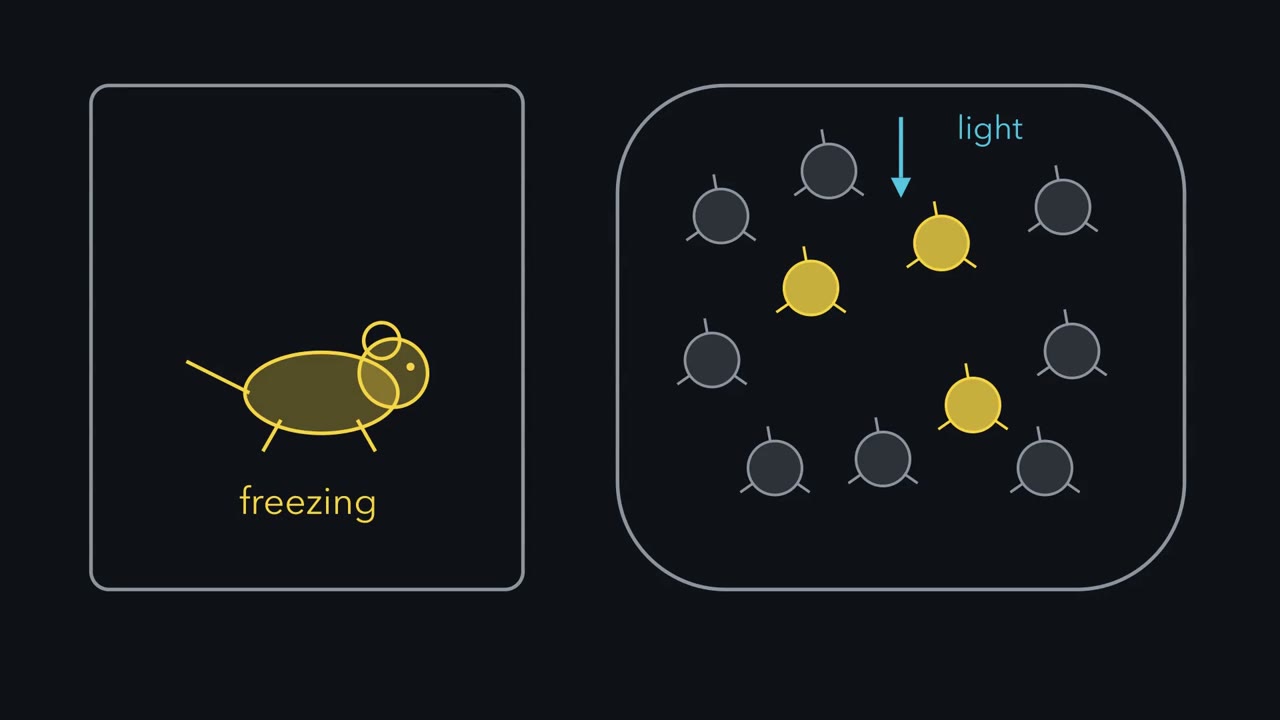 Part 3 of 3 Length 2:21 Enough Does Not Prove Needed Neuroscience · College: going further Plasticity, Networks and Consolidation
Take-home
Light on cells tagged during fear learning made mice freeze in a different box, so those cells are enough to drive the fear in this preparation.
-
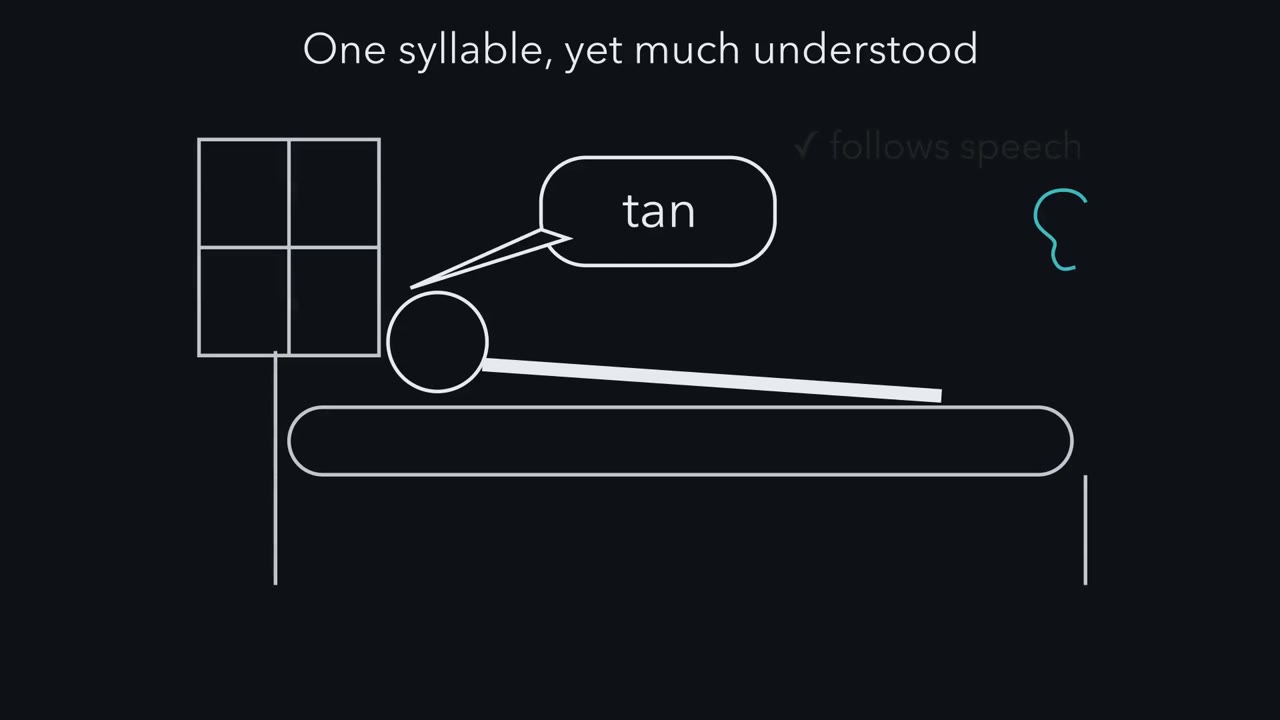 Part 1 of 3 Length 4:26 One Route to Speech Neuroscience · College: going further Language and Lateralization
Take-home
You can say only what reaches the language network of the speaking hemisphere, by an unbroken route.
-
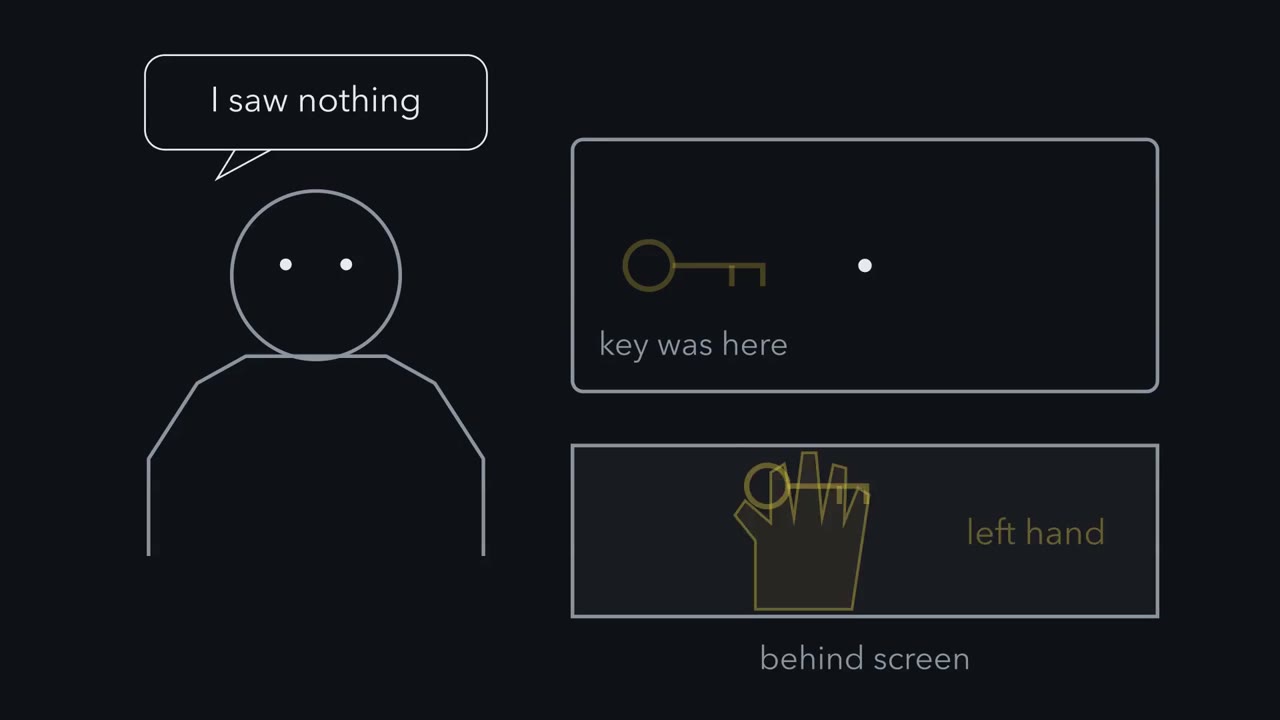 Part 2 of 3 Length 2:35 Cutting the Bridge Neuroscience · College: going further Language and Lateralization
Take-home
A key flashed in the left visual field reaches only the right hemisphere, so with the callosum cut it has no route to speech, yet the left hand can find it.
-
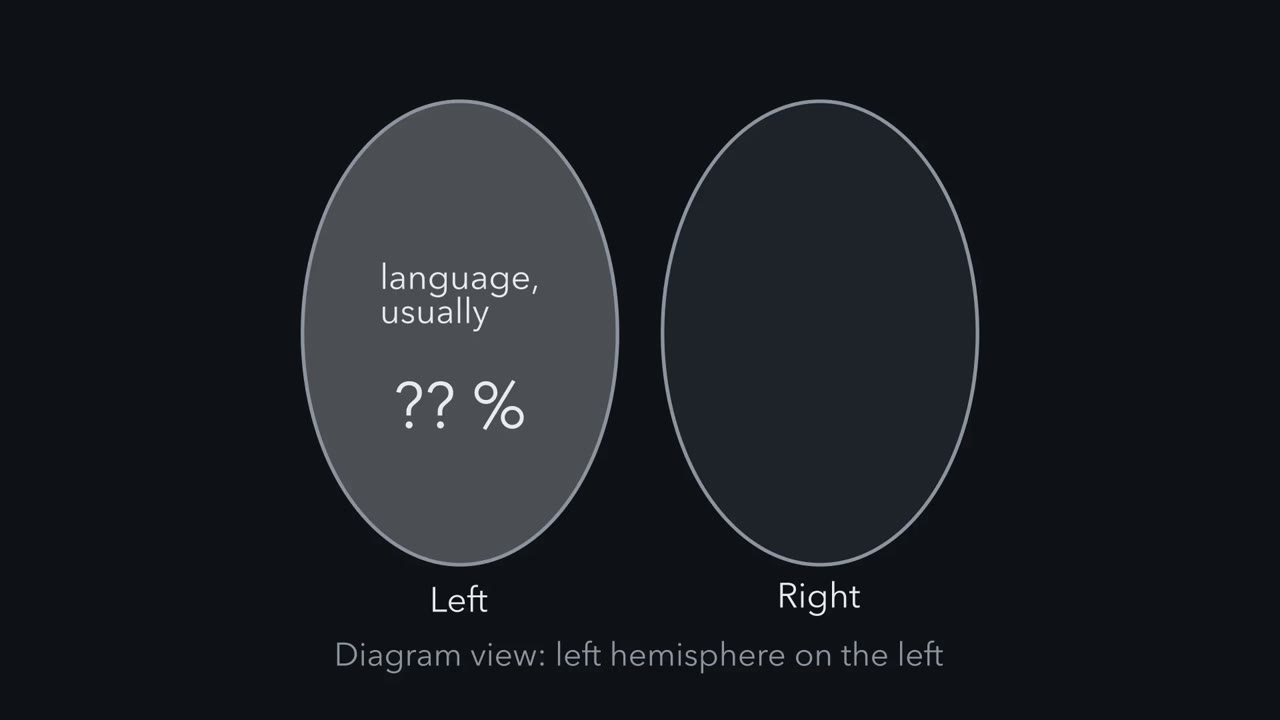 Part 3 of 3 Length 1:51 Which Side Speaks, and How Sure? Neuroscience · College: going further Language and Lateralization
Take-home
Language is on the left in most people, but which hemisphere speaks is a probability, not a certainty.
-
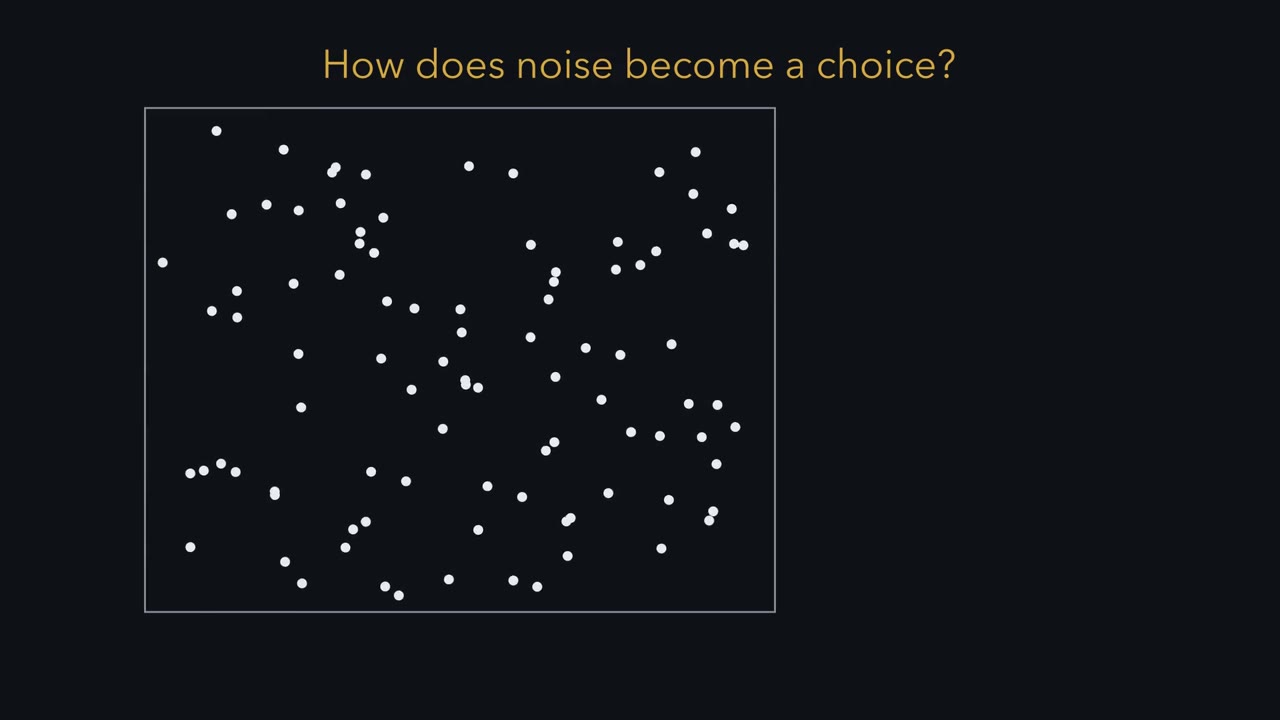 Part 1 of 3 Length 2:17 Adding Up Noisy Evidence Neuroscience · College: going further Attention, Executive Control and Decisions
Take-home
Adding up noisy evidence makes it more reliable, because the signal adds in step while independent noise partly cancels.
-
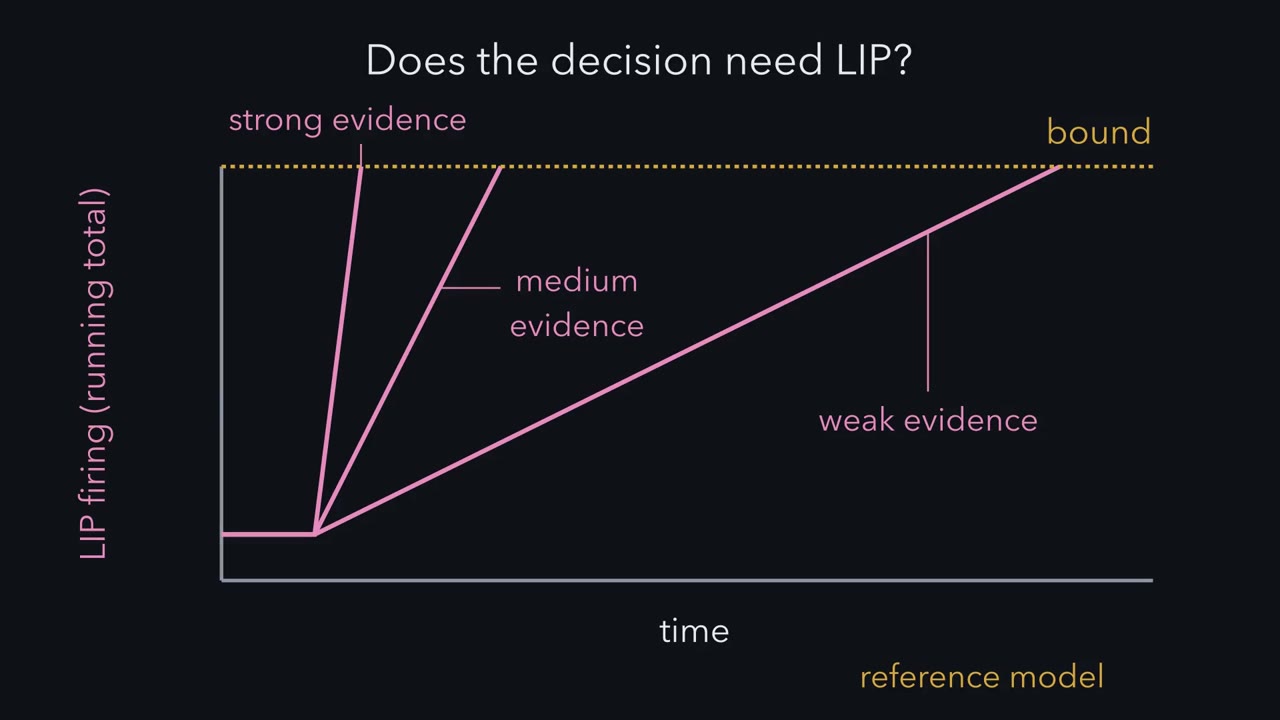
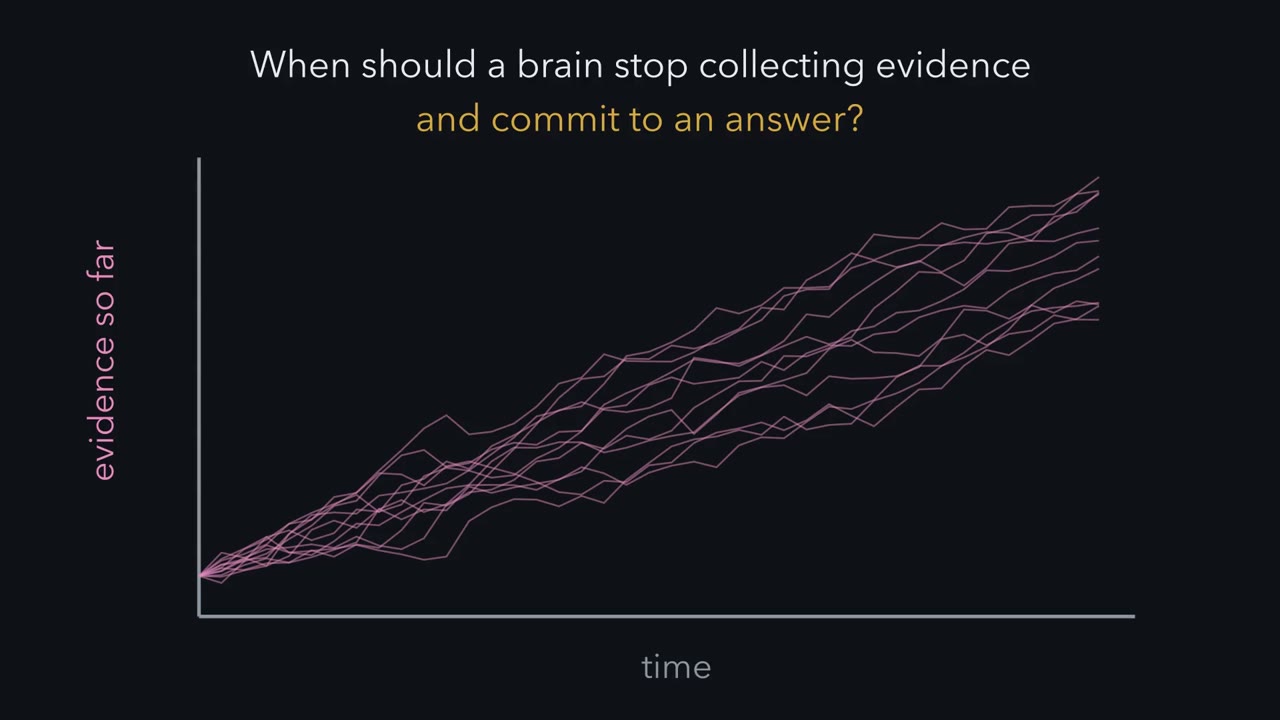 Part 2 of 3 Length 3:10 A Ramp to a Bound Neuroscience · College: going further Attention, Executive Control and Decisions
Take-home
In a drift-to-bound model, evidence accumulates until the running total reaches a bound, and stronger motion reaches it sooner.
-
 Part 3 of 3 Length 2:15 Visible Is Not the Same as Needed Neuroscience · College: going further Attention, Executive Control and Decisions
Take-home
A recording shows what activity goes with a choice, and only changing the activity can test whether the choice depends on it.
-
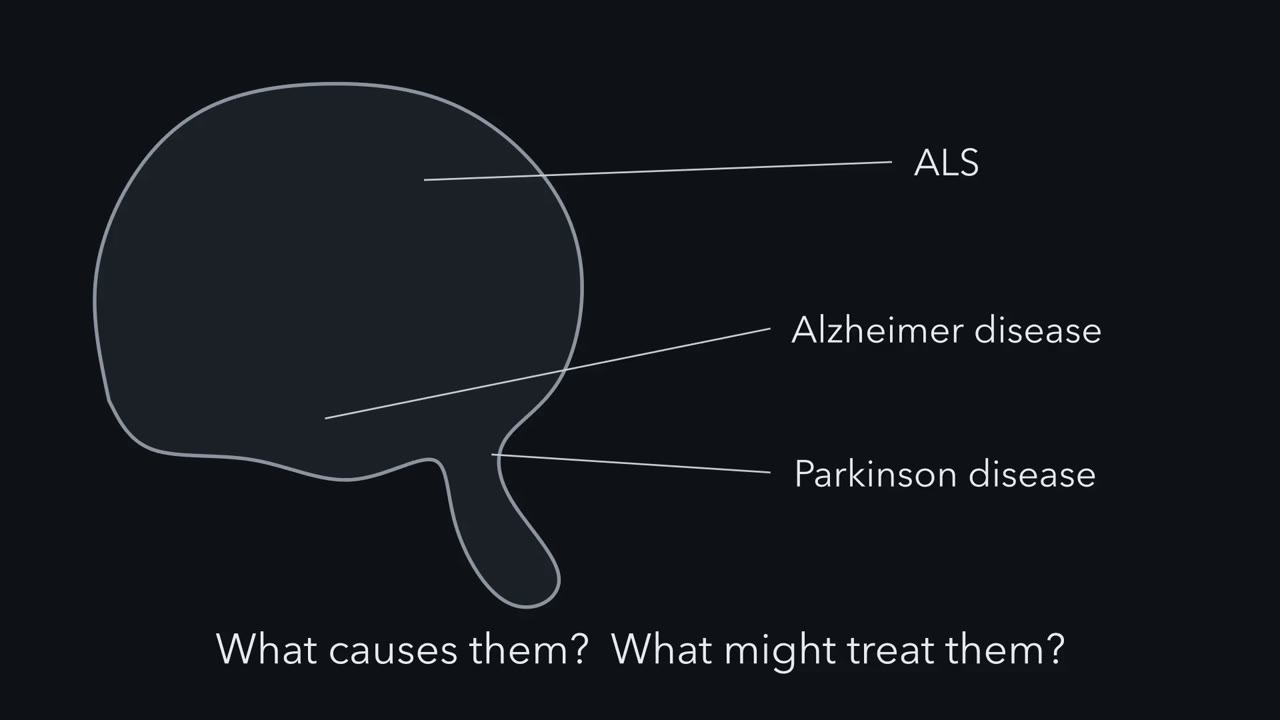 Part 1 of 3 Length 2:56 Three Questions, Three Kinds of Evidence Neuroscience · College: going further When Mature Neurons Fail: Neurodegeneration
Take-home
Each kind of evidence supports some claims and not others.
-
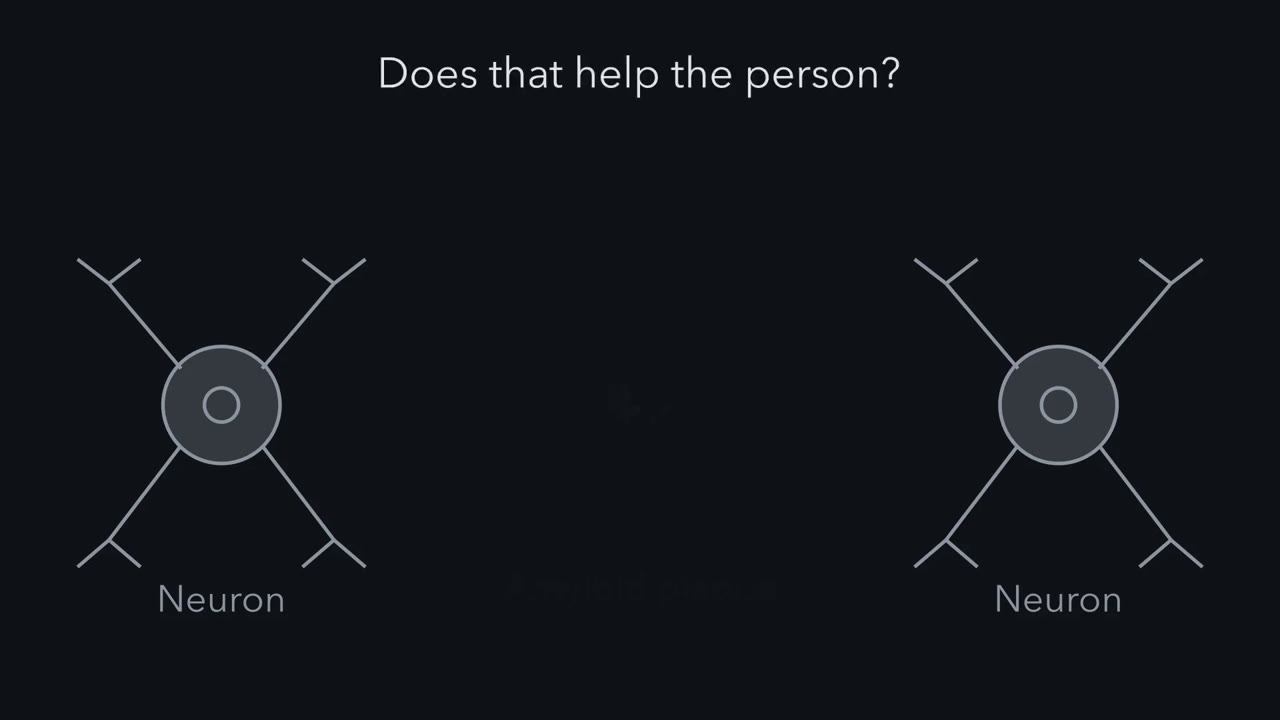 Part 2 of 3 Length 2:57 Slower Worsening Is Still Worsening Neuroscience · College: going further When Mature Neurons Fail: Neurodegeneration
Take-home
In the lecanemab trial both groups got worse, and the gap was a little more than a quarter of the placebo decline.
-
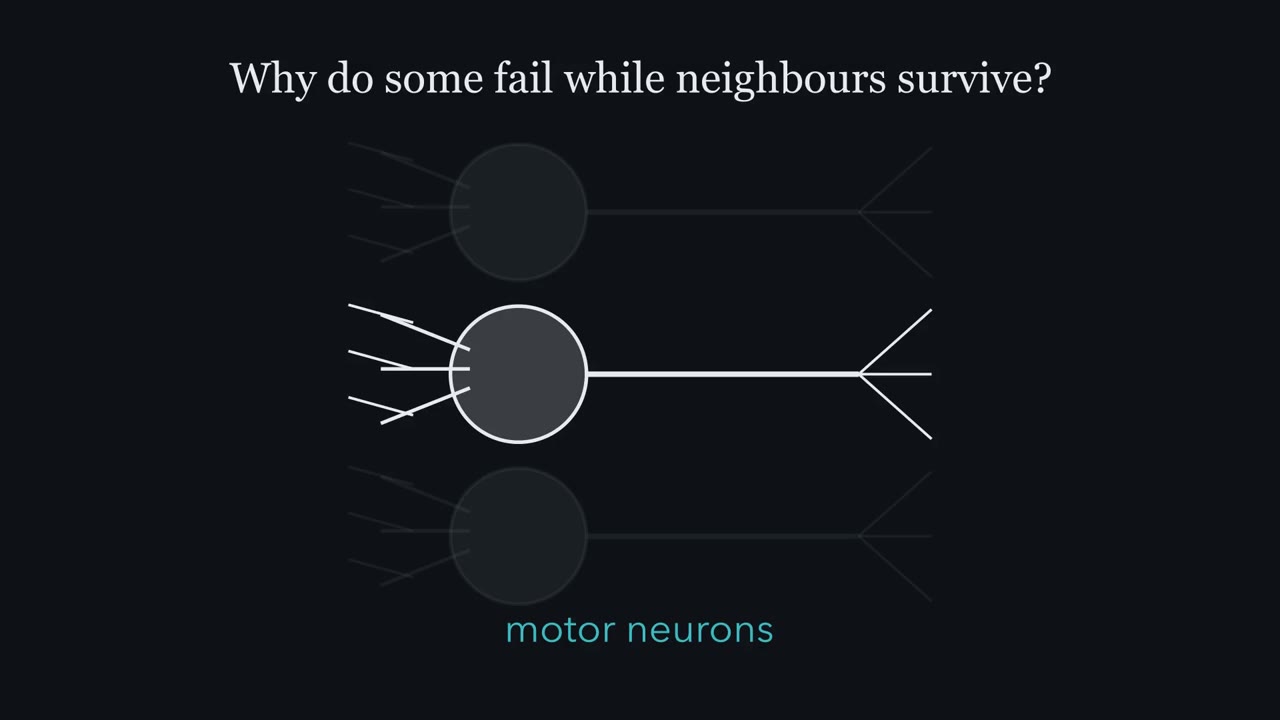 Part 3 of 3 Length 2:11 Protecting Cut Axons Did Not Rescue This ALS Model Neuroscience · College: going further When Mature Neurons Fail: Neurodegeneration
Take-home
Removing Sarm1 protects cut axons, but in mice that make mutant human SOD1 it did not improve the disease measures.
-
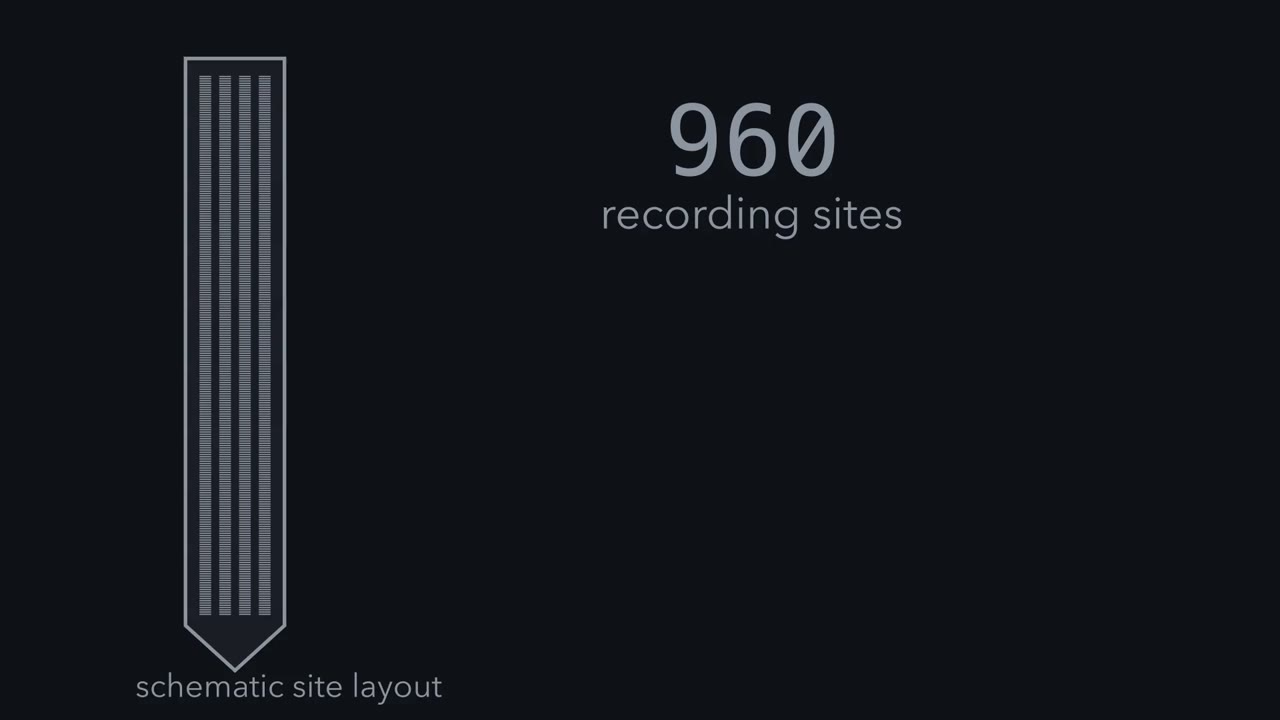 Part 1 of 3 Length 2:17 One Question for Every Number Neuroscience · College: going further Recording Many Neurons: Imaging, Arrays and Atlases
Take-home
Each big number in large-scale neuroscience is a proxy, one or more steps from your claim.
-
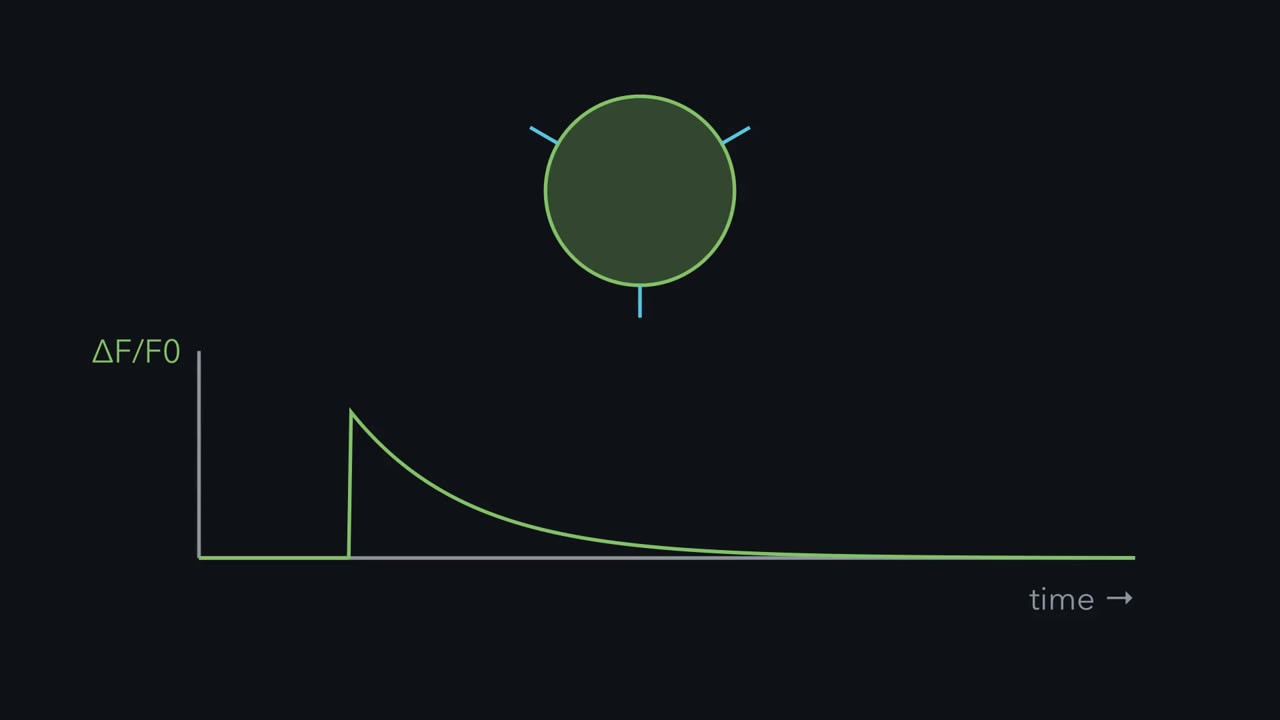 Part 2 of 3 Length 2:47 The Answer Key: How Many Spikes Is a Flash? Neuroscience · College: going further Recording Many Neurons: Imaging, Arrays and Atlases
Take-home
Fluorescence is measured in light, not spikes, so turning it into spikes needs a calibration against an electrical recording of the same cells.
-
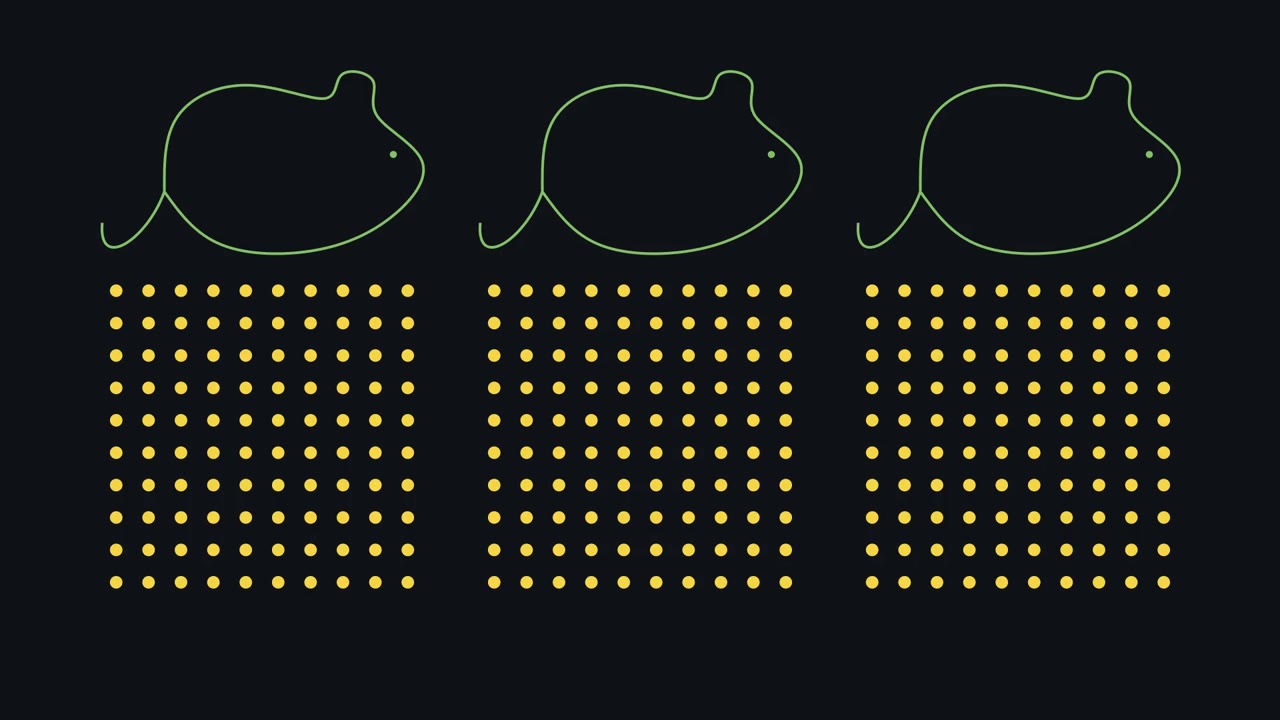 Part 3 of 3 Length 2:23 How Many Mice? Neuroscience · College: going further Recording Many Neurons: Imaging, Arrays and Atlases
Take-home
Units recorded from one mouse share that mouse, so counting them as independent samples is pseudoreplication.
-
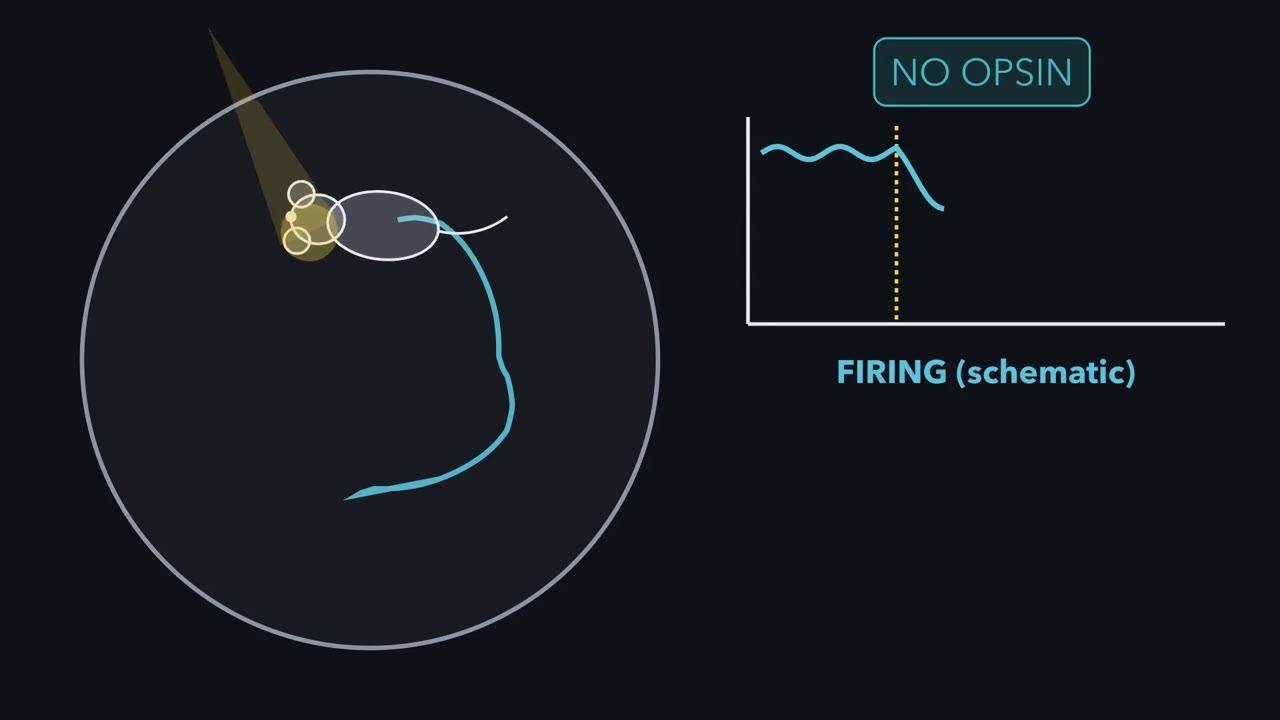 First film Length 3:18 What Did the Light Change? Neuroscience · College: going further Designing a Causal Circuit Experiment
Take-home
Light can change firing and behaviour even when no opsin is present.
-
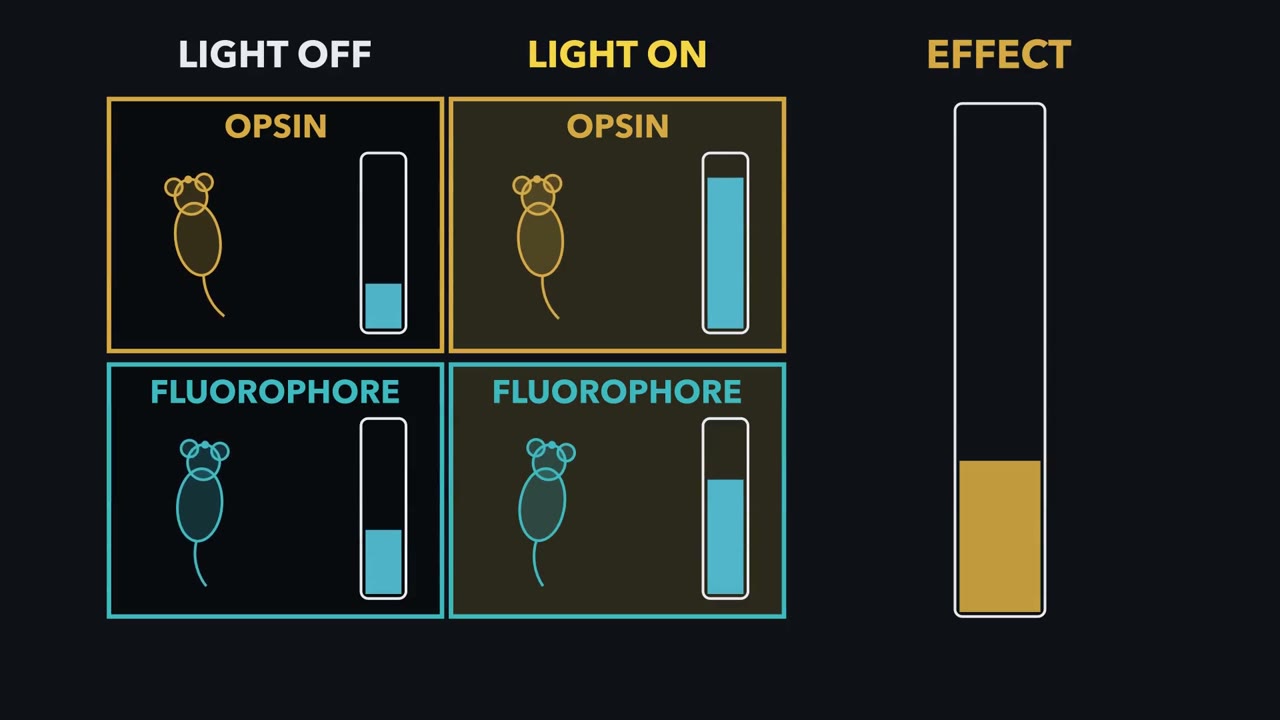 Second film Length 3:25 How Much Evidence Is Enough? Neuroscience · College: going further Designing a Causal Circuit Experiment
Take-home
In this design, the animal—not each repeated trial—is the independent experimental unit.
Have 10, 20, 30 minutes? Start at your next unwatched film.
-
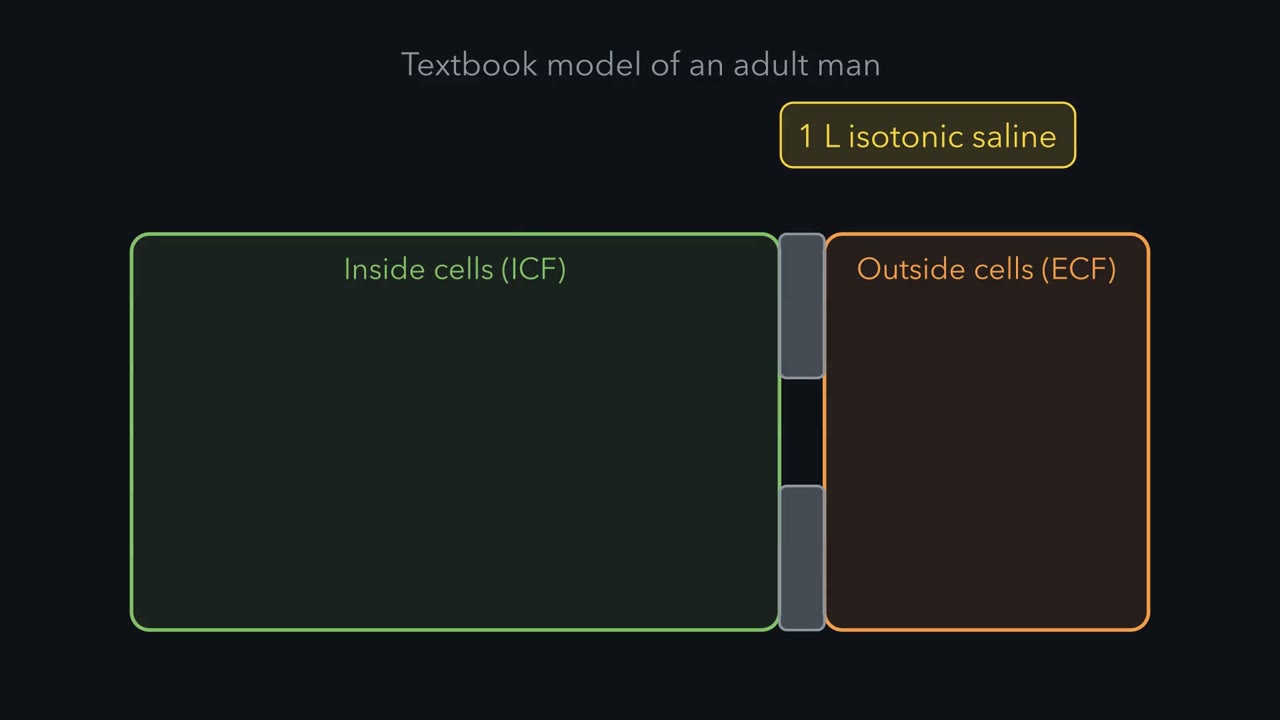 First film Length 2:59 Water Goes Where the Solute Stays Physiology · College: going further Body Water and Its Compartments
-
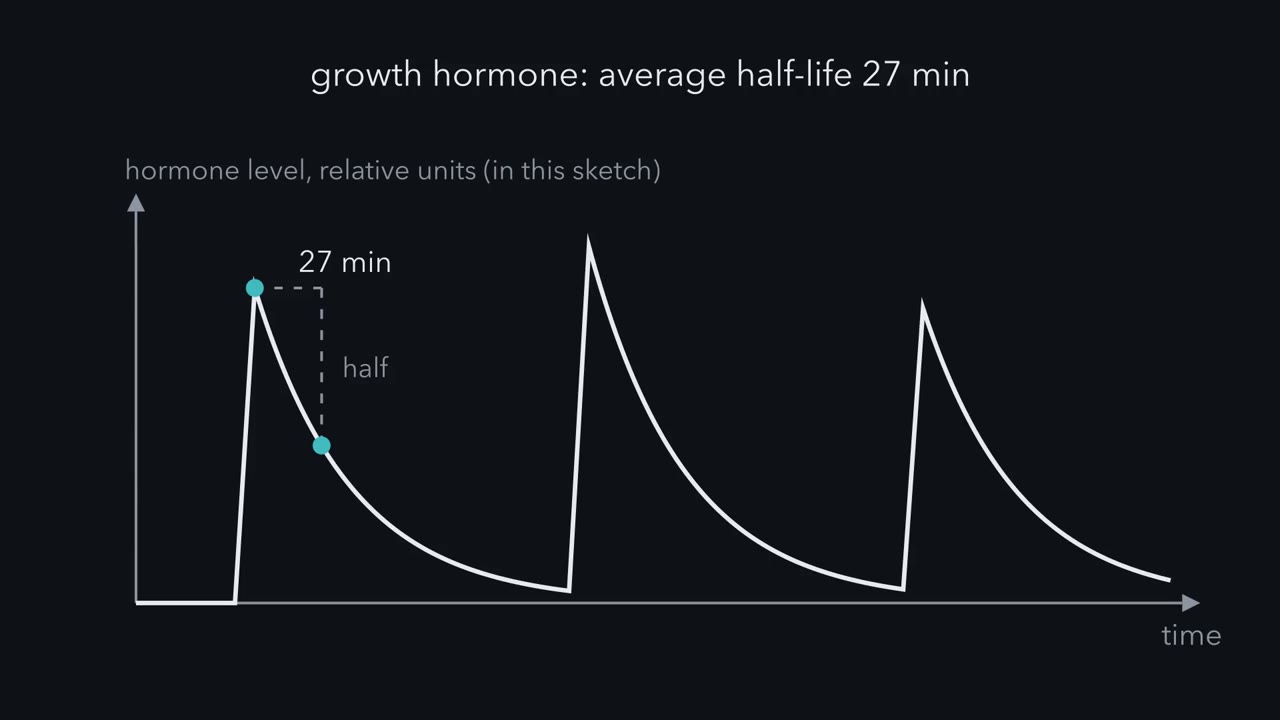 First film Length 2:47 Read the Pair, Not One Number Physiology · College: going further Endocrine Axes and How to Test Them
-
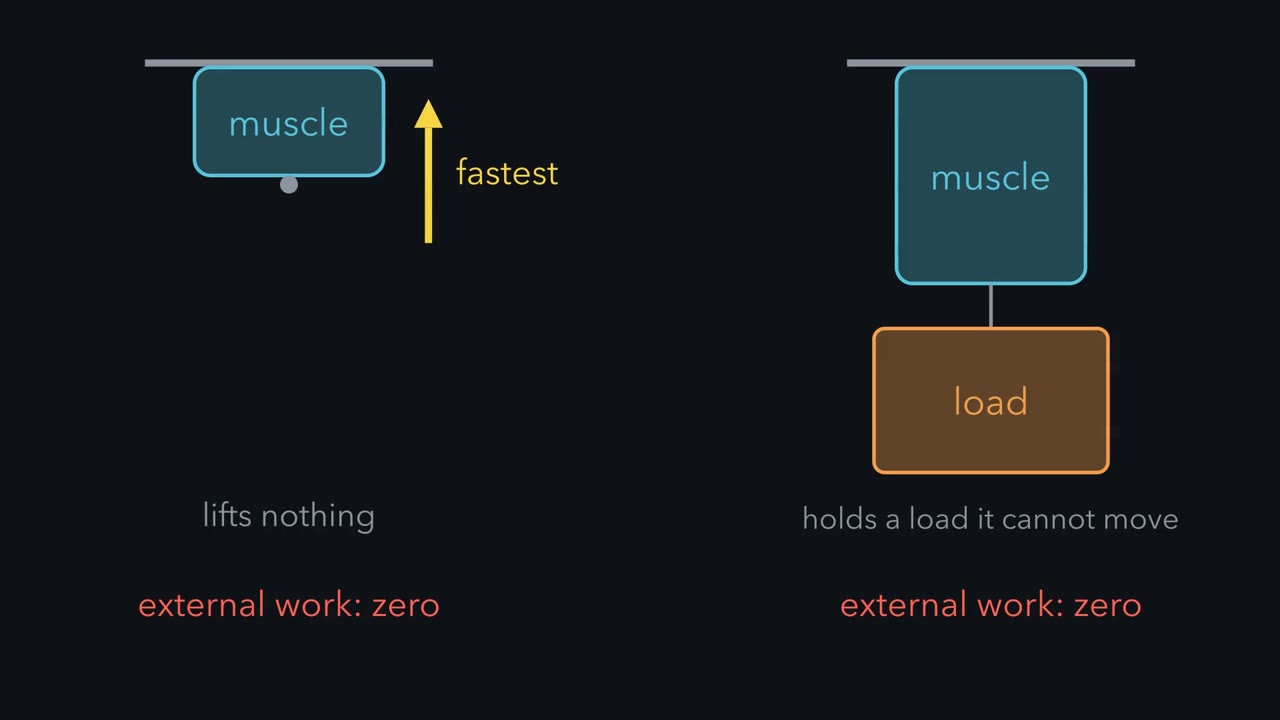 First film Length 2:41 Power Peaks at a Middle Load Physiology · College: going further Skeletal Muscle: Length, Load and Speed
-
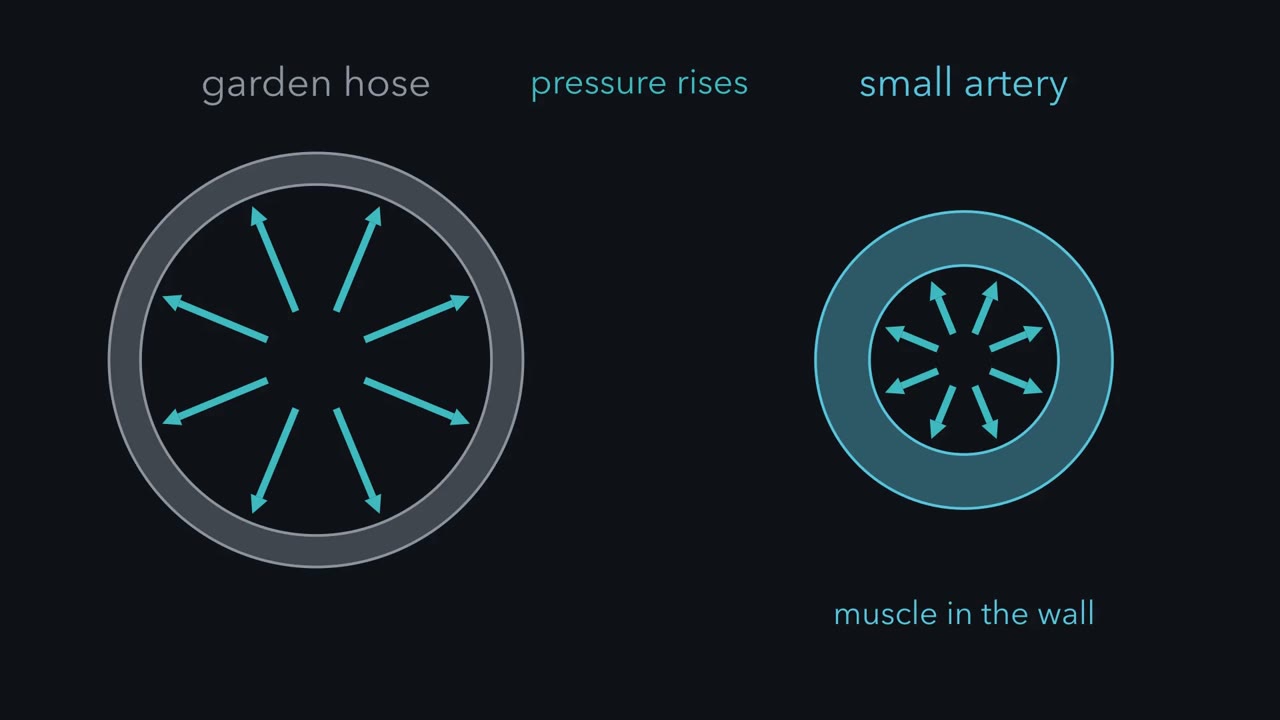 First film Length 2:42 Smooth muscle force is a balance Physiology · College: going further Smooth Muscle and the Myogenic Response
-
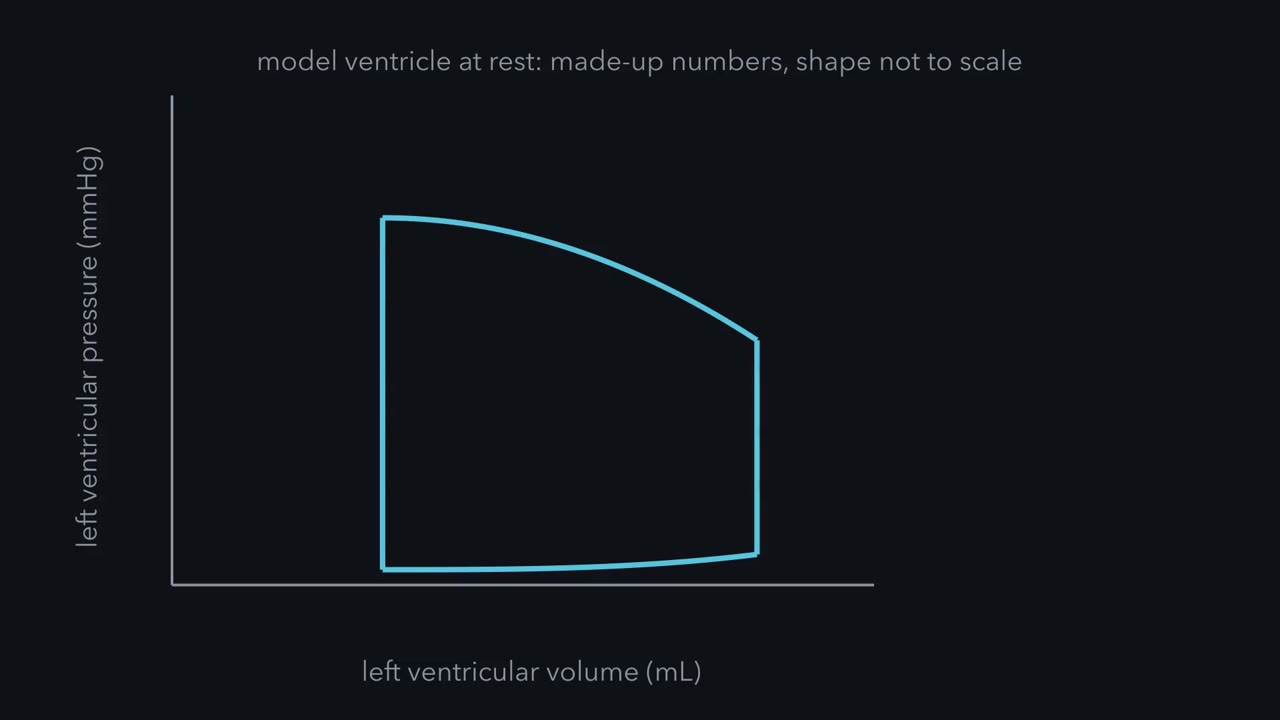 First film Length 2:44 Where the Two Lines Meet Physiology · College: going further The Cardiac Cycle and Pressure-Volume Loops
-
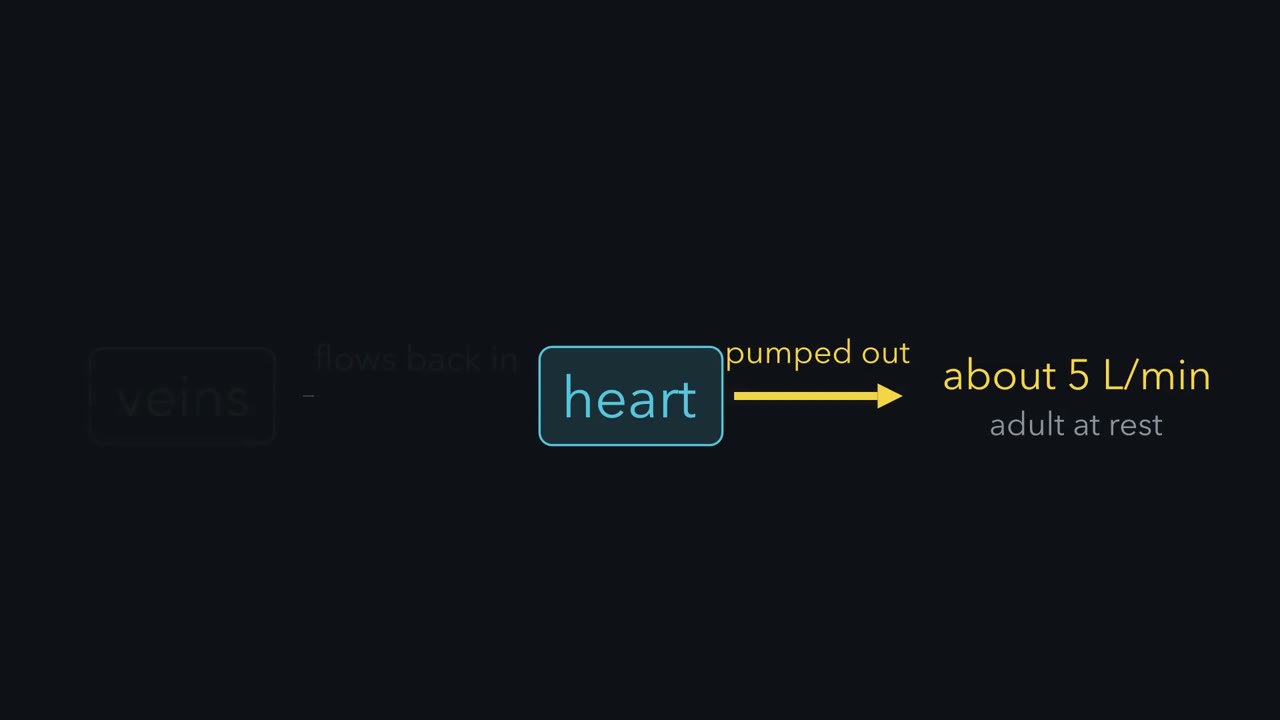 First film Length 2:43 Output Is Where the Curves Cross Physiology · College: going further Cardiac Output and Venous Return
-
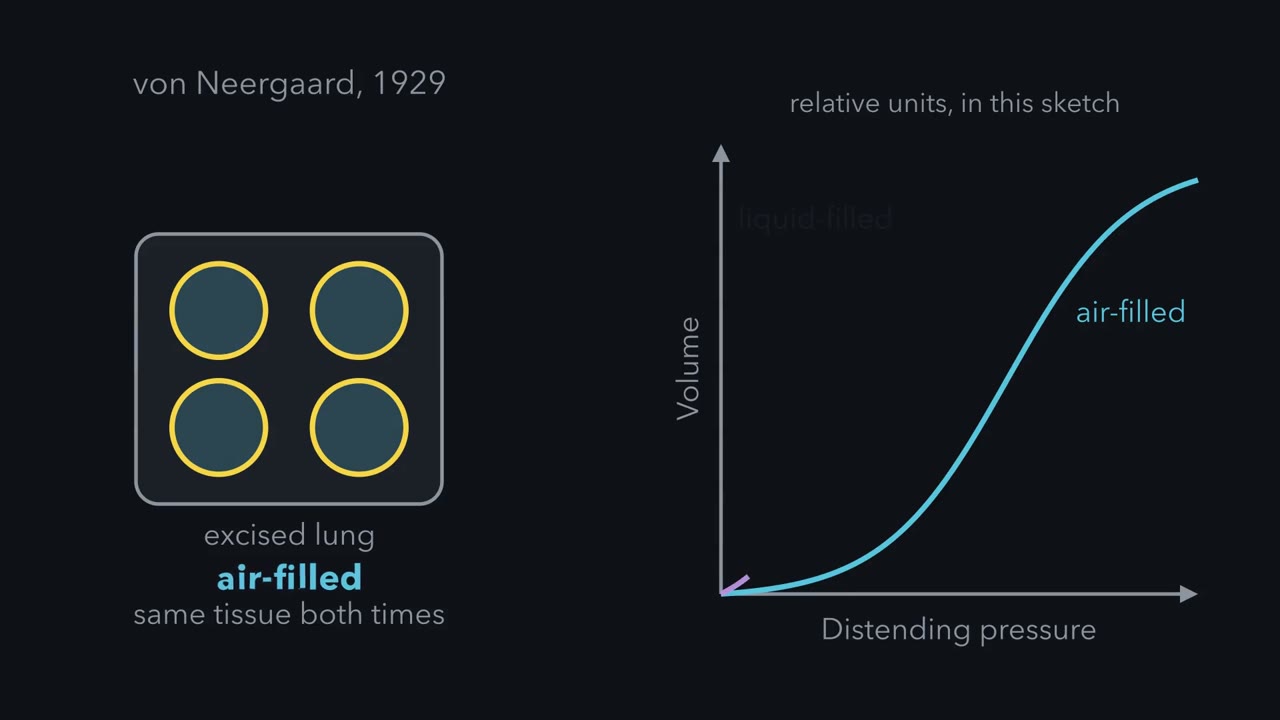 First film Length 2:37 Why Small Alveoli Need Surfactant Physiology · College: going further Lung Mechanics and Surfactant
-
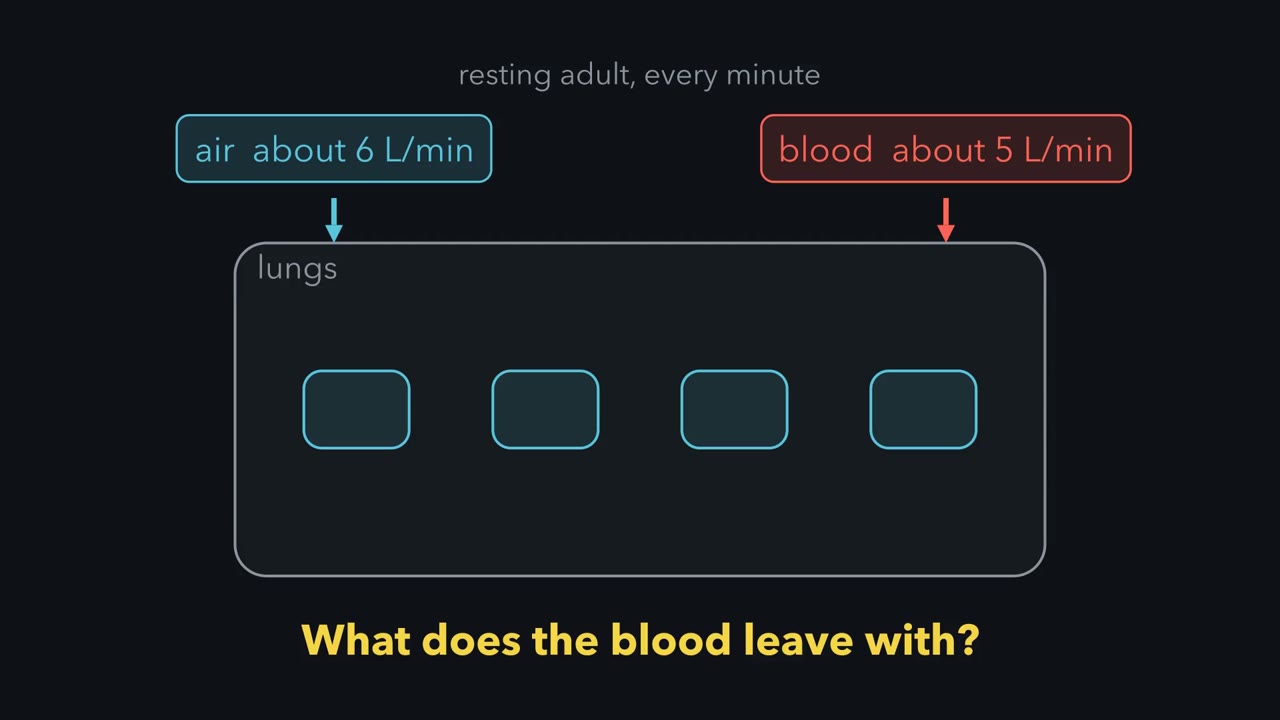 First film Length 2:28 A Spread of Ratios Lowers Arterial Oxygen Physiology · College: going further Ventilation, Perfusion and Gas Exchange
-
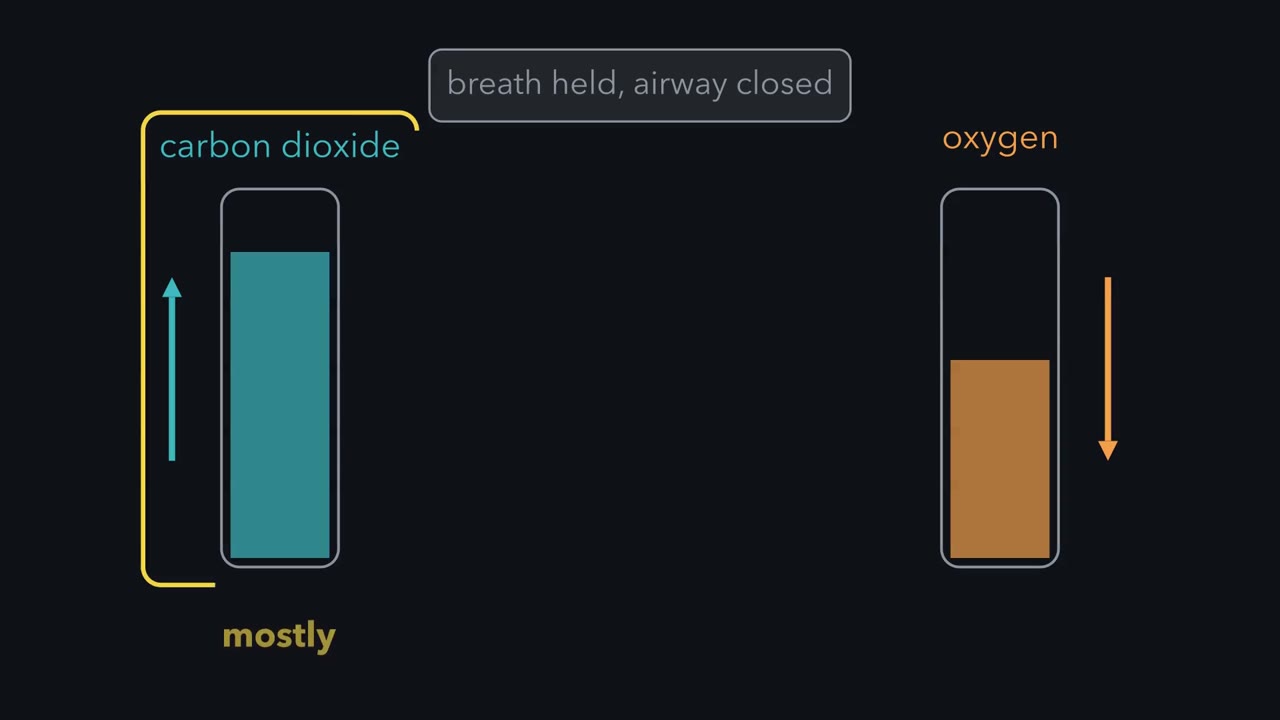 First film Length 2:54 Carbon Dioxide Sets the Breath Physiology · College: going further Control of Breathing, Altitude and Diving
-
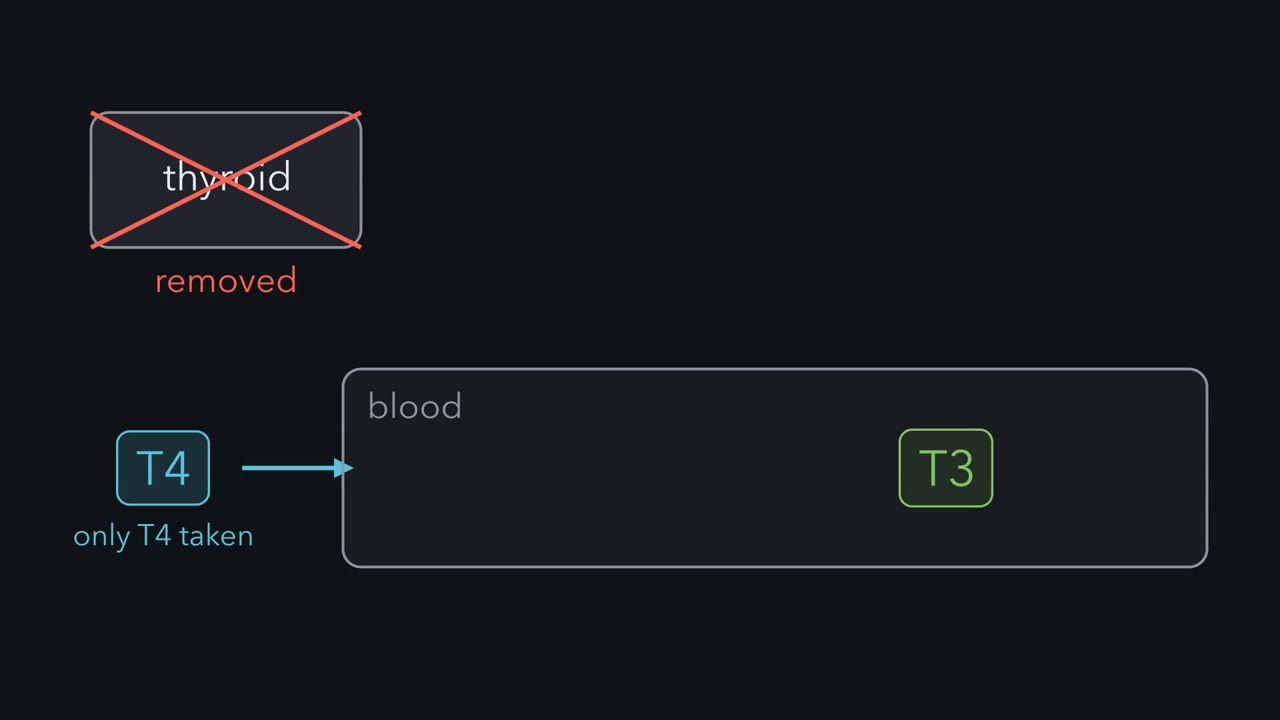 First film Length 2:26 Tissues Decide What T4 Becomes Physiology · College: going further Thyroid Hormone: Tissues Decide What T4 Becomes
-
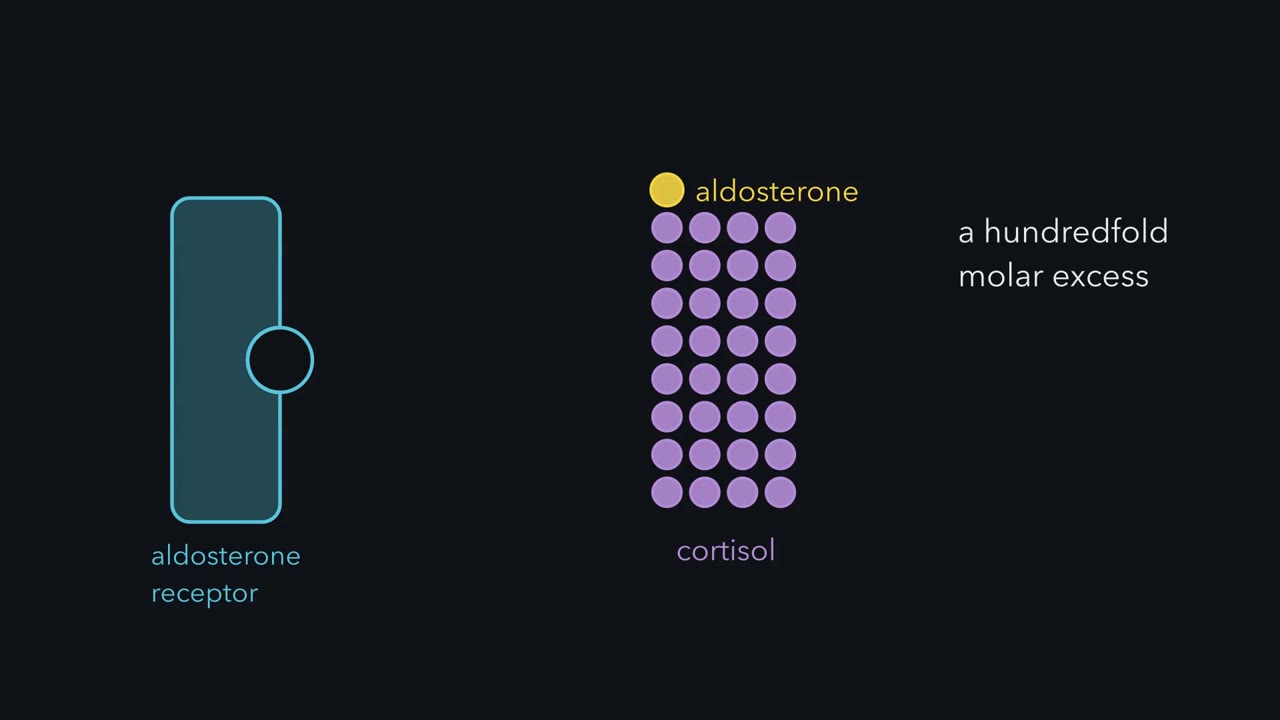 First film Length 2:34 An Enzyme Guards the Receptor Physiology · College: going further The Adrenal Cortex and Medulla
-
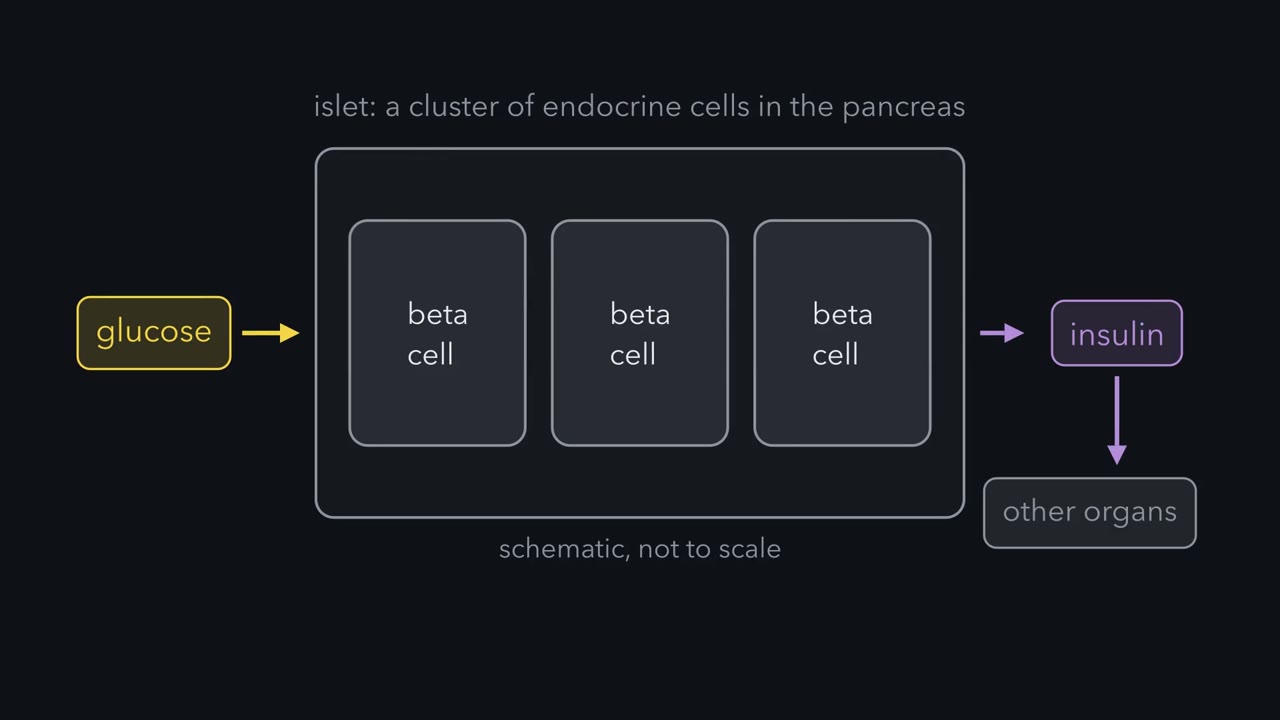 First film Length 2:45 A Beta Cell Burns Glucose to Read It Physiology · College: going further Insulin, Glucagon and Blood Glucose
-
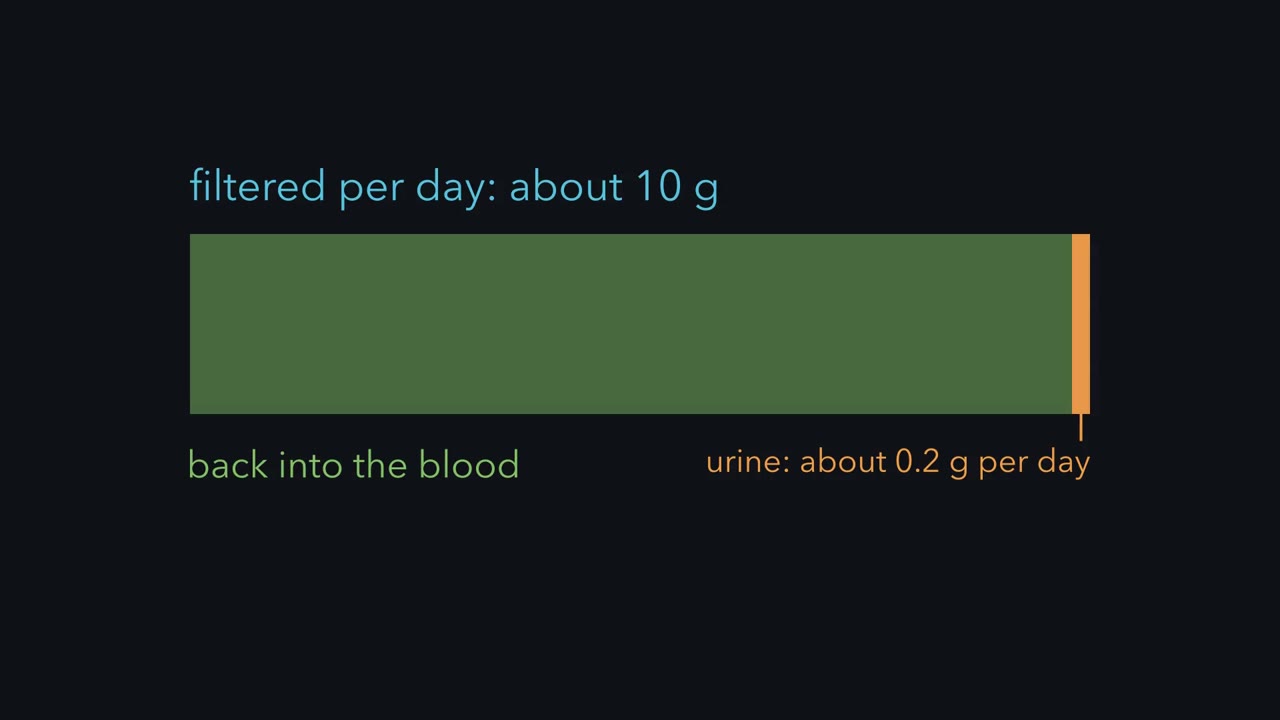 First film Length 2:33 A Small Step Sets Calcium Loss Physiology · College: going further Calcium, Phosphate and Bone
-
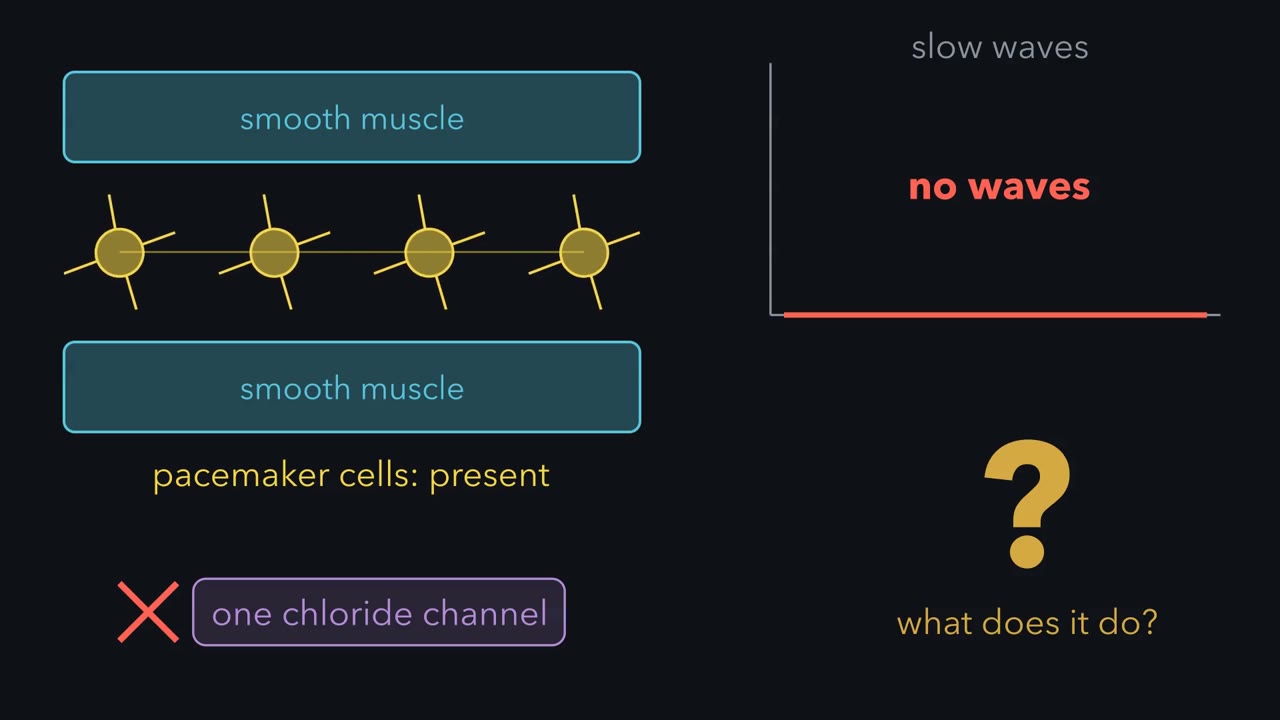 First film Length 2:35 The gut keeps its own time Physiology · College: going further Gut Motility, Secretion and Gut Hormones
-
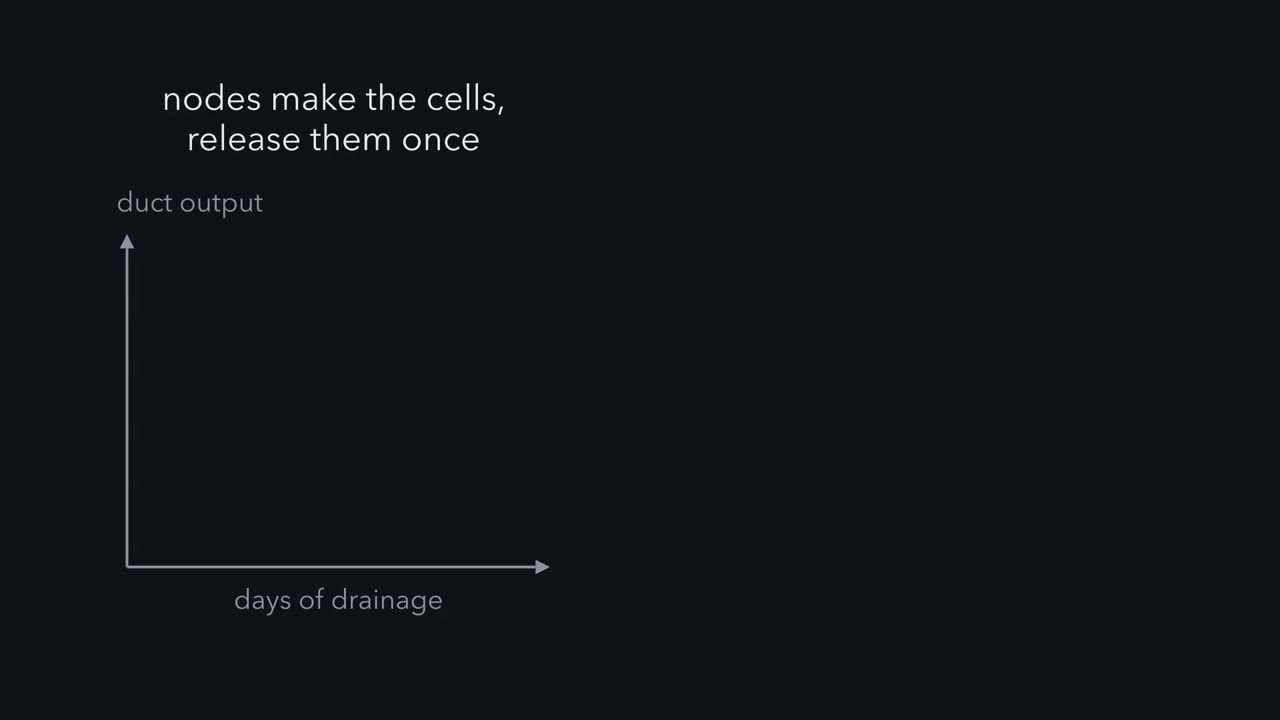 First film Length 2:43 Cells Go Around, Exit Sets the Stay Physiology · College: going further Lymphoid Organs and Immune Traffic
-
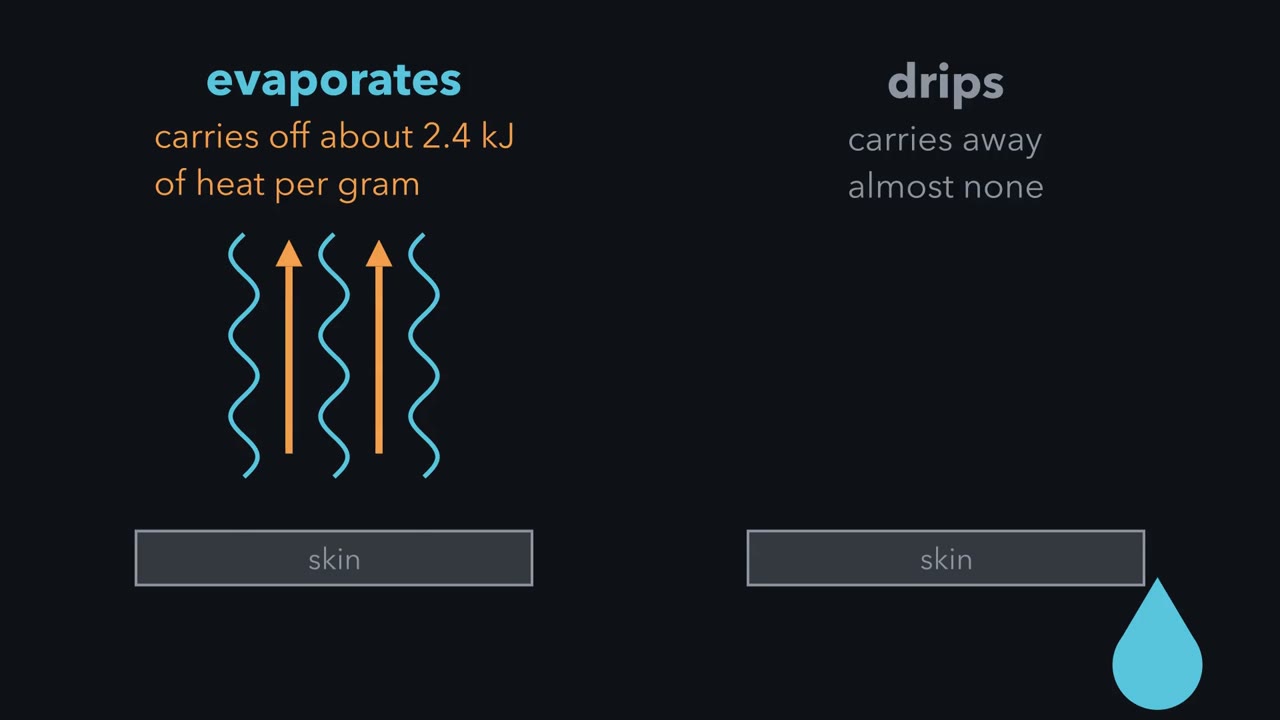 First film Length 2:29 Sweat Cools Only When It Evaporates Physiology · College: going further Skin, Sweat and Human Thermoregulation
-
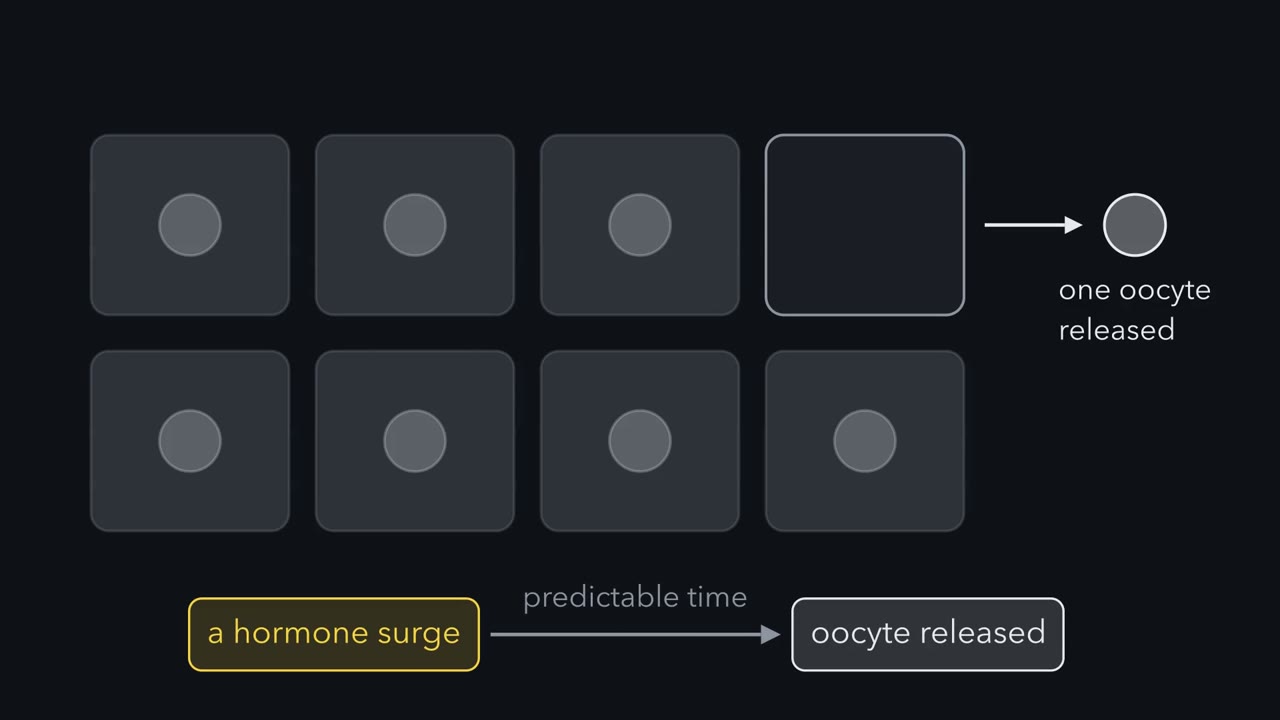 First film Length 2:51 One Follicle Wins, Then Estradiol Flips Physiology · College: going further The Ovarian Cycle and Fertility
-
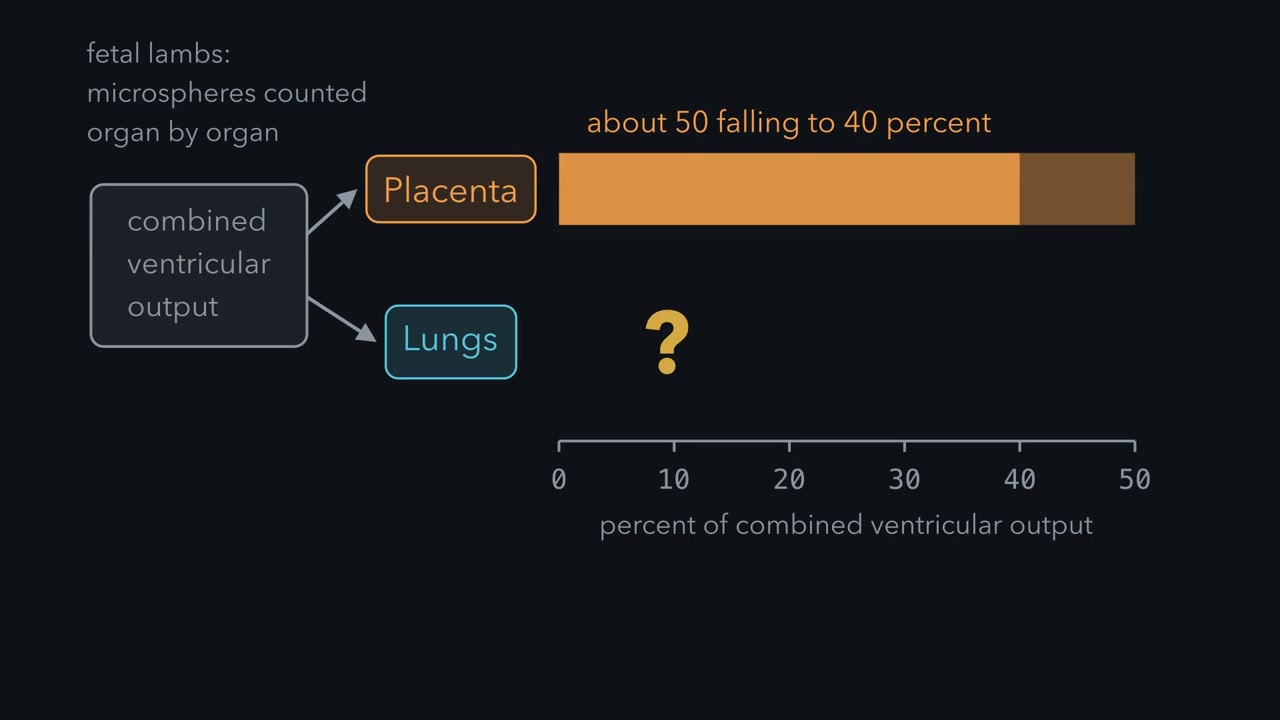 First film Length 2:56 The Lungs Take Over From the Placenta Physiology · College: going further Pregnancy, Birth and Lactation
-
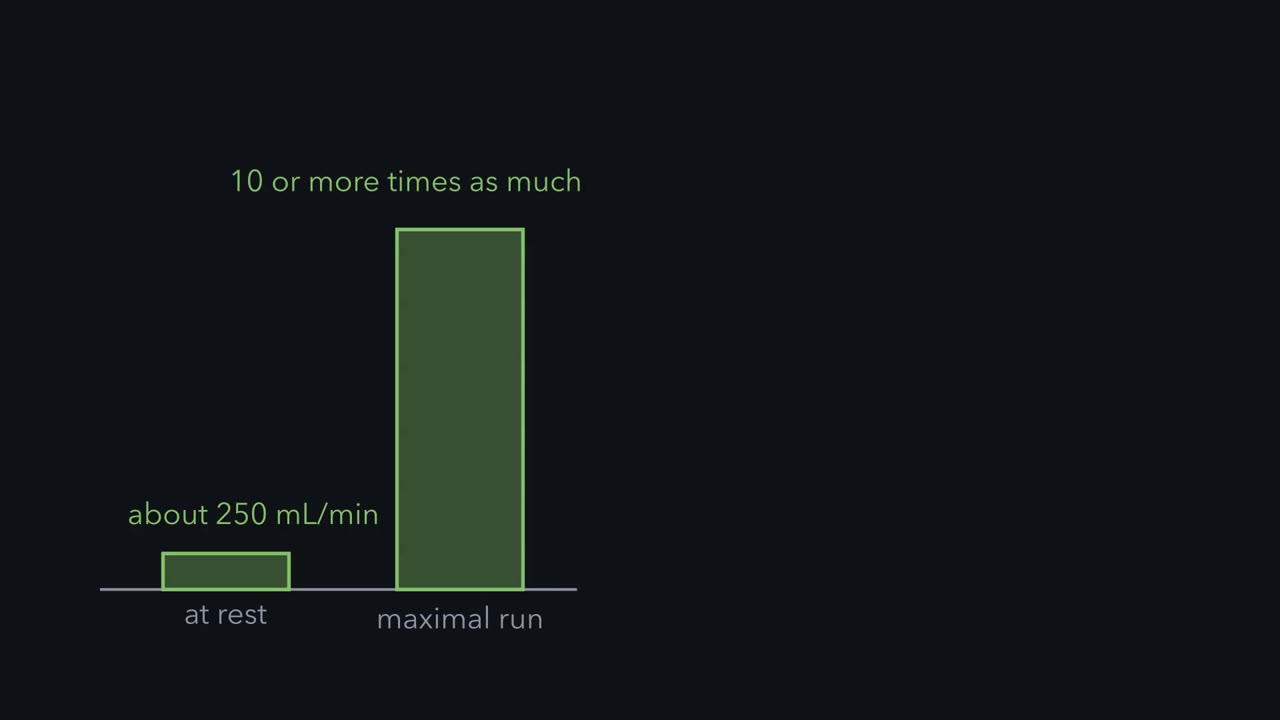 First film Length 2:50 Oxygen Uptake Is Flow Times Extraction Physiology · College: going further Exercise: The Whole Body at Work
Looking for something else? Sort and filter the whole library, or see the methods library: a film for each lab technique.