The Map of Allowed Shapes
Read the transcript of “The Map of Allowed Shapes”
Film transcript: The Map of Allowed Shapes
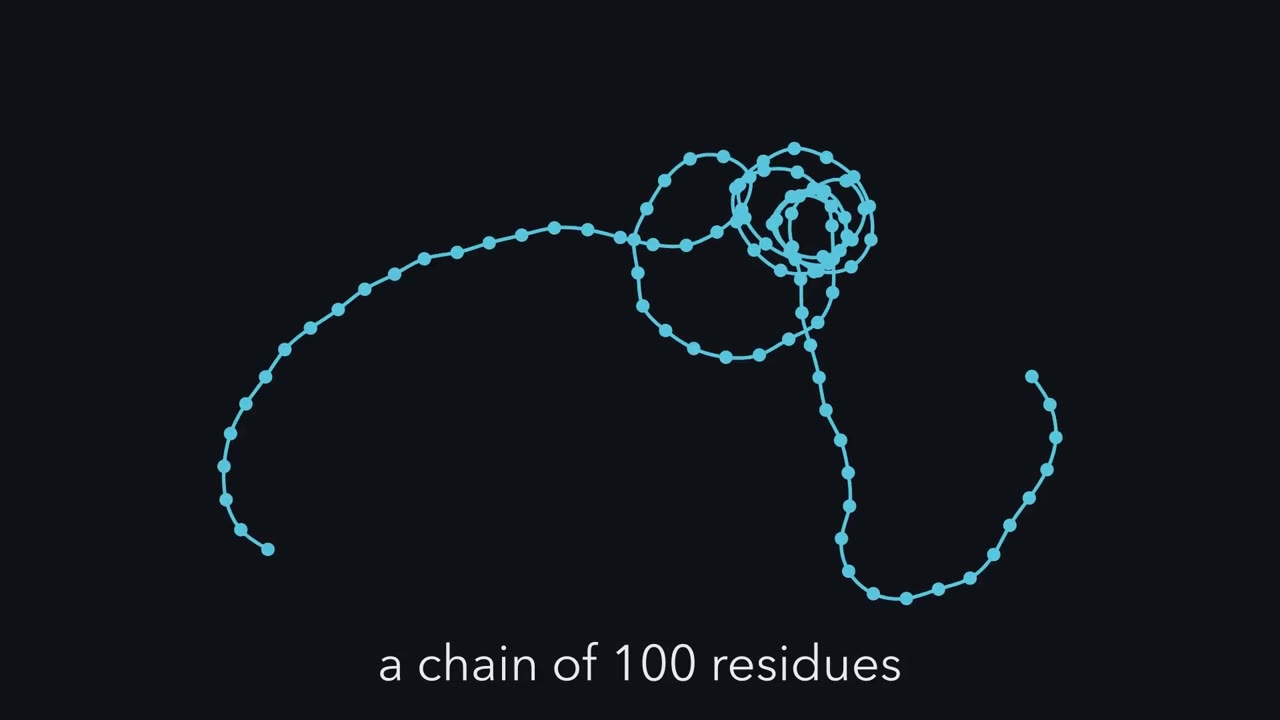
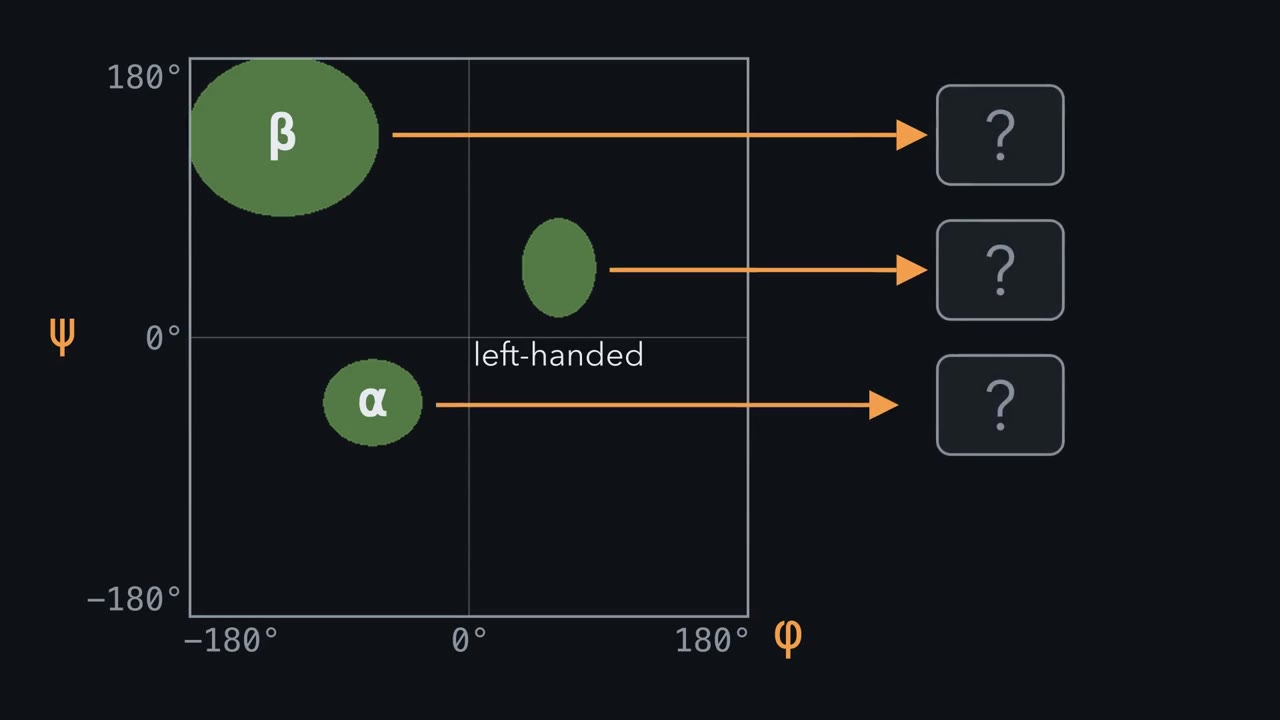
Two hinges per residue sounds like a lot of freedom. How many of those settings actually work? Take two linked cards. Hold one hinge still, and turn the other. At many settings, an atom on one card runs into an atom on the next. A C=O group comes too close to an N–H group. Or a side chain runs into the backbone. The atoms would have to sit in the same space. Those settings are strongly disfavored. Now try every pair of angles. Put phi along the bottom and psi up the side. Each runs from minus −180° degrees to plus +180°. degrees. Shade every pair that does not clash. G. N. Ramachandran did this calculation. The survivors cluster into a few compact islands.
The rest of the map is empty. Only a small fraction of the map is open to the backbone. This is the Ramachandran plot. Here is the test. Put both angles at zero, right in the center. Will that pair survive? No. The atoms of neighbouring peptide planes run into each other. The center of the map is empty. Now read the islands. The broad one at the upper left is for extended strands, like the beta sheet. The compact one at the lower left is the right-handed alpha helix. A small island at the upper right is left-handed. It is used mostly by glycine. Glycine roams more widely than any other residue. Its side chain is a single hydrogen, so it bumps into less.
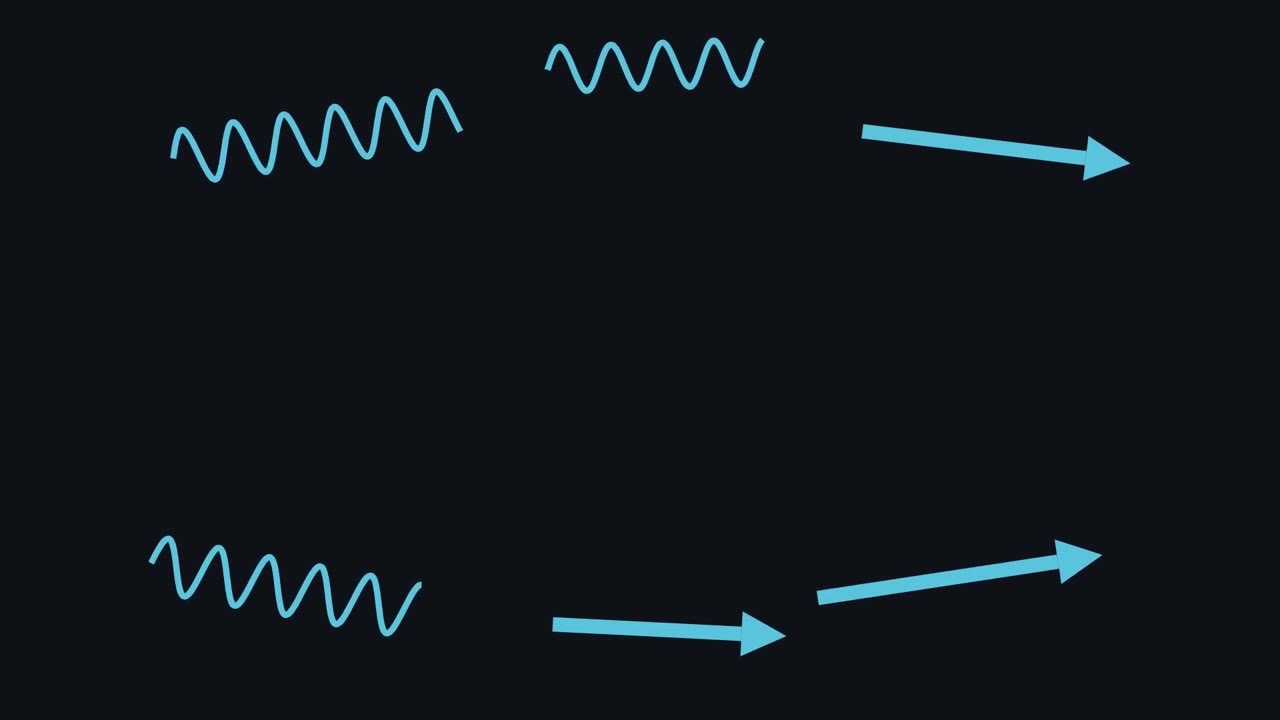
Each island matches a real shape. The helix island builds a coil. The strand island builds a stretched chain. The map is also a check on new structures. Plot every residue's two angles. If the points land on the islands, the structure is plausible. If many stray, something is probably wrong. Forbidden means strongly disfavored, not impossible. A few residues sit in strained spots, held by their surroundings. Those outliers are often the ones that matter for catalysis. Most hinge settings crash. The backbone is left with only a few local shapes.
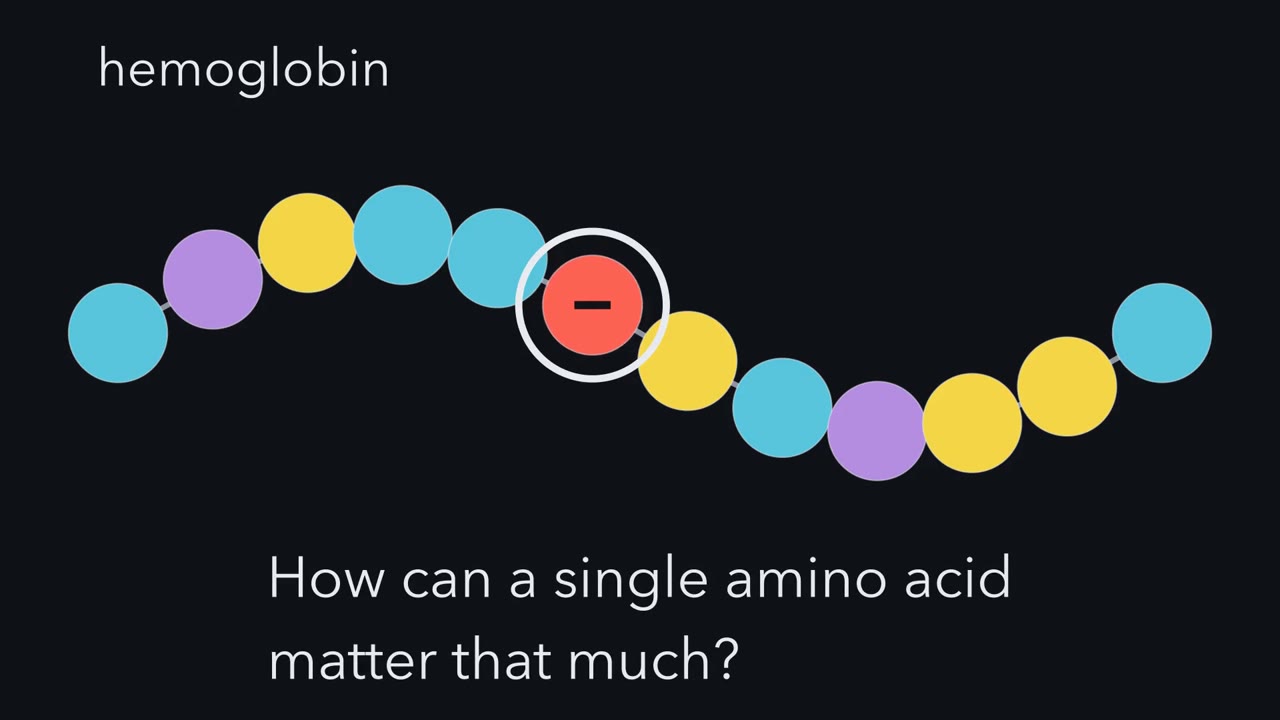
One sequence, one working shape. Change a single letter and the shape, and the job, can break.
Continue in the lesson: Protein Three-Dimensional Structure: The Sequence Sets the Shape →
2:37 · Free, with captions and a transcript. The lesson has the full text, the questions and the sources.
More films from this lesson
How this film was made. Narration: an AI narrator voice (Kokoro, af_heart) reading narration written from this lesson's text. Animation: AI-generated in code (Manim) by Claude, a schematic with no drawn molecular structures. Captions come from the narration script. See something wrong? Report it.