How Your Cells Got Mitochondria
Read the transcript of “How Your Cells Got Mitochondria”
Film transcript: How Your Cells Got Mitochondria
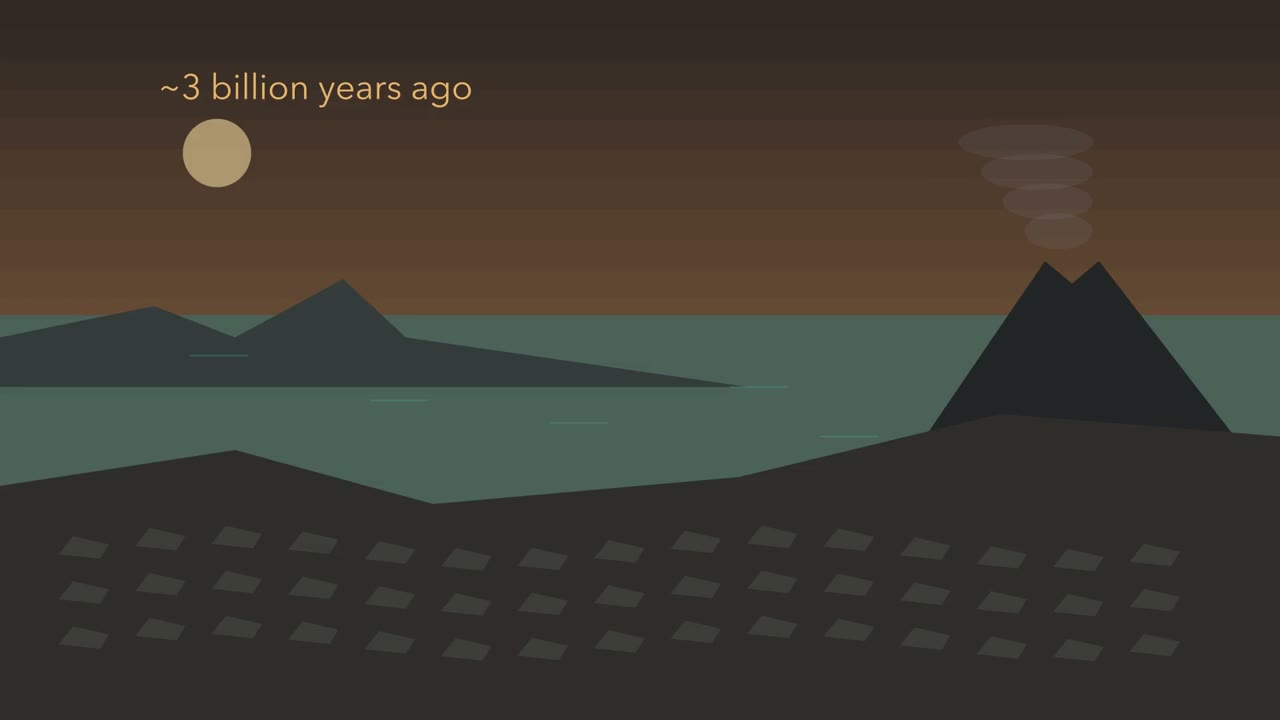
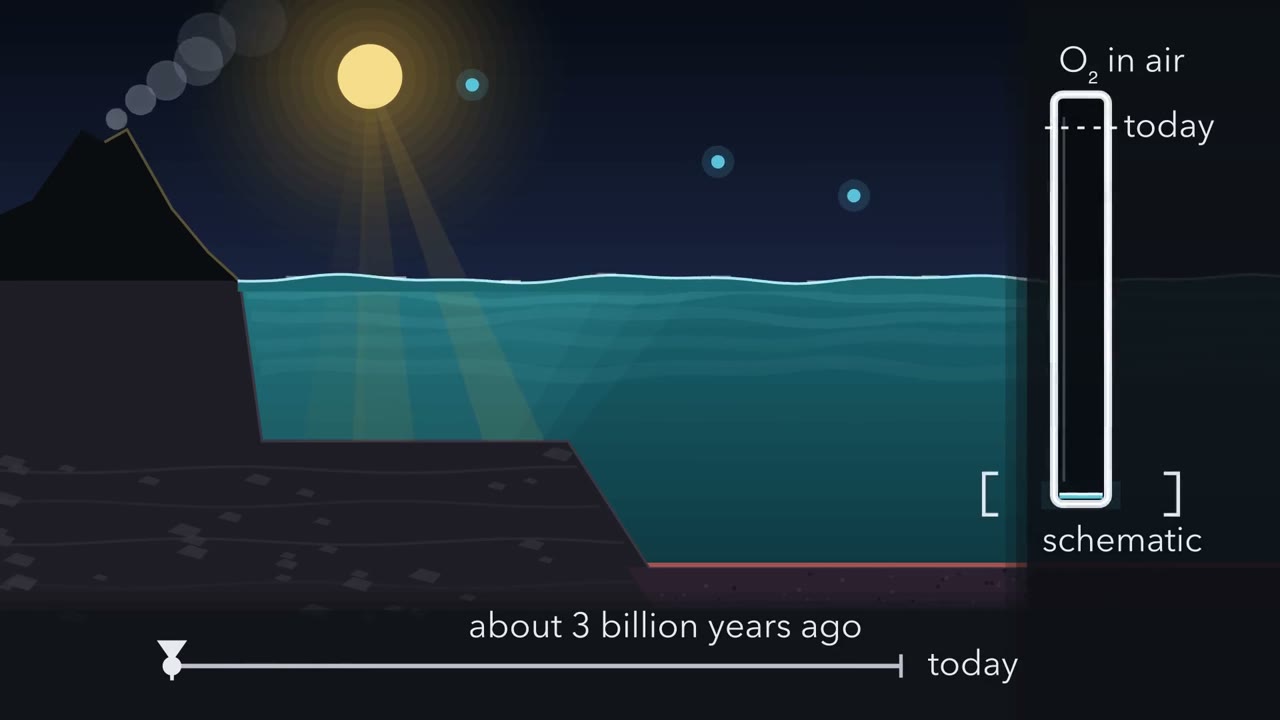
Inside your cells, something acts like a separate living thing. Your mitochondria keep their own DNA, apart from the DNA in your nucleus. And they multiply by pinching in two. Why would a part of you do that? The answer is a very old story. Eukaryotes are living things with cells like ours. Their oldest widely accepted fossils are more than 1.5 billion years old. Exactly when this story began is uncertain. But rewind far enough, and the cell comes apart into two strangers. Meet the first stranger. It was most likely an archaeon, a kind of single-celled microbe. Whether it already had a nucleus is still debated. The second stranger was a bacterium, related to today's alphaproteobacteria.
It could probably respire. That means a chain in its membrane pulled energy out of food. And it may have used oxygen to do it. Those are long names. Just call them the host and the guest. Somehow, the host came to enclose the guest. What do you expect will happen next?
You might expect a meal. But instead of being digested, the guest stayed. Two strangers now lived as one. Here is the claim. Your mitochondria descend from that guest. But how could anyone know, so long afterwards? If a bacterium moved in, what would it leave behind?
Here they are. Most mitochondria still have two membranes. They have their own DNA. Their ribosomes, which build proteins, are bacteria-like. And they divide by pinching in two. One more clue comes from genes. On the family tree, mitochondria from animals, plants and fungi all sit on one branch. That suggests this happened only once. Every mitochondrion today descends from that single guest. So here is the idea to keep. A mitochondrion is not something your cells invented. It is a guest that stayed. But why did the partnership begin? Go back to the two strangers. The honest answer is that it is still debated. Here are two of the ideas. The hydrogen hypothesis says the host lived on hydrogen.
The guest gave off hydrogen as waste. So the host came to depend on the guest. The second idea is about protection. Oxygen can damage cells, and this idea says it harmed the host. The guest consumed oxygen, and shielded its partner. Both ideas fit some evidence, and neither is proven. One hint is real, though. A close relative of the host, grown in a lab, lives by trading hydrogen with partner microbes. So partnerships like this do exist. Whatever began it, the guest changed. Over time it became an organelle, a working part of the cell. Many of its genes were lost. Others moved to the nucleus. But it kept a small genome of its own. Human mitochondrial DNA encodes just 13 proteins.
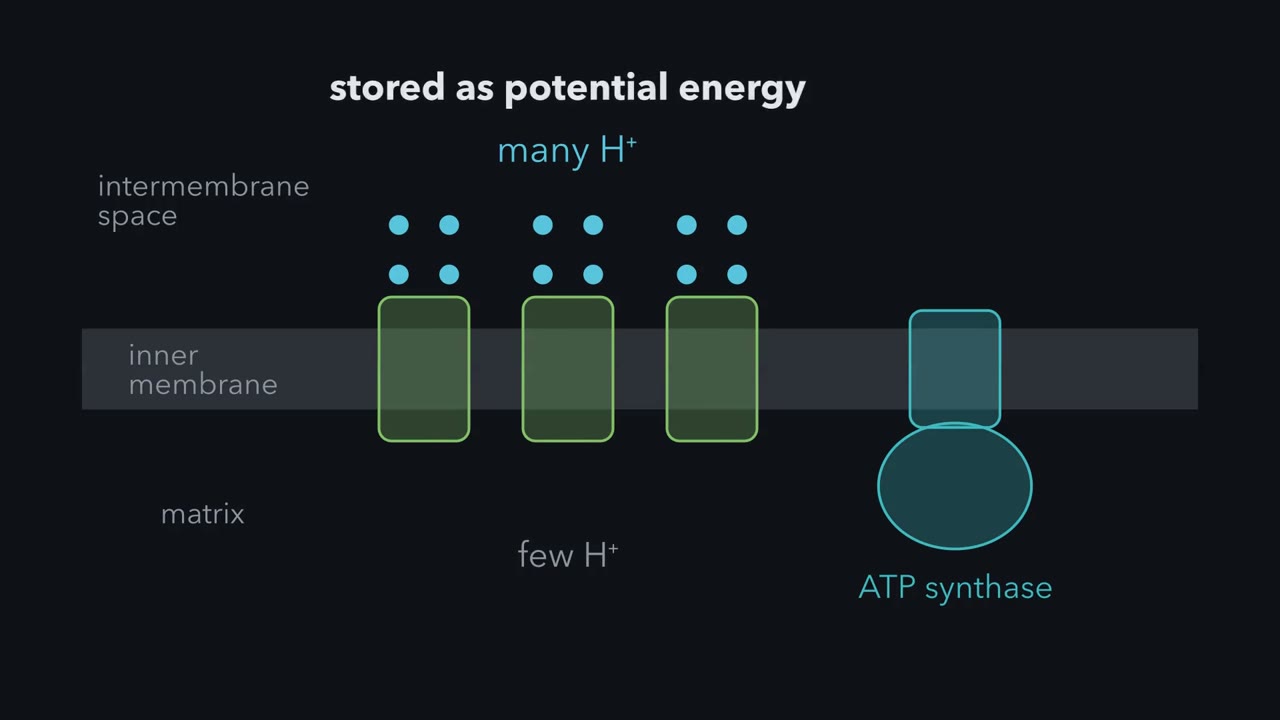
All 13 are for respiration and for making ATP, the molecule that powers your cells. What did the host gain? Mitochondria make most of your ATP. One influential idea, still argued over, goes further. It says the energy from many mitochondria let cells like ours afford larger genomes and more complex lives. So look again. Why would a part of you act like a separate living thing? Because its ancestor once was one. Every breath you take delivers oxygen to a chain inherited from that ancient guest. Your mitochondria began as a guest, and never left.
Electron flow and ATP synthesis are two separate machines linked by one thing: the proton gradient.
Continue in the lesson: Oxidative Phosphorylation: The Electron-Transport Chain →
4:19 · Free, with captions and a transcript. The lesson has the full text, the questions and the sources.
More films from this lesson
How this film was made. Narration: an AI narrator voice (Kokoro, af_heart) reading narration written from this lesson and the review literature. Animation: AI-generated in code (Manim) by Claude, a schematic with no drawn molecular structures. Captions come from the narration script. See something wrong? Report it.