Build the Classification Path
Read the transcript of “Build the Classification Path”
Film transcript: Build the Classification Path
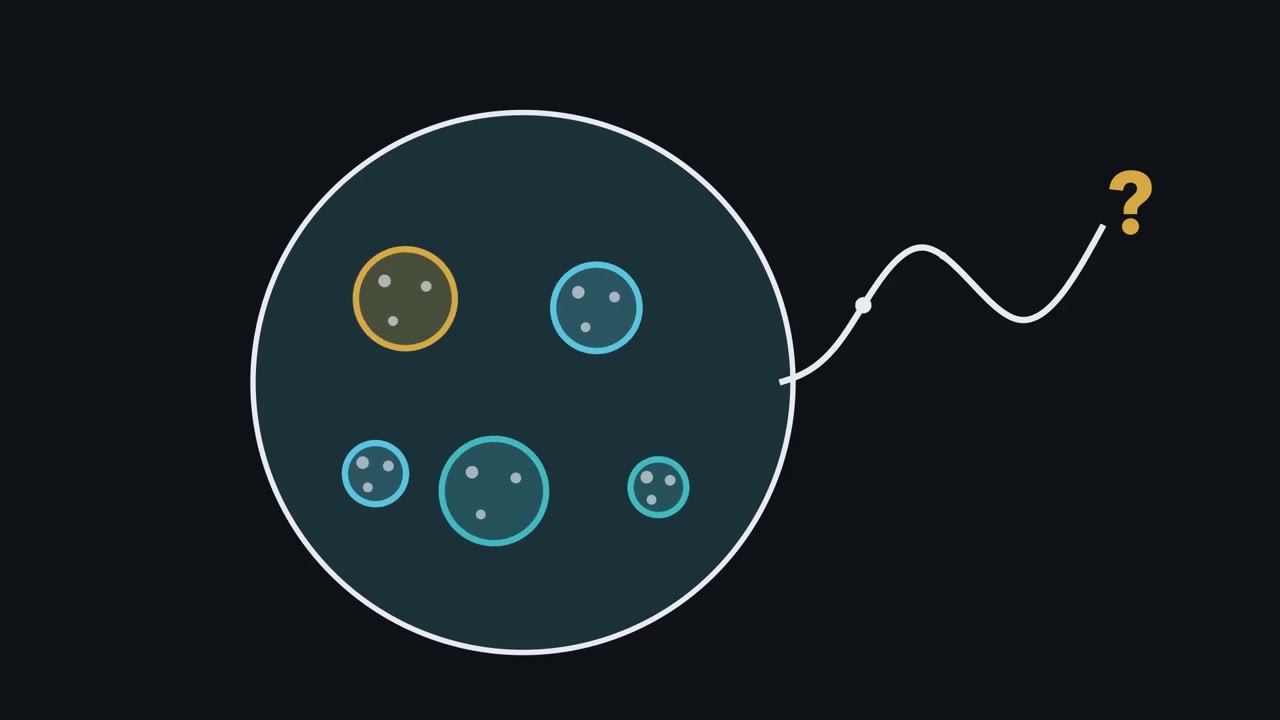
The first film split life by nuclei and molecular evidence. Which traits can finish the path through Eukarya? Follow the gold branch. Its cells have nuclei, but that trait does not reveal a kingdom. A kingdom is the rank below domain. In this course, Eukarya holds protists, fungi, plants, and animals. Ask about cell number, wall material, tissues, and feeding. Answers work together. Familiar appearances can mislead. Begin with plants. They have many cells, cellulose walls, and tissues. Most photosynthesize. Fungi can also have many cells and walls, but their walls contain chitin. They digest food outside and absorb it. Here are an oyster mushroom and a green plant.
Both have nuclei, many cells, and walls. Which traits separate their paths better than movement? Choose before the evidence appears. Movement is unreliable because both may stay in place. The mushroom follows chitin and absorption toward fungi. The plant follows cellulose, tissues, and photosynthesis toward plants. When one familiar trait fails, ask a better one: wall material and feeding settle this split. Animals have many cells and no cell walls. They ingest food and usually form tissues.
Sponges are a special case for tissues. In this scheme, other eukaryotes go with protists. Most are one cell, but some are multicellular algae. Protists vary in feeding. Some make food, some take it in, and some do both. A green, photosynthesizing cell is not automatically a plant. The full pattern matters more than one trait. The plant branch can divide again. Mosses lack vascular tissue and seeds. Ferns have vascular tissue but no seeds. Both spread by spores.
Conifers carry seeds in cones. Flowering plants hold seeds inside fruits. These paired choices form a dichotomous key. Each answer leads to another question or a group. A key works only for its built-in organisms and traits. If evidence is missing, stop rather than guess. Classification continues below kingdom through phylum, class, order, family, genus, and species. A species name has a capitalized genus, then a lower-case specific epithet. Both words appear in italics. Naming records a result; it does not supply the evidence. The path can sort the lesson's real organisms. It separates the archaeon, bacterium, paramecium, mushroom, plants, and crab.
The plants still match on the main traits, so division evidence finishes their split. The scheme is simplified, especially for protists and the deepest branches. Its strength is the method: ask useful questions and follow the evidence. Ask traits in order; stop where your evidence runs out.
One drop of pond water can hold organisms from all three domains of life. Which questions would you ask to tell them apart?
Continue in the lesson: Domains and Kingdoms →
3:42 · Free, with captions and a transcript. The lesson has the full text, the questions and the sources.
More films from this lesson
How this film was made. Narration: an AI narrator voice (Kokoro, af_heart) reading narration written from this lesson's text. Animation: AI-generated in code (Manim) by Claude, a schematic with no drawn molecular structures. Captions come from the narration script. See something wrong? Report it.