A Race Inside the Body
Read the transcript of “A Race Inside the Body”
Film transcript: A Race Inside the Body
In 1846, mothers in one Vienna clinic died about four times as often as in the clinic next door. What could the doctors have been carrying? In the deadly clinic, doctors and students often handled bodies in autopsies. Then they examined mothers. Ignaz Semmelweis suspected the examiners' hands. In 1847 he had them wash in chlorine. You will test his records yourself in the lesson. But notice what he did not know. He could not name what was on those hands. Germ theory later gave the answer. Many diseases are caused by microbes, living things too small to see without a microscope. A microbe or virus that causes disease is called a pathogen. Many pathogens multiply once they get into the body.
One becomes two, two become four, and the doubling keeps going. Meanwhile the body builds a defense. Antibodies are proteins that stick to one small part of an antigen. That can block a microbe or its toxin. The first time the body meets a pathogen, building them often takes a week or more. So picture an infection as a race.
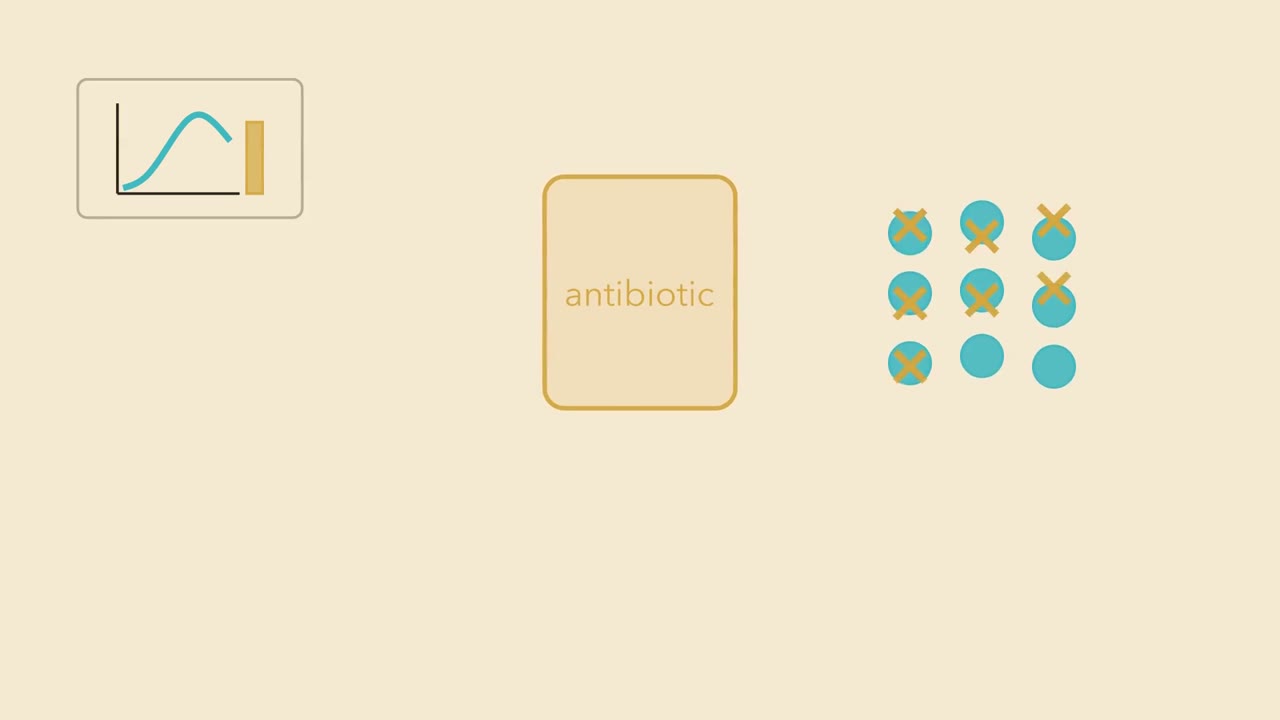
Microbes multiply, and defenses catch up. In this simple model, the microbes fall once the gold bar arrives. But by then they have climbed very high. In many infections, more microbes means a sicker person. There are two ways to get ahead. The first is to start the race with fewer microbes. Hand washing, clean water and sterile tools keep microbes out or leave fewer. Run the race again with a smaller start. The defense still arrives on the same day, but the peak is lower. The second way is to send the defense in early. A vaccine shows the immune system an antigen, or instructions to make one. The immune system learns to recognize a pathogen or its toxin without the full disease. During that first meeting, some immune cells become memory cells.
They stay in the body long after. Now the real pathogen arrives, carrying the same antigen. This is the body's second meeting. Will the gold defense arrive sooner or later than it did the first time? Sooner. Memory cells recognize the antigen quickly, and they lead to large amounts of antibody. The defense arrives days earlier. The microbes have had less time to double, so they never climb very high. Hygiene shrinks the start. A vaccine moves the defense earlier. They are two ways to win the same race. A smaller start or an earlier defense keeps the peak low.
In 1846, mothers in one Vienna clinic died about four times as often as mothers in the clinic next door. What could the doctors have been carrying?
Continue in the lesson: Germs, Vaccines and Antibiotics →
3:21 · Free, with captions and a transcript. The lesson has the full text, the questions and the sources.
More films from this lesson
How this film was made. Narration: written from this lesson's text and read by an AI narrator voice (Kokoro, af_heart). Animation: AI-generated in code (Manim) by Claude, a schematic with no drawn molecular structures. Captions come from the narration script. See something wrong? Report it.