A Key Finds a Name, Not Relatives
Read the transcript of “A Key Finds a Name, Not Relatives”
Film transcript: A Key Finds a Name, Not Relatives
How could a few two-choice questions give you the name of a crab? You find it on the shore of the Chesapeake Bay, and you do not know what it is. A key can tell you. The first film put living things in nested boxes, to show how they are grouped. This film uses a different tool, called a dichotomous key. Both tools matter, but they do different jobs. A dichotomous key is a series of two-choice steps about traits you can see. Each step splits the path in two. You follow the choice that fits, until you reach a name. Our key holds seven animals, each from a different phylum.
Step one asks, fins or no fins? The crab has no fins, so we go on. Step two asks, jointed legs or no jointed legs? The crab has jointed legs. The path ends at a name, Callinectes sapidus, the blue crab. Look at the whole key. The trout comes off the path first, the crab second, and the oyster third. Now keep every question, but change their order. Ask about the two-part shell and the five arms before the jointed legs. Watch the branches redraw. Run the crab again. It takes more steps now. But the path ends at the same name, Callinectes sapidus. Every animal keeps its name. Only its neighbors change. The crab now sits right next to the sea star.
Has the crab become more closely related to the sea star? No. Drop the animals into the boxes from the first film. The crab is in phylum Arthropoda. The sea star and the oyster are each in a different phylum. The crab shares only two boxes with each of them, the domain and the kingdom. The crab shares just two boxes with the trout, too. In either order, the boxes stay the same. Moving a question cannot make two animals closer relatives. Why does this happen? This key asks about traits that are easy to see, not who is related. So its order alone does not show who is related. The boxes show how one classification groups them. To draw the boxes, scientists compare body parts, what living things do, and DNA.
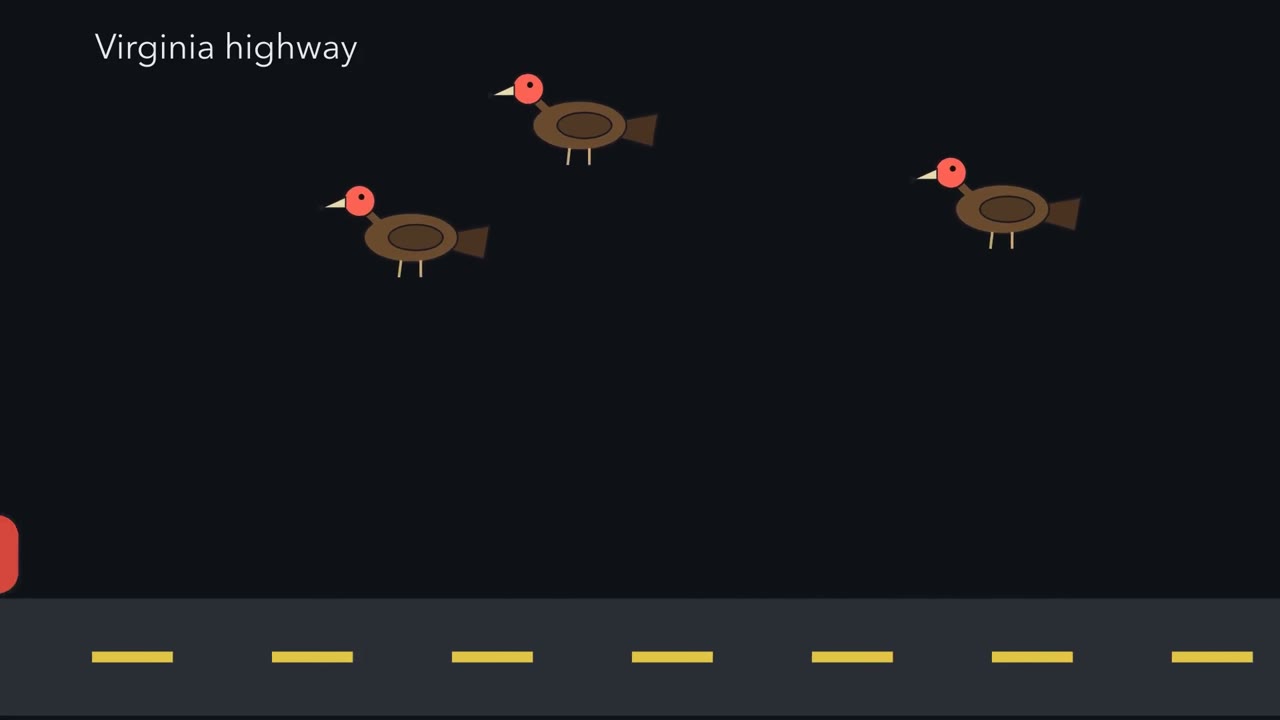
In Virginia some people call a vulture a buzzard, and in Britain the buzzard is a hawk, so how can a scientist say which bird they mean?
Continue in the lesson: Sorting Living Things →
2:51 · Free, with captions and a transcript. The lesson has the full text, the questions and the sources.
More films from this lesson
How this film was made. Narration: an AI narrator voice (Kokoro, af_heart) reading narration written from this lesson's text. Animation: AI-generated in code (Manim) by Claude, a schematic with no drawn molecular structures. Captions come from the narration script. See something wrong? Report it.