Films · Developmental Neuroscience
The Loop, One Arrow at a Time
Read the transcript of “The Loop, One Arrow at a Time”
Film transcript: The Loop, One Arrow at a Time
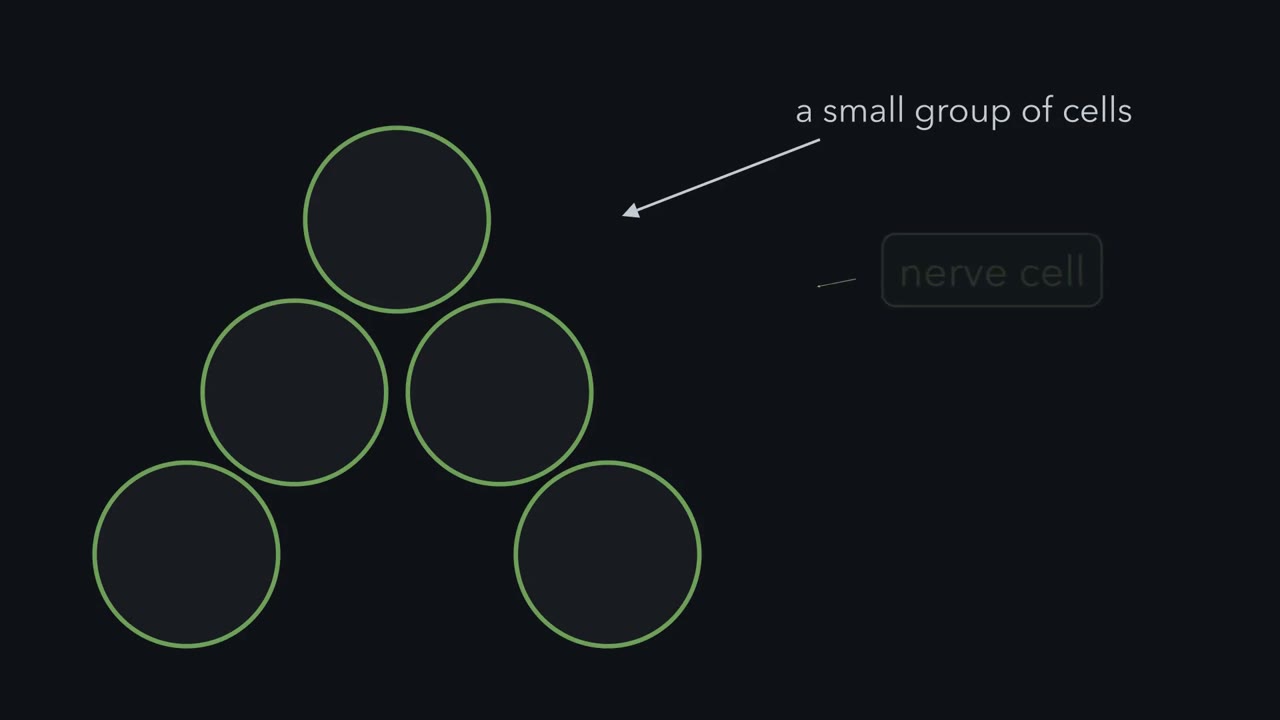
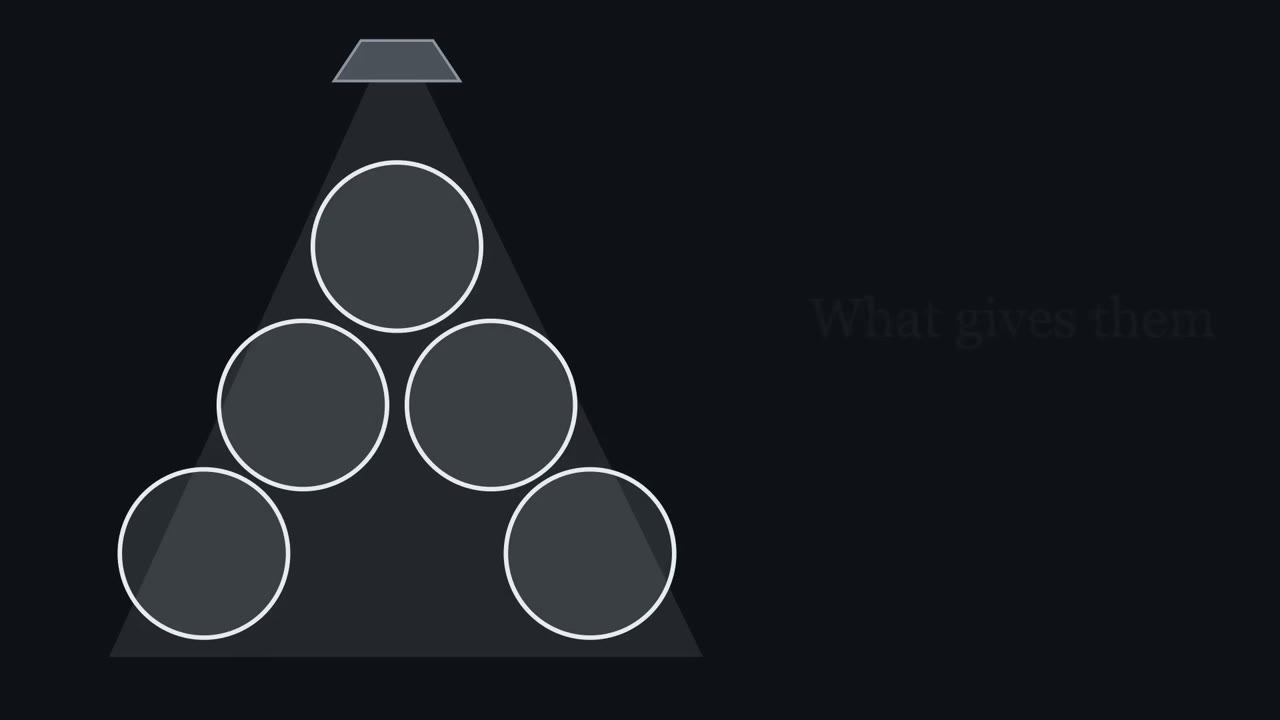
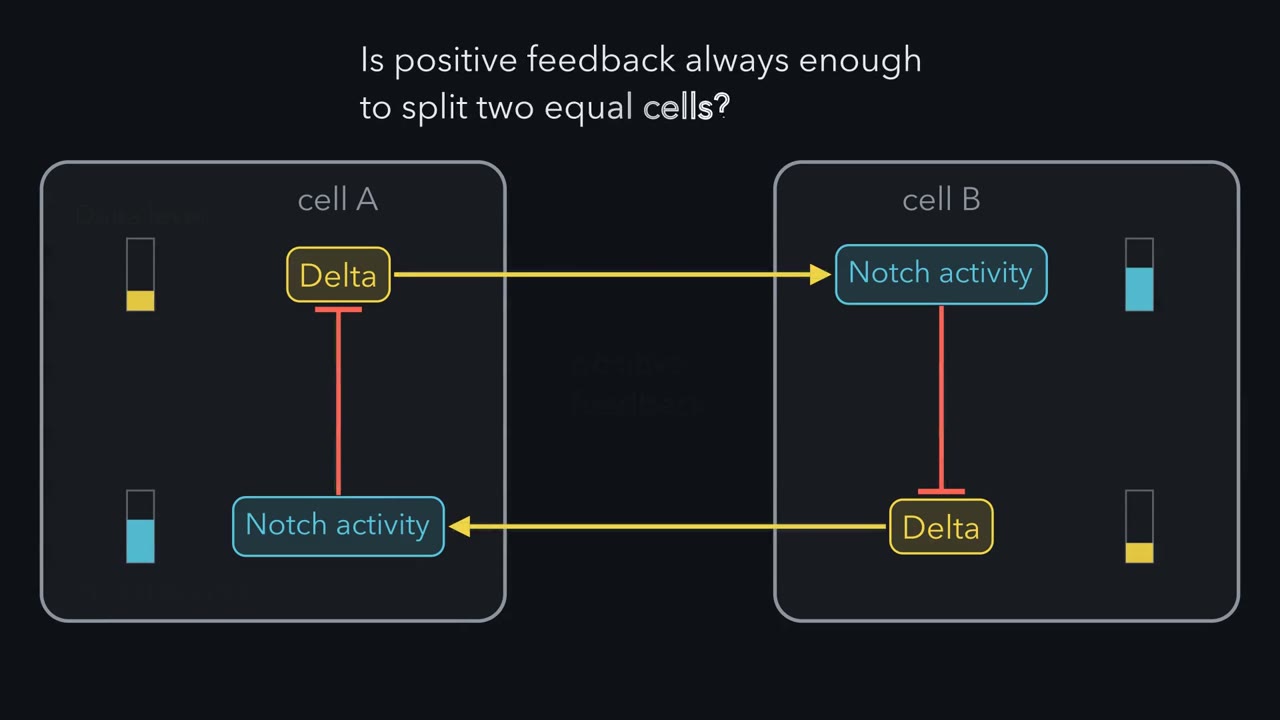
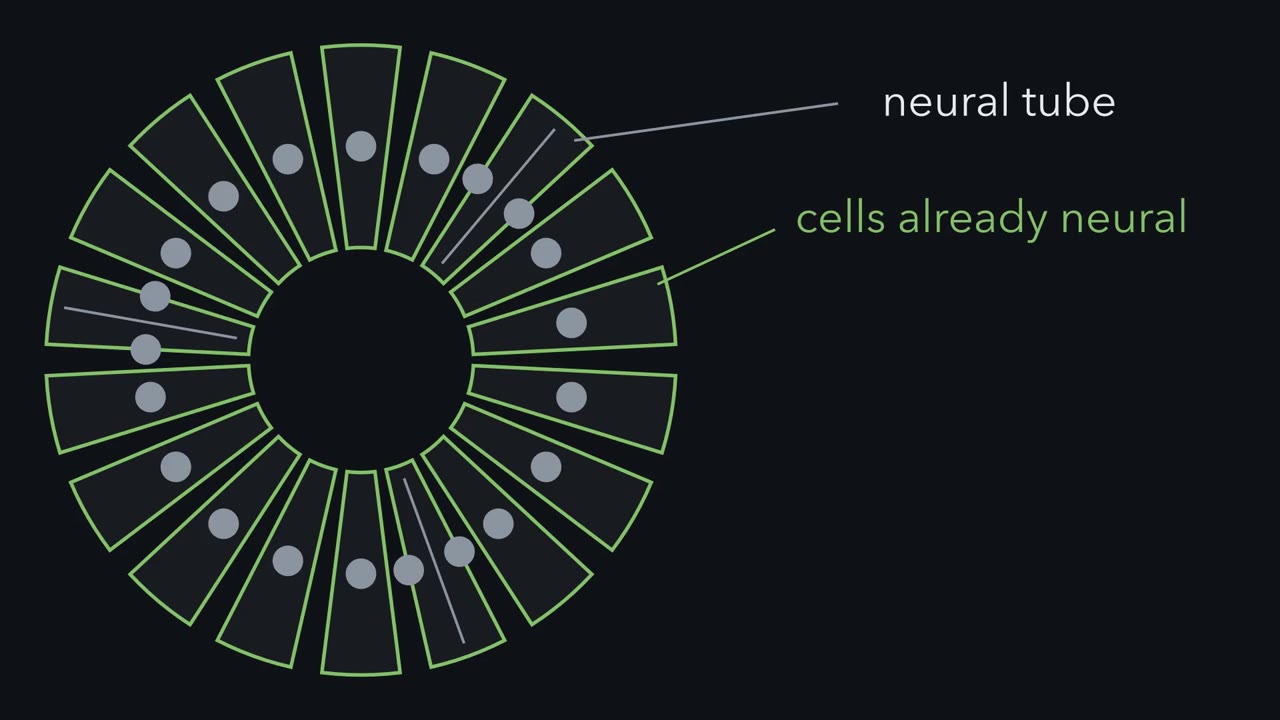
Every cell in the cluster now has proneural factor. So what picks one? The cells signal to each other through Notch. The signal says, not you. Delta is a protein in the membrane of one cell. It binds Notch on the cell it touches, and pulls. Two cuts then free the inner part of Notch. That part enters the nucleus. There, with a DNA-binding protein called CSL, it turns on target genes. In a proneural cluster, the targets that matter are the Enhancer of split, genes. They make repressors that switch proneural genes off. Proneural factors do two things in return. They raise their own expression. And, in the standard model, they raise Delta. Now follow two neighbours, A and B, one step at a time.
Step one. A has a little more Delta. B gets more Notch activity, so B makes more repressor. Step two. B is repressed. It has less proneural factor, so it makes less Delta. Step three. The signal coming back to A is weaker. A makes less repressor, and more proneural factor. So A makes more Delta. The returning signal pushes A's Delta up again, in the direction of its original lead. Whether the lead ends up bigger depends on how steep the loop is. That comes next. Each cell inhibits its neighbour. So A inhibits the cell that inhibits A. Two inhibitions in a row act as positive feedback. This is a switch-making arrangement. If the loop is steep enough, noise gives one cell a lead, and the loop magnifies it.
In this ideal pair, which cell wins is chance. Predict. Neither cell has any Notch. What happens to the pair? Neither cell can be told, not you. Both keep proneural genes on, and both become neural. Too many neural cells. Fly geneticists call this the neurogenic phenotype, here in miniature. Now the reverse. Switch Notch on in both cells, whatever Delta they receive. Repressor stays high in both. Neither becomes neural, and the cluster gives no precursor. A double negative between neighbours acts as positive feedback. A small lead can grow.
Every cell in the cluster could become the neuron. Why does only one?
Continue in the lesson: Proneural Genes and Lateral Inhibition →
2:43 · Free, with captions and a transcript. The lesson has the full text, the questions and the sources.
More films from this lesson
How this film was made. Narration: an AI narrator voice (Kokoro, af_heart) reading narration written from this lesson's text. Animation: AI-generated in code (Manim) by Claude, a schematic with no drawn molecular structures. Captions come from the narration script. See something wrong? Report it.