Films · Developmental Neuroscience
The Casting Call
Read the transcript of “The Casting Call”
Film transcript: The Casting Call
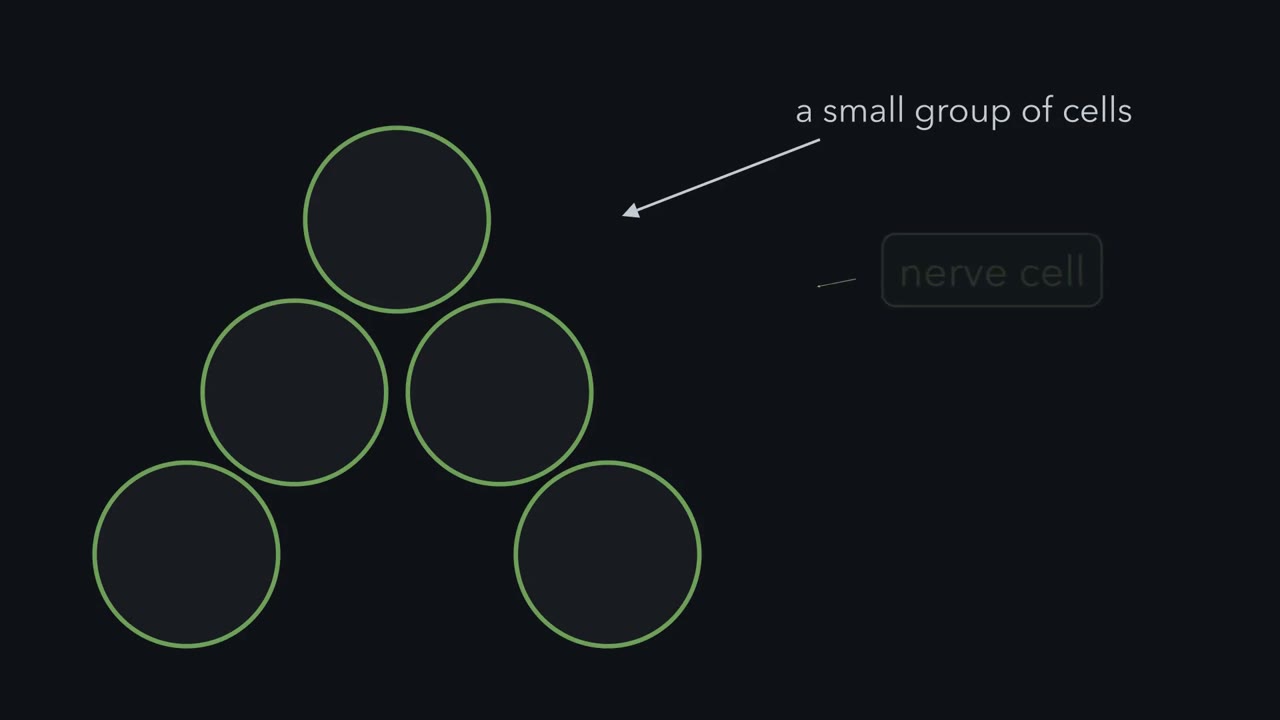
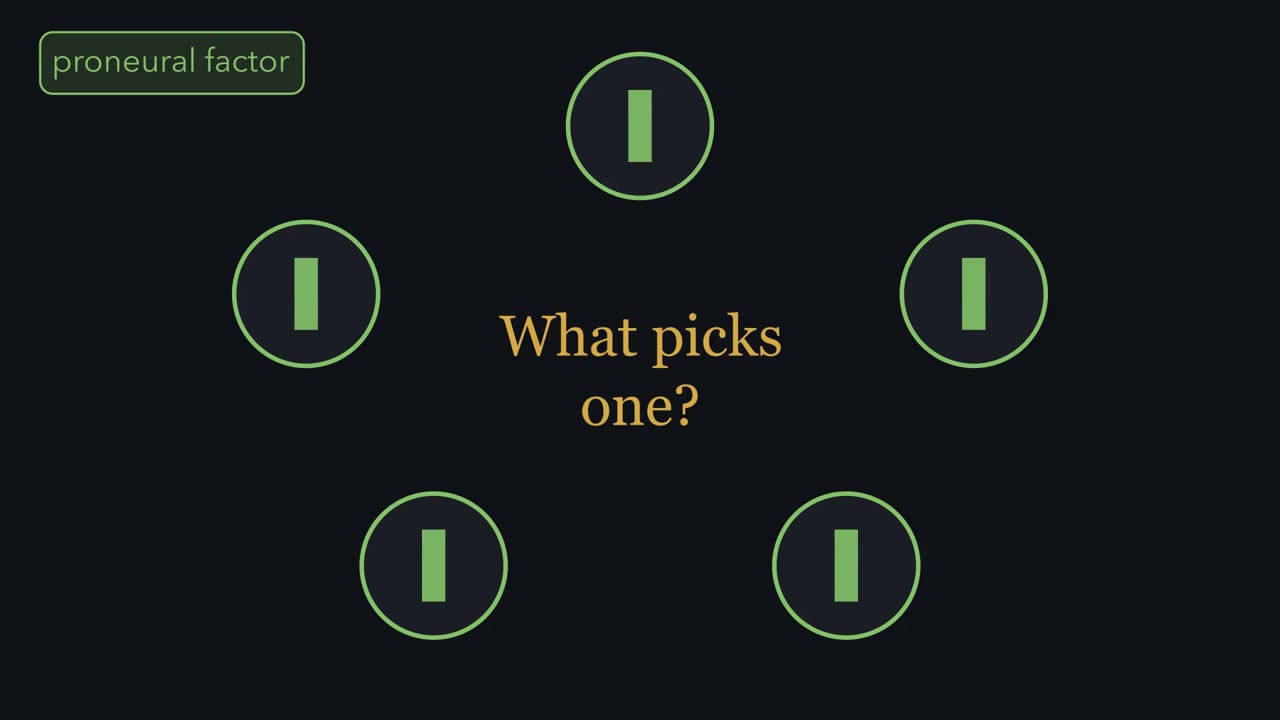
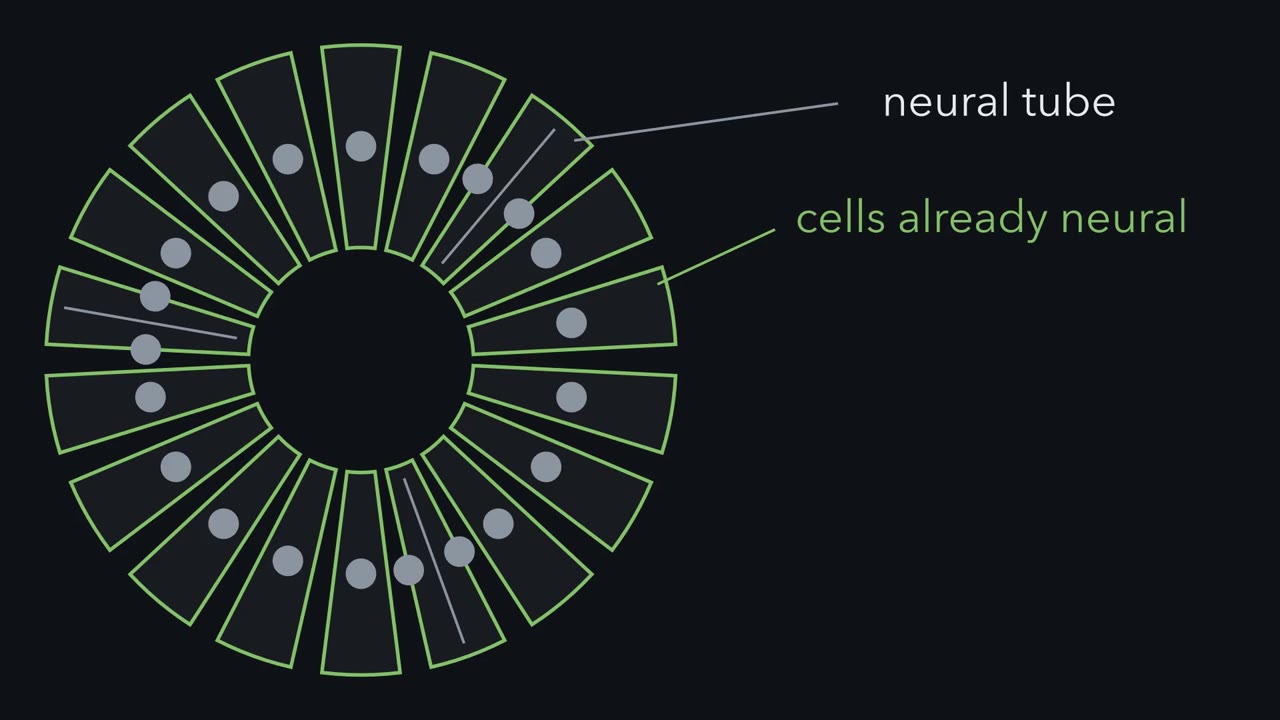
Every cell in a cluster can audition. What gives them that ability? The proneural genes were found in the fly. Two of them, achaete and scute, sit side by side on a chromosome. They are needed for the bristles on the fly's back. Predict. Remove these genes. What happens to the bristles? Then switch them on in extra places.
Remove them, and bristles are missing. Switch them on in extra places, and extra bristles form. A related gene, atonal, was found in 1993. It does the same job for chordotonal organs. These are internal stretch receptors. So different proneural genes start different kinds of sense organ. Force achaete-scute on, and only external sense organs form. Force atonal on, and mostly chordotonal organs form. A year later, atonal was shown to be needed for R8. That is the founding photoreceptor of each eye unit. Without atonal, no R8 forms. The other seven photoreceptors, which R8 recruits, do not form either. All these genes encode the same kind of protein: a basic helix-loop-helix (bHLH) transcription factor.
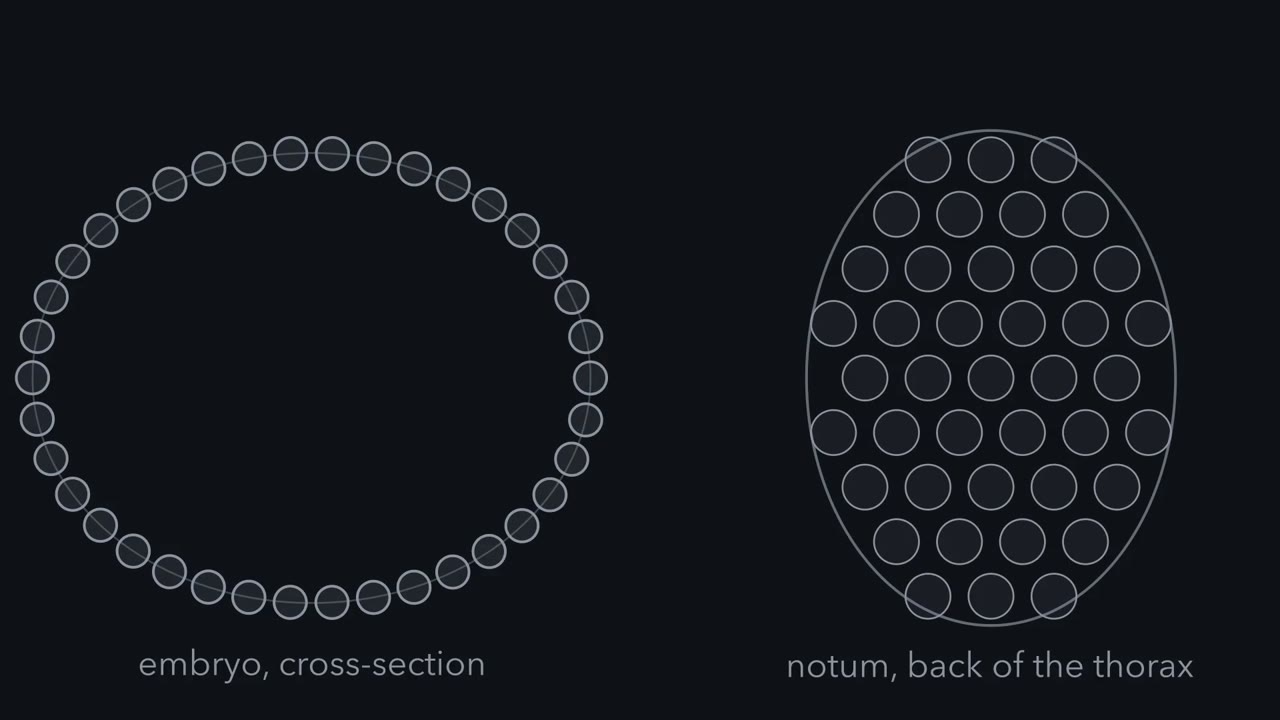
The helix-loop-helix part lets two proteins pair. The basic part grips DNA at a short sequence called an E-box. A proneural protein works with a partner. In the fly, that partner is Daughterless. In vertebrates, the partners are called E proteins. Vertebrates have relatives of both fly families. Ascl1 is related to achaete-scute. The Neurogenins, and a gene called Atoh1, are related to atonal. So what decides where a cluster forms? In the embryo, clusters still form in the right places without Notch. Regulatory DNA around the achaete-scute genes sets the map. That map was worked out mostly on the notum and wing. There, Notch also helps shape the broader proneural stripes.
That answers the first puzzle. Proneural factors make a cluster able to become neural. Regulatory DNA places it. Proneural factors say who may. Notch will say who does.
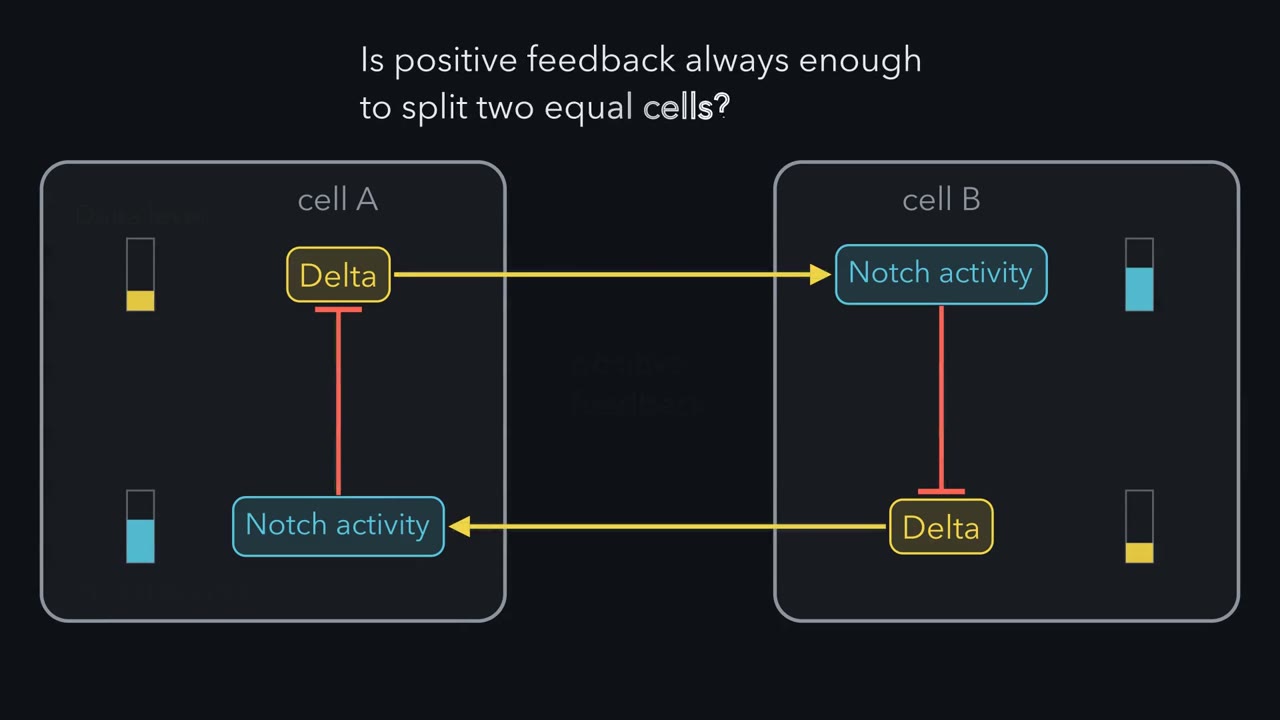
Every cell in the cluster could become the neuron. Why does only one?
Continue in the lesson: Proneural Genes and Lateral Inhibition →
2:35 · Free, with captions and a transcript. The lesson has the full text, the questions and the sources.
More films from this lesson
How this film was made. Narration: an AI narrator voice (Kokoro, af_heart) reading narration written from this lesson's text. Animation: AI-generated in code (Manim) by Claude, a schematic with no drawn molecular structures. Captions come from the narration script. See something wrong? Report it.