The Choice Becomes an Address
Read the transcript of “The Choice Becomes an Address”
Film transcript: The Choice Becomes an Address
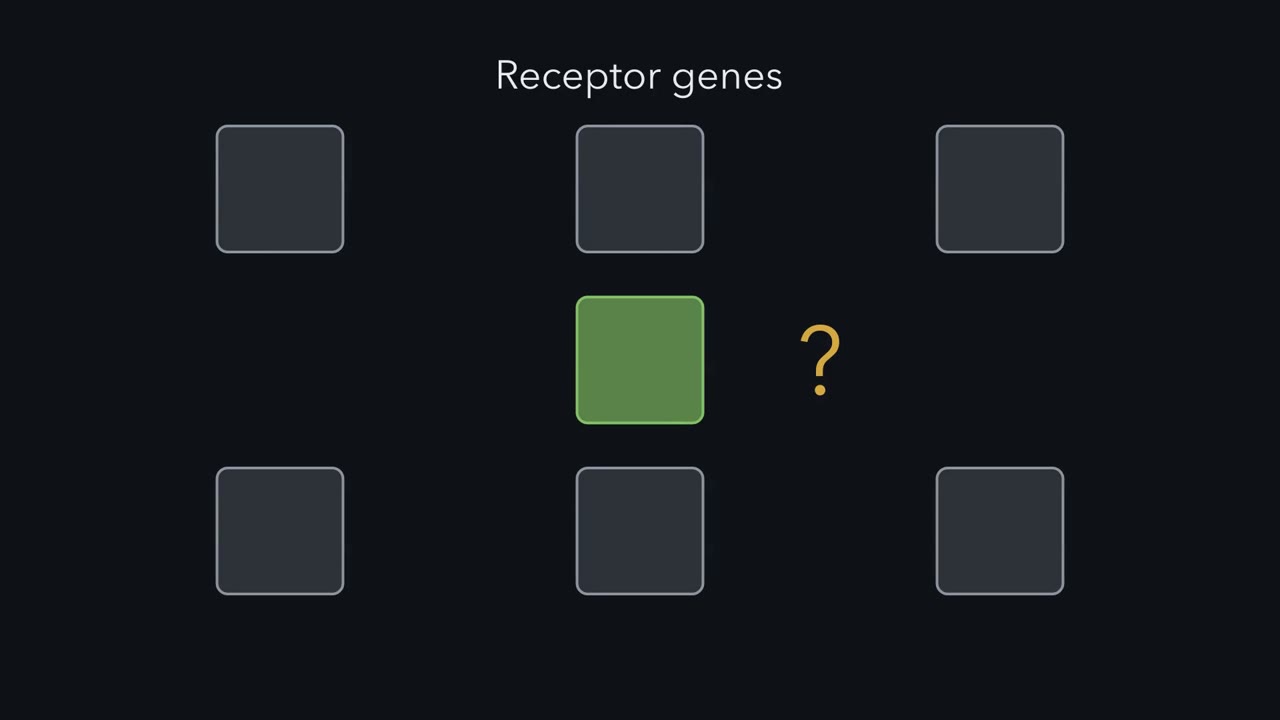
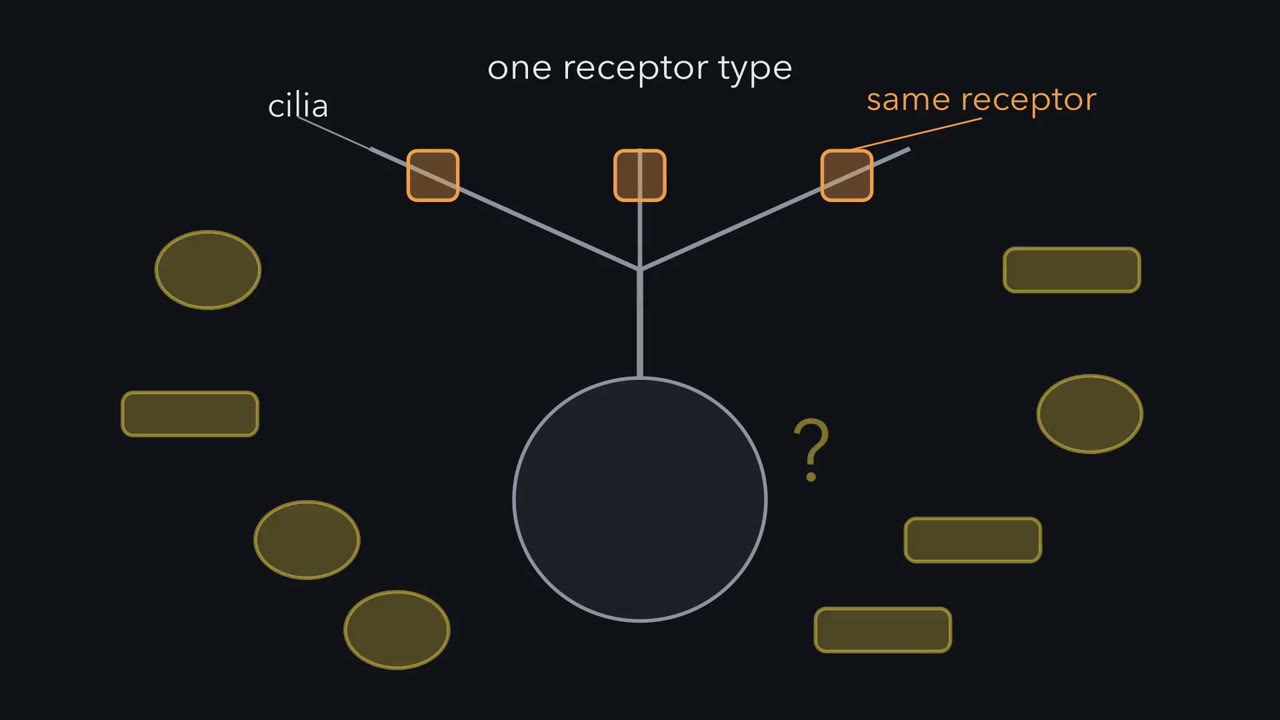
A neuron has chosen its receptor. How does its axon know where to go? The core rule is one receptor and two glomeruli. That needs each neuron's axon to find the right target. In 1996, Mombaerts and colleagues swapped receptor genes in mice. The results suggested that receptor identity is instructive in axon targeting, but not the only factor. So the receptor is one input among several. If the receptor helps choose the target, how could it change what the growing axon carries?
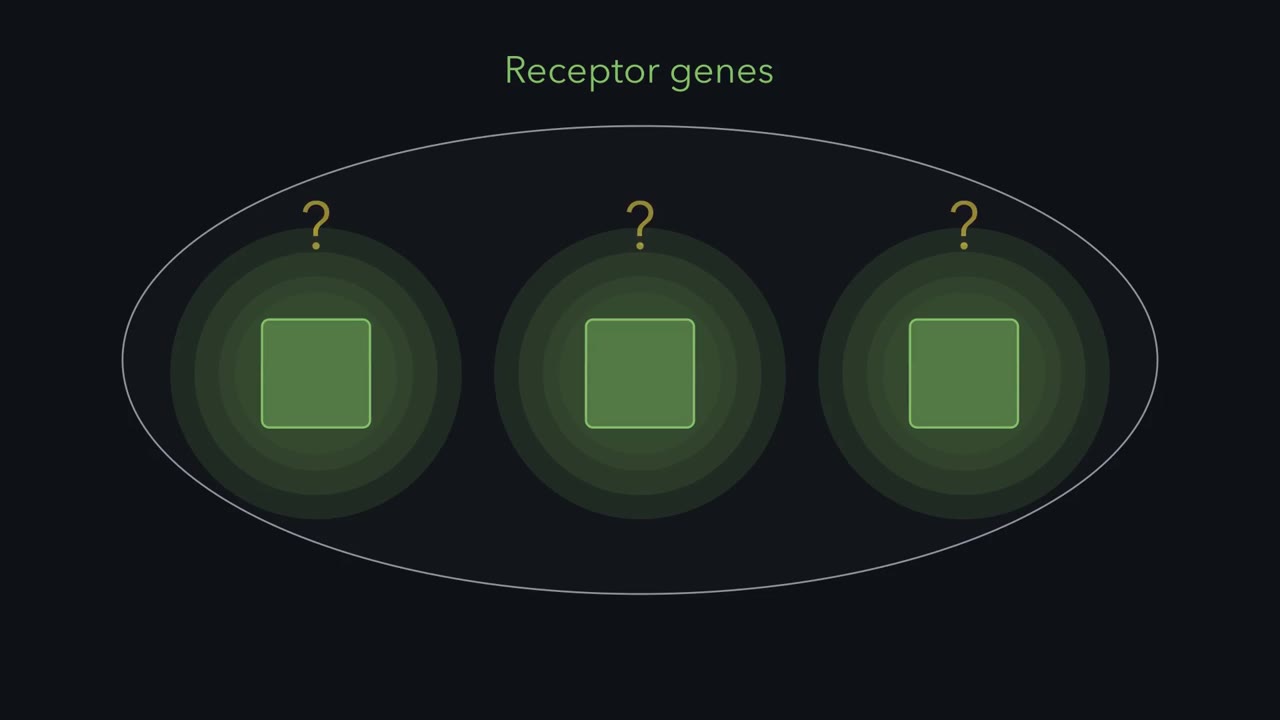
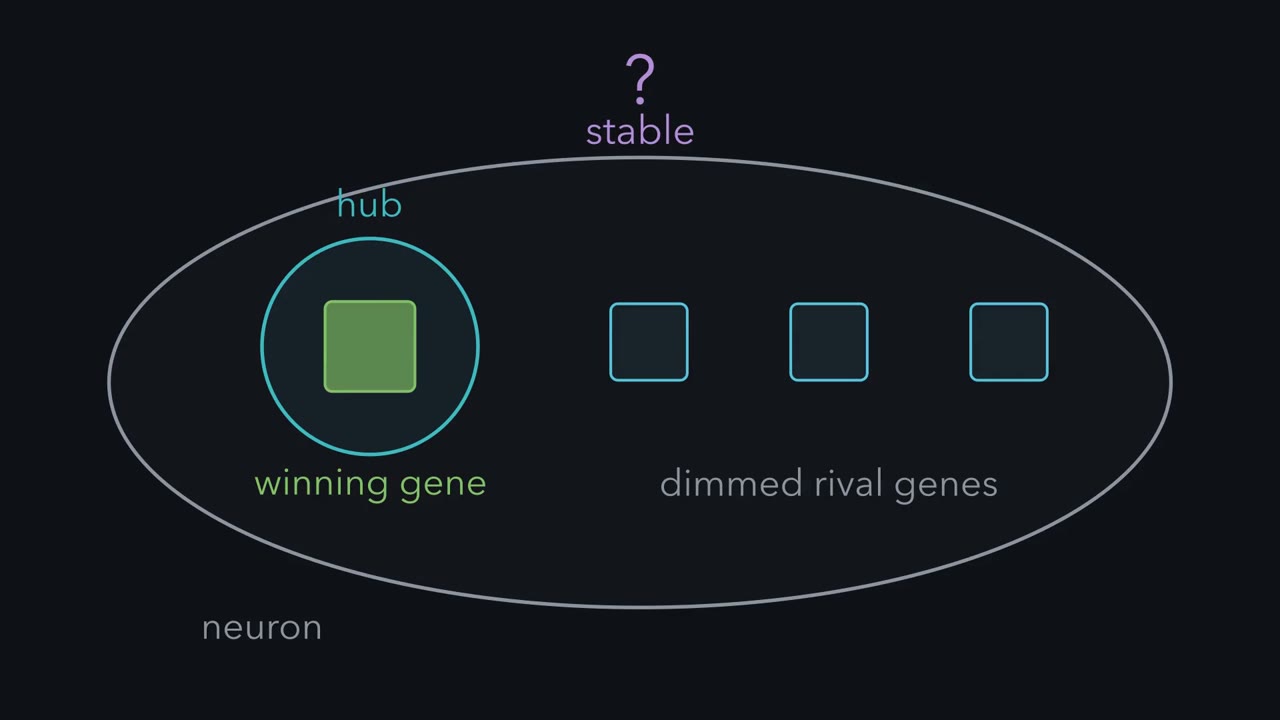
One route runs through cAMP. Imai and colleagues reported receptor-derived cAMP signals shift guidance molecule expression. It also shifts where axons project in the bulb, along the front-to-back axis. Serizawa and colleagues found four adhesion and guidance molecules whose levels vary with receptor activity. How such molecules build the map is covered in the lesson on topographic maps. Now recall the lock. Its relay ran through the kinase PERK. The lock's own pathway reaches the wiring too. Shayya and colleagues reported that different receptor sequences produce different patterns of stress in developing neurons. A gene called Ddit3 links PERK signalling to guidance and adhesion genes.
So the stress signal that helps hold the choice can also influence where the axon goes. These are mouse reports. They show a link, not the full rules for building the map. The choice and the address can share a signal. Choosing a receptor helps set where the axon goes.
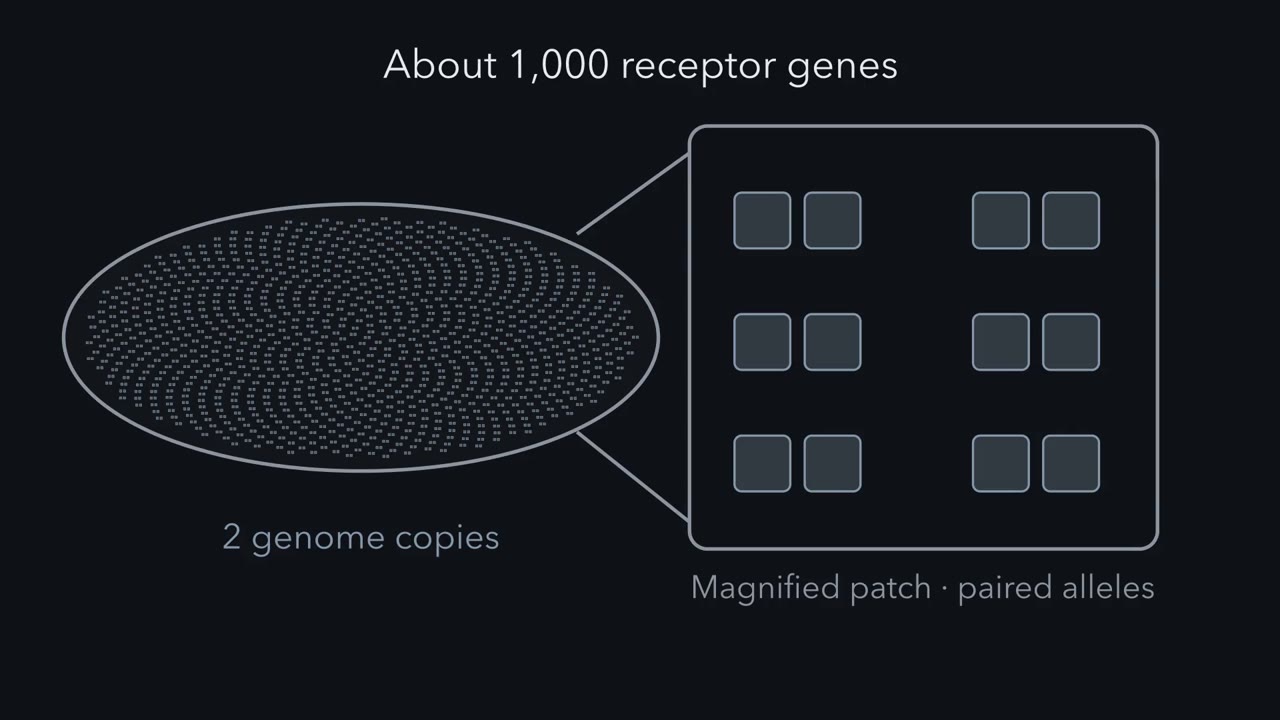
A mouse olfactory neuron holds about a thousand receptor genes and uses one copy of one. How does it choose, and what keeps it from changing its mind?
Continue in the lesson: One Receptor per Neuron: How Olfactory Neurons Choose →
2:02 · Free, with captions and a transcript. The lesson has the full text, the questions and the sources.
More films from this lesson
How this film was made. Narration: an AI narrator voice (Kokoro, af_heart) reading narration written from this lesson's text. Animation: AI-generated in code (Manim) by Claude, a schematic with no drawn molecular structures. Captions come from the narration script. See something wrong? Report it.