Films · Developmental Neuroscience
The Second Brake: Competence to Die
Read the transcript of “The Second Brake: Competence to Die”
Film transcript: The Second Brake: Competence to Die
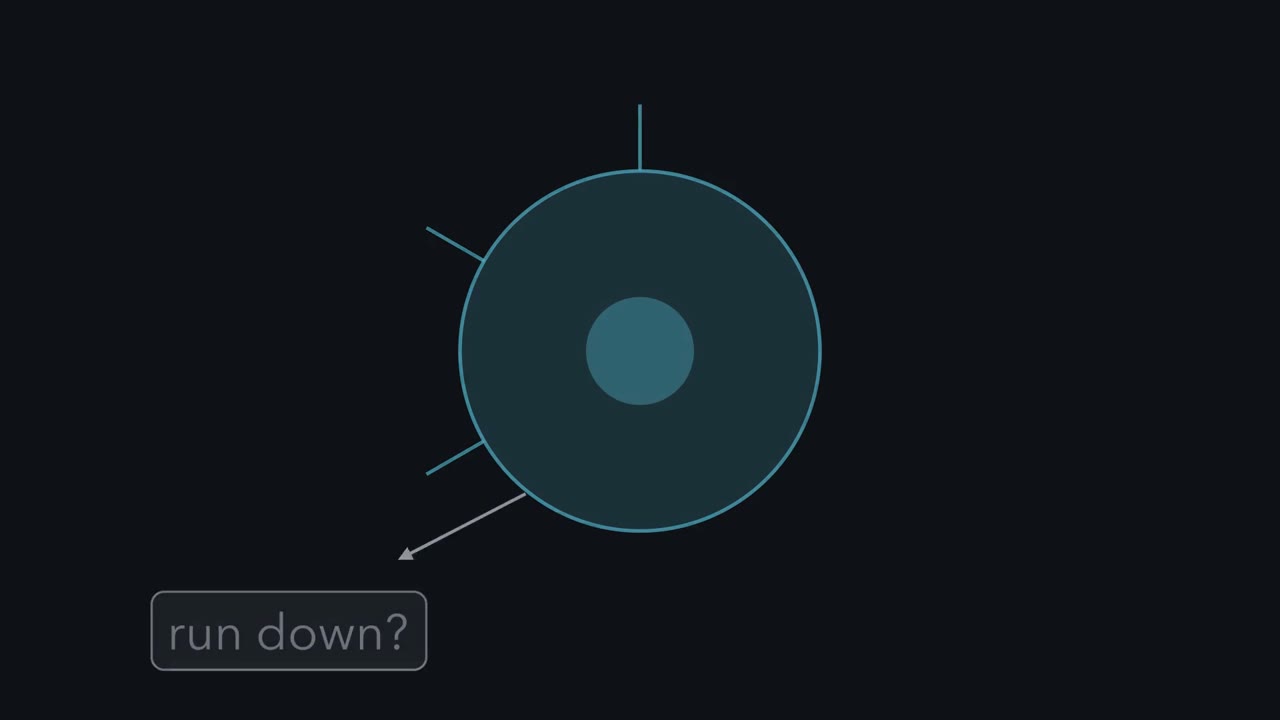
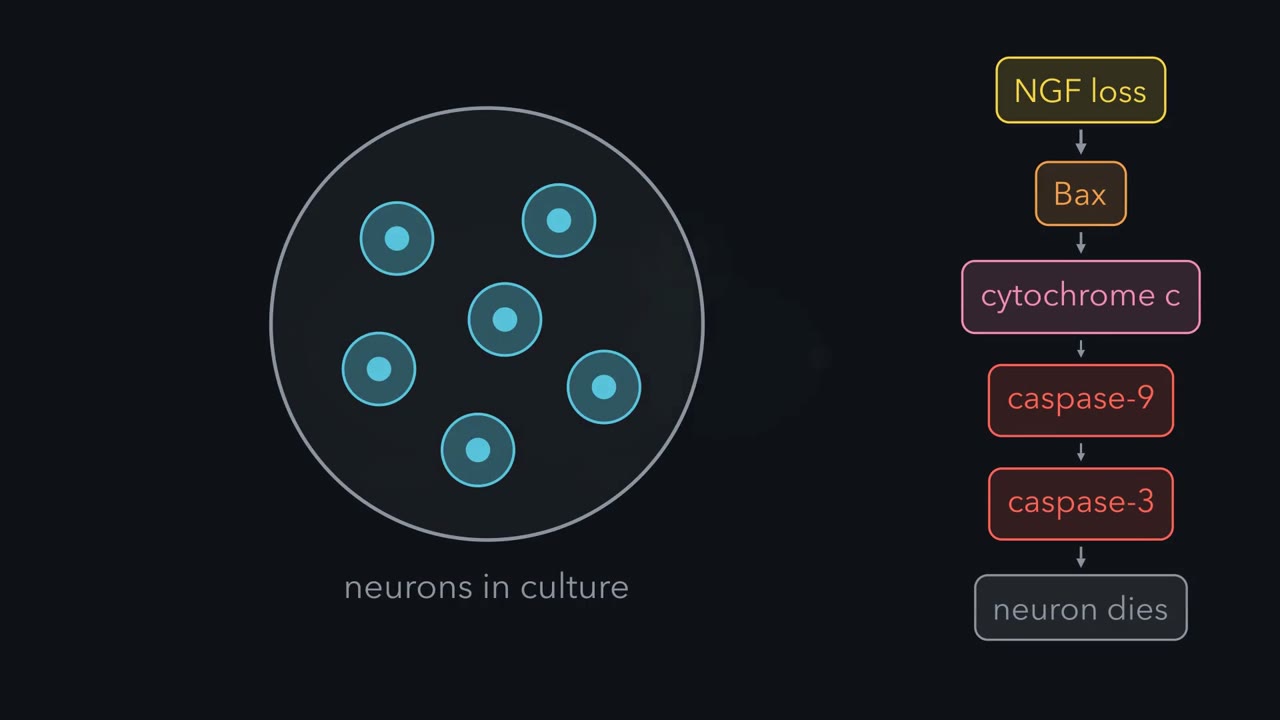
If the gate were the only brake, injected cytochrome c should kill these neurons, even in NGF. Does it? Mohanish Deshmukh tested this directly, with cultured sympathetic neurons. With a fine glass needle, he injected cytochrome c straight into the cytoplasm. The injection skips the gate. First, inject neurons kept in NGF. If the gate is the only brake, what should happen?
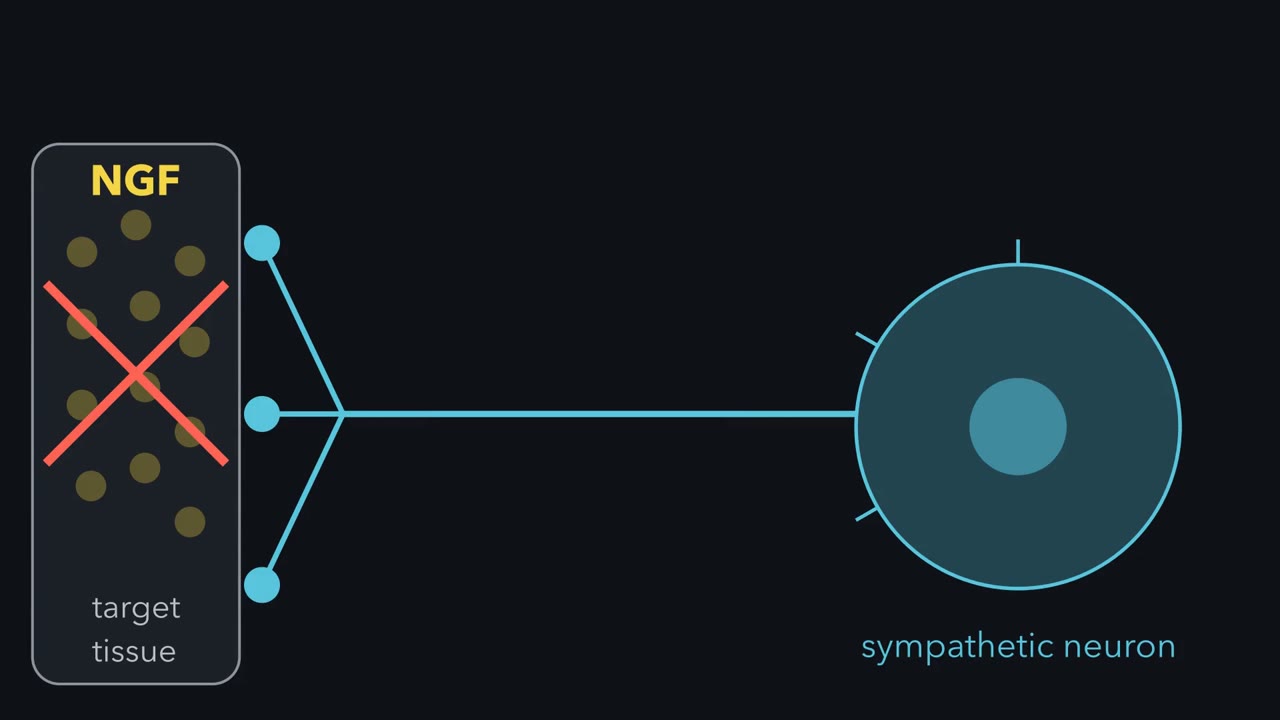
They should die. They survived. Now take NGF away for about a day. But keep each neuron's own gate shut. Deshmukh did that by blocking protein synthesis, or by using neurons lacking Bax. These neurons were alive when injected. Cytochrome c killed them within hours. A control injection did not. A caspase inhibitor prevented the death. So something below cytochrome c release also changes, when NGF is taken away. The change builds up gradually. Over about a day without NGF, more and more neurons respond. Deshmukh called this acquired susceptibility competence-to-die. What does the change need? Look again at how these neurons were kept alive. They made no new protein, yet they became competent.
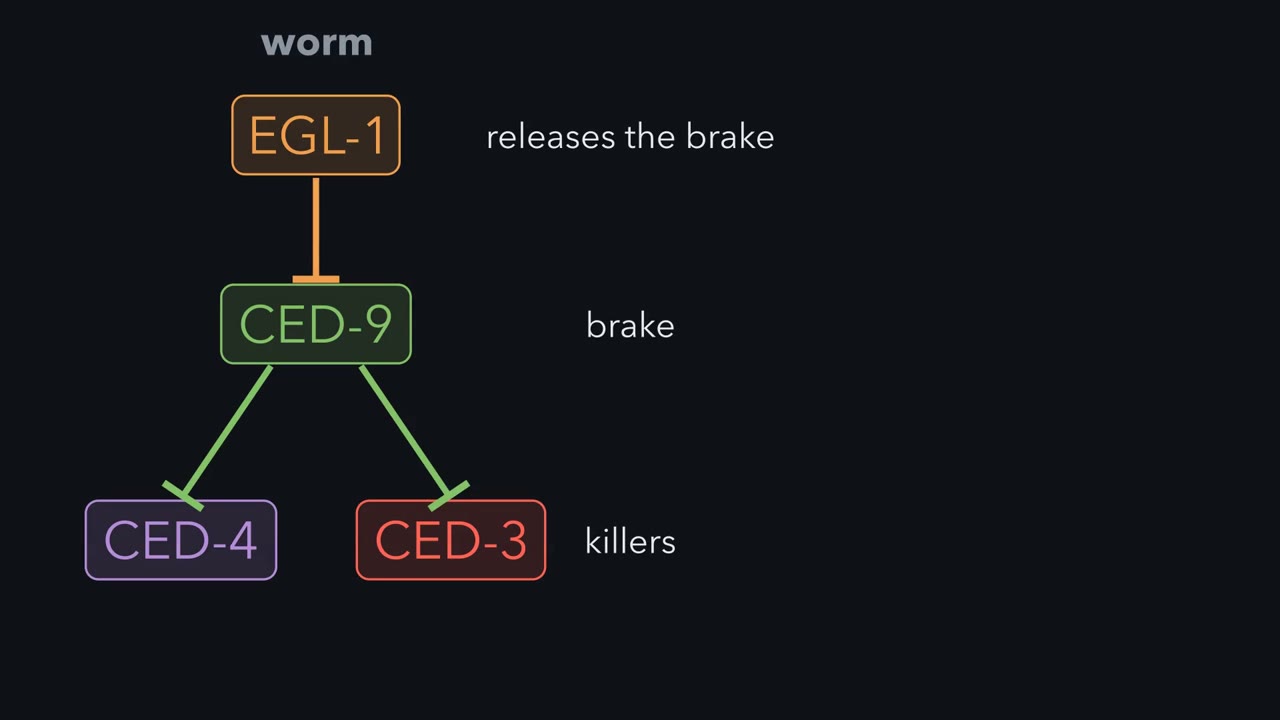
So the change needs no new protein. Neurons lacking Bax became competent too. So it needs no Bax. So this change is a separate brake, and deprivation removes it. Later work identified that brake. It is a caspase inhibitor called XIAP. XIAP levels fall during NGF deprivation. XIAP can hold caspases off, partly because these neurons have little Apaf-1. Here is a test of that idea. Keep NGF present, and remove the inhibitor. What should cytochrome c do then?
Smac is a mitochondrial protein that removes inhibitors from caspases. Cytochrome c injected along with Smac killed neurons kept in NGF. Put every result against the two brakes. A neuron dies by apoptosis only when the gate is open or skipped, and the caspase brake is off. Once the caspases run, the dying cell signals to be eaten. Where this has been studied, caspases expose a lipid, phosphatidylserine, on the membrane's outer face. It works as an eat me signal. Microglia and other phagocytes recognise it, and eat the cell. The cell is normally eaten before its membrane fails. So its contents do not spill, and the tissue is not inflamed. Brake two is on the caspases, and deprivation lifts it without new protein.
This apoptotic route needs both brakes off.
Stop a starving neuron from making new proteins, and it lives longer. Why?
Continue in the lesson: The Death Machinery in Neurons →
3:16 · Free, with captions and a transcript. The lesson has the full text, the questions and the sources.
More films from this lesson
How this film was made. Narration: an AI narrator voice (Kokoro, af_heart) reading narration written from this lesson's text. Animation: AI-generated in code (Manim) by Claude, a schematic with no drawn molecular structures. Captions come from the narration script. See something wrong? Report it.