Films · Developmental Neuroscience
Rig the Race
Read the transcript of “Rig the Race”
Film transcript: Rig the Race
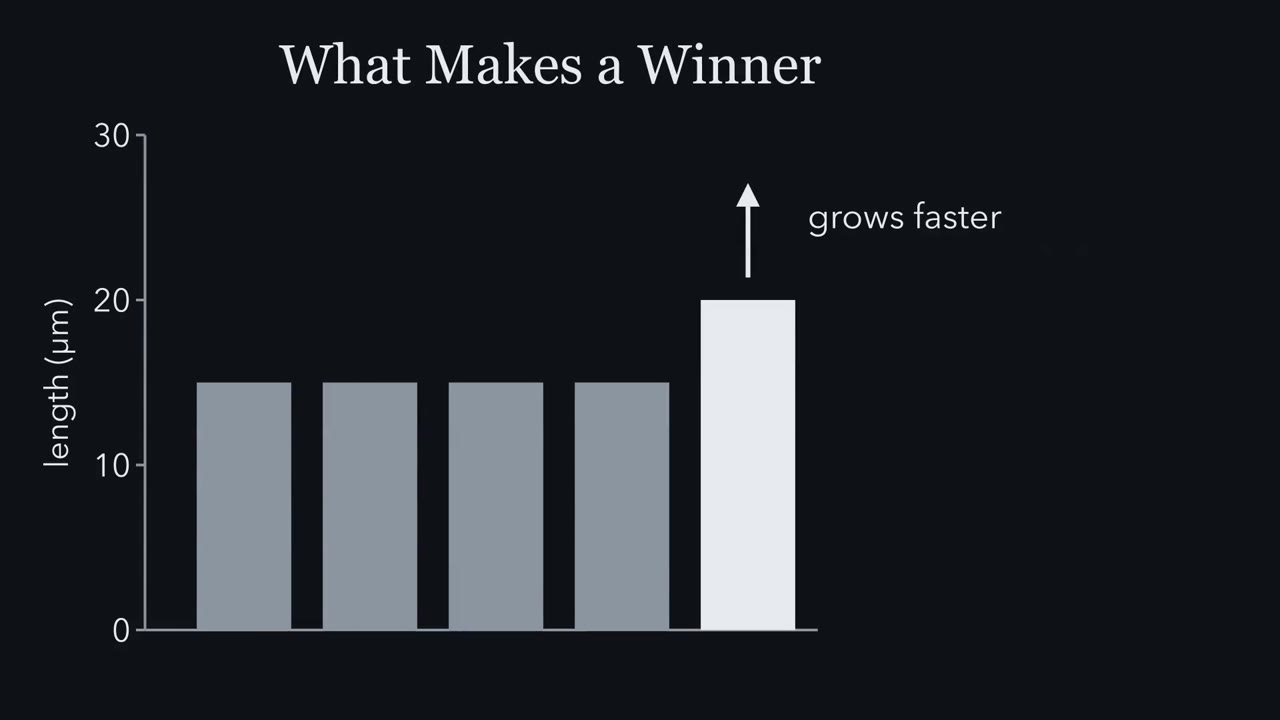
If the race reads the cytoskeleton at a tip, can you rig it? Start with what the winner's tip looks like. In 1999, Frank Bradke and Carlos Dotti looked at growth cones in cultured hippocampal neurons. The future axon's growth cone had a looser, more dynamic actin network than its siblings. But is loose actin a cause of winning, or a consequence? Test it. Cytochalasin D is a drug that interferes with actin assembly. At stage two, before any neurite pulls ahead, apply a low dose to one growth cone only. What happens to that neurite? And what if you bathe the whole cell in the drug?
The treated neurite was likely to become the axon. On screen is an idealized tally. By chance, one neurite in five would win. The drugged one wins far more often. And bathed in the drug, a neuron could grow several axons.
In 2008, Harald Witte, Dorothee Neukirchen and Frank Bradke did the same with microtubules. Taxol is a drug that stabilizes microtubules. A flash of light released a taxol analogue in one neurite. That neurite became more likely to be the axon. Low-dose taxol given to the whole neuron led several neurites to grow as axons.
Now block the positive loop everywhere, with PI3-kinase blocked throughout. This is reported to leave no neurite becoming an axon. It does not free the others. It stops all of them. Two results fit the race at once. A local boost rigs it. Blocking the loop everywhere leaves no winner. The several-axon result needs a second look. If every neurite's supply is tripled in this model, one still wins. So a plain speed-up of this kind does not match the several-axon result. One possible reading is a threshold. The model does not test it. On that reading, the drug pushes each neurite past whatever level of loose actin or stable microtubules marks an axon.
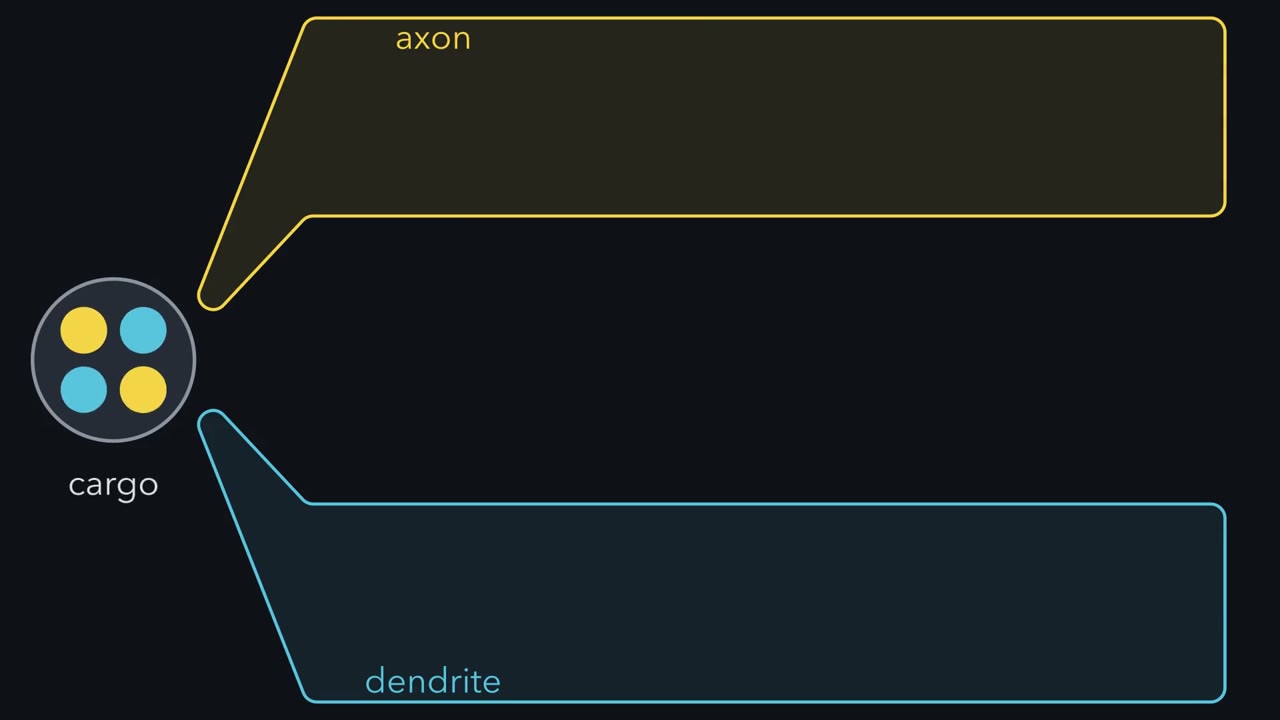
Each one crosses that line without having to win the race. Either way, the race reads the cytoskeleton at the tip. Next, the microtubules become tracks.
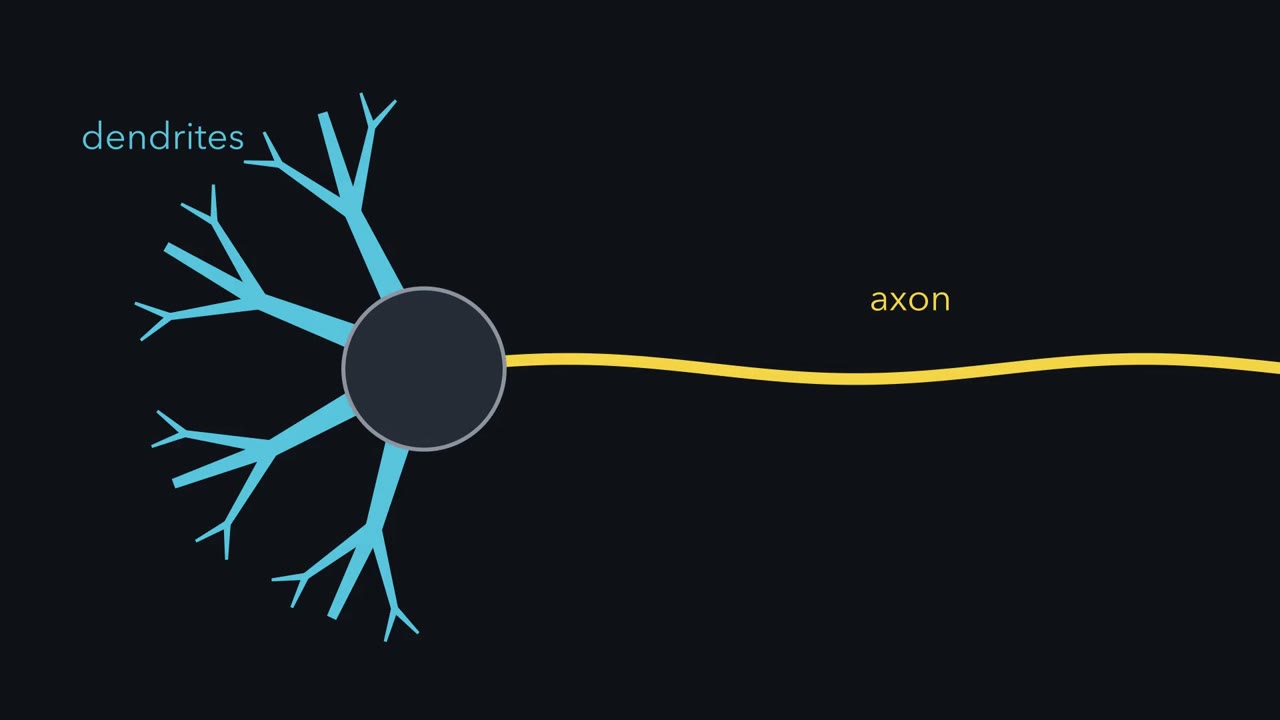
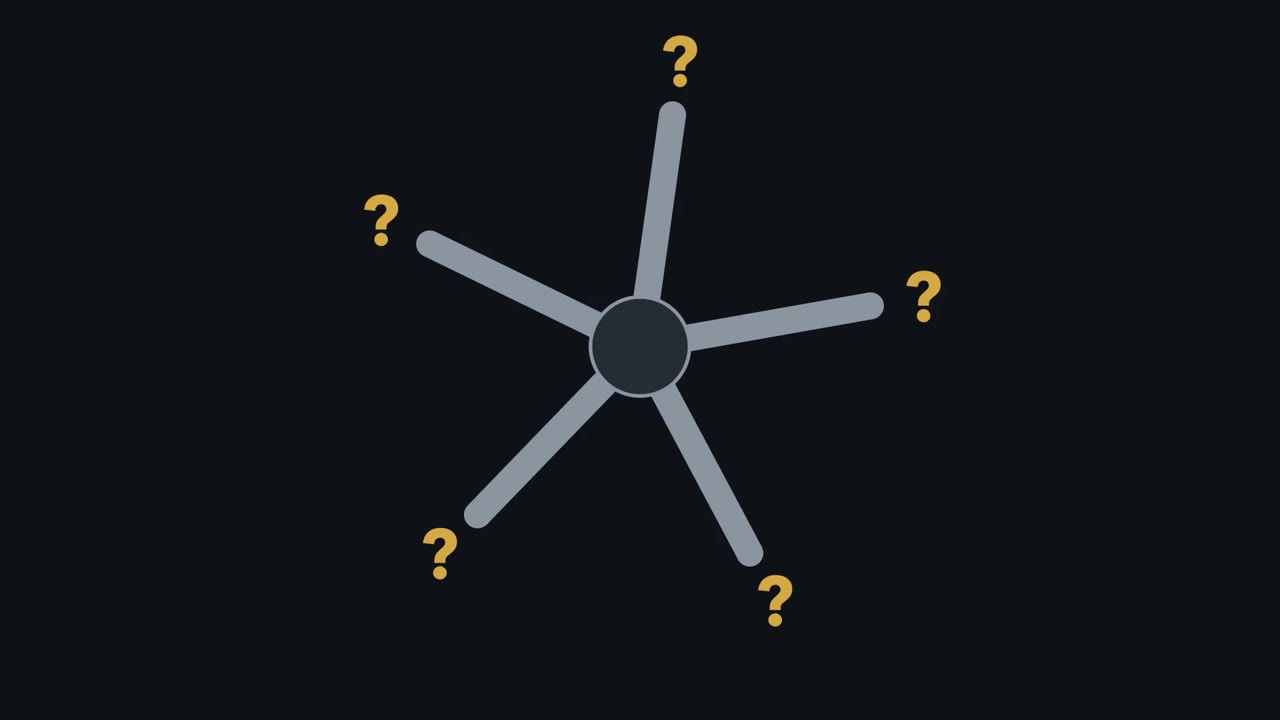
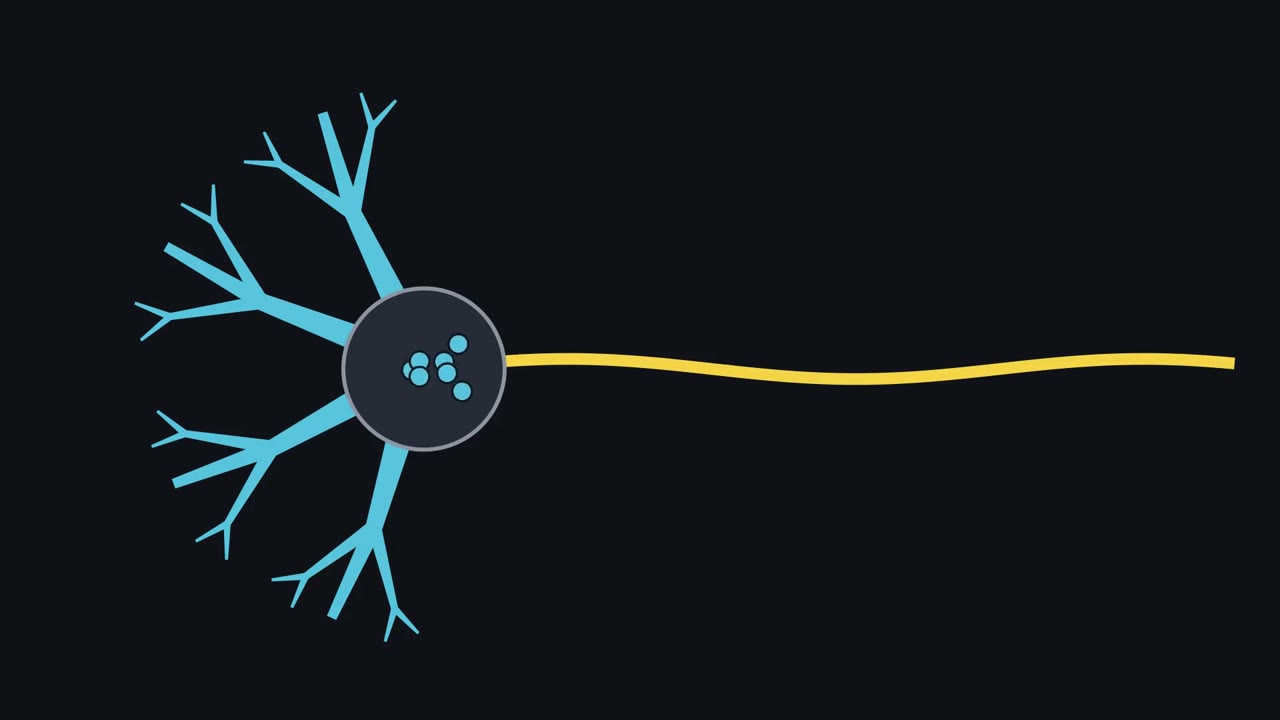
A neuron takes in signals on dendrites and sends them out along one axon. Cut that axon close to the cell body in a dish and one of its dendrites can become a new axon. How does a neuron choose its axon, and keep it?
Continue in the lesson: One Axon, Many Dendrites: Neuronal Polarity →
2:41 · Free, with captions and a transcript. The lesson has the full text, the questions and the sources.
More films from this lesson
How this film was made. Narration: an AI narrator voice (Kokoro, af_heart) reading narration written from this lesson's text. Animation: AI-generated in code (Manim) by Claude, a schematic with no drawn molecular structures. Captions come from the narration script. See something wrong? Report it.