Films · Developmental Neuroscience
Cut the Axon
Read the transcript of “Cut the Axon”
Film transcript: Cut the Axon
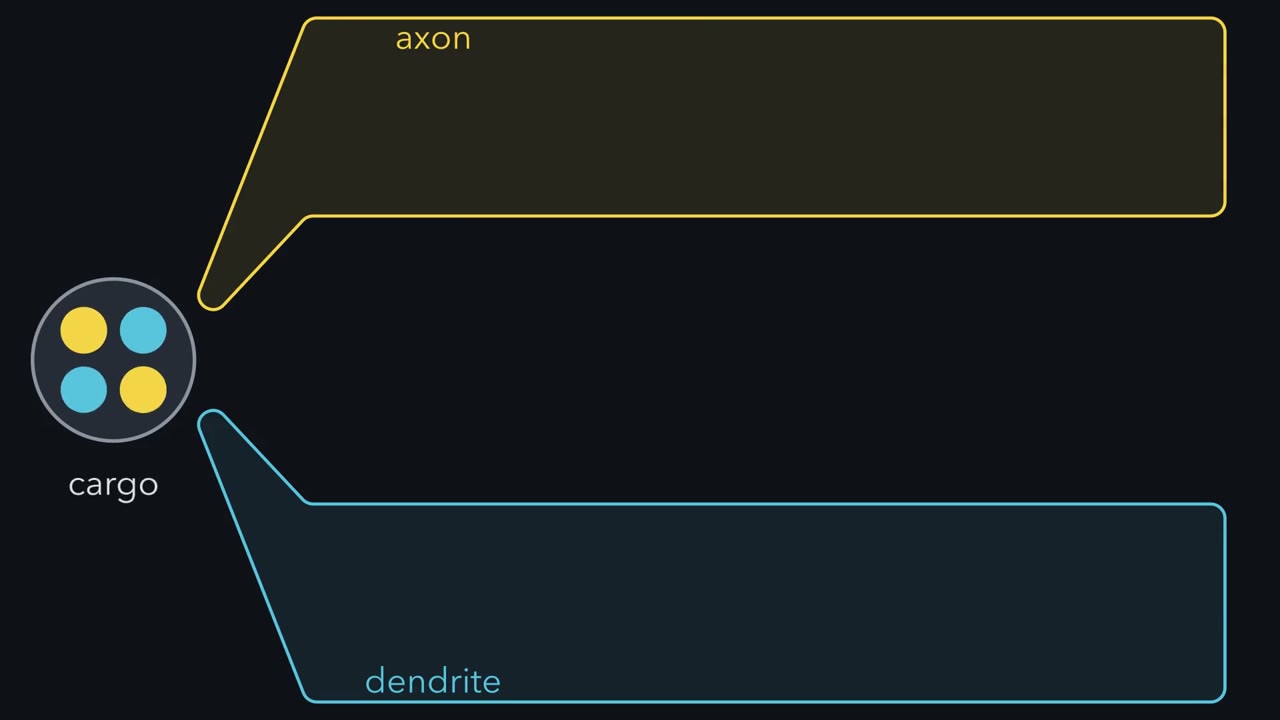
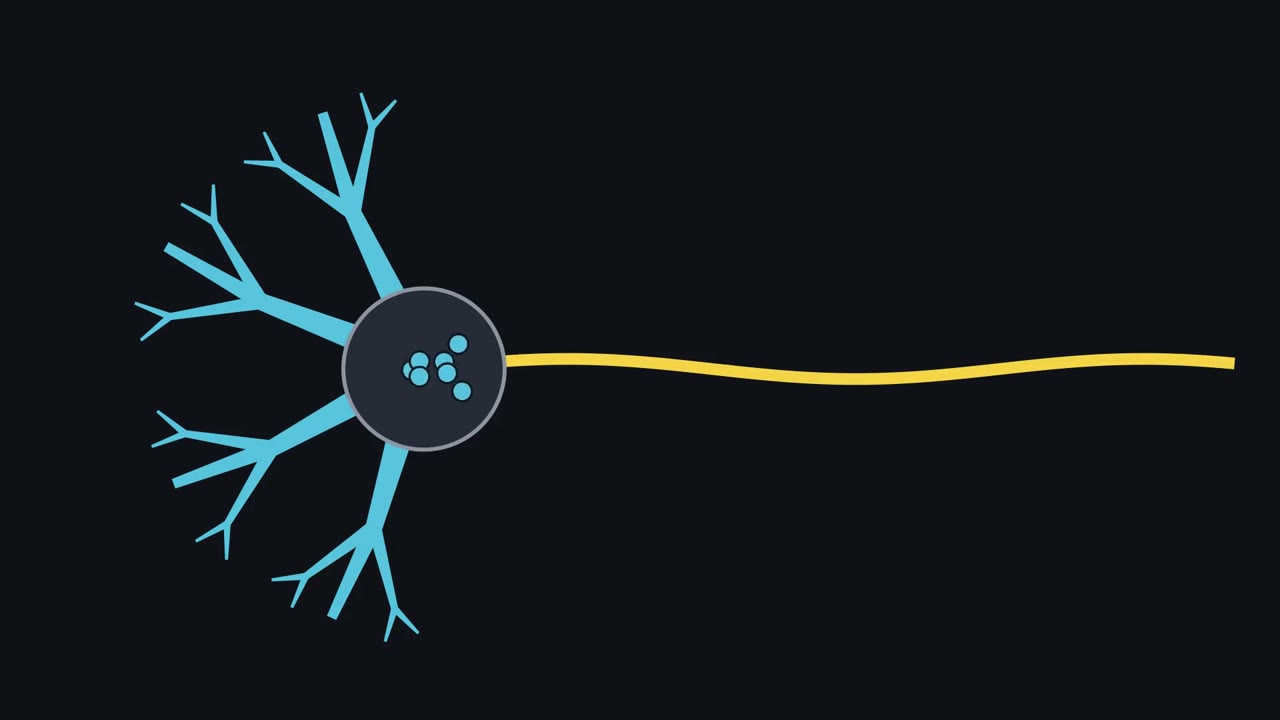
A neuron listens with its dendrites and speaks through its axon. How does it keep the two apart? Dendrites are usually several, short and branched. They receive input from other cells. The axon is usually single, even in width and often very long. It carries the action potential to other cells. Polarity is the word for a cell with two distinct domains, different in structure and molecules. The difference is molecular. Dendrites carry the protein MAP2, receptors for neurotransmitters, and often spines. The axon carries other proteins, such as tau, and its own channels and vesicle machinery. A neuron must sort thousands of proteins to the right side, and keep them there for decades.
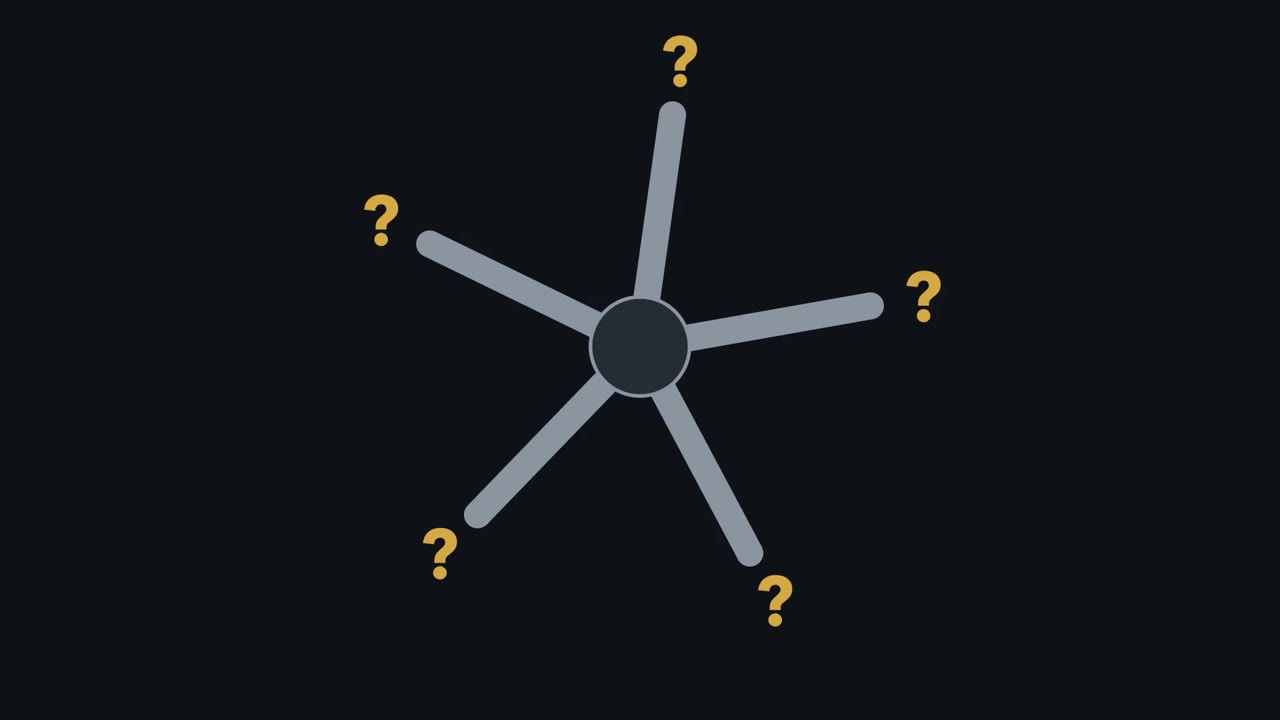
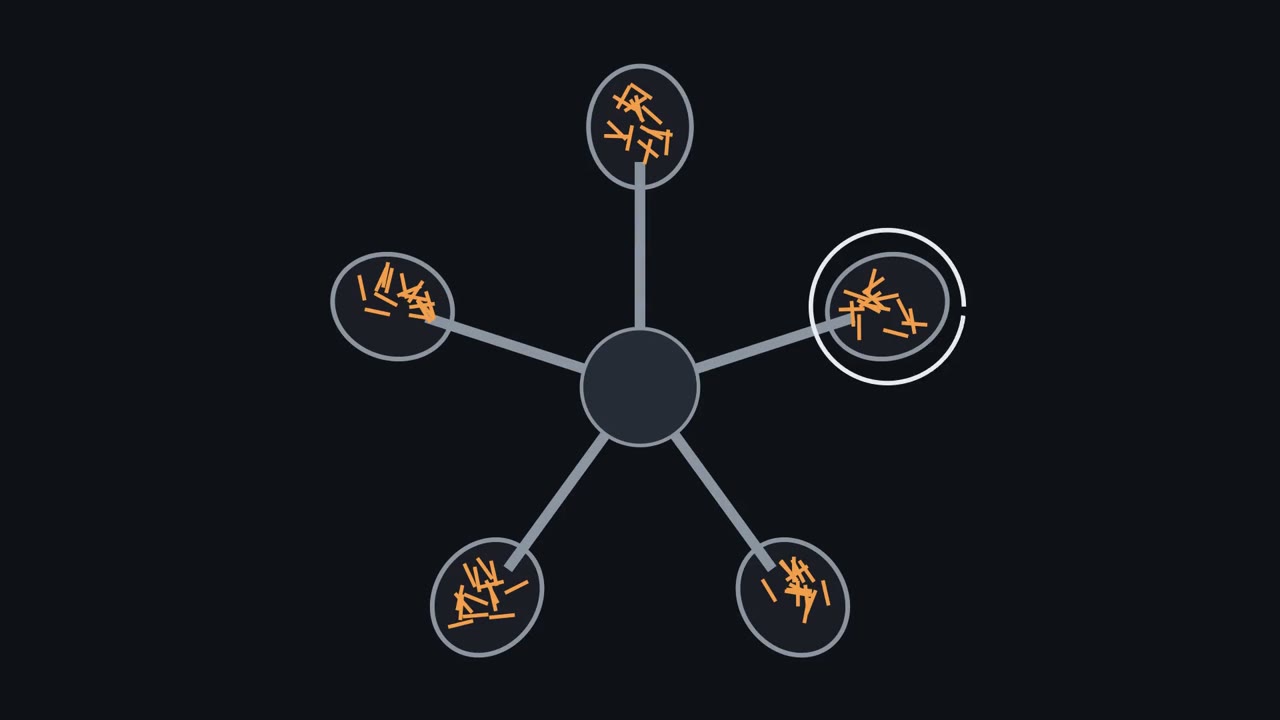
Now a puzzle from a dish. Take a mature neuron, and cut its axon close to the cell body. Cut another neuron's axon far from the cell body. What grows out in each case? Cut close, and one of the dendrites can grow out as a new axon. Cut far, and the old axon simply regrows. So axon is not a permanent label. It is a state the cell keeps, and losing most of the axon can reset it. That raises two questions. How is the axon won? And once won, how is it held? Here is the map: a young neuron in a dish, as one neurite pulls ahead. In the middle sits the cell body. Several short minor neurites grow out from it, all alike. Each neurite ends in a growth cone, the motile tip of a growing neurite.
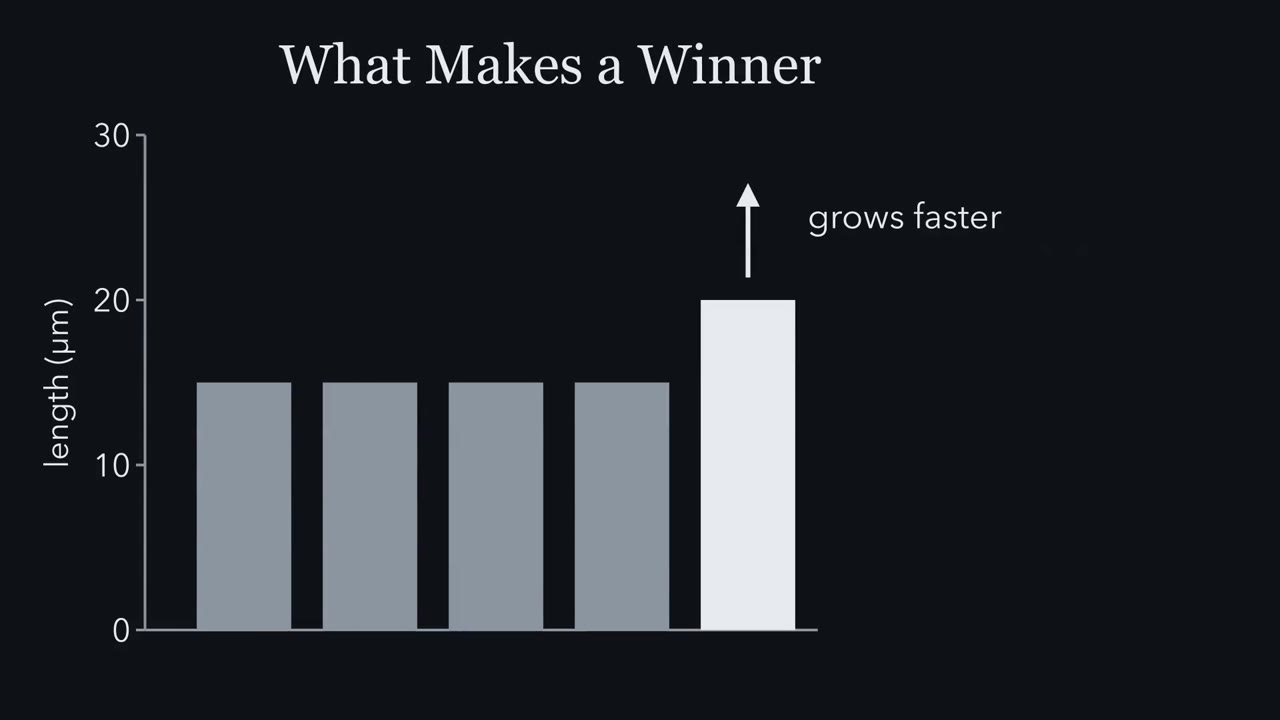
One has pulled ahead, and is becoming the axon. The others will become dendrites. The axon's first few tens of micrometres, the proximal axon, is where the initial segment will form. The idea to carry through: an axon is won in a race, and then held. In a useful model, positive feedback in each neurite, strong enough to compound a lead, plus competition among them, decides the race. Growth in simple proportion to length picks no winner. Then structures in the axon help hold the win: its microtubule tracks, and a gate near its start. Loosen the hold, and the axon can lose features. Cut almost all of it away, and the race reopens. Won, then held. But this race was seen in a dish.
Next, we watch it begin.
A neuron takes in signals on dendrites and sends them out along one axon. Cut that axon close to the cell body in a dish and one of its dendrites can become a new axon. How does a neuron choose its axon, and keep it?
Continue in the lesson: One Axon, Many Dendrites: Neuronal Polarity →
2:47 · Free, with captions and a transcript. The lesson has the full text, the questions and the sources.
More films from this lesson
How this film was made. Narration: an AI narrator voice (Kokoro, af_heart) reading narration written from this lesson's text. Animation: AI-generated in code (Manim) by Claude, a schematic with no drawn molecular structures. Captions come from the narration script. See something wrong? Report it.