Films · Developmental Neuroscience
Moving a Birthday
Read the transcript of “Moving a Birthday”
Film transcript: Moving a Birthday
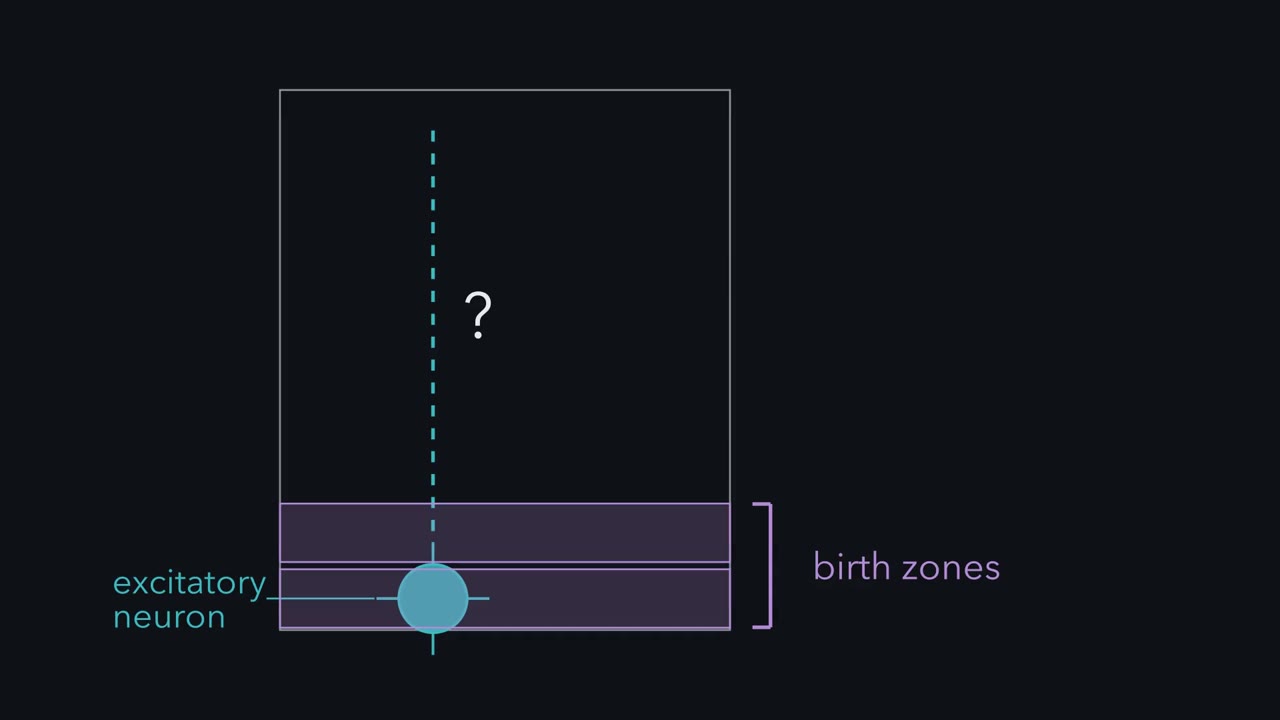
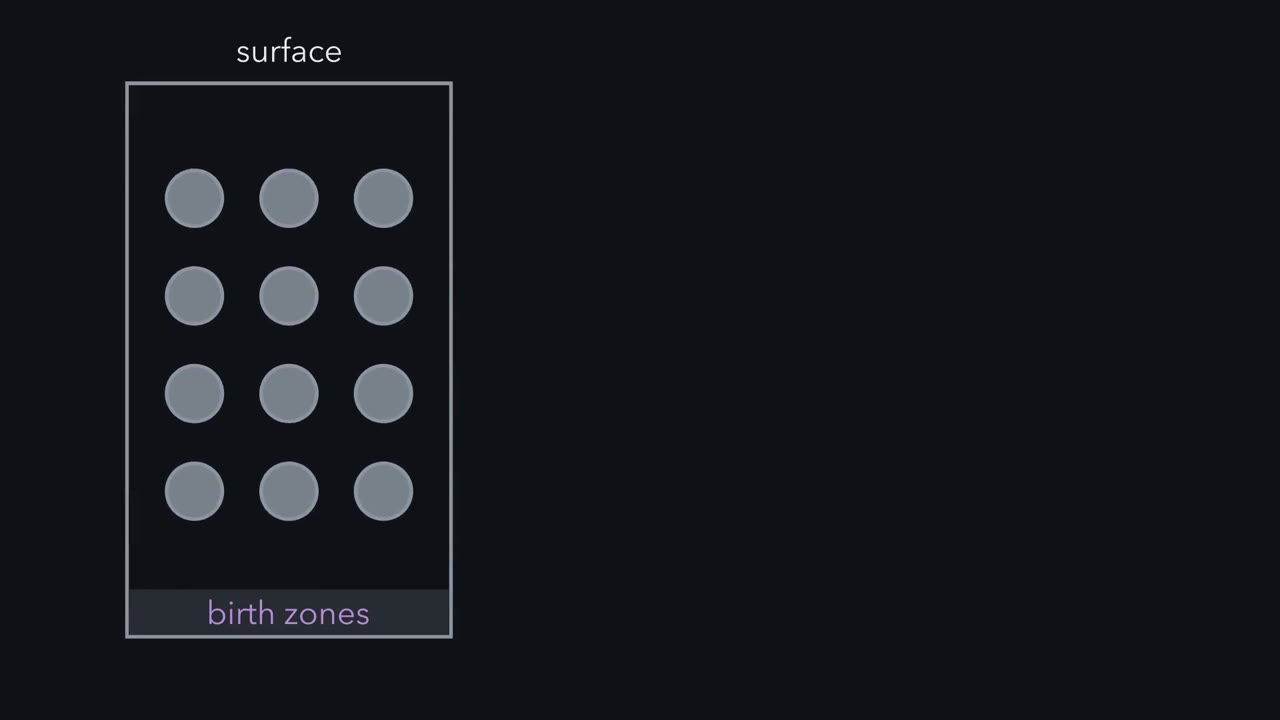
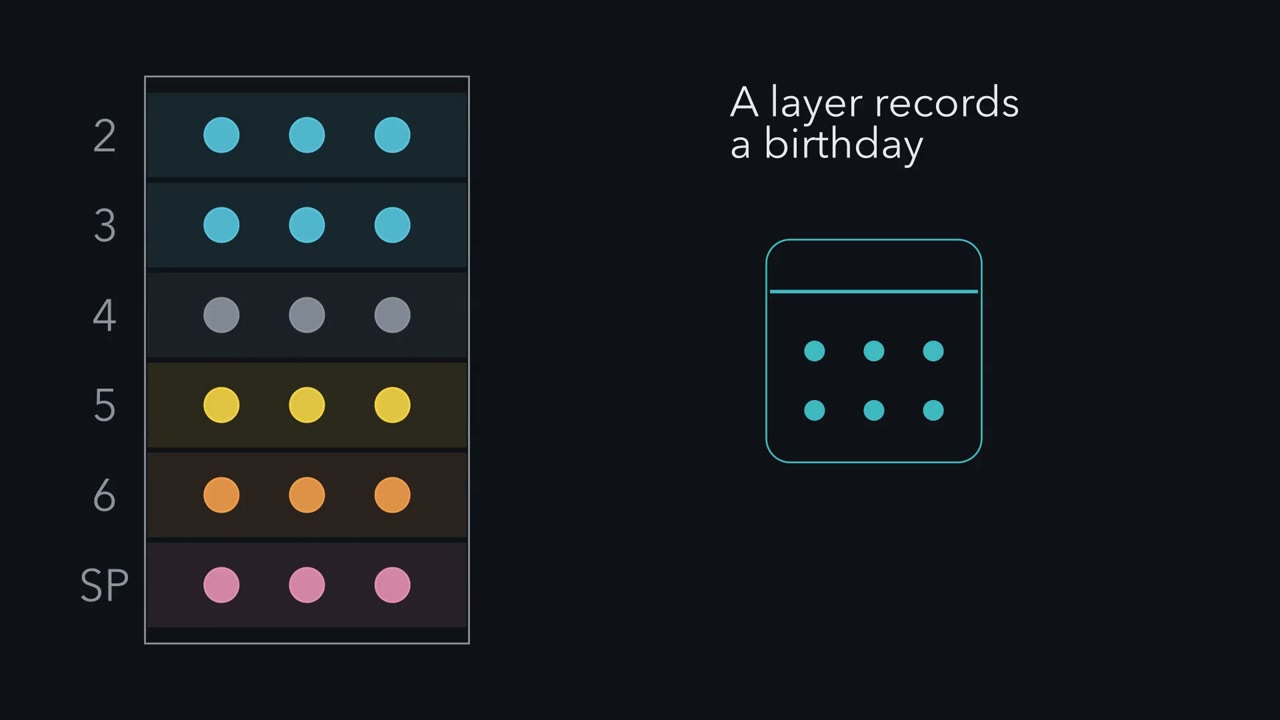
A birthday predicts a layer. But is the birthday the cause, or only a record? Two explanations are tangled. The progenitor might carry its own schedule. Or the surroundings at the time of birth might tell its daughter where to go. In 1991, Susan McConnell and Christine Kaznowski set the two calendars against each other, in ferrets. Why ferrets? Their visual cortex keeps making neurons after birth. So a newborn kit is a host cortex at the upper-layer stage. They ran the experiment in four steps. First, pulse a donor embryo with tritiated thymidine, at a stage that makes deep-layer neurons. Only cells in S phase take it up. Second, harvest the cells.
Take them out soon after the pulse, or later, in G2, near division. Third, graft them into a newborn kit's cortex, which is making layers 2 and 3. Fourth, find the labeled neurons later. The harvest is the key step. A cell grafted in S phase finishes its cycle in the host. So its daughter is born there. Predict. Where do the daughters settle if the cells were moved in S phase? And if they were moved late in the cycle?
Cells moved in S phase mostly settled in layers 2 and 3, like the host's own neurons. They finished their final cycle in the older host. Its cues could act on them before they divided. Cells moved late in the cycle mostly settled in the deep layers, out of step with the host. Their laminar fate was fixed before the move.
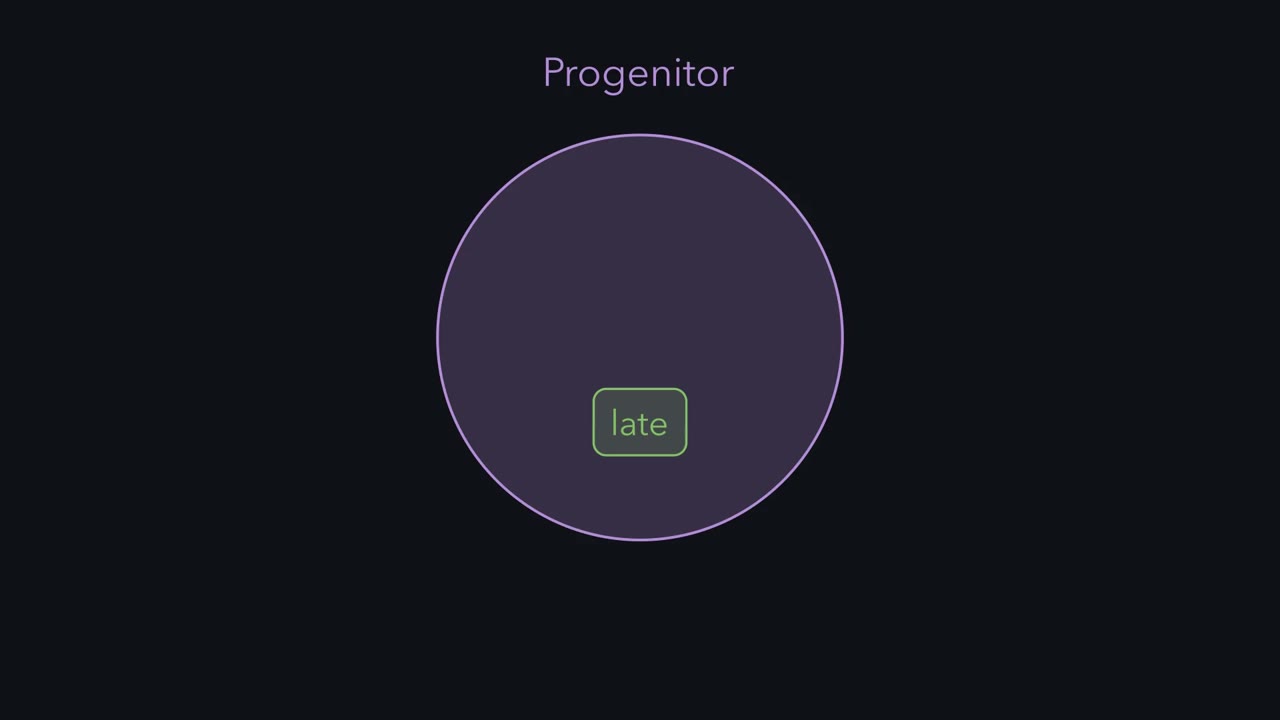
So the grafts bracket commitment. Laminar fate still responds to the host in S phase, and is fixed by a later stage, before division. The exact moment is not known. So the host's cues count as part of the progenitor's state. It is not only a clock sealed inside the cell. Could an old progenitor go back? Run the graft the other way. Predict. Late progenitors go into a young host, which offers deep-layer cues. What do they make?
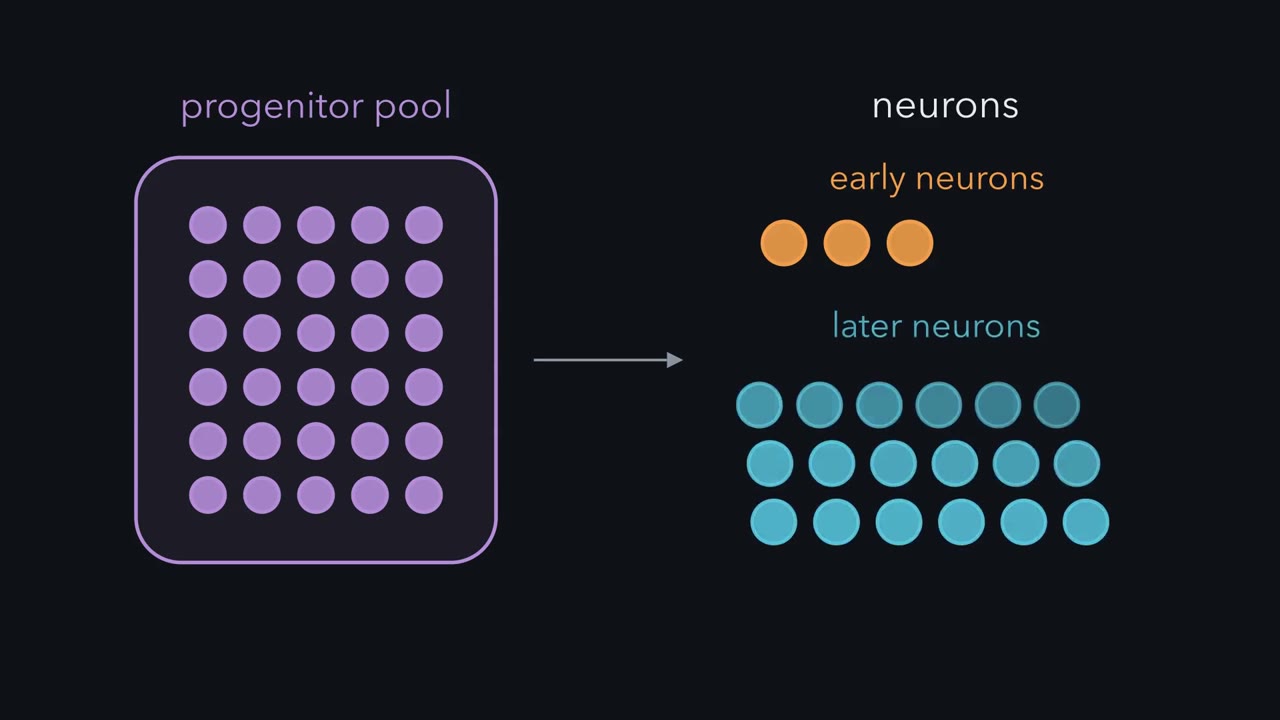
In 1996, Gretchen Frantz and McConnell did this. The late progenitors still made upper-layer neurons. They had lost deep-layer fates from their menu. So they could not answer the young host's cues. In these ferret experiments, competence narrowed one way. But a 2019 mouse study found that some progenitors moved into a younger host can return to earlier states. The takeaway: the birthday is a record. Schedule or surroundings? Both. Host cues count until laminar fate is fixed late in the cycle. Then the menu usually shortens.
In the mouse cortex, the first cortical-plate neurons born end up deepest. Why do the latecomers climb past them?
Continue in the lesson: Birth Order and Fate: Temporal Identity and the Inside-Out Cortex →
3:06 · Free, with captions and a transcript. The lesson has the full text, the questions and the sources.
More films from this lesson
How this film was made. Narration: an AI narrator voice (Kokoro, af_heart) reading narration written from this lesson's text. Animation: AI-generated in code (Manim) by Claude, a schematic with no drawn molecular structures. Captions come from the narration script. See something wrong? Report it.