Films · Developmental Neuroscience
The Wall of the Brain
Read the transcript of “The Wall of the Brain”
Film transcript: The Wall of the Brain
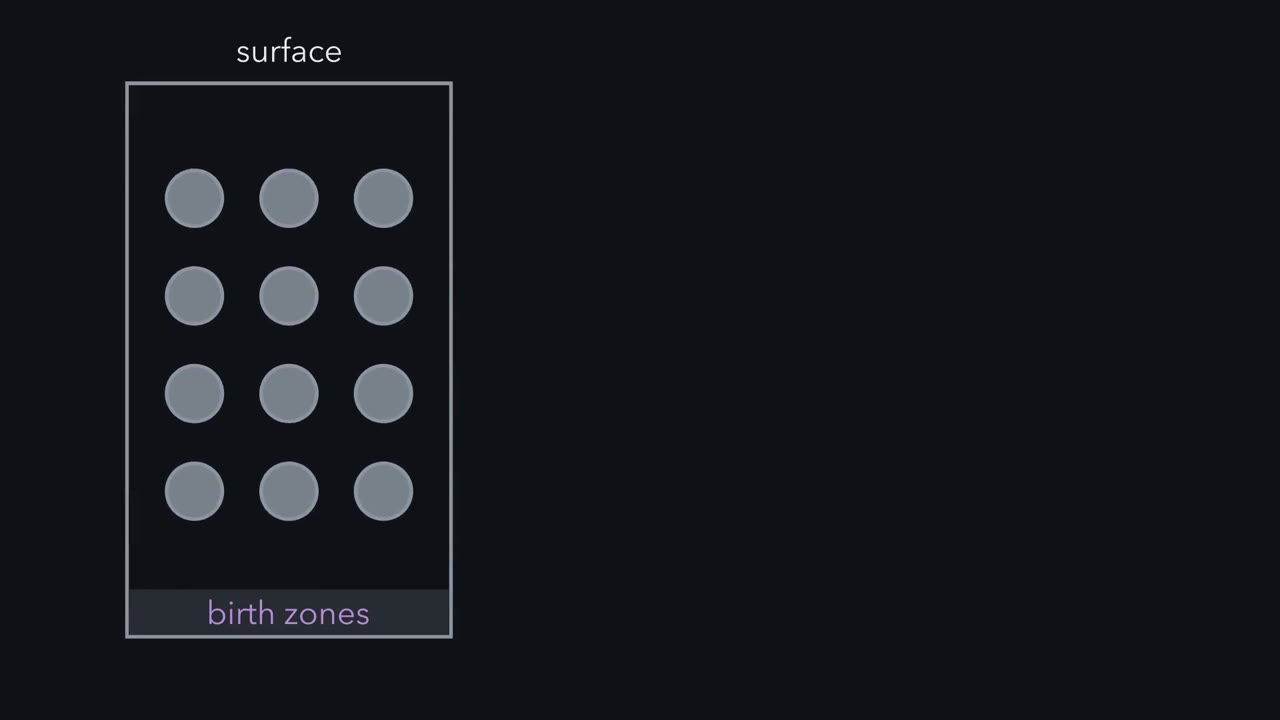
Every excitatory neuron of the mouse cortex is born at the bottom, in the zones beside the ventricle. So how do the layers get in order? Notch and Numb can make two sisters different at a division. But a yes or no alone cannot say which division it was. A stem cell that makes ten different daughters needs more than that. What tells the tenth daughter she is not the first? Picture a slice through the wall of the embryonic mouse forebrain. The ventricle is at the bottom, the pia on top. The ventricular zone lines the ventricle. Many of its progenitors are radial glia. They divide and send a long fibre up to the pia. Just above sits the subventricular zone.
Intermediate progenitors, daughters of radial glia, divide there, usually to make neurons. The first neurons form a thin sheet just under the pia. This is the preplate. The next neurons arrive in the middle of the preplate and wedge it apart. The top half becomes the marginal zone, future layer 1, home of the Cajal-Retzius cells. The bottom half becomes the subplate. Between them, the cortical plate becomes layers 2 to 6. Each new neuron climbs up from below to reach it. Layers are numbered from the surface down, layer 1 on top. In the cortical plate, they are made the other way, from 6 up to 2.
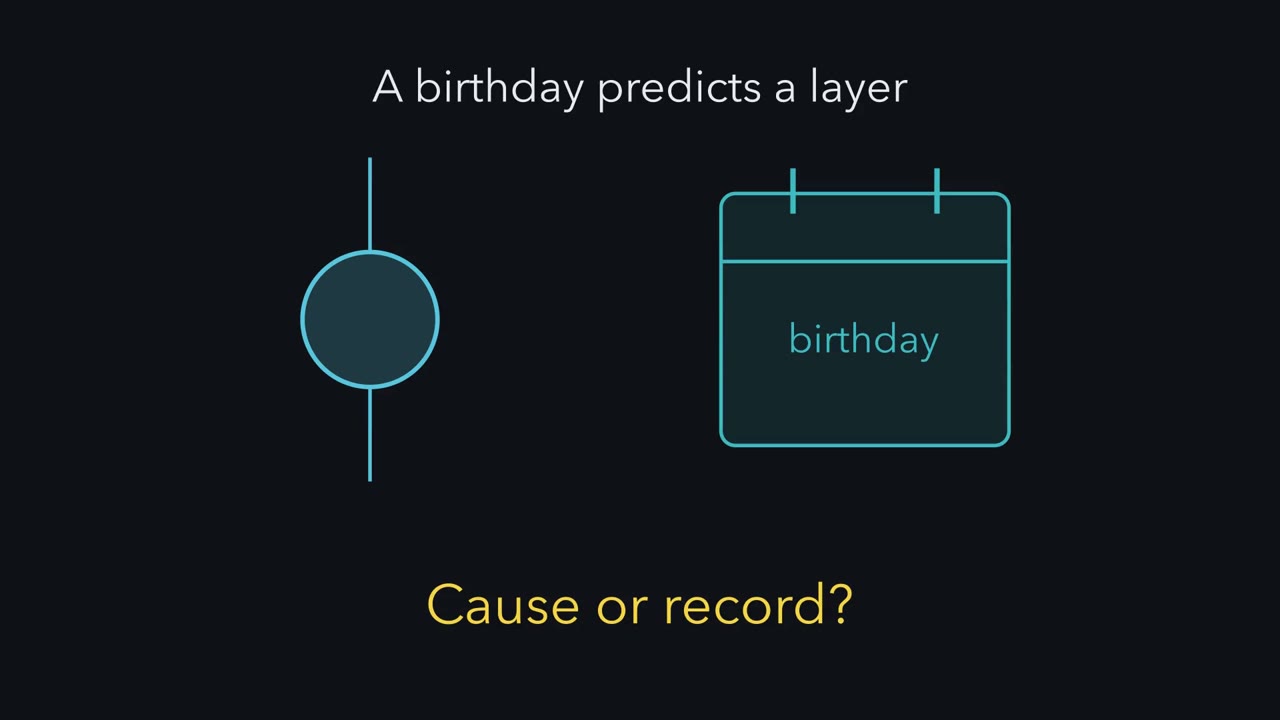
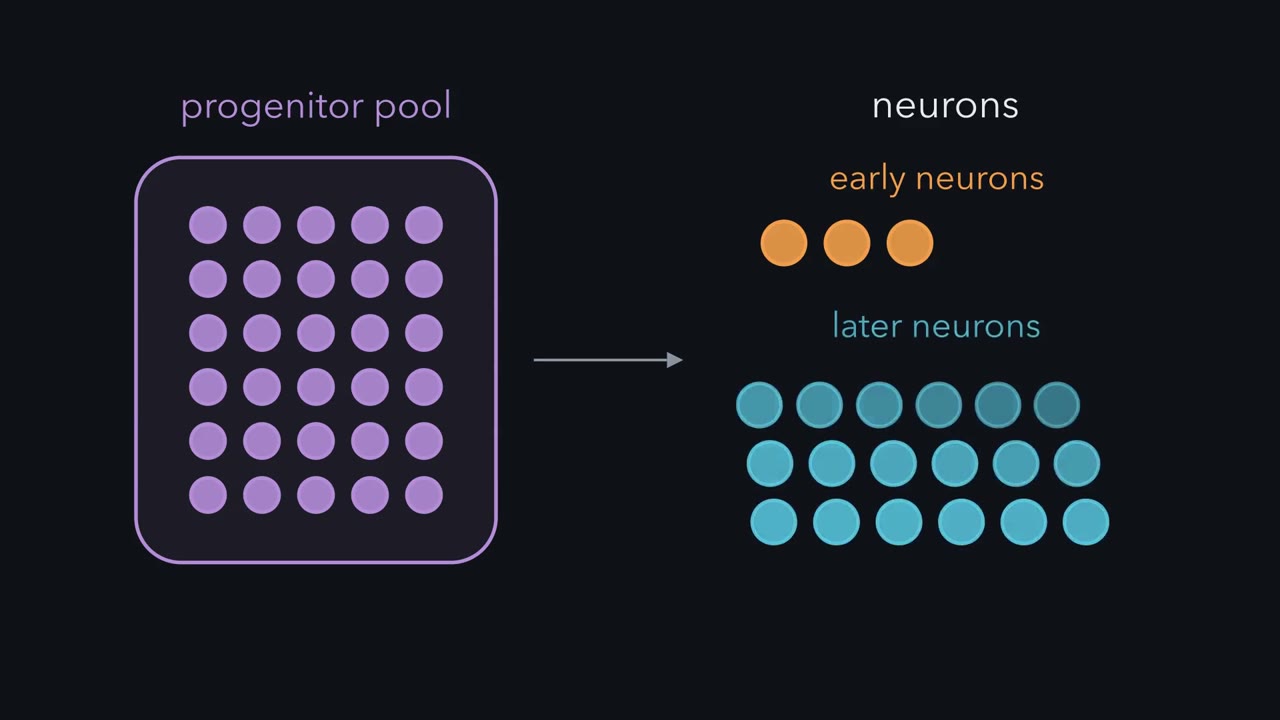
The map raises three puzzles. First, who came first? How can you tell? Second, record or cause? Does the progenitor carry its own schedule, or do its surroundings decide? Third, how many of each? How does one pool make a few neurons, then many, as it first grows and then shrinks?
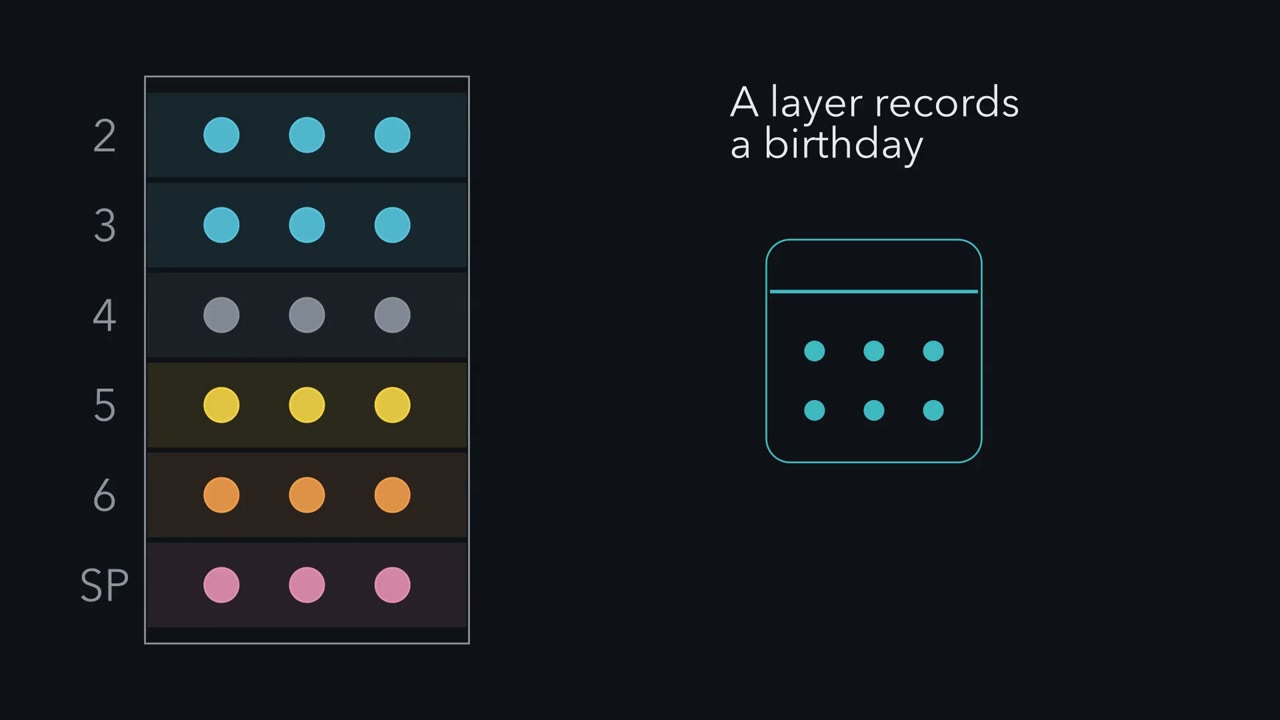
Here is the one idea to carry. A birthday marks a time. The progenitor's state at that time sets the neuron's temporal identity. The birthday instructs nothing. It is a timestamp. In ferret grafts, laminar fate becomes fixed late in the final cell cycle. Migration and later programs then build the layer. That state has two parts: what the progenitor can still make, its competence, and the cues it reads. In the cortical plate, the earlier the birthday, the deeper the layer. The neuron keeps maturing after it is born. And in normal development, the progenitor's menu gets shorter with time.
The takeaway: cortical-plate neurons are born near the ventricle and climb. Layers 6 to 2 are made in that order.
In the mouse cortex, the first cortical-plate neurons born end up deepest. Why do the latecomers climb past them?
Continue in the lesson: Birth Order and Fate: Temporal Identity and the Inside-Out Cortex →
3:01 · Free, with captions and a transcript. The lesson has the full text, the questions and the sources.
More films from this lesson
How this film was made. Narration: an AI narrator voice (Kokoro, af_heart) reading narration written from this lesson's text. Animation: AI-generated in code (Manim) by Claude, a schematic with no drawn molecular structures. Captions come from the narration script. See something wrong? Report it.