Films · Developmental Neuroscience
The Worm Already Knew
Read the transcript of “The Worm Already Knew”
Film transcript: The Worm Already Knew
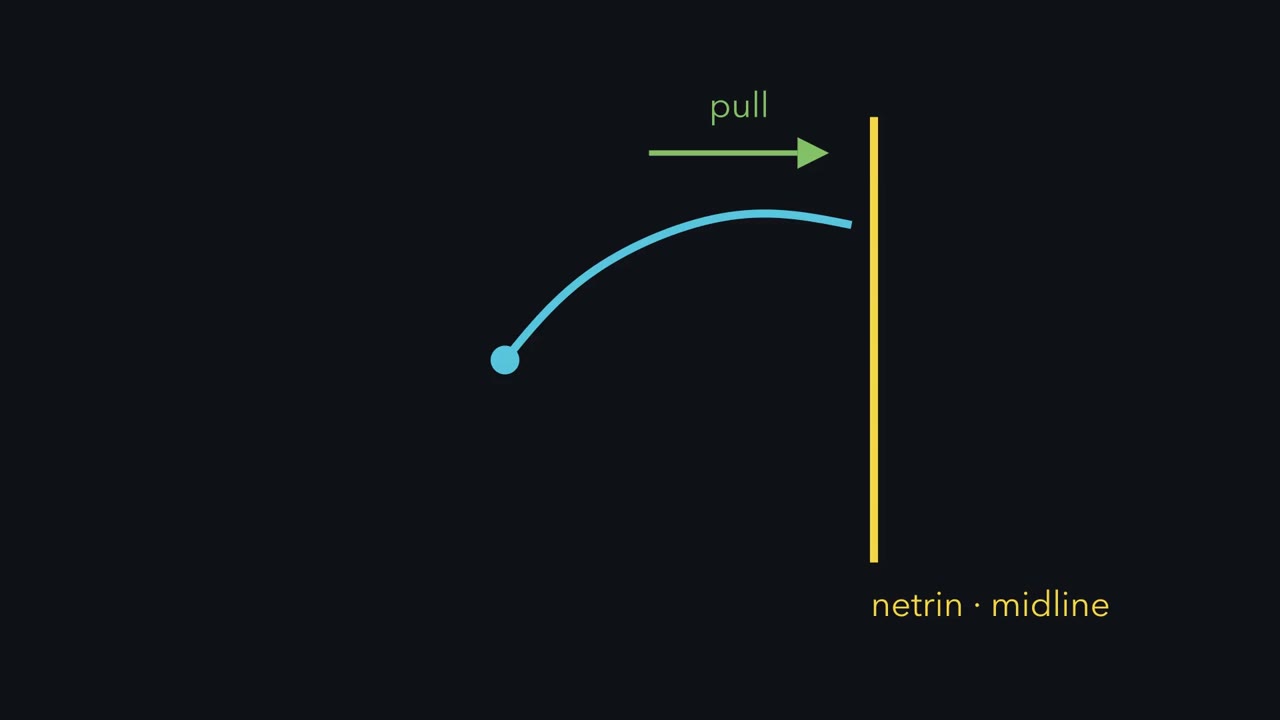
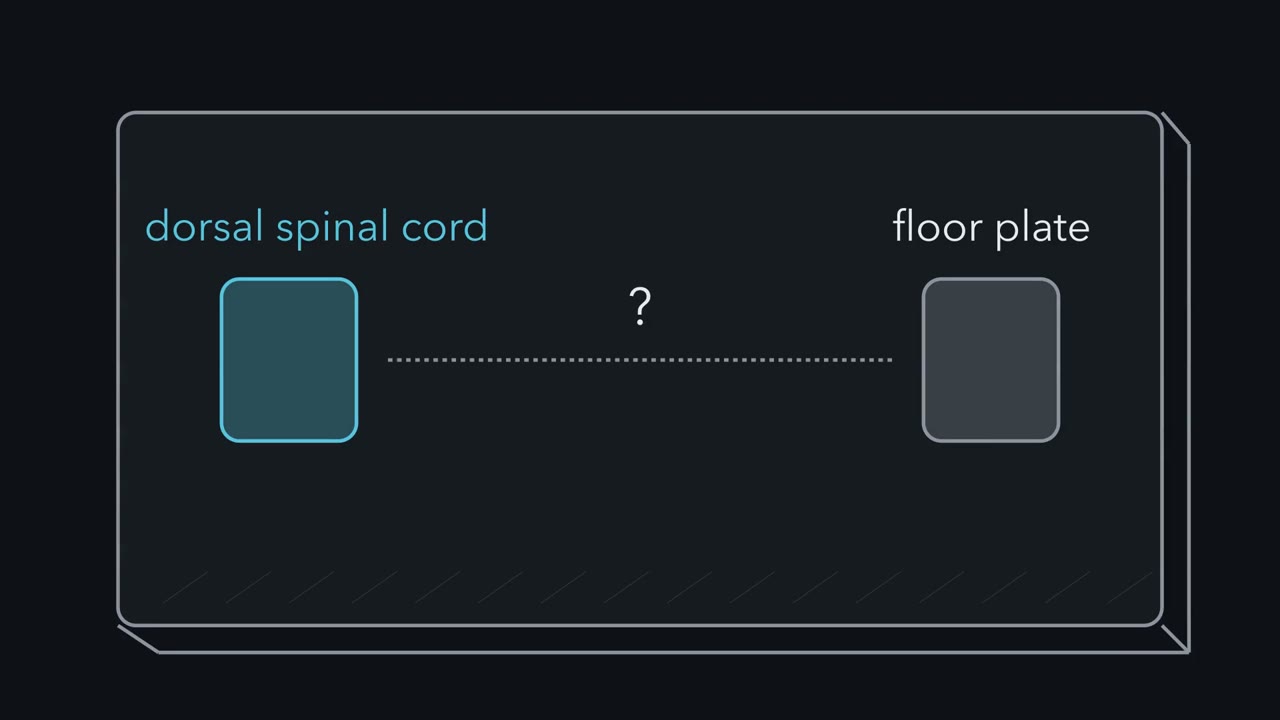
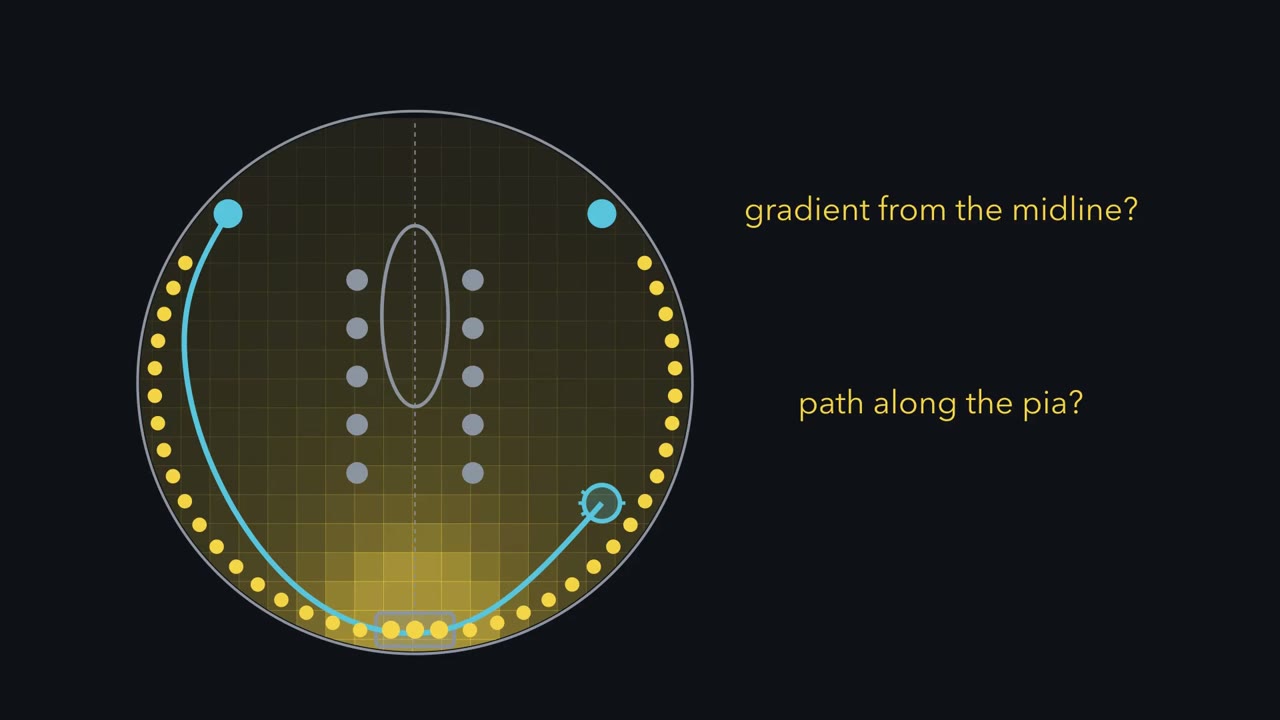
Before netrin had a name, a worm held the clue. How can one cue send cells in two directions? Start on the spinal cord map, then switch to the worm. There, UNC-6 is made on the ventral side. The worm C. elegans is transparent. Many of its cells can be named and found again in every animal. In 1990, Edward Hedgecock and colleagues followed migrating cells and pioneer axons. Pioneer axons are the first axons to lay down a route.
Some cells move toward the ventral side. Others move away from it. The team looked at mutants of three genes. The first was unc-6, the gene for the cue itself. Lose the cue. Which migrations should fail: toward the ventral side, away from it, or both?
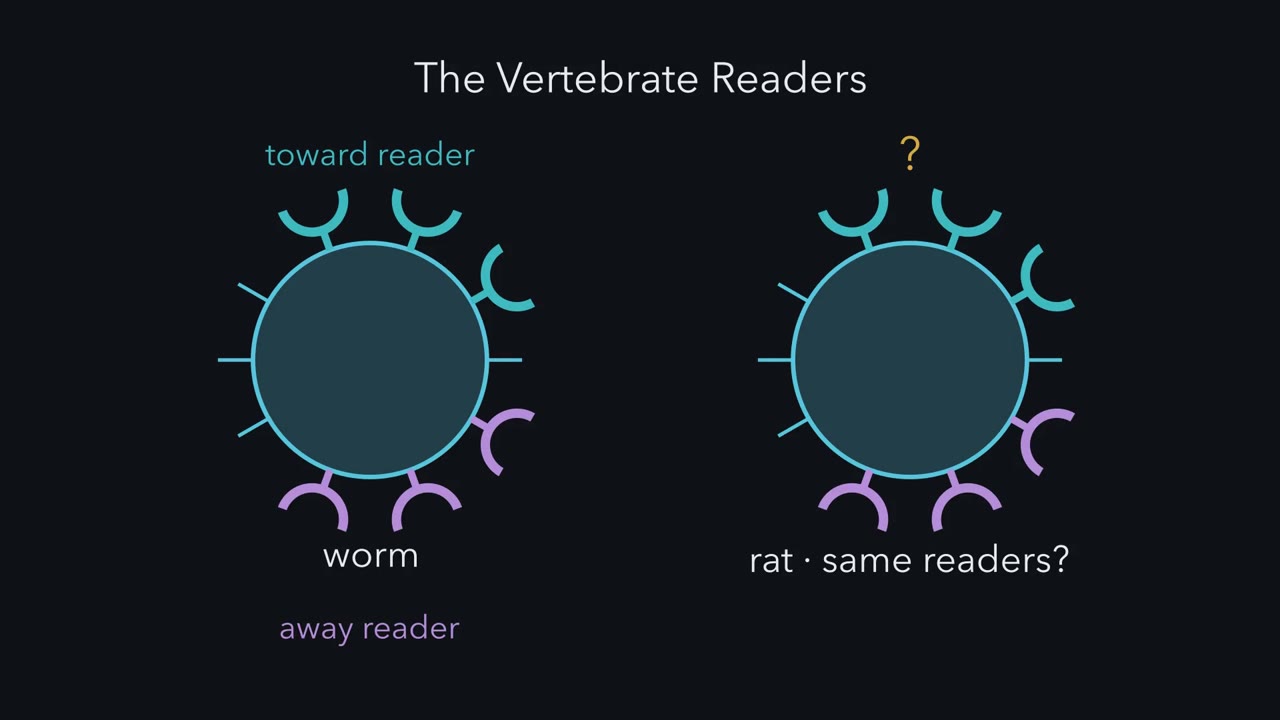
Both. Without UNC-6, many migrations in both directions went the wrong way. The cells and axons still moved, but misdirected. Mutants of unc-40 failed mainly in movement toward the ventral side. Movement away was largely normal. Mutants of unc-5 showed the mirror image. They failed mainly in movement away. One cue, two readers, two directions. unc-40 reads toward. unc-5 reads away. In 1992, UNC-6 turned out to be a laminin-related protein. UNC-5 turned out to span the membrane. The table links genes to directions. To test the link, change the reader and leave the cue alone. Worm touch neurons do not normally carry UNC-5. Their axons do not grow dorsally.
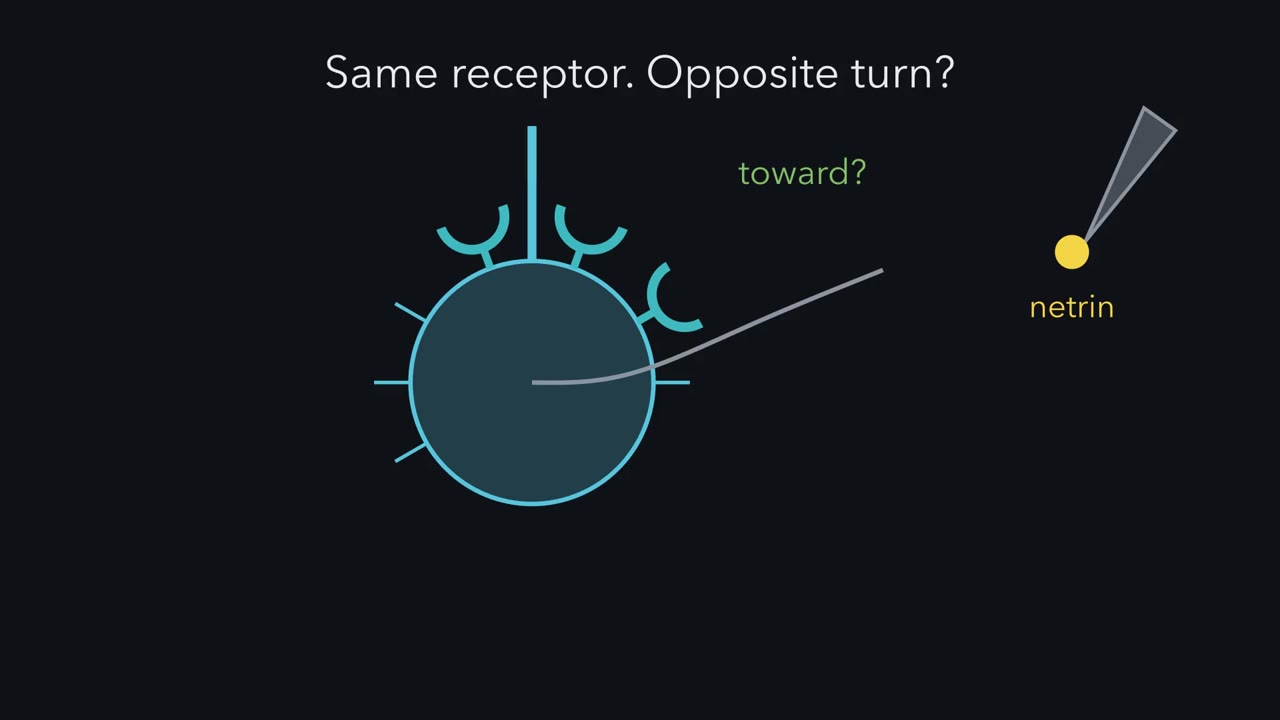
Force them to make UNC-5. Which way do their axons grow? And does the new route still need UNC-6? In 1993, Michel Hamelin and colleagues did this. The axons grew dorsally, away from the ventral UNC-6. And the new route still needed UNC-6.
The cue never changed. It marked the ventral side throughout. The receptor set the direction. The takeaway: changing the receptor changed the answer to an unchanged cue.
The same protein pulls one axon toward the midline of the embryonic spinal cord and pushes another away. What decides?
Continue in the lesson: Netrin and DCC: One Cue, Two Answers →
2:46 · Free, with captions and a transcript. The lesson has the full text, the questions and the sources.
More films from this lesson
How this film was made. Narration: an AI narrator voice (Kokoro, af_heart) reading narration written from this lesson's text. Animation: AI-generated in code (Manim) by Claude, a schematic with no drawn molecular structures. Captions come from the narration script. See something wrong? Report it.