Films · Developmental Neuroscience
Reading the Ladder
Read the transcript of “Reading the Ladder”
Film transcript: Reading the Ladder
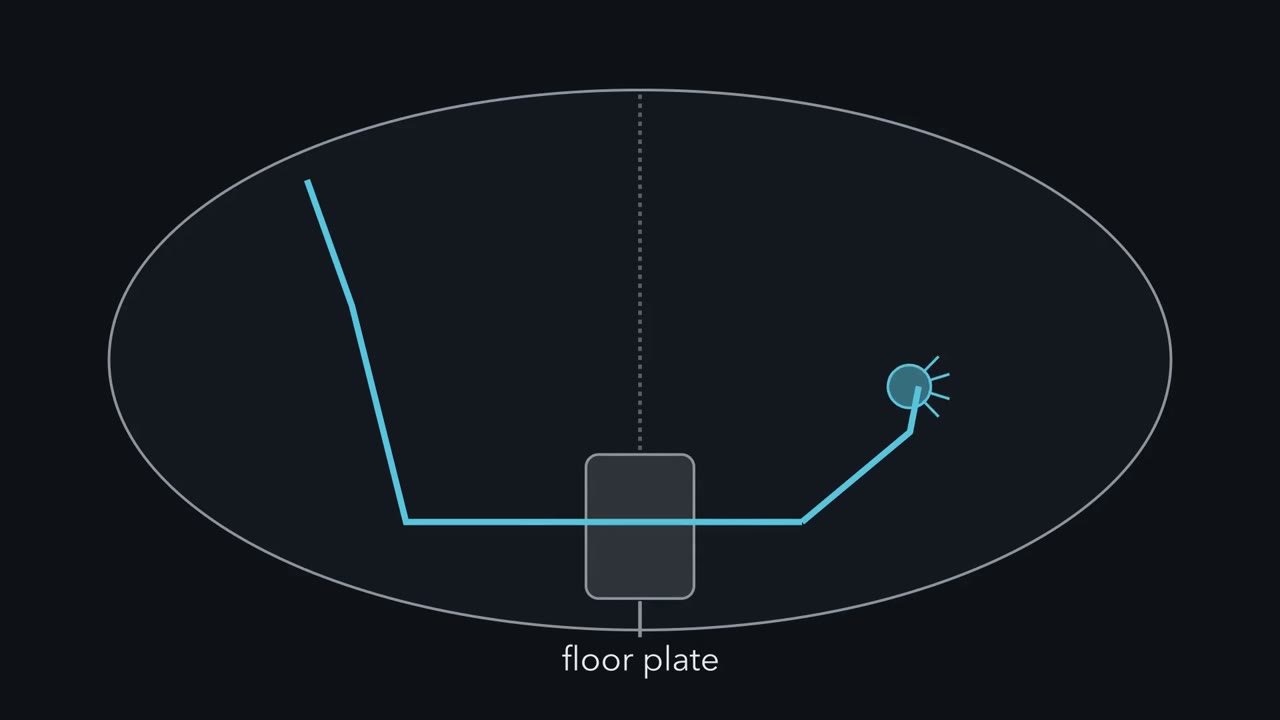
How do you find the genes that let an axon cross only once? Look at the nerve cord of a fly embryo. Stained for its axons, the nerve cord looks like a ladder. Two long rails run the length of the body. In each segment, two rungs cross between them. These rungs are the commissures. Most commissural axons cross once, turn, and run in a rail on the far side. In 1993, Corey Goodman's laboratory reported a screen for mutations that disturb this ladder. The screen recovered loss-of-function mutants, in which a gene's activity is reduced or lost. These were strong losses. Before looking, set up the logic. The midline makes a repellent. Axons carry a receptor for it.
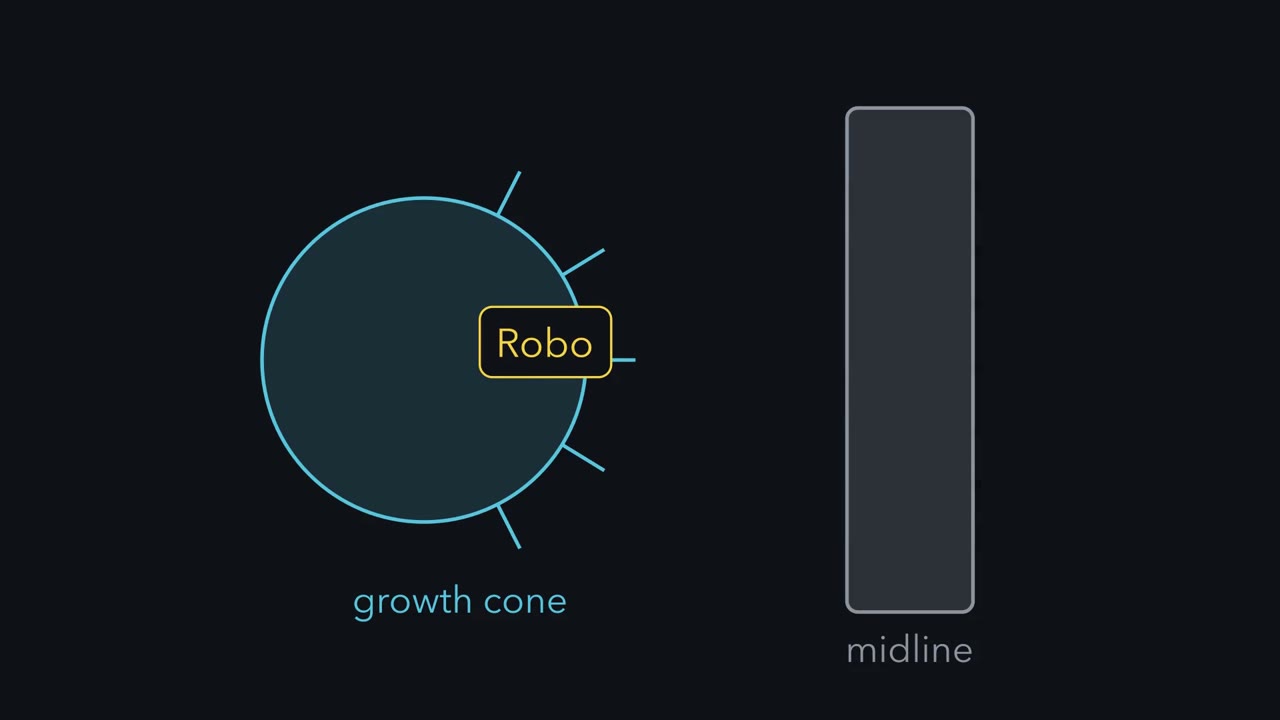
Something in the axon sets when the receptor works. First case. Axons lose their main receptor for the repellent. What does the ladder look like? Little holds axons off the midline. Ipsilateral axons cross. Commissural axons cross and then cross back. The rungs thicken. This is the mutant called roundabout, or robo. Its axons circle back across. Second case. The midline makes no repellent. Predict the ladder.
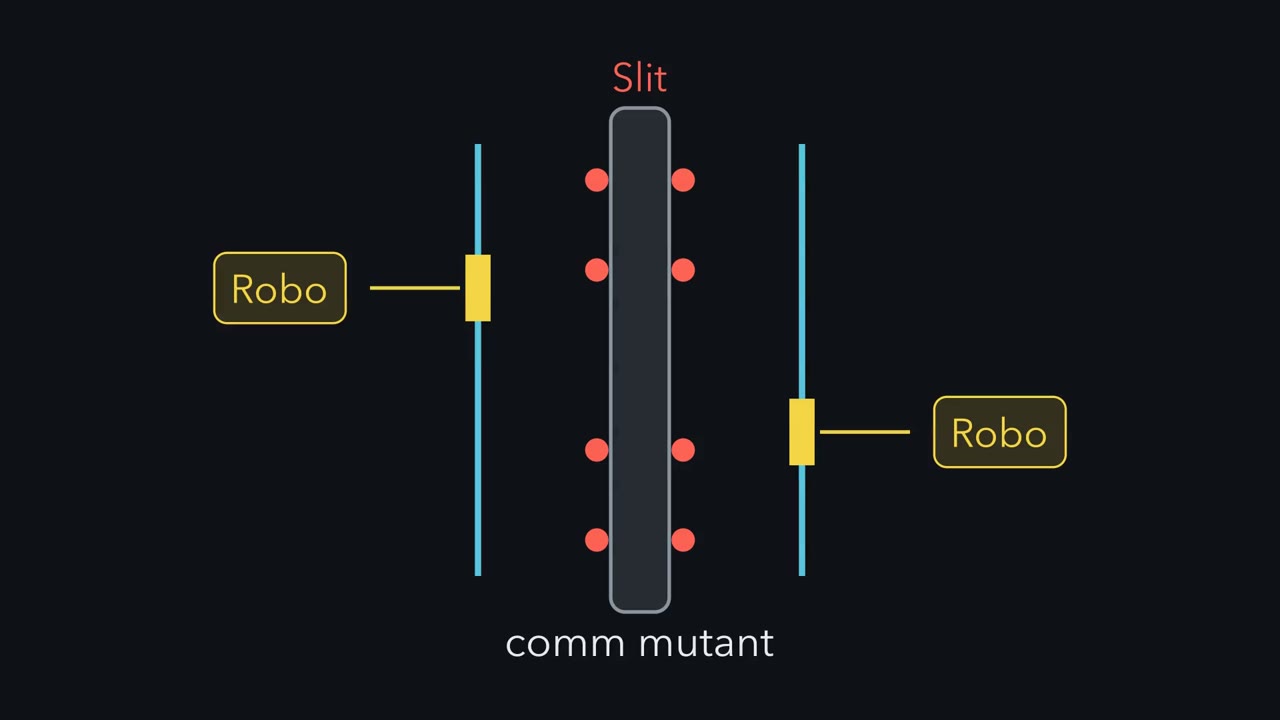
The repellent's push is gone, so axons that reach the midline are not pushed out. They enter and do not leave. Over time the two rails collapse into a single bundle down the middle. This is the slit mutant. Third case. Commissural axons have a working receptor before they cross. What now?
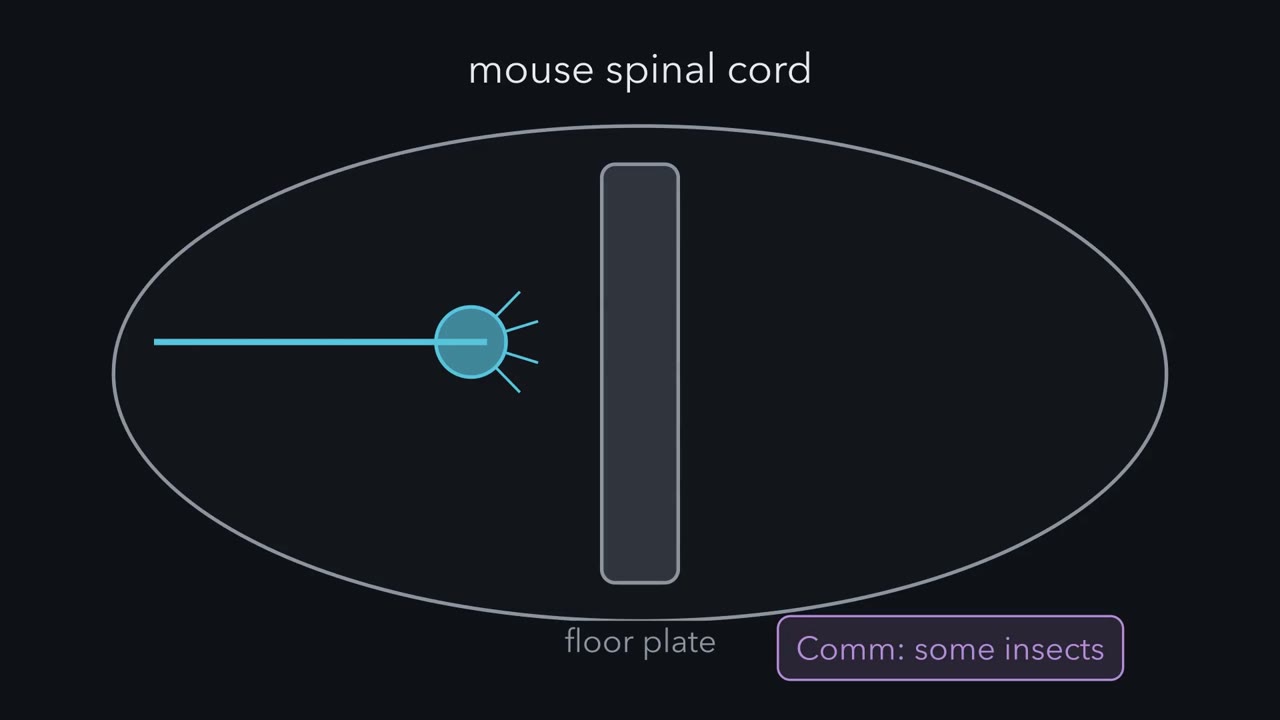
They are pushed away before they can cross. Almost no axon crosses, and the rungs nearly vanish. This is commissureless, or comm. The name says it: the rungs are nearly gone. In 1998, Thomas Kidd, Tear, Goodman and colleagues cloned robo. It encodes a receptor that spans the membrane once. Its timing was the telling part. Axons that never cross carry Robo on their growth cones from the start. Axons that do cross carry high levels of Robo only after they have crossed. Picture the ladder stained for Robo protein. The rails are bright. They hold ipsilateral axons and axons already across. The rungs, where axons are crossing, are much dimmer. The same axon carries little Robo while it crosses, and a lot once it is across.
That is what deaf until crossed means. Deaf here means a much weaker response, not none.
An axon is pulled toward the midline, crosses it, and then treats it as forbidden ground. What changed?
Continue in the lesson: Crossing the Midline Once: Slit, Robo and Comm →
3:08 · Free, with captions and a transcript. The lesson has the full text, the questions and the sources.
More films from this lesson
How this film was made. Narration: an AI narrator voice (Kokoro, af_heart) reading narration written from this lesson's text. Animation: AI-generated in code (Manim) by Claude, a schematic with no drawn molecular structures. Captions come from the narration script. See something wrong? Report it.