Films · Developmental Neuroscience
The Receptor That Can Kill
Read the transcript of “The Receptor That Can Kill”
Film transcript: The Receptor That Can Kill
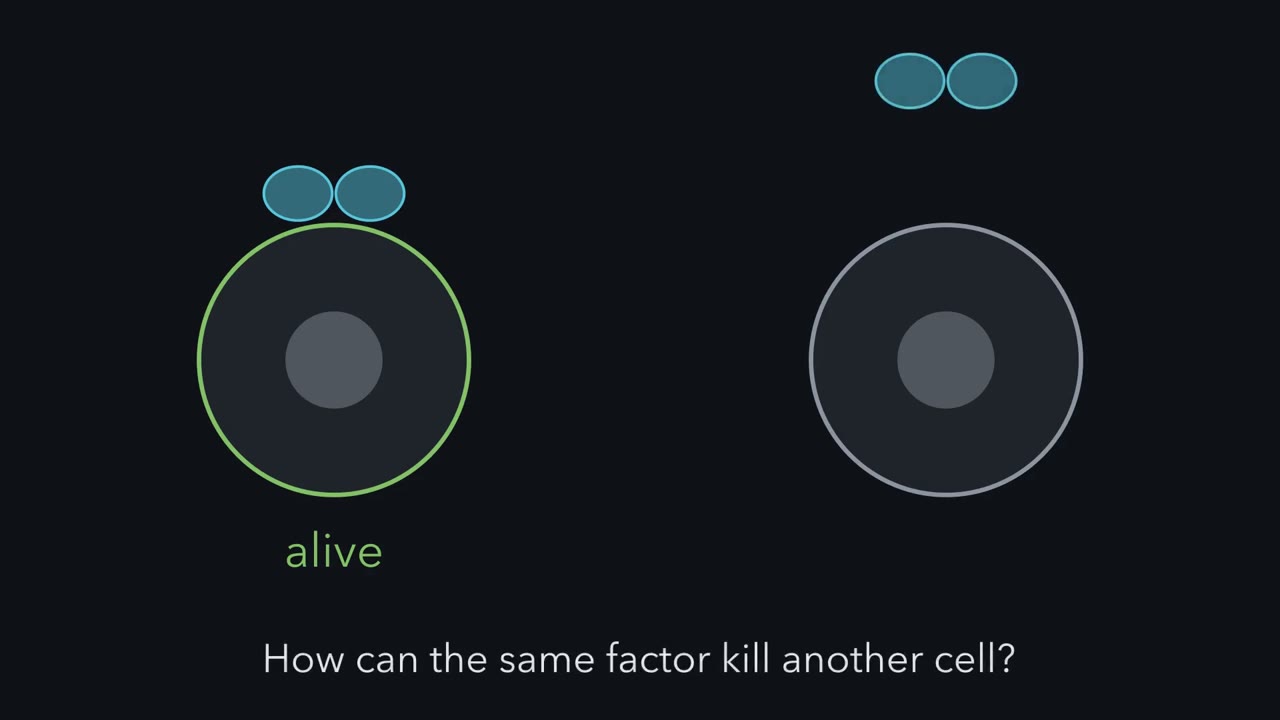
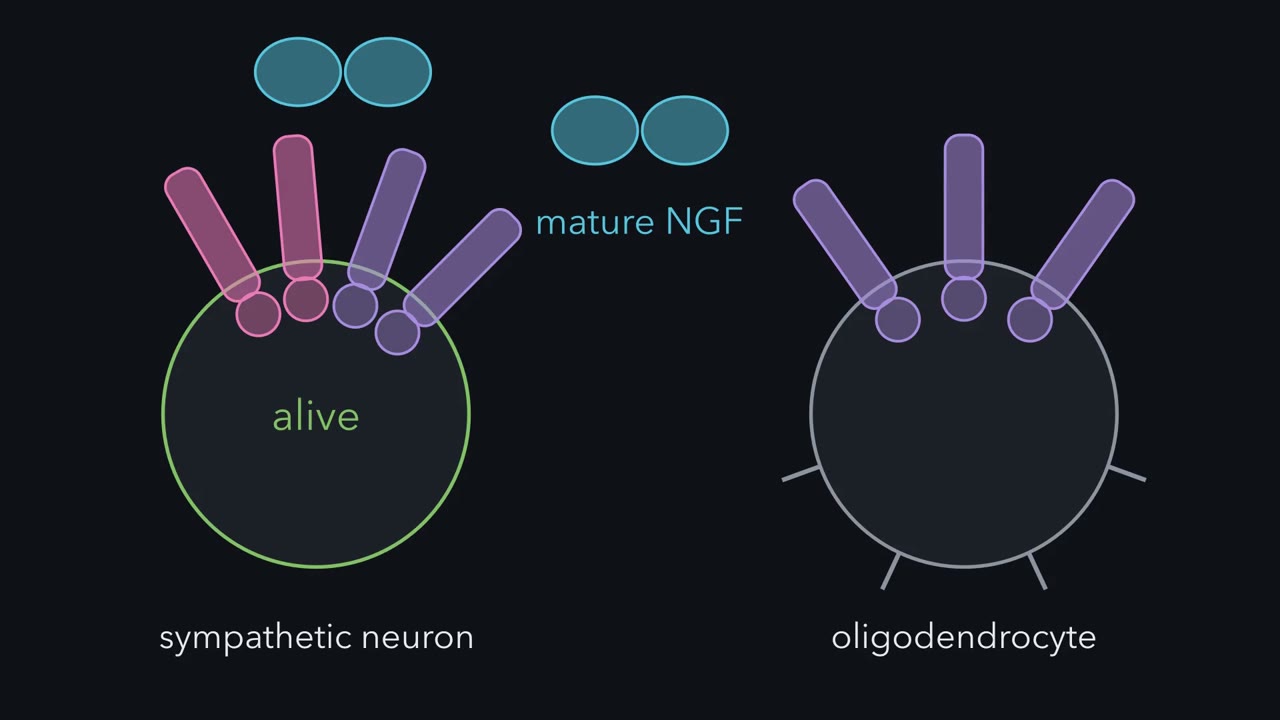
Every neurotrophin binds p75. So what does p75 do on its own? In the mid-1990s, two groups found that it can kill. Barde's group showed this in the developing chick retina. Chao's group reported that NGF kills cultured rat oligodendrocytes. These are the myelin-making cells of the brain and spinal cord. They lack TrkA. With no Trk receptor to read stay alive, p75 can read die. The oligodendrocyte experiments were done in culture, where NGF is often added at nanomolar levels. The retina result involved NGF the tissue makes itself. Chapter six shows why dose matters. Yet the precursor has something mature NGF lacks: a pro-domain that sortilin grips, so a p75 and sortilin pair can hold it tightly.
Like most secreted proteins, NGF is made as a longer chain, proNGF. The extra stretch at its front is called the pro-domain. The accepted view had been that the pro-domain is trimmed inside the cell. In 2001, Ramee Lee, Pouneh Kermani, Kenneth Teng and Barbara Hempstead added to that picture. Cells can secrete some proNGF uncut. Enzymes outside the cell can then cut it. Plasmin can, a protease made from the blood protein plasminogen. So can particular matrix metalloproteinases. To test the precursor alone, mutate its cut sites so proteases cannot trim it. Take cultured cells with p75 and sortilin, but little TrkA. Give them mature NGF, or the uncleavable precursor, at the same concentration.
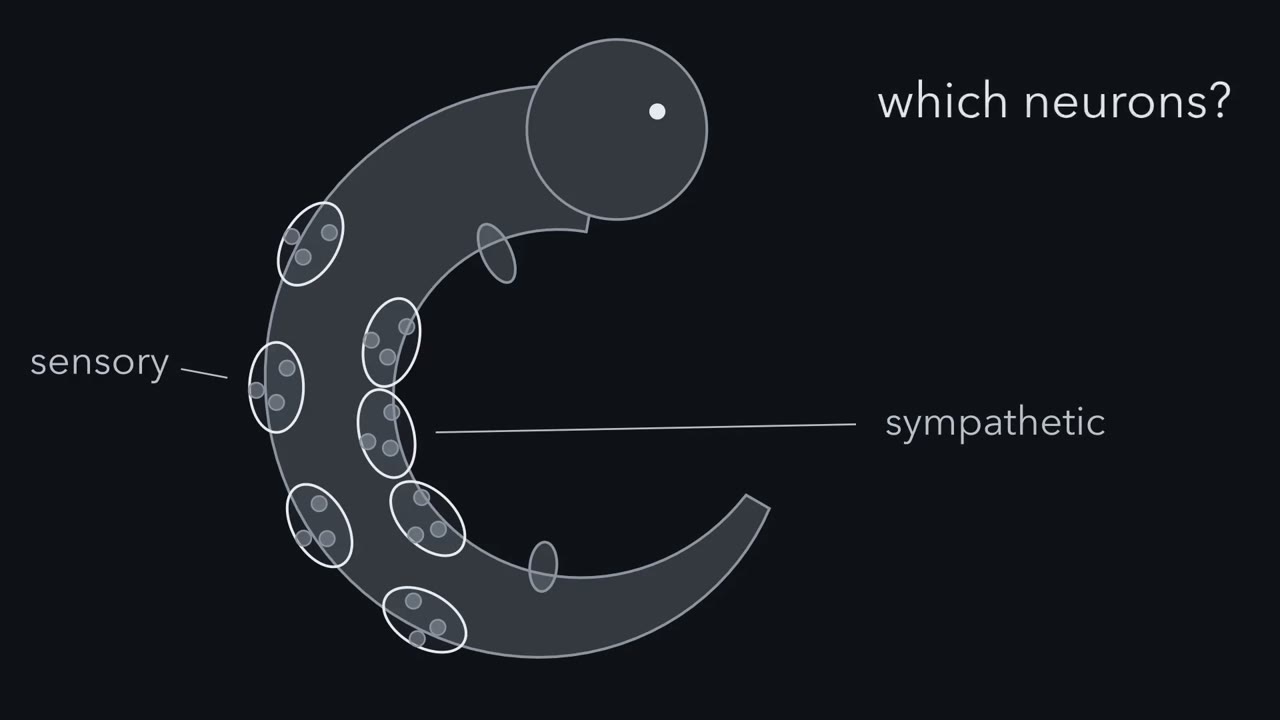
Then block p75. Predict each result. In this worked example, at a low dose, mature NGF added no death. The uncleavable precursor killed the cells. An antibody that blocks p75 prevented that killing. So did cells from mice lacking p75. So the precursor kills through p75, without being trimmed. In Lee's experiments, uncut proNGF also triggered apoptosis of cultured sympathetic neurons. It bound p75 tightly, and activated TrkA very little. Mature NGF kept the same kind of neuron alive, through TrkA. In 2004, Anders Nykjær, Claus Munck Petersen and colleagues found the missing partner. p75 needs sortilin to deliver this death signal. Sortilin grips the pro-domain, while p75 grips the mature part.
This killing was shown in culture and in rodent injury models. How much it adds to the normal deaths of development is less clear. Another group found that uncleavable proNGF kept sympathetic neurons alive, through TrkA. It did so less well. The takeaway: p75 can read a neurotrophin as die. With sortilin, it reads the uncut precursor that way.
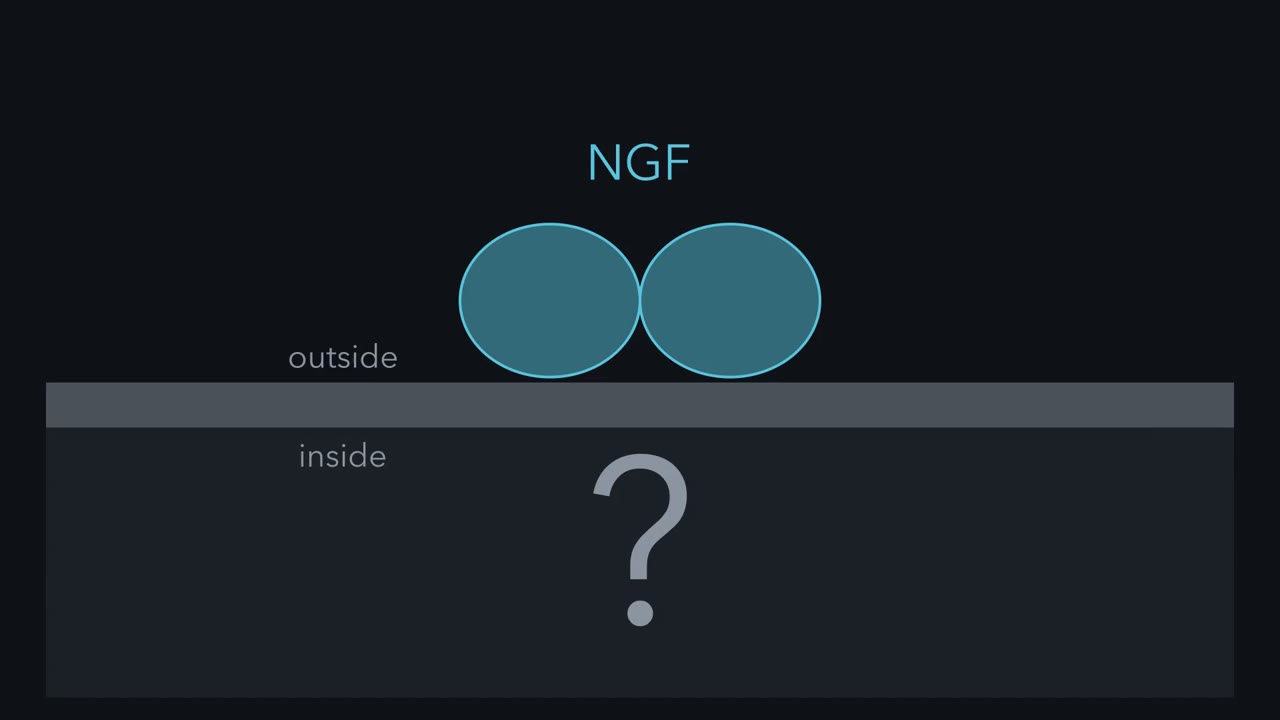
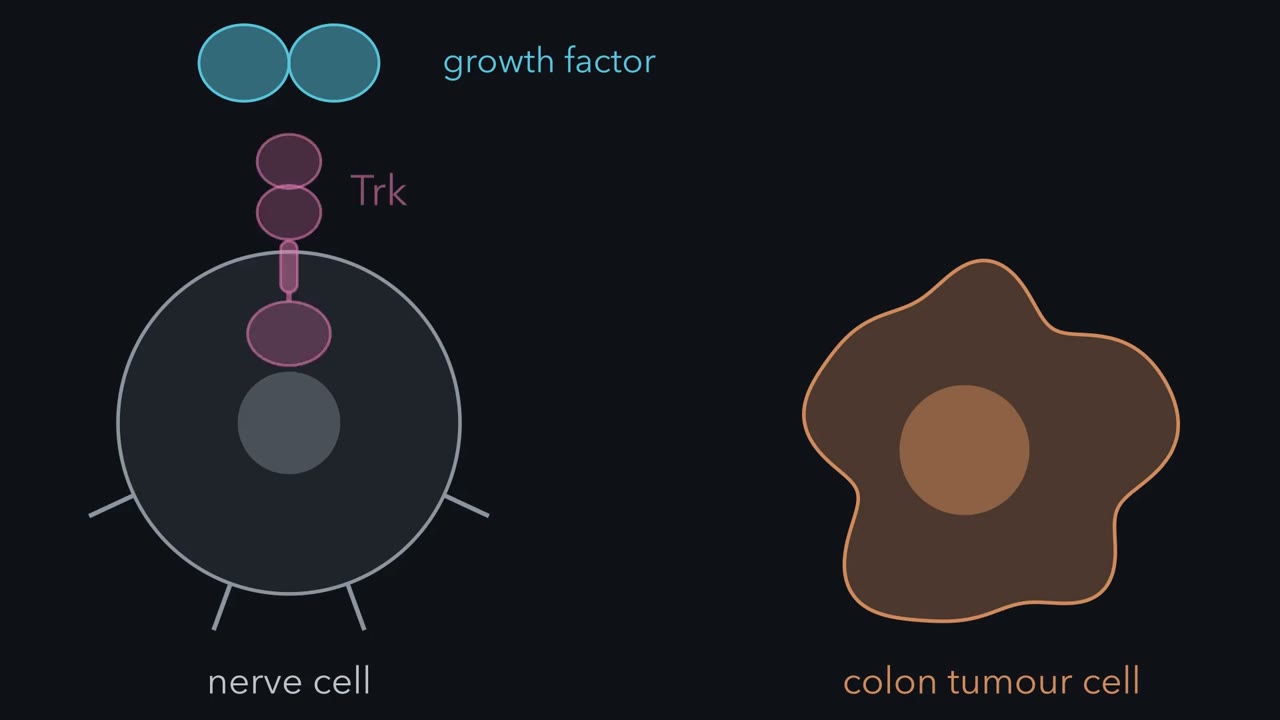
Many developing neurons live only if their target supplies enough of the right neurotrophin. How does the neuron read that factor, and how can the same factor sometimes kill?
Continue in the lesson: Neurotrophins, Trk Receptors and p75 →
3:32 · Free, with captions and a transcript. The lesson has the full text, the questions and the sources.
More films from this lesson
How this film was made. Narration: an AI narrator voice (Kokoro, af_heart) reading narration written from this lesson's text. Animation: AI-generated in code (Manim) by Claude, a schematic with no drawn molecular structures. Captions come from the narration script. See something wrong? Report it.