Films · Developmental Neuroscience
Dead Tissue That Still Induces
Read the transcript of “Dead Tissue That Still Induces”
Film transcript: Dead Tissue That Still Induces
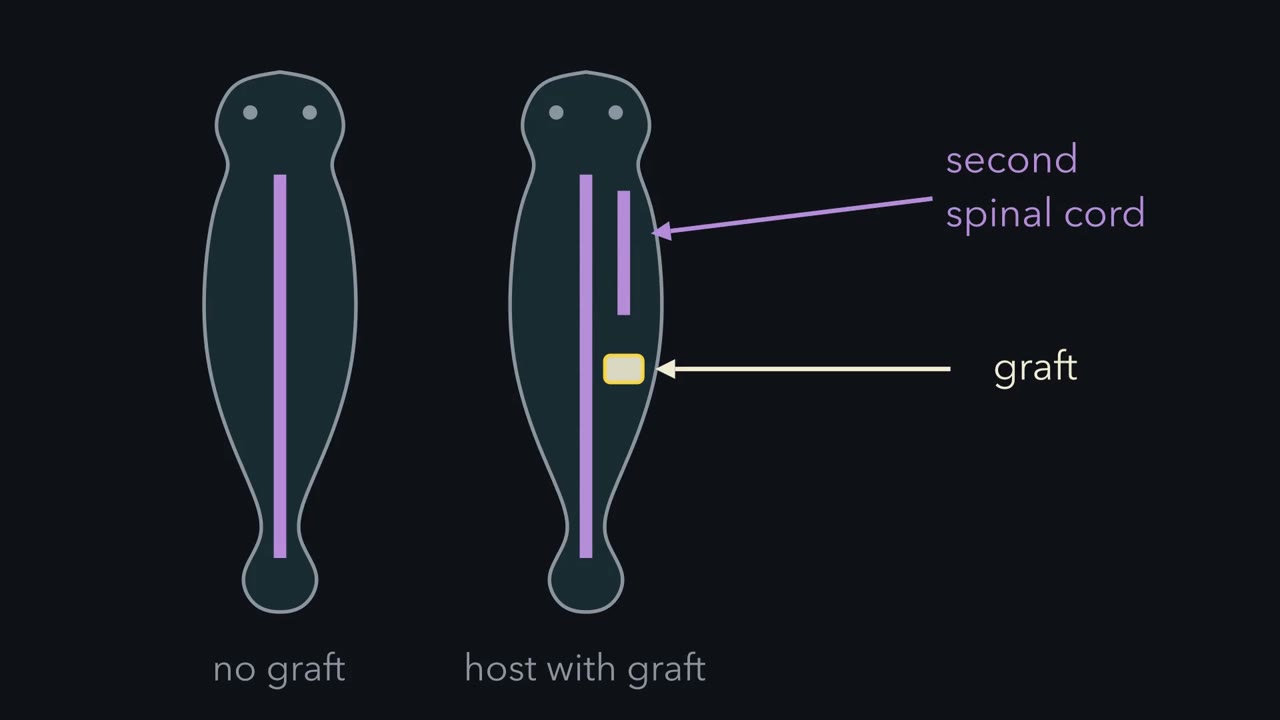
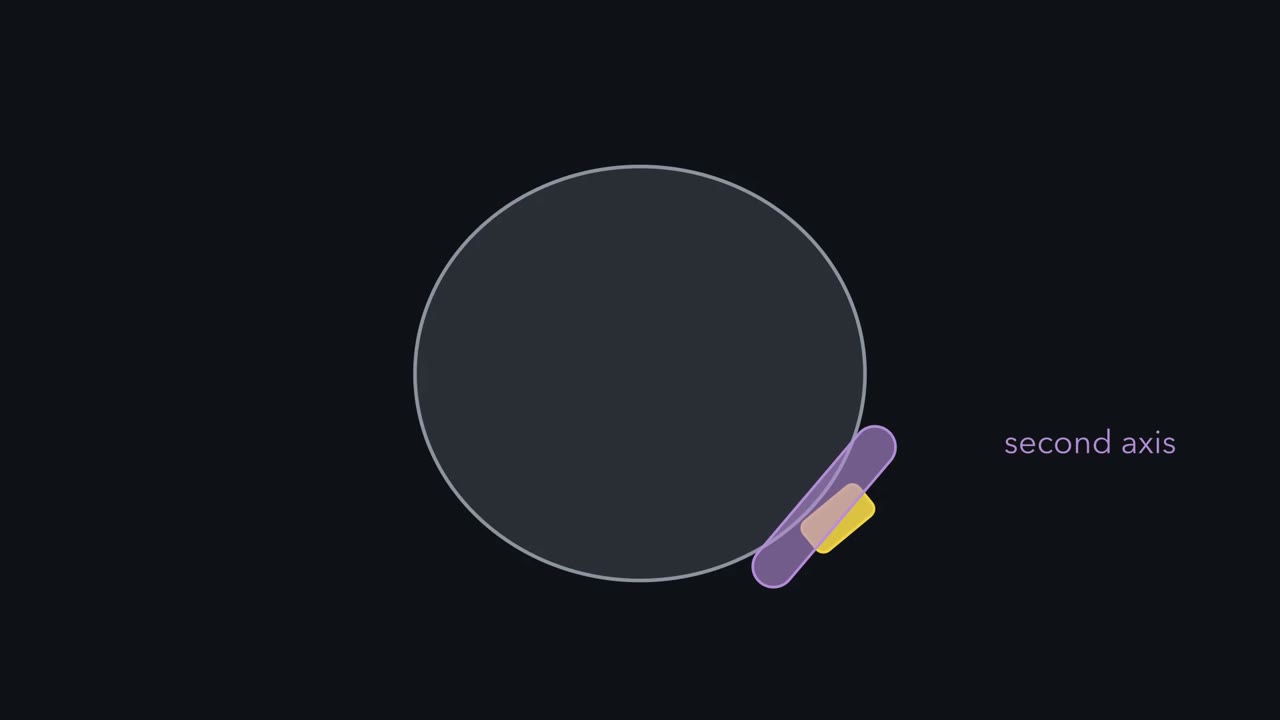
If the organizer sends a signal, the signal should be a substance. So kill the cells. Does it still work? From 1933, Johannes Holtfreter froze, dried and heated pieces of newt embryos, some to boiling. He placed them against early-gastrula ectoderm. On its own, that ectoderm became skin. Next to dead organizer, does the ectoderm become neural? And does a second axis form?
The ectoderm often became neural. A living organizer was not needed for the neural response. But in these tests, organizing did not survive. Killed tissue made ectoderm neural without building an organized second axis. A factor is sufficient if it is enough, by itself, to produce an effect. It is necessary if that effect does not happen without it. Dead organizer was sufficient to make ectoderm neural. But sufficient does not mean natural. Then the controls were run. Many other killed tissues induced too. So did ether extracts of amphibian tissue, in the 1930s. Unrelated materials, from adult tissues to synthetic chemicals, induced in some cases.
In the 1940s, salamander ectoderm became neural with no organizer at all, or after brief damage. When almost everything scores yes, a yes cannot name the signal. Waddington described the trap. Perhaps competent ectoderm already holds a hidden tendency to become neural. Then a substance might be the natural signal. Or it might merely injure the tissue, and release that tendency. The salamander result is one explanation for why the chemical hunt stalled for decades. Suppose neural is what ectoderm becomes when a brake is released. Then many injuries and chemicals that weaken it would be expected to induce too.
The next lesson shows frog ectoderm, its cells separated, becoming neural with no inducer at all. So neighbours can set a cell's fate, while it can still answer. What the signal is comes next.
How can a small graft make its host build a second spinal cord from cells meant for skin?
Continue in the lesson: The Organizer: Spemann and Mangold →
2:40 · Free, with captions and a transcript. The lesson has the full text, the questions and the sources.
More films from this lesson
How this film was made. Narration: an AI narrator voice (Kokoro, af_heart) reading narration written from this lesson's text. Animation: AI-generated in code (Manim) by Claude, a schematic with no drawn molecular structures. Captions come from the narration script. See something wrong? Report it.