Opening the Package
Read the transcript of “Opening the Package”
Film transcript: Opening the Package
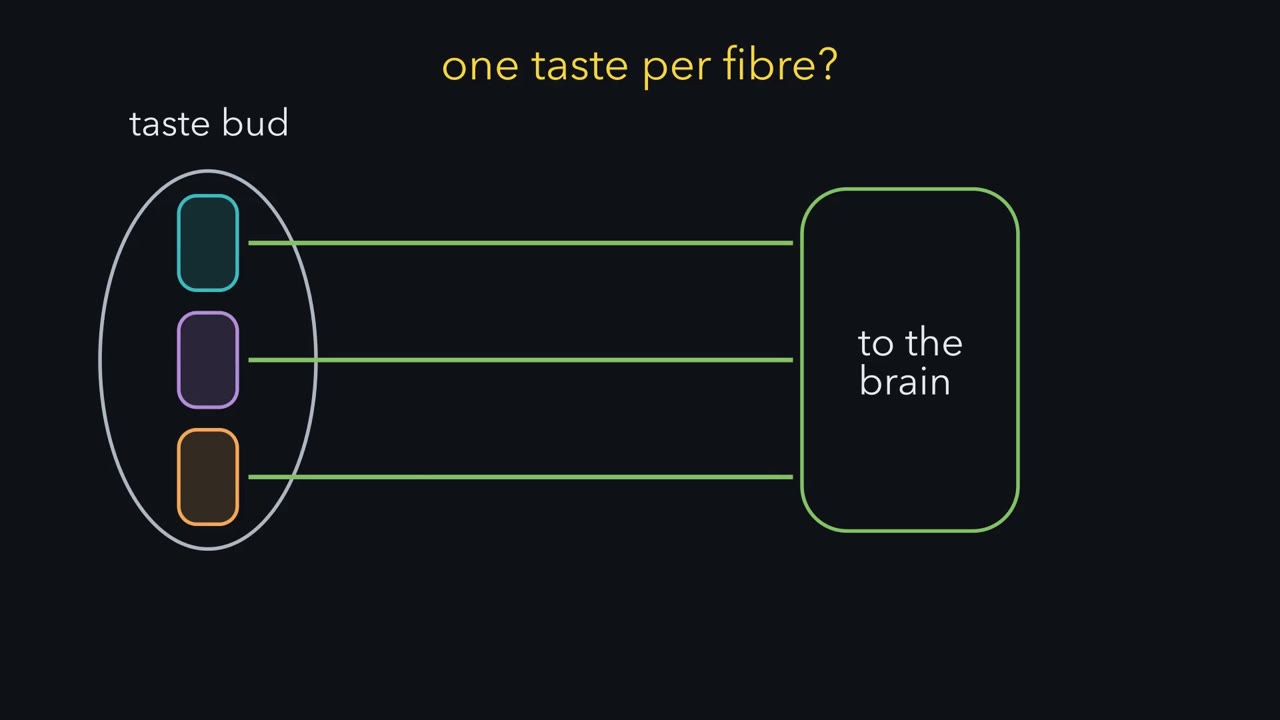
Does a taste field in cortex do anything? And can a mouse know a taste, but stop wanting it? In anaesthetized mice, one study reported separate fields for sweet, bitter, umami and sodium. Fields would matter more if they did something. Peng and colleagues made the fields respond to light, in awake mice. Light on the sweet field drove attraction. Light on the bitter field drove aversion. That is the value half. To test identity, they trained mice to respond to bitter, and to hold back for sweet. Why set the task against the mouse's own preference?
So the mouse cannot just follow its liking. But it could still learn a rule, such as respond to the unpleasant one. So the team added controls. Trained mice judged new sweet and bitter chemicals with similar accuracy. In one version, low salt, which mice like, shared the bitter answer. Liking alone could not solve that. Blocking either field impaired recognition of its taste. Recognition recovered after the drug washed out. Is there a tidy map, then? That is disputed. In alert, licking mice, another study found distributed responses. Next, Wang and colleagues traced the two fields to different parts of the amygdala. Then they silenced the amygdala.
What survives: recognizing the taste, or the pull toward the sweet field? Recognition stayed. The mice still reported sweet and bitter correctly. But the attraction to sweet-field light was abolished. So identity and value can be pulled apart, in these assays and with this silencing method. The pattern is simple. Manipulate one stage, measure two behaviours, and see which one moves. Value also changes with need. A sodium-depleted animal drinks salt concentrations it would normally reject. The salt is the same. What changes, in these assays, is how much the animal wants it.
Keep the scope. These are mouse assays. They do not show that value is computed only in the amygdala. In decerebrate rats, brainstem circuits still support innate acceptance and rejection. And learning shapes value too. In these mouse experiments, silencing the amygdala removed the attraction and spared trained recognition.
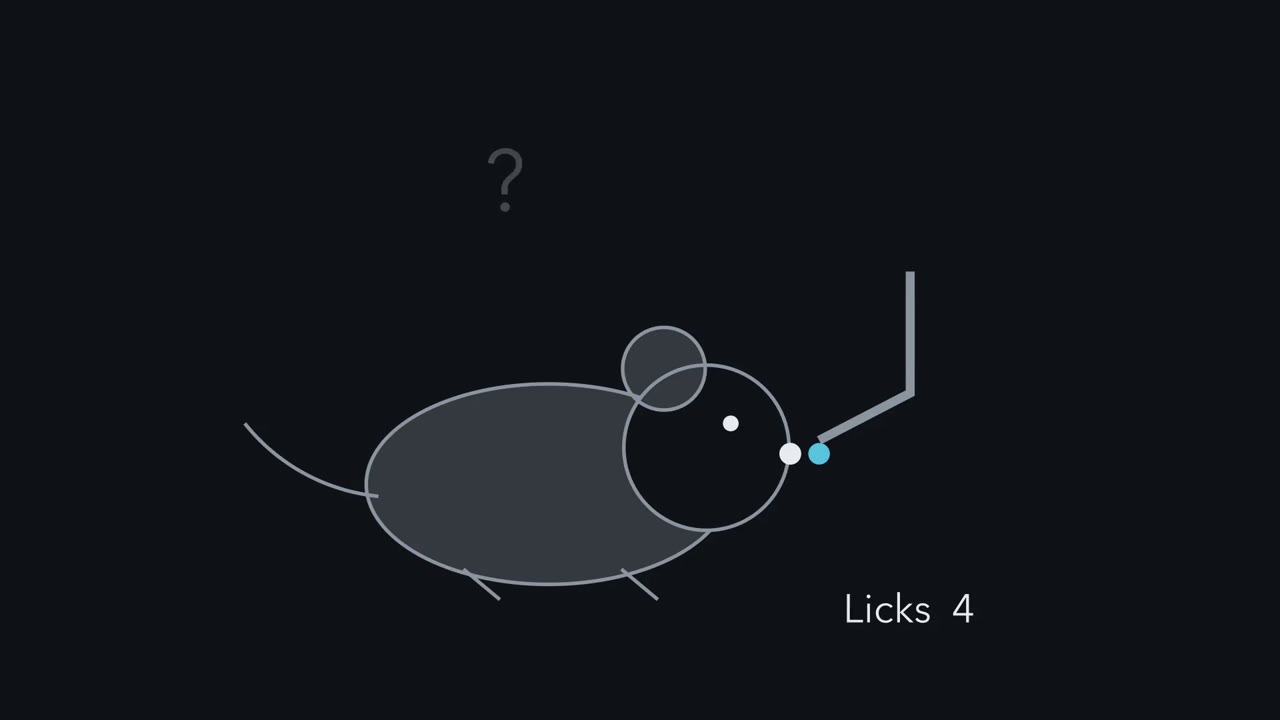
A mouse licks sugar water and keeps licking. Which taste does its brain register, and how much does the mouse want it? Are those one signal or two, and where can they be pulled apart?
Continue in the lesson: Taste from Tongue to Cortex →
2:53 · Free, with captions and a transcript. The lesson has the full text, the questions and the sources.
More films from this lesson
How this film was made. Narration: an AI narrator voice (Kokoro, af_heart) reading narration written from this lesson's text. Animation: AI-generated in code (Manim) by Claude, a schematic with no drawn molecular structures. Captions come from the narration script. See something wrong? Report it.