Many Maps, Not One Picture
Read the transcript of “Many Maps, Not One Picture”
Film transcript: Many Maps, Not One Picture
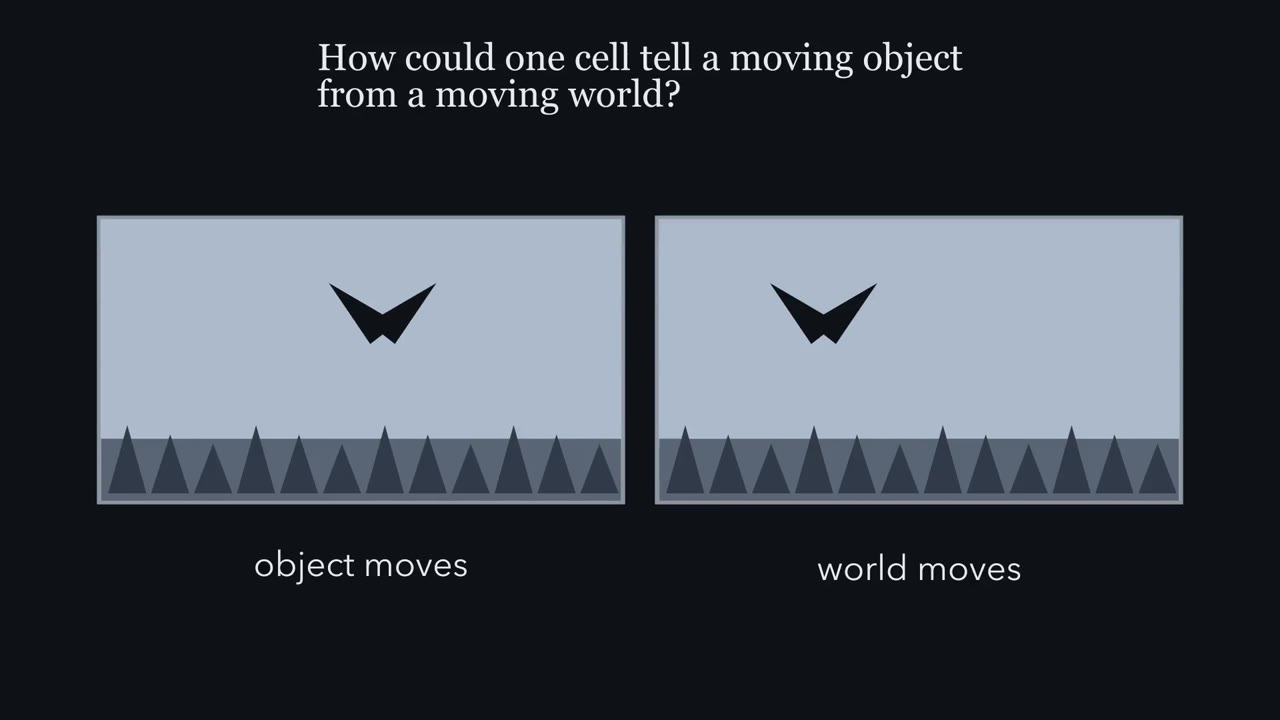
A hawk's shadow slides across a meadow. What does a mouse's optic nerve tell its brain about it? Every signal the brain receives from the eye leaves through ganglion cells. They are the retina's only output neurons, and their axons make the optic nerve. So does that nerve carry a picture, like a camera cable? It does not. A mouse has more than 40 types of ganglion cell. Each type reports the scene through its own filter. Some filters are simple. They signal local differences in brightness. Others are highly selective. They detect a small object moving, or motion in one direction. Bipolar and amacrine circuits inside the retina build each filter, before any spike leaves the eye.
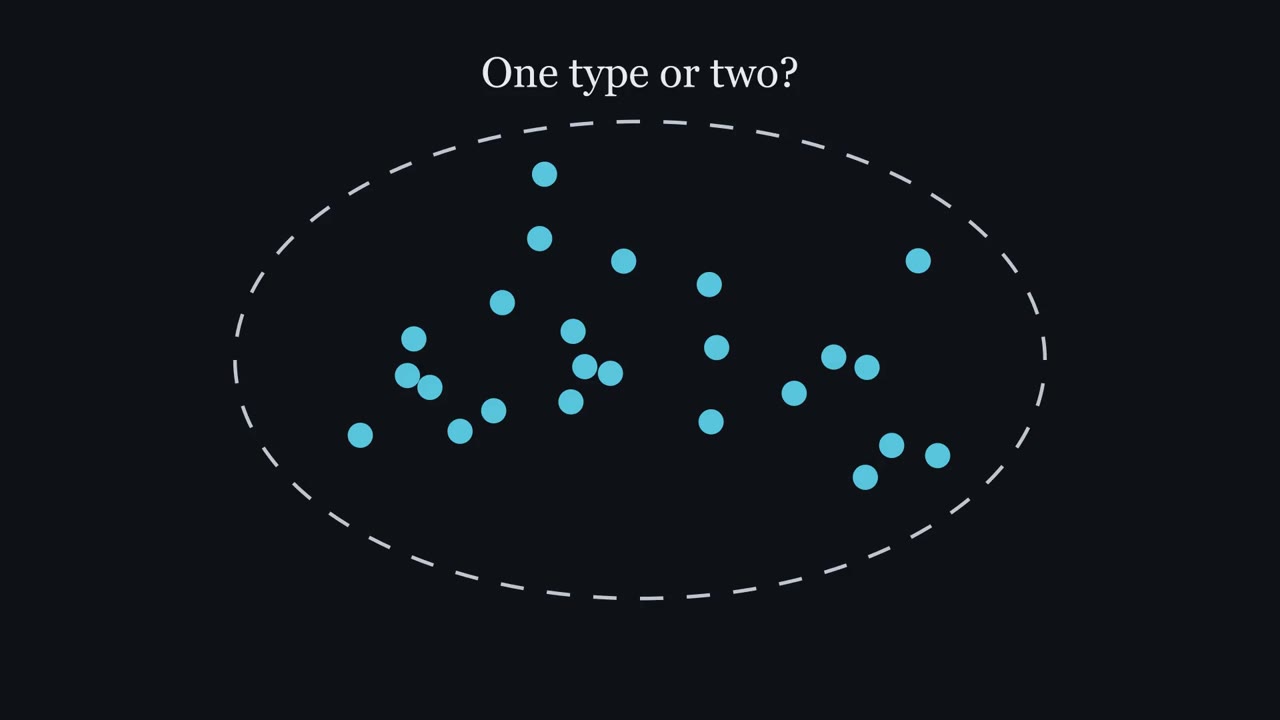
Now look down on the retina as a flat sheet, and light up one type. Its cells spread across the retina. Each cell tends to keep some distance from its neighbours. Their dendrites can overlap a lot, and spacing and arbor size vary across the retina. That even spacing is called a mosaic. So one type draws one map of the scene. Lay a second type over the first. Then a third. Predict. If each type draws one map, what does the optic nerve carry?
More than 40 overlapping maps of the scene, each filtered differently. The brain can combine maps to build new features. But information that no map carries is gone before the brain has a chance. The same idea suggests a check. If a type is really two, its spacing usually looks less regular. And more arbors cover each point than for comparable types. These are clues, not proof. Hold one rule in mind. One type, one mosaic, one map.
A hawk's shadow slides across a meadow. What does a mouse's optic nerve tell its brain about it? Not a picture: more than 40 kinds of ganglion cell each report the scene through their own filter.
Continue in the lesson: Parallel Channels Out of the Eye →
2:08 · Free, with captions and a transcript. The lesson has the full text, the questions and the sources.
More films from this lesson
How this film was made. Narration: an AI narrator voice (Kokoro, af_heart) reading narration written from this lesson's text. Animation: AI-generated in code (Manim) by Claude, a schematic with no drawn molecular structures. Captions come from the narration script. See something wrong? Report it.