Films · Developmental Neuroscience
Same Means Stick
Read the transcript of “Same Means Stick”
Film transcript: Same Means Stick
How does a growing branch know which thin layer to stop in? A gradient can bring an axon near its target. But a thin layer is either the right one or not. Choices like that often call for discrete labels. In the retina, the inner plexiform layer is a thin band where three kinds of cell make synapses. It is divided into thinner sublaminae. Each cell type sends its processes into one or a few. In chick retina, two related proteins are Sidekick-1 and Sidekick-2. Largely separate groups of neurons make them. Each group's processes end in different sublaminae. Each protein binds its own kind, which is called homophilic binding. Sidekick-1 sticks to Sidekick-1.
Does the label only mark the band, or help choose it? Predict. Make neurons produce a Sidekick they normally lack. Where should their processes end? Their processes shifted toward the sublamina where that Sidekick was already concentrated. Adding the label shifted the arbor.
Later, Yamagata and Sanes added Dscam and DscamL, making four labels. These molecules bias a choice. They are one part of how layers form. In mouse retina, cells lacking DSCAM or DSCAML1 still reach the right sublaminae. Here is the idea to carry through this lesson. A match between identical proteins says only, we are the same. The cell decides what same means. When a group of cells shares a sticky label, their processes are drawn together. Here, same means stick. Takeaway: in chick retina, shared sticky labels help like processes settle in matching sublaminae, alongside other cues.
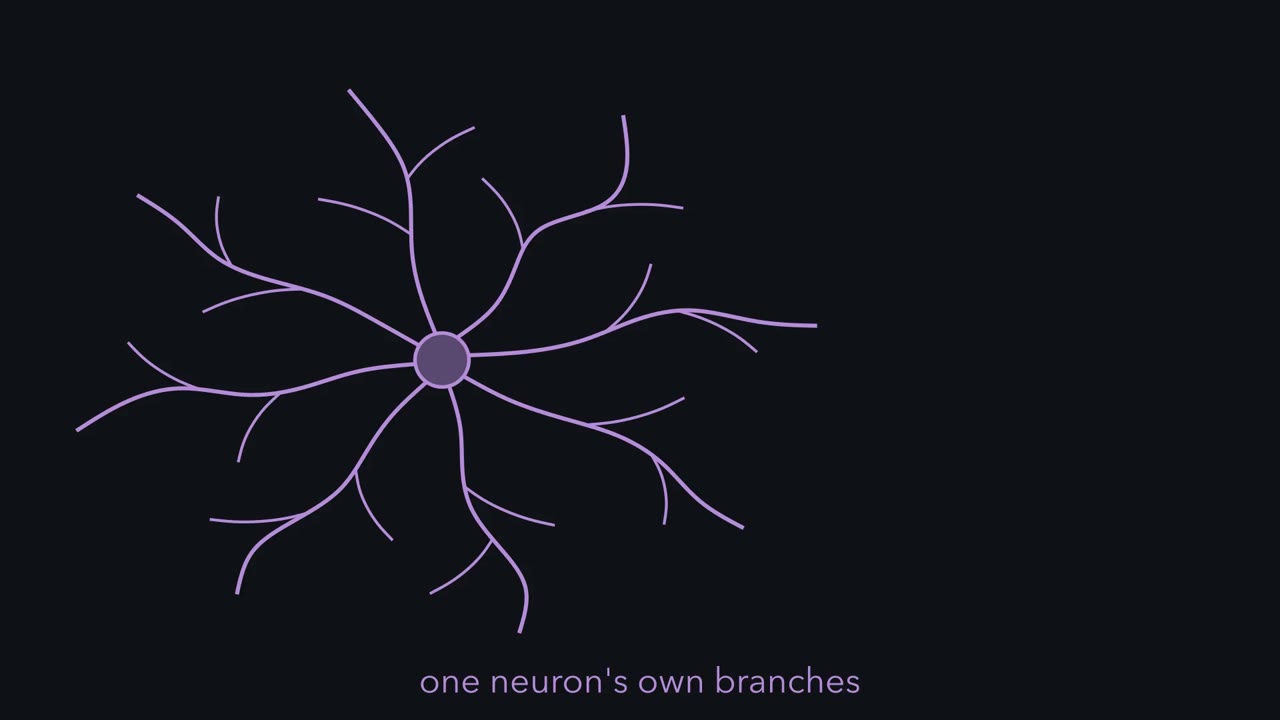
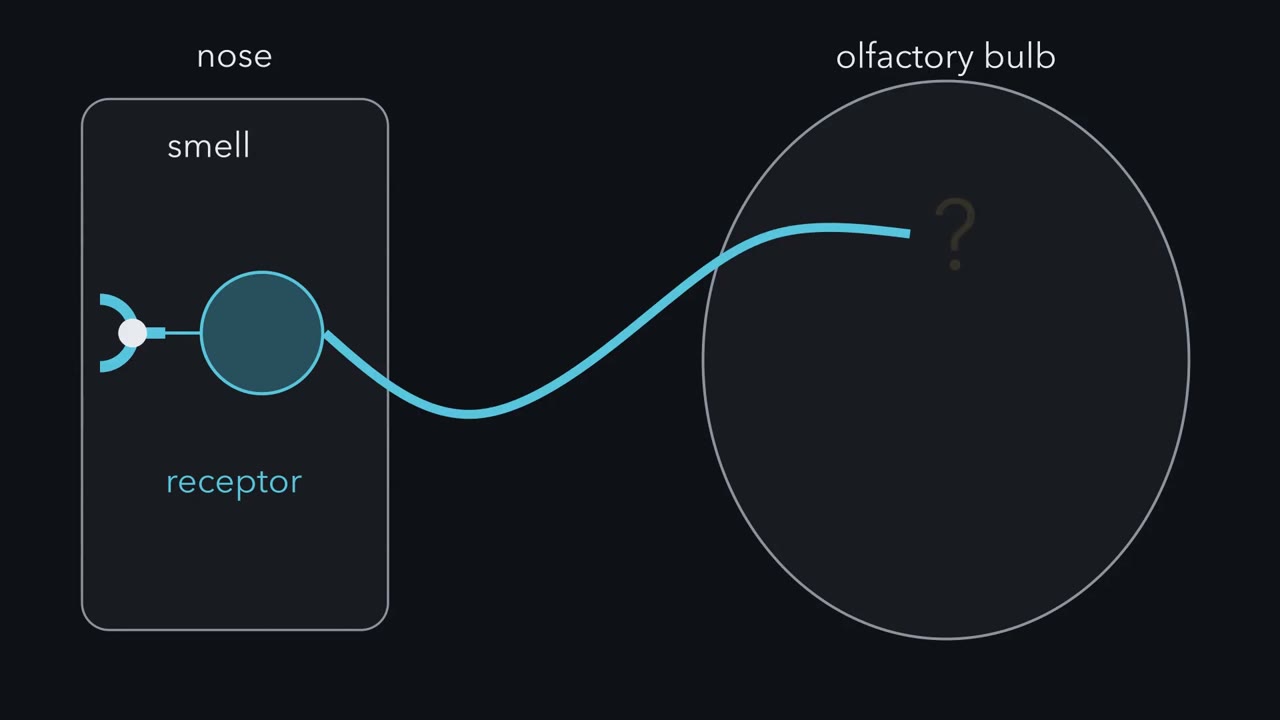
How does a neuron stop in the right layer, find the right partner and keep its own branches from tangling? One fly gene that can make tens of thousands of different surface proteins is part of the answer.
Continue in the lesson: Choosing a Partner: Layers, Self-Avoidance and Smell →
2:09 · Free, with captions and a transcript. The lesson has the full text, the questions and the sources.
More films from this lesson
How this film was made. Narration: an AI narrator voice (Kokoro, af_heart) reading narration written from this lesson's text. Animation: AI-generated in code (Manim) by Claude, a schematic with no drawn molecular structures. Captions come from the narration script. See something wrong? Report it.