One Hair, Three Classes
Read the transcript of “One Hair, Three Classes”
Film transcript: One Hair, Three Classes
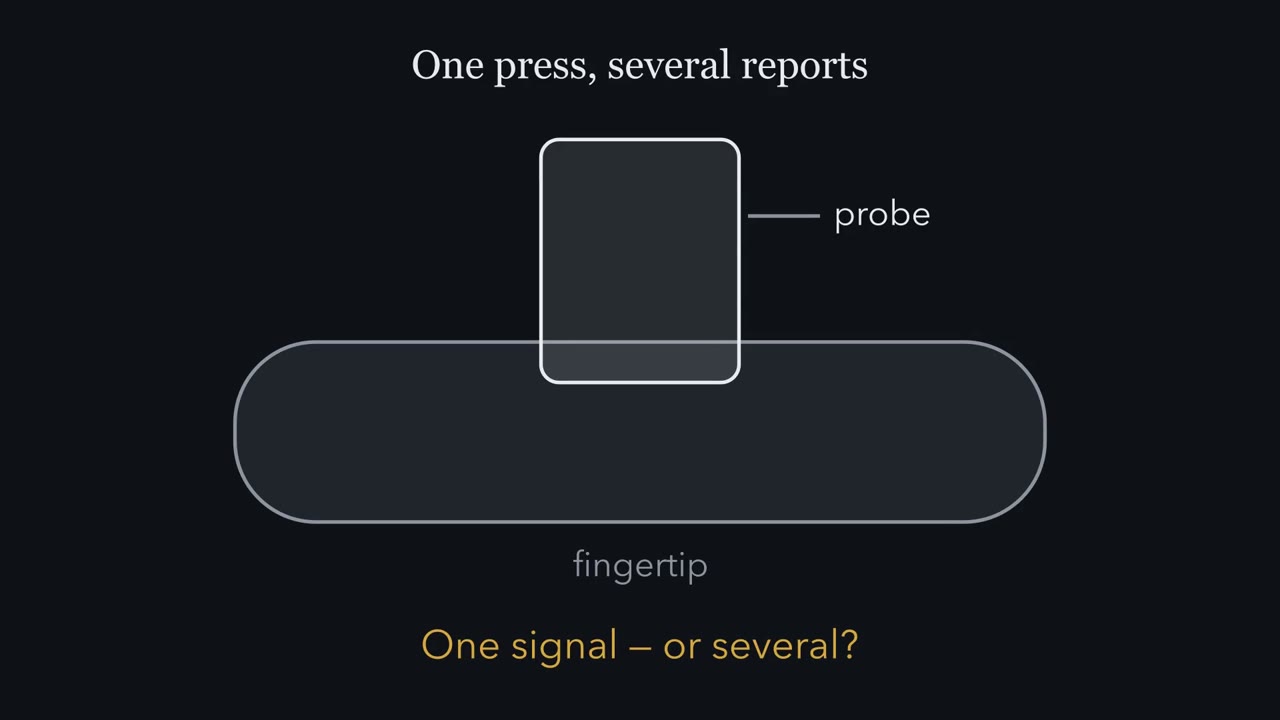
Bend one hair on a mouse's back. How many kinds of touch neuron can answer? It depends on the hair. Mouse trunk skin has three main hair types: long guard hairs, awl/auchene hairs, and short, bent zigzag hairs. For decades, touch classes in hairy skin were defined by recording. The ending behind each was only inferred. What changed was genetic access. A Cre driver mouse, crossed to a reporter, marks cells that expressed one chosen gene. But a label is only a handle, until recording confirms what the labelled neurons do. Li and colleagues, in 2011, did that check. Neurons labelled by TrkB behaved as Aδ-LTMRs. They answer the tiniest hair deflections.
Neurons with C-LTMR properties stained for TH. Slow, with intermediate adaptation. A third label, for some early Ret-expressing neurons, picked out Aβ beta R -A -L -T -M -R -S, Fast, and rapidly adapting. Then they imaged whole sheets of trunk skin, to see which follicles each label surrounded. Now bend an awl/auchene hair and hold it. Which labelled classes answer?
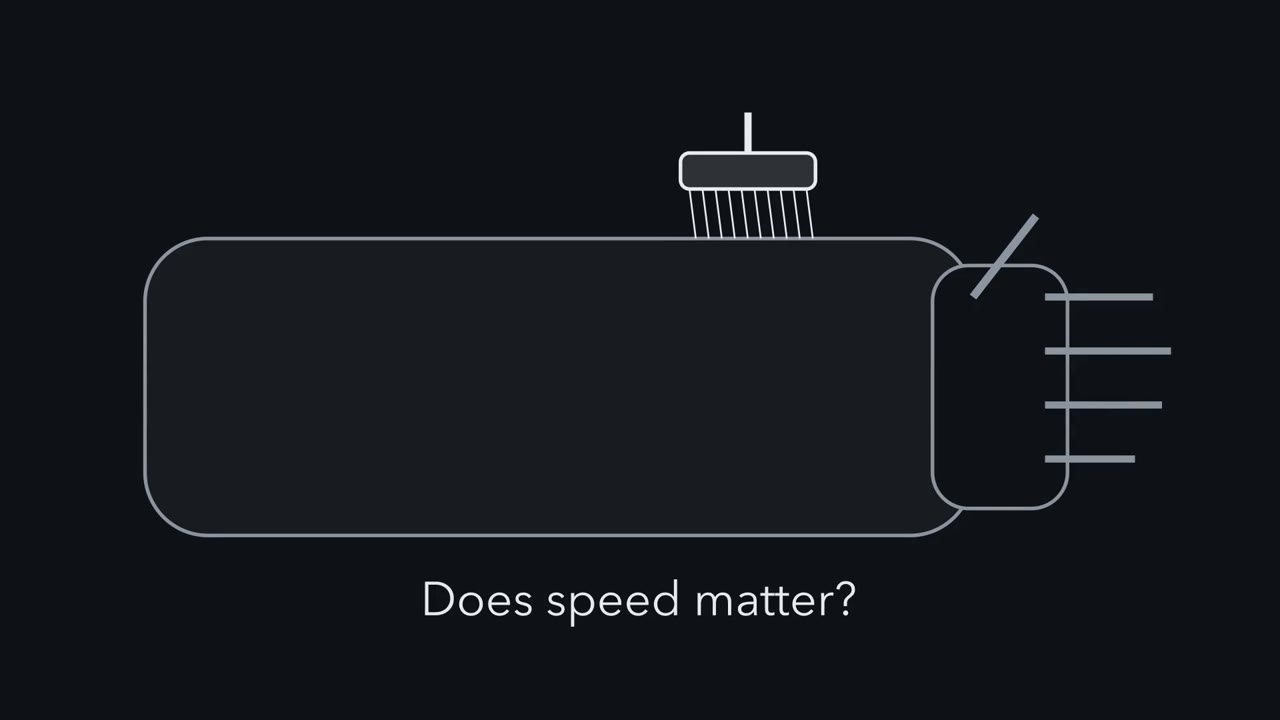
Three classes can: Aβ beta RA, Aδ delta, and C. Their lanceolate endings fence the same follicle. Each ending runs lengthwise along the follicle, like one picket in a fence. Most awl/auchene and zigzag follicles also have circumferential endings from field-LTMRs, which Li did not label. That makes four classes at an awl/auchene follicle, and three at a zigzag one. Guard hairs carry Aβ beta RA endings, and a touch dome beside the hair. Zigzag hairs carry Aδ delta and C. These combinations repeat across the skin. One movement of an awl/auchene hair can be reported by three classes in parallel. Assume their spikes start together and travel equal paths of 2 centimetres.
Conduction alone gives these arrival times. The Aβ beta and Aδ delta reports arrive about 2 milliseconds apart. The C report arrives about 30 milliseconds later. During the hold, the two rapid classes fall quiet. The C unit keeps firing for part of it. On longer paths, every gap grows. What fires, and when its spikes arrive, both shape what the spinal cord receives. One caution. A single neuron branches to many hairs. So endings at a hair are not a count of neurons. One hair, three classes, three speeds. The skin splits even a single hair movement into parallel reports.
A light stroke on your skin is not one signal. Different kinds of touch neuron are most sensitive to different parts of it: the motion, the steady press, the vibration, the slow stroke. On a mouse's back, three of these kinds can even share a single hair. Why build a sense that way?
Continue in the lesson: The Low-Threshold Mechanoreceptors: One Touch, Several Signals →
3:03 · Free, with captions and a transcript. The lesson has the full text, the questions and the sources.
More films from this lesson
How this film was made. Narration: an AI narrator voice (Kokoro, af_heart) reading narration written from this lesson's text. Animation: AI-generated in code (Manim) by Claude, a schematic with no drawn molecular structures. Captions come from the narration script. See something wrong? Report it.