Give One Kinase an ATP of Its Own
Read the transcript of “Give One Kinase an ATP of Its Own”
Film transcript: Give One Kinase an ATP of Its Own
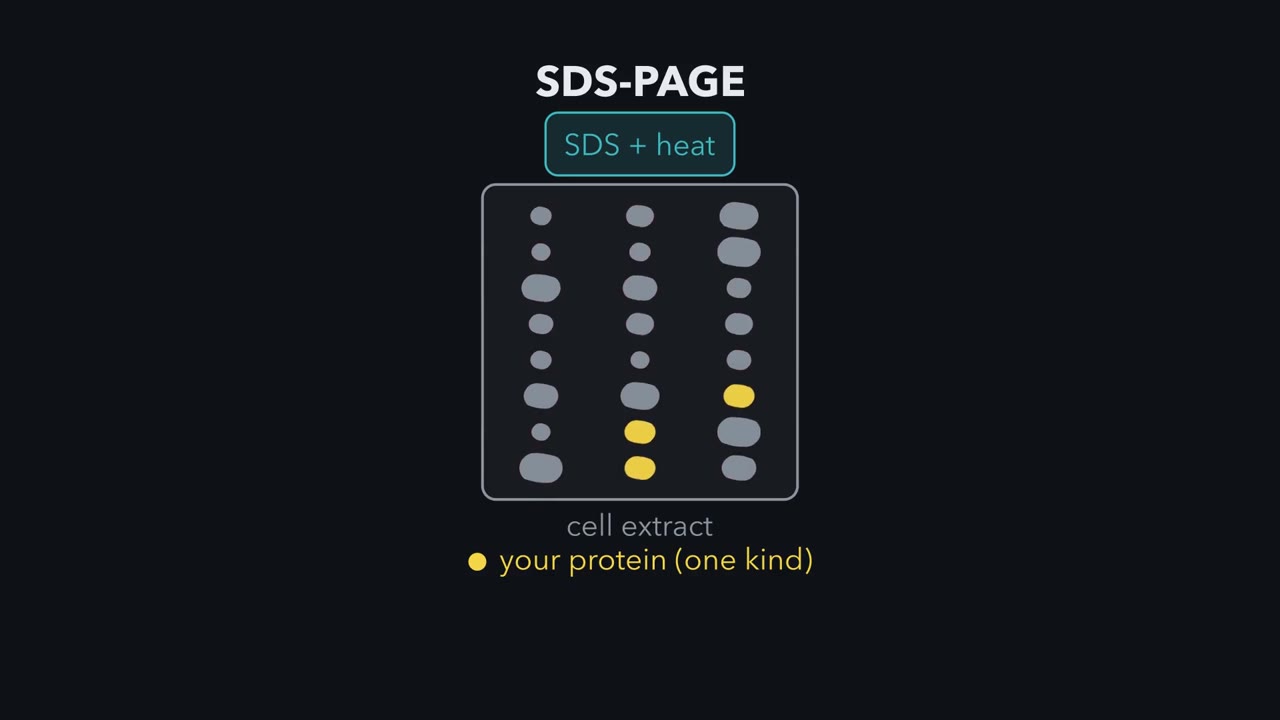
What if you have a kinase but do not know the substrates? The approaches each have a weakness. A purified kinase in a test tube shows what it can phosphorylate, which is more than it does in a cell. Prediction from sequence gives candidates. Finding the kinase bound to a protein shows contact, which is not catalysis. Removing the kinase with an inhibitor, RNA interference or a knockout changes many proteins. The direct substrates look the same as those three steps downstream. Kevan Shokat's laboratory found a way through, which Chris introduces as organic chemistry meets protein manipulation. Kinases share an ATP pocket. One bulky residue in it, the gatekeeper, limits what fits.
Replace the gatekeeper with glycine or alanine, and the pocket gains a hole. An ATP with a bulky group added to its adenine fits the enlarged pocket, and fits normal kinases poorly. Such a kinase is called analog-sensitive. The laboratory introduced the approach in 1997 with the tyrosine kinase v-Src.
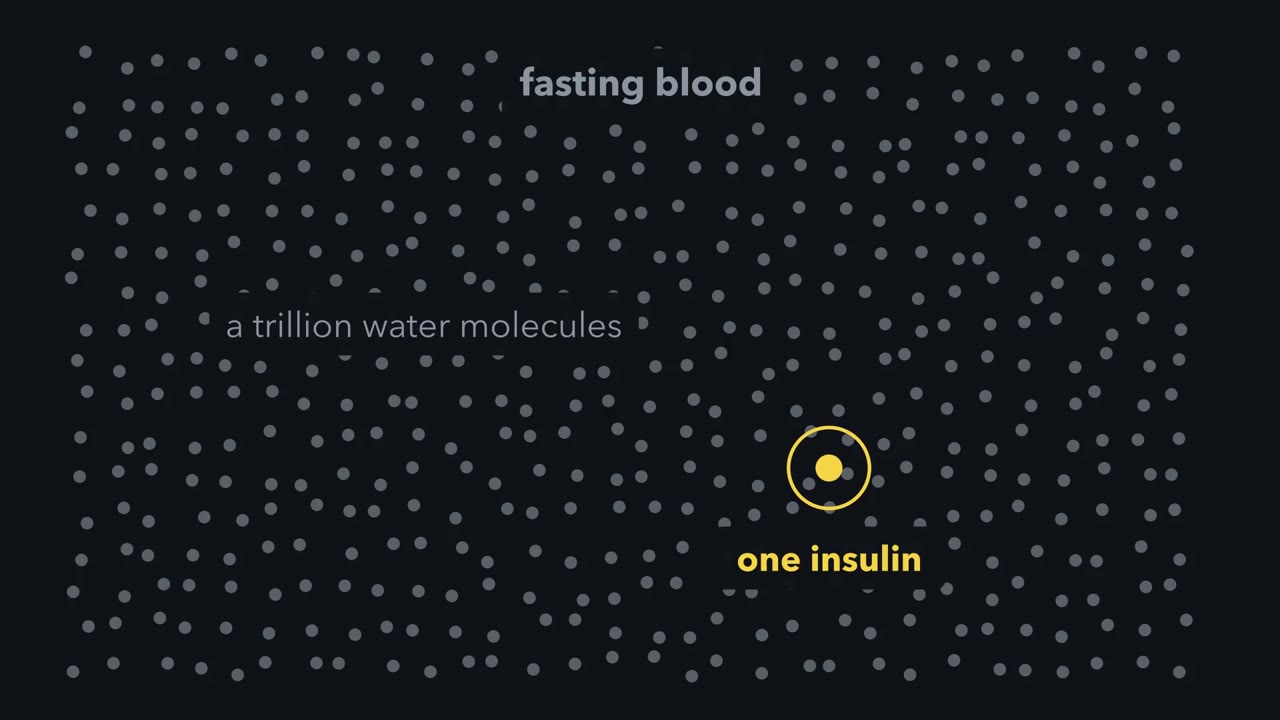
How do you measure one molecule among a trillion, and then show which kinase did the work?
Continue in the lesson: How We Know: Detecting a Signal →
1:28 · Free, with captions and a transcript. The lesson has the full text, the questions and the sources.
More films from this lesson
How this film was made. Narration: an AI narrator voice (Gemini, Charon) reading narration written from this lesson's text. Animation: AI-generated in code (Manim) by Claude, a schematic with no drawn molecular structures. Captions come from the narration script. See something wrong? Report it.