Films · Developmental Neuroscience
When the Division Is Rigged
Read the transcript of “When the Division Is Rigged”
Film transcript: When the Division Is Rigged
What happens when a neuroblast fails to sort its cargo? And why can one small error grow so large? In 2005, Emmanuel Caussinus and Cayetano Gonzalez ran a transplant test. They put larval brain tissue from pins, miranda, numb or prospero mutants into adult flies. The tissue grew to more than a hundred times its starting size. It invaded other tissues and killed its hosts.
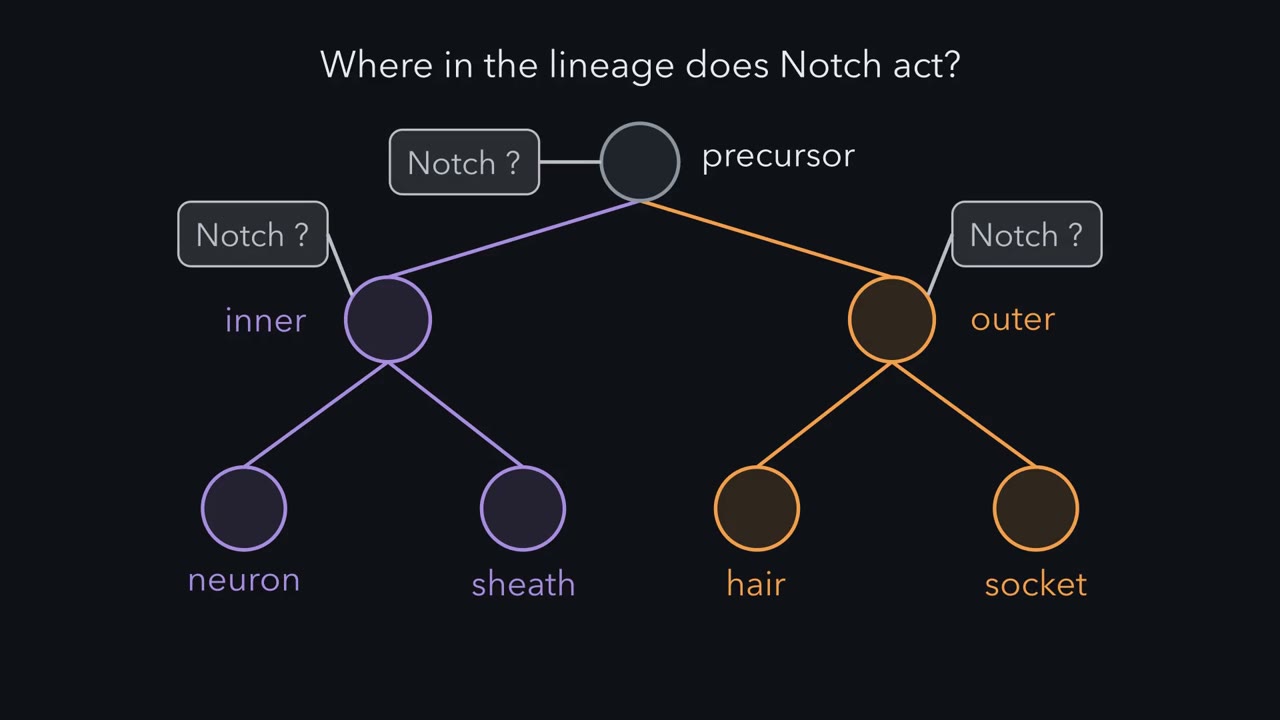
In 2006, Jörg Betschinger, Karl Mechtler and Jürgen Knoblich studied Brat and Prospero. In brat or prospero mutants, both daughters grew like neuroblasts and formed brain tumours. Later work showed the two guard different cells. Brat tumours arise mainly in type II lineages, from intermediate progenitors that fail to mature. Prospero tumours arise from ganglion mother cells. But how can a small leak at every division grow more than a hundredfold? Take one neuroblast that divides once per round. With perfect sorting, each small daughter becomes a ganglion mother cell. With leaky sorting, each small daughter has a chance, f, of staying a neuroblast.
Every neuroblast divides in the next round. Run 50 rounds. How many neuroblasts with perfect sorting? How many if one small daughter in ten stays a neuroblast? With perfect sorting, there is still one neuroblast. Its output just adds up, round by round. With the leak, the neuroblasts multiply every round, on average. The count compounds. With one in ten leaking, the average passes a hundred neuroblasts after 50 rounds.
These round counts are illustrative, not measured. The model counts neuroblasts, not tissue size. It is not a fit to the transplant data. It shows only that a small leak at each division, compounded, can multiply the dividing cells more than a hundredfold. In mammals, the picture is less clear. Mice have Numb and a second relative, Numblike. Removing both early in the nervous system used up progenitors. Removing both in the dorsal forebrain, studied across the later peak of neurogenesis, made progenitors overproliferate. The two studies differ in where and when Numb was removed. Which difference matters is not settled. Numb also has other jobs in these cells.
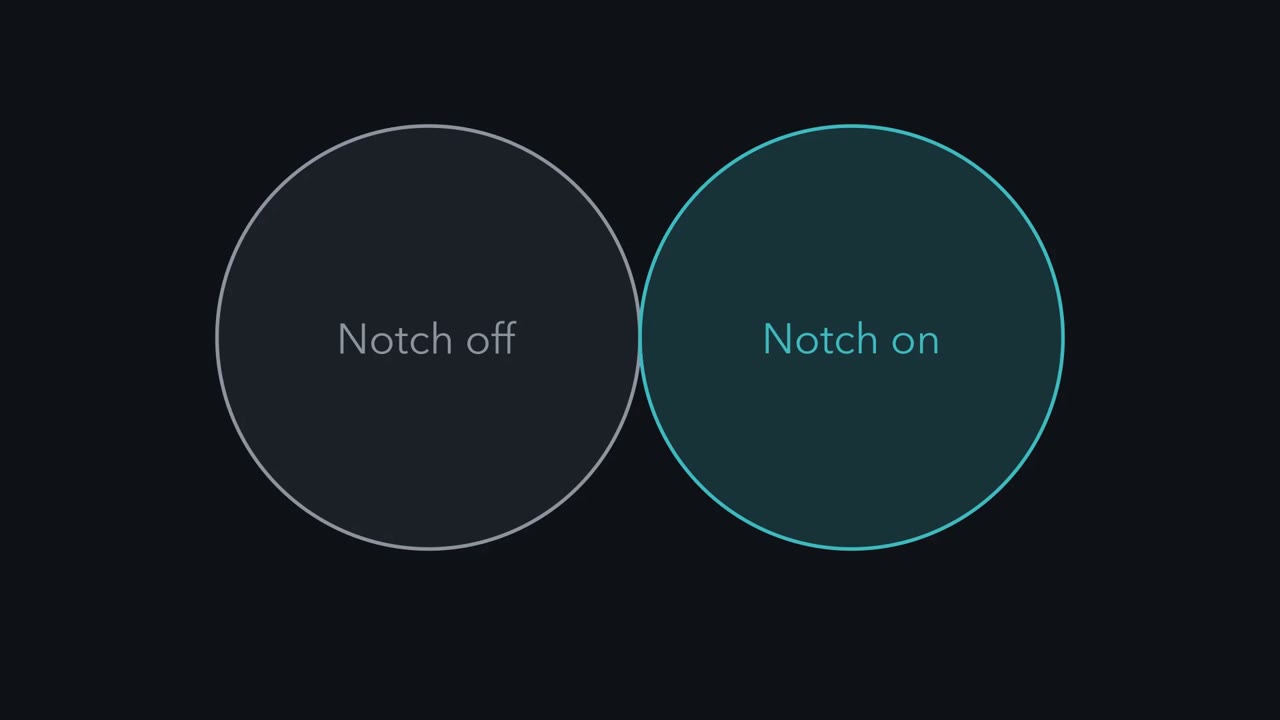
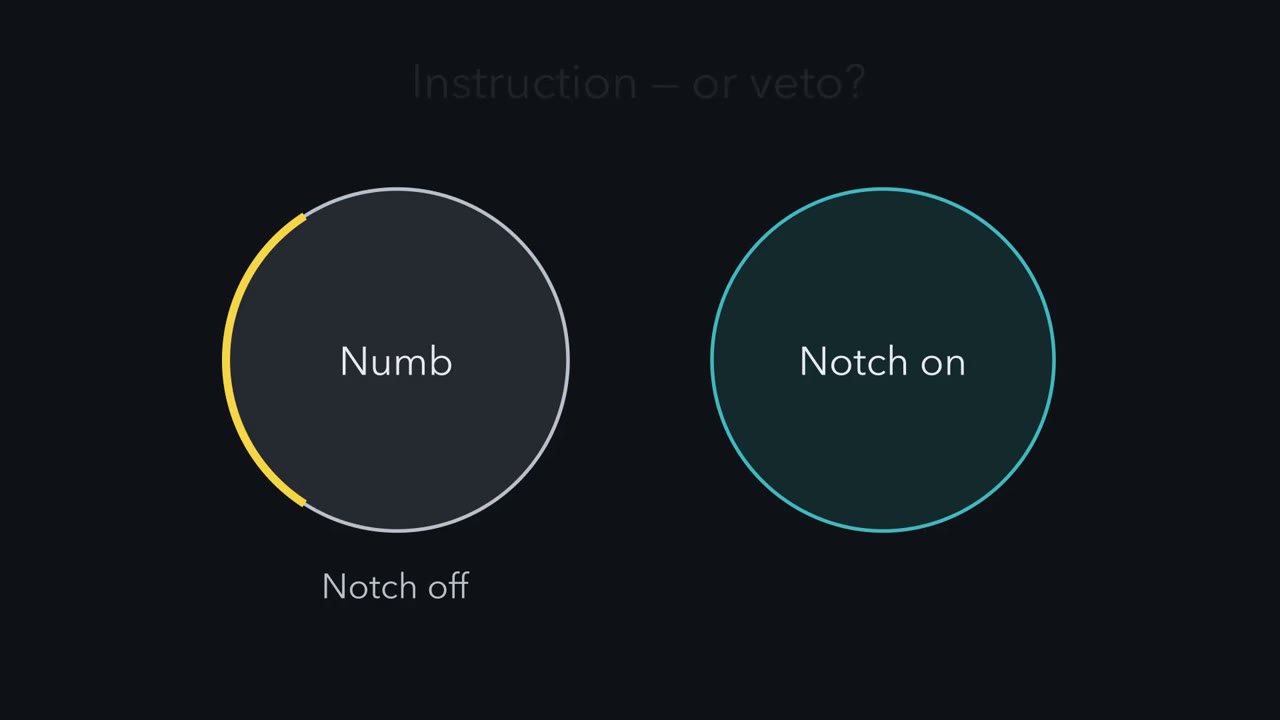
So a mouse phenotype is not automatically a Notch veto. One question points onward. Numb makes two sisters different. It does not say which of many neuron types they become. That depends on when a cell was born, the subject of the next lesson. A rigged division leaks self-renewal into the wrong daughter. Compounded, a small leak can multiply the dividing cells.
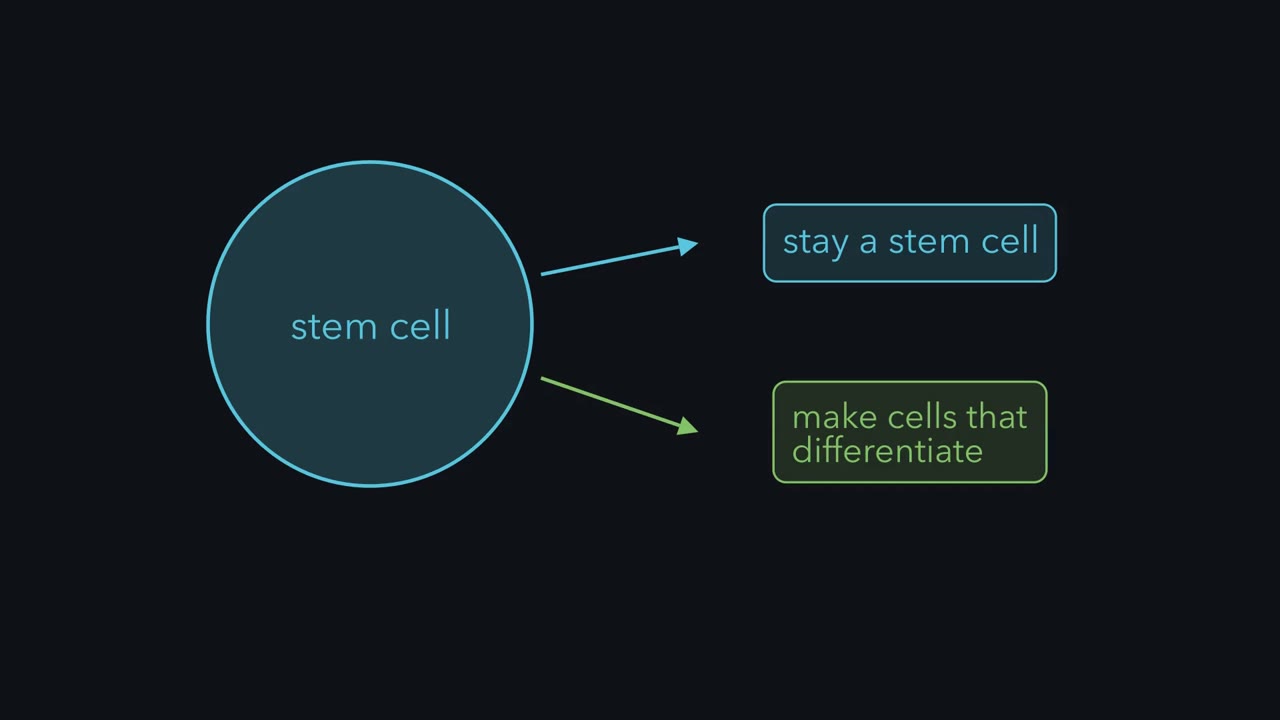
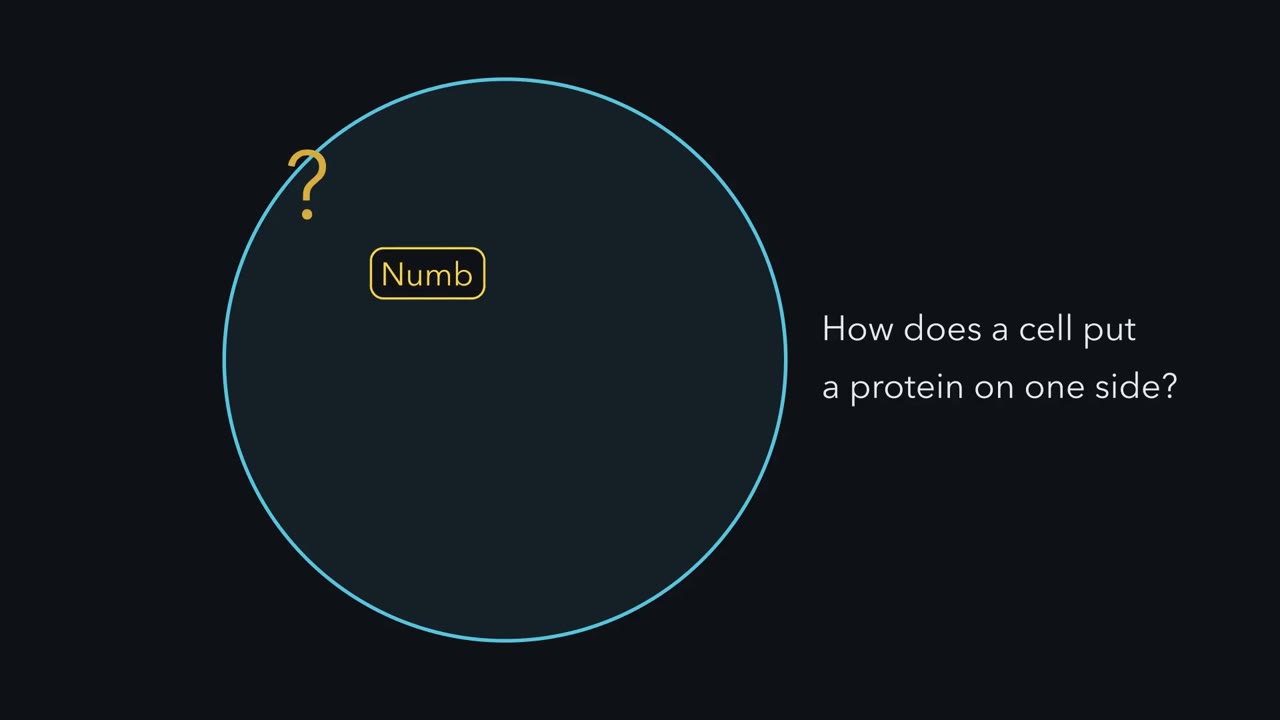
A stem cell has to keep making new cells and also keep itself. How does one cell divide into two sisters that are different from the moment they are born?
Continue in the lesson: Asymmetric Division: Numb and the Neuroblast →
3:21 · Free, with captions and a transcript. The lesson has the full text, the questions and the sources.
More films from this lesson
How this film was made. Narration: an AI narrator voice (Kokoro, af_heart) reading narration written from this lesson's text. Animation: AI-generated in code (Manim) by Claude, a schematic with no drawn molecular structures. Captions come from the narration script. See something wrong? Report it.