When Identity Changes
Read the transcript of “When Identity Changes”
Film transcript: When Identity Changes
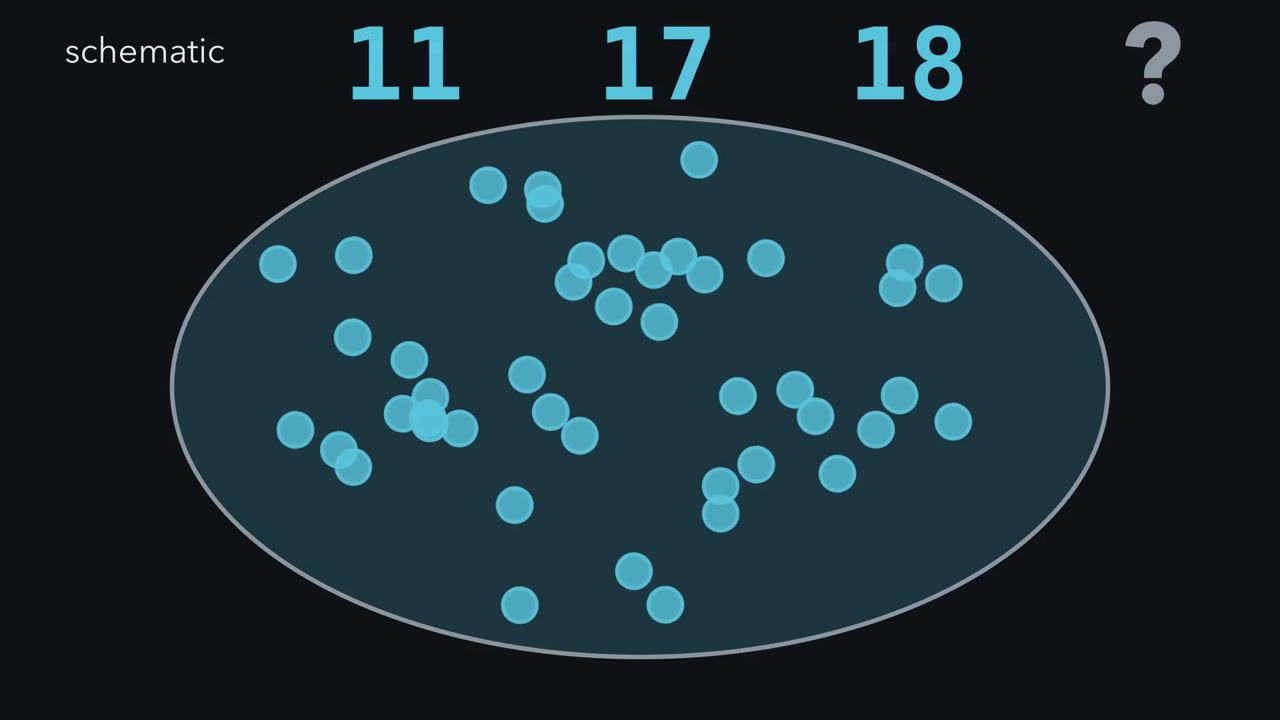
Chapter one treated each cluster as a candidate type. But can the same sensory neuron leave its cluster and later return? Follow its identity through development, injury and another species. Mouse sensory neurons begin subtype specialization after they have become neurons. Early cells coexpress several transcription factors. The cells are not blank; specialization here refers only to subtype identity. Over development, those teal badges narrow into subtype-restricted combinations. The broad starting population resolves into distinct blue branches. Signals from targets contribute to that narrowing. Removing nerve growth factor changed subtype-restricted expression in mouse dorsal root ganglia. Fewer distinct populations remained when nerve growth factor was absent. Keeping the affected neurons alive separated altered identity from selective death. The signal contributes; it does not set every fate alone.
Now cut the peripheral axons. Several blue types lose their subtype markers and gather in one red Atf3-rich cluster. Is that cluster a new permanent type, or a shared state? It behaves as a shared injury state. Existing neurons from many subtypes enter it. The red program promotes regeneration while suppressing the usual subtype signatures. As axons regrow over time, subtype expression reappears and the neurons separate toward their earlier branches. Their fixed gold outlines reveal continuity beneath the changing RNA. The timing is associated with target reinnervation, but timing alone cannot prove cause. Tracing injured neurons argues against selective death.
It still does not show that contact with the target restores identity. Keep the causal arrow dashed. Species adds another boundary. In mouse, Tafa4 is mainly associated with one blue C-fibre touch branch. In human tissue, TAFA4 was strongest in an Aδ touch population. It also appeared in cold-sensing and C-fibre touch populations. The same marker does not guarantee the same type. A missing cross-species match may also come from method. Whole cells and nuclei capture different RNA. A missing group can reflect what the preparation captures, not biological absence. Integration methods are built to align data sets and can merge real differences.
Match preparations, validate markers in tissue and seek independent function. An atlas is a snapshot of cells, methods and conditions. Follow cells through time before calling a cluster permanent. Cross species boundaries only after matching the view. Identity is biological, but every atlas samples it.
Single-cell sequencing split the touch, pain and itch neurons of the dorsal root ganglion into many molecular kinds, far finer than C, Aδ and Aβ fibres. When does one of those clusters earn the name cell type?
Continue in the lesson: Sensory Neurons by Their Genes: the Atlas Era →
3:35 · Free, with captions and a transcript. The lesson has the full text, the questions and the sources.
More films from this lesson
How this film was made. Narration: an AI narrator voice (Kokoro, af_heart) reading narration written from this lesson's text. Animation: AI-generated in code (Manim) by Claude, a schematic with no drawn molecular structures. Captions come from the narration script. See something wrong? Report it.