Two Equal Cells, Two Fates
Read the transcript of “Two Equal Cells, Two Fates”
Film transcript: Two Equal Cells, Two Fates
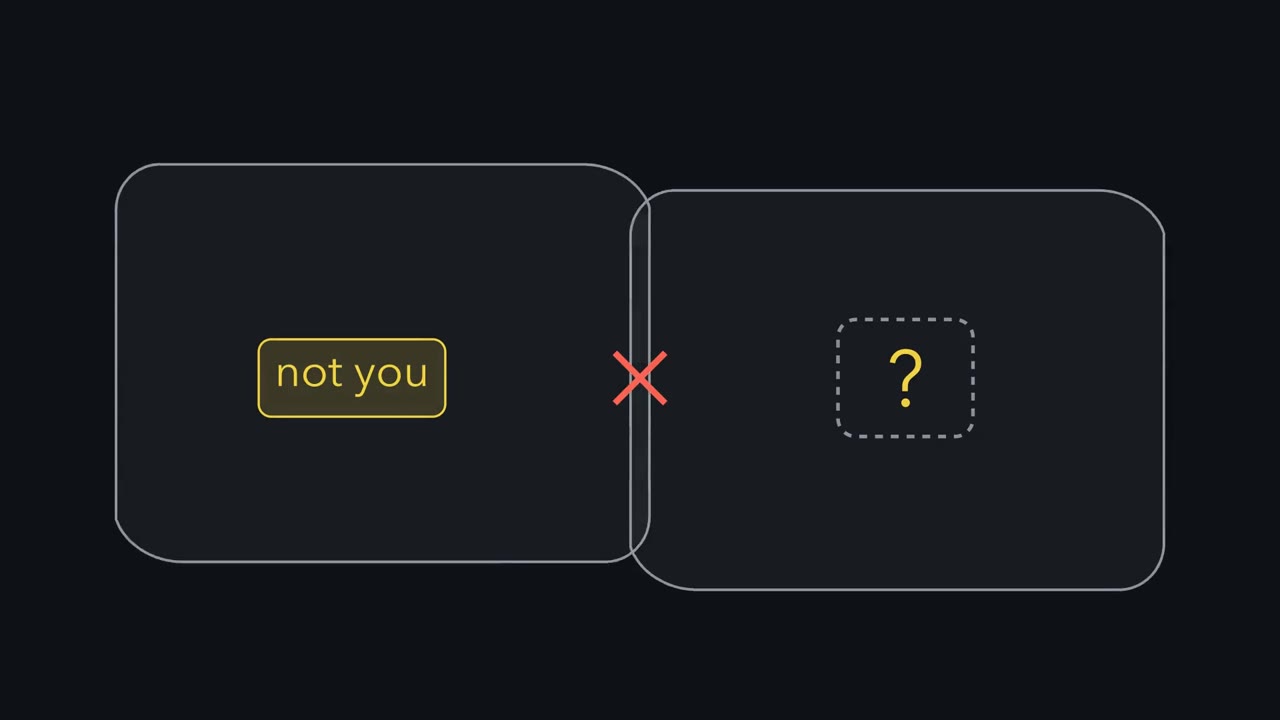
In the gonad of a worm larva, two cells lie side by side. They are named Z1.ppp and Z4.aaa. In every worm, one becomes the anchor cell. The other becomes a ventral uterine precursor. But which is which varies. Each cell takes the anchor fate in about half of animals. Kill Z1.ppp with a laser, and Z4.aaa becomes the anchor cell. Kill Z4.aaa instead, and Z1.ppp does. Whichever one you kill, the survivor always becomes the anchor cell. So the other fate needs a neighbour. Greenwald's thesis work, with Paul Sternberg and Robert Horvitz, tied the choice to a gene called lin-12. With no lin-12, both cells become anchor cells. With overactive lin-12, neither cell does.
Now take mosaic worms, in which only one of the two cells lacks lin-12. That cell always becomes the anchor cell. What circuit between two equal cells could produce that?
How do two identical cells, side by side, decide which one becomes the nerve cell?
Continue in the lesson: Notch: Signaling by Contact and by Cutting →
1:26 · Free, with captions and a transcript. The lesson has the full text, the questions and the sources.
More films from this lesson
How this film was made. Narration: an AI narrator voice (ElevenLabs, Sarah) reading narration written from this lesson's text. Animation: AI-generated in code (Manim) by Claude, a schematic with no drawn molecular structures. Captions come from the narration script. See something wrong? Report it.